Carlos Zhou Zheng’s Humorous Costa Rican Pixel Art
Carlos Zhou Zheng is a Chinese-Costa Rican artist who portrays Costa Rica as colorful humorous pixel art.
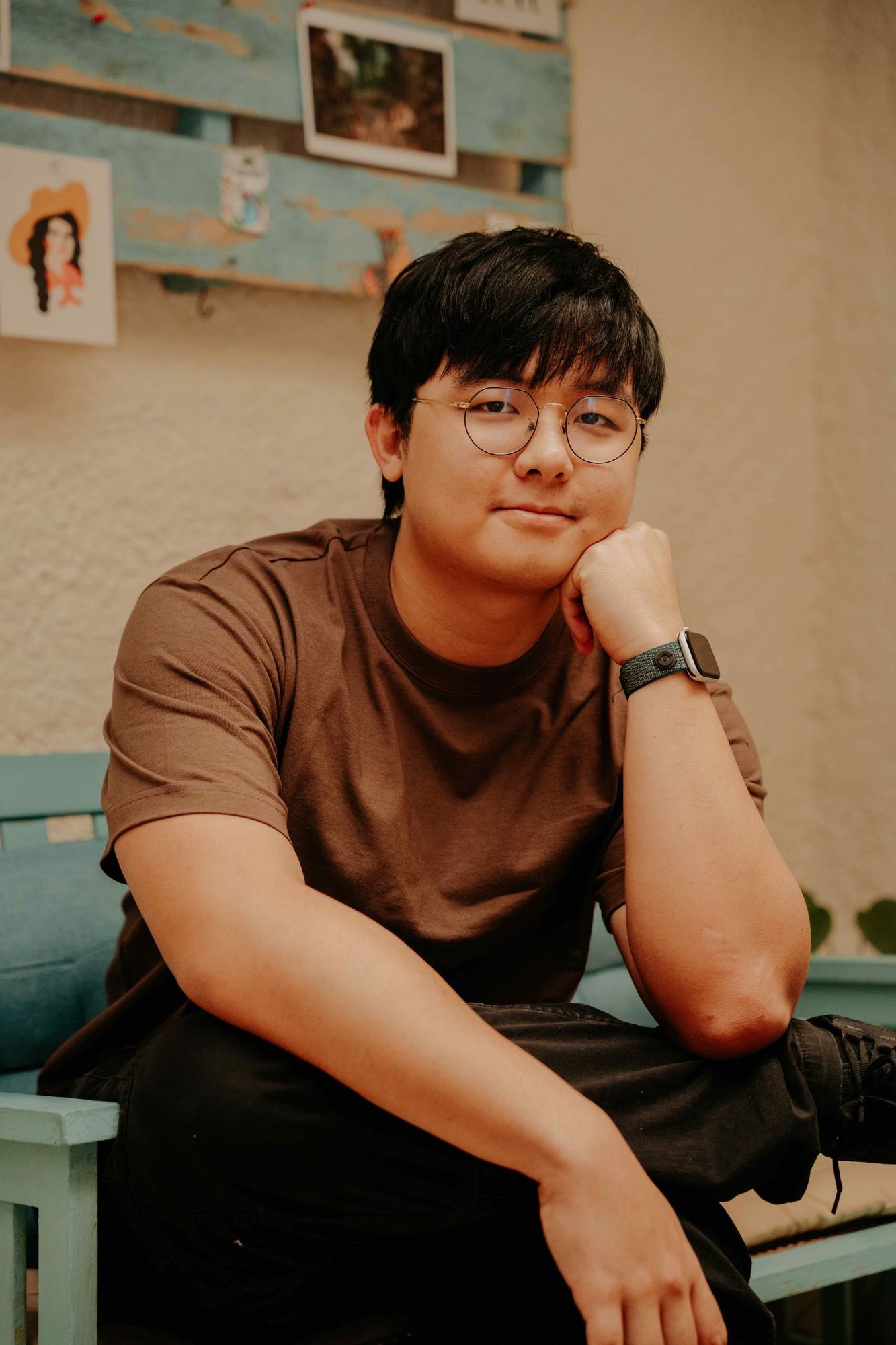
As a child, Carlos Zhou Zheng – better known as Colorblind Pixel – was really drawn to video games and anime. He’d spend a lot of time using his different Nintendo consoles and drawing his favorite characters from his favorite television series. He also spent a lot of time playing Minecraft, which is a quite obvious reference and influence in his pixel art.
That love for the heartwarming memories of his childhood spent playing video games and the nostalgia that it evokes, is one of the main reasons he now creates his colorfully humorous Costa Rican pixel art.
“If you look, what I base myself on a lot is portraying Costa Rica in a nostalgic manner. For example, I grew up with Frescoleche, which is something many of us were raised with as children,” Zhou Zheng said. “Old things like Choco Quqi and more snacks that don’t exist anymore or that had a re-branding and they don’t taste the same.”
Along with that Costa Rican nostalgia, Zhou Zheng ties it with the longing of the past that's intrinsically with with pixel art related to old video games and consoles. It takes him back to his childhood. So, he thought of merging these two feelings because of the synergy it creates.
It’s art he creates one pixel at a time, which portrays his deep and profound love for Costa Rica. It’s also about his upbringing in the town of Liberia in the province of Guanacaste, located in the northern Pacific coast of the Central American country.
0:00
/0:21
But before we dive deep into the Chinese-Costa Rican self-taught artist’s creative process, we must first understand his childhood. His parents migrated from China to Costa Rica in search of better opportunities. They both ended up in Liberia separately, met there, and then, he was born.
His father had a cousin living in Liberia, who already had a business there.
“My father started working there. Since everything was in Liberia, the opportunity was there. They were there. It was quite hard on them,” Zhou Zheng said. “I feel my parents are very hardworking people. They’ve worked a lot and thankfully, they’ve improved a lot. They now have their own business in Liberia and stayed there.”
While Zhou Zheng’s parents were busy at work, Don Memo and Doña Betty – an elder Costa Rican couple – took care of him in Liberia, Guanacaste. He attributes them for encouraging his deep love and affection for Costa Rica. Thanks to that, he described his childhood as one that was more criolla and grounded in Costa Rican traditions.
He learned and enjoyed first-hand about the Costa Rican legends and tales. He constantly ate the typical food of Guanacaste and he believes that that strongly influenced his art.
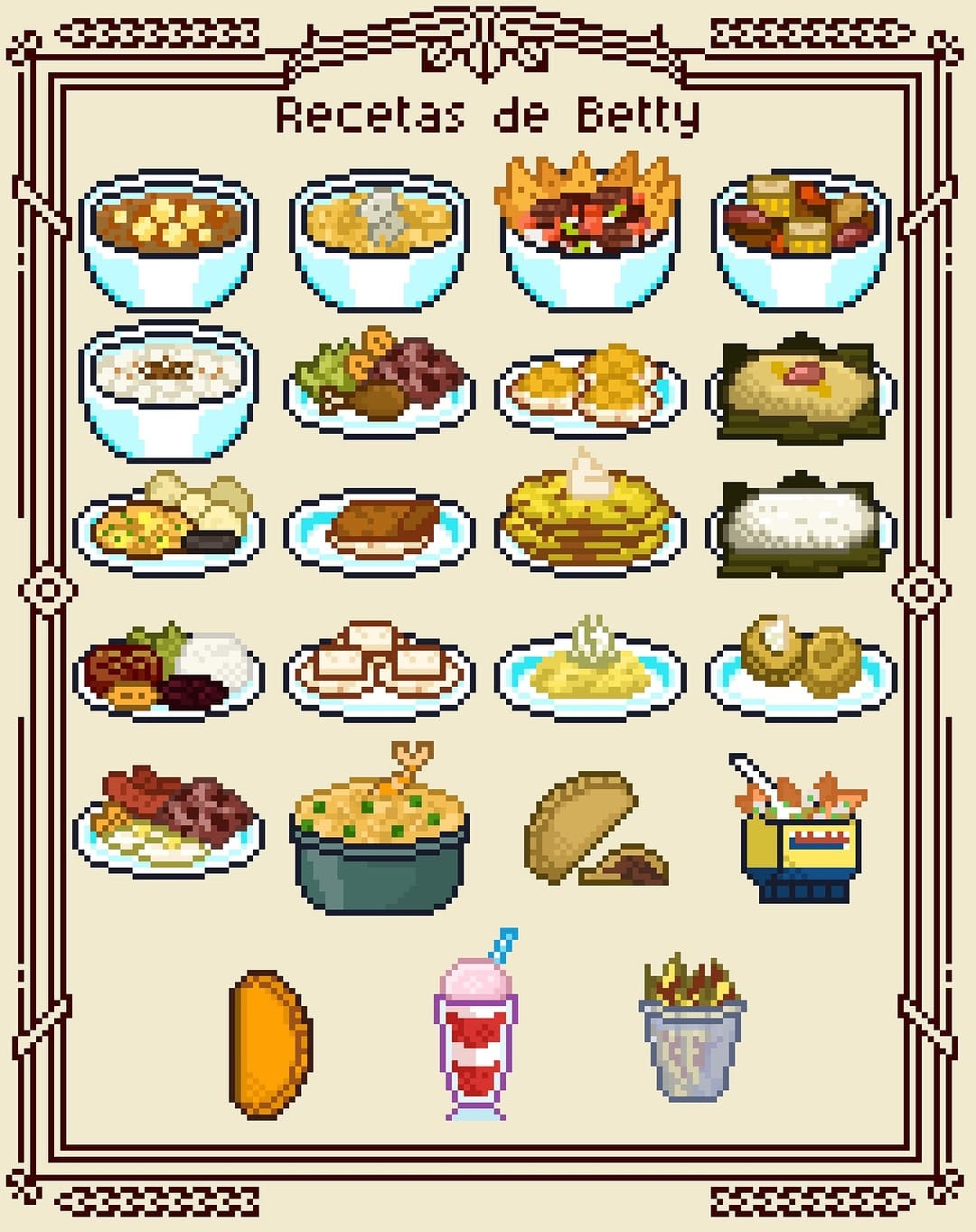
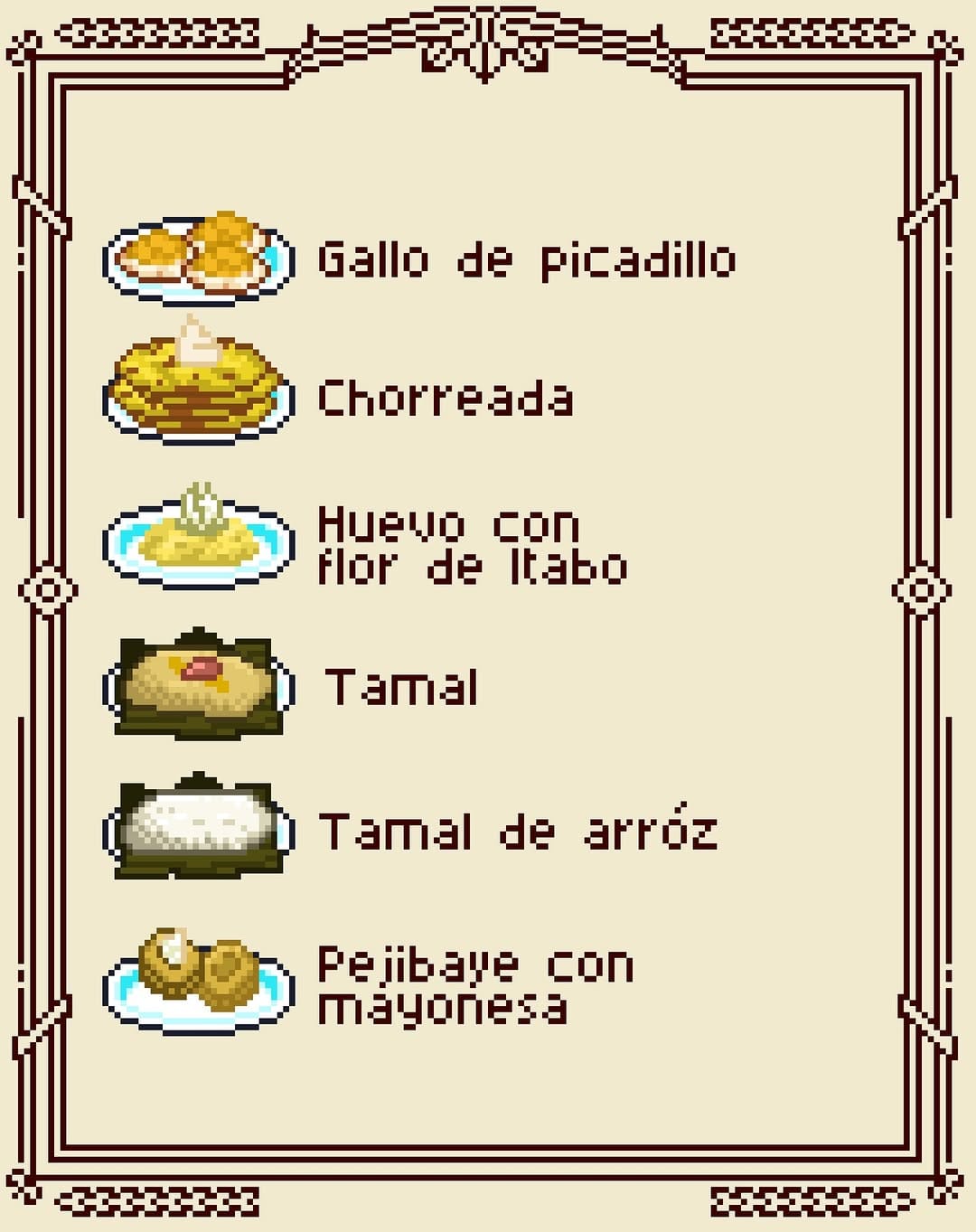
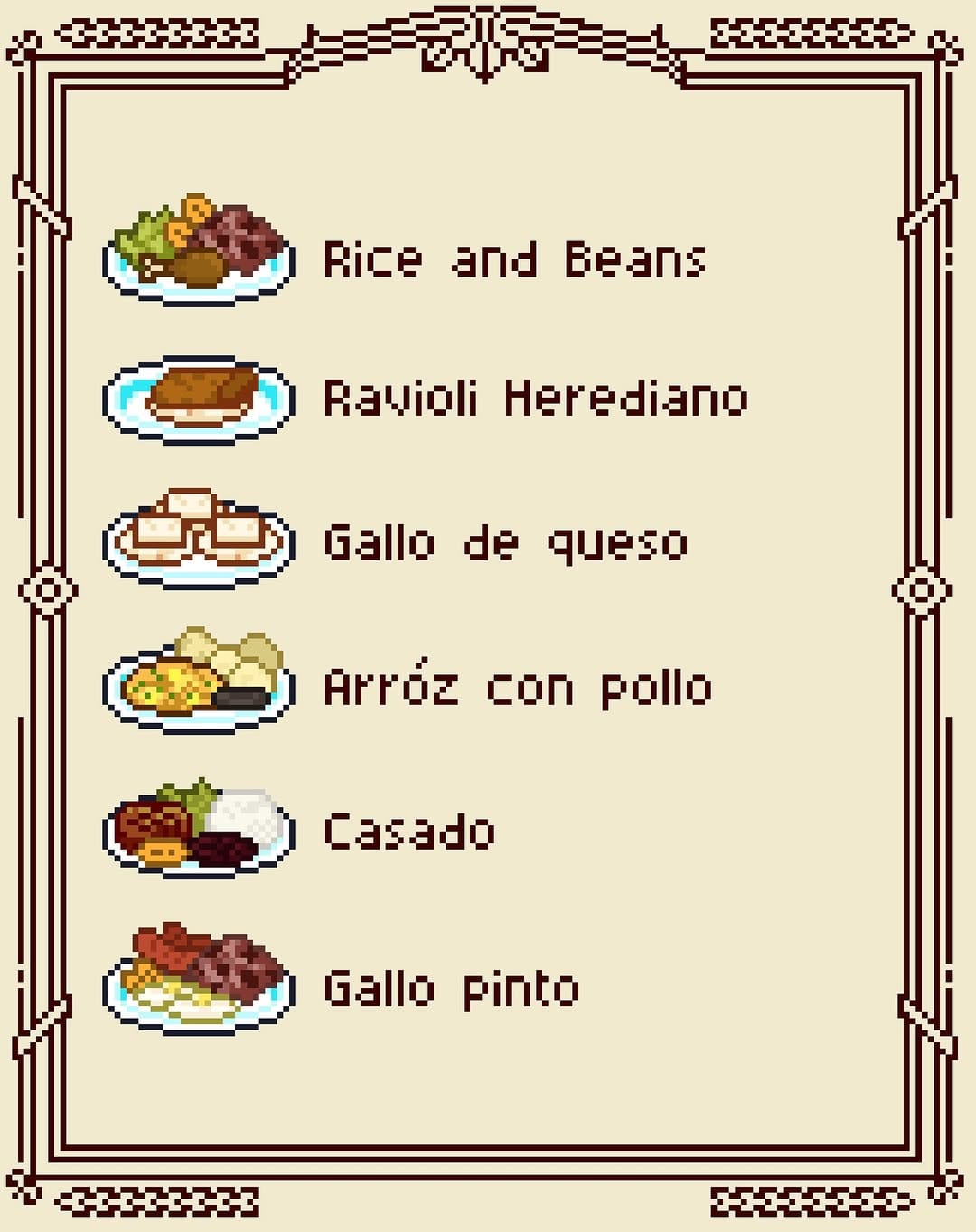
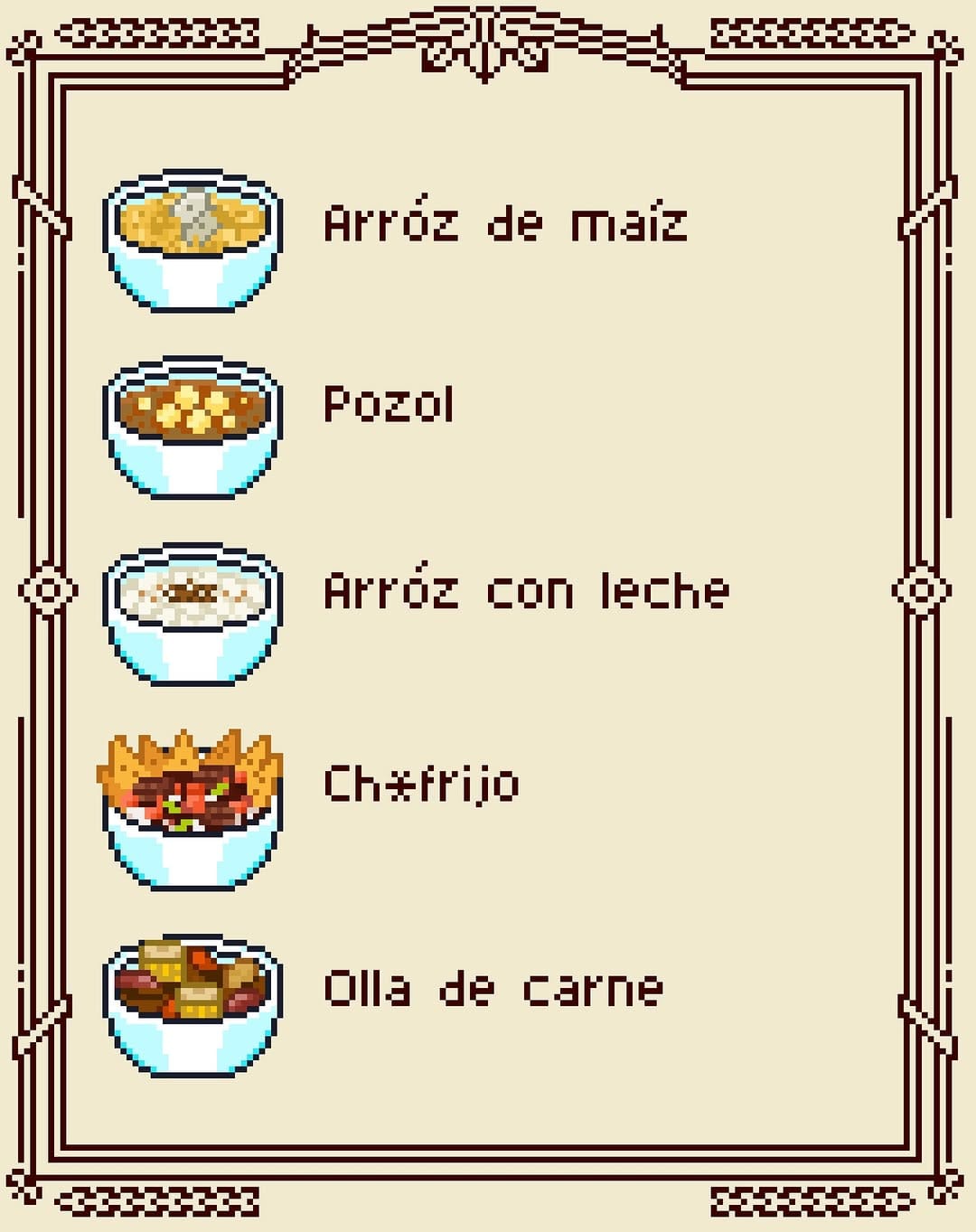
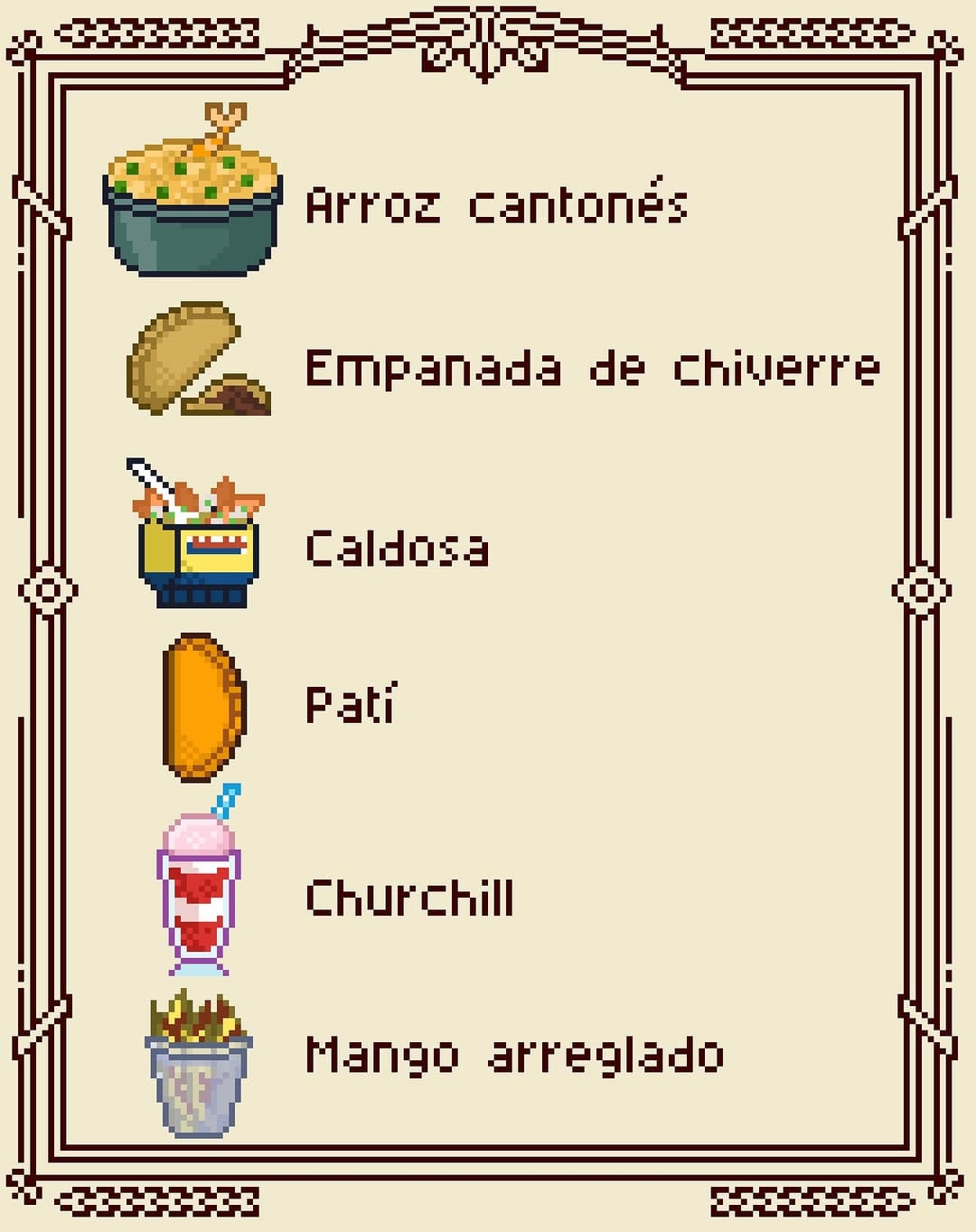
A varied selection of Doña Betty's recipes with which Carlos Zhou Zheng grew up. | Art via Carlos Zhou Zheng's Instagram | Impulsiva Stories
It's that love for the Costa Rican folklore. That innate and natural way of being Costa Rican without giving it much thought. Even if he feels he’s been living in a limbo between his identities as a Costa Rican and Chinese person.
“I’ve always been in a limbo. I’m in Costa Rica and clearly, people look at me and say: este mae no es tico. Este mae es chino,” Zhou Zheng said. “If I go to China, something very curious happens as well. I have a Chinese body, but I’m not Chinese. So, there’s always been that limbo.”
Listen to Carlos Zhou Zheng
0:00
/22.013333
In spite of that, Zhou Zheng believes that the experience he’s had in Costa Rica has been very pleasant. It’s been very beautiful. Every person he’s met, has been very welcoming with him. He has lived beautiful and heartwarming experiences within the Costa Rican context.
That’s the place from where his love sprouts. That’s why he wants to honor Costa Rica in whatever masterpiece of pixel art that he creates. His artworks can go from illustrations of a book and his own video game based on the tiny Central American nation, to his many pixelated digital illustrations for social media.
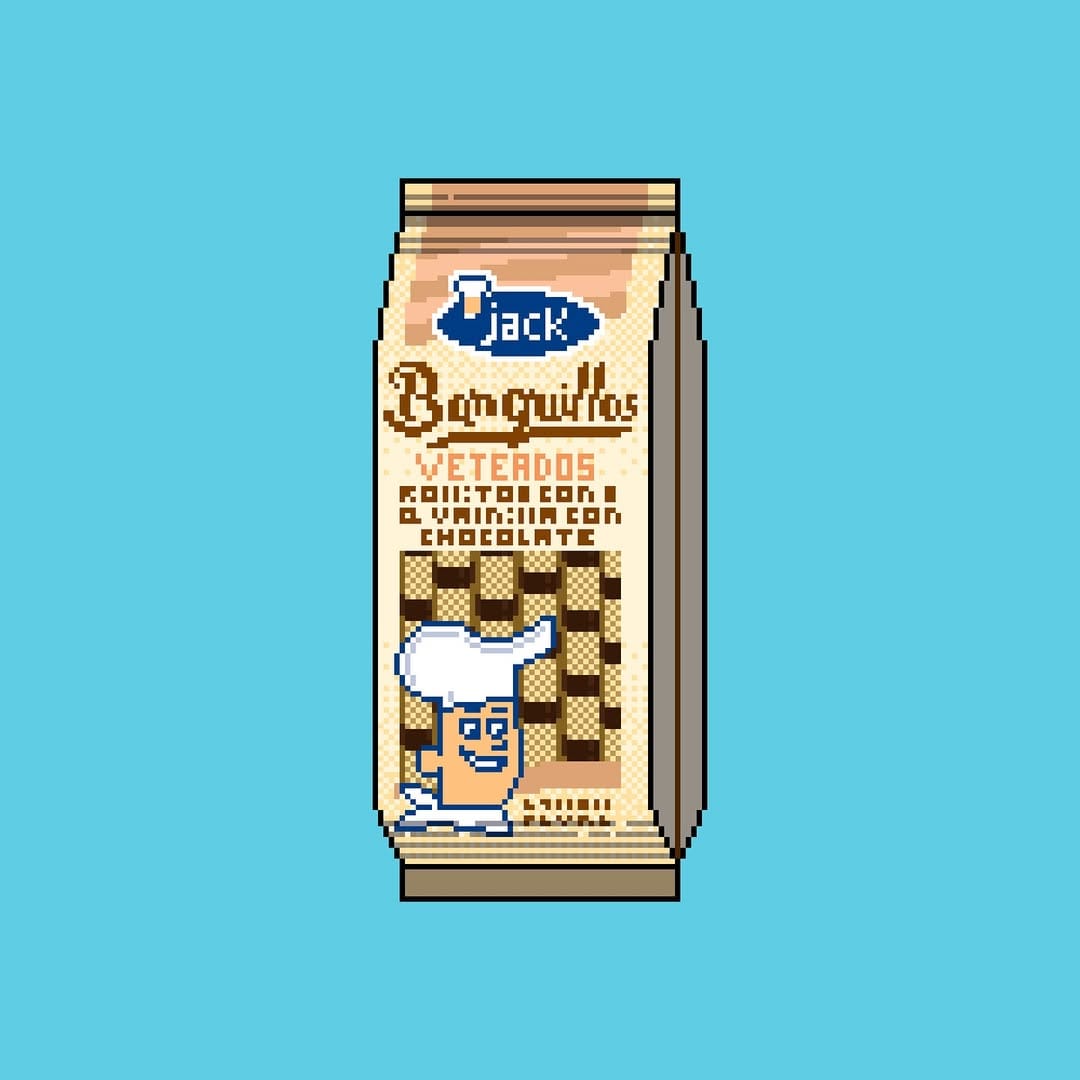
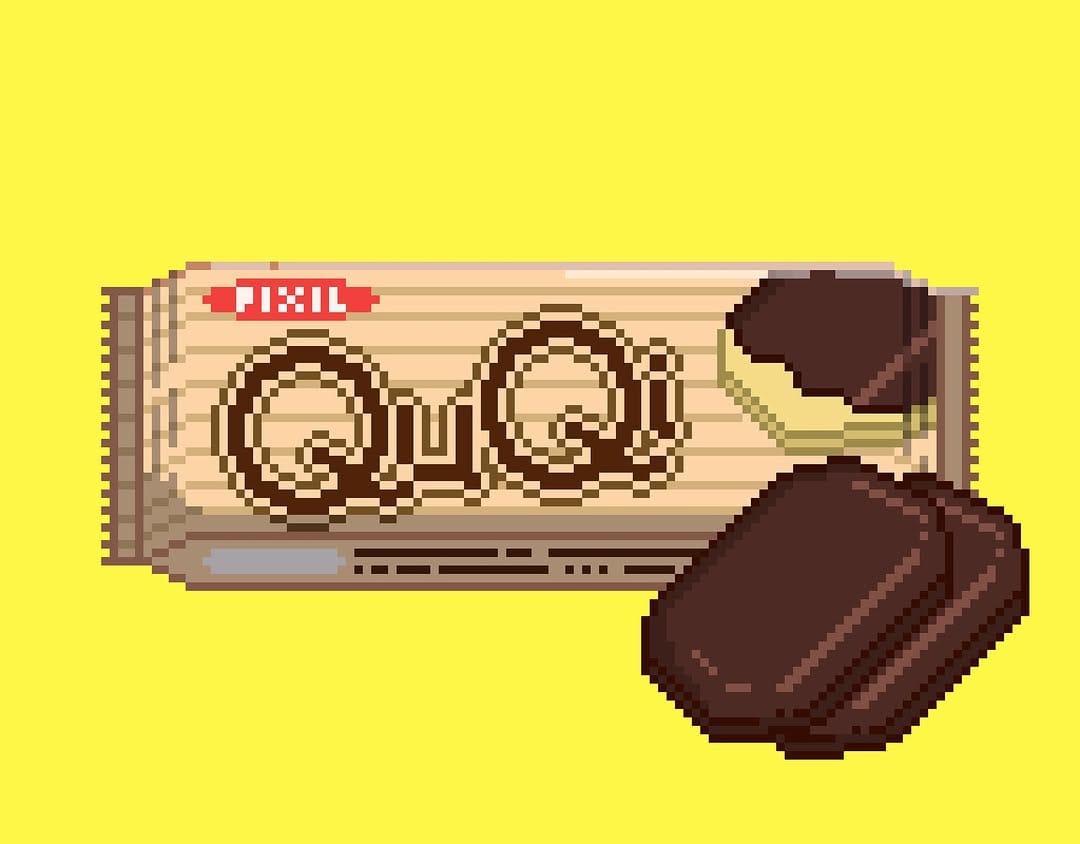
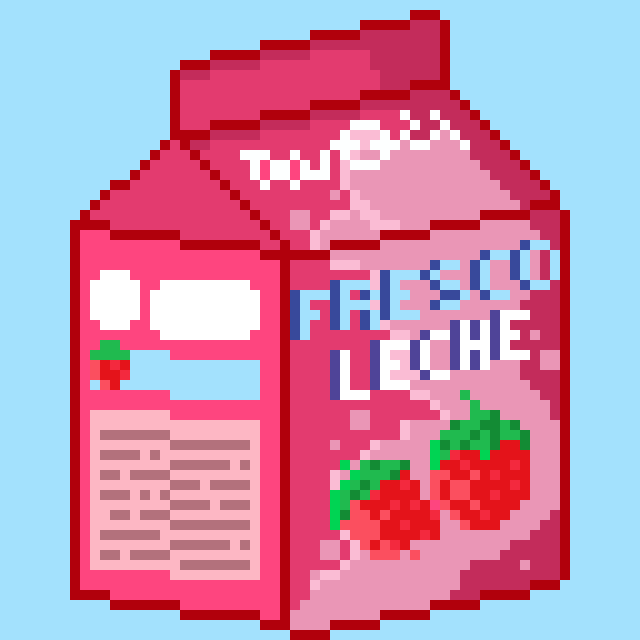
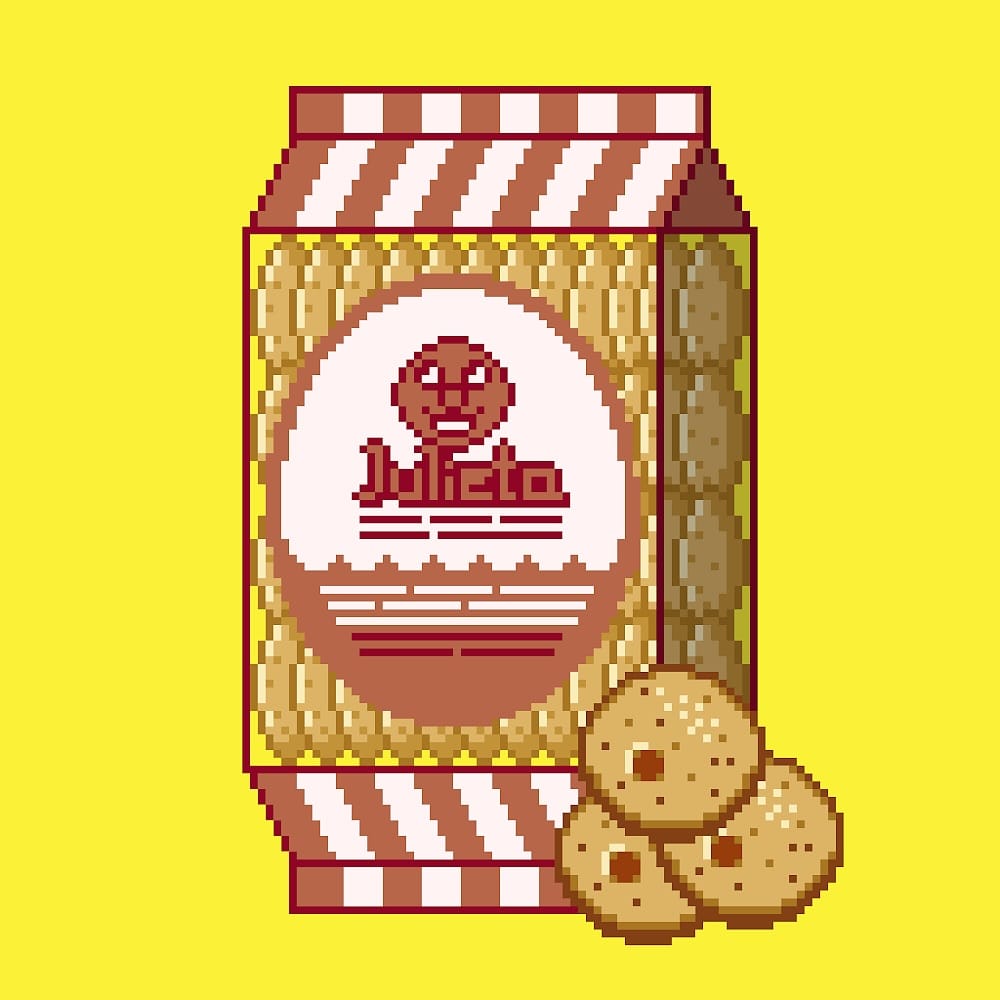

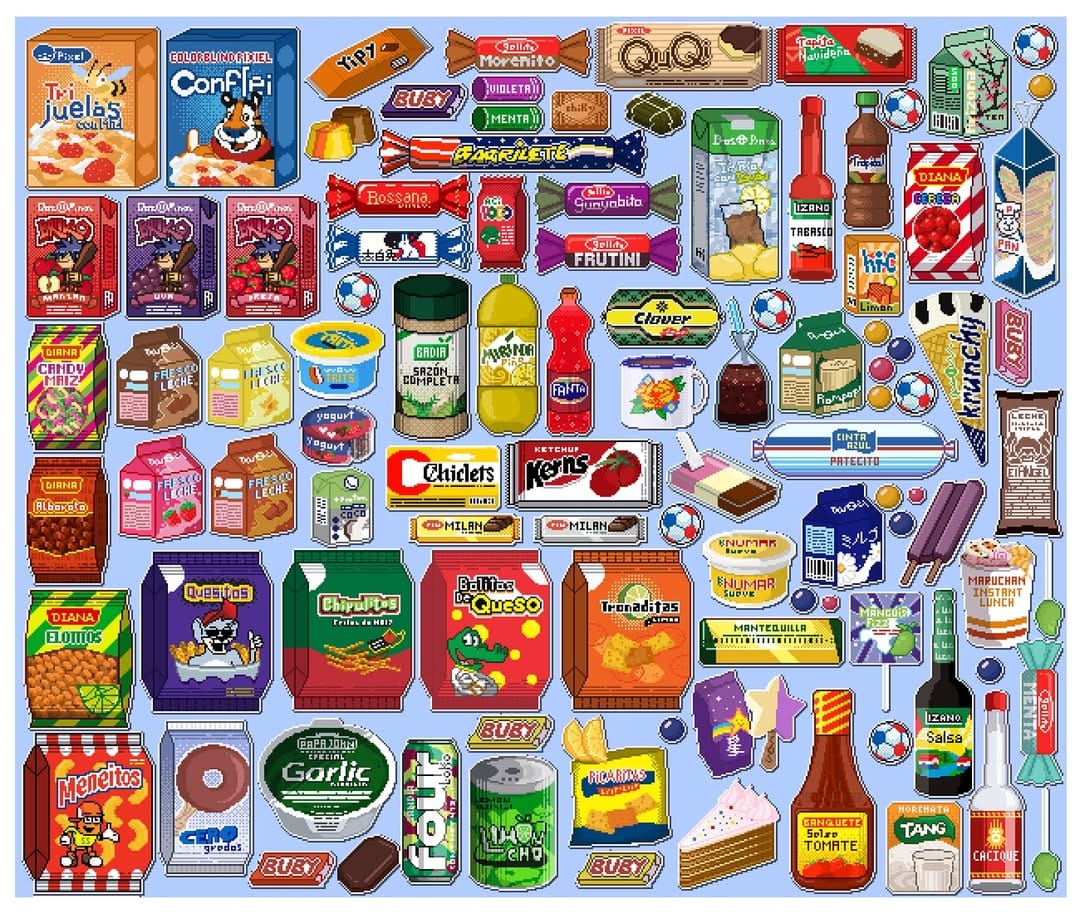
Barquillos veteados (top left), Choco Quqis (top center), Frescoleche (top right), galletas Julieta (down left), pan Bimbo (down center), and a compilation of snacks and candies (down right) that are Costa Rican staples. | Art via Carlos Zhou Zheng's Instagram | Impulsiva Stories
The themes are also very varied. They can come from Zhou Zheng remembering about food he loved as a child. They can be based on his admiration for iconic Costa Rican cultural symbols. They can be about researching a bit deeper into what makes Costa Rica, Costa Rica according to its different provinces and multiculturalism.
But something that they all have in common is the Costa Rican humor and Zhou Zheng’s personality. He always takes everything with humor and he’s almost never very serious about anything. He always has a joke or a certain laughable way to face whatever comes his way.
Don't Forget to Subscribe to
The Story of The Story
For only $16 a month, every Friday you'll have exclusive access to
The Story of The Story. Our founder, the Costa Rican award-winning multimedia journalist and artist Elizabeth Lang, guides you through her creative process to produce her stories.
It’s a natural part of his personality and maybe, a coping mechanism. But it’s also something very natural in what it implies to be Costa Rican.
“What I think is remarkable about the humor tico, is that we’re a very small country. It doesn’t really have that much visibility globally. The fact that there are such absurd things happening in this country, is the funny part or the strongest punchline we have,” Zhou Zheng said. “We’re a very small country and very strange things happen that don’t occur in other countries.”
Listen to Carlos Zhou Zheng
0:00
/26.429333
Art Imitates Life with Costa Rican Cows
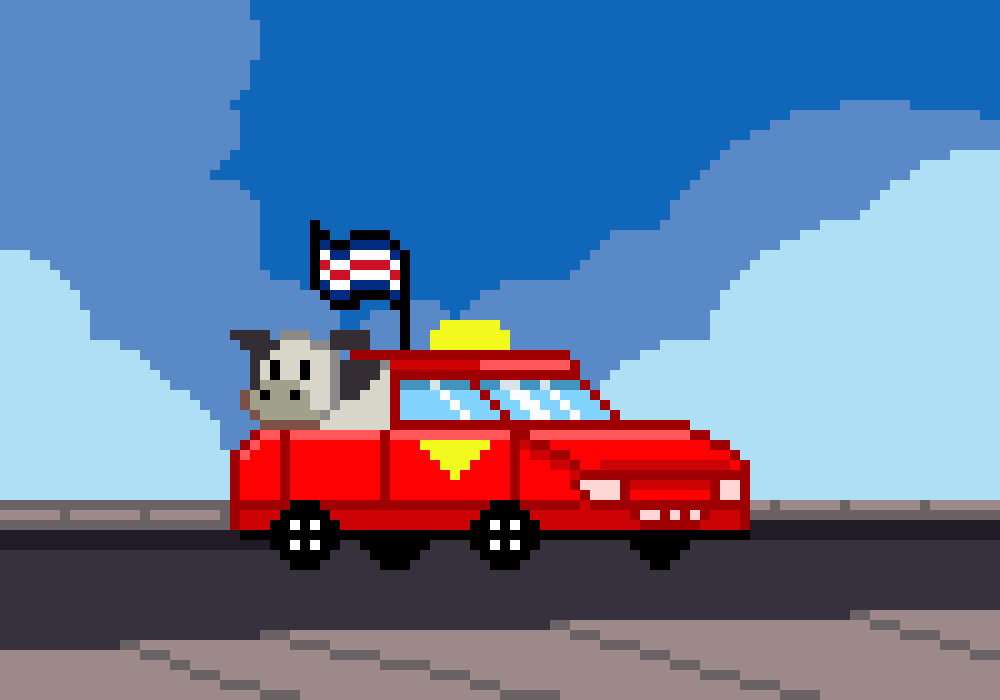
And some of these events have been portrayed for eternity in Zhou Zheng’s masterpieces. Three artworks that immediately come to mind are in reference to the times in Costa Rica in which a cow was stolen and driven around in a red taxi cab. The time a cow got onto a roof. And the very specific moment in which Jill Paer, the U.S. chef and presenter, became a legend while she was airing live on television and an earthquake happened in the middle of the broadcast.
To draw out these very specific and transcendental moments of Costa Rican culture, Zhou Zheng is very active on social media and constantly reads the news. He’s deeply fascinated with the hilarious events of cows becoming protagonists in Costa Rican society in very bizarre ways.
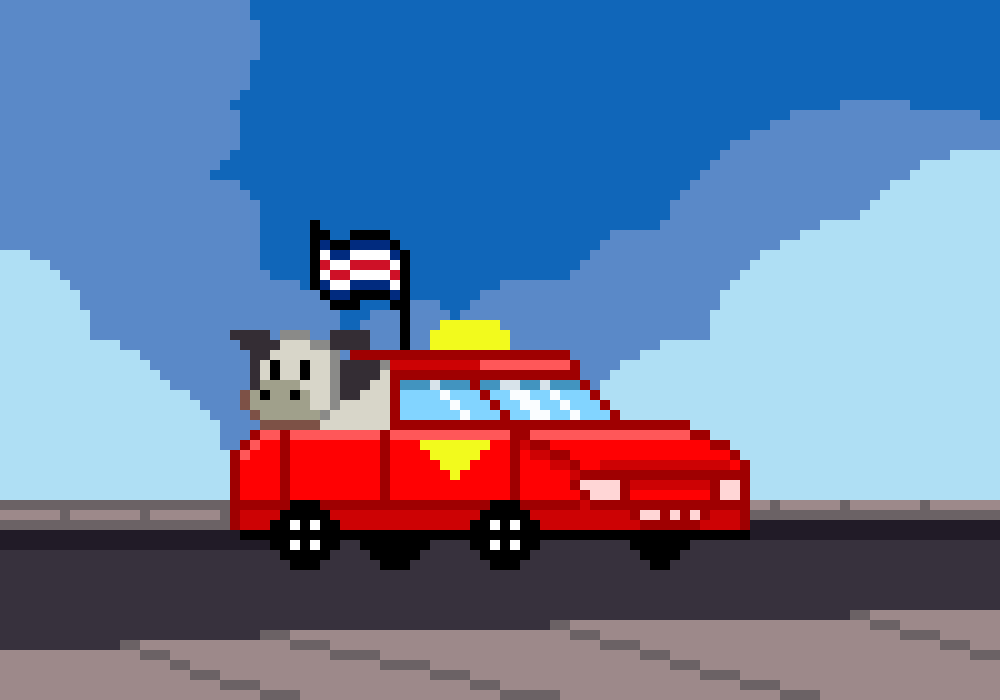
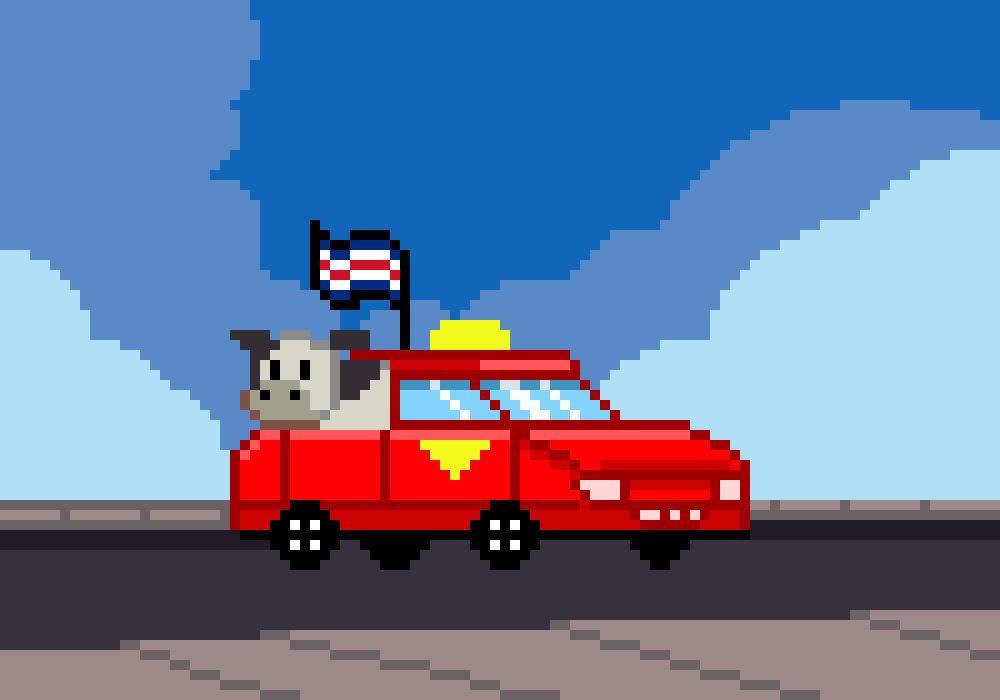
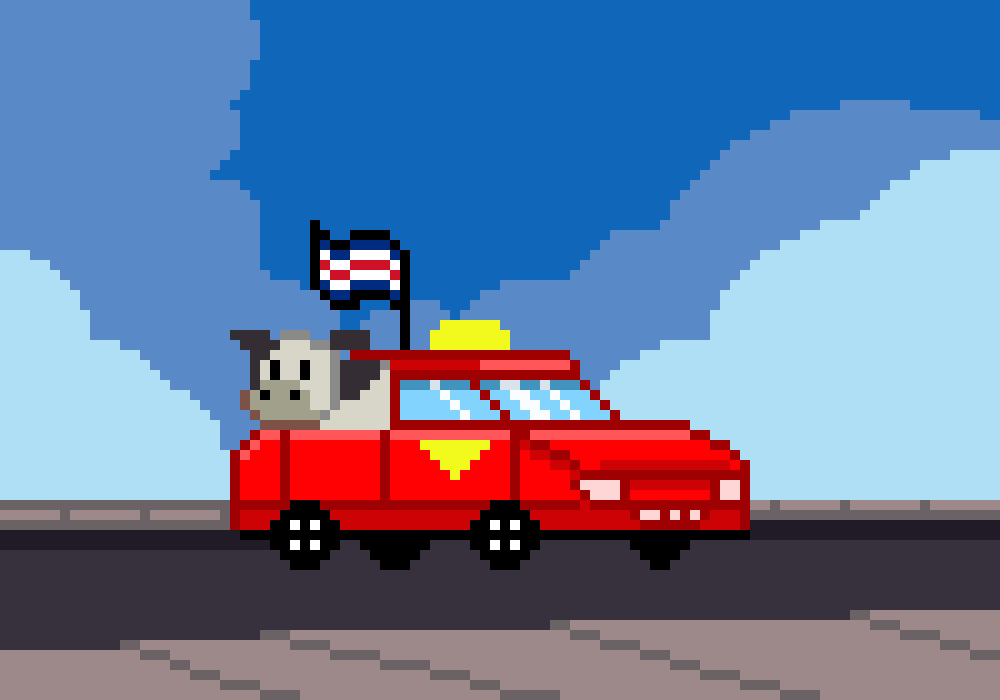
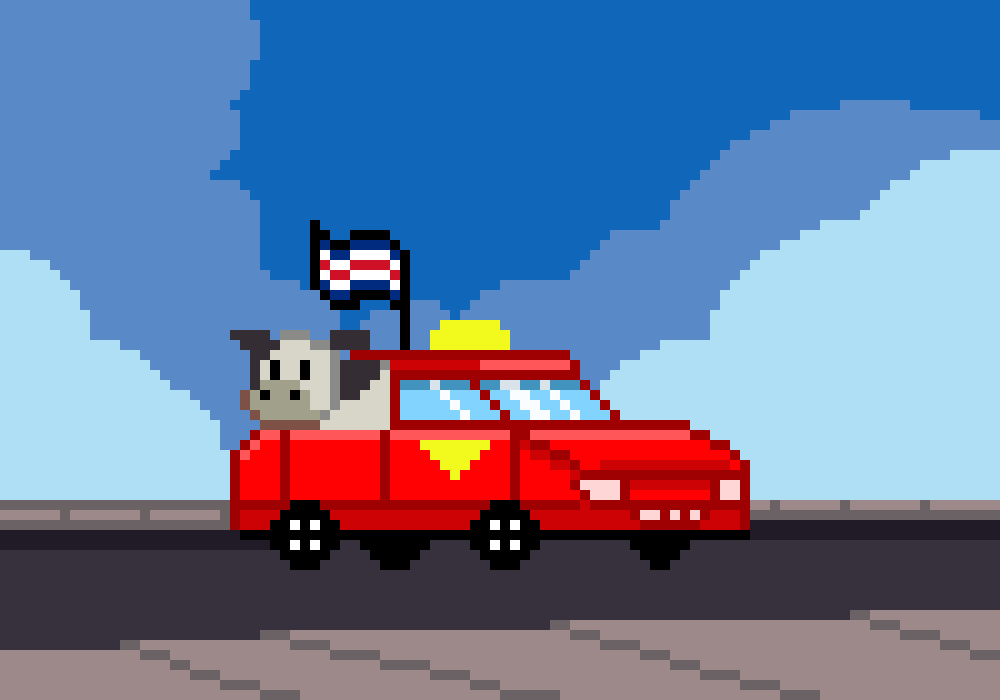
His artwork of a cow inside a red taxi cab with a Costa Rican flag is in reference to the cow named Milagro that became famous in 2004. Back in the day, the Fuerza Publica (Costa Rican police) in Santo Domingo de Heredia received call. A strange car was parked in the middle of nowhere.
When the police got near the odd vehicle, they saw an unusual shadow in the back of the car. They thought it was a couple, but to their surprise, they found the cow María del Milagro, better known as Milagro in Costa Rican pop culture.
This very bizarre and hilarious event, heavily inspired Zhou Zheng to artistically honor Milagro through his pixels because of how absurd the situation is.
Even if Costa Ricans wanted to logically explain this, there is no way to do so. It just happens and it just makes complete sense in our culture. We don’t even question it at all because it’s the norm. It’s something that definitely happens in Costa Rica without giving it much thought.
That’s why art imitates life. Maybe it’s just the Costa Rican magic realism or the real Costa Rican experience. But anything that has to do with cows in absurd situations always inspires Zhou Zheng creatively.
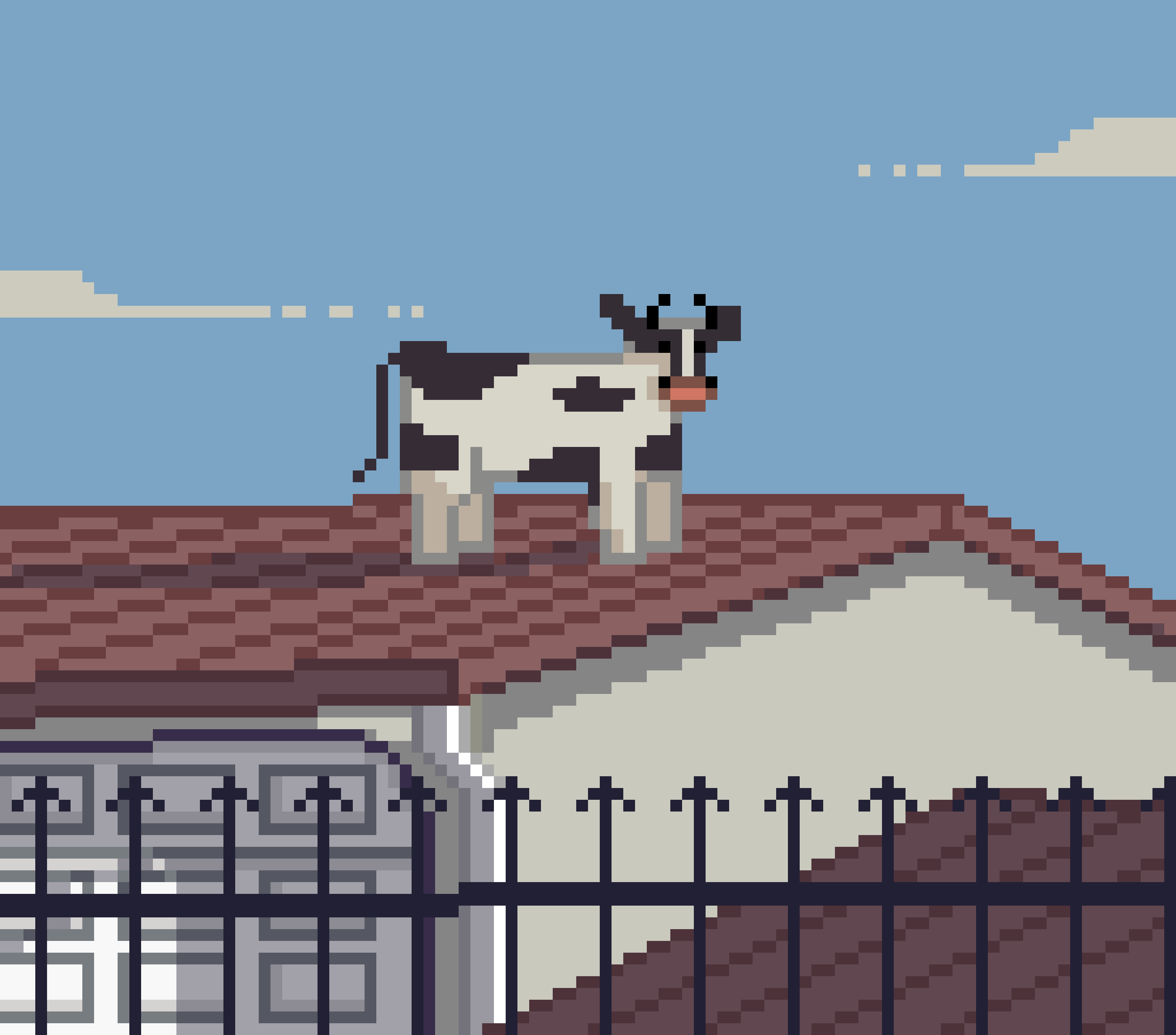
The cow on the roof is another great example of that. Again, nothing makes sense. There’s no reasoning as to why a cow ended up on a roof, but it’s Costa Rican culture at its maximum expression.
In 2022, a cow got on the roof of a house in the town of Zarcero, in the province of Alajuela. No one understands how it ended up there, but it simply became an icon for Zhou Zhen.
“I did do that [art] in that moment. I was scrolling on social media and I saw that news. I thought it was absurd. That was when I decided to draw it and upload it to social media,” Zhou Zheng said.
The absurdity of Costa Rica never disappoints its local audience. That’s also why Jill Paer became a national legend and icon. In January of 2009, Costa Rica was hit with a very strong earthquake in the town of Cinchona in Alajuela. It was 6,2 on the Richter scale and, unfortunately, 25 people died.
When the earthquake happened, Paer and her father William Paer, were live on television for her show “¡Qué rico!” and obviously, it scared them. While the earthquake happens, you can see her horrified face accompanied with screams of “oh my God” and “está temblando.” You can also listen to her father cursing in Spanish on the background and simultaneously shouting “calma.”
Zhou Zheng took inspiration of that video and created his own pixel art version. It’s a moment in culture that has endured over time in a majestic manner.
“That moment was very funny and curious because the poor lady was live on television when that earthquake happened. The reaction she had, was out of script. She was on live television and was like: oh my God! Oh my God! And the man on the background saying: ¡jueputa!,” Zhou Zheng said laughing.
Listen to Carlos Zhou Zheng
0:00
/37.181333
Zhou Zheng drew it and he now has the animation ready to post on social media whenever there’s an earthquake. He’s so quick to post it, that even his followers jokingly comment saying his art sometimes announces an earthquake in Costa Rica even before the official authorities indicating the epicenter and strength.
0:00
/0:16
Illustrating a “Costa Rica Curiosa”
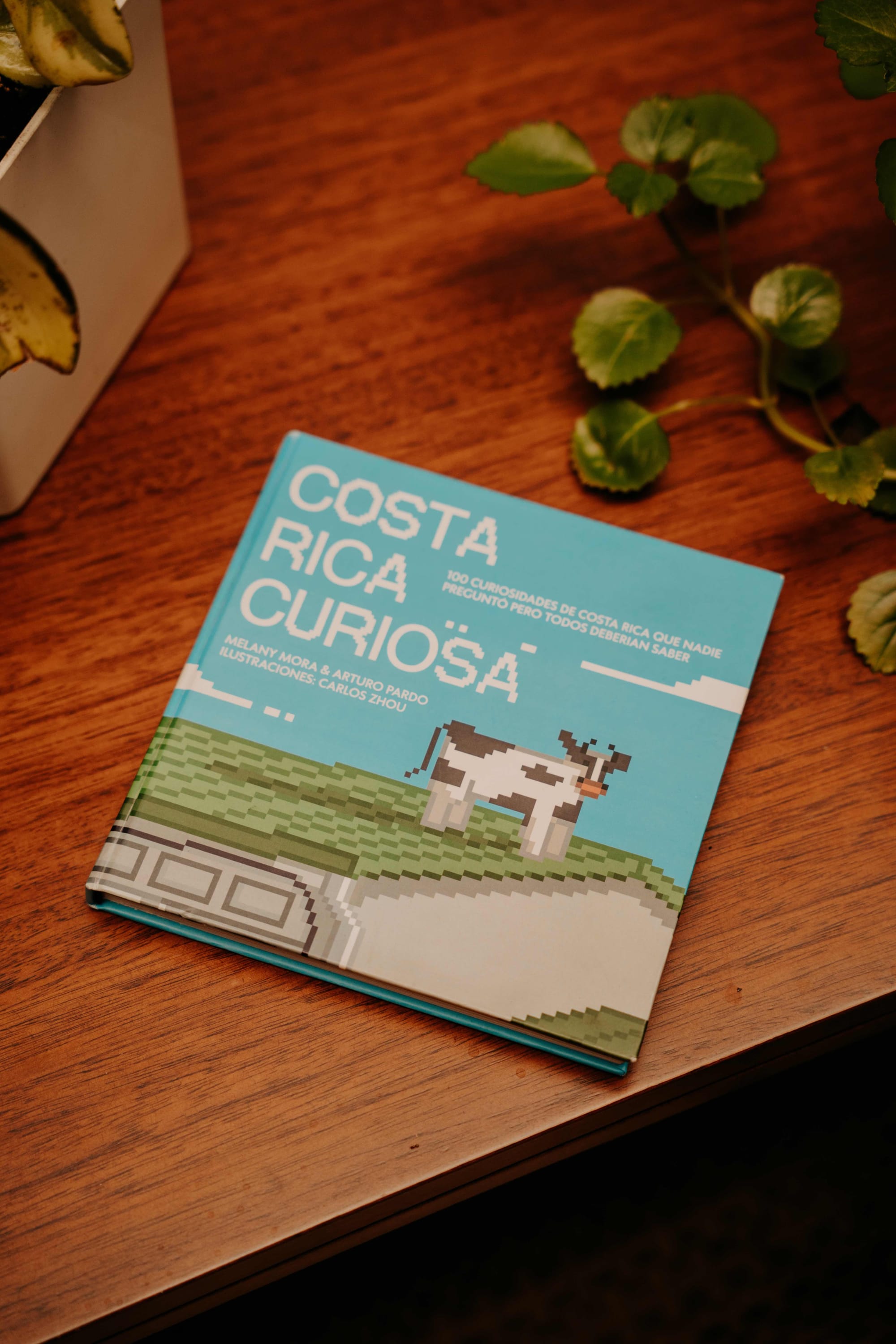
These transcendental Costa Rican cultural moments are portrayed in different mediums by Zhou Zheng. As you’ve noticed, he relies heavily on social media to communicate, but he has not limited himself only to these platforms. Last year, he was part of the publication of the book “Costa Rica Curiosa” written by the Costa Rican journalist and musician Arturo Pardo and the Costa Rican communicator and artist Melany Mora.
Zhou Zheng was in charge of creating the illustrations for the book and obviously, the cow on the roof ended up as its cover.
“I met Melany Mora and she had done tons of threads on Twitter about [Costa Rican] curiosities. She’s also a person who loves Costa Rica a lot. She praises the Costa Rican culture a lot and we did a lot of collaborations,” Zhou Zheng said. “She’d do the curiosities and I’d do the art.”
That collaborative creative process between Zhou Zheng and Mora had been going on for a while before her and Pardo wrote the book. Mora and Pardo gathered a bunch of curiosities about Costa Rica and then chose Zhou Zheng as the illustrator.
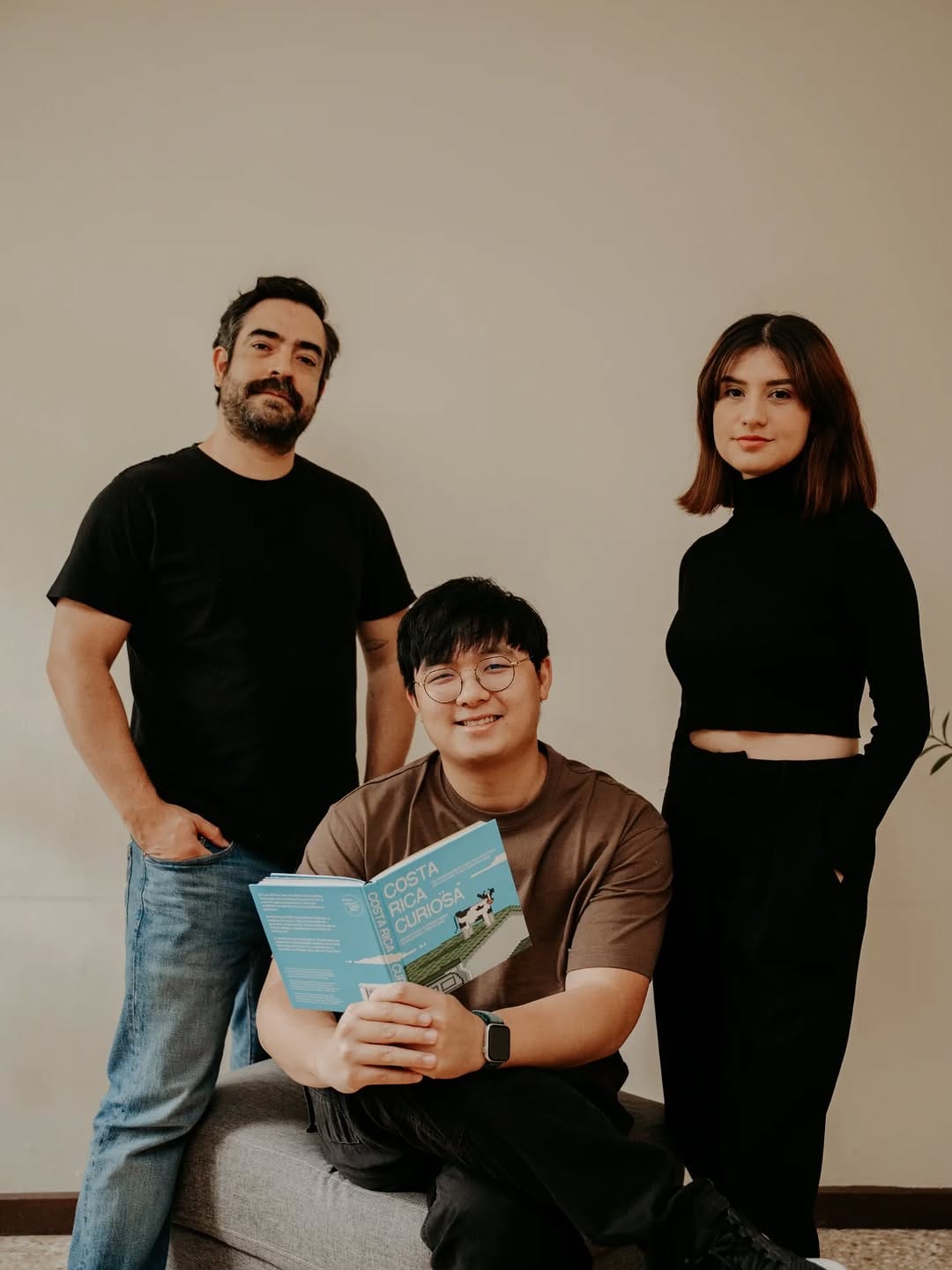
Arturo Pardo (left), Carlos Zhou Zheng (center), and Melany Mora (right) with their book "Costa Rica Curiosa." | Photos courtesy of Carlos Zhou Zheng | Impulsiva Stories
Zhou Zheng even calls it as a hunch of luck that they had the same vision of portraying and narrating absurd things about Costa Rica. Their visions aligned harmoniously and the final product was very well-received by the audience.
“I think it’s a way of seeing Costa Rica differently. Just as I’m doing with the video game. The only difference is that instead of praising the folklore, for them it’s more about popular culture and seeing it more as a country with strange curiosities,” Zhou Zheng said.
The book has had such a great response locally, that on February 19th, they presented it at the Museo de Oro Precolombino in downtown San Jose, Costa Rica.
Playing with “Don Memo”
And as you can see, many of the book’s themes directly relate with Zhou Zheng’s explorations. These are also present in the video game he’s developing called “Don Memo.” Remember the Don Memo and Doña Betty from his childhood and upbringing in Liberia.
The video game’s story is completely inspired by the real Don Memo, Betty, and the cow Milagro.
“It’s about an older bull named Don Memo, who lives with his wife [Doña Betty] and his granddaughter Milagro. One day, El Pisuicas comes and steals his granddaughter on a red taxi cab,” Zhou Zheng said.
0:00
/0:15
For those who don’t know, El Pisuicas is one of the many popular legends and stories in Costa Rica. He’s known as the devil and it’s very common to say “se lo llevó El Pisuicas” in reference to the devil taking you for behaving badly. Or “se le metió El Pisuicas,” meaning the devil got inside you.
According to Zhou Zheng, it’s also a very Latin American cautionary tale that exists throughout the region with different names showcasing the same concept and meaning.
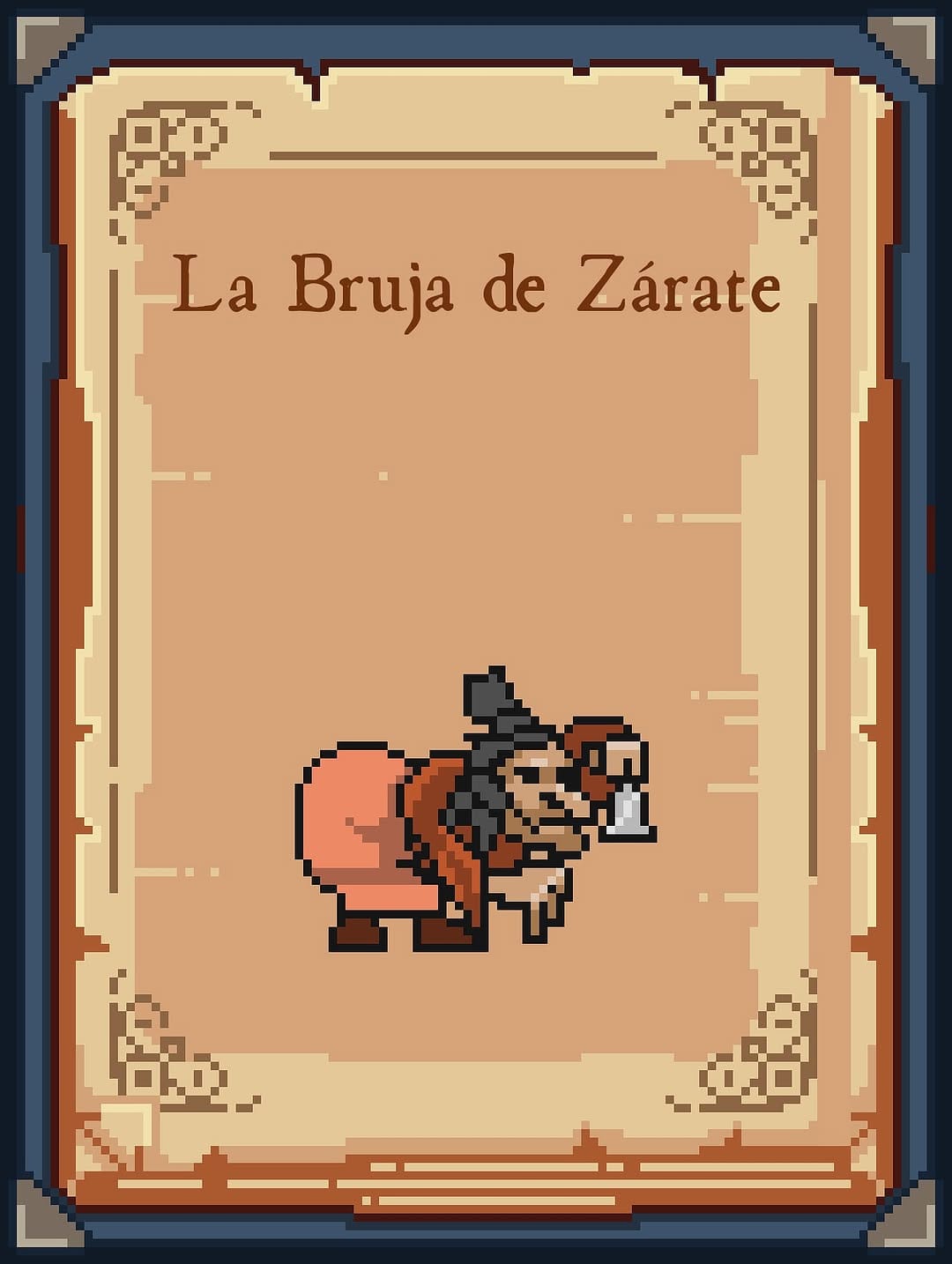
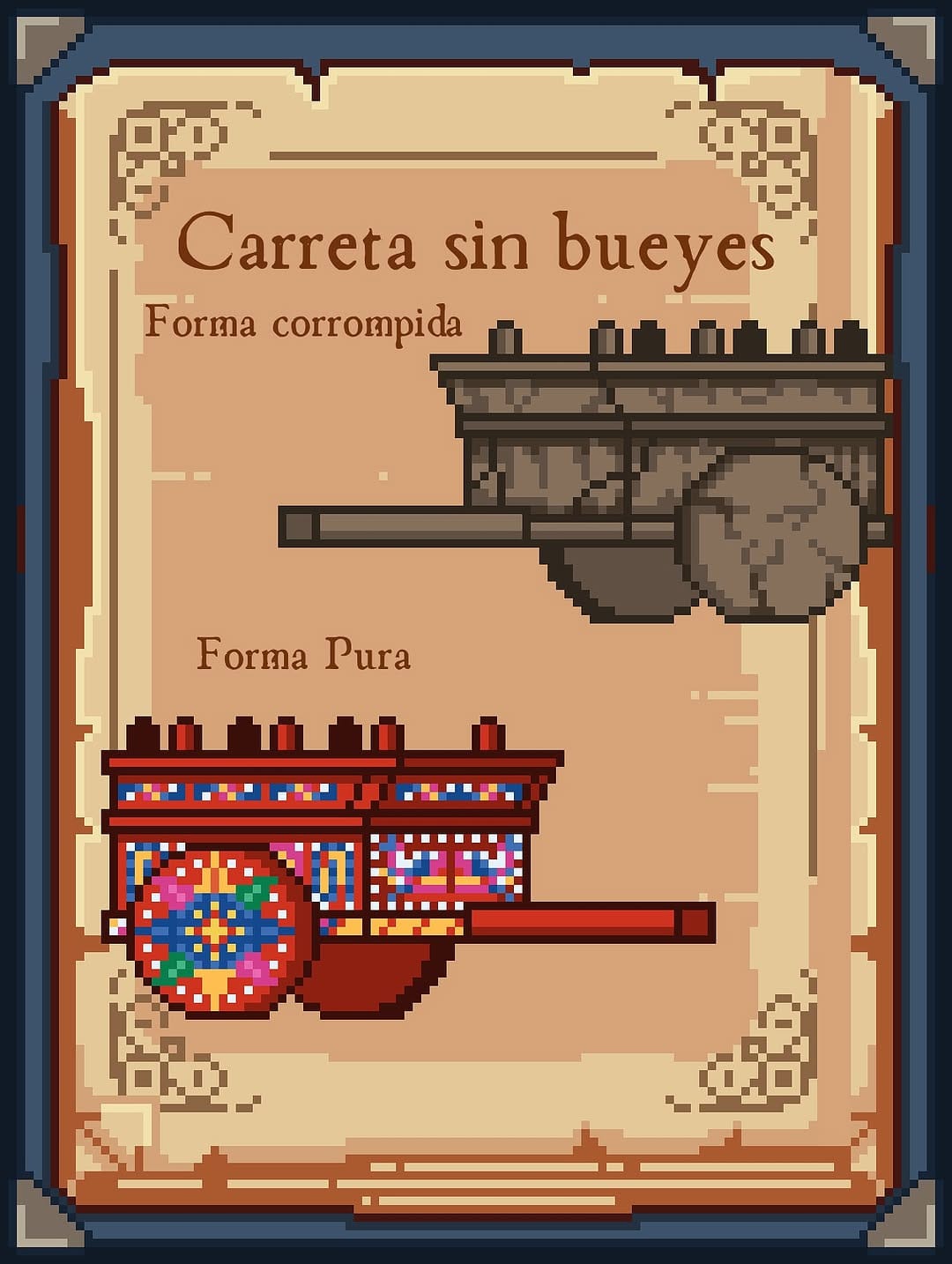
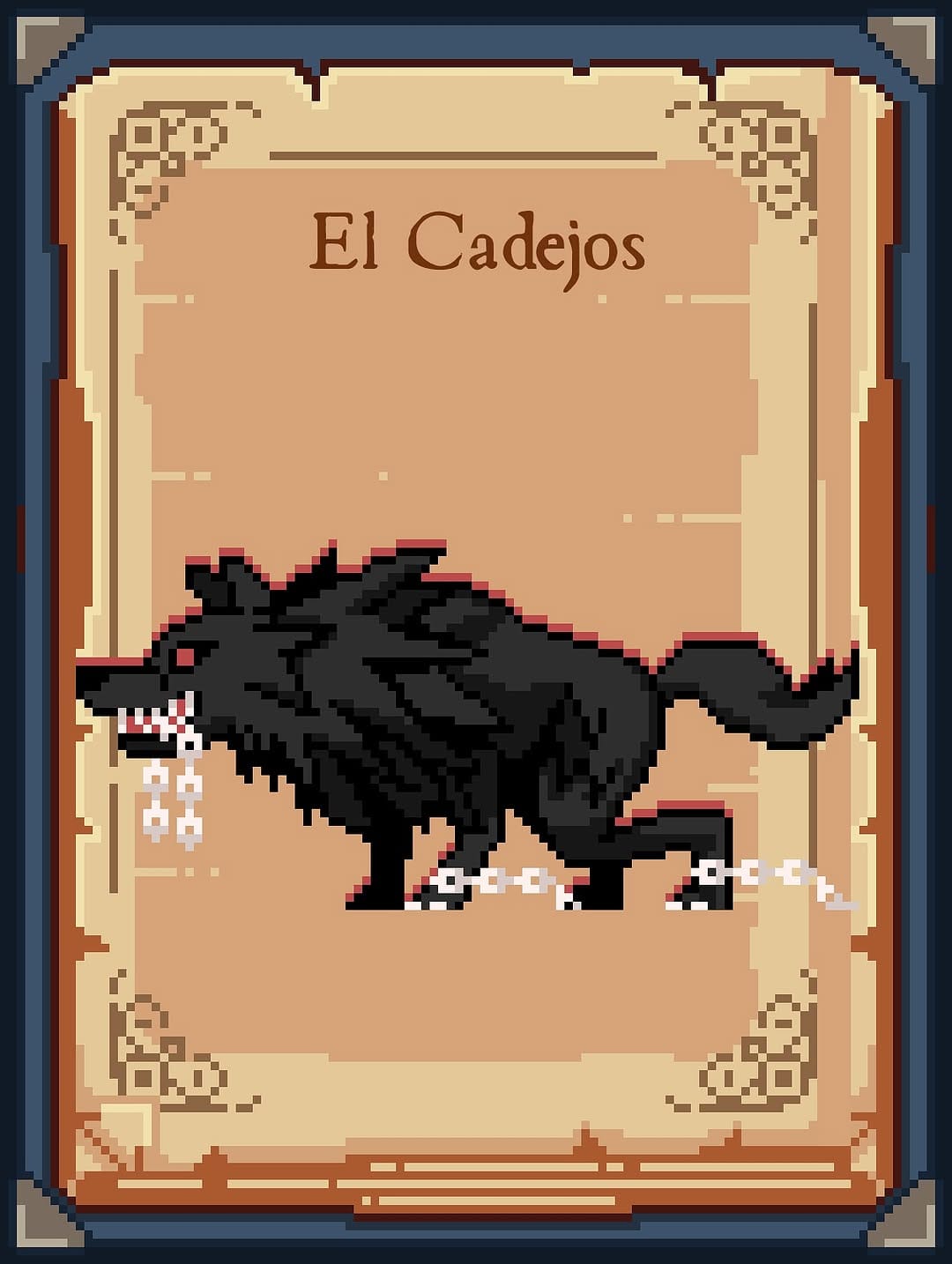
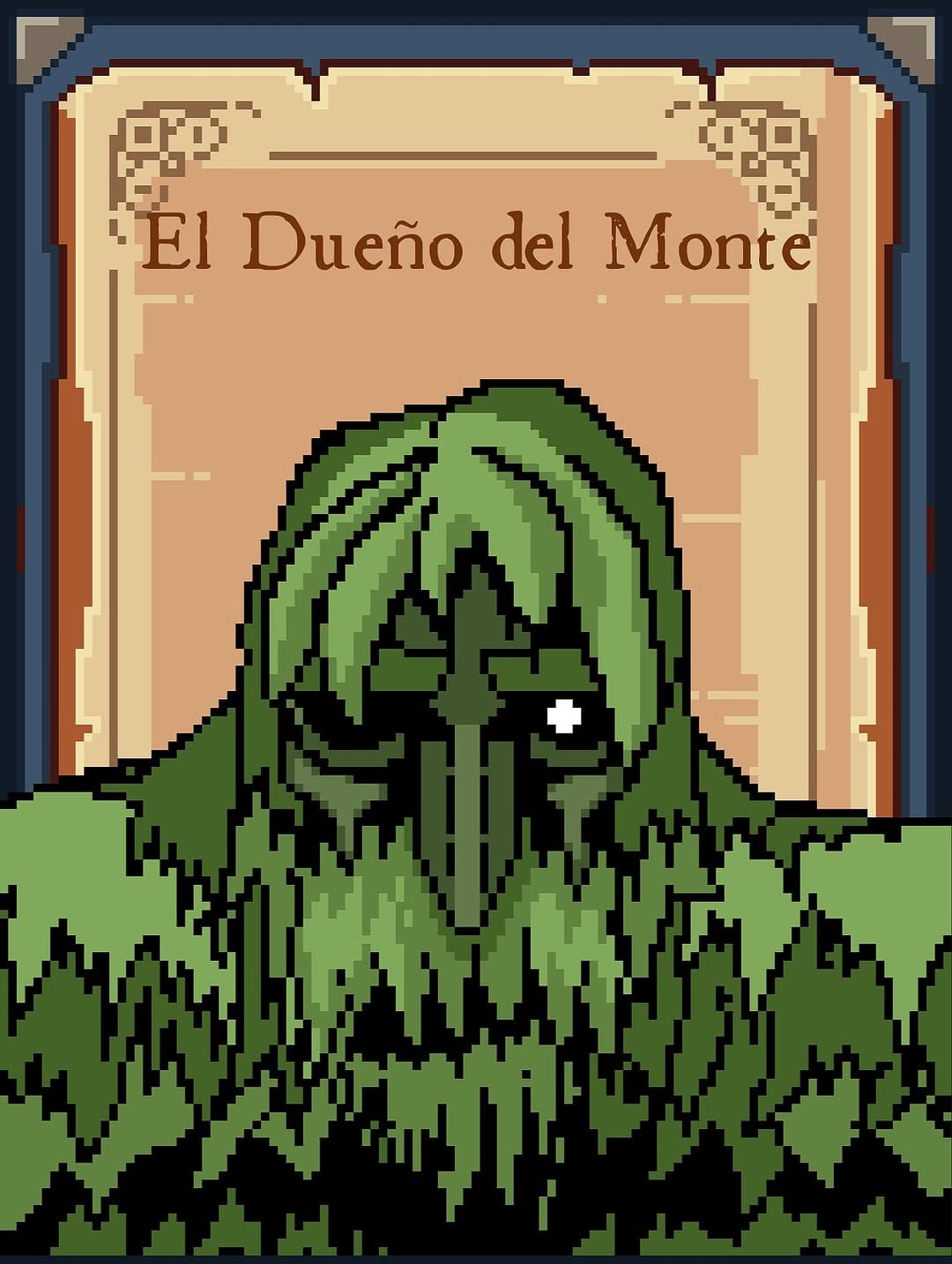
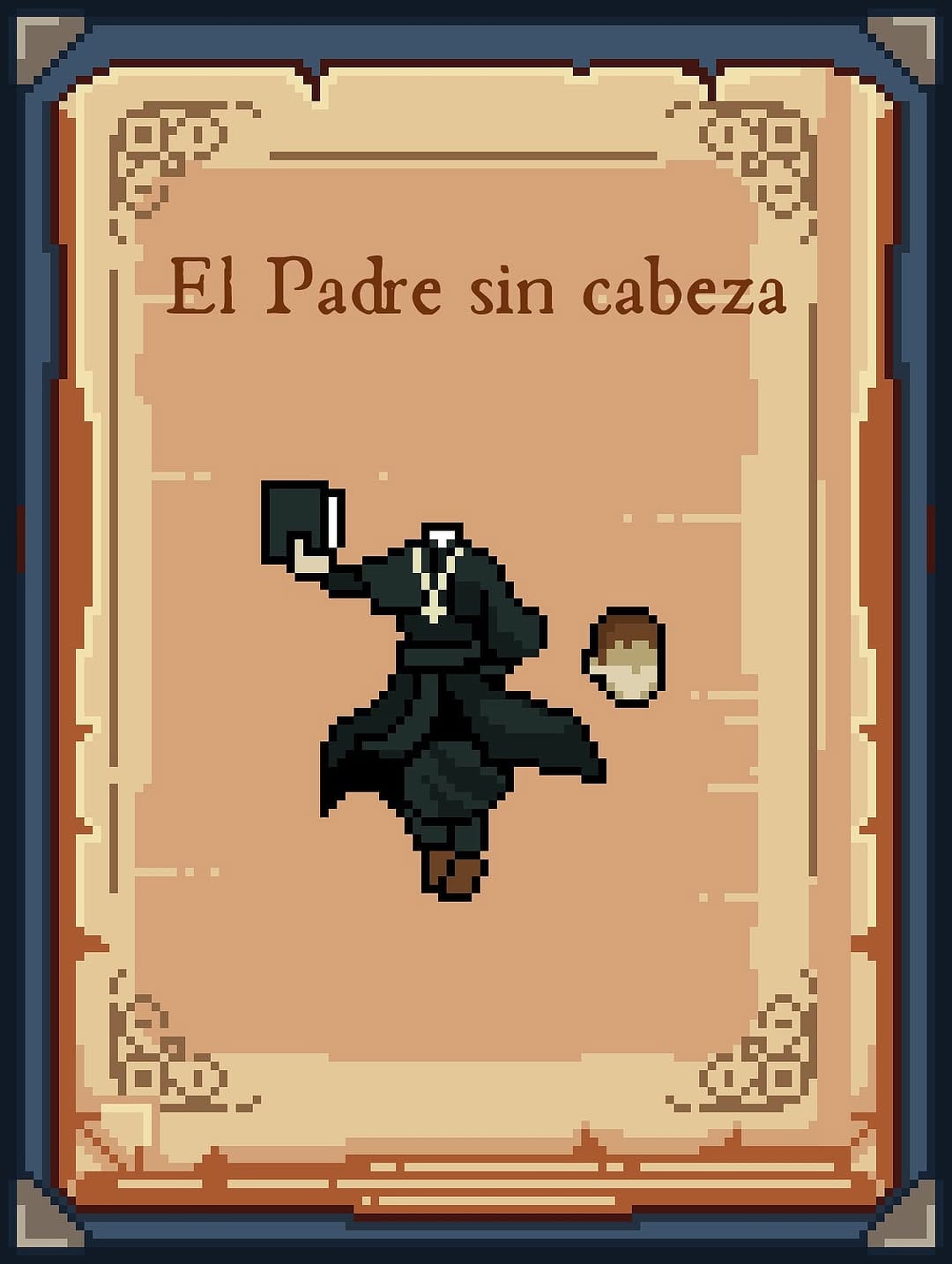
A collection of the characters from the Costa Rican legends and cautionary tales that appear in the "Don Memo" video game. | Art via Carlos Zhou Zheng's Instagram | Impulsiva Stories
In the case of his video game, he gathered the different characters of El Pisuicas, La Bruja de Zárate, the Carreta Sin Bueyes, El Cadejos, El Dueño del Monte, El Padre Sin Cabeza, La Cegua, La Llorona, La Mona, and La Mano Peluda. Each one of these characters has its own story, but Zhen Zhou has a different interpretation as to why he creates them in his pixel art world.
“In Japan, they romanticize or praise samurais or yokais. Basically, we have something similar. A bit less elegant. A bit more finca, but similar. We have the sabanero, which basically is a person or a man that was in the savannah with the typical hat [chonete],” Zhou Zheng said. “It has its façade. The hat from Guanacaste and he has a machete that’s similar to a katana.”
The relationship he draws between Japanese and Costa Rican culture is to explain the role these characters play in each country. They might be astronomically different in aesthetics and tales, but the essence is the same one. It’s about each nation’s folklore and popular figures with which everyone can relate to and connect with.
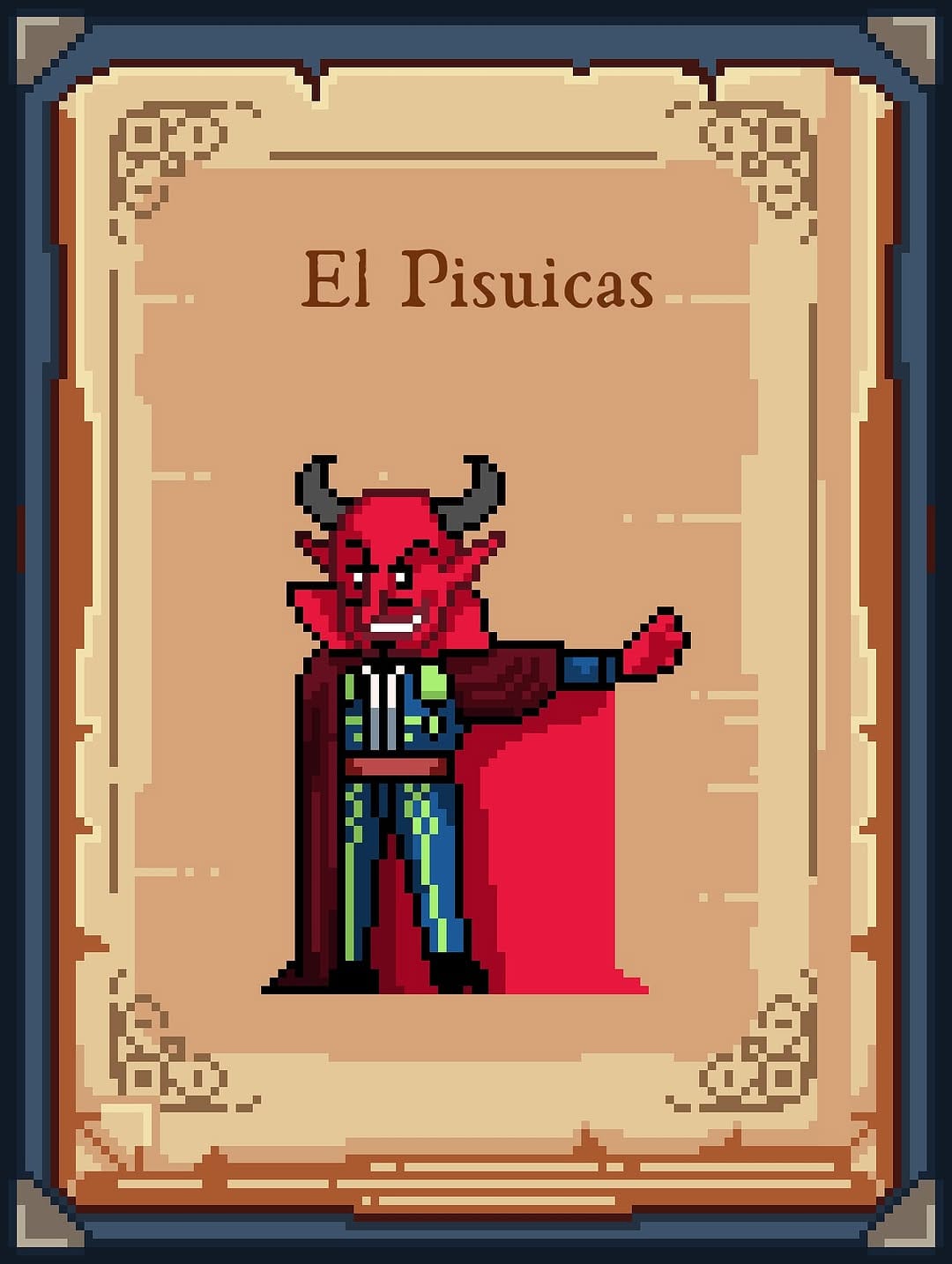
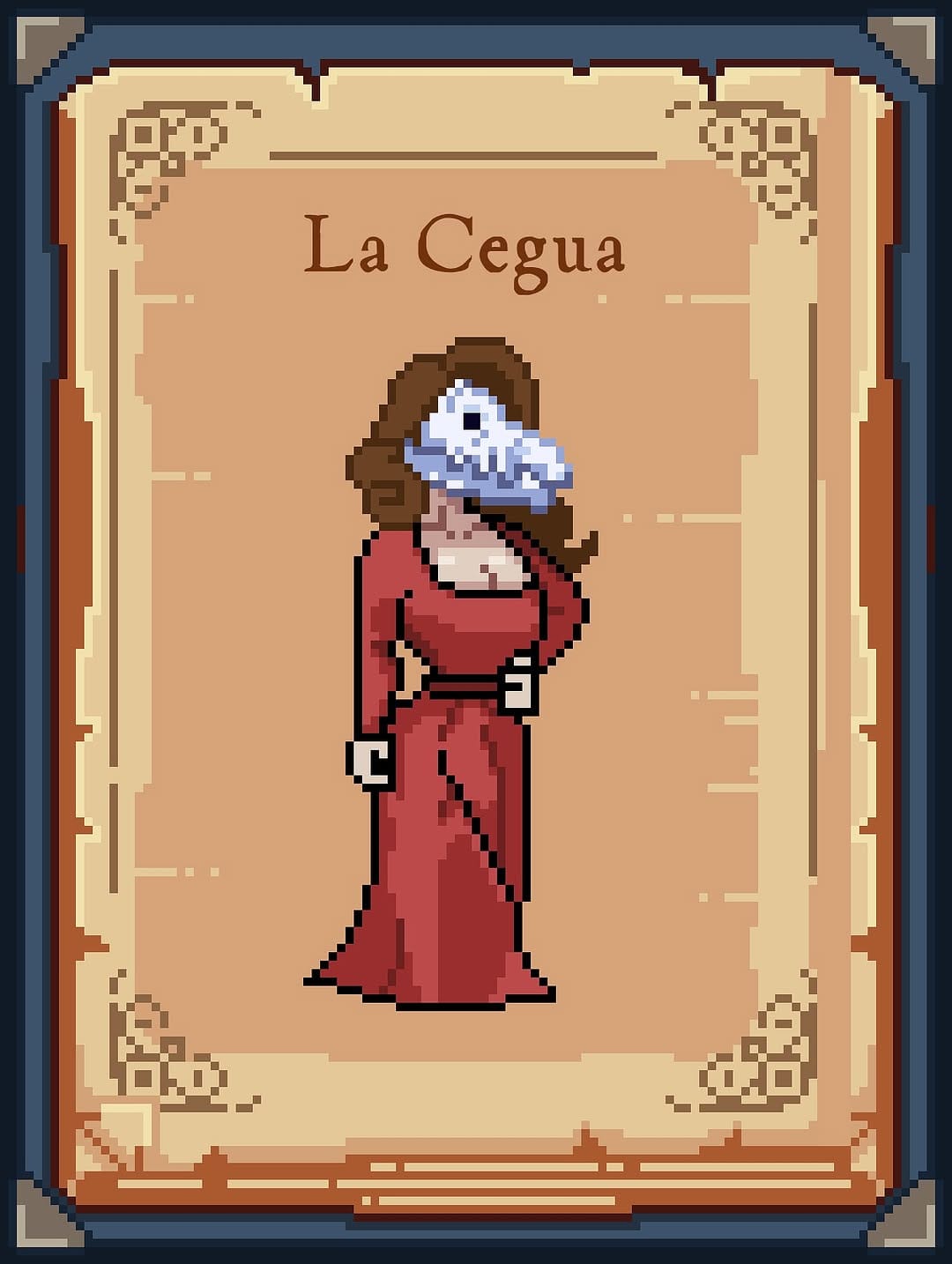
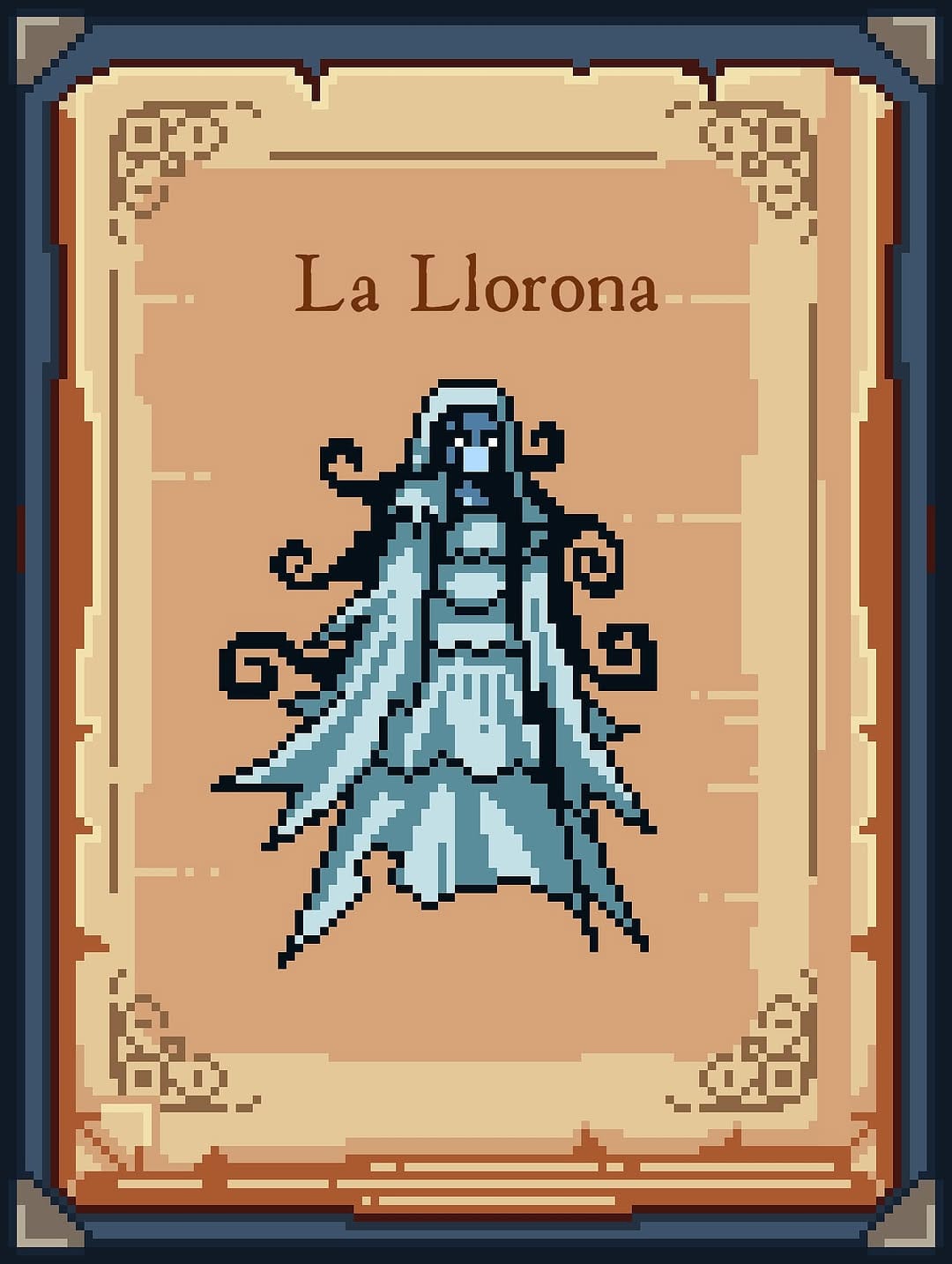
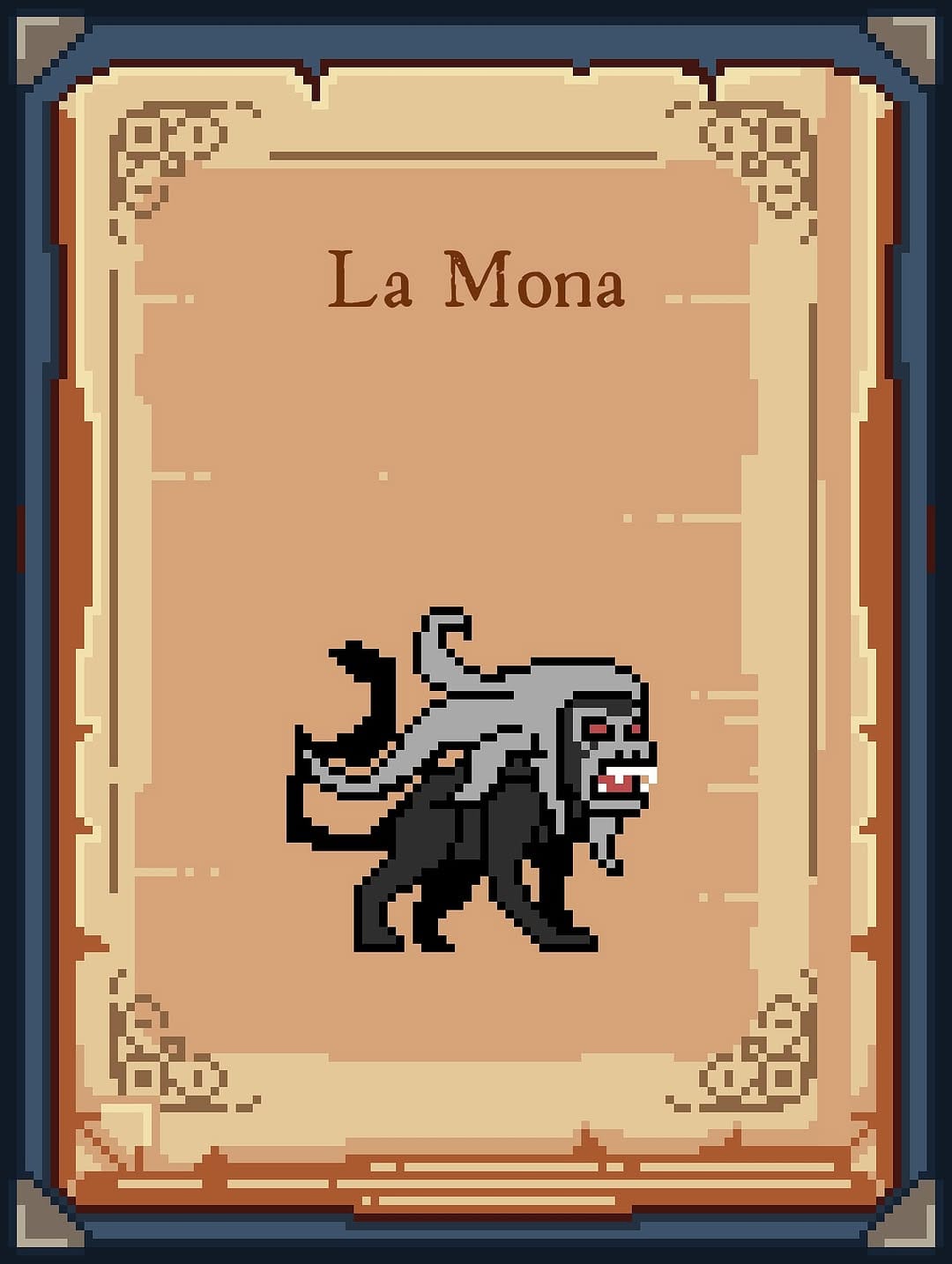
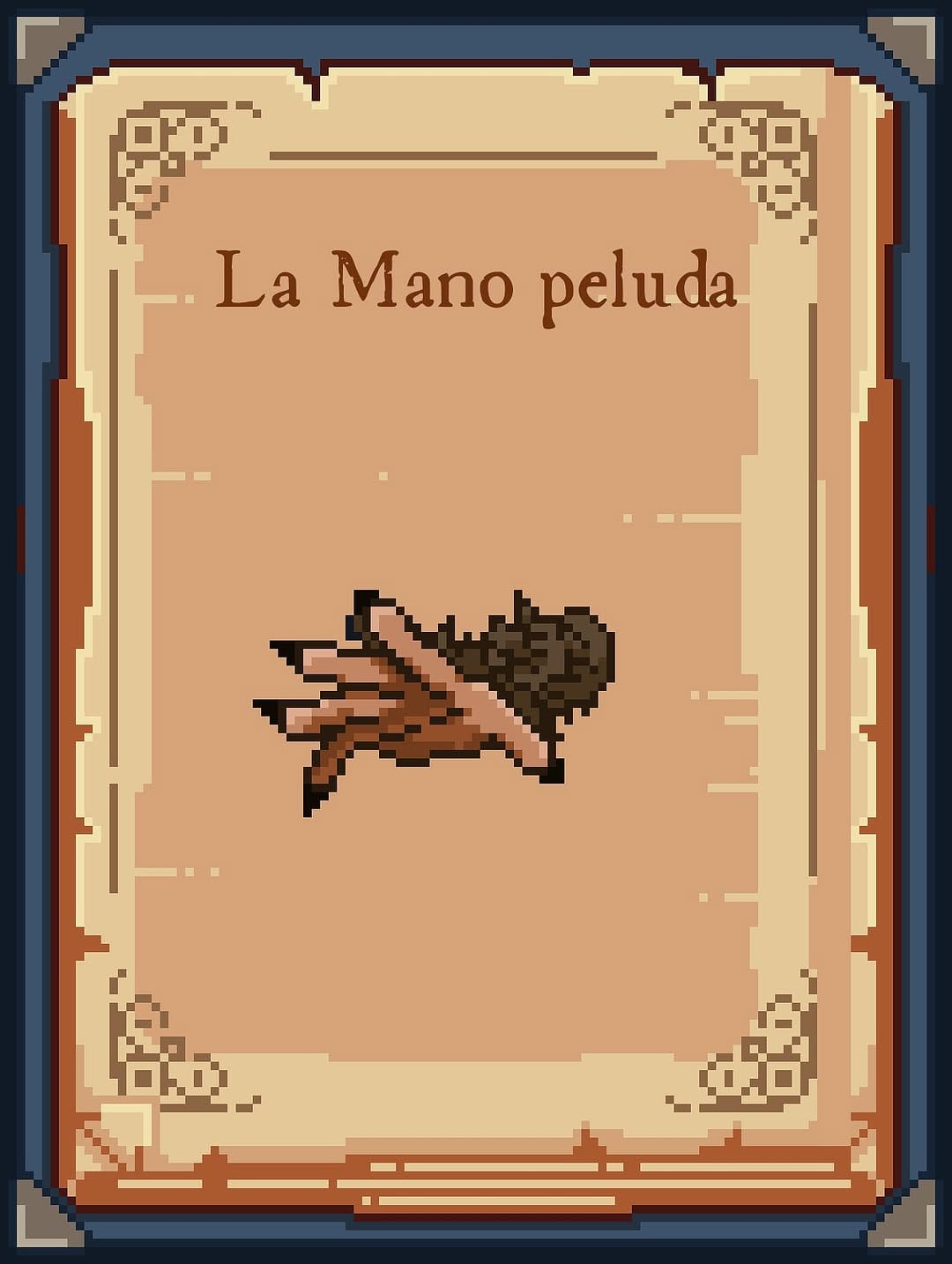
A collection of the characters from the Costa Rican legends and cautionary tales that appear in the "Don Memo" video game. | Art via Carlos Zhou Zheng's Instagram | Impulsiva Stories
They’re simply innately integrated in each country’s culture and idiosyncrasy. It’s part of their being. So, these characters play an important role in Zhen Zhou’s video game and they’re one of the many Costa Rican traditional elements that define the project. Along with these figures, Zhou Zheng went deep into the research about the country and its different provinces and areas.
This required reading about each of the seven provinces. Finding out about its curiosities and the problems that affect them. But by this point, you might be wondering what exactly motivated Zhou Zheng to create this video game.
When he was studying computer systems engineering at the National University of Costa Rica (UNA), he had an elective course about video games. That’s where he started creating his pixel art and it was always his dream to create. He saw the possibility of using his career to later on venture into video games and merging it with art.
“I did a project. A video game of pixel art. I decided to do the video game based on [different] places of Costa Rica. There were the Ruinas de Cartago, the Teatro Nacional, El Fortín de Heredia,” Zhou Zheng said. “I published those works on social media and it got attention from the people of Costa Rica, but that project never materialized.”
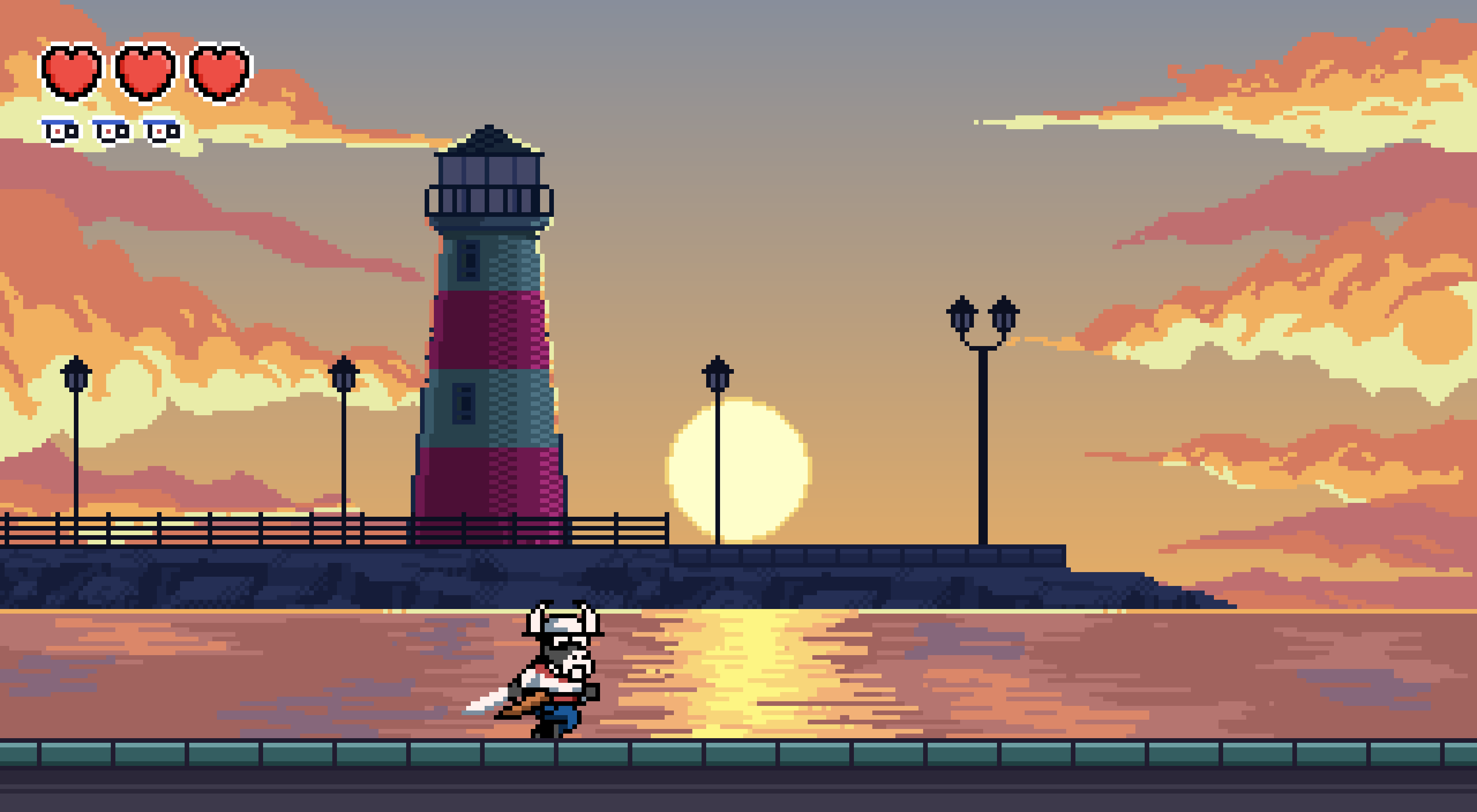
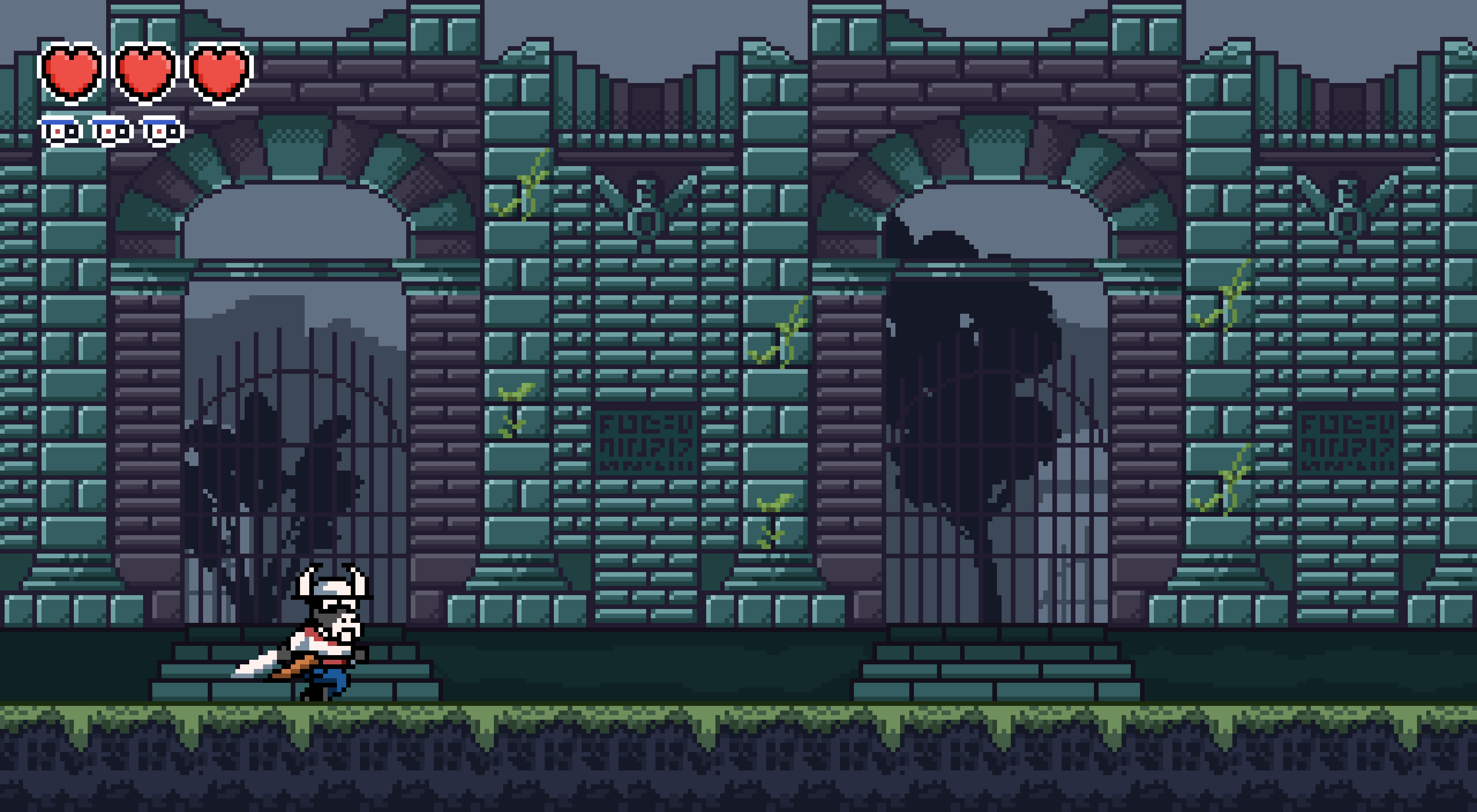
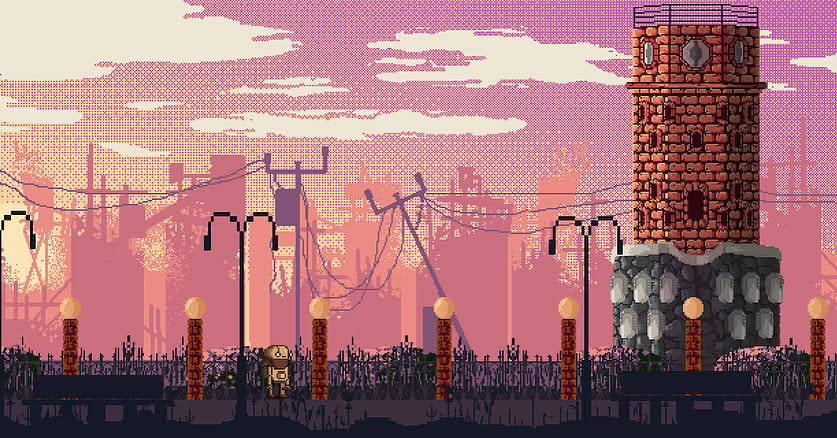
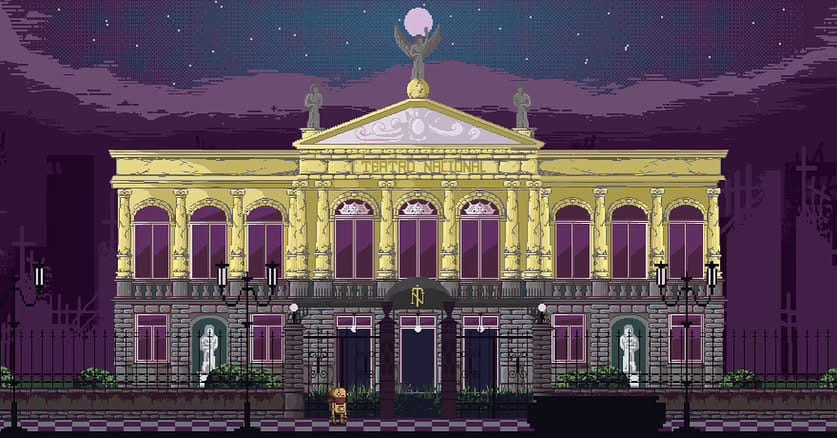
Don Memo in Puntarenas (upper left) and the Ruinas de Cartago (upper right). El Fortín (down left) and the Teatro Nacional (down right). | Art courtesy of Carlos Zhou Zheng | Impulsiva Stories
It didn’t materialize at that specific moment, but it was last year when Zhou Zheng decided to create the lively and colorful video game from scratch. As you might have noticed, his art is quite vibrant in terms of his color palettes. This other part of the creative process requires him using a page called Lospec to see the different color palettes and the vibe he wants to transmit.
Then, he determines if he wants to use brighter or darker tones and he really doesn’t complicate himself with this part of the process.
“I’m color blind. I also ask for feedback. There can be certain things that are green or red and I’m not able to identify them, so I have to ask if this is ok or if it’s red,” Zhou Zheng said.
He said his colorblindness is not that severe. He usually confuses red, green, and whatever tone that has these two colors and its different shades. It’s not an exact gamma. It’s certain tones he has difficulty with differentiating. So, throughout his creative process, he always has another person to help him verify the colors.
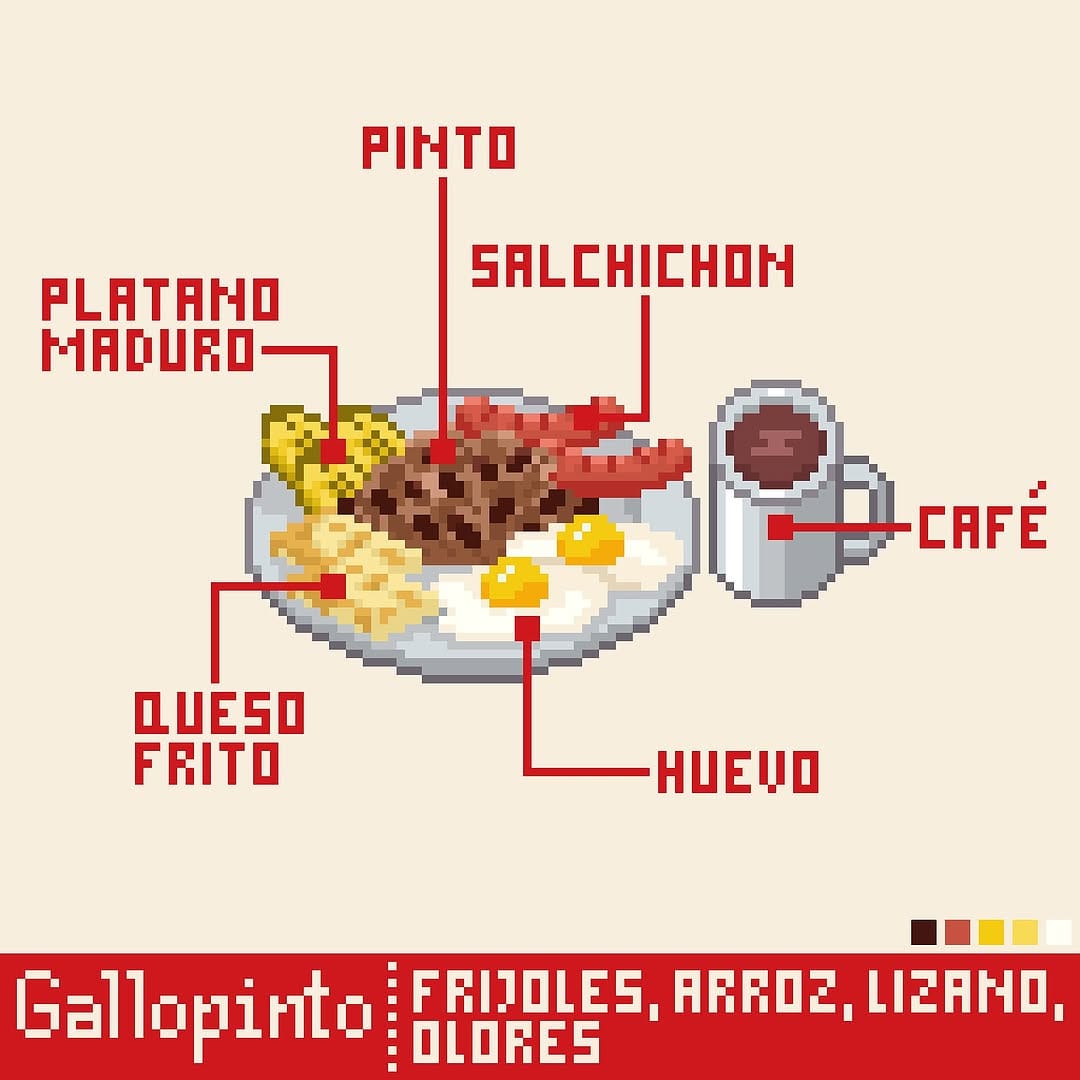
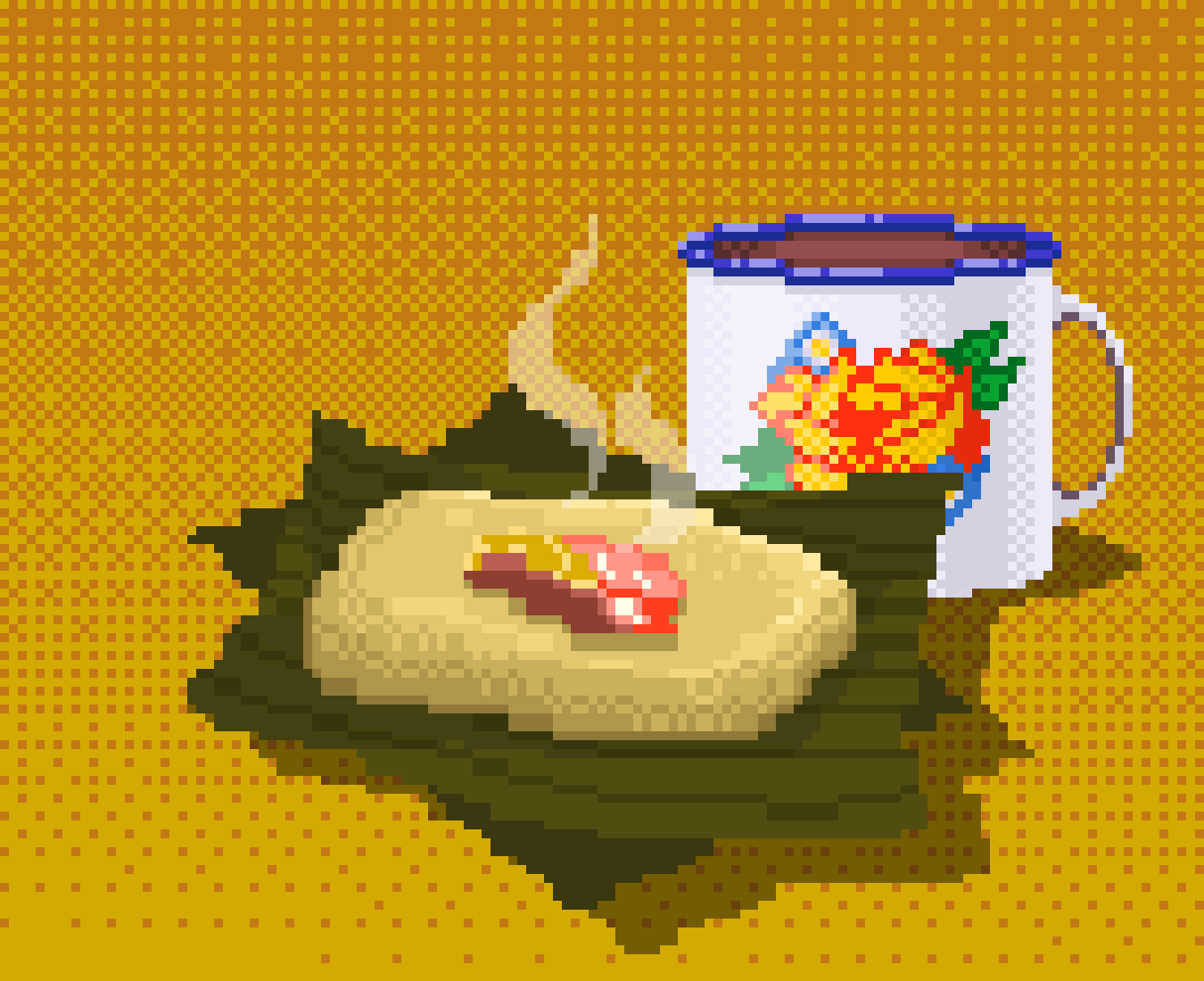
The traditional Costa Rican breakfast (left) and a traditional tamal with coffee (right). | Art courtesy of Carlos Zhou Zheng | Impulsiva Stories
Pixel Art Encouraging People to Vote
And his colorful humorous pixel art obviously references the great spectrum of colors that compose Costa Rica. The love for his country is always there and during the Costa Rican presidential elections’ campaign in January and beginnings of February, he used his art to encourage people to go out and vote.
“Something really beautiful and important we have in Costa Rica is its democracy. We have a lot of freedom in choosing who has power or who we want to decide for us,” Zhou Zheng said. “So, it’s something very important that should not be lost because we’ve seen what happens in countries where democracy does not exist. We must fight against any type of repression.”
Listen to Carlos Zhou Zheng
0:00
/21.605333
Zhou Zheng’s art created during the presidential elections was part of a great online wave of Costa Rican illustrations, graphic design, and art that sprouted in that period. It was part of a movement he considers happened because people are now appreciating more their own culture. On a greater scale, it could also be part of this moment we’re living in, where Latin American culture is stronger than ever and driving global culture.
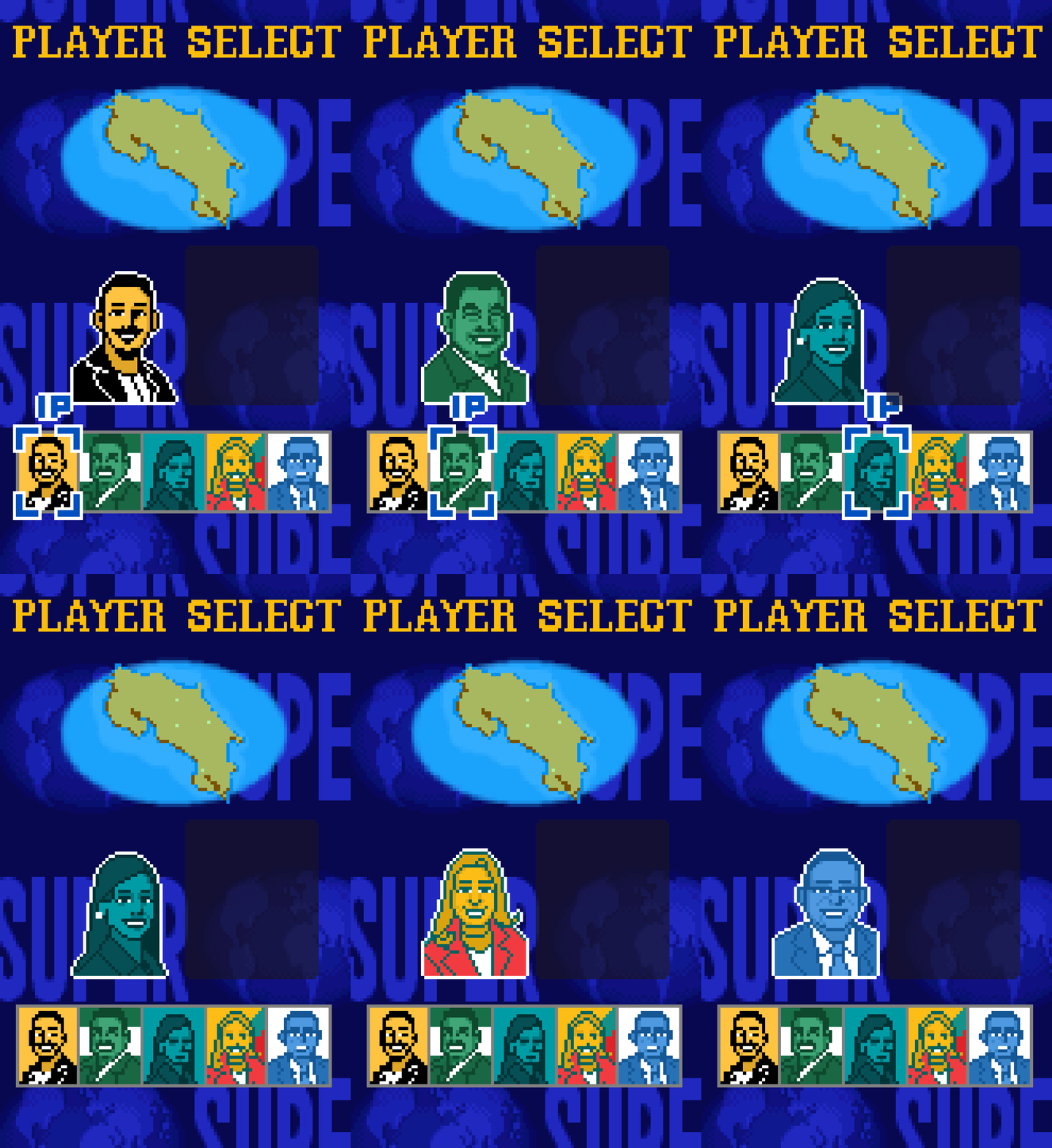
He believes that Latin American people have suffered a lot due to so many limitations. But he also believes that the region has so many beautiful and culturally rich things that should always be highlighted.
And Costa Rica, compared to other Latin American countries, does not have as much global exposure as it should.
“The problem that Costa Rica has is that its culture is forgotten, it’s not translated on a global level, and the average Costa Rican tries to look more like a European or U.S. person,” Zhou Zheng said. “So, that only ends up in forgetting or erasing its culture.”
Maybe that’s why he sees his humorous Costa Rican pixel art as one where he romanticizes our tiny nation’s culture and really praises it by honoring its folklore. It’s art that portrays Costa Rica as the real finca that it is: one full of absurd humor through color and vibrancy.
It’s art that really makes you feel proud of Costa Rica in all its shapes and forms.
It’s art that defines the Costa Rican essence.
Listen to Carlos Zhou Zheng
0:00
/15.101333
“I’d define it [Costa Rica] in one word and I’d say it’s a finca,” Zhou Zheng said laughing. “It’s a very small country. Everyone knows each other. Whatever happens, we all find out about it at the same time. So, I think it’s a finca or a very small barrio.”
To learn more about Carlos Zhou Zheng’s Costa Rican humorous pixel art, you can follow him on Instagram at @colorblind_pixel.
Written by

Subscribe to my newsletter
Subscribe to my newsletter to get the latest updates and news