Dixy Rodríguez PART I
Dixy Rodriguez created the cultural movement Meximalismo thanks to her love and nostalgia for Mexico.
PART I: Dixy Rodriguez’s Meximalismo with Identity
Dixy Rodríguez remembers when she organized the shows at her grandmother’s house when she was a child. She wanted to be an actress and felt she was like Thalía. She sang a lot, even though she didn’t do it well. She was an extremely extroverted girl with her family at all times, did all her artistic activities without a care and simply for the enjoyment.
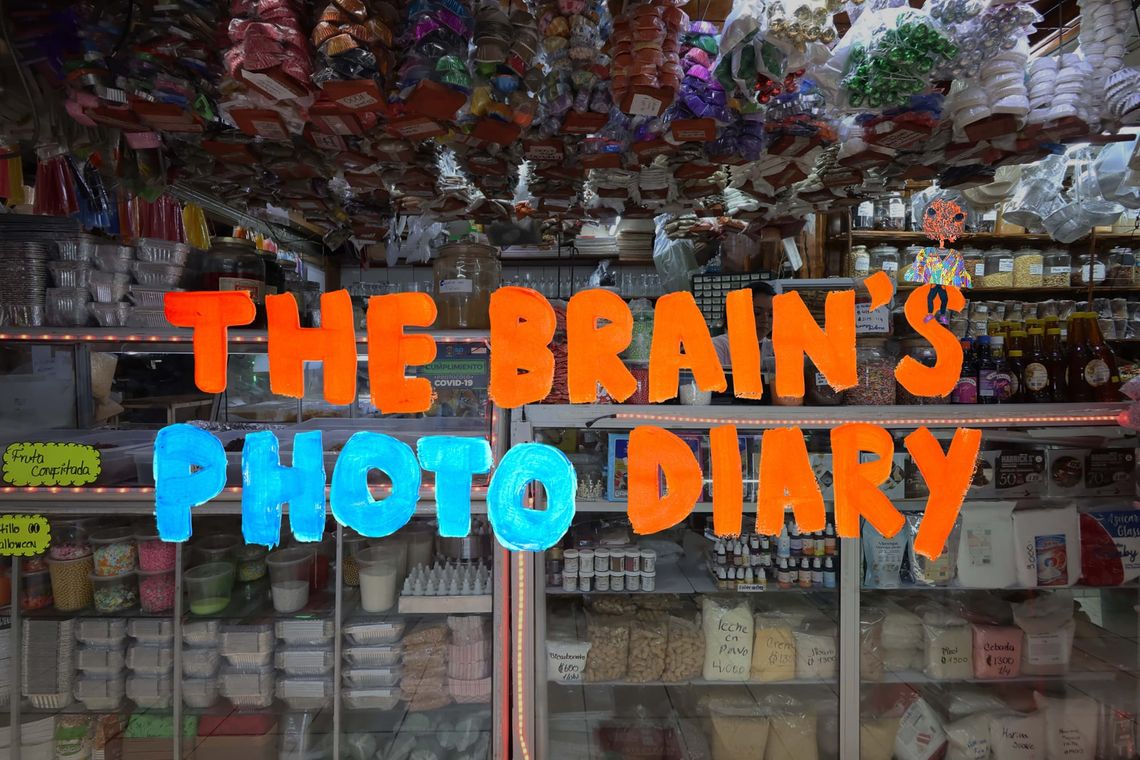
Art has always been present in the Mexican artist, creative, and stylist’s life. She loves it and is inspired to create from her surroundings all the time. She grew up at the Mercado Juárez in Mexico City, which was the place where she spent most of her days during her childhood.
“At a very young age, with my cousins and sisters, we’d do runways or we’d imagine the catwalks with the people who walked through the halls. My family sells comida corrida. There are now four generations there. So, it was my favorite place in life,” Rodríguez said.
At that time, she already knew she loved fashion and Mexican icons like Juan Gabriel, María Félix, and Thalía. The first time she saw Thalía on television, she felt she wanted to be like her. She wanted all of her clothes and the renowned Mexican singer became a very strong influence in Rodríguez’s life.
As she kept growing, so did her love for fashion. When she was around seventeen or eighteen years old, Rodríguez began pursuing fashion as a professional career. She started working at a company where she simply had to say whether she liked something or not. During the two years she worked there, she learned a lot about pattern-making and the cuts in screen printing.
Her boss at the time made sure to include her in different processes. Through these experiences, Rodríguez knew quite well what she wanted to do and started learning about visual merchandising. That led her to then move onto another company and she started working with the Mexican brand Ivonne.
Don't Forget to Subscribe to The Story of The Story
For only $16 a month, every Friday you'll have exclusive access to
The Story of The Story. Our founder, the Costa Rican award-winning multimedia journalist and artist Elizabeth Lang, guides you through her creative process to produce her stories.
There, she began her career in retail and then, she had several jobs before landing her last one in Mexico. During that last job, she had a broader perspective and was in charge of managing the image of a brand with more than 65 stores. She began understanding better how to standardize the image and the stores, while learning about styling and creating looks in a commercial environment.
Throughout these different jobs, Rodríguez also dived into the editorial side of fashion. She had her own blog on blogspot called Dixy Dixy, which was making a lot of noise and gathering her fair share of loyal followers at the time. Her purpose with this blog was to showcase some of the streetwear clothes from the store she was working at.
And then, another Mexican blog called The City Loves You went on the lookout for Rodríguez. She worked there as a fashion editor for two years next to the renowned fashion booker María Videl.
“At that moment I was also like: where am I going? Visual merchandising was very demanding because it was all day long. I was also studying. In the morning, I went to school. But it was like: where am I going? So, I decided to go to the retail side,” Rodríguez recalled.
She left the blog, which opened a lot of doors for her regarding events and networking. When she started making her own money, she was set on creating her own clothing brand. In 2018, her brand We Are Mamacitas was born. All of her salary from her corporate job was invested in the brand. It was one of the happiest times of her life.
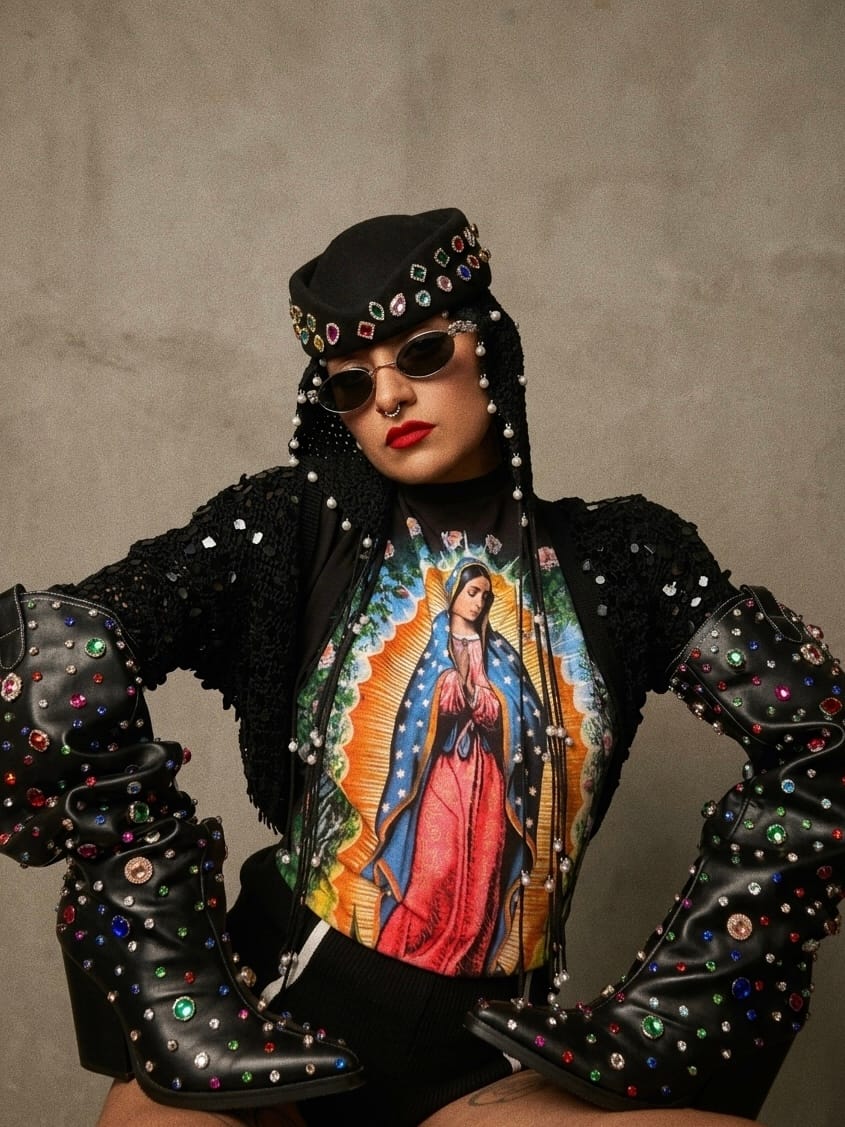
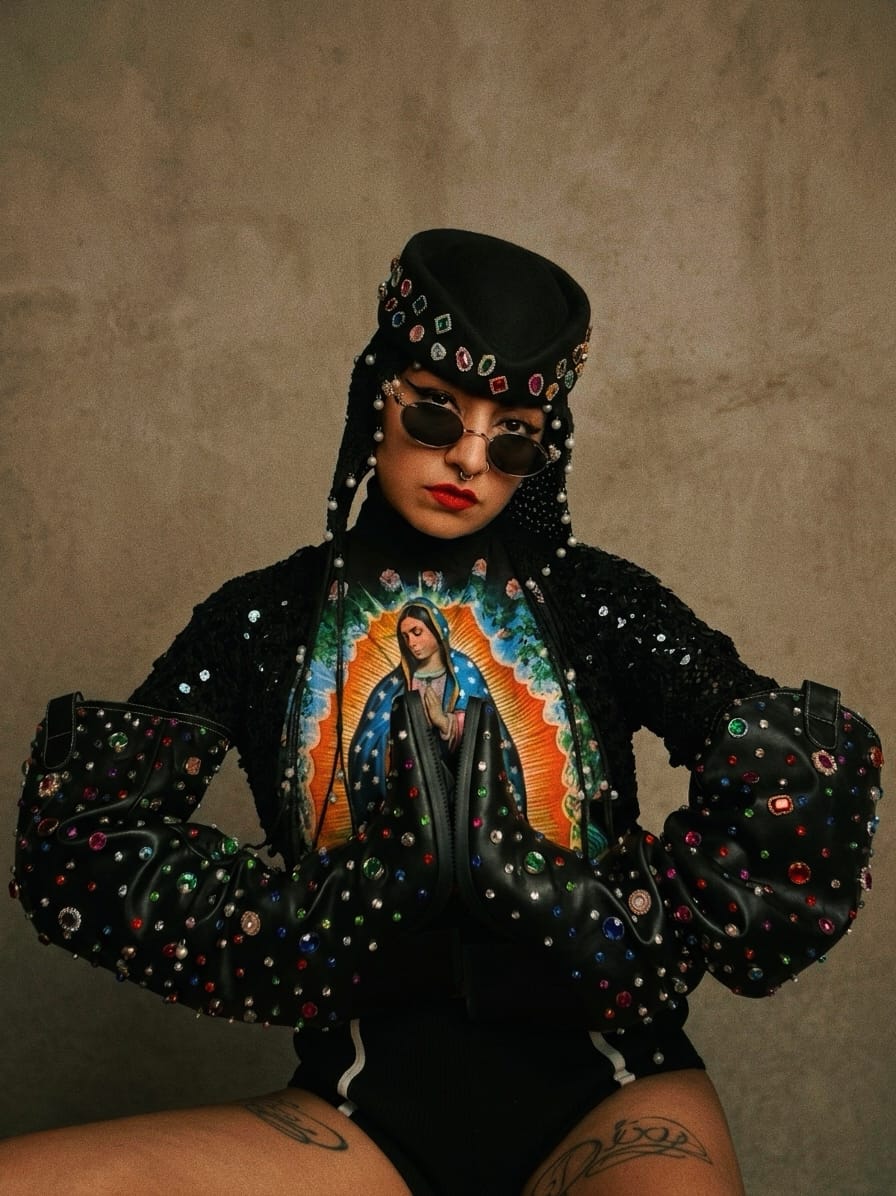
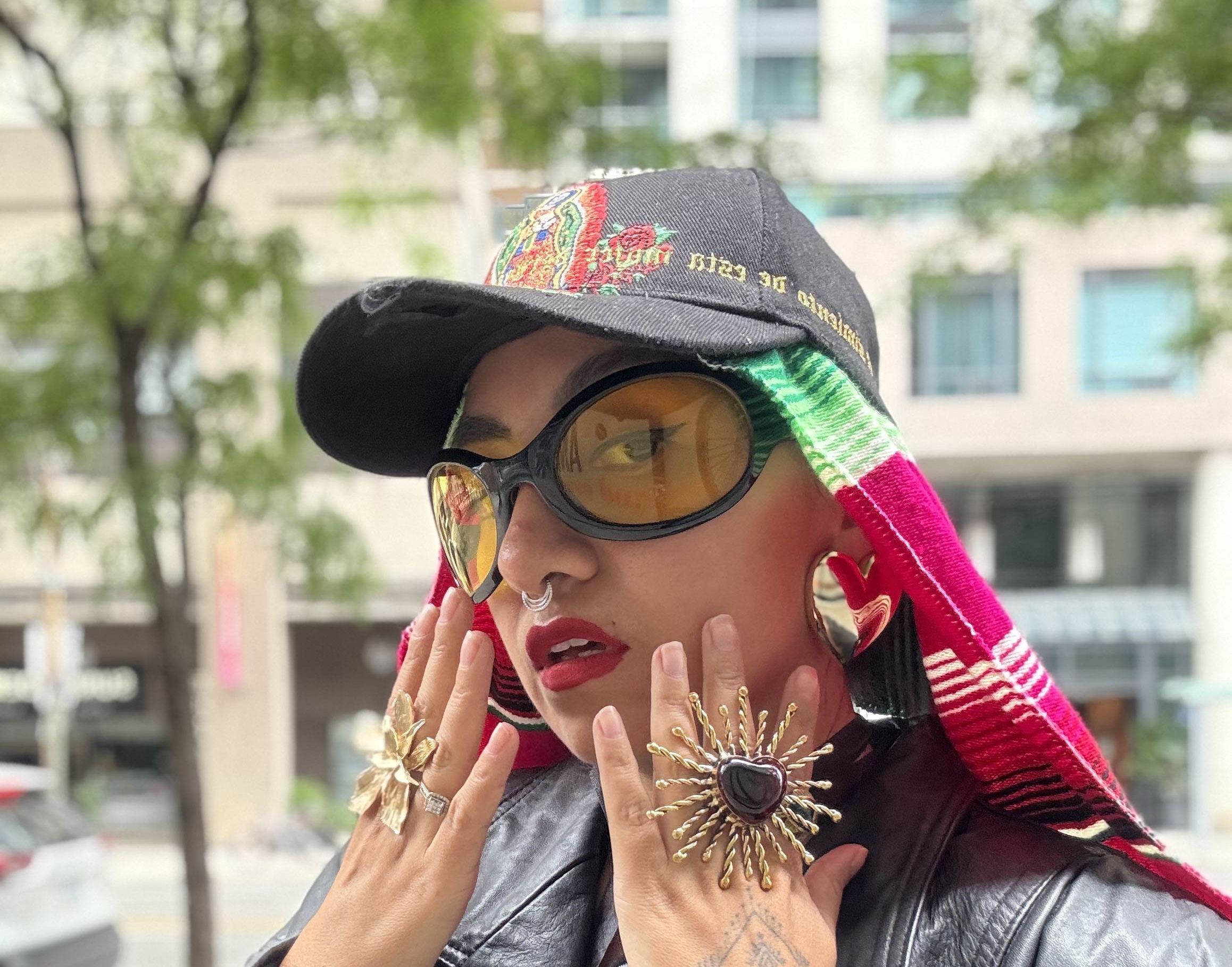
The Virgin of Guadalupe is a repeated figure in Dixy Rodríguez's Meximalismo. | Photos courtesy of Dixy Rodríguez. | Impulsiva Stories
She was living the dream of leading the creative direction, producing her own photoshoots, and creating her own editorials. Since she’s a self-starter, she decided to create her own opportunities and open her own doors.
“The joke was that I was tired and I said: I’m done. I’m going to make my own independent editorials and I’m going to upload them to my Instagram. That’s what I started doing with my brand. I think one part was the clothing brand, but the other one was a bit about uploading that creative direction dream,” Rodríguez said.
Listen to Dixy Rodríguez
0:00
/37.095833
A Redirection to Canada
And then, the COVID-19 pandemic happened. The company she was working at cut her salary by half. Rodríguez spent a lot of time surviving through the crisis. Her husband, who’s Canadian, told her to move with him to Toronto, Canada.
At first, she said no because her life was in Mexico City. She loved her job and what she was doing. Her husband told her she could continue doing all of that in Toronto and he’d fully support her.
Rodríguez kept thinking about it. She told herself that if she made the move, at least she tried. So, she left her life in Mexico behind. She quit her corporate job, where she was doing really well, and she kept telling herself she’d make it in Canada.
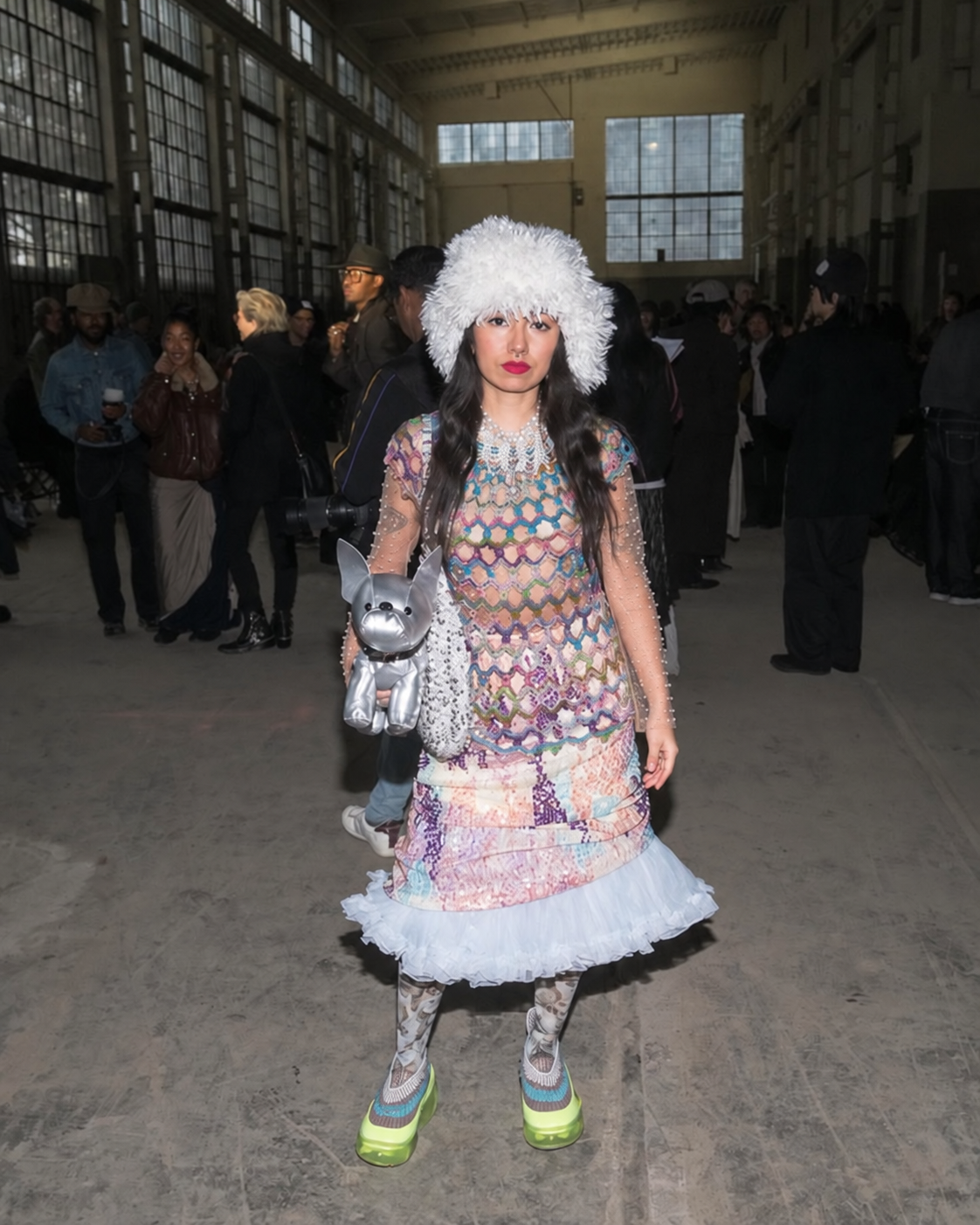
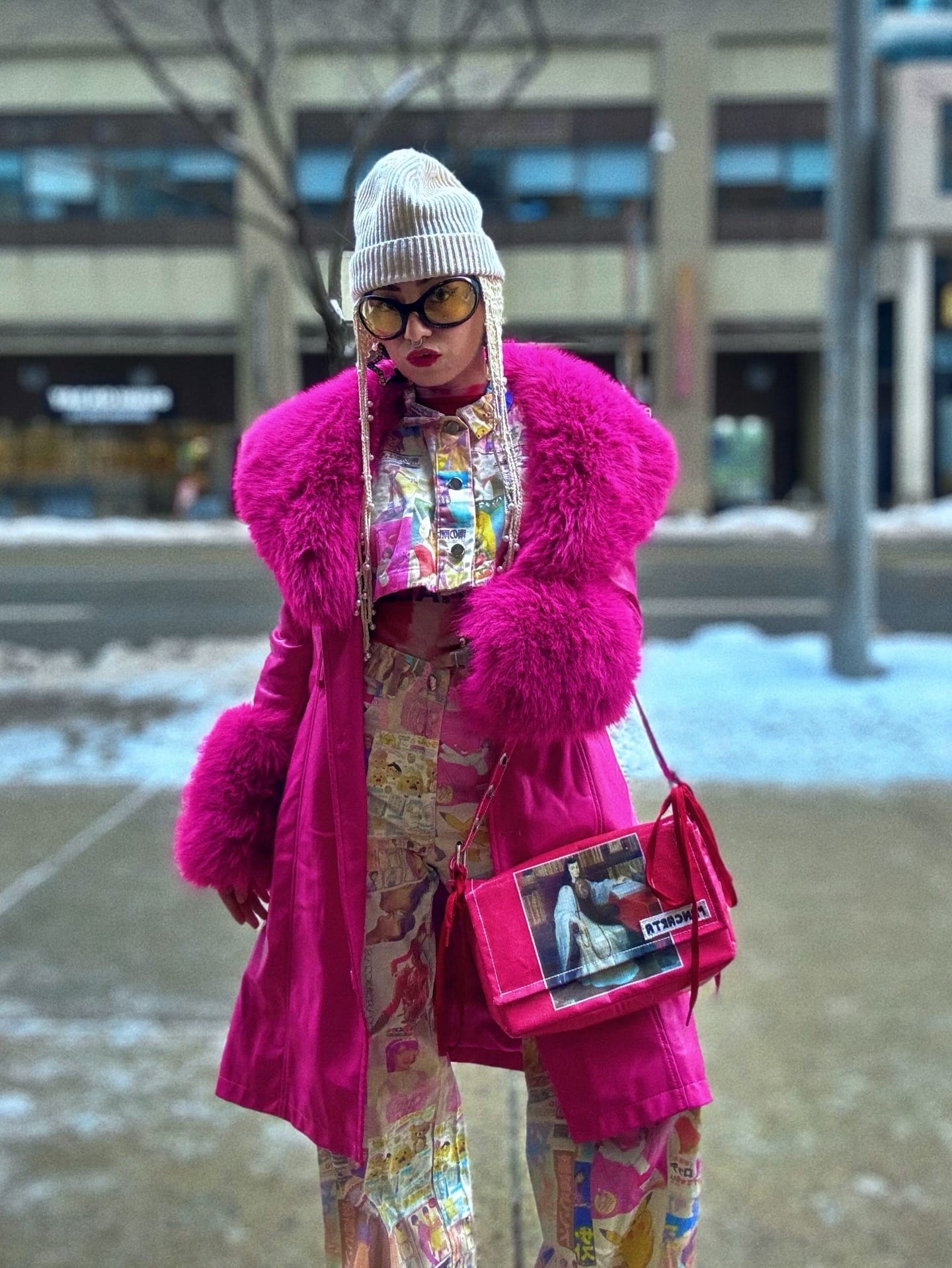
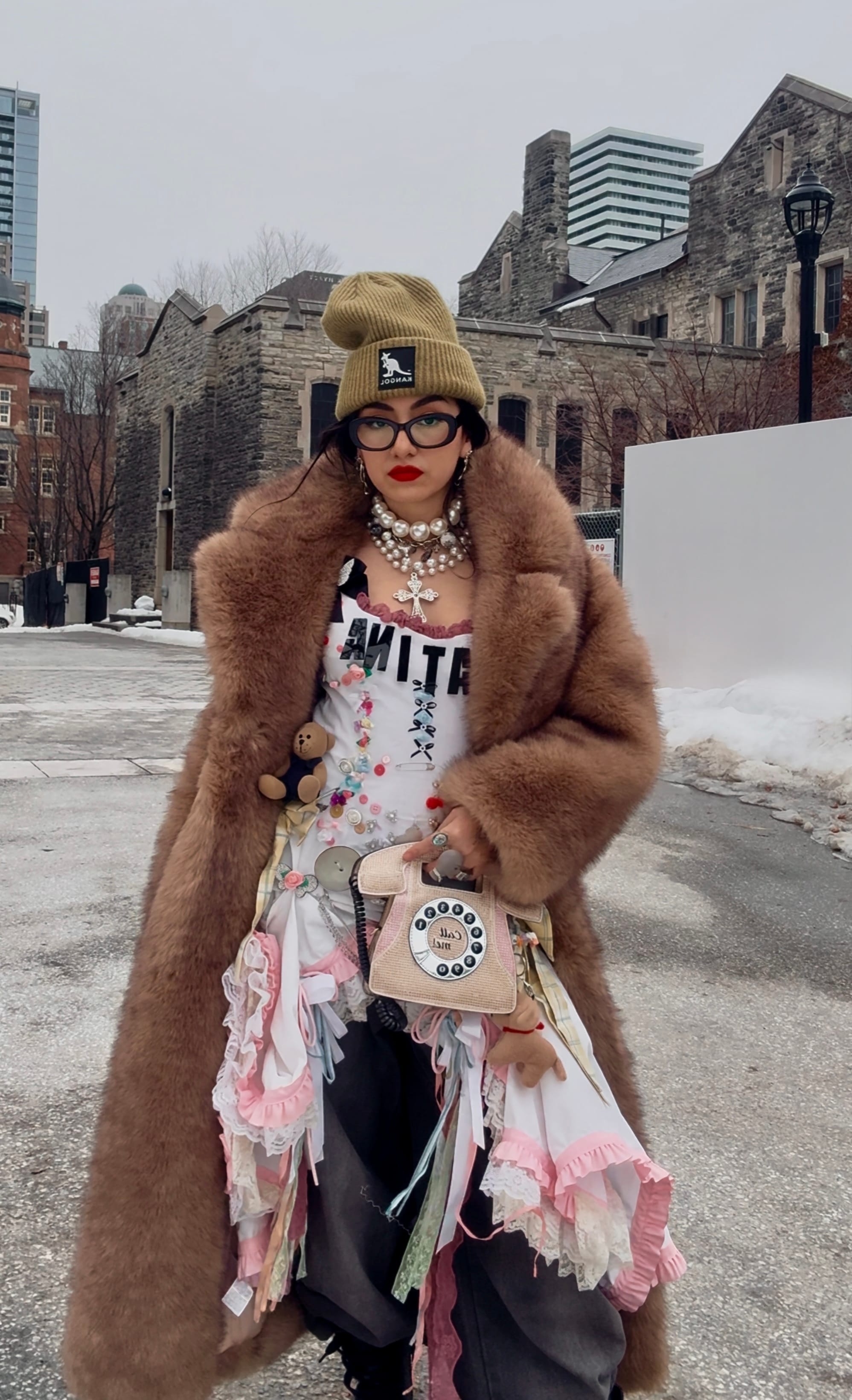
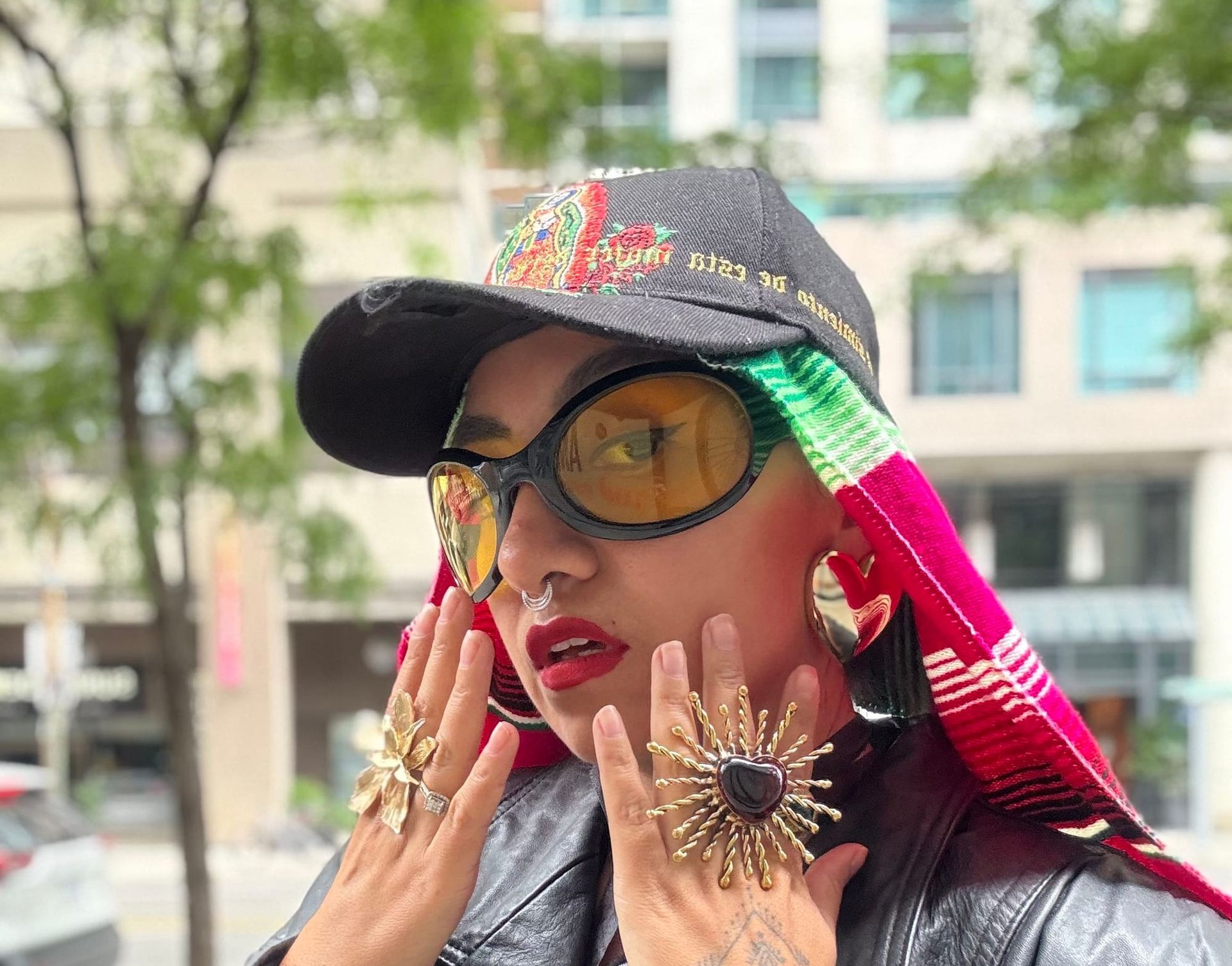
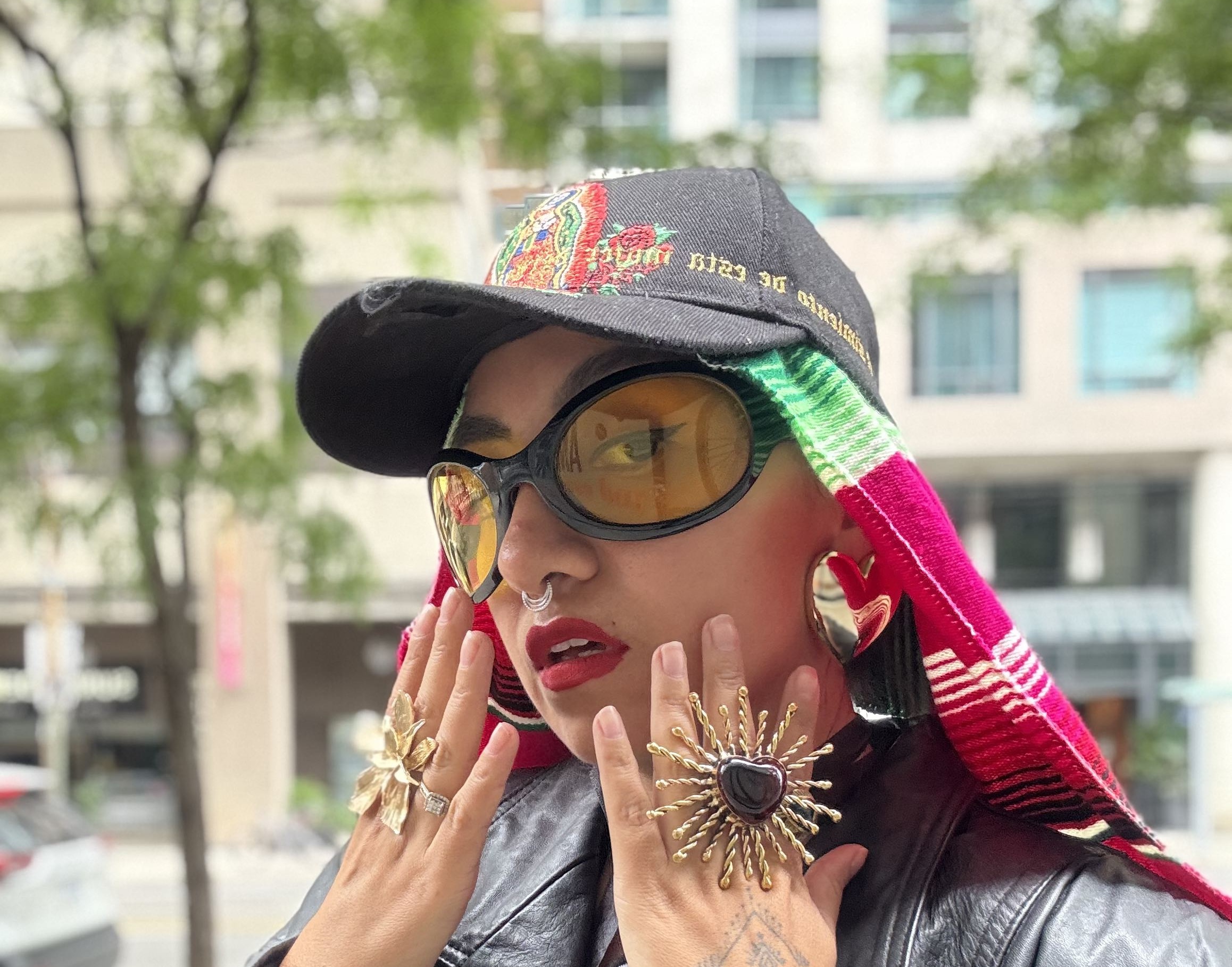
Dixy Rodríguez and her colorful outfits in Toronto, Canada. | Photos courtesy of Dixy Rodríguez. | Impulsiva Stories
She could be independent and have more freedom with her time there. Her husband also supported her for a year while Rodríguez got used to a new country and life.
Once she was in Toronto, she started knocking doors to begin making new connections. Thankfully, as soon as she showed her work to others, they instantly loved it. That was how Rodríguez began going deeper into styling. Fashion Art Toronto, which is Toronto’s longest running fashion week, have supported her since her beginnings in Canada until now. That then opened the door for Rodríguez to help brands with styling mentorships.
“That’s what I’m doing here. Making independent editorial productions from my pocket. From my own money. That was when all of this nostalgia in 2023 began. When I said: I don’t have everything at hand,” Rodríguez said. “I was desperate because in Mexico City, I had the market. Everything at hand in the colonia where I lived. The tortillería and the little shop on the corner.”
Listen to Dixy Rodríguez
0:00
/36.0525
The nostalgia and longing for Mexico was hitting strong. Rodríguez missed the simple things like the food, the mercado and its vibrant colors, the smells, the noise, and the culture in general. So, that’s when she began looking for more Latin American and Mexican people in Toronto. Mostly creatives who could join her in her editorial productions.
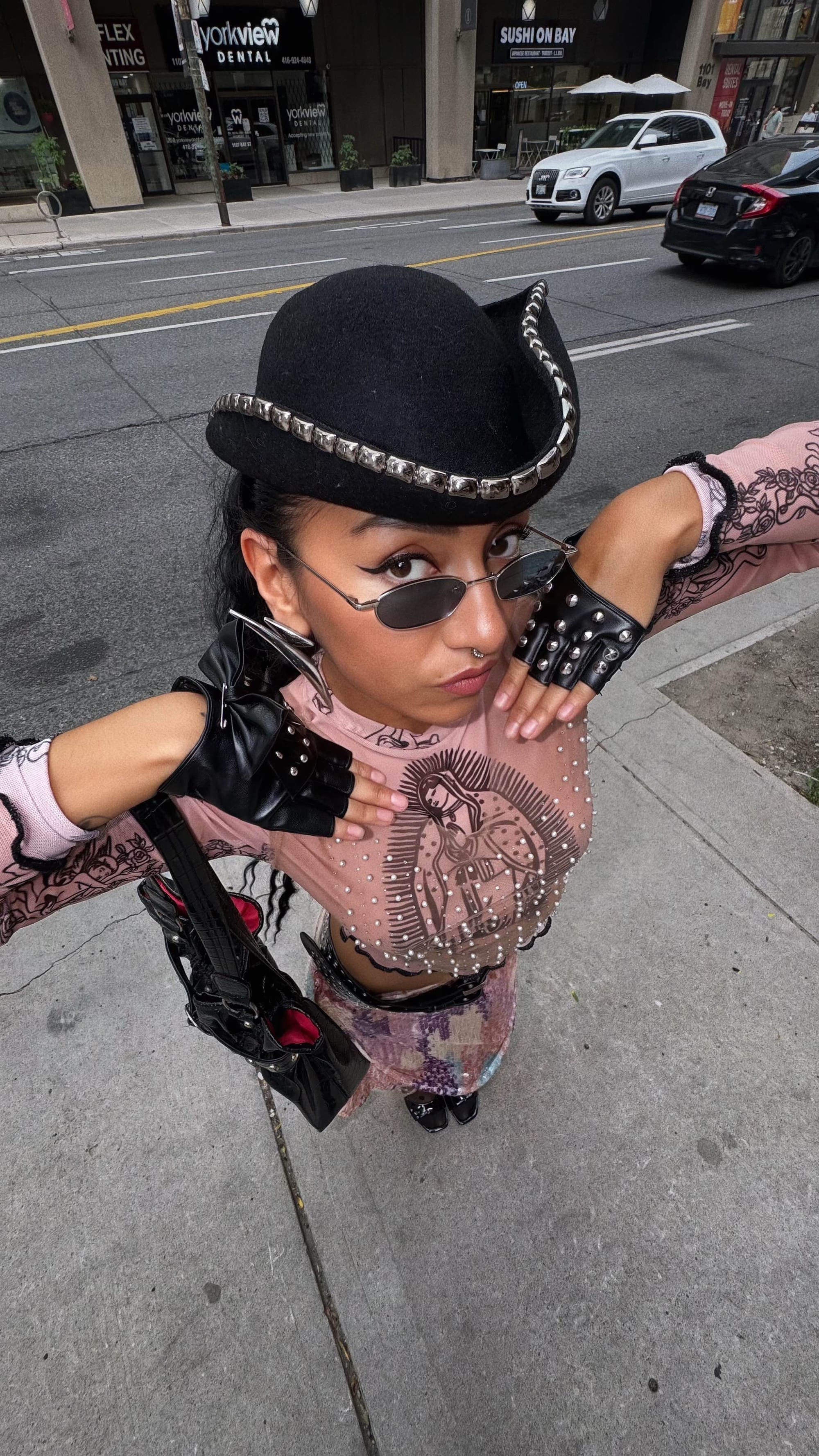
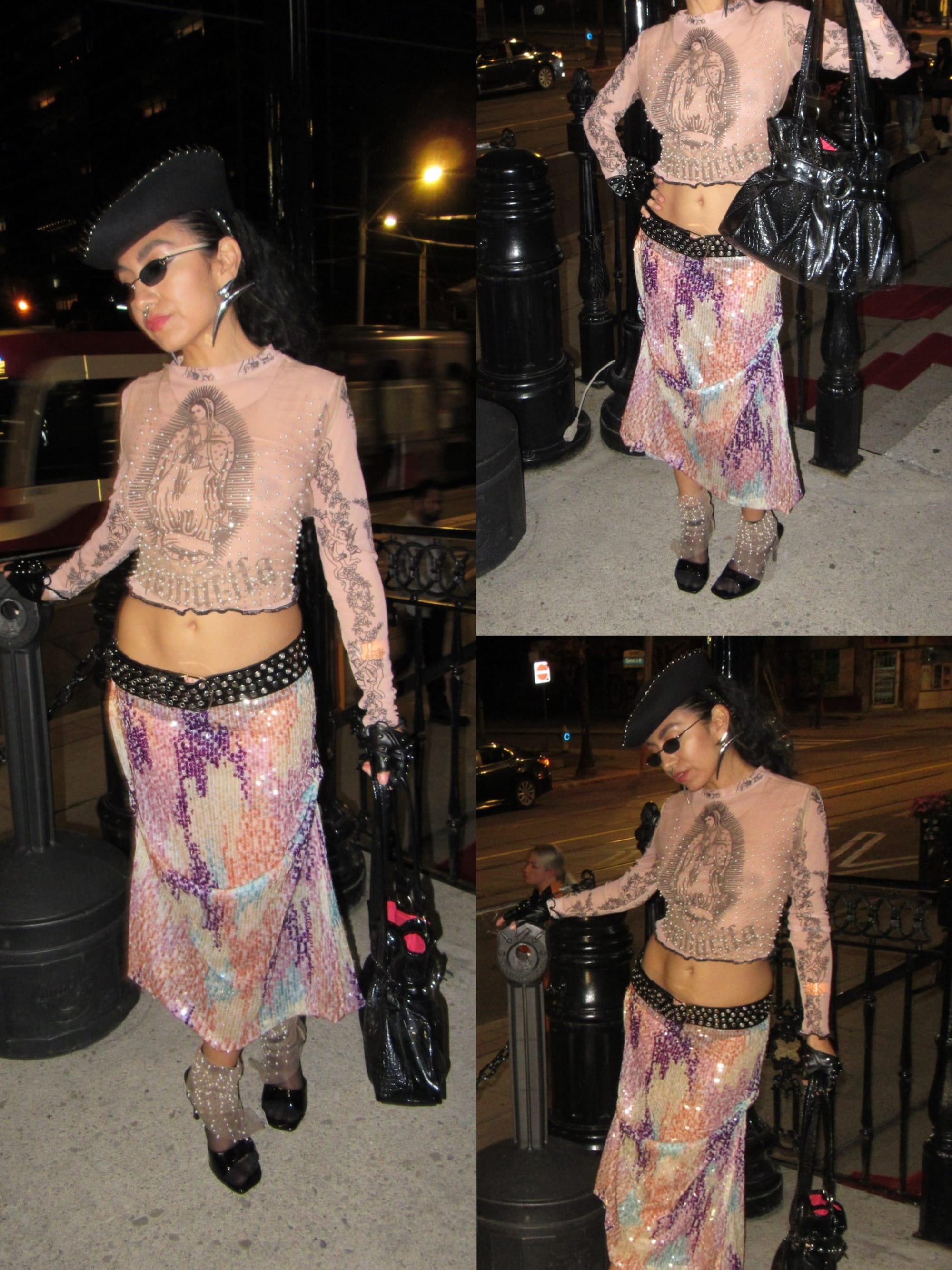
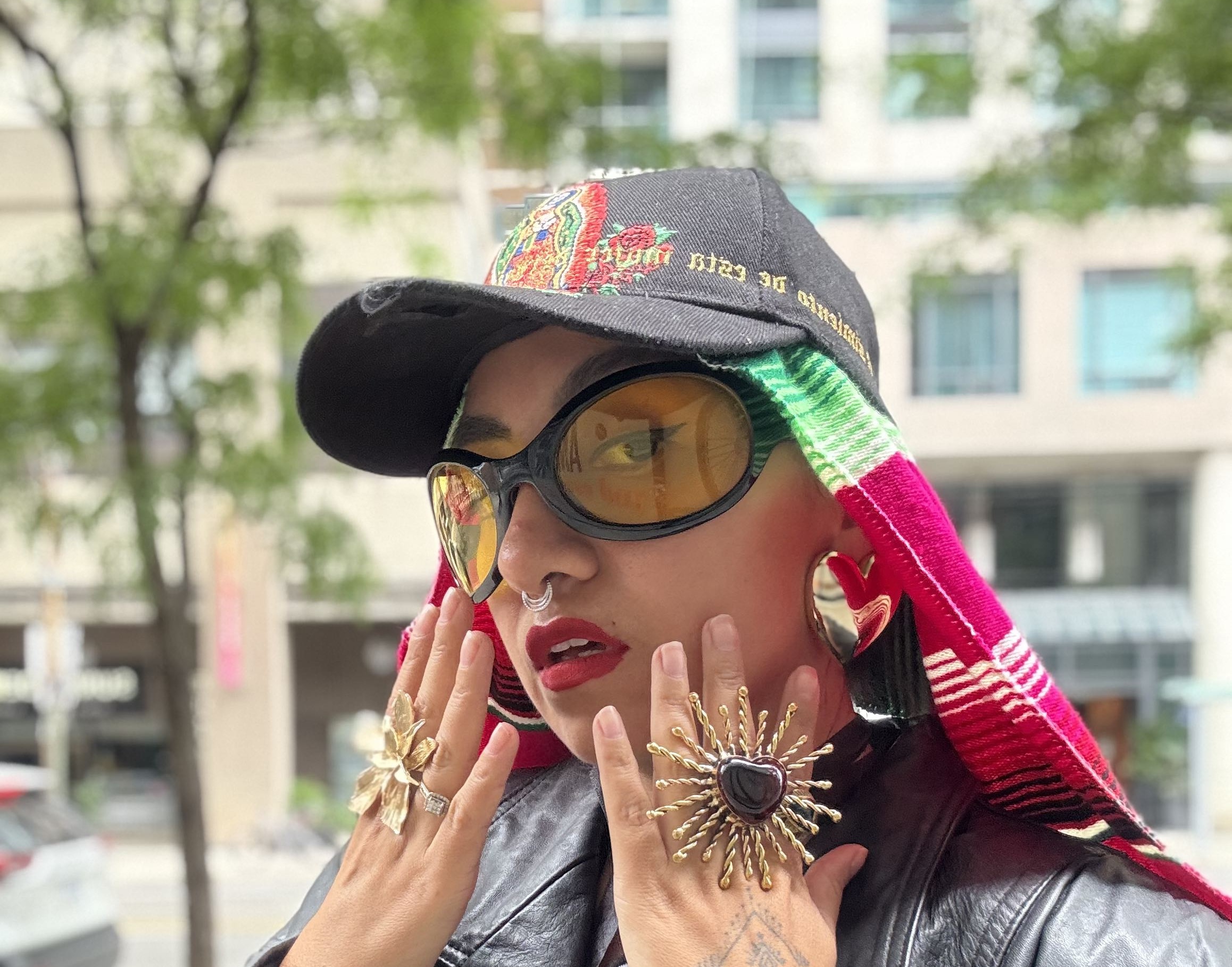
The Virgin of Guadalupe is a repeated figure in Dixy Rodríguez's Meximalismo. | Photos courtesy of Dixy Rodríguez. | Impulsiva Stories
As always, she puts so much love and passion to the work. When she shared it on social media, it exploded. She started noticing that people really liked what she was doing and the audience was connecting with the distinct images blatantly showcasing the vibrant Mexican identity and culture.
“When you start making noise, it’s like: well, we’re going to talk about this. Now we have to talk about this. We didn’t want to share it anywhere. Well, nothing to do about it now. Now we’re making noise and I know it’s not for everyone,” Rodríguez said. “That’s when all of this of the Meximalismo began.”
Listen to Dixy Rodríguez
0:00
/21.498
The Cultural Movement from a Personal Story
It started out with her looking for a team and accidentally creating a collective. She never thought Meximalismo would reach such great magnitude, but it makes all the sense in the world for it to have grown so much. Especially because Rodríguez is a firm believer that when you do things with so much passion, love, and enthusiasm, it gives great results.
That allowed Meximalismo to naturally come to her. For her to embrace it and accept it. For her to create a cultural movement where Mexico and its maximalism come together as a whole. Where the celebration of the demasiado México is at the center of everything. Where too much colors, too much smells, and too much Mexico is part of the identity.
But you might be wondering what Meximalismo really is. What it entails. What it looks like and how Rodríguez defines it on her own terms. To understand that, we must better comprehend her upbringing in Mexico and how she’s become a referent as an artist and creative.
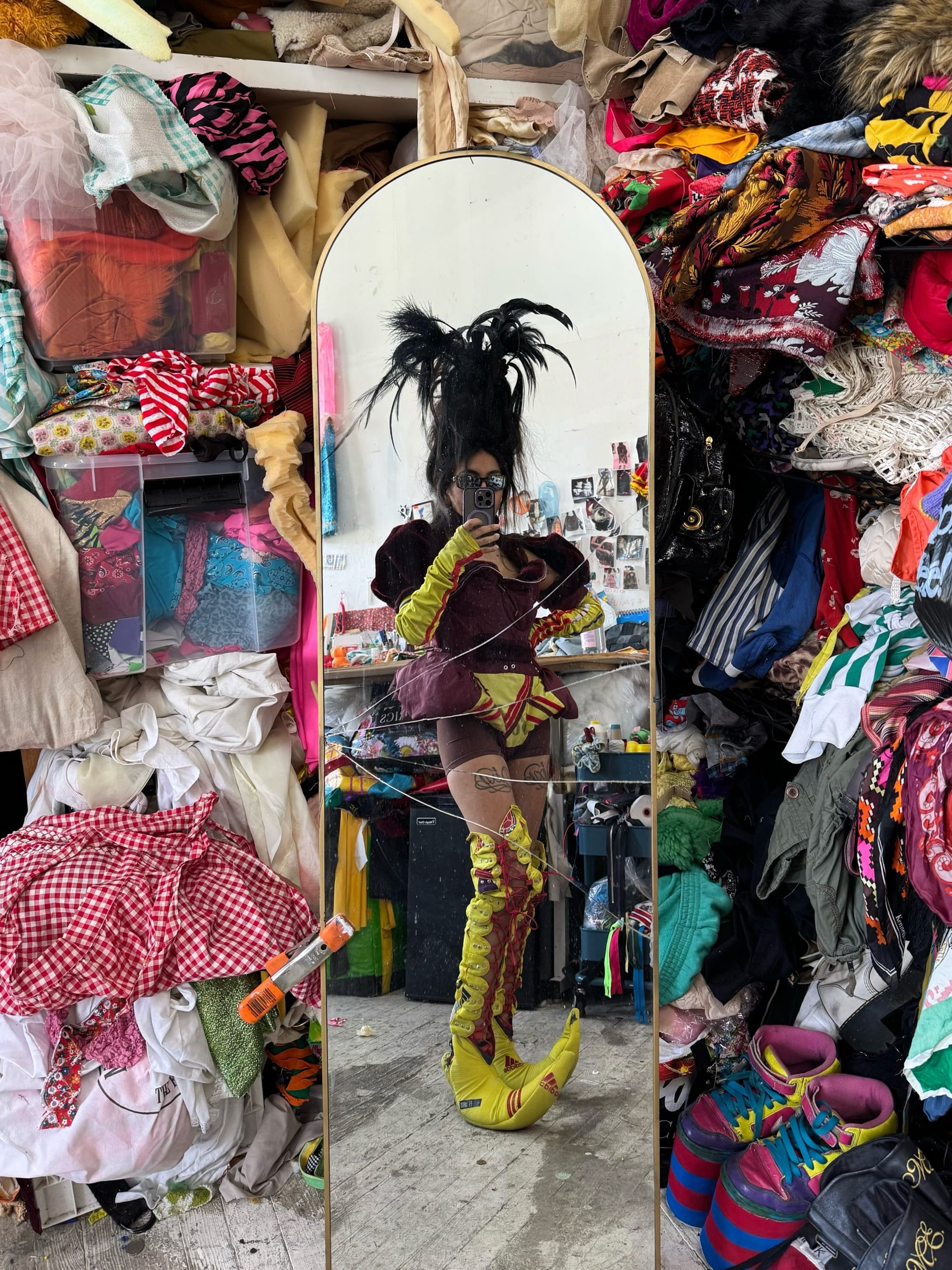
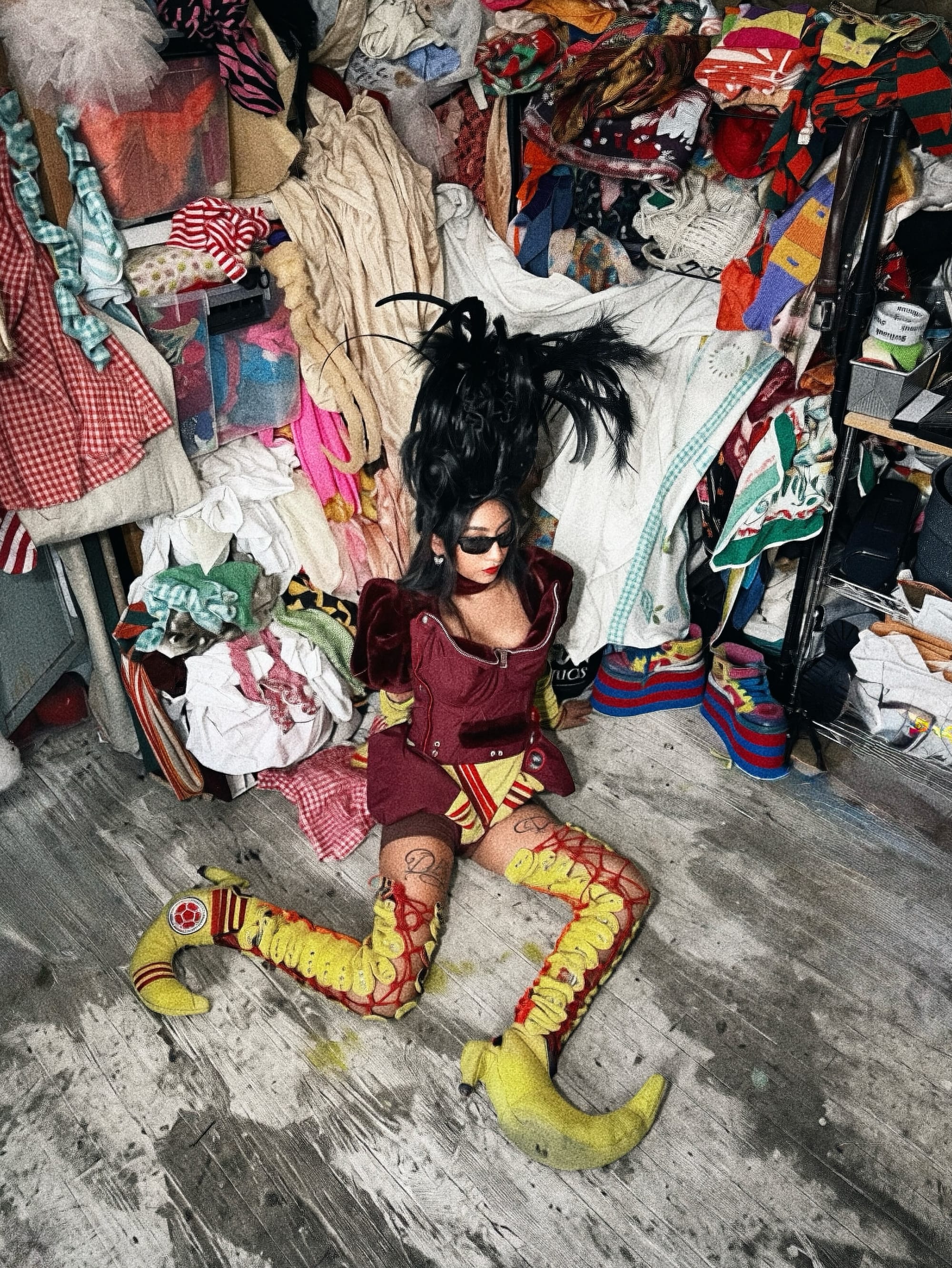
Scenes of Dixy Rodríguez depicting the concept of "demasiado México" through her Meximalismo. | Photos courtesy of Dixy Rodríguez. | Impulsiva Stories
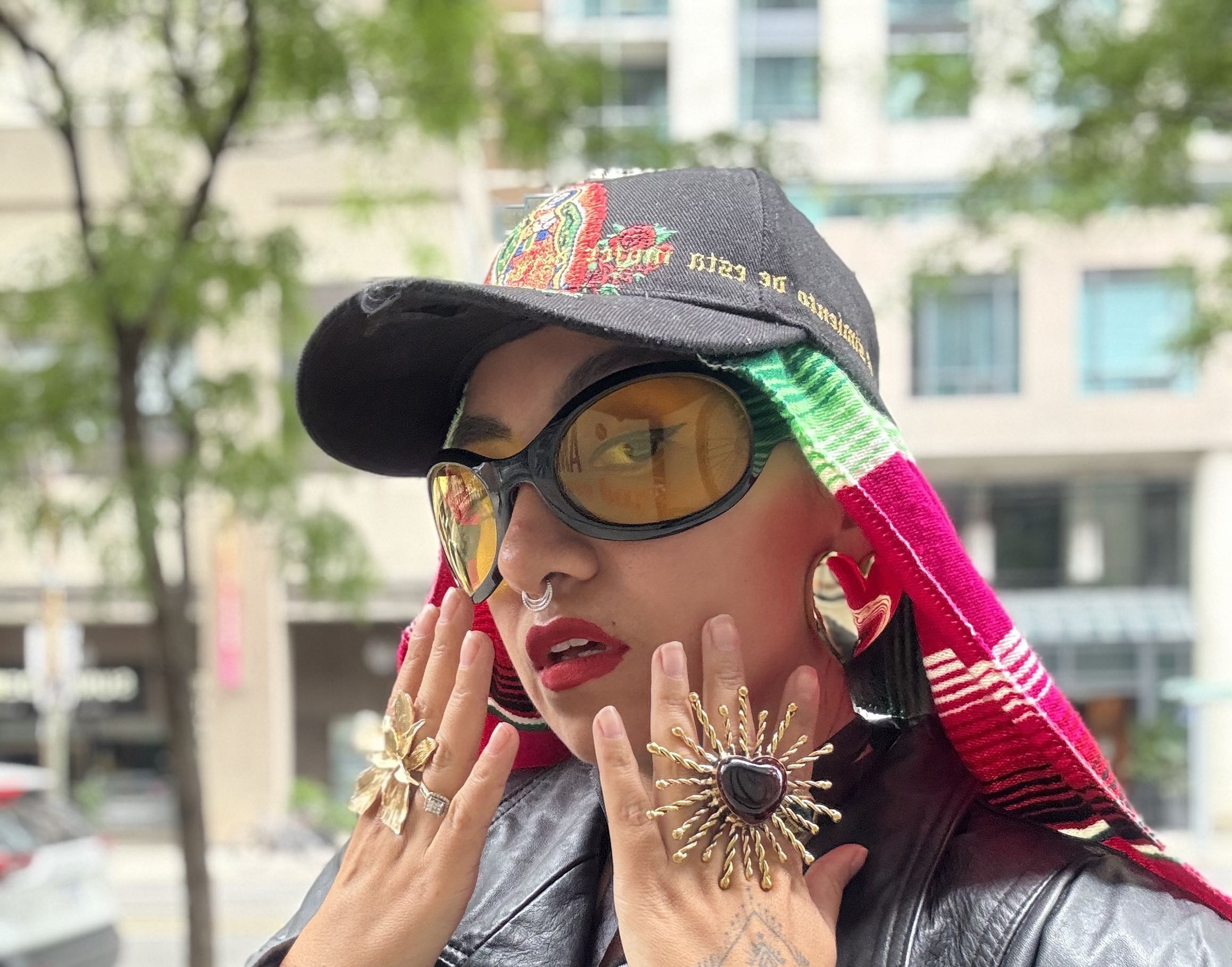
“I think Meximalismo is the story of each Mexican. It’s that place where the love for Mexico emerges. That too much. That beautiful chaos that maybe makes others uncomfortable. A lot of us come from that chaos, that many of us embrace,” Rodríguez said. “I want to stay with the too much. For me, there’s no other definition than my story because it’s very personal.”
Listen to Dixy Rodríguez
0:00
/55.954083
It stems from her personal story because Rodríguez grew up surrounded by the colors, the smells, her grandmother’s food, and having the colorful landscapes of the piñatas and fruits. She grew up at the Mercado Juárez and the barrio Santa Julia in Mexico City, so the vibrancy was always a part of her life.
The mercado was her own universe, world, and safe place where she could be happy and herself without a care. So, every time she works on her mood boards for fashion editorial productions, memories from her childhood always come up as inspiration.
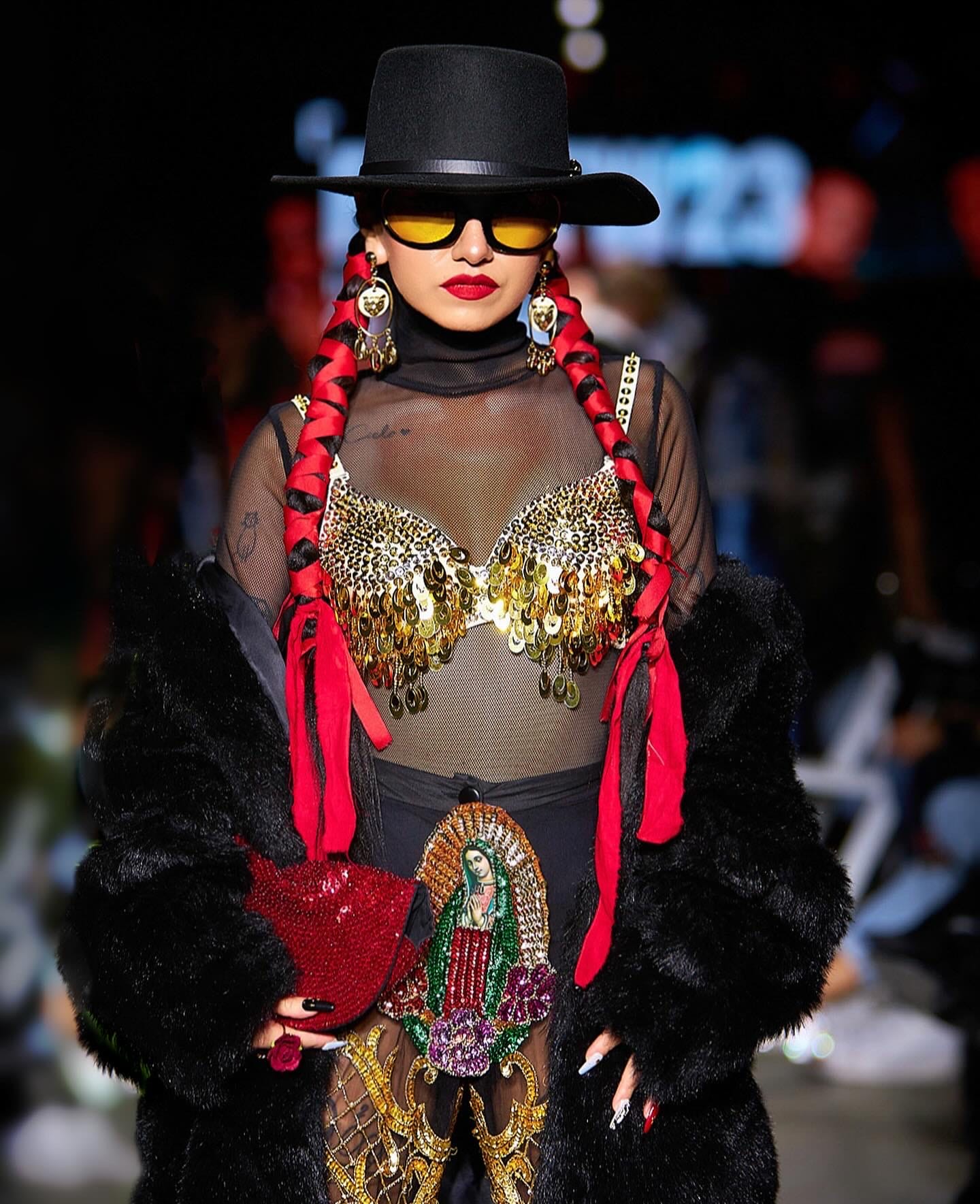
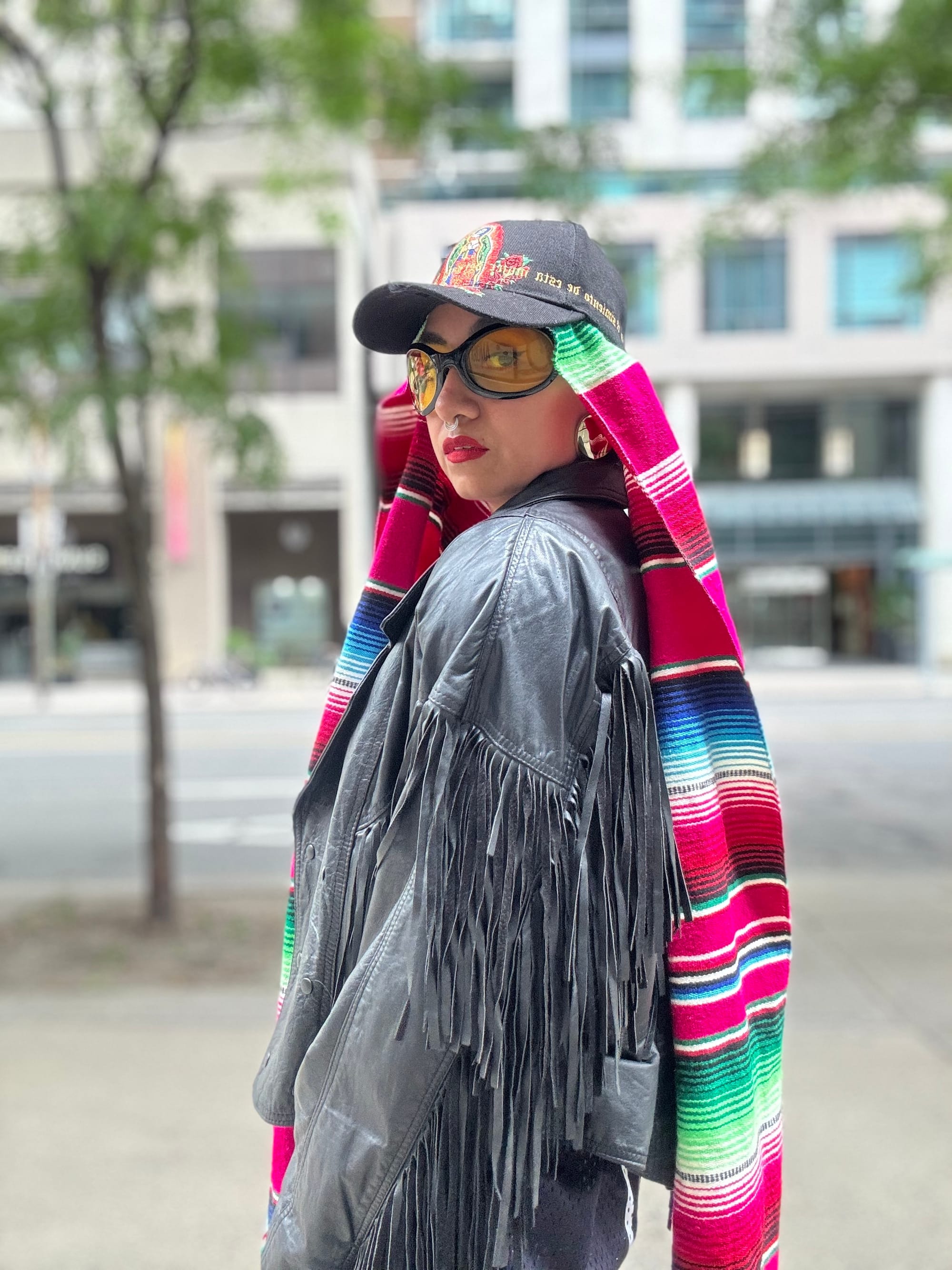
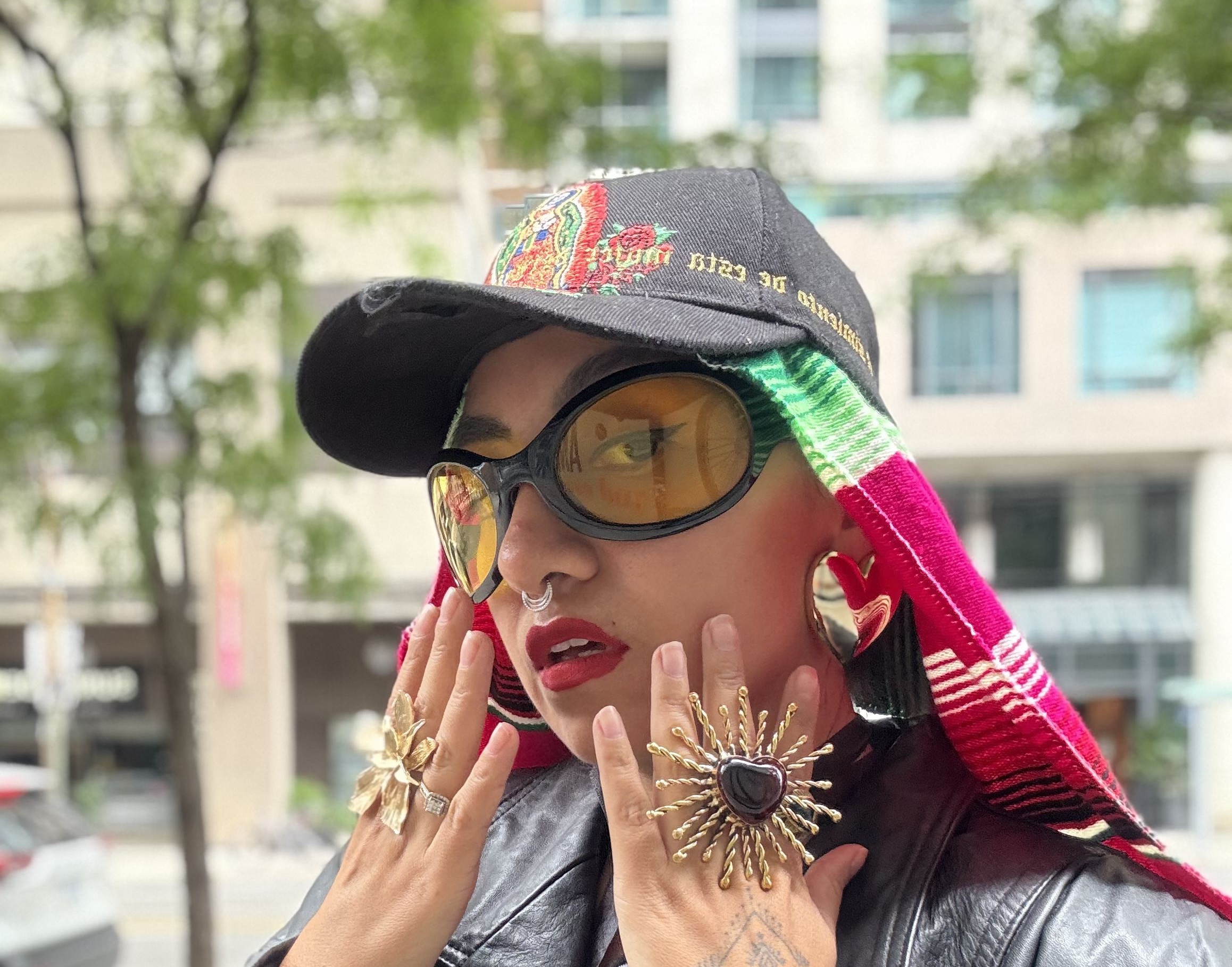
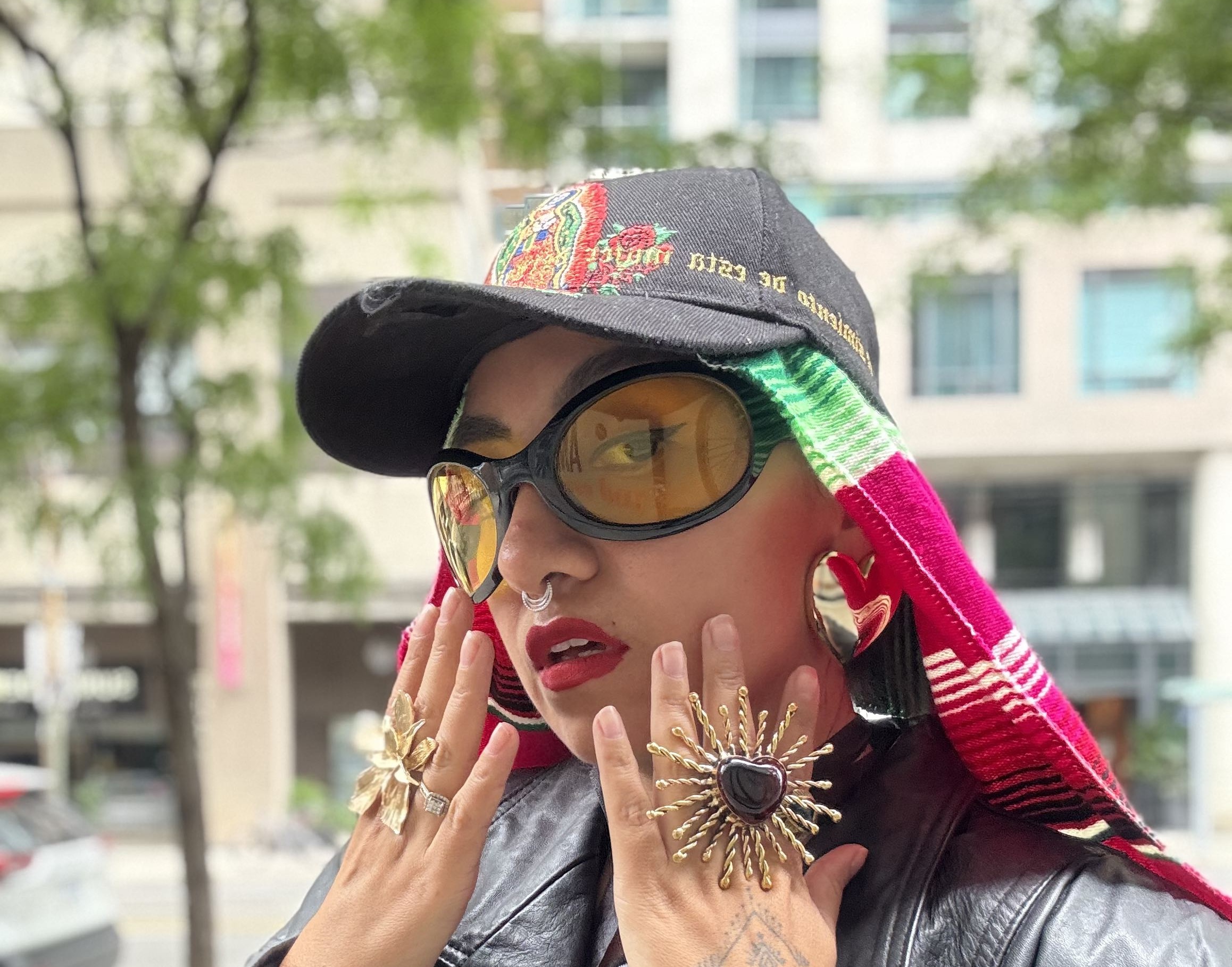
Mexico is always present in Dixy Rodríguez's outfits. | Photos courtesy of Dixy Rodríguez. | Impulsiva Stories
It makes her think about the mercado’s celebrations for December 12th because there’s a fair, people get dressed up nicely, and the virgins’ altars are changed. It’s a very iconic and special time. Rodríguez hasn’t seen it anywhere else besides her barrio.
It also reminds her of the phrases she was told throughout her childhood.
“The super iconic phrases when your grandmother told you that you were dressed of chilimole pozole. I was always told that as a girl. The, you’ve already strapped on the molcajete,” Rodríguez said. “That’s a bit poetic for me.”
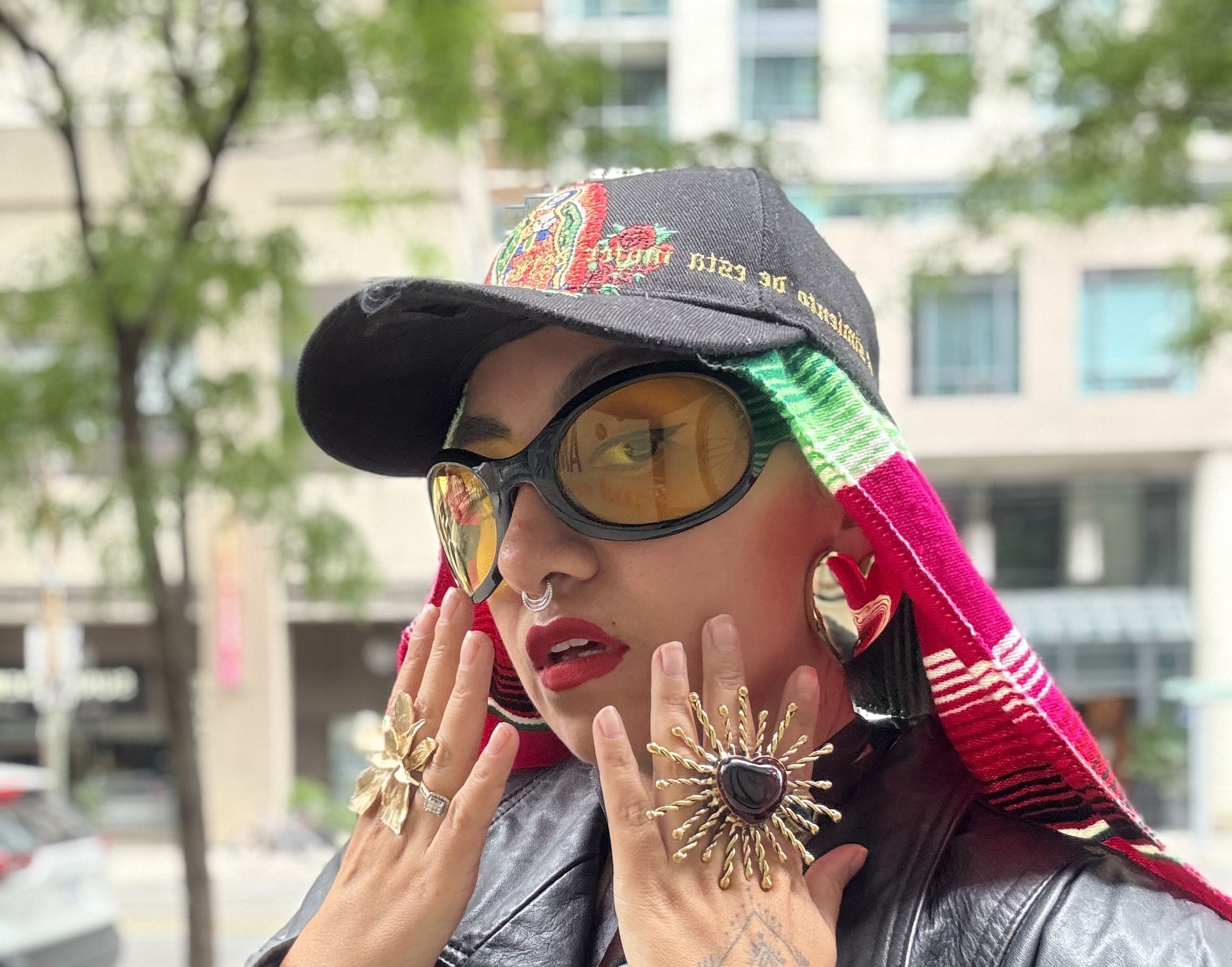
Listen to Dixy Rodríguez
0:00
/24.08025
It is poetic because it is part of who she is. Of her story. Of how her family is legendary at the mercado since her great grandmother’s first stall there. Rodríguez’s great grandmother passed away when she was 104 years old. The mercado still didn’t exist and her great grandmother was already out there with a tianguis.
Then, as they were building the mercado, her great grandmother was given a stall and the story does not end there. It continues through generations. Rodríguez’s grandmother has a mural of her at the mercado. Her grandmother, who is now ninety years old, still keeps going every day to this beautiful place.
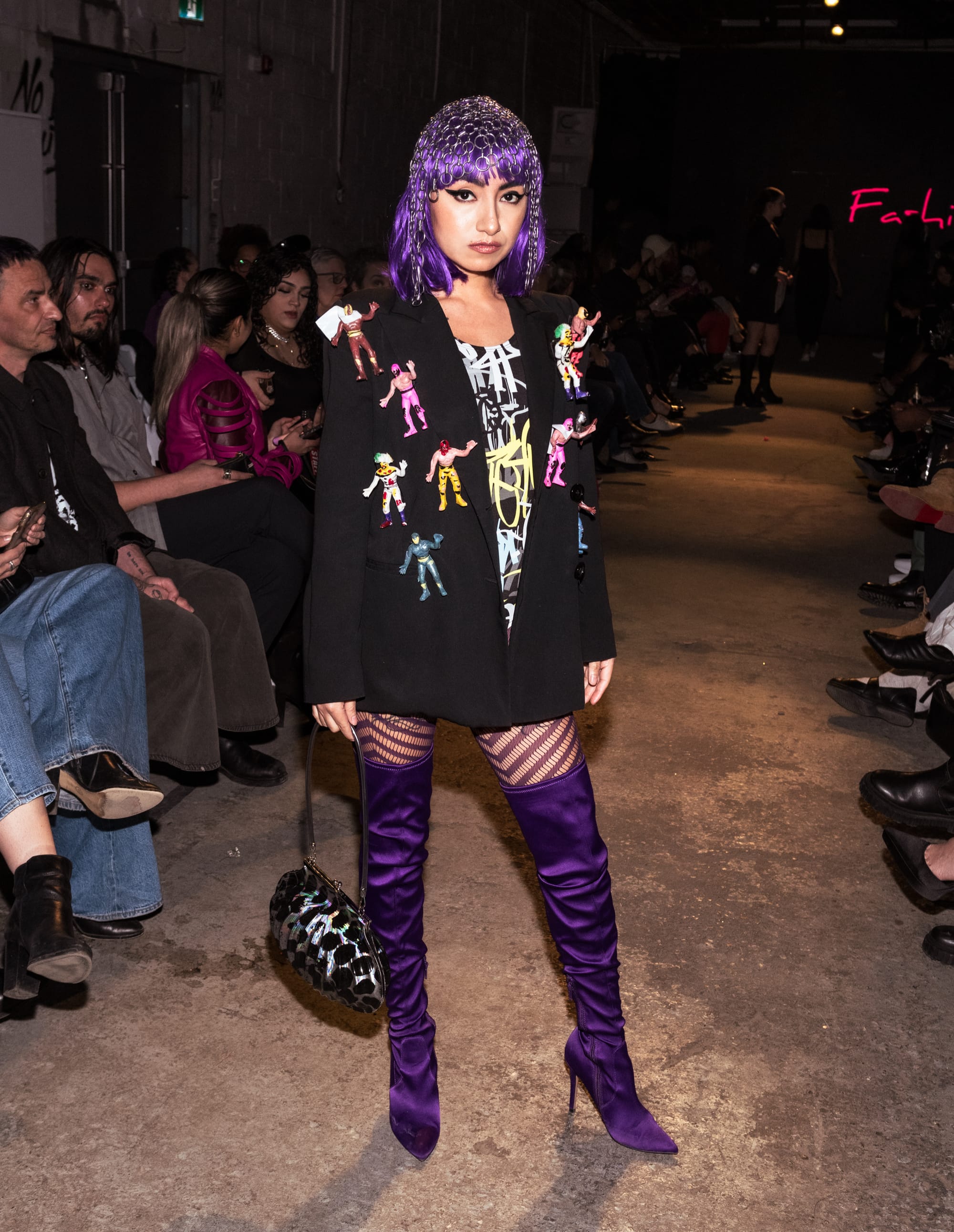
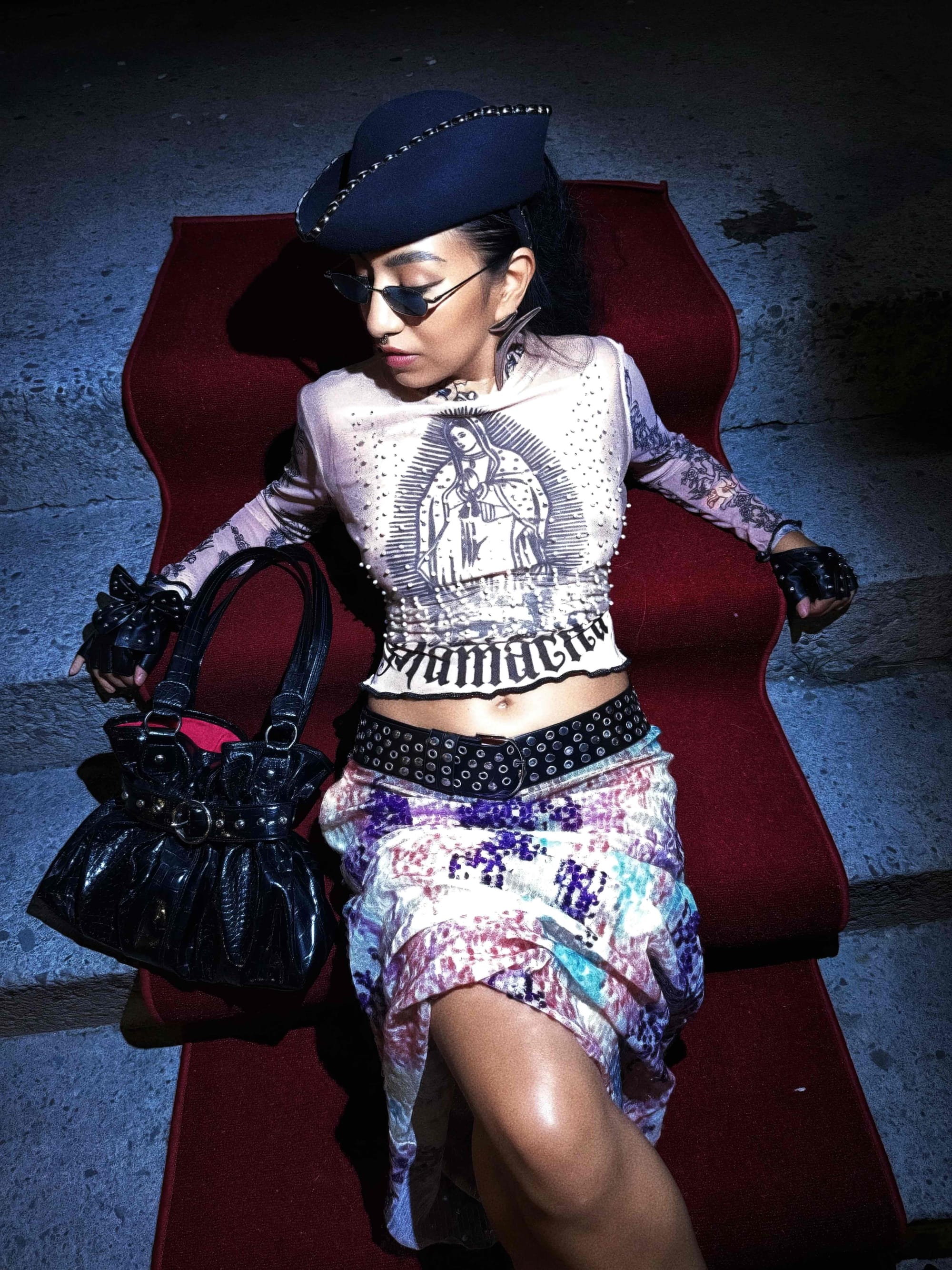
More Mexican elements and details in Dixy Rodríguez's Meximalismo. | Photos courtesy of Dixy Rodríguez. | Impulsiva Stories
Rodríguez even told her mother that she’d prefer going every day to the mercado than going back to an office.
“I enjoy it a lot. The day goes by really fast, but it’s because that’s where I grew up. It’s part of my home and my safe place. My own Meximalismo,” Rodríguez said.
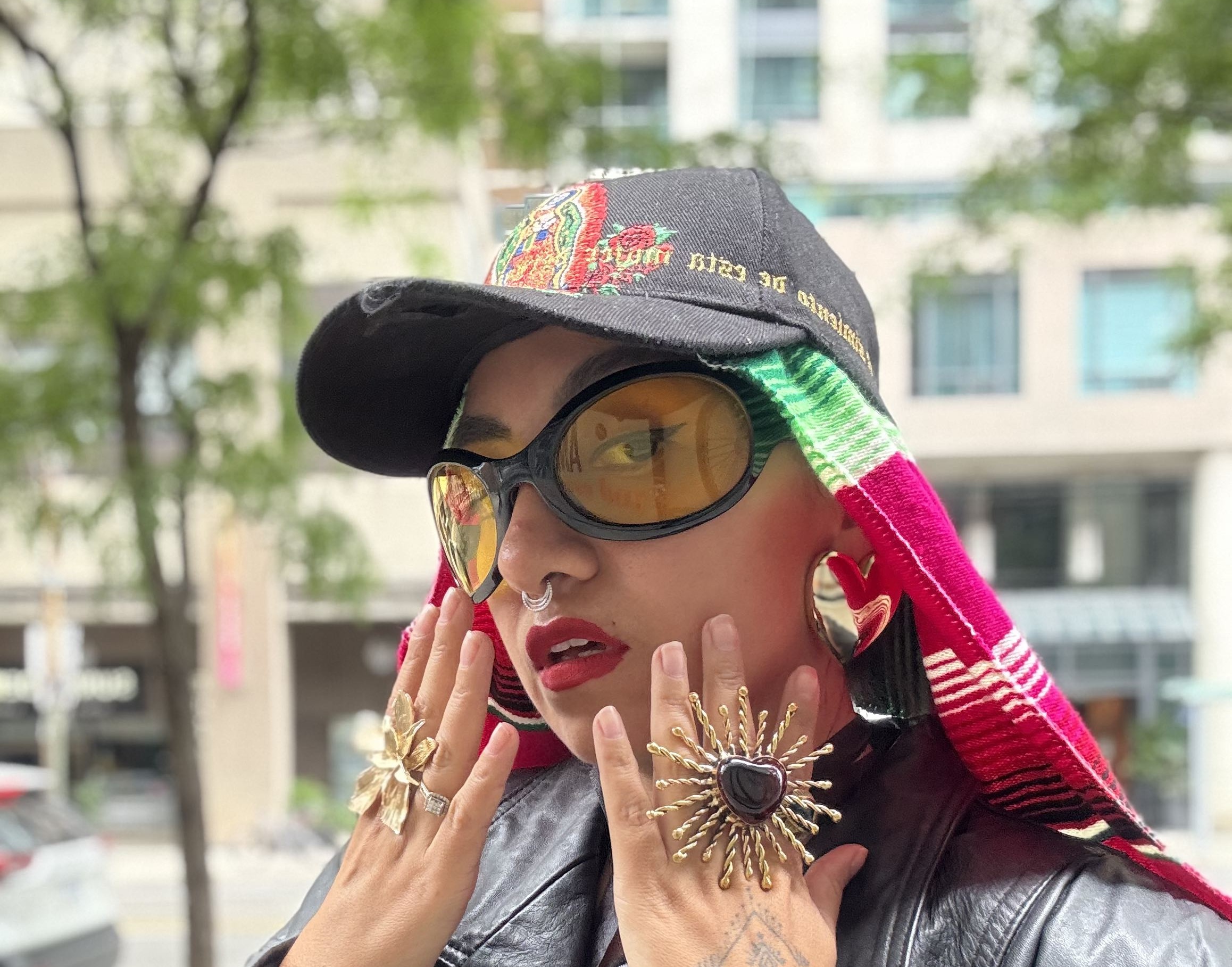
Listen to Dixy Rodríguez
0:00
/16.672583
Even though her definition of Meximalismo comes from a very personal perspective, she also thinks about how culturally rich Mexico is. Meximalismo is experienced in different ways by its people spared all over the country. Not only is it extremely diverse in location, but also in its varied art forms.
It is not merely about fashion. It is not a trend. It is identity and culture. It’s in the piñatas. It’s in the street art around Mexico City. In the handmade lettering painted to sell tortas or quesadillas. It’s also in their rich Indigenous culture and heritage. In the hand-sewn and handcrafted pieces.
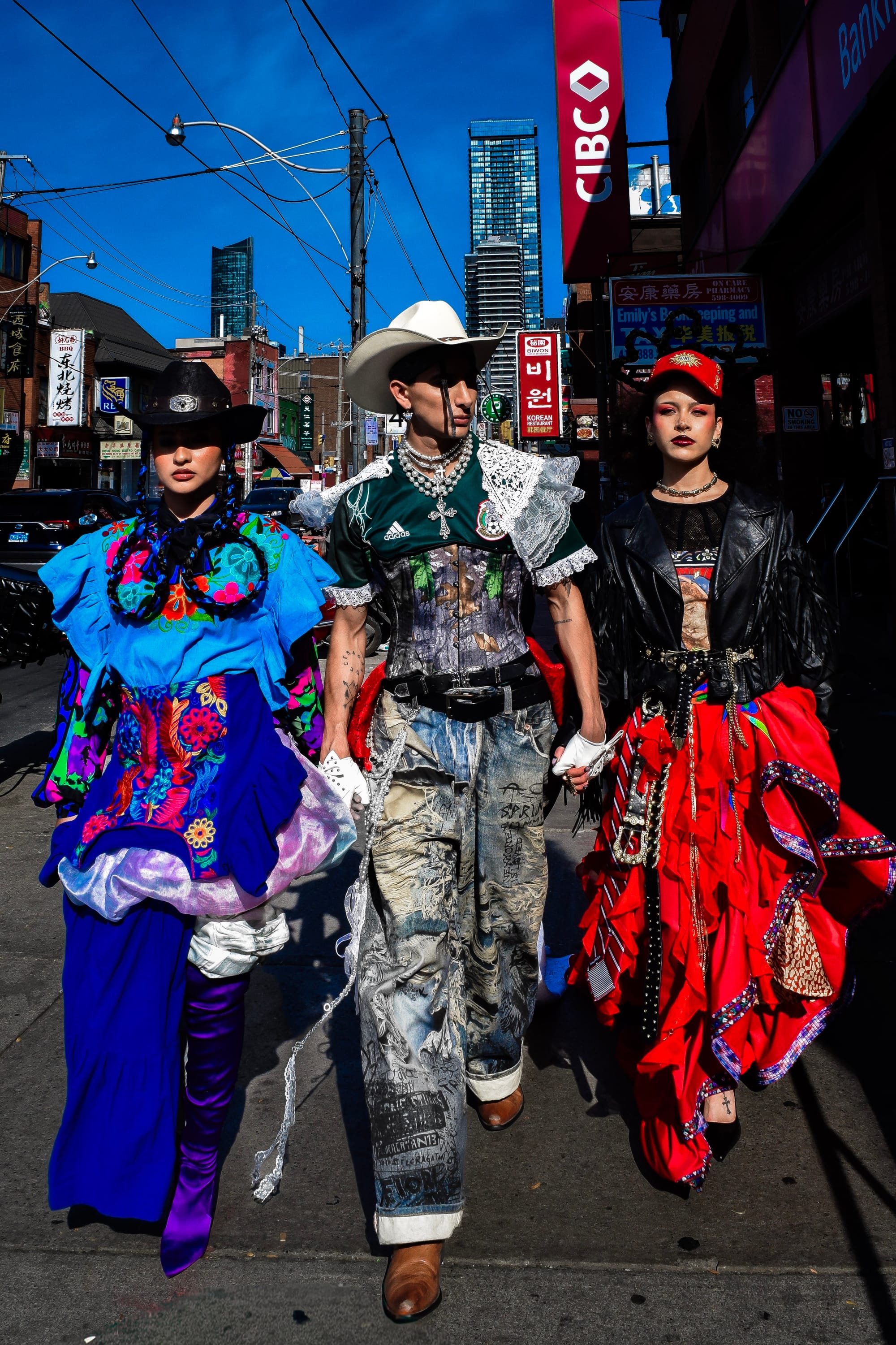
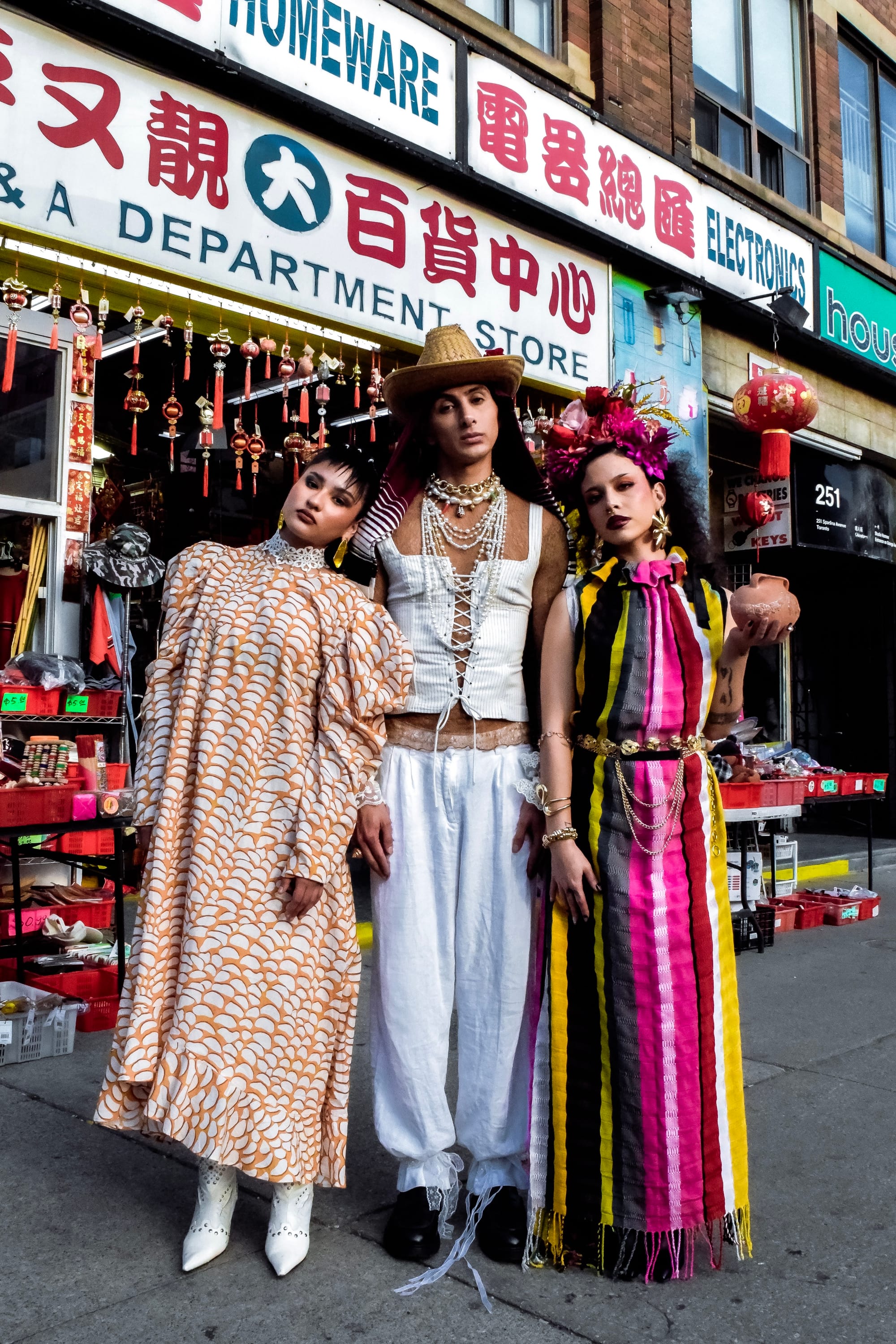
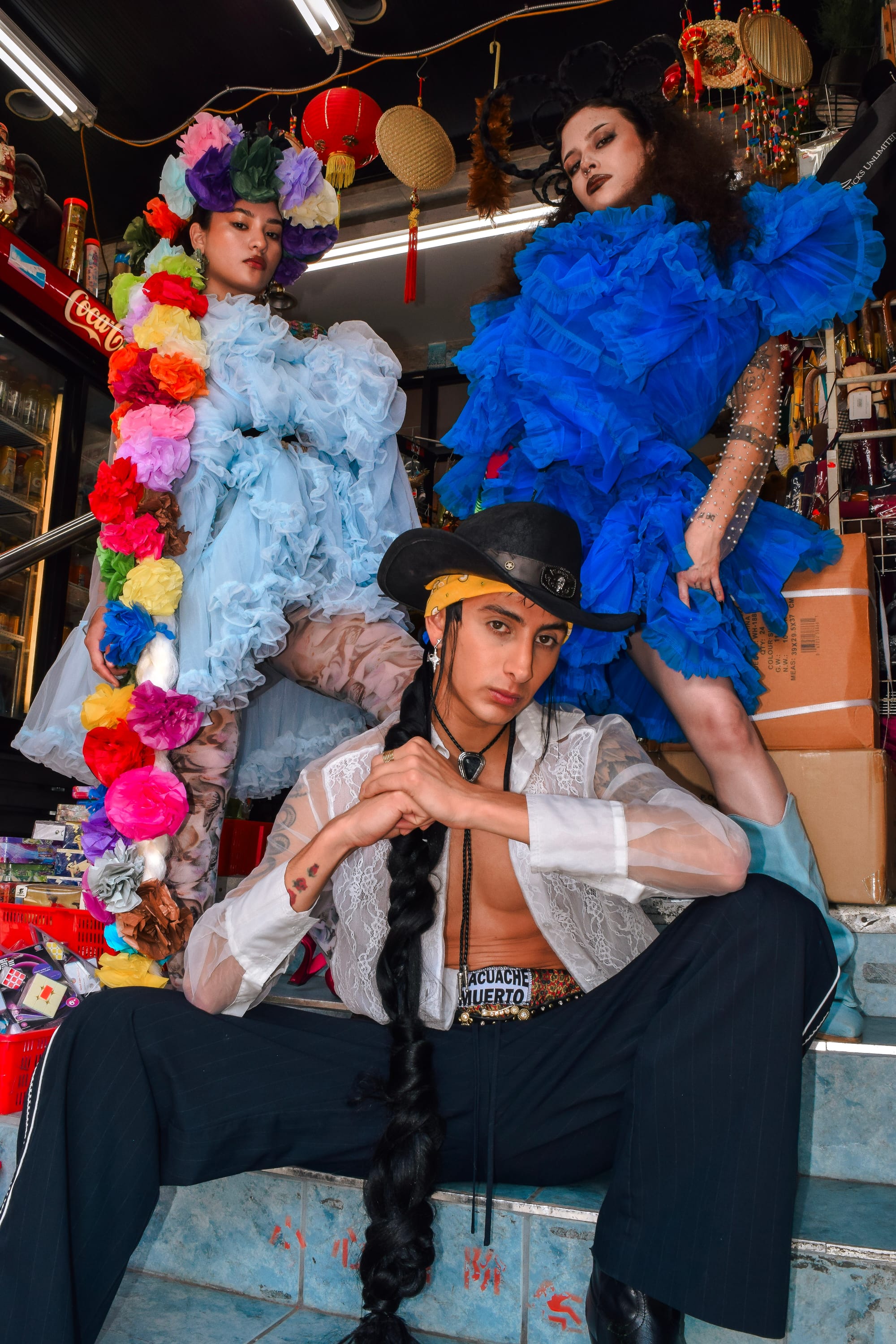
The clear portrayal of what Meximalismo looks like in Dixy Rodríguez's productions. | Photos by Alejandro Garza Lozano courtesy of Dixy Rodríguez. | Impulsiva Stories
And in fashion, Rodríguez mentioned various designers and artists such as Sergio Alcalá, Dislayre Magno, Morena Magic, Tlacuache Muerto, and Mille. They’ve all developed their own individual style of Meximalismo, which goes from fashion and upcycling to art and jewelry.
“I can now tell you that it’s grown a lot this year and I think Mexico has a lot of potential there. I think that the chavitos are making lots of things that are very chidas. If you can take a look around and support them at el Chopo and not only Mexico City,” Rodríguez said. “Also in Guadalajara, Monterrey, and Mérida. In Veracruz. There’s a lot of talent.”
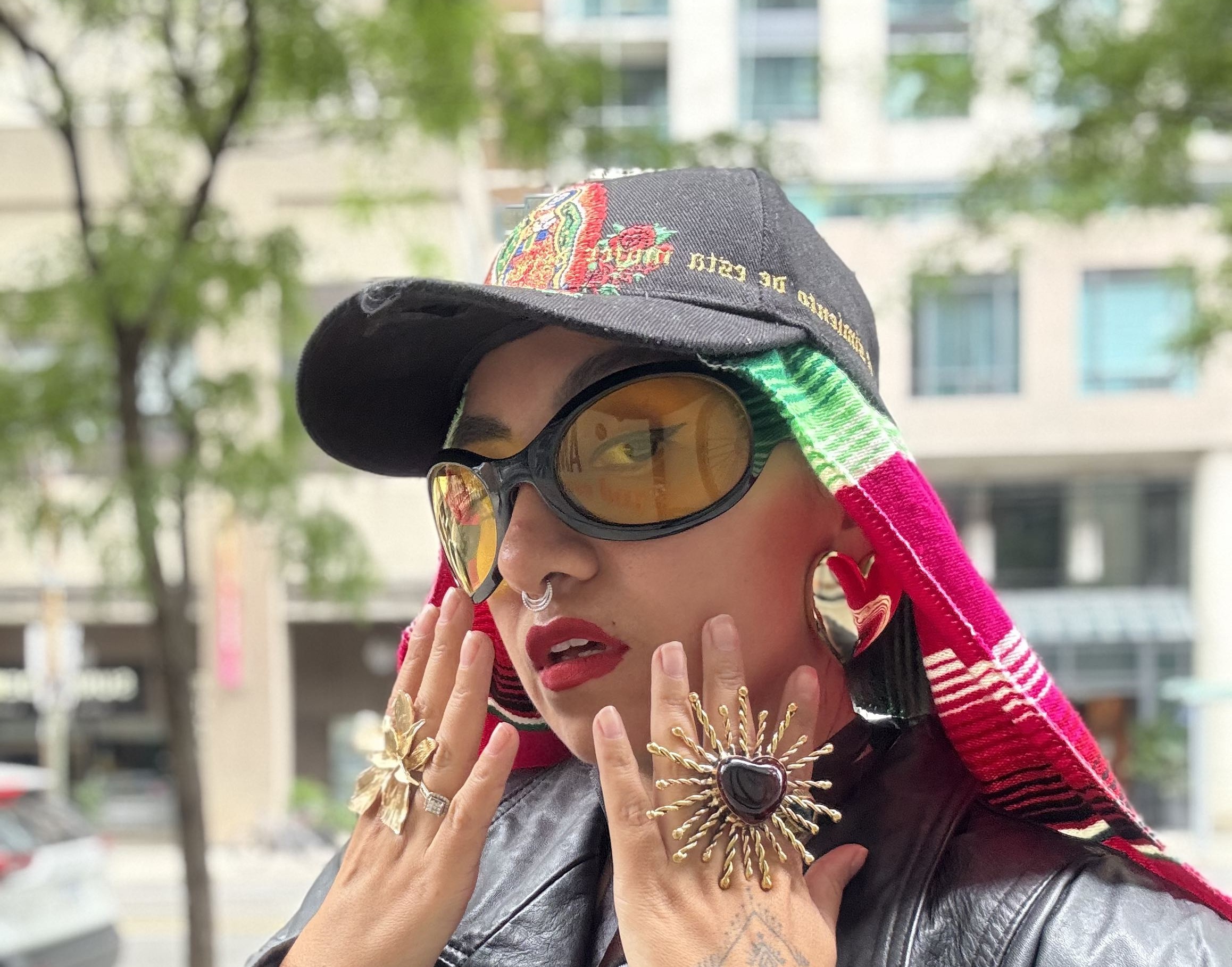
Listen to Dixy Rodríguez
0:00
/35.296083
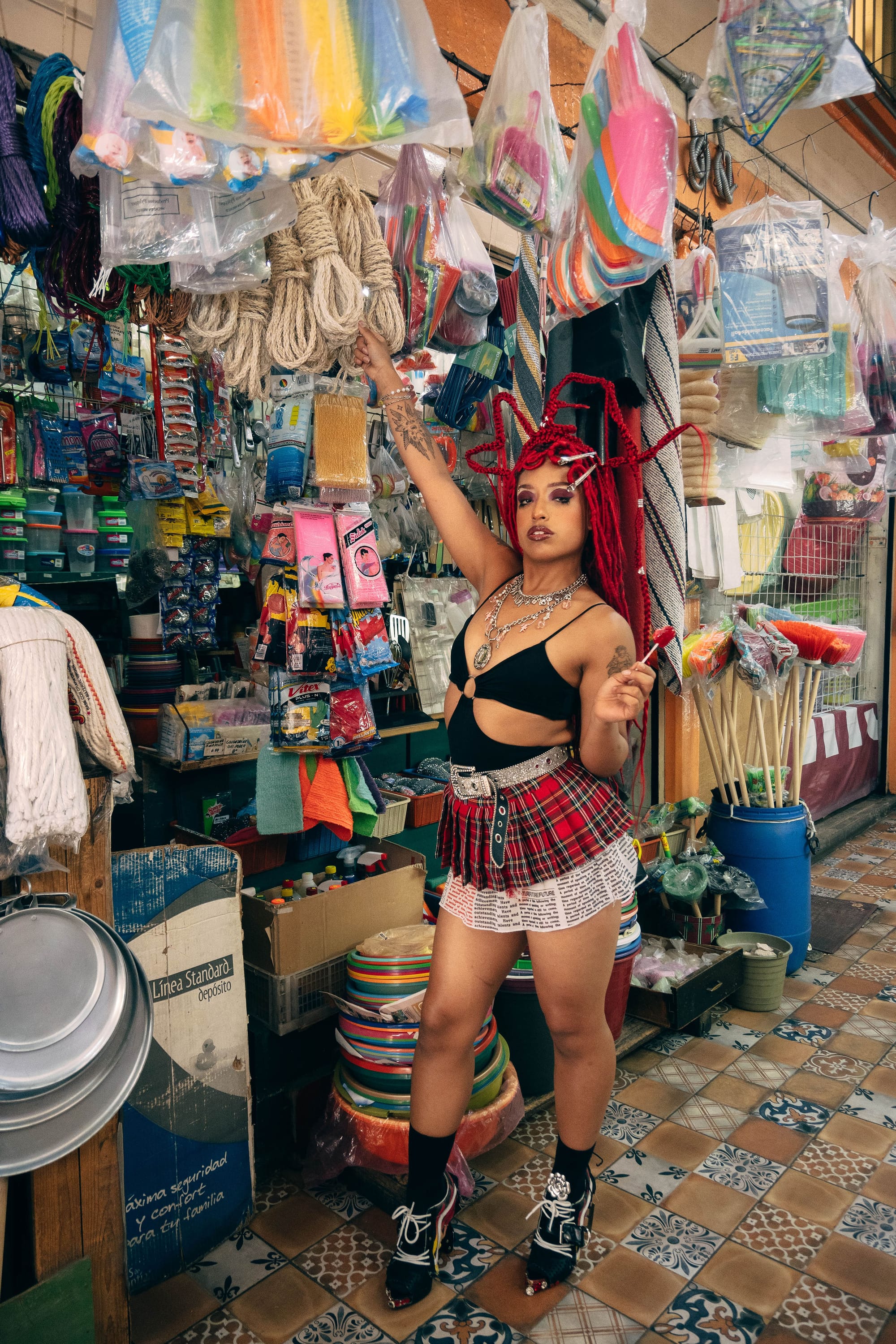
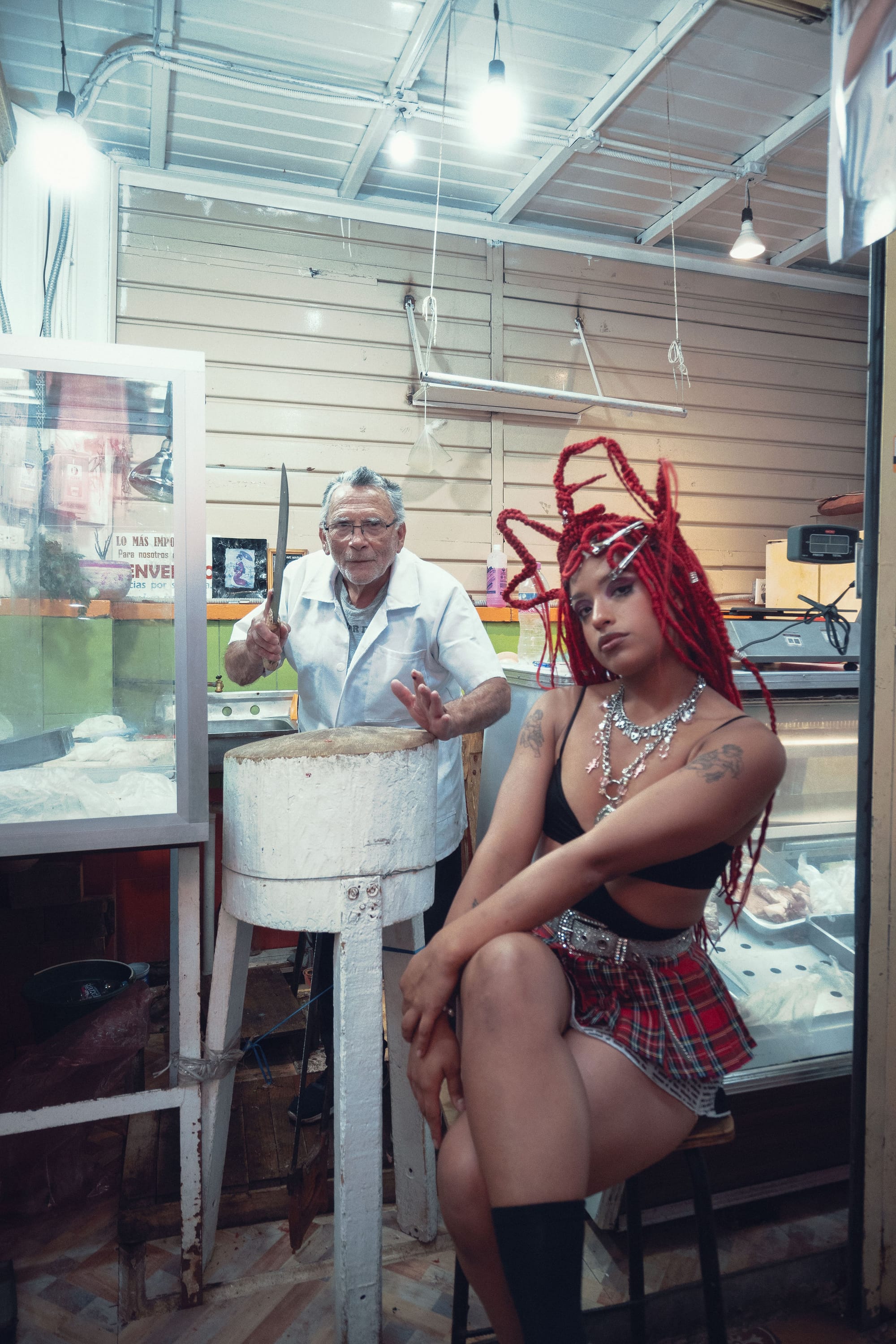
The clear portrayal of what Meximalismo looks like at a Mexican mercado. | Photos by Isa Mejía courtesy of Dixy Rodríguez. | Impulsiva Stories
A Meximalismo with no Limitations
The existence of Meximalismo obviously doesn’t limit itself just to Mexico. Borders have not been a limitation for Rodríguez since she’s in Canada, which actually strengthened more her Mexican roots. A creative living in Chicago reached out telling her he was inspired by Meximalismo. He was really grateful with Rodríguez for posting his work on Meximalismo’s Instagram account and all of the support it’s brought.
And that’s where Rodríguez knows that Meximalismo’s success lies. In supporting people and being a space for creatives. Becoming a platform that generates new opportunities where the support is one of its main priorities.
This particular creative from Chicago was really grateful with her because of all of the work opportunities that appeared after that post. That’s how she knows that Meximalismo’s purpose is being fulfilled. Even though she thinks it’s a bit informal, she really doesn’t care. She just wants to support creatives and wants them to know they have a place in Meximalismo.
She just really enjoys going with the flow and seeing how things turn out. She’s never had a plan for what she’s building. She made it a reality and trusted her intuition.
And she feels Meximalismo’s great connection with others lies on its collaborative approach. This is thanks to all the people involved in the independent editorial productions, which includes stylists, photographers, makeup artists, hairstylists, fashion designers, models, and many more.
“The stories keep coming. The fashion productions keep coming. The models keep coming. We really don’t have a plan. They just keep coming. Little by little, they contact us and look for us. It’s not like I have a plan right now, but it’s nourished itself alone,” Rodríguez said. “It’s fed itself because we’ve made it well with love and it’s more like a community.”
Listen to Dixy Rodríguez
0:00
/51.911167
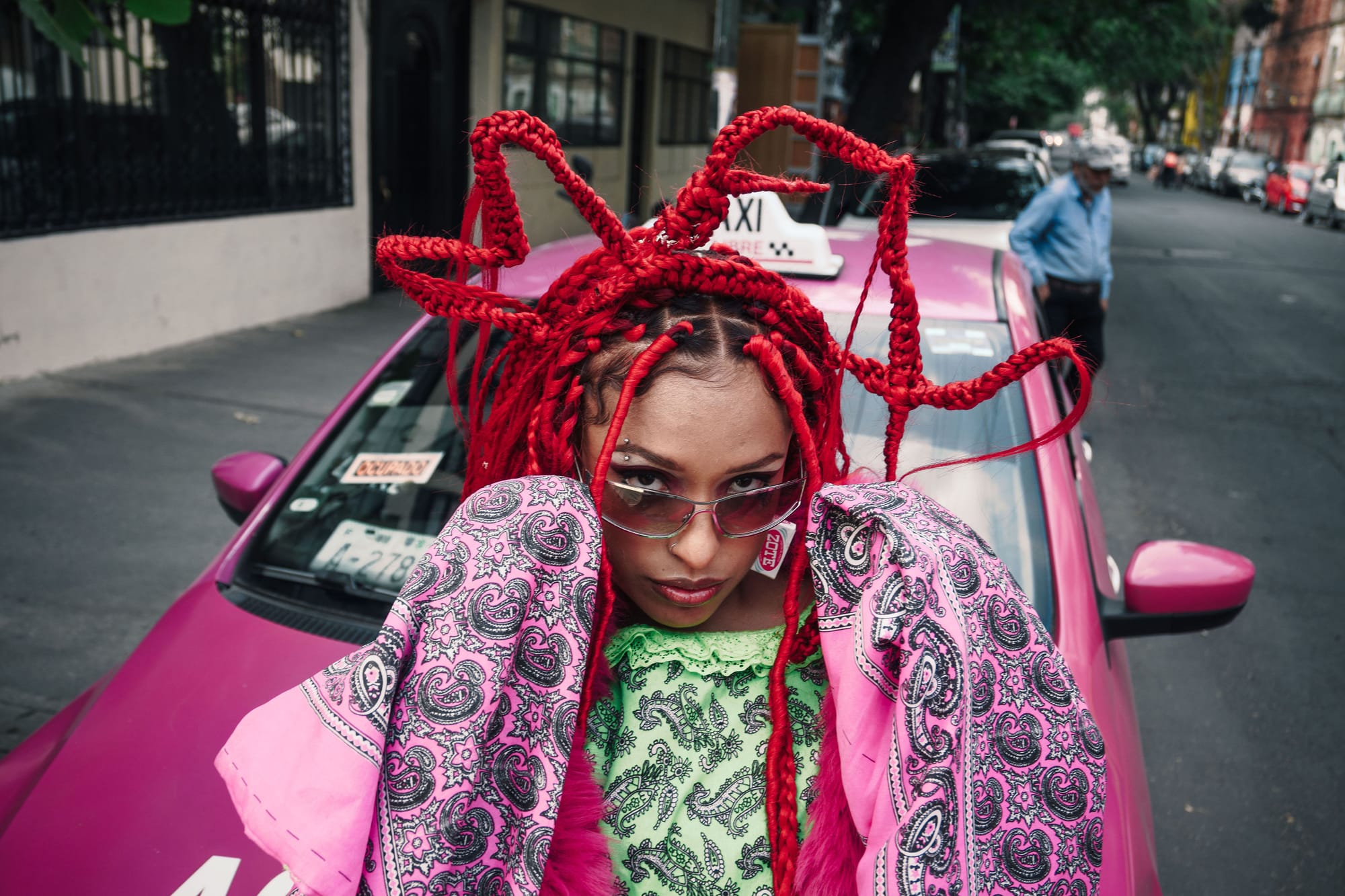
She’s built an online space that feels like home and sees no limitations in what Meximalismo is and can be. That’s why they’ve even adopted and fully embraced the concept of the streets being a runway. This public space is part of Rodríguez’s story. It’s normal for her. She believes we should all take the streets, create more art, and not ask for permission to do so. That the barrios and streets belong to everyone.
We should all take ownership of them and repurpose them in a creative way. She even expressed that if you can’t be at a Fashion Week, then transform the streets into that. Her childhood was strongly defined by making the halls of the mercado feel like a catwalk every day of her life.
0:00
/0:06
The streets at la Merced are a runway for Meximalismo. | Videos courtesy of Dixy Rodríguez. | Impulsiva Stories
Recently, she made this a reality with a production she did at la Merced with eight fashion designers. A lot of people were involved in the production and the owner of the space they rented, suggested to do a runway outside. They set up everything and slowly, people started coming close to watch the show.
“I placed them [the models] together. I was directing them. You go next. Now come together. We did various videos doing that and people loved it, but it was not something that was planned,” Rodríguez said. “Most of the things we do here have been organic and that day it happened. They took the street and enjoyed it. Everyone was happy.”
Listen to Dixy Rodríguez
0:00
/38.47825
And once again, Rodríguez sees no limitations to create the vibrant Meximalismo. One day she can be taking the streets of a mercado and the next, she can be helping the Mexican brand Dislayre Magno with the styling direction at New York Fashion Week. There’s never a dull day in Rodríguez’s life and it’s a world full of possibilities for her creations. It’s a world full of opportunities in her art of the Meximalismo.
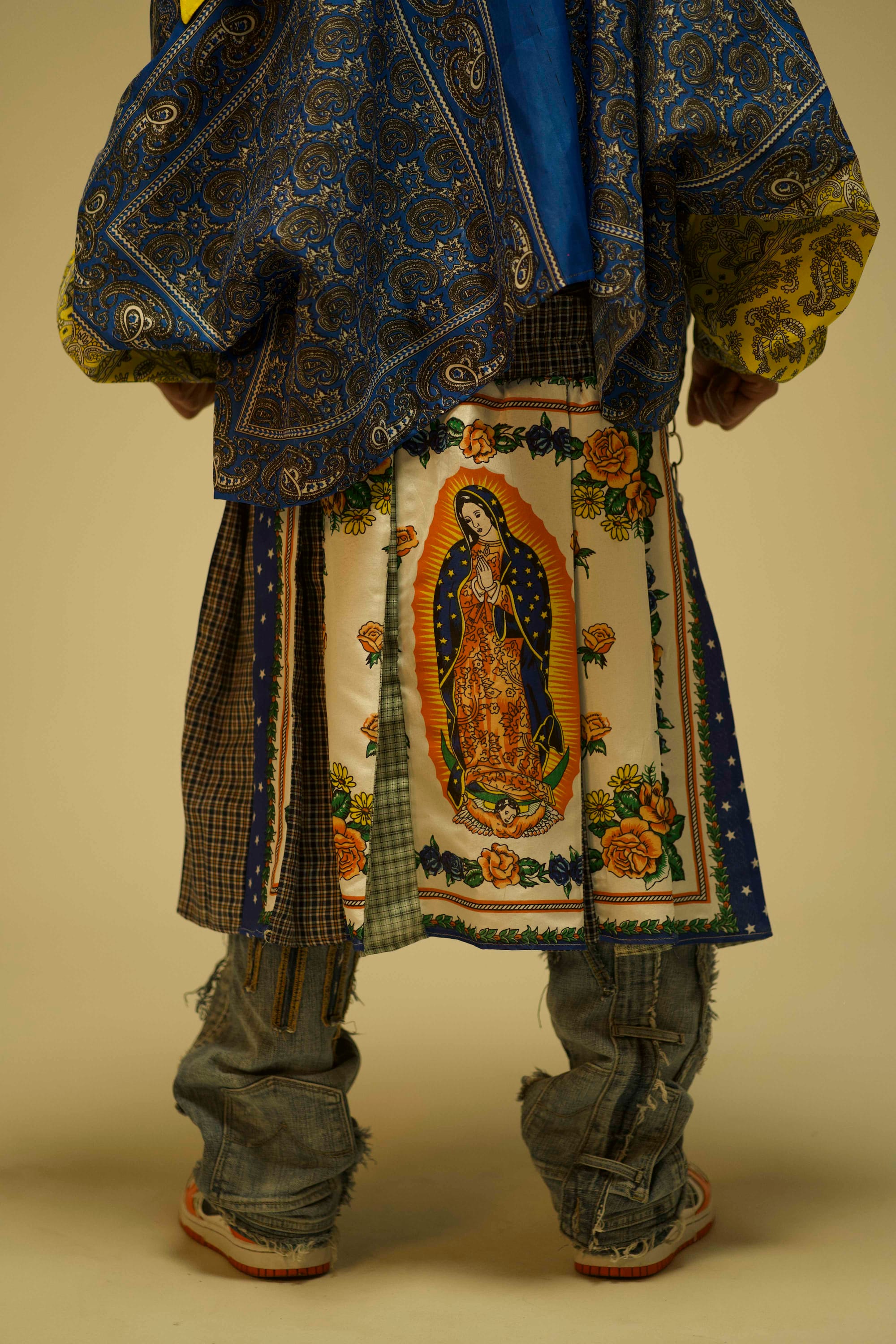
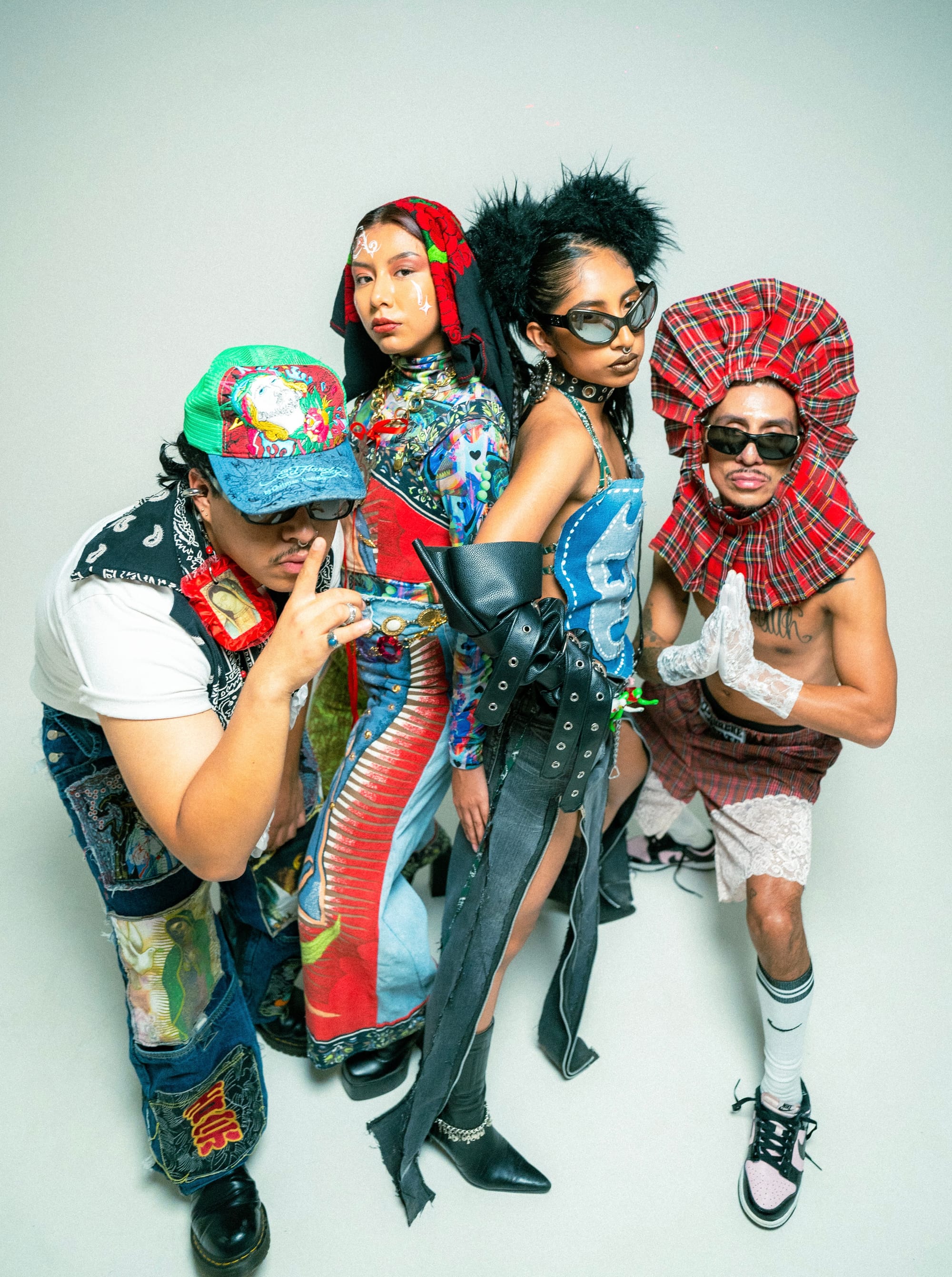
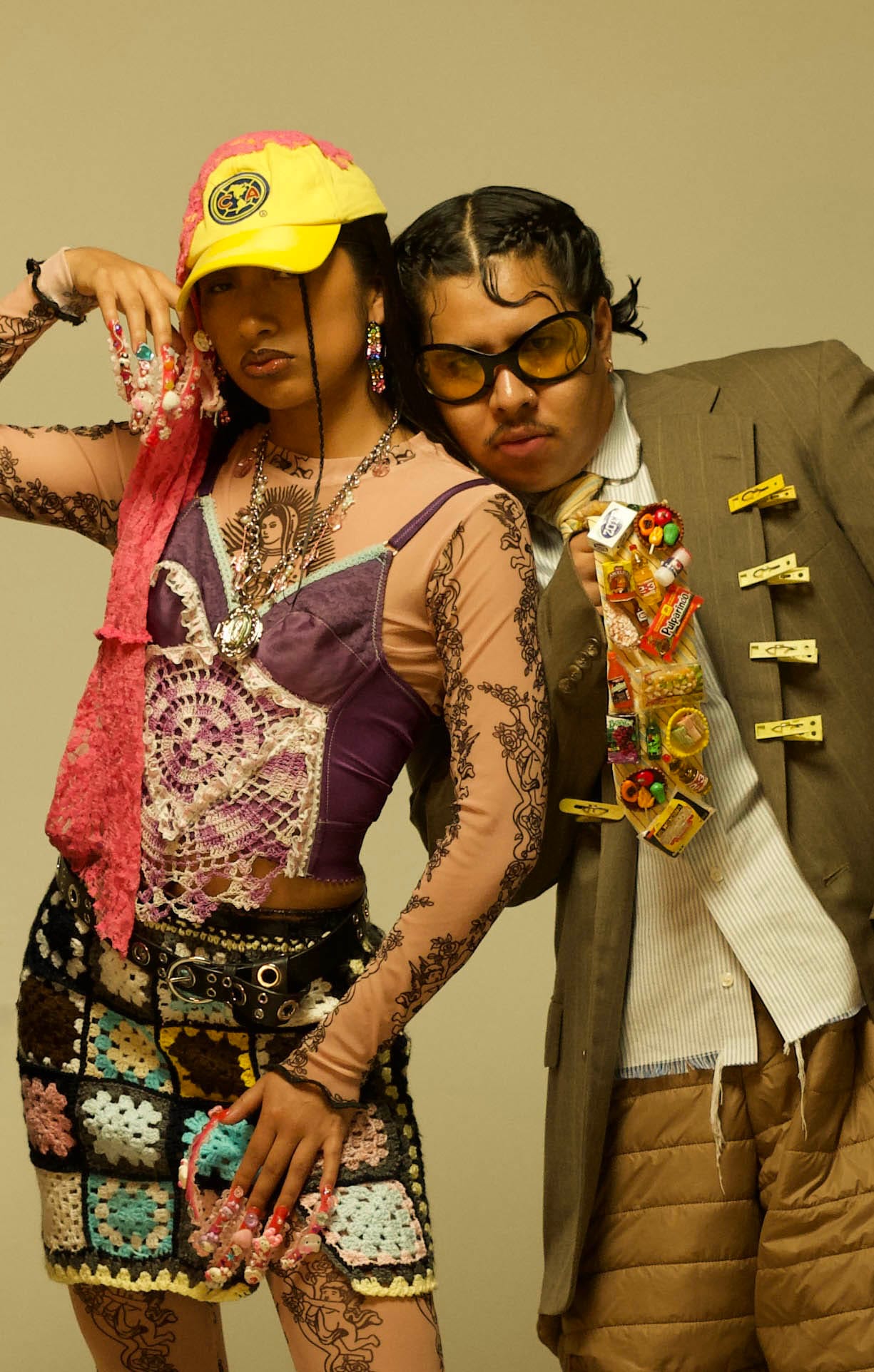
The clear portrayal of what Meximalismo looks like. | Photos by Isaac Ys courtesy of Dixy Rodríguez. | Impulsiva Stories
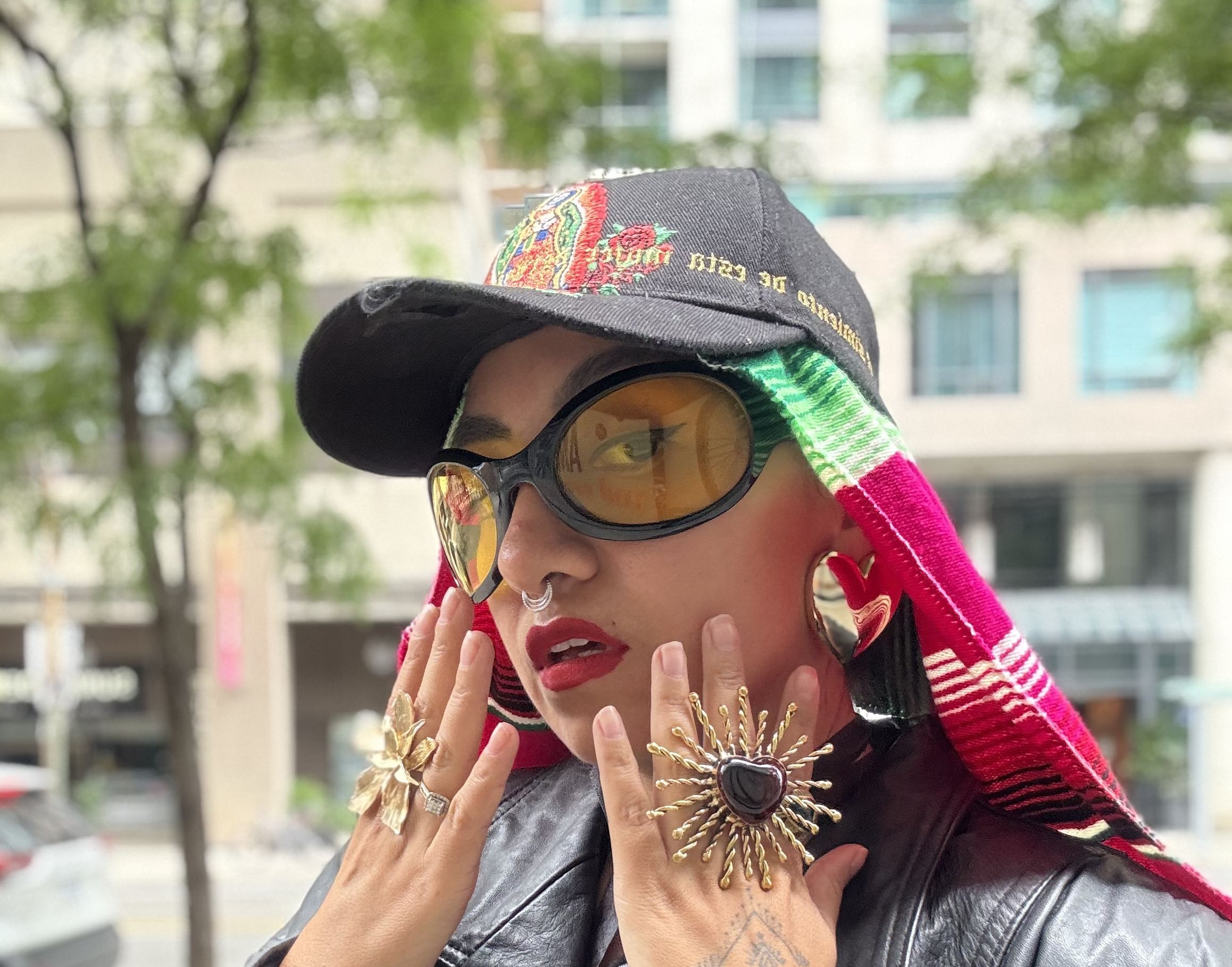
It's an art that brings together Mexican identity and culture in an extremely maximalist and mesmerizing manner. It’s art that speaks about being too much and proudly embracing it. It’s art that speaks from what’s personal for Rodríguez. From what defines her. From her love for the mercado and barrio. For her love for iconic and emerging cultural figures in Mexico.
It’s a very rich art form that sees no limitations and goes with the flow as life happens, while also keeping Mexican and Latin American identity at its roots.
Listen to Dixy Rodríguez
0:00
/58.066833
“It’s that continuity, that match of being a Mexican abroad. Besides being Mexican, I’m also Latina and I always carry it with lots of pride. I don’t have to shout it out because I do it through my work. I like to transmit that and I think it’s very chingón,” Rodríguez said. “It’s very chingón being proud about being born in Mexico and being born a Latina.”
To learn more about Dixy Rodríguez’s Meximalismo with identity, you can follow her and Meximalismo at @dixydixy and @meximalismo.official. Stay tuned next week for PART II, where we’ll learn about Rodríguez’s transcending editorial productions with iconic Mexican artists.
Written by

Subscribe to my newsletter
Subscribe to my newsletter to get the latest updates and news