Jota Studios PART I
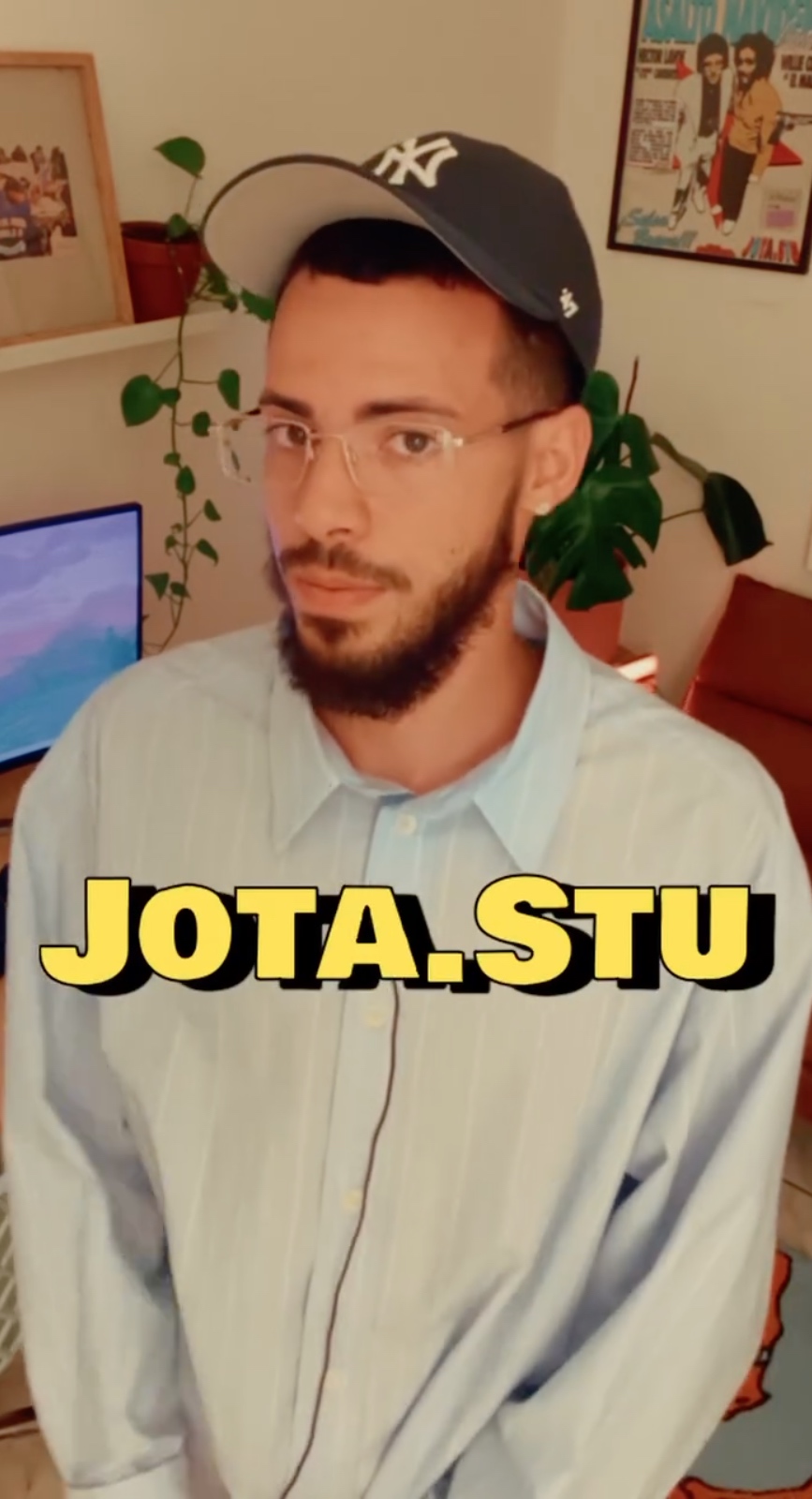
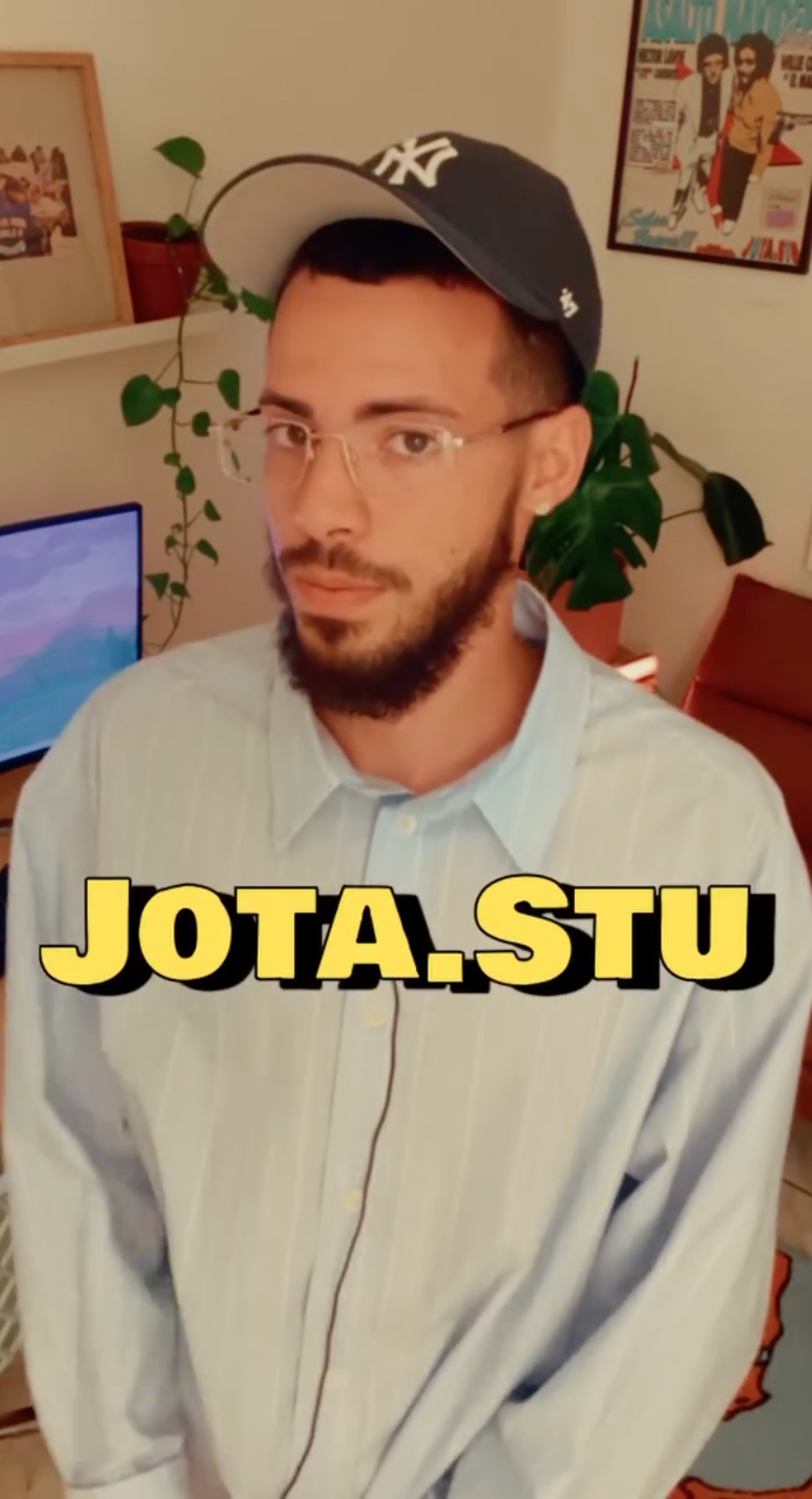
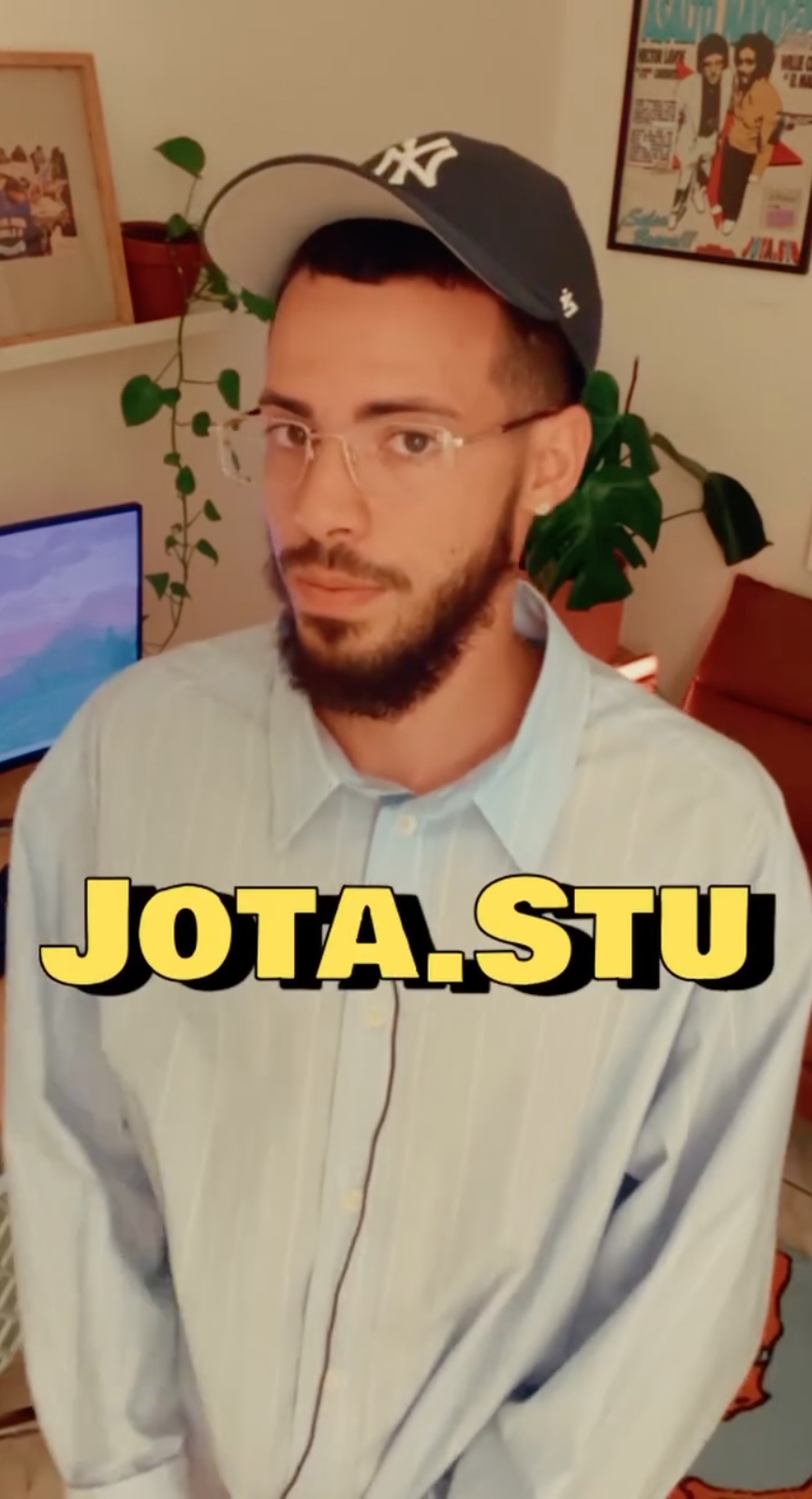
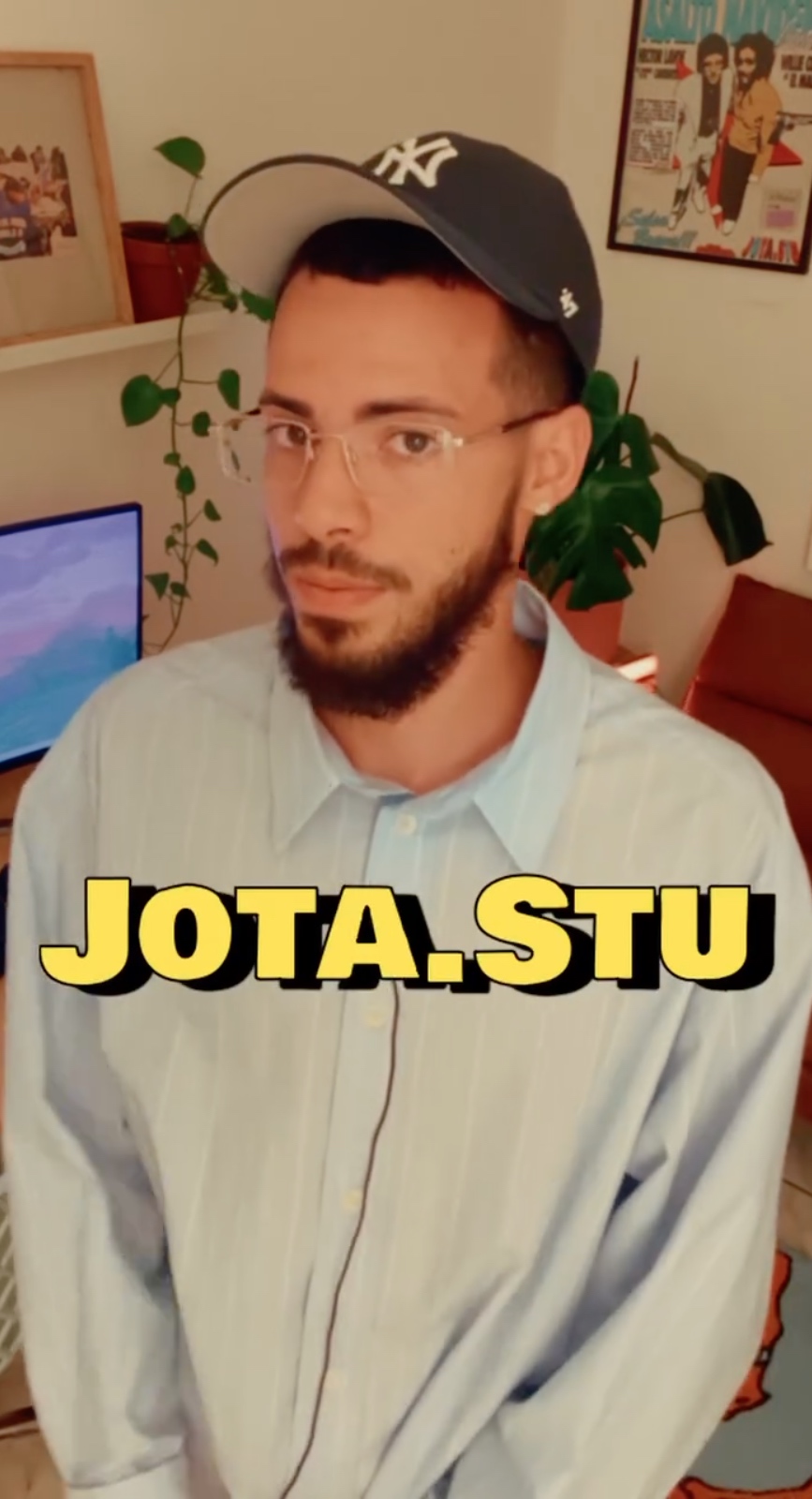
Jota Studios is a Puerto Rican graphic designer and artist who creates nostalgic animations of the Caribbean island.
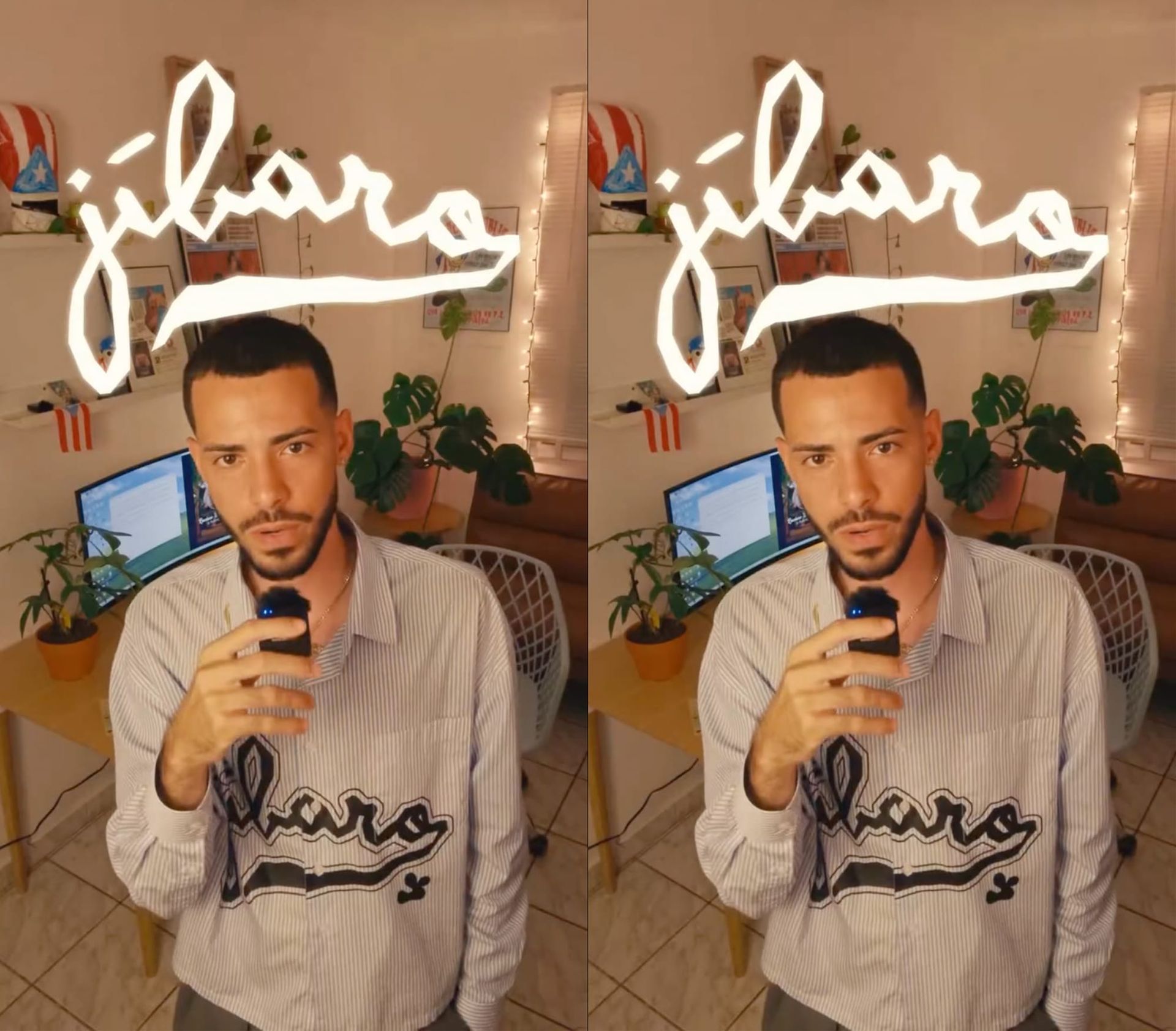
PART I: Jota Studios Designs and Animates the Nostalgic Puerto Rican Experience
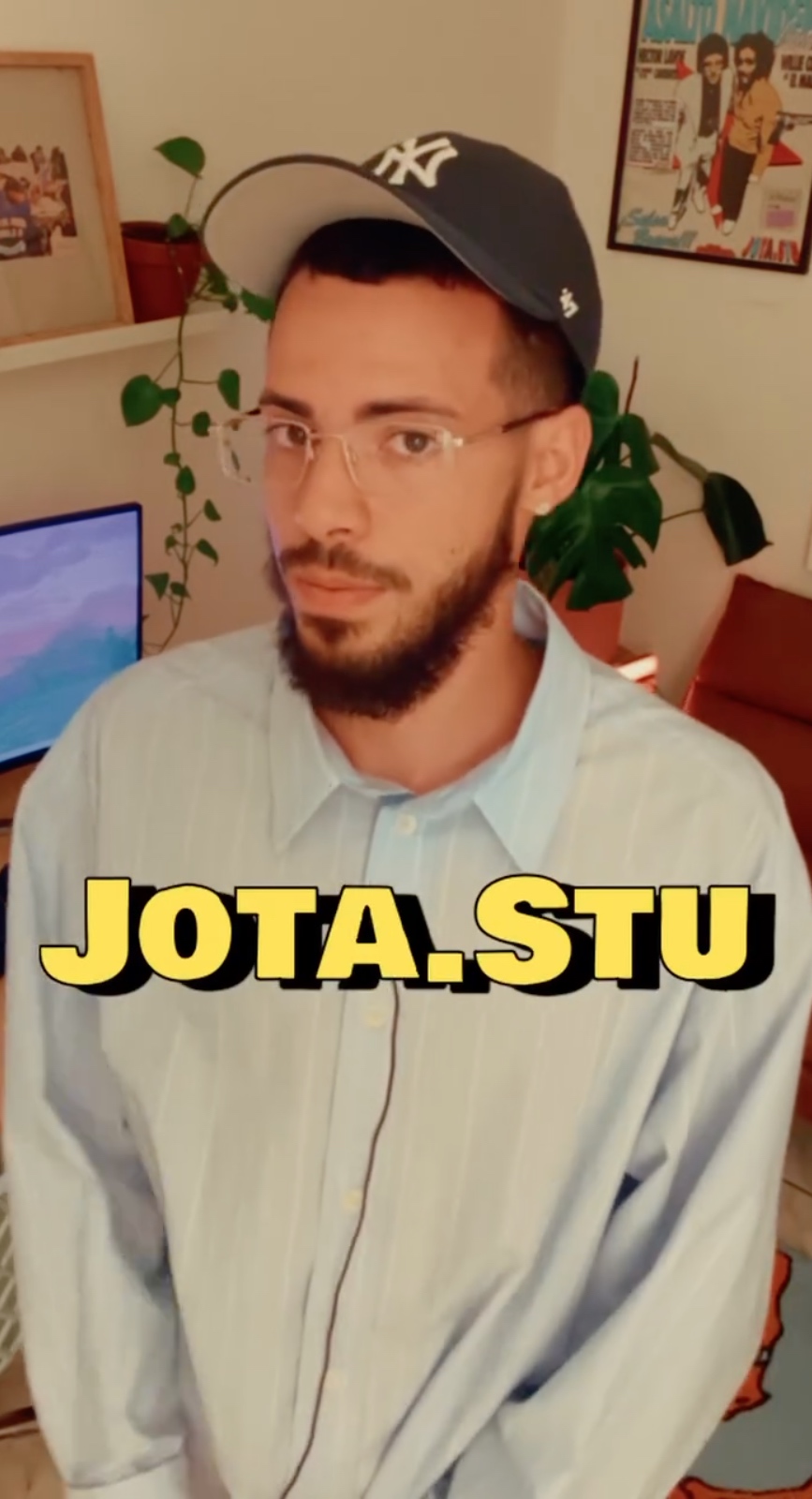
Ángel Figueroa – better known as Jota Studios – has always been interested in the arts, but it was not always that clear for him. Initially, he started studying culinary arts in Puerto Rico. He’s a chef, but in 2018 he realized that was not what he wanted to do for the rest of his life.
While he was going through that professional uncertainty, he was skating with his friends. They made a project called Jane 2000, which is a video between two panas.
“I directed that video and I was in charge of all of the design aspects. While I was creating that project, I was enchulándome with art. In that process, I decided to make the drastic change to switch from culinary arts,” Jota Studios said. “I quit and started studying graphic design. And then, I kept doing graphic design.”
It was quite a successful move for Jota Studios, in spite of the fear and uncertainty it entailed in the moment. The Puerto Rican graphic designer and artist began nourishing his practice and people were having a great response to it. That’s how he understood that his artistic graphic design appeals to a massive audience.
Don't Forget to Subscribe to
The Story of The Story
For only $16 a month, every Friday you'll have exclusive access to
The Story of The Story. Our founder, the Costa Rican award-winning multimedia journalist and artist Elizabeth Lang, guides you through her creative process to produce her stories.
Many Puerto Ricans identify themselves with his videos, which is art based on nostalgia that explores memories from youth and childhood. There are various reasons why this happens so easily with Jota Studios’ extremely vibrant designs and animations.
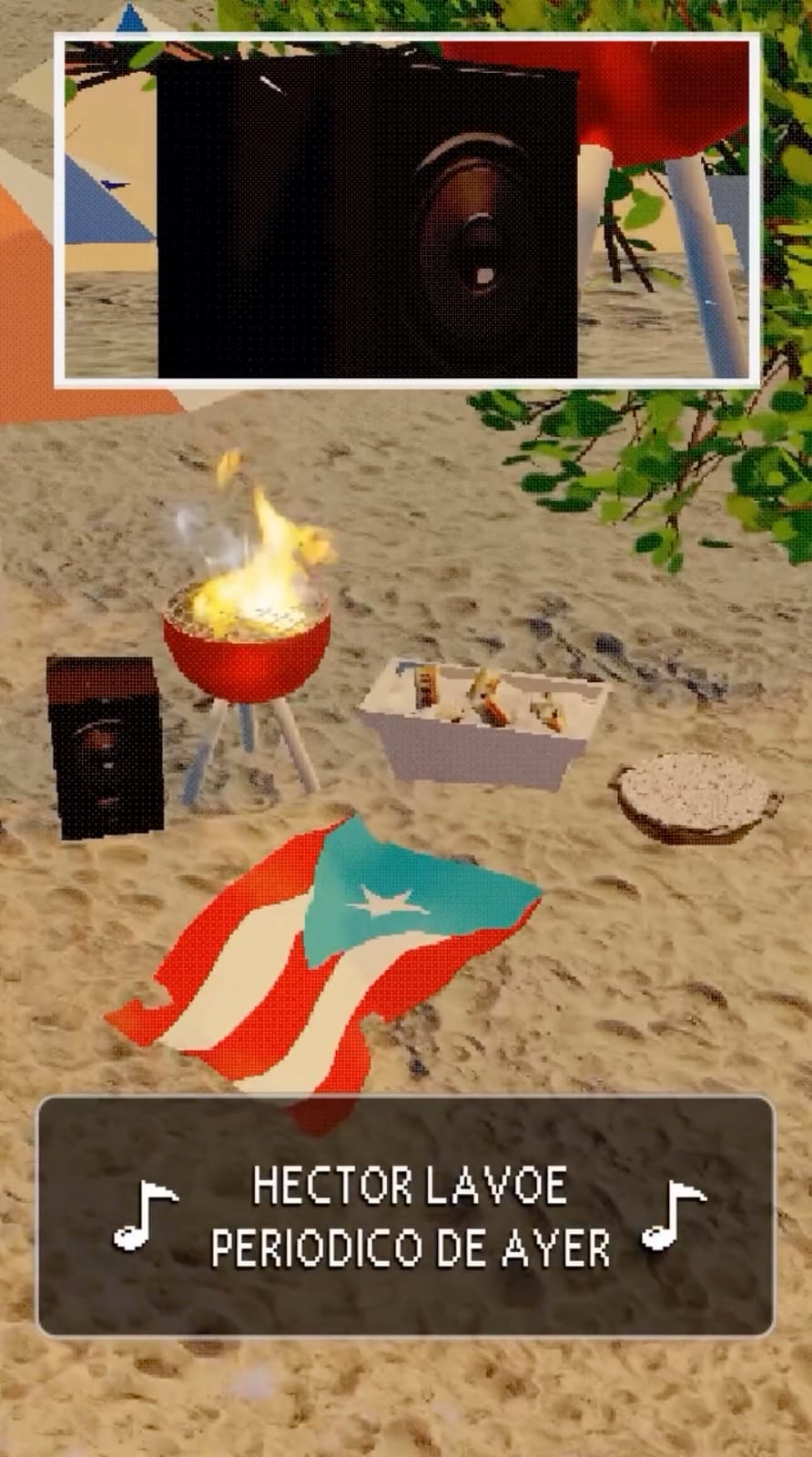
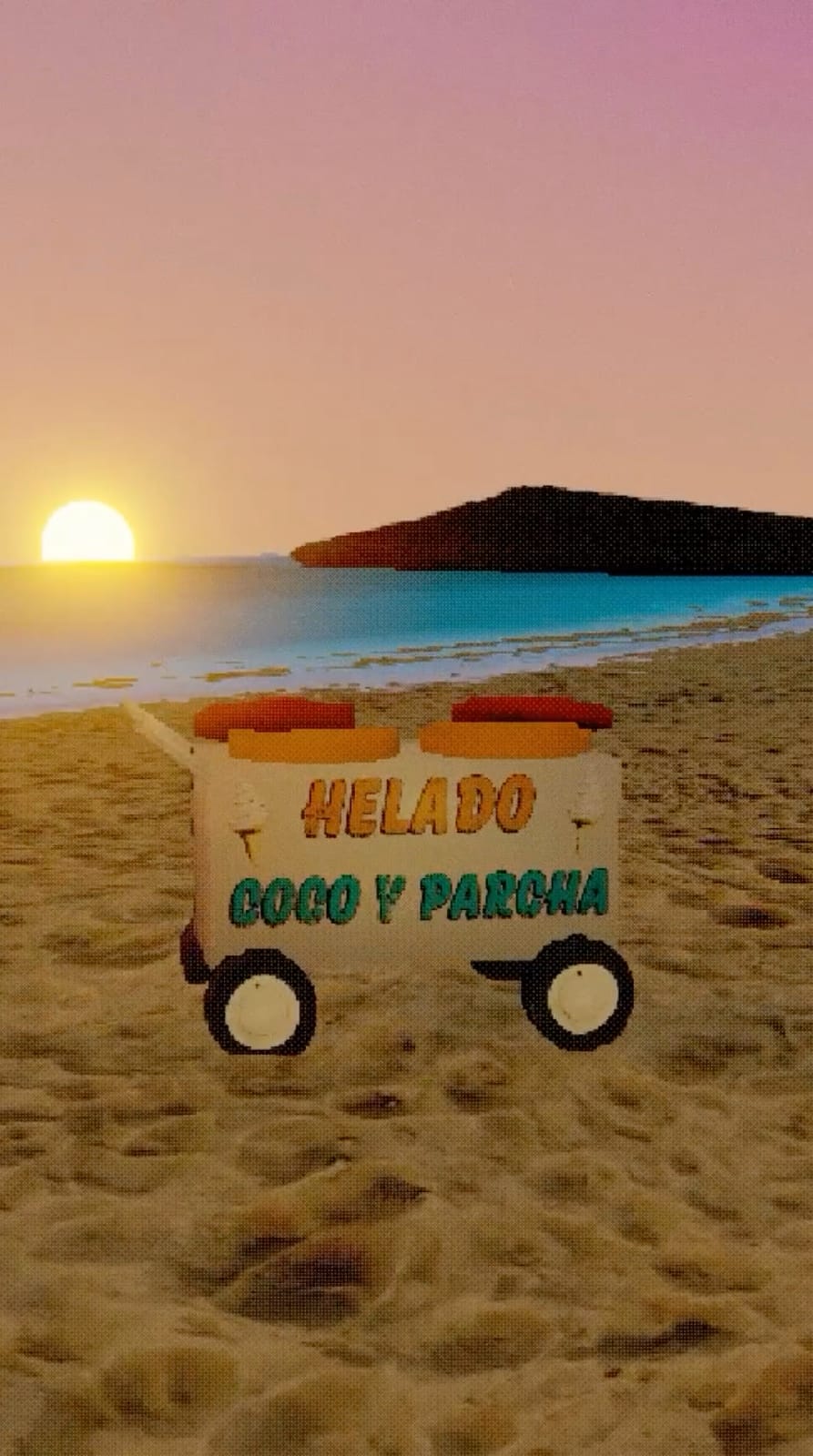
Some nostalgic frames from Jota Studios' animations. | Art via Jota Studios' Instagram. | Impulsiva Stories
He treats his graphic design as an art form. He knows that, technically, graphic design’s purpose is to communicate visually and solve visual problems.
“But for me, that definition is stupid. I really don’t see it [that way]. I really see it as an art. You’re simply doing a digital medium. So, all of my design, everything that I post, and my projects, I take a long time doing them. It takes me two or three months,” Jota Studios said. “But that’s because I really treat it as an artistic process.”
Whenever he works on his projects, his process becomes very experiential. For example, his short animation of taking the train in Puerto Rico required him to actually go to the train. Taking references. Really living the experience. He needs to do this to be able to transmit those feelings to the people who consume his art.
0:00
/0:17
Jota Studios' animation portraying what it's like taking the train in Puerto Rico. | Animation via Jota Studios' Instagram. | Impulsiva Stories
“Because that’s what I want to do: transmit and make people feel that emotion,” Jota Studios said.
Listen to Jota Studios
0:00
/6.437333
He treats the process and the pieces he creates with the due importance he believes they deserve. He respects the concept of quality over quantity and that’s why he takes all the time he needs to develop his projects. He wants to put in his best efforts so that when they’re public, the pieces are able to create certain emotions in the people who experience them. As you can see, the emotions merge with his 3D animations perfectly.
This particular aesthetic comes from a time when he felt stuck artistically. He was very interested in 3D animation in that moment. So, he sat down and tried to learn about it. He was watching a lot of low poly art, which is a technique “where complex objects are created using a minimal number of polygons.”
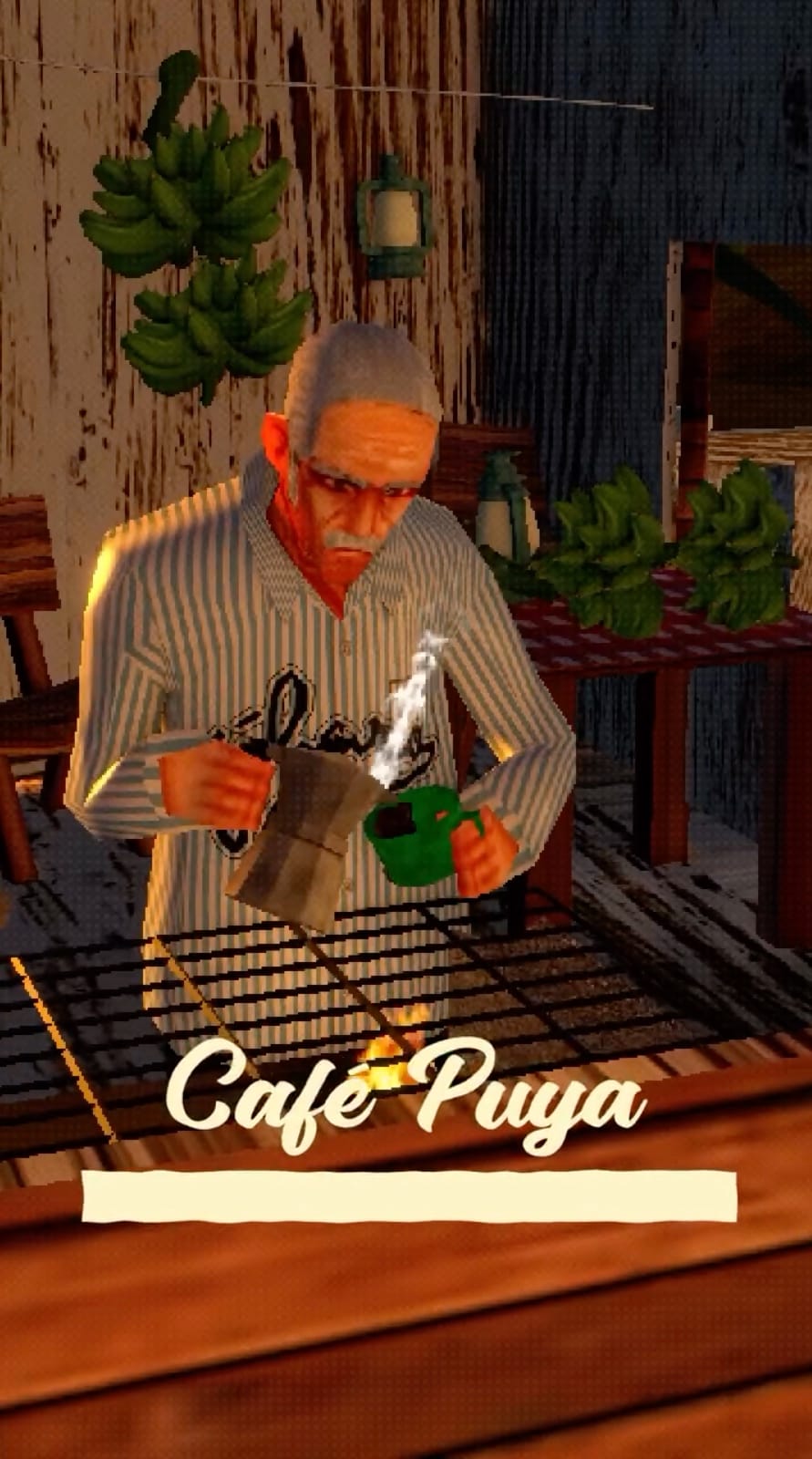
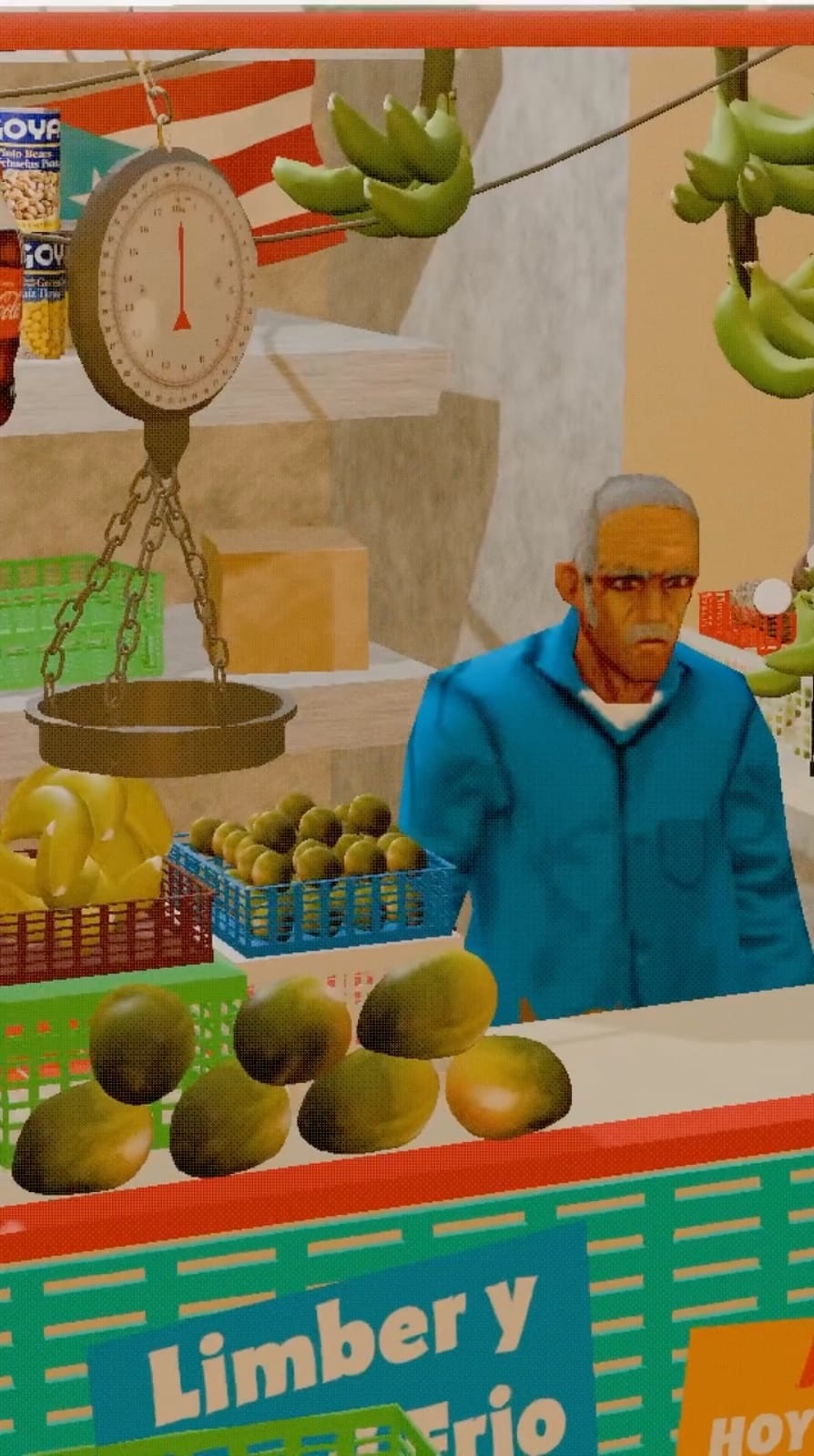
Jota Studios' characters where you can notice the reference to poly art. | Art via Jota Studios' Instagram. | Impulsiva Stories
Jota Studios resorted to this technique because it looks very retro and it was easier to create at the time. It’s also in reference to many of the videogames he loves. While exploring this new style, he began questioning what story he could tell through this art form.
“That’s where I said: well, let me tell something from Puerto Rico. I began doing the nostalgia animations and literally, the first 3D animation video I posted, exploded. It was about the memories on how to take the urban train in the metropolitan area,” Jota Studios said.
Listen to Jota Studios
0:00
/21.749333
The Experiential Process
Those feelings reminiscent of the Puerto Rican past come through in different ways in his pieces. It is quite obvious in his short videos where he goes to the mercado, enjoys the verano del 2016, and ends up in Burger King after a night out partying with friends.
In the case of the mercado video, Jota Studios uploaded the animation, and then, a video of the process to create the animation. The process video shows him speaking to don Osvaldo, the man selling him the fruit and vegetables. That was when he encountered a new way to create his art.
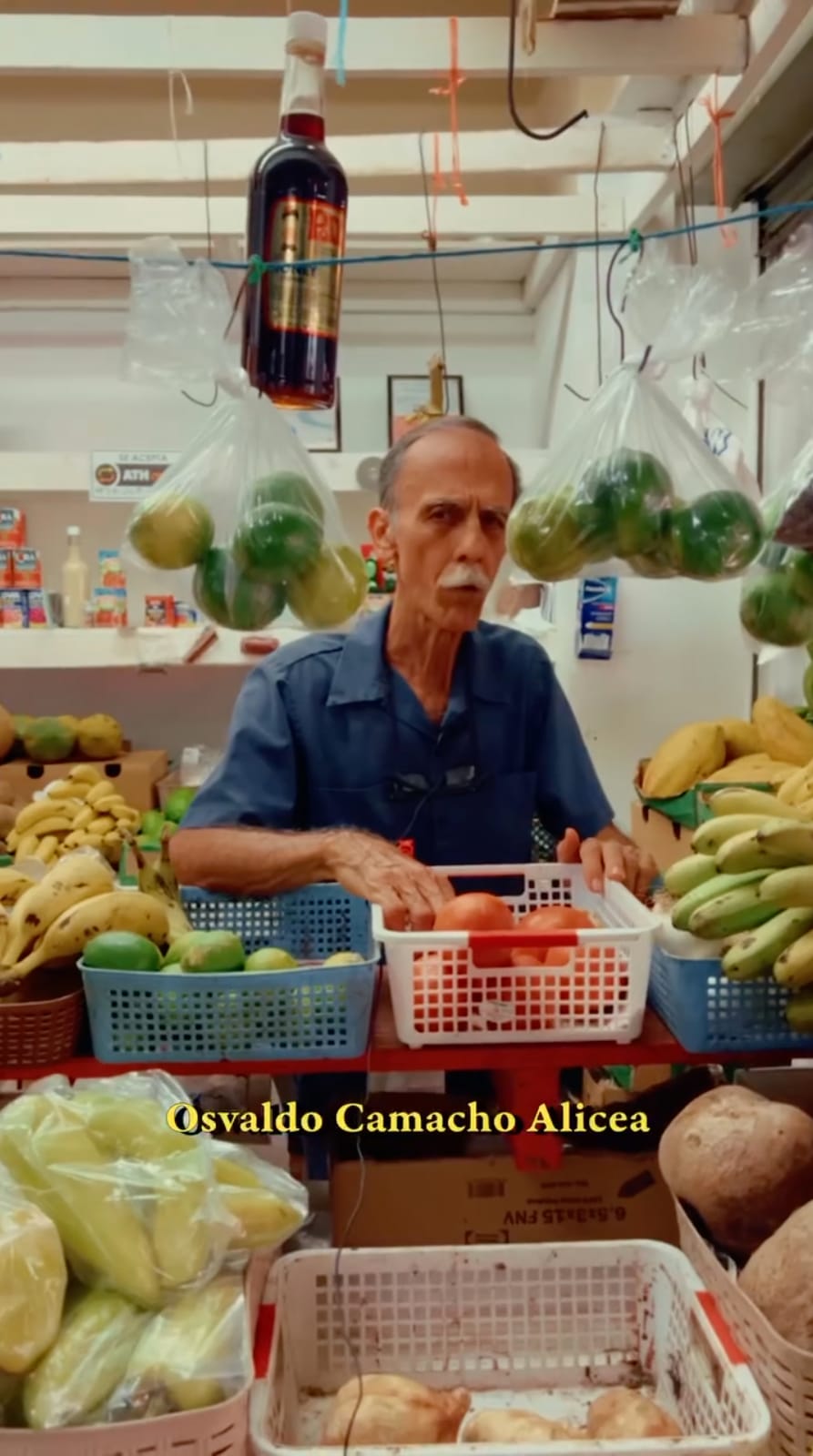
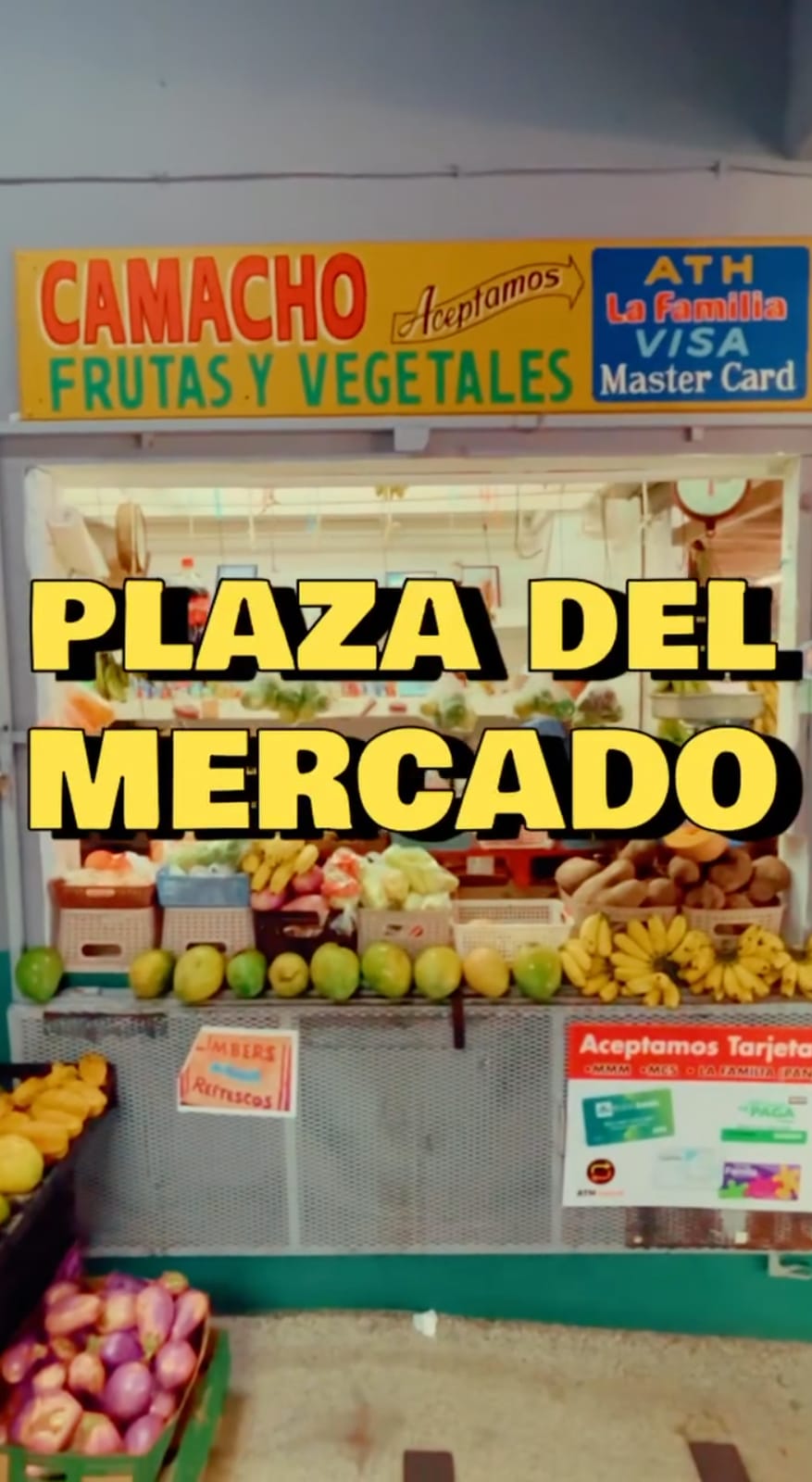
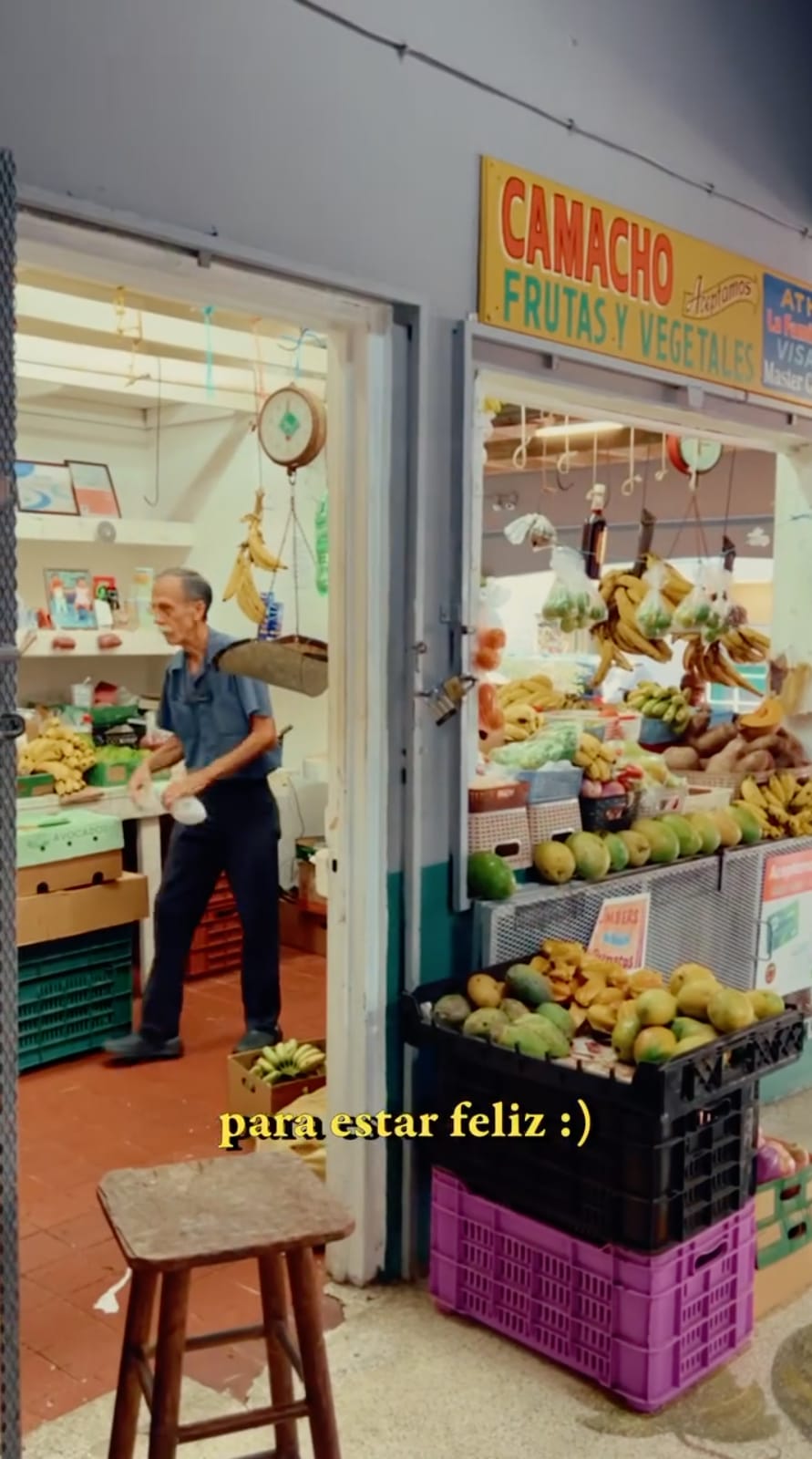
Frames from Jota Studios' process video at the mercado with don Osvaldo. | Art via Jota Studios' Instagram. | Impulsiva Stories
It made him go out into the world and speak with strangers to understand better their surroundings in order to create those environments in his art.
“I’m a very introverted person. [When I had] to ask him, I was sweating. My hands were shaking. When I went up to the man and told him I was doing this, he was super nice,” Jota Studios said laughing. “But to make these types of projects, I have to speak with other people and get out of my comfort zone.”
Listen to Jota Studios
0:00
/35.069333
As an artist, it helps him get out of his cave and interact with people he does not know. To a certain extent, one could say he’s acquiring a journalistic approach to his art. He’s making sure he interviews the people firsthand who can share their experiences and help him portray the Puerto Rican reality in a better manner.
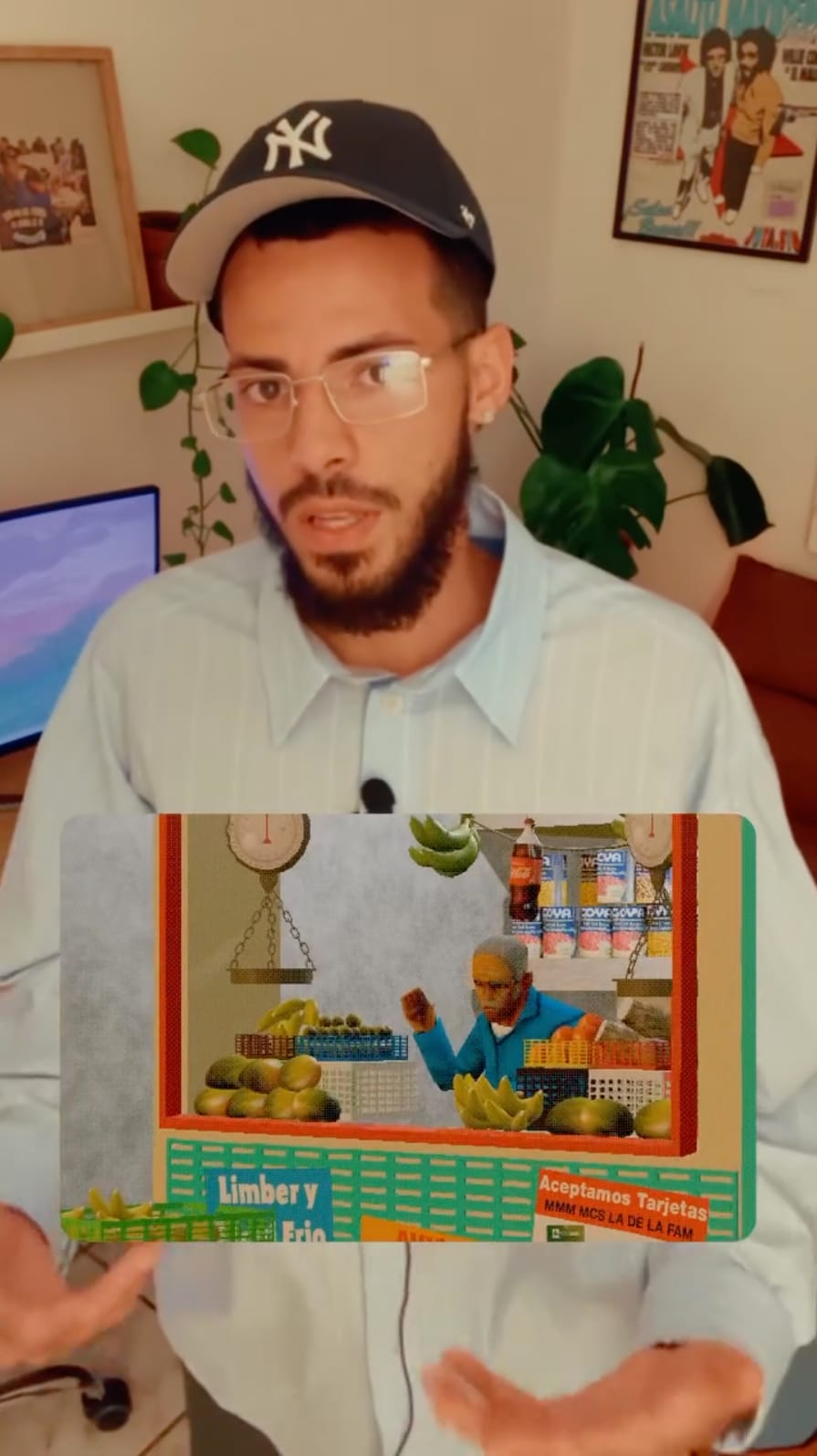
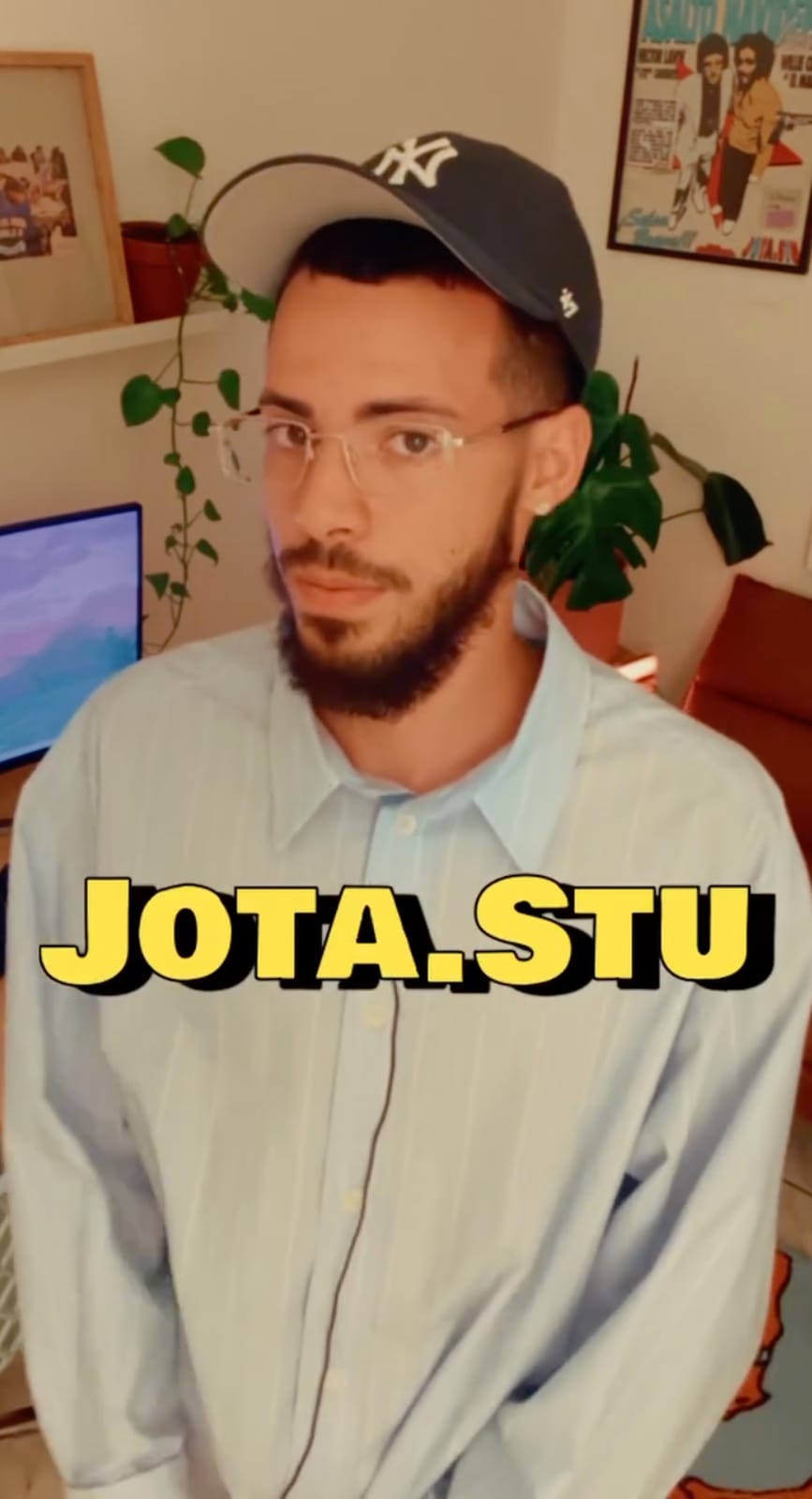
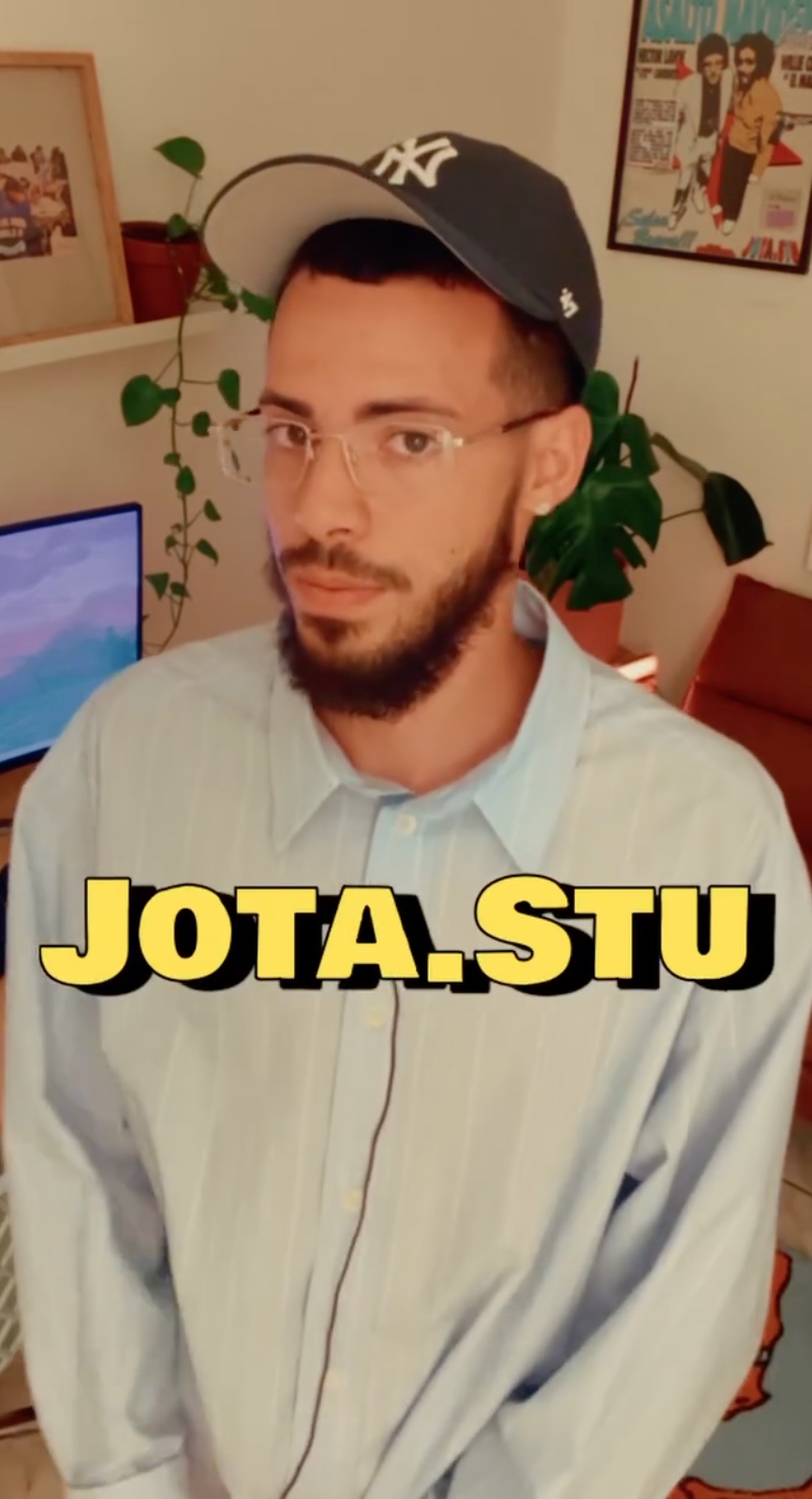
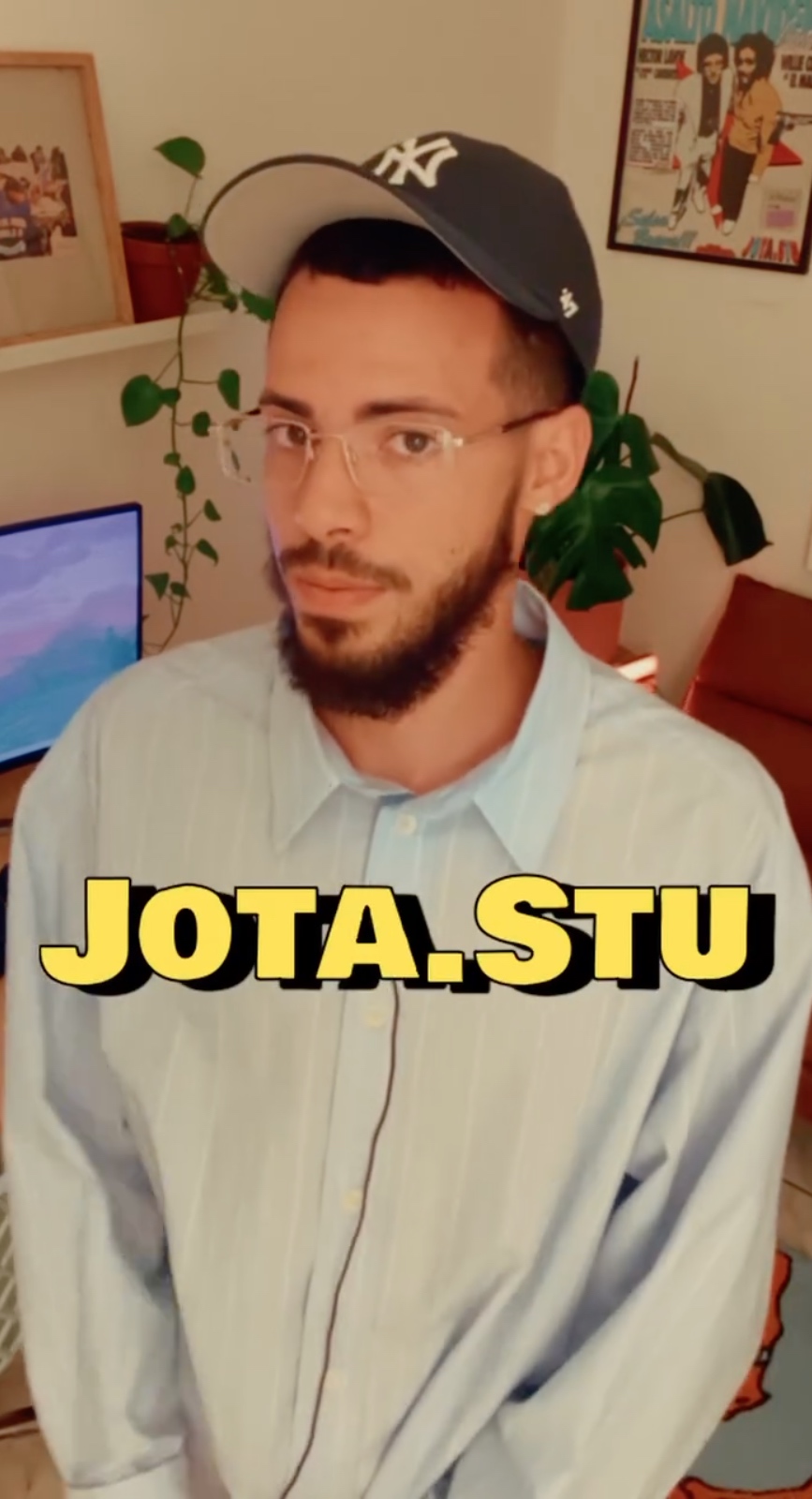
Jota Studios' appearance in his video explaining the process for the mercado animation. | Art via Jota Studios' Instagram. | Impulsiva Stories
This research approach also responds to his desire of showcasing in the process videos all of the work done behind the scenes that led him to his creative decisions. Jota Studios feels that if he leaves it only at a thirty-second animation, a lot of elements are lost. He wants people know that the animation is very chula y todo, but there was a lot of work put into it.
One example that clearly portrays this is his Burger King animation.
“I made one of Burger King. When you go out on the jangueo and end up in Burger King because that was the only thing that was open. I took the audios of the employees serving me and I included that as part of the animation,” Jota Studios said. “It’s those small details that look insignificant in those moments, but when you present them in a documented manner, people say: diablos, it’s brutal.”
It's all in the small details for Jota Studios, whether that’s a small sound in the background, the vibrant colors, or the feelings. The desire to connect on a deeper level with his audience through the different sensations he can communicate is of great importance for Jota Studios. That’s why nostalgia plays a key role in his art. He knows that other Puerto Ricans connect with the romanticization of the past.
0:00
/0:20
Jota Studios' animation portraying the experience at Burger King after the jangueo. Listen carefully. | Animation via Jota Studios' Instagram. | Impulsiva Stories
But he also started noticing that maybe his audience might think he was in a cycle of depression because of the constant nostalgic art he was creating at the beginning. He considers himself to be a very happy person, but he’s quite aware that people really identify themselves with the nostalgia.
They let him know that his art made them cry or that it really moved them.
“That’s what art is all about. Causing an emotion in people. Starting conversations. They might not agree with the art or they might, but they communicate. They express themselves. It’s expression,” Jota Studios said. “When I do art and it brings out an emotion in a person and it makes them express themselves, I think that’s an essential fundament of art."
Listen to Jota Studios
0:00
/30.269333
The Emotional Process
It’s essential for the results of his art. What’s also crucial for Jota Studios on an emotional level, is that he has to be on a good mental headspace when creating. He has to be well because he really doesn’t force himself to create when he doesn’t feel like it. Jota Studios, as in the project itself, is a side hustle for him. It’s not what he fully depends on the day-to-day.
He works on it when he’s well and really wants to create. That’s quite evident in how his pieces come out. They’re joyful animation and graphic design masterpieces. Their happiness is portrayed in the colors Jota Studios chooses and the messages he wants to transmit to the people. They’re positive messages because he’s a very positive person who seeks to be at peace with himself and with others.
Regarding the emotions he explores, nostalgia is always at the forefront. It’s something he knows others can easily relate to, but right now he’s also exploring other feelings. He does not know which ones exactly because he’s in a transition process where he’s not forcing anything.
“Artistically, I’m creating without expecting anything in return. To see where it takes me. I think that’s the best you can do as an artist. Not forcing it,” Jota Studios said.
Listen to Jota Studios
0:00
/13.709333
Not forcing it, is an elemental part of his flow. That’s why the nostalgia appears so naturally in his short animation of the verano del 2016.
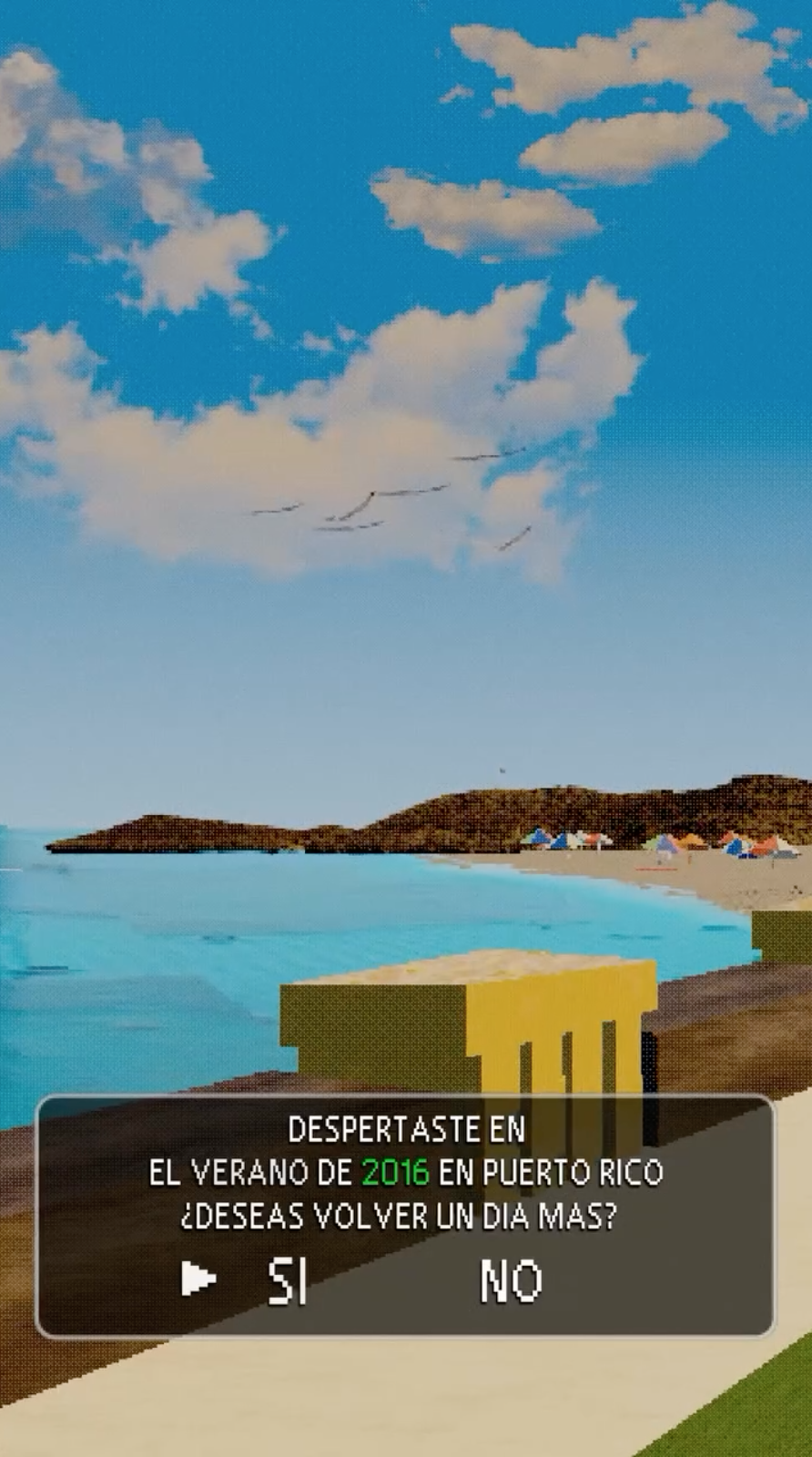
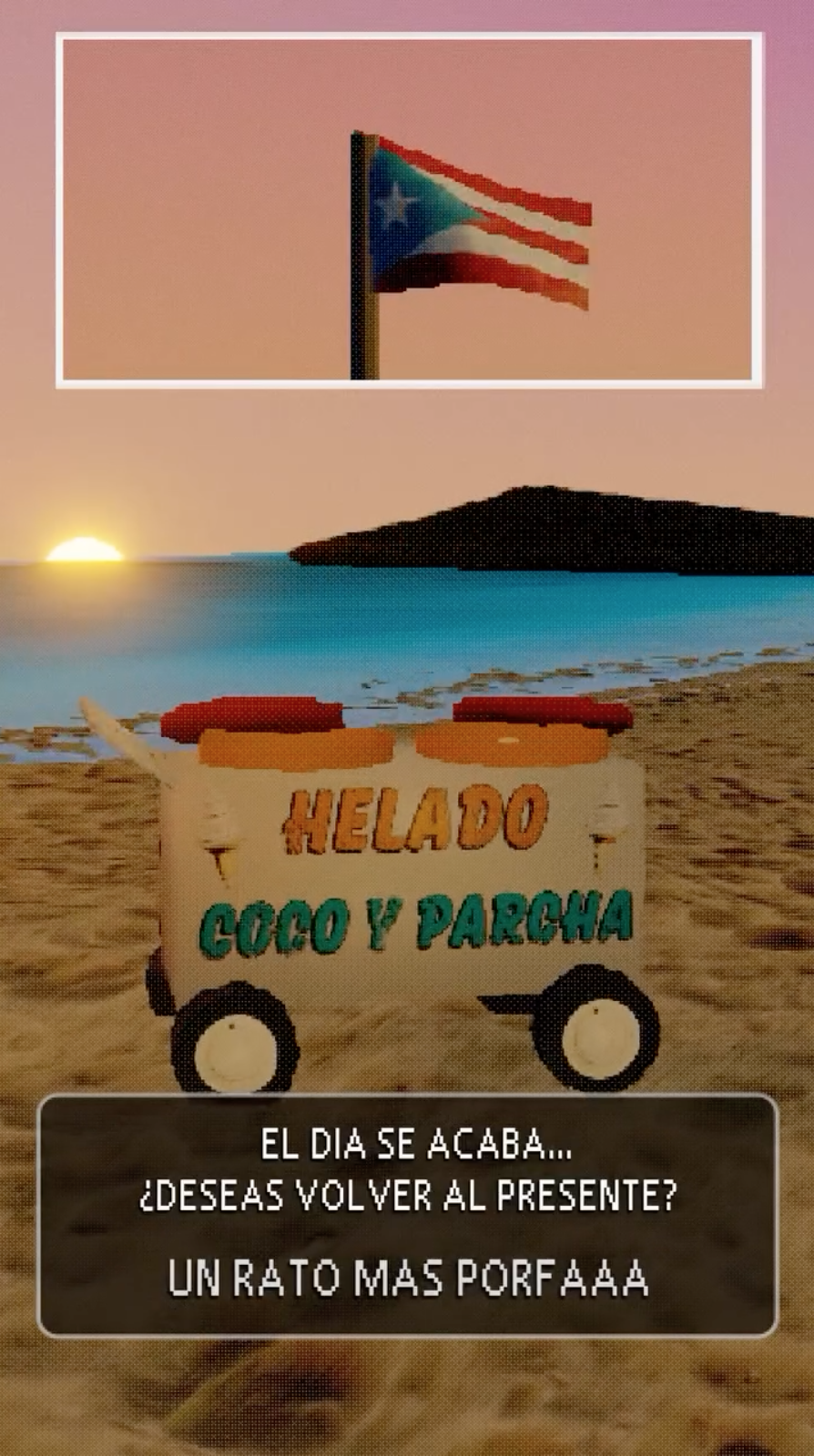
Nostalgic frames from Jota Studios' Verano del 2016 animation. | Art via Jota Studios' Instagram. | Impulsiva Stories
It represents a very memorable summer for him and many others in Puerto Rico. He spent that summer in the beach of Marbella in Vega Baja with his best friend, who lived there.
“For the creation of that animation, I literally went to the beach todos los weekenes,” Jota Studios said. “I tried to get into that mindset of: if I want to do something about 2016, I have to try to replicate that feeling.”
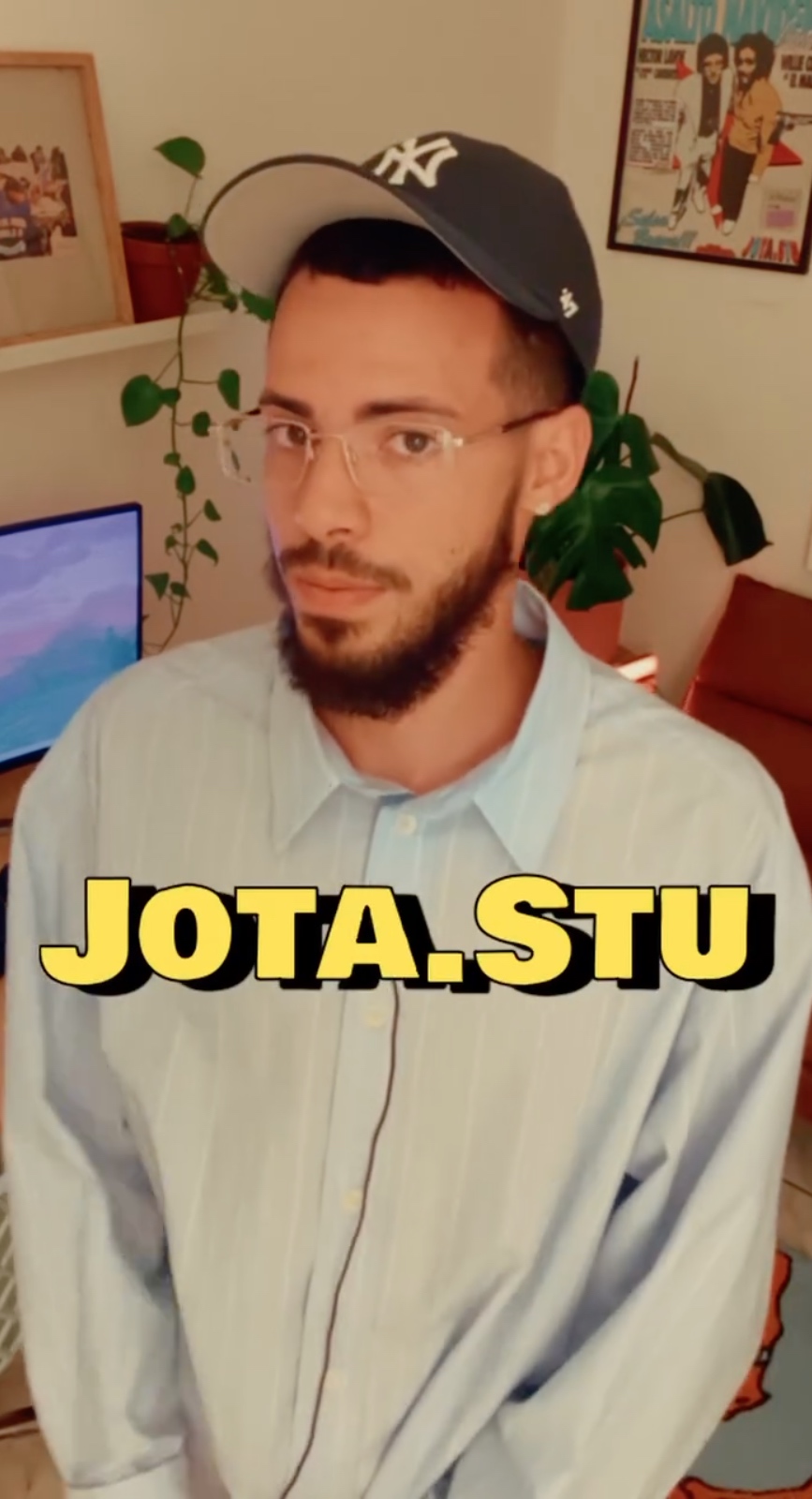
Listen to Jota Studios
0:00
/16.757333
After he had that feeling, he tried to take it to the visuals. He compared his process to the one of musicians who do camps in different places to surround themselves with the environments they want to speak about. Jota Studios treats his process that same way. He surrounds himself with what he’s creating and replicating, so that his final pieces get really close visually to what he’s trying to communicate.
“El Jíbaro” and the “Duo de Campeones” in Puerto Rico
His masterpieces all start as an idea and as the process progresses, he plays around with the 2D and 3D designs. Maybe he wants to release a t-shirt of whatever subject he’s drawn to in the moment. He creates a 2D design, which goes into the world as an image he posts on his feed. Then, he thinks about a 3D space where he can place the design so that it makes complete sense.
Or sometimes the 3D design happens first with the t-shirt included.
Two of his masterpieces where this style is quite clear are “El Jíbaro” and “Duo de Campeones.” Both of these required more extensive research to avoid people telling him the information was wrong once it was public.
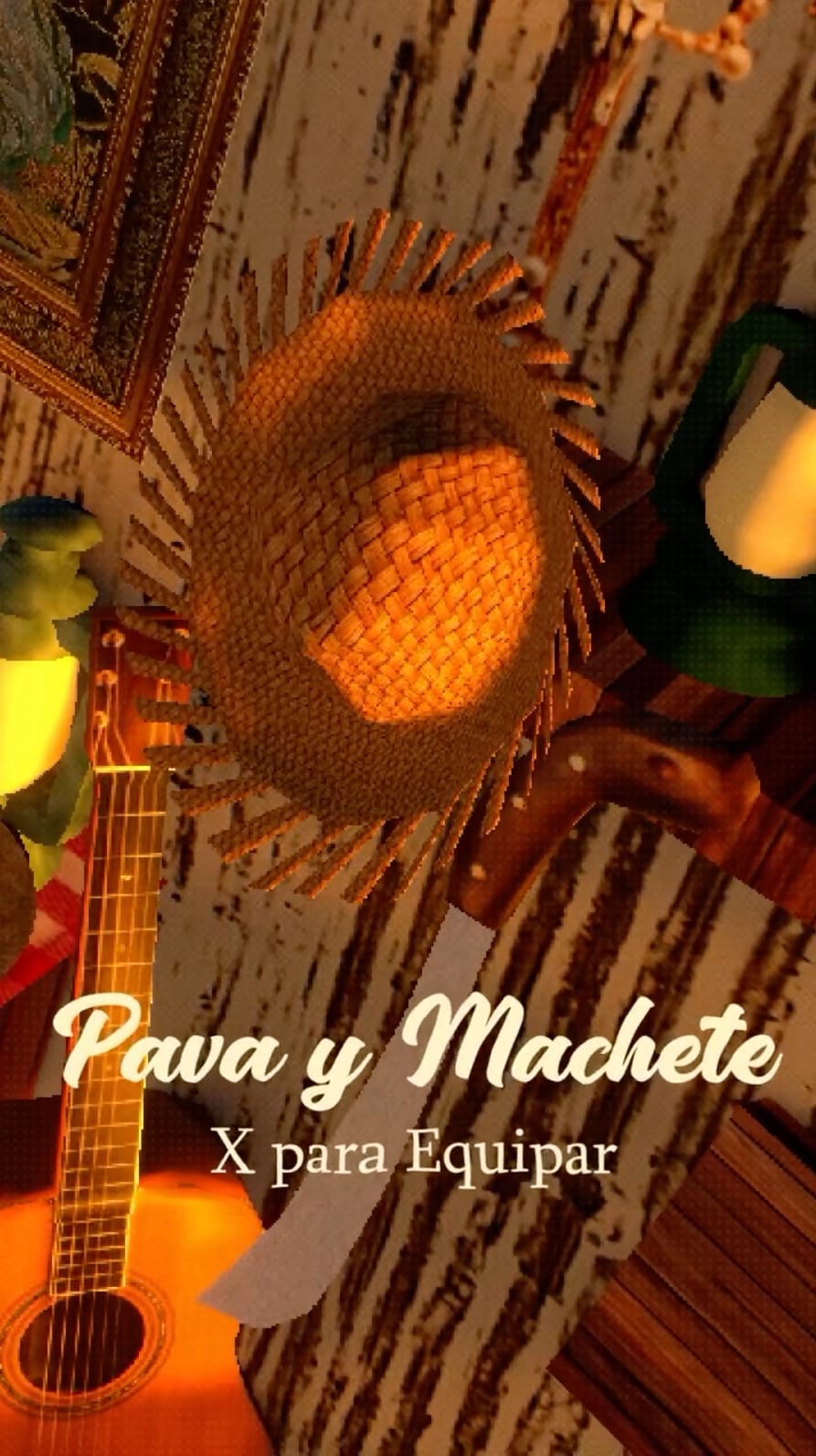
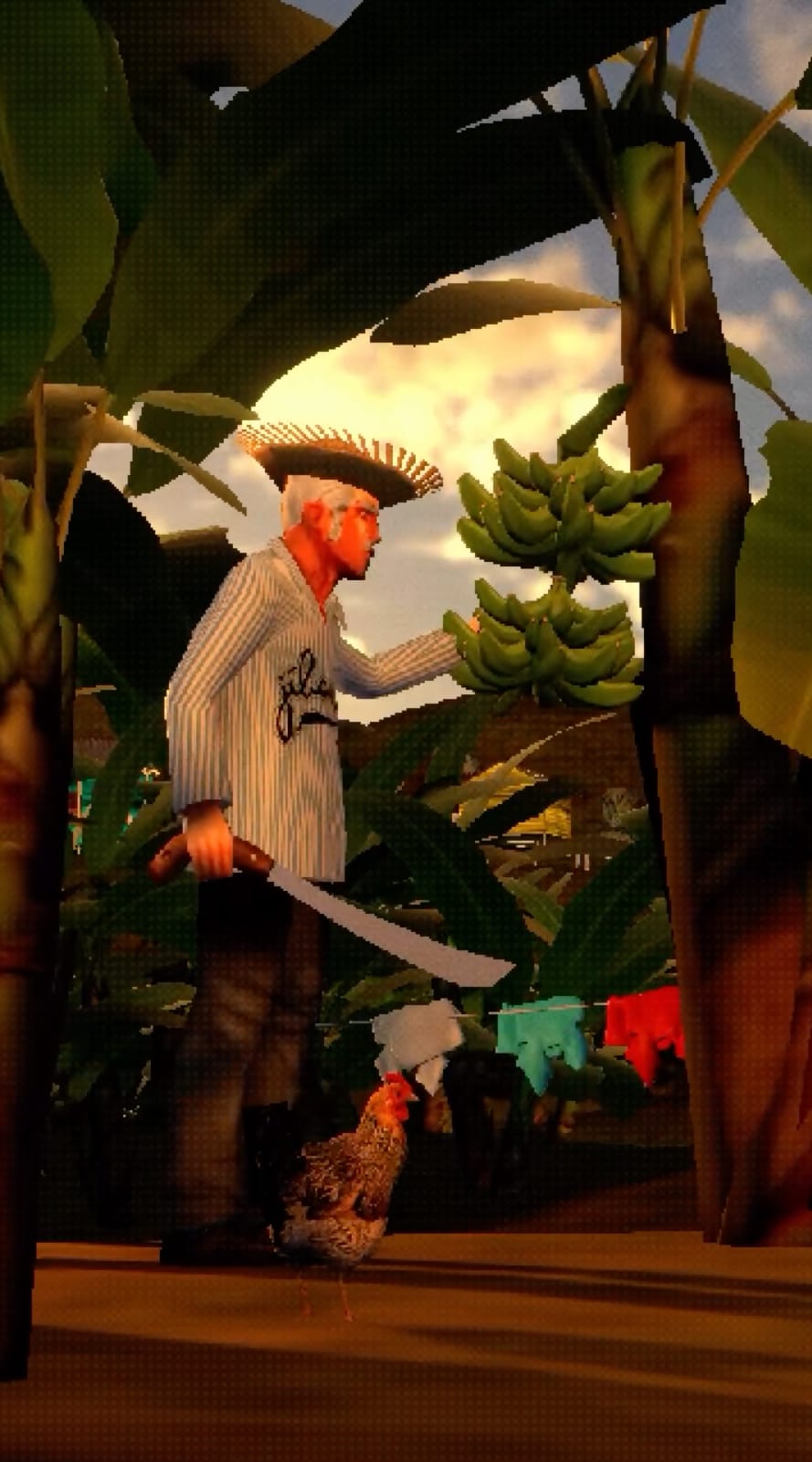
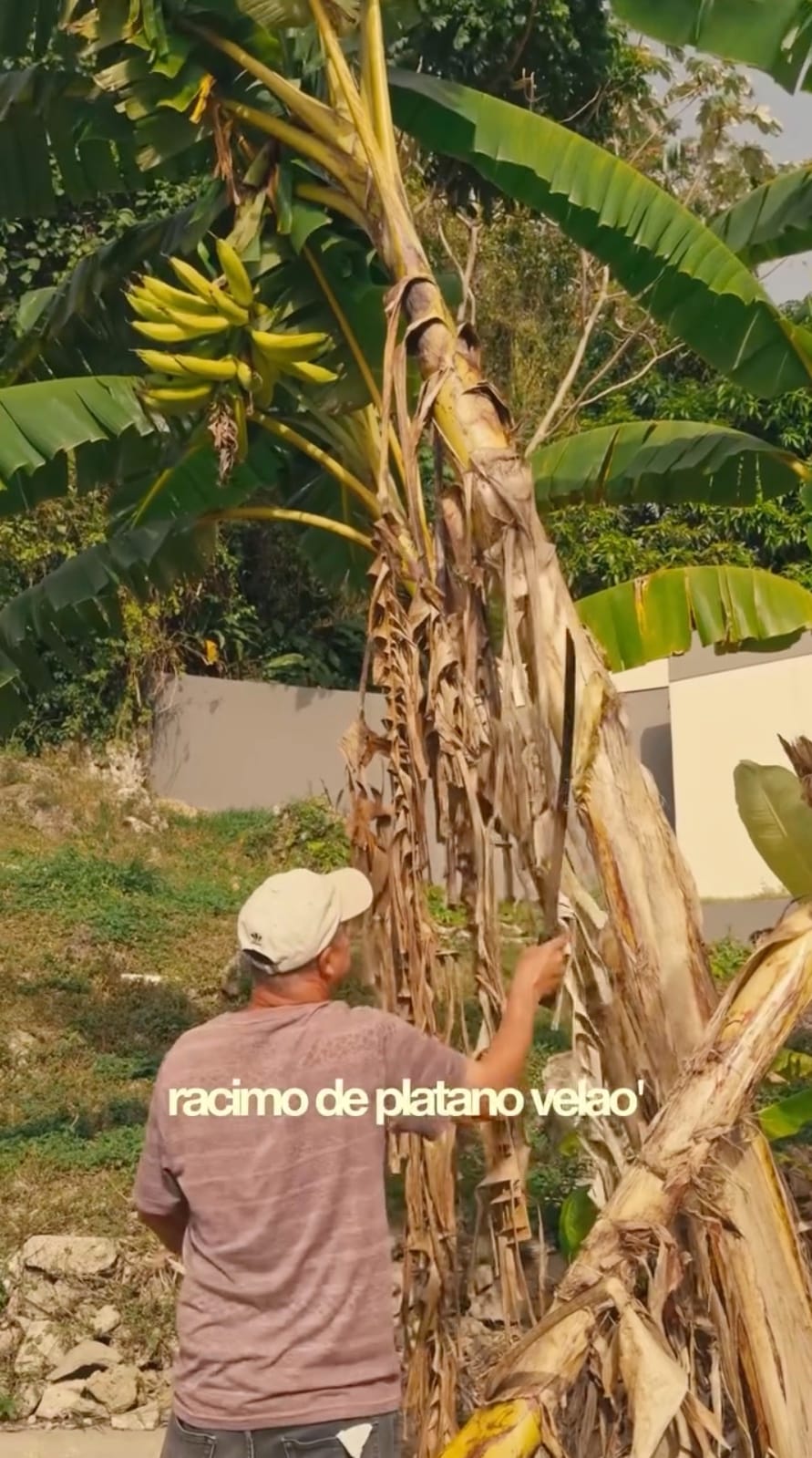
The pava and the machete (left), the animated jíbaro (center), and Jota Studios' grandfather chopping off the plátanos for the sound effects of the animation (right). | Art via Jota Studios' Instagram. | Impulsiva Stories
“With the one of the jíbaro, for example, I had to reach out to Salón Boricua, who is a muchacho who really knows so much about Puerto Rican history. He’s a great person and when I was working on that one about El Jíbaro, I said like: diablos, I don’t want to say any disparate,” Jota Studios said laughing.
He asked Salón Boricua to recommend him some books that spoke about the jíbaro. Jota Studios explained that jíbaro was a derogatory term used at the beginning to speak badly about the people that had no education. The people who worked the land. The ones who were told they were mantenidos because they were tenants of the rich peoples’ land.
While researching, Salón Boricua’s references helped him a lot because he noticed he had some erroneous information about the jíbaro and he had to change it. He knows that interacting with other people nourishes and strengthens his final pieces. In this case, he combined Salón Boricua’s knowledge with his visit to the Museo de Arte de Puerto Rico.
During that visit, he got inspired by the paintings of the Puerto Rican artists Ramón Frade and Francisco Oller. Their brush strokes and composition are strongly referenced in his short animation. He also added in sound effects of a rooster, some hens, and his grandfather cutting down plantains to make it livelier. To evoke his usual nostalgia in his Puerto Rican audience.
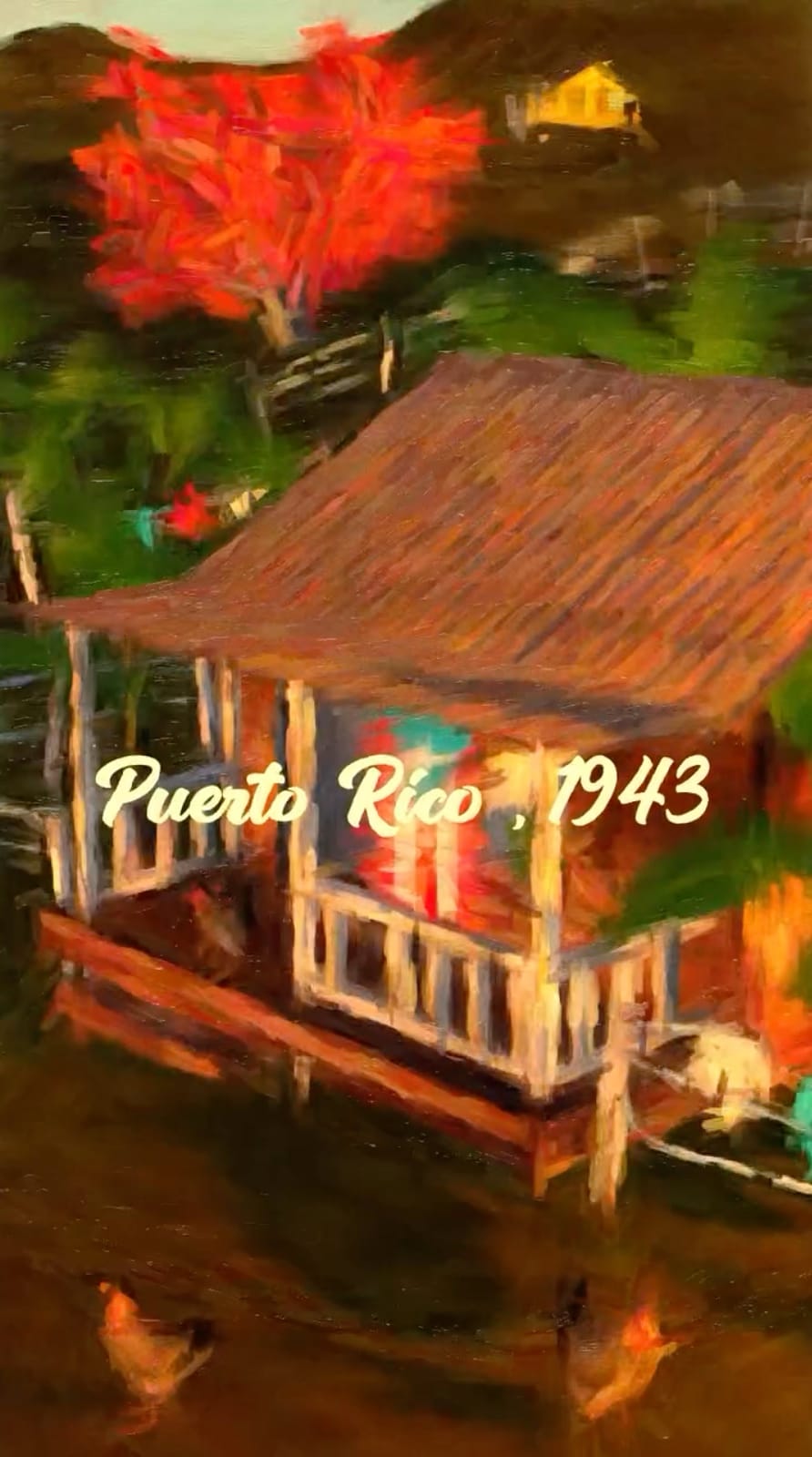
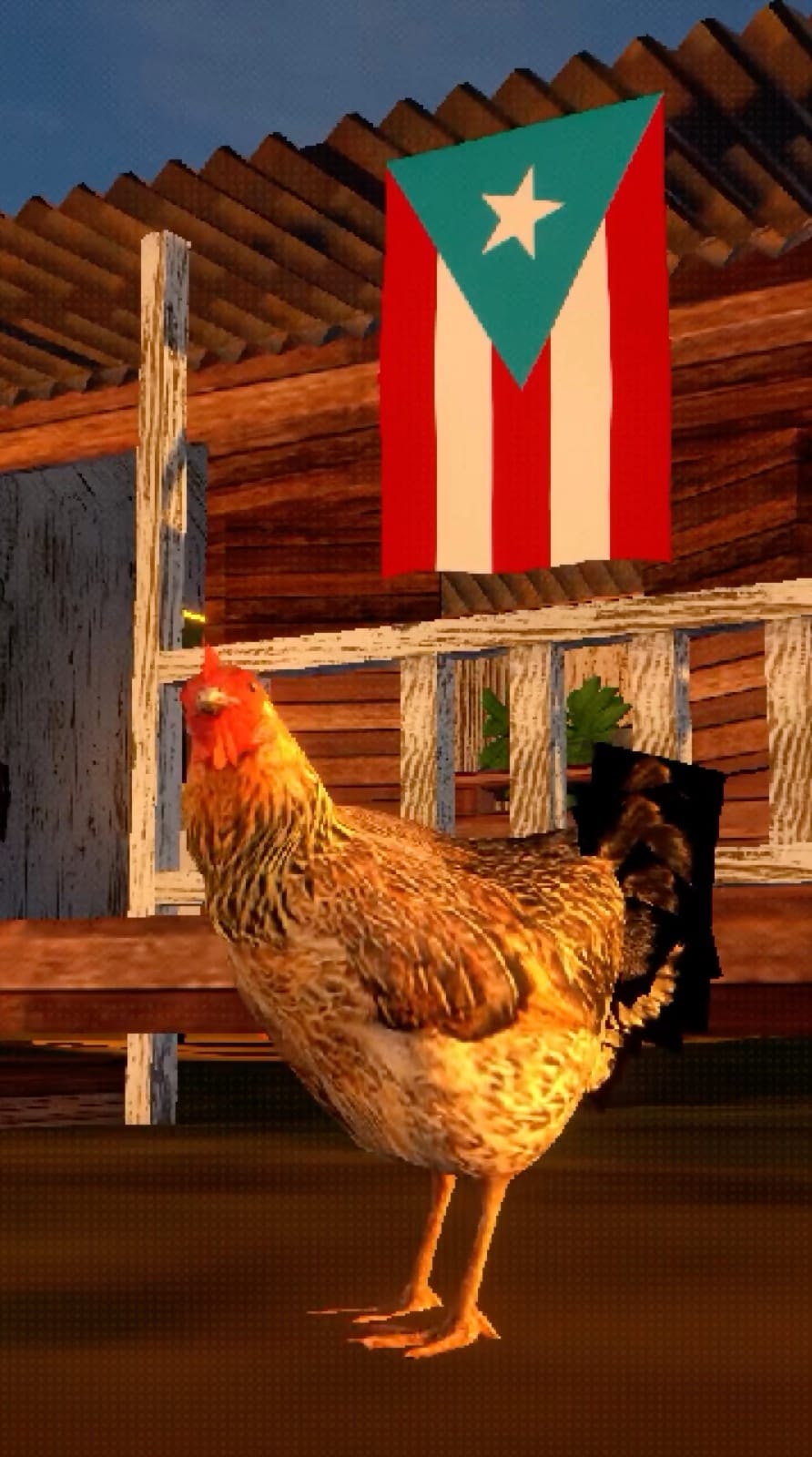
Very clear brush strokes created by Jota Studios to reference the art of the jíbaros. | Art via Jota Studios' Instagram. | Impulsiva Stories
His main purpose was to bring the past of the jíbaros to the present through his animation. He provided some context of the jíbaro term with its derogatory meaning in the past and how it transformed to a word that's now synonymous with resilience and pride in the present.
And he obviously added in the characteristic machete and pava hat that a jíbaro carries at all times.
You can also see that the jíbaro of the animation is wearing a blue and white striped button shirt that says “jíbaro” in a custom-made font. That’s because it’s Jota Studios original design, which then is showcased on another post were the Puerto Rican model Bernie Martínez Ocasio is wearing it.
In this case, Jota Studios adds another artistic layer in: fashion.
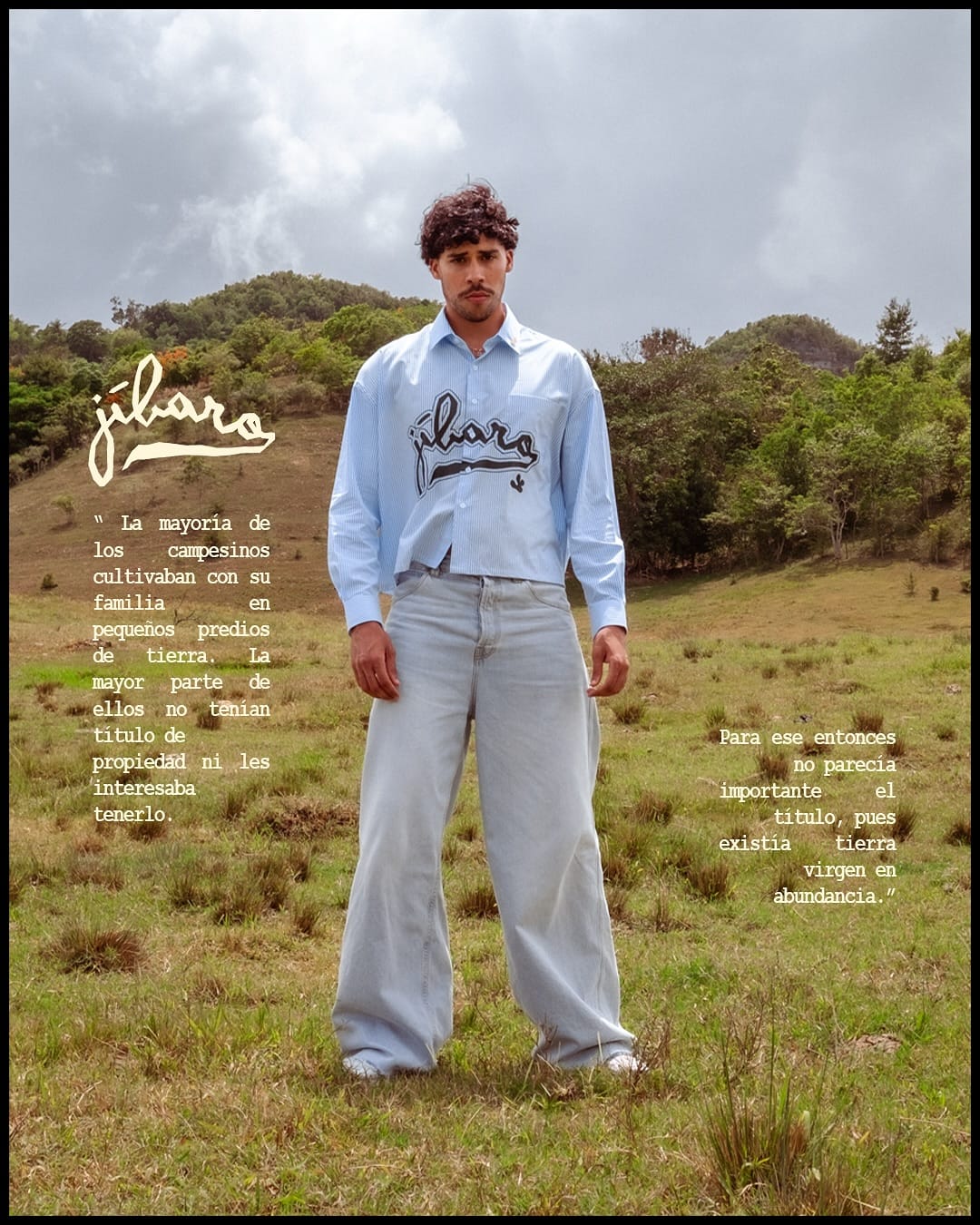
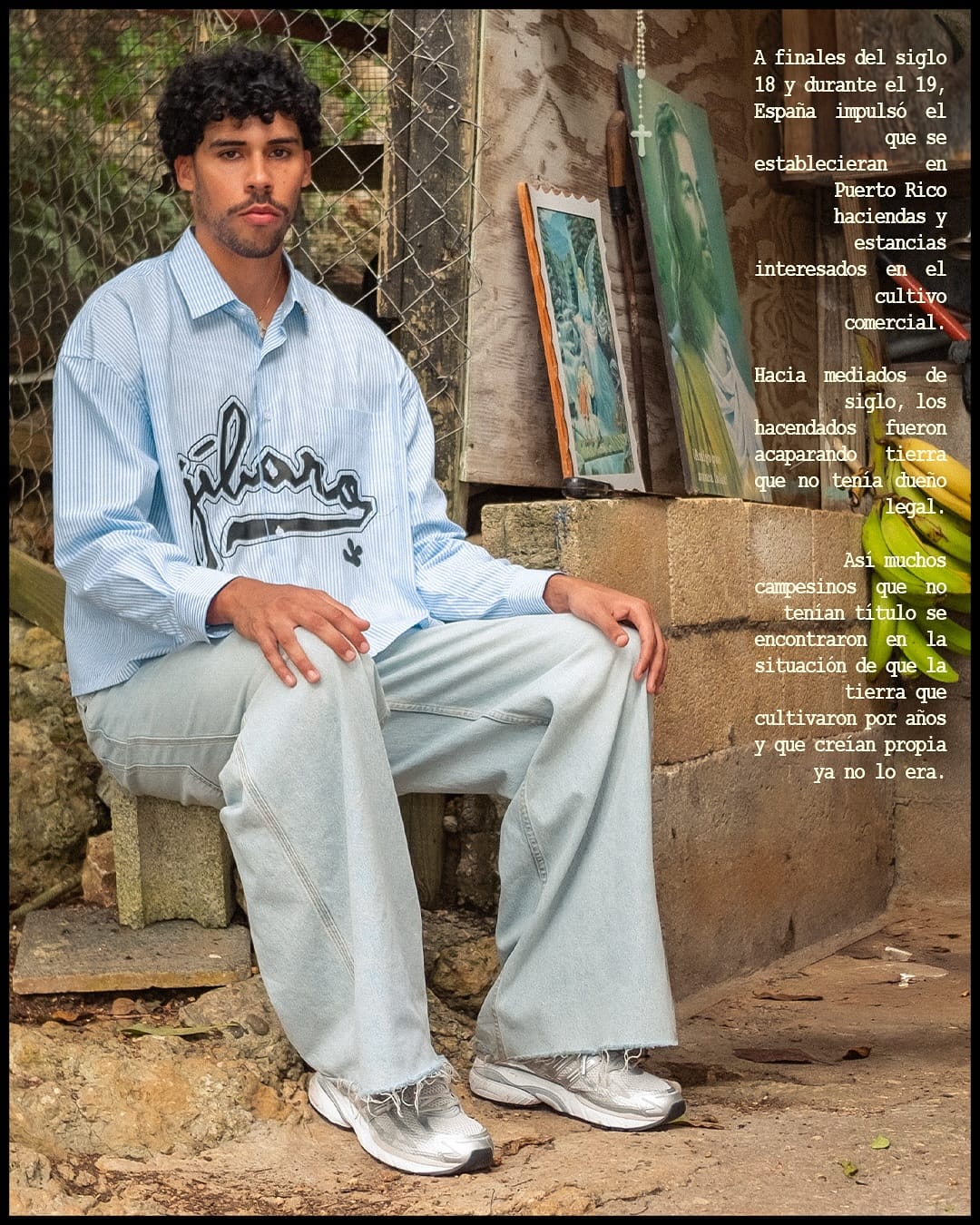
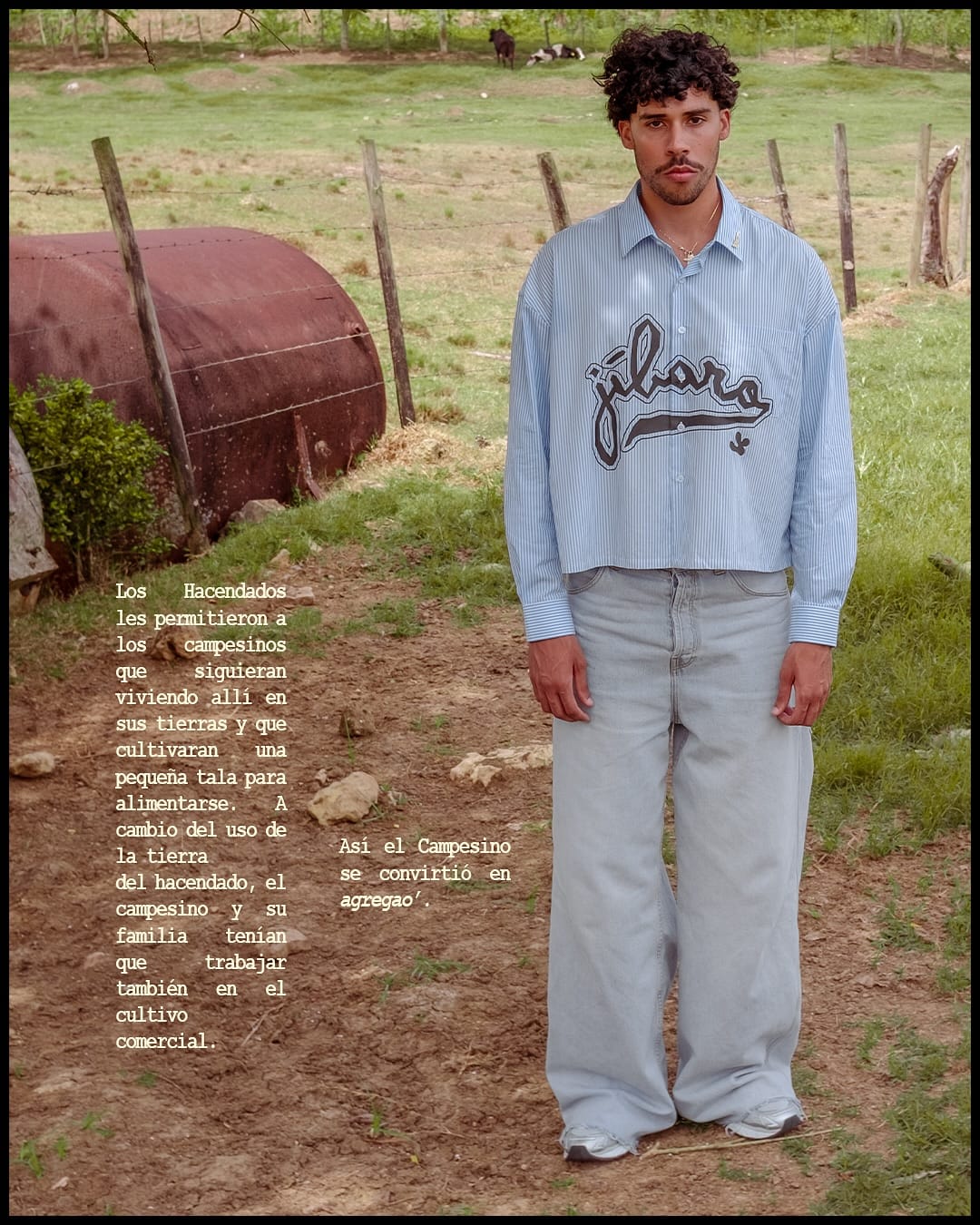
Bernie Martínez Ocasio wearing Jota Studios' jíbaro buttoned-down shirt with information about the jíbaro courtesy of Salón Boricua. | Art via Jota Studios' Instagram. | Impulsiva Stories
Not only is Bernie modeling the shirt, but his portraits don’t act as the usual editorial photography in fashion. Jota Studios went the extra mile to include a short informative excerpt about the meaning of el jíbaro in Puerto Rico in the photos.
His art narrates Puerto Rican history through a contemporary and modern aesthetic.
This can also be seen in his masterpiece “Duo de Campeones.” This one tells a bit of history closer to the present. It’s about the time when the Puerto Rican boxer Tito Trinidad became the World Boxing Association (WBA) middleweight champion and the Puerto Rican model and actress Denise Quiñones won Miss Universe in 2001.
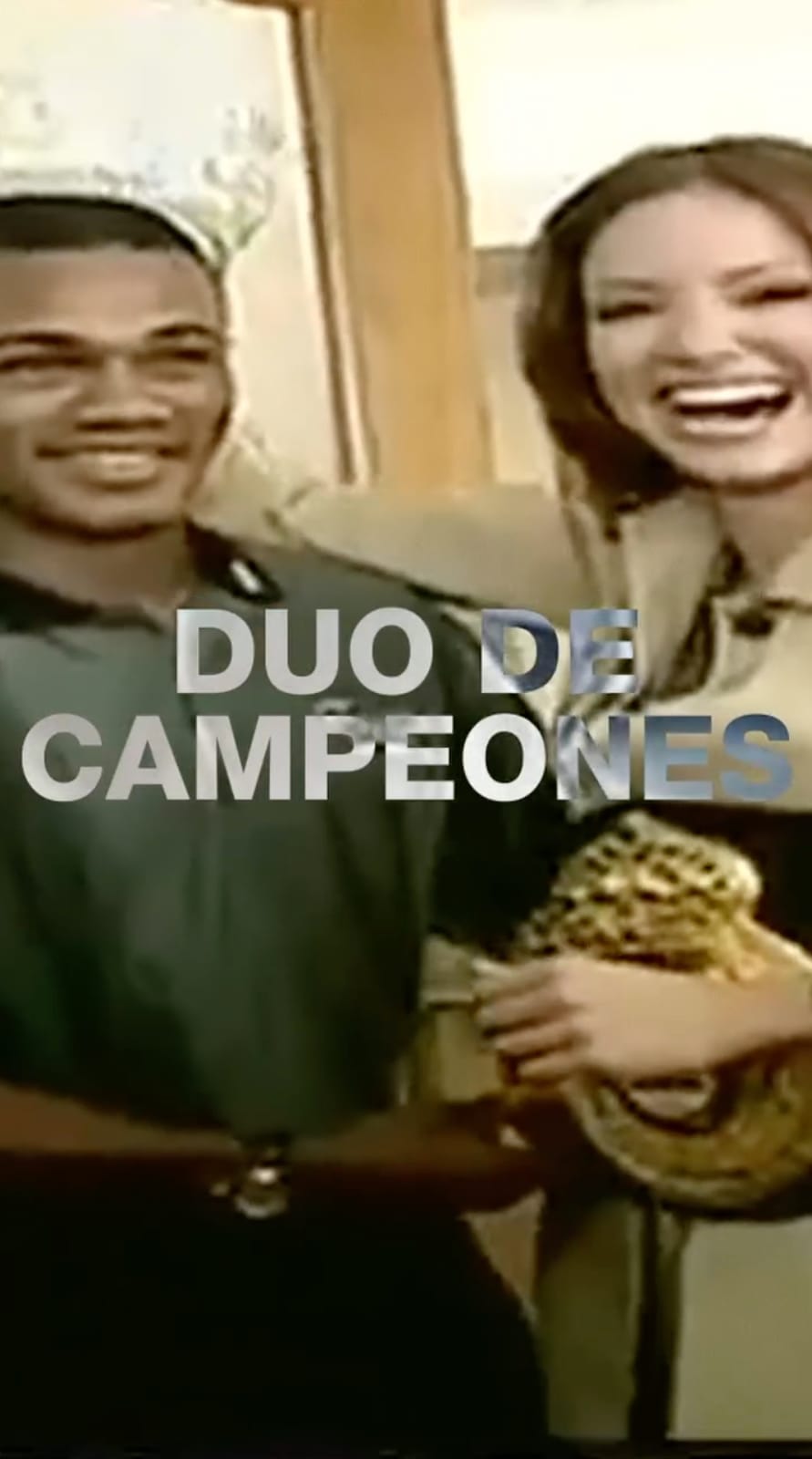
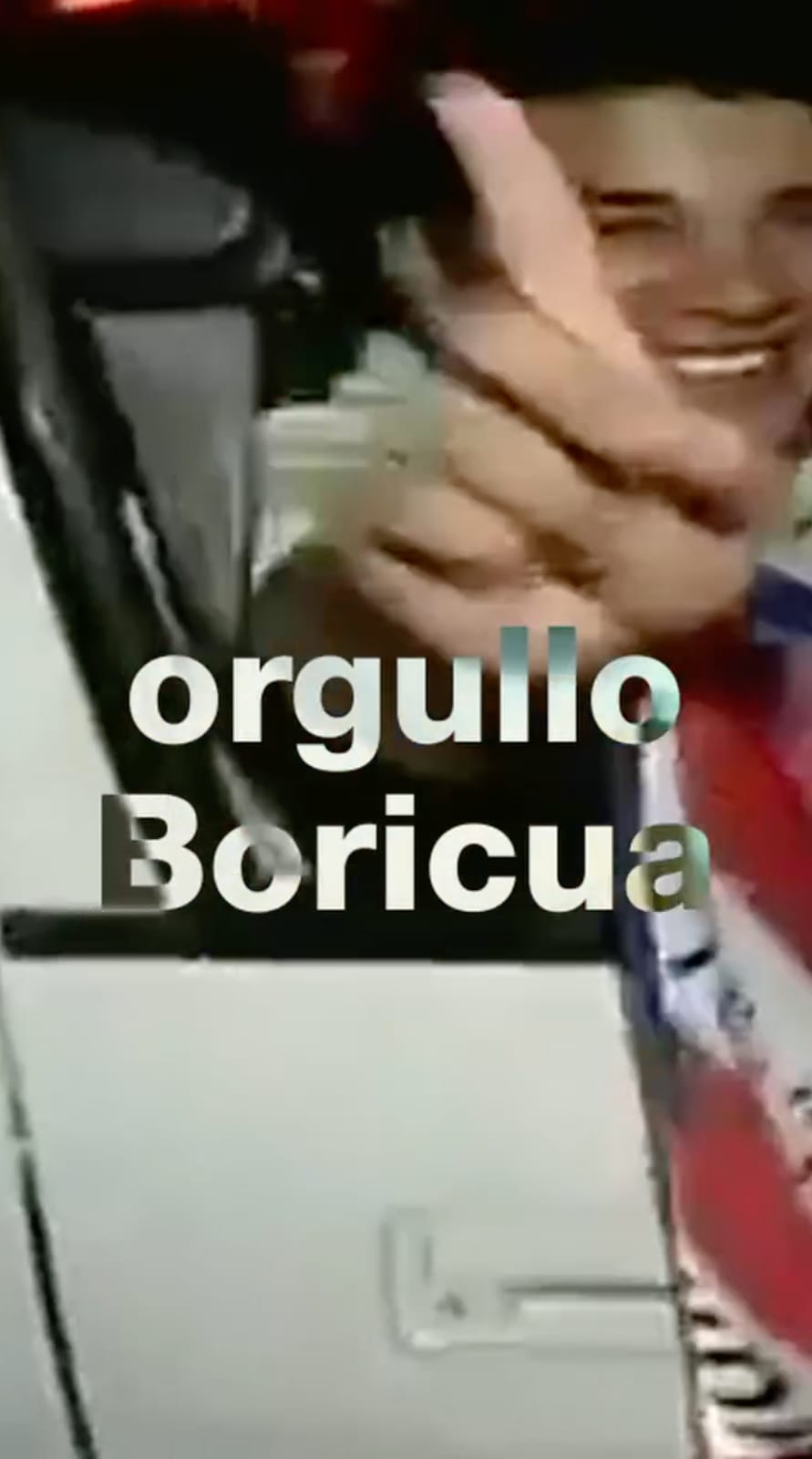
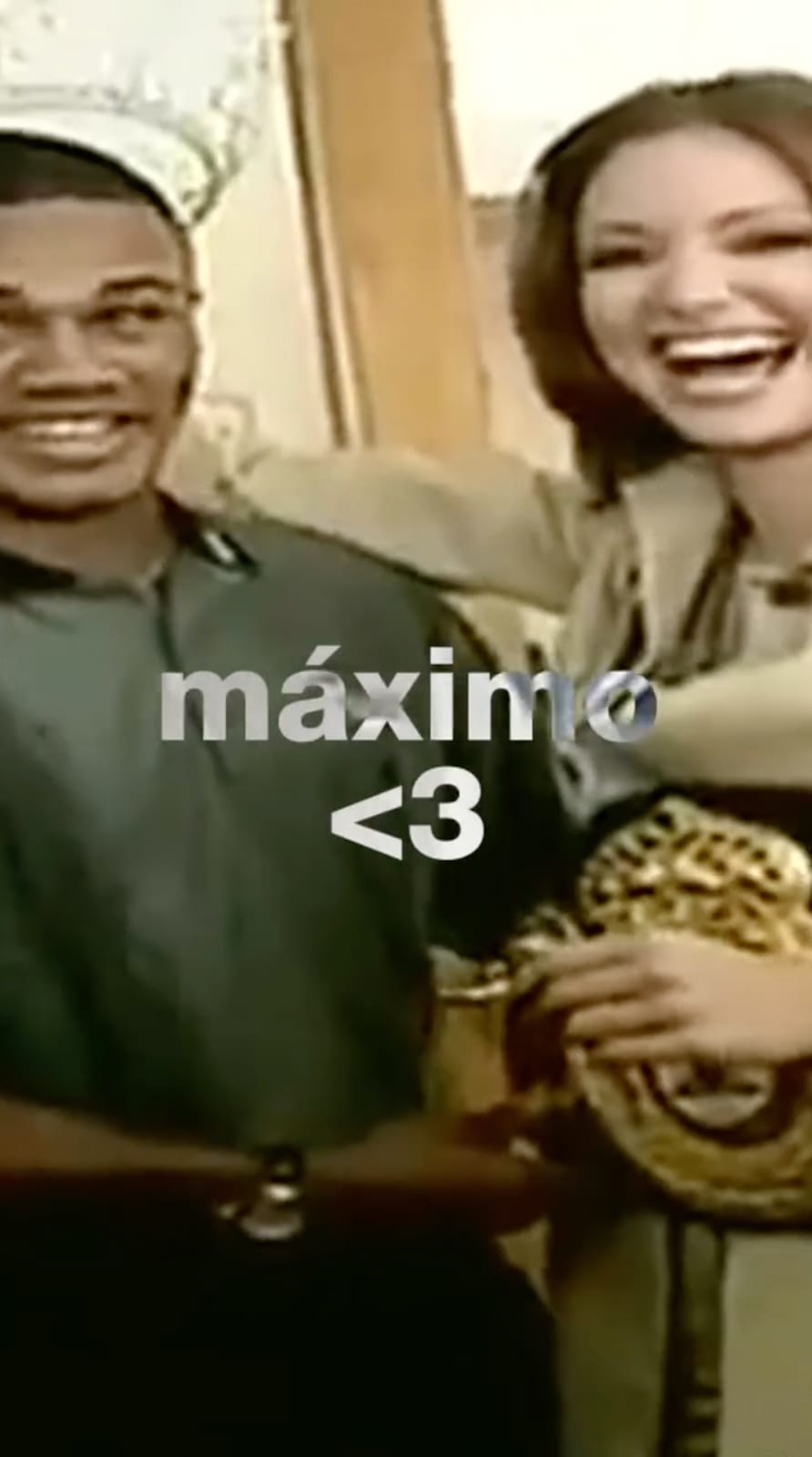
Some frames from Jota Studios' process video about the "Duo de Campeones" regarding Tito Trinidad and Denise Quiñones' wins. | Art via Jota Studios' Instagram. | Impulsiva Stories
Both historic events in Puerto Rico happened within a day of difference. Quiñones won on May 11th and Trinidad won on May 12th. On May 13th they met at the airport in Puerto Rico and took the iconic photo together where he’s wearing her crown and she has his boxing belt around her torso.
These historical achievements were so impressive for the Caribbean island, that everyone went out to the streets to celebrate. Jota Studios wanted to recreate this important moment in his art.
0:00
/0:38
One of the animations for the project "Duo de Campeones" by Jota Studios. | Animation via Jota Studios' Instagram. | Impulsiva Stories
Once again, the 3D animation came first. You can observe the reference to the aesthetics of the news broadcast Noticentro from Wapa TV. The people are out celebrating on the streets while “Salgo Pa’ la Calle” by Daddy Yankee featuring Randy sounds in the background and they’re wearing Jota Studios’ shirts.
Then, another post follows recreating the aesthetics of the Puerto Rican newspaper El Nuevo Día. Here, Bernie Martínez Ocasio appears again. He’s wearing the Tito t-shirt and Paola Méndez Vázquez wears the Denise t-shirt.
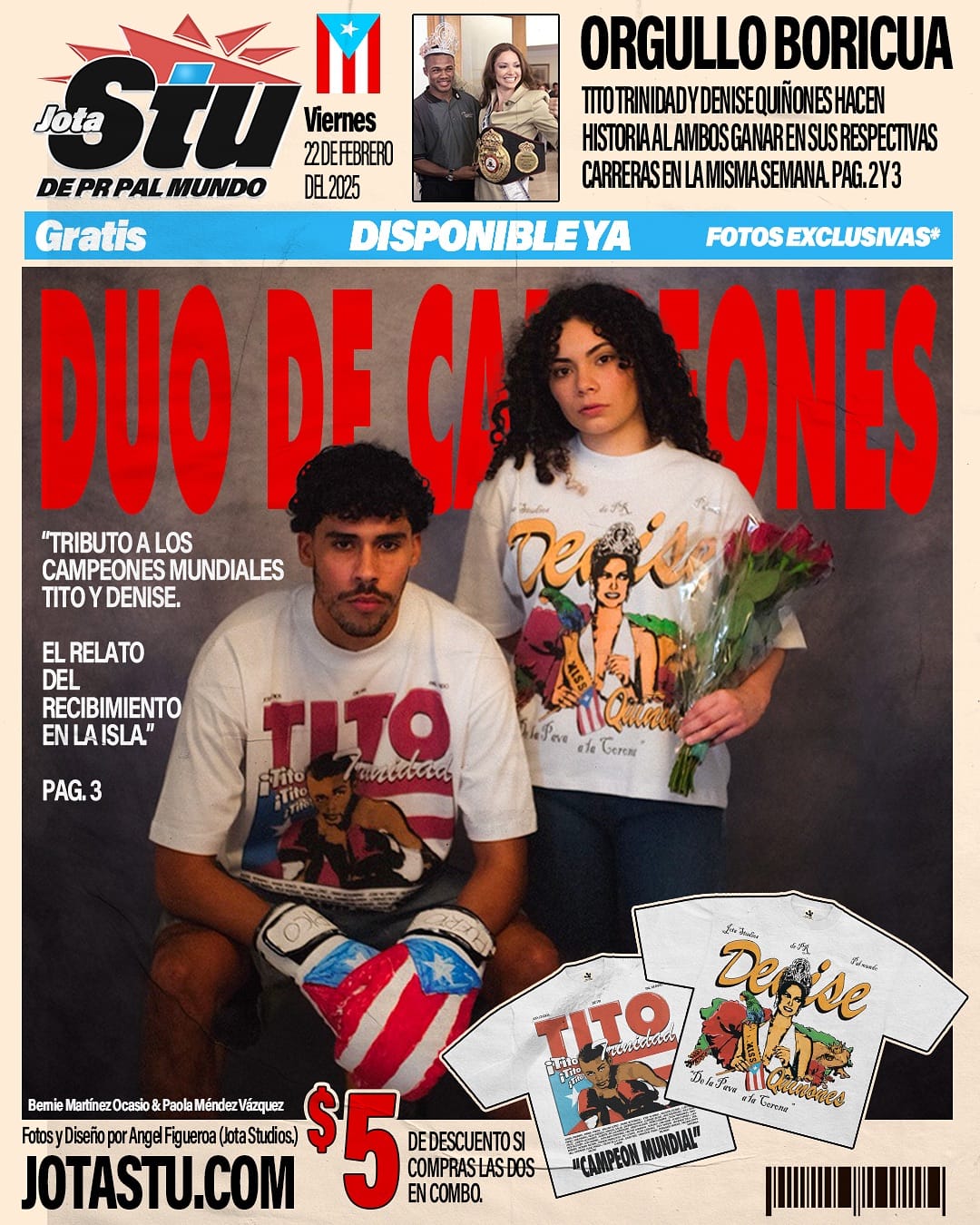
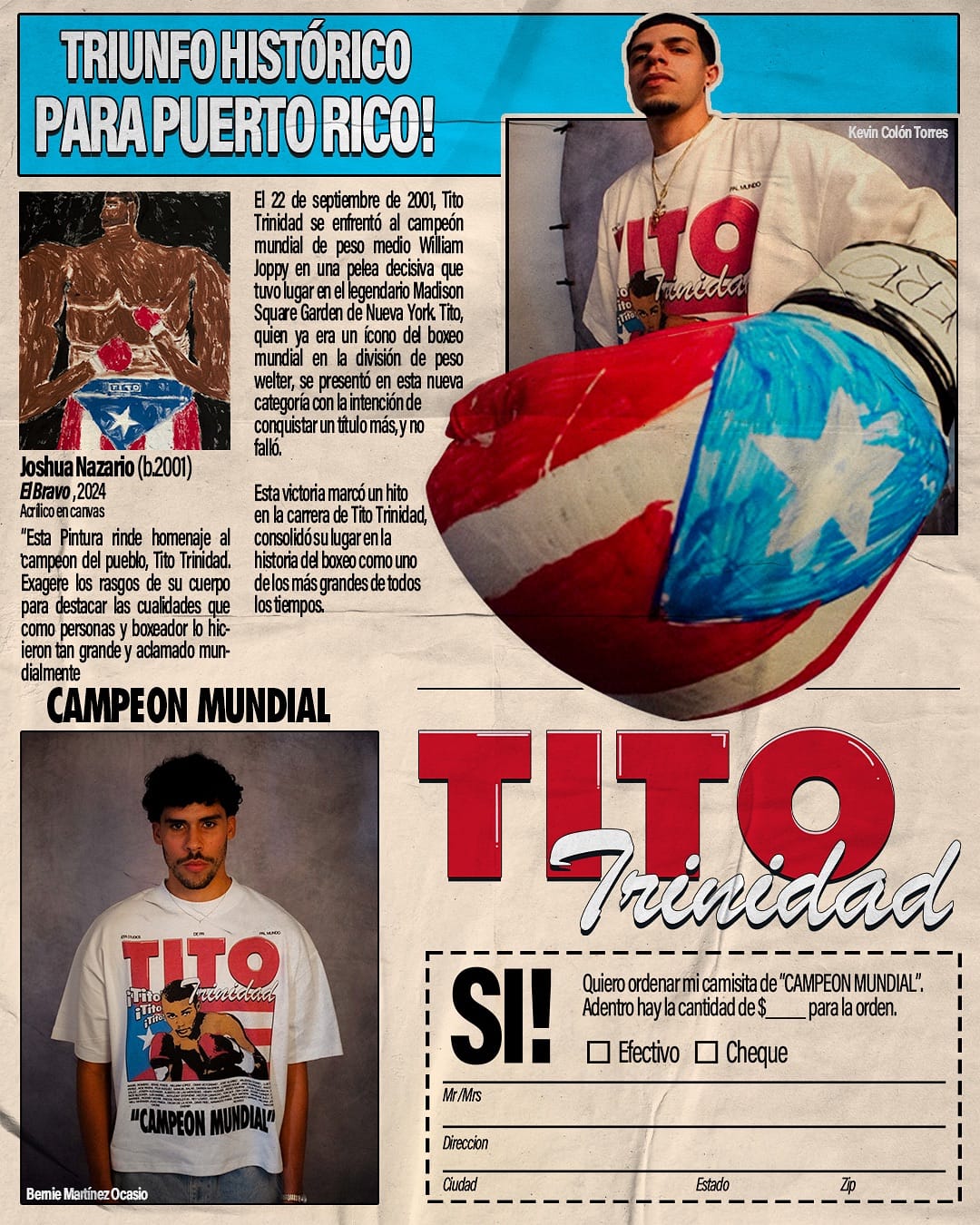
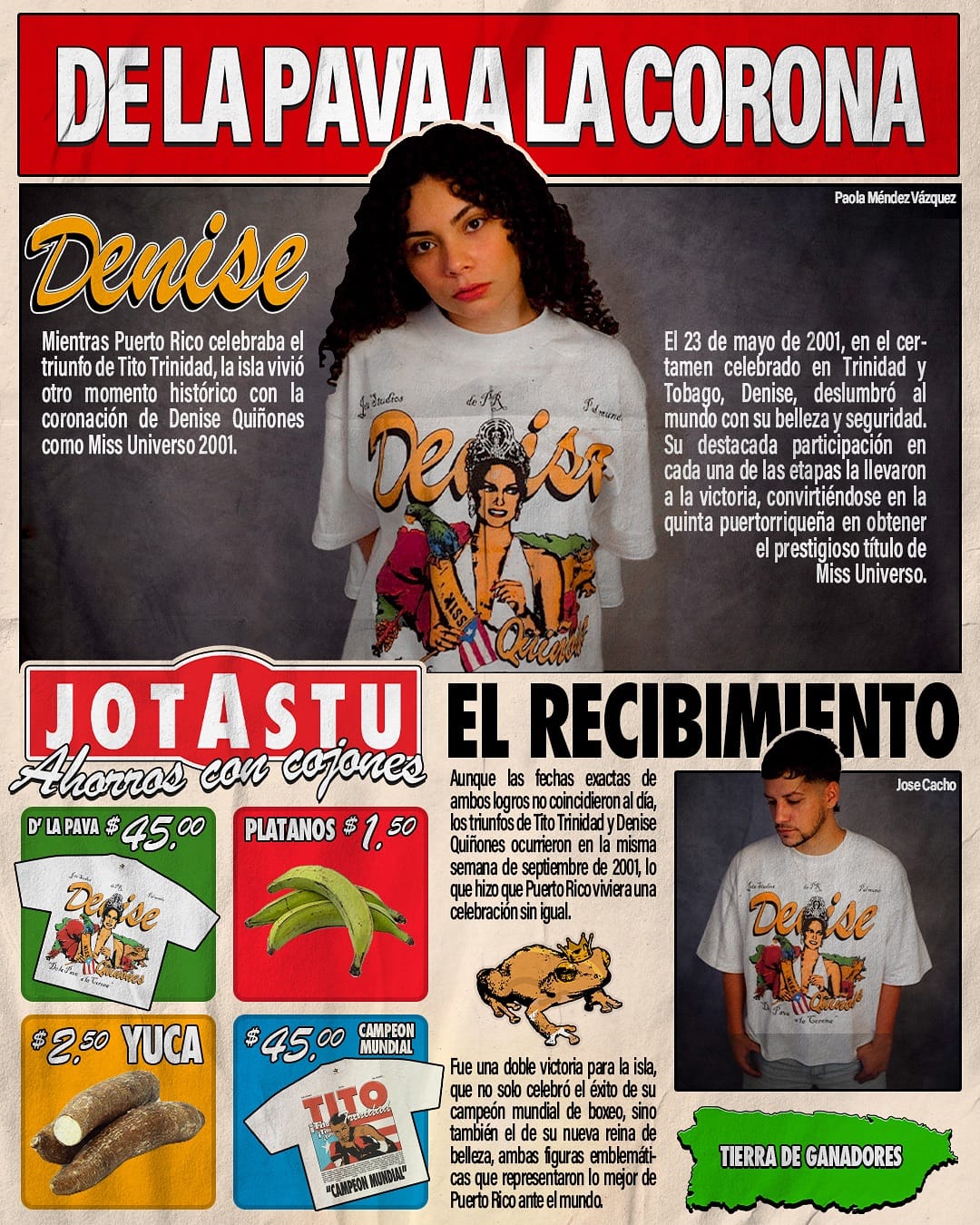
Jota Studios' newspaper design for "Duo de Campeones" with Bernie Martínez Ocasio, Paola Méndez Vázquez, Kevin Colón Torres, and Jose Cacho. | Art via Jota Studios' Instagram. | Impulsiva Stories
But then, Jota Studios gives you another surprise.
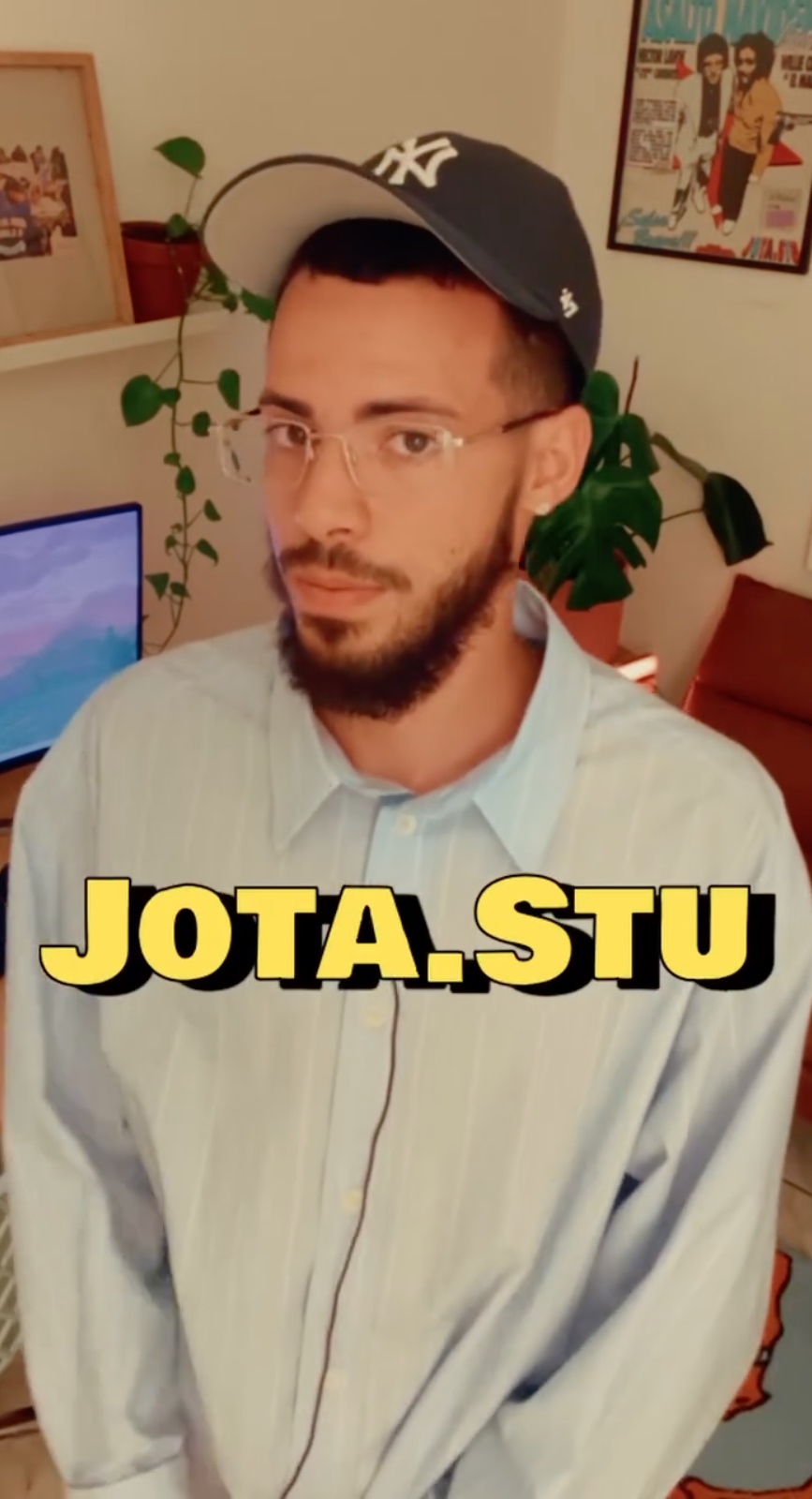
“Another case like that, was with Denise Quiñones, who was Miss Universe from Puerto Rico. She saw my video and I dared to tell her: look, we’re going to sit down and talk about this moment you had with Tito,” Jota Studios said. “And nothing, these are the very beautiful experiences I take with myself.”
Listen to Jota Studios
0:00
/22.517333
These are the experiences that have led Jota Studios into an art that’s quite expansive and appeals to a massive audience in Puerto Rico. Sometimes he doesn’t even believe how posting his art on Instagram has taken him to meet so many cool people. Those are the memories that he carries with himself.
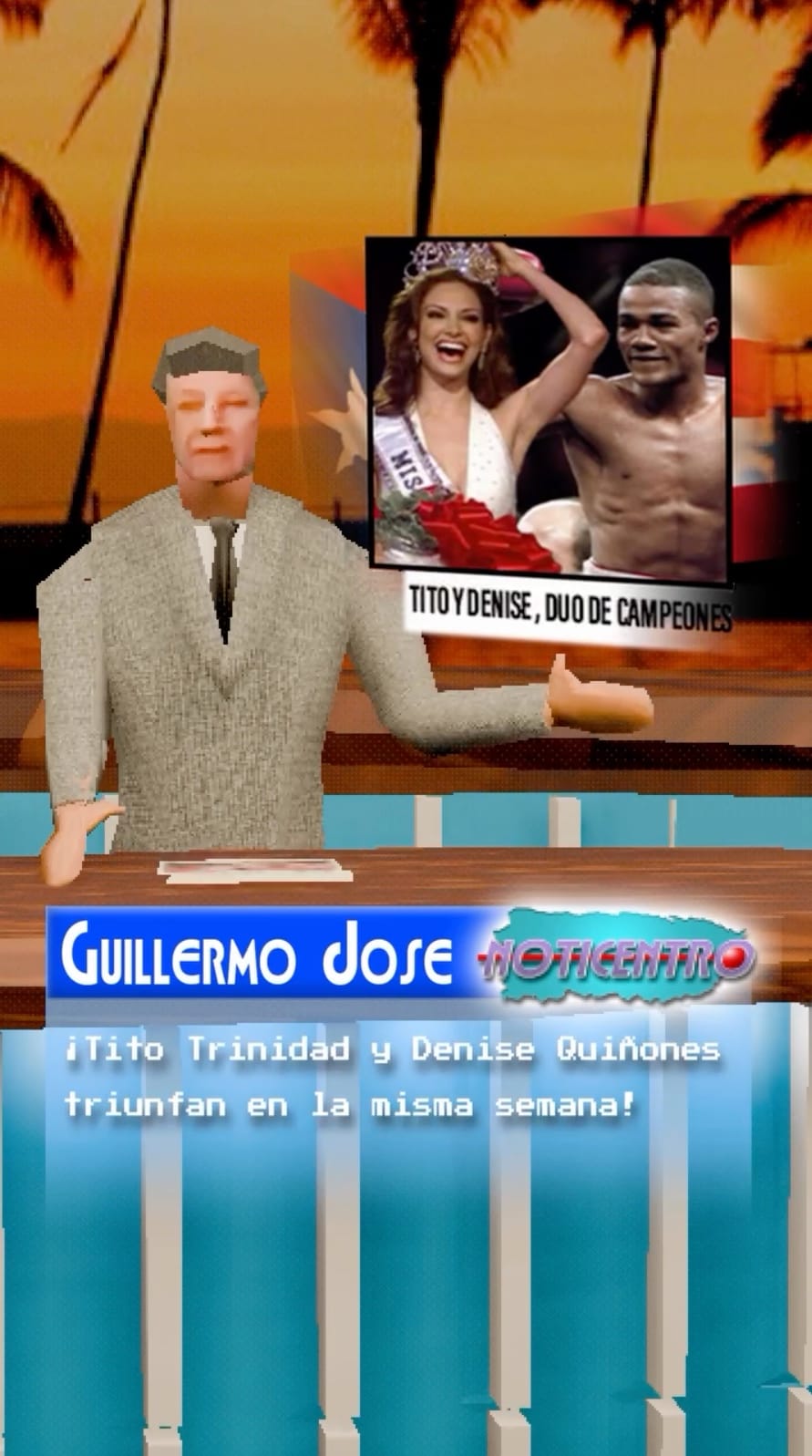
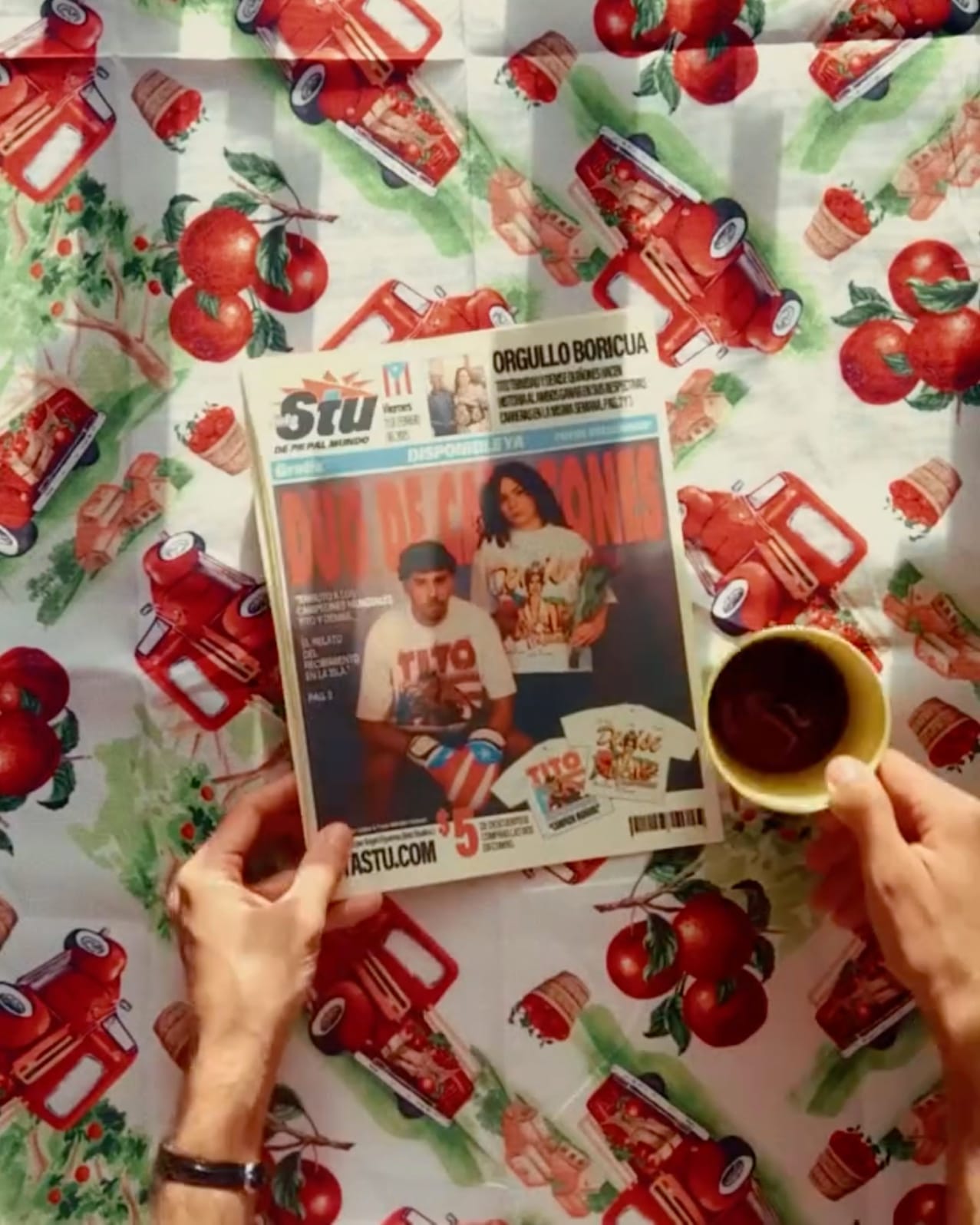
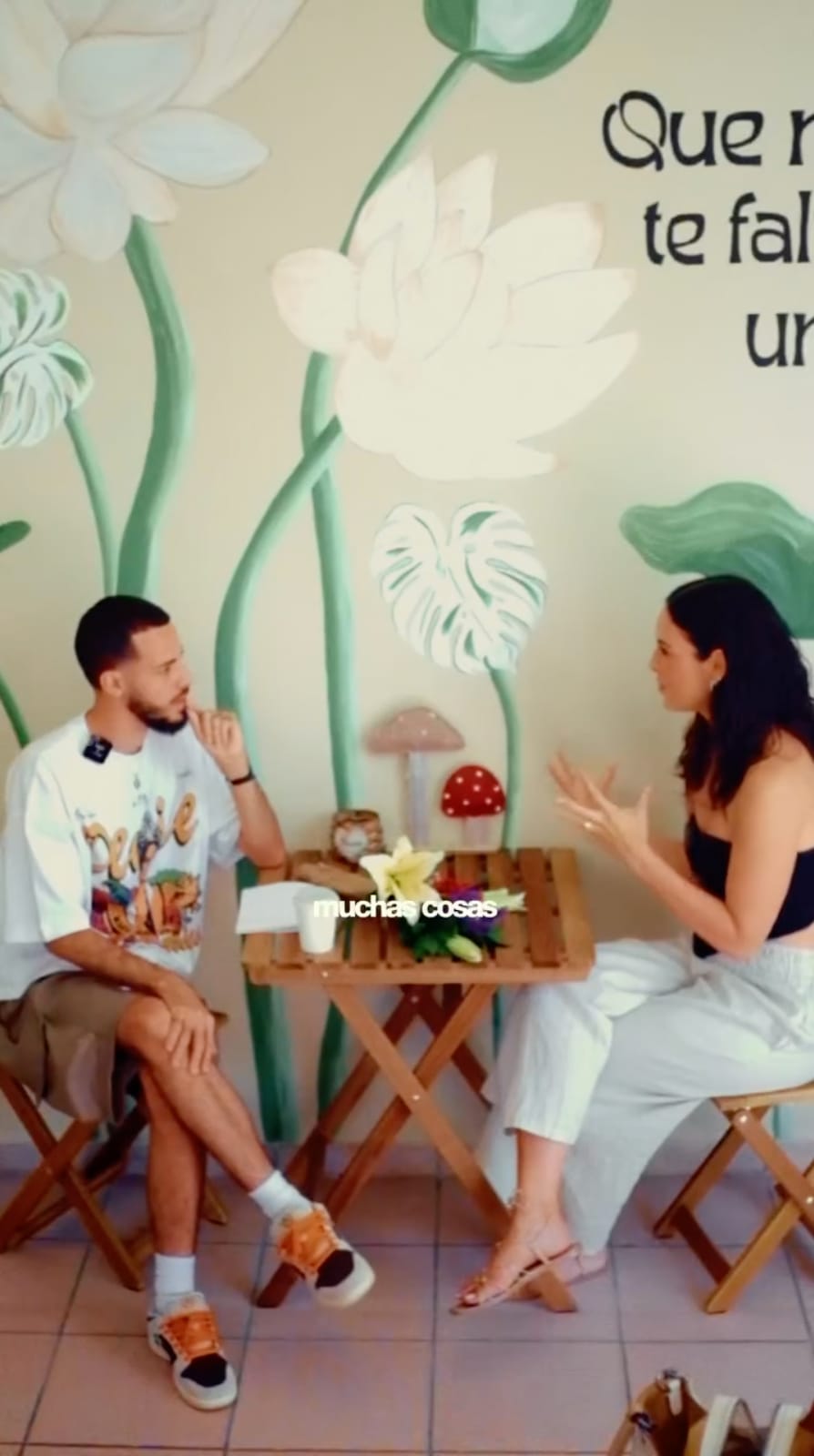
The noticiero aesthetic (left), the newspaper aesthetic (center), and Jota Studios interviewing Denise Quiñones (right). | Art via Jota Studios' Instagram. | Impulsiva Stories
But wait a minute.
You might be wondering why in this project about Trinidad and Quiñones, there’s a very strong aesthetic referencing a television news broadcast and a newspaper in Puerto Rico.
It’s also part of the Puerto Rican culture and way of being.
Jota Studios said that any Puerto Rican can tell you about going to the house of their grandparents or their pais (parents), and the TV is always on with the news.
“Puerto Rico is a country where they love to watch a lot of news. Here the viejos sit down and watch news, news, news. They watch the morning news, the midday news, and the night news. And maybe they’re not the things that I consume, but they’re things that shaped the culture here,” Jota Studios said.
Listen to Jota Studios
0:00
/21.845333
The same goes for the newspapers. He said you’ll go to a plaza and see the viejo reading the newspaper with his coffee. It’s something natural in their being. They want to be informed all the time.
Junito for the “Escuela Pública”
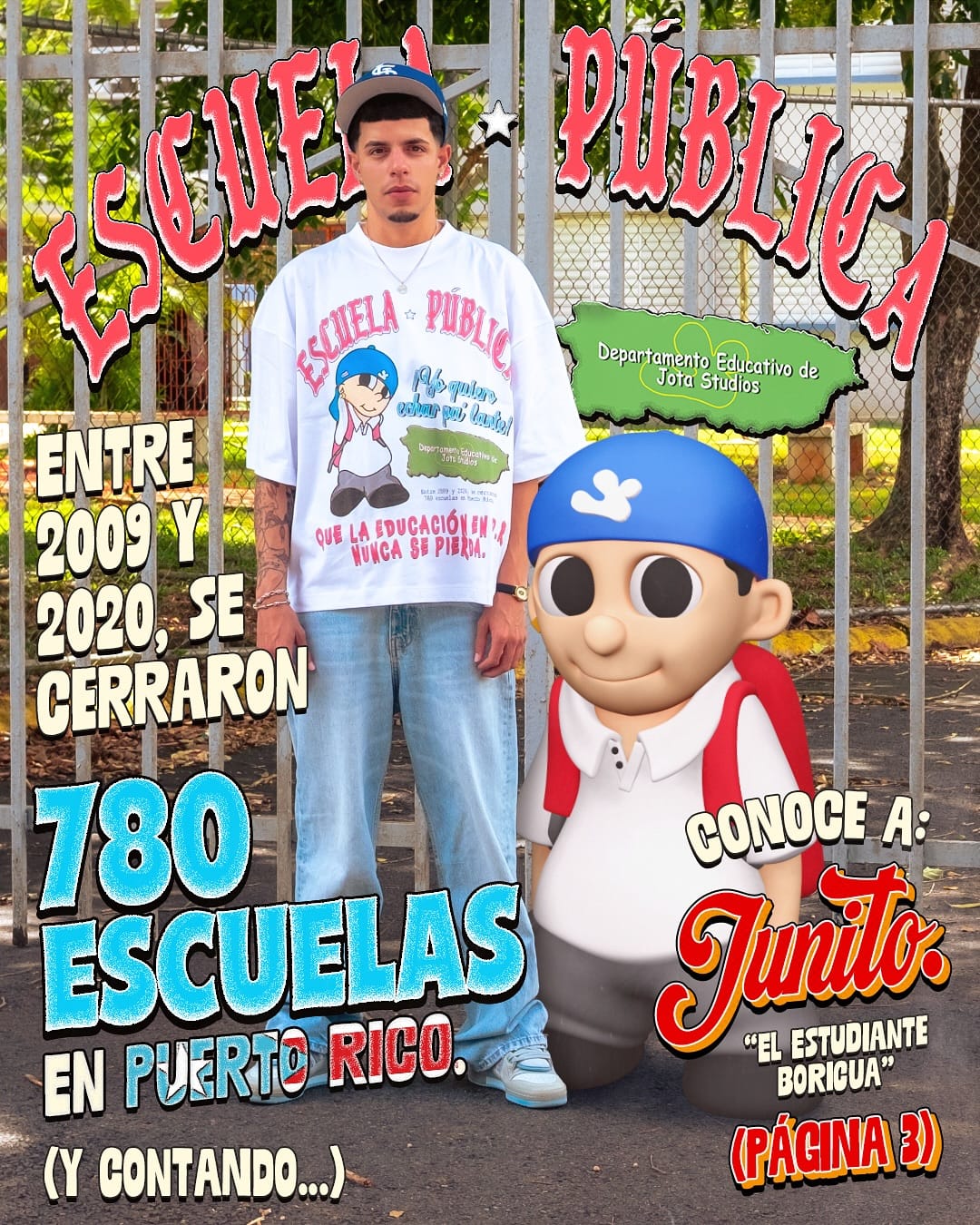
Maybe that’s also why Jota Studios likes to keep himself informed about the reality of Puerto Rico and portray it in his art. Maybe that’s also why he created his design of “Escuela Pública.” For this one, he created an original character called Junito.
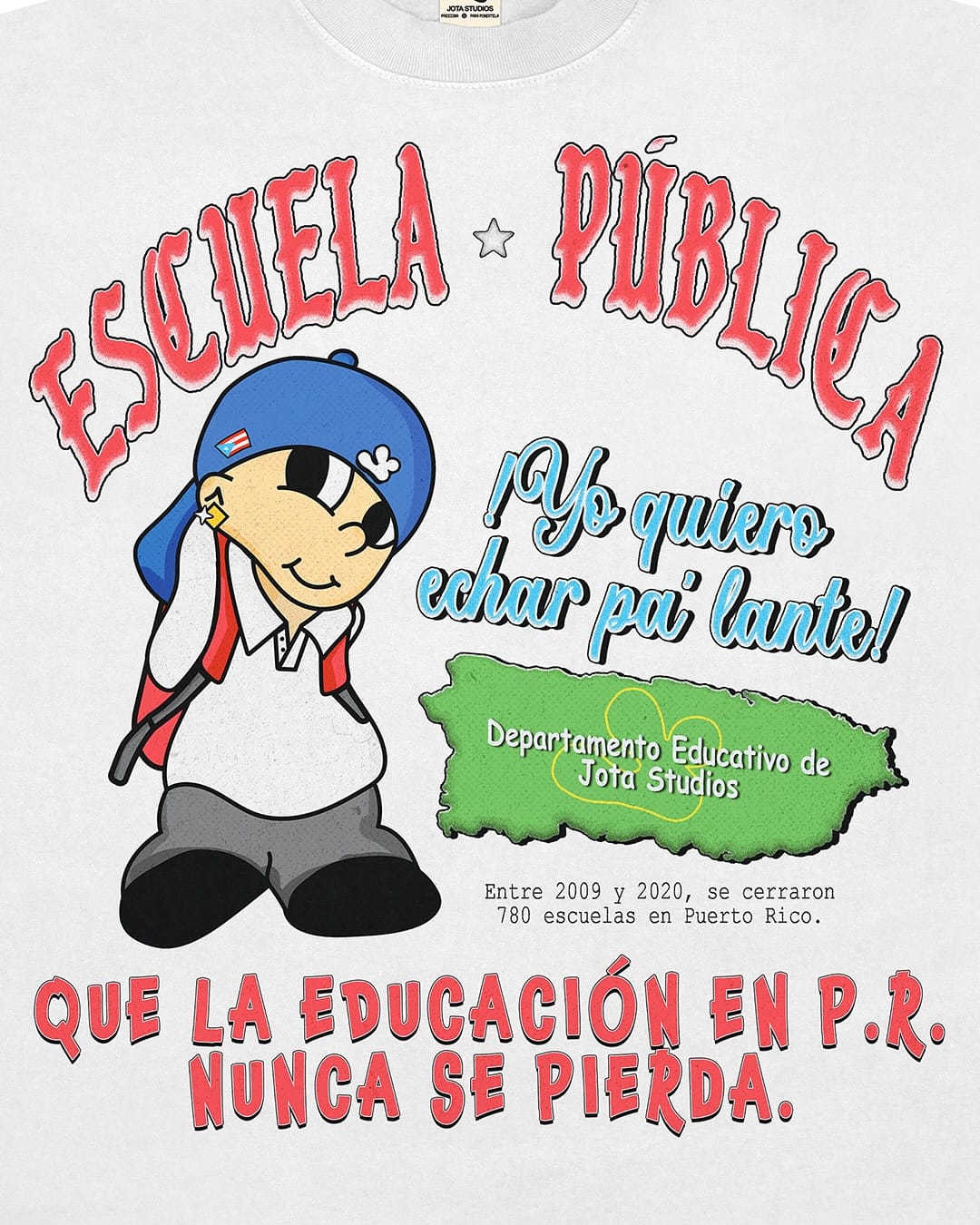
“He’s the representation of the Boricua student. This concept came through as a social critique to how the Puerto Rican government has neglected so much the public education in the country. If things continue this way, the Boricua student is going to get lost,” Jota Studios said.
His art states that 780 public schools were closed in Puerto Rico between 2009 and 2020. This data is from the 2022 findings from the study carried out between the University of Puerto Rico and the University of Toronto.
Jota Studios’ critique stems from the government’s abandonment of the Puerto Rican public education and Boricua student. It’s about the neglect of the infrastructure, the students, and the teachers and how this will have a long-term effect.
“It was more of a message that we shouldn’t allow the government’s irresponsibility to deprive us from public education, which is a right everyone should have. It was more of a message of taking care of this identity that we’re a product of public education,” Jota Studios said.
It’s a strong message with a wholesome aesthetic thanks to the character of Junito, which was inspired by a very iconic and classical illustration of Puerto Rico. Jota Studios wanted to adapt it to his style with a student wearing the white school polo shirt and the cap of Puerto Rico. Most importantly, he wanted to portray him as a caco or reggaetonero.
“A chamaquito with the pantallas. With the gorra pa atrás,” Jota Studios said.
CacoReggaetonero
0:00
/11.045333
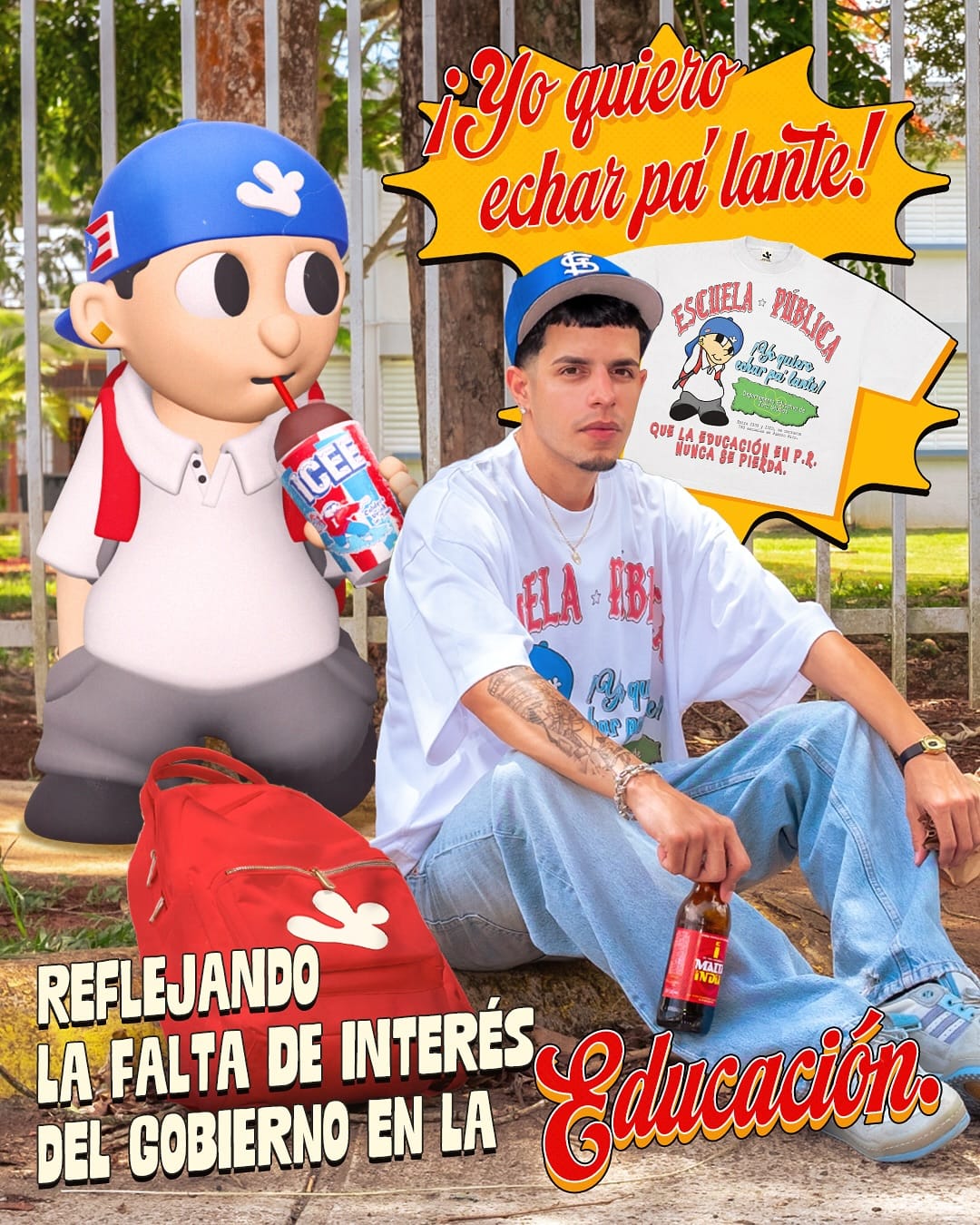
Junito from “Escuela Pública” is simply one of the many masterpieces where Jota Studios designs and animates the nostalgic Puerto Rican experience. It’s an art form that appeals to a massive Puerto Rican audience because of the feelings and emotions he recreates with his vibrant colors and familiar scenes.
It’s art that’s Puerto Rican to the bones because of his love for the island. It's part of his purpose of creating art de Puerto Rico pal mundo. It’s also art that’s strongly driven by Jota Studios’ relationship with music in general.
“My designs always have a certain musical influence. Whether it’s reggaeton or salsa. Music moves me a lot,” Jota Studios said.
To learn more about how Jota Studios designs and animates the Puerto Rican nostalgic experience, you can follow him on Instagram at @jota.stu. Stay tuned next week for PART II, where we’ll explore Jota Studios’ musical Puerto Rican art.
Written by

Subscribe to my newsletter
Subscribe to my newsletter to get the latest updates and news