Livier Miroslava PART I
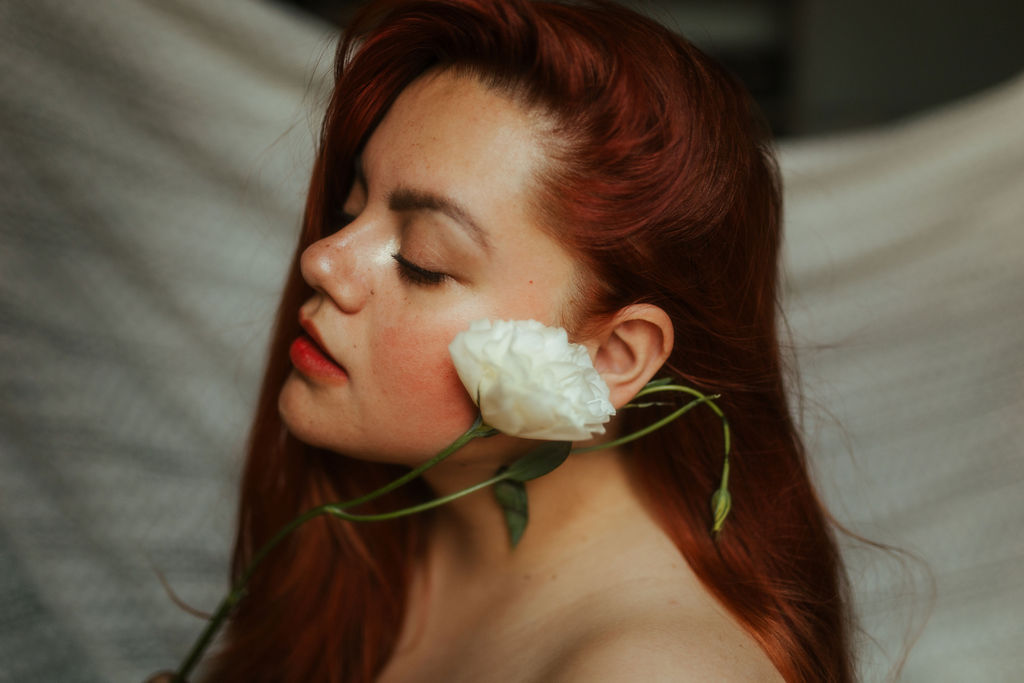
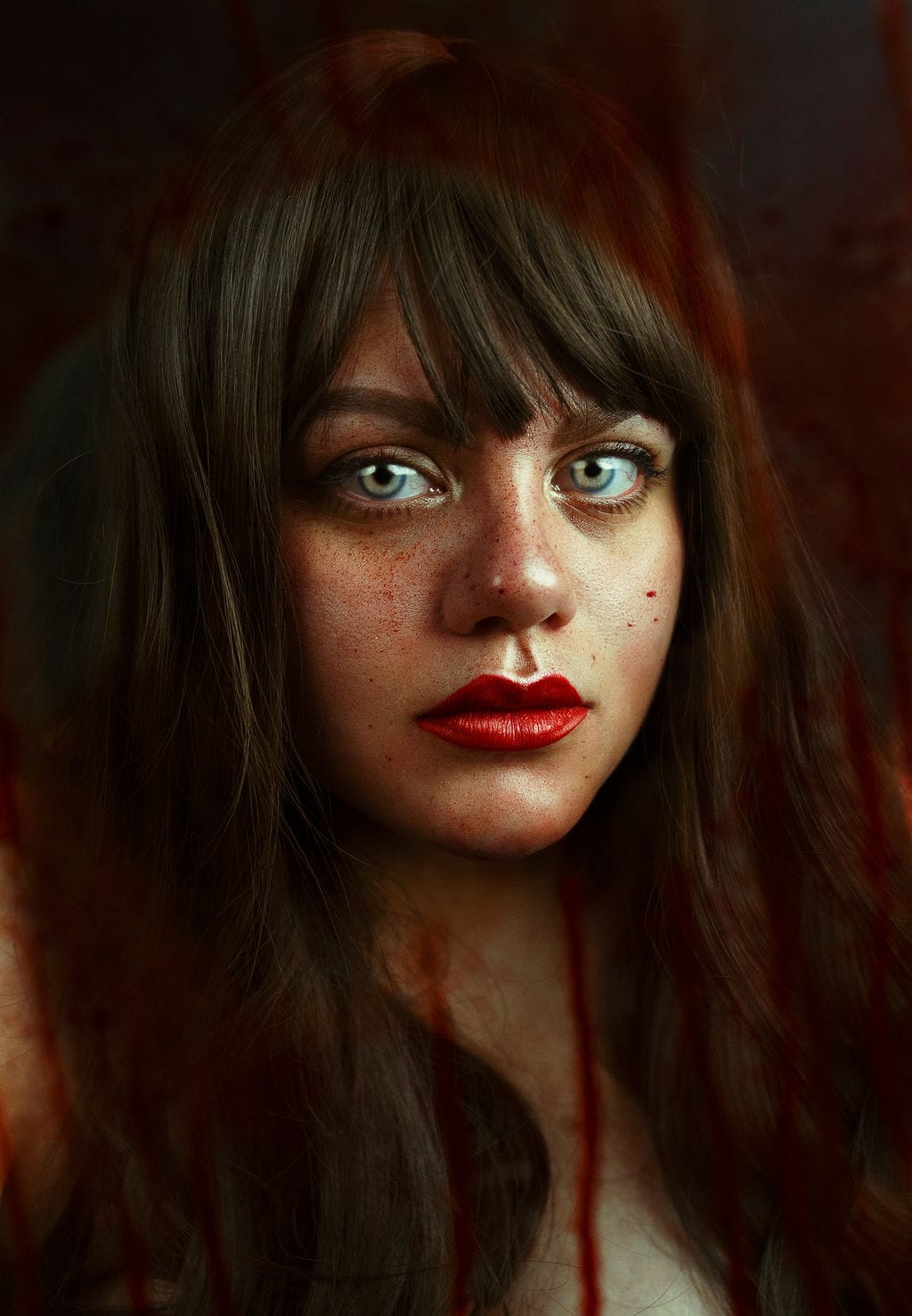
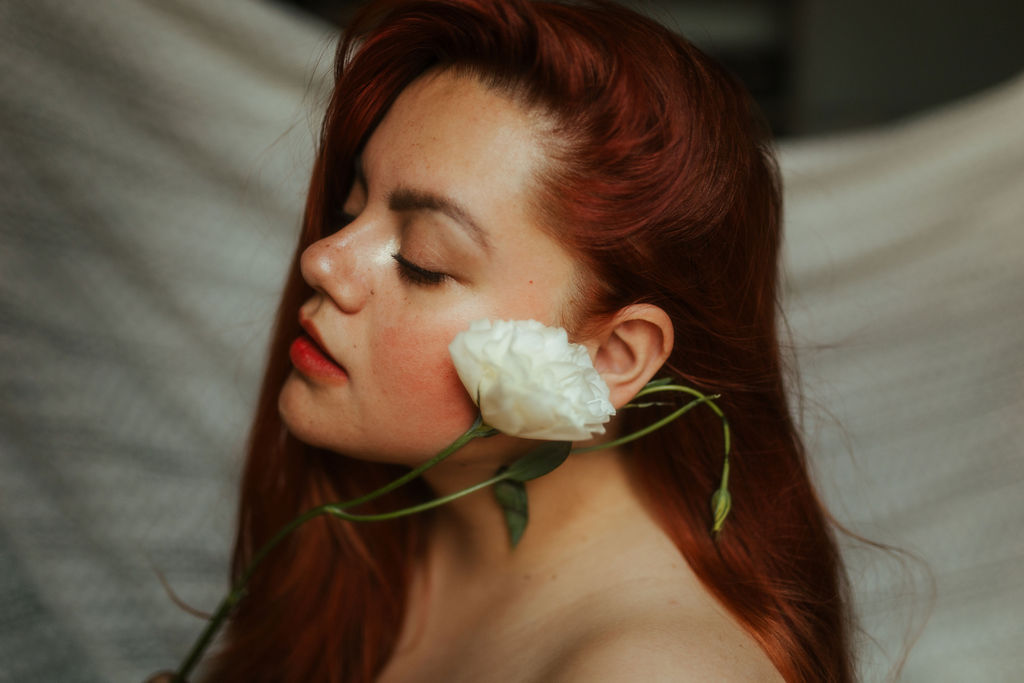
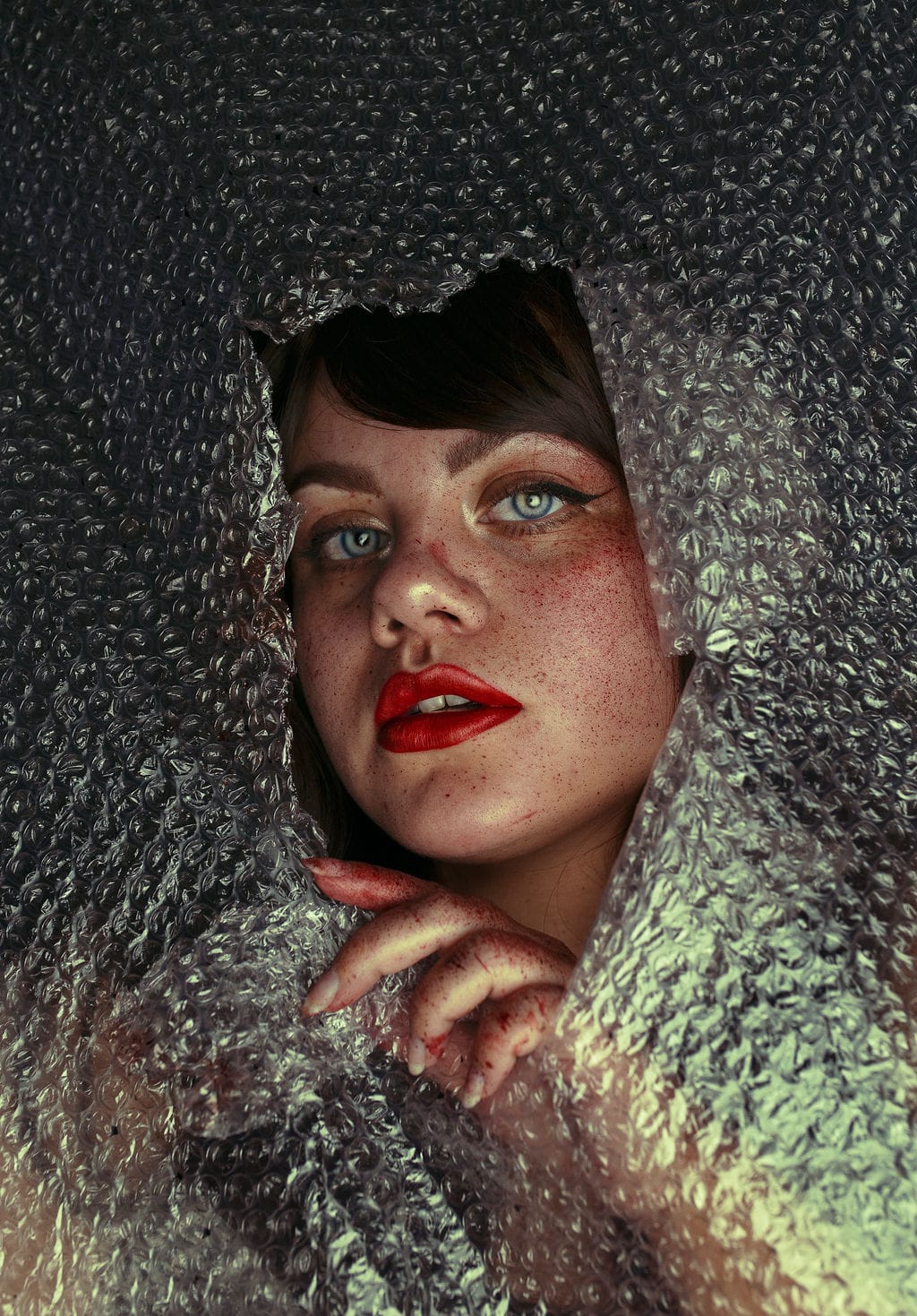
Livier Miroslava explores the female body and portrays women brilliantly in her photography.
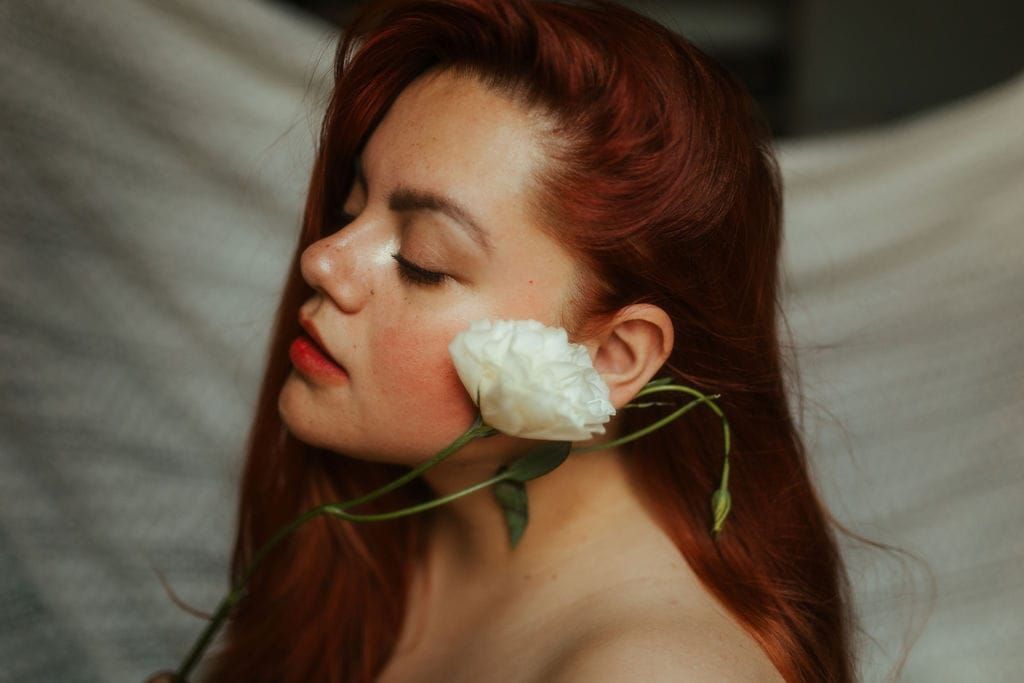
PART I: Livier Miroslava’s Brilliant Photography Empowers Women
Livier Miroslava is the youngest of four siblings. When she was about twelve or thirteen years old, she discovered photography. One of her brothers lived in the United States and visited the family in Aguascalientes, Mexico. He carried a camera with him, which became Miroslava’s first camera. Her first “visual instrument” with which she could play and experiment.
She grabbed it and that was the beginning of her love story with photography, which is an art form she’s immersed herself throughout the years. An art form where she can explore and portray the combination of cultures she grew up in.
“I consider myself to be more Mexican than anything. I mean, I’m gringa because I have a paper, but I really have this clash between living in Mexico and when we traveled to the United States,” Miroslava said. “Even though my family is Mexican living in the United States, everything’s different over there.”
The cultural clash in Miroslava’s life happens because she was born in the United States, but was raised in Mexico. She has lived her whole life in Aguascalientes and that combination of cultures has deeply influenced the Mexican award-winning self-taught photographer and artist. It has given her a different perspective on how she creates and where she creates from.
Her love for photography stems from her adolescence. From the times where she was going through a million things and experiencing all the emotions. She did not know how to control those feelings and had nowhere to deposit them.
Don't Forget to Subscribe to The Story of The Story
For only $16 a month, every Friday you'll have exclusive access to
The Story of The Story. Our founder, the Costa Rican award-winning multimedia journalist and artist Elizabeth Lang, guides you through her creative process to produce her stories.
But then, she found in photography a space that became a refuge. A safe space where she could do self-portraits without the need of directly saying she was not feeling well.
“I discovered I could do my self-portraits while trying to tell a story. Trying not to say: this is literally what I’m feeling,” Miroslava said. “But, hey. There’s this character who’s feeling this and I’m portraying it, but it’s myself.”
Listen to Livier Miroslava
0:00
/17.717333
That was when she figured out she didn’t choose photography; photography chose her. Mainly because she’s always been surrounded by photography. Her mother always portrayed her siblings and her. She captured the special moments of their lives and that allowed Miroslava to have a natural connection with the camera. She felt very comfortable being in front of it and later on, she felt very empowered behind it when capturing brilliant portraits.
She learned by doing thanks to her genuine curiosity. She grabbed her “instrument” and started moving its nobs around. Testing what worked. Experimenting and figuring it out on the way. Seeing what looked good.
For many years, she did not understand what she was doing. A friend tried to explain how the ISO works and how to use the aperture and speed. She’d tell her friend she did not understand what he was saying, so he told her to take her photos using the manual mode and in RAW format.
She kept playing with the camera and she then figured out how to shot portraits she was satisfied with. Pieces where the technical aspects came through in the form of brilliant photography that quickly draws in the audience because of the poignant expressions of the models.
In that experimentation, Miroslava understood that she really enjoys her self-taught methodology because it entails more freedom to create. She does it without the fear of breaking the rules. She feels she's a child experimenting and feels tons of emotions throughout the process, which is a fundamental part of her artistic photography.
“For a long time, I questioned if photography was an art because it isn’t for many people. But it came to the point where I stopped questioning it. It was like: I don’t know if photography is an art, but at least I know it makes me feel [something],” Miroslava said. “So, if it makes me feel, for me it’s art.”
Listen to Livier Miroslava
0:00
/38.117333
Photography is so ingrained in her being, that she never stopped to do anything else. Growing up, she really focused on it. So much so, that at this point of her life, if it’s not photography, it’s nothing. She doesn’t see herself working full time on anything else and it's also this place where she can freely express what she feels.
Playing with the Camera
That’s why she’s noticed an evolution in her art. It evolved at the same time as her as a person. There’s both a deep personal and professional transformation in her photography. At the beginning, it was way much more emotional because of what she was going through. It was visceral and raw. Deep and personal.
Now it’s still emotional, but she’s looking at her surroundings. She’s now looking intrigued at the spaces around her and seeing where she can take the perfect shot with her models. It’s part of her curiosity as a photographer and artist, two titles she’s had trouble defining.
“For a long time, I questioned if I really was a photographer because people tell you at the beginning that you’re just doing photos. And the photos don’t mean you’re a photographer, especially when you come from a context in which you didn’t study what you’re doing,” Miroslava said.
That struggle led her to a way much more creative way in “defining” herself.
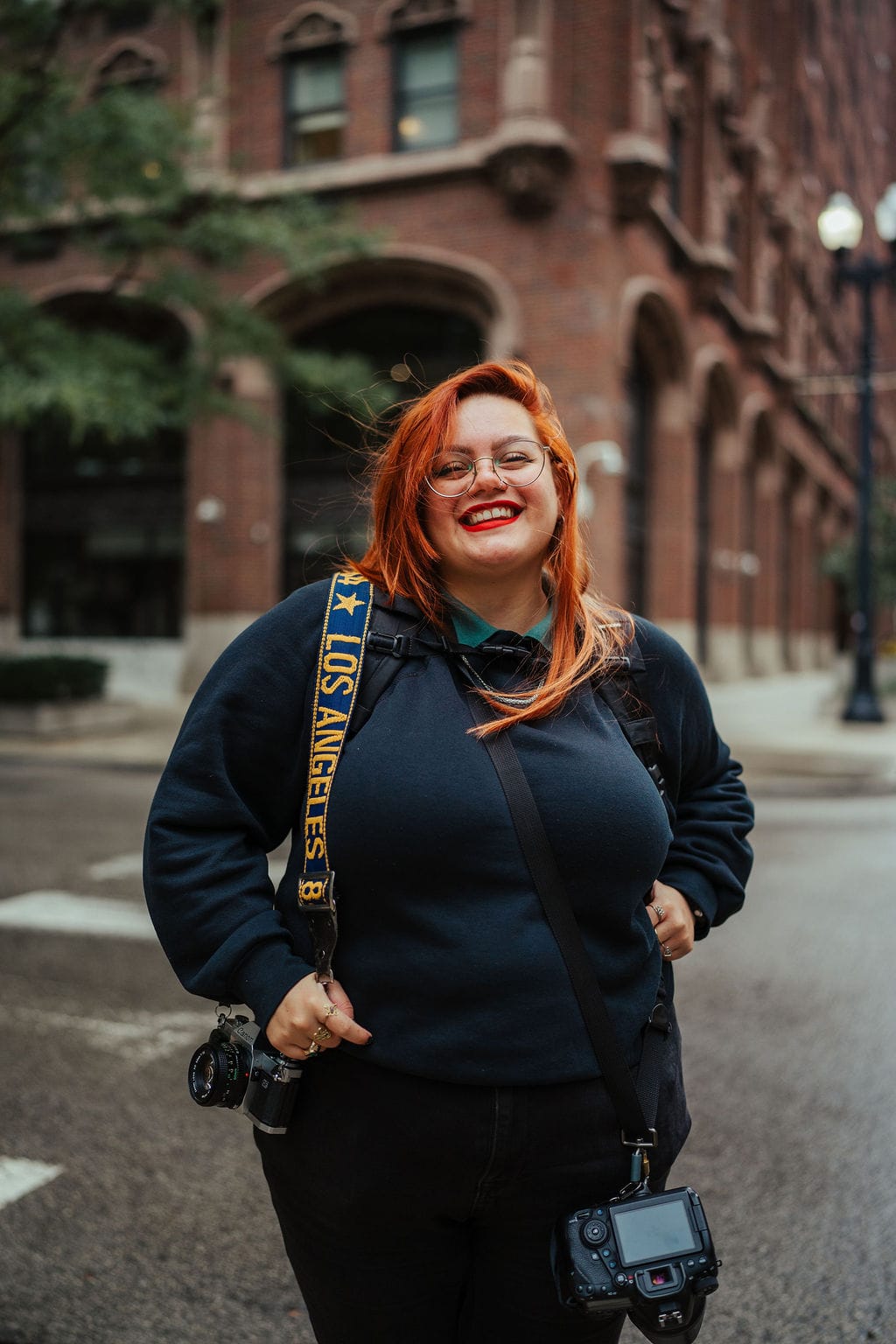
“I sometimes don’t define myself as a photographer. I like to say that I’m someone who plays with a camera because it’s what I like. It’s what I’m passionate about. It’s what makes me happy,” Miroslava said.
Listen to Livier Miroslava
0:00
/13.877333
She feels like a child playing. Someone who’s having fun. Someone who’s having a wonderful time. She does not even know if she’s good or bad at it. She only knows that she enjoys it. Thanks to that carefree attitude towards her art, she sees no limitations in her style and aesthetics. She can go from a deeply emotional portrait to street photography captured in markets and barrios.
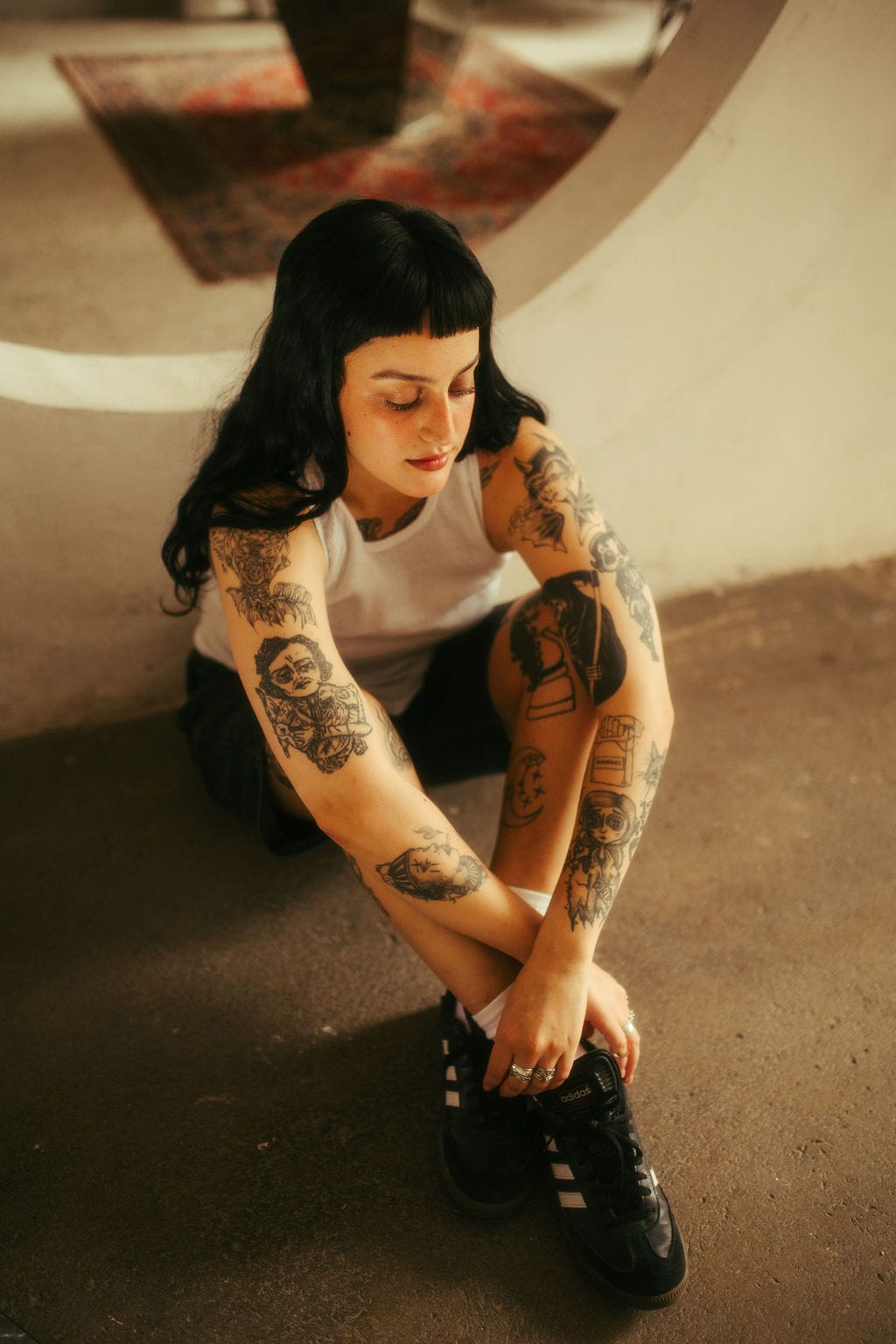
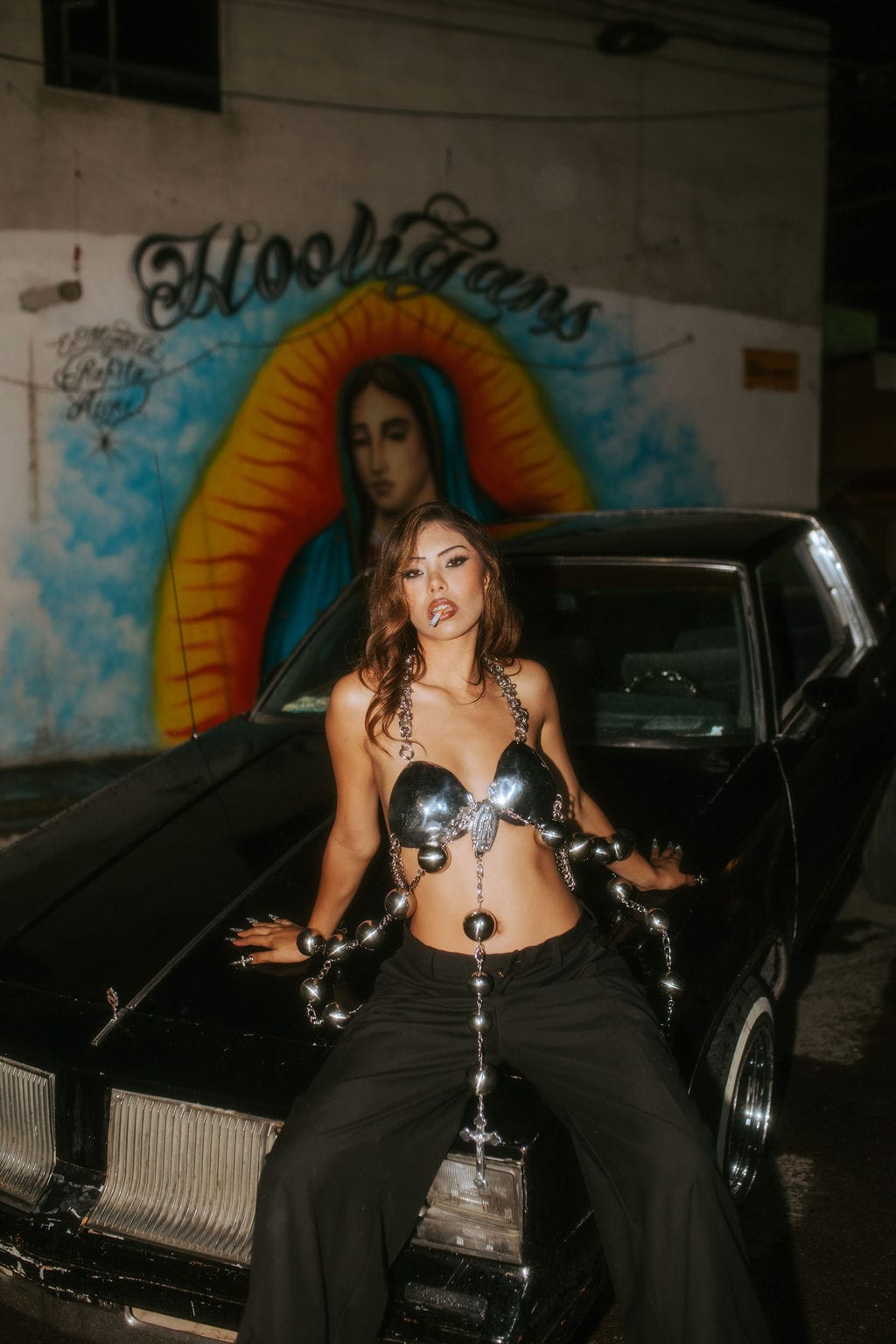
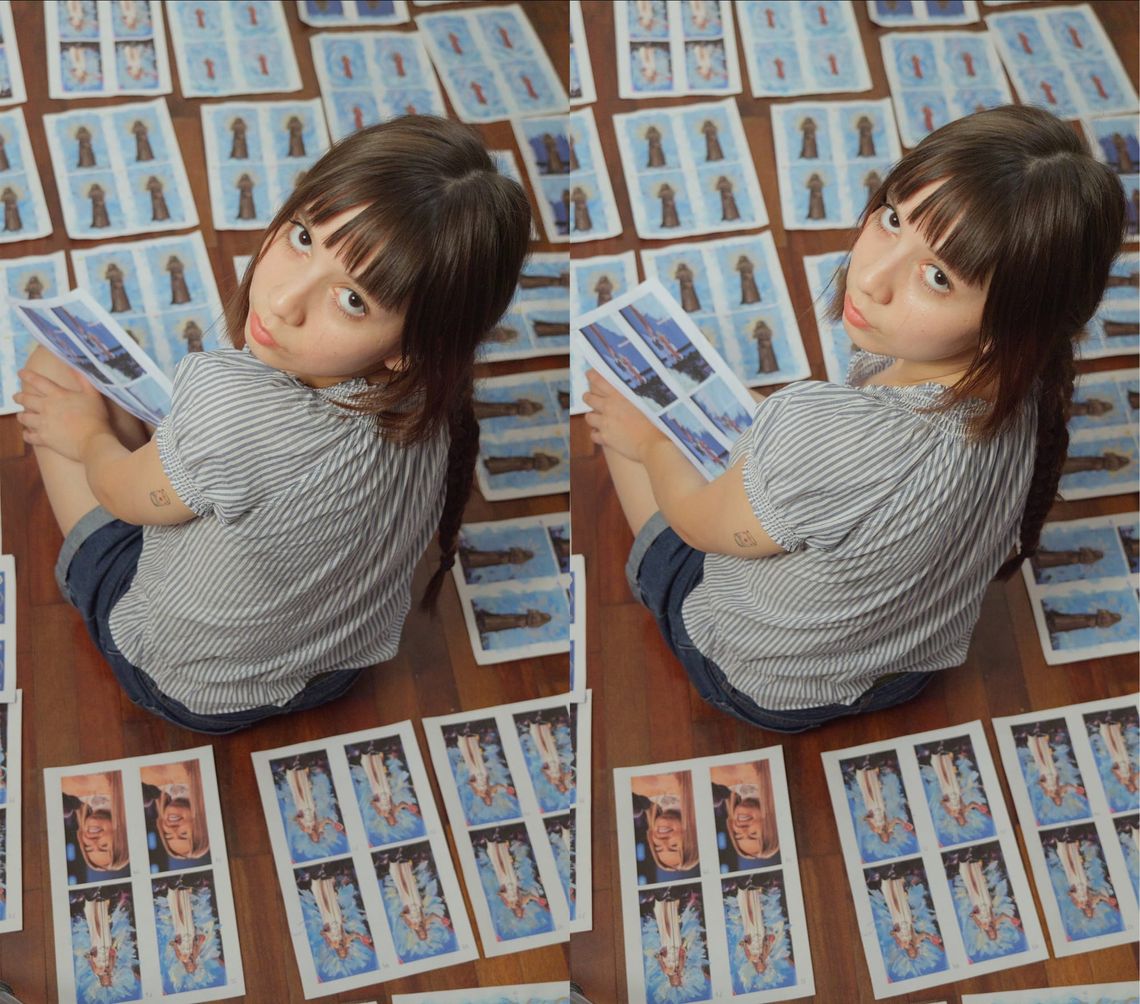
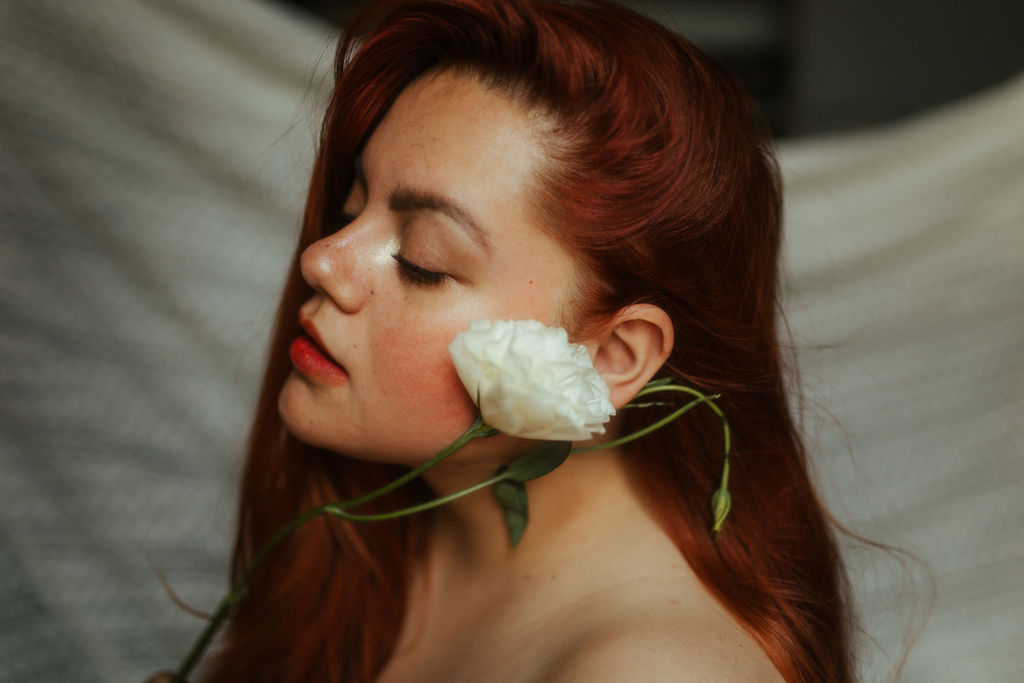
Danielle (left) photographed by Livier Miroslava for her birthday and photos for her friend's clothing brand. | Photos courtesy of Livier Miroslava. | Impulsiva Stories
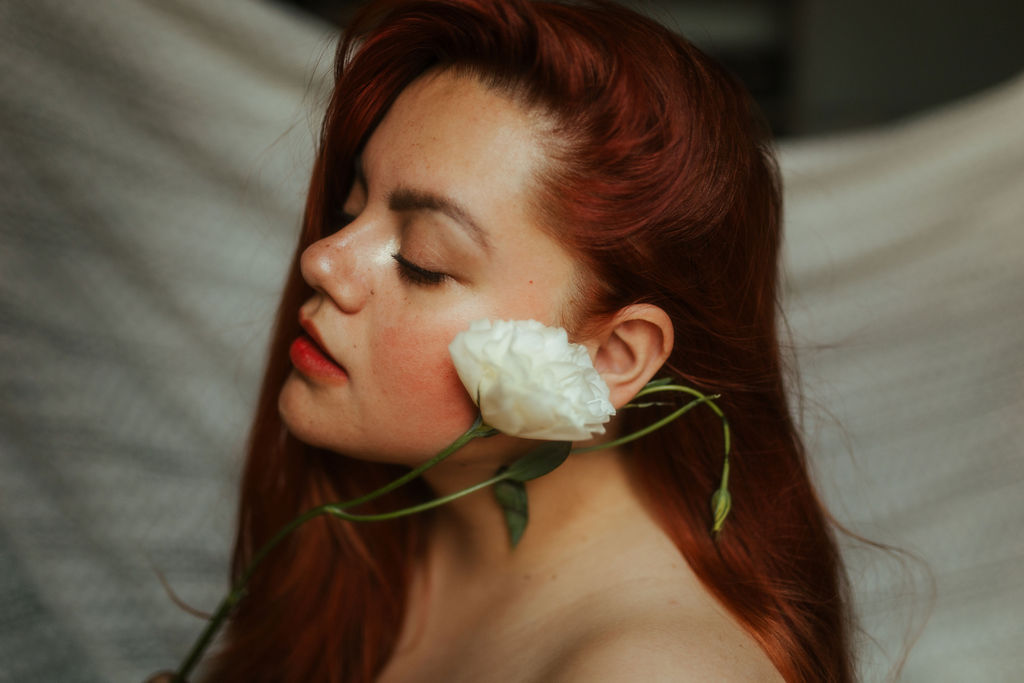
Miroslava can even transform a simple space like an empty room or a bathroom into an environment full of bliss and wonder. She doesn’t think she has a particular style, but she does know one thing for certain: her photography is like a Mexican mole and capirotada.
“Mole is a [traditional] dish that has many spices and elements. It’s a meal you can make savory or sweet because it has cookies and chocolate. So, it’s a combination of everything and I consider my work to be that,” Miroslava said. “It’s a combination of so much, that you either love it or hate it.”
Listen to Livier Miroslava
0:00
/28.349333
Regarding the capirotada, it’s a traditional sweet dish prepared during Lent in Mexico. It’s similar to a bread pudding, which Miroslava described as versatile. You can add cheese and a mix of nuts. She also said it’s the same experience of the mole: you either like it or you don’t. Some love its taste and others don’t because of the strange textures.
So, Miroslava sees her photography as mole and capirotada because of that versatility in tastes, textures, shapes, colors, and forms. Mostly because of the range of diversity she enjoys depicting, which is her art in the form of the love of portraiture.
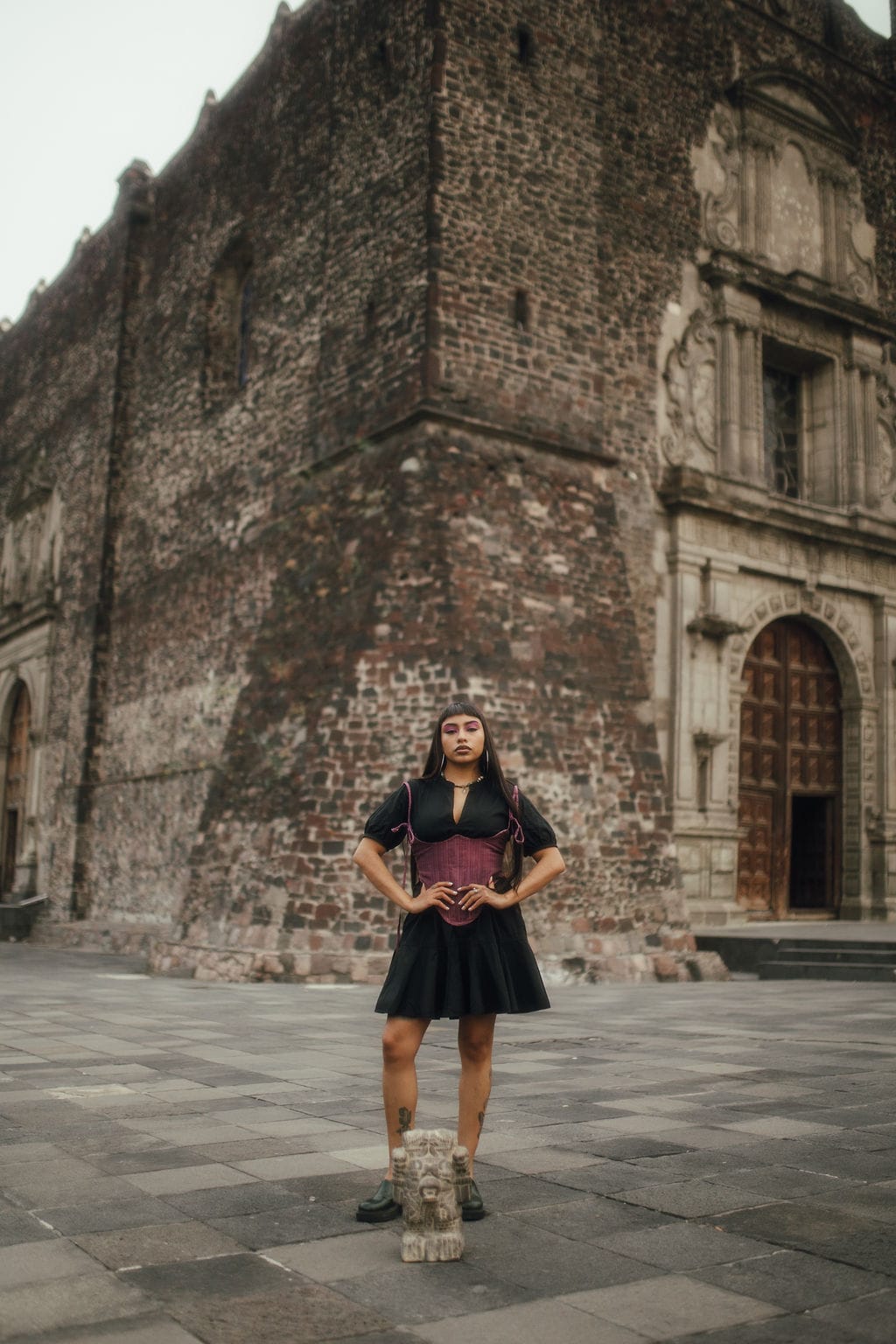
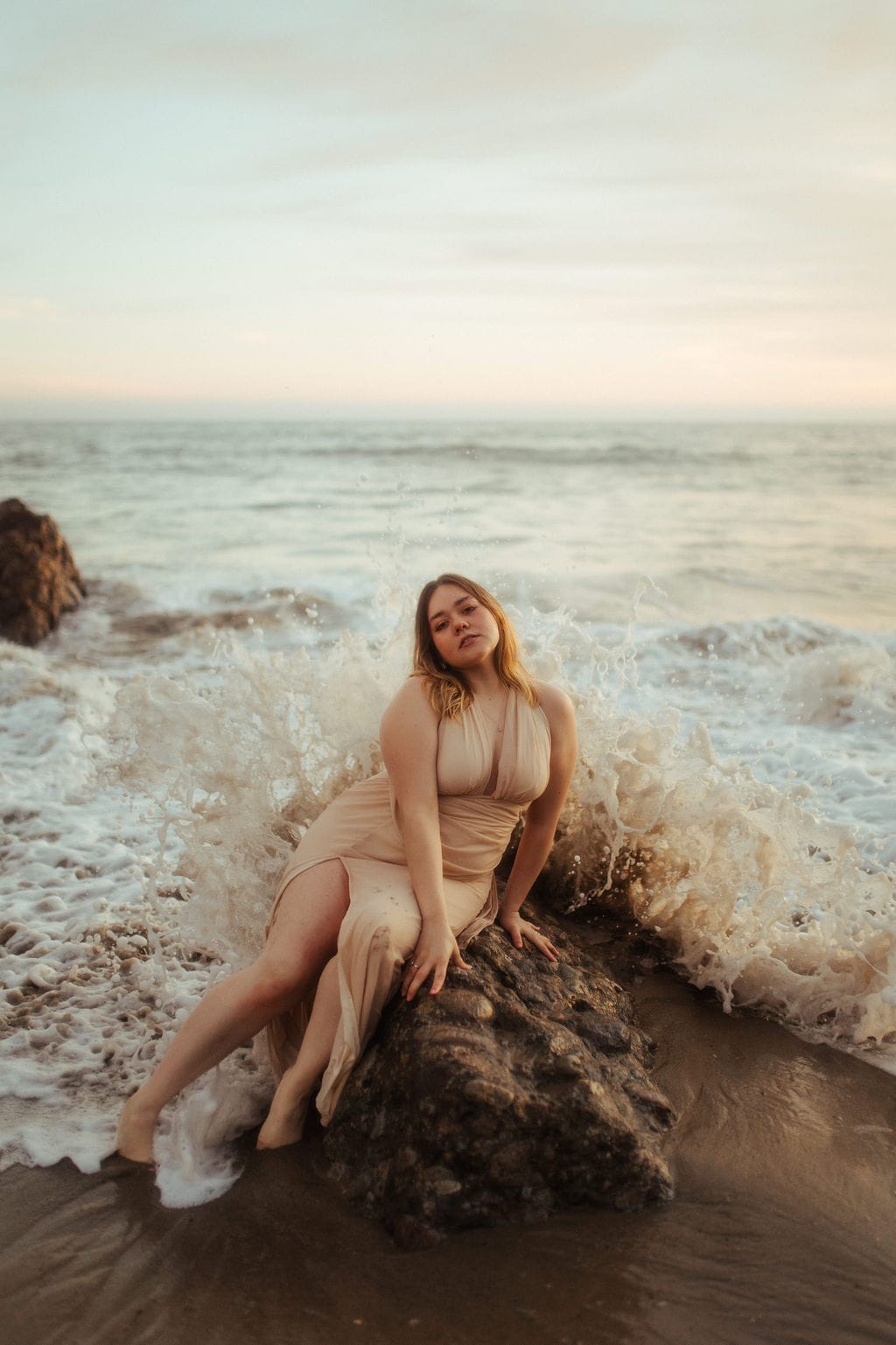
Marcela Velmur (left) and Zdenka (right) photographed by Livier Miroslava. | Photos courtesy of Livier Miroslava. | Impulsiva Stories
She loves it because of how it easy and natural it is for her to connect with the people she photographs. When she does her sessions, she likes to get to know the other person. She wants to know why they hired her to do their portraits. She wants to know about the creative idea they have in mind for the photographs.
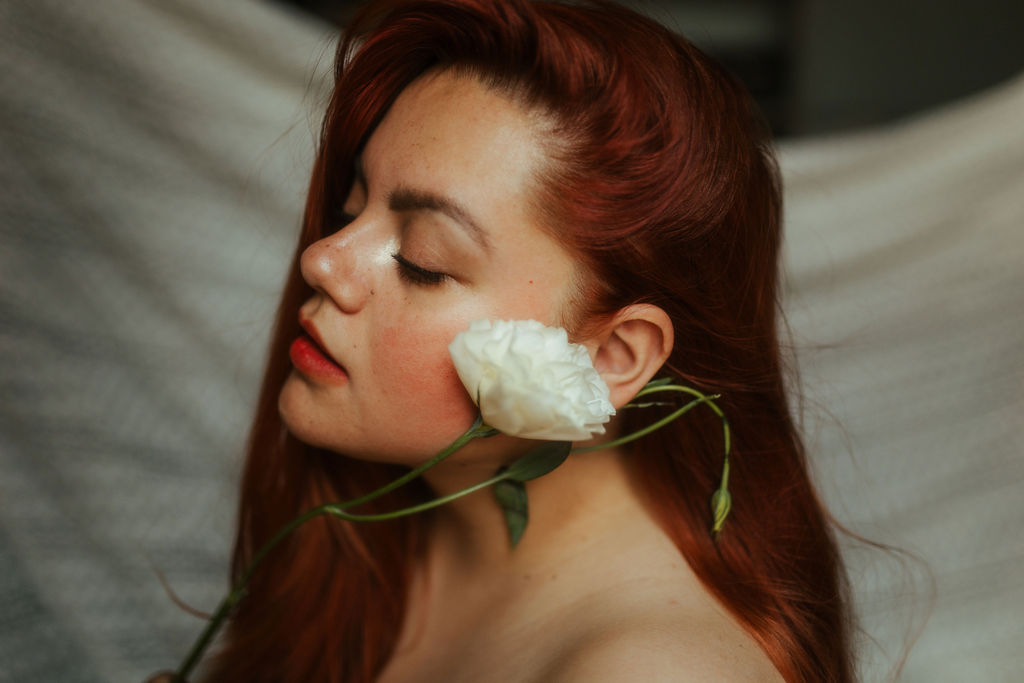
“What I enjoy the most in the photoshoot, is connecting with this person. Speak with her and I say her because I generally do more photos of women than men. It’s precisely because of that connection I have with women,” Miroslava said. “I’m a woman and I feel that when a woman looks for a specific photo session, the vision of the person observing her plays a major role.”
Listen to Livier Miroslava
0:00
/32.501333
Miroslava enjoys creating that sense of trust with women. She wants them to know she can help them with their creative visions and she’ll provide a safe space. While she builds that safe space, she also takes her time to get to know the person. She analyzes their physical features to see what stands out to her. Throughout that process, she starts brainstorming ideas in her mind.
She starts constructing an image around the person she’s connecting with. It’s as if she’s a child playing with a doll. She adds and removes objects to see what suits the photograph and model.
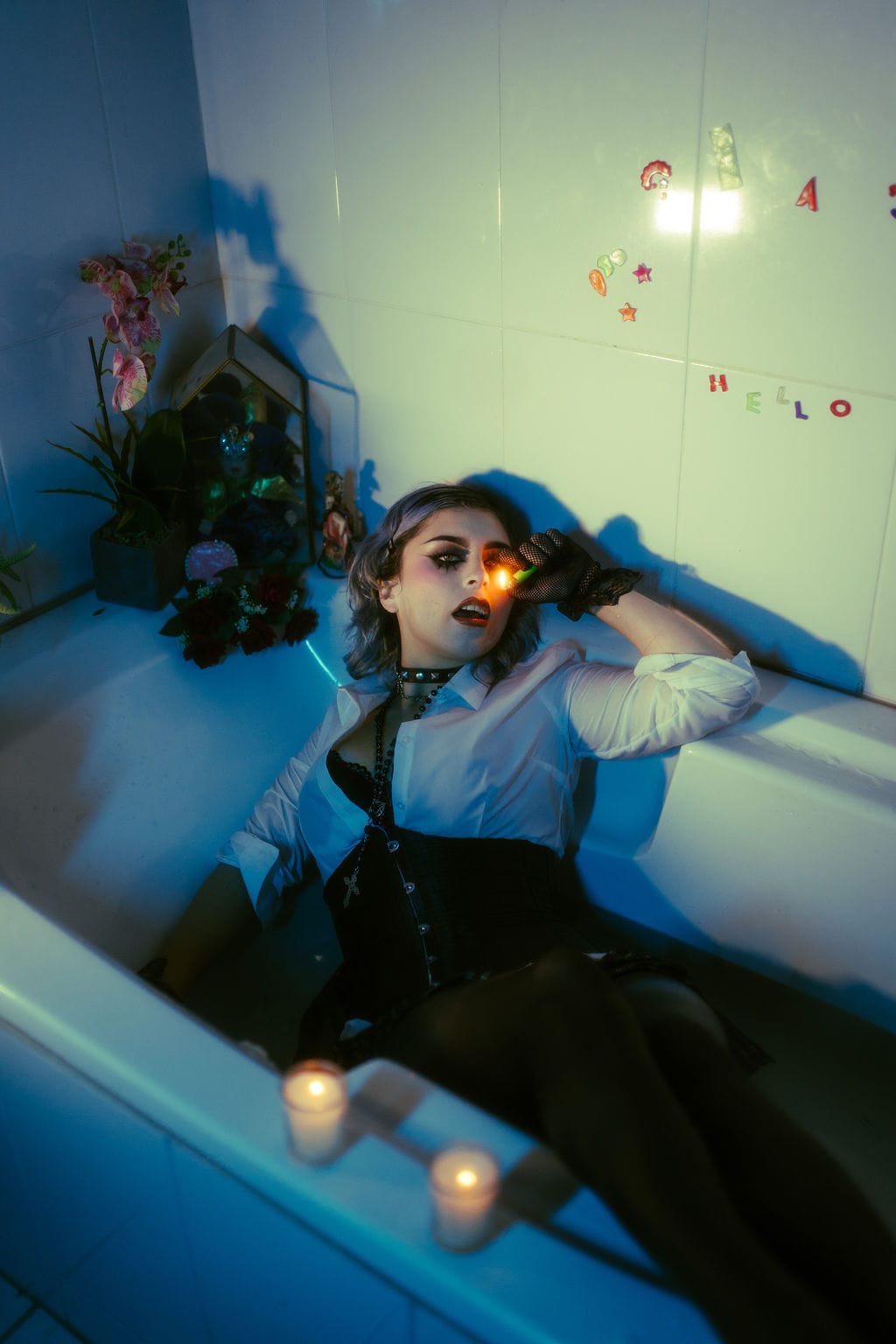
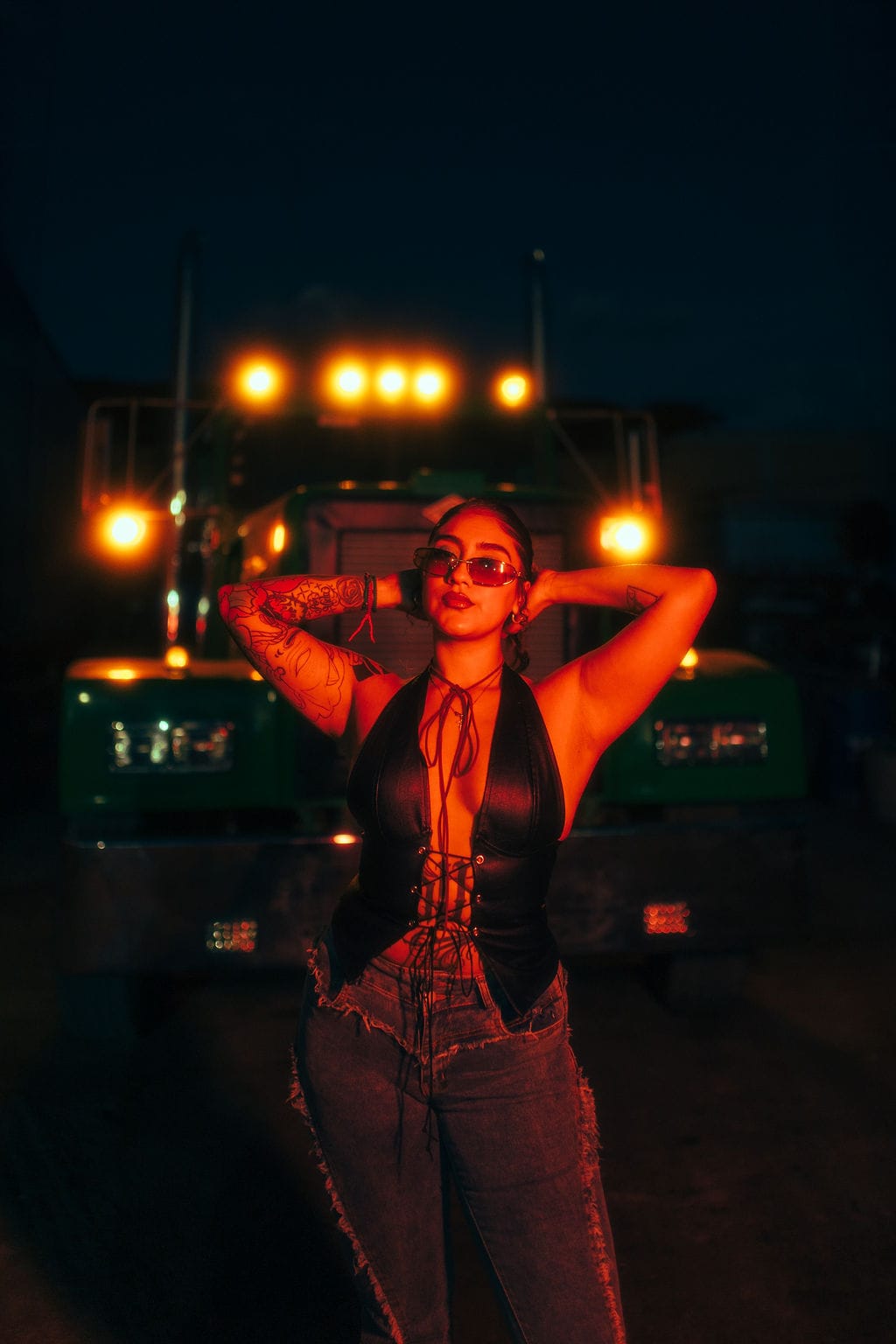
Nancy in the tub (left) and Pauli with the truck (right) photographed by Livier Miroslava. | Photo courtesy of Livier Miroslava. | Impulsiva Stories
That construction requires Miroslava to ask her models for photos and music of their choice before doing the photoshoot. The photos allow her to understand better their features and overall style. The music lets her create an ambiance full of trust and ease. It lets her create a space where the models are comfortable enough to let go and enjoy the session.
“Generally, they don’t know me in person. So, it can be quite challenging to have someone you don’t know, take you a photo. I take my speaker and ask them what they want to listen to,” Miroslava said. “They tell me a specific singer or song and you can see how they relax.”
By creating that relaxation and trusting ambiance, Miroslava is able to connect on a human level with the models. They get to know each other and that’s how, as a spectator, you feel a connection with the photograph. It’s not a simple image. It speaks to you.
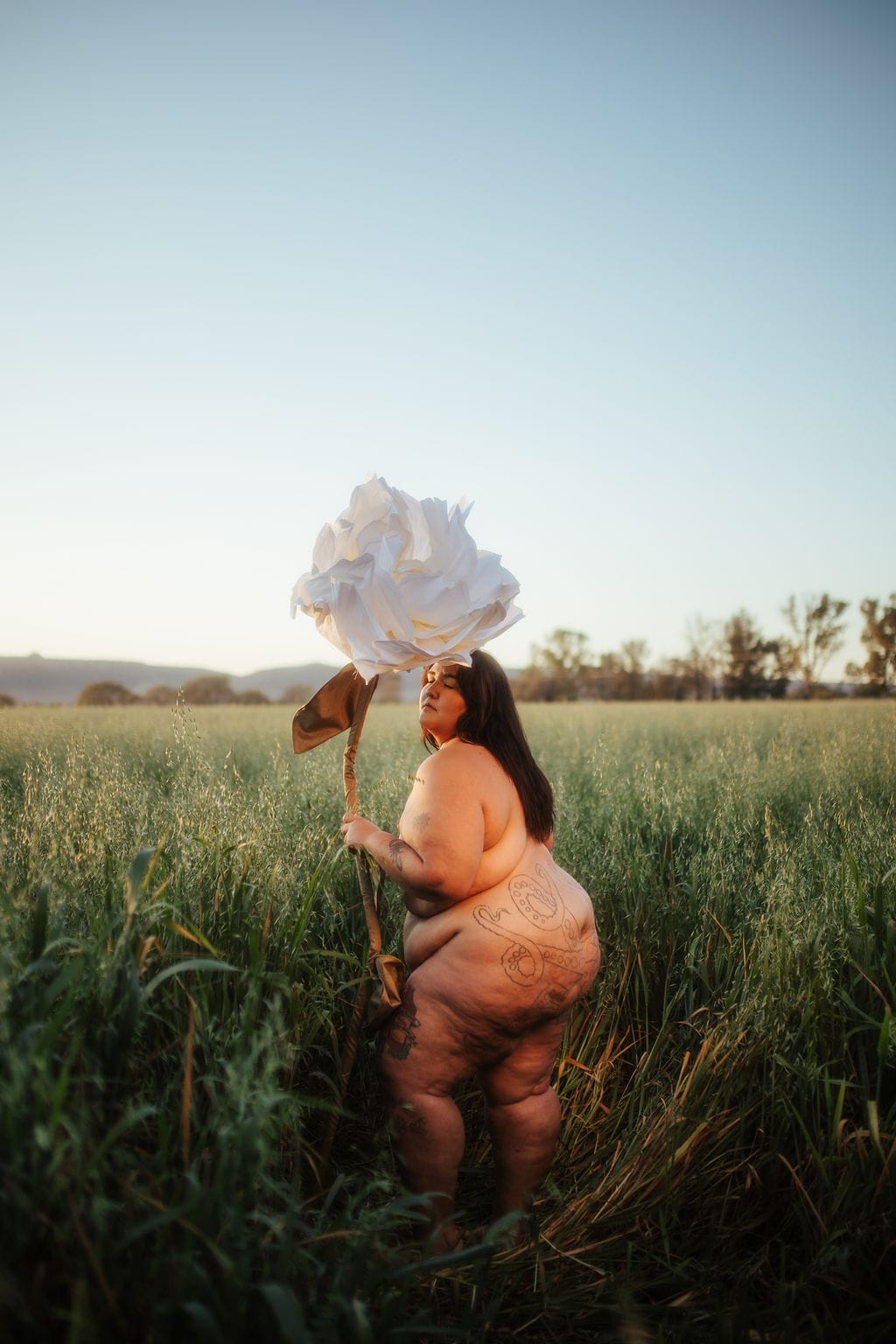
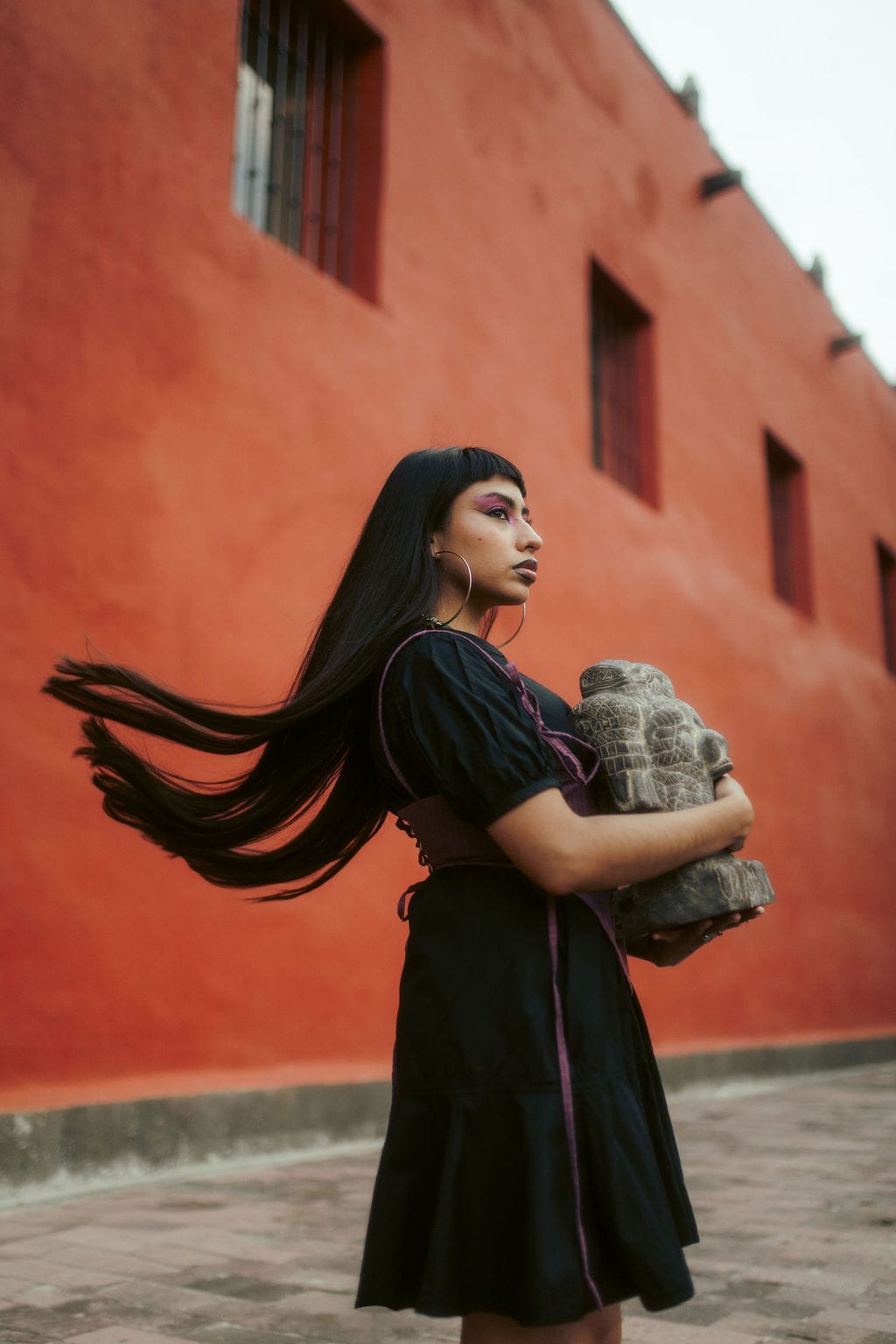
Diana (left) and Marcela Velmur (right) photographed by Livier Miroslava. | Photos courtesy of Livier Miroslava. | Impulsiva Stories
You feel it’s a one-on-one conversation with the person portrayed. You feel as if you’re inside the image and travel to the space where the portrait happened.
It makes you feel something because the connection between Miroslava as a photographer and the model, is based on the emotions of the moment.
It’s a feeling captured in time.
Empowering Diverse Women
It’s directly reflected in the final result because they’re not forced photos. They’re not uncomfortable. They’re real. They’re human and genuine.
And they speak about the power of women in all its diversity.
“Since I’m a woman, I like [photographing women] because I feel a different connection. I don’t feel intimidated. I don’t feel nervous about how she’s going to pose. What will she do? No,” Miroslava said. “I feel that as a woman, I worry about certain aspects that other people don’t.”
She cares about finding out which side of their face they prefer. If they have certain insecurities about their bodies. If there are specific things that they like about their bodies. She likes knowing about these details so that she has a better understanding of what to focus on and what not to focus on.
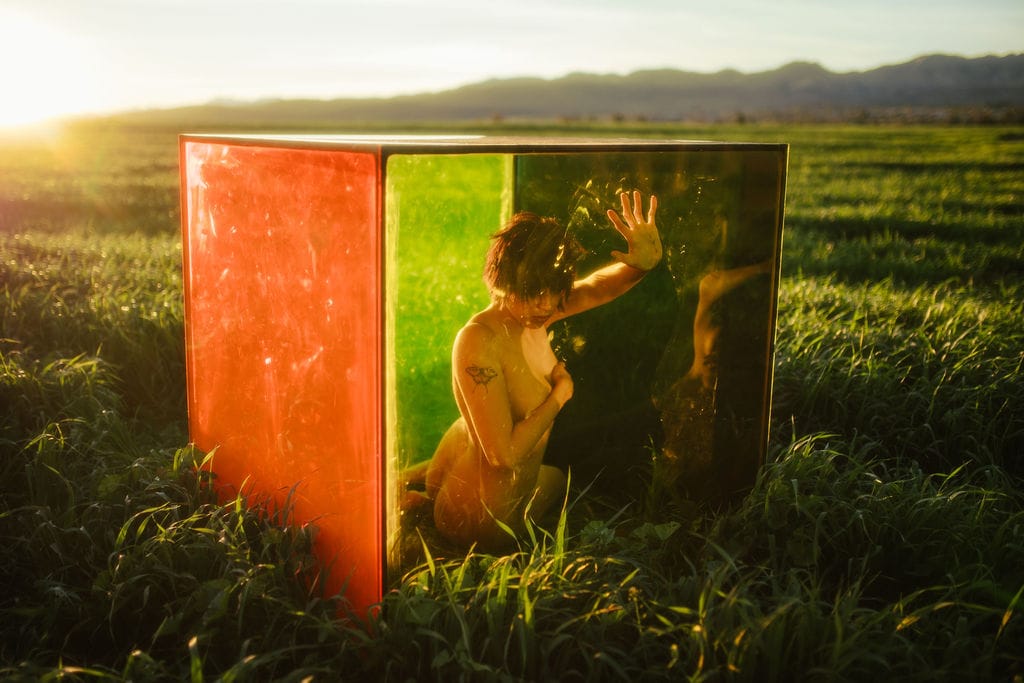
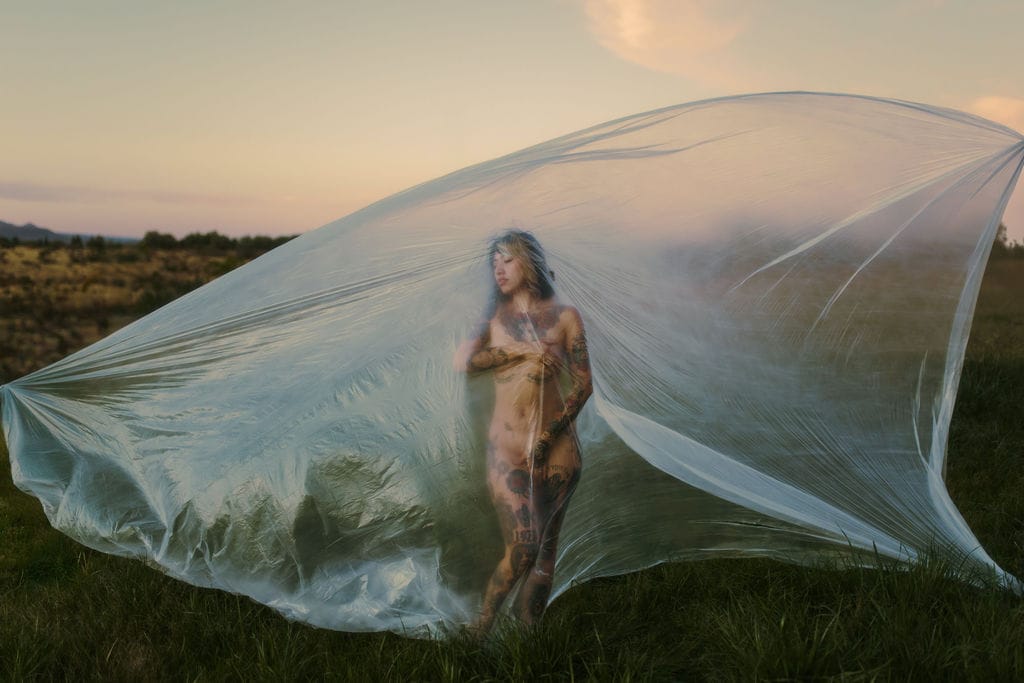
Tyler (left) and Mag (right) photographed by Livier Miroslava for her project PECDA. | Photos courtesy of Livier Miroslava. | Impulsiva Stories
And simply getting that information is reflected in her photographs through her understanding of what it means to be a woman. That deep connection with herself allows her to create portraits in which the female gaze is important. One in which she doesn’t create an image from an erotic or sexual perspective, like men do. She focuses on creating photos that are emotional and where women are portrayed as integral human beings.
It’s a different gaze. It's a woman portraying women in a distinctive manner.
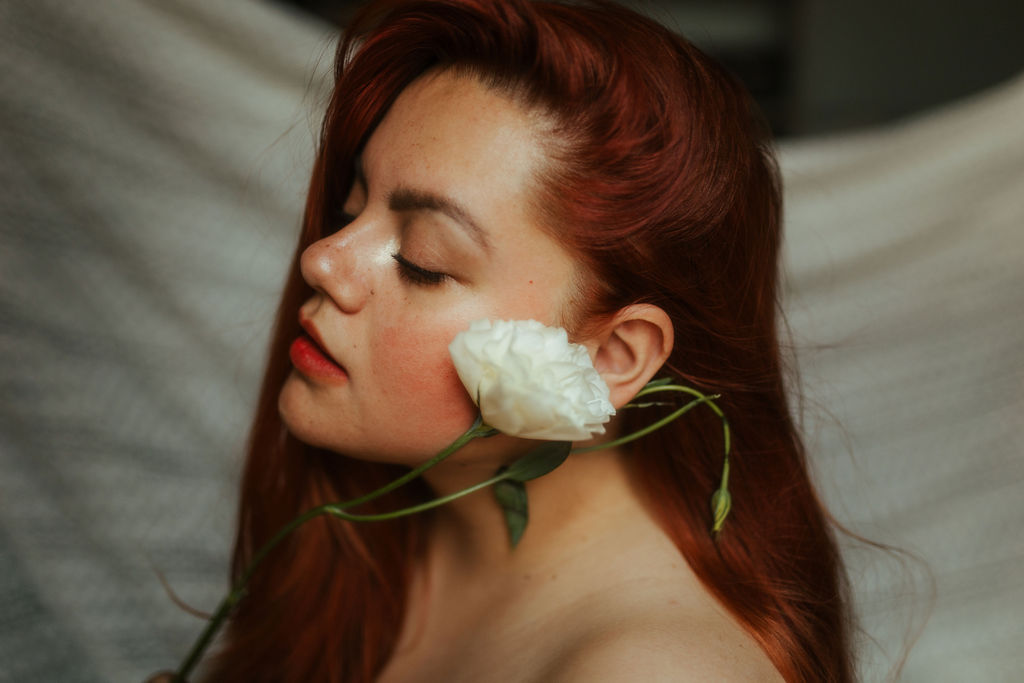
“I’m a diverse woman. I grew up without seeing the diversity. I grew up seeing women that looked a certain way. Now that I have the power behind the camera, I like portraying the diversity because it’s what I didn’t see. It’s what I didn’t have,” Miroslava said.
Listen to Livier Miroslava
0:00
/22.445333
She enjoys depicting the diversity of bodies because she doesn’t fit a stereotype. She seeks to avoid limiting herself in photographing a certain beauty standard and stereotype because she likes empowering women.
She likes telling them that their value is based on how they see and perceive themselves. Not on what society tells them they should be and look like. That’s why you when you see her portraits, whether it's nude or street photography, you see women who are fulfilled.
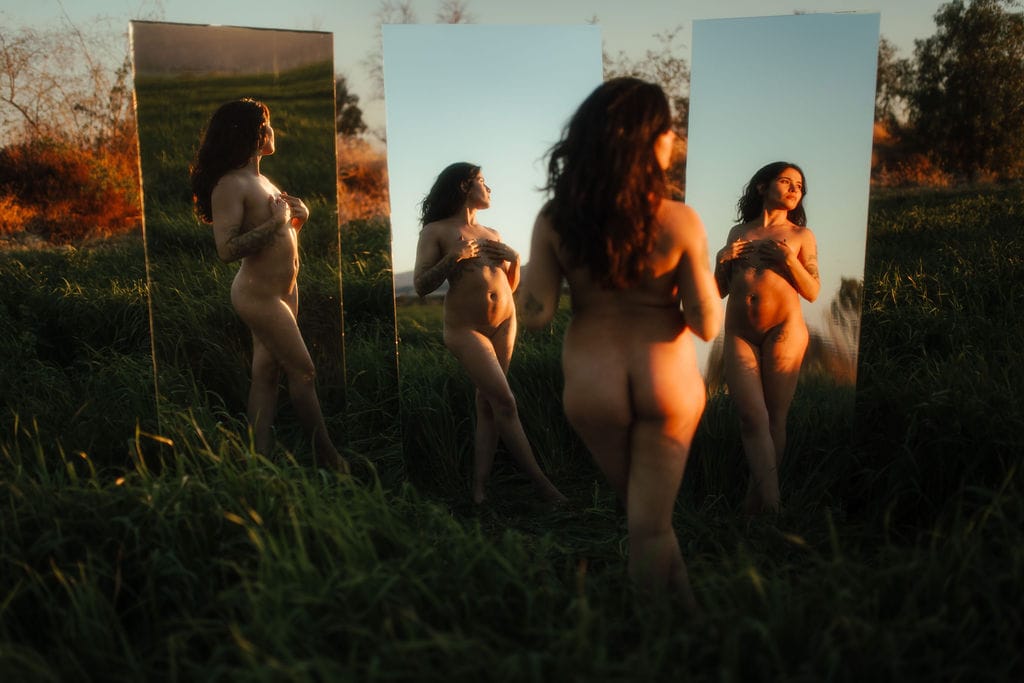
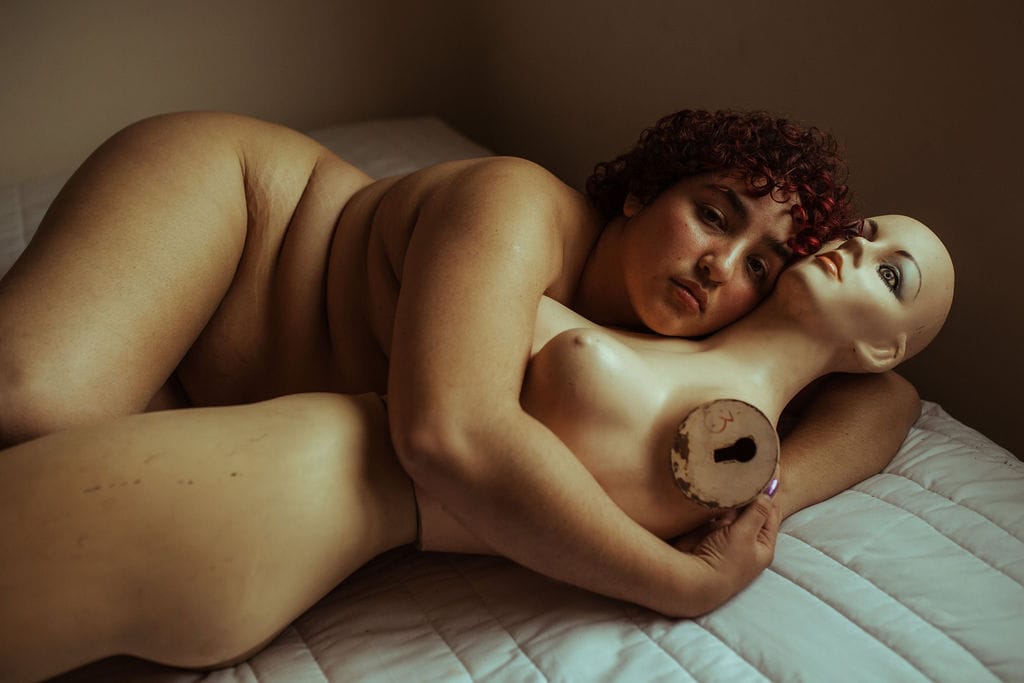
Andrea (left) and Marcela Cielo (right) photographed by Livier Miroslava. | Photos courtesy of Livier Miroslava. | Impulsiva Stories
Women who are comfortable with their own bodies. Women who have power and are unapologetic about it.
The Clown Photos that Changed Everything
You can clearly feel that in her photos of Diana Young with a vivid clown make up dressed up in a colorful green Mexican jersey, a white skirt, and pink cowboy boots. The fashion, the braids, the makeup, and the photos themselves are all bold statements.
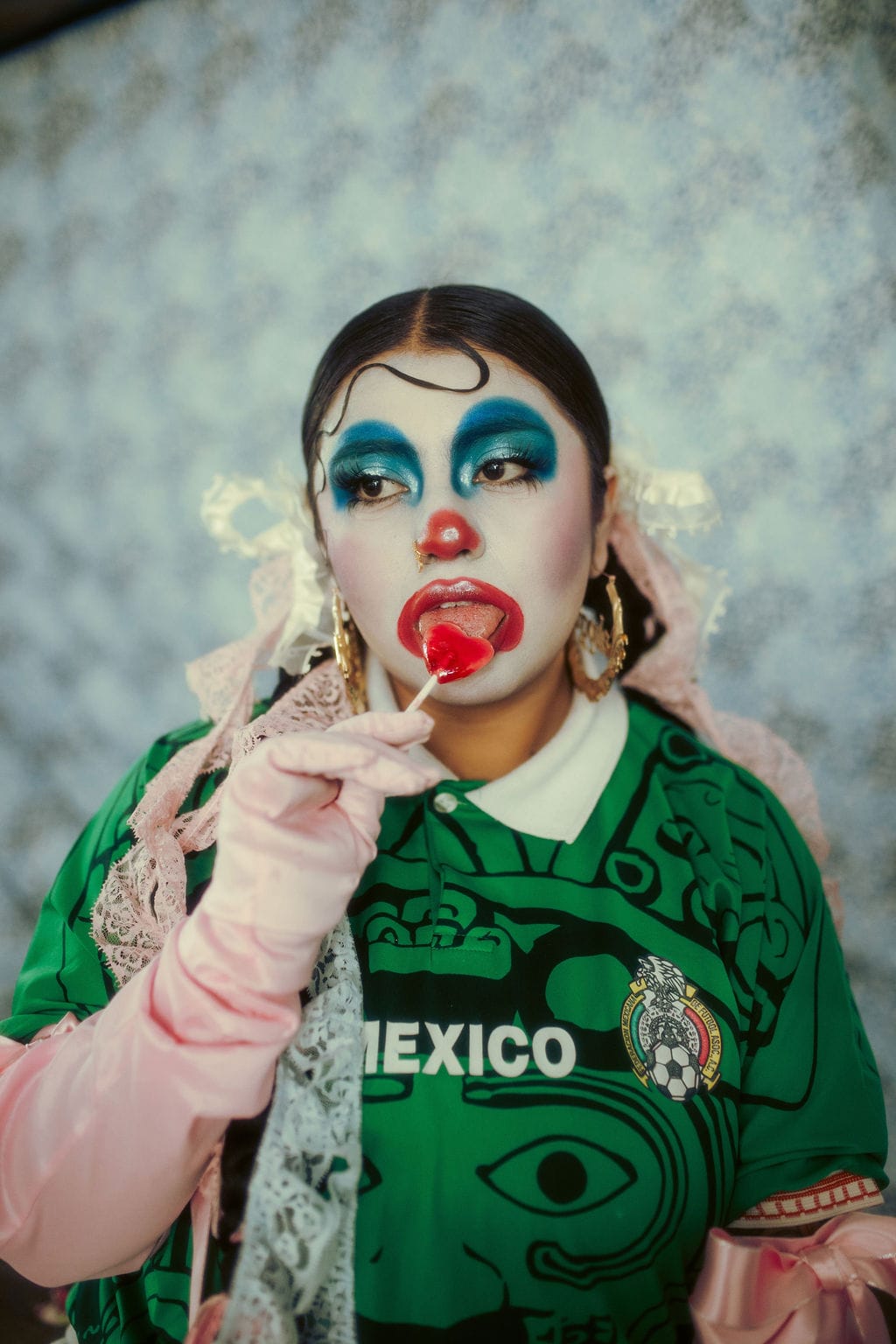
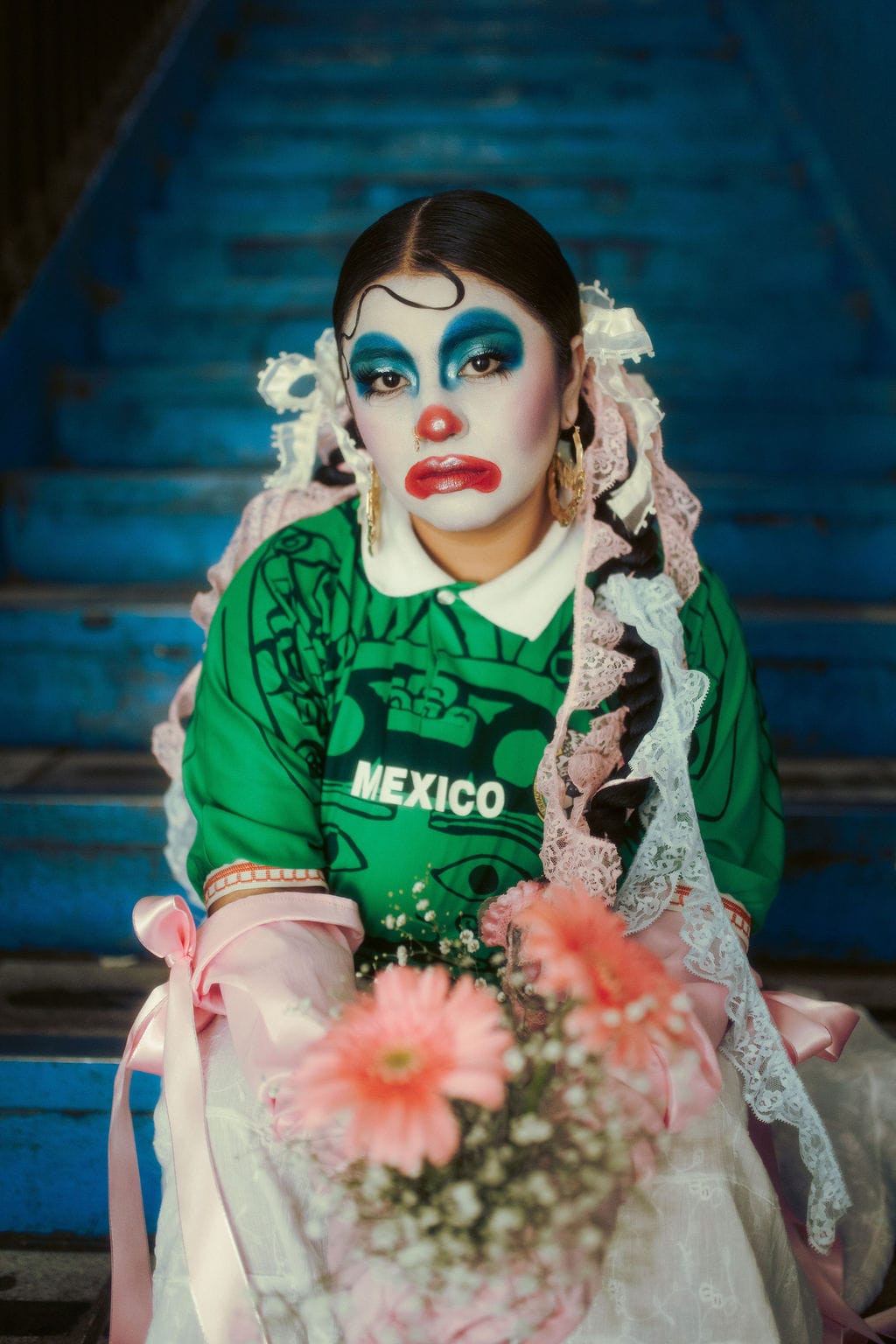
Photos from the clown photoshoot at the Mercado Terán with Diana Young by Livier Miroslava in Aguascalientes, Mexico. | Photos courtesy of Livier Miroslava. | Impulsiva Stories
“That clown session was born because we both love clowns. We had that beautiful connection. Diana is a person who has a lot of style when it comes to dressing up. She’s a very creative person and she’s now experimenting a lot with clothes. Intervening them” Miroslava said. “We’re on the same vibe.”
They share so many interests, that when Diana reached out to Miroslava with the idea for the session, she already had the photographic references saved. They carried out the project and walked around Aguascalientes looking for the right places to do the portraits.
They went to the Mercado Terán in search of the contrast between the colorful market and Diana’s vibrant outfit, hair, and makeup.
When Miroslava published the photos on Instagram, she did not know what was coming. She never thought of the reach these portraits would have. They went viral and the video about the process for the photos had more than one million views.
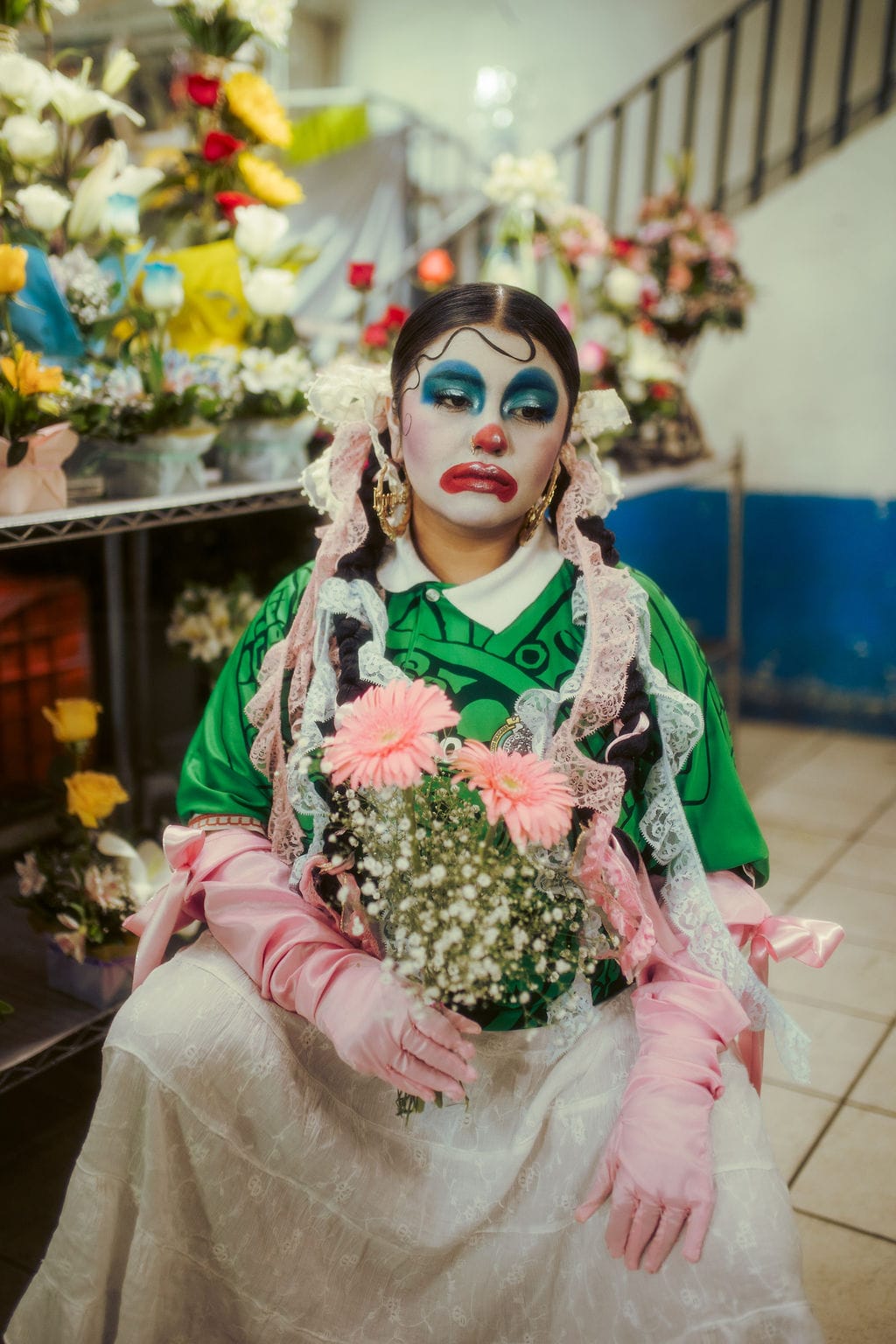
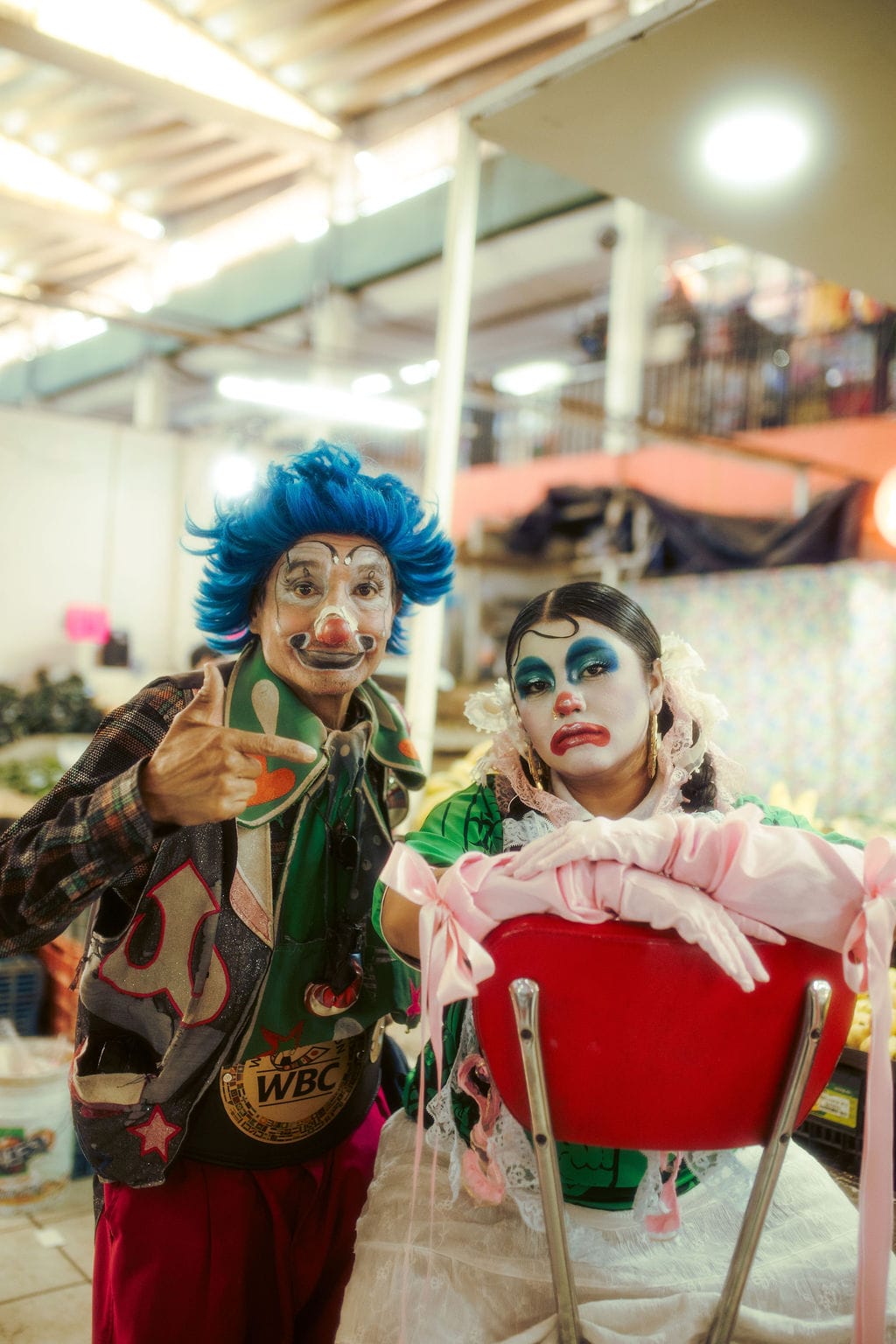
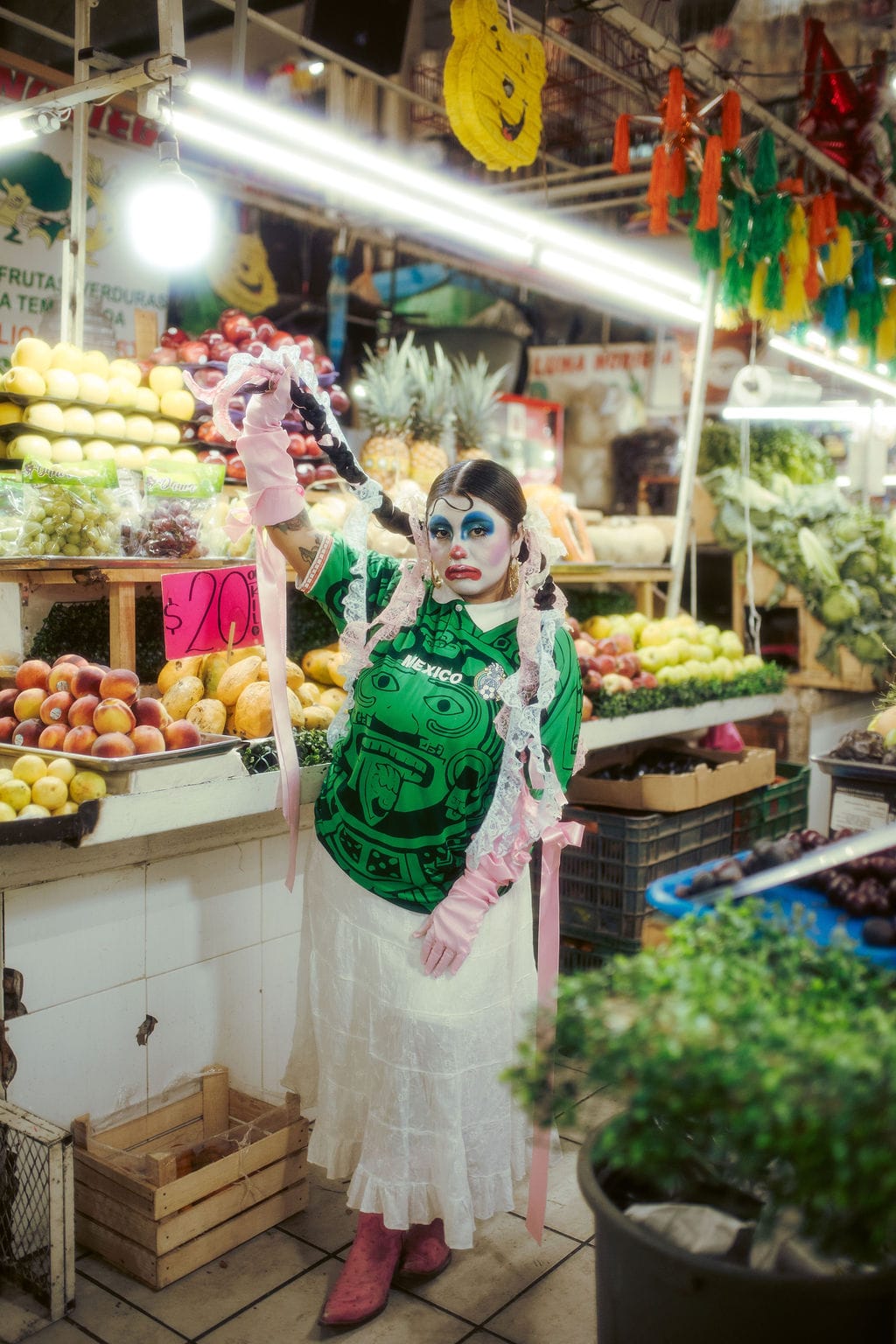
Photos from the clown photoshoot at the Mercado Terán with Diana Young by Livier Miroslava in Aguascalientes, Mexico. | Photos courtesy of Livier Miroslava. | Impulsiva Stories
It was crazy for her to see how her photos resonated on a deeper human level with others. These photos were the beginning of a huge powerful wave of connection with her art.
With an art that’s brilliant, vivid, and colorful. An art that’s unapologetic by portraying diverse women in all its forms, shapes, sizes, and colors. It’s a brilliant photography that empowers women while celebrating the pride in being Latin American.
“In this moment with what’s happening in the United States, union is what Latinos need. We’re Latinos. We’re here, güey. They’re doing the same things to us. We have to come together,” Miroslava said. “We have to resist.”
To learn more about Livier Miroslava’s brilliant photography that portrays empowered women, you can follow her on Instagram at @liviermiroslav. Stay tuned next week for PART II, where we’ll explore Miroslava’s human photography that celebrates Latin America.
Written by

Subscribe to my newsletter
Subscribe to my newsletter to get the latest updates and news