Music Saved My Brain
Thanks to Latin American music, I discovered my epilepsy.
PART I: The Discovery
Thanks to Latin American music, I discovered my epilepsy. I understood music’s healing power in the form of an alternative therapy for my neurological disorder after months of intense collaboration with the Costa Rican neurosurgeon Dr. Gerardo Lang, the Costa Rican neurologist Dr. Freddy Henríquez, and the U.S. music therapist Renate Rohlfing.
This is an extremely experimental story and it does not claim that music is a cure for epilepsy.
In 2024 I made a documentary exploring the effects of a Panamanian band’s music in my brain. I wanted to understand why that music relaxed me and calmed me down. Unfortunately, that documentary does not exist anymore and it was the story that destroyed my life both on a personal and professional level last year.
However, I wanted to save that story because it was one of my life’s greatest discoveries and revelations. I also wanted to save all of the research done to understand the effects of music in my brain. To grasp those effects, I collaborated with the Costa Rican neurosurgeon Dr. Gerardo Lang, the Costa Rican neurologist Dr. Freddy Henríquez, and the U.S. music therapist Renate Rohlfing.
But first, we must go down memory lane to my adolescence. The complex times in my life when I was fainting, having seizures, and experiencing horrible migraines. Usually, my seizures were triggered by extremely intense emotions. In practical terms, my brain would “go off” after experiencing an extremely deep sadness and stress.
I’d wake up early for school, take a shower, and suddenly appear laying in my bed wrapped with a tacky Barbie towel and in one occasion, being rushed to the ER. I’d have a bump in my head and cuts in my toes and tongue while I was surrounded by my family, and having no memory of what happened. As if I’d blacked out.
The Immature Brain
No one knew what was going on and I was taken to multiple doctors until my neurologist in my adolescence diagnosed me with an immature brain. I never understood what an immature brain meant until last year when I met Dr. Lang.
“The term immature was used for your brain in your adolescence. What this means is that its organization, its white matter, which is the interconnection or the information wiring what goes from one side to the other, was young” Dr. Lang said. “It hadn’t finished its development.”
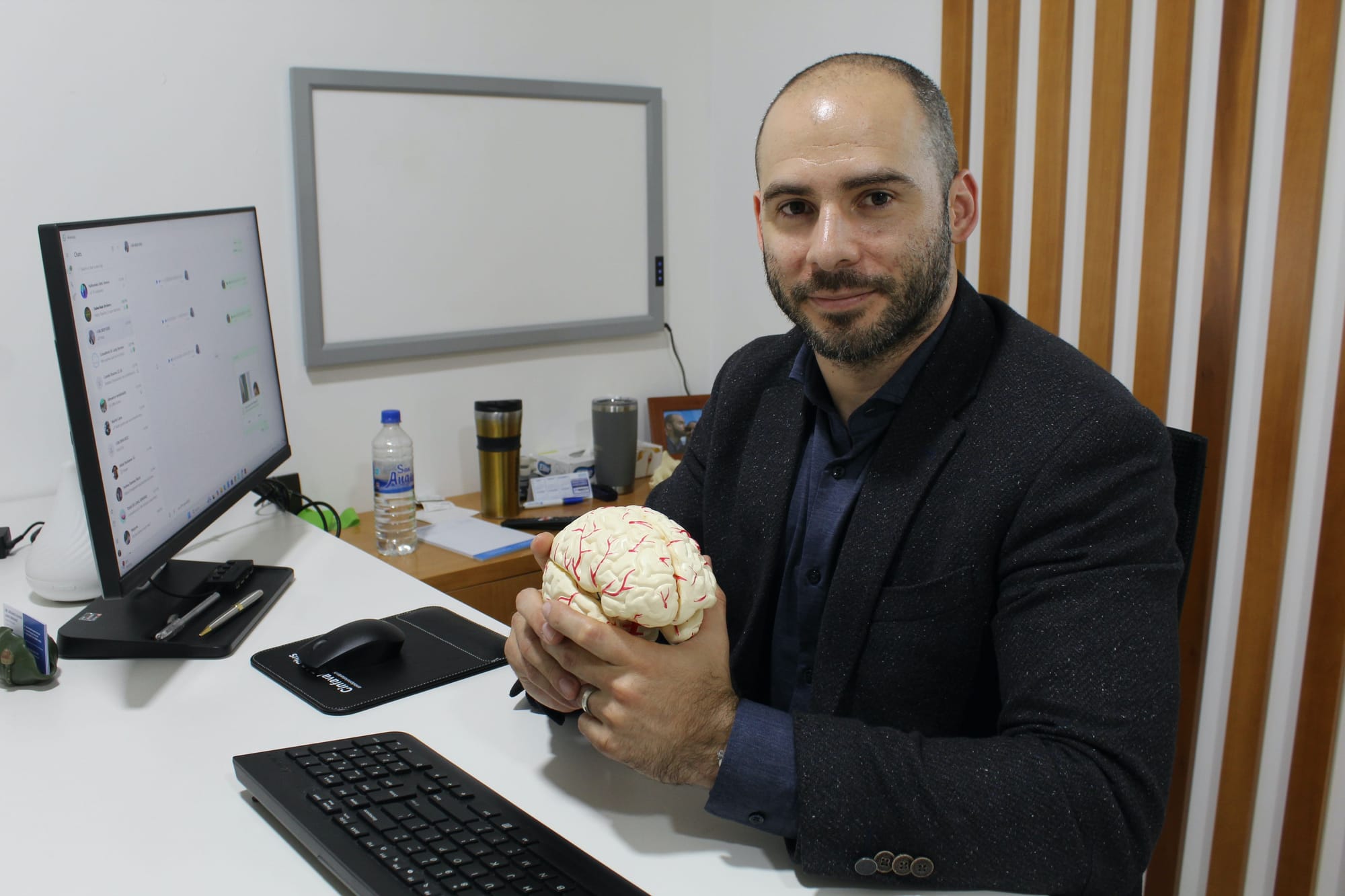
Apparently, my brain at the time was more susceptible to different stimuli. According to Dr. Lang, since my brain was still too young, it did not know how to react to those stimuli. My neurologist from my adolescence prescribed me with Epival for about seven years of my life. Epival is an anti-seizure medication that was used to treat my immature brain with seizures provoked by volatile emotions and feelings.
It’s a medication that calms down the brain’s neurons when reacting to the different stimuli. It contains valproic acid or sodium valproate.
“Epival takes an influx of electricity [in the brain] and reduces it so that the neuron needs more stimuli to be activated. So, I need a bigger “scare” for the neuron to jump and react,” Dr. Lang said.
That specific medication is so strong in “calming down” the brain’s electricity, that it is often used to treat patients with mental disorders including bipolar disorder and certain types of depression. In my case, it reduced my brain’s volatile electricity while repressing my emotions. At that time of my life, I was a rock. I felt nothing and was extremely monotonous.
According to Dr. Lang, emotions are a response to a stimulus. The bigger the stimulus, the greater the emotion. So, once Epival made its effect in my brain, it meant that I’d need greater stimuli to get excited about what once made me really happy or really sad.
Basically, I went from feeling extremely intense emotions that provoked my seizures, to feeling nothing at all to control the seizures in my adolescence.
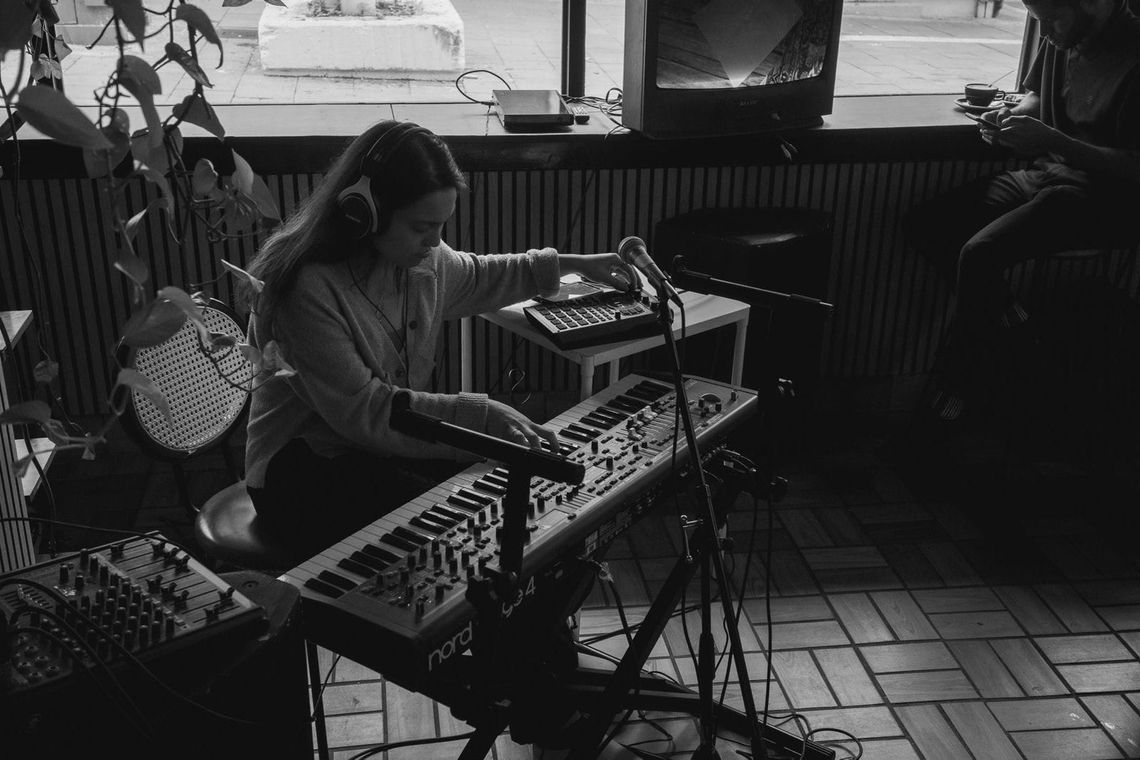
Life was weird, but there was a constant throughout those strange times: music. It’s always been present in its many shapes and forms, whether it is listening to it on a daily basis, playing the clarinet and the piano, or creating my own compositions.
There’s never been a day in my life without music. I don’t exist without it. While I was going through those complex times, music was always there. I’d get lost in my music world and no one would be able to distract me from that. Everything revolved around it and it was my safe space.
The Experiment
It made things easier to deal with when I was going through the difficult times with my intense emotions and seizures. Those wholesome memories and my deep attachment to music were some of the reasons why I wanted to study my brain’s reaction to it.
When I initially reached out to Dr. Lang last year, we decided that I’d get an electroencephalogram (EEG) done to monitor my brain’s waves and observe its reaction to that particular Panamanian music. The first EEG went wrong. The results were altered and there was no conclusion for the experiment.
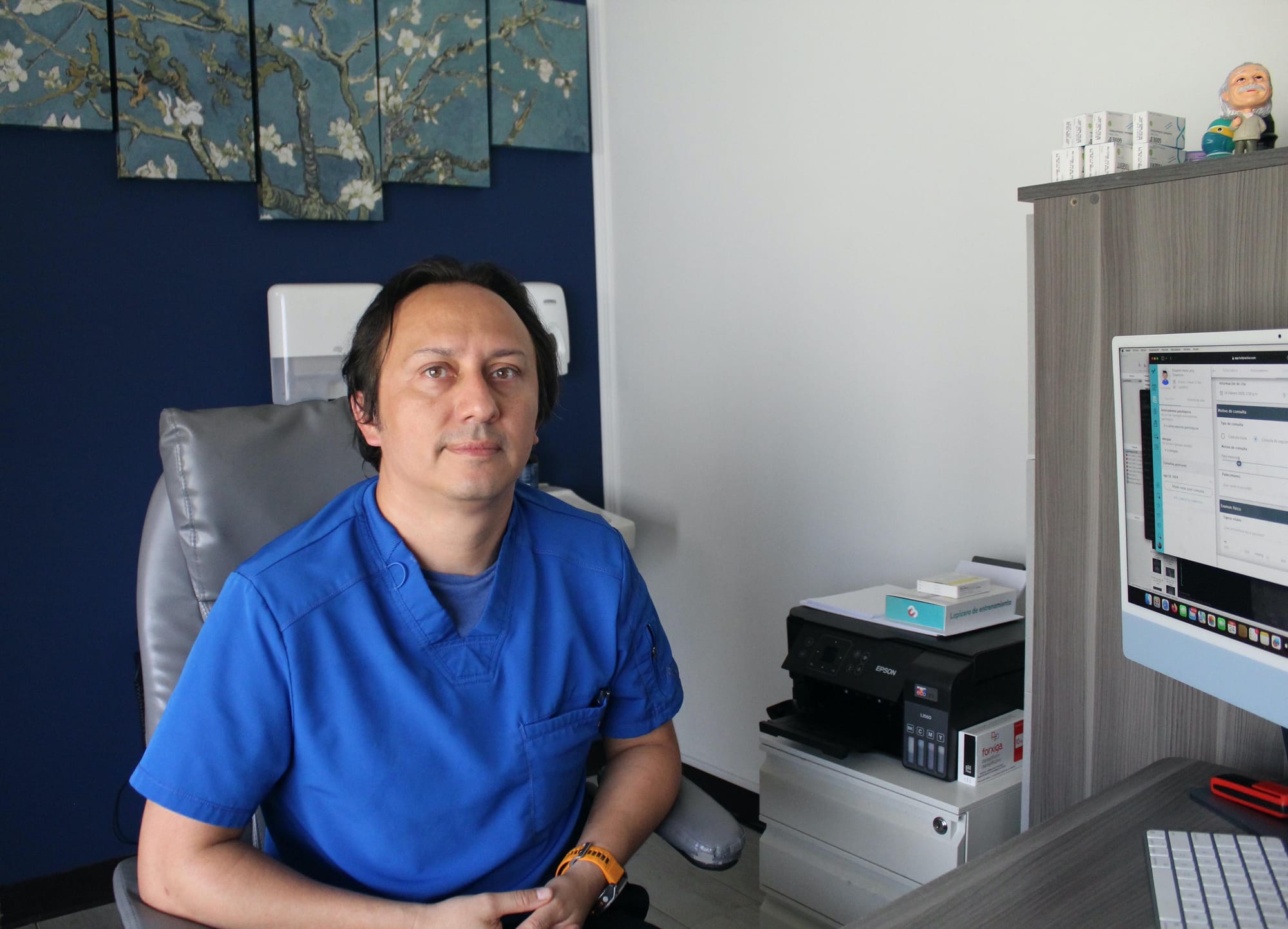
We had to repeat the exam, but this time Dr. Lang referred me to the neurologist Dr. Henríquez. Once I set up a new appointment with him, I was told by the technician, Fabián Fernández, that I’d get done two EEGs: one with music and one without music.
“With a unique observation, the ideal [scenario] would be that the same person should be exposed and not exposed to the treatment. In this case the treatment is music, so to say,” Dr. Henríquez said. “The objective here is to see what happens before and after. That’s why you needed to get two EEGs done.”
The two exams were used to compare the results between each other and draw a conclusion regarding music’s effects in my brain. It was an experiment based on my personal scientific experience and not evidence-based medicine. It’s a study that does not have a substantial population to provide scientific evidence. It was also – accidentally – the first experiment done in Costa Rica studying music’s effects in the brain.
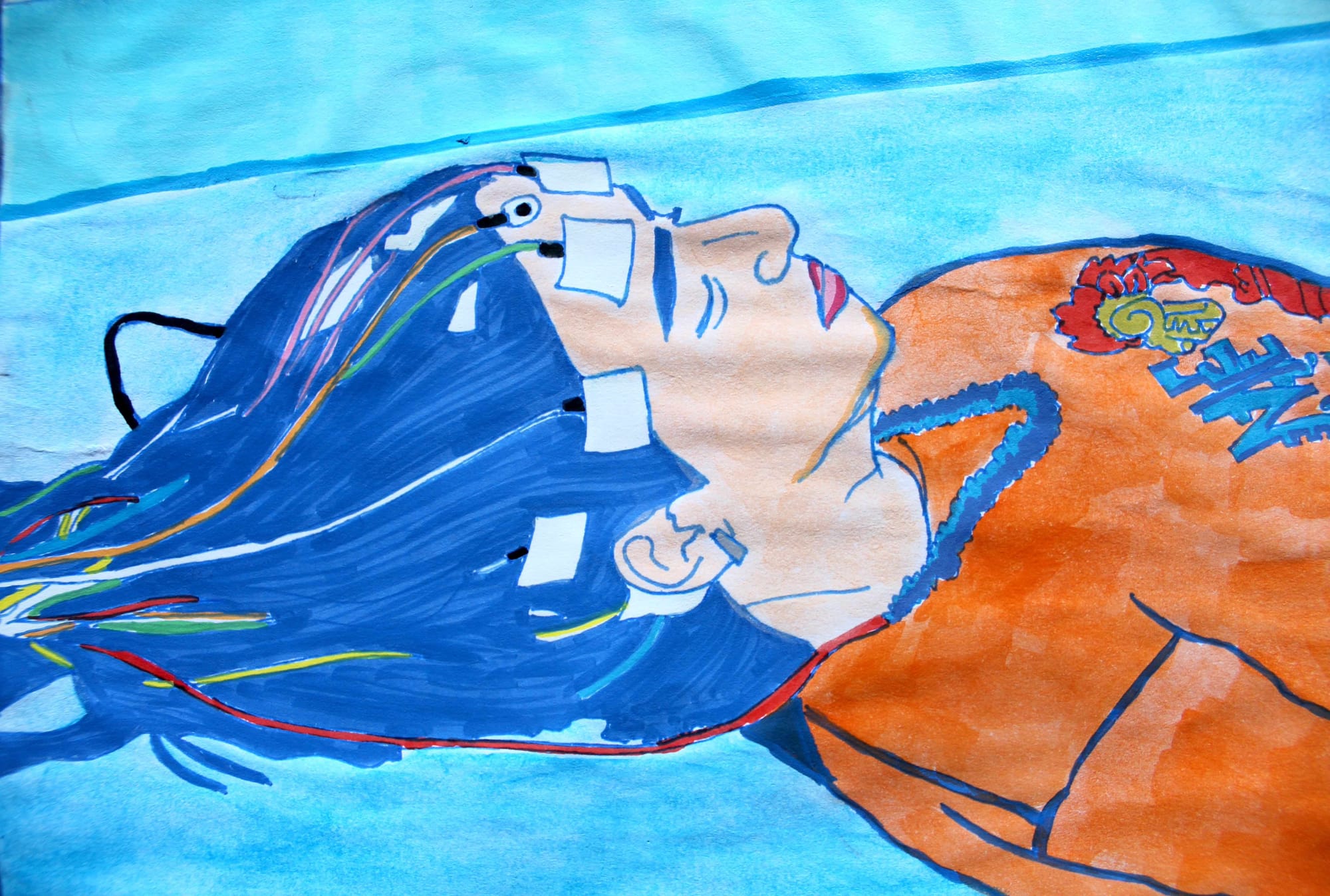
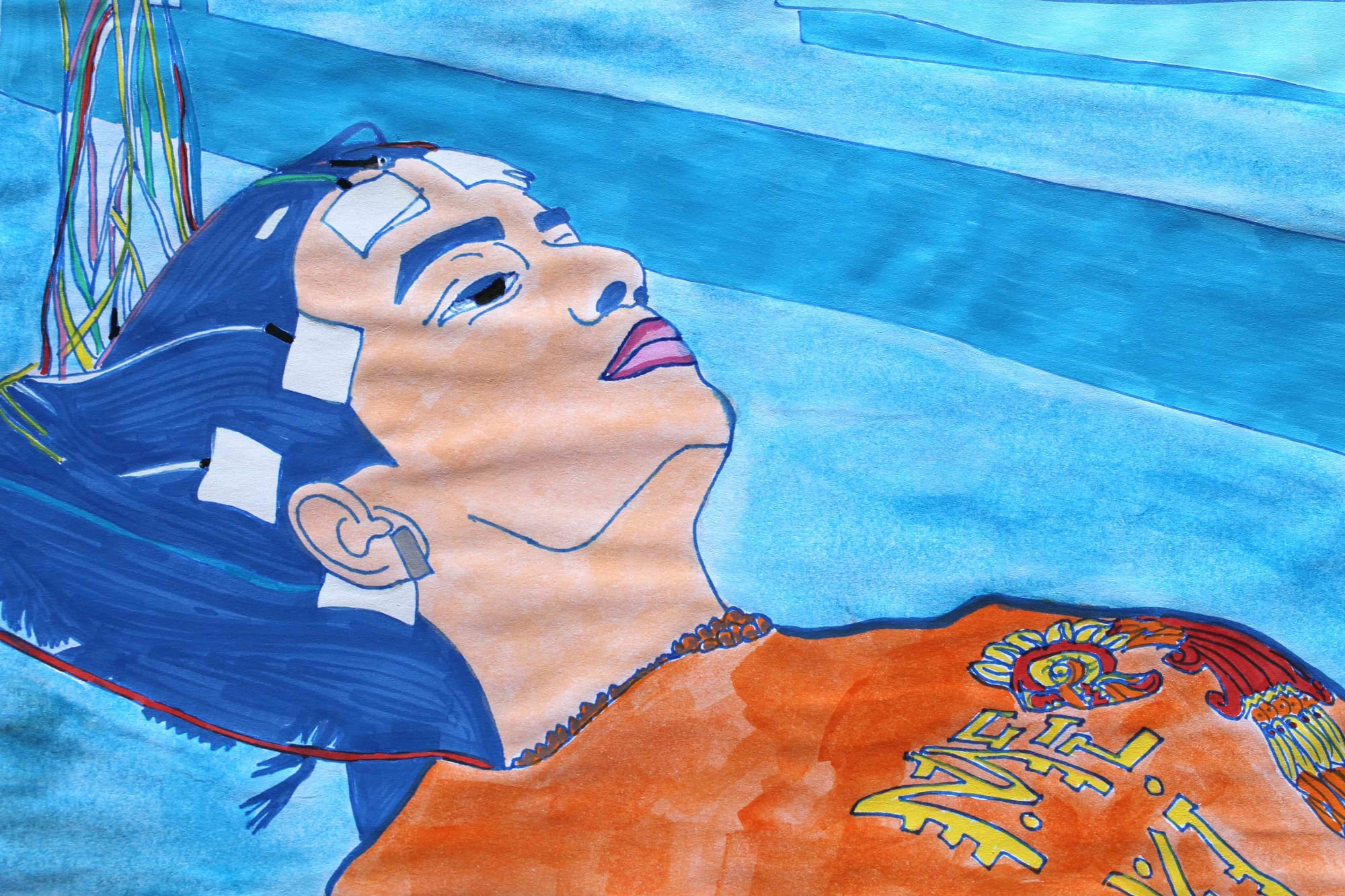
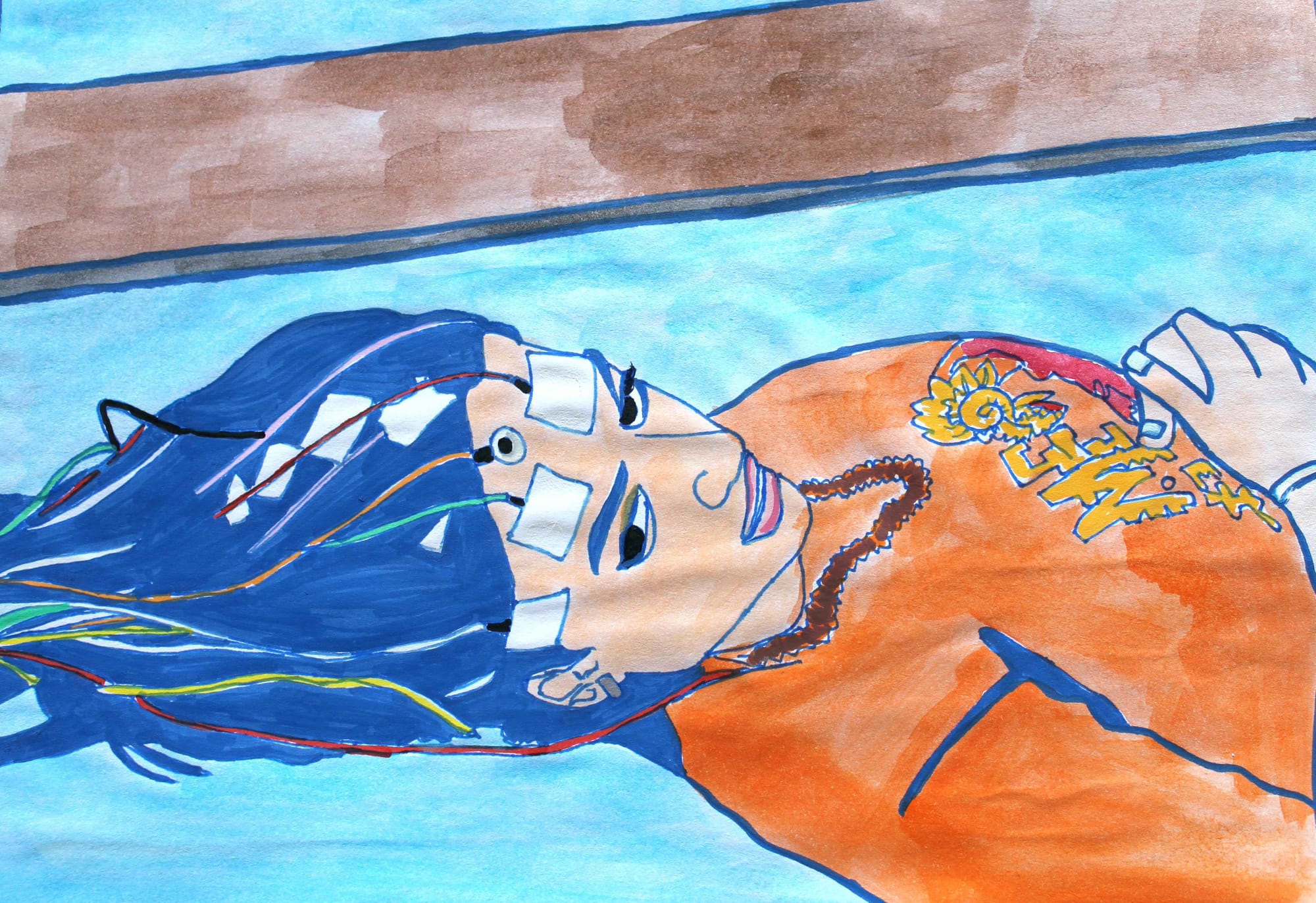
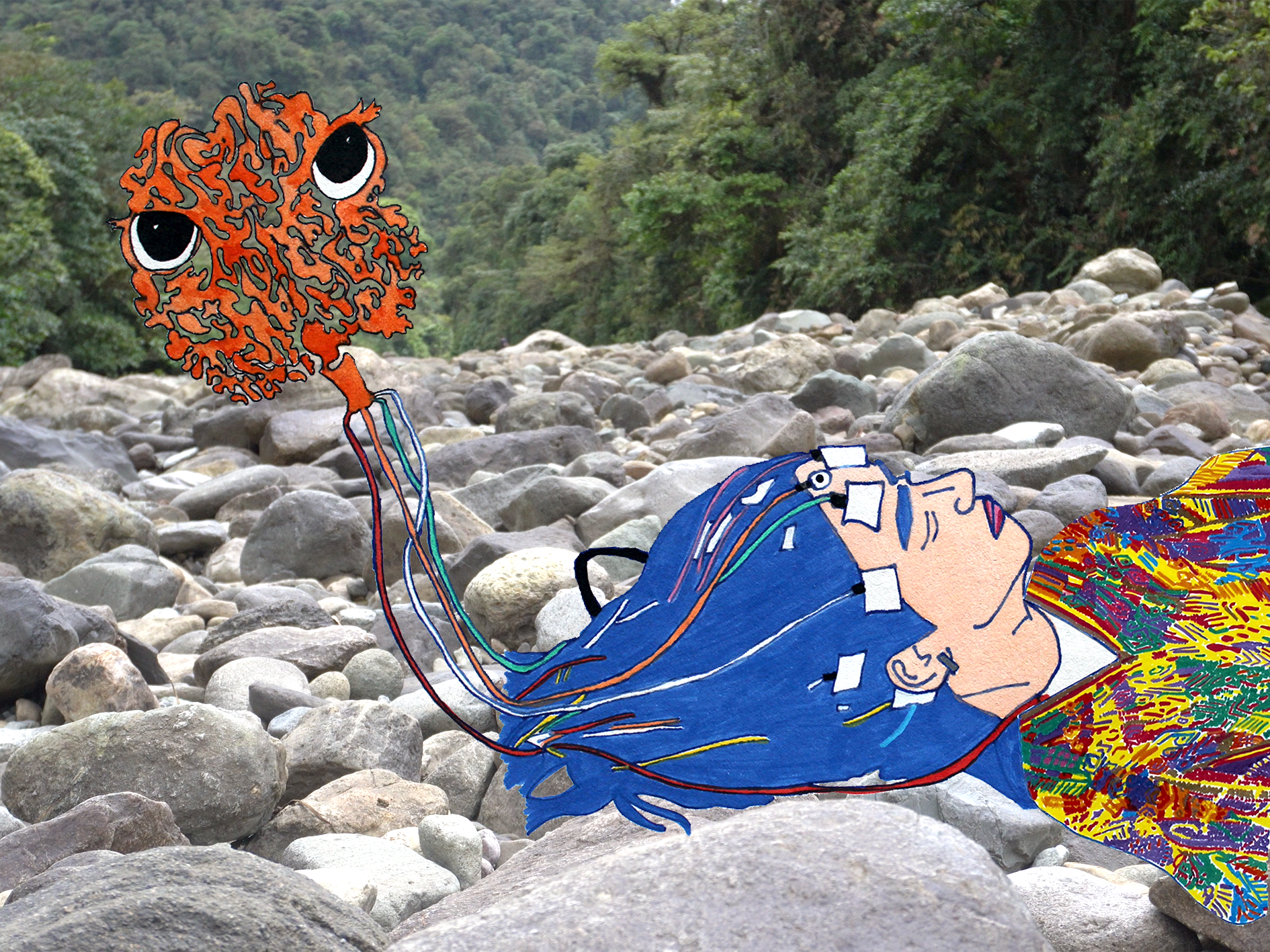
Getting the EEGs done. | Art by Elizabeth Lang | Impulsiva Stories
For both EEGs, electrodes were attached to my scalp. I was required to do some hyperventilation “exercises” and was exposed to strobe lights. The only difference between the exams was the music. It was not a pleasant experience because of the hyperventilation. I felt my hands’ fingers tingling. By the end, I saw color spots all over the place, felt a sudden urge to pee, and at some point, my cheeks were spasming.
A week or two after the EEGs were done, I received my results and had an appointment set up to interview Dr. Henríquez. I was intrigued to see what he had to say because I did not understand at all what the results meant.
The Diagnosis That Changed Everything
I’ll never forget that day. Friday August 16th, 2024. 9:00 a.m. I went in to his office at the Hospital Internacional La Católica in San José, Costa Rica. I was curious about knowing if he found the “relaxation wave” I was so excited about.
There was no “relaxation wave.” Electrically, the music didn’t do anything to my brain. The variable was the hyperventilation. My brain waves and electricity are so volatile that they look like an earthquake’s seismograph.
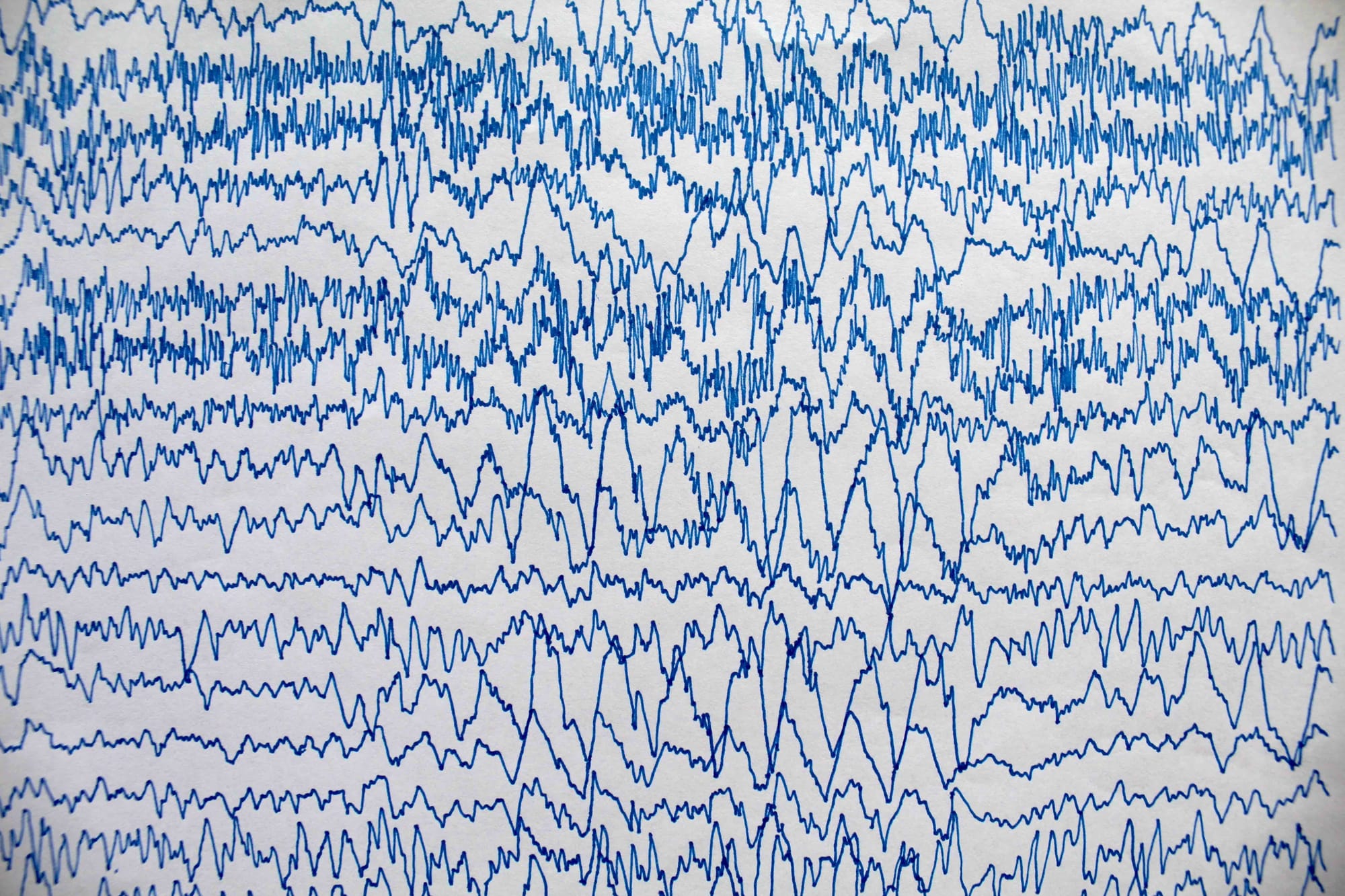
That’s because I have epilepsy. Juvenile myoclonic epilepsy, to be exact. That day, Dr. Henríquez diagnosed me and time froze in my mind.
“[Juvenile myoclonic epilepsy] is a genetic disease. About twenty per cent of all of the epilepsies and the concept is that it’s not a sick brain. It’s a healthy brain, structurally speaking,” Dr. Henríquez said. “It has a neurotransmitters’ problem.”
In Costa Rica, one per cent of its population lives with epilepsy, which is 50,000 people in a country of about five million. According to Dr. Henríquez, there’s no exact data for juvenile myoclonic epilepsy, but by inference he believes that around 10,000 people are living with this type of epilepsy in my country.
This diagnosis meant that in my adolescence, I was having seizures in which my whole brain was electrically discharging itself at the same time. I had generalized or grand mal seizures where I lost consciousness and my body would spasm and jump.
When I was given the diagnosis last year, I was shocked because that meant that my life drastically changed. I realized I was probably misdiagnosed in my adolescence and I never fainted. I always had seizures. It was always epilepsy. There was no such thing as an immature brain. My last seizure was about ten years ago, which was the same time when I was taken off my anti-seizure medication and around the period I began my career in journalism.
That discovery made me feel as if my life had been a lie over the past ten years. Dealing with the diagnosis of a chronic disease that conditions the way I live life was no easy task last year, but everything made sense.
Even though I probably was misdiagnosed, my neurologist used the correct medication to treat me and having seizures while showering is a main symptom to recognize this type of epilepsy.
“Supposedly, that happens because when people sleep badly, they exacerbate the seizures and you wake up. If you wake up in the morning, it’s because you slept badly,” Dr. Henríquez said. “So, most of the time it happens at that time in the bathroom.”
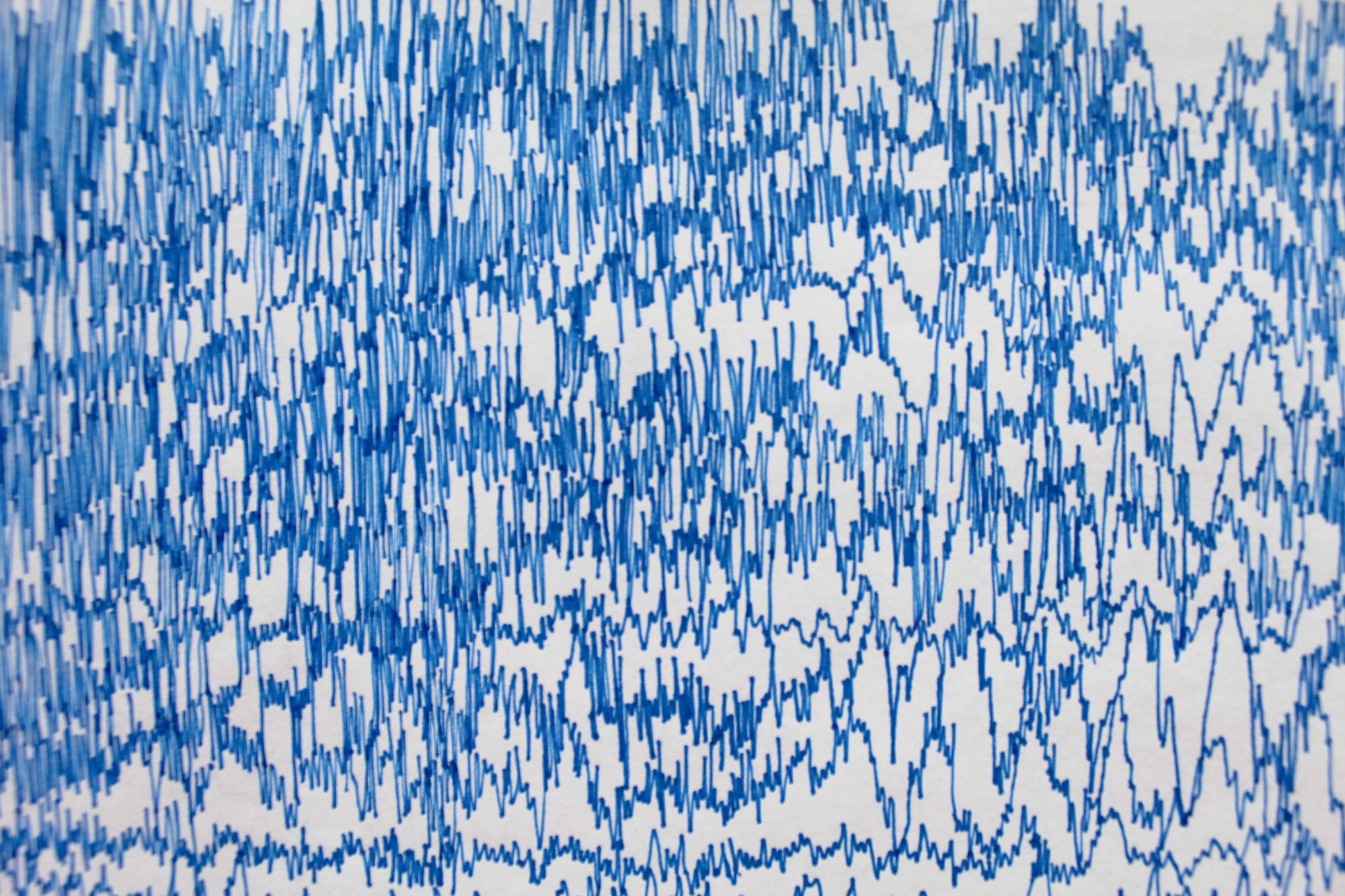
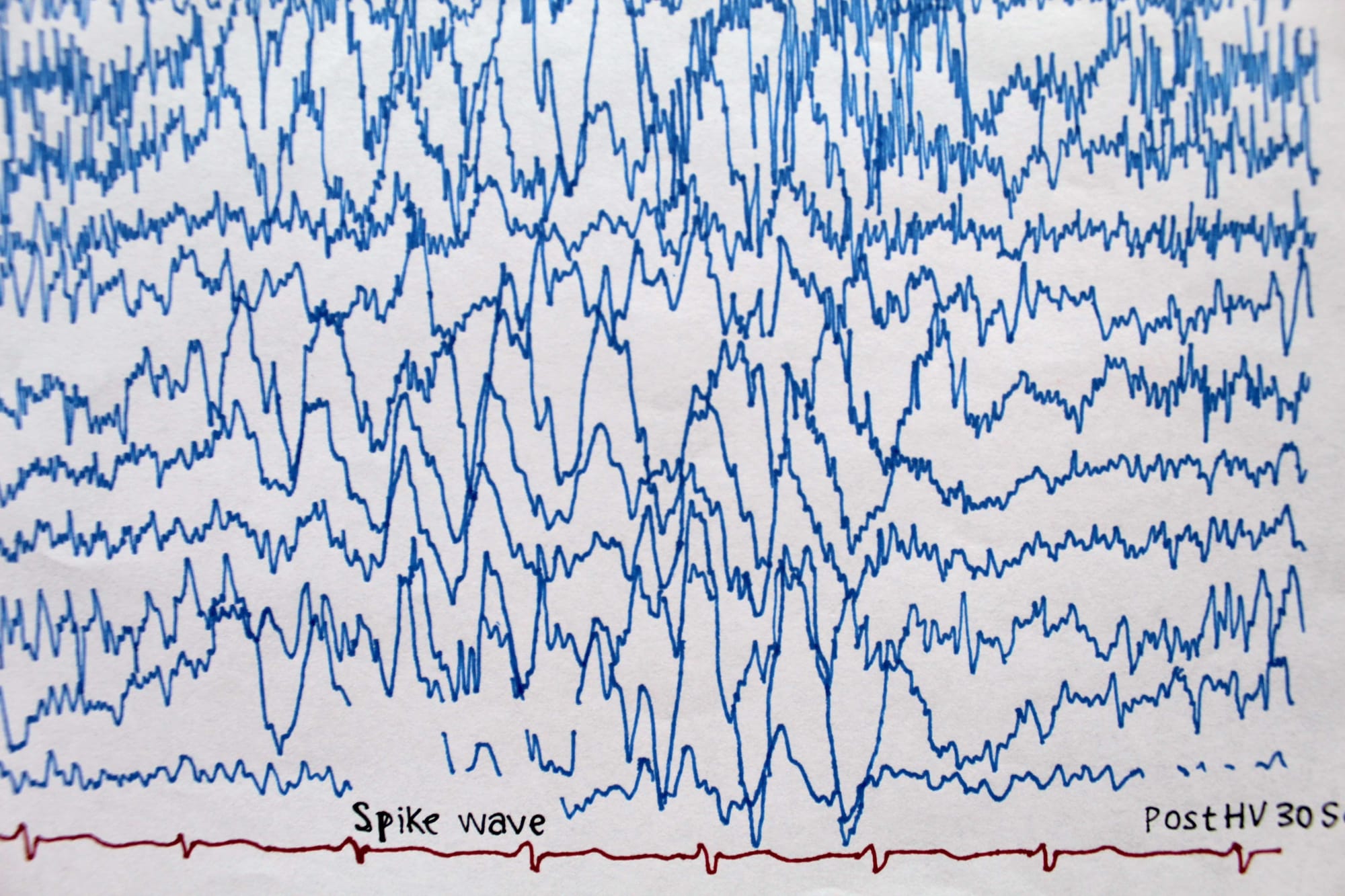
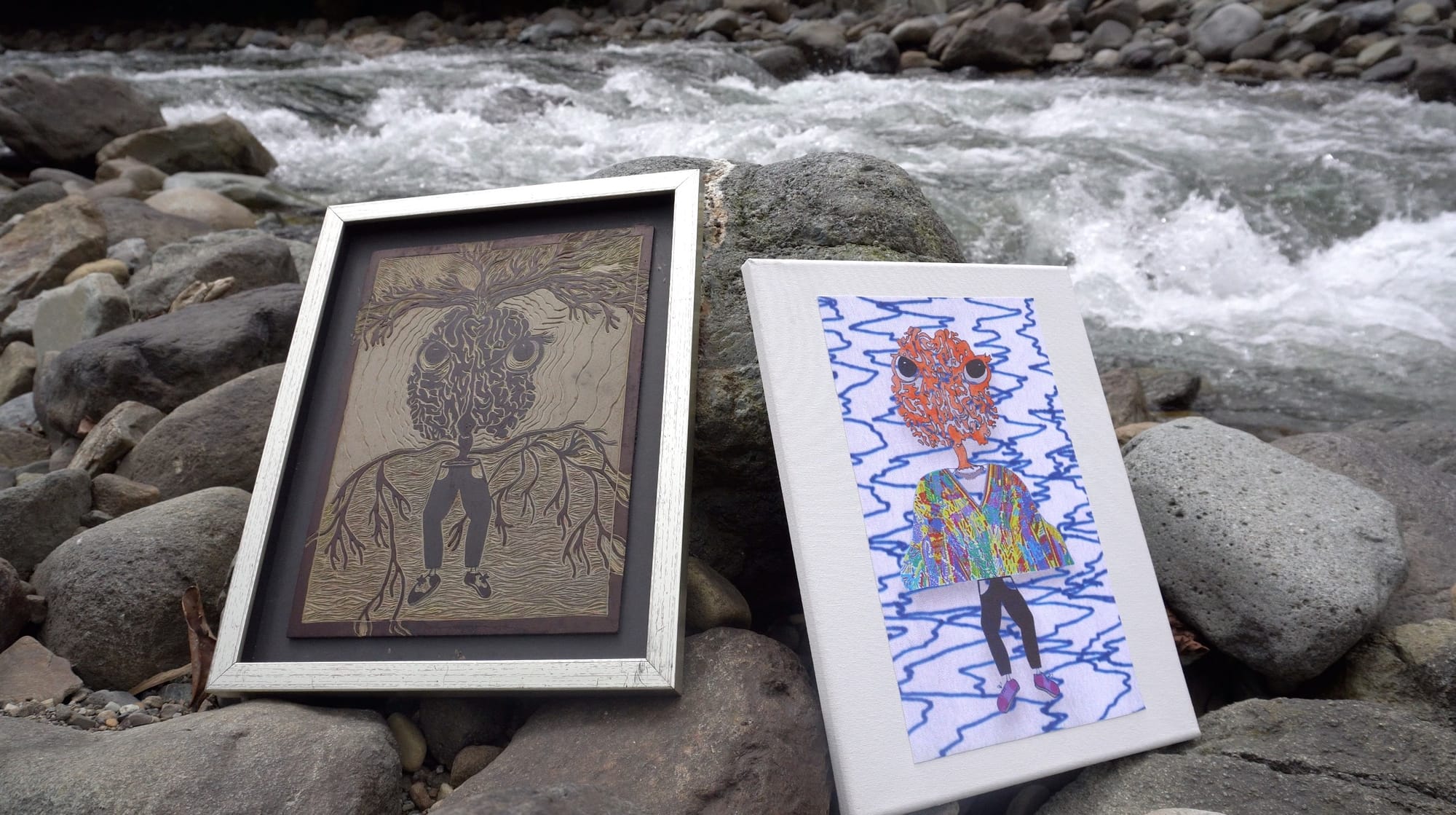
My brain's volatile electric activity during the EEGs. | Art by Elizabeth Lang | Impulsiva Stories
Even if the diagnosis was a hard pill to swallow, it came with a major discovery and revelation. Based on Dr. Henríquez’s theory, music technically saved my brain and calmed down my epilepsy’s triggers.
“[Music] didn’t help electrically. What happens is that if you don’t have seizures knowing that the triggers with which one gets worse are the lack of sleep, strobe lights, and anxiety,” Dr. Henríquez said. “One says: what could music modify? The calmness and if you know that you calm down with music, you’re treating a trigger. So, if you’re treating a trigger, you’re probably doing better."
Music saved my brain. Stay tuned for PART II, where we’ll explore music’s healing power for my epilepsy.

Don't Forget to Subscribe to
The Story of The Story
For only $16 a month, every Friday you'll have exclusive access to
The Story of The Story. Our founder, the Costa Rican award-winning multimedia journalist and artist Elizabeth Lang, guides you through her creative process to produce her stories.
Written by

Subscribe to my newsletter
Subscribe to my newsletter to get the latest updates and news