Music Saved My Brain
Music technically saved my brain because of its healing power that calmed down my epilepsy's triggers.
PART II: The Healing
Thanks to Latin American music, I discovered my epilepsy. I understood music’s healing power in the form of an alternative therapy for my neurological disorder after months of intense collaboration with the Costa Rican neurosurgeon Dr. Gerardo Lang, the Costa Rican neurologist Dr. Freddy Henríquez, and the U.S. music therapist Renate Rohlfing.
This is an extremely experimental story and it does not claim music is a cure for epilepsy.
In PART I we went on a journey to discover my epilepsy thanks to Latin American music. Now, we’ll learn about music’s healing power. Remember, the Costa Rican neurologist Dr. Henríquez said that he has the theory that music technically saved my brain and calmed down my epilepsy’s triggers.
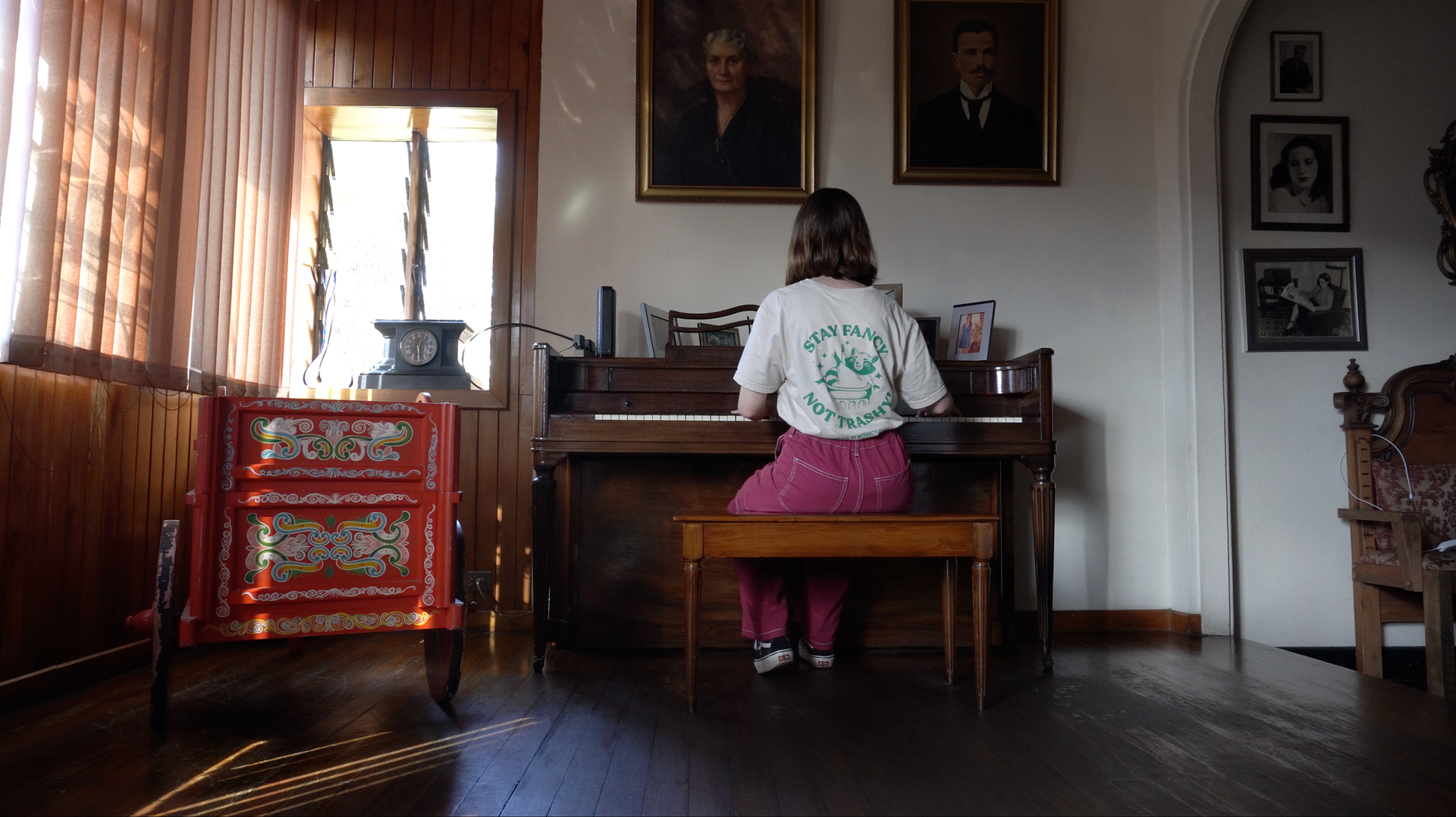
Music has always been present in my life. When I was 8 years old, I started playing the clarinet in my school band and then, at 10, I began piano lessons. Both instruments were intertwined as I grew up and, by the time I was a teenager, I began exploring music composition with the piano.
I started my music composition lessons with my current piano professor Marco Quesada. The piano became my safe place. It offered a world of possibilities in translating my feelings into sounds, melodies, and rhythms without needing words to express myself. It became my favorite instrument and the one I heavily relied on to express my deepest feelings.
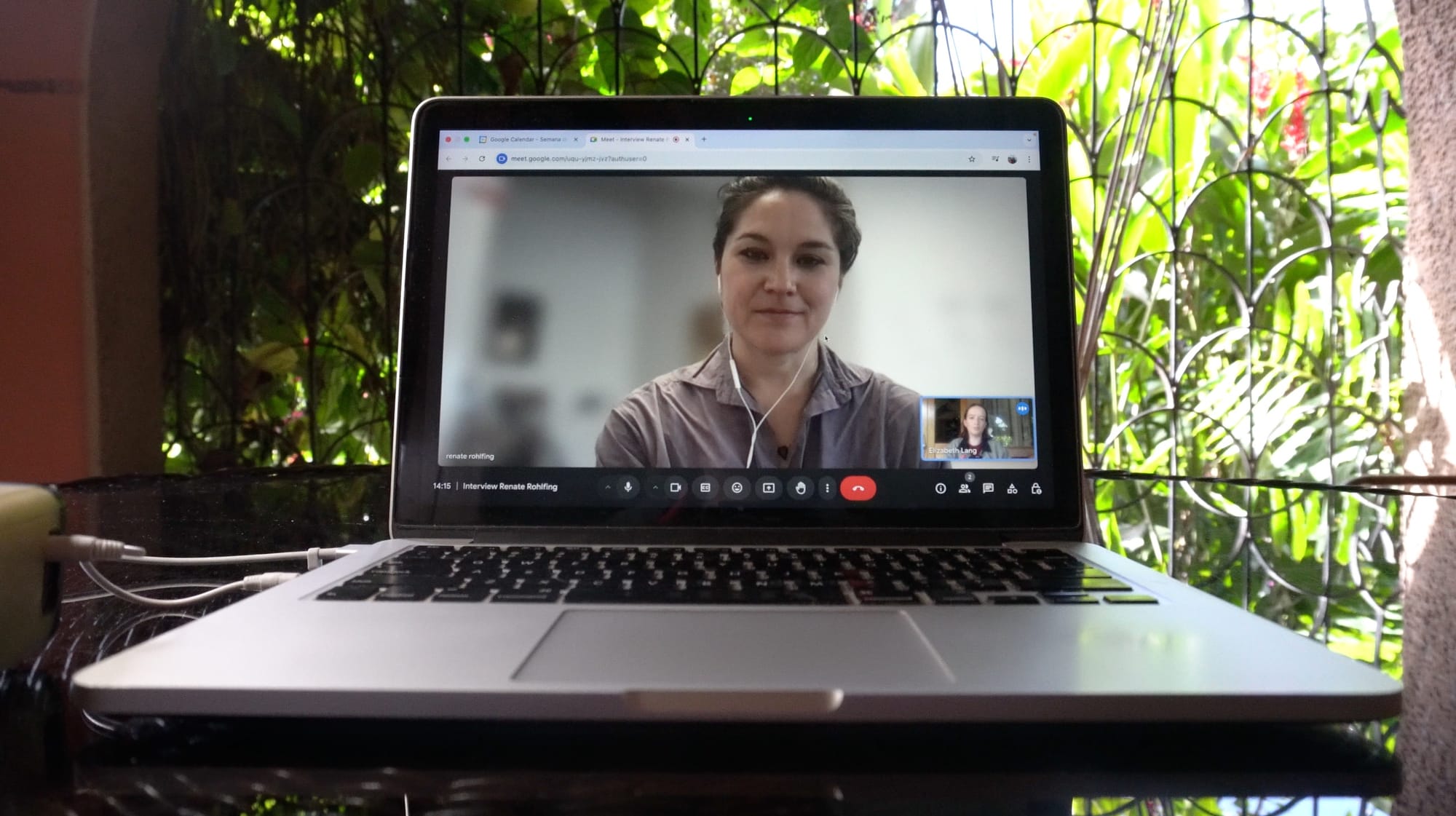
Music never fails me, whether it’s playing instruments, creating it, listening to it or, passionately devoting myself to it in my writing and filmmaking. Apparently, throughout my life I’ve been doing music therapy without even knowing it. That really helped my brain’s health and calmed my epilepsy, according to the doctors and the U.S. music therapist Renate Rohlfing.
“[Music’s benefits go] from relaxation to improving emotional processing, wellbeing, and helping connect with each other. Everything from creating more community, improving connections, and relationships,” Rohlfing said. “It’s been shown to lower cortisol levels in a really significant way. It regulates people physiologically and it also regulates brain waves.”
Music therapy also allows people to feel more connected to themselves while providing lots of enlightenment and self-awareness. With that general view on music, Rohlfing analyzed me psychologically and noticed that music is very important in my life.
“Music is this through-line in your life that is very, very powerful. You can really lean into that and use it as a resource for the rest of your life," Rohlfing said. "I think it’s going to impact you in different ways and at different times in your life.”
While it’s an important through-line in my life, music can also help any person who consumes it in any way, whether it’s listening to it, playing it, or creating it. Music’s direct effects on the brain vary. It allows people to relive emotions, memories, sensations, and feelings – both positive and negative ones.
Music and the Brain
According to the Costa Rican neurosurgeon Dr. Lang, the temporal lobe is the part of the brain that gets the most activated with music. It’s the lobe were the processing of hearing, interpretation, and emotions occur. The frontal lobe can also be activated depending of the stimulus and its intensity. The control of emotions happens in that lobe and then, the parietal lobe comes through with the integration of the emotion you feel when listening to music. After the integration of the emotion, it goes to the memory.
“In the end, it’s an activation that starts in the temporal lobe. Depending of the intensity, it can activate almost all of the brain,” Dr. Lang said.
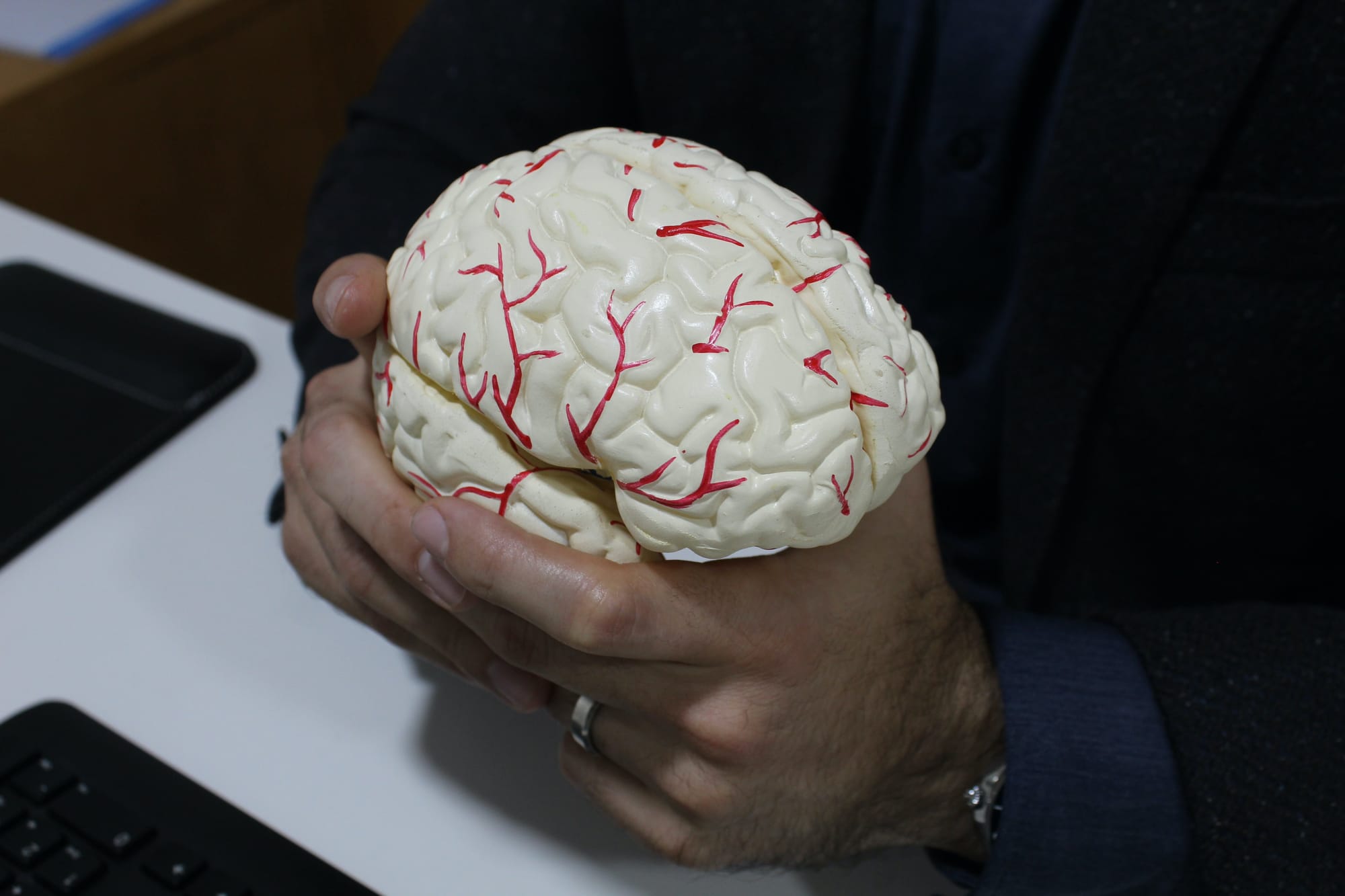
Rohlfing added that when people compose or improvise music, there’s a deactivation of some parts of the prefrontal cortex. The inhibition lowers when creating ideas and playing them. There’s a freedom attached to it.
People’s identities and deep emotional memories also get activated in that process. Then, the visual parts of the brain really light up whenever someone is creating lyrics and trying to remember them. These visual parts of the brain get activated because creating music entails the recreation of a memory, feeling, or experience. It’s a hyper activation of the brain, as Rohlfing said.
Anyone can experience this healing power of music in the brain. In my specific case with epilepsy, my experience with music might be slightly different, according to both Dr. Lang and Rohlfing. They mentioned that my brain is more susceptible to certain stimuli and it is hypersensitive.
“The brain [with epilepsy] feels and reacts more easily. It has less breaks. It controls itself less,” Dr. Lang said. “It’s more open [with music]. It’s more like a child. If it likes it, it’ll be happy. If it doesn’t like it or it generates tension, it’ll turn off.”
I get to experience music in a purer and deeper manner. Rohlfing mentioned that a brain with epilepsy might be more hypersensitive to certain things like volume, articulation, or tempo. The experience differs from brain to brain and might depend on the type of epilepsy a person has.
My Life’s Purpose
Yet, Dr. Lang mentioned that a universal experience that might happen is that usually brains are not looking for complexity in the music they listen to. They’re looking to expend the least amount of energy possible and it also depends on what a person likes or what they’re used to.
Hence, my obsession with music, which apparently gives my life purpose.
“The music, no matter what’s going on in your week or day, it gives you this momentum through life. It gives you something that you can always go back to”, Rohlfing said. “It also creates a lot of your identity. What we listen to, affects our identity, our emotions, and our memories. That was definitely happening for you. You have control over the space of music.”
A great part of my identity and my being is defined by music. It clearly dictates who I am as a person. It’s quite impressive to know that it saved my brain by calming down my epilepsy’s triggers. I also think that music might help dealing in a better manner with the stigma attached to epilepsy.
“Epilepsy is stigmatizing. So much so, that if you say that, you’ll probably get kicked out from work. You won’t get a job. Your family looks at you disrespectfully. Friends sometimes drift apart,” Dr. Henríquez said. “People don’t want to be as close of a friend because coming across a seizure closely, scares them. It’s probably a lot of ignorance from the population and the disease.”
Dr. Henríquez stressed that by calling someone epileptic, you’re stigmatizing them and stepping on them from a personal development point of view. It’s the burden of the disease, which often comes with stereotypes of having mental retardation, not being normal, and not being fit for achieving greatness in life.
“As I said, they get kicked out from work. You can’t drink too much guaro [alcohol]. You can’t stay up late and life changes. If you get excited, you get punished,” Dr. Henríquez said. “How so? By having a seizure. Things do change. Many get depressed because of that. The suicide rate increases.”
Navigating the burden and stigma of epilepsy is difficult and that’s why I believe music could also help with that. Last year, when I was working on the documentary, the Panamanian band mentioned some of their fans reached out telling them their music saved them from suicide. So, I always wonder what music’s healing power is and how it can reach a point in saving someone’s life.
“Music can save lives because it helps people to feel like they are not alone. Music is also fluid. You can come back to music at different times of your life and it means things to you because of your experiences,” Rohlfing said. “Music can directly reflect your experience. We know isolation is the biggest killer and it leads to disconnection. It leads to feeling just completely lost and not grounded. That is how music literally saves lives.”
Music saved my brain and my life. Stay tuned for PART III, where we’ll learn how music worked as an alternative therapy for my epilepsy’s triggers.
Don't Forget to Subscribe to
The Story of The Story
For only $16 a month, every Friday you'll have exclusive access to
The Story of The Story. Our founder, the Costa Rican award-winning multimedia journalist and artist Elizabeth Lang, guides you through her creative process to produce her stories.
Written by

Subscribe to my newsletter
Subscribe to my newsletter to get the latest updates and news