Music Saved My Brain
After I learned about music's healing power, I understood it worked as an alternative therapy for my juvenile myoclonic epilepsy.
PART III: The Alternative Therapy
Thanks to Latin American music, I discovered my epilepsy. I understood music’s healing power in the form of an alternative therapy for my neurological disorder after months of intense collaboration with the Costa Rican neurosurgeon Dr. Gerardo Lang, the Costa Rican neurologist Dr. Freddy Henríquez, and the U.S. music therapist Renate Rohlfing.
This is an extremely experimental story and it does not claim music is a cure for epilepsy.
In PART I, we discovered my epilepsy thanks to Latin American music and in PART II, we learned about music’s healing power. Now, we’ll explore how music worked as an alternative therapy for my juvenile myoclonic epilepsy.
The Costa Rican neurologist Dr. Freddy Henríquez explained his theory about music technically saving my brain and calming down my epilepsy’s triggers. The Costa Rican neurosurgeon Dr. Gerardo Lang spoke about the different parts of the brain that get activated with music and the U.S. music therapist Renate Rohlfing came to the conclusion that music gives my life purpose.
With this major revelation about my epilepsy, I accidentally discovered I had been doing music therapy all along since my childhood. I’ve spent a lot of time playing the piano and clarinet and composing my own pieces. I listen to music all day long. While I write this story, I’m listening non-stop to my current favorite band: Ca7riel & Paco Amoroso. I frequently attend concerts and I always write about music. I exercise and music is always there in the classes I go to, whether it was yoga in the past or functional training in the present.
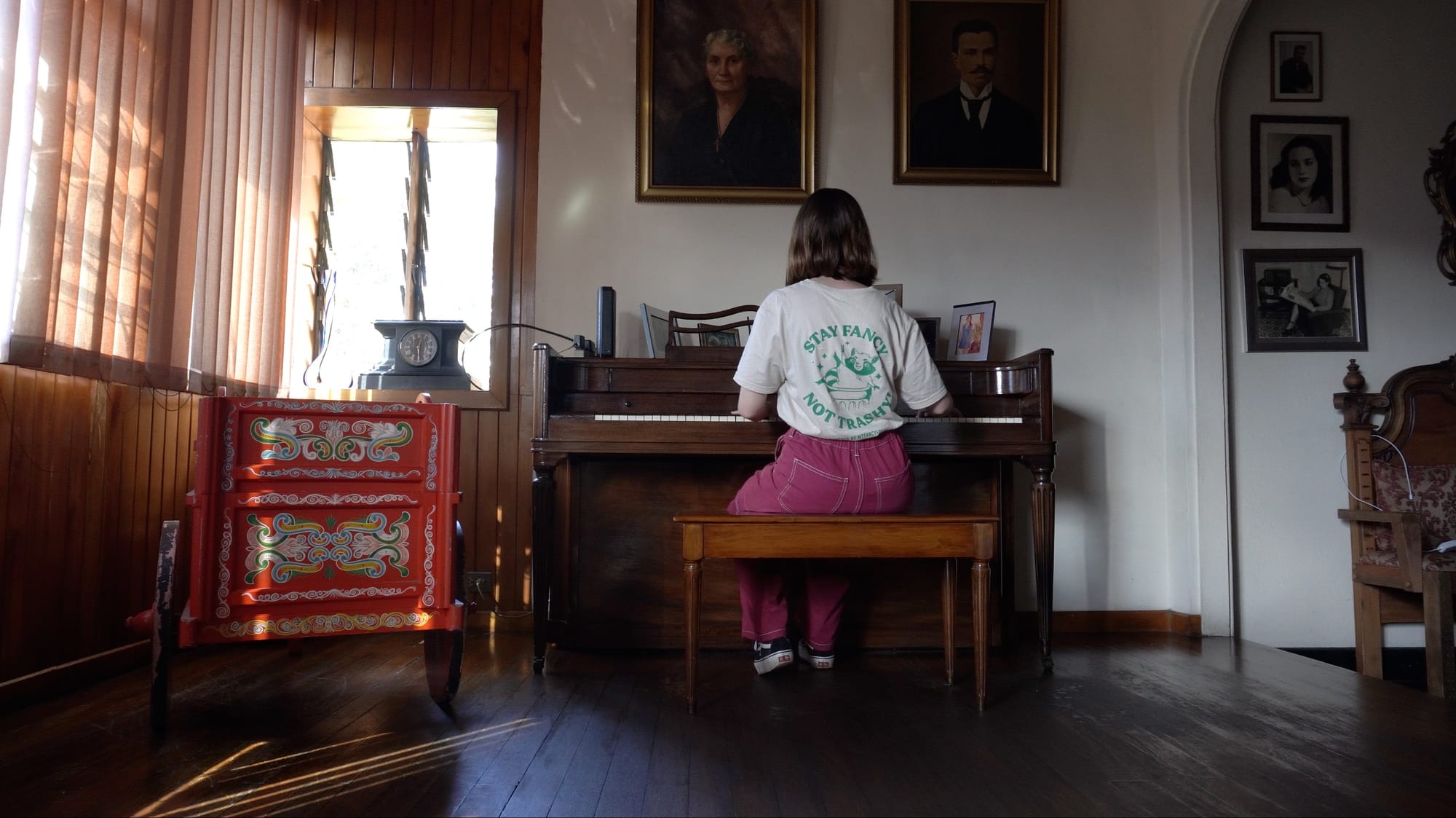
There’s no day in my life in which music isn’t involved in my mundane activities. To a certain extent, it’s my obsession and my addiction. My brain is constantly activated by it in all its forms and there’s no escaping it. Due to this constant obsession and love for music, I believe it worked as an alternative therapy for my epilepsy’s triggers, which accompanied my anti-seizure medication in the past.
I even think it helped me avoid getting medicated again last year after I was diagnosed by Dr. Henríquez.
“If you go four years without having a seizure, the possibility of needing treatment is very low. Less than ten percent [of the patients] have a seizure again, even if the EEG says what it says,” Dr. Henríquez said. “There are risky situations in which one decides to treat them. Someone who cleans windows in a skyscraper, a diver, or a commercial pilot. They’re situations in which it’s better to treat them just in case.”
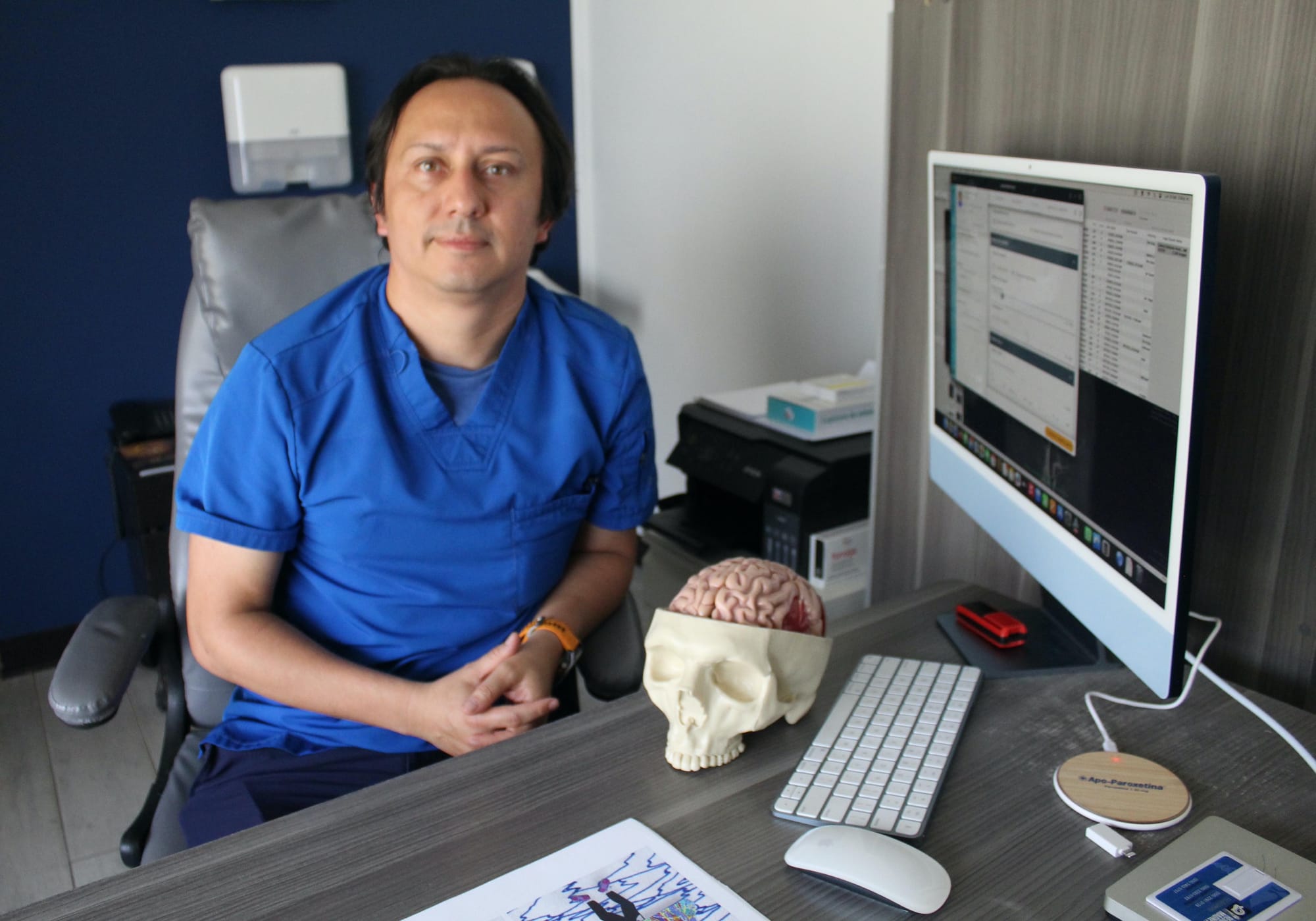
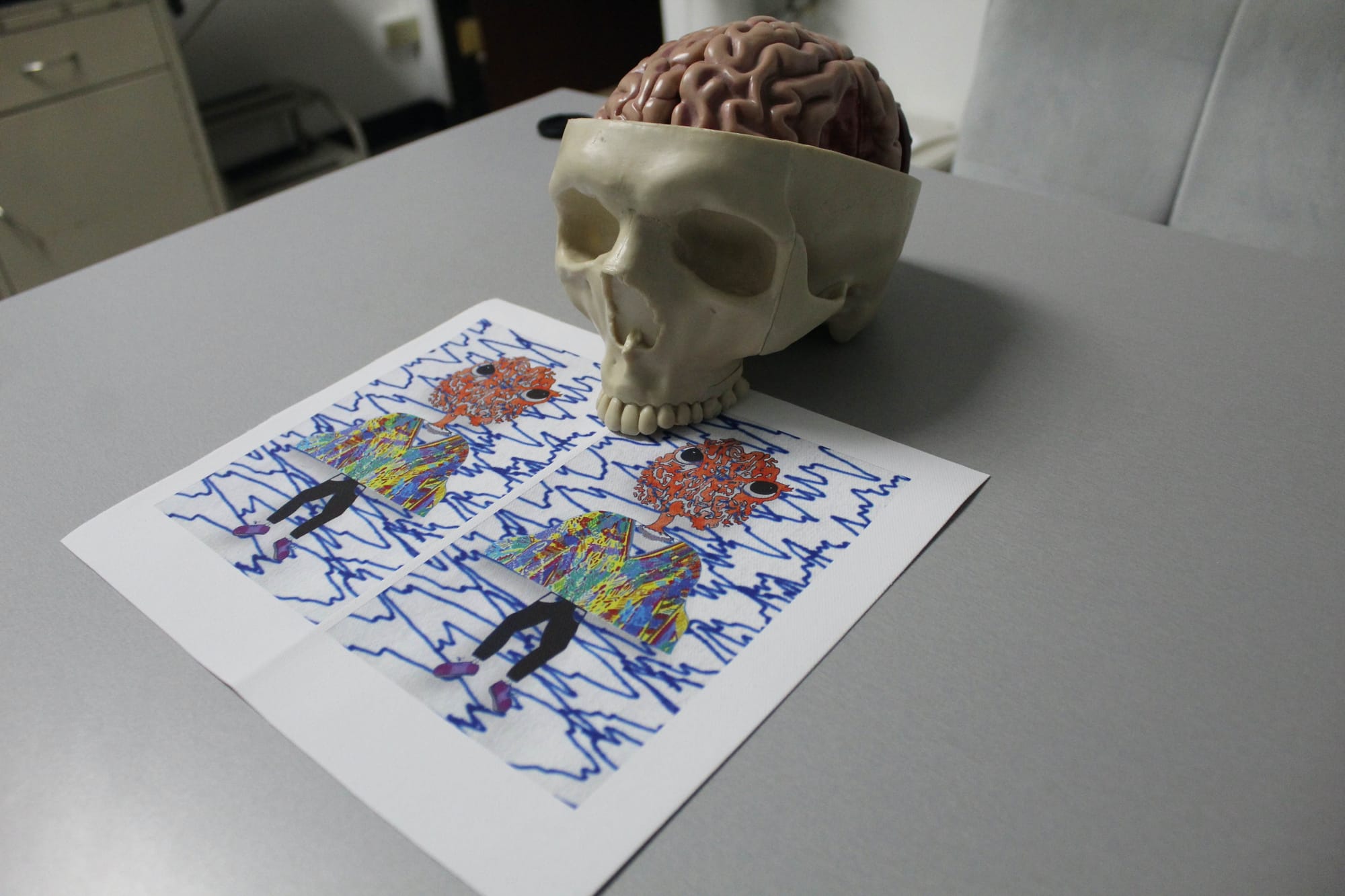
Dr. Henríquez, his anatomically correct brain model, and my adult brains. | Photos and art by Elizabeth Lang | Impulsiva Stories
As for me, I’m not in a situation of risk. So, there was no need to go back to the anti-seizure medication. That’s where music made its magic, combined with intense exercising habits and a balanced diet.
“The three best doctors for everything that’s related to the brain are: sleeping well, eating well, and exercising. Those are the three important things,” Dr. Lang said. “Where do I place music? It’s what accompanies those three things.”
Music is Medicine
I even thought my brain had self-regulated or something like that because I haven’t had a seizure over the past ten years. It was not that. Dr. Henríquez believes it is because I haven’t had a trigger appear during these last ten years. My EEGs even showed that my brain is active enough for me to have a seizure at any time.
On the other hand, Rohlfing believes music is medicine in some ways. Music has the same anticipation and reward response as addictive substances. It can have a really powerful emotional effect on people, which leads to positive outcomes physiologically.
“Music lowers cortisol levels. It gives your body regulation. There’s an idea of entrainment. Your body and your heart beat to the music. It can lock to that and so, that helps to regulate your body and therefore, your brain as well,” Rohlfing said.
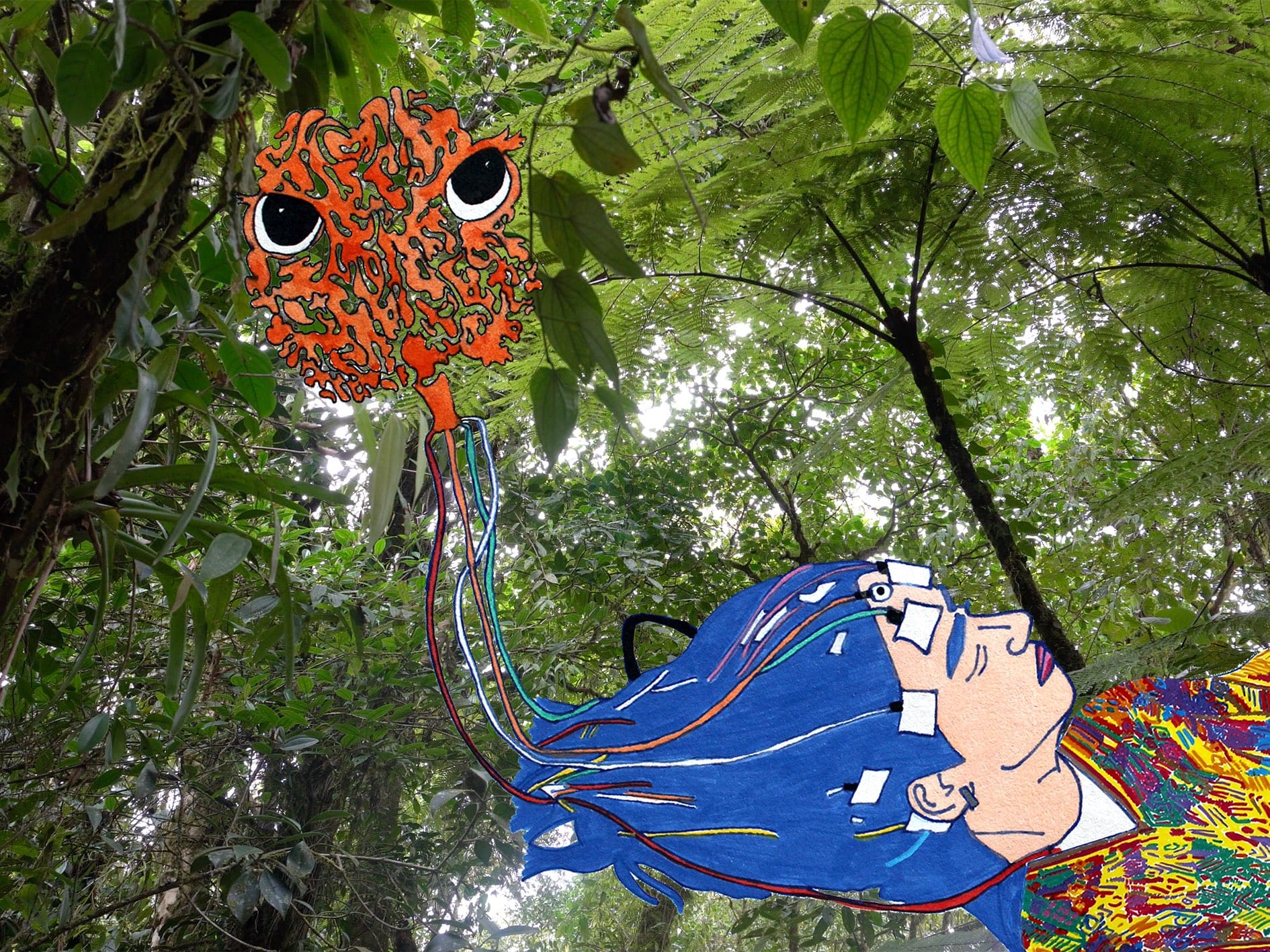
Rohlfing mentioned that right now in the U.S. in the music therapy field, people are really open to different creative ways of healing. They know medication can take them so far and that there is a movement focused on the whole person with a more emotional connection that has benefits that can’t even be quantified now.
For Dr. Henríquez, music plays a different role in epilepsy.
“I don’t think that cures anything, but if it calms you down, things get better. The other thing is that music has harmony, melody, rhythm, and it evokes memory. There are a lot of areas in which music therapy helps for other things,” Dr. Henríquez said. “But for seizures, in my belief, it won’t cure anything. [However], if it calms you down, it must help with something for the trigger.”
Dr. Lang believes that music helps people relax, especially in the context we’re currently living. One in which the world evolved faster than the brain. He stated that this fast-paced life we’re living is one of the reasons why we’re experiencing so many problems with mental health.
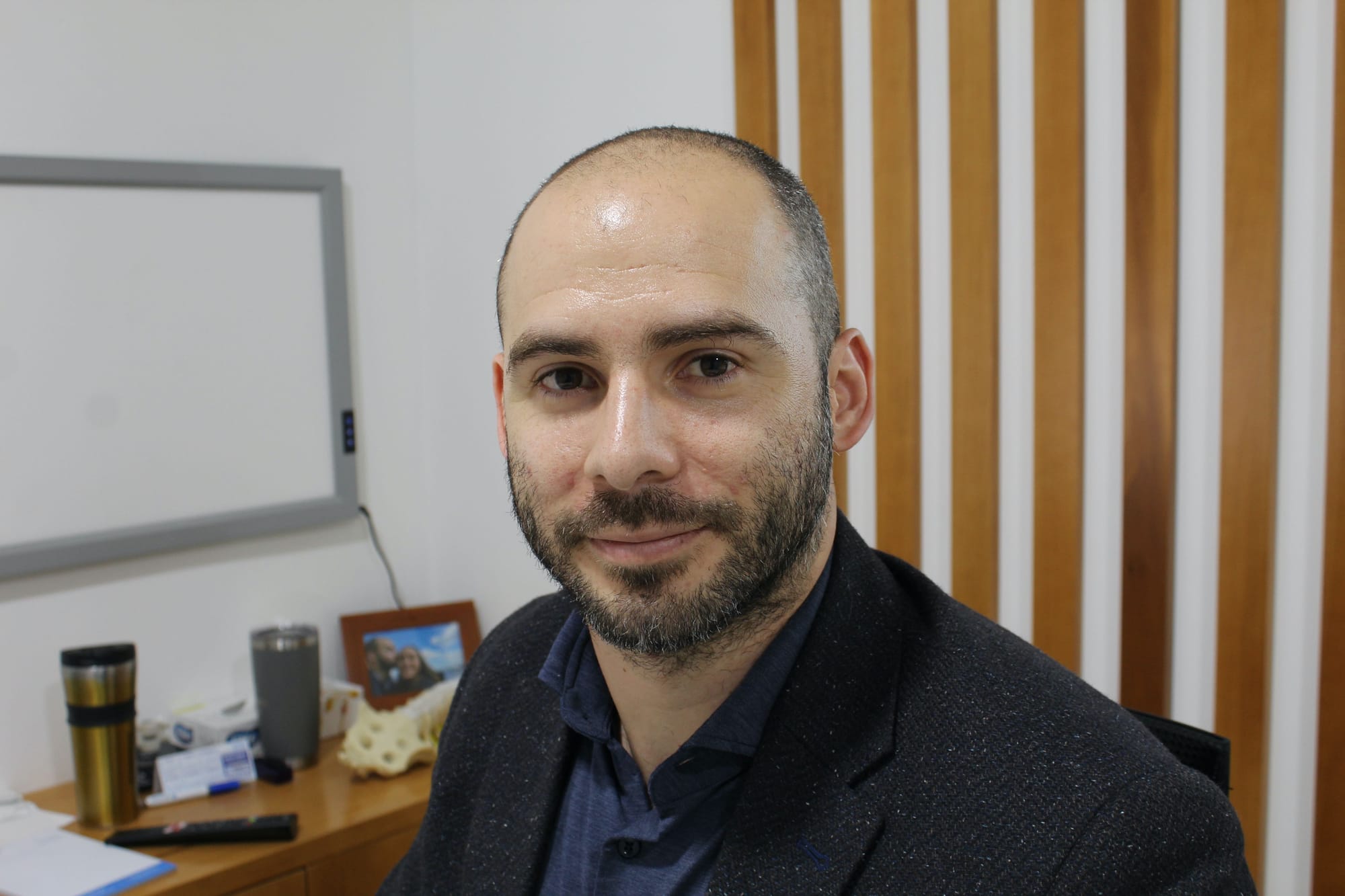
For him, music represents that easy way to safeguard that mental wellbeing or creating a safe space for the brain. It’s a moment in which you can slow down, stop, and sit down to enjoy the music. In the specific case of epilepsy, Dr. Lang mentioned that there really isn’t much evidence to prove that music might help as an alternative therapy, but he believes that if he makes an educated guess based on the basics, it should help a bit.
Music for Epilepsy
He suggested doctors should work with a patient with epilepsy looking for music that represents a safe place for them. That would help the patient being calm and relaxed when a crisis is coming.
“It’s a brain that, by being less excitatory, the risk of a seizure becoming generalized may be lower. It should improve,” Dr. Lang said. “And if it’s something super excitatory, it will probably activate a seizure.”
Even though there are not many studies that show evidence that music might help with epilepsy, last year the United Kingdom’s government released a study stating that consuming culture greatly benefits people’s overall physical and mental wellbeing. This relates to Dr. Lang, Dr. Henríquez, and Rohlfing’s beliefs in music helping the brain.
Dr. Lang stated that his interest in music helping the brain relies on learning about an option that goes beyond conventional medicine. Dr. Henríquez was all in for researching about a measure that’s buena, bonita y barata [good, pretty, and cheap]. An alternative therapy that can help a disease that’s long been synonymous with poverty because of the discrimination and lack of opportunities faced in the workplace.
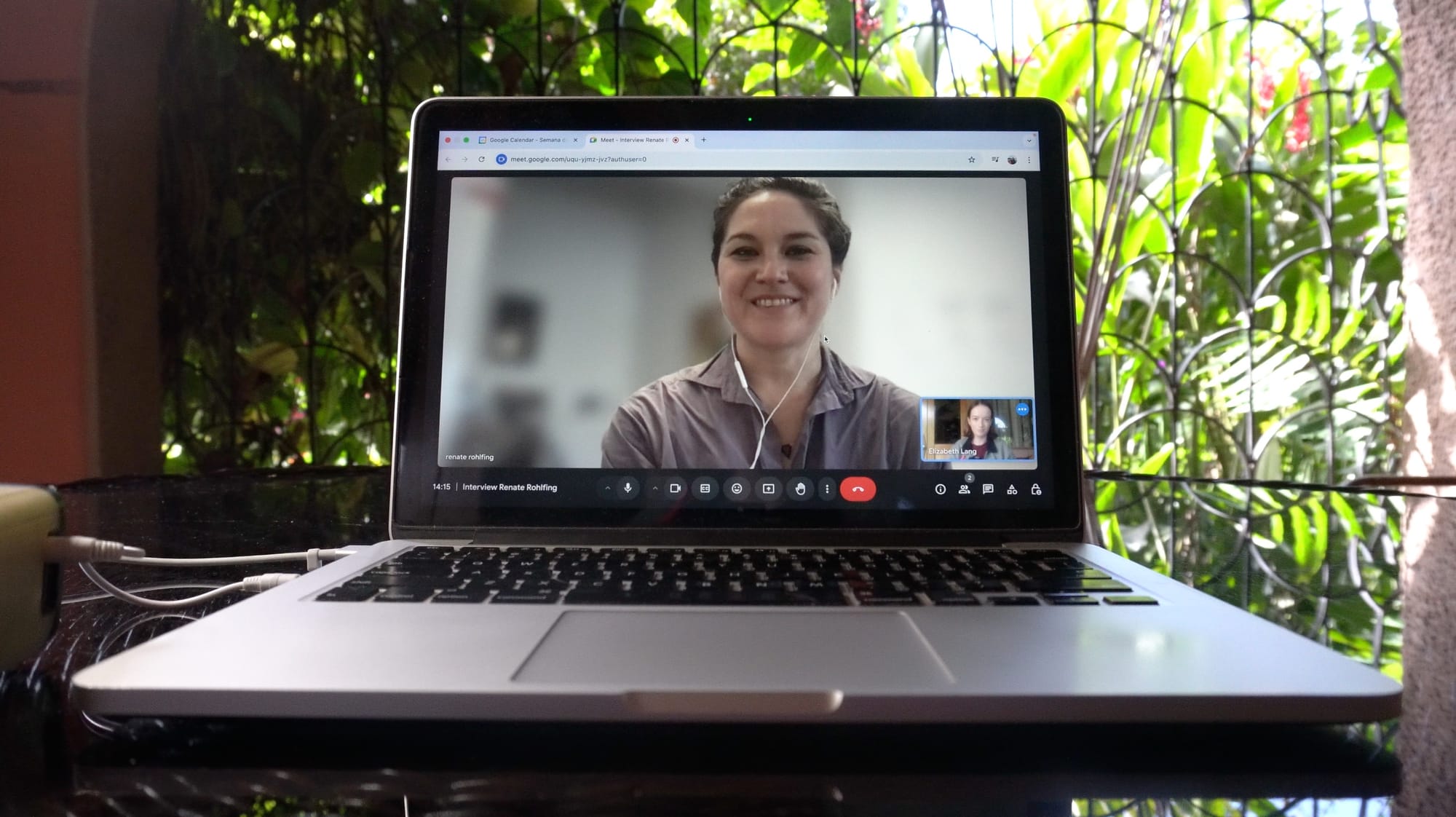
And Rohlfing stated that music can give people predictability. It’s something that they can control and it can be helpful to understand what the brain likes. It provides sort of a brain massage. It can allow people to feel safe and contained while working through emotional situations that can be exacerbated and therefore, can cause an episode.
As for me, music is one of the best things in my life. It’s always been my medicine. It keeps me grounded and never fails me. It’s always there whenever I’m going through a tough time or when I’m in my best moment. It’s universal and accessible for everyone. And as Rohlfing’s psychological analysis concluded.
“I think you were just super aware of how it was affecting you and how connected you felt on multiple levels. So, I think it wasn’t only you felt connected to the music, but also relationally as well,” Rohlfing said. “We say: the music was really hearing you and really embodying a lot of what you were feeling.”
Music saved my brain, my life, and my career. Stay tuned for PART IV for my short documentary.
Disclaimer: Don’t use me as a reference. This story is about an experiment based on my experience. It’s not evidence-based medicine. Each person’s experience with epilepsy is different.
Don't Forget to Subscribe to
The Story of The Story
For only $16 a month, every Friday you'll have exclusive access to
The Story of The Story. Our founder, the Costa Rican award-winning multimedia journalist and artist Elizabeth Lang, guides you through her creative process to produce her stories.
Written by

Subscribe to my newsletter
Subscribe to my newsletter to get the latest updates and news