Tiffany Román Louk PART I
Tiffany Román Louk merged the neoclassical and reggaeton worlds through her experiences with Bad Bunny and the National Symphony Orchestra of Costa Rica.
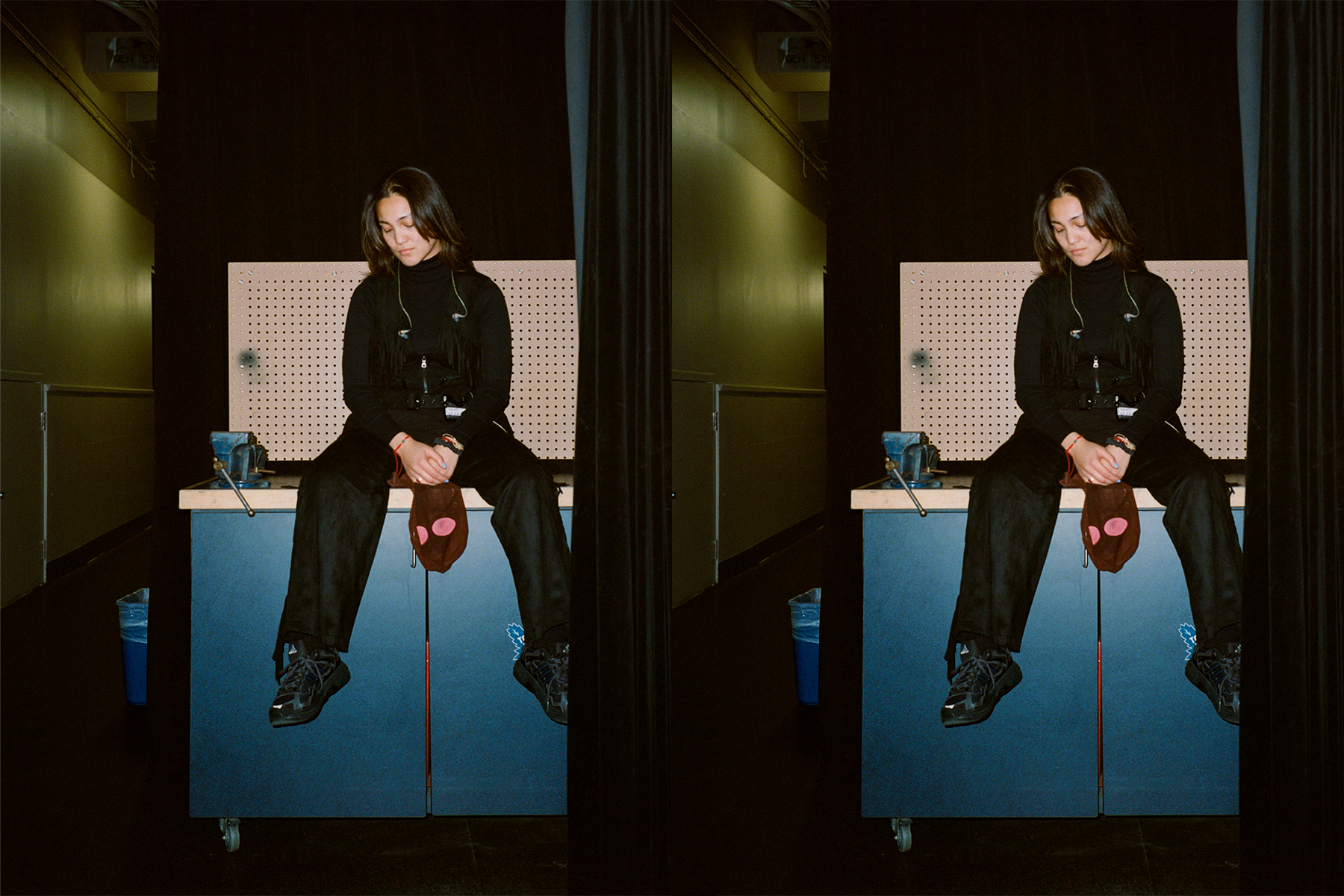
PART I: Tiffany Román Louk’s Neoclassical Reggaeton
As a child, Tiffany Román Louk began her relationship with the piano as a hobby. Her mother enrolled her in different after-school activities including art, soccer, and piano lessons. For some reason, the piano stuck with her. She found in this beautiful instrument, a source of expression and an escape from the mundane problems.
It’s always been there for Román Louk, whether life gets difficult or she’s going through a moment of ease. It became a constant throughout her childhood and adolescence with recurring piano lessons with her first two professors: Angie and Teresa. With them, she learned about the real meaning behind such a marvelous instrument.

Don't Forget to Subscribe to
The Story of The Story
For only $16 a month, every Friday you'll have exclusive access to
The Story of The Story. Our founder, the Costa Rican award-winning multimedia journalist and artist Elizabeth Lang, guides you through her creative process to produce her stories.
“I had a piano professor who would always say: this is like my best friend. I’d listen to her and was like: yes, I think I do understand you. I identify with you,” Román Louk said laughing. “It can also be an accompaniment [or companion] for anyone.”
Thanks to her mother, Román Louk discovered the piano during those first music lessons, but she’s also very sure that the piano chose her.
After her mother’s encouragement and the instrument’s decision to accompany her, Román Louk noticed throughout time that there was another key element to keeping that love and passion alive: discipline.
It was her responsibility to be constant with her artistic practice. It was her responsibility to maintain it alive and for her neoclassical piano to endure over time. If she did not dedicate time and effort to her best friend, there would be no meaning in playing it. If she did not follow through, she would not find any purpose in it or the desire to grow as an artist.
As she kept practicing, she developed an obsession for both the piano and music. That was when the Puerto Rican-Chinese musician, pianist, artist, composer, and producer really grasped this innate fixation and fascination.
“I became obsessed. I really love the instrument and I also use it as therapy. Every time I have a heavy or light day, I know that it’s there to accompany me,” Román Louk said.
As that obsession intensified throughout her adolescence, she discovered a whole new process in her piano practice. When she was around fifteen years old, she started listening to popular songs. She then sat down with the piano and began playing those pieces. She would go on this eternal loop repeating the tracks and also refined her listening skills to directly create new arrangements with her piano.
It came naturally to Román Louk to simply sit down and play what she was listening to. Then, people started asking her what she was going to study and what she was going to do after she graduated from high school.
She’d always respond: ‘I want to make music.’
But she had no idea if she could make a career out of that desire. Whenever she’d say that, people in Puerto Rico told her that to make music, she’d have to perform at local sites or become a piano professor. That left her pondering her options for the future.
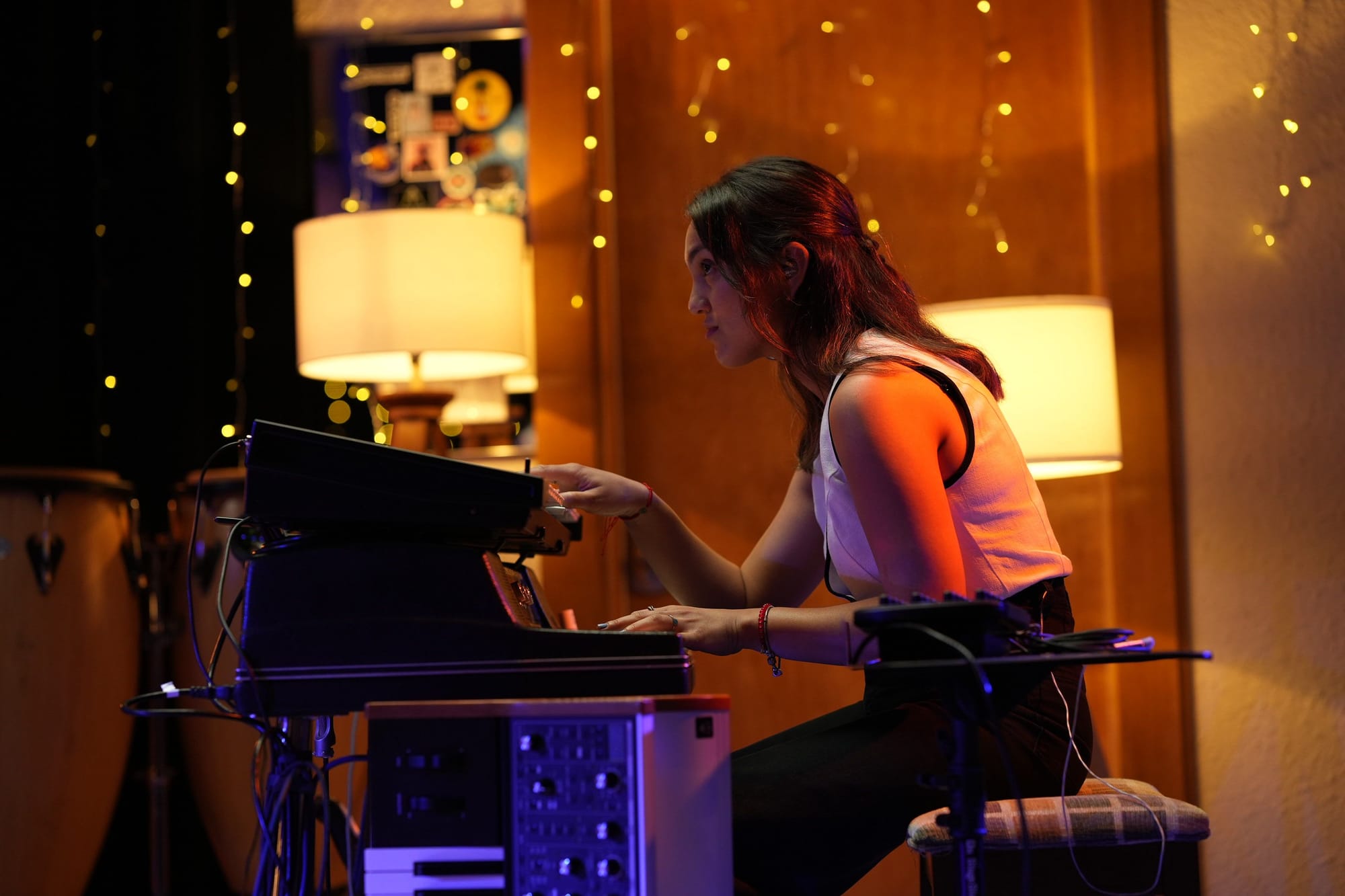
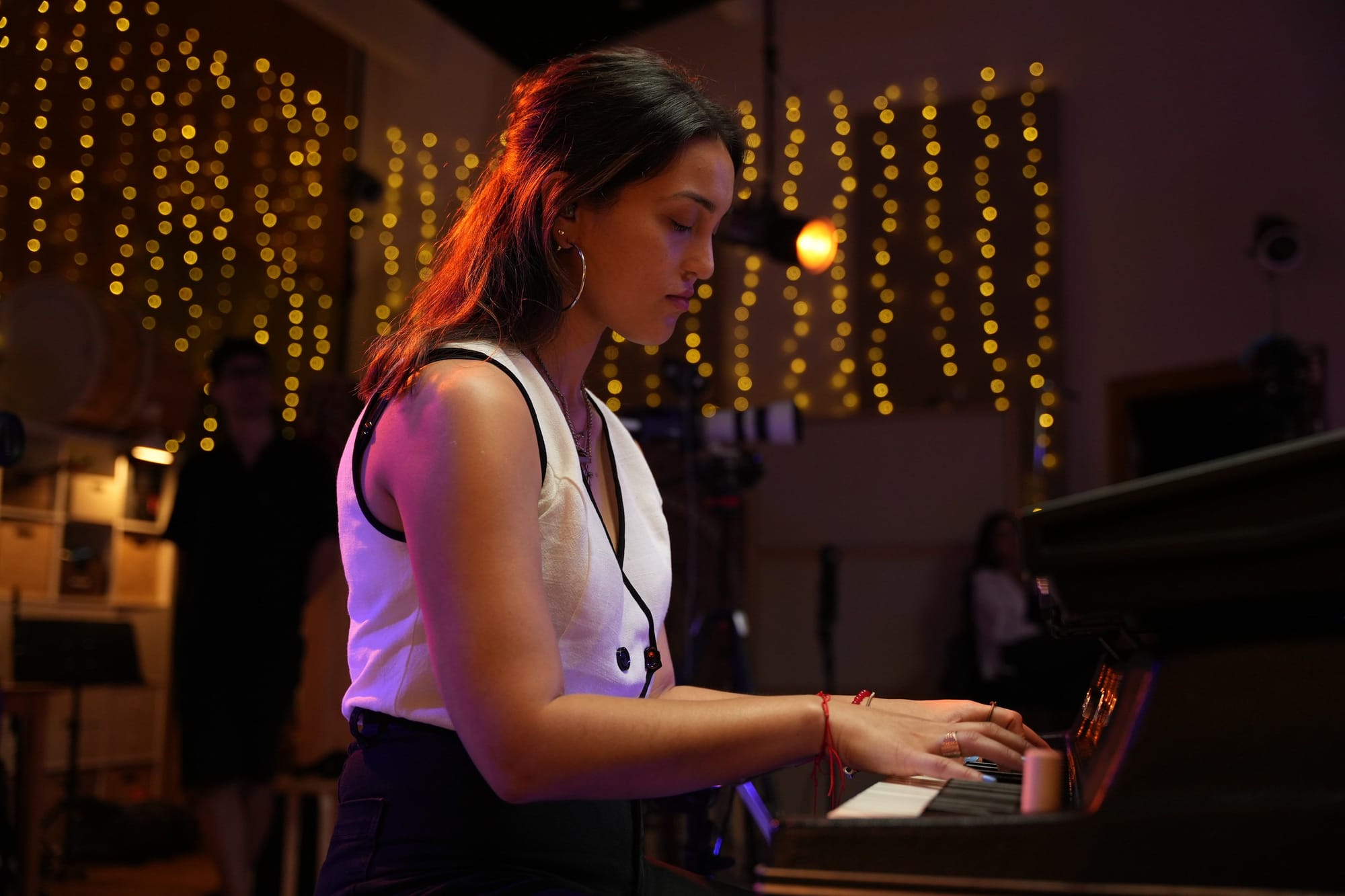
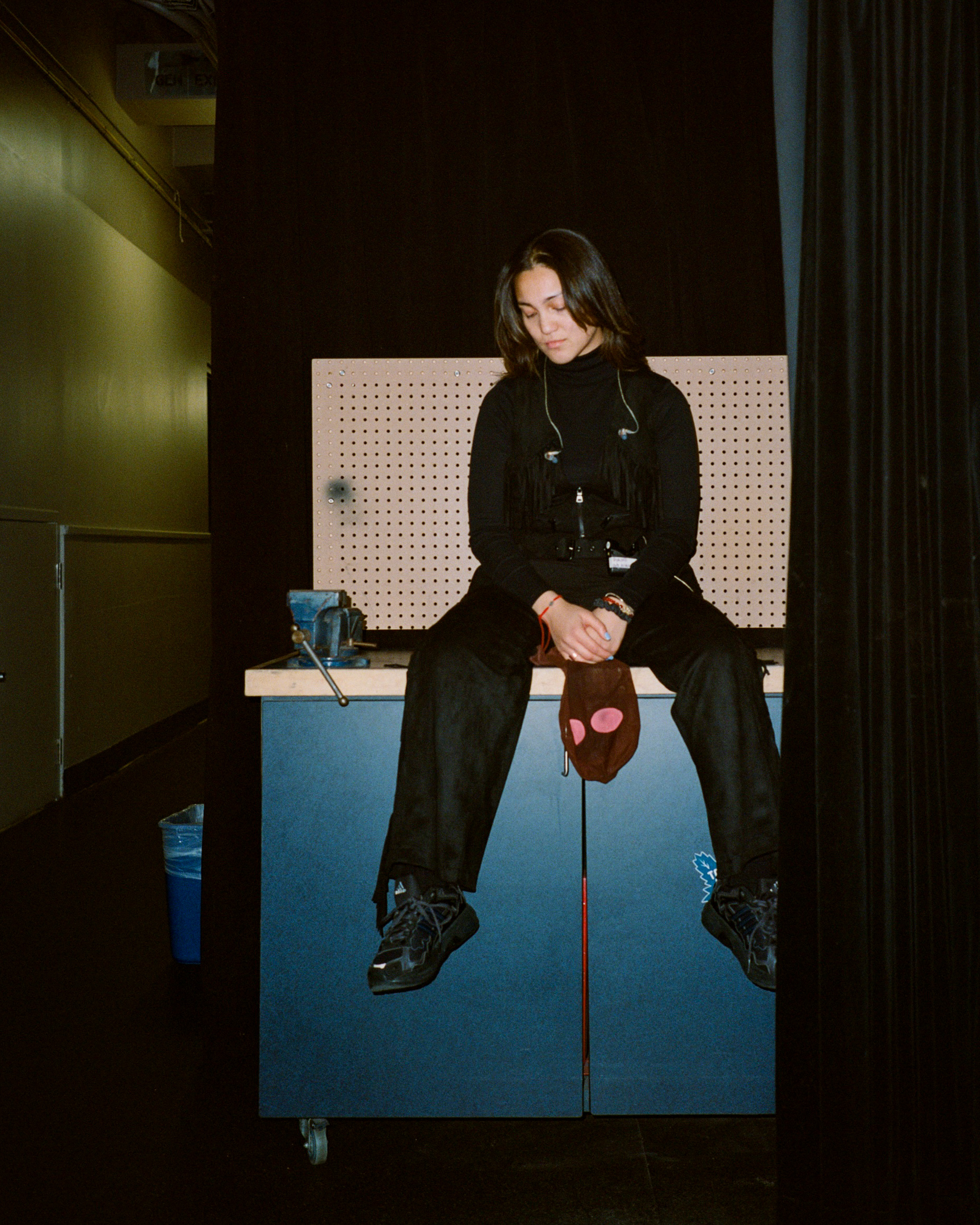
Tiffany Román Louk with her best friends the piano and keyboards. | Photos by Nestor Villareal. Courtesy of Tiffany Román Louk. | Impulsiva Stories
Studying Film Scoring
Throughout that deep thinking, she also integrated her passion for cinema. Román Louk spent a lot of time watching movies and series. She’d listen to the films’ music and then, she’d go to the piano to play by ear whatever song she heard. At that time, she did not know she could pursue a career in music scoring for films and television series.
While she developed that interest further during her teenage years in Puerto Rico, she found out about a program related to film scoring. She was very drawn into the idea of studying that, while also learning more about technology’s role in music.
“I was always very interested about the computer and being connected. The studio itself. I liked the idea of being long hours in a studio composing and recording everything,” Román Louk said. “I always fantasized with that and the opportunity to apply to the Berklee College of Music came through.”
She applied and really looked forward to the opportunity of studying in Boston, Massachusetts. She was accepted and it was her first time living outside of Puerto Rico. There, Román Louk obtained her Bachelor of Arts in Film Scoring and Music Technology.
When studying at Berklee, she started merging her classical piano repertoire including Joseph Haydn, Johann Sebastian Bach, and Wolfgang Amadeus Mozart with her curiosity for technology. What she learned during her first piano lessons with her professors Angie and Teresa was then applied during college. She made use of it in the film scoring process.
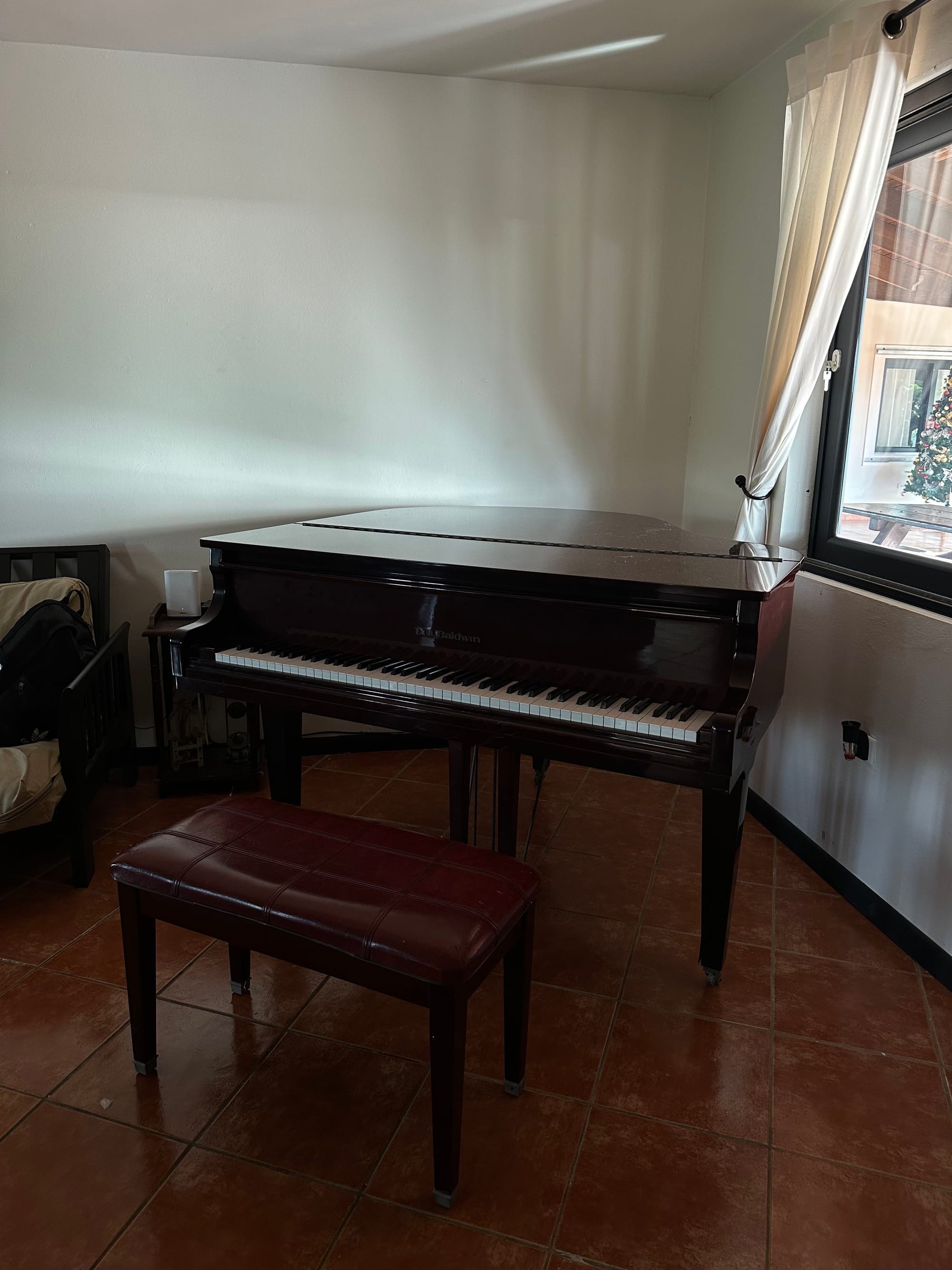
She understood that the classical repertoire goes hand in hand with the composition of different pieces for movies. In Boston, she began learning about using her computer as another musical instrument. Román Louk realized that this technological tool's purpose was to build different layers with different instruments, which meant she did not necessarily require an orchestra.
It opened her mind into finding the perfect balance between technology and traditional musical instruments. She kept learning about music theory without leaving behind a more modern and contemporary way to create music.
“And the idea is to learn all these rules to then break them,” Román Louk said confidently.
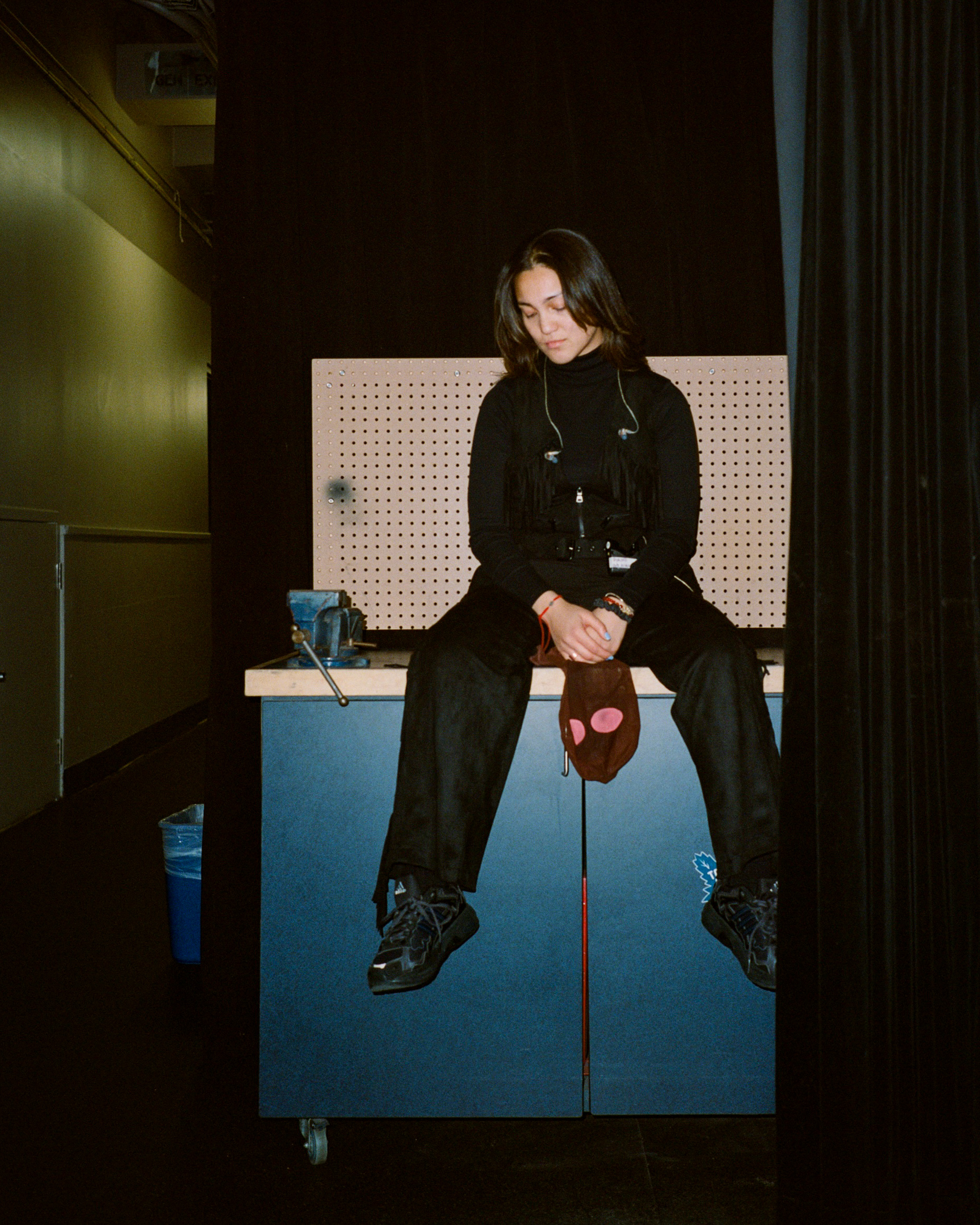
Listen to Tiffany Román Louk
0:00
/8.165333
Understanding the rules to break them allows her to experiment on a deeper level with her different processes. It also allows her to comprehend how piano, music, composition, and production are all interconnected.
The piano is a tool for expression. Composition requires a lot of improvisation with the piano to shape the ideas she has in her mind. She listens to different composers like Ennio Morricone and Joe Hisaishi to get inspired. She takes certain chords and melodies from her active listening and translates them into her own style.
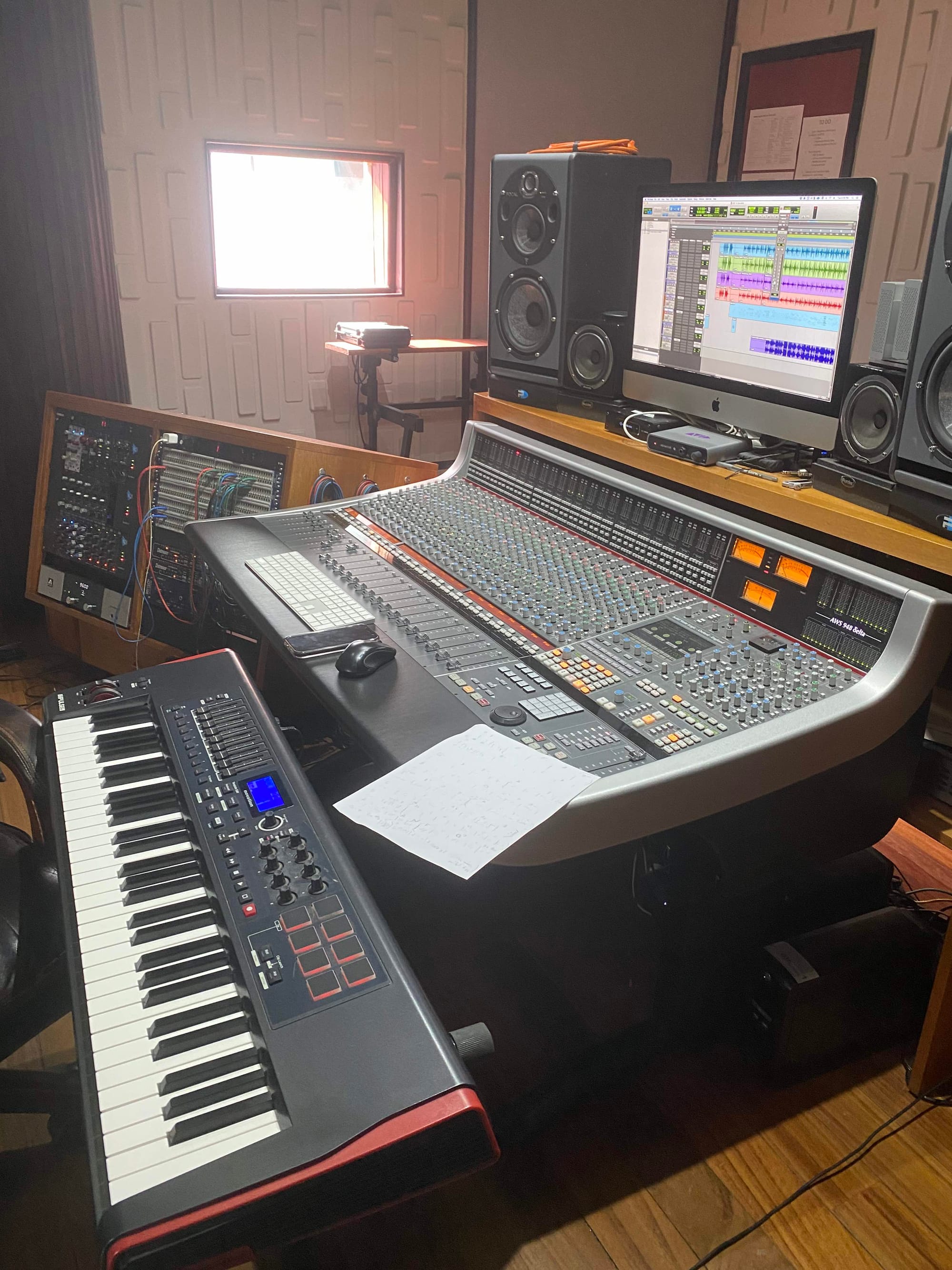
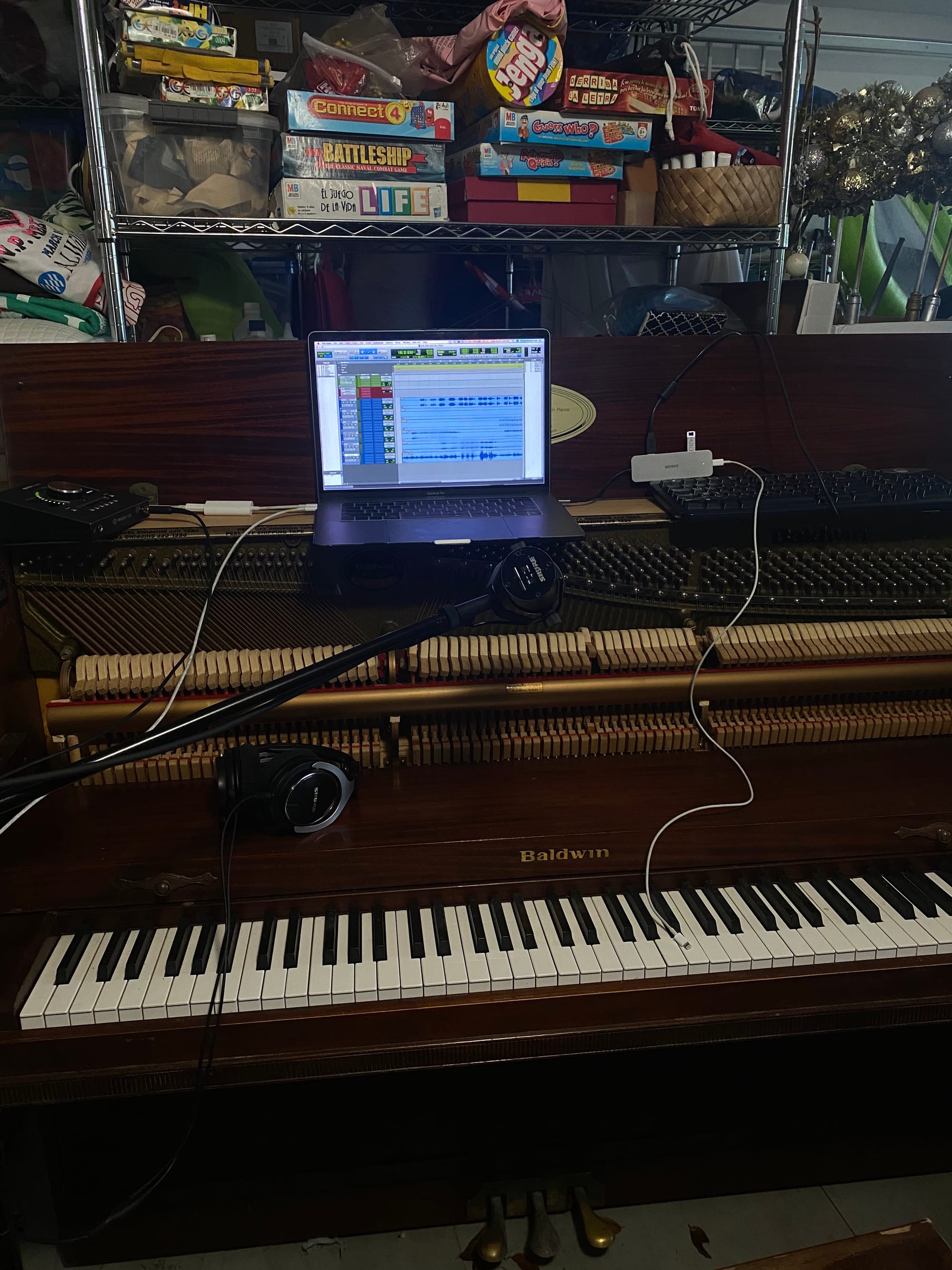
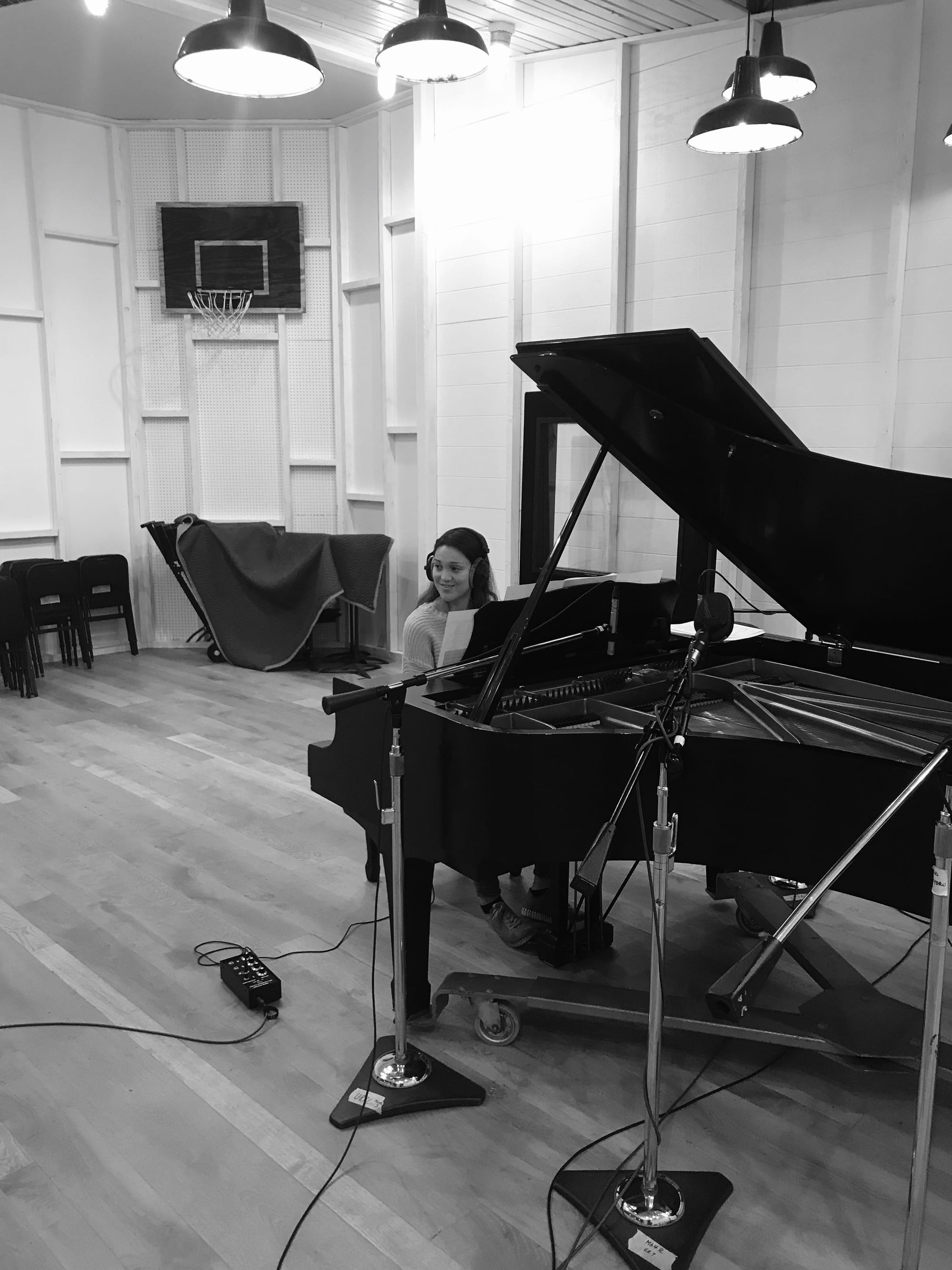
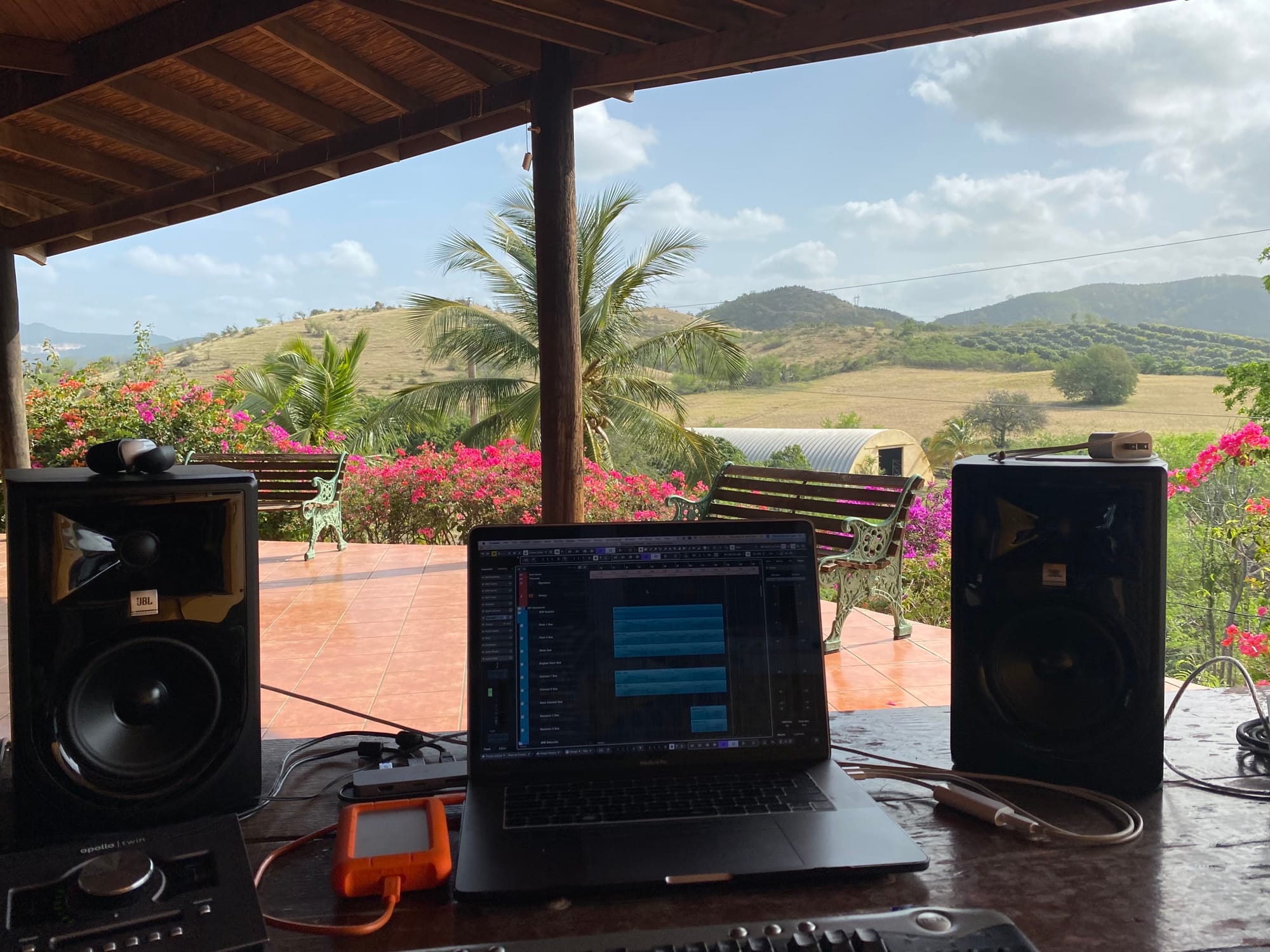
Tiffany Román Louk recording in different studios and spaces. The left one is at the Pasillo Sonoro studio in Río Piedras, Puerto Rico. The right one is at a garage. | Photos courtesy of Tiffany Román Louk | Impulsiva Stories
And then, the production comes in flawlessly when she records everything. She adds new layers and elements until she’s satisfied with the final result. It’s all part of her concept of music being an art. It's a way to express herself that she uses in every aspect of her life.
“I think it’s my way of existing in this planet and how I manage things. The way I express myself has always been through music,” Román Louk said.
This passionate musical connection that flows in her veins, always leads her to experiment with life itself. In various occasions, she’s been given the opportunity to explore her different abilities by challenging herself in new ways.
Two of the wildest musical adventures happened in 2022, when she composed her original piece “Aquí y Allá” for the National Symphony Orchestra of Costa Rica and in 2024, when she toured around the United States and Puerto Rico playing the piano live with Bad Bunny.
Conducting the National Symphony Orchestra of Costa Rica
Román Louk still remembers the experience in Costa Rica as one of the most beautiful ones she’s ever had with an orchestra. She participated in a program between the National Symphony Orchestra of Costa Rica and the Los Angeles Film Conducting Intensive (LAFCI), which gathered ten composers from ten different nationalities.
Each of these professionals were set to do world premieres of their own compositions in Costa Rica accompanied by the orchestra’s performance of several of John Williams’ famous pieces from different films.
Román Louk was the only Latina and woman selected for the program, which made the experience more meaningful and special for her when conducting the orchestra at the National Theater of Costa Rica.
“It was a full house. It was a super nice energy because they accepted us. We were composers of all ages and it was a super chévere combination,” Román Louk recalled.
But before arriving in San José, Costa Rica, there was a whole process to create her piece “Aquí y Allá.” She was given time to compose the masterpiece beforehand, so she did that in Puerto Rico. She knew from the beginning that she was going to compose a song and also conduct the orchestra.
She wanted this piece to be about her, but with the twist of an orchestra. So, she began the process with the piano. The melody and chords she had in mind started transferring into her main instrument. She continued adding in the instrumentation, which included strings, a harp, woodwinds, and brass.
Once it was finished, the challenging and most exciting of the process was in place for Román Louk.
“[Conducting it] is magic. I’ve always loved it. It’s the process I love the most. I experiment with the orchestra and see what we can do. It’s more like a conversation and when conducting, you also receive the feedback from the orchestra,” Román Louk said.
Besides that, when she practiced the piece with the musicians, she also polished more the initial idea she had in her mind. It also meant that during rehearsal, they kept making various tweaks until it was completely ready for the show.
You can definitely listen to that level of detail throughout the different instruments she selected. You can listen to the piano starting its protagonist role while the rest of the orchestra carefully joins into the glory. You can really listen to a grandiose performance in one of Costa Rica’s most important cultural venues.
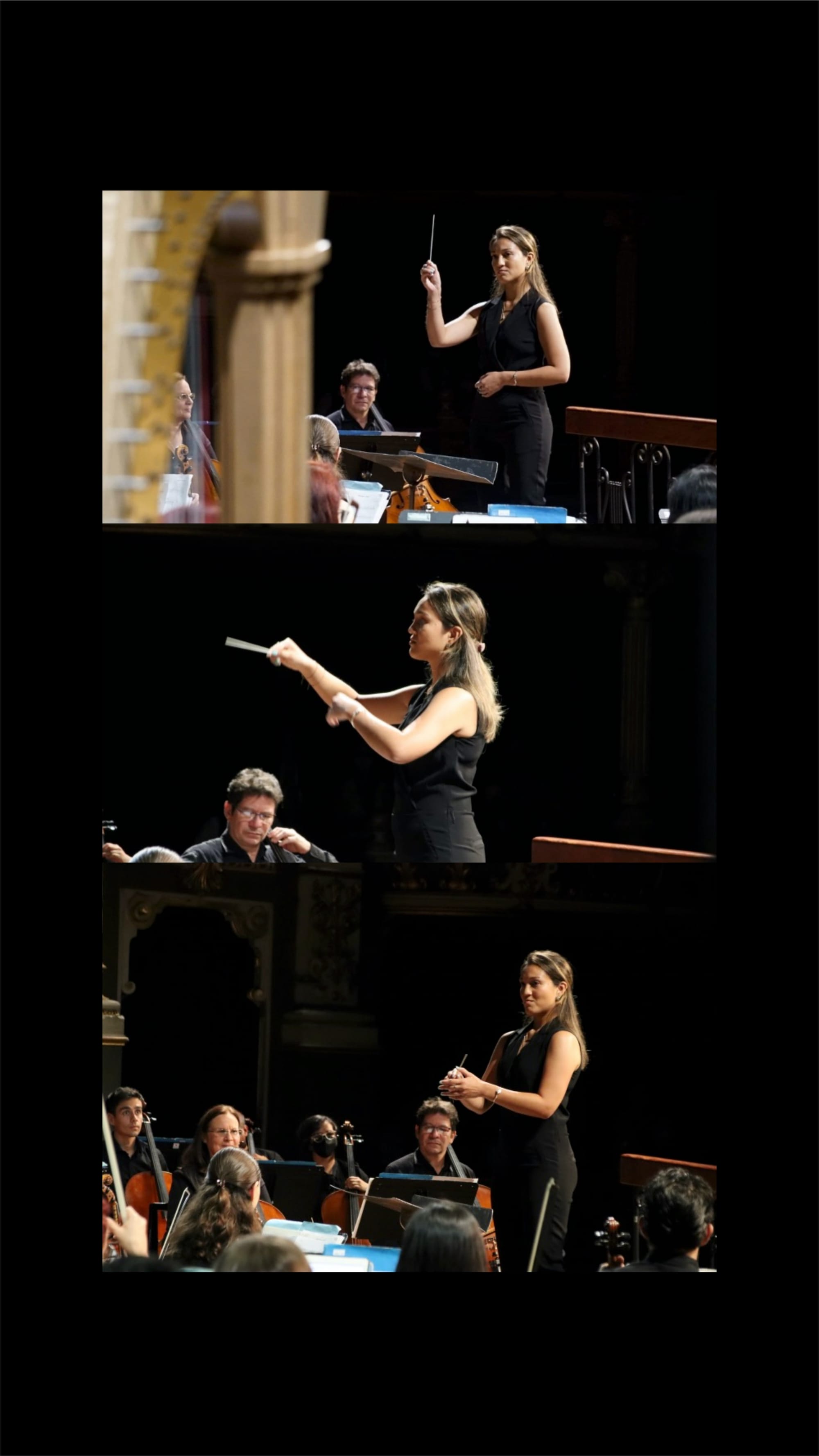
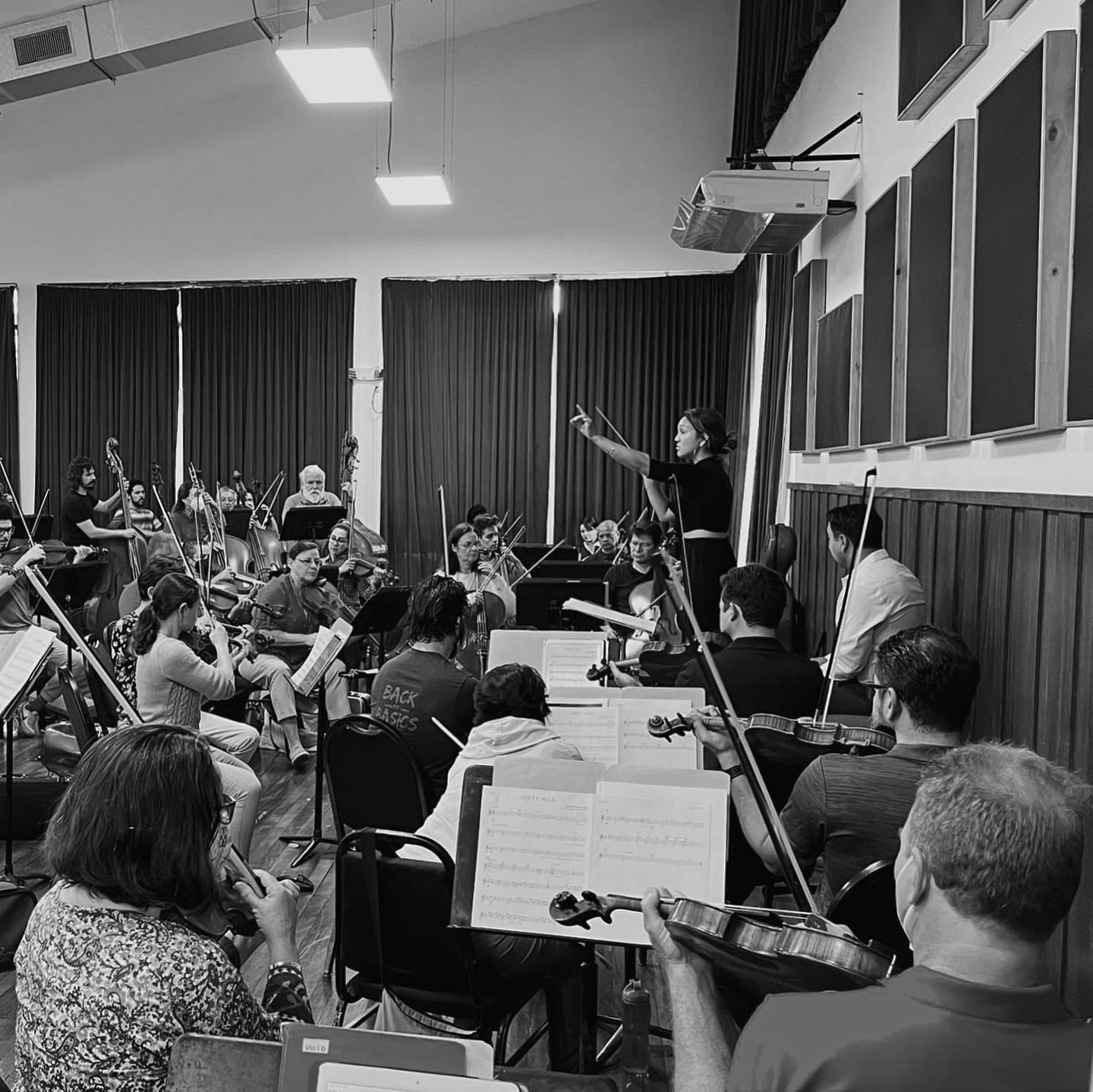
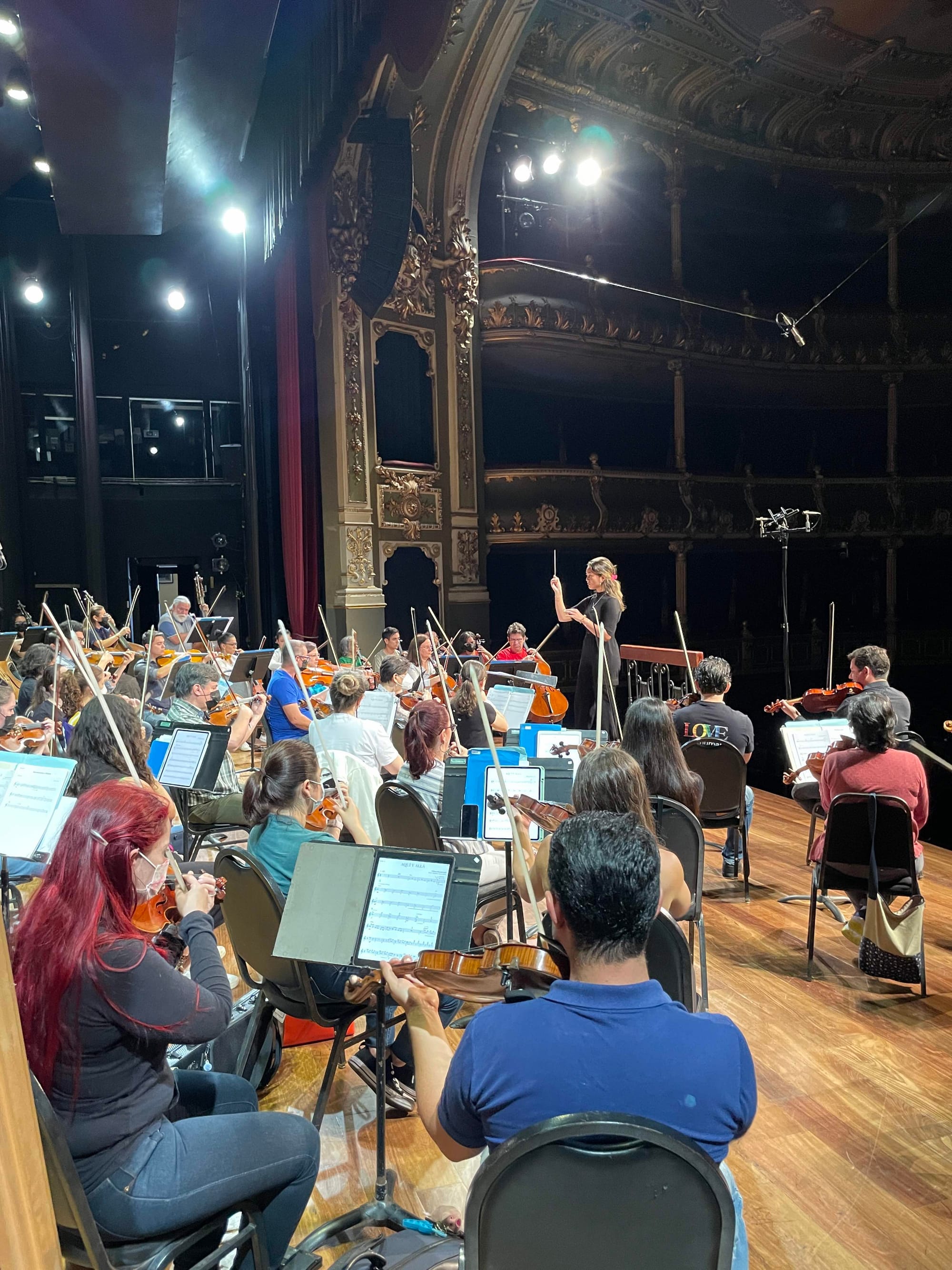
Tiffany Román Louk conducting the National Symphony Orchestra of Costa Rica with her piece "Aquí y Allá" in San José, Costa Rica at the National Theater (left and right). | Photos courtesy of Tiffany Román Louk | Impulsiva Stories
And you can listen carefully to Román Louk’s passion for creating music in whatever environment and context she’s placed in. You can listen to her neoclassical piano that sees no limitations in her explorations and experimentations because she always keeps her mind open to whatever comes her way in whatever shape and form.
Nadie Sabe on the Piano with Bad Bunny
One of those opportunities that completely changed her career’s path was performing live with Bad Bunny for his “World’s Greatest Tour” in 2024.
It all began when his management team reached out to Román Louk via social media to see if she was available to play the piano for one of his projects. She did not know what it was all about.
“I simply said yes. One hundred percent. I’ve always admired how he’s taken Puerto Rico’s music to other places, so it was a super surprise and having the possibility of being part of it,” Román Louk said laughing.
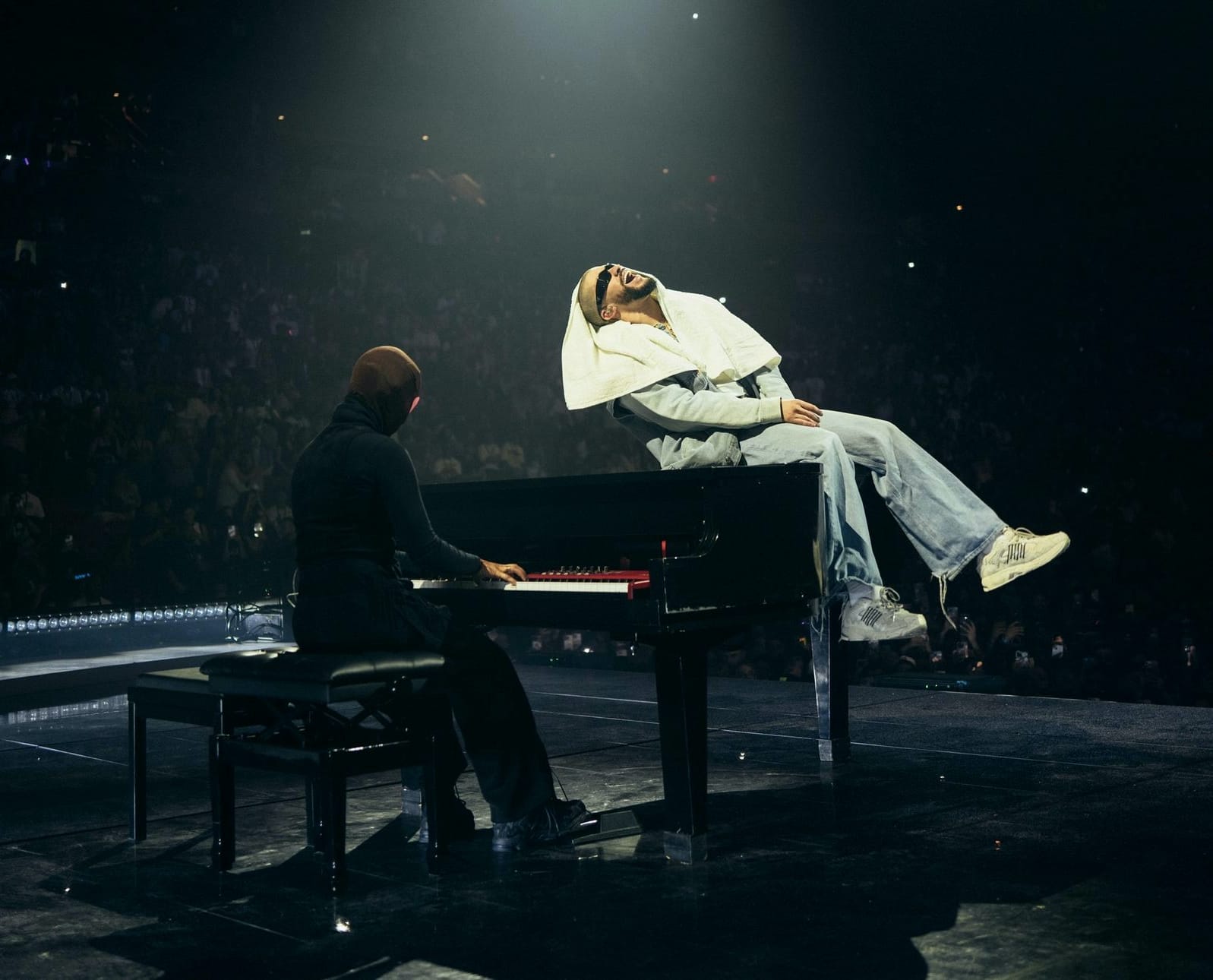
She then auditioned and basically had to prove she could get the job done. She had to create musical arrangements for several of Bad Bunny’s songs including “Amorforda,” “unx100to,” “La Canción,” “Callaíta,” “Vete,” and “Si Veo a Tu Mamá.”
She sent the audition video back to the team and then, Bad Bunny took some time to make the decision. She received the acceptance and it was a huge surprise for her. It was also a major opportunity to experiment on a deeper level with music in a different context.
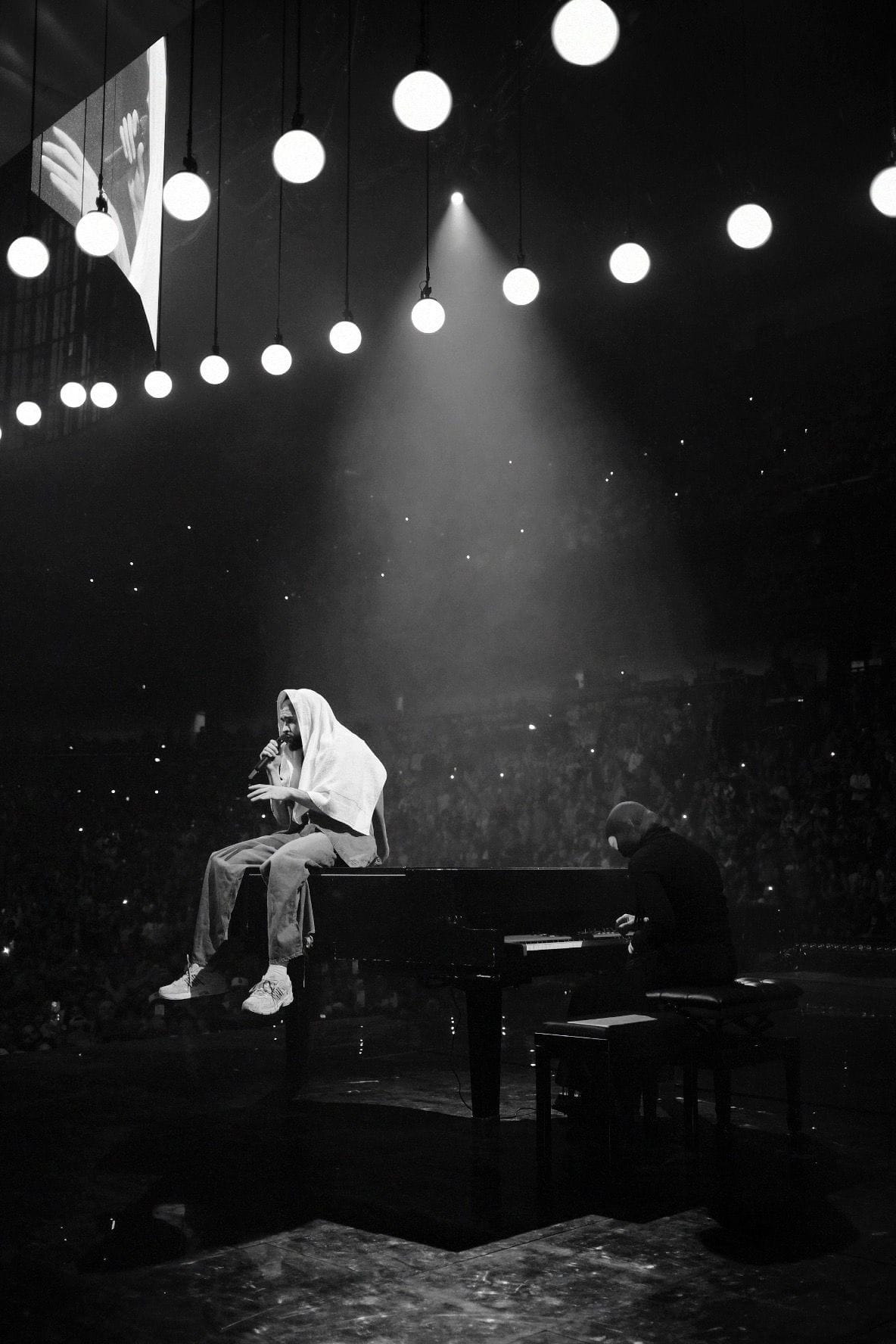
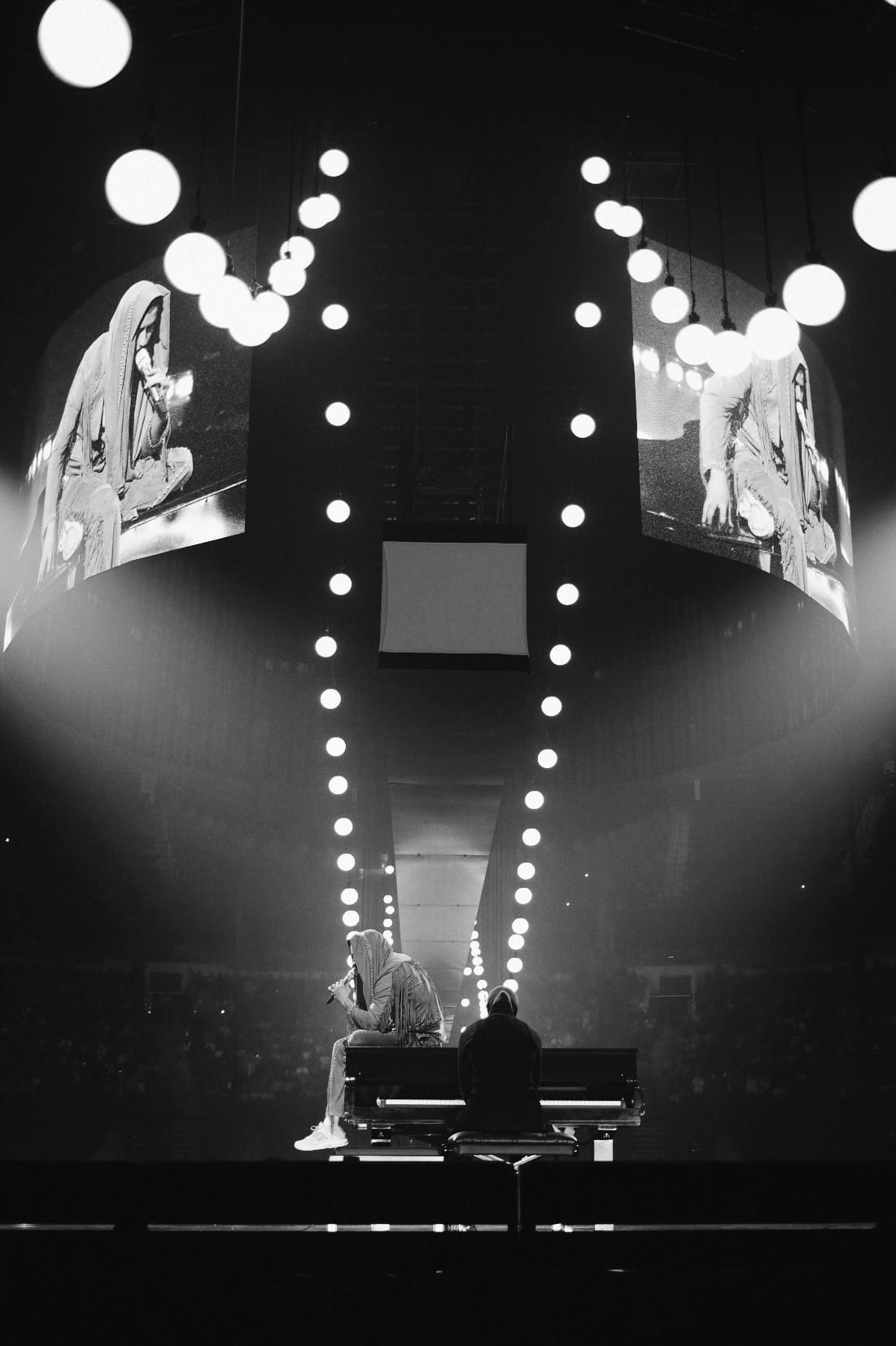
Tiffany Román Louk performing live with the piano on stage with Bad Bunny. | Photos by B Static. Courtesy of Tiffany Román Louk. | Impulsiva Stories
But the process to perform these songs was no different to what she’s been doing since her childhood and adolescence. It’s all based on listening to a song. She then goes to the piano, and plays the chords and melodies.
Even though it’s the same process she’s been doing for quite a while, it leaves you wondering about how she translates reggaeton to her neoclassical piano.
Or maybe, how she creates her own neoclassical reggaeton.
“I base it on the bass and melody that he’s singing vocally. So, I go to the piano and it’s simply about listening. Then, mimicking it on the piano. Choose the tempo,” Román Louk said. “Sometimes these songs are faster. So, I go to the piano to slow down the tempo, which makes them a bit slower and changes the mood.”
Listen to Tiffany Román Louk
0:00
/46.613333
She slows down the tempo, and at times it feels like you’re in a fancy hotel restaurant enjoying a delightful meal and listening to wonderful music with great company. This experience that Bad Bunny and Román Louk created for the audience happened at about fifty dates in the United States and Puerto Rico.
It was a pretty easygoing process between Bad Bunny and her. He was the only person she could speak with because it was set up as a soloist pianist accompanying Benito. In each show, the experience was improved for the fans and they kept adding songs. Pieces like “Vete” and “Si Veo a Tu Mamá” were added to the setlist as the tour went by.
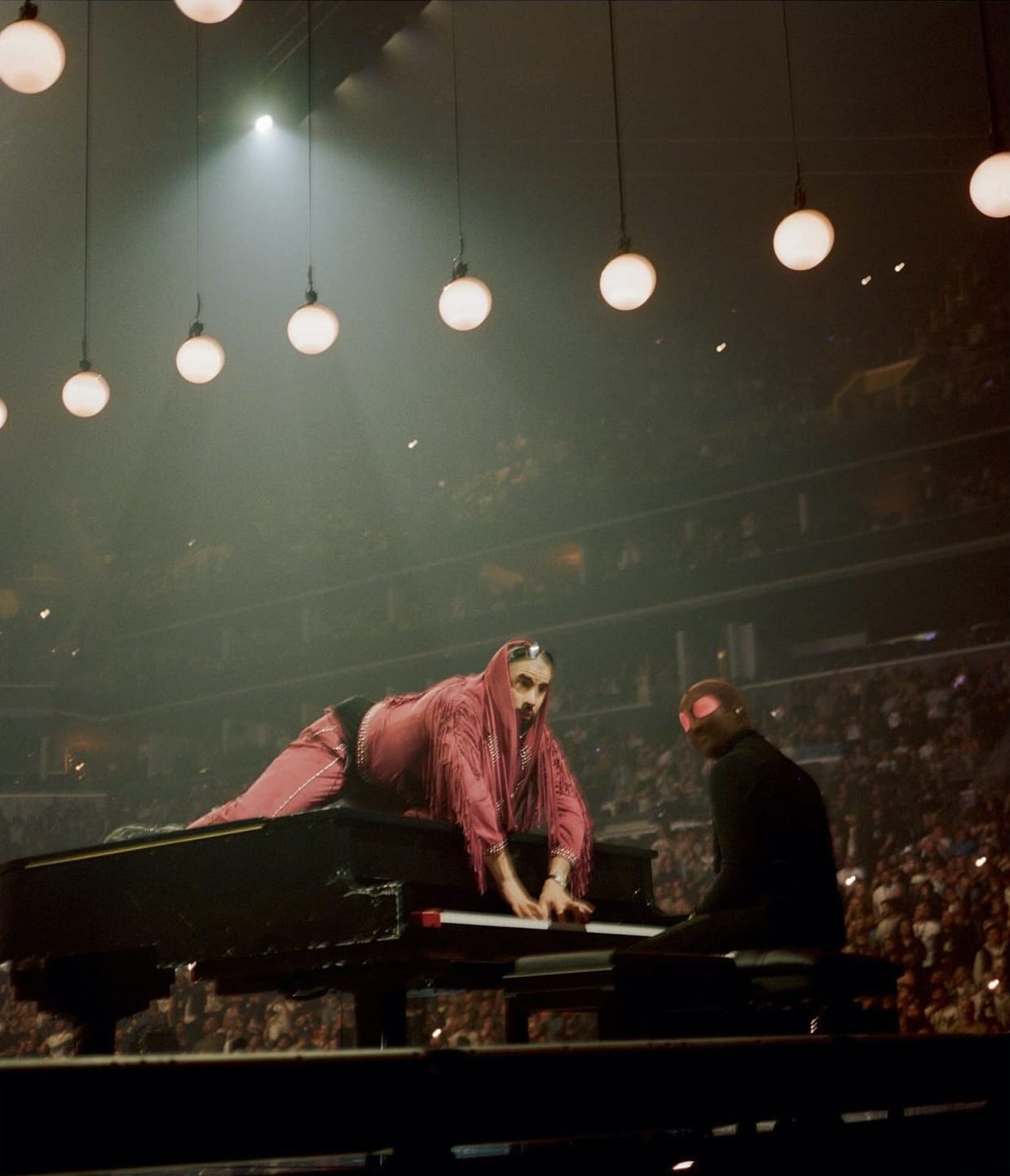
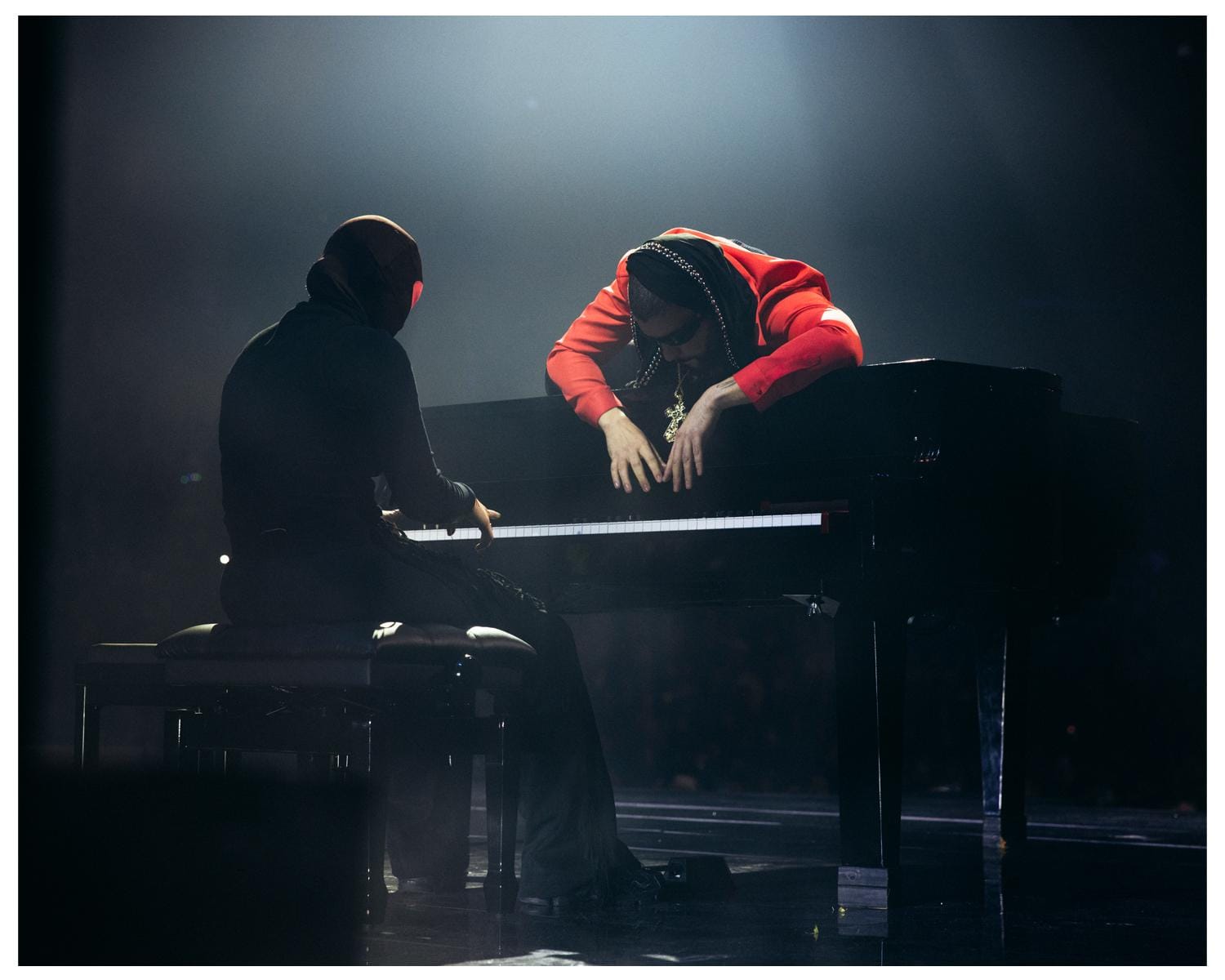
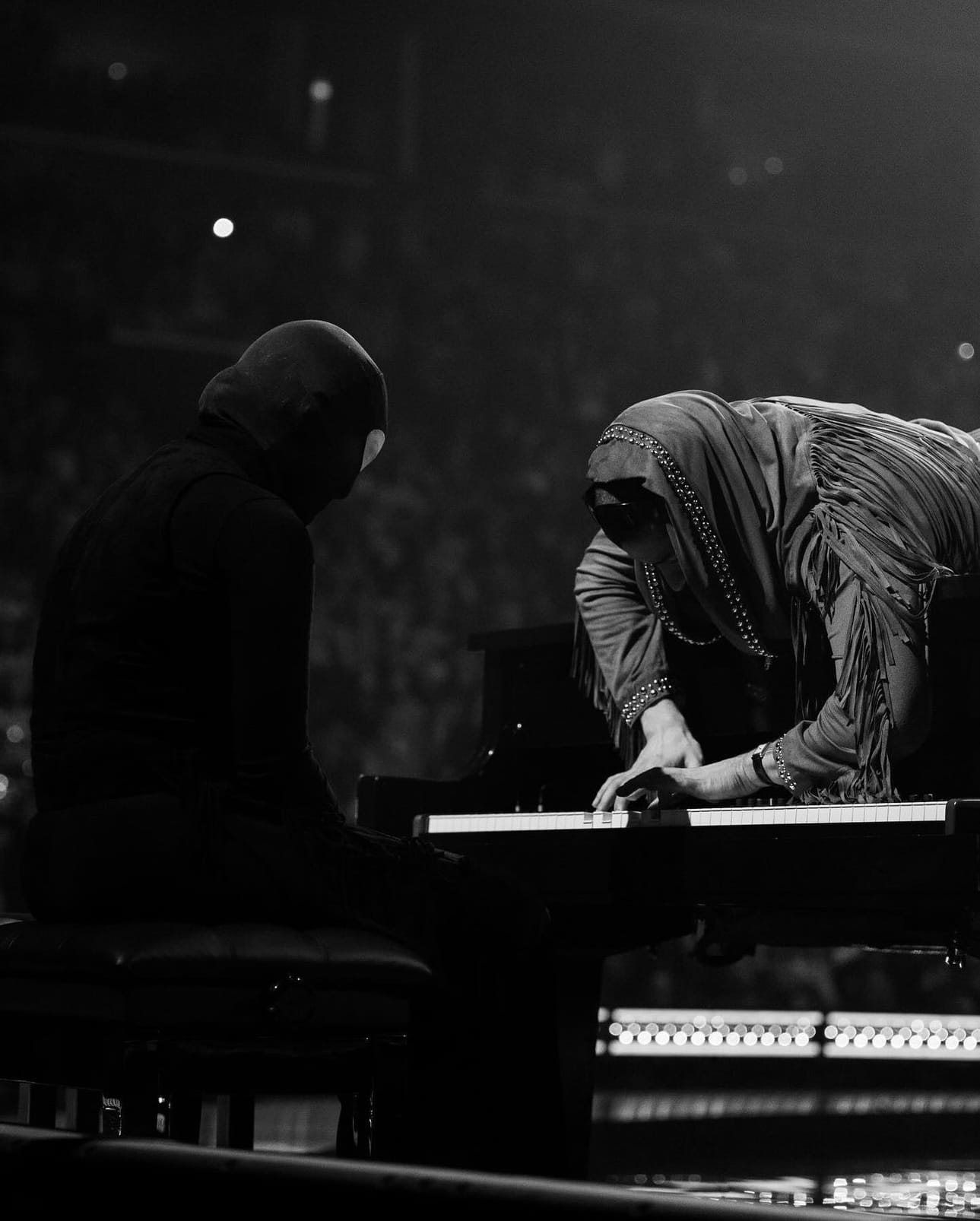
Tiffany Román Louk and Bad Bunny in "conversation" during the live concerts. | Photos by Harold Camilo and Jomo Dávila. Courtesy of Tiffany Román Louk. | Impulsiva Stories
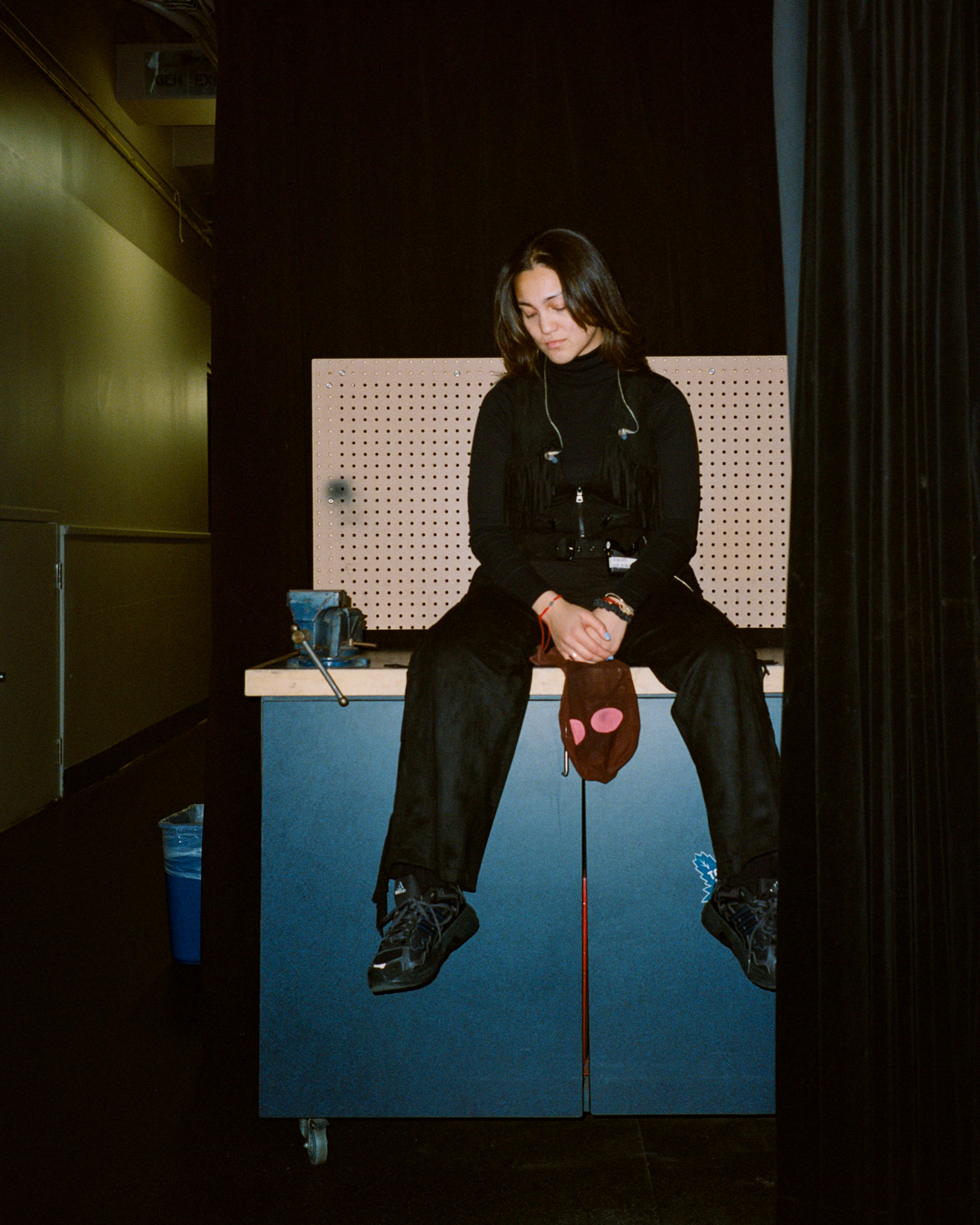
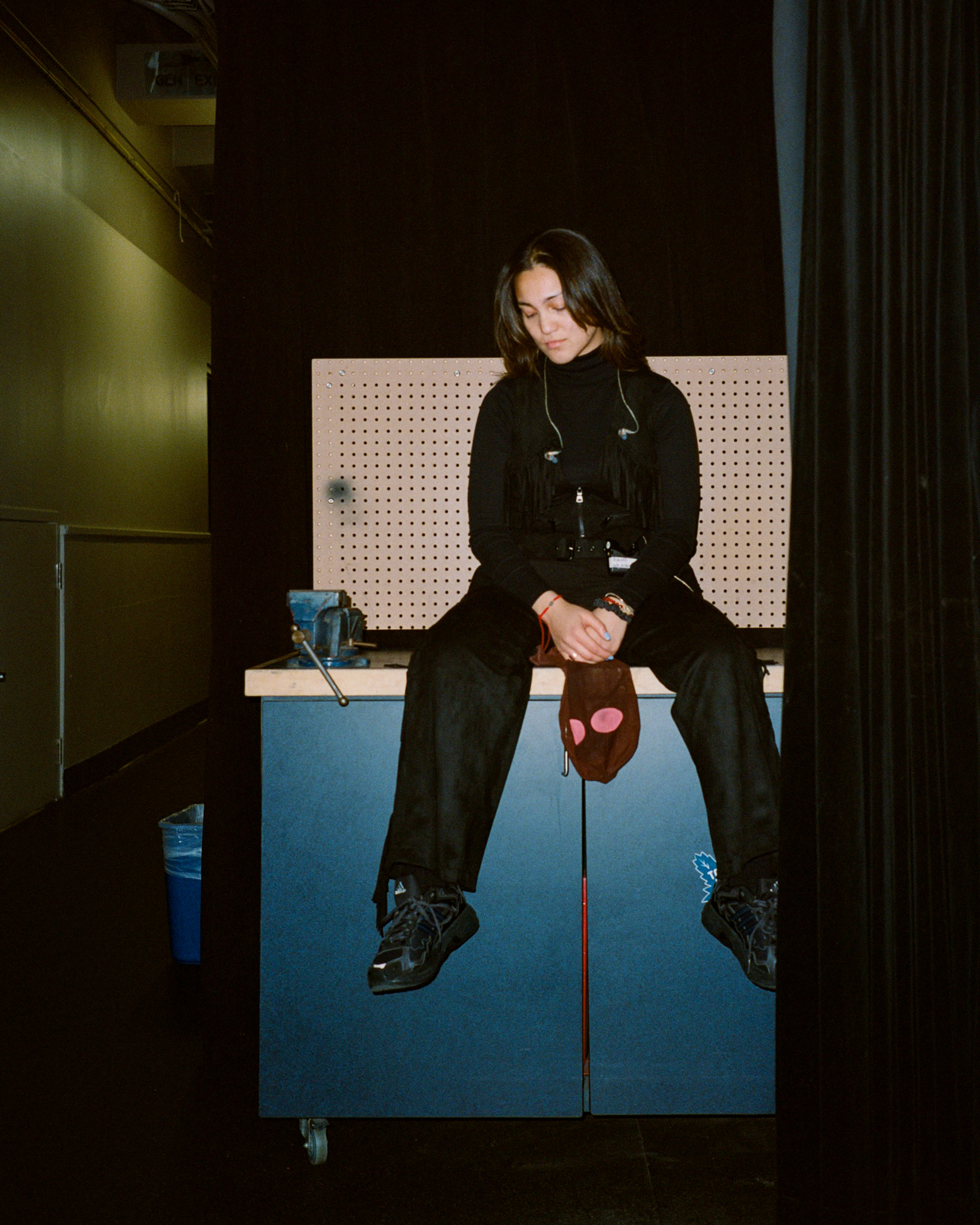
They wanted to experiment more and more. It all depended of the public’s response to a very specific performance. It was an ongoing conversation between Bad Bunny and the piano’s responses since Román Louk was all dressed up in a mysterious costume with a mask. Her identity was unknown throughout the tour until the last show in Puerto Rico, where they finally revealed her to the audience in an almost-Spiderman manner.
“It was quite easy. They simply gave me an outfit and I accepted it with lots of care. I loved it because you could feel the mystery. Nadie sabía,” Román Louk said. “I’d go to the stage and then leave and no one knew. I’d hear [people saying] that it was unknown if it was a man or a woman.”
When the fans found out that the mysterious pianist was a woman, it was a great surprise full of excitement. She always handled the character as her alter ego with no name that no one knew about.
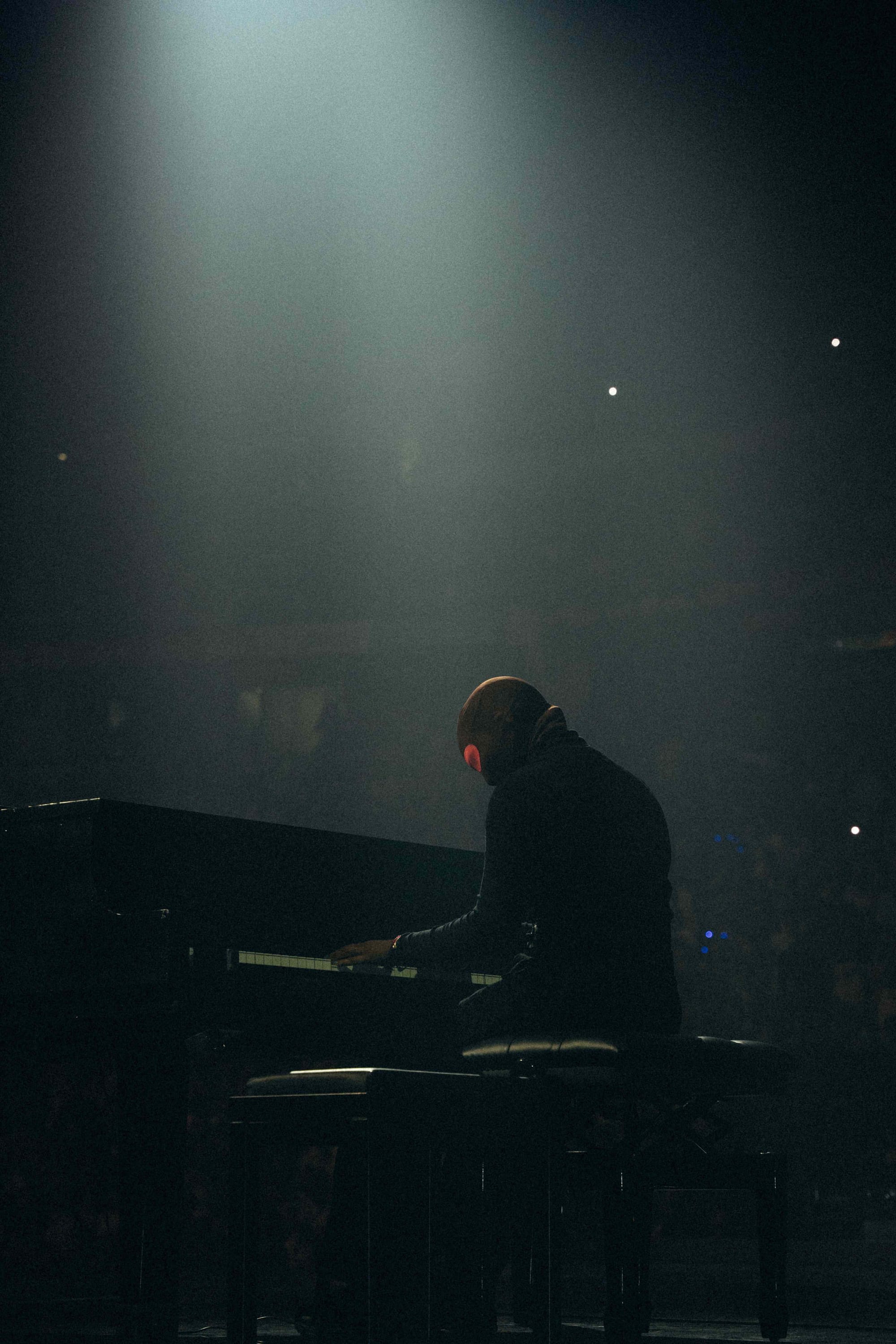
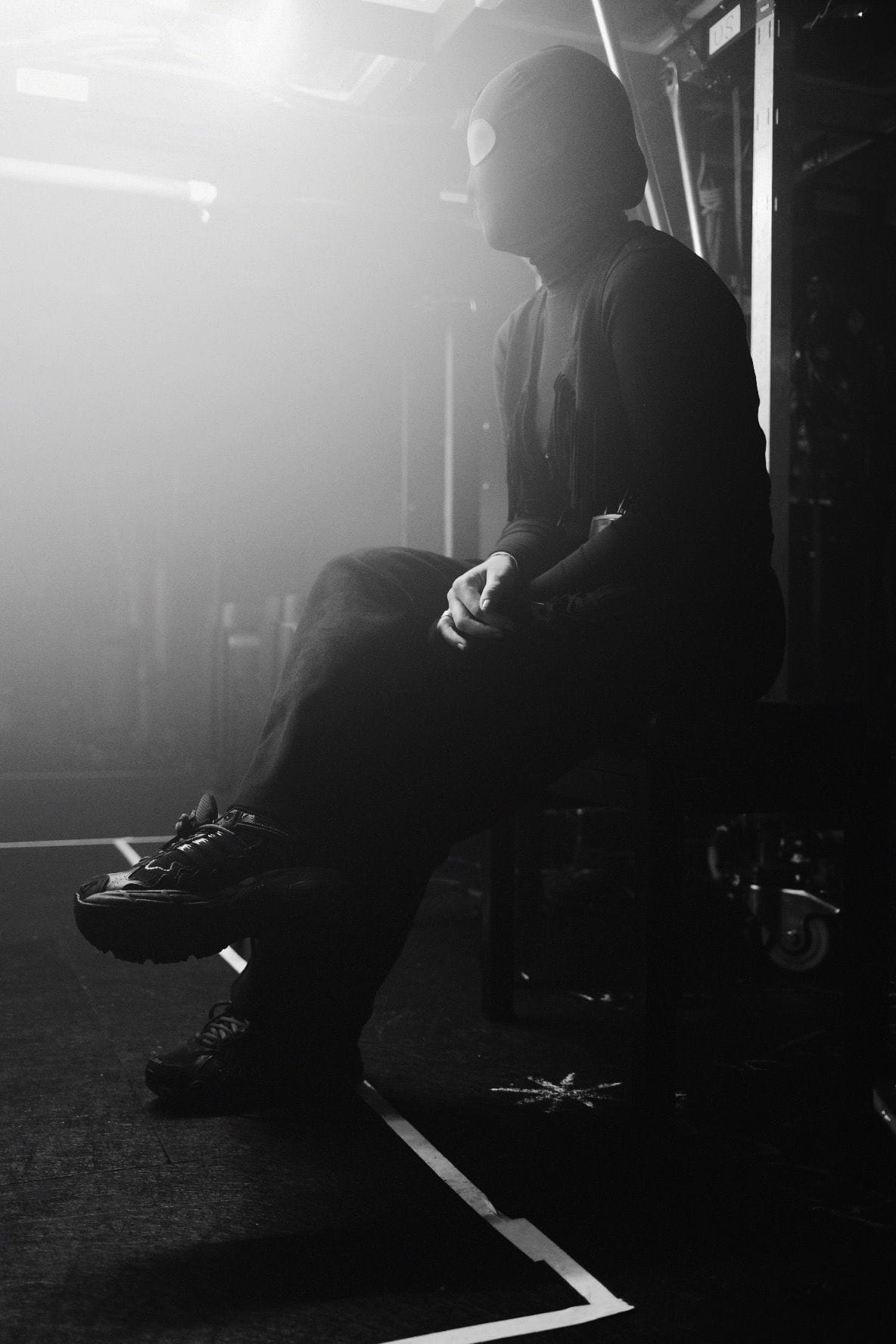
Tiffany Román Louk in character with the mysterious outfit that nadie sabe. | Photos by B Static. Courtesy of Tiffany Román Louk. | Impulsiva Stories
The mystery and intrigue generated a new experience for the audience. One in which Román Louk constantly heard that the piano section was the favorite part for some of the fans. Mainly because the songs translated to the piano, are some of the most heartbreaking ones in Bad Bunny’s repertoire.
Román Louk noticed that since they performed on the piano, people sang and screamed their lungs out to them. They’d even cry because there was a lot of emotion and it was a really special moment.
“Since it’s in piano, the perreo intensity lowers, but by being in that format, it brings a different aura,” Román Louk said laughing.
Listen to Tiffany Román Louk
0:00
/40.853333
One might say that the perreo sort of becomes a slow dance. It becomes a whole new world, but it only demonstrates both Bad Bunny and Román Louk’s versatility in translating such a fast-paced music genre like reggaeton into a neoclassical piano. Merging it into one perfect sound defying what’s expected of both popular and academic music.
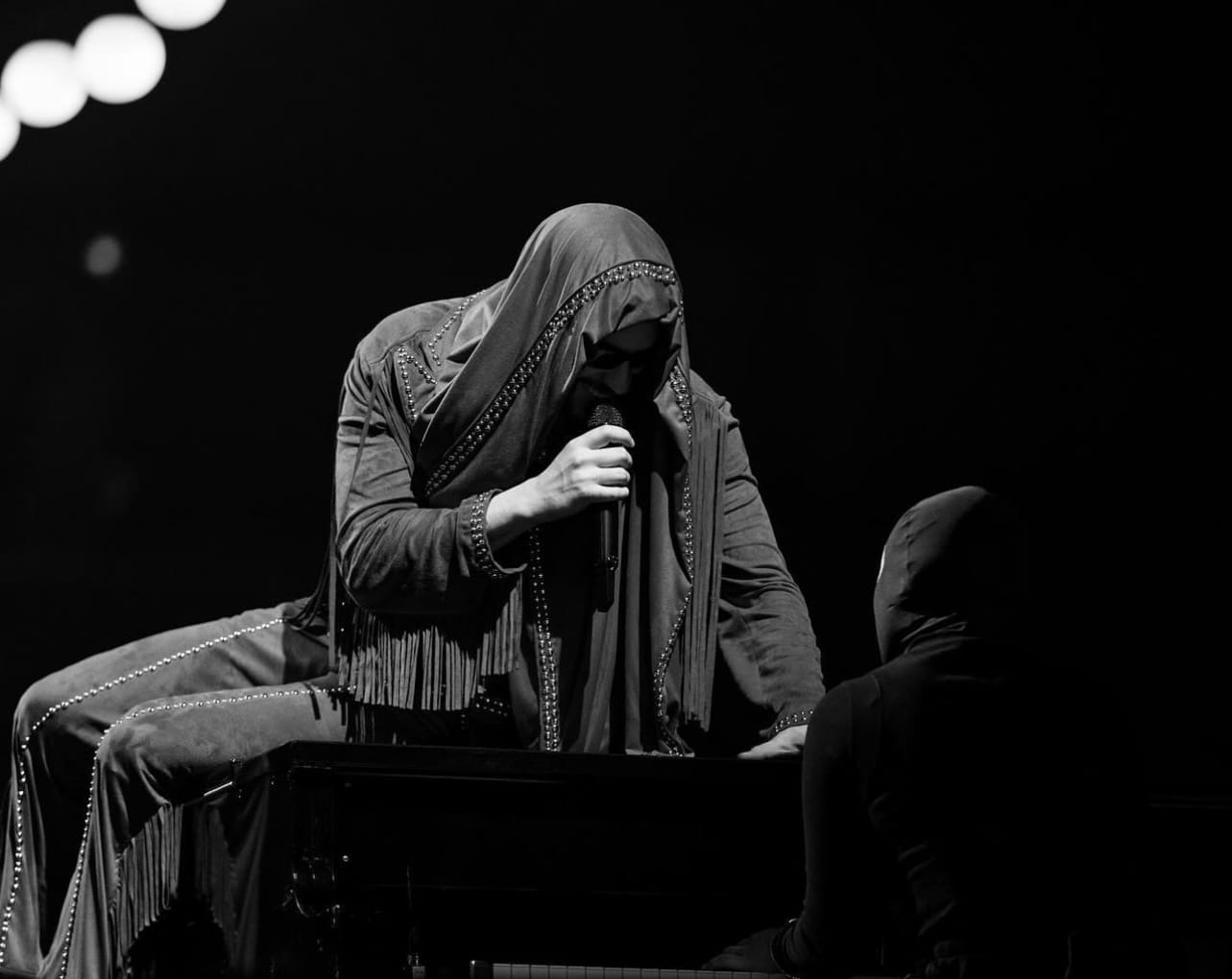
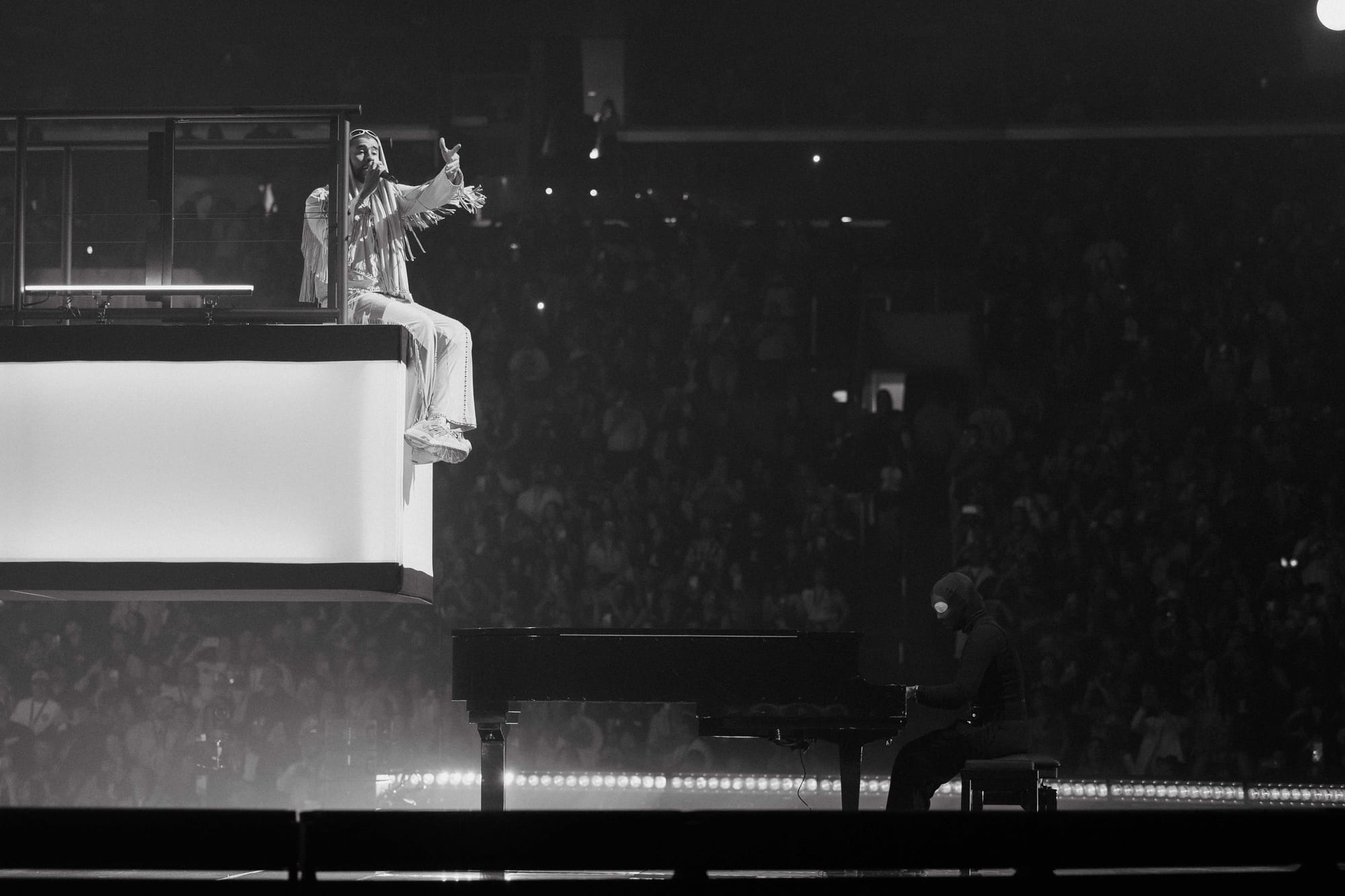
Tiffany Román Louk performing live with the piano on stage with Bad Bunny. | Photos by Jomo Dávila and Eric Rojas. Courtesy of Tiffany Román. | Impulsiva Stories
That’s why Román Louk feels extremely honored to have been in charge of one of the multiple versions of the song “Callaíta.” A piece that is a major global hit with its original version. A song that became more emotional for the audience with its piano. And a song that is currently being performed in its salsa version during Bad Bunny’s “Debí Tirar Más Fotos World Tour.”
“It has its own world and it can keep evolving. I’m super honored of being part of the more laidback and classic part of Callaíta. It has another type of emotion,” Román Louk said. “The salsa version is also very good.”
Listen to Tiffany Román Louk
0:00
/29.405333
But you might still be wondering how reggaeton became neoclassical in Román Louk’s process. That’s because she believes that anything can be experimental and still be part of the same world. She said Benito demonstrated it during that tour when he brought in the piano and the classical music with a live orchestra.
Both the piano and orchestra became part of the reggaeton world.
And there’s also a very obvious relationship between reggaeton and the piano for Román Louk. Sometimes reggaeton producers begin their processes with the piano. With the midi keyboard that’s connected to the computer. They play the melodies and she strongly believes there’s a world for the piano in reggaeton.
“What happens is that when one listens to reggaeton, one might think that it maybe was done in a different manner,” Román Louk said. “But I feel they can be both in the same world.”
Not only did this particular experience allow her to explore and experiment new worlds that usually would not collide, but it also opened a lot of doors professionally. It allowed her to dive in on a deeper level into her neoclassical reggaeton.
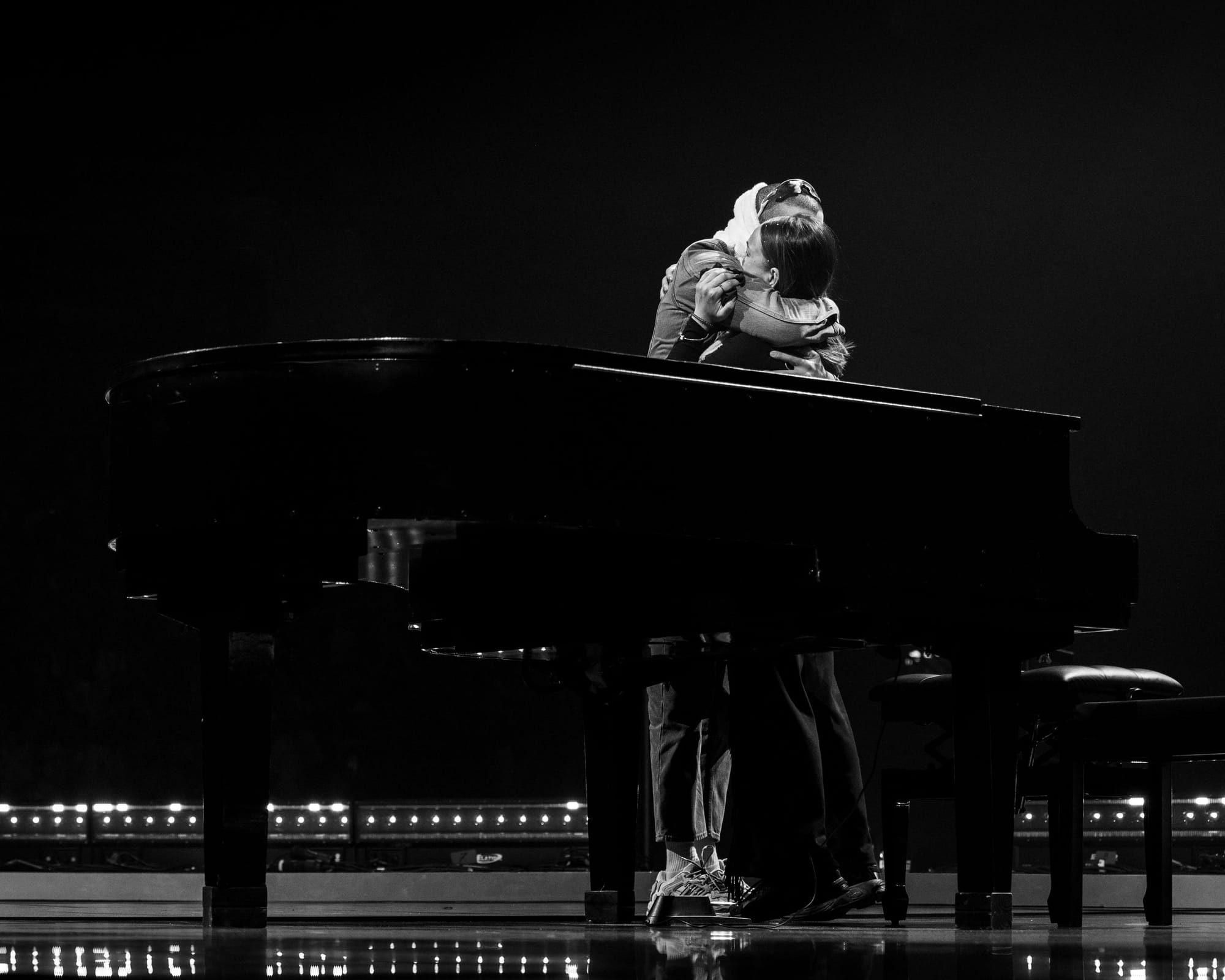
A neoclassical reggaeton and piano that are expressive arts full of magic that define her existence and way of being. It’s also a neoclassical reggaeton that has led her to multiple spaces she’s always dreamed of.
“It still surprises me. This project I was part of two years ago, has paid off. I’ve been able to be in rooms I never imagined being in. I’ve collaborated with people I dreamt of collaborating with and I’ve also kept playing in other spaces,” Román Louk said. “It’s been life-changing.”
To learn more about Tiffany Román Louk’s neoclassical reggaeton, you can follow her on Instagram at @tiffanyromanlouk. Stay tuned next week for PART II, where we’ll explore how Román Louk finds the magic in collaborating with other artists.
Written by

Subscribe to my newsletter
Subscribe to my newsletter to get the latest updates and news