Comparsa PART I
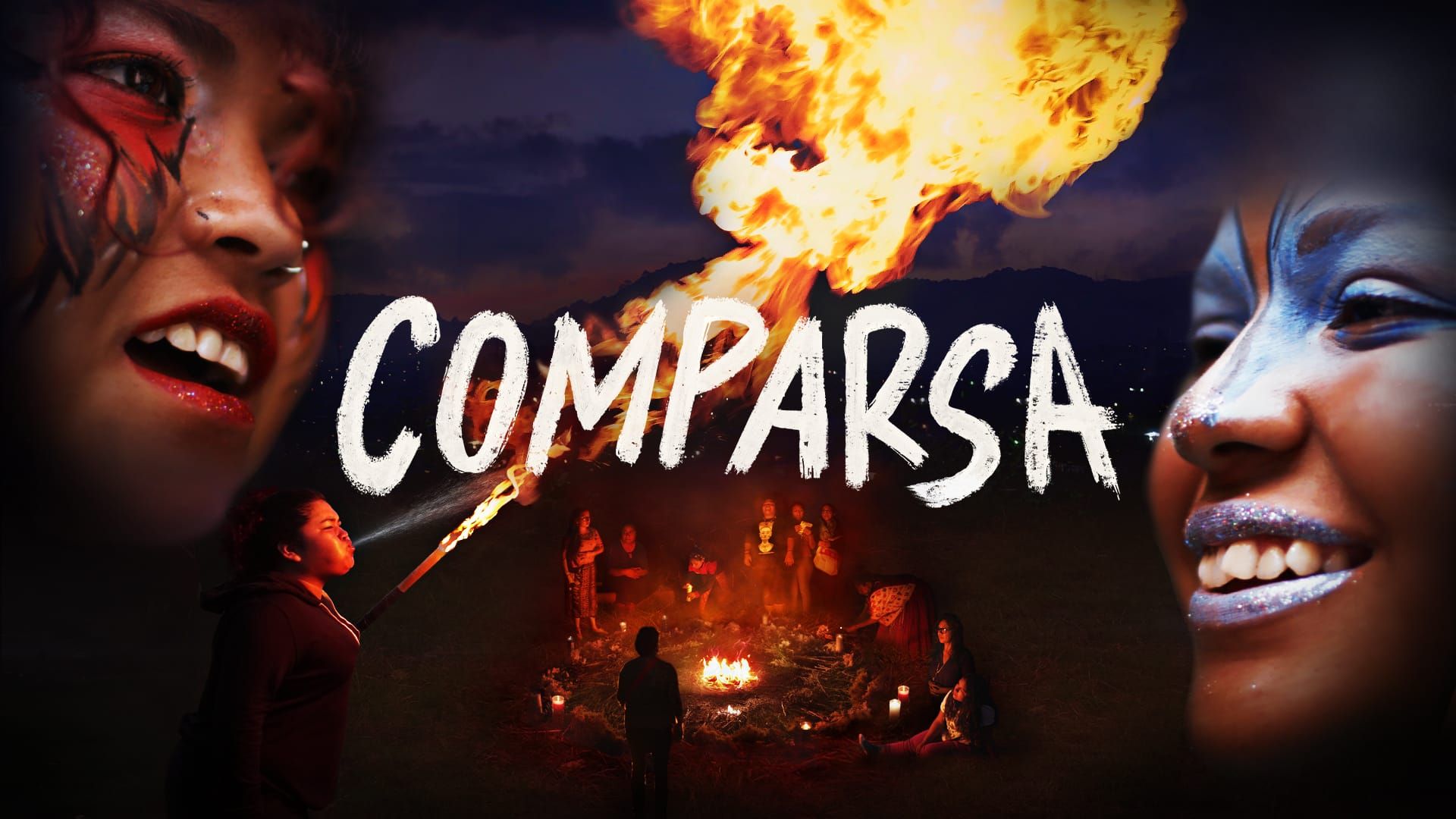
The documentary film "Comparsa" is carries a rich cultural exchange between its team from the U.S. and its Guatemalan protagonists.
PART I: Comparsa’s Cultural Exchange
To read this story in Spanish, click here.
Throughout time, the lifelong friends Vickie Curtis, Doug Anderson, and Anna Hadingham always kept in touch, no matter where they were at in life. For a very long time, Curtis kept listening to Hadingham's move to Guatemala from the United States. Hadingham talked to them a lot about a youth movement that was burgeoning in Ciudad Peronia, located on the outskirts of Guatemala City.
Hadingham was working there with the organization Peronia Adolescente and befriended people from the community, but her work kept ruminating around Curtis’s mind for an entire decade. It was always there on the back of her mind.
“I had been hearing about that work in Guatemala for a long time. It dawned on us through this conversation that they were really looking for ways, this group of people in Guatemala, to get more attention,” Curtis said. “To get their work to more people and empower more young people to find creative ways to do civic engagement work.”
When Curtis was told about this, she had recently come out of working as a writer on Netflix’s documentary film “The Social Dilemma,” with which she won an Emmy award. While working on that film, she’d been exploring how the fabric of society had been torn apart by technology and the economic exploitation of social media.
Don't Forget to Subscribe to The Story of The Story
For only $16 a month, every Friday you'll have exclusive access to The Story of The Story. Our founder, the Costa Rican award-winning multimedia journalist and artist Elizabeth Lang, guides you through her creative process to produce her stories.
Buy HereRight after that, she was on the lookout for a very specific story about people working on the mending of society from the violence and exploitation that has become so normal in many places around the world.
And that was when the lightbulb turned on.
“It dawned on us that maybe the folks in Guatemala would like to make a film with us. That’s how Anna and another good friend of mine, Doug Anderson, my co-director on this project, and I, that’s how we came to the idea for the film Comparsa,” Curtis said.
Listen to Vickie
0:00
/16.620417
This then began an extremely successful and ongoing collaboration between the award-winning filmmakers, their lifelong friend Hadingham – who is a producer on “Comparsa” – and the community of Ciudad Peronia. A cultural exchange between the U.S. directors and producer with the marvelous Guatemalan people of Ciudad Peronia began sprouting.
The Changemaking Power of Documentary
But before diving into this profound cultural and human exchange, we must first get a grasp on what documentary filmmaking means to Curtis. Her approach to this genre of filmmaking comes from a more unconventional perspective. When she taught high school students in the past, she was looking for an engaging way to build a curriculum for young people to explore their own curiosities and build their skills.
While teaching, she noticed that theater was a great way to bring people in to history, literature, and social sciences. It was a different way to create engagement with the students. Then, when she was pursuing her Master’s in Fine Arts with a focus in writing and crafting stories, she met a documentary filmmaker in Colorado, where she currently lives.
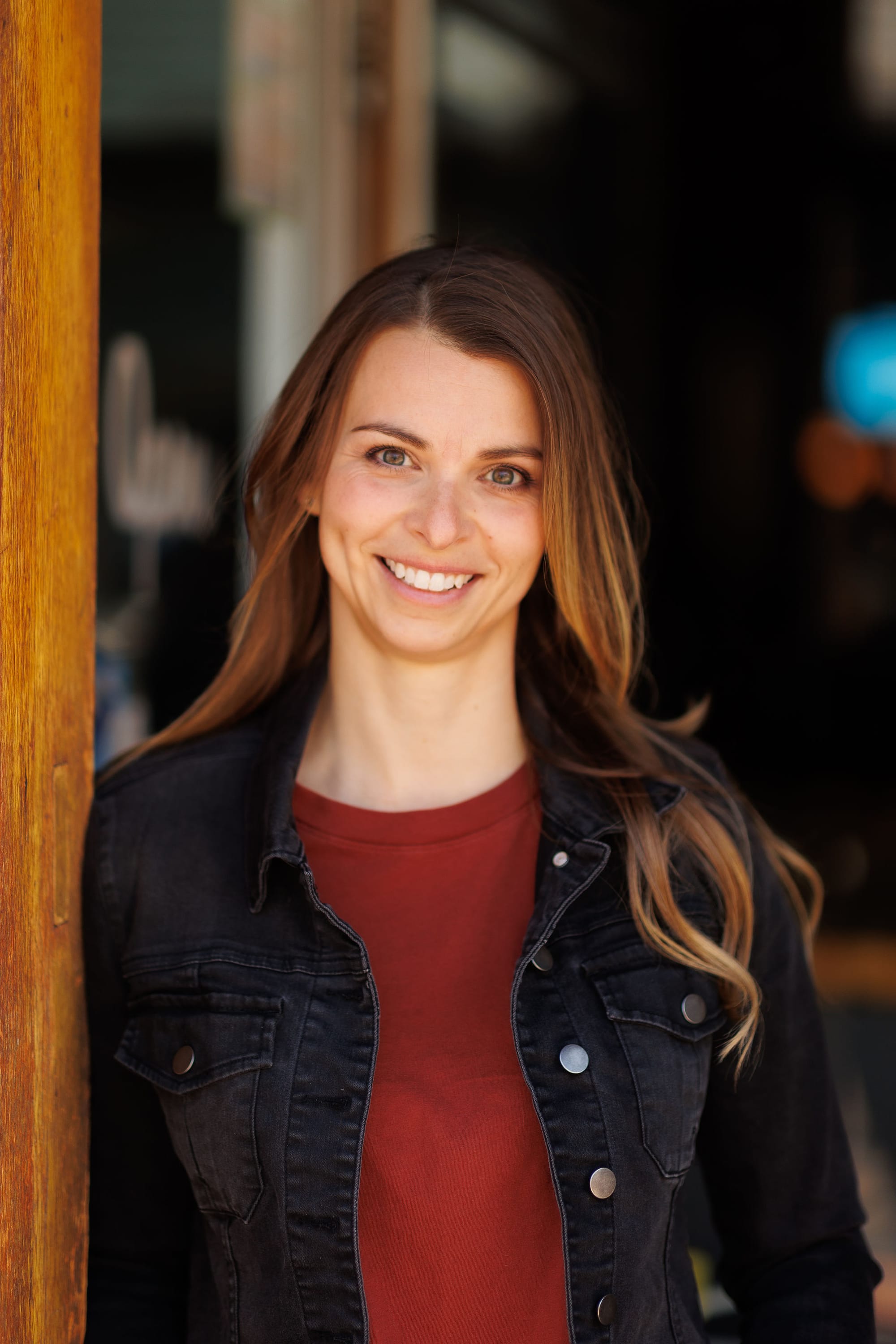
That was when she started noticing that documentary filmmaking can have a more-like dramaturgical story and storytelling structure. There, she started understanding better the role of a documentary film with its audience.
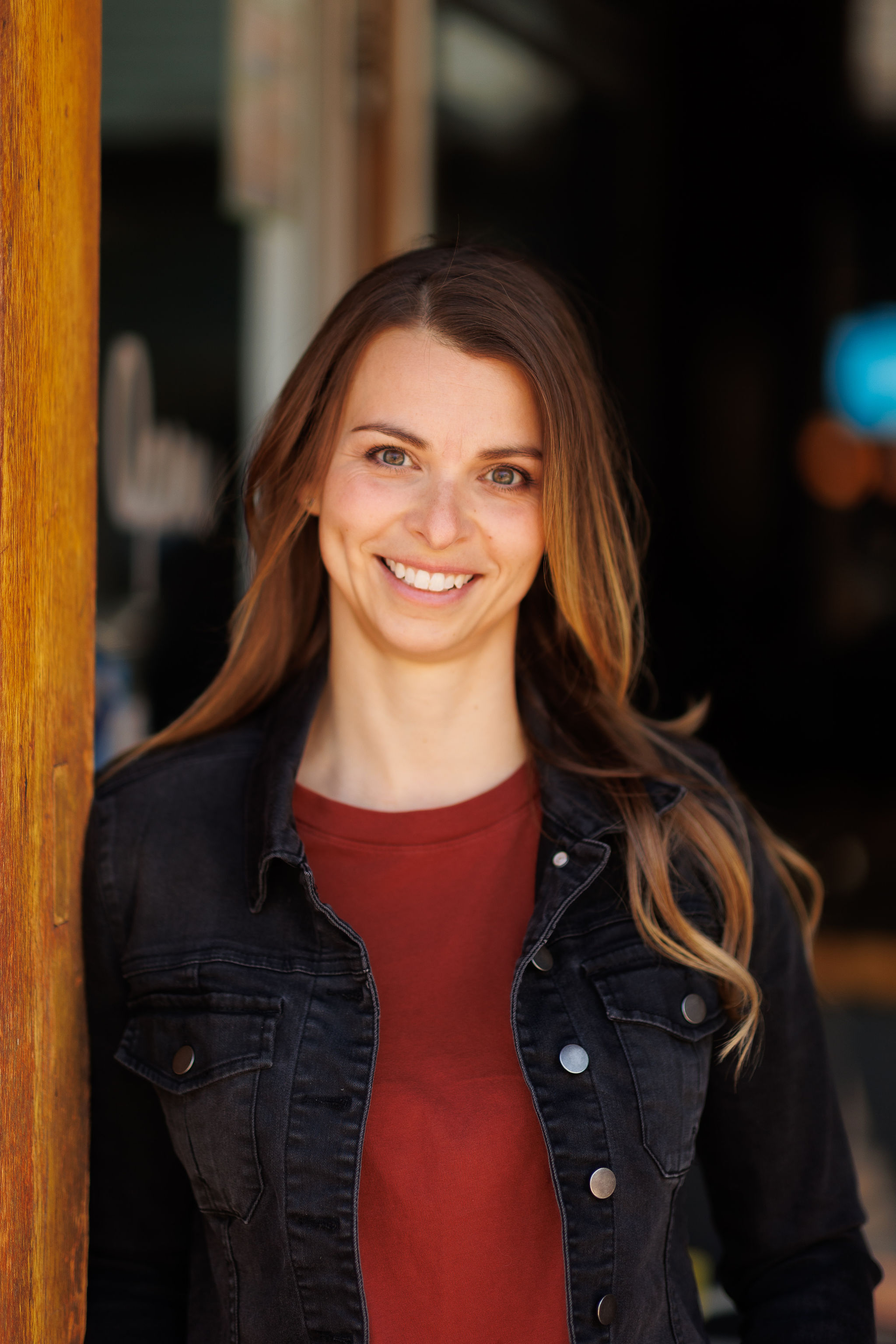
“Documentary is an entertaining approach into a better understanding of someone else’s perspective, into a part of the world you’ve never visited, or into an issue that you maybe don’t have a deep knowledge about,” Curtis said. “And so, I think documentary can provide a doorway for people into deepening their understanding outside of their immediate experience.”
Listen to Vickie
0:00
/27.105917
There, she found a parallel into her original interests when teaching high school students. Curtis began understanding the role of a documentary as a tool to create a narrative change work. A film for impact that can change outcomes, people’s minds, and policymaking. This impact can also open people’s perspectives by revealing deeper truths.
It can challenge dominant narratives and help people expand their minds in order to think about the actions they might take or what policies might actually better serve humanity. To create that change through a documentary, Curtis has also found the art in the craft. In order to really move people with a strong compelling story, taking an artist’s approach is key. It’s a craft and work focused on finding beauty and an elegant way to put forth an idea or an image.
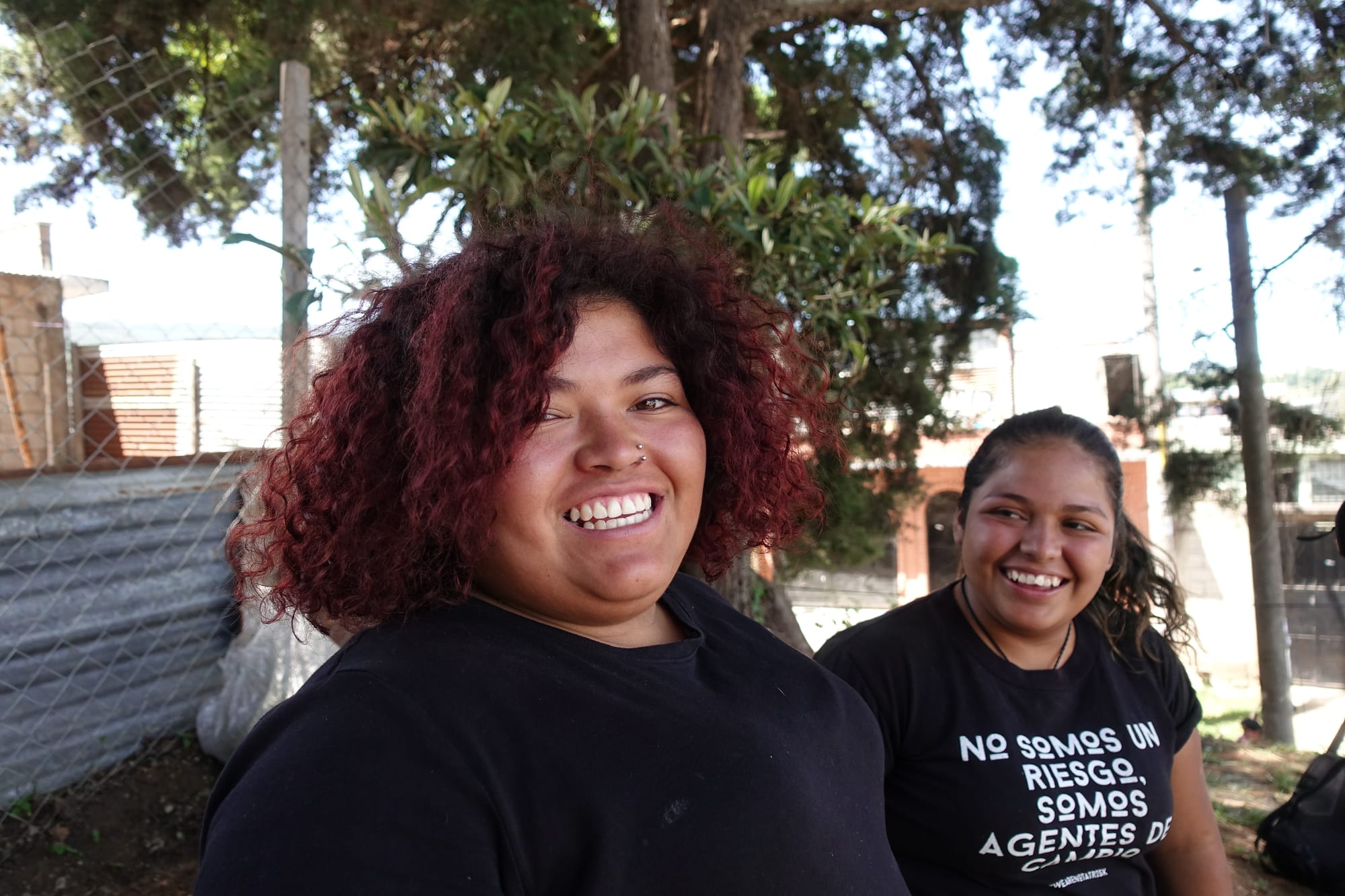
This artistic approach with an extremely strong impact is quite present in “Comparsa.” It tells the stories of the sisters Lupe and Lesli Canela Pérez in a very captivating manner. Simply by watching it, you can really grasp and notice the collaborative approach to create the film.
The Collaboration for a “Comparsa”
After Curtis and Anderson spoke with Hadingham about the idea of doing the film, they traveled in 2019 to Guatemala to do a developmental shoot to explore possible stories there.
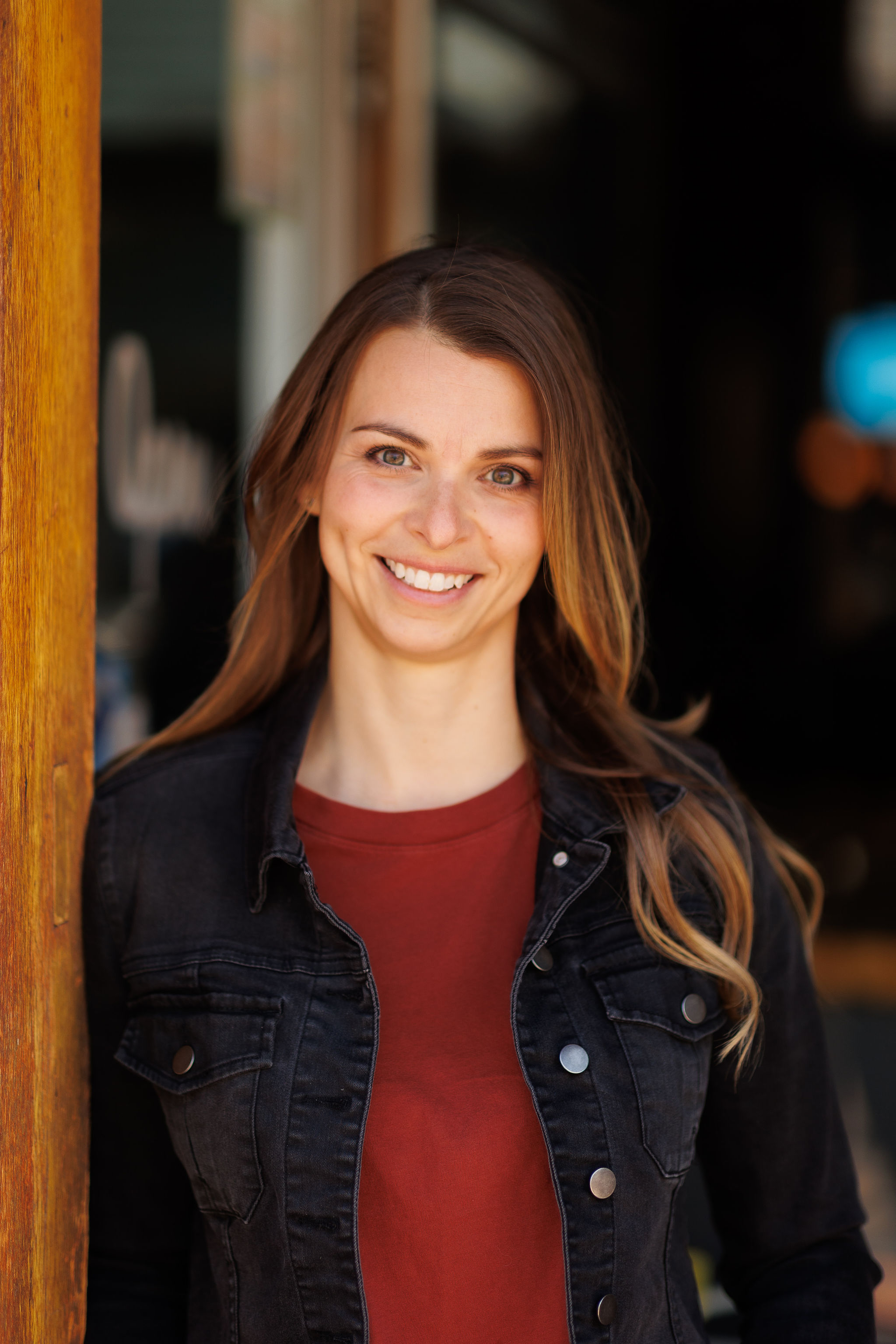
“Doug, Anna, and I went with a cinematographer named Sebastian and Anna really was like: oh, I think you guys are gonna really want to meet and interview and focus on these two young women Lesli and Lupe because they’re coming up through the youth organization as the emerging leaders,” Curtis said.
Listen to Vickie
0:00
/32.766
Hadingham told Curtis and Anderson that Lesli and Lupe were wise beyond their years. That they’re funny, interesting, have lots of skills, and know how to get to the kids in the youth movement activated.
The moment they met Lesli and Lupe, the young women were very enthusiastic about collaborating with them. They were, indeed, wise beyond their years and so much fun to work with because of the vision for how they wanted to share their story. Meeting them cemented, for Curtis and Anderson, the conviction of really going all in to spend their time, effort, and money trying to make “Comparsa” happen.
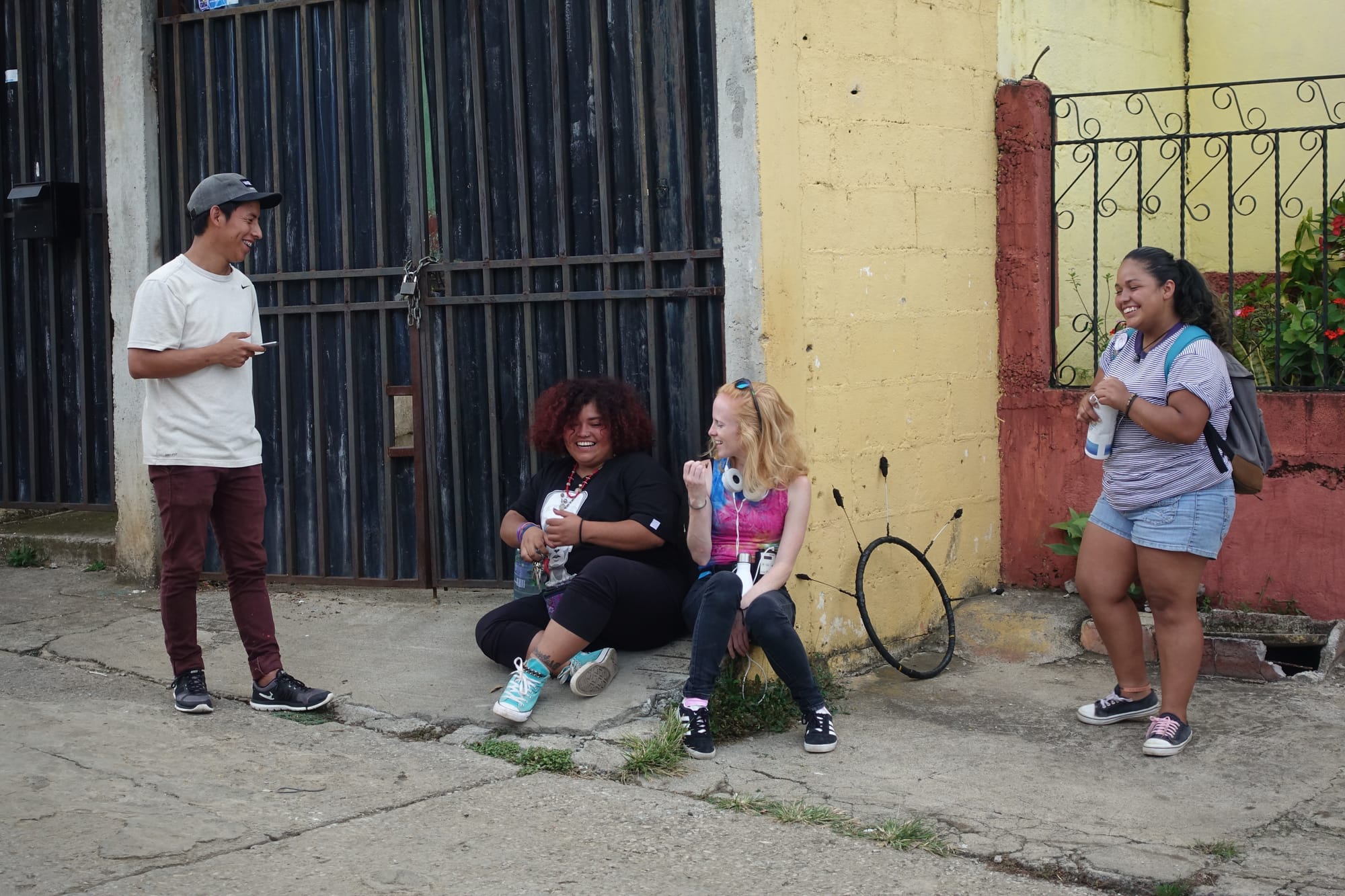
A film built on lifelong trusting relationships began paving its way through. Hadingham was the glue between Curtis and Anderson, and Lesli and Lupe. For Curtis, it always felt like a group of friends coming together to make the film. And for Lesli and Lupe – who are 25 and 26 years old – it was more about having a platform to share their story with the world.
Lesli and Lupe’s relationship with Hadingham goes as far back as twenty years ago. When they were little girls, they saw a comparsa outside of their house on March 8th. Lesli and Lupe stepped out to see it.
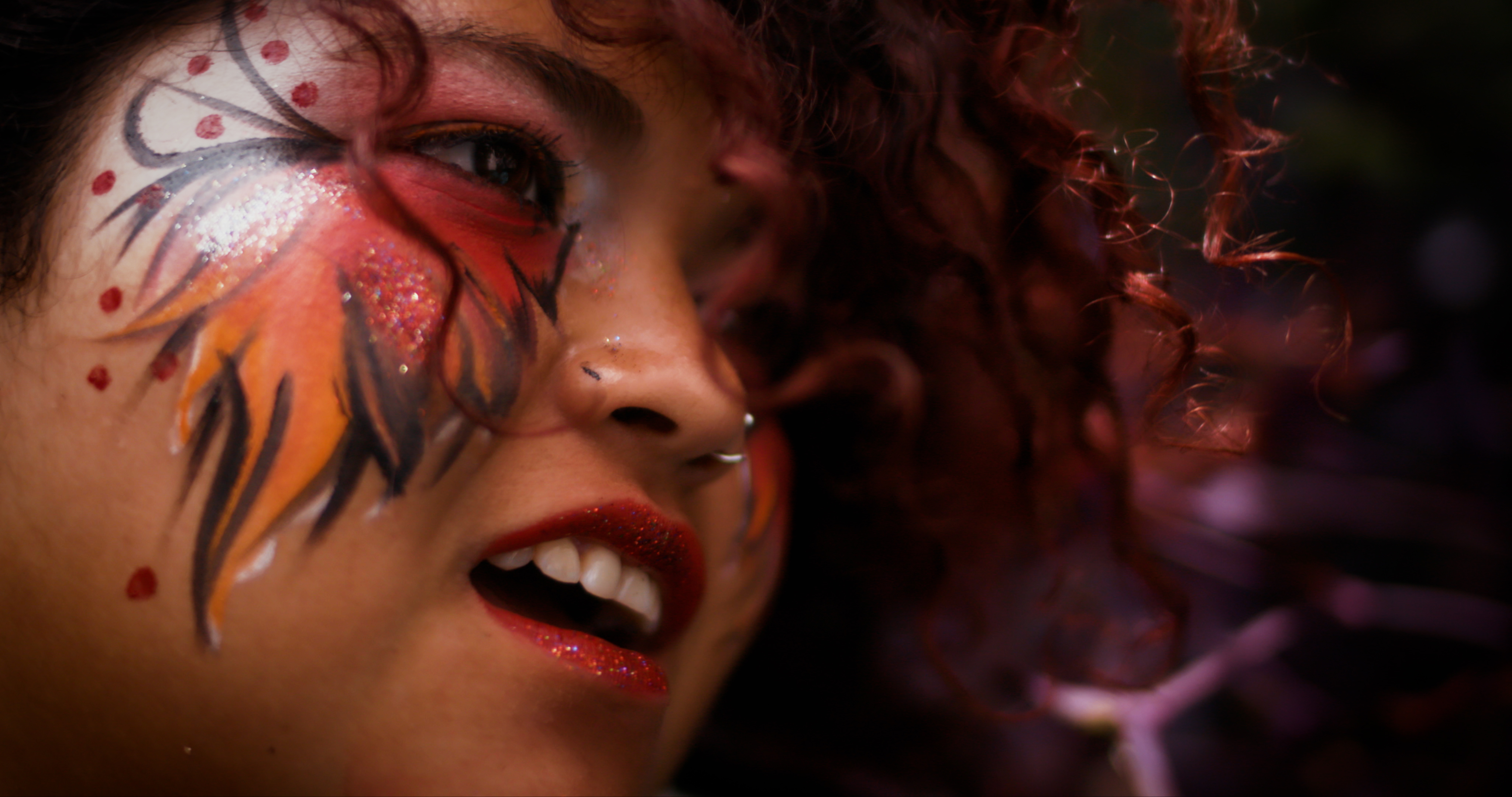
“In that event, we see Anna Hadingham. She knows us since we were six and seven years old. She was like: Lesli! Lupe! And we said: Anna! So, then, our encounter with Anna starts. She gives us the opportunity of meeting Peronia Adolescente, which is an organization that already existed in the community, but we didn’t know we could be part of it,” Lesli said.
Listen to Lesli
0:00
/45.485333
The next day, Hadingham had scholarships for Lesli and Lupe. They were halfway through the school year and they were not studying. Hadingham told them they had to study because they were girls who deserved an education.
Lesli recalled that their lives would be completely different if it hadn’t been for that opportunity. So, thanks to that, the sisters began joining the organization’s programs. They started having a close approach with art while experiencing certain social barriers.
At the time, the sisters were going through a rough patch with the challenges they were facing.
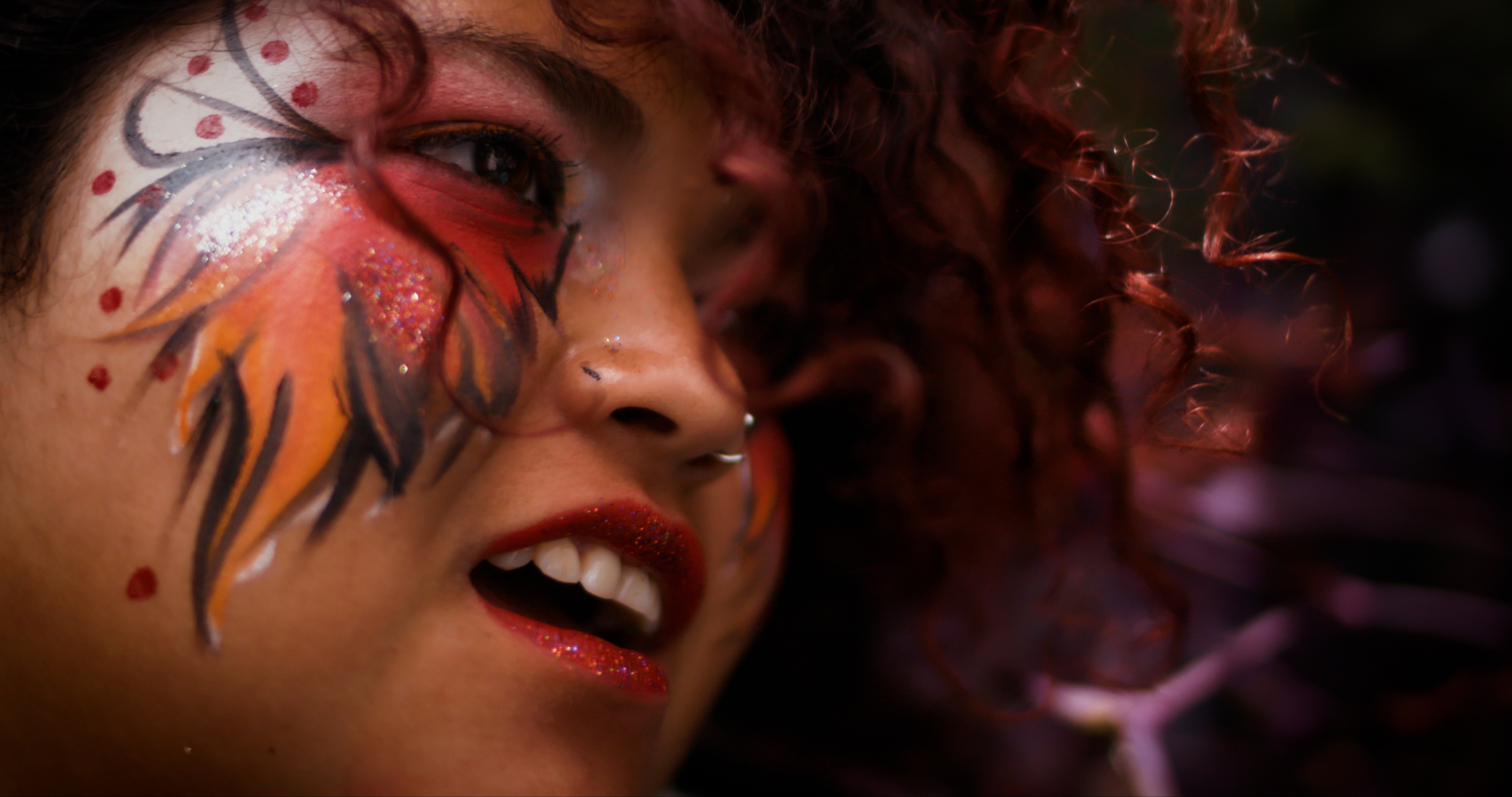
“I’ve suffered a lot of bullying since I was a child because my mom was a recycler at school. They’d tease us and tell us we ate from the trash. That we were trashcan bins. Besides the bullying, there was the complexity of being fat and many terrible things,” Lesli said. “They were things that made us vulnerable in the community and the environment we were in.”
Listen to Lesli
0:00
/45.461333
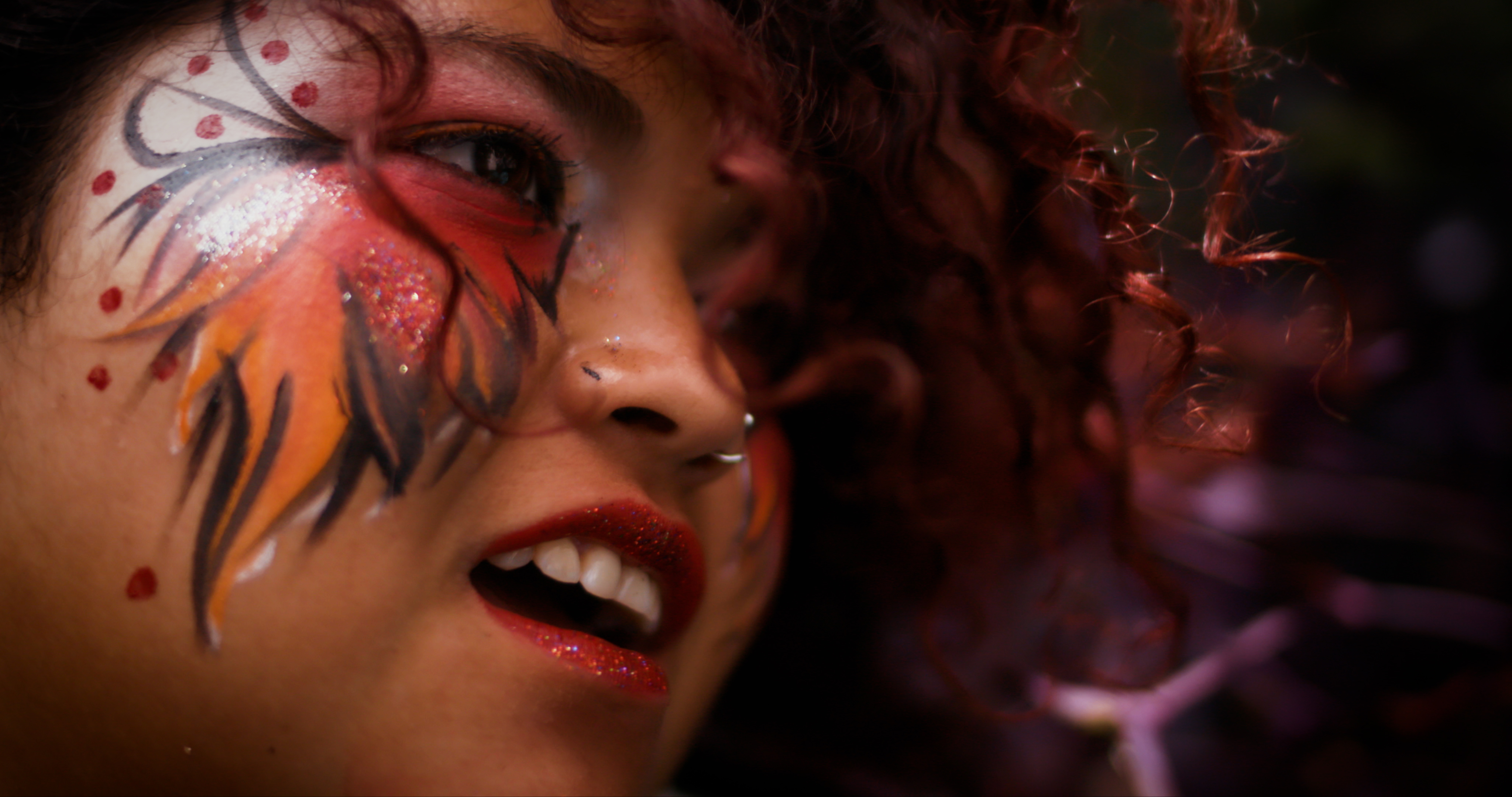
But when they found art, these things changed on an internal level for Lesli and Lupe. They began learning about the sancos (stilts) and without much thought, they said: we can do it. They got on the sancos. It was their first time using them and once they were up, they never came down.
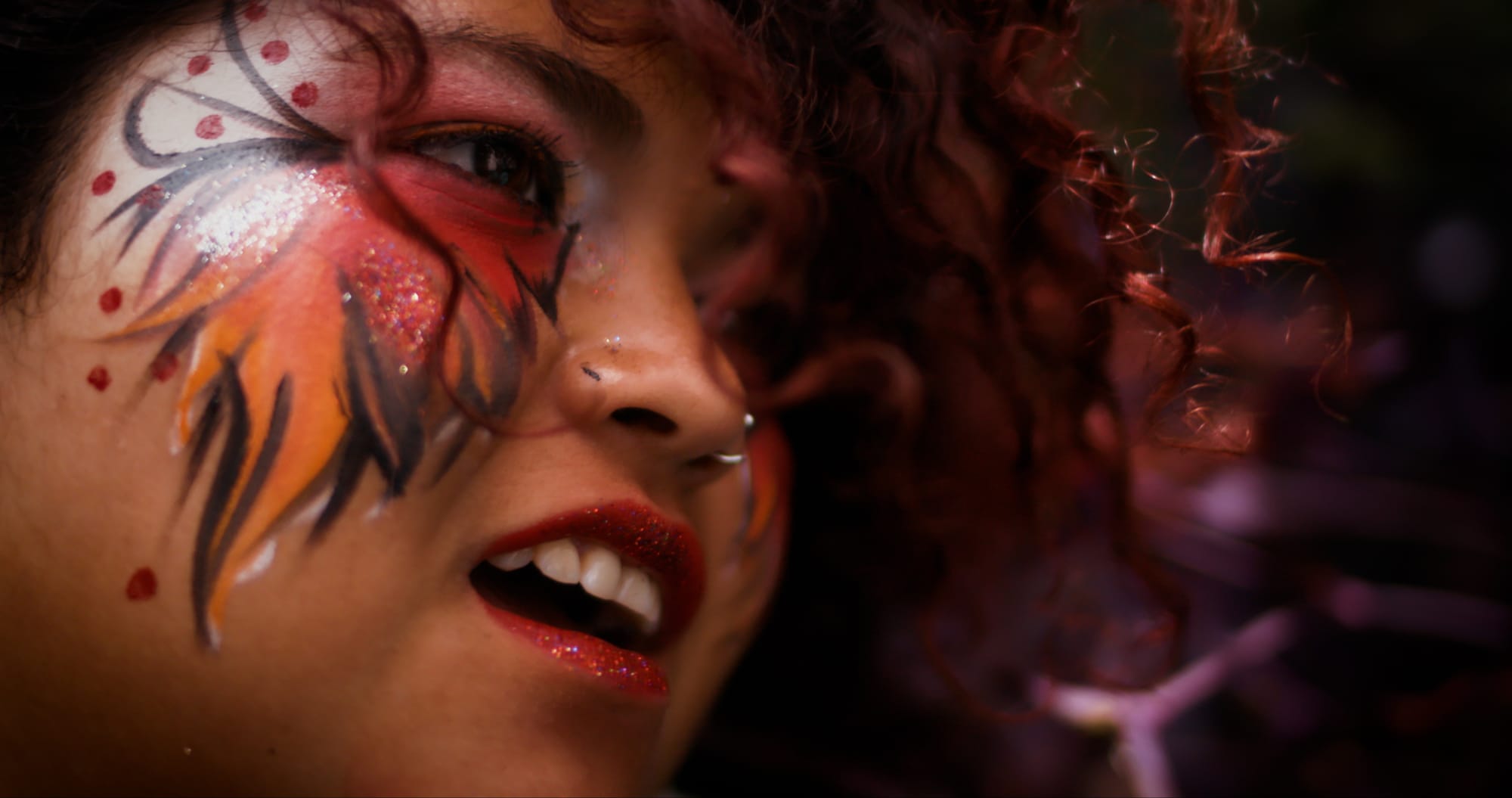
There was never a doubt in learning a new skill and hobby, which is pretty much Lesli and Lupe’s approach to any challenge or obstacle they face in life.
“They gave us the sky, so now they can’t take it away from us,” Lesli said.
Listen to Lesli
0:00
/7.301333
Reaching the sky came with many other activities, like exploring the power of fire for Lesli. Literal fire. It’s an activity she mentioned that not many women in Guatemala do because of its social stigma and gender roles set by patriarchal barriers.
But once again, Lesli did not care about that and broke barriers. She wanted to experiment with fire and it didn’t matter if her face or hair would get burnt. She started practicing by herself until she could blow her first flame full of power.
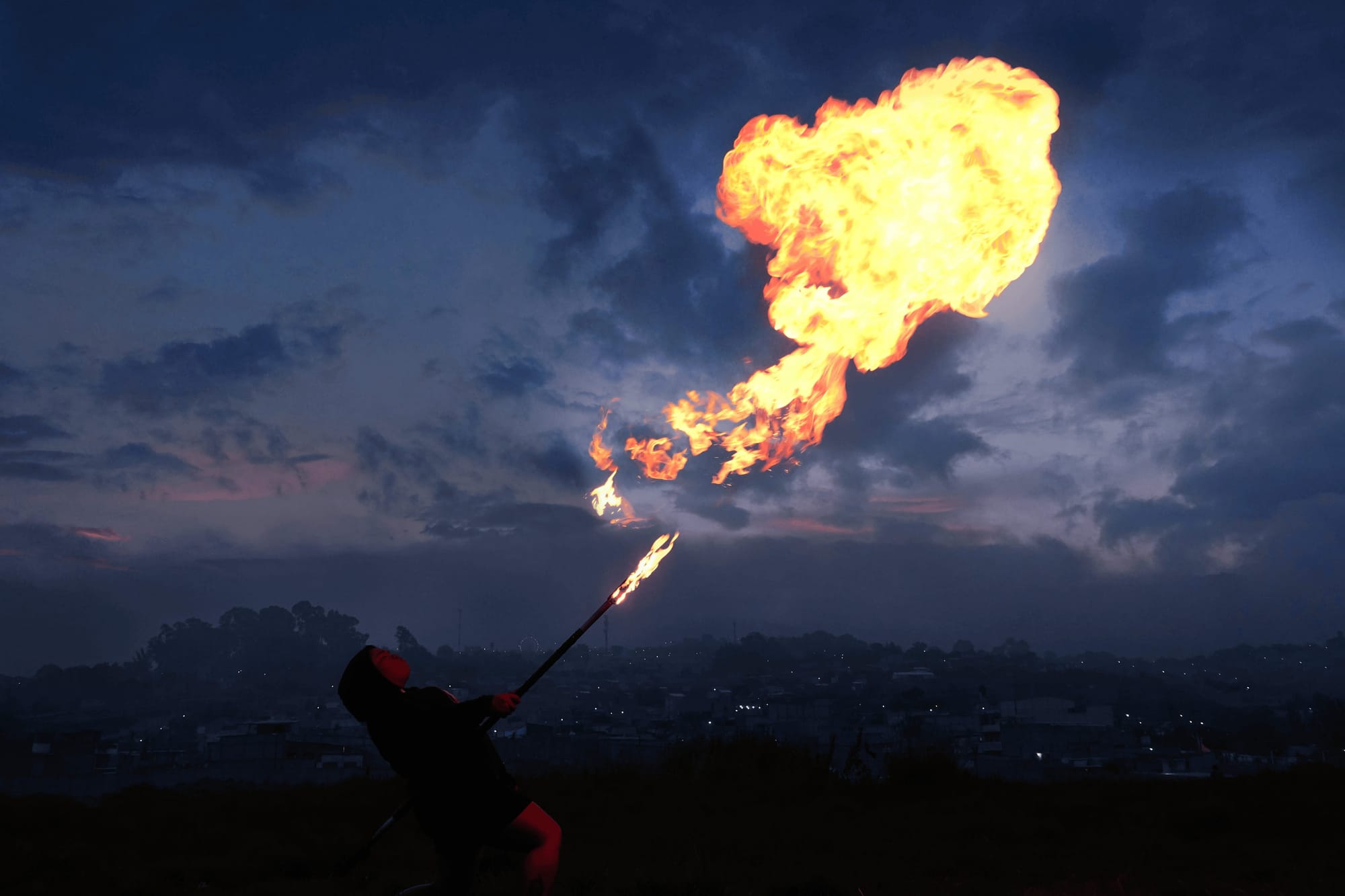
She lit the flame up that came from the fire within herself, which kept her motivated in Peronia Adolescente for a long time as a volunteer. She began participating in training processes and started learning about human rights. She followed her mother’s advice of always being on a constant learning journey throughout life.
In that learning process, Lesli and Lupe were becoming emerging leaders in their community of Ciudad Peronia with Peronia Adolescente. That was when Curtis and Anderson arrived in Guatemala and the sisters were told they’d be the protagonists of “Comparsa.” It never crossed Lesli and Lupe’s minds that they’d be in a documentary film.
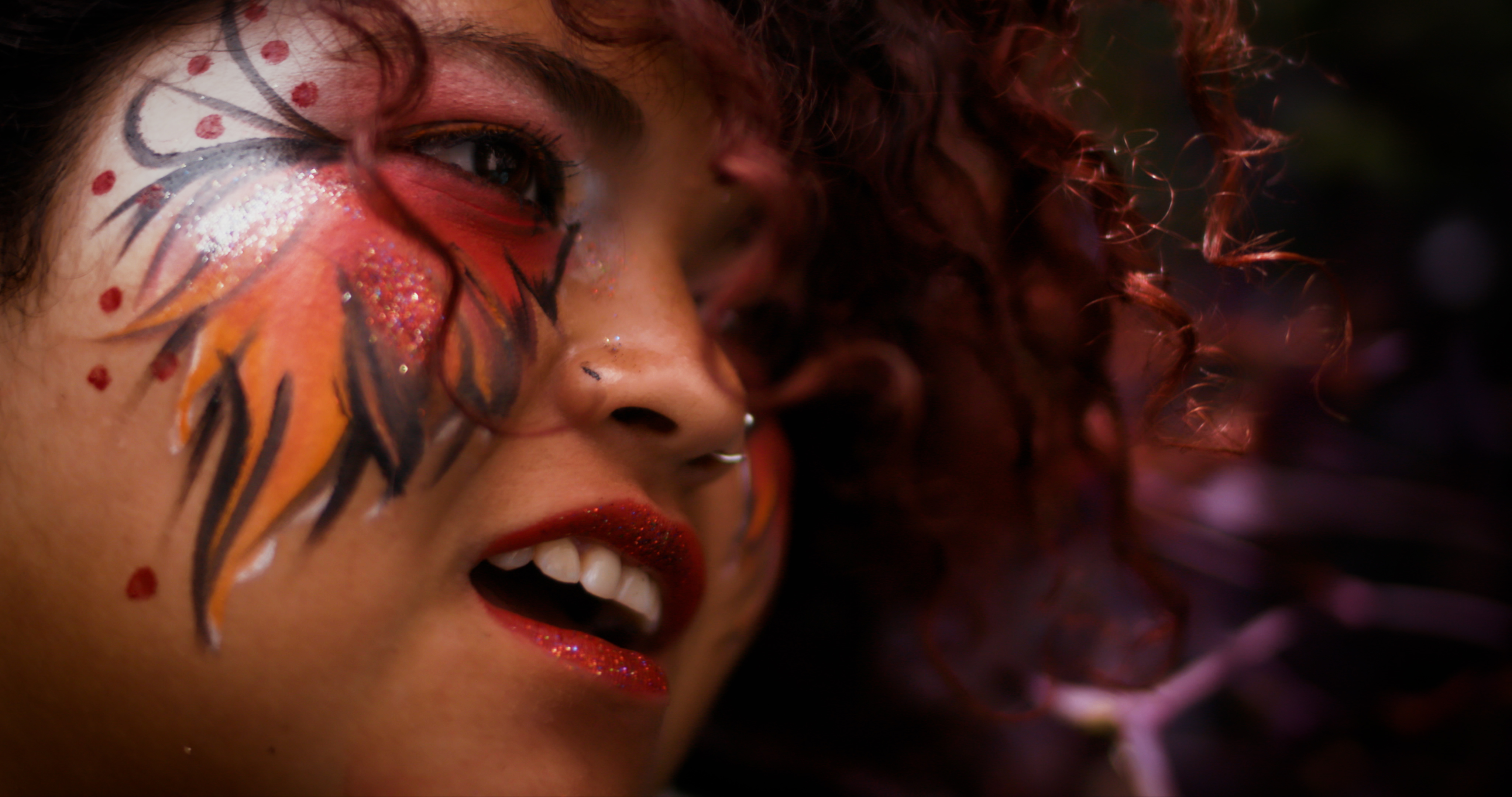
“We never thought we’d see the world. That we’d share our story. We talked about that with Lupe at one of the festivals we were at. That it’s a fantasy because we never had the possibility or the opportunity to dream or say we’ll be outside of our community in another town or borough,” Lesli said.
Listen to Lesli
0:00
/36.149333
These are opportunities that life has given them through the team of “Comparsa,” which has allowed others to see them. For others to reflect about their own power and fire in the world to create a positive change.
Taking Ownership of Their Story
And this is very clearly portrayed in the film thanks to the cultural exchange between the film's team and Lesli and Lupe. From Lesli’s point of view, Hadingham’s involvement in the community, the organization, and the film made the process way much more humane and understandable. It was fundamental and it made it easier for them to share their story.
From Curtis’s perspective, they only wanted to make the film if Lesli and Lupe were all on board and wanted to directly collaborate with them. They included Lesli and Lupe’s mentor Marta Chicoj, who founded the youth movement back in the nineties in Ciudad Peronia. She is a close collaborator with the film’s team and is their lead in-country impact producer.
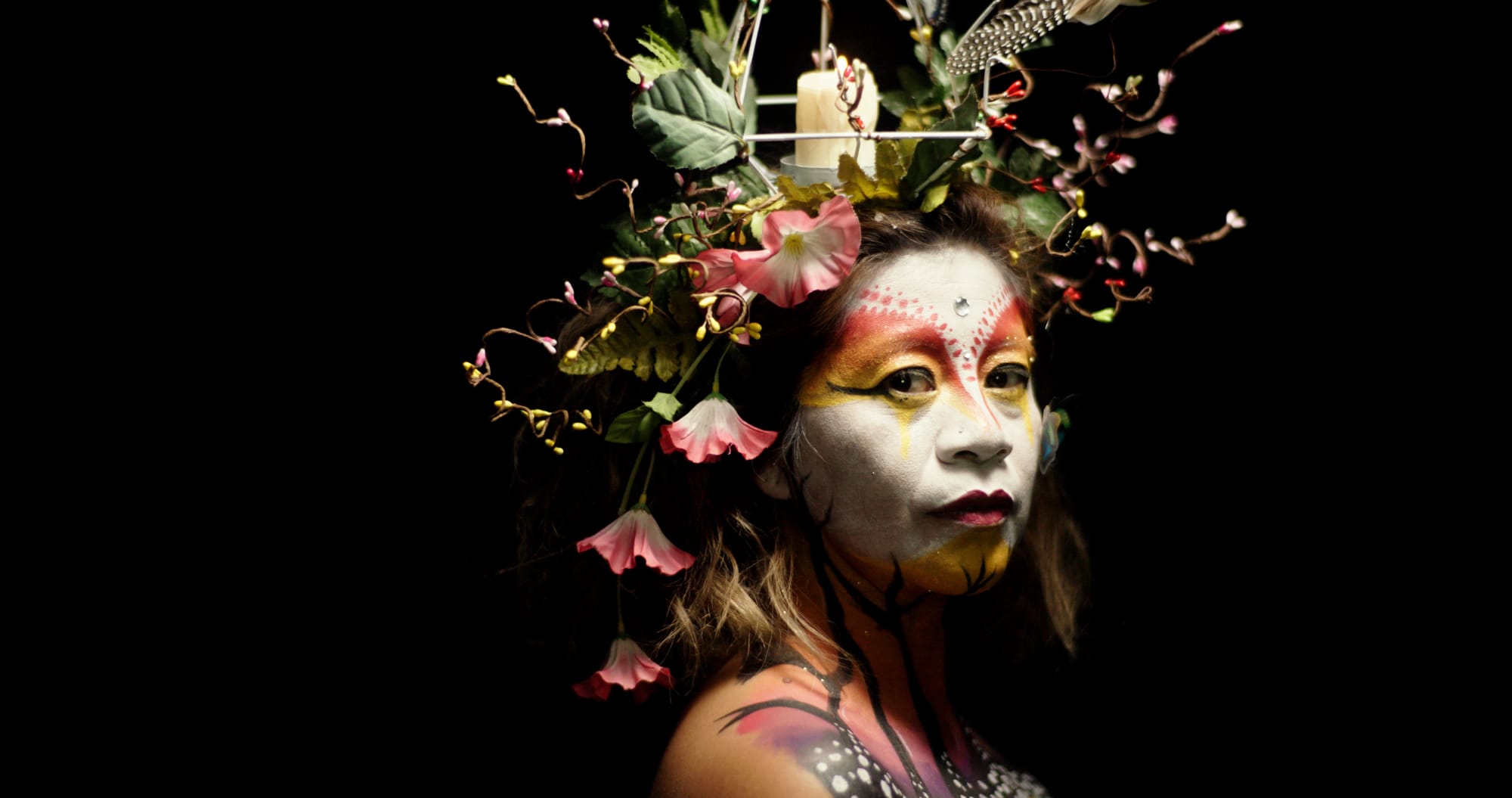
So, it’s always been about an cultural exchange in which taking care of their protagonists is of utmost importance for the team.
“We also checked with them every day of what to film. We checked with them every day about safety and how they were feeling. Where they wanted to go. What they wanted to talk about. It’s very much in their hands to shape the film,” Curtis said.
Another key element for this collaboration was working with the Guatemalan cinematographer Edgar Tuy, who is also from Ciudad Peronia. He was also part of the youth movement and Lesli and Lupe have known him since they were children.
Including him as one of “Comparsa’s” cinematographers made Lesli and Lupe be at ease when they were being filmed. These small details – that are not that small at all – demonstrated that the team was tightly braided together. Since the film was done from a stance of care for Lesli and Lupe – from a place of allowing them to take ownership of their stories – they were included as co-producers and co-writers in the film.
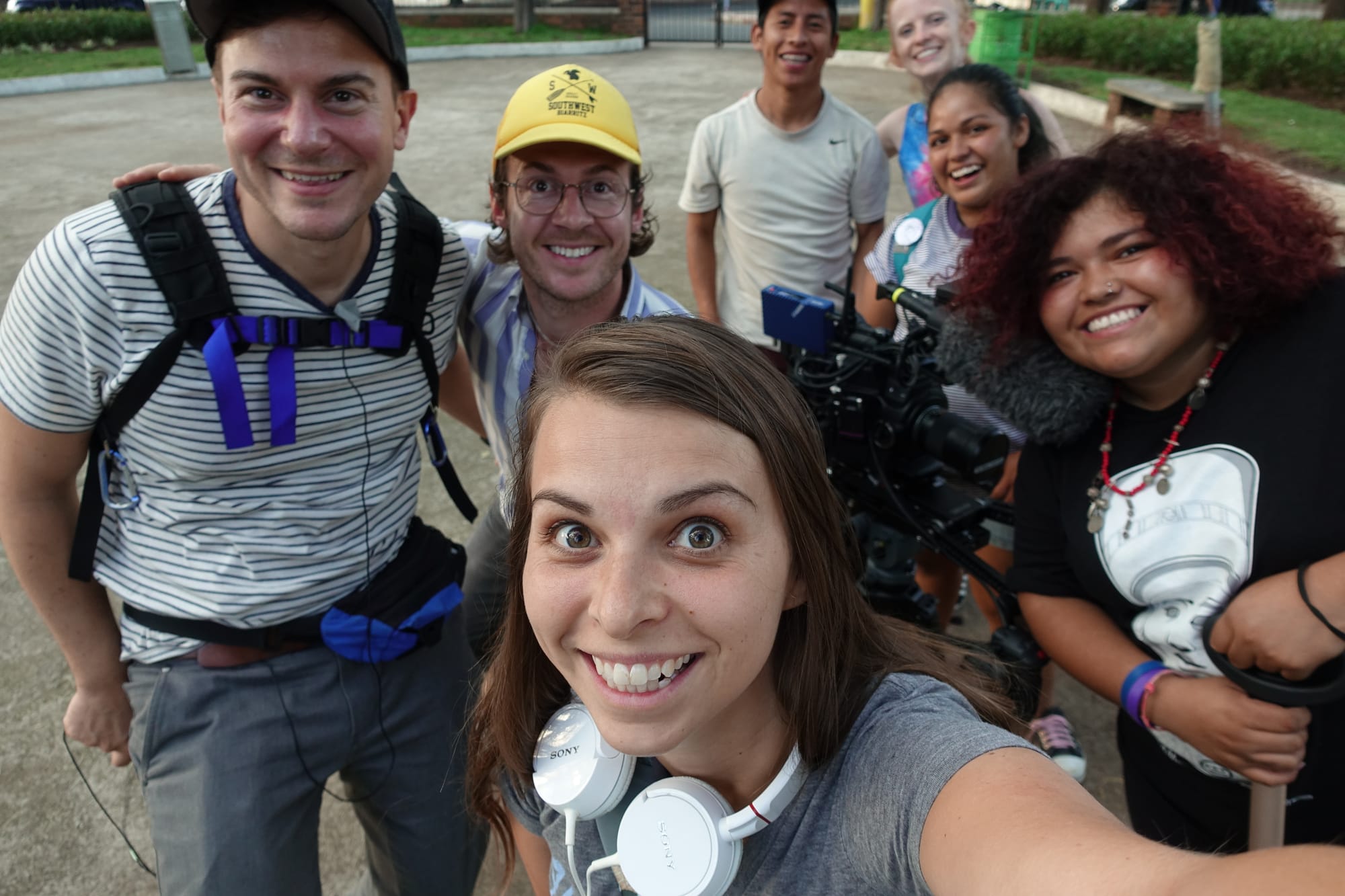
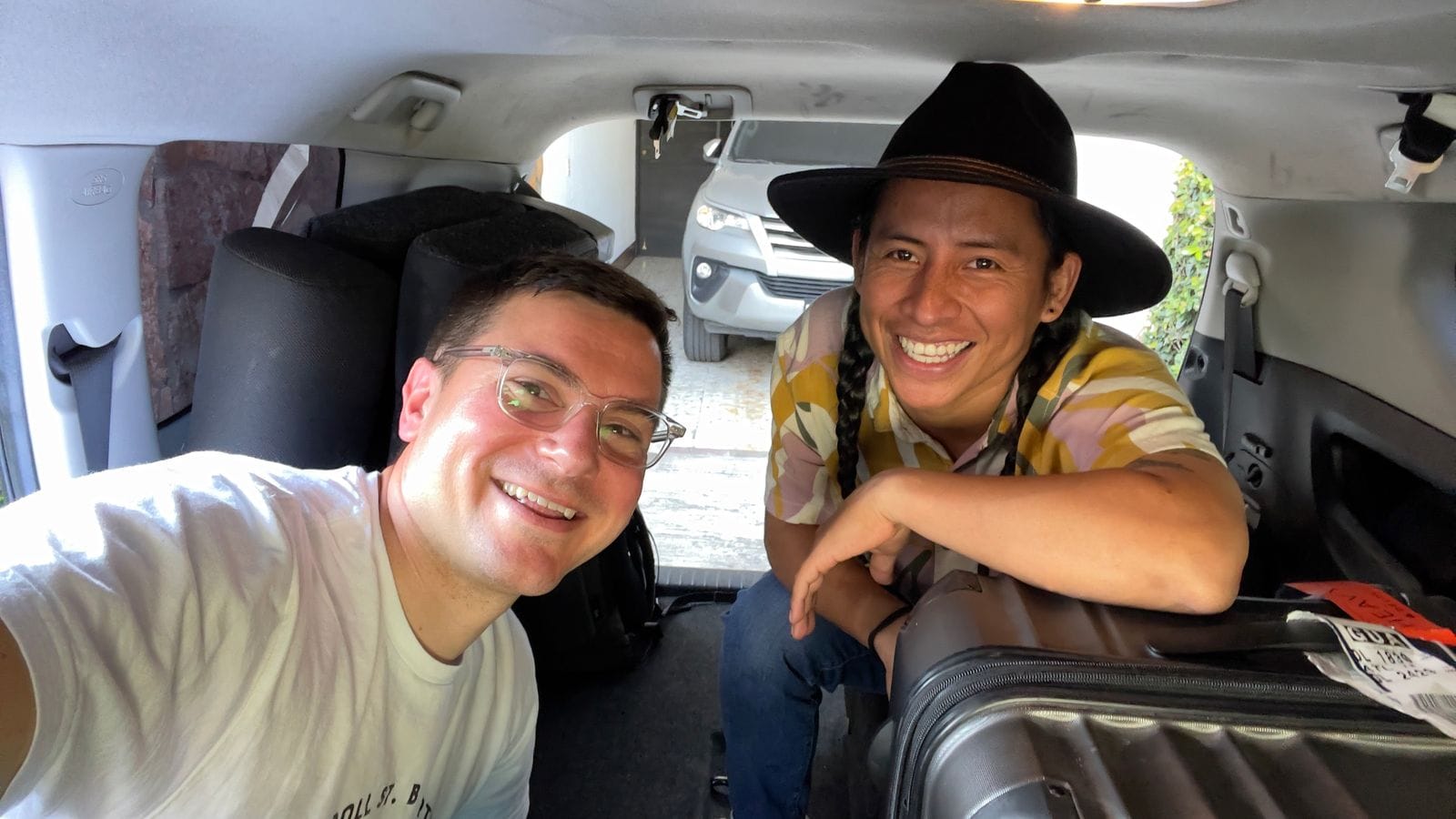
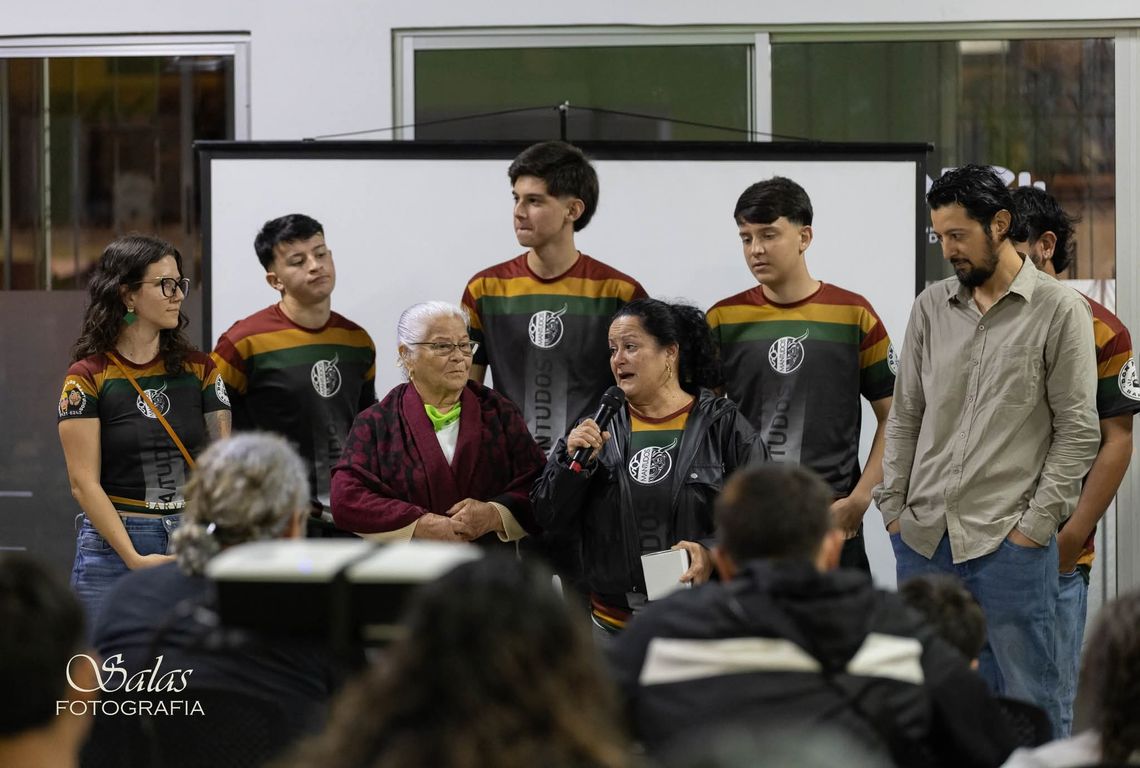
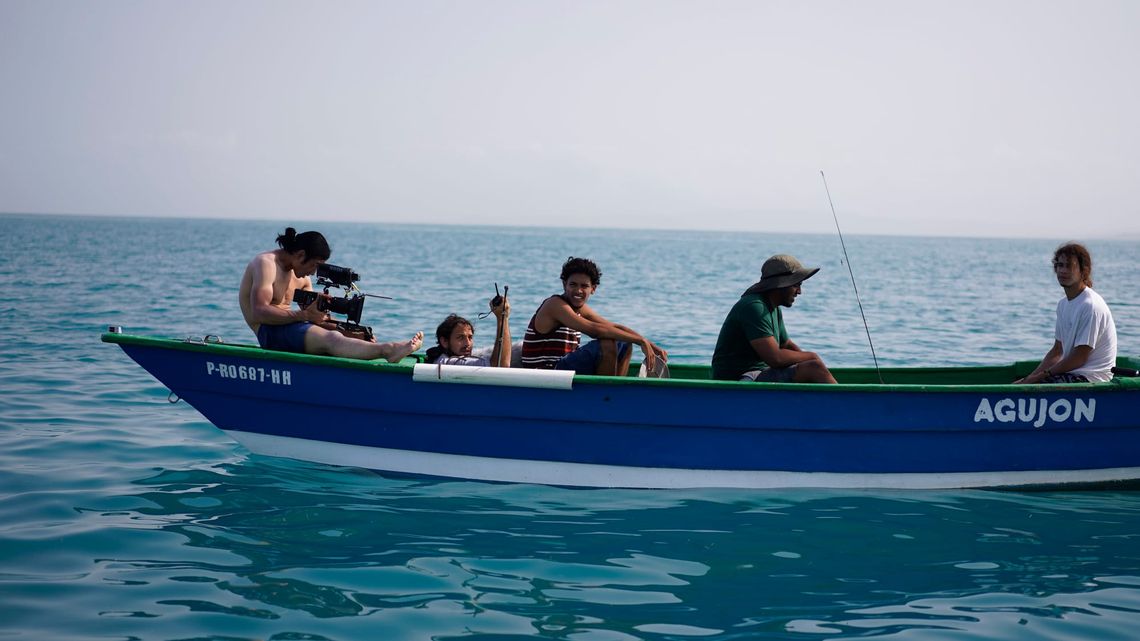
The "Comparsa" team in the behind the scenes (left) and Doug Anderson with Edgar Tuy (right) filming the documentary in Ciudad Peronia, Guatemala. | Photo courtesy of Comparsa Film. | Impulsiva Stories
That added another layer into their collaboration because Lesli and Lupe were given the chance of shaping the film’s narrative based on their experiences.
Lesli expressed her gratitude for the film’s team real interest in their realities; realities that many women and girls are going through. About having the opportunity to name what they felt and what they’ve lived really defined the story itself.
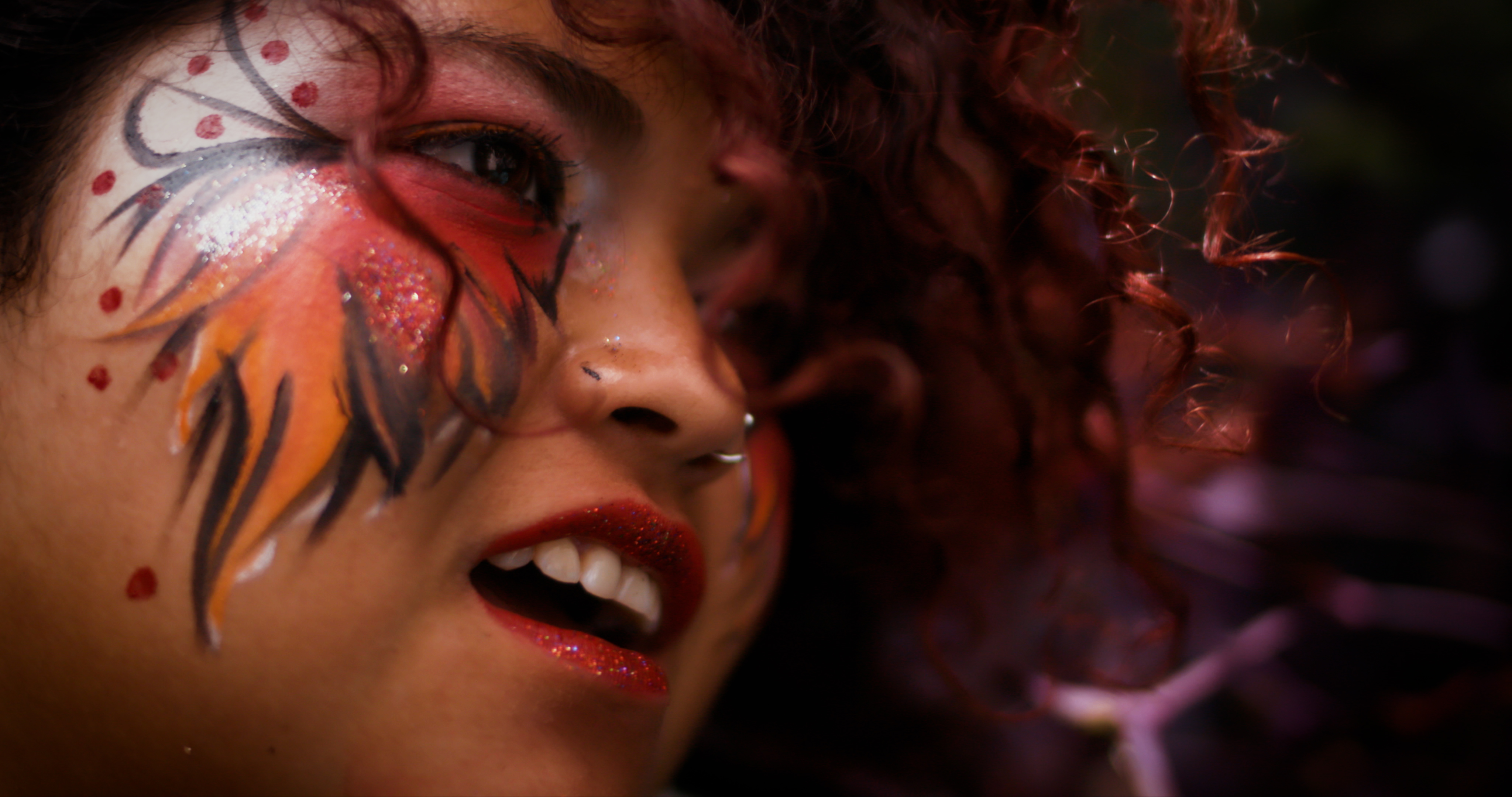
“It also brings to light an entire community that has been silenced for many years. It's a community that’s called a red zone named for its violence. For its structure. For the maras and all of this, but it’s a community called a red zone because of the sexual violence that inhabits it and it had not been intentioned,” Lesli said. “Having the foreign support was way much bigger to break that barrier.”
Listen to Lesli
0:00
/40.613333
Breaking that barrier also meant treating the complex subjects of violence against women and femicides with lots of care, love, and kindness. Lesli and Lupe were quite aware that if they spoke about these topics, they were at risk. So, they were given the flexibility and empowerment to choose how to tell their own story and what would go in.
That let the narrative flow in a more organic manner. It also allowed Lesli and Lupe to be more comfortable with being themselves in front of the cameras. With sharing their stories in a very raw and emotional manner. With no filters.
It let them speak freely about their traumas; experiences they hadn’t realized were a shared reality with many other people and women until they participated in “Comparsa.” With this realization came the understanding that there are many people around the world interested in transforming society for good. In creating different alternatives for communities to develop themselves. In trying to create opportunities for communities who don’t have them.
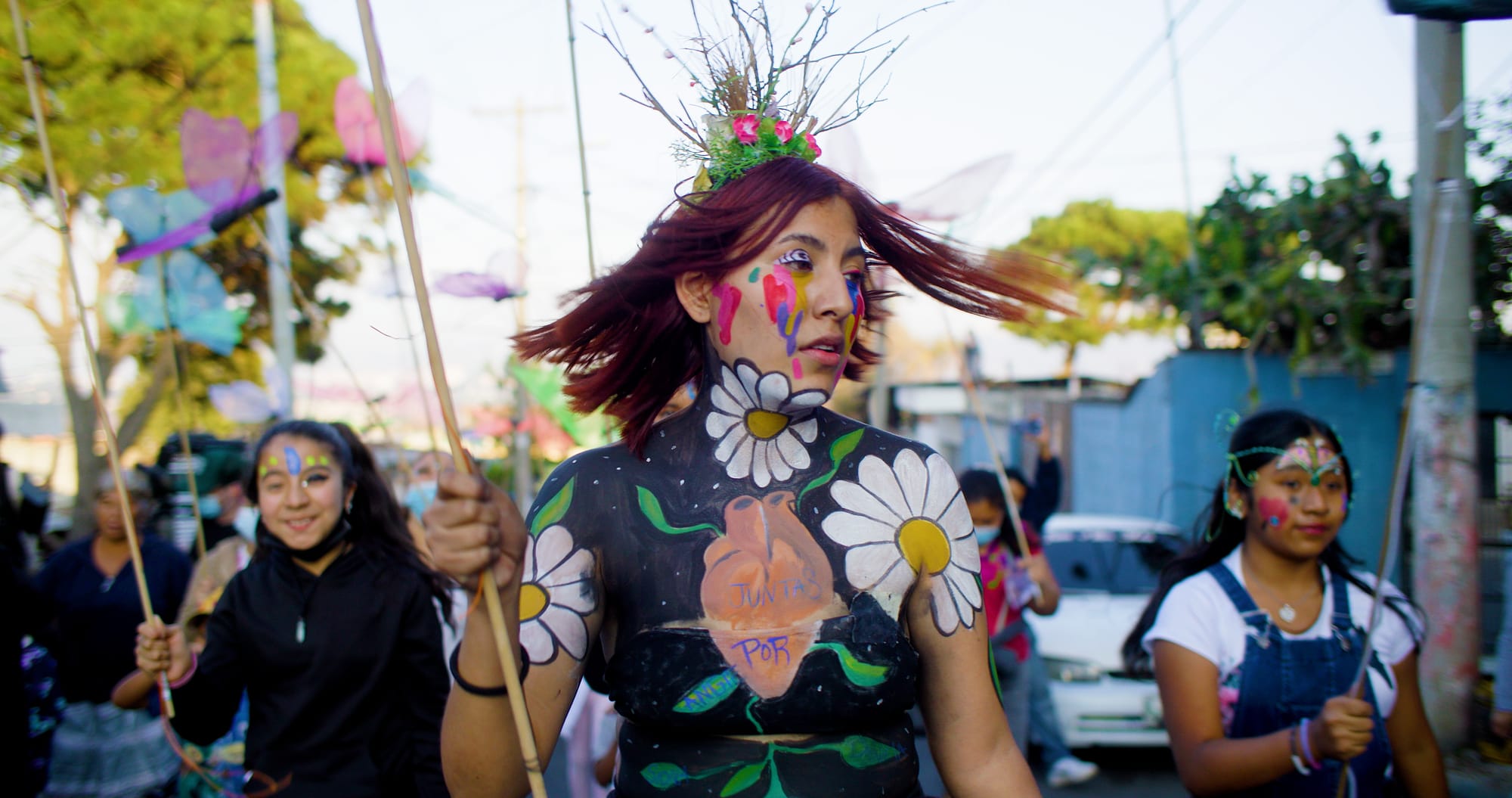
These different lessons Lesli learned throughout “Comparsa’s” process came from the team's intentions of immortalizing their astounding stories through filmmaking. With the intentions of showcasing two powerful women in an integral manner.
This reinforced Lesli and Lupe’s purpose of sharing the stories so that they don’t repeat themselves. It’s part of their intention, which was intertwined with the healing power that art provides. The power that allowed them and “Comparsa” to use art as a tool to speak about very complex and delicate social subjects.
Listen to Lesli
0:00
/36.917333
“For me, art is a tool that I feel is transformative, but also a tool to survive in the midst of this world. Of this chaos. Of these systems. These forms and social practices that keep repeating themselves and that keep having an impact each time we move,” Lesli said. “Each time we speak, we breathe.”
To learn more about “Comparsa’s” cultural exchange with Vickie Curtis and Lesli Canela Pérez, you can follow them at @comparsafilm, @vickiecur, and @rolelaspapas. Stay tuned next week for PART II, where we’ll learn about how “Comparsa” explores complex Guatemalan social subjects through art.
Written by

Subscribe to my newsletter
Subscribe to my newsletter to get the latest updates and news