Esta Isla PART I
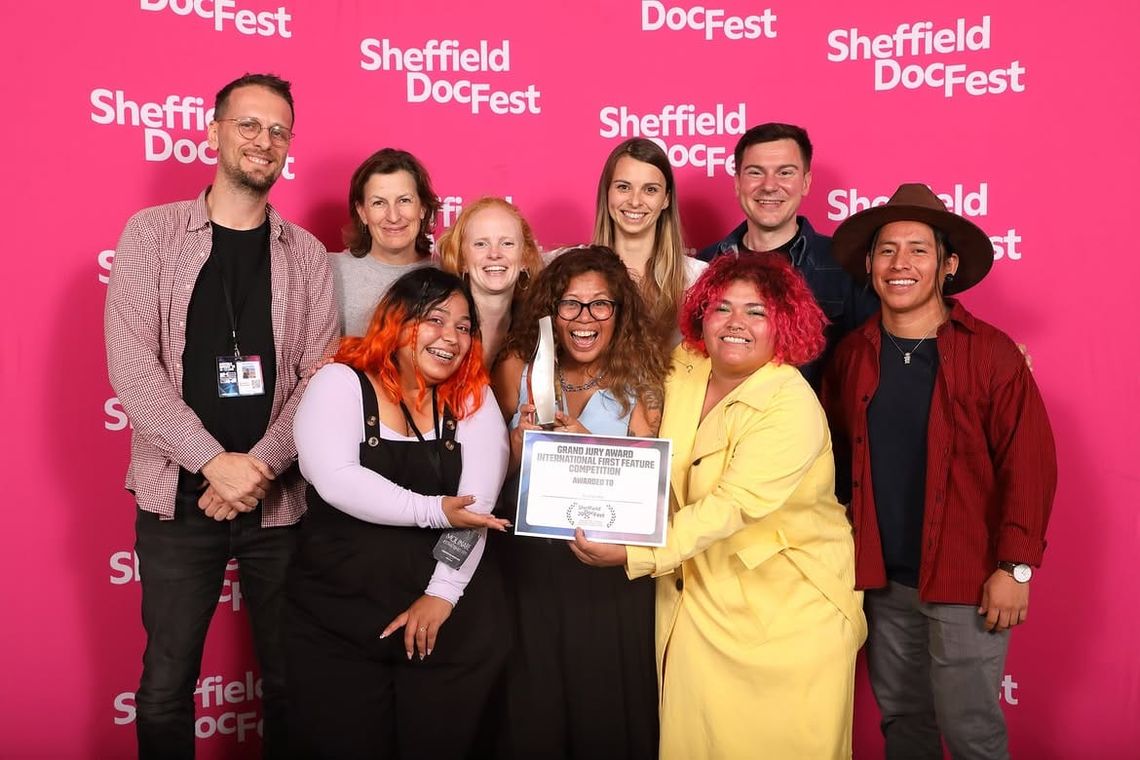
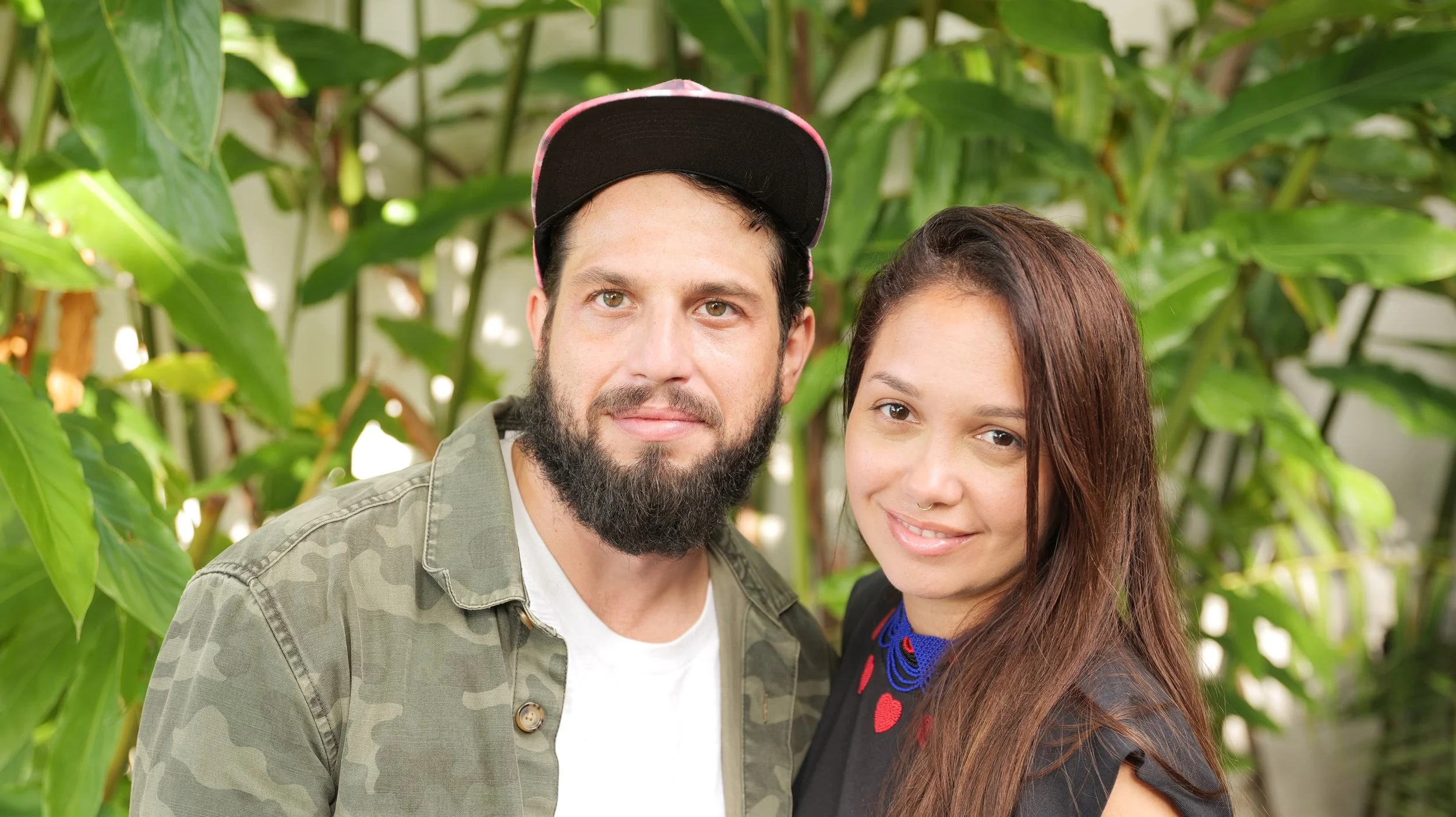
Lorraine Jones and Cristian Carretero went on a ten-year-long journey to create their award-winning debut feature film "Esta Isla."
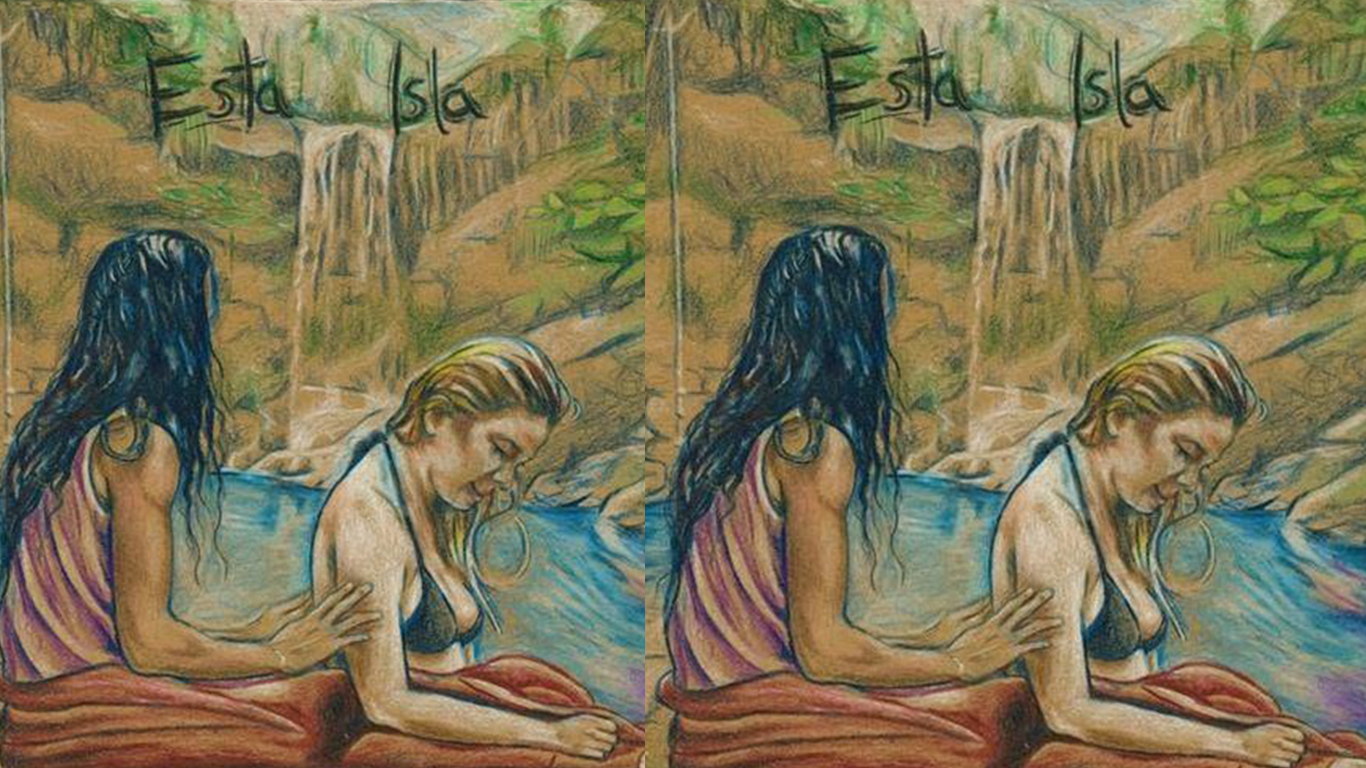
PART I: Esta Isla’s Puerto Rican Tropical Realism
When Lorraine Jones and Cristian Carretero were children, both were very drawn to filmmaking and art. Jones started writing short stories and making videos and plays with her friends and cousins. Carretero was always observing everything around him and trying to understand why life happened the way it did.
As time passed by, he understood that deep curiosity was related to narrating stories and Jones began grasping filmmaking as something similar to the language of our dreams.
“I think we still can’t define all of what filmmaking is and the power it has. It’s an art that I love, that touches emotions. It touches us deeply. It can even touch us on a spiritual level,” Jones said. “But I think I love filmmaking because I understand it has a great healing power, which I think is beautiful.”
That’s why the Puerto Rican Emmy award-winning film directors and artists have devoted themselves to pursuing a career in film. That has happened in many ways, whether it was obtaining their degrees in film, creating plenty of short films, producing documentaries about social and environmental topics, or directing their debut narrative award-winning feature film “Esta Isla.”
Now, we’ll focus on their ten-year journey to create “Esta Isla.” So, we must understand first how Jones and Carretero perceive art and film through their own film production company Experimento Lúdico. They’re currently based in Mayagüez, located on the western side of Puerto Rico, which is where Carretero was born and raised.
Don't Forget to Subscribe to The Story of The Story
For only $16 a month, every Friday you'll have exclusive access to
The Story of The Story. Our founder, the Costa Rican award-winning multimedia journalist and artist Elizabeth Lang, guides you through her creative process to produce her stories.
From there they want to decentralize film production, which usually happens in the metro area of Puerto Rico. They want to create from a different place with diverse perspectives. Most of the time, they work on social and environmental stories that they worry and care about. They want to dive deep into these subjects.
Jones and Carretero want to know more about topics like women’s rights, environmental rights, cultural resistance, and historical recognition.
“It’s social critique because we’re not taught a lot about our history or identity. In a way, it's very Americanized. Now there are many artists that are trying to bring out, build, or reflect our identity,” Carretero said. “Some reguetoneros are being more active socioculturally and even politically.”
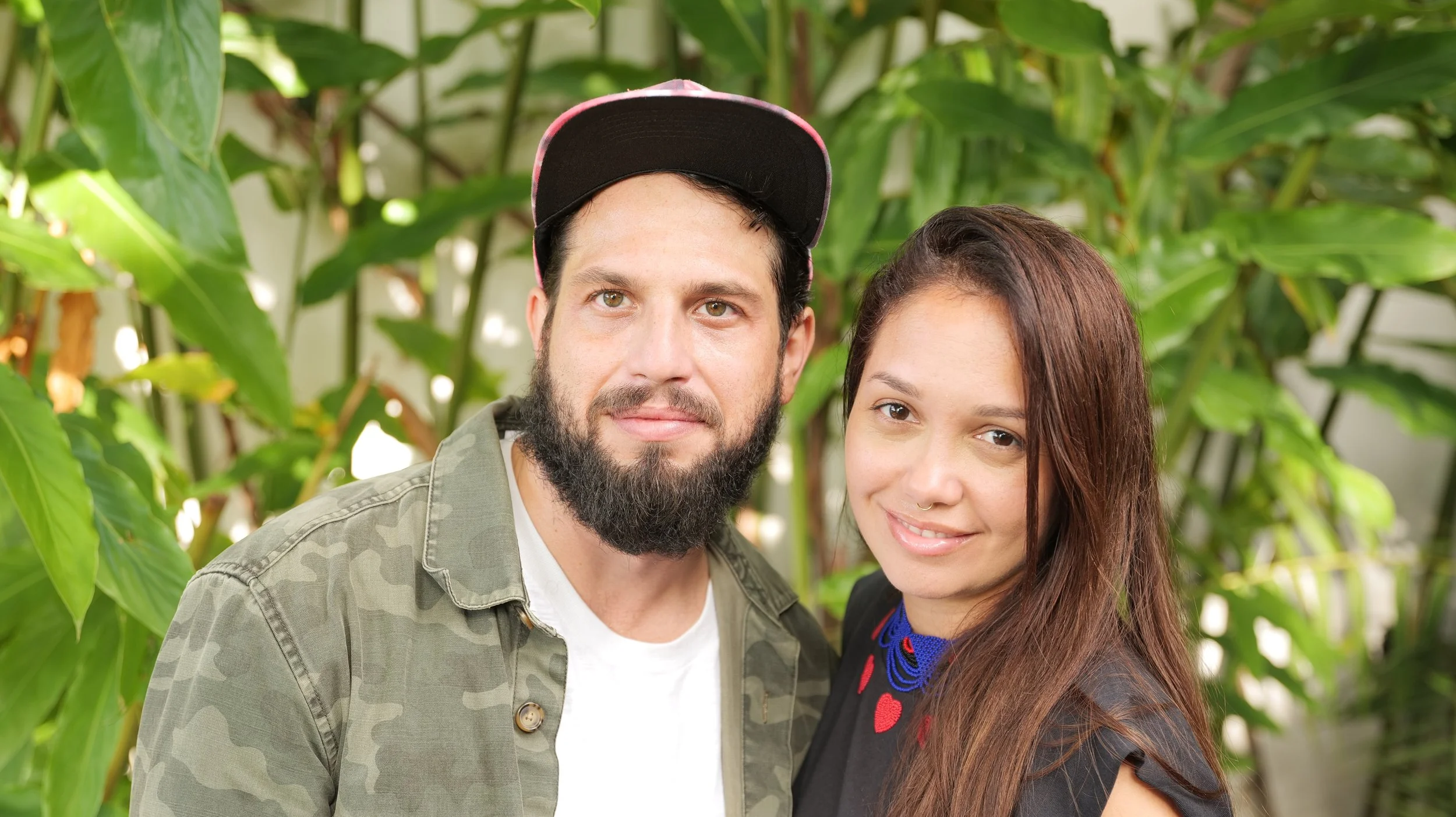
Listen to Cristian Carretero
0:00
/36.872521
Besides the desire of decentralizing the arts, they’re also interested in breaking established structures. Breaking the rules in film and art. Getting out of the bubble to make things differently while capturing and showcasing other parts of Puerto Rico. Telling the stories of a different Puerto Rico.
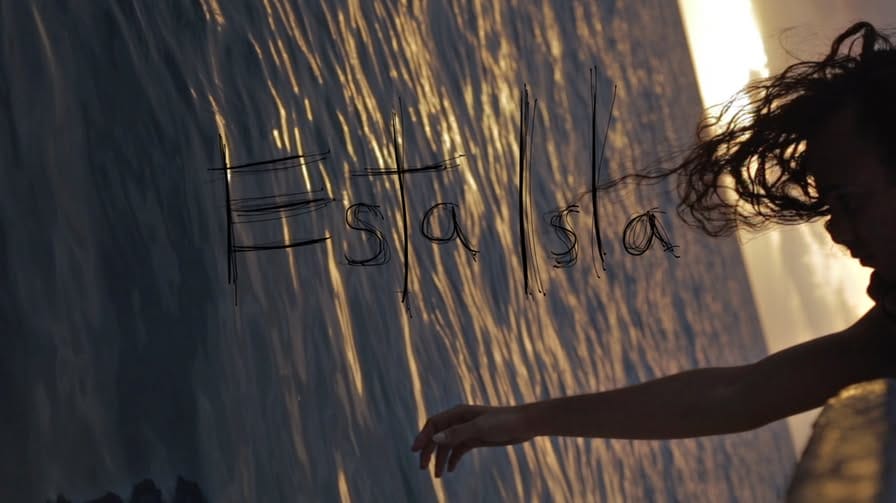
Art as a Universal Language of Humanity
In that exploration they’ve immersed themselves for a long time, Jones understands film and art as a medium of communication. Art is the universal language for human beings because it breaks barriers and borders. It communicates in a way that can transcend many things like spaces and languages.
“When we connect on that [deeper] level, it’s something very spiritual. I think it comes from something very ancestral. For the shamans everything was in community. They do a short story, but a short story that heals,” Jones said. “A ritual. A ceremony and that’s what film and art can be.”
Listen to Lorraine Jones
0:00
/33.470542
Along with that, Carretero also believes that our purpose in life is to create. Art has that very spiritual thing because we’re creating our own universes while communicating to the world. Art can even become a therapeutic tool for certain artists where they take their pain, trauma, and suffering and transform it into something inspiring.
Film and art have an innate healing and transformative power. The audience can connect and feel so much through its images and sounds in a way that they’re not used to in their daily lives.
And in that deep connection with what they’re creating and the stories they’re telling, Jones and Carretero find themselves with an inner desire of working with honesty. The honesty in the spaces where they film. The honesty of the persons they collaborate with. The honesty of the story and the communities where the narratives develop.
With honesty also comes the need of exploring beauty that’s closely related with the tropical realism they’ve created in their films.
“Puerto Rico is beautiful, but it’s about questioning what beauty is. It is beautiful and it has a lot of problems. But sometimes our suffering and crises are a beauty because overcoming them is the most beautiful thing that exists,” Jones said. “It unites us from the death of something or defending our beaches.”
Listen to Lorraine Jones
0:00
/42.295979
That brings them together and even though something terrible is happening, there’s a genuine and honest beauty in that. Carretero added that they challenge the idea of beauty by defining it themselves.
By creating their own aesthetic and defining their values of what is beautiful. They want to work from a perspective in which they’re creating humanist filmmaking where sincerity and authenticity is at its core. Where they don’t judge their characters and situations because they simply present them to their audience.
The Beauty of the Honest Tropical Realism
They came up with the concept of the tropical realism they want reflected in their stories with this deep inner reflection and determination of what they want out of their filmmaking. It’s a style that has certain elements that clearly portrays their reality – even if they work on fiction films.
“We did a lot of short films and I’d say we never had many resources to make them. That was always part of our reality. I’m from Arecibo. Cristian from Mayagüez. Since we’re outside of the capital and from other towns, it allowed us to understand that we wanted to tell these other stories that we were not seeing [represented],” Jones said.
So, the tropical realism’s principles rely on not having the resources, but creating films anyways. Trusting their intuition and working hard to make it happen. Knowing that sometimes not having the resources can make the story even more powerful. It’s about the struggle, but not letting it take over you. Creating your own path.
And while doing that, both Jones and Carretero constantly watched Puerto Rican films. Most of the times there was the sentiment that it didn’t feel real. It didn’t feel like a representation of what they were living on their day-to-day in the Caribbean island.
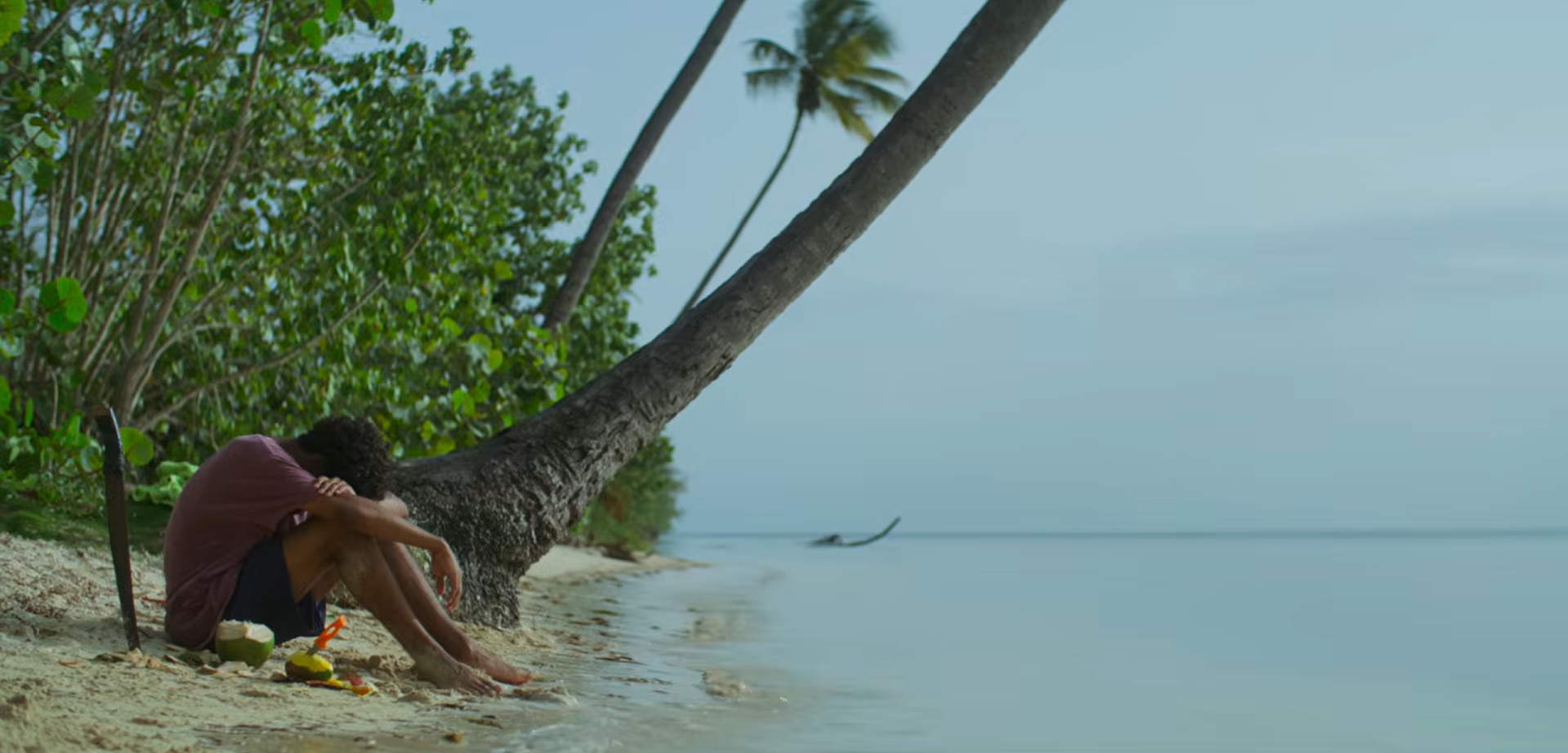
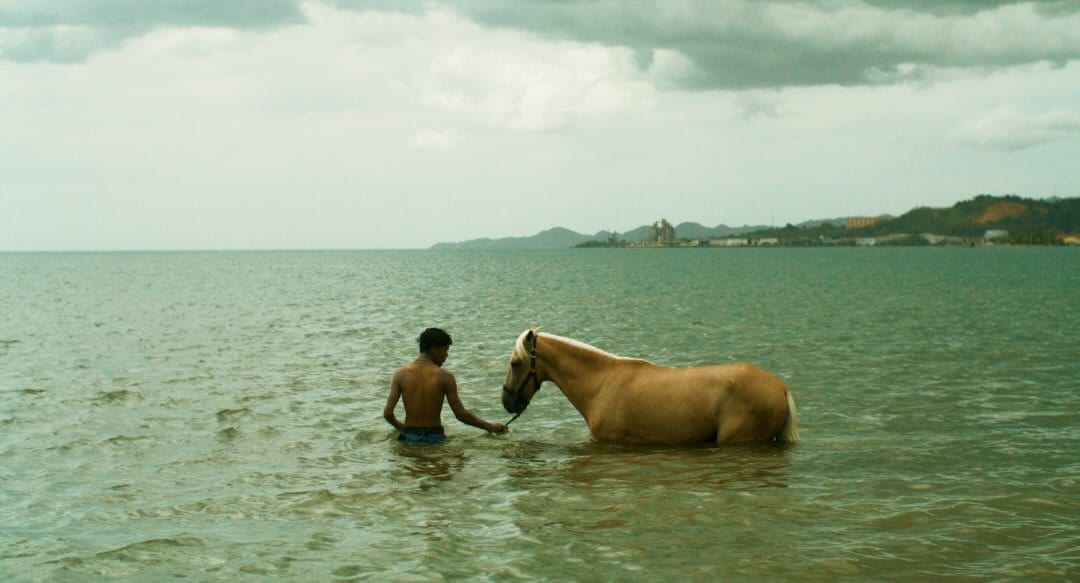
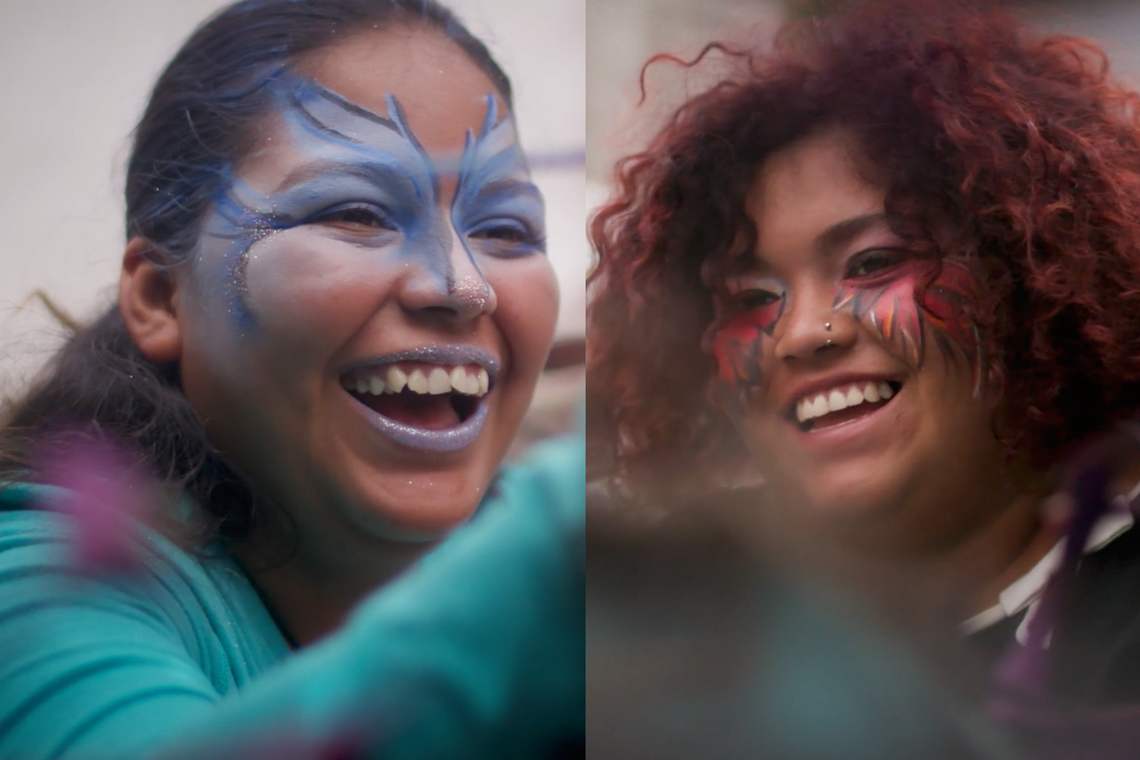
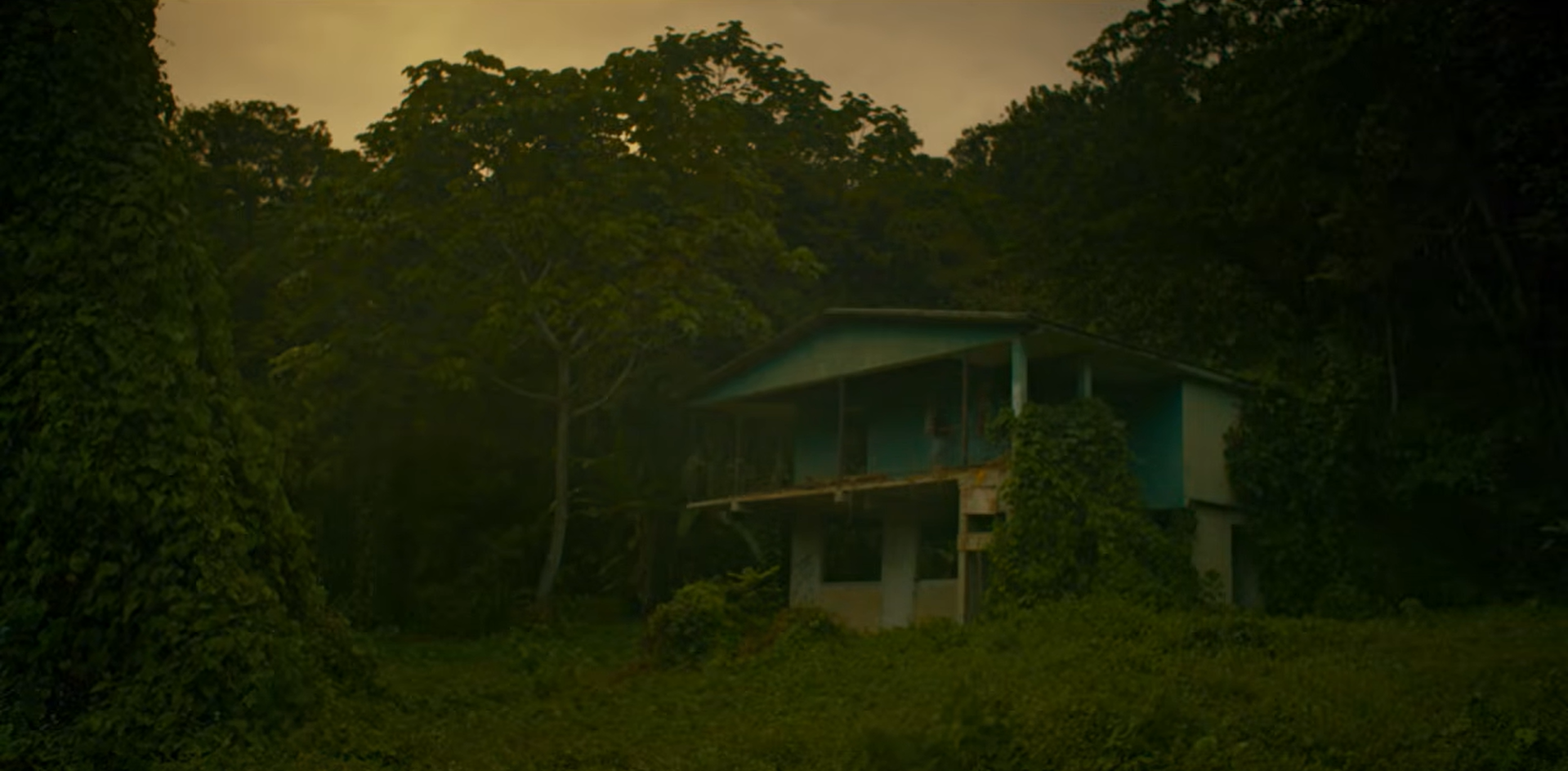
Frames from the feature film "Esta Isla." | Photo via Esta Isla's social media. | Impulsiva Stories
“We’re going to tell our stories as they are. What we live. There’s the power because we have to recognize ourselves. Who we are. What we live. Our story. We’re going to grow so much and nourish ourselves from that,” Jones said. “We obviously want what’s best for our people and for things to improve. Doing what we can, so that it’s a tropical realism.”
Listen to Lorraine Jones
0:00
/44.345479
For it to work as a mirror and that’s where the ten-year-long journey to create “Esta Isla” comes in. It’s the debut narrative feature film of Jones and Carretero. A breathtaking and soul-searching fiction film that tells the coming-of-age and lovers on the run story of two Puerto Rican teenagers.
The Ten-Year Journey
The process for this poignant story started back when Jones and Carretero had an idea about a short film with the same name. They wrote a treatment that was always intended for it to be a feature film. At that time Carretero had done way too many short films.
So, they wanted to create a feature film inspired on the structure of lovers on the run and coming-of-age narratives that would allow them to explore adolescence, a context, and a space. While working on that initial project, the Alliance Francaise in Puerto Rico used to commission short films and they reached out to Jones and Carretero. They were given some resources to carry out the short film “Esta Isla.”
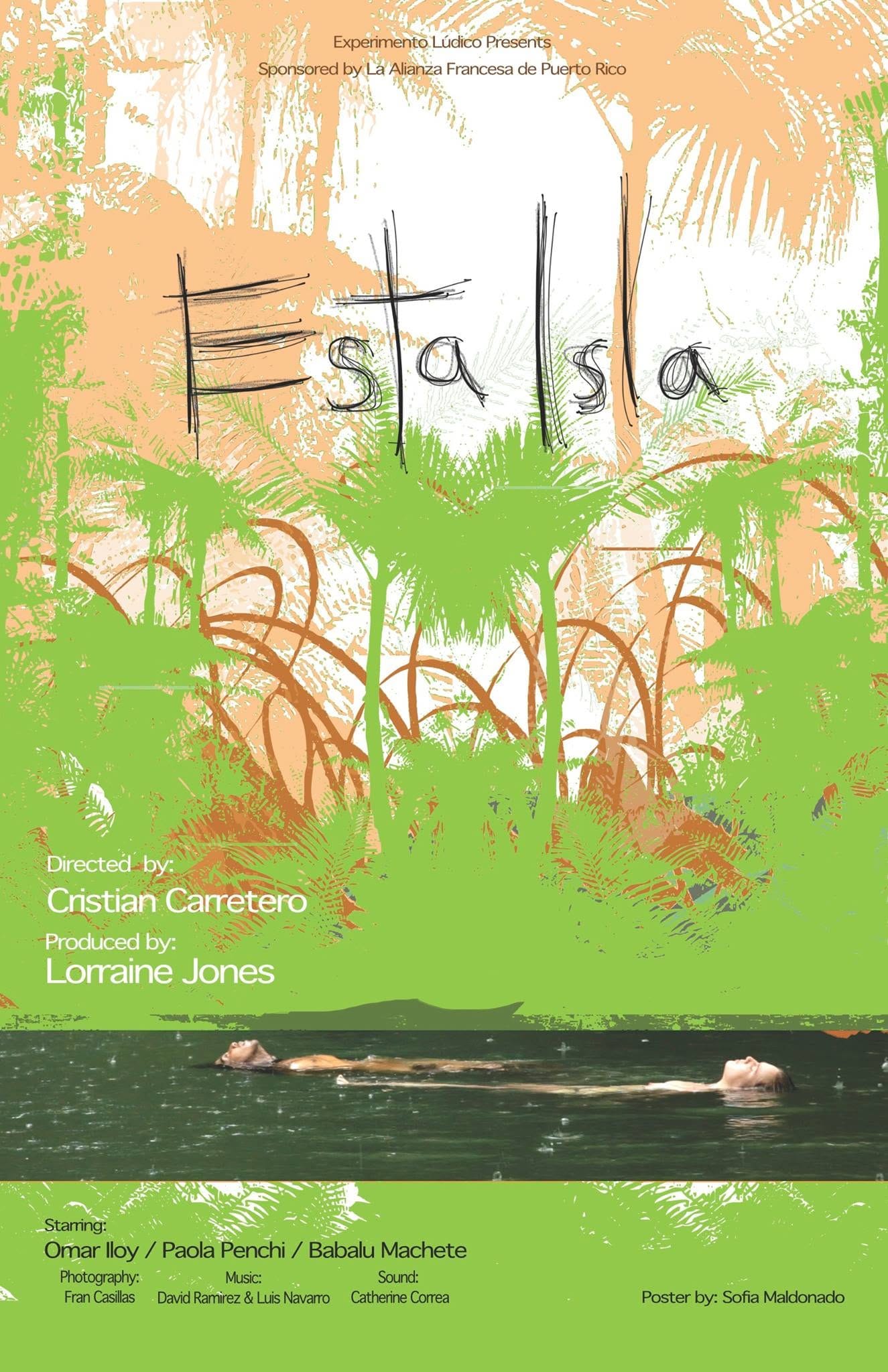
“Since we had the idea cooking, we decided to make a short film. We decided to explore the first act, the characters, and film them. Also, the spaces. Film it here on the west side of Puerto Rico. The idea was to film it with a small team,” Carretero said. “With more local people outside of the industry.”
It was a bit more grassroots and independent with a more experimental style. The final result was chévere, the audience liked it, and it won an award at the festival. Then, the “Esta Isla” short film made it to France and afterwards, they got a grant from Ibermedia to develop the script for the feature film.
In that new part of the process, they were producing television in Puerto Rico and they started collaborating with a friend who’s a script writer. By that time, they had more scenes incorporated into the script because she helped them write the first draft.
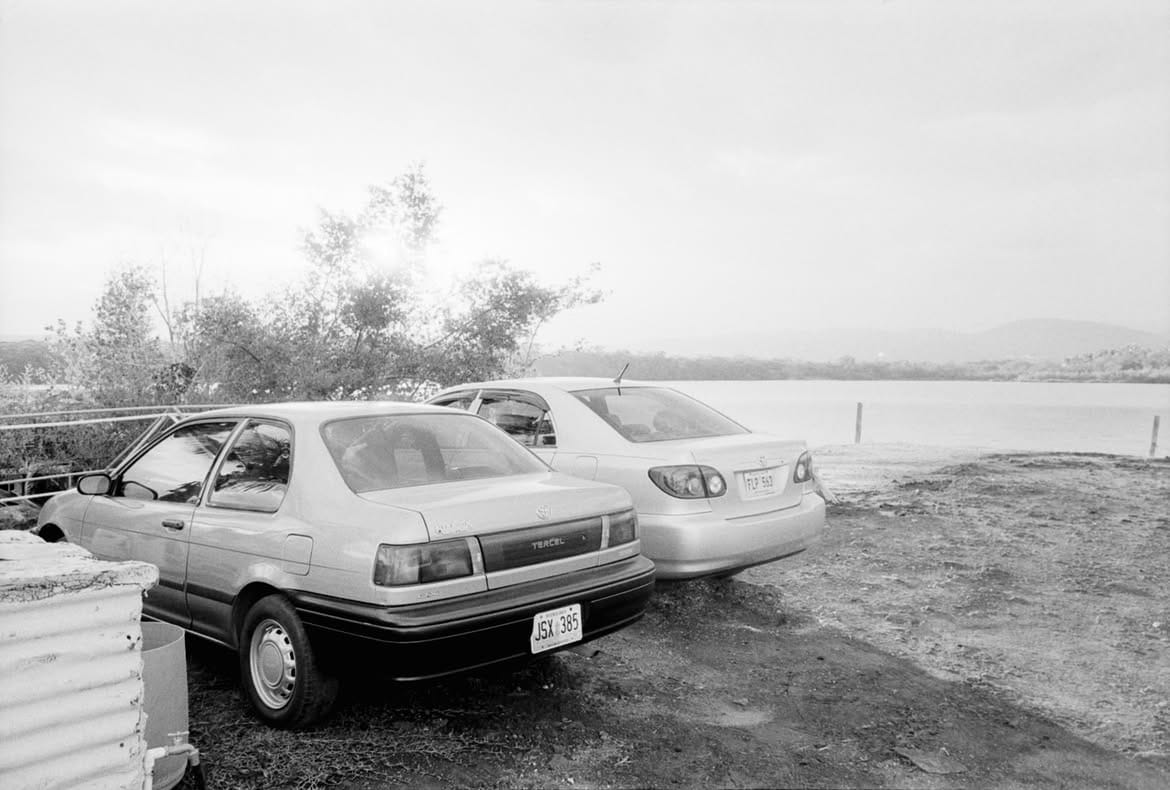
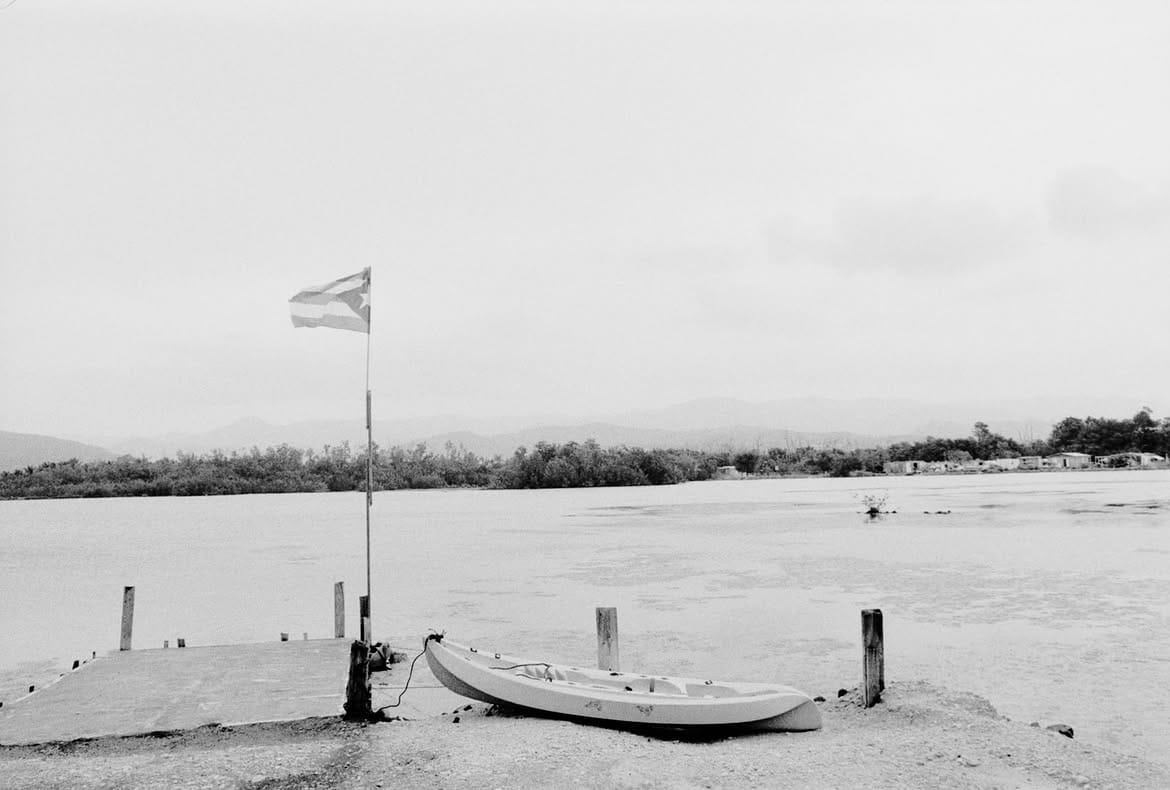
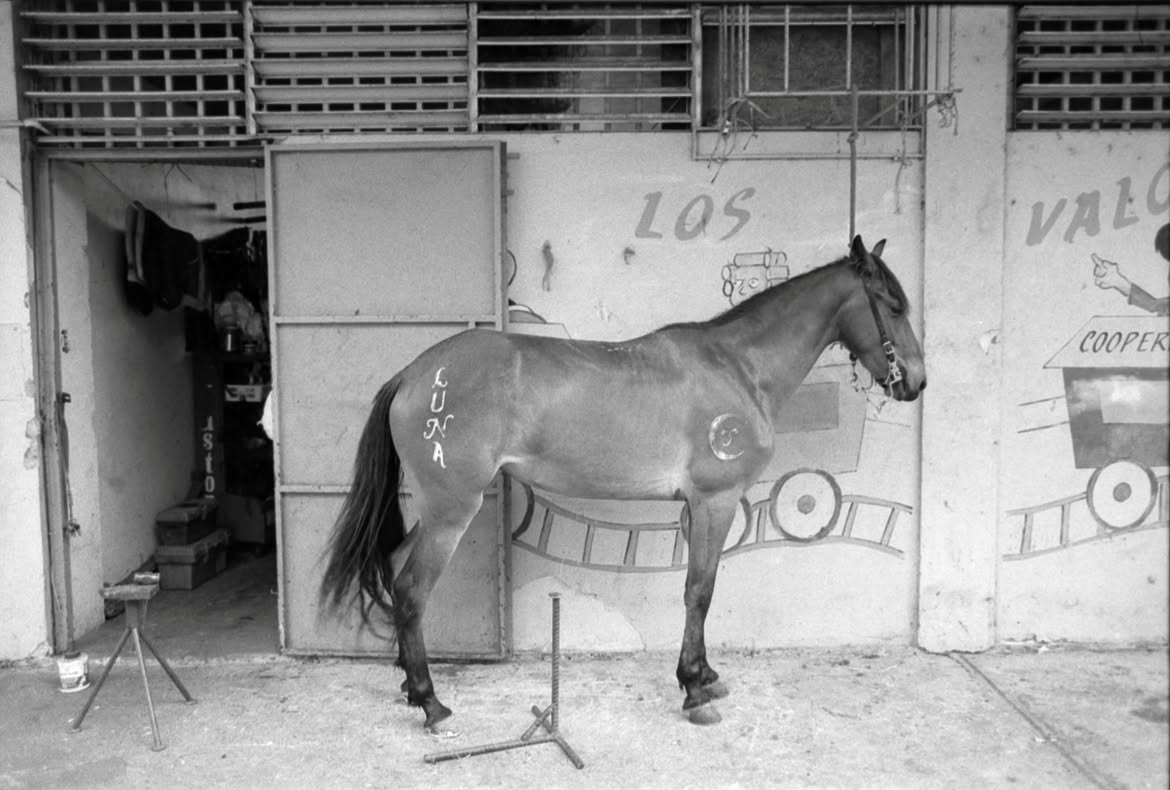
Behind the scenes filming the feature film "Esta Isla." | Photos by Juan Pablo Aramburu Charneco via Esta Isla's social media. | Impulsiva Stories
While they were working on other projects and jobs, Jones and Carretero would use their breaks to focus on “Esta Isla.” With Ibermedia, they’d attend different workshops about co-production and development. And in the meantime, they were looking for the funding to make it a reality.
Throughout that process, they learned more about handling the budget and how to prepare the script. It was not an easy and steady task. At some point, they were offered to film the movie in the Dominican Republic, but they said no.
Maybe, they would’ve had the money and resources to carry out the project, but it didn’t feel right. If they said yes, they would’ve had to film in the Dominican Republic and the story they wanted to tell was in Puerto Rico.
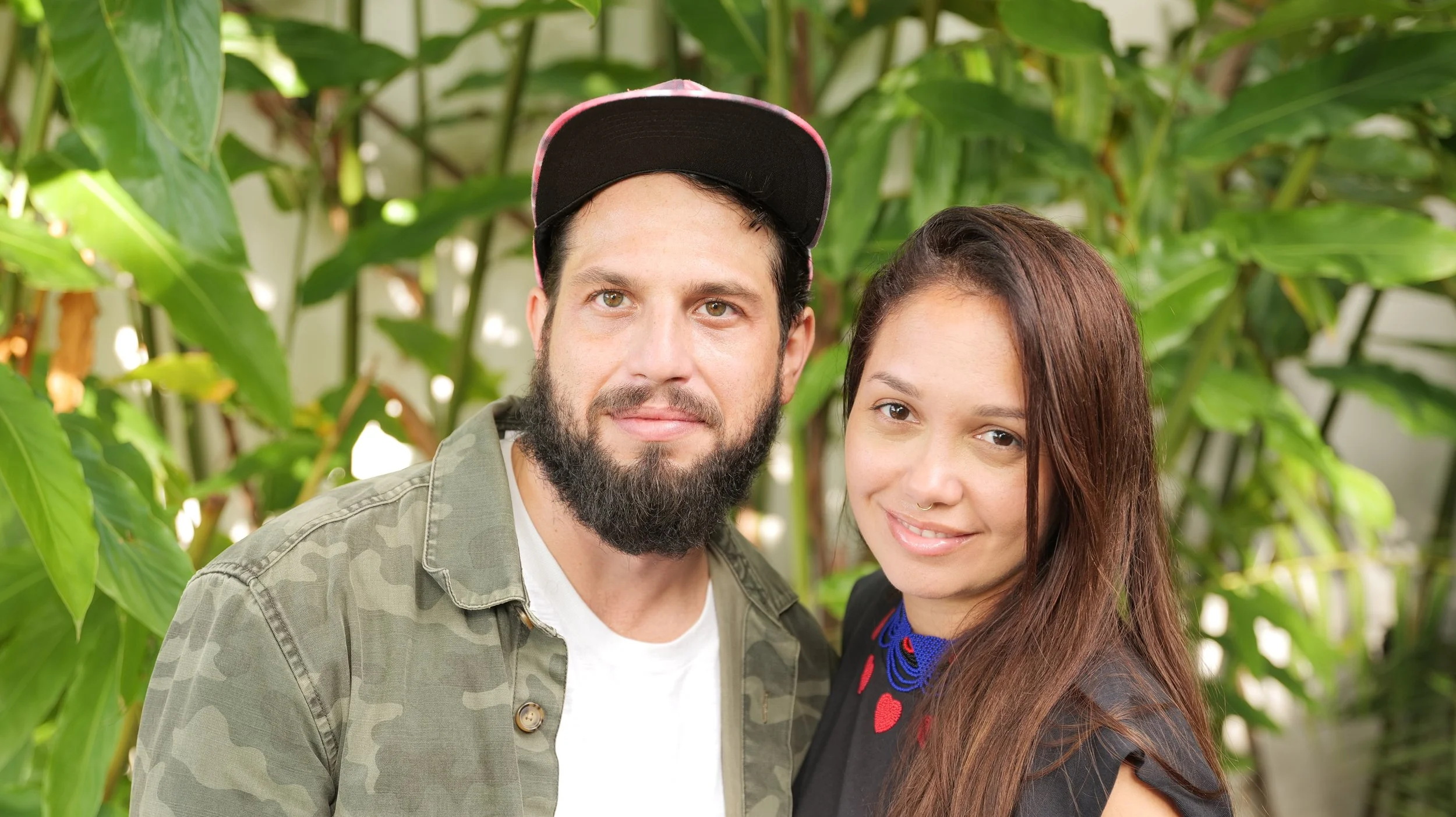
“If I lose that essence, what am I doing? I’m lost. There was a moment later that I was like: coño, I lost an opportunity and I’m crazy,” Jones recalled. “But now I know I did well. I did what I had to because it is what it is. I had to keep going.”
Listen to Lorraine Jones
0:00
/31.212688
The Personal Conviction of Making it a Reality
They kept going and found people who wanted to be part of the project: investors, their own money, and a governmental grant. Even though the governmental grant came through later, they managed to film and make the movie. For Jones, it felt like a really important successful project because she needed to watch this film.
She needed for these stories, characters, and journey to come alive on the big screen. On a personal level, she needed it to be a reality after carrying it for so many years; ten in total.
It was about doing it no matter what and with whatever resources they had available. Carretero also mentioned that throughout that extensive process, they learned and grew a lot as people and filmmakers.
“We weren’t ready to tell something with the same responsibility we did now with all the knowledge and wisdom we’ve accumulated throughout these ten years. The experience we’ve lived was necessary to make this film,” Carretero said. “If we would’ve done it before, it would’ve been a charrería, as we say here.”
Listen to Cristian Carretero
0:00
/40.9095
They wouldn’t have reached the depth they needed to tell a well-rounded and emotionally poignant story. Throughout the process, they learned about a certain filmmaking model they want to keep developing and replicating.
But most importantly, Jones and Carretero achieved their greater purpose of portraying Puerto Rico inspired by their lived experiences through the fascinating and engaging lives of their characters.
“I think that, in its essence, the film is like: this is how it feels to live in Puerto Rico. This is what it's like. I needed that to come through. For that to be understood as: yes, it’s beautiful, but it’s also difficult,” Jones said. “This exists and this other [reality] exists. That was the most important thing for me.”
Jones and Carretero found their great characters in that depth and profound conviction to tell the story of the reality of Puerto Rico in a fictionalized manner. The story is built around its main character Bebo and the people around him: Lola, his brother Charlie, his grandmother Aida, Moreno, and Cora.
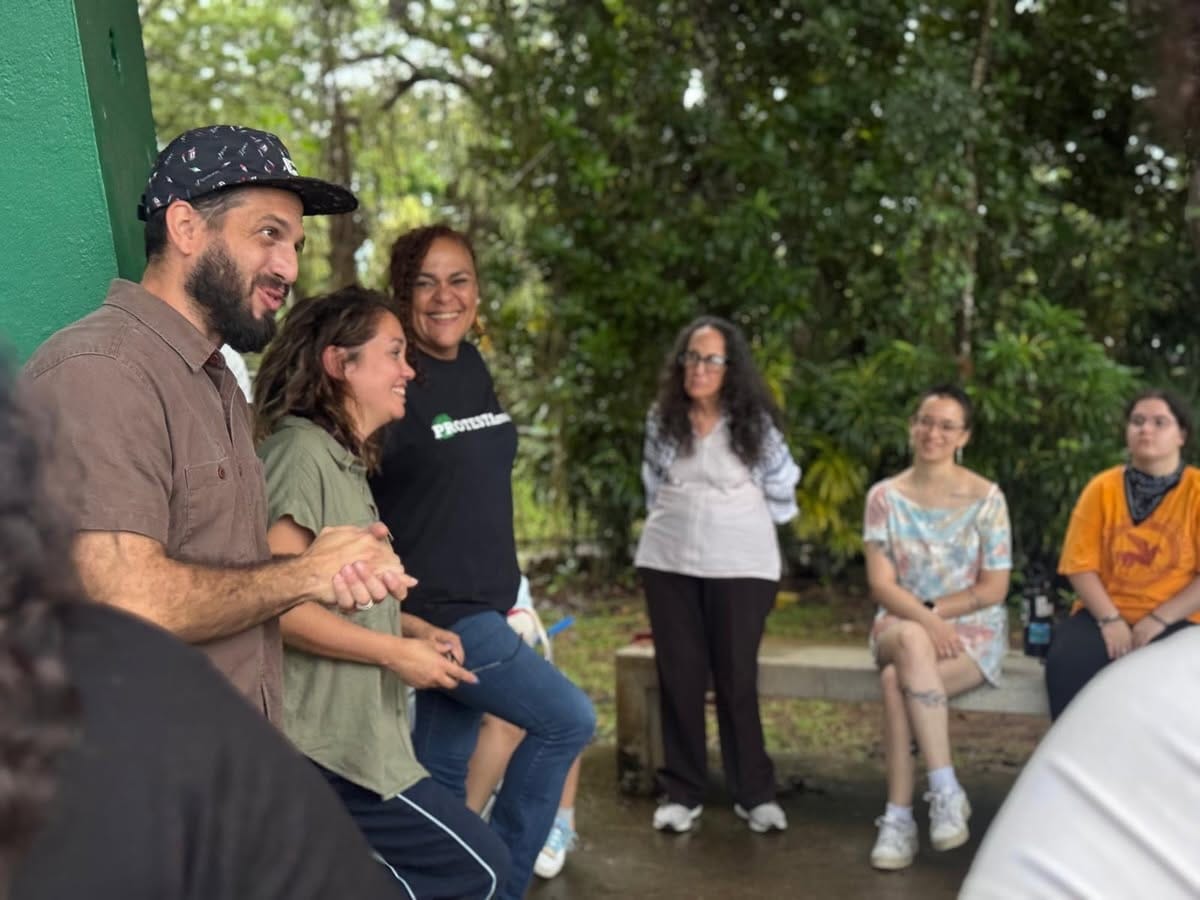
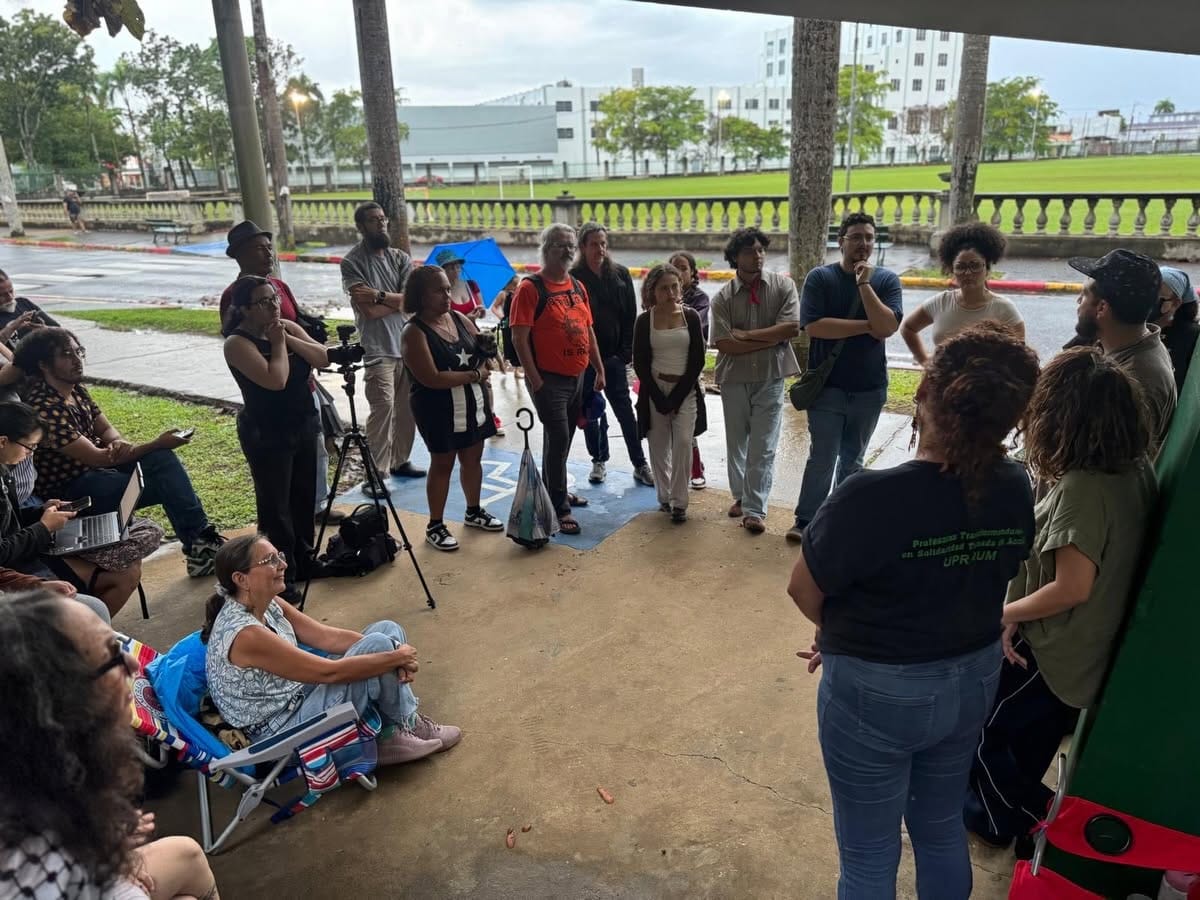
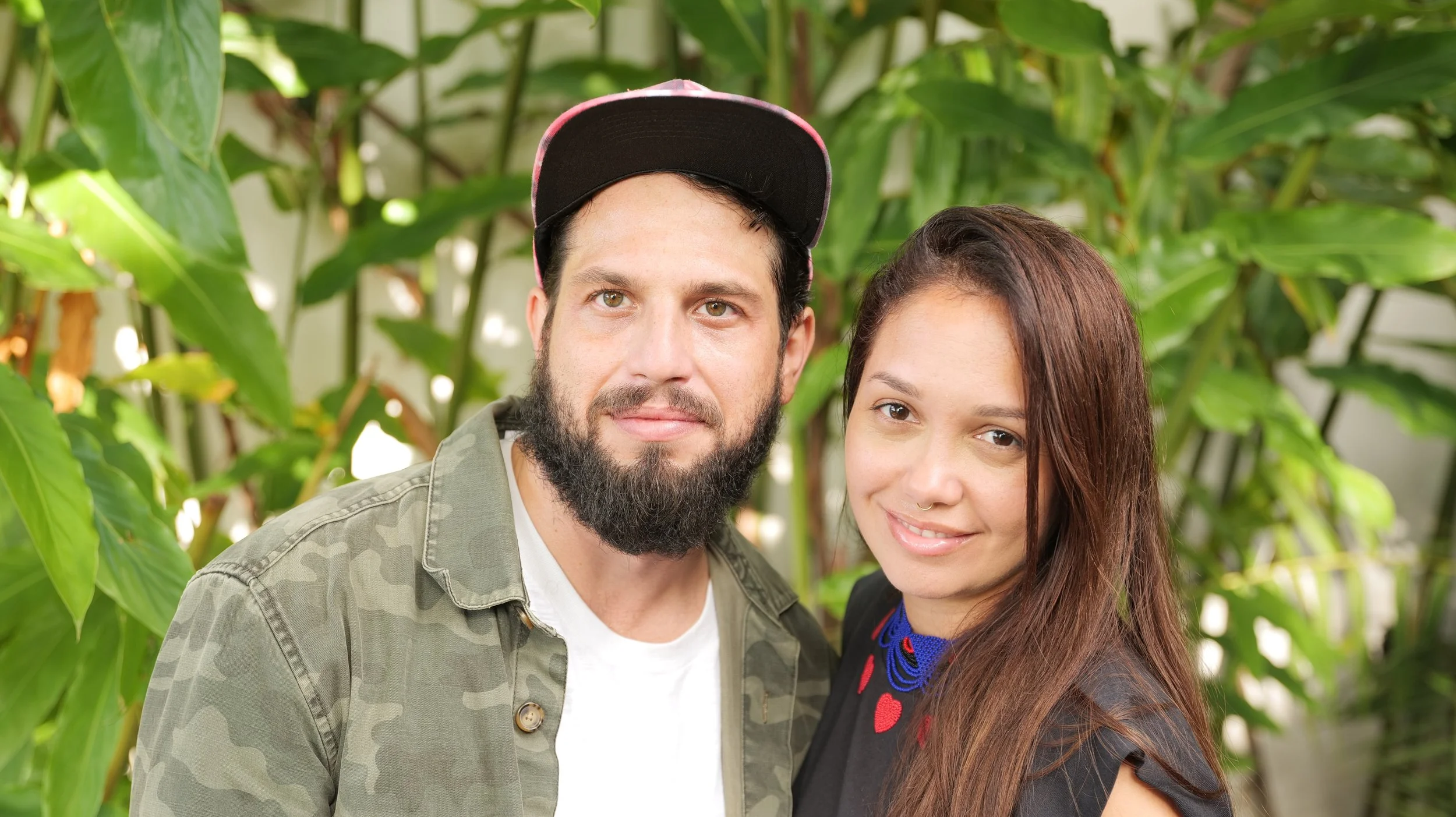
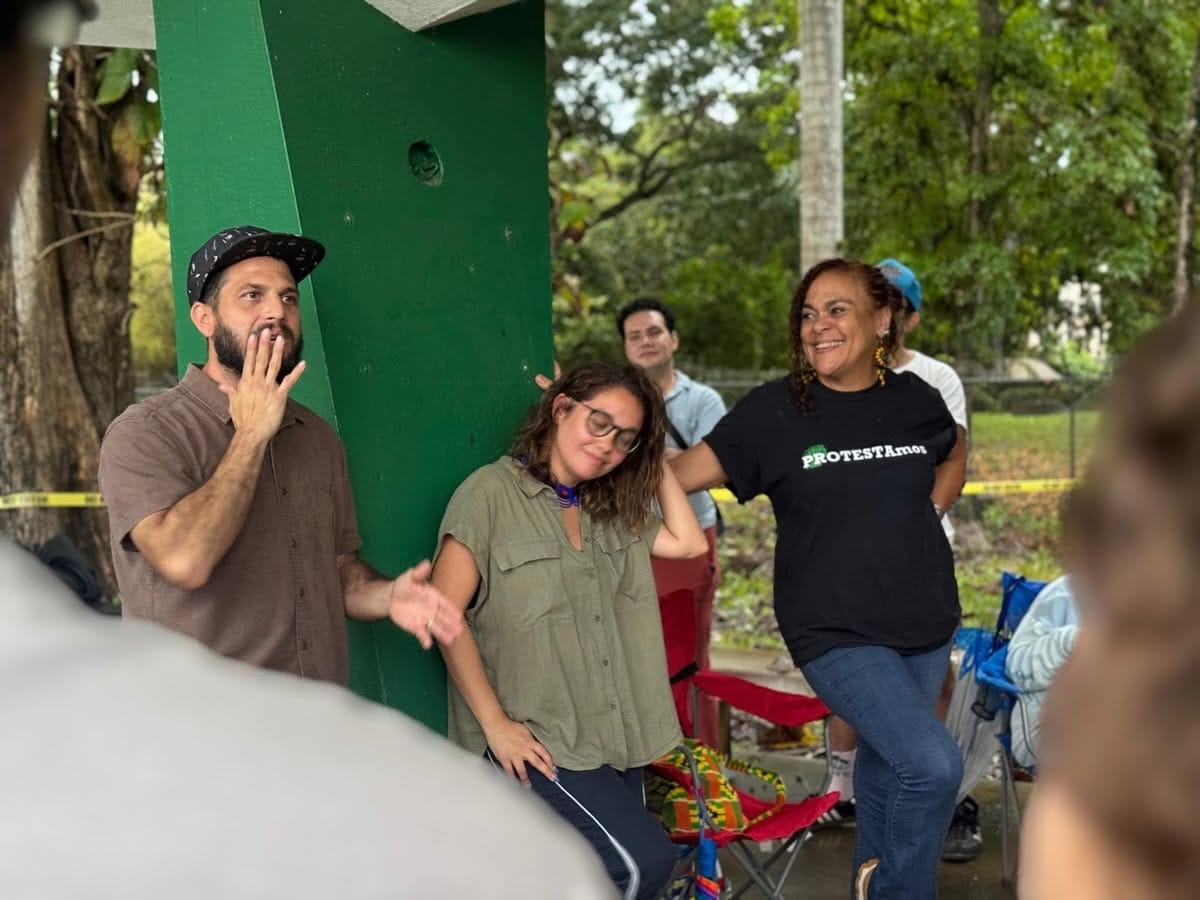
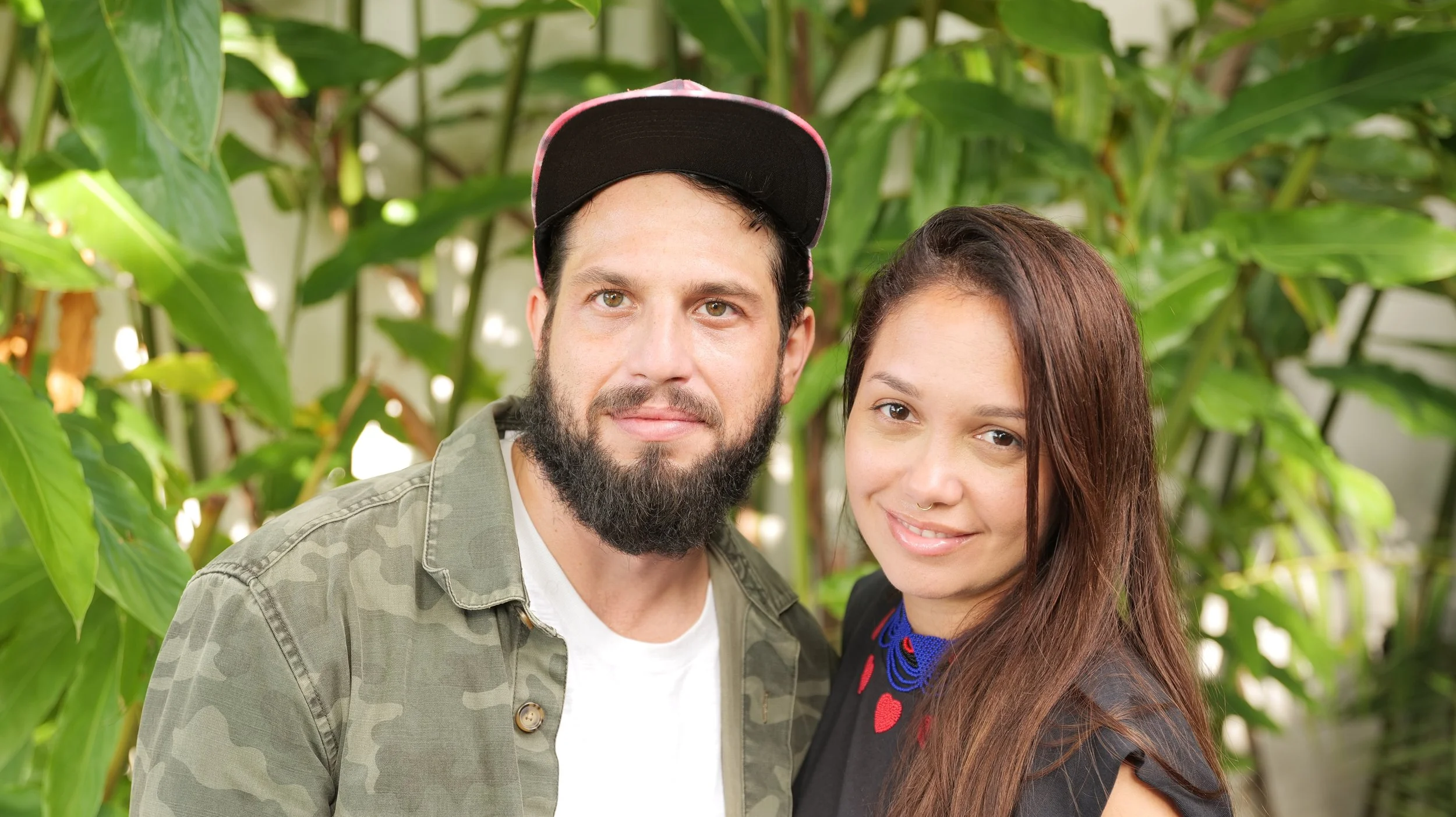
Cristian Carretero and Lorraine Jones during a conference in Mayagüez about their feature film "Esta Isla." | Photos via Esta Isla's social media. | Impulsiva Stories
The protagonists Bebo and Lola contain a lot of Jones and Carretero, but they were also created from stories that they gathered throughout the ten-year journey to build “Esta Isla.” They’re part of the Puerto Rican tropical realism that Jones and Carretero created from their experience of producing captivating films that generate a deep emotional connection with the audience while portraying a fresh reality of Puerto Rico.
“Those characters have to do a lot with our adolescence when we were chamaquitos. With that desire of escaping from the house to leave to the mountain or river with a jevito or jevita,” Carretero said. “To separate from everything and [create] that small utopia. It’s something very isleño from Puerto Rico.”
To learn more about Esta Isla’s Puerto Rican tropical realism, you can follow Lorraine Jones and Cristian Carretero on Instagram at @estaislafilm or @experimentoludico. Stay tuned next week for PART II, where we’ll learn about how Esta Isla explores Puerto Rican social issues.
Written by

Subscribe to my newsletter
Subscribe to my newsletter to get the latest updates and news