I Transformed My Trauma into Art
This is my story of pain and resilience that led me to participate at the Costa Rica International Film Festival (CRFIC).
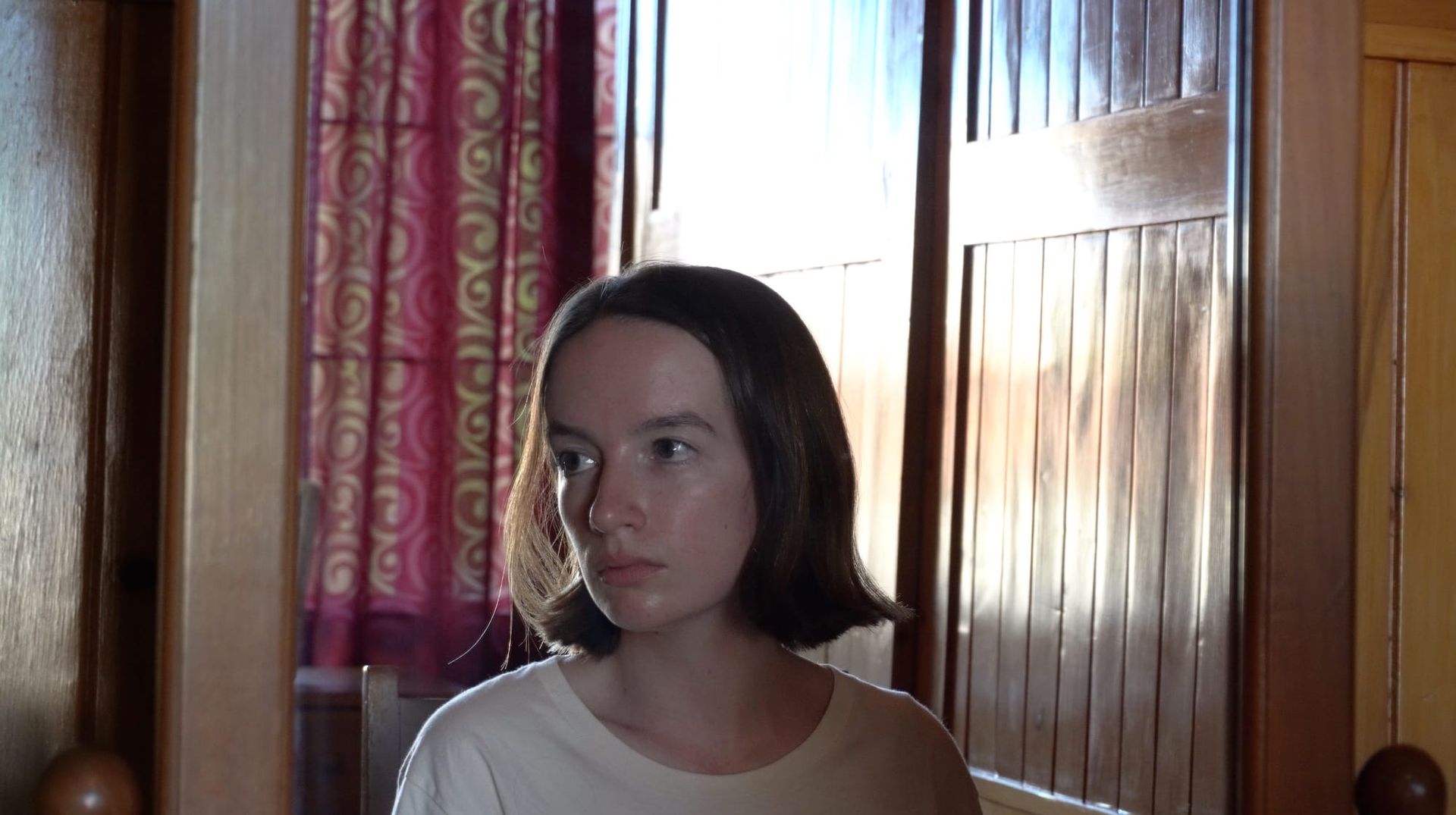
It is now time to speak my truth. It is time to tell the story of how I ended up here – one of the best moments of my career – with my documentary “Music Saved My Brain” participating at the Costa Rica International Film Festival (CRFIC). How I ended up in a film competition in Costa Rica for the first time when I didn’t even study filmmaking. When I didn’t have a team or any budget at all, which only makes the journey even more worthwhile.
And it has not been easy at all. It’s taken me twelve years of continuous work to reach this point. But I’ll focus only on the past two years because 2024 and 2025 were quite difficult time periods in my life.
So, we must go back to May of 2024. These were times when I had a great idea. Yet, the “publication” I was working at – if you can call it that – was the worst place to explore this extremely ambitious story.
Back then, I wanted to explore the effects of music on my brain. I wanted to do that with a Panamanian band, whose name I won’t mention because I don’t want to give them free publicity. I wanted to understand why their music relaxed me. I had to also revisit my adolescence: times when I had seizures and an “immature brain.”
I wanted to understand many things from the past I had no knowledge of, but most importantly I wanted to know about the effects of music on my brain. That was all I wanted. Nothing complicated.
At least, in my mind it was not complex. It made all the sense in the world, even though at times I felt like I did not know what I was doing and I was playing at the science lab.
Don't Forget to Subscribe to The Story of The Story
For only $16 a month, every Friday you'll have exclusive access to
The Story of The Story. Our founder, the Costa Rican award-winning multimedia journalist and artist Elizabeth Lang, guides you through her creative process to produce her stories.
The only way to understand that was by collaborating with doctors and a music therapist. As a journalist, I had no profound knowledge on this. I didn’t want to do a documentary only speaking about my personal journey without scientific arguments that backed up my anecdotal experience. I needed the science and the facts.
In Search of the Right Professionals
So, I went on a thorough search for the professionals who could help me. I reached out to my neurologist from my adolescence, but he said he didn’t have my medical record anymore. About ten years had passed by since my last appointment with him and he wasn’t interested in participating either.
That just complicated things a bit. So, I kept looking for someone else. My great aunt is a doctor and she mentioned a couple of her colleagues, but they were retired neurologists. They could not participate because of that.
Then my mom remembered about the son of one of my father’s cousins: Dr. Gerardo Lang. He’s a renowned and very successful neurosurgeon here in Costa Rica. I reached out and told him about the project. He was quite interested and invested in it. He wanted to participate and really dive deep into the science behind music and the brain.
I then rebuilt my medical record from scratch with my mother’s meticulous notes and with my exams from the past. I gathered all of the information and the electroencephalograms (EEGs), CT scans, and MRIs from my adolescence. This was for Dr. Lang to have a good understanding of my medical history and explain better my brain.
While I was doing that, I was also looking for someone in psychology whose work was closely related with the research of music and the brain. After a deep search, I found Renate Rohlfing’s profile at the Berklee College of Music’s website and I sent her an email asking if she’d like to be part of the experiment. She gladly said yes and that changed things big time.
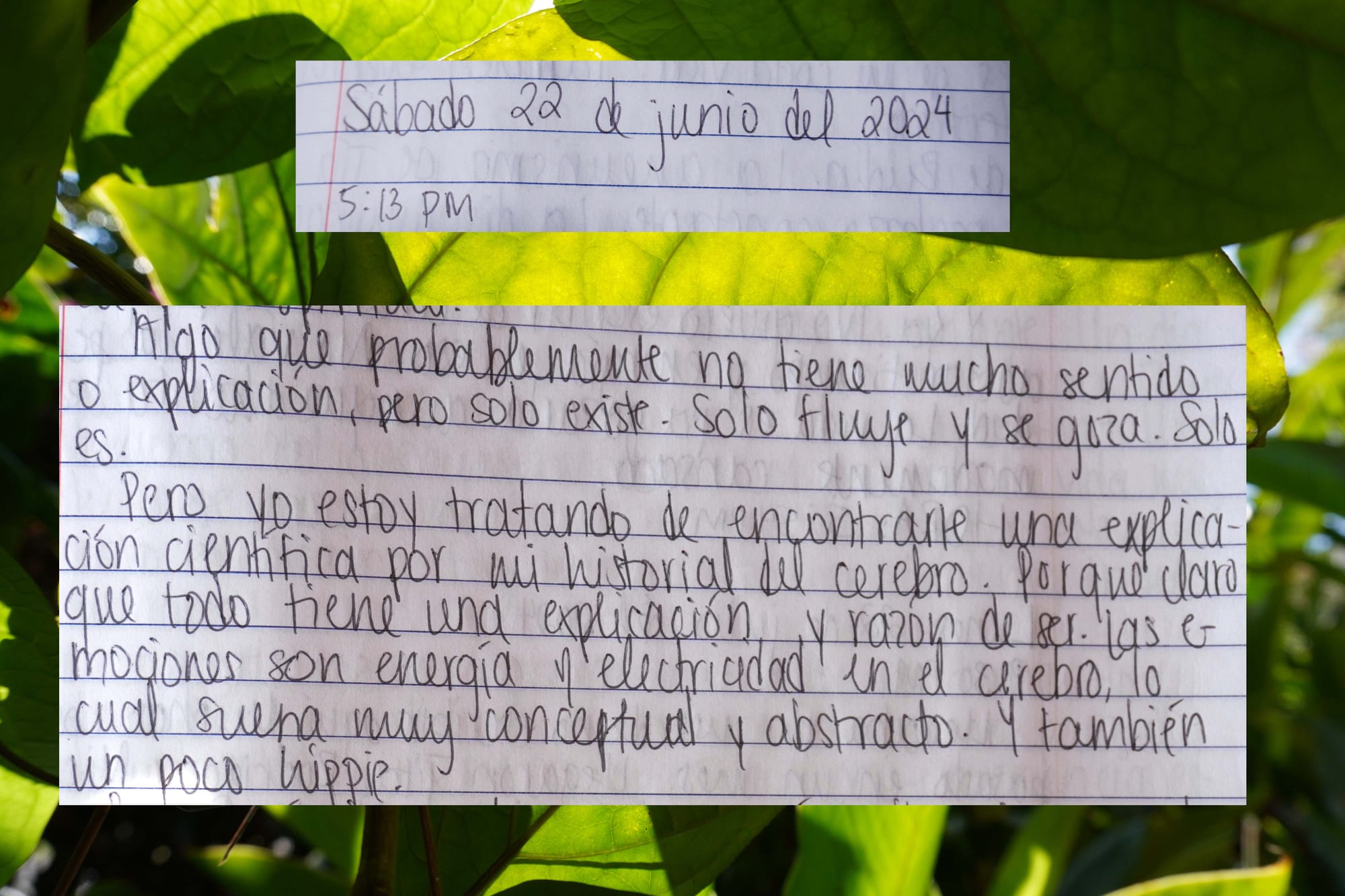
She asked me to write multiple journal entries explaining my life story, my connection with music, and my adolescence when I was medicated for my seizures. She wanted to see if there was a difference with how I experienced music when I was medicated and when I wasn't. She also wanted to understand my deep connection to music and how I processed my emotions with it.
It was a wild ride back then in 2024. When I spoke with her for the first time, it was already July and the clock was ticking. There was a slight issue then; one of the many problems I encountered with that documentary (that I sometimes think was cursed).
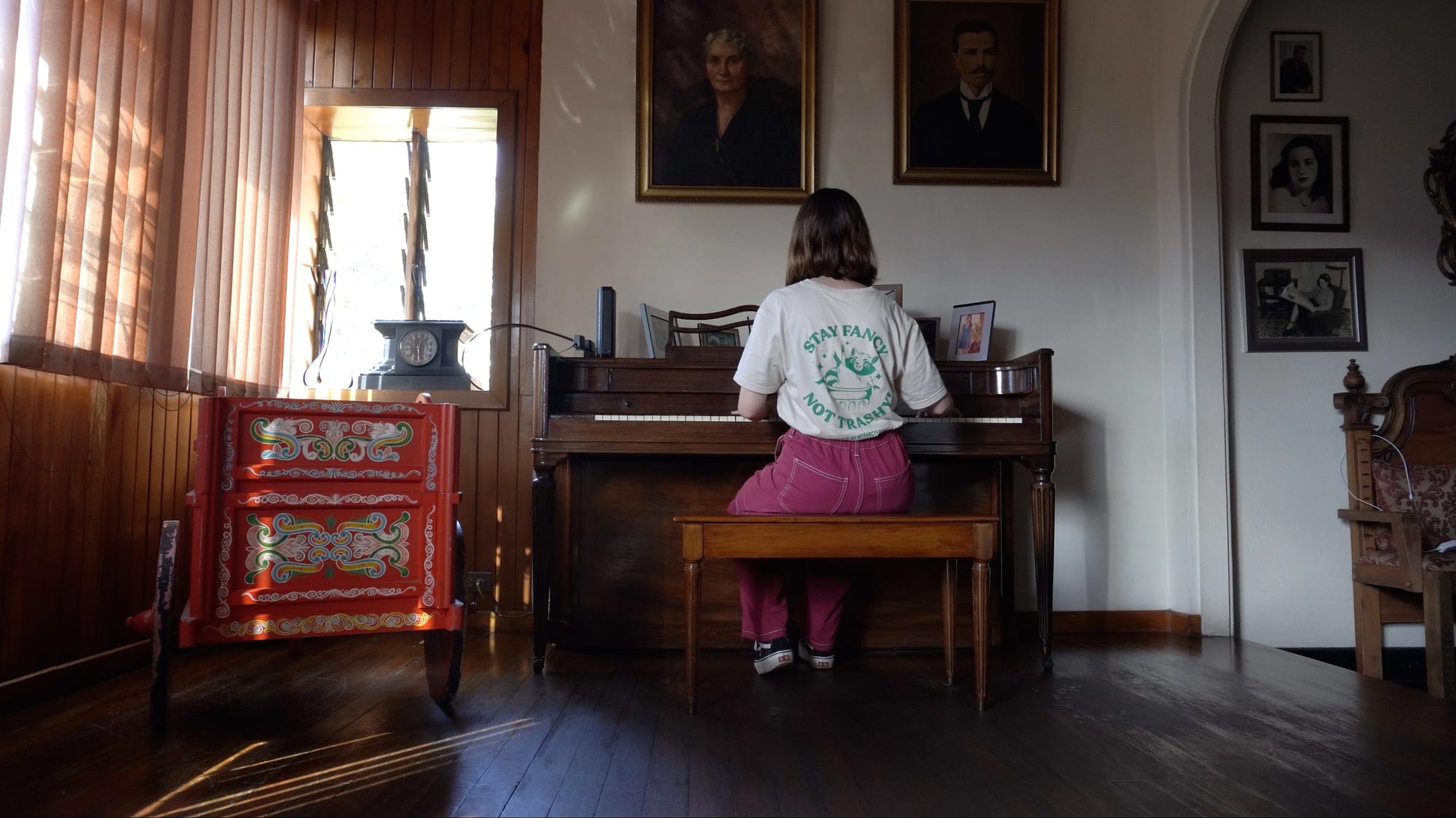
Dr. Lang scheduled an EEG at the hospital he worked at. The technician who carried out the exam did not take me seriously and the person documenting the process visually did the job wrong. Not only was the exam inconclusive, but the footage did not work at all for the documentary’s purpose.
In mid process I had to repeat the exam and look for someone else for the camera. Thankfully, Dr. Lang came through como los grandes and got involved the neurologist Dr. Freddy Henríquez, who is one of Costa Rica’s few epilepsy specialists. I asked my friend Jordi Louzao for help to film some b-roll footage and then interviewed the great Costa Rican director of photography Carolina Mora.
She joined me for the new exams with Dr. Henríquez and did a marvelous job filming everything. It was amazing and I’ll be forever grateful for that. We were meeting for the first time and she accompanied me in a very weird scenario to see how my brain worked with the Panamanian band’s music.
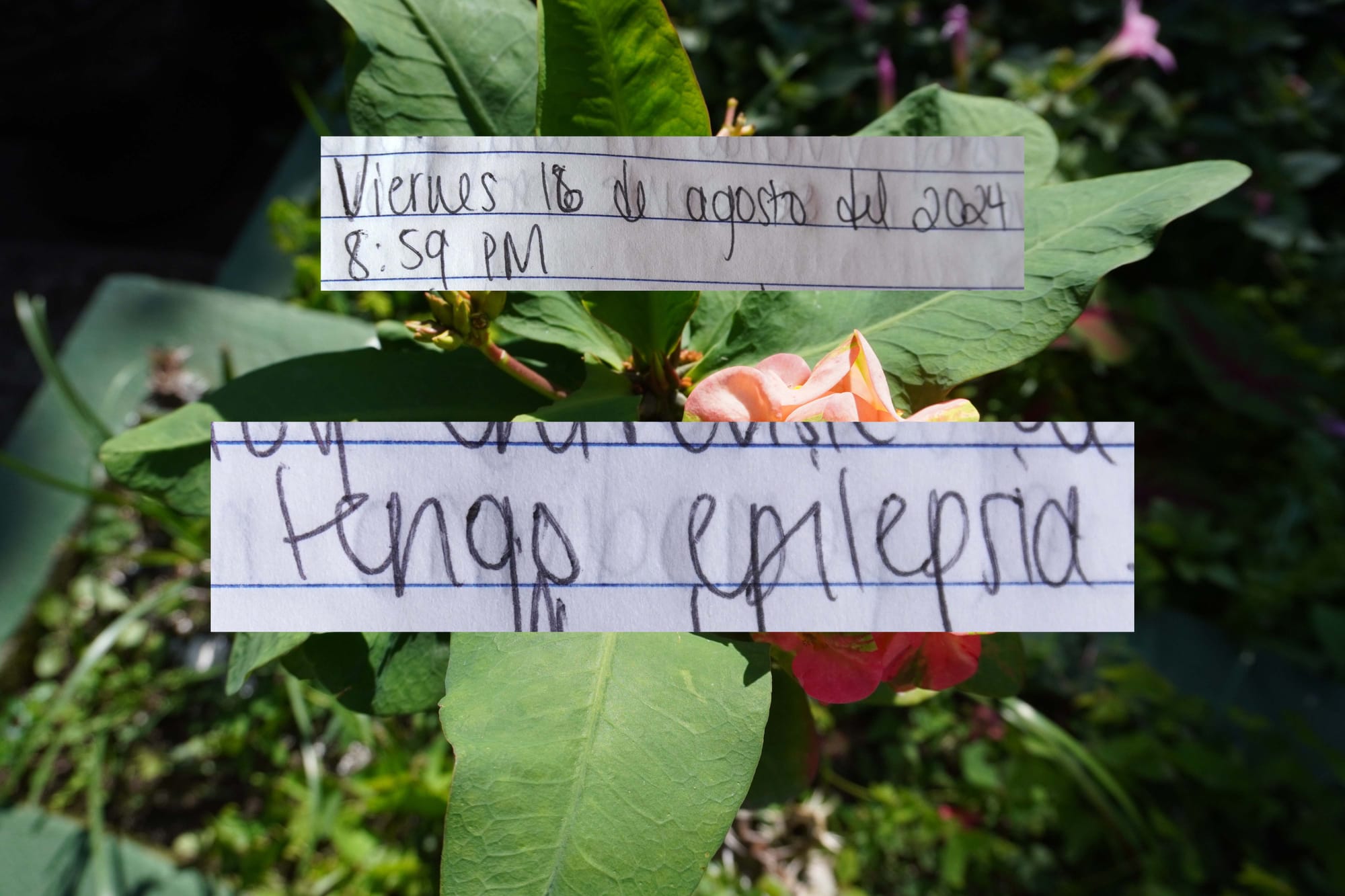
Once the exams were done, I scheduled a new appointment – or interview – with Dr. Henríquez to see what the results were. To my surprise, I ended up diagnosed with juvenile myoclonic epilepsy. That was the final result of the experiment, which was something I did not see coming at all.
The [Cursed] Documentary that Destroyed My Life
He explained the disease so clearly and went in deep talking about its stigma. Time froze during that conversation. I was there physically, but mentally I was in another world. Everything started shattering.
When you get a diagnosis of that sort, everything changes. I won’t romanticize the fact that I was doing a documentary and I had to tell the world that music saved my brain. That was no fun at all and I was struggling.
Dr. Henríquez explained the diagnosis and the stigma of having a chronic illness with no cure in my brain. When I told certain close people, some were extremely supportive (bless their souls for that) and others were horrible about it.
0:00
/0:02
I started getting treated differently simply because what happened in my brain had a name. The “fireworks that exploded” in my brain during my adolescence now have a reason and medical explanation.
It was never an immature brain. It was always epilepsy. Simply saying it out loud, always gets a reaction. At some point, I was shamed for having epilepsy and well, what can I do about it? Nothing.
It’s not like I chose to have this disease. My epilepsy is genetic and basically, I won the lottery by probably having a genetic mutation that caused it.
My life slowly started falling apart in that moment, but I had to keep going.
I had to edit the documentary and release it. It was a very harsh emotional and physical process. I lost weight because I was really stressed out. One week before making it public to the world, I had a horrible migraine. It was so intense, that I threw up and it had been years since that happened.
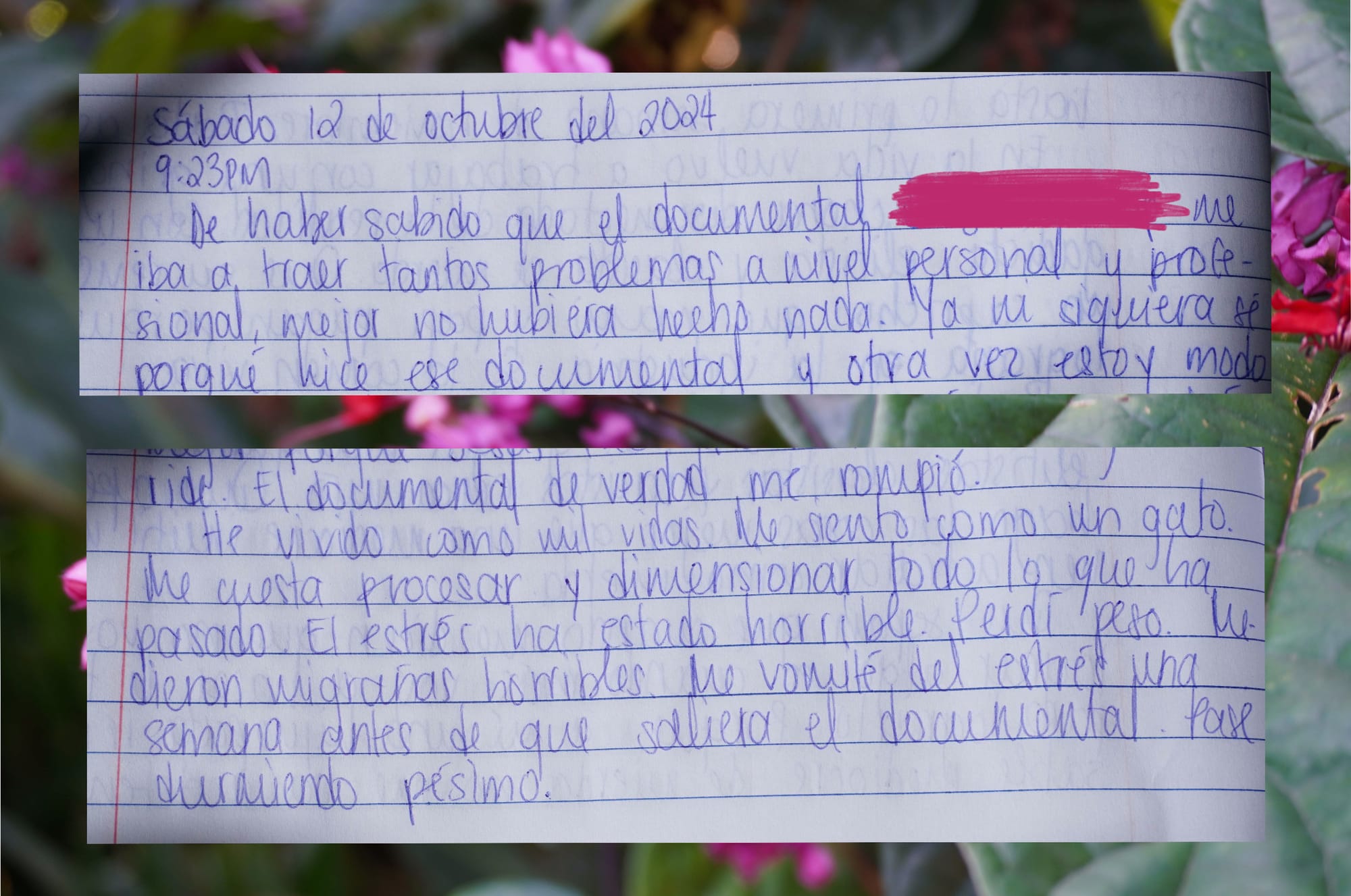
The stress was eating me alive and that was probably a sign of what was to come. It was the foreshadowing.
The documentary was finally released on September in 2024. It got an amazing reception and positive reaction because the fans of the Panamanian band really connected with it. There was a lot of interaction with it and many people reached out sharing their personal stories in relation to this music.
People with epilepsy. People who battled cancer. People struggling with mental health issues. People who found in music an escape and a safe place to feel better. It simply surprised me because I did not expect that outpouring support and validation from strangers on the Internet.
I even did a screening of the film here in Costa Rica and once again, the support was amazing. For a brief moment, everything was worth it. I even thought: this is it. This is the story that will be my big break. I’ll finally get discovered.
But oh boy, I was so wrong. There won't ever be enough words to clearly express my feelings for what happened next.
A month and a half passed by and I received no payment whatsoever for my documentary from the “publication” I worked at. I was done with chasing around this person for my money, so I had to get a lawyer involved (knowing that not much could be done because I was in Costa Rica and the “publication” in the United States).
And oh well, simply asking for my fair payment created a huge problem.
I got fired. The stories I produced during the year and a half I worked there were erased. I got threatened with a lawsuit. I was treated like a criminal and accused of doing illegal things just because this person did not want to pay me.
Of course the Latina got treated like a criminal by the average racist and discriminatory white person from the United States; a narrative we all know quite well.
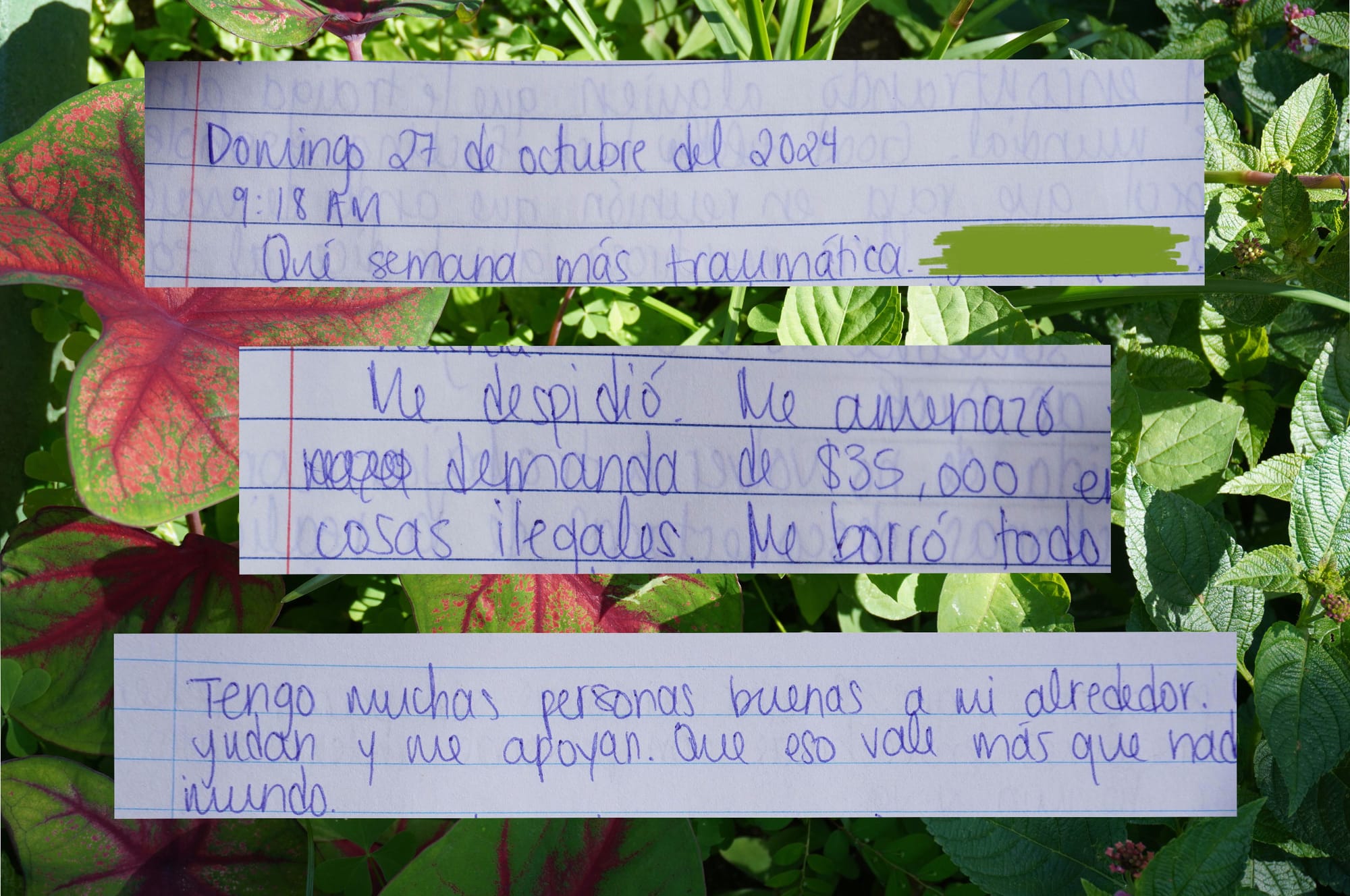
The biggest story and documentary of my career got me fired.
Just imagine being diagnosed with epilepsy, dealing with the stigma, and then getting fired in the most horrible way possible all in the span of 1.5 months.
My world fell apart. Everything felt so intense. For a moment, I thought I’d have a seizure because of the excruciating stress, but thankfully that didn’t happen. I was struggling so much and I was going through one of the most traumatic experiences of my life.
I just wanted to brush it off. I was hoping it was just a really bad nightmare. That it was not real life. I had never been treated in such a degrading and dehumanizing manner before. It was just horrible after all the work put into that documentary and the rest of the stories I produced during my time at that job.
Avoiding My Feelings
And then, it was October. I really feared going back to being unemployed, but this time it did not last that much. Two weeks after I was fired, I was doing a job interview for a new position and several other opportunities started appearing. Nothing concrete, but things were moving quickly.
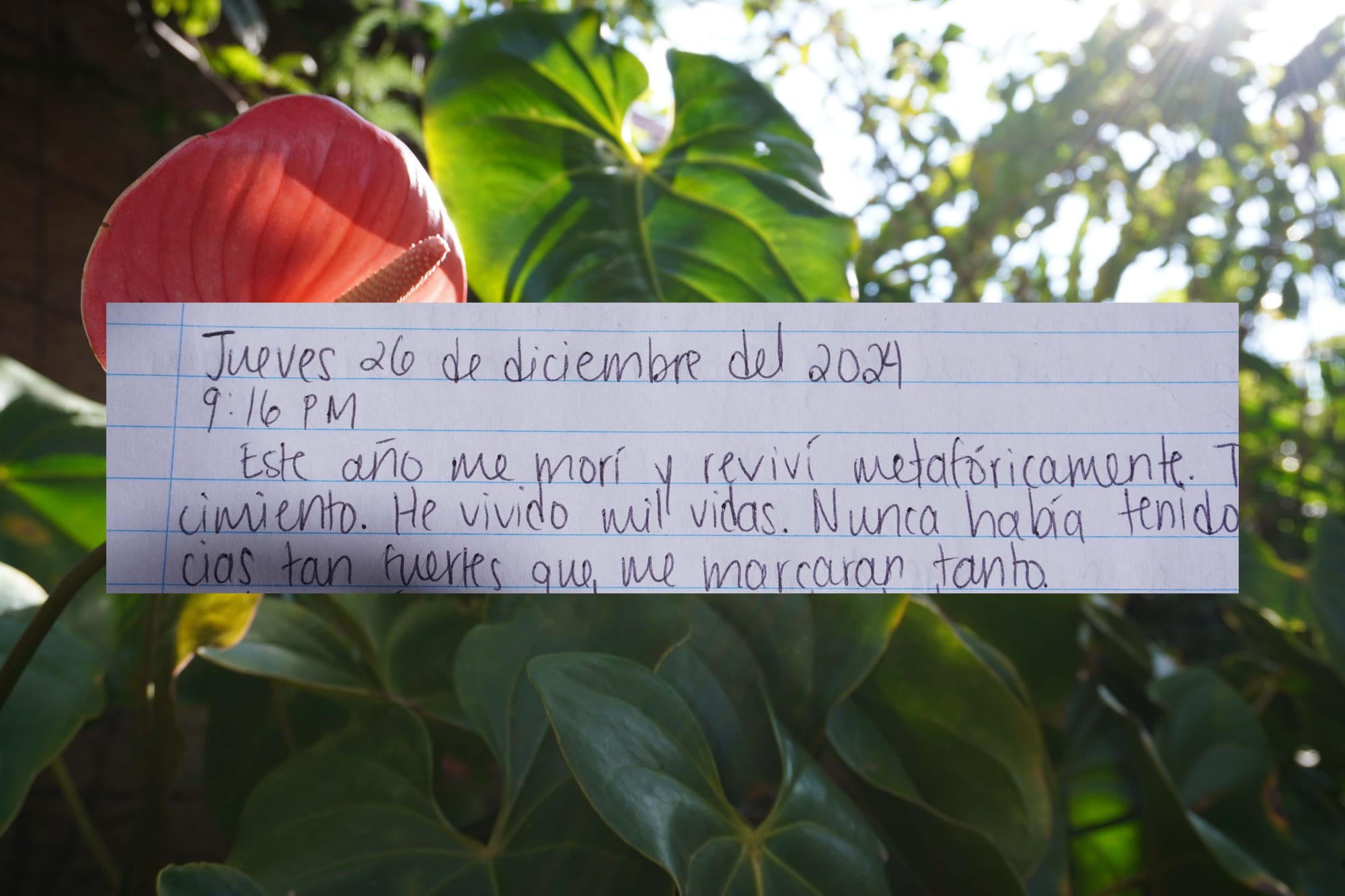
I did that job interview in November and by the end of the month, I was called in. I was on a “probation period” to see if my work fit the requirements. Thankfully it did fit, but I ended up in a really bad place in 2025 with that new job.
I’ve now realized I took that job because of the fear of unemployment and to avoid feeling everything I was going through. Obviously, running away from my feelings and emotions was not the right thing to do. I ended up worse with a new job that was quite similar to the previous one.
These were jobs where disrespect, humiliation, and abuse were normalized. These were positions where my work and interviewees were constantly insulted.
It was an ongoing toxic environment were the people “in charge of me” felt they could simply insult me and my work for no reason. I felt I was getting nowhere with what I was doing and at some point, I was simply complying with a performative political agenda.
When I started both of these jobs, I knew immediately I wanted to leave them. I thought of them as temporary gigs before something better would come through. They were toxic work environments where bringing down others for simply existing was the norm. The work I was doing was having great results externally and the audiences were really supportive of them, but internally it was always a hassle.
I really never understood why that was so. At times, it felt as if I had a dark cloud over my head, following me everywhere I went, and pouring rain all the time.
What kept me going and motivated were the artists I was interviewing. Their conversations really impacted me and they’ll always drive my motivation through the sky. I’m always grateful for their time and for really opening up with me in our interviews. Those are some of the things I treasure the most and what really drives my passion for producing my multimedia longform cultural journalism.
And since the great discovery of my epilepsy, I now know that these interviews literally keep me alive. I cannot walk away from my career, even if I’m in the trenches or if it's a love-hate relationship.
Saving The Story That Changed My Life
Yet, while I was on that last horrible job in 2025, I was also given the “option” as a freelancer to publish my story about music and epilepsy in Puerto Rico. But it was an empty promise.
I reached out once again to Dr. Lang, Dr. Henríquez, and Rohlfing to pursue this new angle of exploring music as an alternative therapy for epilepsy based on my personal experience. They eagerly said yes and were super open about it.
I also reached out to the Panamanian band explaining everything that happened and how the documentary was destroyed for reasons out of my control. I was so ashamed of it and apologized for something that was not my fault.
I told them I wanted to save the story and that I found a place to publish in Puerto Rico.
But guess what…
The [entitled] band ghosted me and did not respond back. I felt even worse because of that. The band and musicians I once respected simply disappeared and bailed on me with no explanation. I gave them so much press coverage in 2024. I produced a stupid number of stories about them that, quite frankly, is not normal for any journalist to do.
And well, now I can’t listen to their music because I feel so much pain and frustration. It reminds me of a very traumatic moment in my life, which is why I really despise that music now.
I even regret giving them a space in that story where top notch health professionals analyzed and studied their music. They never deserved it and actually, they were the plan B for that documentary because at the beginning, I had another band in mind.
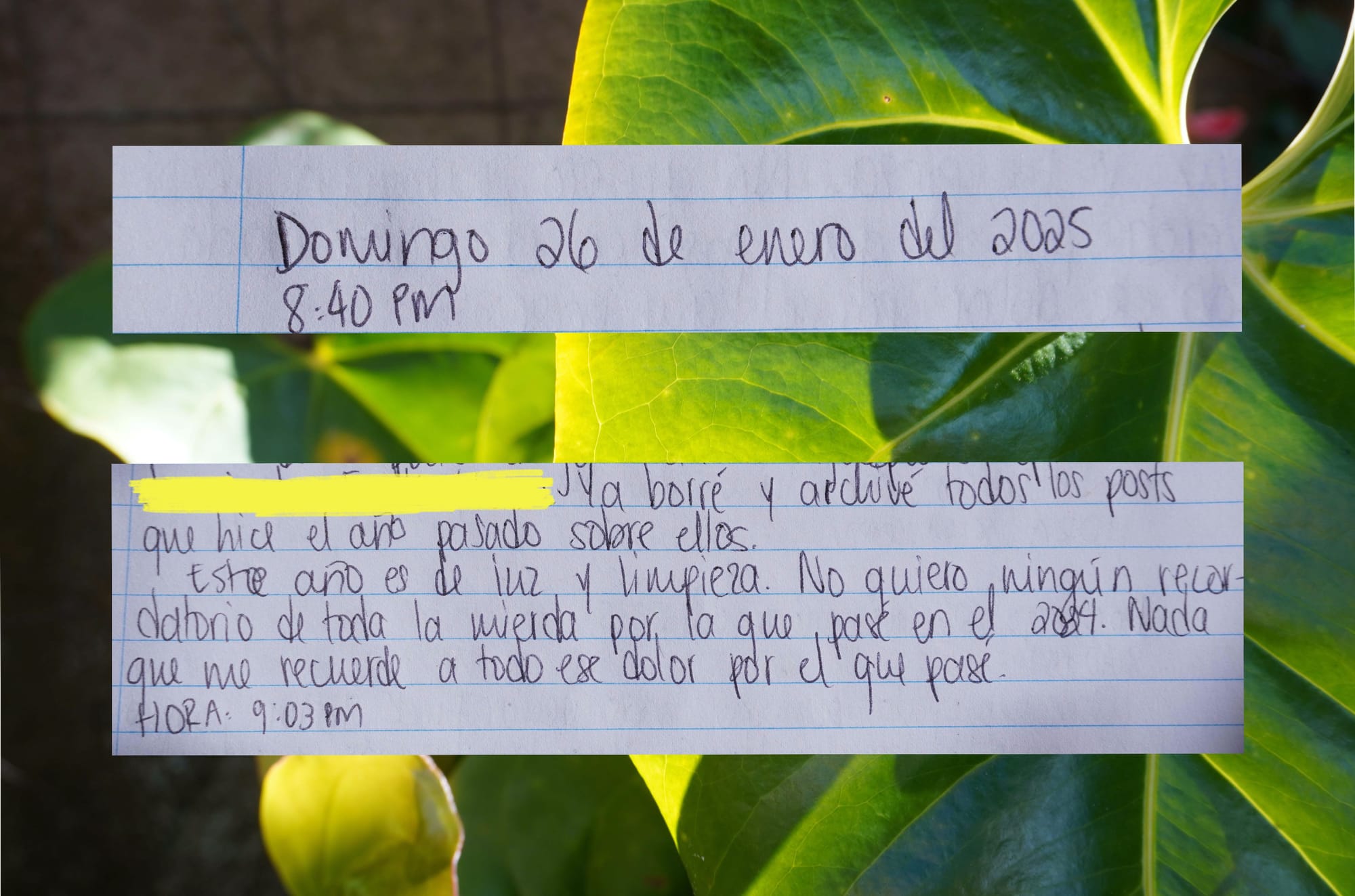
But anyways, I still had this fire and voice inside my head telling me to save that story. To save all of the research done. To chase this narrative because I knew it could help other people with epilepsy and it could open doors for further research in the future. So, in 2025 I took my time to pursue this story on a freelance basis.
I did the multimedia in-depth four-part series and produced the short documentary. I decided to name everything “Music Saved My Brain” because music saved my brain, my life, and my career. I kept waiting for a reply for a publication date in Puerto Rico, but time went by, nothing happened, and I was given a lame excuse for not getting it released out to the world.
December was breathing on my neck. I needed to get that published soon because if I let it pass by, the story would no longer be relevant time-wise. So, I took things into my hands. My contract with the horrible job was coming to an end, Bad Bunny’s concert in Costa Rica was right around the corner, and one of my last stories of the year was about to be published.
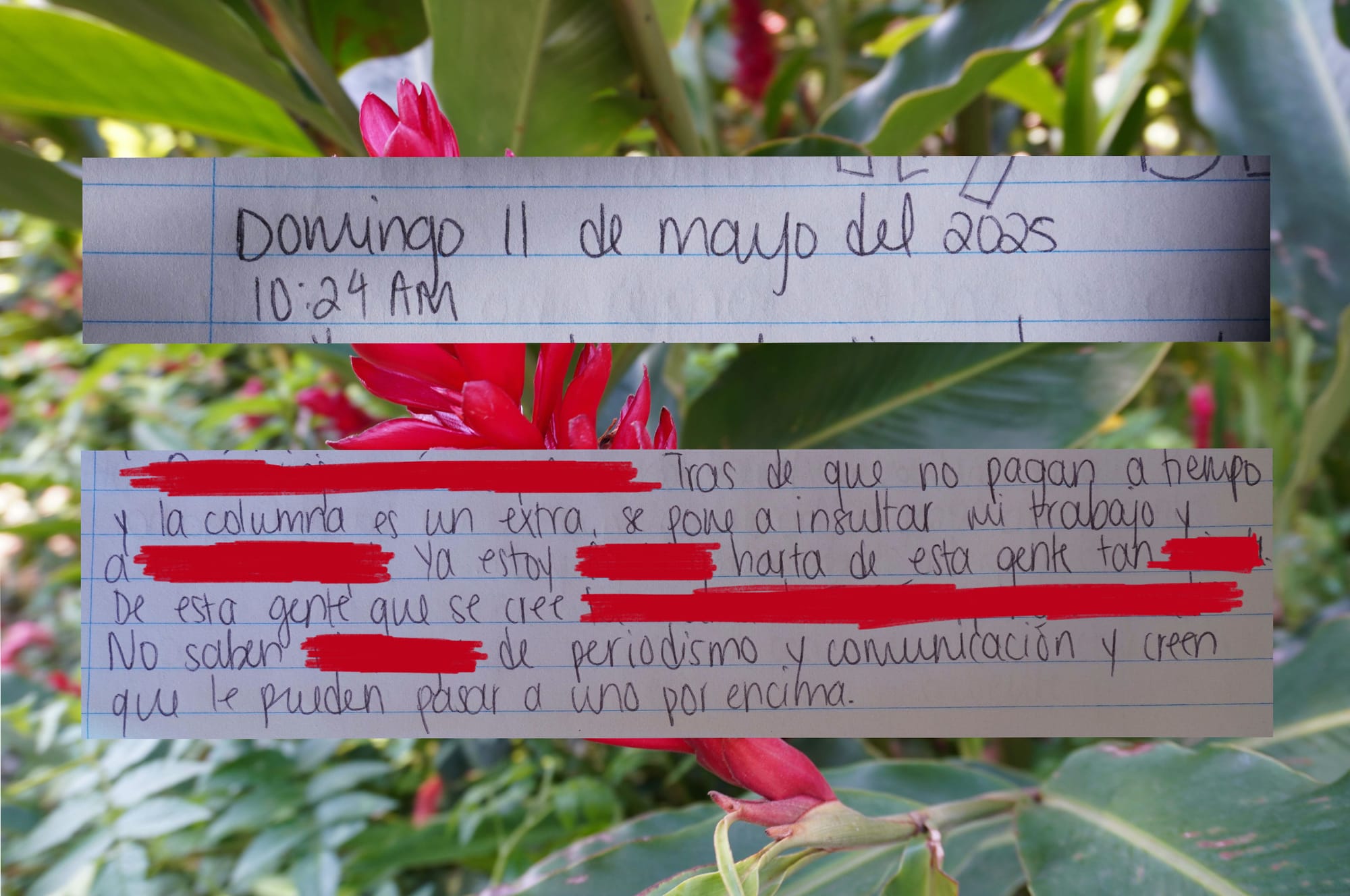
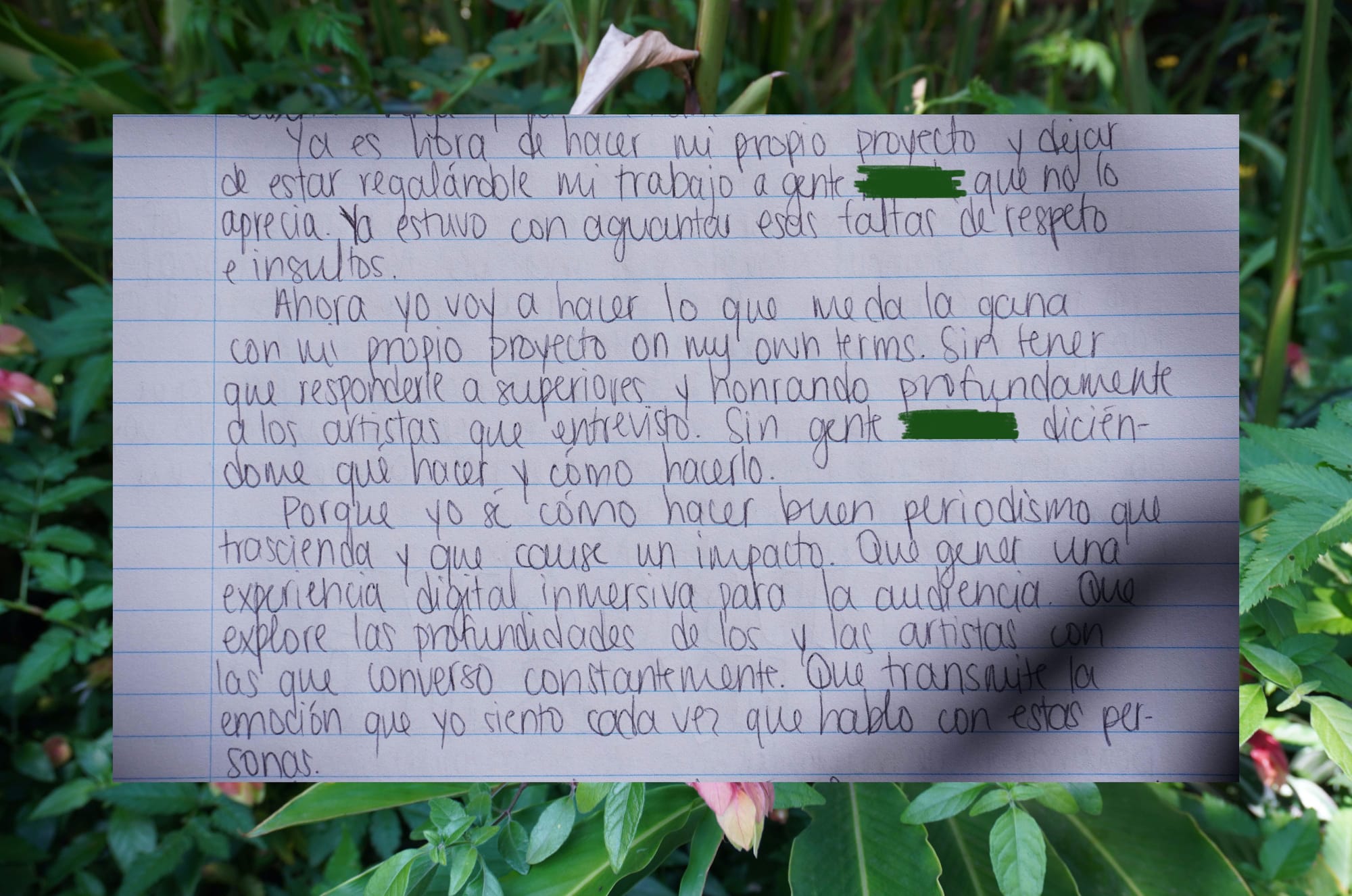
Extracts from my journal on May of 2025 planning my new journalistic beginnings. | Art by Elizabeth Lang. | Impulsiva Stories
I went to Bad Bunny’s concert on December 5th, 2025. I listened carefully to his speech about chasing your dreams and never giving up.
I really needed that and I said: it’s time to leave this horrible job. It’s time to pursue my dreams and stop letting disgusting people think they can step all over me.
It’s time to go independent, create my own platform where I’m the one who makes all the decisions, and stop working with people who want to bring me down for no reason.
My stories should not depend on others “above me” to exist. The only people they should depend on are myself and my interviewees – who are the best people in the world. That’s the only way I can give the audience the best longform journalism I can possibly produce.
So, at the beginning of December I launched Impulsiva Stories. On December 15th my contract [thankfully] ended and I started publishing the series “Music Saved My Brain.” That same day, I also did my first-ever artist interview for the project with Luis Gabriel Sanabria to publish in January of this year (huge shoutout to him for being the first one to believe in me and Impulsiva Stories).
0:00
/0:05
The Bad Bunny concert in Costa Rica (left), visiting Museo Casa Kahlo (center), and Bad Bunny performing with Julieta Venegas (right) in Mexico City. | Videos and photo by Elizabeth Lang. | Impulsiva Stories
And then, on December 16th, I made a last-minute trip to visit a friend in Mexico City and we went to Bad Bunny’s concert for the second time in the span of two weeks. That cultural trip was what I needed to sort out my brain and leave all the pain behind.
The Resilience of the Pain
Then, 2026 came and I started publishing my artist profiles on a weekly basis. I started getting an impressive positive reception and things were way better than I imagined. I began living a dream I didn’t even know I had in me. Life became way more peaceful and everything has come together in an extraordinary manner.
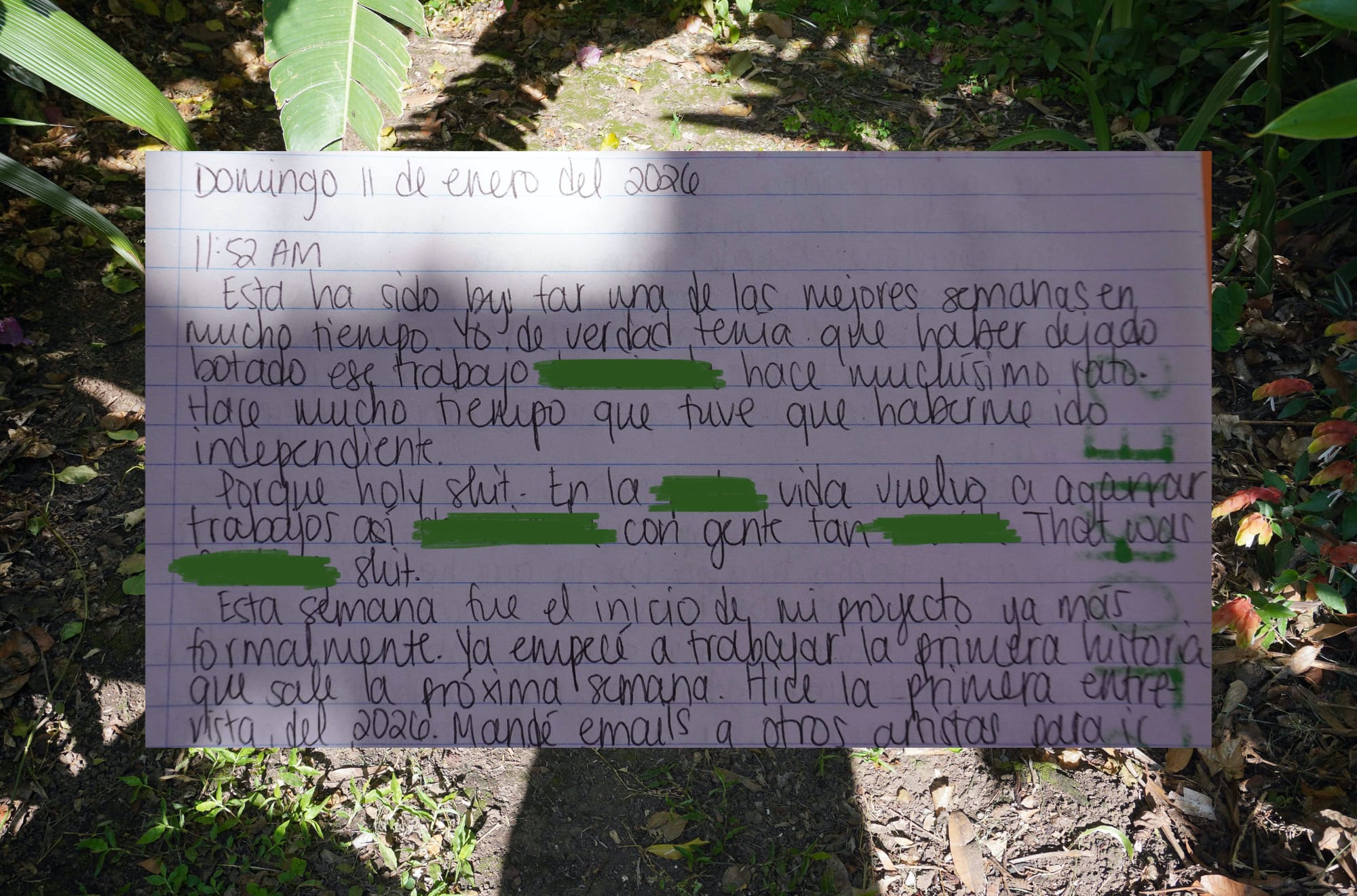
At the beginning of the year, I applied to the open call for the Costa Rican International Film Festival (CRFIC) just to see what would happen. When I got the email saying “Music Saved My Brain” was selected, I was so happy. I got into a film festival with my extremely personal story. With a deep narrative about epilepsy. With my own music, art, and filmmaking.
I got in with a short documentary that defied the odds. A film that had no team or budget behind it. A film where I did everything by myself without even studying filmmaking and once again, with the help of my great friend Jordi Louzao.
This amazing achievement simply validated everything. My pain and suffering were not in vain. They happened for a reason.
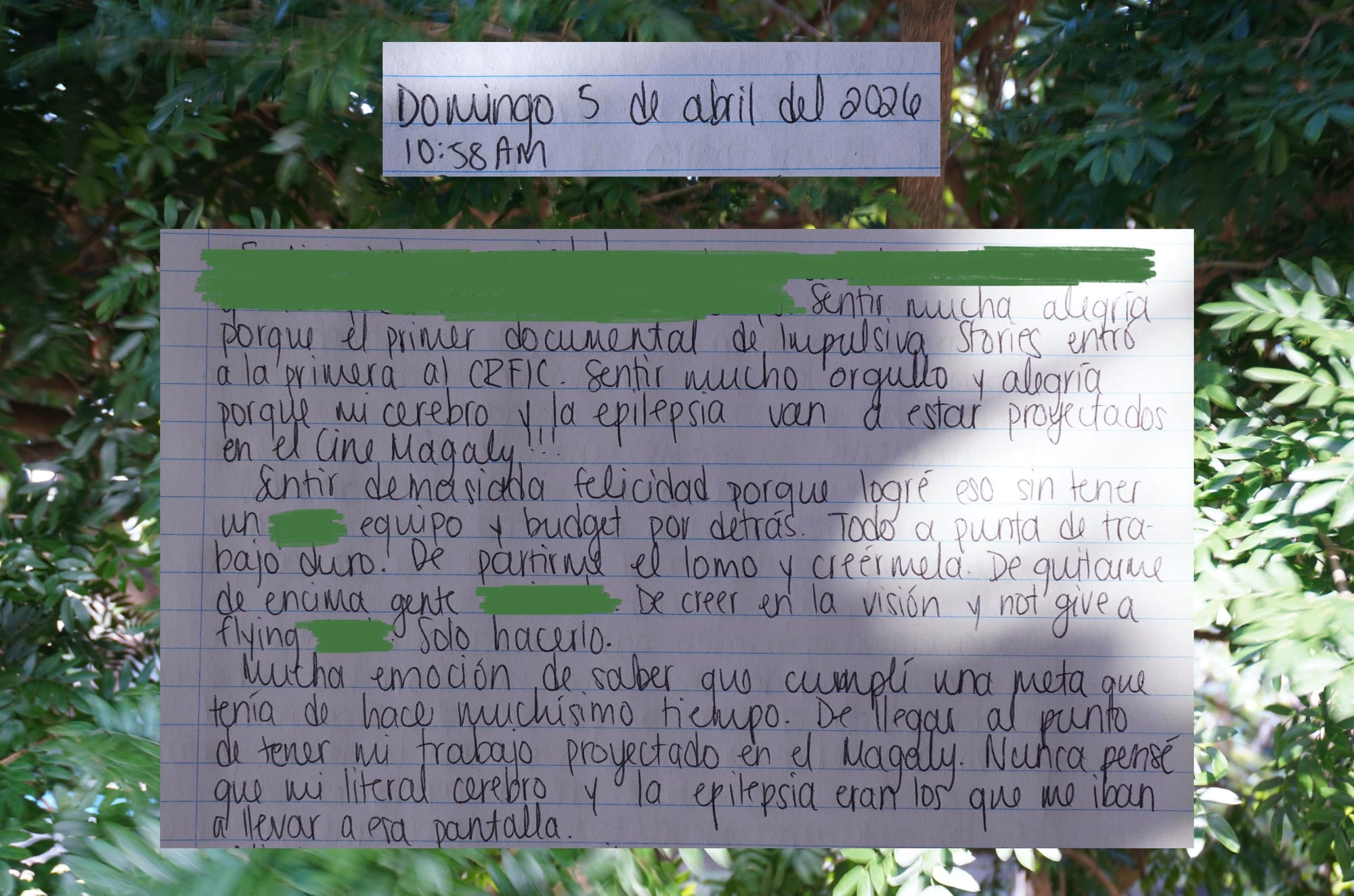
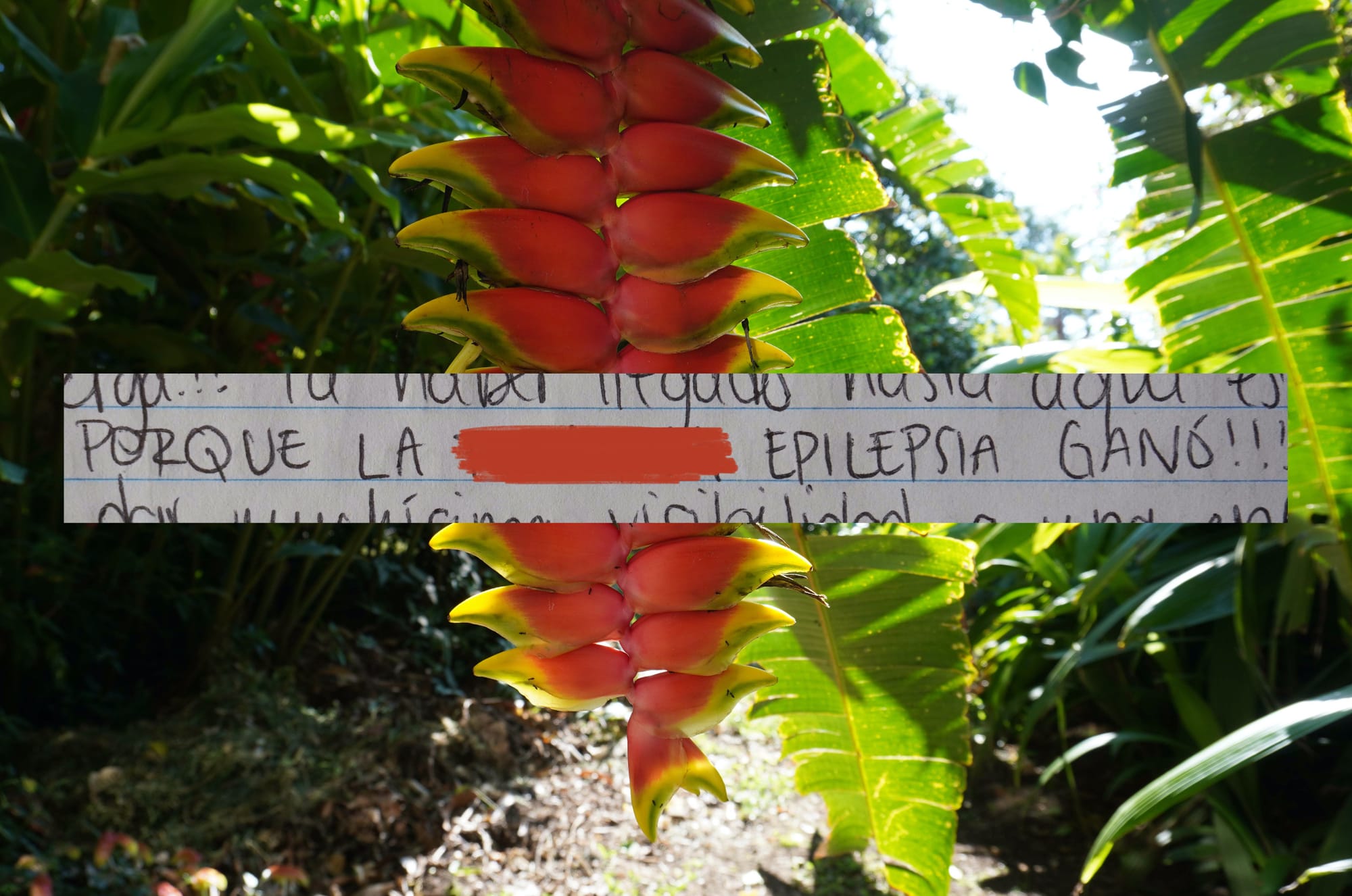
Extracts from my journal this year when I knew I was selected to participate at the CRFIC with "Music Saved My Brain." | Art by Elizabeth Lang. | Impulsiva Stories
Seeing my documentary screened at the Cine Magaly on Friday July 24th and on Monday July 27th at the Centro de Cine was surreal. Listening to the audience’s applause at the end made everything worthwhile. Being on a festival with other outstanding filmmakers from all over the world has been amazing.
Epilepsy finally got its exposure on a huge screen with a wider physical audience. I made the huge goal and dream of screening my work at the Cine Magaly a reality. I could not be more grateful and blessed with life and the festival for making that happen. It truly has been amazing and nothing in the world can take this away from me.
For me, epilepsy already won and this is going to open so many doors. I’m glad I never gave up and kept pushing in spite of the pain. And I’m also glad I got to work with astounding medical professionals like Dr. Lang, Dr. Henríquez, and Rohlfing. They’re also one of the great reasons why this story is a huge success because of their brilliant open minds breaking barriers.
0:00
/0:05
Dr. Freddy Henríquez (left), Dr. Gerardo Lang (center), and Renate Rohlfing (right) during the screening of "Music Saved My Brain" for the CRFIC at the Cine Magaly in San José, Costa Rica. | Videos by Elizabeth Lang. | Impulsiva Stories
And everything happened for a reason. Dreams do come true when you pursue your passion and work hard enough to make them happen by never giving up, even if everything is against you. It can be done if you truly believe in it, work hard, and surround yourself with the right people.
I’m simply extremely grateful with everyone who has supported me throughout this intense journey, especially with those who never left me alone in the pain and suffering. You’ve all been of great help throughout this rocky path in which a complex personal story became a great source of my life's purpose and resonated with others on a deeper human level.
Everything happened for a reason, which is why I transformed my trauma into art.
Written by

Subscribe to my newsletter
Subscribe to my newsletter to get the latest updates and news