Esta Isla PART II
Lorraine Jones and Cristian Carretero explore deep complex social issues in their award-winning debut feature film "Esta Isla."

PART II: Esta Isla Explores Puerto Rico’s Social Issues
In PART I we explored “Esta Isla’s” Puerto Rican tropical realism and the ten-year-long journey Lorraine Jones and Cristian Carretero went through to create their debut feature film. This week, we’ll dive deep into how “Esta Isla” explores Puerto Rico’s social issues through its characters and creative process.
The film’s story revolves around its main character Bebo and the important people that surround him. Remember, Carretero said in PART I that both Bebo and Lola – the young teenager who becomes his lover throughout the narrative – have a lot to do with Carretero and Jones’ adolescence in Puerto Rico.
They’re inspired by the lived experiences of the Puerto Rican Emmy-award-winning film directors and artists. From the times when they were chamaquitos and with their desires of escaping into the mountains or the river with a jevito or jevita.
“They’re characters I love. I know many things about them that are not in the movie and it was a process that was changing throughout time. We understood better who they are,” Jones said. “Creating them was a beautiful process and they’re very interesting characters.”
Through Bebo and Lola, Jones and Carretero explored the concept of adolescence; a moment in which these teenagers are discovering their identity. It’s not only about Bebo and Lola in their self-discovery process. It’s also about Puerto Rico's adolescence. It’s the constant parallelisms between Bebo and Lola and Puerto Rico all narrated in an extremely compelling manner.
It's a perfect blend between relatable experiences in adolescence and whatever Puerto Rico is going through. Carretero recalled Lola was drawn a bit from some of his memories when growing up. He was born and raised in Mayagüez in the upper-middle class and a society that was quite closed off. There were a lot of prejudices and it was mostly about keeping appearances.

Don't Forget to Subscribe to The Story of The Story
For only $16 a month, every Friday you'll have exclusive access to
The Story of The Story. Our founder, the Costa Rican award-winning multimedia journalist and artist Elizabeth Lang, guides you through her creative process to produce her stories.
So, Carretero and Jones wanted to dive a bit deeper into that and he remembered of the times when he played basketball in his neighborhood. When playing, everyone was welcomed and it was a great mix of people simply spending time together enjoying a sport.
“However, there was that division, maybe classist, in which each one judged the other. We wanted to explore that and also break that preconception and understand that there’s really no difference,” Carretero said. “We’re here together and we should be able to help each other.”
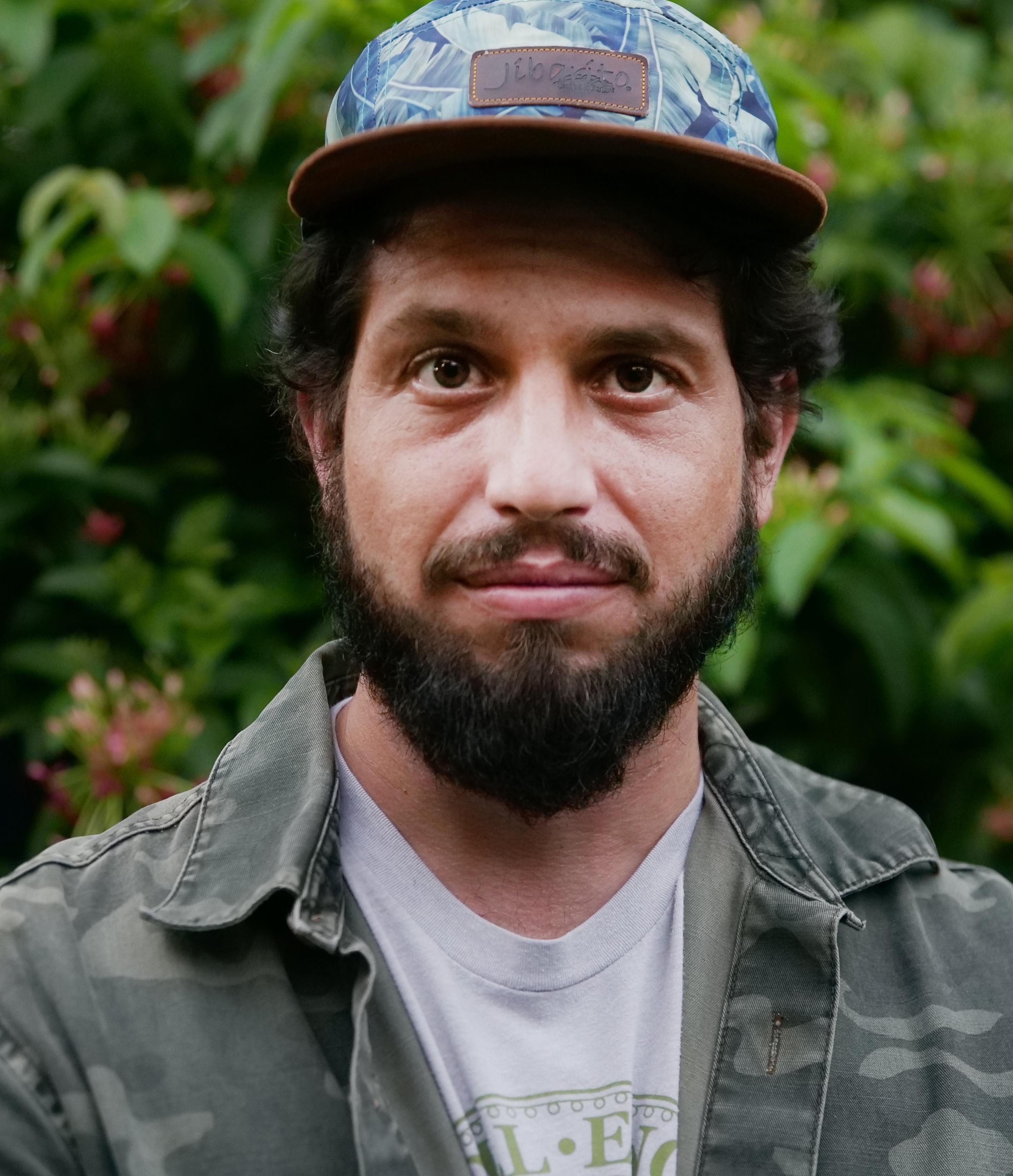
Listen to Cristian Carretero
0:00
/24.965333
These characters were also shaped with stories they collected throughout the ten years of work merged with the inspiration drawn from their lives. Once it was quite clear how they wanted their characters to exist in “Esta Isla,” Jones and Carretero started molding the cultures around them. These included fishing, horse, and farming environments around Mayagüez.
While they were working on other projects, Jones and Carretero learned a lot about these communities. They wanted to include a wide variety of people who make up Puerto Rican society, but told and experienced from an adolescent point of view. They naturally linked it to their times of exploring the island when they were teenagers.
0:00
/0:04
Scenes from "Esta Isla." | Video courtesy of Esta Isla. | Impulsiva Stories
It was a moment in life in which they discovered new things about the natural environment they’re immersed in. A phase of self-dicovery because Jones and Carretero saw themselves in the people they met throughout the journey.
So, the creation and character development of Bebo and Lola was drawn mostly from their realities, rather than from a conceptual stance. They’re characters and stories based on real people from the real world.
“That makes me think about the power that film has. This idea that we’re all one. That we’re connected and how film makes that happen. You can feel you’re another person. That we live the same thing. That we go through the same thing,” Jones said. “Even if it’s in another country that’s very different. I really love that.”

Listen to Lorraine Jones
0:00
/35.117333
Creating Deep Characters
Jones and Carretero used a solid structure to tell the compelling story of “Esta Isla” through the merging of their experiences with others’ stories and their philosophy of being one and the same.
It's very clear where their characters start, where they’re going, and finally, where they end up to understand Puerto Rico better.
In that journey set by Jones and Carretero, Bebo and Lola ask themselves deeper questions about life. About what’s essential to the human being. The essence of an existential crisis, according to Carretero, is asking yourself what you’re doing in this world.
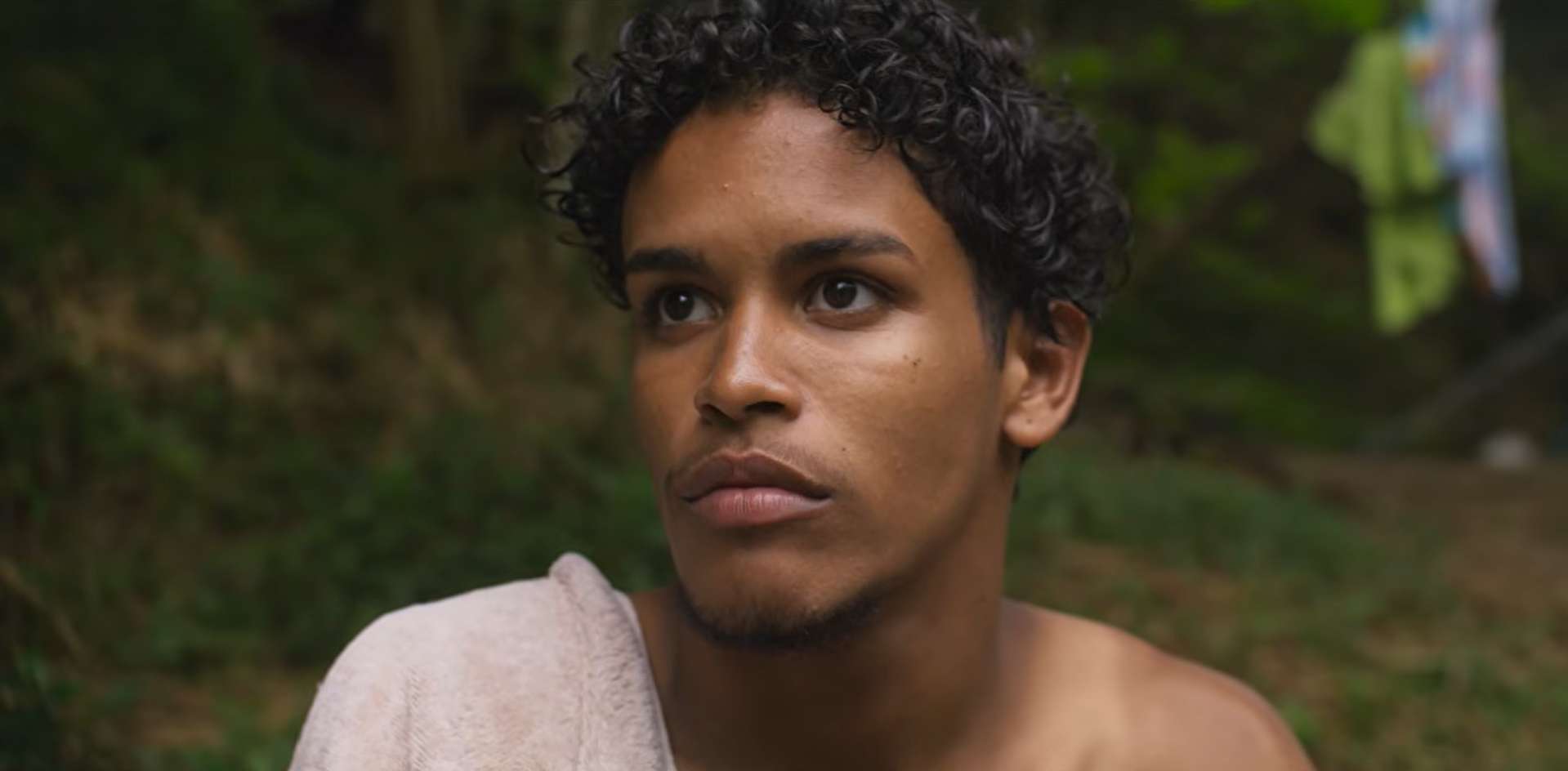

The characters Bebo (Sion Ortiz) and Lola (Fabiola Brown) in "Esta Isla." | Photos courtesy of Esta Isla. | Impulsiva Stories
It’s also about allowing it to be a motivation for your purpose in life while experiencing adolescence; a time in which discovering new things is a priority and the world is full of possibilities.
To create that sense of awe, Jones and Carretero spent a lot of time perfecting the script. They played a lot with Bebo and Lola’s stories. At some point, they thought of exchanging their roles while also exploring the difference in social classes and its misconceptions.
“The idea is about them connecting with the earth and discovering that to be happy, you don’t need much. That the rich [person] is not the one that has the most, but the one who needs less,” Carretero said. “To reach that understanding was part of the route we wanted them to witness.”
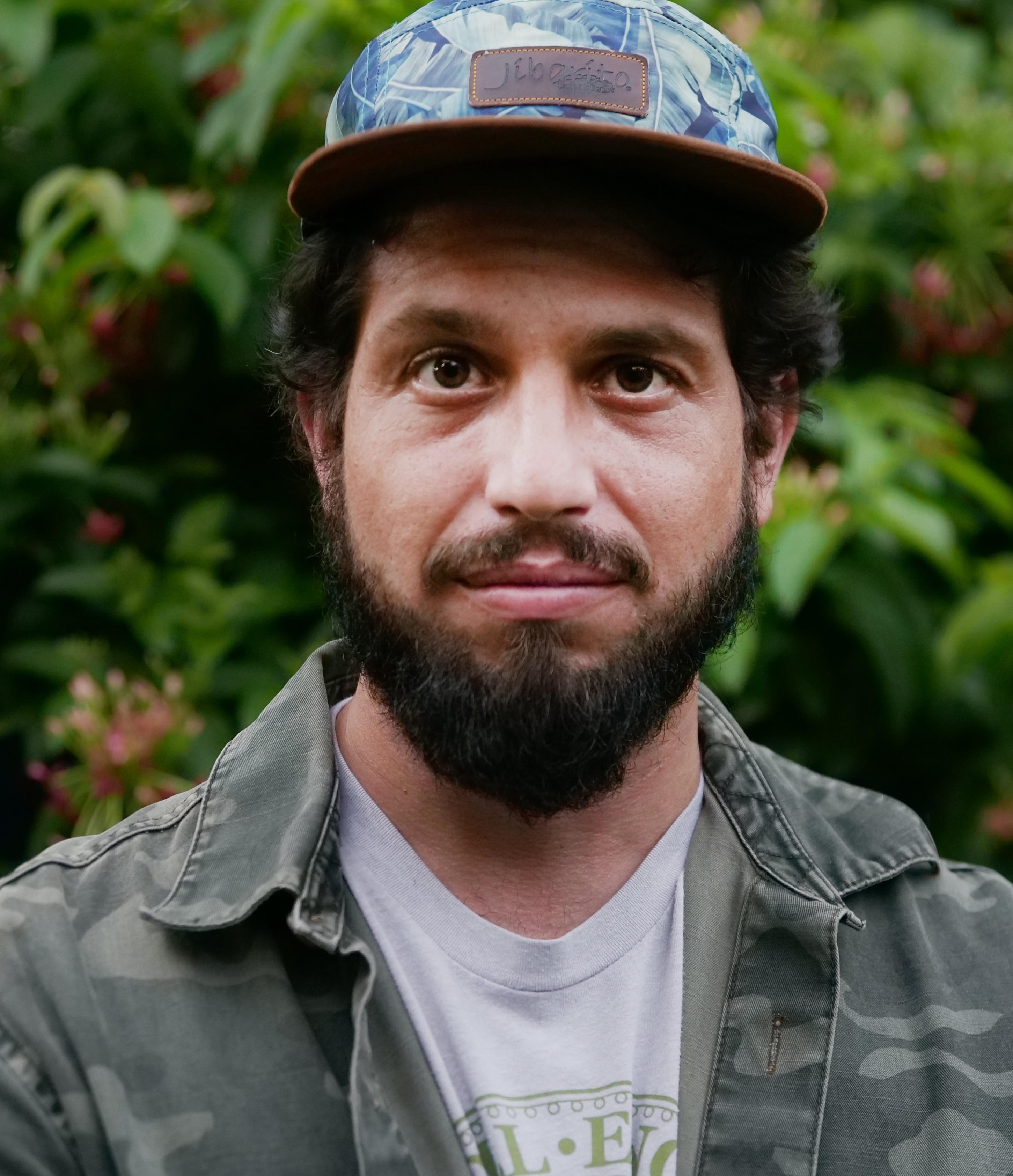
Listen to Cristian Carretero
0:00
/23.957333
For Jones, this concept exists on a more general stance in life. The idea that you’re always looking somewhere else. Looking where the grass is greener, so to say. Always seeking to achieve this or that. Looking at what others are doing.
But then, you realize that life is about appreciating what you have and who you are. And the film goes in deeper than the “simple” idea of teenagers experimenting life for the first time and discovering themselves.
Casting the Actors and Actresses
Yet, you must be wondering how these ideas came to life in “Esta Isla” because it sounds amazing on the script and on paper. So, the process to cast the actors and actresses started.
Everything began with Jones and Carretero posting a casting call on the Internet and working with their casting director Leru Ruiz. She helped them finding the actors and actresses and leading the castings held at the western side and metro area of Puerto Rico. Around three hundred people went and the castings lasted about seven days.
“I think the essential part was seeing the person connecting with the character. And second, for them to do it naturally. For it to feel natural,” Jones said. “Obviously, there’s also an aspect that has to do with the script. With what you imagine and understanding that the character must look a certain way.”
It was a beautiful process for Jones and Carretero, but it also had certain challenges. They already had the actors and actresses for everyone except their main character Bebo. During lunch of their last day of casting, Jones told Ruiz in a worried tone that they were about to finish that long process and the main actor was not chosen yet.
What a bad trip it was.

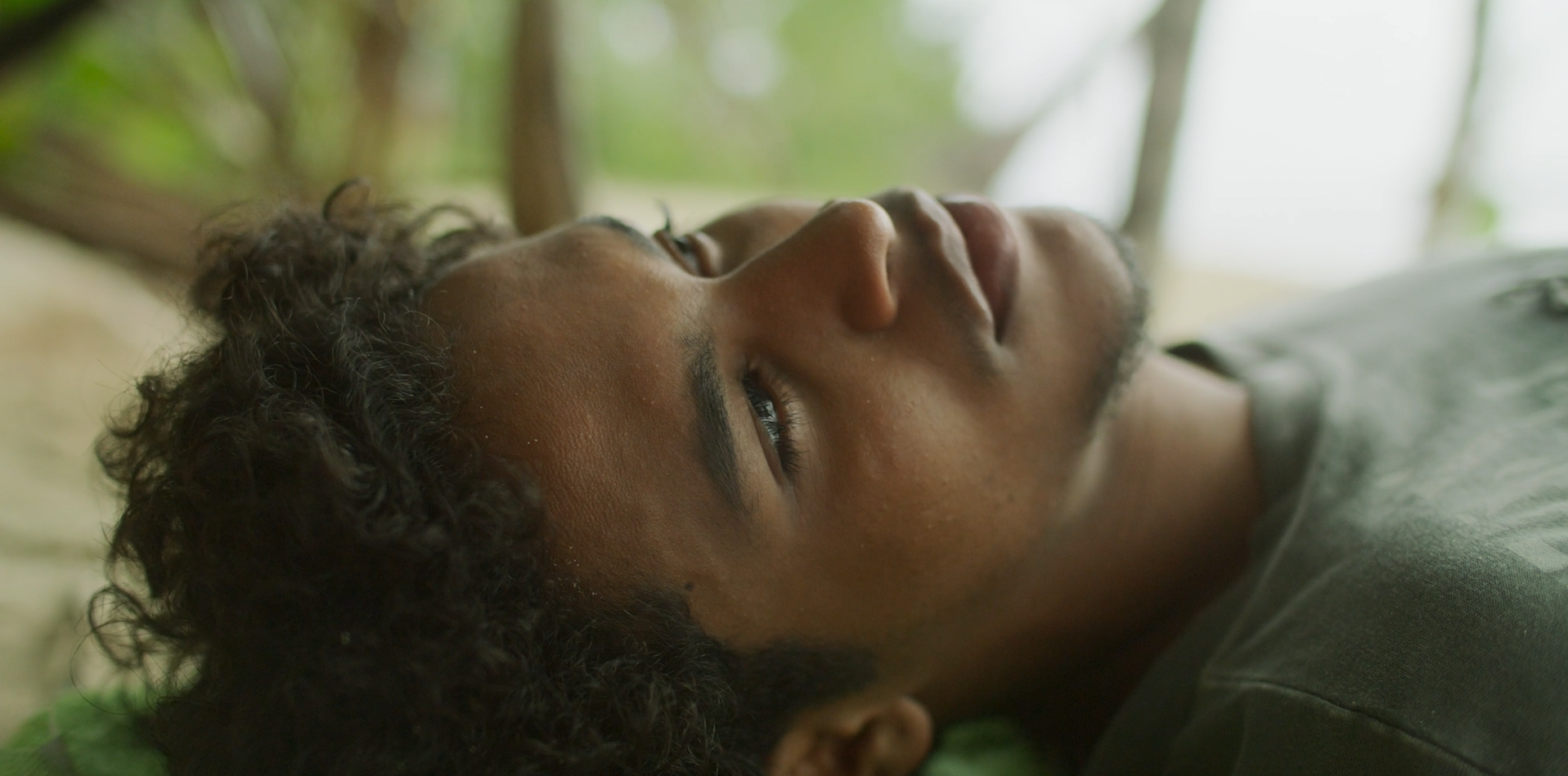
Sion Ortiz as Bebo in "Esta Isla" in Puerto Rico. | Photos courtesy of Esta Isla. | Impulsiva Stories
But then, the last person to appear was Sion Ortiz. He did his interpretation of Bebo, which impressed Jones and Carretero big time. Ortiz went into character. He channeled in Bebo, connected with him on an extremely deeper level, and started crying.
“Just with the strong connection he felt and the way in which he acted was like: wow. You’re Bebo. Like, yeah. Check,” Jones remembered excited. “And he had never acted before. I think he took a couple of lessons.”
A similar situation also happened when casting the actress for Lola. When Fabiola Brown went for her audition, it was raining. They went to their car and Brown began her scene with another actor. Jones and Carretero were very drawn in with her interpretation because she did it differently.

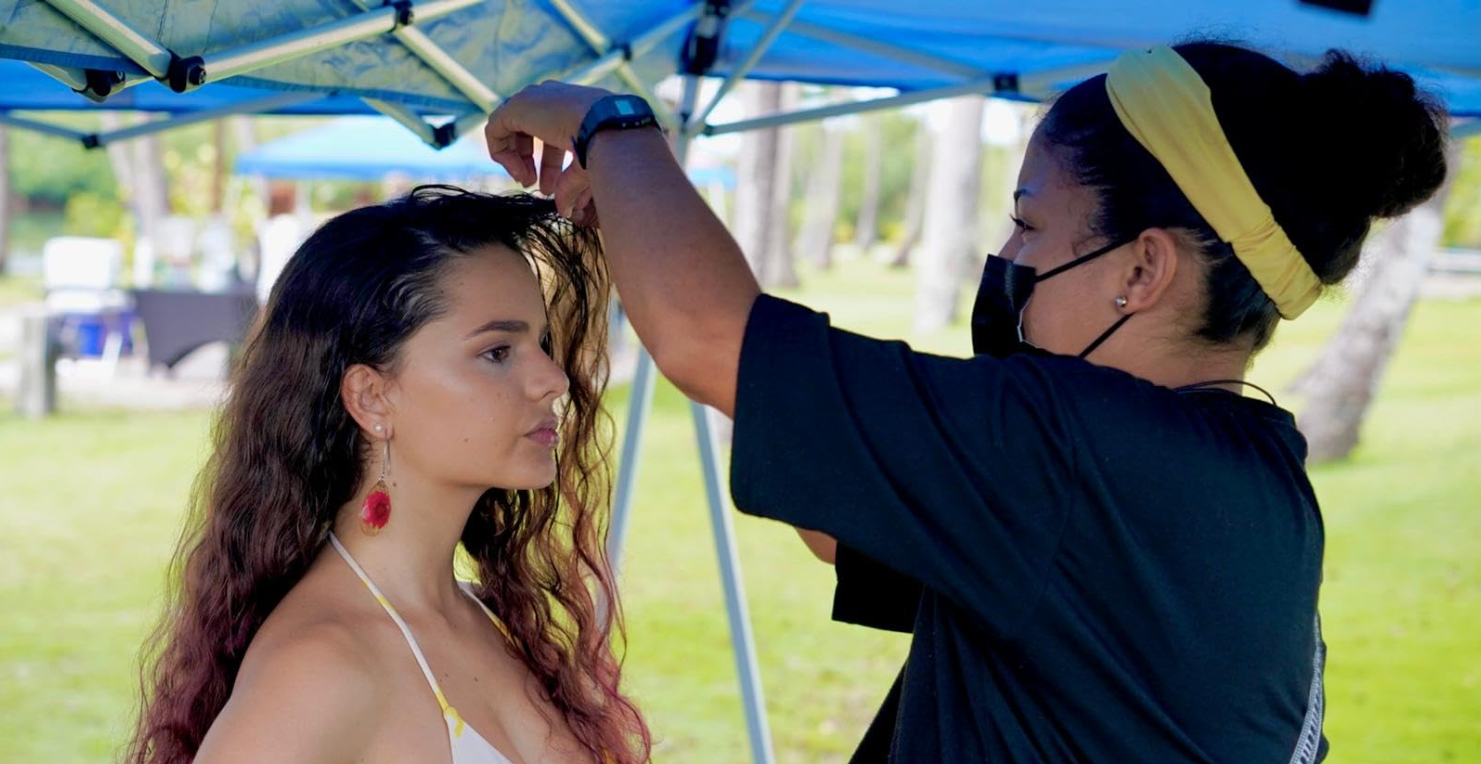
Fabiola Brown as Lola in "Esta Isla" in Puerto Rico. | Photos courtesy of Esta Isla. | Impulsiva Stories
It felt more genuine and real. The lines indicated she was annoyed, but Brown got into character and let them know that even though Lola felt that way, she still liked Bebo. Jones and Carretero really liked her acting in that specific scene because it showed a different perspective of a teenager falling in love for the first time.
“Usually [as a teenager], you hide how you really feel. You feel a certain way and try to act the opposite. Like that interior thing, she was acting it very explicitly,” Carretero said.
Once the actors and actresses were chosen, the collaborative process to create “Esta Isla” began. They did several rehearsals at their office in Mayagüez and read the entire script with everyone. Jones and Carretero took all the crew to the locations they had already scouted previously so that they could get to know better the people from the different communities.
They also gave the actors and actresses lots of creative freedom to get into their characters. They kept filming for a while once the scenes were done to see what happened in the moment. That way, they could liberate themselves, take it to a whole new level, and feel the moment.
That definitely impressed Jones and Carretero. They were very happy with the results and a unique characteristic of “Esta Isla” is their beautiful natural settings. They wanted to capture the story in real places like a fisherman’s house or a farm. While they prepared the shot, the actors and actresses spoke with those around them, whether it was their teammates or people from the communities.
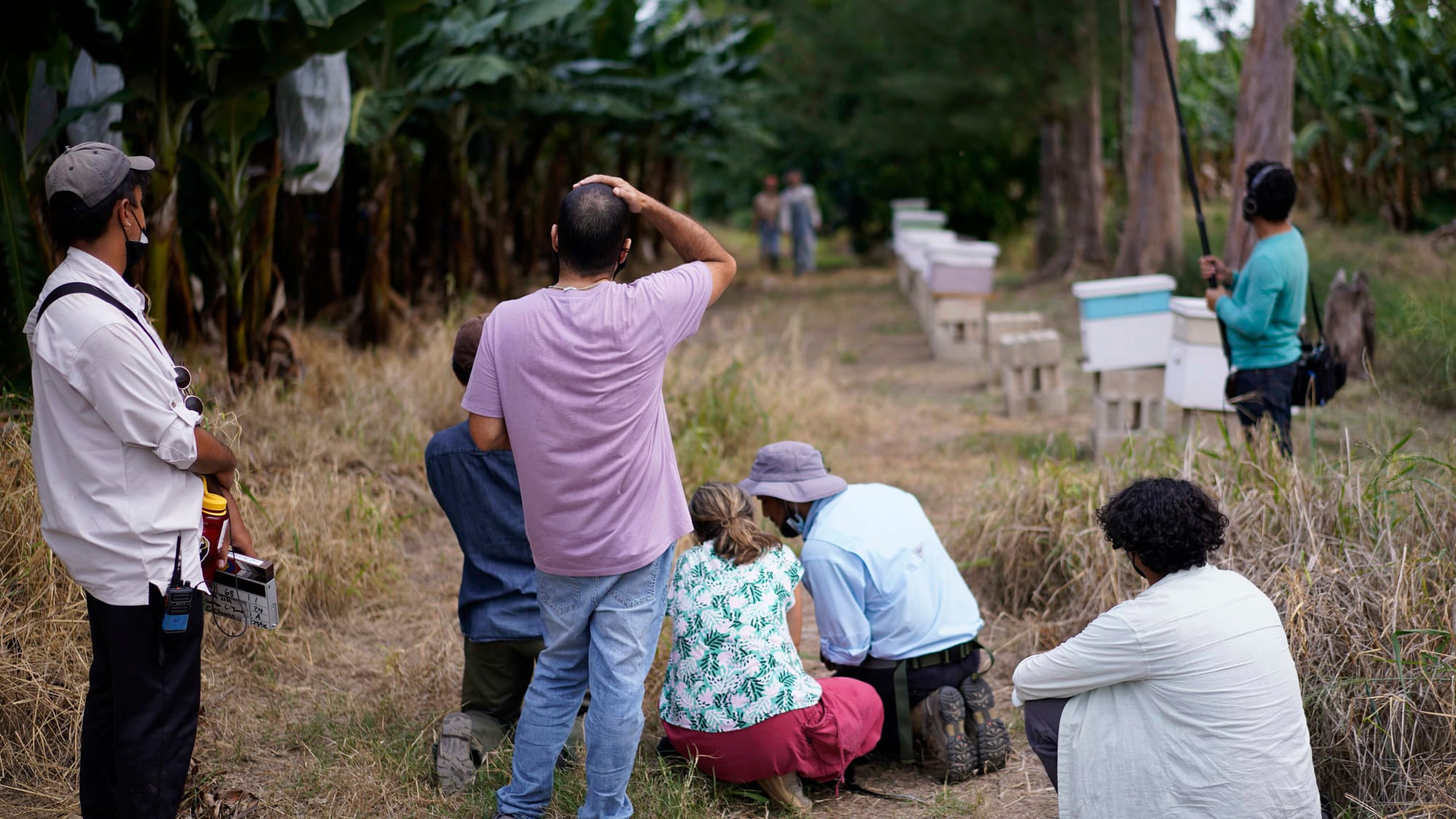
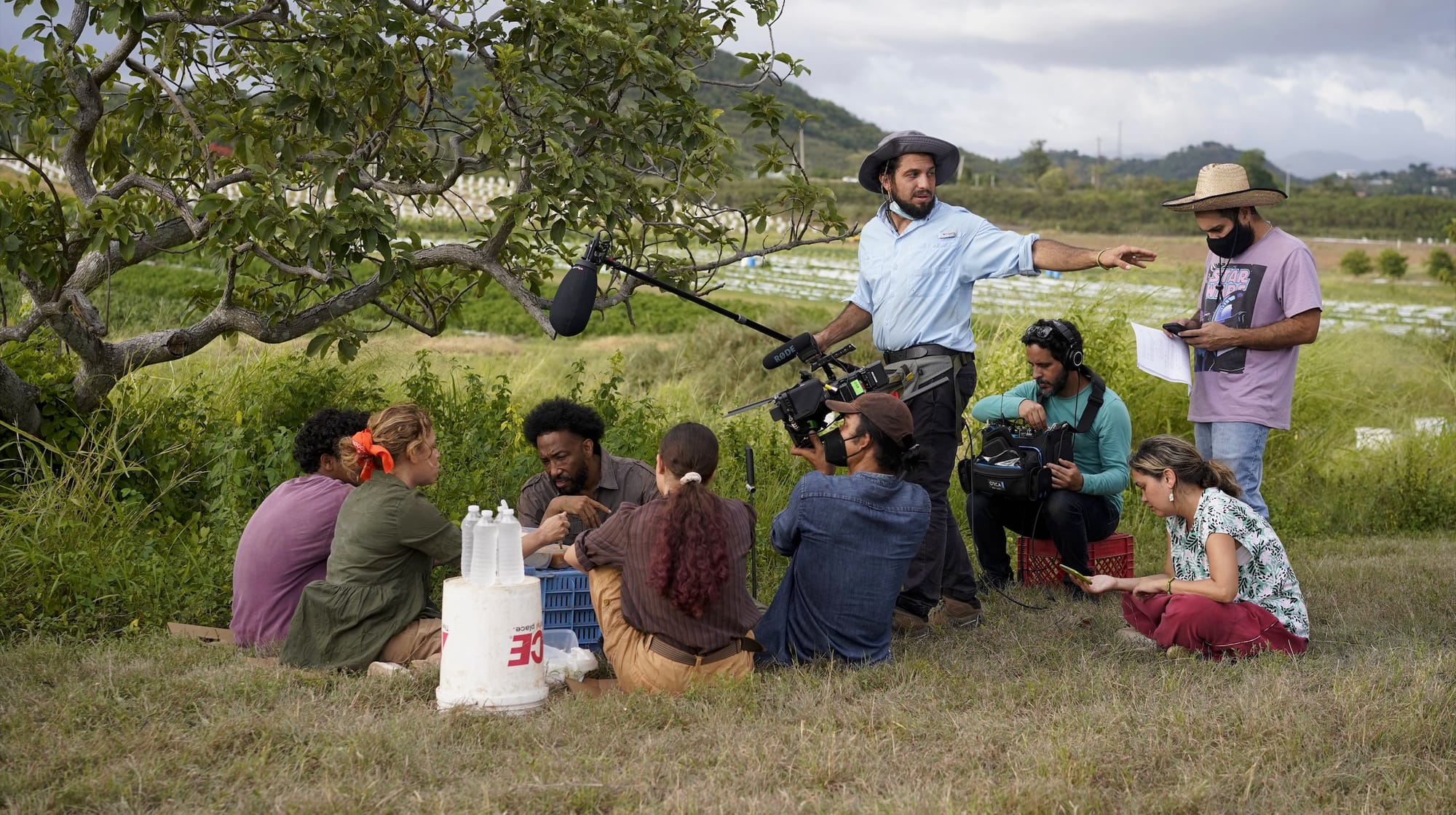
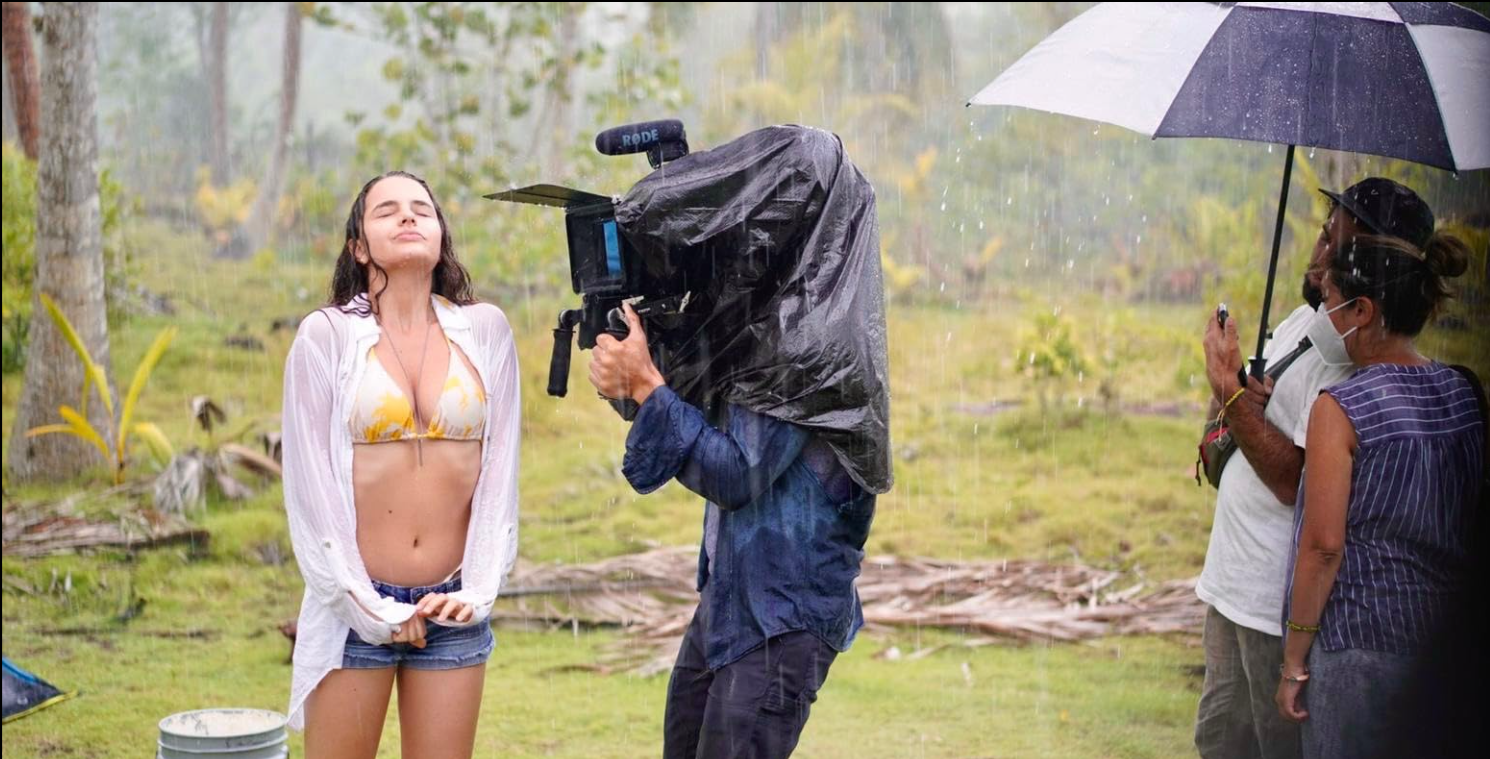
The behind the scenes filming "Esta Isla" in Puerto Rico. | Photo courtesy of Esta Isla. | Impulsiva Stories
The professional actors would teach the non-professional ones and vice versa. A new fresh energy was created between them, which helped the storyline a lot.
Regarding the communities, Jones and Carretero also made sure to include them both in front of and behind the camera. This mix between the crew and the communities helped them make it feel more real.
“It sort of makes it more intimate and throughout the process we also tried to create it as a family. I’m really happy because many people in the casting crew said that. Usually, that does not happen,” Jones said. “We tried like: we’re equals. We eat together and we’ll treat you well.”

Listen to Lorraine Jones
0:00
/74.189333
They focused on creating a safe space for their crew while working. Taking care of everyone was of utmost importance for Jones and Carretero. They wanted to protect their actors and actresses because of the extremely vulnerable process they go through when bringing to life their characters.
Portraying Social Issues Through the Characters
That vulnerability is a key element in the success in Bebo’s story and the people around him. These include his impulsive love with Lola, his interactions with his brother Charlie (Xavier Morales) and his grandmother Aida (Georgina Borri), his exchanges with the “antagonist” Moreno (Audicio Robles), and meeting Cora (Teófilo Torres).
Bebo’s relationships with each one of these characters represent different moments, times, emotions, and social issues in his existence. With Charlie and Moreno, there’s an implicit vibe that at some point they were friends – even family – but something happened and they became enemies.
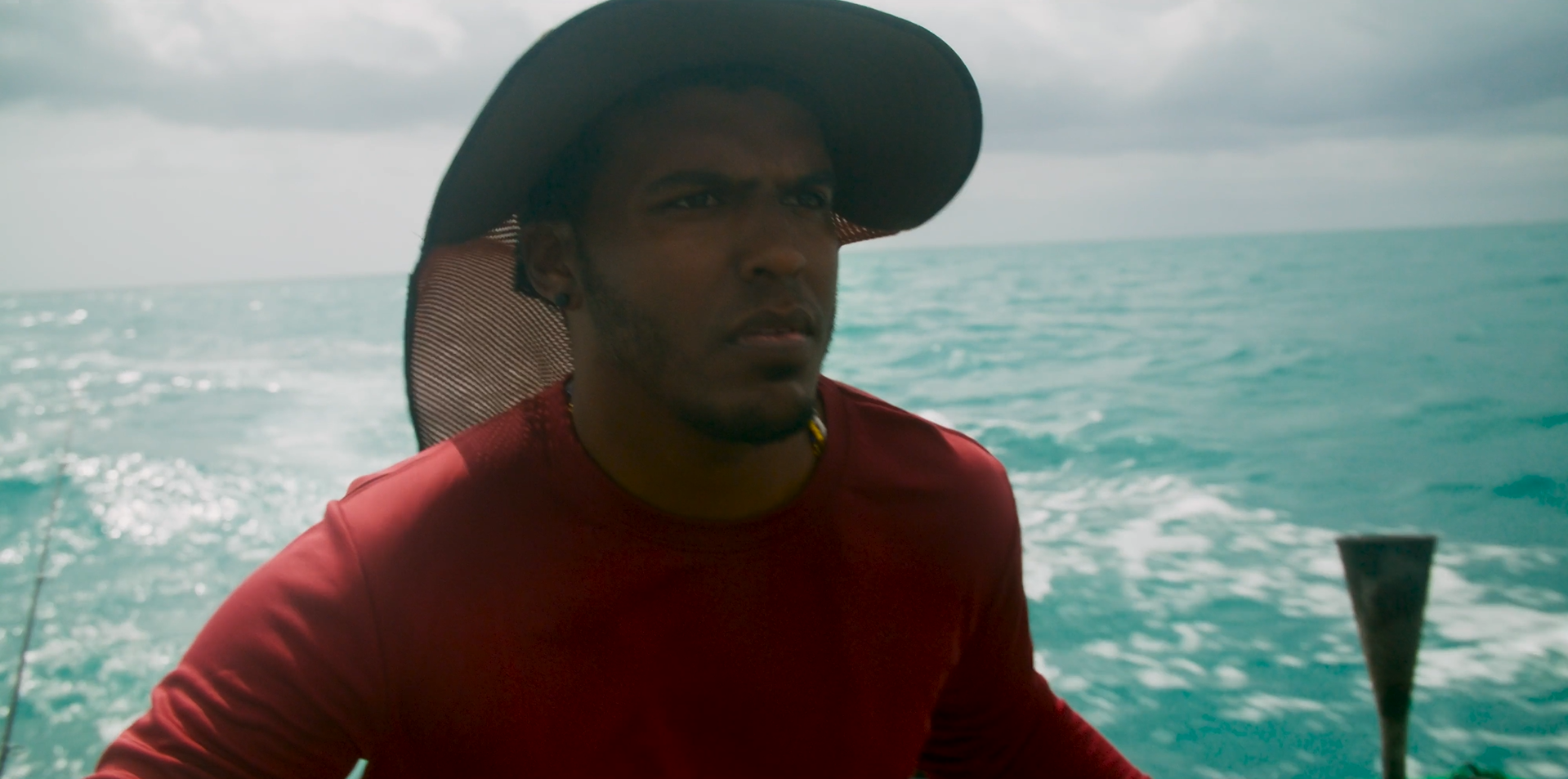
Moreno can be perceived as the villain or antagonist, but there’s certain mystery created around him to make the audience really think about his role in Bebo’s life.
“In the end, we understand Moreno was protecting him [Bebo] or maybe, he wants to break with these cycles of violence he is a part of. We want to speak about forgiveness,” Carretero said. “The destruction of cycles of violence in our day-to-day. It has to do with the machismo that still exists.”
Listen to Cristian Carretero
0:00
/64.757333
Jones and Carretero dove deep into these subjects with Moreno by showing a character that decides to stop following those patterns. A man who chose to show love and care while he’s portrayed as the antagonist when he really isn’t.
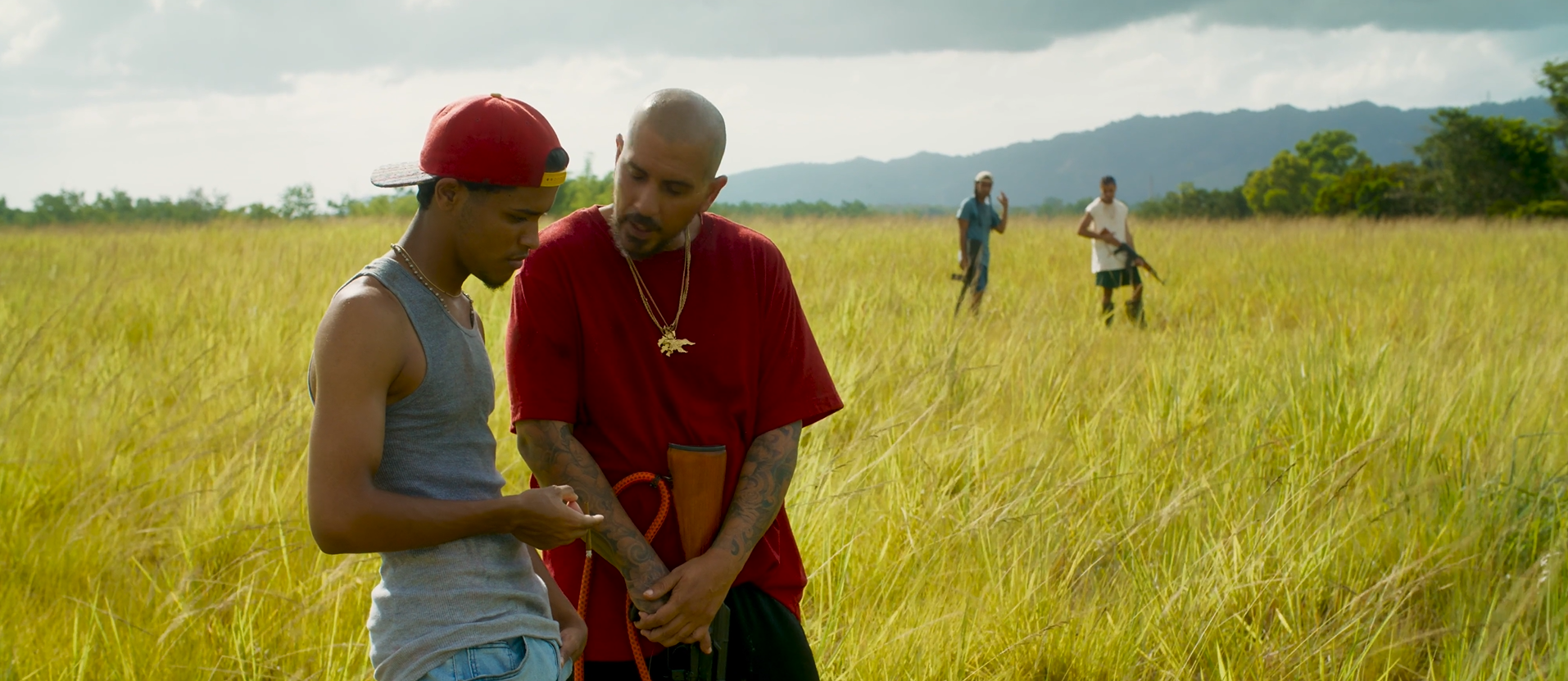
Just as with Moreno, Jones and Carretero sought to show other social issues in Bebo’s relationships. In the case of his brother Charlie, they dove deep into his reality as a fisherman who could not make ends meet and sought to drug dealing for his family to survive.
They depicted this in a manner in which they’re not presenting it as something negative or positive. It’s simply one of the many more realities that their characters face.
“For example, when they’re trafficking drugs, they’re always seen as the bad ones, but without seeing this is part of something bigger. That governments are part of that. That those who are higher up, are the least affected and the ones who profit the most,” Jones said. “We wanted to touch on this subject because it’s very real.”

Listen to Lorraine Jones
0:00
/32.597333
They wanted to humanize the struggle of a reality in which their characters are simply surviving and finding a solution. Jones and Carretero showed it without emitting a judgment about it. They carefully guided the audience through these complex social issues thanks to their characters’ vulnerability on screen.
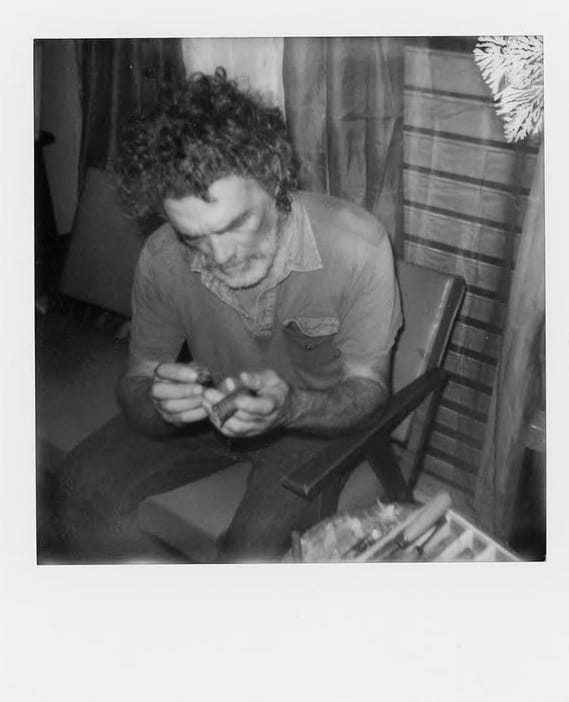
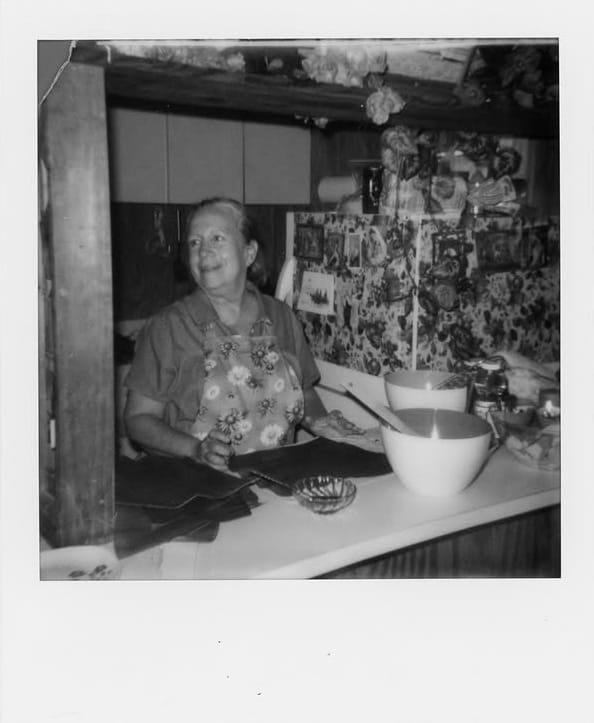
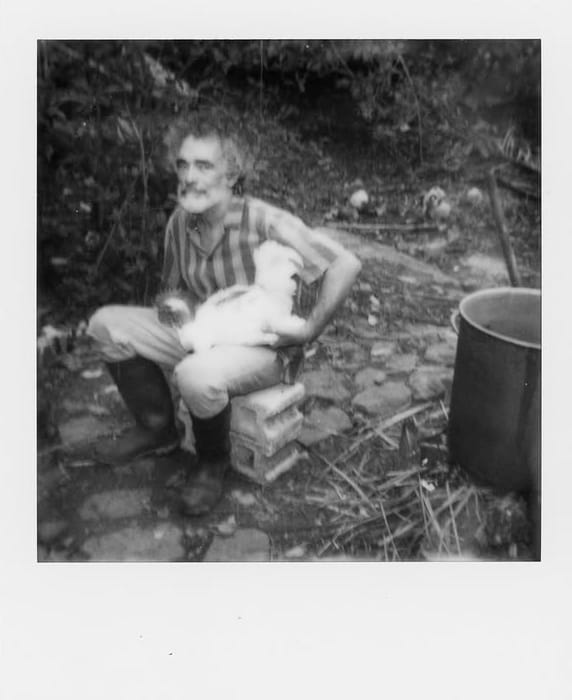
Teófilo Torres as Cora and Georgina Borri as Aida in "Esta Isla" in Puerto Rico. | Photos by Juan Pablo Aramburu Charneco courtesy of Esta Isla. | Impulsiva Stories
When Bebo and Lola’s relationship is developing throughout the film, Jones and Carretero’s treatment was that of portraying two characters from different social classes who share struggles. At one point during Bebo and Lola’s escape, Lola makes it very clear to Bebo that she also experiences harsh difficulties in life.
She casually speaks about her experience with sexual abuse, which was an important issue for Jones and Carretero to tackle in “Esta Isla.”
“With the sexual abuse, I think that as women, there are many violations and I think that’s something uncomfortable to bring up. Something has happened to you or you know someone. Your cousin, your sister, your best friend, or several [of them],” Jones said. “It’s that common.”

Listen to Lorraine Jones
0:00
/77.477333
They wanted to explore this subject because it’s an extremely common experience women go through, as Jones mentioned. And they also wanted to make it quite clear that social class really doesn’t matter in that sense. Everyone struggles in life no matter what. Coming from an affluent background, as it is the case for Lola, does not mean everything’s solved or that she has the perfect life.
Jones and Carretero wanted to make it quite clear that money is not everything in life and Lola is suffering. They wanted the audience to question how social classes work and reflect about it in a deeper manner.
“Do you really want to live in her shoes? It can be a thousand times worse. That pain and suffering can be because of what she’s going through. I think many people might prefer having less money, but having a grandmother that loves you,” Jones said. “It also speaks about what women have to put up with to echar palante.”
They wanted to bring to light all these subjects that often times are a taboo and they achieved it through the different layers of cinematic communication they worked with. Whenever there’s a slight mention or “appearance” of Lola’s mother and stepfather, the audience does not see them on the screen. They just hear them.
Or when Lola speaks about her father, who was a revolutionary killed by the FBI, there’s no image portraying him. This was very well thought of by Jones and Carretero to hook the audience even more.
“Many times, the things we present implicitly end up being stronger because the audience fills those gaps with their imagination, their own interpretations, their past, and what they’re carrying. They place it there,” Carretero said. “It’s like the Jaws' shark. You never see it, so it scares you more.”
They allow the audience come to their own conclusions because of “Esta Isla’s” coming-of-age structure. They could move through these different subjects with their characters while allowing the spectators to use their imagination. Jones and Carretero focused on portraying all these themes and human interactions in the most natural way possible. Showing it just how life happens and people processing their own experiences.
The Colonization in Puerto Rico
And also portraying Puerto Rico in an honest manner with its many complex realities, which included overtly speaking about colonization. Throughout “Esta Isla,” there are multiple instances in which the characters speak about it. Bebo at times speaks about aspiring to move to Orlando, Florida in search of the "American dream" and Lola speaks about her father, who was killed by the FBI for being a pro-independence revolutionary.
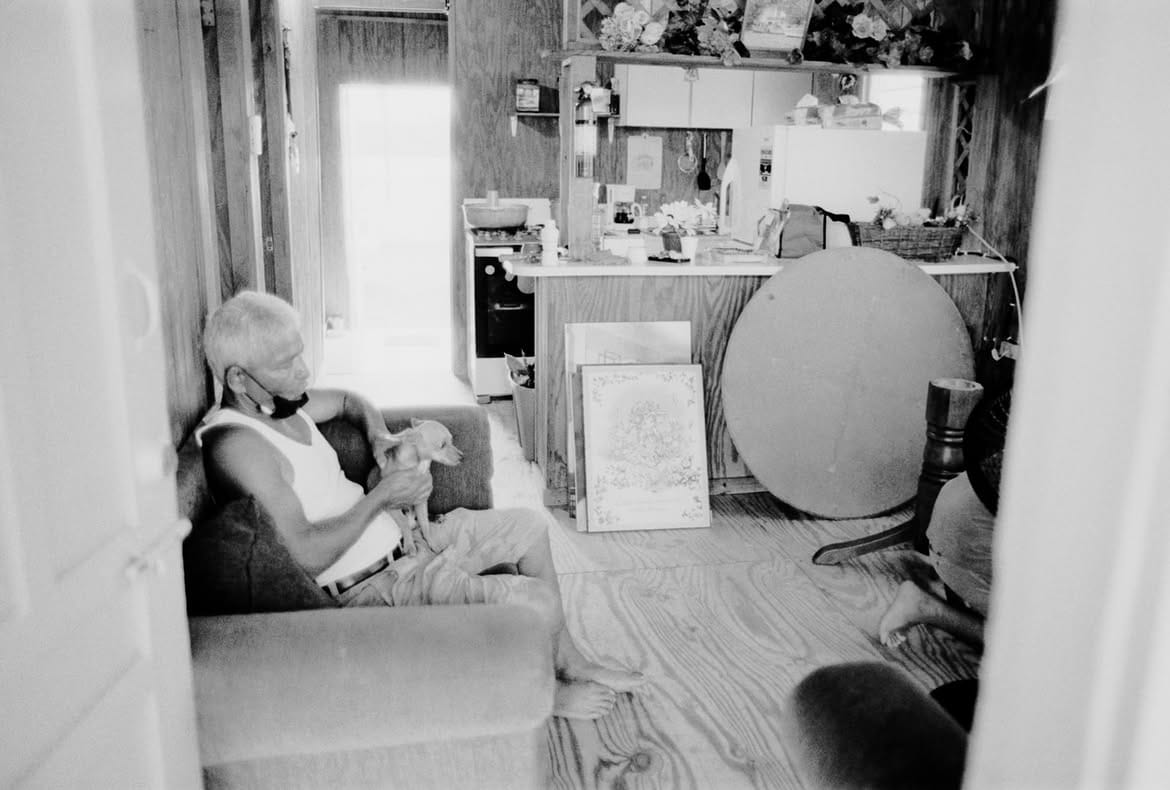
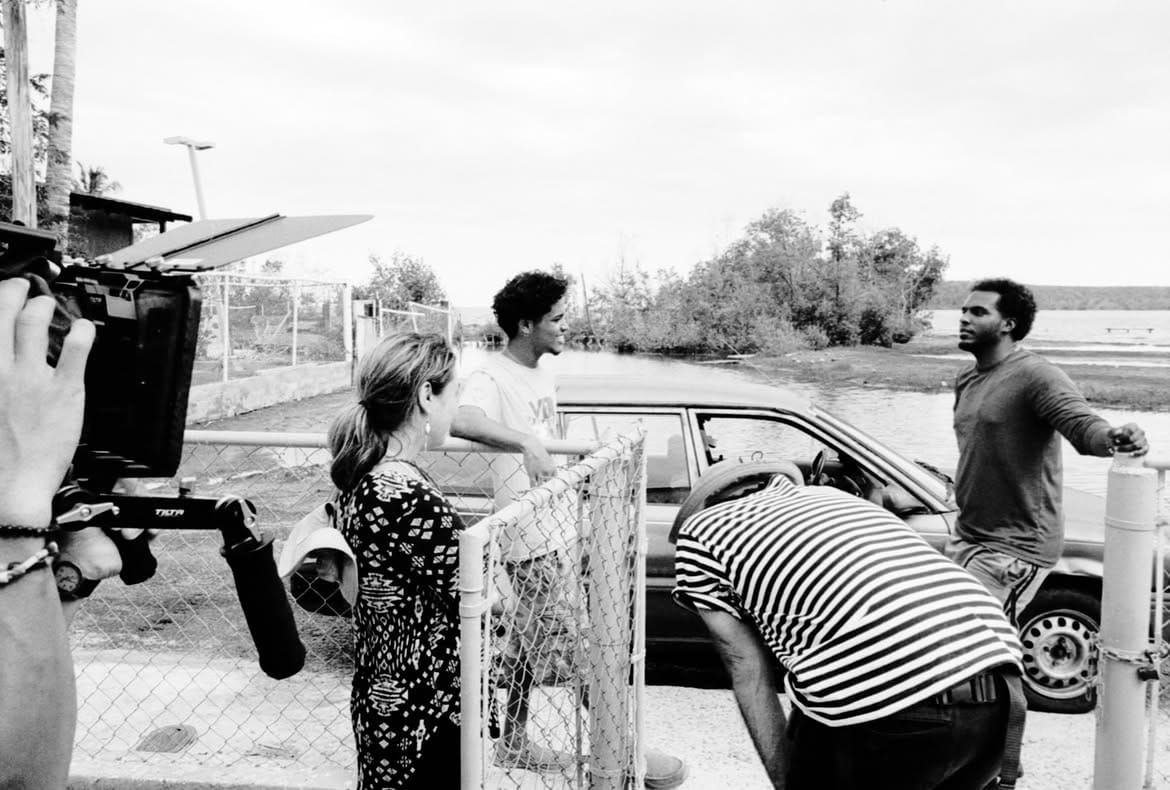
More behind the scenes moments when filming "Esta Isla" in Puerto Rico. | Photos by Juan Pablo Aramburu Charneco courtesy of Esta Isla. | Impulsiva Stories
Even if it's spoken through “Esta Isla’s” characters, it is a reflection from Jones and Carretero’s realities.
“[Colonization] is our day-to-day. For example, here politics are like sports. People are very politicized. They talk about it a lot and families are divided. It’s not about right or left or whatever,” Carretero said. “It’s about the colony. Do we want to keep being a colony? Do we want to be independent, or do we want to be a state of the United States? That’s how parties are divided.”
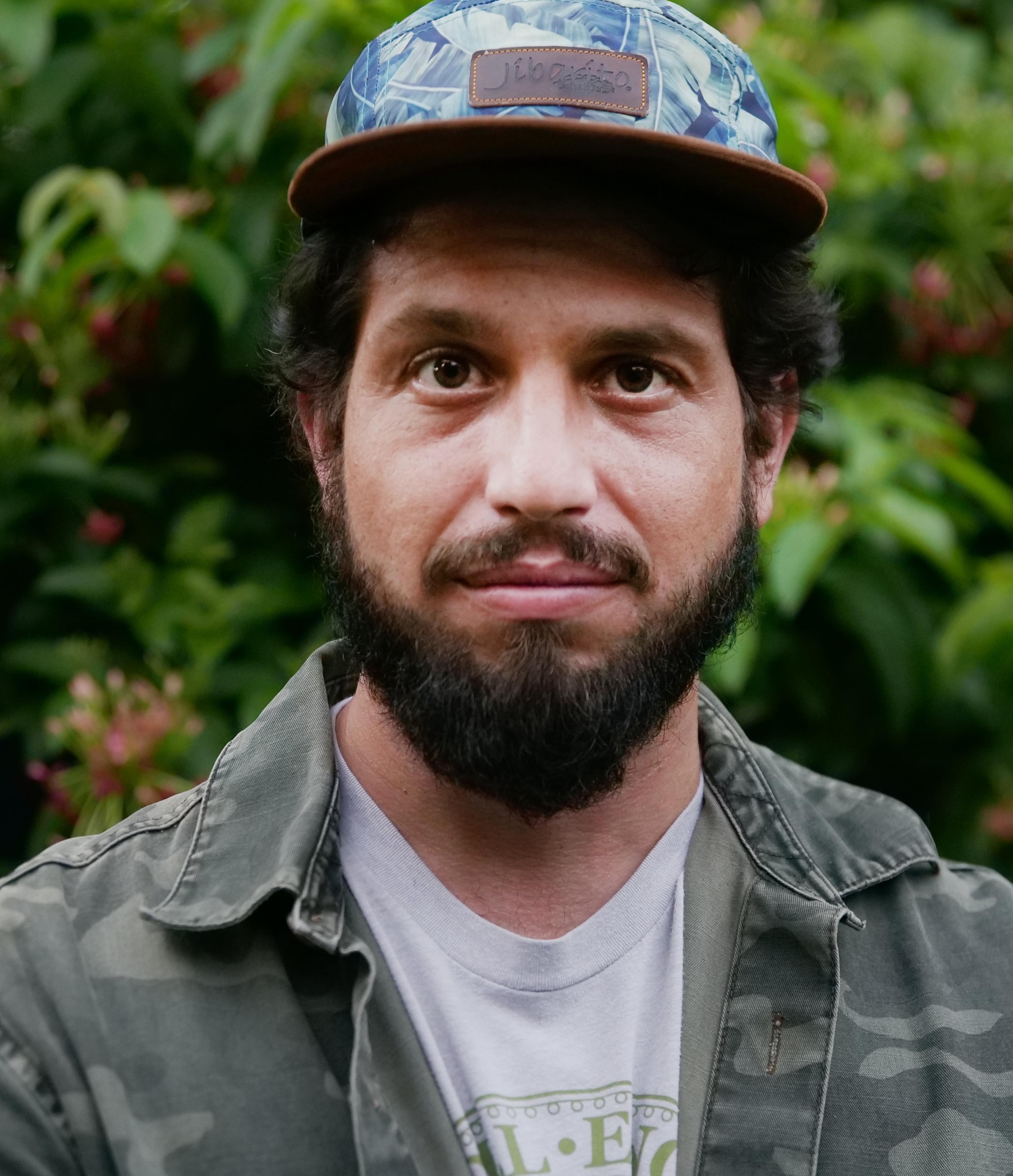
Listen to Cristian Carretero
0:00
/40.325333
It's something they revisit every day because it affects them on a daily basis.
Carretero mentioned it’s also about reflecting how Puerto Rico has been a place of experimentation for the United States. That included experimenting with some of the first birth control clinical trials on women – without them knowing – in the 1950’s. Or the testing of the herbicide and defoliant Agent Orange between the 1950’s and 1960’s in the Caribbean island.
Both Carretero and Jones said that the United States have used Puerto Rico and its people as guinea pigs. This has shaped them with very profound and interesting elements that characterize Puerto Rico, which many people don’t know about and it has a lot to do with their colonial status.
0:00
/0:04
A scene between Cora (Teófilo Torres) and Bebo (Sion Ortiz) in "Esta Isla" in Puerto Rico. | Video courtesy of Esta Isla. | Impulsiva Stories
When the United States invaded Puerto Rico in 1898, they tried to eliminate Spanish as their official language. Throughout its history, many other things happened, Carretero mentioned.
“At one point, the Puerto Rican flag was illegal. You’d go to jail if you had the flag and now that we have our current status, we can use the flag. We can vote for our governor because before ’58 or something like that, the governor was a general from the United States or they were people from the military,” Carretero said.
It was important for Jones and Carretero to speak about colonization in “Esta Isla” because of the confrontation it implies. And also, because it was a way to honor Borikén and its greatness. They wanted to portray a Puerto Rico that can be an inconclusive project or a place with many contradictions while its people always bravely defend their land and culture with lots of pride.
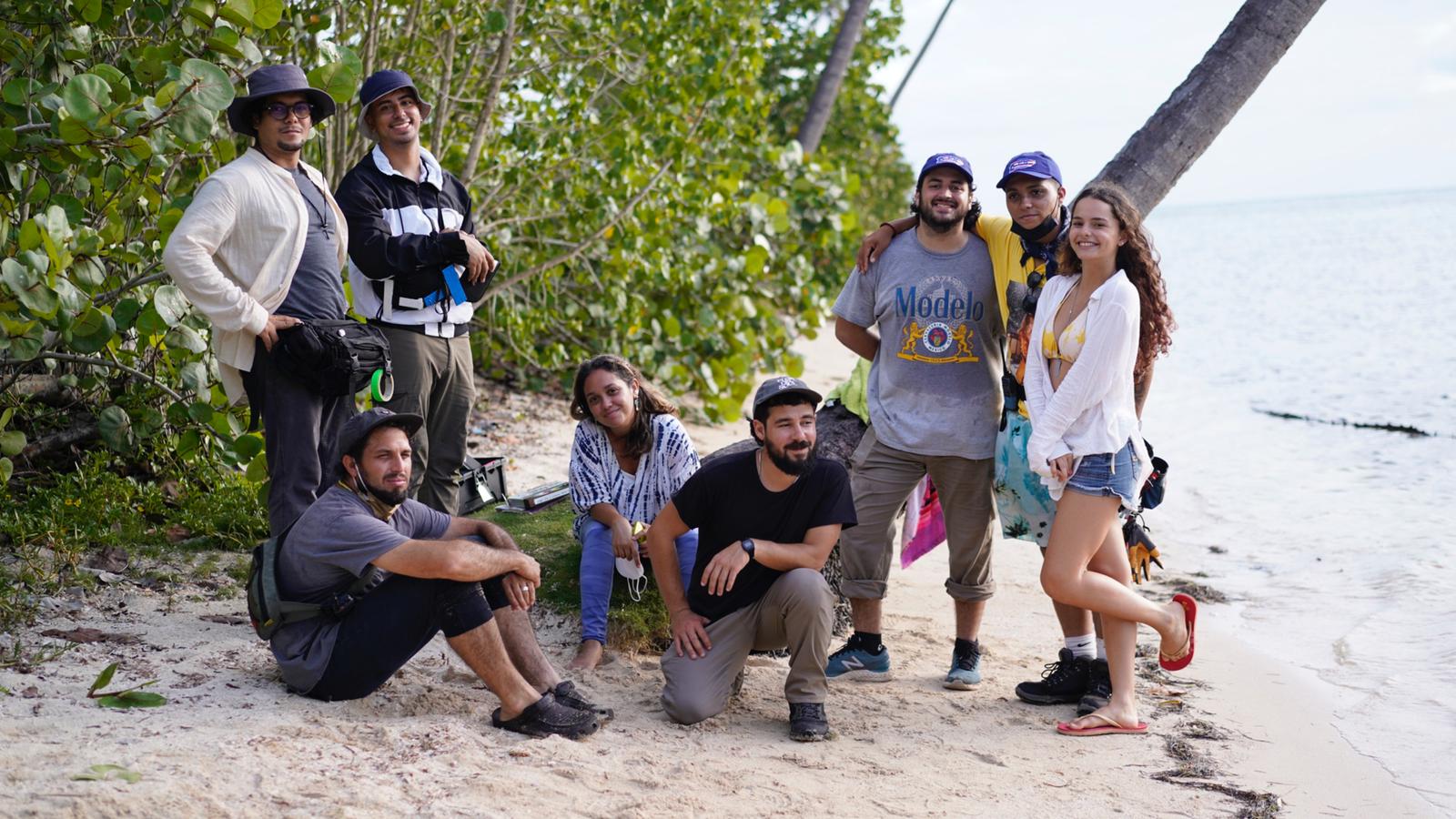
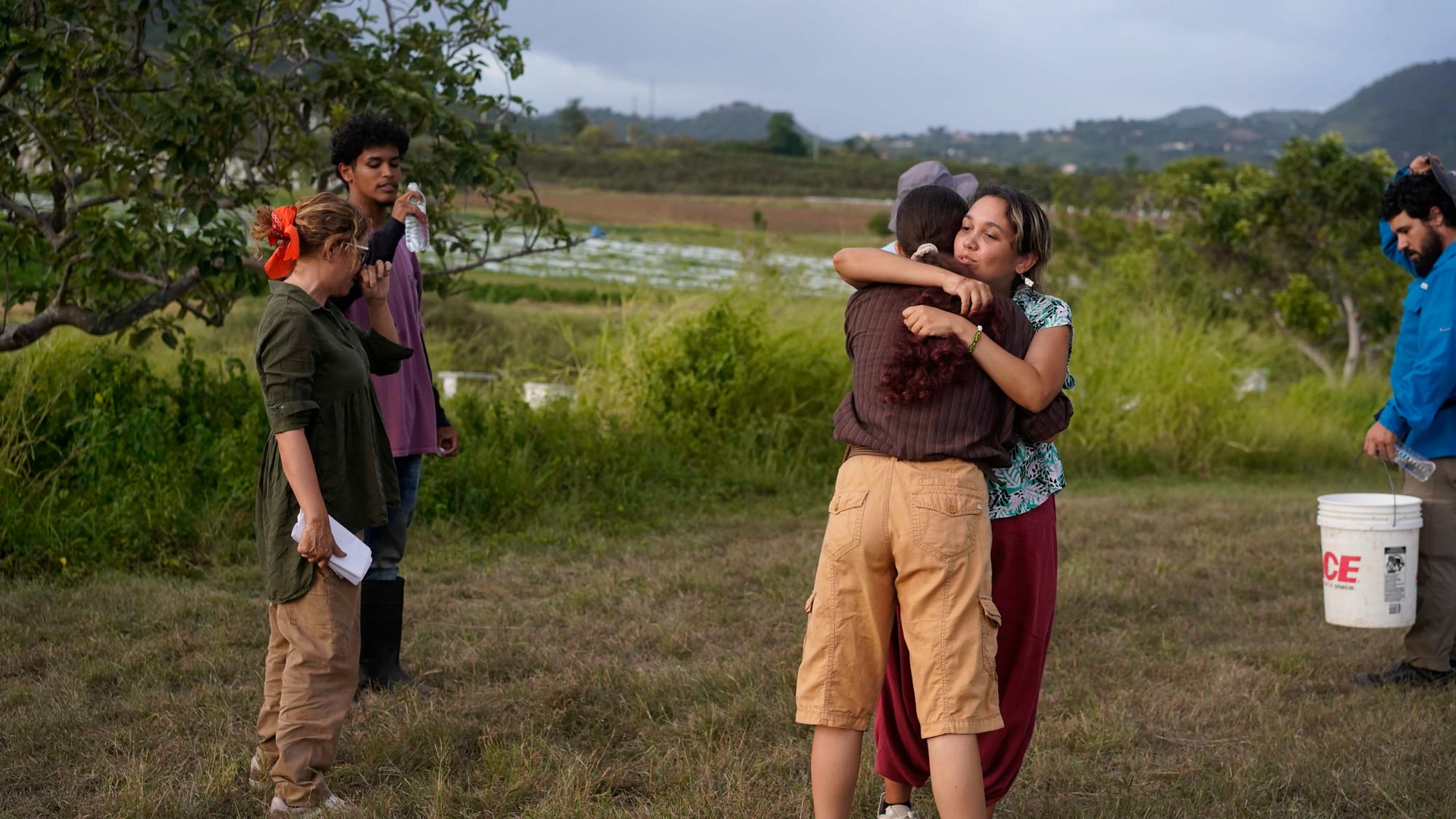
Part of the filming crew in "Esta Isla" in Puerto Rico. | Photos courtesy of Esta Isla. | Impulsiva Stories
A Caribbean island that lives in a continuous resistance to maintain its culture, its roots, and its environment. A Puerto Rico with its people that always defend and protect who they are.
“Our culture and who we are, I think it’s beautiful. I really appreciate and love our culture and I don’t want it to get lost. I don’t want to lose it. We won’t lose it, but it’s obvious there’s a strong force against us,” Jones said. “With this thing of being a colony of the United States and all of what that implies and how violent it really is.”

Listen to Lorraine Jones
0:00
/80.237333
That’s why Jones believes the subject of colonization is not spoken about that much. It makes them think and feel a certain way. If they don’t speak about it, they can’t heal from it, which is why Jones and Carretero said there’s a lot to defend in esta isla, Puerto Rico, or Borikén.
That is why they speak about Puerto Rican social issues in “Esta Isla.” They used their Puerto Rican tropical realism to portray their island’s many problems. They poetically created their breathtaking and soul-searching fiction film that tells the coming-of-age and lovers on the run story through their extremely compelling characters.

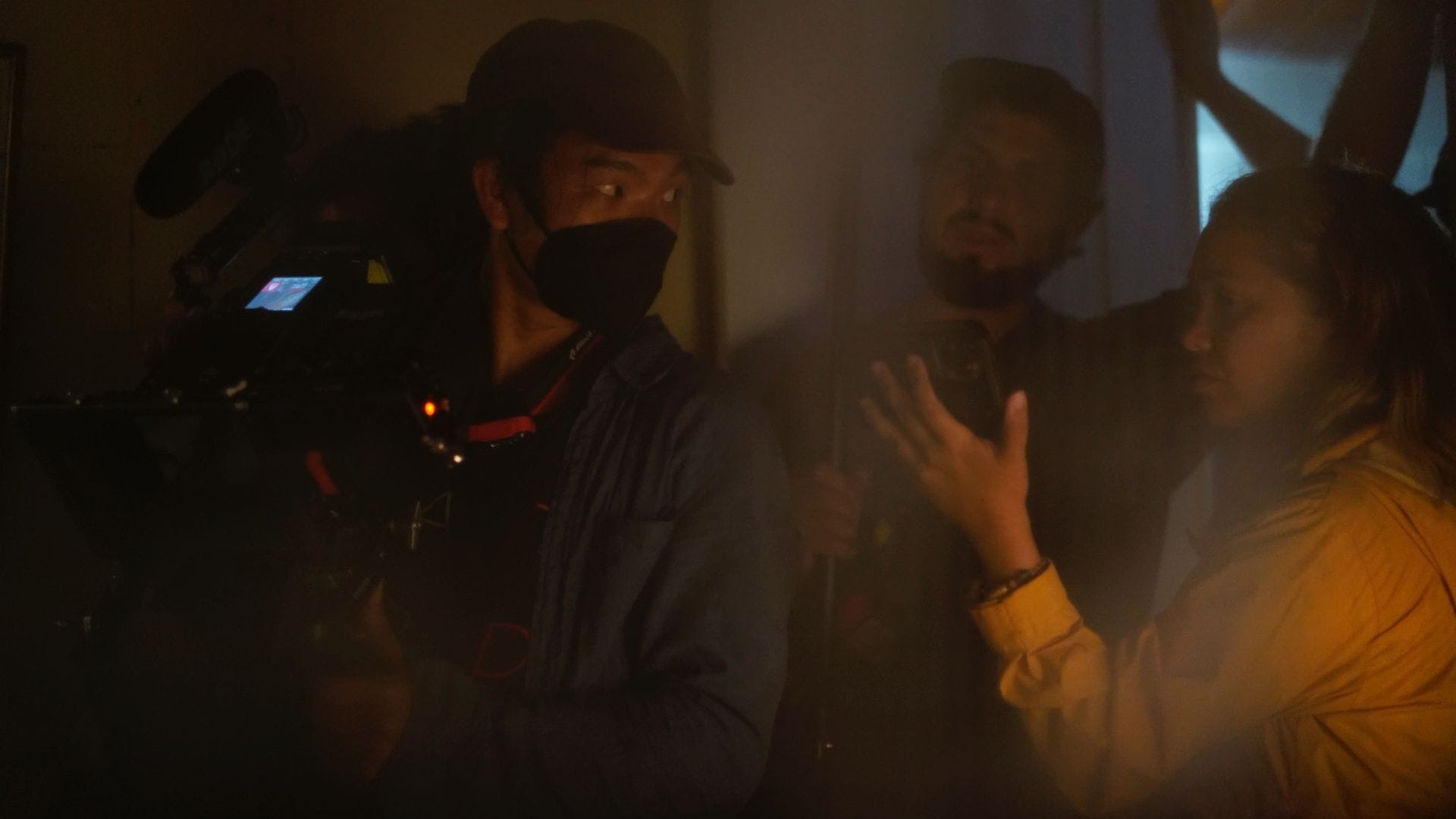
Filming "Esta Isla" in Puerto Rico. | Photos courtesy of Esta Isla. | Impulsiva Stories
Jones and Carretero took a plunge into the depths of “Esta Isla.” They went all in with their extremely local visions of a vibrant Puerto Rico that struggles. They overcame the challenges in their ten-year-long journey by being true to themselves and took “Esta Isla” around the world by speaking from the heart of Puerto Rico.
“Before it was released here [in Puerto Rico], everyone was very curious of seeing what we did because we’ve always been outsiders. Then, it began having certain success outside and it was a confirmation to keep doing what we do,” Carretero said. “I think we’ll always speak about Esta Isla, but Esta Isla that saves esta otra isla.”
To learn more about how Esta Isla explores Puerto Rican social issues, you can follow Lorraine Jones and Cristian Carretero on Instagram at @estaislafilm or @experimentoludico. Stay tuned next week for PART III, where we’ll learn about how Esta Isla takes Puerto Rico around the world.
Written by

Subscribe to my newsletter
Subscribe to my newsletter to get the latest updates and news