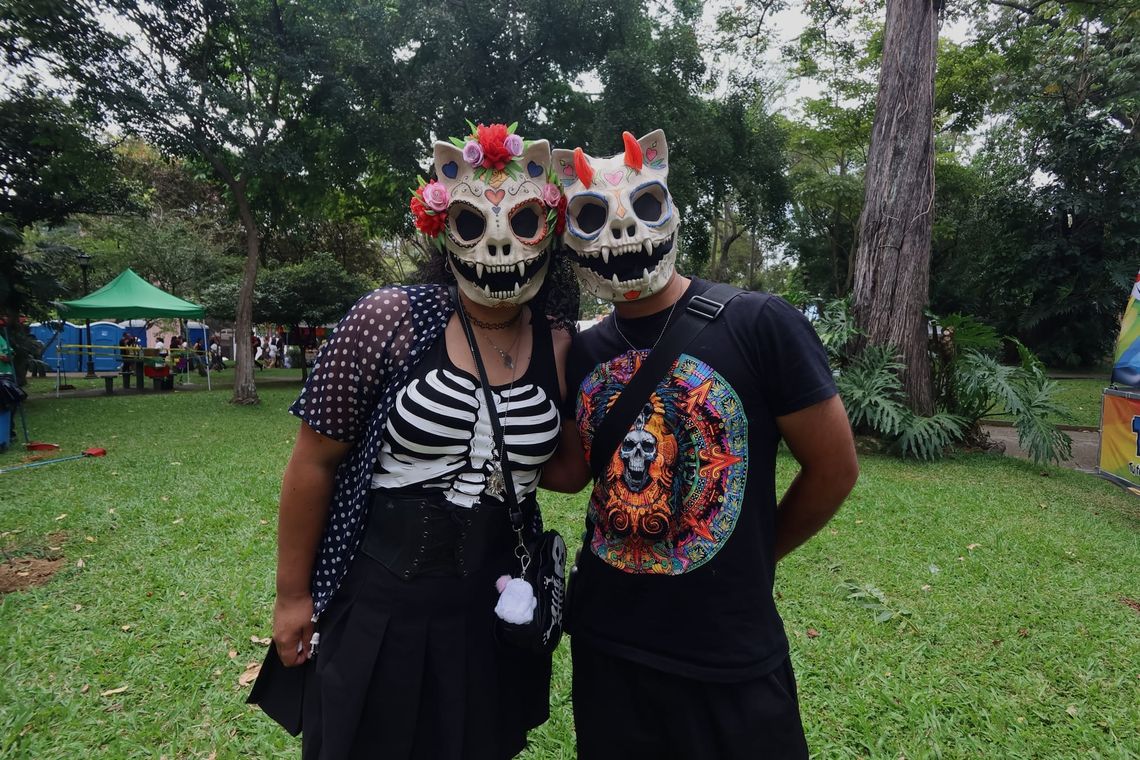
Fabiola & Sion PART II
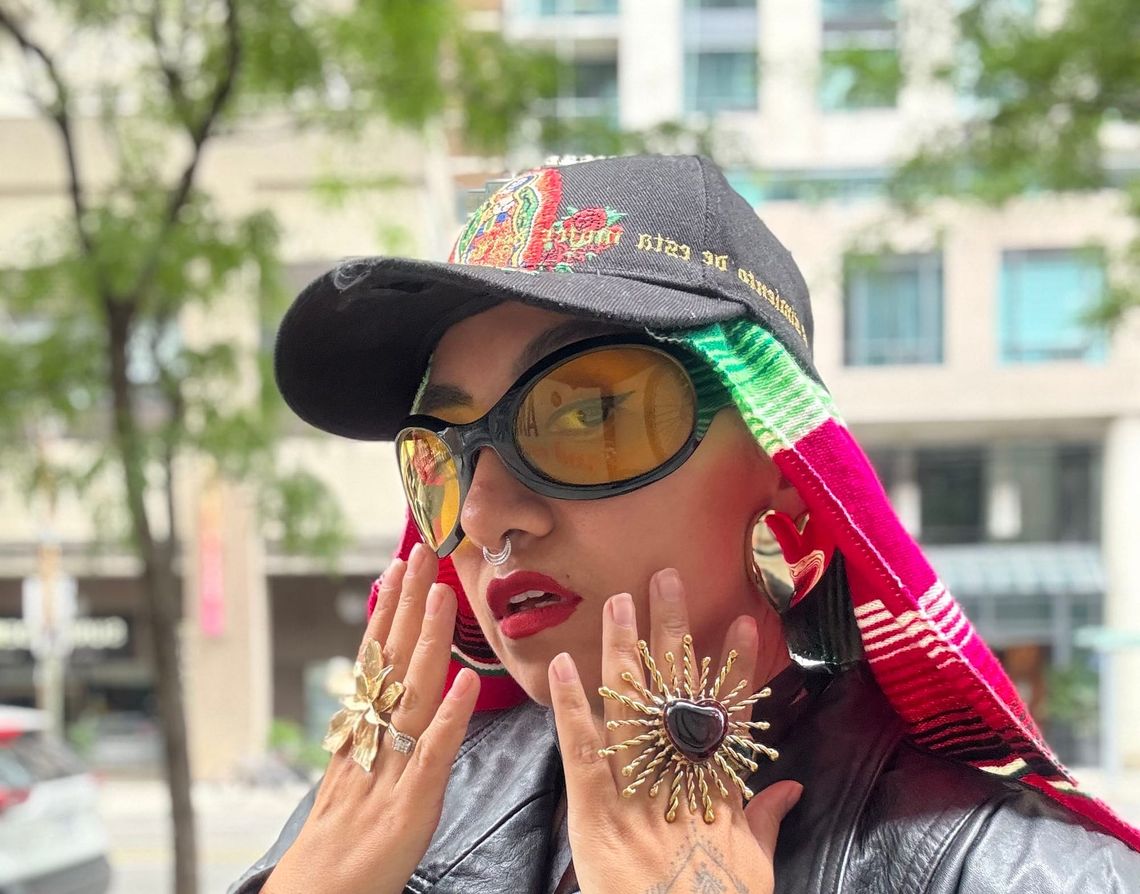
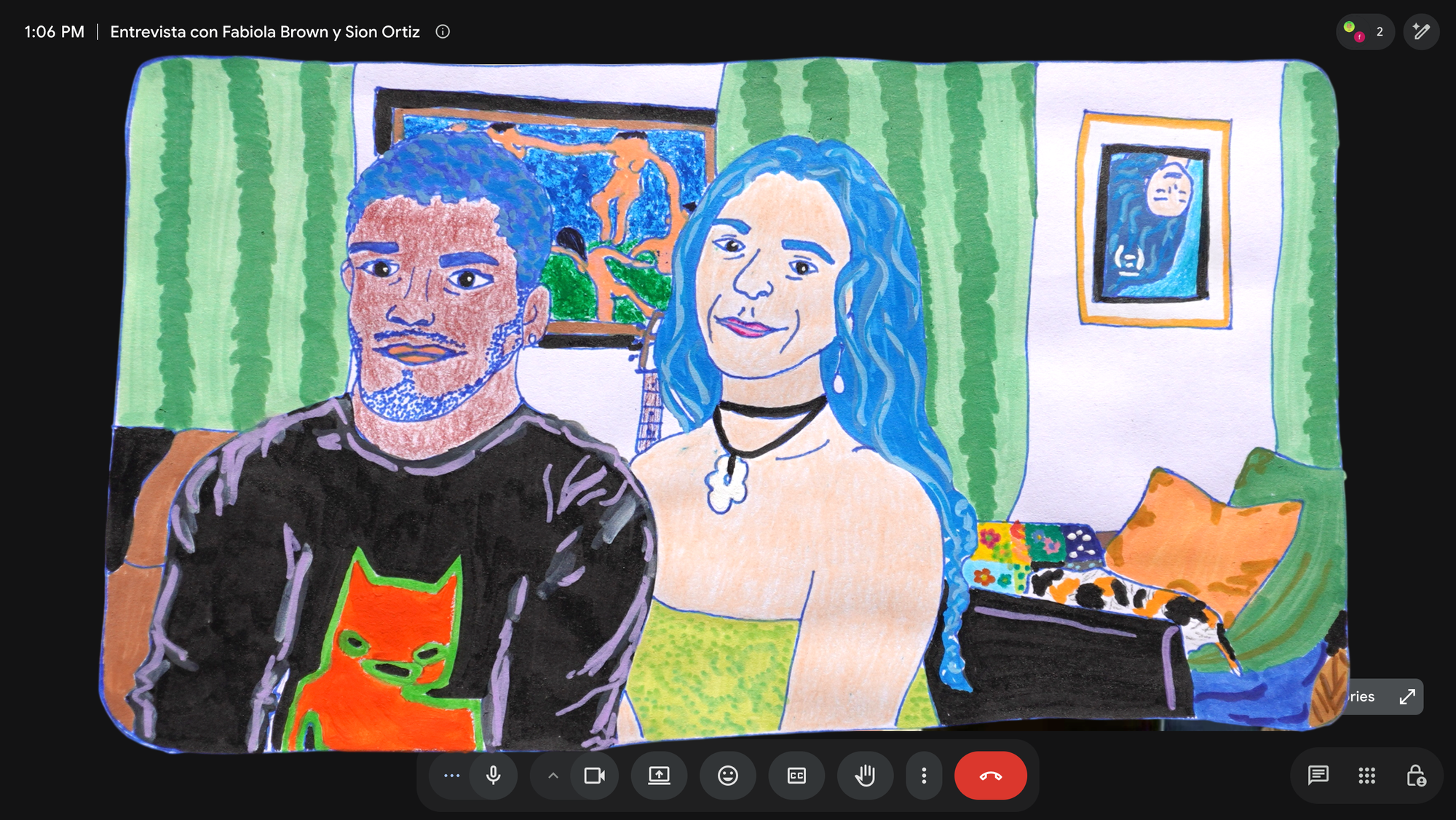
Fabiola Brown and Sion Ortiz create the complex characters of Bebo and Lola for the feature film "Esta Isla."

PART II: Fabiola Brown and Sion Ortiz Act Puerto Rico’s Raw Reality
In PART I we explored Fabiola Brown and Sion Ortiz’s sensitive multidisciplinary art. Now, we’ll explore how they act Puerto Rico’s raw reality. Remember, both Brown and Ortiz define themselves as artists in a general way. They don’t want to label themselves as a specific type of artist because they don’t want to limit the options for their creative expression.
This time we’ll focus on their acting process to create the characters of Bebo and Lola for the Puerto Rican award-winning feature film “Esta Isla.” Once they were selected by the directors Cristian Carretero and Lorraine Jones, Brown and Ortiz began their arduous process to create their complex characters.
Brown started reading the script non-stop every day.
“It was as if I were studying for an exam and it was like studying the lines. Well, I knew Sion’s [lines]. I knew everyone’s lines. I learned the film by memory. I even remember that on filming days, I already knew your lines [Sion],” Brown said.
Brown was very methodical with her approach, while Ortiz was a little more chill and laidback. They described themselves as the perfect acting partners because they complemented each other. They helped each other out with their different work rhythms not only to create their characters, but also to elevate the beauty of the environment where the story was set.
The beauty of the film, as Brown said, is in the circumstance where it happens. It’s their reality. Their daily lives. That helped a lot when devoting themselves to their characters because they were creating and acting from what they know. They were not developing a character like Frankenstein, as she said.
Don't Forget to Subscribe to The Story of The Story
For only $16 a month, every Friday you'll have exclusive access to
The Story of The Story. Our founder, the Costa Rican award-winning multimedia journalist and artist Elizabeth Lang, guides you through her creative process to produce her stories.
They’re allowing the audience to get to know the reality of Puerto Rico, which required Brown and Ortiz to gather information from those who are close to them. It also required certain introspection to see what worked from their own lives to create their characters.
In the case of Brown, she loved Lola so much because she’s a normal woman. A woman who turns eighteen years old and is in the process that everyone goes through when they’re that age. She’s asking herself what she’s doing in this world and who she is in a Puerto Rican context.
“She [Lola] comes from a father who literally gave his life for the Puerto Rican fight. For the fight of the Puerto Rican independence. So, it landed like a ring on the finger that I come from a family, my father is still alive, but he has dedicated his whole life to fight for this country,” Brown said.

Listen to Fabiola
0:00
/23.010833
Since the beginning, Brown fell in love with Lola’s character because of the details. Some of her descriptions and monologues throughout the film have various hints speaking about one of Puerto Rico’s prominent figures without explicitly naming him. There are some elements pointing towards Filiberto Ojeda Ríos.
He was a Puerto Rican trumpet player and pro-independence leader who co-founded the Ejército Popular Boricua known as Los Macheteros. Then, in 2005 he was assassinated by the Federal Bureau of Investigation (FBI).
Brown mentioned that Lola’s father is a reference to Ojeda Ríos in “Esta Isla” and you have to understand Puerto Rican history in order to get these very specific references. This was one of the many details that helped her create a great connection with her character and study the script in a rigorous manner.
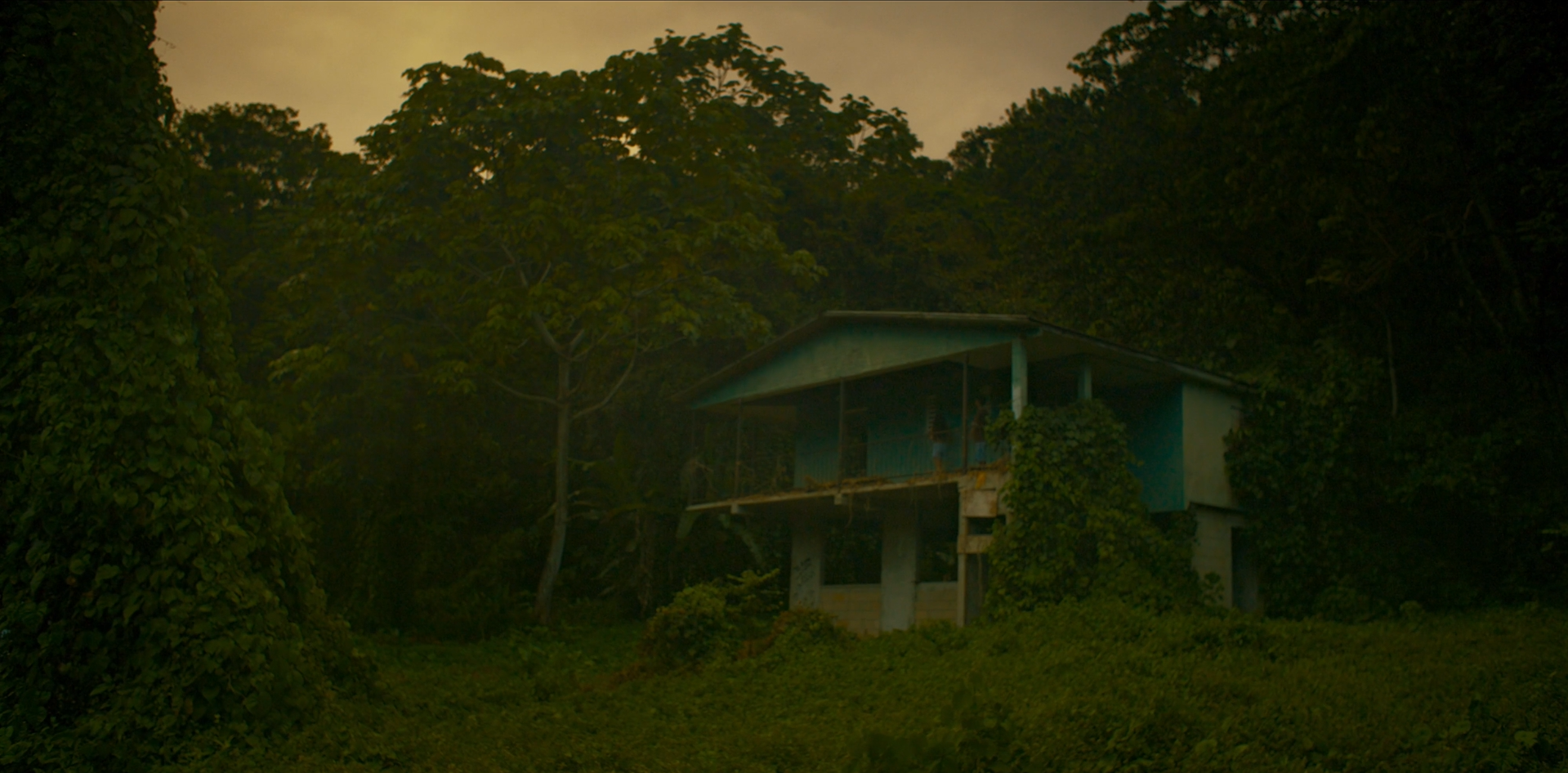
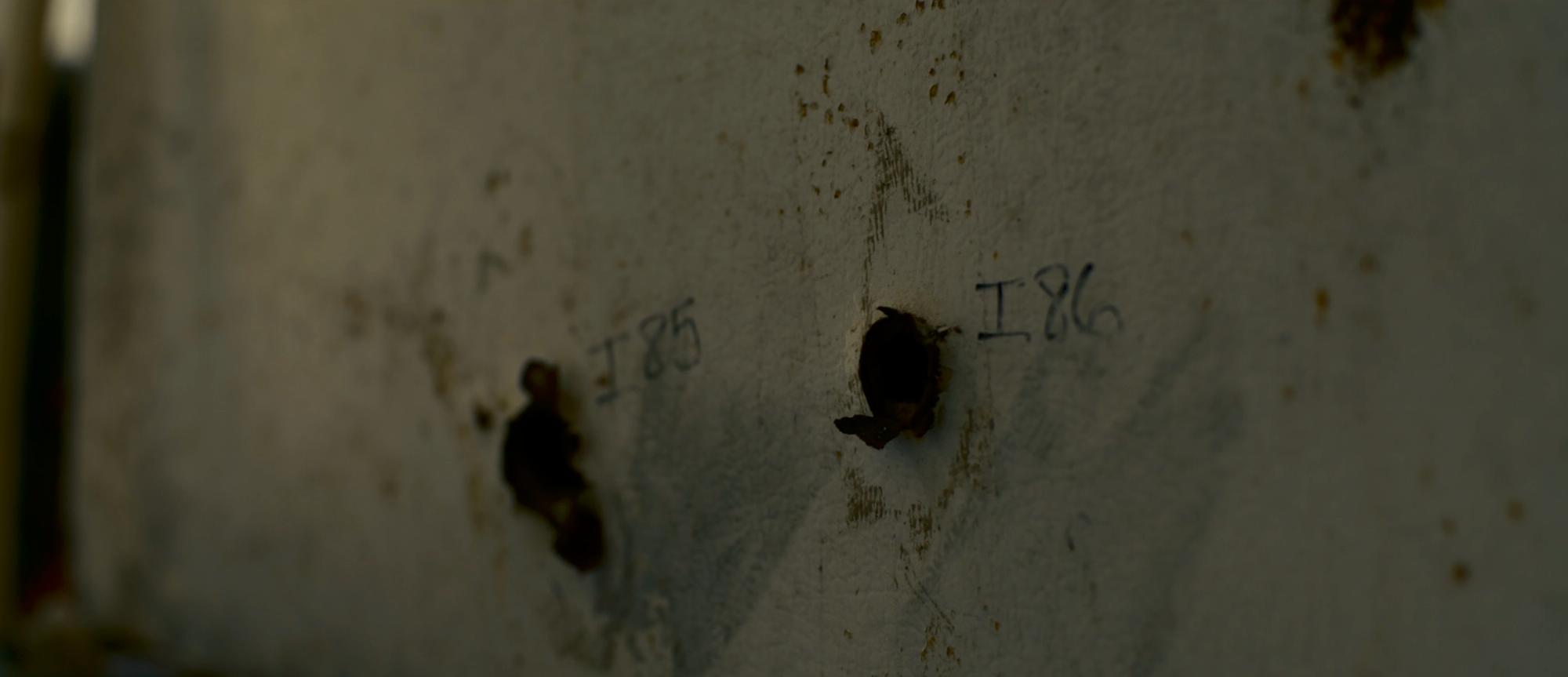
The real house where Filiberto Ojeda Ríos was assassinated by the FBI in Puerto Rico. | Photos courtesy of Esta Isla. | Impulsiva Stories
That was what happened from an individual standpoint. Then, they gathered with the rest of the actors. They started connecting with each other and it was a very natural dynamic. That continuous collaboration between the actors and the directors made it quite rigorous and easygoing.
Reconnecting with Yourself
For Ortiz, it was really about telling their story and reconnecting with his memories, his childhood, his experiences, and other people's stories.
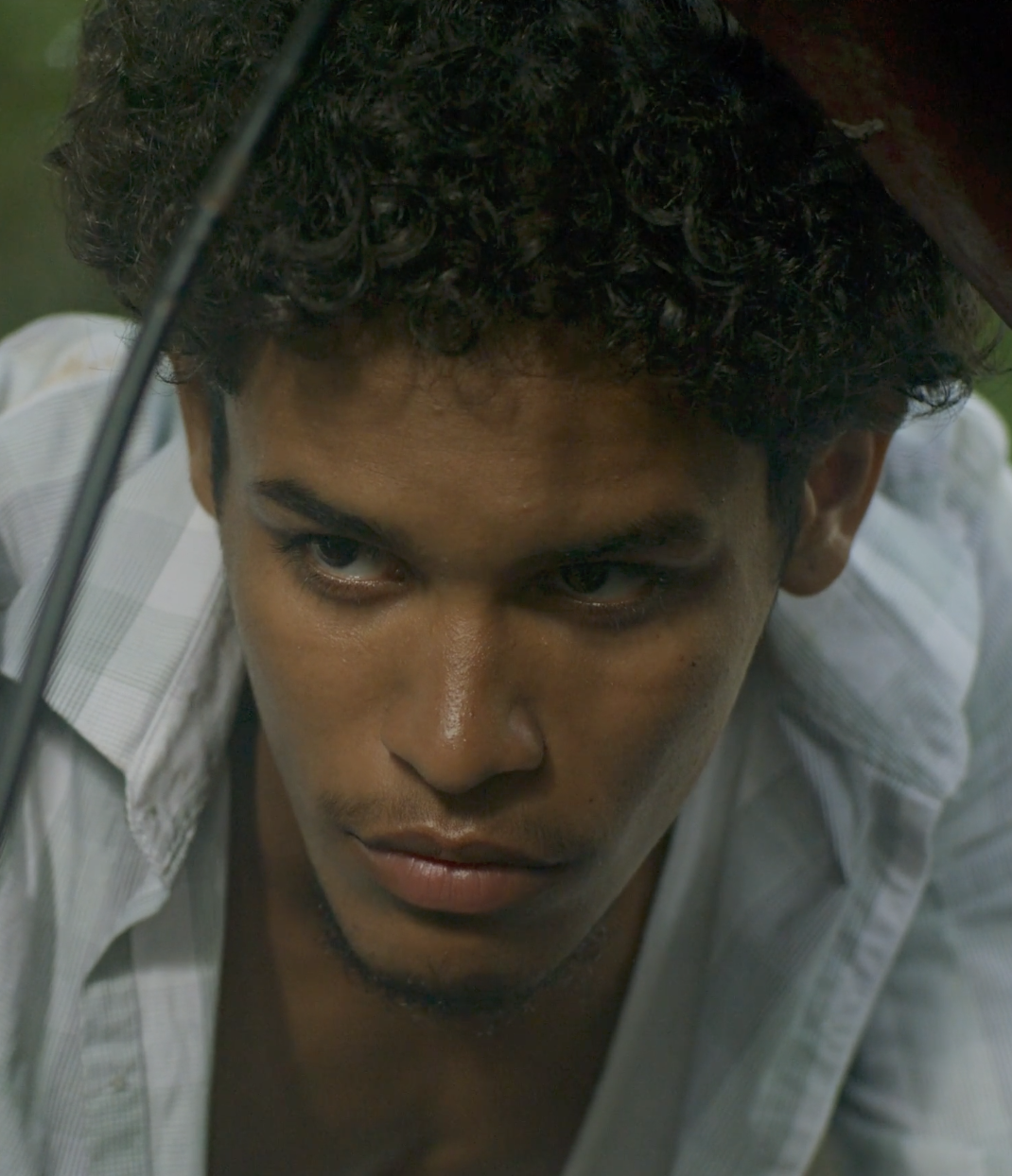
“I identified with Bebo a lot because when I was child, I’d go to the caseríos, which are the barrios, to be with my aunts, my grandmothers, my grandfathers, and cousins. During the filming, I came to the conclusion that it was not acting,” Ortiz said. “It was reconnecting with my memories. Going back to those places. Relocating with myself.”
Listen to Sion
0:00
/32.2965
To connect better with himself and Bebo, Ortiz also started learning about his character’s activities. He got back into various things he'd left behind a while ago. These included spending more time with his relatives at the barrio and going out fishing with his friends.
He didn’t know anything about fishing, but he saw it as an opportunity to share this time with his friends to learn more about it. Ortiz began familiarizing himself with what he’d be doing when filming. That way, he’d be more in character when projecting it on the big screen.
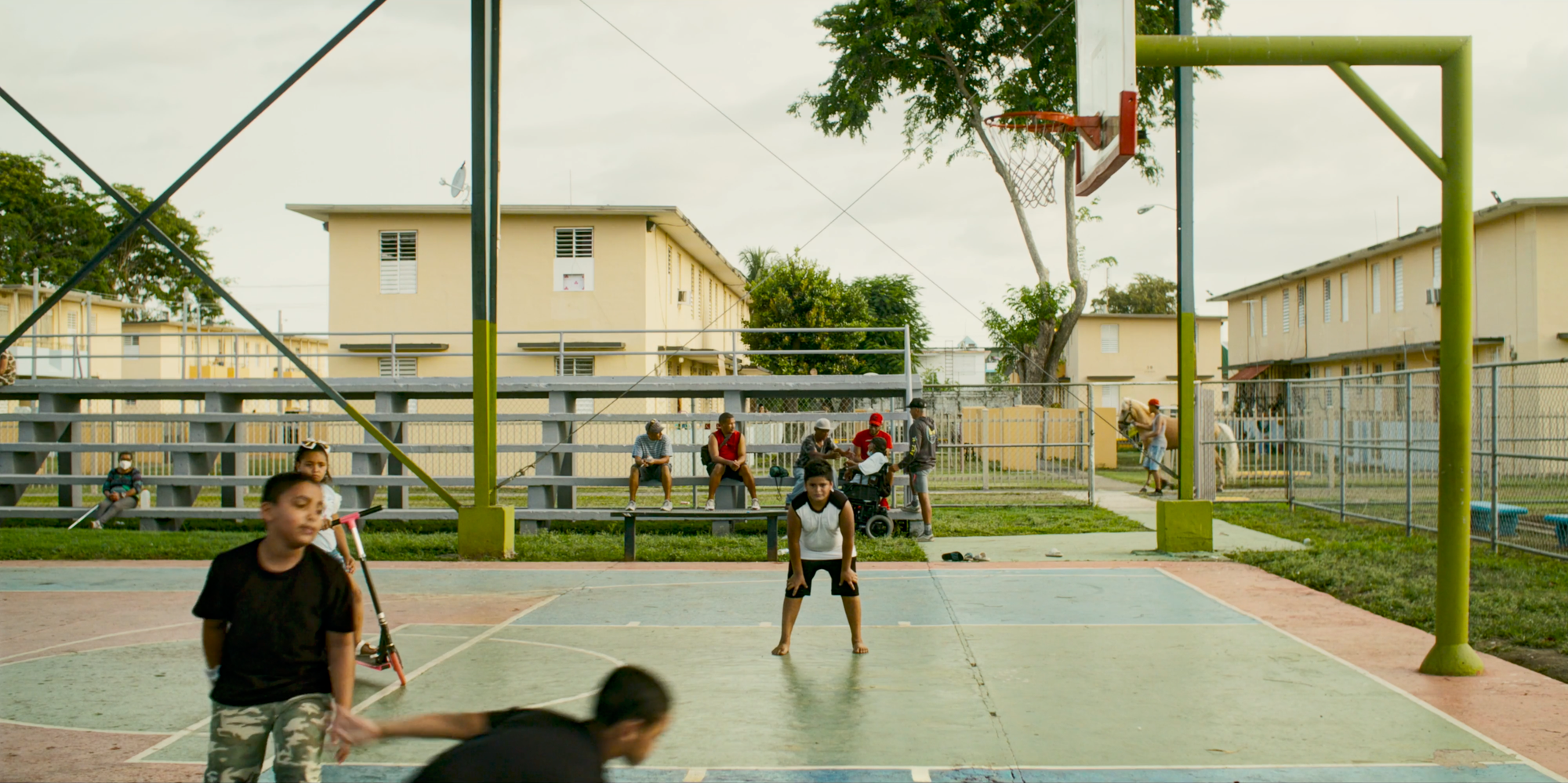
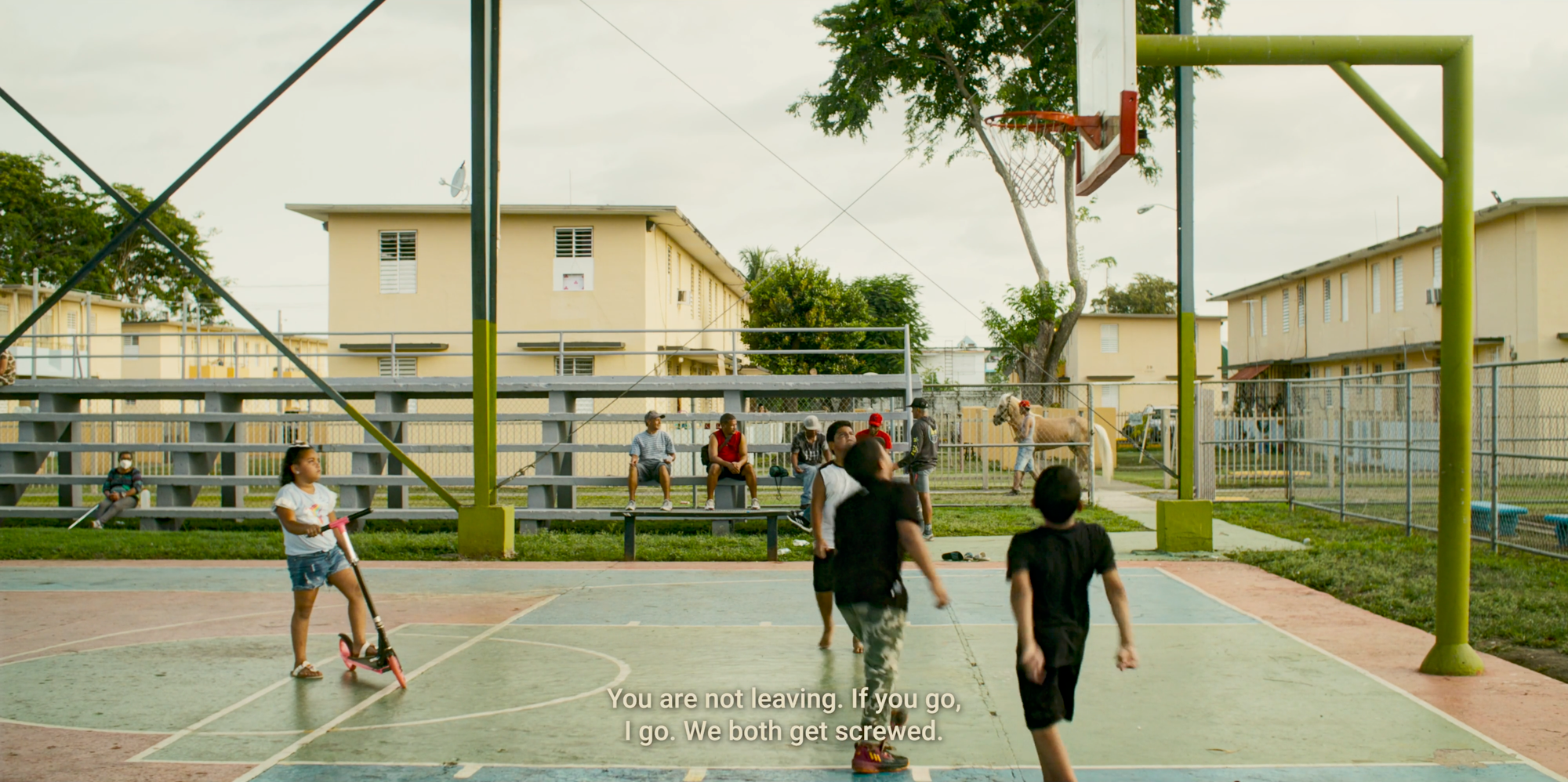
Some of the scenes where Sion Ortiz appears in the background at the caseríos in "Esta Isla." | Photos courtesy of Esta Isla. | Impulsiva Stories
Besides Brown and Ortiz’s individual process to create their characters, they also collaborated a lot with the rest of the actors. They learned from those who were more experienced and took their advice to make a better interpretation on cameras.
For their collaboration to develop a well-rounded Bebo and Lola, Brown and Ortiz helped each other a lot. It was an emotional rollercoaster because of the relationship that Bebo and Lola had. Ortiz mentioned that Bebo experienced a lot of feelings of anguish, frustration, despair, and uncertainty.
Lola, on the other hand, was going through an inexplicable sadness, so she resorted to alcohol and drugs with her friends to numb it down.
“We see that that doesn’t fulfill her at all and then, she meets Bebo. That gives her a little bit of hope to get out of that every day life. When he has to escape, that hope starts to crumble down. But she then says: no, I’m leaving with him,” Brown said. “So, another sense of adventure comes.”

Listen to Fabiola
0:00
/35.713417
The adventure comes, but another emotional rollercoaster begins because they’re confronted with the reality of asking themselves what they’re doing. The reality of understanding that love transcends many things, but until what point. The reality of questioning if they’re capable or not capable of sustaining the love that comes with certain cliches.
And then, they go back to the beginning. They return to the loneliness and sadness.
Brown described it as a very strong experience that reflects what it means to live in Puerto Rico, which is being in a limbo for her.


Fabiola Brown and Sion Ortiz as Bebo and Lola in "Esta Isla." | Photos courtesy of Esta Isla. | Impulsiva Stories
That limbo merged with Bebo and Lola’s emotional universe created by Brown and Ortiz. Brown was on a very similar mental and emotional space as Lola at that time of her life. It was not the same one, but very similar because of what she was going through when she had her knee injury and her plans to pursue classical ballet professionally changed.
What it Means to be a Woman and a Man
That personal connection, combined with resorting to her imagination and other women’s stories helped her a lot. These were stories that were not written on the script, but did appear on the film.
“Stories about women. Stories about the daily life. About what it means to be a young, adolescent woman in Puerto Rico,” Brown said.
This particular reality for women is clearly portrayed when Lola briefly tells Bebo she was sexually abused. The idea of including this particular scene came after multiple conversations between Brown and “Esta Isla’s” co-director Jones about the subject.
It provided Lola’s character more depth and clearly explained why she was feeling so much pain and sadness. The audience can notice how it is implied in a subtle manner when Lola’s stepfather knocks on her door and she’s afraid of opening it. It is the stepfather perpetuating the sexual abuse and Brown explained Lola’s mother tells her to not speak up because he’s the one sustaining their luxurious lifestyle.
For Brown, it’s quite important to speak about these issues that women struggle with and raise awareness because it’s what they live on the day-to-day.
“Unfortunately...I’m going to start crying,” Brown said, as she wiped the tears from her eyes. “Unfortunately, we live in a society where we have to sacrifice ourselves constantly and keep our mouths shut to be able to exist. To be taken seriously. So that we’re not called dramatic or whatever.”

Listen to Fabiola
0:00
/25.4105
Brown said it’s not only a subject that’s important in “Esta Isla.” It’s also something that must keep being spoken about in general. Even though the film began its screenings last year and its filming happened way before that, it’s a topic that’s recurrent in these times. It doesn’t matter what country or context you’re speaking about, violence against women is quite present.
Whether that’s the ongoing conversation about the Cornell 7 and Jane Doe case in the United States that opened the door for many women to speak up social media about their experiences with sexual abuse and rape. Or the recent violent death of the 72-year-old Blanca Emeria Pardo Rosero in Colombia. Or this week, when the Women’s Commission of Costa Rica’s Legislative Assembly approved and retracted a text that eliminated the use of emergency contraception for women who are victims of rape.
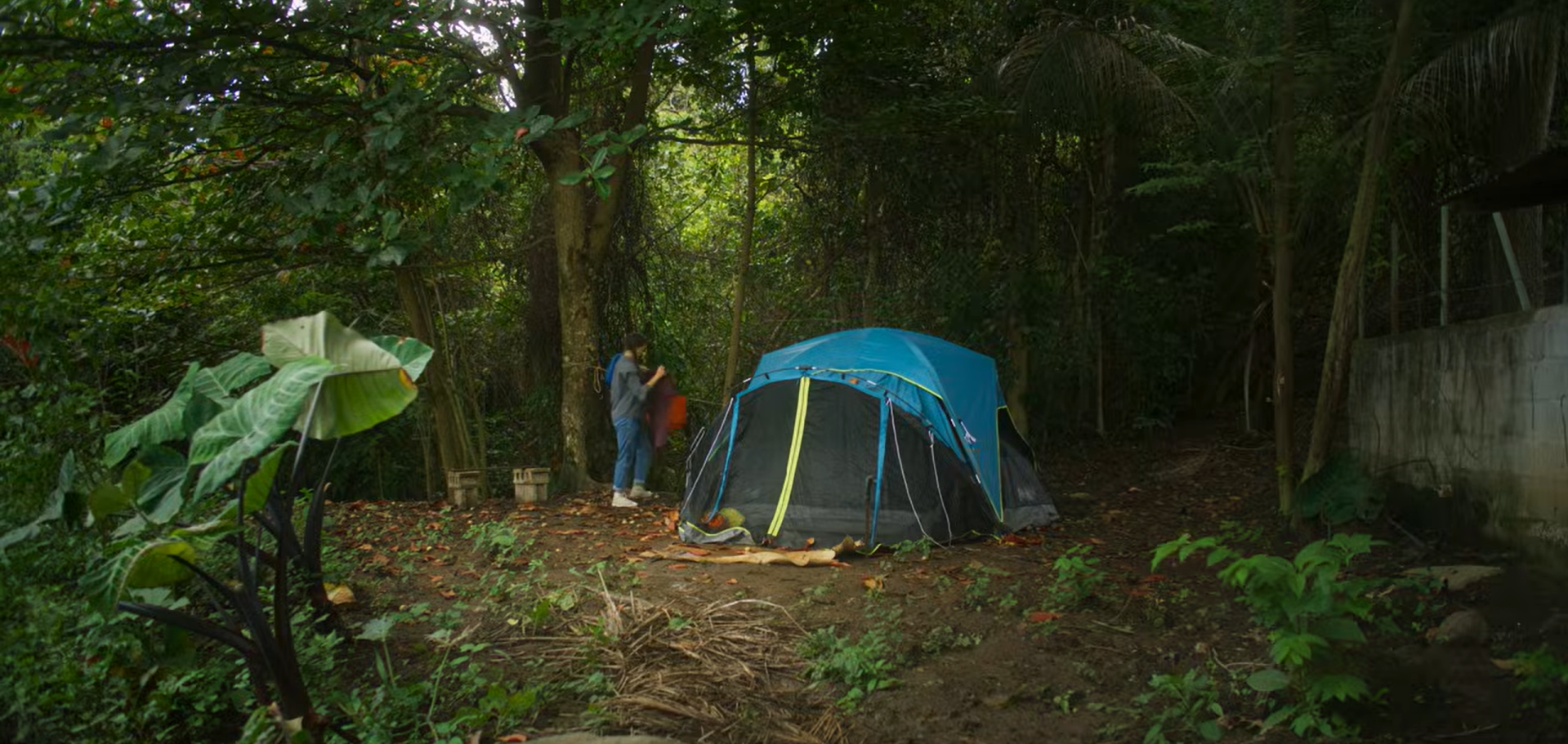

Some scenes of Fabiola Brown as Lola in "Esta Isla." | Photos courtesy of Esta Isla. | Impulsiva Stories
These are all instances that, unfortunately, are quite common in women’s lives everywhere around the world and Brown mentioned it’s quite important to keep talking about it. Keep raising awareness about the challenges that women face, which is clearly reflected on “Esta Isla.”
The portrayal of Lola’s experience gives her more depth to her character. You could say that it’s demonstrating what it means to be a woman and a man in Puerto Rico. Ortiz also noticed this clear depiction in Bebo.
“Many of the things that Bebo sought to do were like looking for a way to solve and provide. Wanting to protect. Wanting to provide security. He had a tedious character. He liked to sacar pecho because he wanted to be a protagonist,” Ortiz said. “He wanted to be seen and valued for his effort to improve himself.”
Listen to Sion
0:00
/43.64275
Ortiz mentioned Bebo wanted to prove himself that he was capable of emerging from the darkness that had him in the storm, which is something he believes that many Boricua men experience in the way the live.
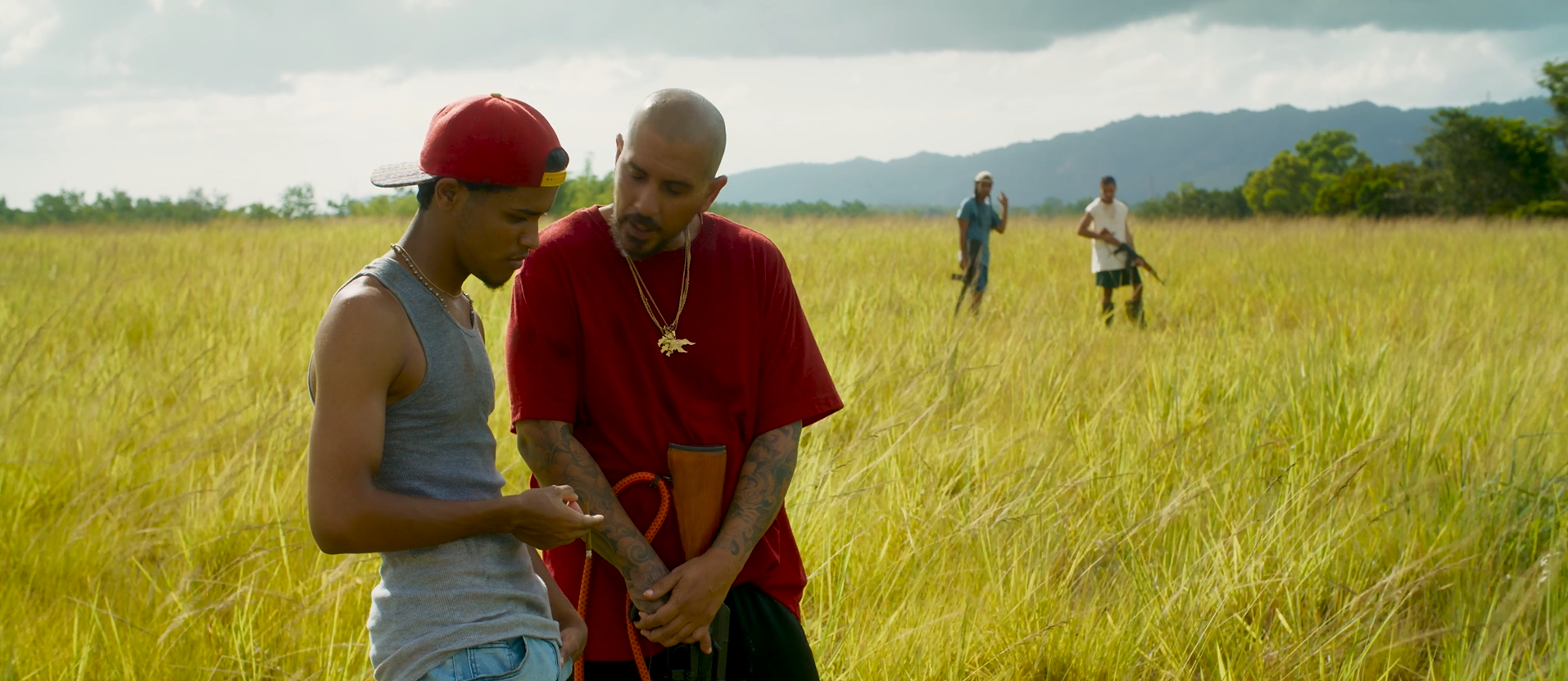
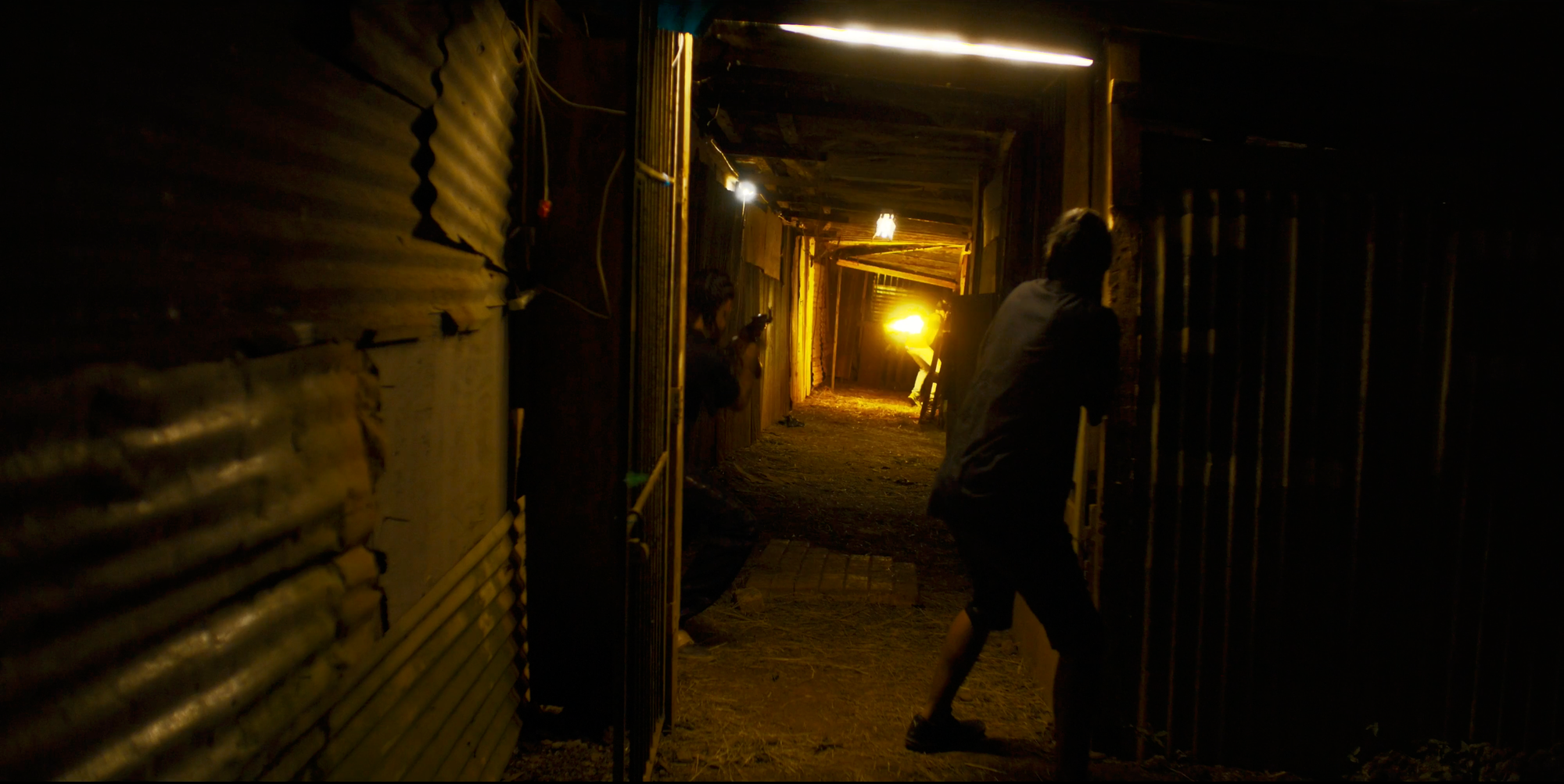
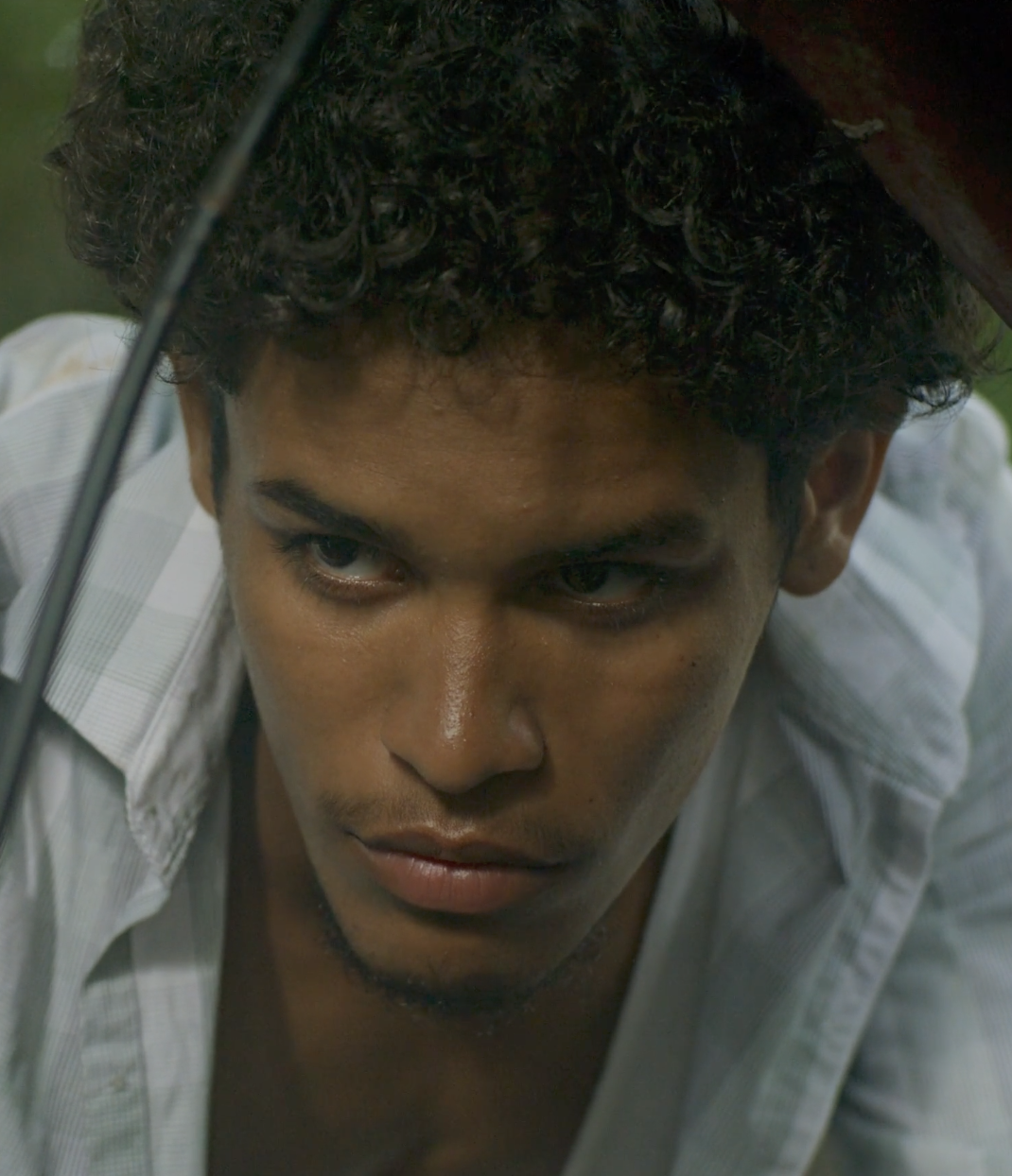
Sion Ortiz (left) and Audicio Robles (right) as Bebo and Moreno in "Esta Isla." | Photos courtesy of Esta Isla. | Impulsiva Stories
But this is not the only way in which Brown and Ortiz act Puerto Rico’s raw reality through Bebo and Lola. It’s also present in the portrayal of difference between social classes, violence, and the complexity behind resorting to selling drugs as a means of survival.
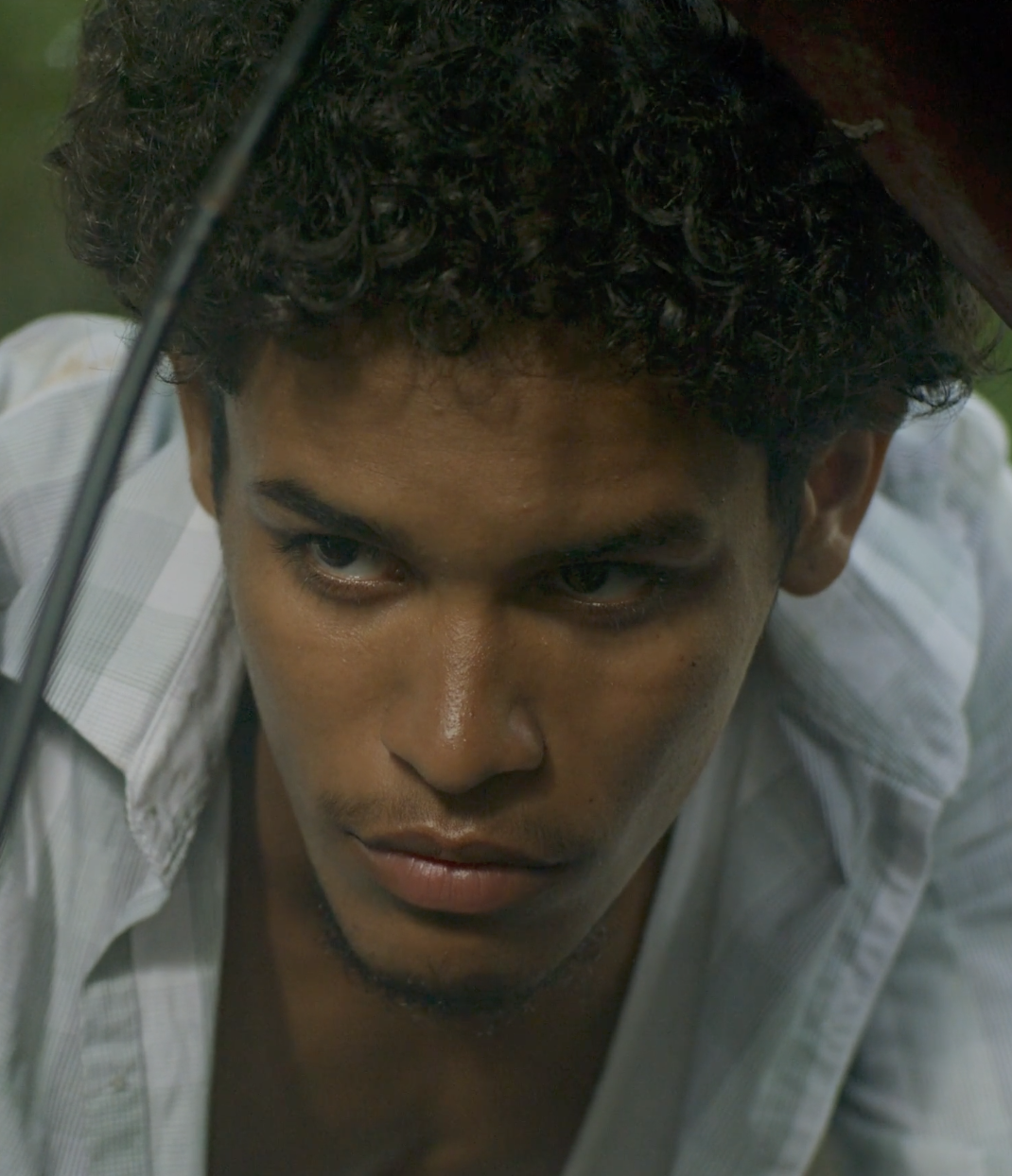
“You can see that more in young people. In men. Like, many times, they’re people who understand they have no opportunities or have not seen yet that they have great virtues to do great things under a correct procedure,” Ortiz said. “And they turn to these things, which personally, at least, I have no experience with. So, I can’t say exactly why they do it.”
Listen to Sion
0:00
/47.3205
A Common Puerto Rican Lived Experience
Brown added that Bebo and Lola are a reflection of the Puerto Rican reality because they come from different worlds going through a moment of discovery. Both are deeply unsatisfied. They want to escape their realities, even though they come from dissimilar contexts. Lola had not lived the difficulties Bebo faced and Bebo did not experience what she went through.

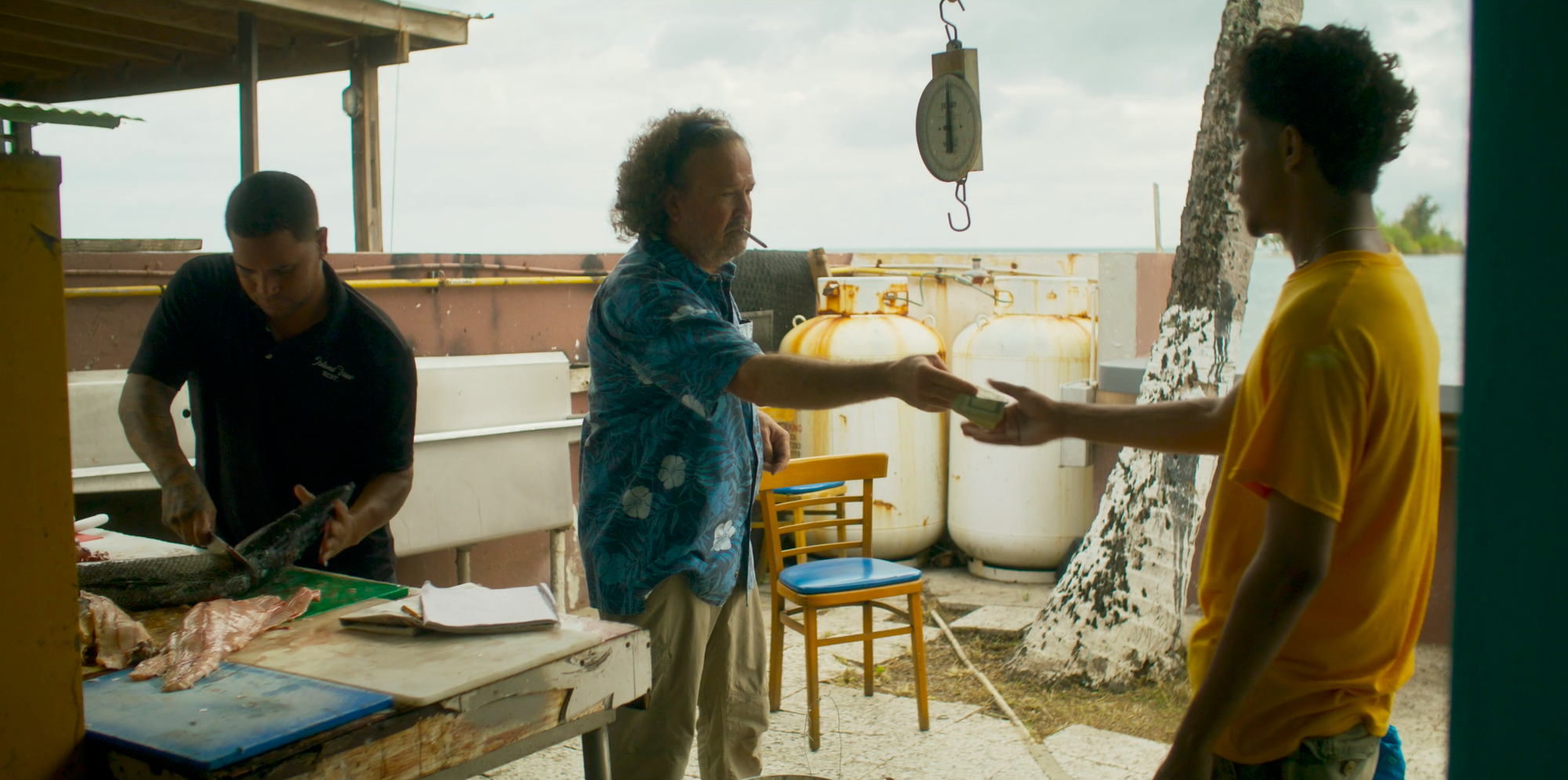
Sion Ortiz as Bebo in the caseríos with a line of people waiting to pick up water and getting paid for the fish he caught in "Esta Isla." | Photos courtesy of Esta Isla. | Impulsiva Stories
This demonstrates that no one world and social class in Puerto Rico is perfect. It doesn’t matter where you stand on the social hierarchy, the discomfort and difficulties exist. They're always present. The contradictions from these two very diverse lived experiences of Bebo and Lola end up coming together in the film.
They show that, in the end, everyone lives in the same reality.
“It doesn’t matter. We all lose our water supply. The power is out for all of us. We all have to pay for super expensive stuff and yes, maybe, it’s easier for some people. But, what do you have to do? What do you have to sacrifice to be in certain positions?,” Brown said. “In the end, it’s a common ailment in which we all have to survive.”

Listen to Fabiola
0:00
/27.862333
It’s a reality that Brown described as one they continue fighting for because they don’t want to keep living like that. It’s a fight to improve the country where they were born in with its limitations. It’s a fight that the young people of Puerto Rico are going through in the pursuit and desire to live better.
That’s why Bebo and Lola also speak from a raw Puerto Rican reality in "Esta Isla." It’s a reality that’s not sugarcoated or shown as the perfect paradise postcard. It’s something that both Brown and Ortiz take with lots of pride because they were part of a film crew that gave a voice to Puerto Rican stories that are not often told or given a big platform.
0:00
/0:04
Sion Ortiz as Bebo in "Esta Isla." | Video courtesy of Esta Isla. | Impulsiva Stories
They were part of an “Esta Isla” that traveled around the world picking up multiple prestigious awards like the Best New Narrative Director, Best Cinematography in a U.S. Narrative Feature, and Special Jury Mention for Best U.S. Narrative Feature awards at the Tribeca Film Festival in 2025 and the John Cassavetes Award at the Film Independent Spirit Awards this year. "Esta Isla" is also the chosen film to represent Puerto Rico in the prestigious Goya Awards in Spain.
And they were also part of an “Esta Isla” that’s currently making history for Puerto Rico through all the accolades and achievements they’ve been garnering throughout the past year.
And most importantly, Brown and Ortiz were able to act Puerto Rico’s raw reality with Bebo and Lola through their sensitive multidisciplinary art.
“It’s also a message for the world. Many times, what’s spoken about Puerto Rico is its wonders, how beautiful it is, its warmth, its beaches, the piña colada and the little things. But there’s a very raw, painful truth that young people live through,” Ortiz said. “It’s a source of pride to take this situation to the big screen for the world to see it.”
To learn more about how Fabiola Brown and Sion Ortiz act Puerto Rico's raw reality, you can follow Fabiola Brown, Sion Ortiz, and Esta Isla on Instagram at @fabiolavbrown, @louirentt, or @estaislafilm.
Written by

Subscribe to my newsletter
Subscribe to my newsletter to get the latest updates and news