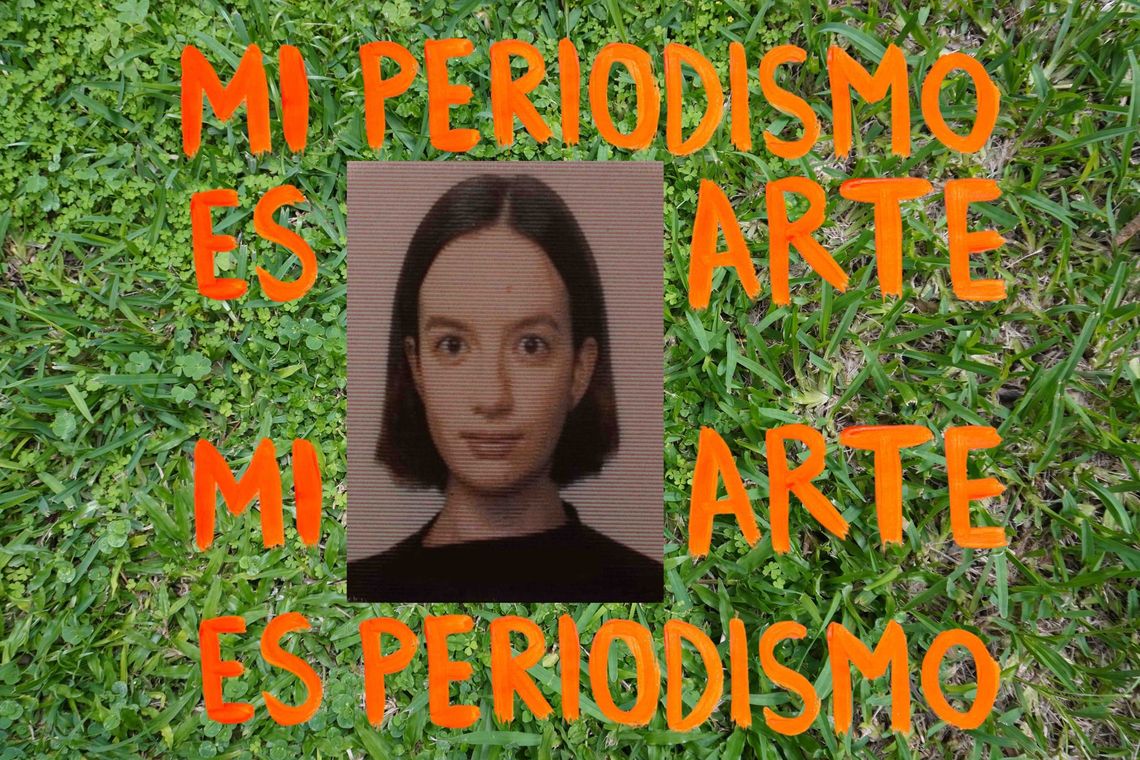
Fabiola & Sion PART I
Fabiola Brown and Sion Ortiz don't limit themselves to just one artistic discipline when they create.
PART I: Fabiola Brown and Sion Ortiz’s Sensitive Multidisciplinary Art
Since Fabiola Brown and Sion Ortiz were children, they’ve never known a life without the arts. They were born and raised in families and households where the arts were always present. It was so natural in their upbringing, that they never saw it as a rare thing to pursue them in their own careers.
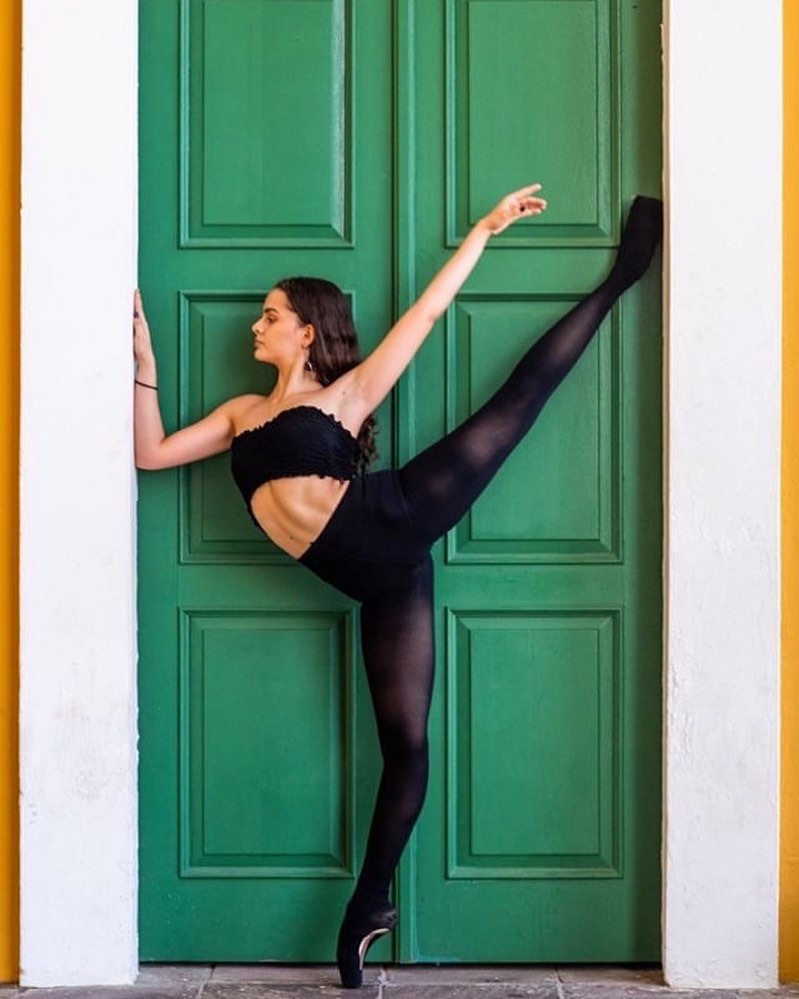
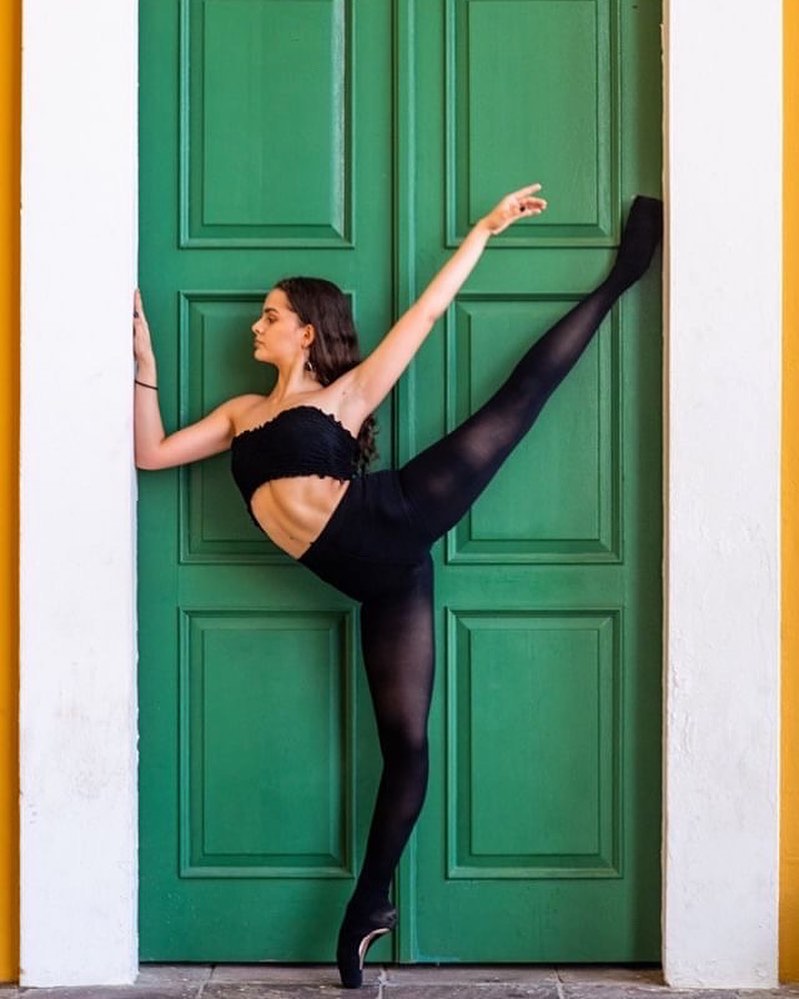
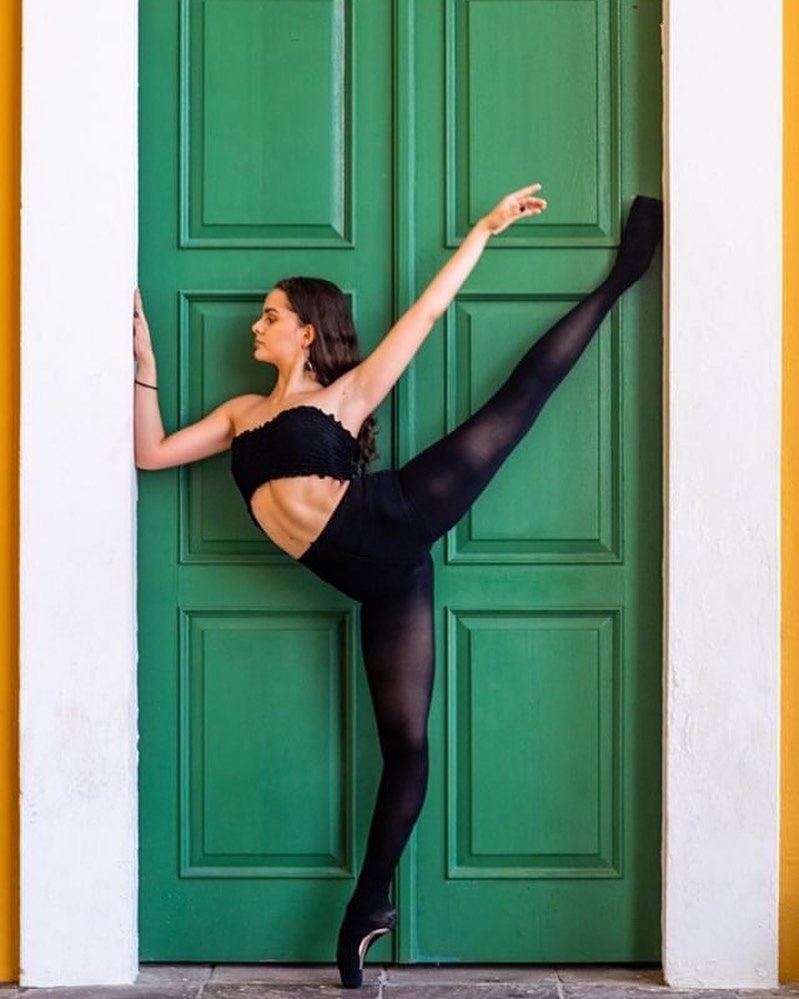
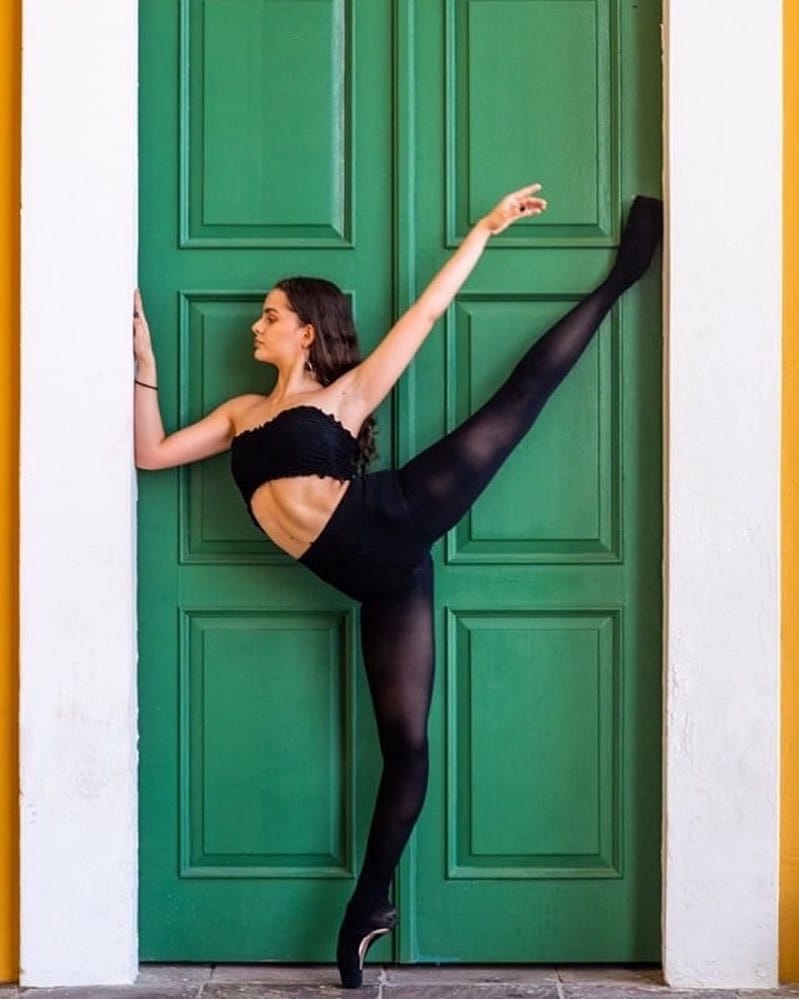
The arts – in all its shapes and forms – run in the Puerto Rican award-winning artists’ veins. They’re natural disciplines that exist in their lives. In the case of Brown, her father Roy Brown is a renowned Puerto Rican musician and singer. Her mother, Emilie Viqueira, is a renowned Puerto Rican tennis player. And Brown herself says she’s the result of the merging of her parents’ worlds because of her initial pursuit for classical ballet.
“Those two worlds came together and I emerged. So, I come from the world of dance, which is the discipline of high-performance sports combined with the arts,” Brown said.
As for Ortiz, his father is Zion, the renowned Puerto Rican reggaeton artist and member from the duo Zion & Lennox. Just like Brown, Ortiz was immersed in these creative worlds from a very young age. As a child, he already knew that music was his one true passion in life that he wanted to pursue on a professional level.
When he was seven years old, he started composing his own songs and at thirteen, he ventured into producing music. He wanted to learn how to structure a musical production, which he believes is the most complicated and tedious part of creating music. He was really interested in this creative process and what really moves him is rhythm.
The rhythm to create a musical piece. Or, maybe, the rhythm to create a complex character in a film. Just think about it and leave that thought wandering through your mind for a while.

Don't Forget to Subscribe to The Story of The Story
For only $16 a month, every Friday you'll have exclusive access to The Story of The Story. Our founder, the Costa Rican award-winning multimedia journalist and artist Elizabeth Lang, guides you through her creative process to produce her stories.
Buy HereBrown, on the other hand, remembers that when she was a child, she’d get home back from school and her father sat her down in front of the television to watch movies. Her repertoire included Lord of the Rings, The Phantom of the Opera, Dreamgirls, and Sound of Music. She vividly remembers those times and her parents planted the seed for the love of the arts. So, it was not an obligation.
“It’s like that seed that’s planted consciously or unconsciously,” Ortiz added to Brown’s comments.
Listen to Sion
0:00
/8.769333
Then, Brown attended the Cuban National Ballet School for three years because her long-term vision was pursuing classical ballet, but there was an unexpected drawback. Brown had an accident with one of her knees and she had to get surgery done. It took her a year to get through her recovery process and she was not dancing during that time.


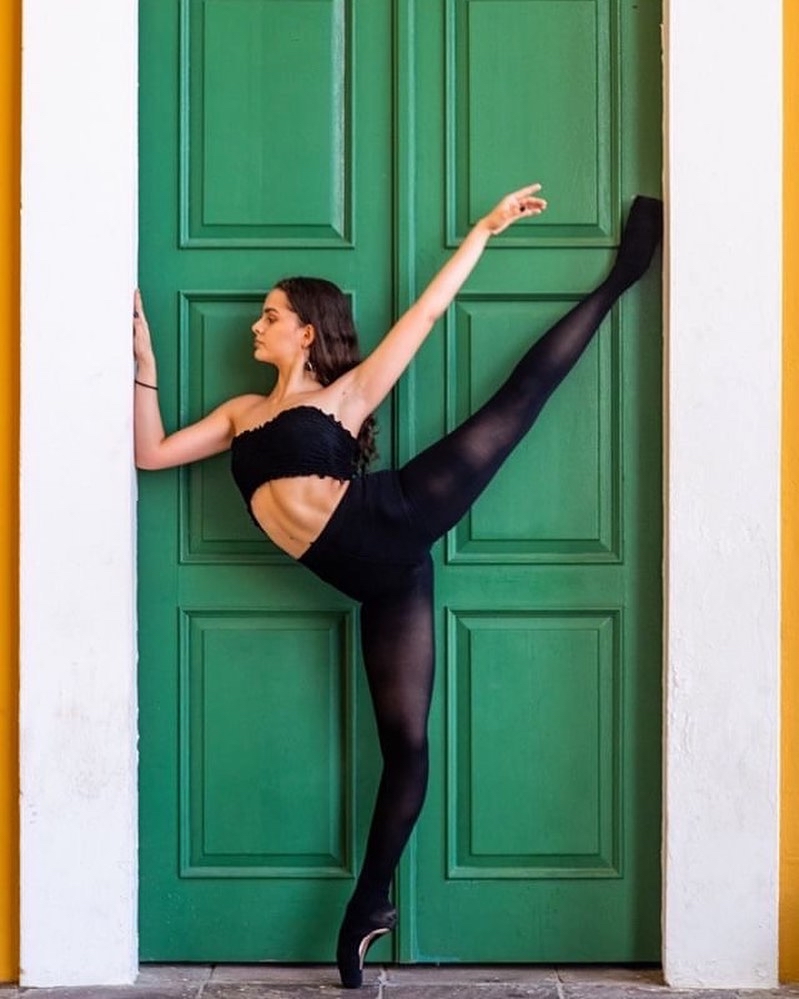
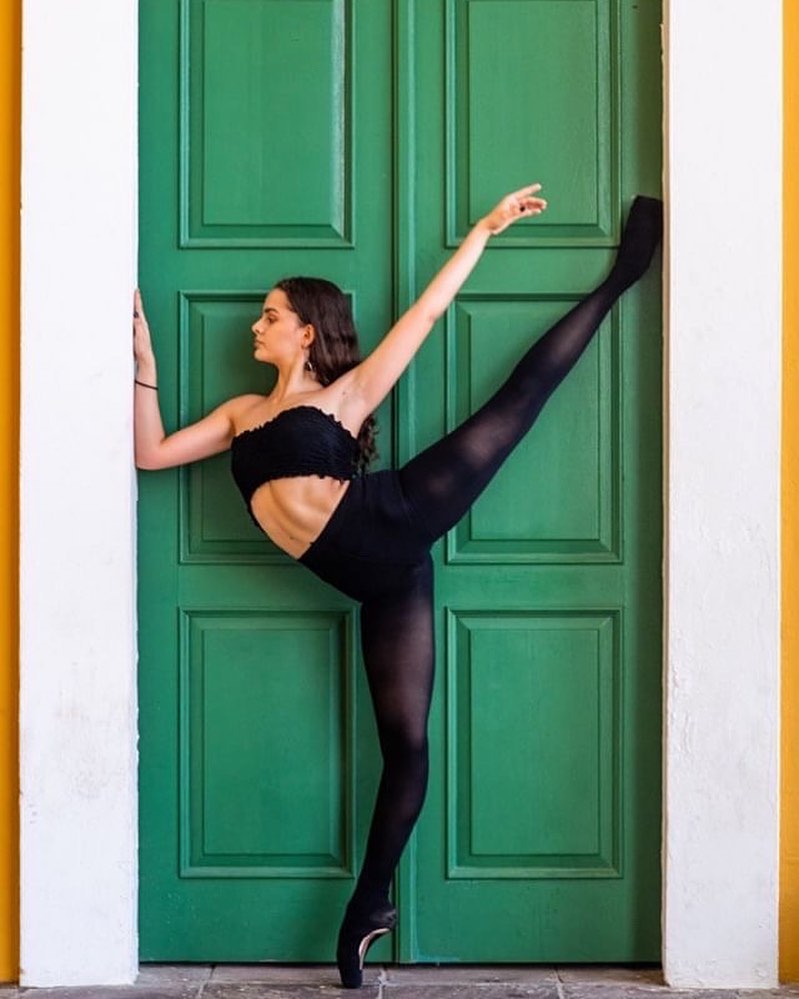
Fabiola Brown dancing ballet in Puerto Rico (left) and in Cuba (right). | Photos via Fabiola's Instagram. | Impulsiva Stories
While she was in that process, she was also studying Journalism at the University of Puerto Rico (UPR) and then switched to Film Production, the career in which she graduated.
“The opportunity to audition for a film comes through. I did it with no expectations because I had not thought of the possibility of acting as a career,” Brown said. “And the film, Esta Isla, happened. After that, my world completely changed.”
Listen to Fabiola
0:00
/26.297333
The Emotional Auditions
It was through the award-winning coming of age feature film “Esta Isla” that Brown and Ortiz’s paths intertwined. Both of them took on the great challenge of auditioning for the film without ever participating in any acting beforehand.
Ortiz always loved films and was interested in the world of acting, but had never done any auditions or anything related to it. He had done various self-tapes, but nothing else. The Puerto Rican artist Audicio Robles, who plays Moreno in “Esta Isla”, referred Ortiz as a possible actor to the film’s directors Cristian Carretero and Lorraine Jones.

In Brown’s case, Carretero and Jones were picking up their children at the Montessori school that Brown’s mother owns. They asked her mother if Brown liked acting and her mother – her unofficial manager – said yes. Then, her mother told her they wanted her to be part of the audition.
Brown initially thought they were inviting her to audition people. To be a judge and she thought: ‘sure. That’s weird, but they think I’m capable of discerning the art.’
So, she said yes thinking she was going in a judge role, but then she noticed it was something different.
“So, Cristian reaches out and gives me the description for the character and a preview of the story. I remember I connected with the story because it’s a beautiful story about Puerto Rico. It’s not a cliché. It’s telling a very intimate reality of what Puerto Rico is, from the perspective of two young people,” Brown said. “And there were a lot of details from Lola’s character that resonated with me in that moment.”
Listen to Fabiola
0:00
/44.138333
It was there when Brown realized she was auditioning for Lola’s character. She was not auditioning people to participate in the film.
As for Ortiz, he had never thought of being part of a film before. He hadn’t even thought of taking the step to do an audition in the first place. It was a dream or a fantasy. He went along with what Robles told him when he was referred to Carretero and Jones for “Esta Isla’s” audition.


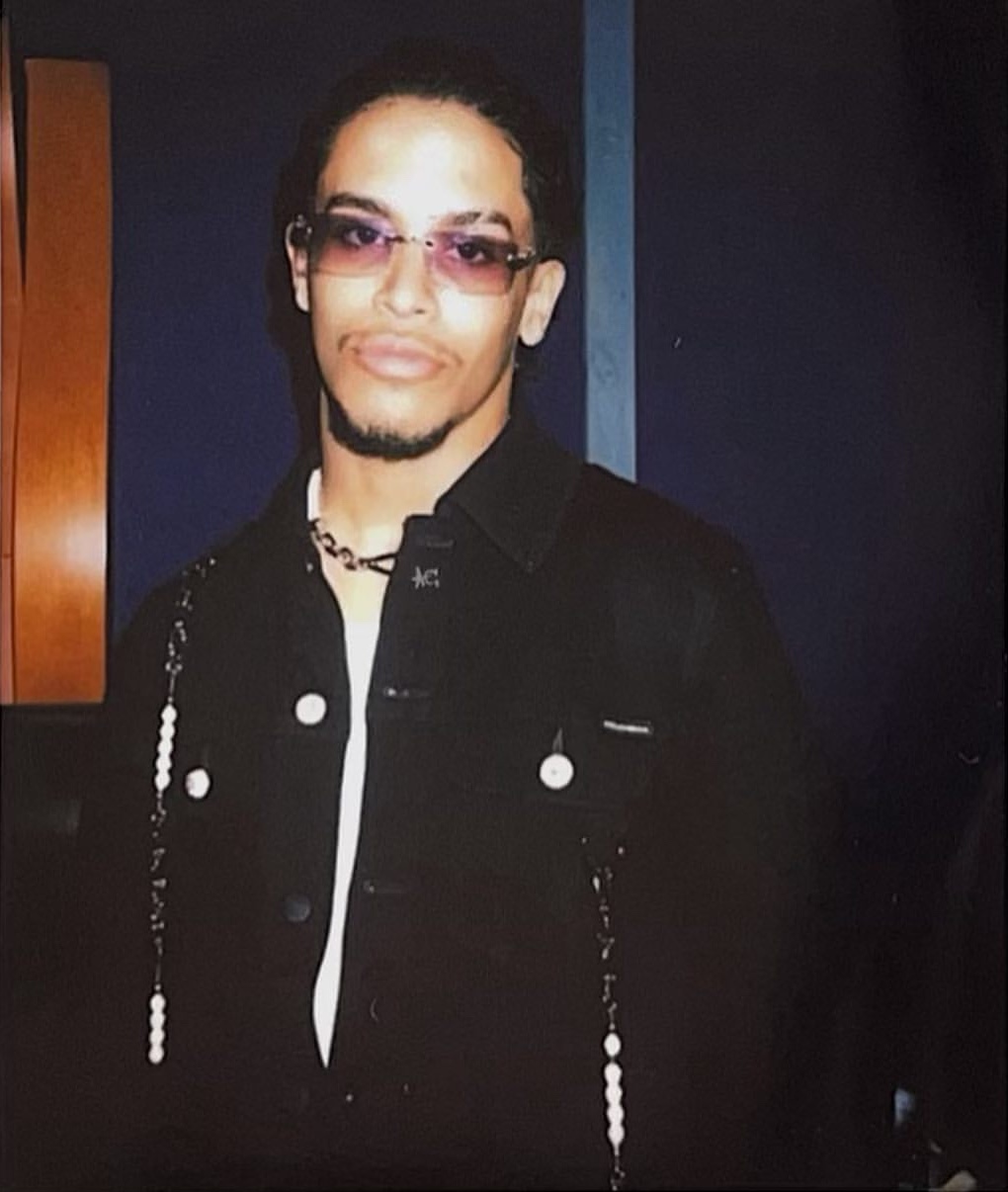
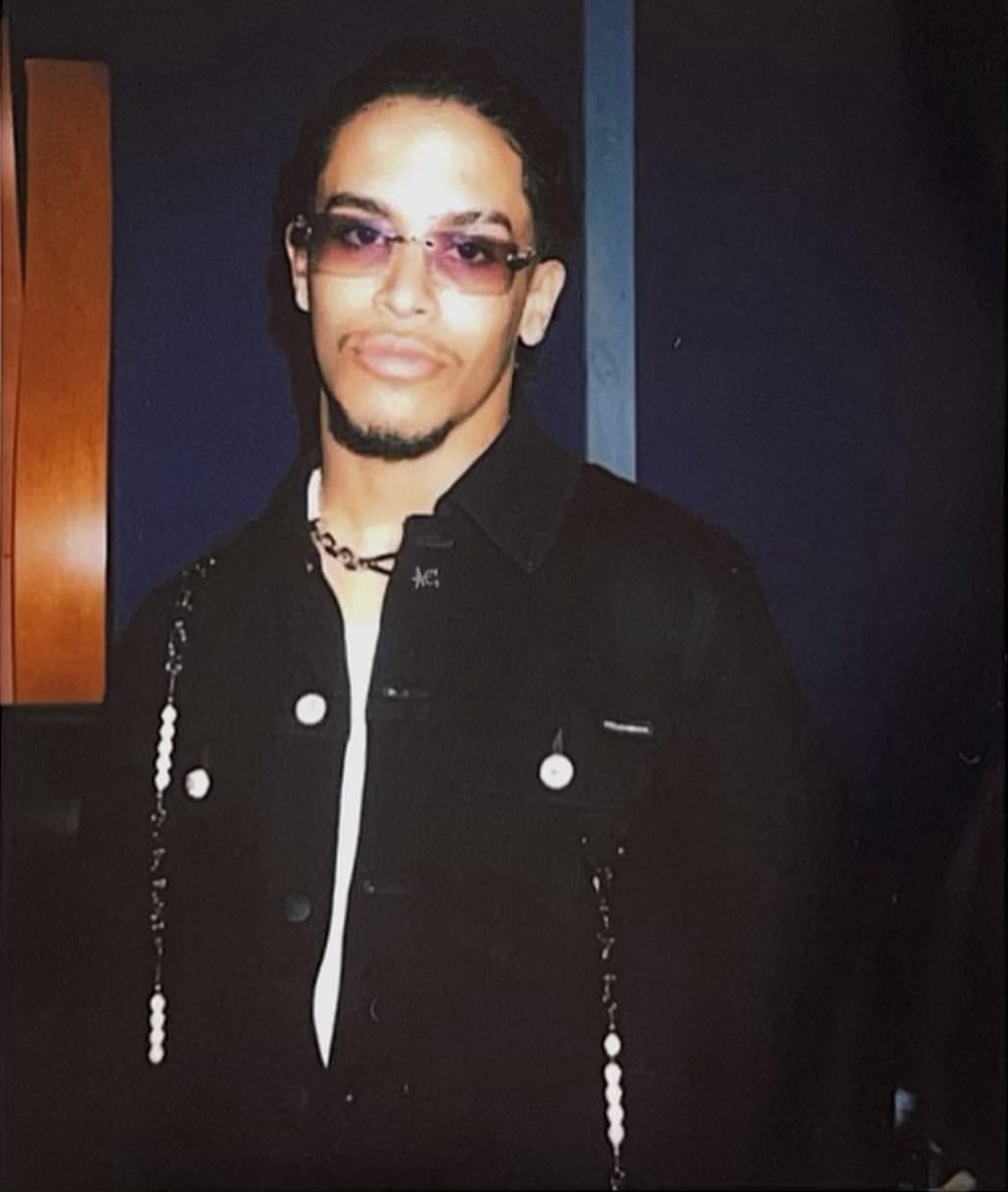
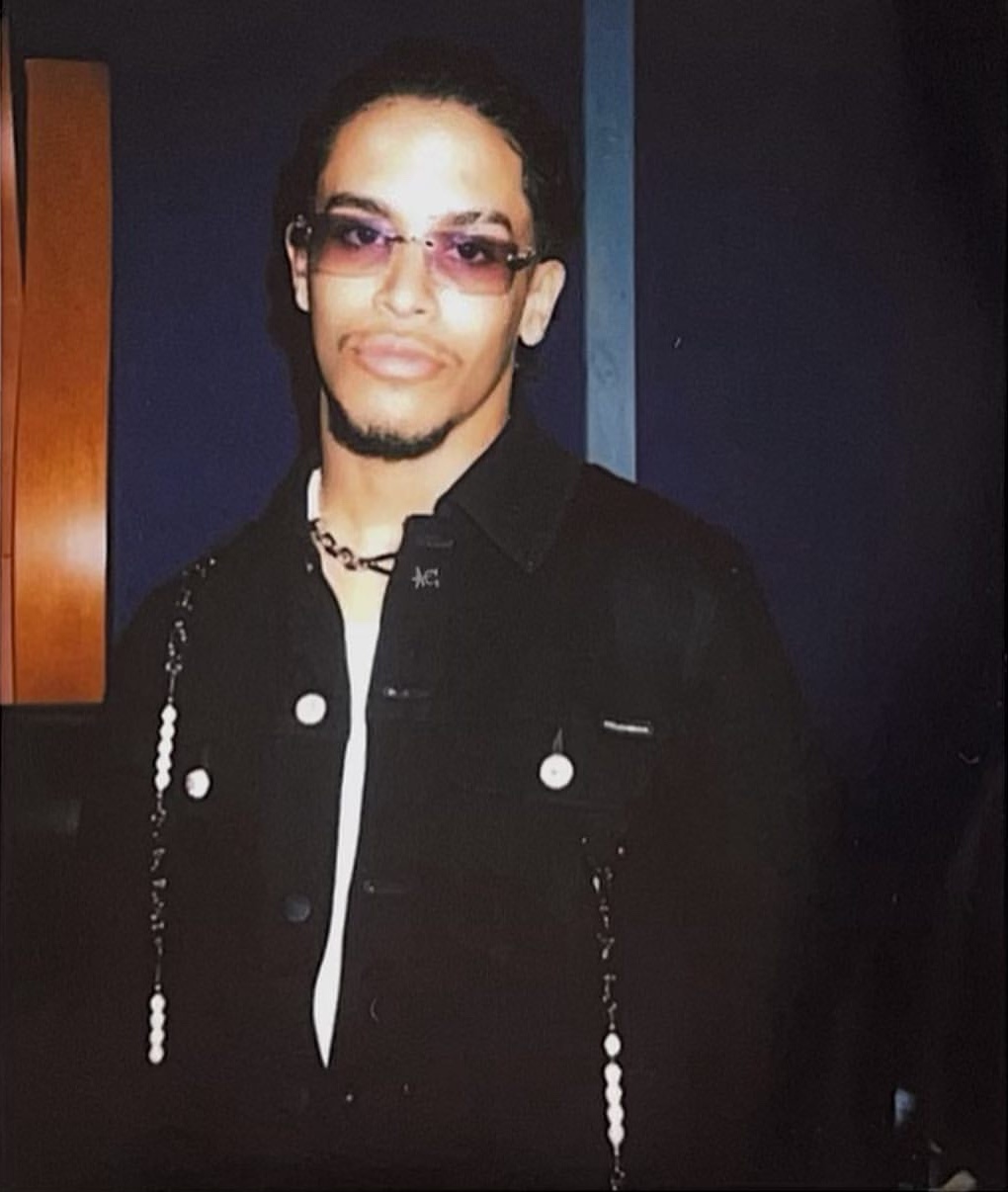
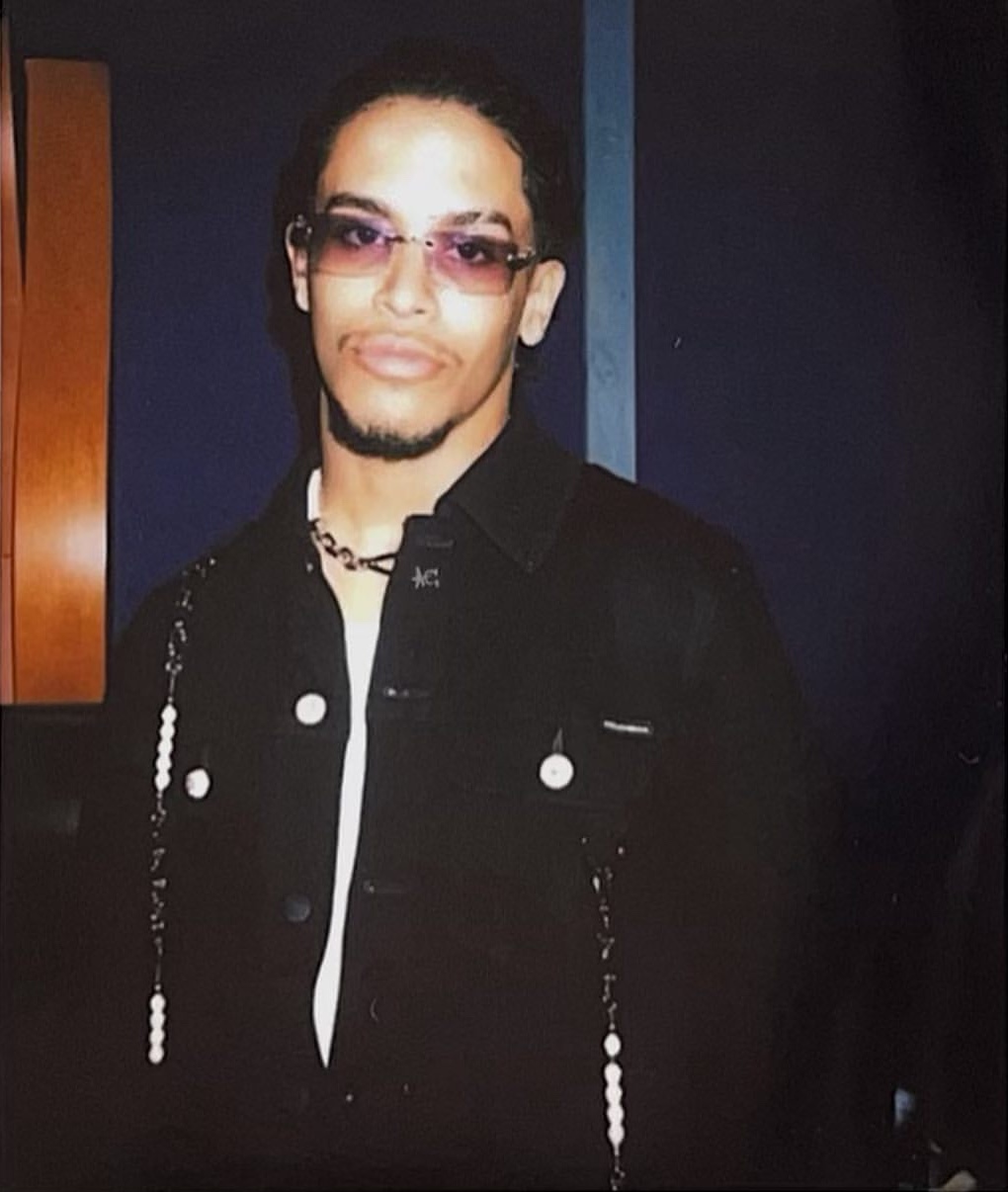
Sion Ortiz has always known music is his one true calling. | Photos via Sion's Instagram. | Impulsiva Stories
When it was time for the audition, Ortiz was really nervous. He got to the place where the casting was held at. He didn’t want to get out of his guagua. His heart was beating very fast and he stayed in his car for about ten to fifteen minutes before going in.
It was a critical moment for Ortiz, but when he saw how calm Carretero and Jones were, he felt at ease.
“They let you flow. They let you be, calmly. You didn’t have to memorize your lines. Simply say things that went according to the story. With the message and obviously, with what’s being presented in the scene. With what’s written,” Ortiz said.
Listen to Sion
0:00
/46.016333
During his particular audition, Carretero and Jones mentioned Ortiz did a performance that was simply like: 'wow. This is it.' He went all in with the emotional impact. He went in deep with the human interaction and the building of a profound emotion.


Sion Ortiz during the filming of "Esta Isla." | Photos via Esta Isla's Instagram. | Impulsiva Stories
He visited dark, unsettling, and uncomfortable memories. He went for sentiments that he felt would fit very well with the scene he was working with in that specific moment.
“The first time I auditioned was very sentimental. It was with my brother. It has to do with something that happens in the film. That scene provoked a lot of feelings in me and I feel that’s why they saw there was something here,” Ortiz said.
Listen to Sion
0:00
/26.453833
It was a feeling and emotion he could take advantage of, not only for the scene, but for other parts that required the same projection on the big screen. That was just the beginning of a new great adventure for Ortiz with his acting career and for Brown, the audition was quite similar.
That day she arrived to the audition in Mayagüez at 3:59 PM. The auditions were until 4:00 PM and she was coming all the way from San Juan during a work day. When she was there, the place where they were holding the auditions, was closing and then, it started raining. So, they went into a car to do her part.
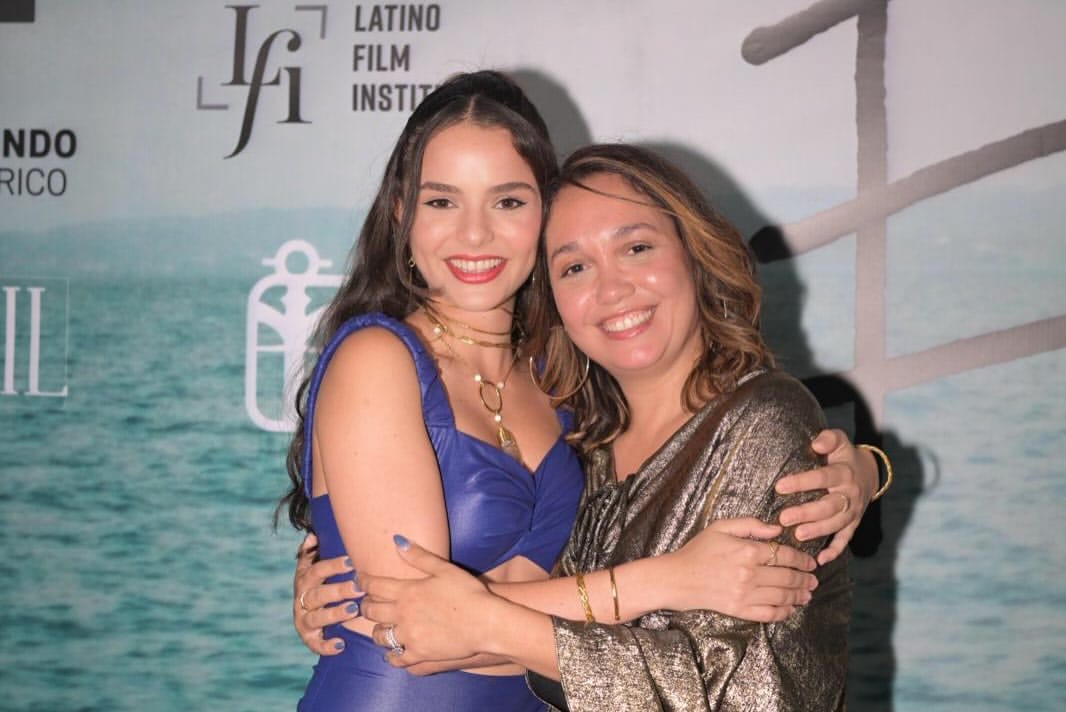

Fabiola Brown with Lorraine Jones (left) and with Cristian Carretero (right). | Photos via Fabiola's Instagram. | Impulsiva Stories
Just as Ortiz, Brown was really nervous. Since she had never done an audition before, her method of preparation was reading the lines over and over. During the audition, Carretero and Jones told her she did not need to know her lines by memory.
Her heart was beating so fast. She had never felt so nervous in her life and she did the audition with no expectations.
“I did not know what I was doing. I did not know what it meant to prepare for an audition. I didn’t know what it meant to act. So, I went. I’ll read this as it comes from my heart,” Brown said.
Listen to Fabiola
0:00
/32.479083
She felt really comfortable with Carretero and Jones because of the freedom they gave her. She did not feel judged at all because they told her it was more about exploring and creating together. So, once they were in the car she did her performance with the help of the Puerto Rican actor Pedro De León, who was there as the audition’s reader.
The chaos around the whole situation helped Brown calm down and feel at ease with what she was doing. The scene she was acting is one in which “Esta Isla’s” protagonist Bebo is trying to stop Lola, the character she was auditioning for, from leaving.

To enact that part where Lola tells Bebo to leave her alone and not touch her, Brown resorted to her own life’s experience. She described herself as the type of person who bottles up everything. Someone can be screaming at her and she’ll keep a calm face.
She’s trying to change that, but this characteristic of hers plays a vital role in her acting for that audition.
“Actually, thinking about this right now, a lot of the classical ballet environments were not usually the best ones. There’s a lot of verbal aggression against the dancer. You have to stay silent and accept what comes,” Brown said. “I think I took that dynamic to that scene in the audition where he was begging me in a certain manner.”
Listen to Fabiola
0:00
/37.826167
Lola had made up her mind on leaving and she did not need to scream at Bebo. She did not need to insult him, so Brown took inspiration from her experience with classical ballet to create that feeling in her audition. It was an instinctive approach to create that sentiment and she even said that was the best audition she’s ever made.
The Arts in its Multiple Forms
Then, when Carretero and Jones selected them for the protagonist roles of Bebo and Lola, both Brown and Ortiz were super happy about it. At first, Ortiz didn’t think he’d be chosen as the protagonist and he felt great about it. Brown, on the other hand, did not believe it.
At some point, she was in denial because she wasn’t going to make up a whole movie in her mind until she knew she was really part of the film. The moment it became real for her was when they were given the printed scripts and when she met the rest of the actors.

But as you’ve noticed by this point, different artistic disciplines exist in one same universe for Brown and Ortiz. They see no separation between them because they don’t want to limit themselves to one sole way of expression.
Brown takes from her ballet training to nourish her acting. Ortiz uses his musical creations to act. Brown remembers that something she really enjoyed from dancing was interpreting a role.
“Dance has a very rigorous discipline and technique, but what I enjoyed the most was getting deep into the psychosis of the character, which is what I’m doing right now. It’s like another type of dance,” Brown said. “It makes sense we went down this path.”
Listen to Fabiola
0:00
/34.930917
For Ortiz, the direct relationship between music and acting is in the music videos. In this particular art form, the artists are doing performance, narrating a story, or creating a series of interesting concepts. The relationship is there, but he has been integrating these disciplines more ever since his acting debut with “Esta Isla.”
From the film onwards, he’s been diving deeper into using his acting skills and merging them with his writing for a musical production. Since he was a child, he’s always loved narrating and creating stories.
So, throughout the film, you see Bebo constantly writing poems on his notepad, and Ortiz has taken inspiration from that. He’s always thinking about how he can summarize his music into a small poem.

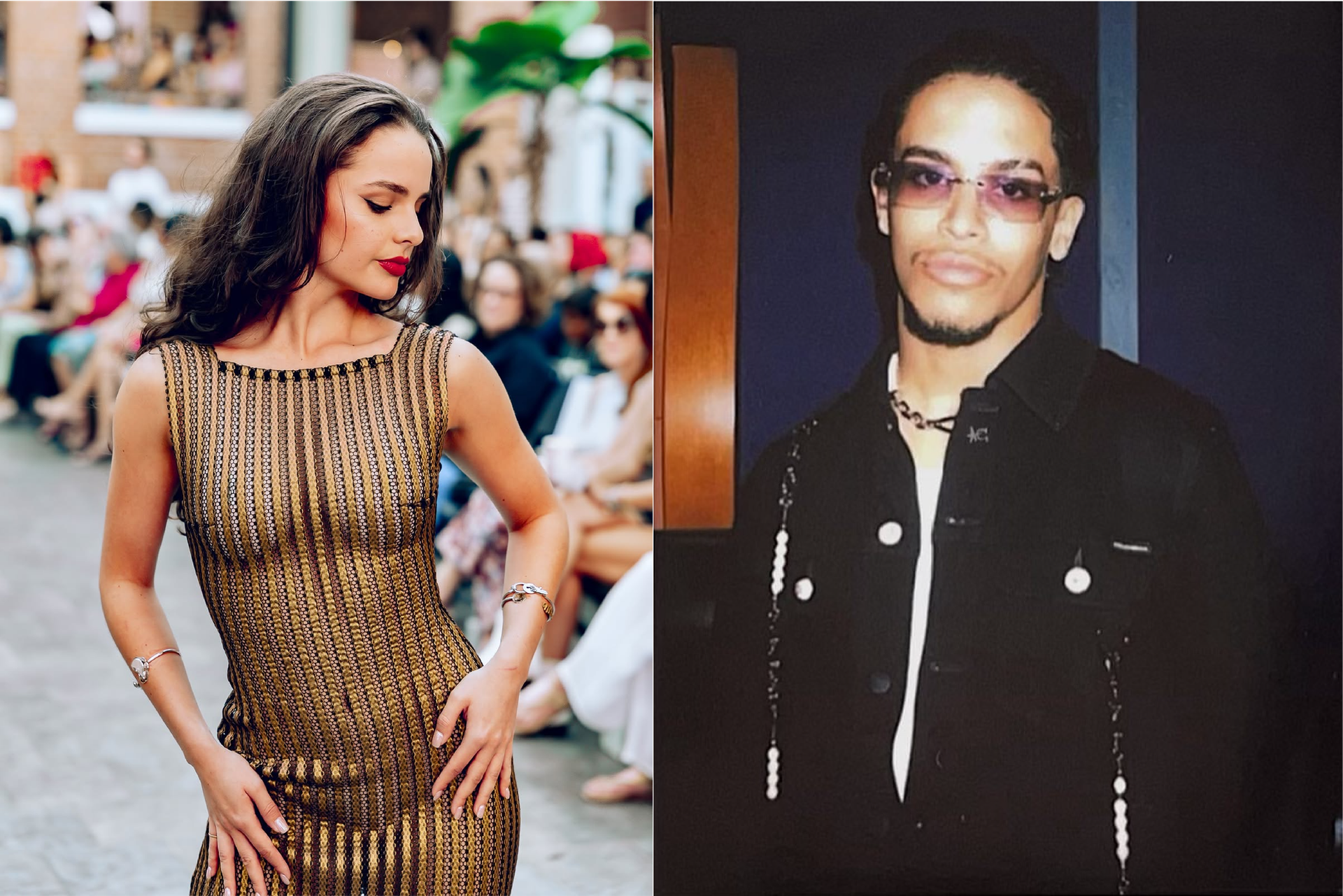
Fabiola Brown (left) and Sion Ortiz (right) are artists who don't limit themselves to just one type of art. | Photos via Fabiola and Sion's Instagram. | Impulsiva Stories
This constant merging of different artistic disciplines is also part of how Brown and Ortiz perceive themselves as artists. About how they understand the arts. They’re constantly moving and learning while adapting to whatever creation they’re working on.
They know that they have to do a bit of everything and absorb what’s happening around them. That helps them to create more depth as artists and that’s why they don’t want to define or dedicate themselves to one sole artistic profession.
That’s the magic behind their sensitive multidisciplinary art and their natural calling to create “Esta Isla’s” extremely compelling characters of Bebo and Lola. Their conviction to portray emotionally complex teenagers that speak about Puerto Rico’s reality in a very raw and social manner.
Listen to Sion
0:00
/46.355417
“The word artist is universal. It covers all of the layers, spheres that art entails. As Fabiola said, we’re very sensitive and intentional people. We feel a lot,” Ortiz said. “Those moments teach us that it’s something that comes out naturally on the screen and most times, it’s something that resonates with the audience.”
To learn more about Fabiola Brown and Sion Ortiz’s sensitive multidisciplinary art, you can follow Fabiola Brown, Sion Ortiz, and Esta Isla on Instagram at @fabiolavbrown, @louirentt, or @estaislafilm. Stay tuned next week for PART II, where we’ll learn about how Fabiola Brown and Sion Ortiz portray Puerto Rico’s raw reality through their complex characters.
Written by

Subscribe to my newsletter
Subscribe to my newsletter to get the latest updates and news