Kacho López Mari PART II
Kacho López Mari created legendary music videos with Tego Calderón, Ricky Martin, and Daddy Yankee.
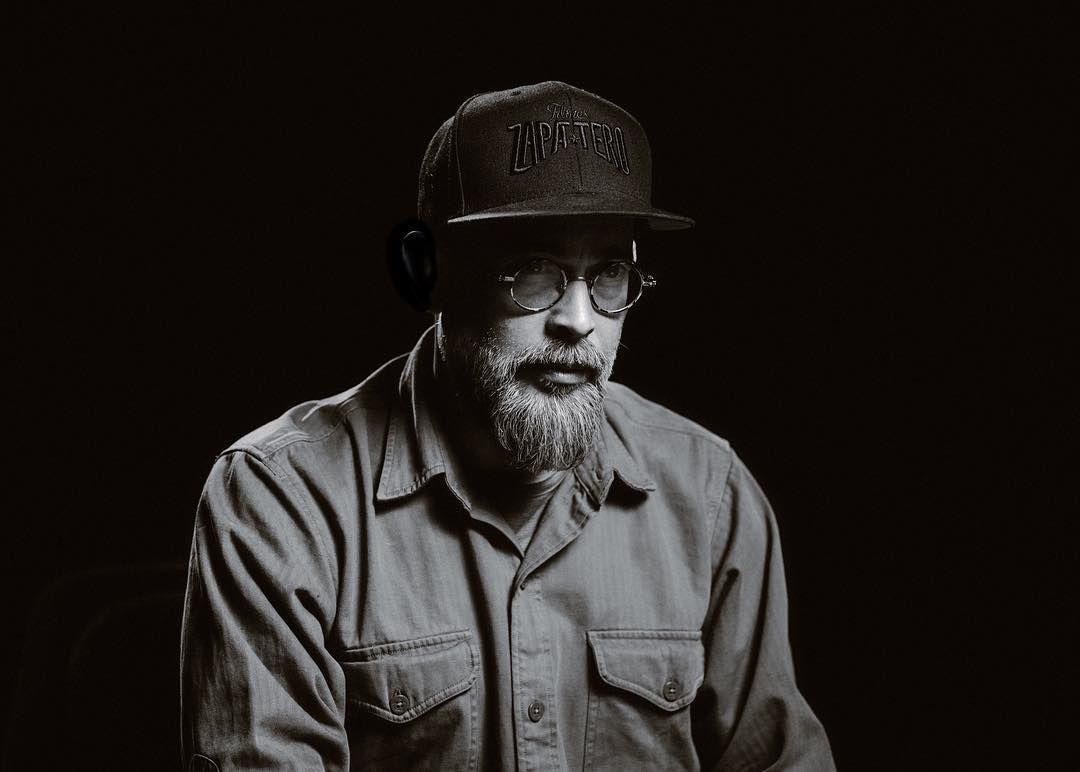
PART II: The Path to Kacho López Mari’s Legendary Music Videos
In PART I we explored how Kacho López Mari, the renowned seven-time Latin Grammy nominee and two-time Latin Grammy award-winning Puerto Rican film director and artist, created some of the most timelessly iconic music videos for Bad Bunny. Now, buckle up because we’ll travel back in time to understand López Mari’s collaborative path with some of the number one artists in the world that came before Bad Bunny.
It all started in López Mari’s youth when he grew up in the theater dancing. His love for the arts began there in the form of an artistic expression with corporeal movement. That obviously connected him with music very quickly. He also had a business related to producing music events about the underground, which was the name for reggaeton before it was reggaeton and mainstream.
During that time, he was studying finances, but a dramatic experience in his life led him to rethink many things going on at the moment. He then decided to study graphic design at the Miami International University of Art and Design: The Art Institutes.
“[Graphic] design was something I always had in front of me because my stepfather – my mother’s husband who came to my life when I was seven years old and who raised me – is a graphic designer,” López Mari said. “They raised me in a graphic design studio at my house. That was my mother and stepfather’s income.”
With that familiar background, he went to Miami to study graphic design and simultaneously, worked at a printing shop. He used to sweep the shop and he also started working with paper. He cut the paper, made negatives, and started working with the prepress. That process helped him to learn about the craft and how great graphic design is done when it is printed.
Once he graduated, he returned to Puerto Rico, where he began designing a wide variety of things. Some included designing album covers for the Puerto Rican band Cultura Profética and designing a nightlife and extreme sports magazine.
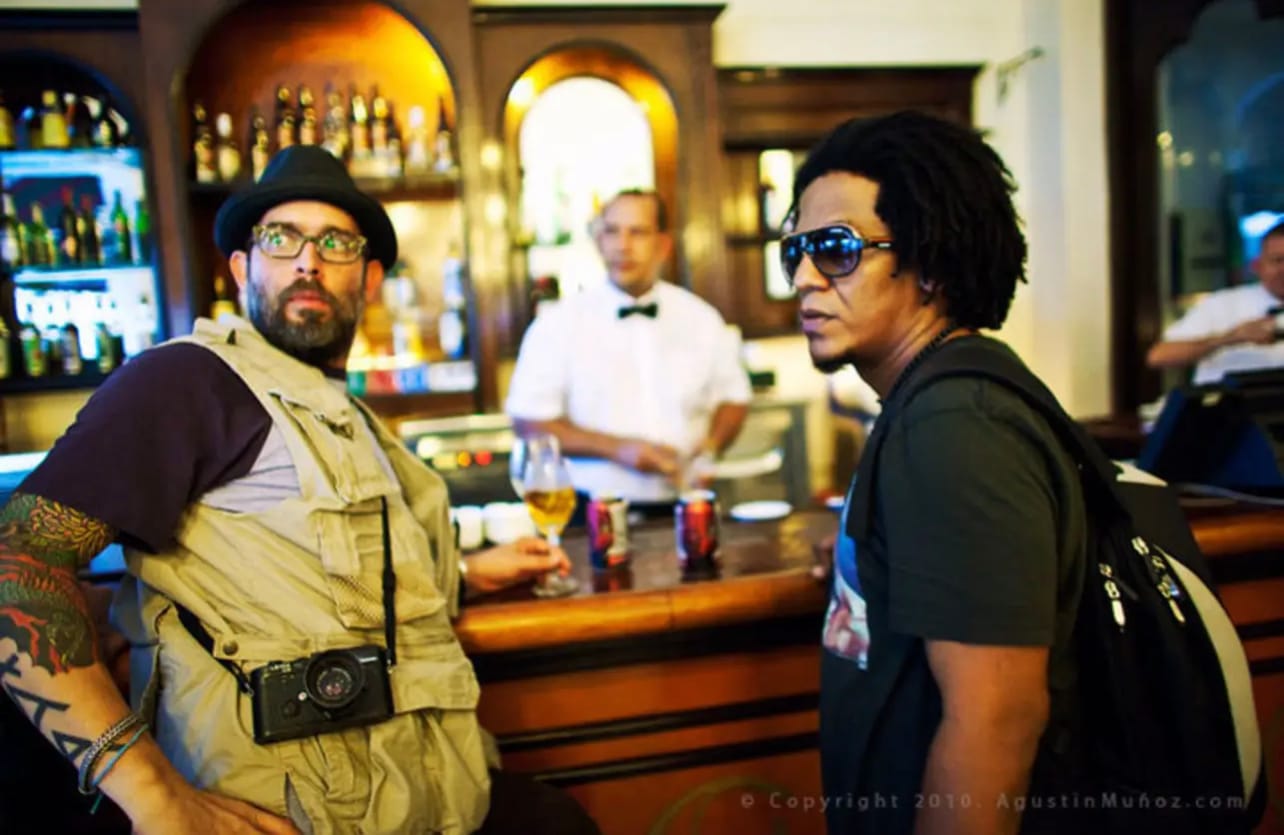
While working on these projects in the Caribbean island, a film producer who owned an advertisement production company hired him to do the logos and graphic design for his business. That was where he got his first opportunities to create and direct films.
“So, the marriage between art and the artistic pursuit started very early on. From the dance to graphic design,” López Mari said. “That then transformed into that pursuit of filmmaking, which I discovered by designing. That was what opened doors to then dedicate myself to filmmaking.”
Don't Forget to Subscribe to
The Story of The Story
For only $16 a month, every Friday you'll have exclusive access to
The Story of The Story. Our founder, the Costa Rican award-winning multimedia journalist and artist Elizabeth Lang, guides you through her creative process to produce her stories.
Creating His First Legendary Music Video for Tego Calderón
That new beginning in filmmaking started when López Mari was working for the film producer. This man told López Mari to check out the music by Tego Calderón that his son was listening to.
When he listened to it, he just said: ¿qué carajos es eso? López Mari came from dancing hip hop, doing lights for the Puerto Rican rapper Vico C, and had never heard of Calderón before.
Listen to Kacho López Mari
0:00
/42.869333
“And he [the film producer] says: if you find this guy, we’ll do a video for him,” López Mari recalled.
López Mari then looked through his contacts from the underground and hip hop scene. He found Calderón’s manager and gave him his phone number. He told the manager he wanted to do a video for Calderón, but his team at the beginning was skeptical of what López Mari was offering.
Once they went to the company’s offices, they knew it was real. They told López Mari they had a new album coming out soon. It was “El Abayarde.” He was told to listen to it and choose the song for the music video.
“They let me choose the song, which is quite crazy. That’s the only time I’ve been allowed to choose a song for a music video, but in that case, I was gifting them the video,” López Mari said. “They said: you choose the song and make [the music video] about the song you want.”
López Mari chose the album’s first song: “Abayarde.” This song was then merged with another song called “Gracias” in the visual piece. The ideas for the music video started sprouting in López Mari’s mind when he was working on another project in a plaza around Manatí.
He went into a cafeteria seeking some water to drink. He stopped and stared at the Cuban decoration. He loved it and he asked why that particular choice of ornaments. Turns out, they had done a movie about Cuba set in the cafeteria and the owners left the ornamentations up.
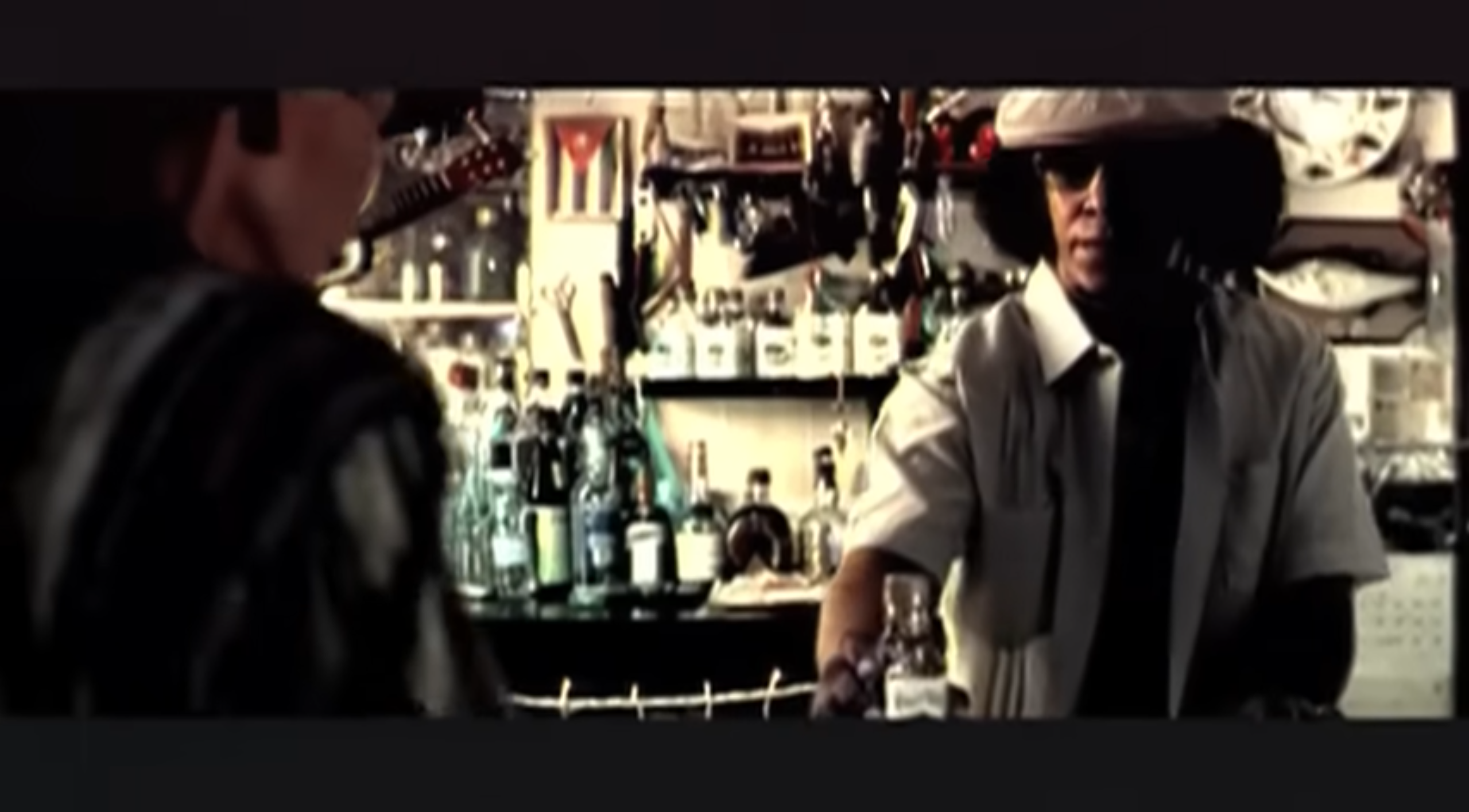
Right there, López Mari had his camera with him and he started creating the story with photos. He began doing a sort of photo board where he was imagining everything for Calderón. Along with that, López Mari already knew he wanted to do something with Calderón’s childhood photo albums for that music video.
“We invented this thing that when people get to the [cafeteria’s] bar, guests are carrying some packages. That’s where the narrative part comes through,” López Mari said. “What are those packages? I keep giving you elements of interest for you to stay there [watching].”
He hooks the audience through the mystery of the packages. Until these are opened, new unknown information about Calderón as a child is received.
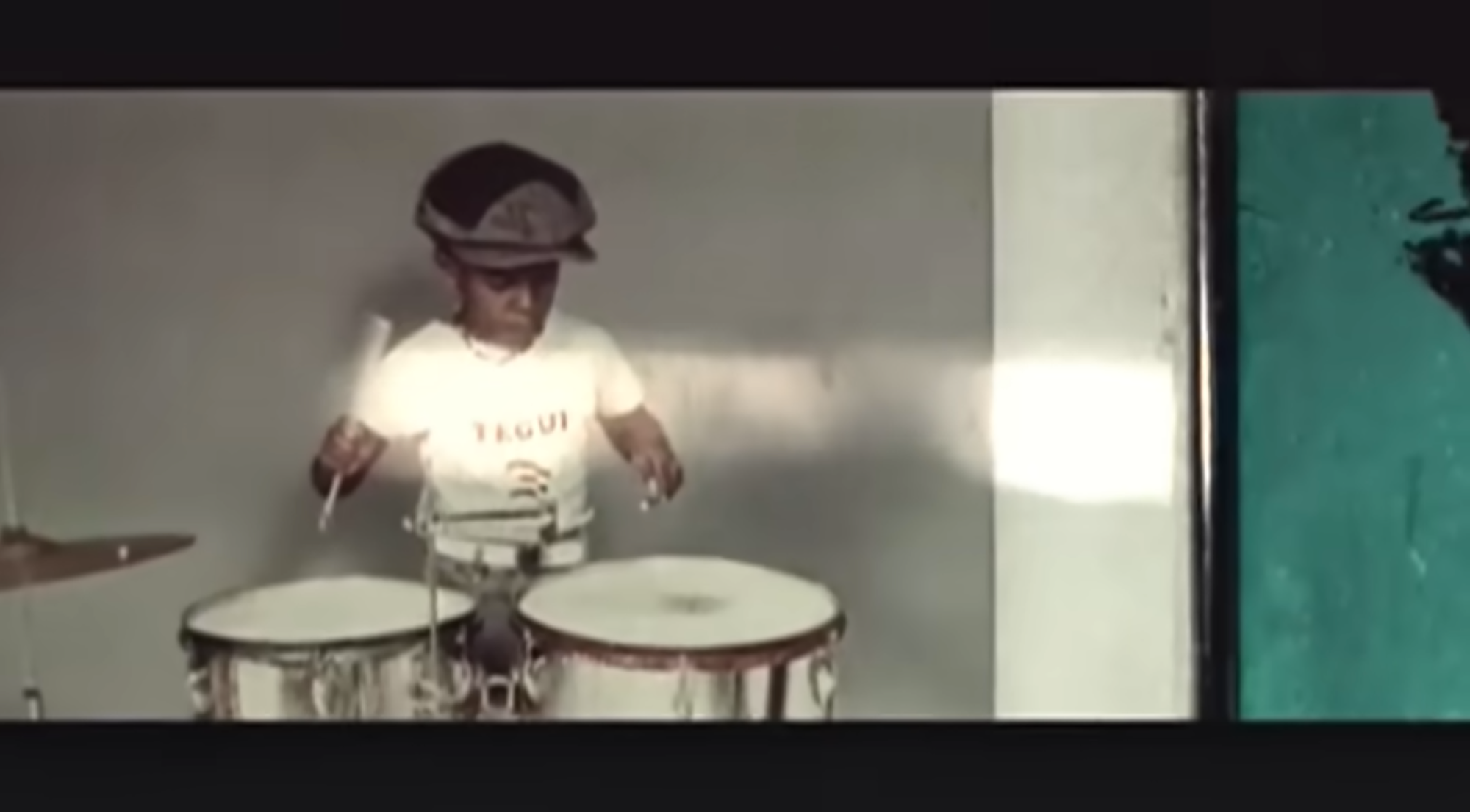
And López Mari masterfully played with the words sung and the photos at hand.
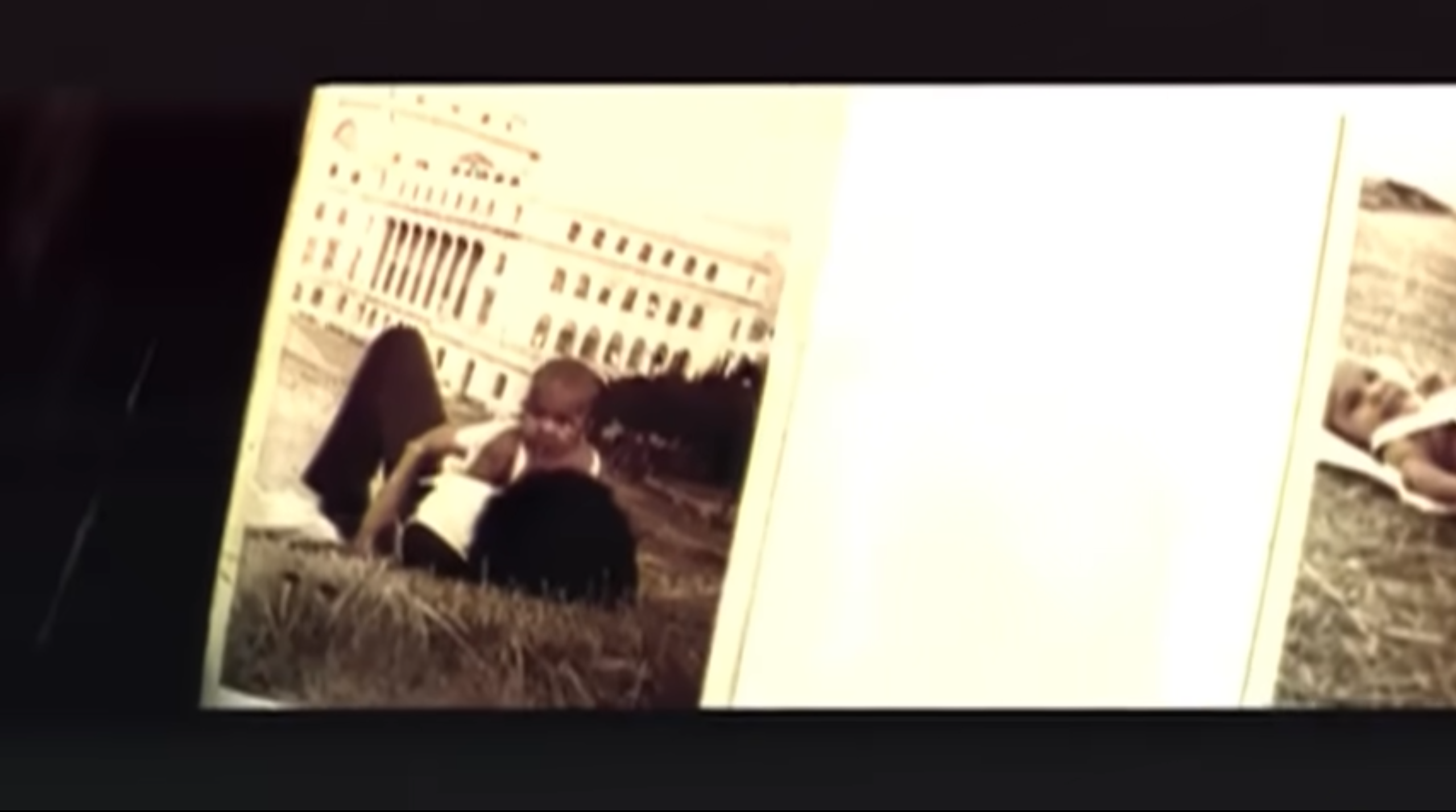
“In the end, he says in the song: gracias gobierno por robarnos tanto y cada cuatro años vestirse santo,” López Mari said. “It’s a critique to the government for being corrupt. And in the album, he has a photo where he appears as a newborn with his mother with a giant afro in front of the capitol, where the Puerto Rican politicians are working.”
Listen to Kacho López Mari
0:00
/34.517333
There was a strong visual connection with the music. Throughout the process, when López Mari told Calderón about the photo idea, Calderón said his mother would give him the photo albums. López Mari was given 20 albums and ended up using about six or seven of them.
It was López Mari’s first-ever music video released in the early 2000’s and it was just the beginning of his path to creating legendary music videos for some of the world’s number one artists.
Ricky Martin Wants López Mari as a Film Director
Right after Calderón’s music video for “Abayarde/Gracias” was released, a new adventure quickly came for López Mari. The Puerto Rican pop singer Ricky Martin saw it and immediately said he wanted his next music video to be directed by the person who did Calderón’s video. Martin’s team started looking for López Mari’s contact and they found his phone number.
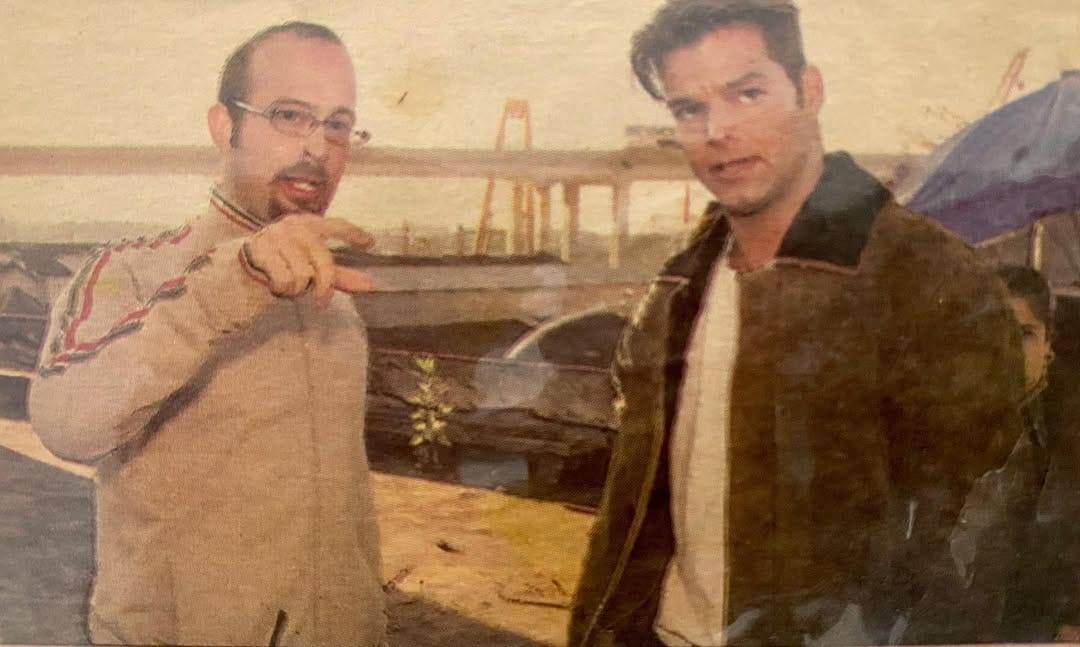
López Mari still doesn’t know how they reached out to him, but Angelo Medina – Martin’s manager at the time – called him to set up a meeting. They never told him what it was for.
“He managed Maná, Ednita Nazario, and I don’t know how many artists. So, I never thought about Ricky because Ricky was the number one artist in that moment. He was coming from Livin’ La Vida Loca, so it didn’t even cross my mind,” López Mari said.
Yet, Martin insisted on wanting him as a director based on his work with Calderón. To that, López Mari told the team that that was his only video, in case they wanted to check out more pieces. That was no issue for Martin and his team.
So, the song of choice was “Tal Vez.” López Mari listened to it and wrote the treatment, which he described as the conceptual text detailing the scenes and characters for the music video. Once this part was done, he sent the treatment and Martin liked it so much that he asked López Mari for a second treatment.
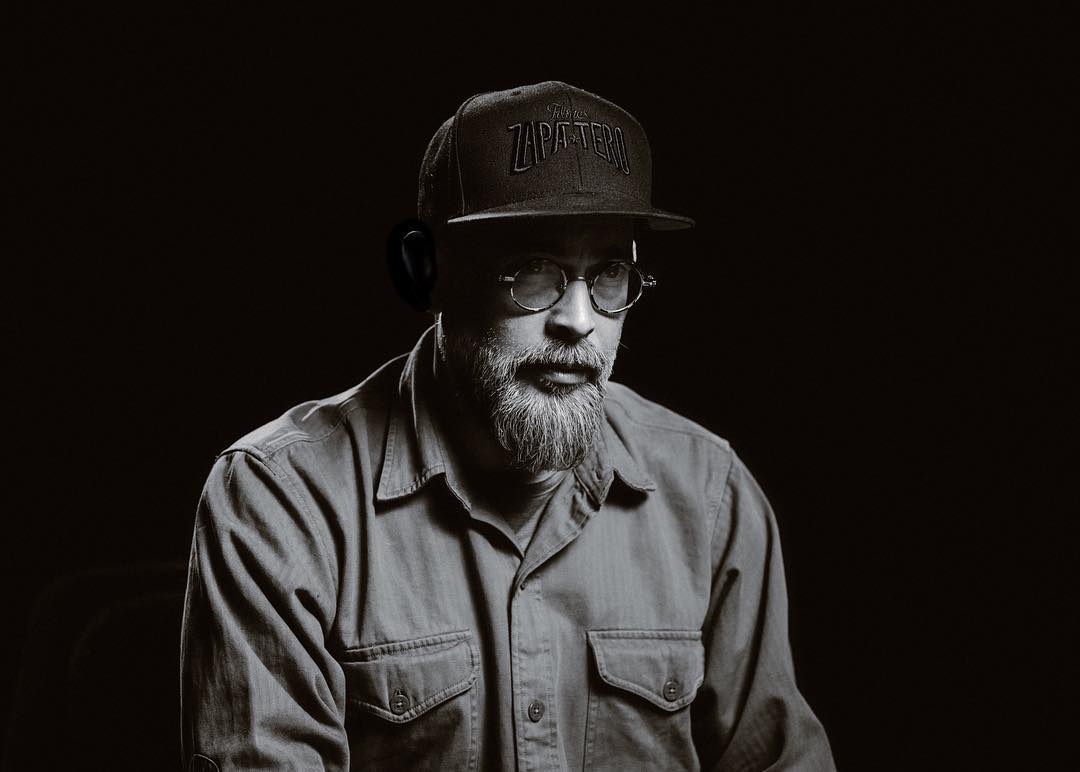
Listen to Kacho López Mari
0:00
/130.133333
For this second concept, he was given a bit more time to develop it and he decided to make an interactive treatment. It was a CD rom, which he learned how to do when he was in school in Miami. López Mari also wrote a text and placed some images as references. Martin loved it and then asked him where in the world he’d film it.
López Mari was surprised.
He thought of filming it in the Old San Juan, but he had been speaking with a friend who had just come back from Salvador de Bahía in Brazil. The photos his friend showed him really impressed López Mari because of its similarities with places like the Old San Juan and Cartagena in Colombia due to its colonial architecture.
So, López Mari told Martin he’d film it in Salvador de Bahía in Brazil.
“And Ricky answers: that’s my favorite place in the world. Therefore, we were on the same page and we went from there. We filmed Tal Vez in Buenos Aires and Jaleo in Salvador de Bahía in Brazil,” López Mari said. “But back then, he gave me the opportunity to work with a phenomenal team.”
He had the opportunity to work with the Polish cinematographer and film director Andrezj Sekula and the German production designer Brigitte Broch who’s based in Mexico. Sekula is known for his work as the cinematographer for “Pulp Fiction,” “American Psycho,” and “Reservoir Dogs.” Broch, on the other hand, is known for “Moulin Rouge” (with which she won an Oscar), “Romeo and Juliet,” and “Amores Perros.”
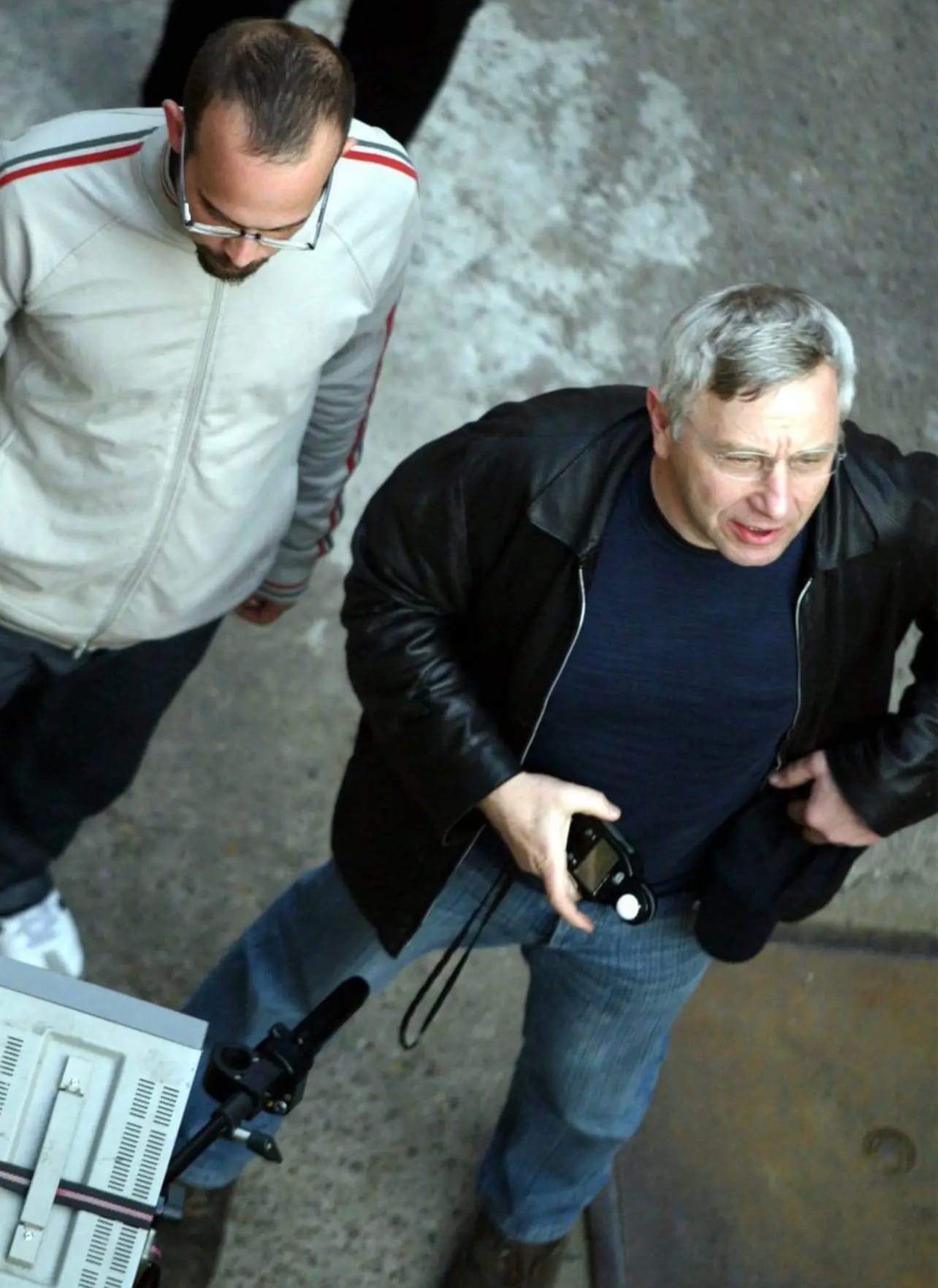
Both of them were part of Martin’s team for “Tal Vez” and “Jaleo.” It was a time in which López Mari was only 26 years old and didn’t have the maturity to understand he was working on one of his other chapters creating legendary music videos for some of the number one artists of the world. These two masterpieces were the second and third music videos of his long-lasting career full of timelessly iconic visual narratives.
Lighting Up the “Gasolina” that Changed the World
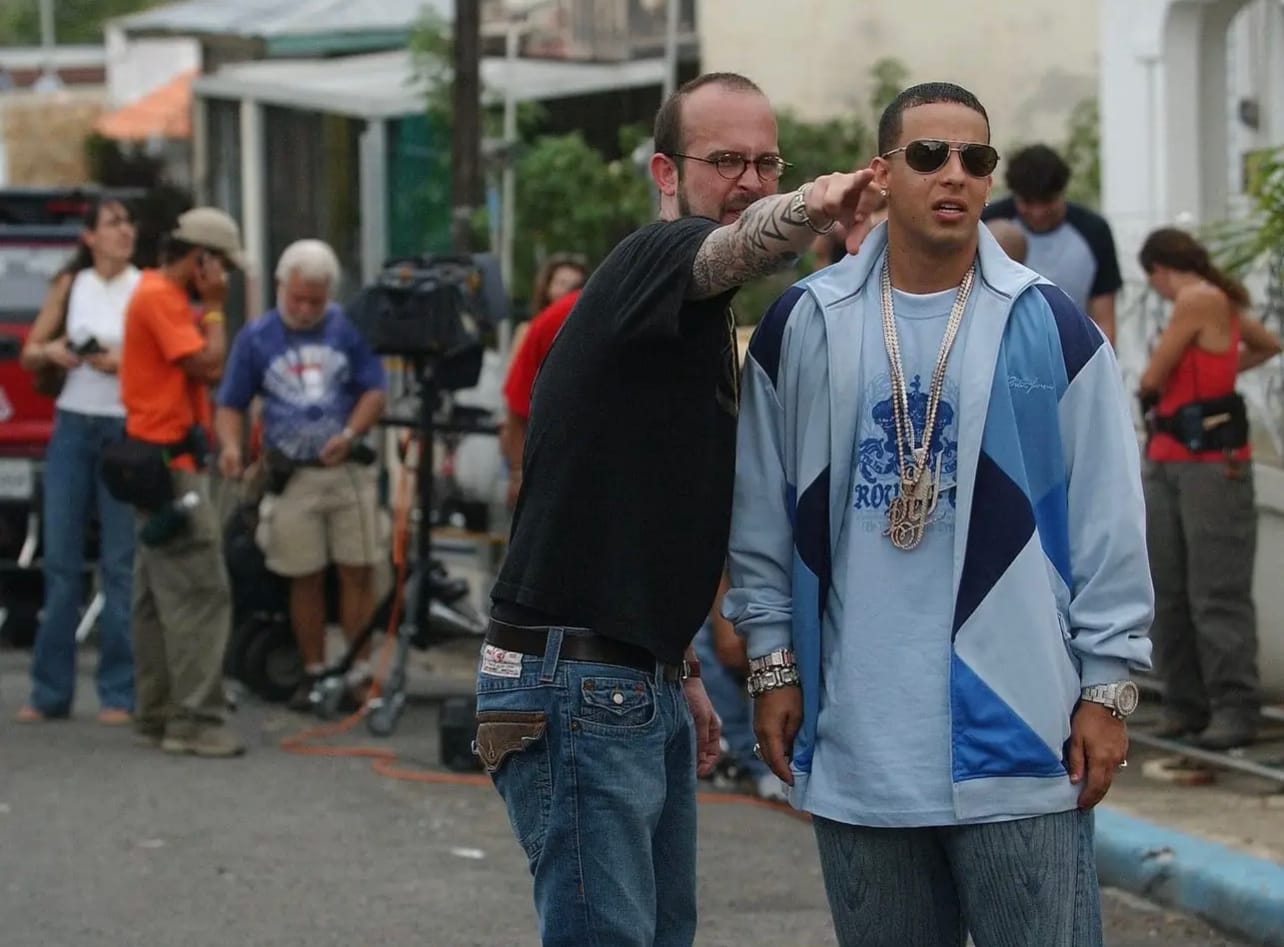
Then, after the success with Martin, López Mari was working on some commercials in the Dominican Republic. His friend, the renowned Puerto Rican film director and graphic designer Carlos Pérez, called him saying he had this client.
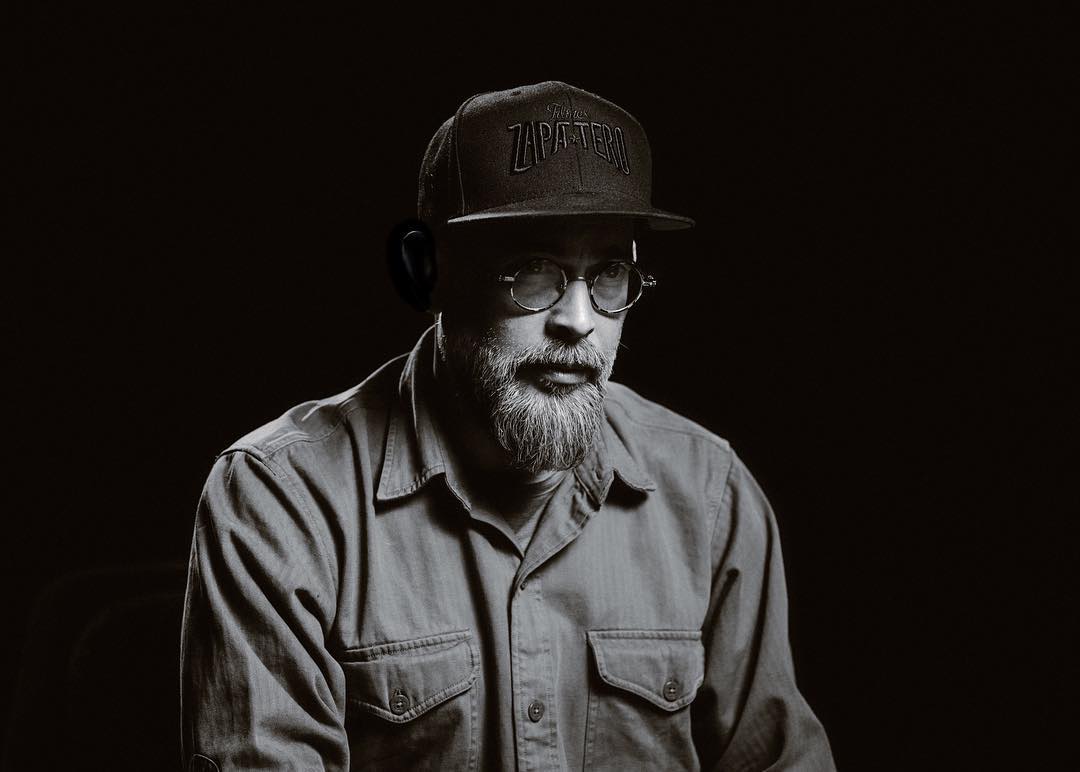
“I already knew him because Daddy Yankee sang in my underground parties before, but he was Raymond Ayala and he was Winchester. He had other names and then, Carlos comes from [working with] Daddy Yankee saying he has this song to make this video,” López Mari said. “Off course, the Gasolina was not the Gasolina yet.”
Listen to Kacho López Mari
0:00
/42.893333
So, since López Mari was in the Dominican Republic, he suggested to film the video there. The team accepted and a couple of days later, they were at the Autódromo Internacional de Las Américas filming everything.
Originally, the music video included both of Daddy Yankee’s songs “Gasolina” and “King Daddy.” It’s sort of cut between the songs and initially, the video only had one minute of the “Gasolina.” The song actually lasts a little longer than two minutes. It’s a short song, but only one minute of the piece was included in the first video.
“We filmed only for one minute of the Gasolina. Then, they called us and said: look, we have to edit it alone since the song is becoming a global hit. Y qué carajos, but we only filmed for a minute,” López Mari remembered.
They told him not to worry because the song’s structure is “copy paste.” They recorded it, duplicated it, and that’s the song. It’s an exact duplication. Seems like Daddy Yankee was working ahead of his time with the math behind reggaeton’s rhythms and beats. He created a song that defined both global and Latin American culture, which opened huge doors for the Latin American music industry.
Anyways, since the song is a perfect duplication, the visuals where no issue to edit because it was a perfect synch, according to López Mari.
“We could take the outtakes of the first part and edit the complete song. So, it gave us [enough material] to fill out the two minutes and a bit,” López Mari said. “And that’s how the official video was released with only the Gasolina.”
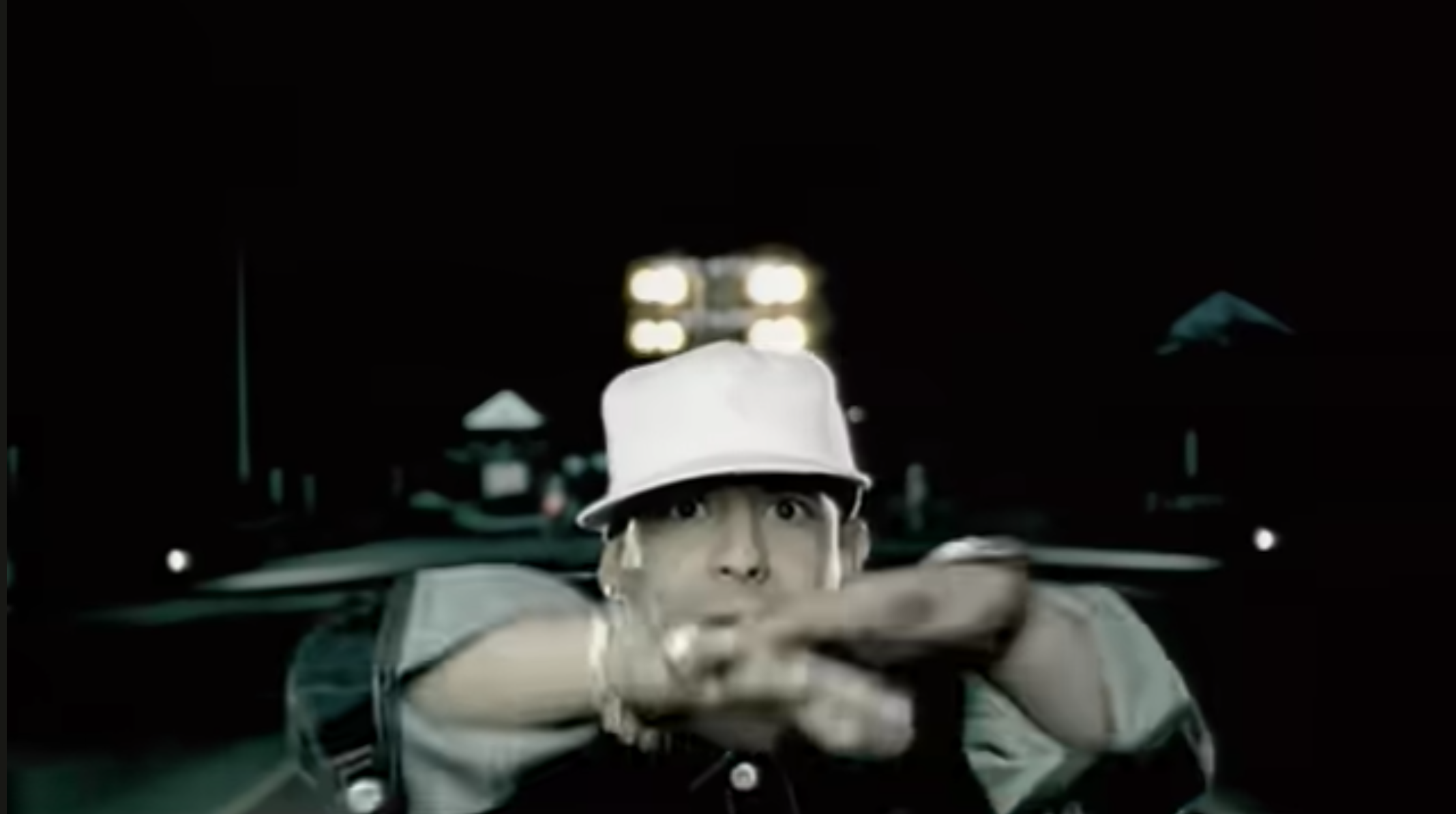
The music video was released in 2004 and shortly after, it became a global hit. In 2005 it was the first reggaeton song to be nominated for the Record of the Year category in the Latin Grammy Awards. According to the Grammy Awards’ website, “the song catapulted not only Daddy Yankee into the mainstream, but also the genre itself.”
In 2023 it also broke a new record by becoming the first reggaeton song “to be inducted into the National Recording Registry at the Library of Congress” in the United States. Among the other many records and recognitions the song received, for López Mari it’s a significant piece in his career full of the mesmerizing chapters working with some of the world’s greatest artists shifting the culture.
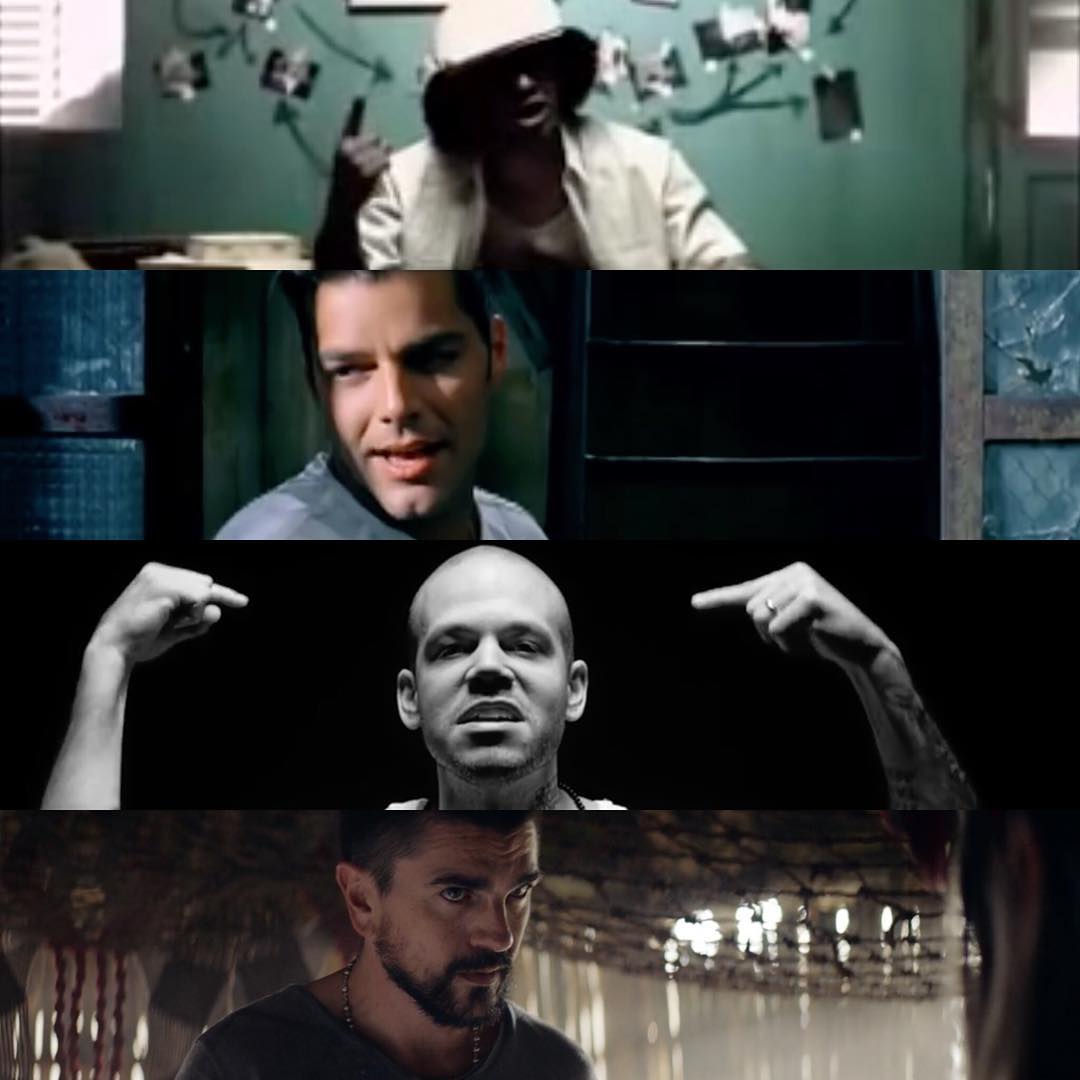
It's part of his track record of his history that includes music videos spanning artists like Tego Calderón, Ricky Martin, Daddy Yankee, Don Omar, Chayanne, Calle 13, Juanes, Bad Bunny, and many more.
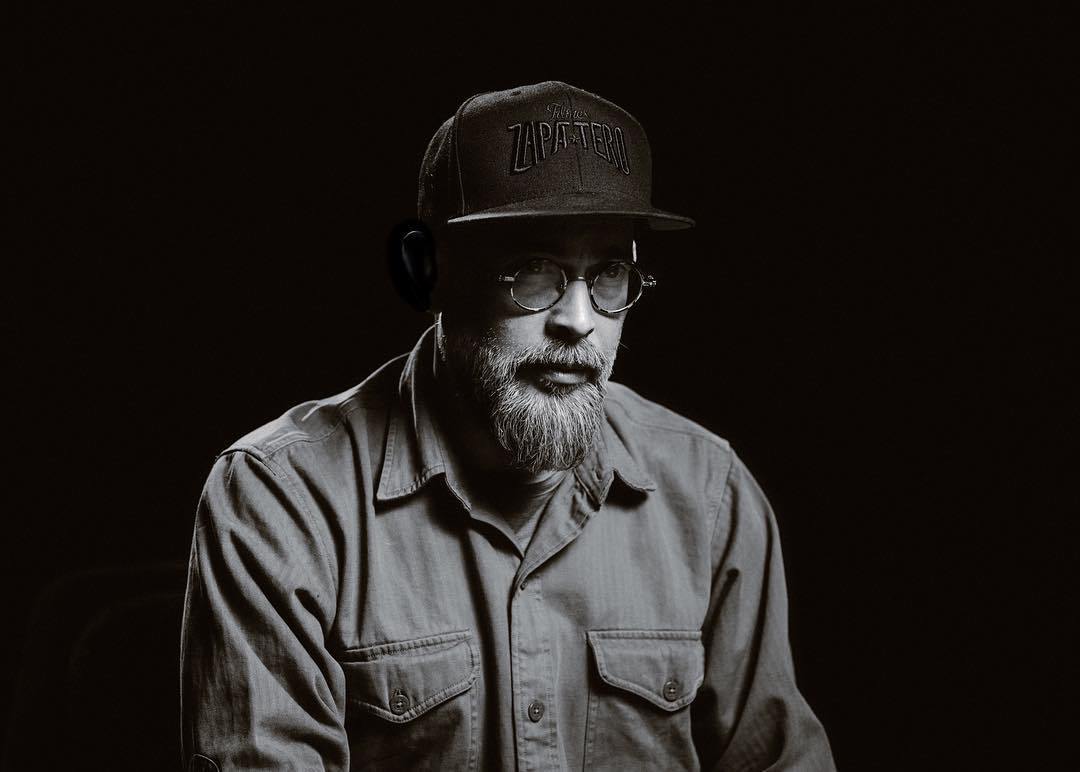
“I’m very grateful and honored that I ended up on that path. That possibility of making videos and audiovisuals for songs that are so, so emblematic. In the end, that’s what matters for me,” López Mari said. “I’ve thought a lot about the luck I’ve had that those songs landed in my hands. That I’ve been allowed to do my part in what these songs mean for music history and pop culture.”
Listen to Kacho López Mari
0:00
/42.461333
Being part of the history of Latin American popular music has allowed López Mari to travel back in time to return to those defining moments of the culture. It’s allowed him to understand how he has created images that represented a moment, which became snapshots of a specific defining cultural context.
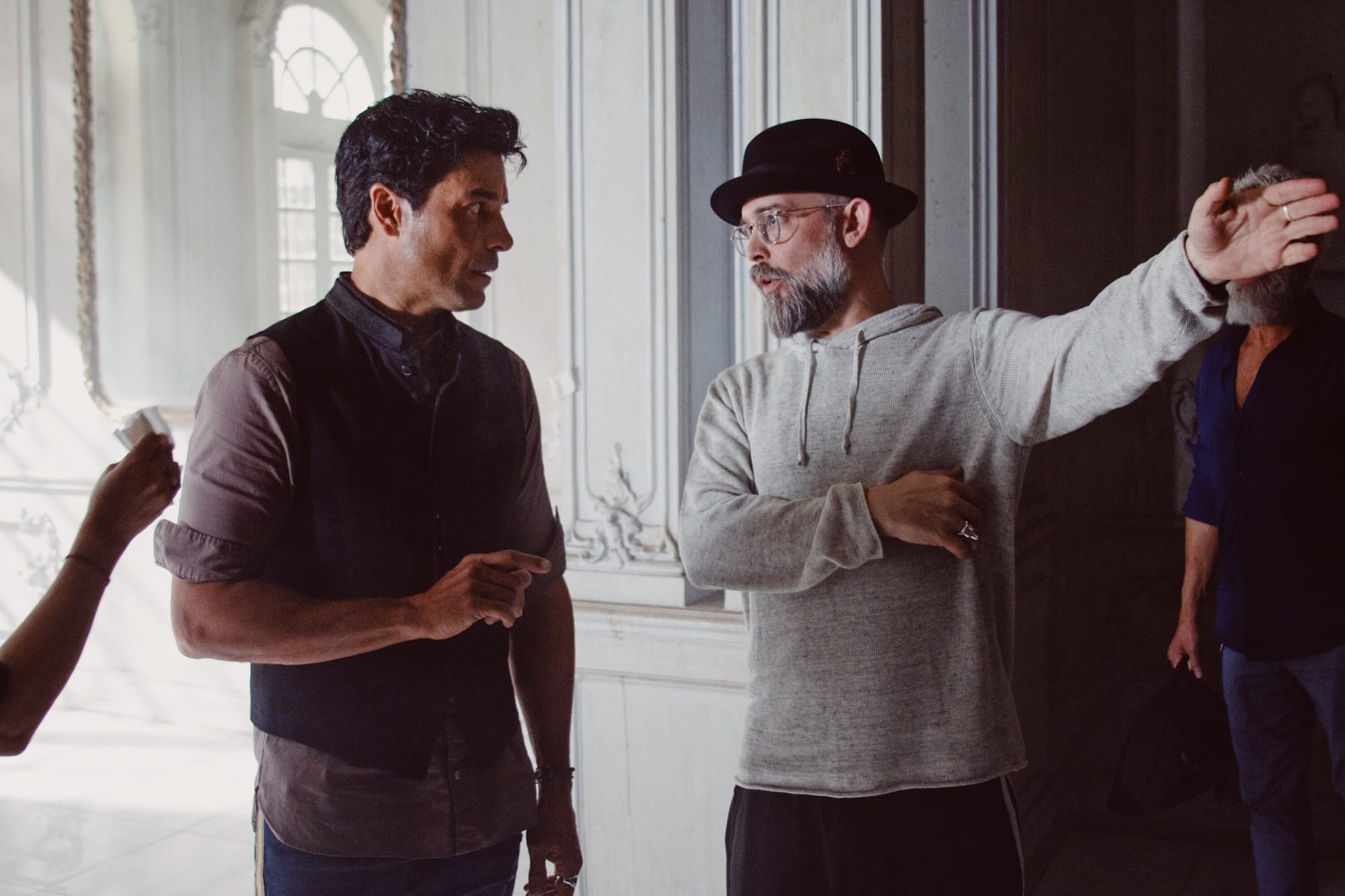
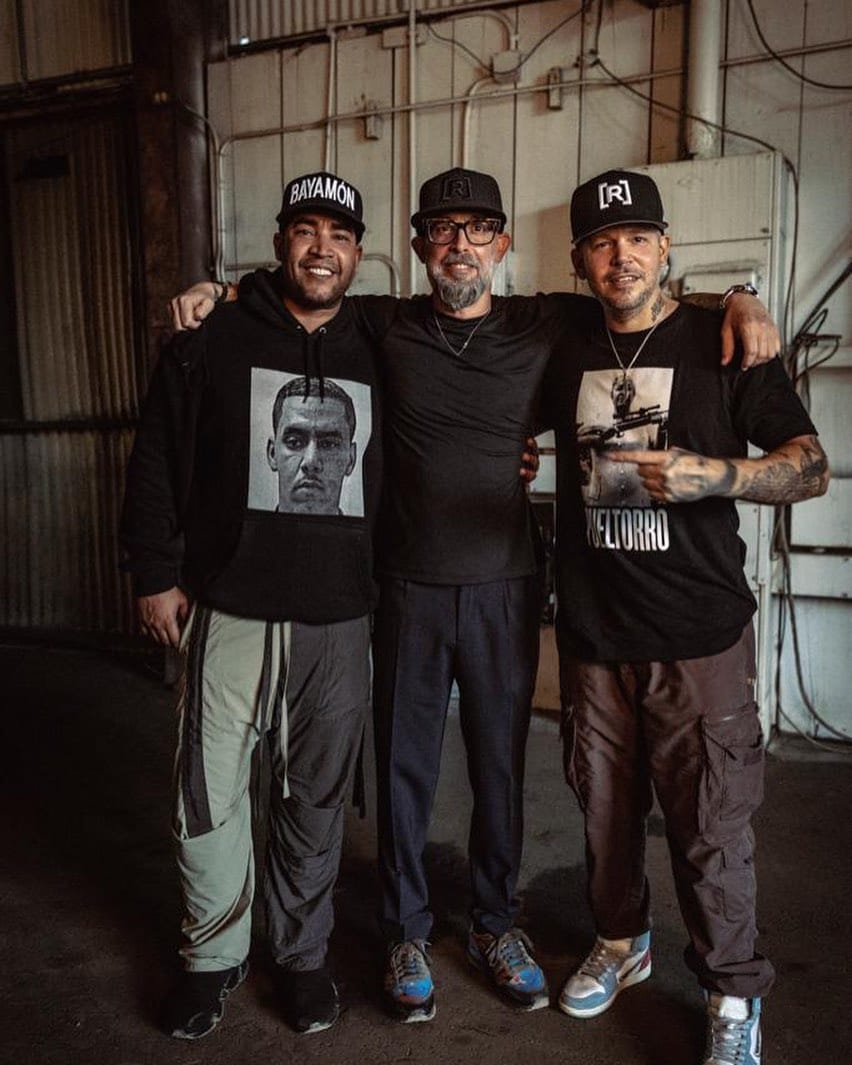
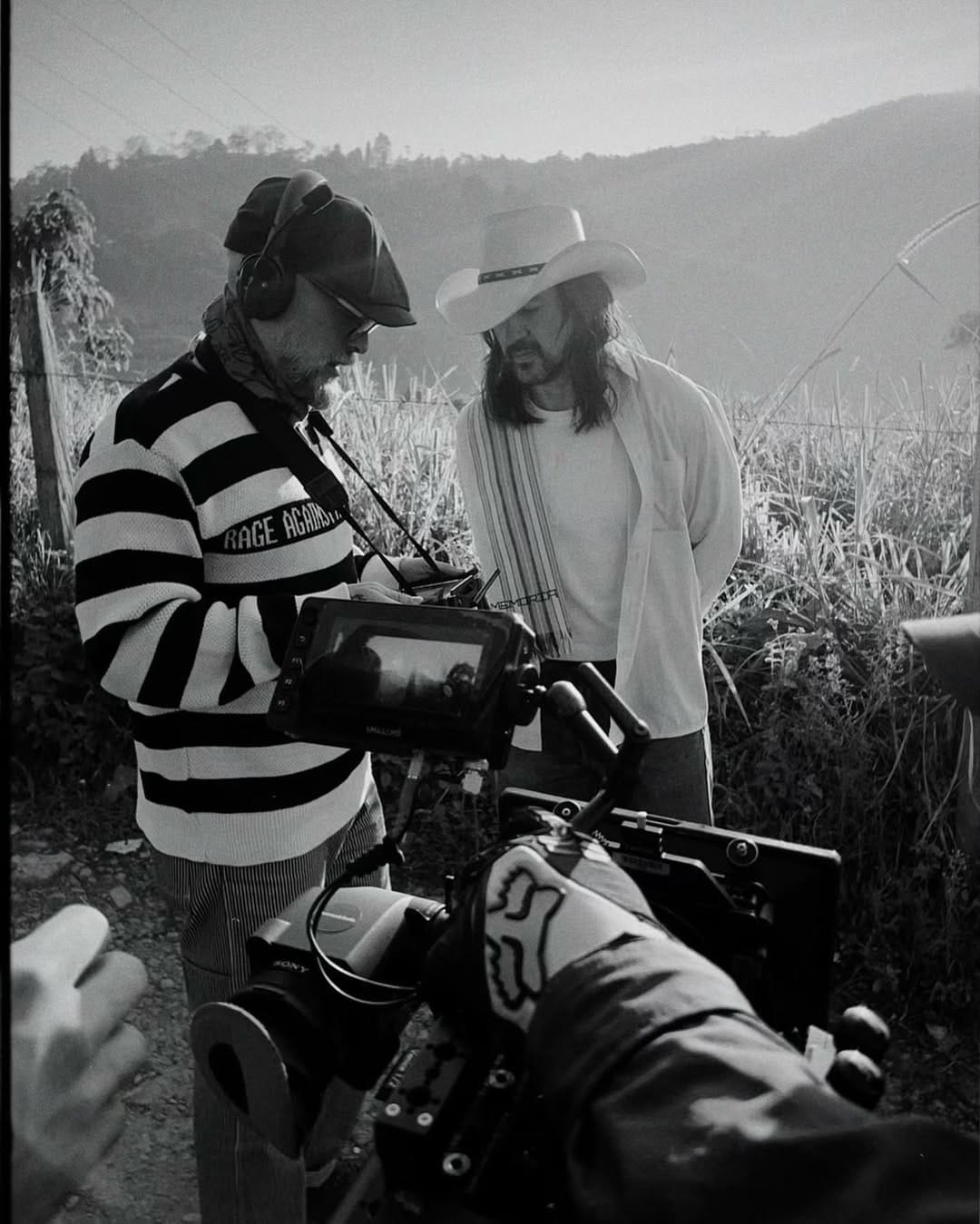
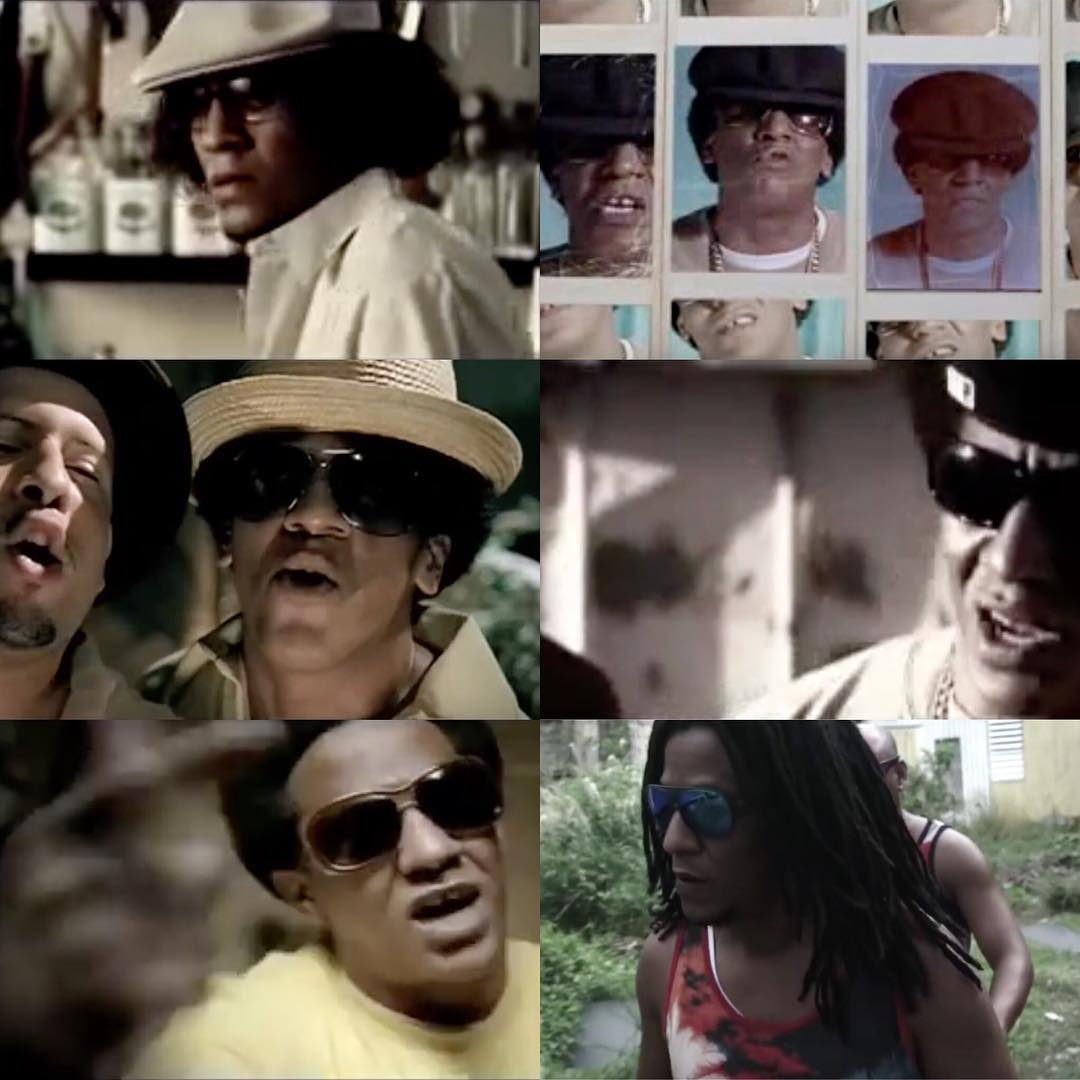
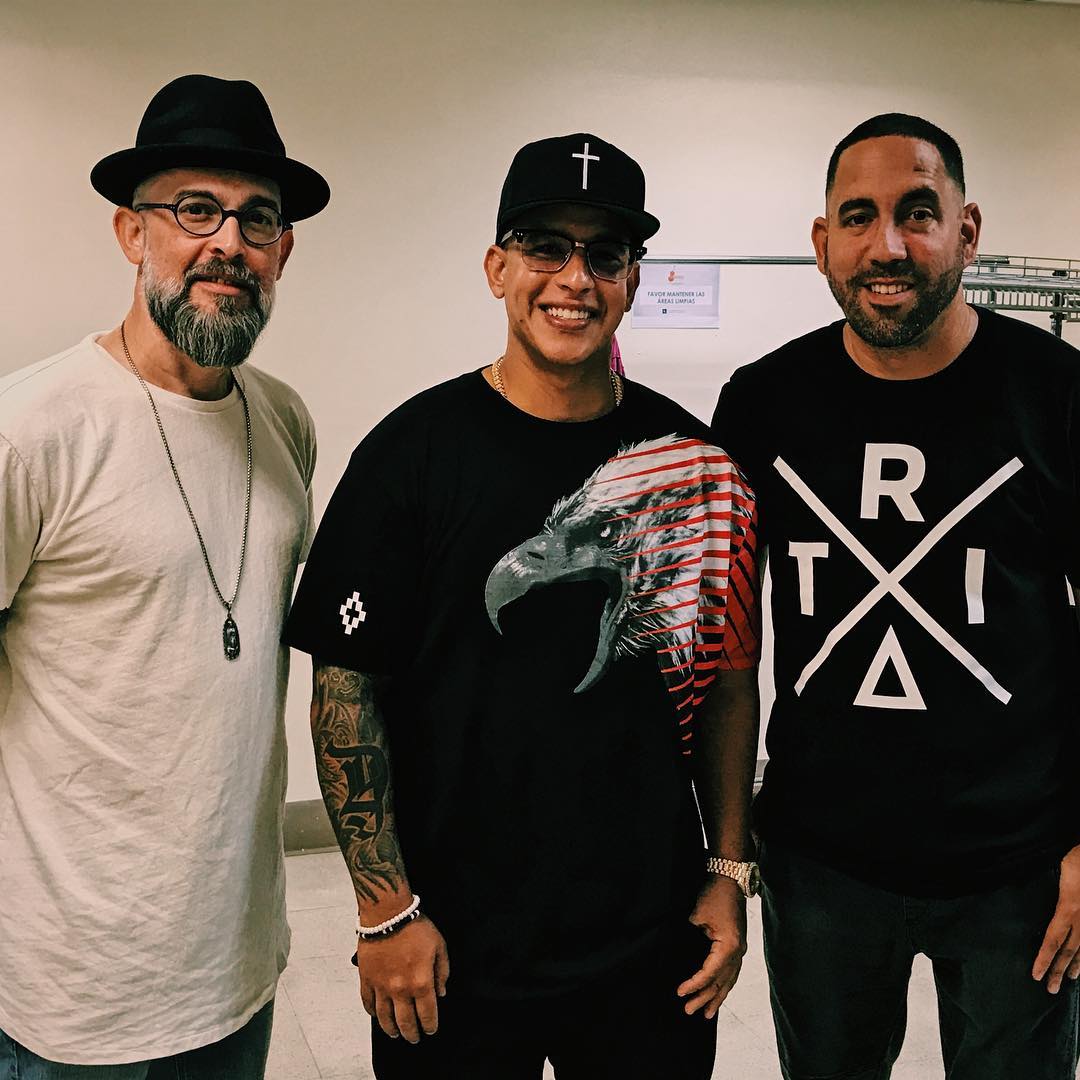
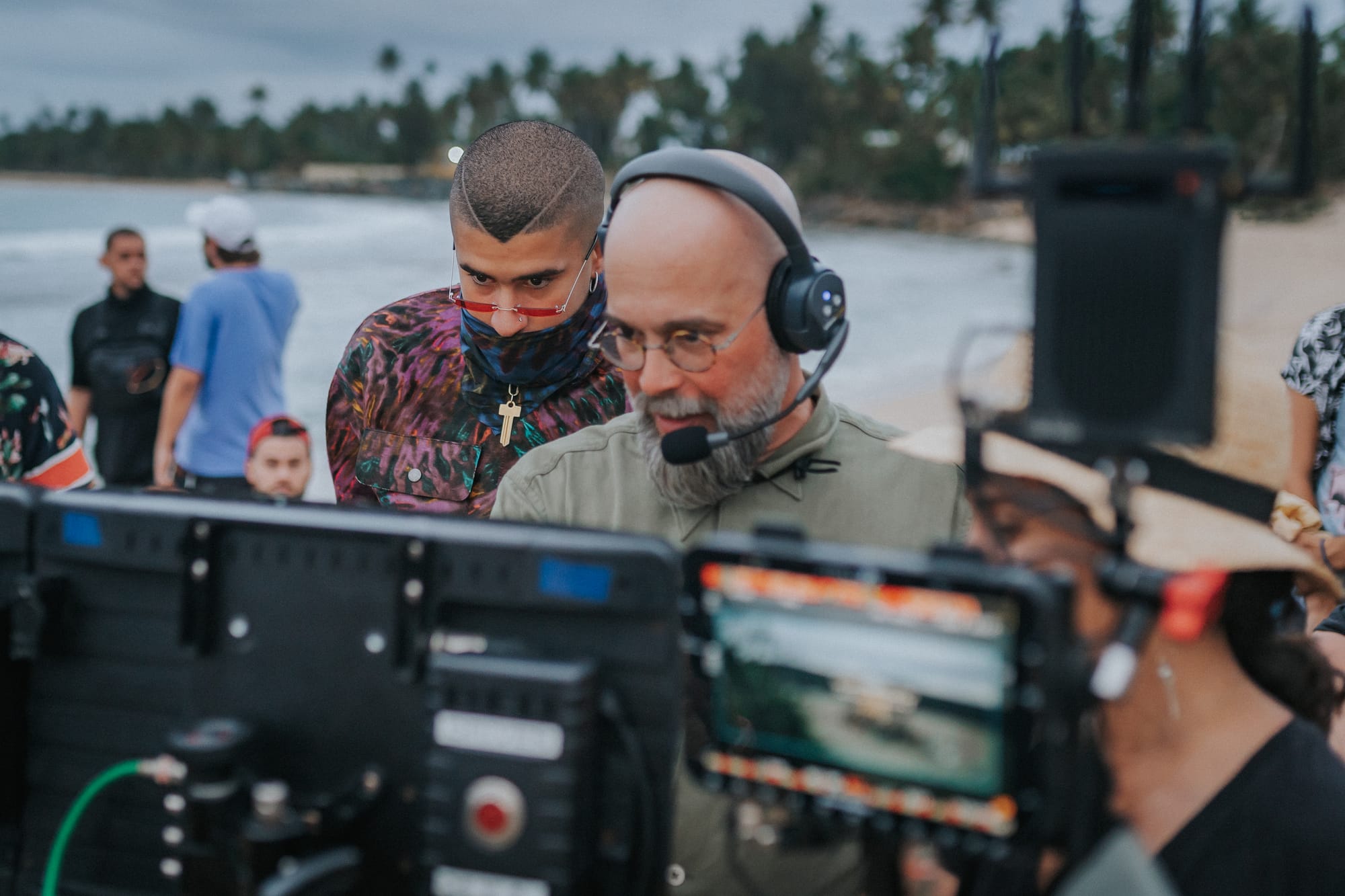
Kacho López Mari with many of the artists he's worked with including Chayanne, Don Omar, Residente, Juanes, Tego Calderón, Daddy Yankee and the music producer Echo, and Bad Bunny. | Photo via Kacho López Mari's Instagram | Impulsiva Stories
López Mari's great fortune of creating legendary masterpieces in the form of Latin American music videos, gently speaks of the region’s beauties and hardships. He’s created his own visual language that transcends with stories that purposefully speak to a wide audience. It’s art that merges music, culture, and legendary artists in fascinating masterpieces.
It’s also filmmaking and art that speak about extremely political and social subjects because of his upbringing.
“I was born in a political family that was in the middle of the political hurricane when I came [to the world] in 1975. Since I was very young, that gave me a very strong political awareness,” López Mari said. “That gave me a sense of responsibility in always participating in the political matters if I have the possibilities.”
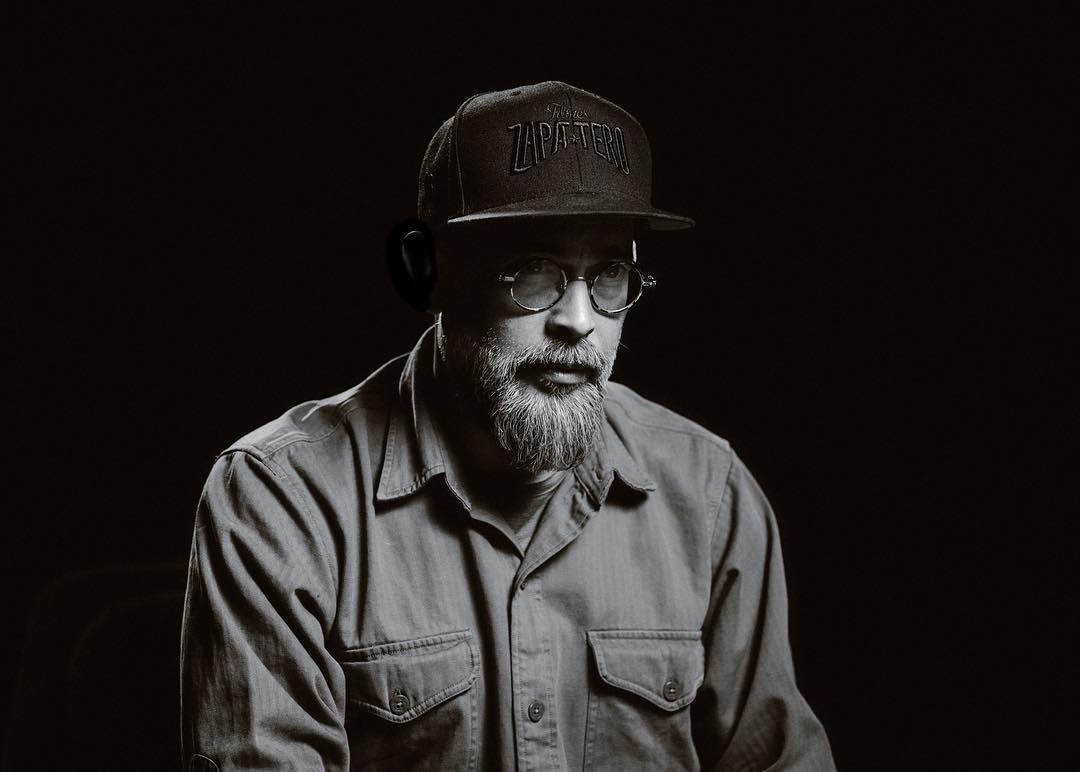
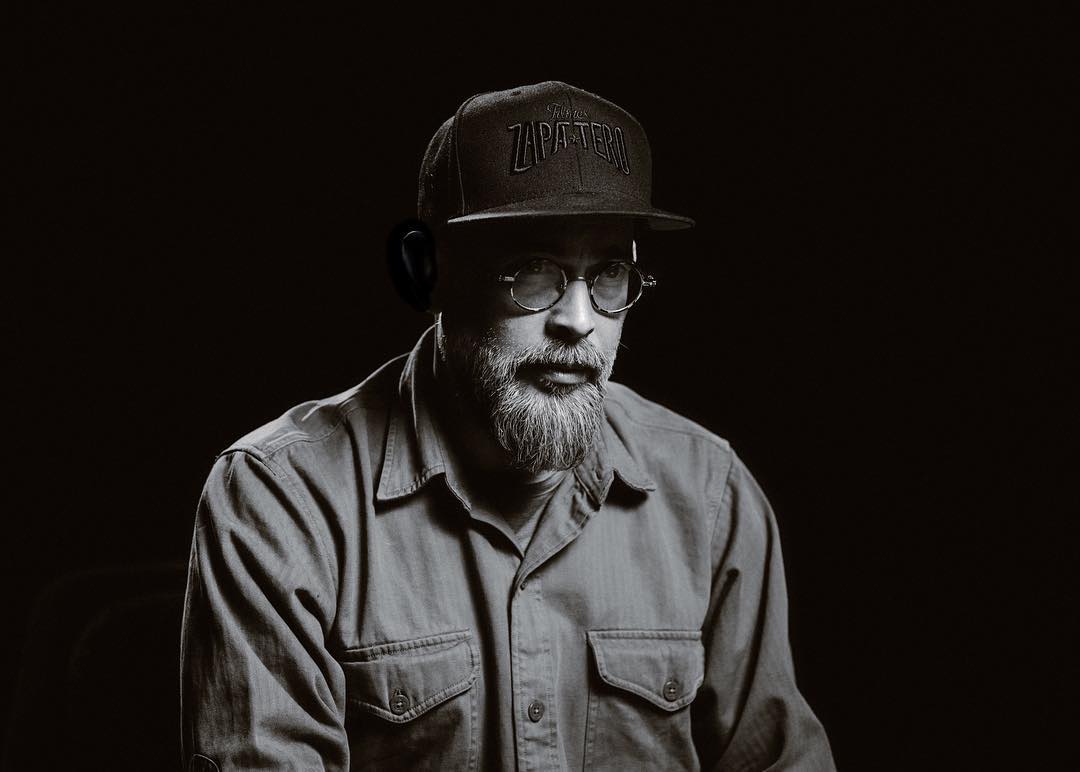
To learn more about Kacho López Mari’s legendary music videos, you can follow him on Instagram at @mrsandbag or at @zapatero.tv. Stay tuned next week for PART III, where we’ll explore how Kacho López Mari’s music videos portray extremely political and social subjects.
Written by

Subscribe to my newsletter
Subscribe to my newsletter to get the latest updates and news