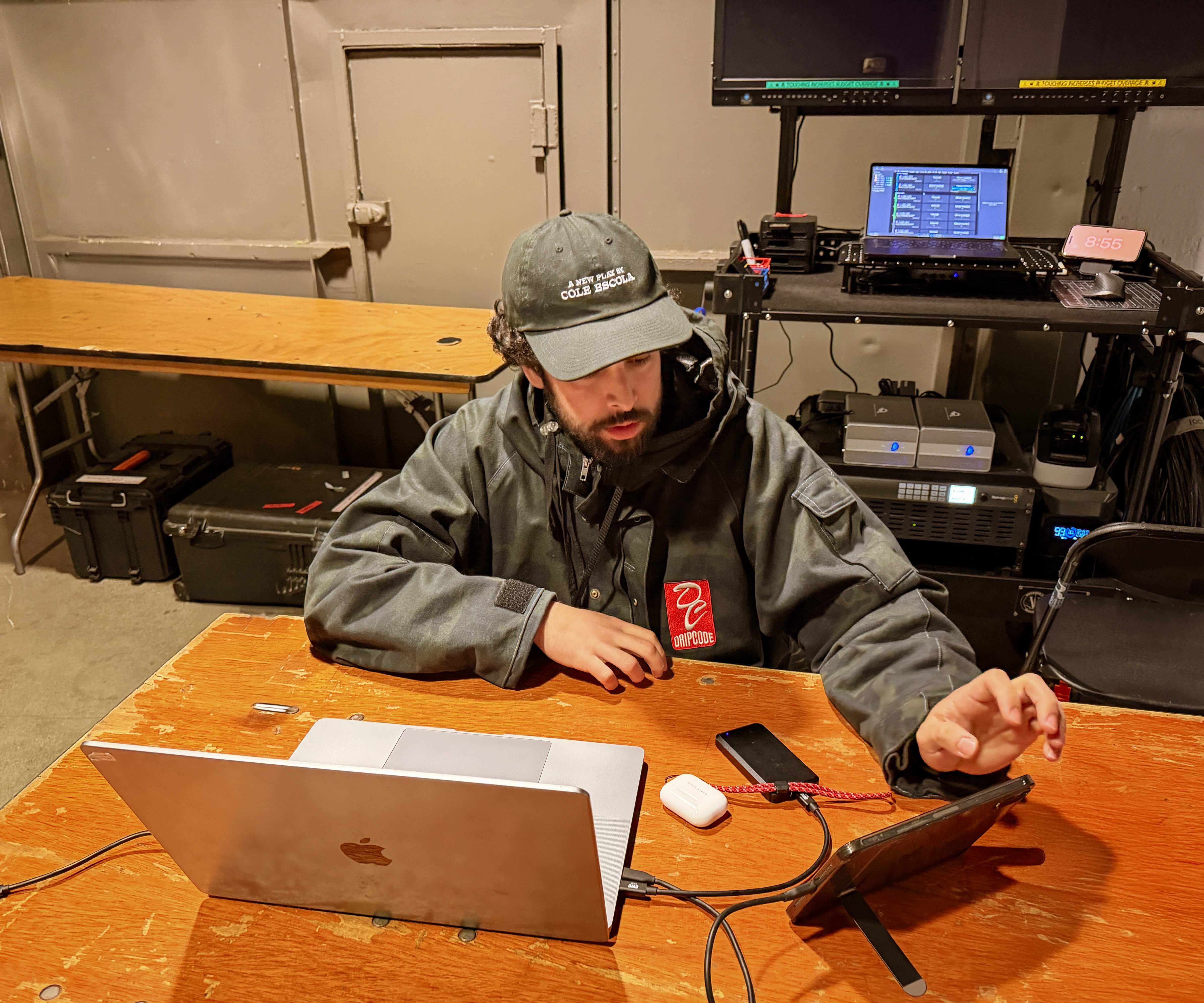
Luis Caraza Peimbert PART I
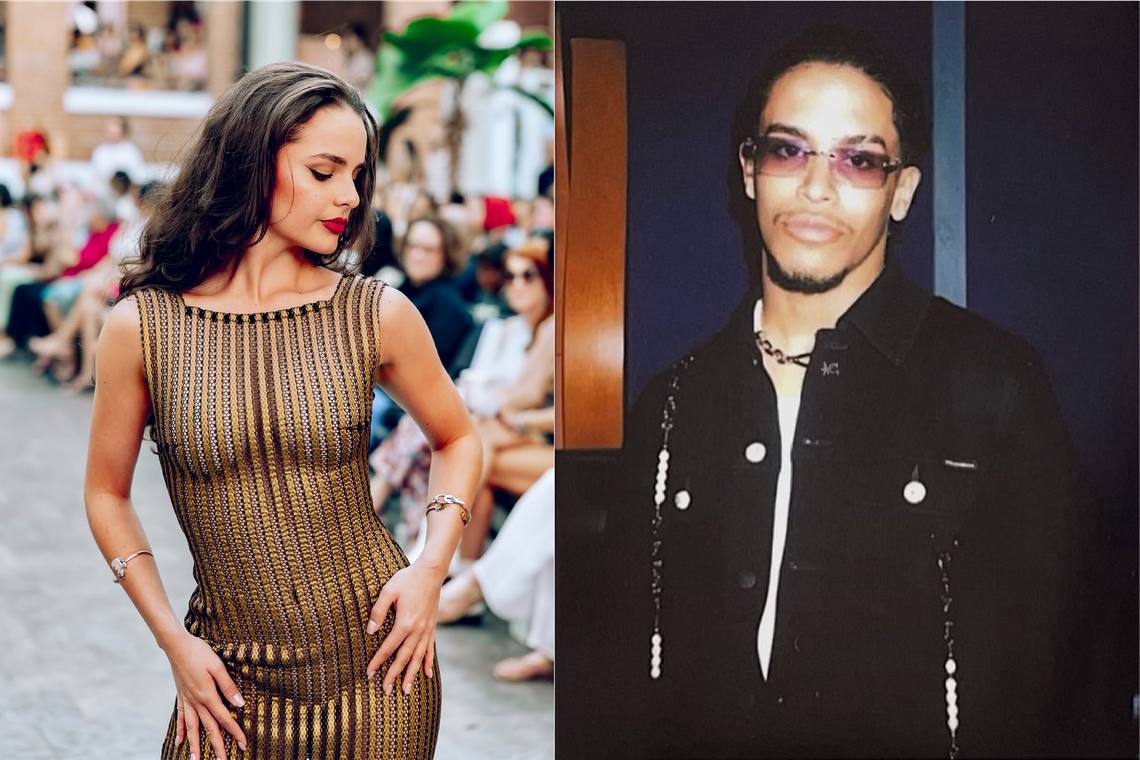
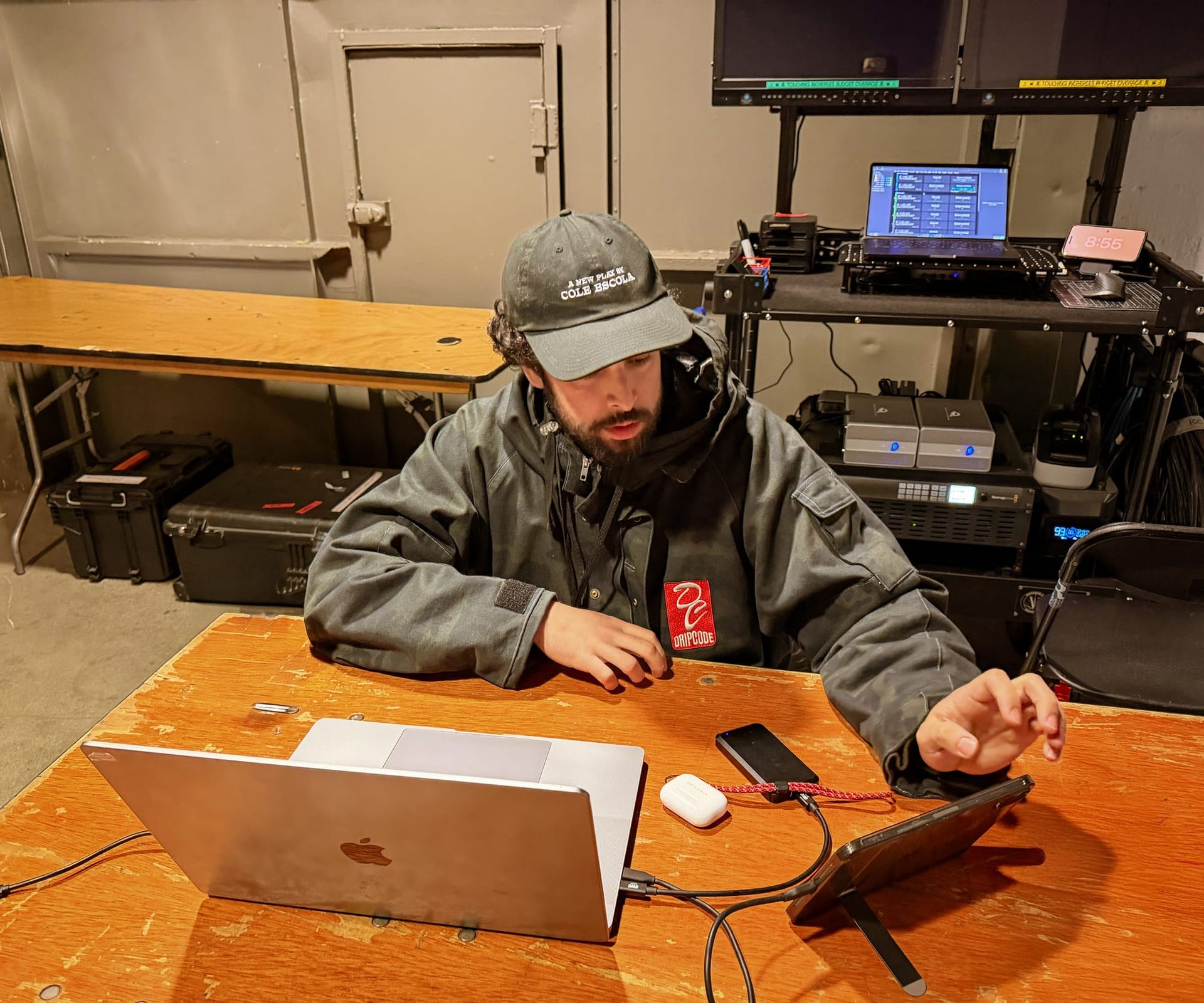
Luis Caraza Peimbert is a Mexican editor and artist characterized by the musicality of the emblematic music videos he edits.
PART I: The Musicality Behind Luis Caraza Peimbert’s Editing
Luis Caraza Peimbert was born in the city of Xalapa in the state of Veracruz, Mexico. As a child, he spent a lot of time moving around Mexico with his family. Besides Xalapa, he also lived in Puerto, Puebla, and Guadalajara. While moving around, there was a constant in his life that always accompanied him: film.
He could be changing cities frequently and making new friends was always difficult, but watching films and television shows never failed him. He could leave a place, but his favorite movies were always there. His father also encouraged this innate love at a very young age by taking him to the movies since he was four years old.
The love for movies kept growing as he became older, and every time he’d start a “new life” in each new town, Jack Sparrow was always the same Jack Sparrow whenever he watched Pirates of the Caribbean. He’d also watch Game of Thrones in each of his new homes.
“It was almost like having a friend for life. And I feel like filmmaking and art are super important if you can feel less alone. I think you should keep doing it,” Caraza Peimbert said.
That’s why the award-winning Mexican editor and artist, then chose to obtain his Bachelor of Radio-Television-Film at the University of Texas at Austin. In high school he’d do short films with his friends and that was the first time he was aware of his great passion for editing. He noticed he could spend tons of hours editing and it was never boring.
But he also noticed there was always a certain musicality, rhythm, or affinity for music, which later on in life led him to editing music videos. Yet, there’s a certain contradiction in the rhythm and musicality that define his career compared to how it's present in his personal life.
“The other day I was dancing with a chava at a wedding and, somehow, she found out I edit music videos. And she asked me: oye, how come you edit those videos that are so musical, but you have no rhythm to dance?” Caraza Peimbert said laughing. “And I was like: I really don’t know. I have no idea because I do have two left feet.”
The Creative Editing Process
Yet, the rhythm and musicality strike naturally in his editing. Before we dive deep into his creative editing process, we must first understand what Caraza Peimbert thinks about art, filmmaking, and editing.
For him, art is whatever generates a feeling in others with a very clear intention behind it. It’s that ability of evoking feelings and emotions in other people. These three disciplines have a deeper meaning for him on a personal level. He pursued them seeking that feeling of belonging to something or to a group.
“I feel films are an art. Filmmaking and, definitely, music videos are a very blockbuster art. Very democratic and accessible. Maybe, the feelings that you find in that art are easier to live with in public,” Caraza Peimbert said. “You laugh with the people you’re with at the movies. You cry with the people next to you.”
Don't Forget to Subscribe to
The Story of The Story
For only $16 a month, every Friday you'll have exclusive access to
The Story of The Story. Our founder, the Costa Rican award-winning multimedia journalist and artist Elizabeth Lang, guides you through her creative process to produce her stories.
What he really loves about films is that it brings people together. It makes people feel less isolated. That helped him a lot during his childhood to feel accompanied. It helped him to not feel as if he was weird and he believes filmmaking has that potential in bringing together other weird people. It has that power of uniting those who liked the same movie or genre.
Connecting people is something he also achieves through his editing. Caraza Peimbert’s creative process is one in which editing is understood as the way in which he gives meaning to the raw material – or the extensive footage he’s given. He compares it with the act of writing, which consists of transferring thoughts through a pen to paper.
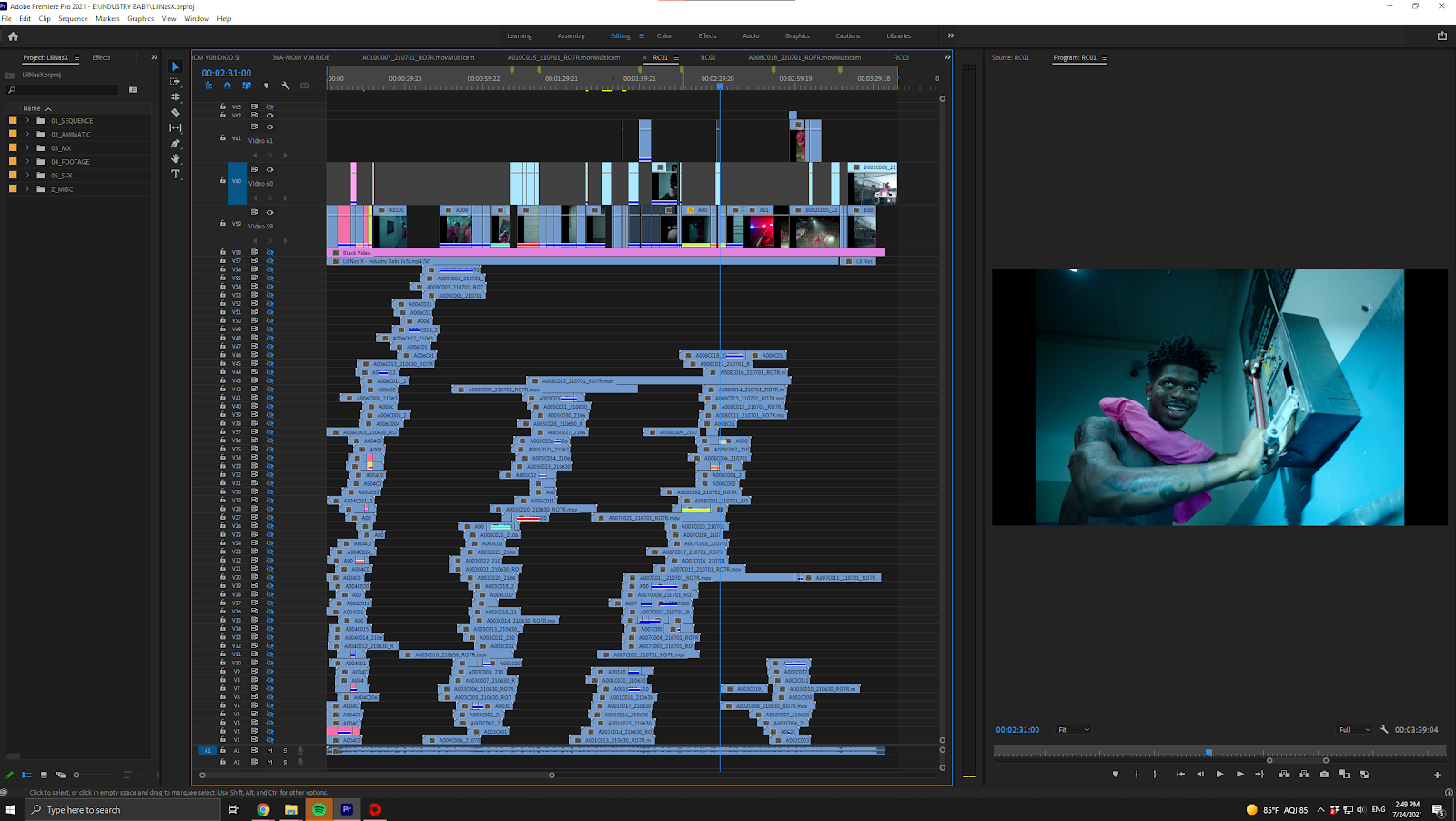
He takes all of the existing material and gives it meaning. He’s like a judge of what the plot is about. He decides what goes in and what doesn’t go in, in his timeline on Adobe Premiere Pro. He chooses what’s important and what isn’t. He goes on to discard what doesn’t work and then brings the rest together so that it has an intention behind it and the audience feels a certain way.
As an editor, he sees himself as the artist that transmits emotions through the medium of filmmaking and a montage. He’s the one who places one shot after the other along with certain rhythms in order to create a sensation for the spectator.
It’s about the narrative flow on a screen in whatever audiovisual genre he works with, which can be a music video, a commercial, or a more narrative piece.
But we’ll focus mainly on music videos, since it’s what he’s been working on passionately over the past eight years. You might be wondering how he ended up editing these pieces for some of the world’s biggest artists including Ariana Grande, Katy Perry, Charli XCX, Demi Lovato, Bad Bunny, Young Miko, Doja Cat, SZA, Jisoo, Sabrina Carpenter, Coyote and many more.
When he graduated from college, he was on the Optional Practical Training (OPT), which is “temporary, USCIS-authorized employment for F-1 visa students in the U.S. to work in jobs directly related to their major area of study.”
He had one year after graduating to land a stable job under that work permit. So, he first had an internship at Starburns Industries, who co-founded Rick and Morty and produced its first two seasons.
“It was exactly what I told you about. What I looked for in my childhood of feeling as if I was part of something. They have shows that speak a lot about isolation and solitude. It was the dreamlike internship,” Caraza Peimbert recalled.
Then, he also did another internship at London Alley Entertainment – the creative studio in Los Angeles where he’s been working at over the past eight years. They create some of the most emblematic music videos for some of the world’s biggest artists defining global culture.
0:00
/0:09
Luis Caraza Peimbert and his dog Carlota (our special guest). | Video courtesy Luis Caraza Peimbert | Impulsiva Stories
Yet, surprisingly, Caraza Peimbert’s perception of music was not an essential part of his self before landing at London Alley Entertainment. He thinks his music taste is not popular and it’s not one he shares with his friends. He did not listen to reggaeton in his childhood and didn’t dance bachata when everyone was doing so. He was listening to Soda Stereo, Queen, Elton John, ACDC, and mostly rock bands from the seventies and eighties.
But he landed in music videos – a whole new world full of exciting opportunities for him – because his friend Iván recommended him at London Alley Entertainment. Since his first day there, he insisted he wanted to edit.
“I knew I was an intern, but however I could help, I wanted to do so, and I was also very, very aware that I was with a visa. Now it’s an artist visa. I did my internships with a student visa, but I was well aware all the time that I had one year from my graduation date to be in the United States,” Caraza Peimbert said. “And somehow, convince someone to sponsor a visa.”
He clearly convinced London Alley Entertainment with his phenomenal editing that takes you to different worlds through his uniquely shocking rhythmic musicality.
You can certainly notice this in the music videos “Intro” by Coyote, “Industry Baby” by Lil Nas X featuring Jack Harlow, “Earthquake” by Jisoo, and “Rookie of the Year” by Young Miko.
An “Intro” to Raw Cuts
“Intro,” by the Mexican-American rap duo Coyote, was one of Caraza Peimbert’s first music videos. It was one of his first projects, yet one of the rawest and most dense music videos he’s ever worked on. The piece was directed by the UK film director Courtney Phillips.
Caraza Peimbert said Phillips has a very profound and different sensibility as a director. It’s a gritty obscure urban touch that really gets to you.
“I think we cut Intro when we went to Sedona during COVID and we said: what should we do? We don’t have anything to do, so let’s go to Arizona and there, we’ll sit down to edit,” Caraza Peimbert said. “We edited a part there, but it took us about two years editing that project.”
The editing took so long because Phillips would film one part and then another one, but it could also be because of how precise the edits are in telling such an intense story in just ninety seconds.
The narrative explores the dichotomy in which its main characters are living in. It’s about two brothers who have their own families and children set in a very Chicano cultural scene, cooking some carnitas on a barbecue. They’re surrounded by their families, and suddenly, there’s an intense cut.
“There’s an obscure nocturnal gangster life,” Caraza Peimbert said.
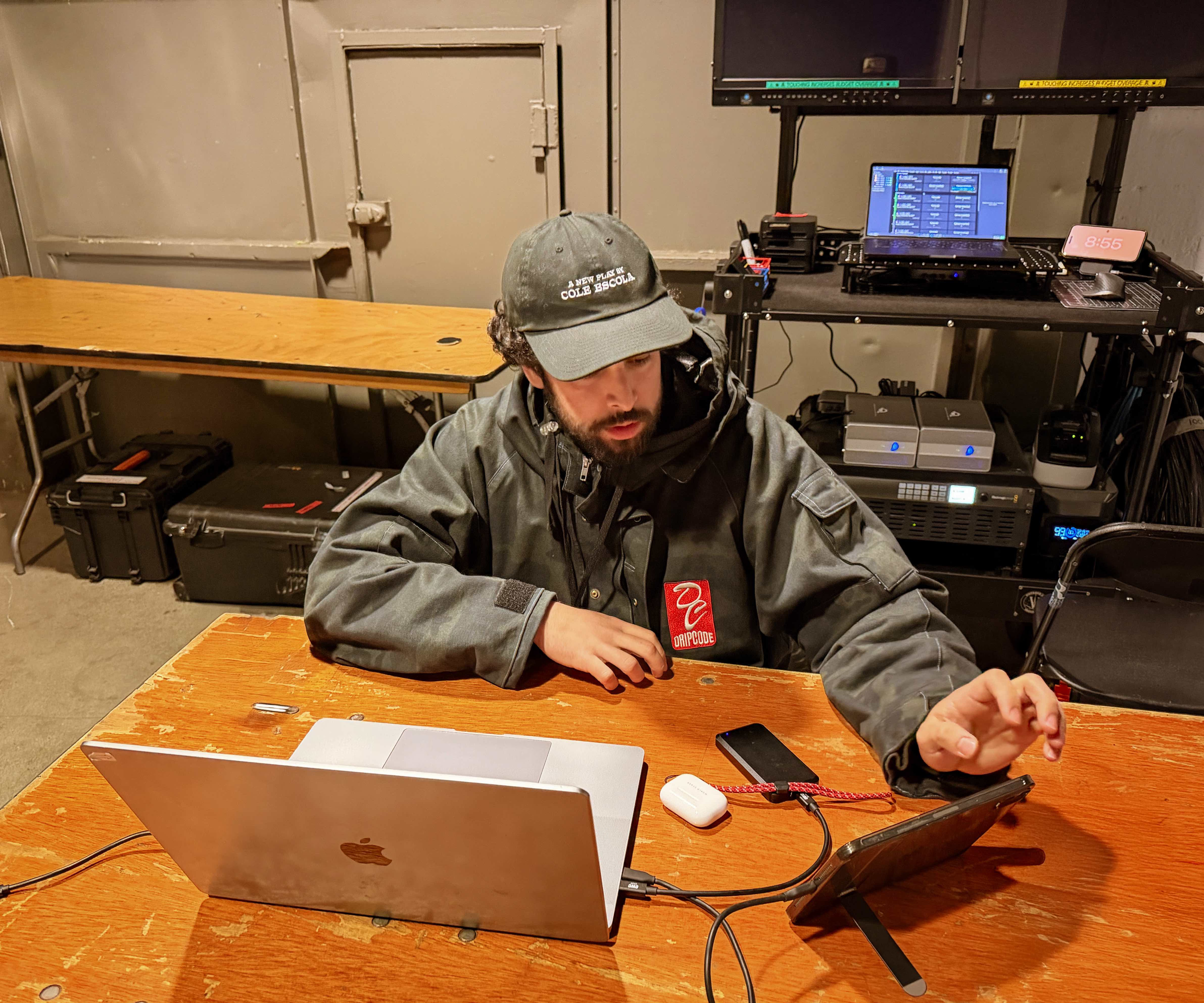
Listen to Luis Caraza Peimbert
0:00
/33.605333
The obscure nocturnal gangster life comes through with several match cuts that were not actually planned. They happened once they reviewed all of the material and set out on editing it.
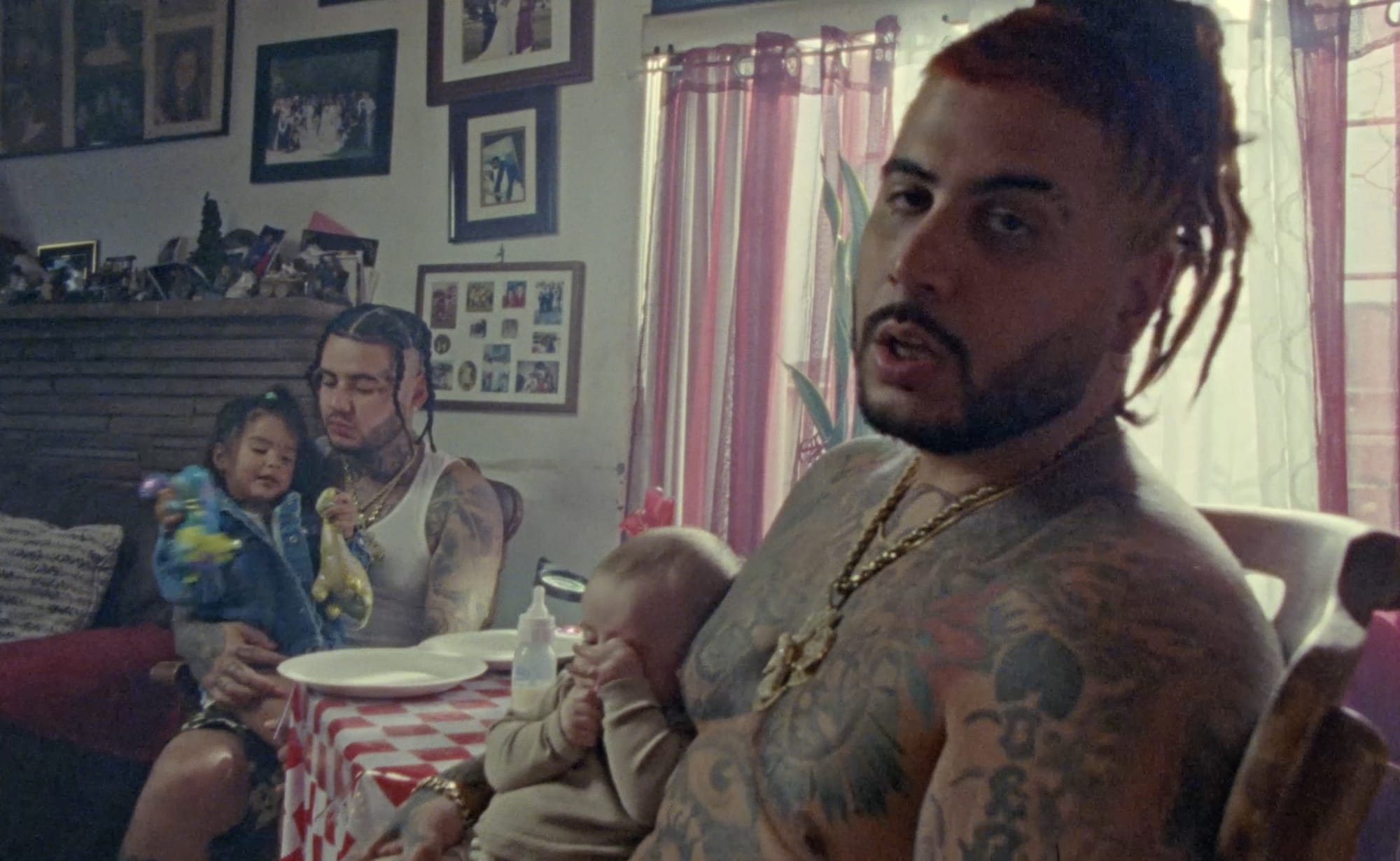
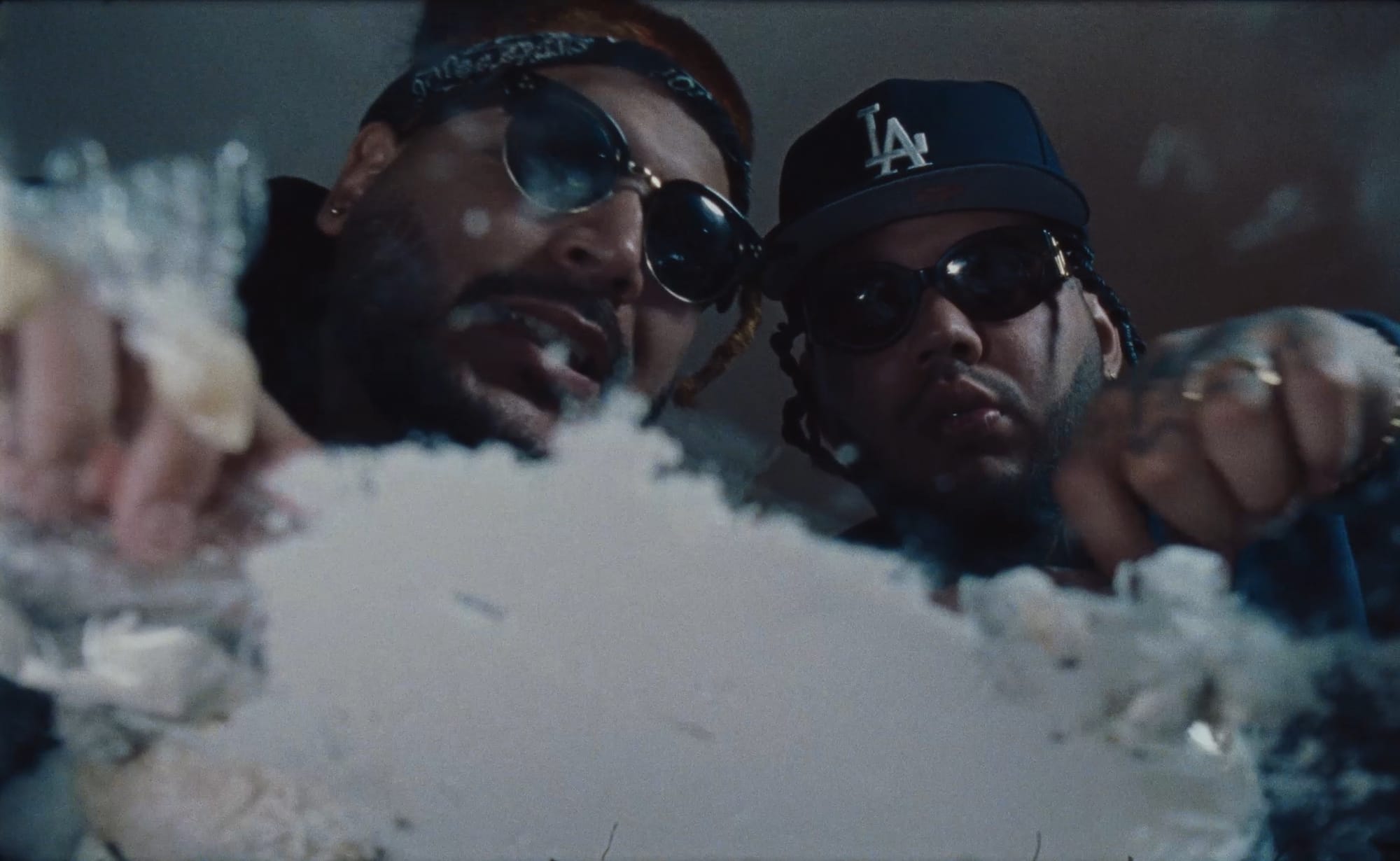
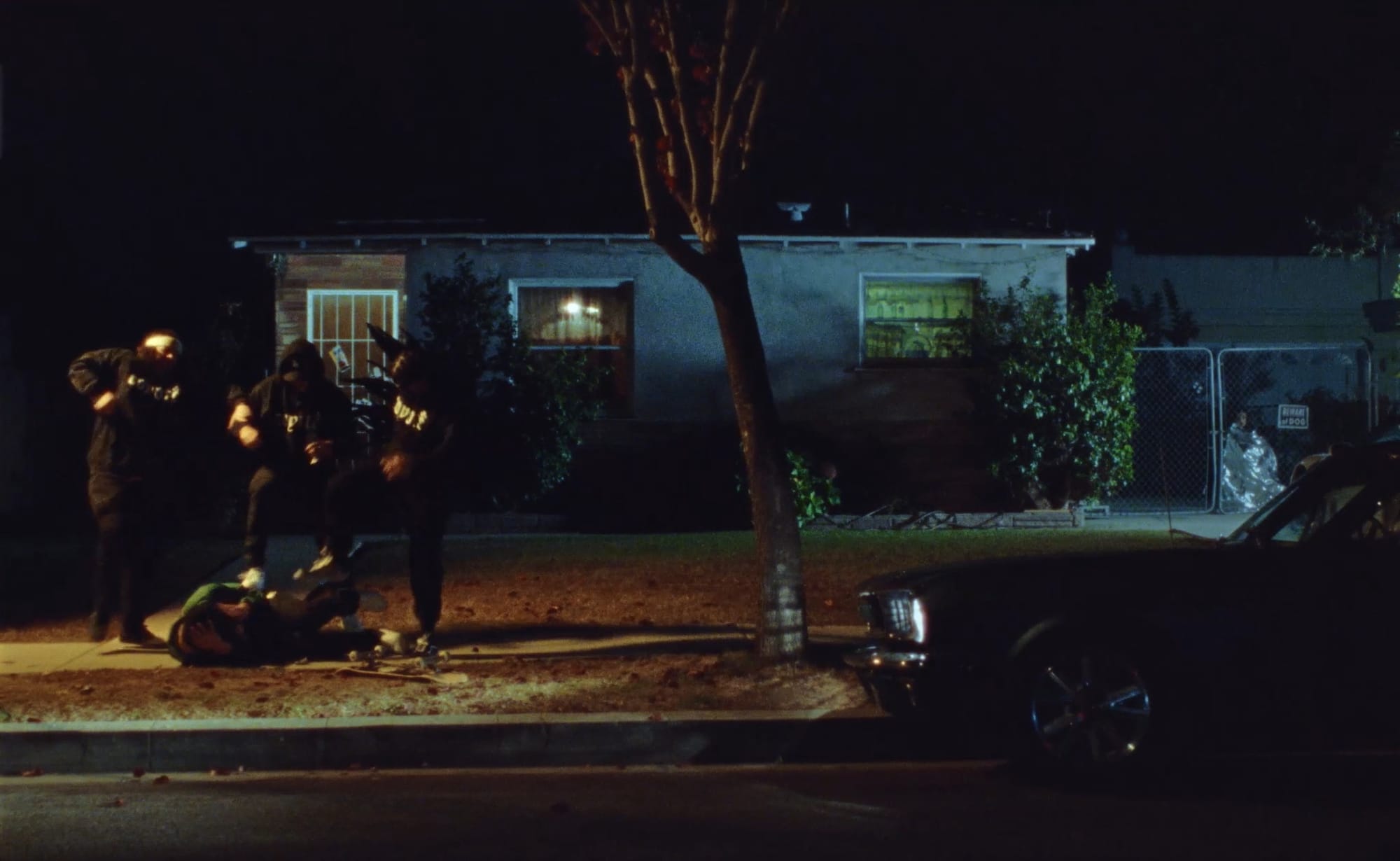
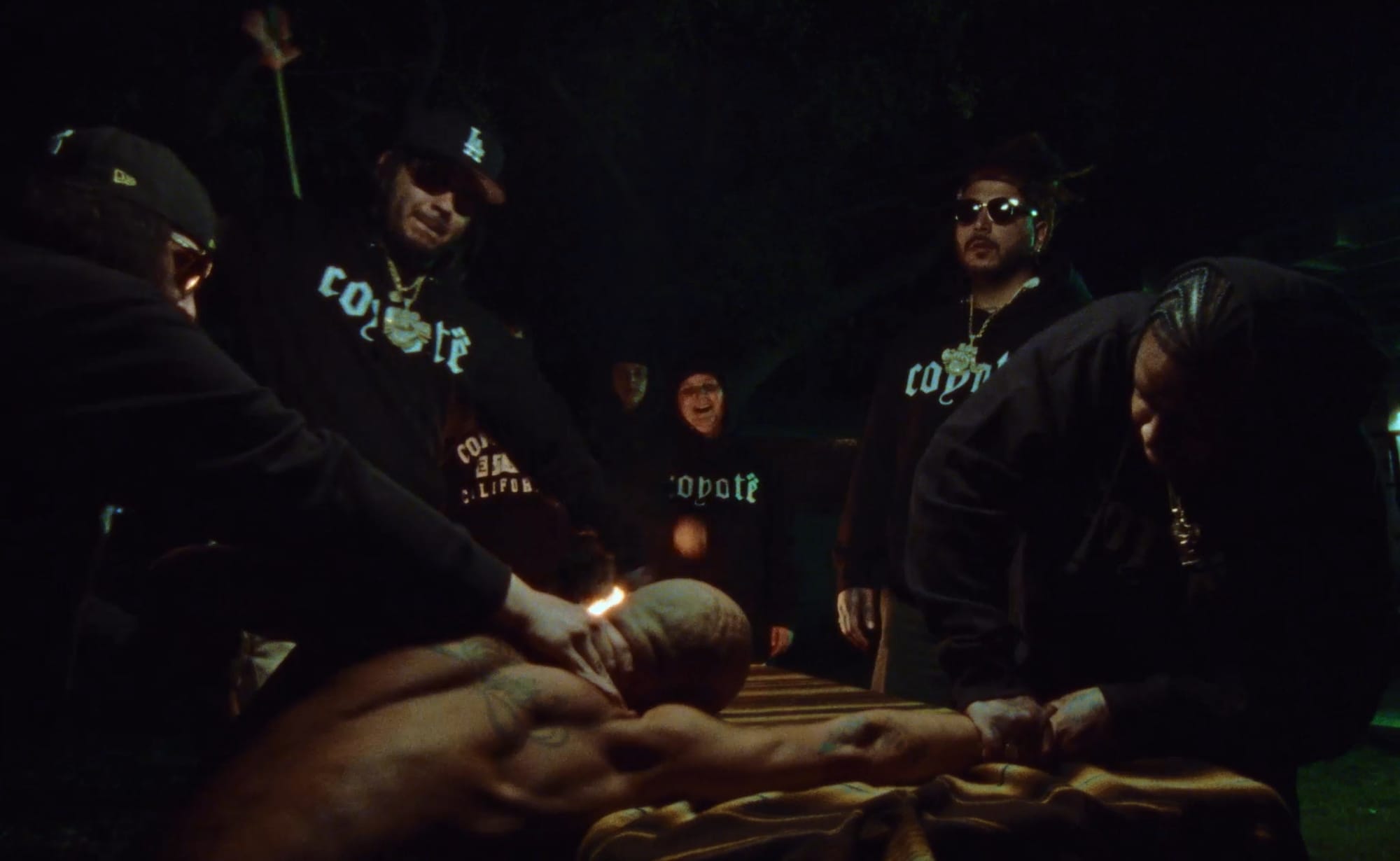
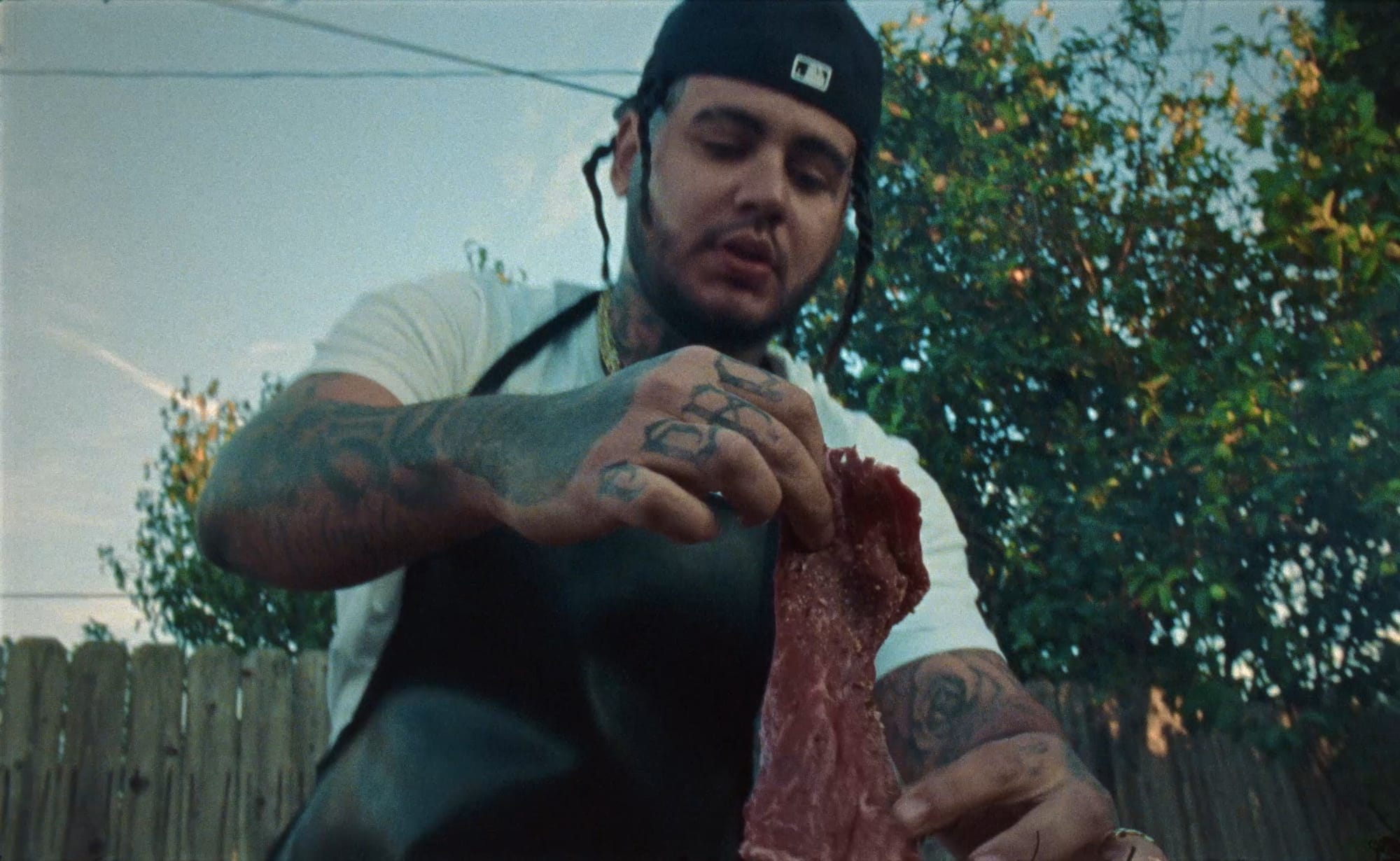
Stills from Coyote's "Intro" music video. | Photos courtesy Luis Caraza Peimbert | Impulsiva Stories
Although, two of them were carried out thoughtfully. The first one is when the brothers are putting some cocaine in a Ziplock bag. Immediately, there’s a cut that shows someone pouring powdered baby formula into a baby bottle, which obviously is quite impressive and generates a wow effect on the viewer with how raw it is.
Then, there’s another match cut where the gangsters are holding a man and they’re about to cut his arm. Right when the machete is about to cut through, the sharp knife slices a huge piece of meat on the barbecue, leaving the viewer with their mouth wide open in amazement of what just happened.
“I remember editing that and I was super excited about how you go along playing with the timing and positioning of things in the shot to create a match cut that’s easy to digest. So that your eye is not jumping,” Caraza Peimbert said.
He learned a lot with that project because of how fast he was cutting from shot to shot. It taught him about being more aware of where the audience’s eye is and how much time it takes the eye to move. Those small – and very important details – merged perfectly in a music video that creates a balance between two parallel stories.
Both Caraza Peimbert and Phillips had to figure out a way how they could go from one world to the other with the most perfect transitions. That’s where they found the transition points to make that natural movements and Caraza Peimbert rhythmically edited the video based on an equally-balanced number of bars per shot.
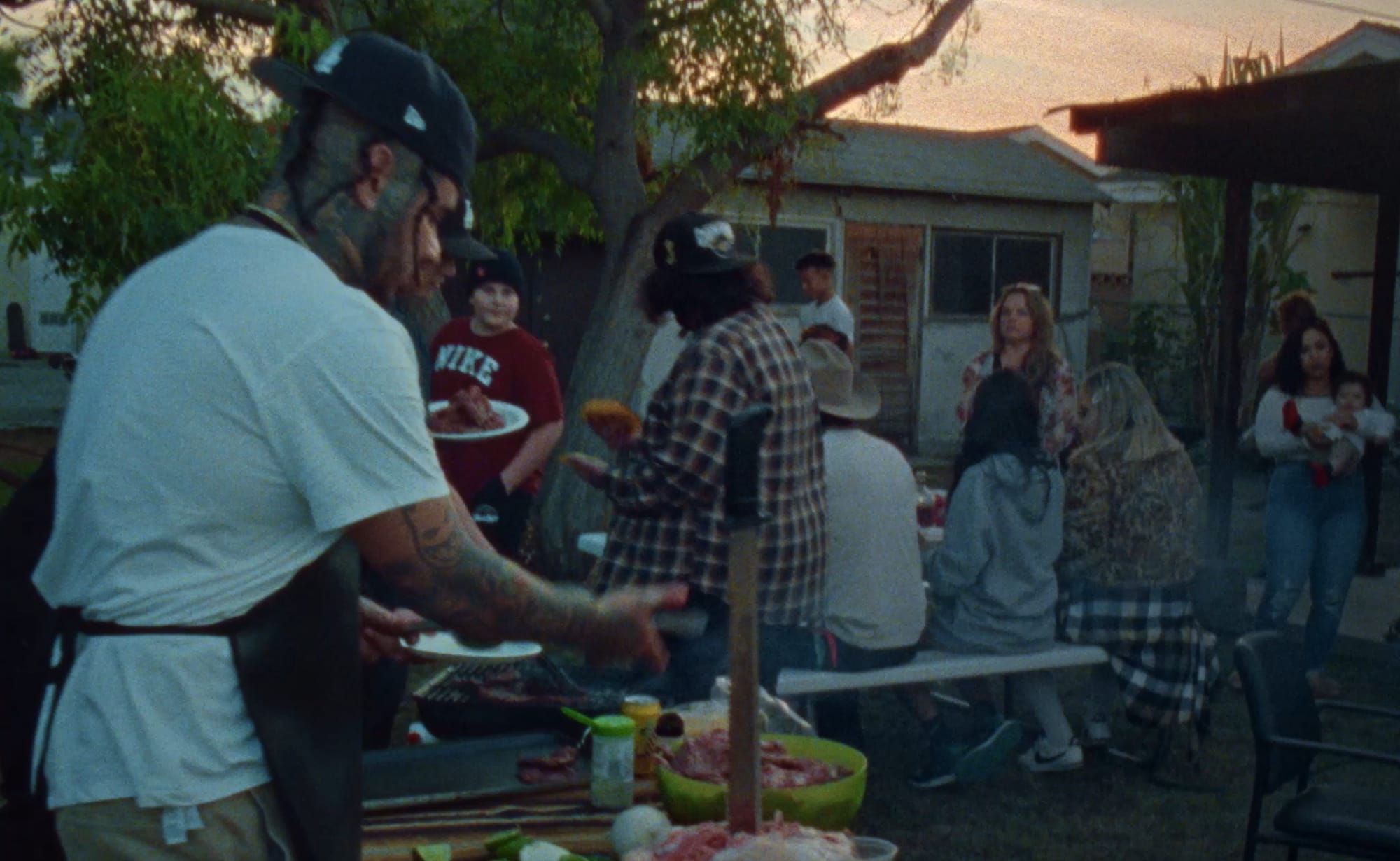
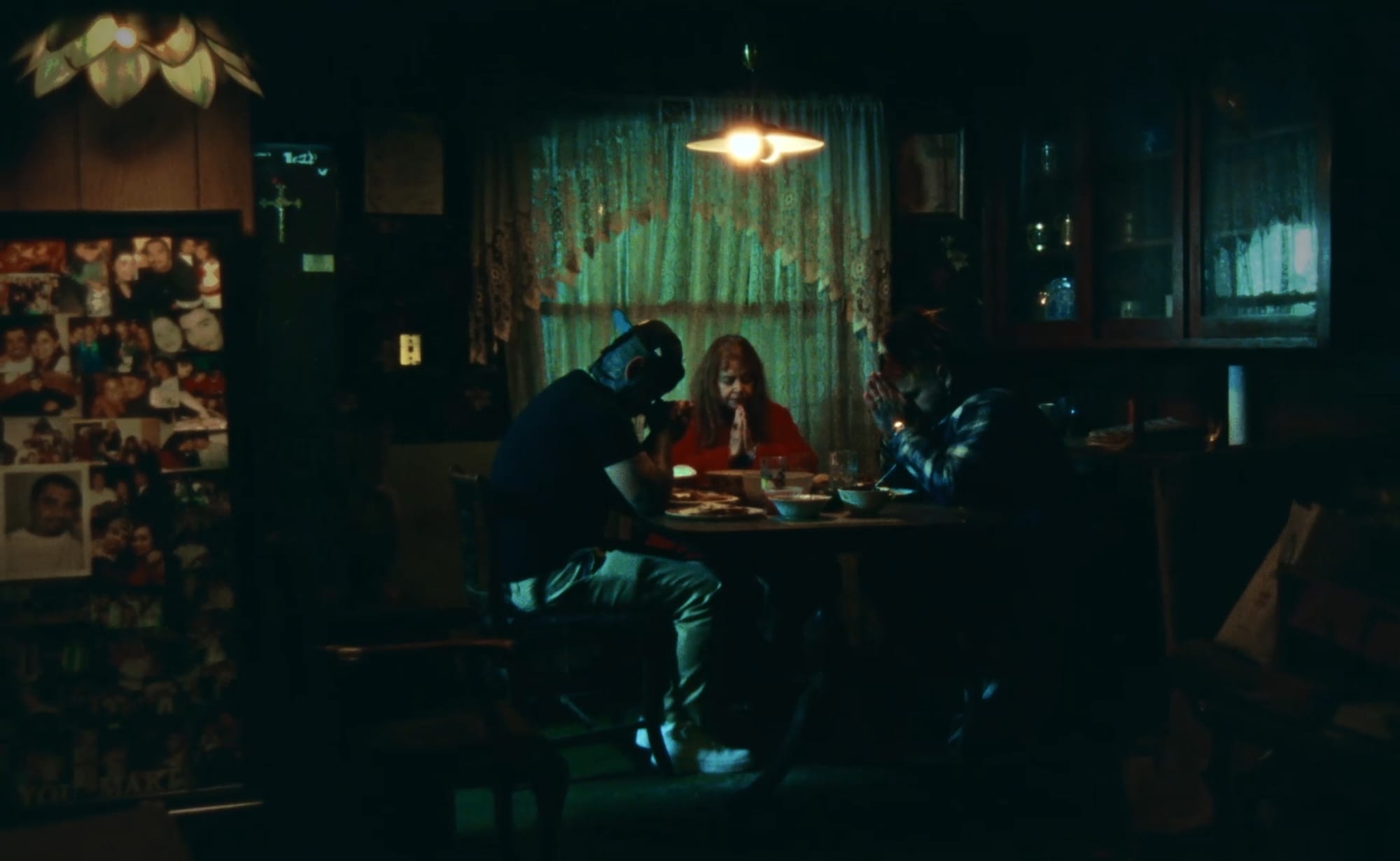
Stills from Coyote's "Intro" music video. | Photos courtesy Luis Caraza Peimbert | Impulsiva Stories
This was a guide for Caraza Peimbert because the editing was done based on the footage rather than a treatment, script, or animatic. For him, it’s one of his favorite music videos with some of his best edits. It was also one of the pieces in which the director really trusted him for his marvelous editing craft.
The Iconic Dances of an “Industry Baby”
And trust is something he really values, which take us back to when he edited the music video “Industry Baby” by the U.S. rappers Lil Nas X and Jack Harlow. Back then, Caraza Peimbert was 25 years old and that was his first big project after “Intro.”
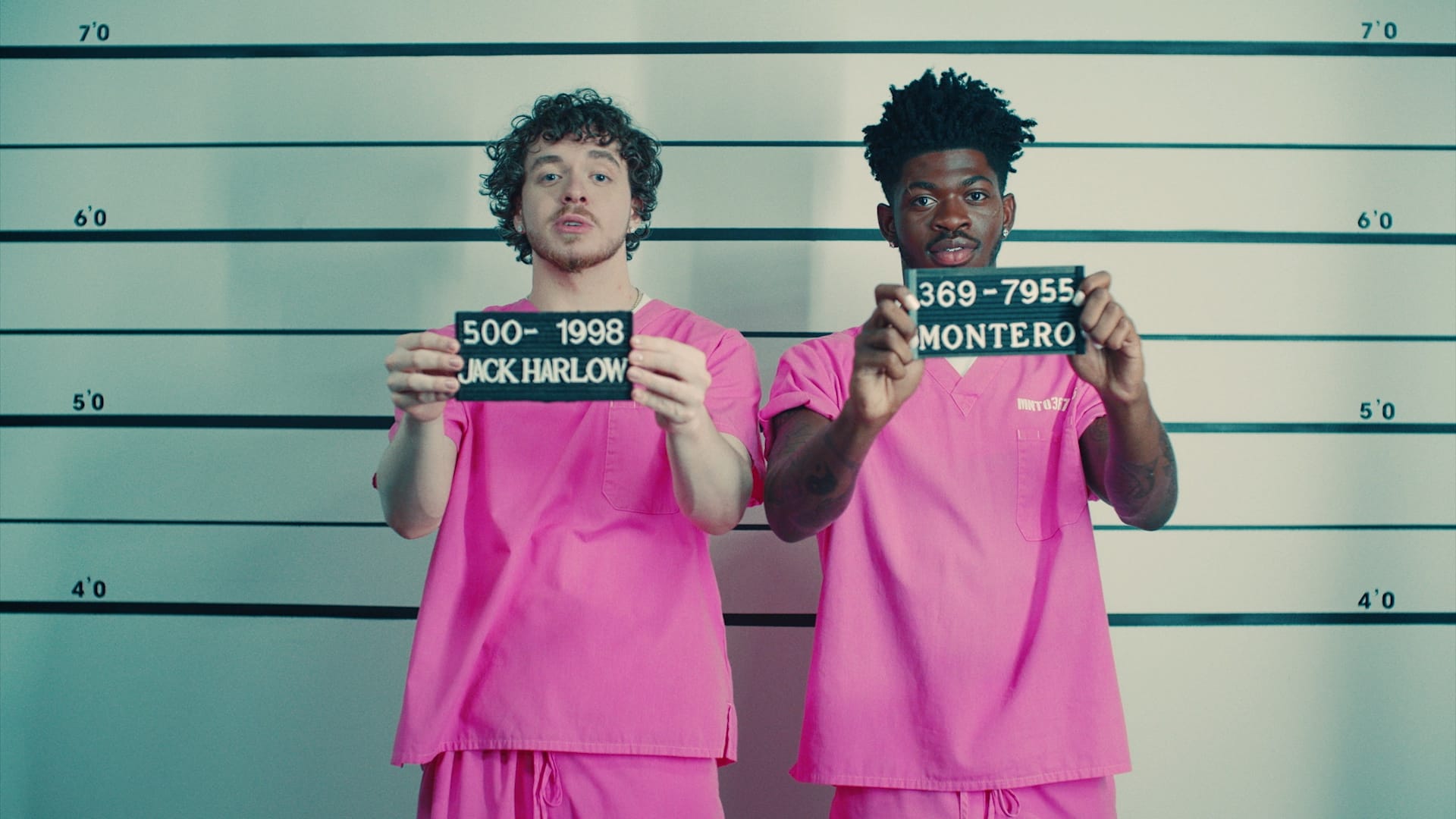
“Intro was a passion project and then, Industry Baby was the first video in which a director came and gave me the project,” Caraza Peimbert said. “I had done several small projects, but this one was the first one where they trusted me with and said: you know what, come with us. I think you’re a good fit.”
Then, the magic happened. It was his first time working with the U.S. film director Christian Breslauer. He remembers it as a very specific video in which everything was perfectly drawn out and he knew exactly where the shots had to be placed.
Yet, one of the great challenges he faced was dealing with the dance scenes in the shower and in the prison’s yard. He had no experience with editing dance and performances in that moment.
“The difficult part was the one in the shower because they filmed it at the end of day two when Lil Nas X was exhausted. They did this shower where the water did not drain well and it was dancing on wood,” Caraza Peimbert said. “It looks like hardwood floors, but it wasn’t hard at all.”
That specific problem challenged him a lot, but then, they sent the U.S. choreographer Sean Bankhead to help him with those particular scenes. They got along really well and through that teamwork, they edited the iconic scenes of “Industry Baby.”
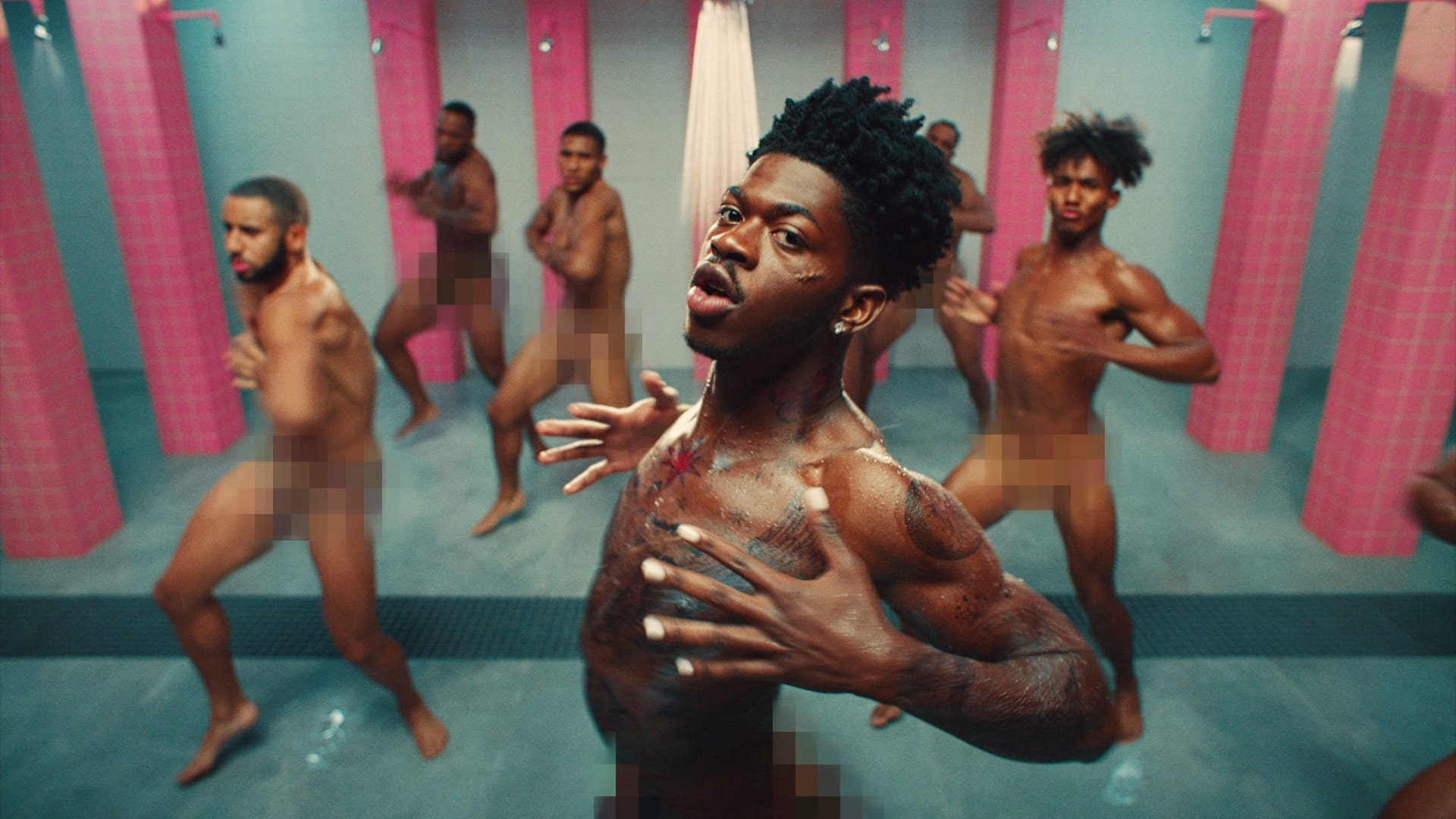
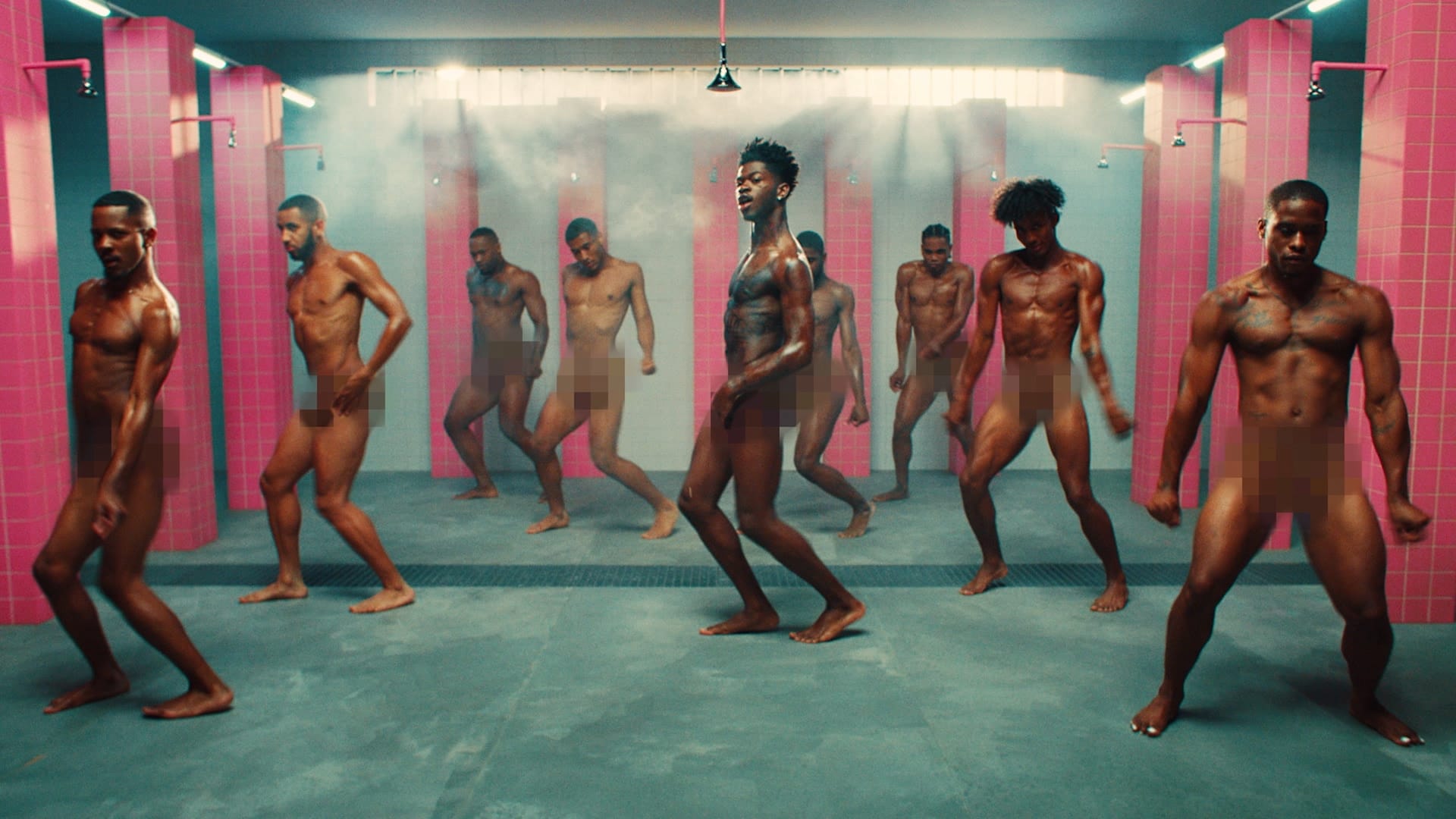
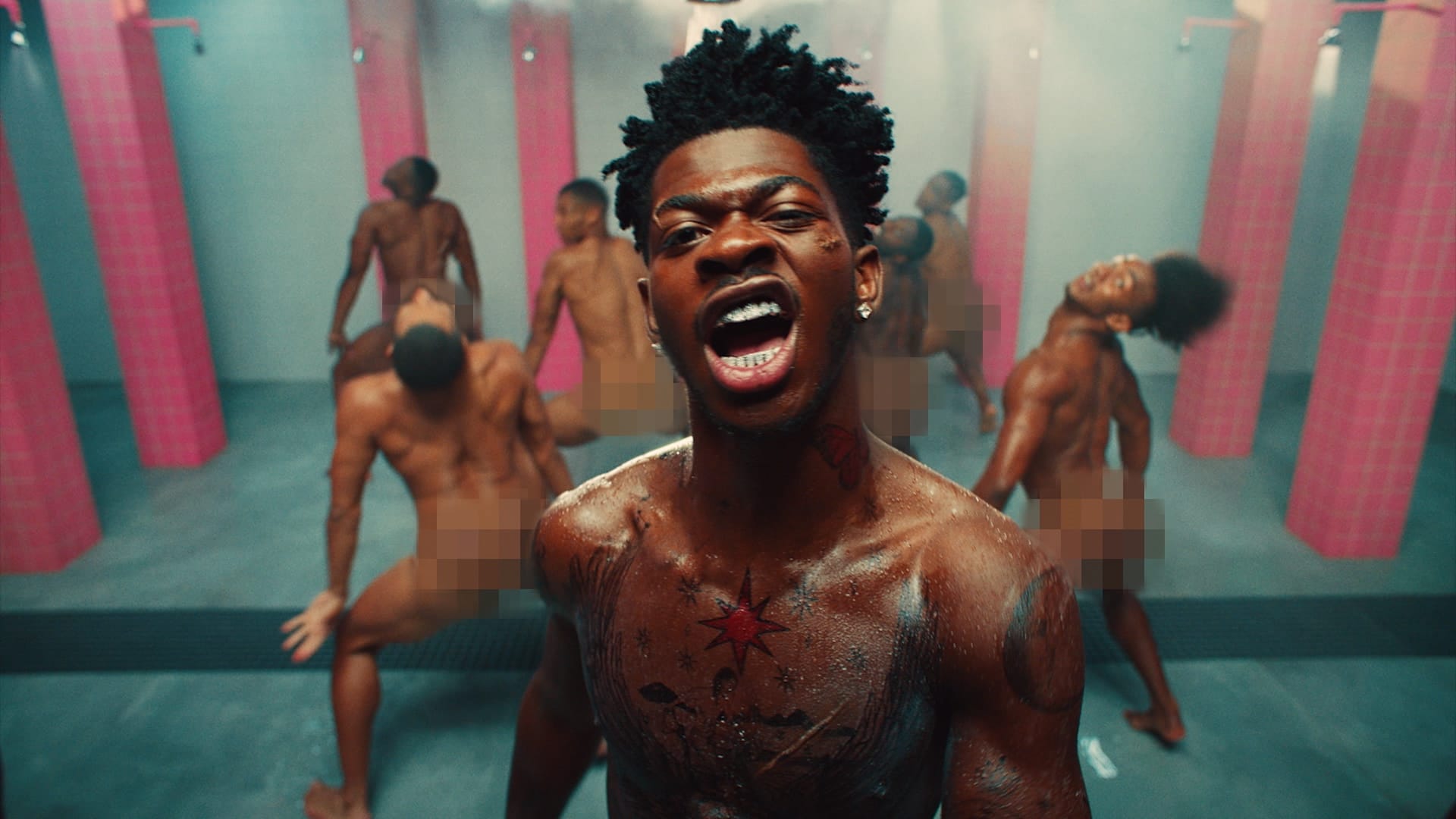
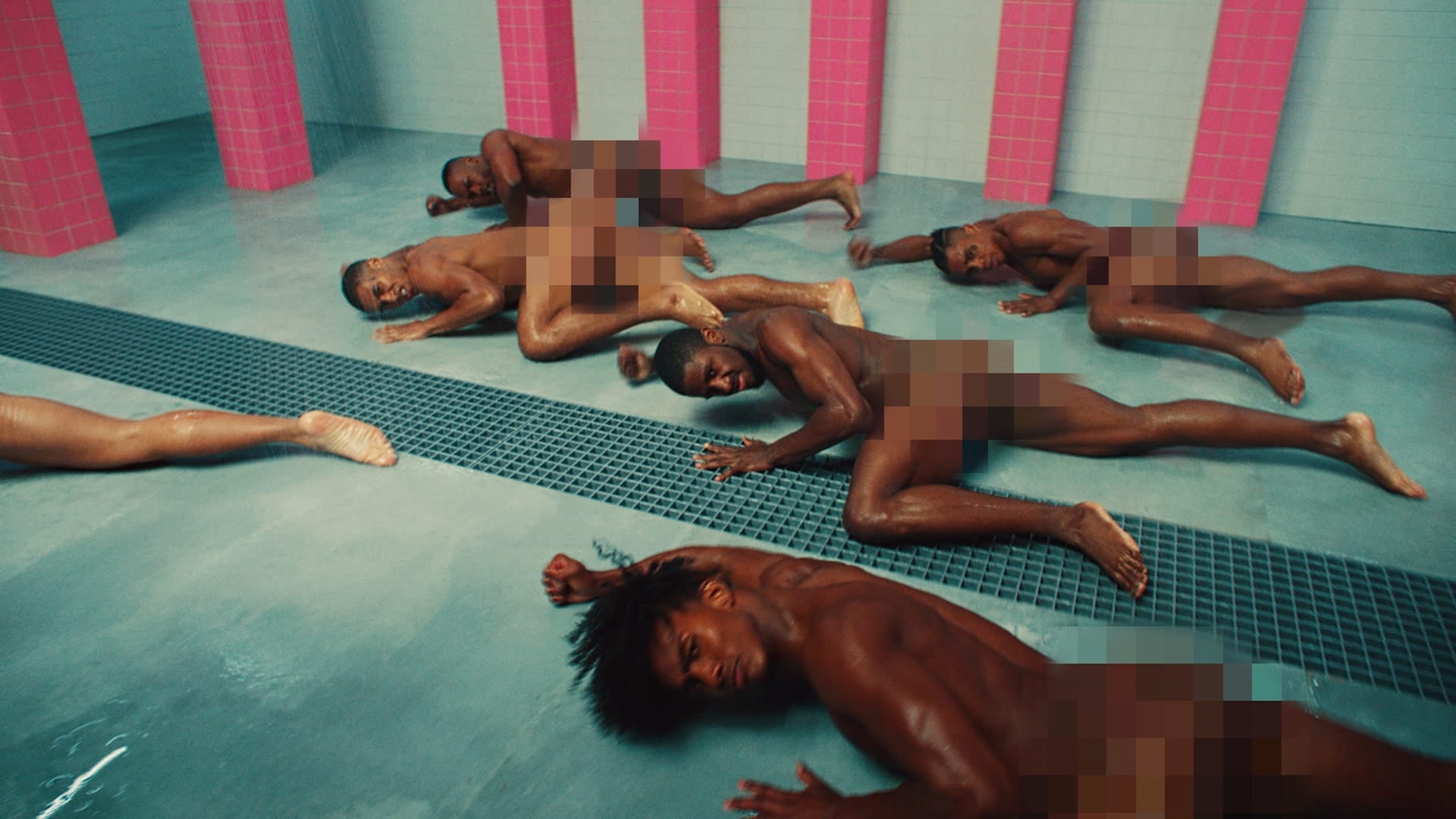
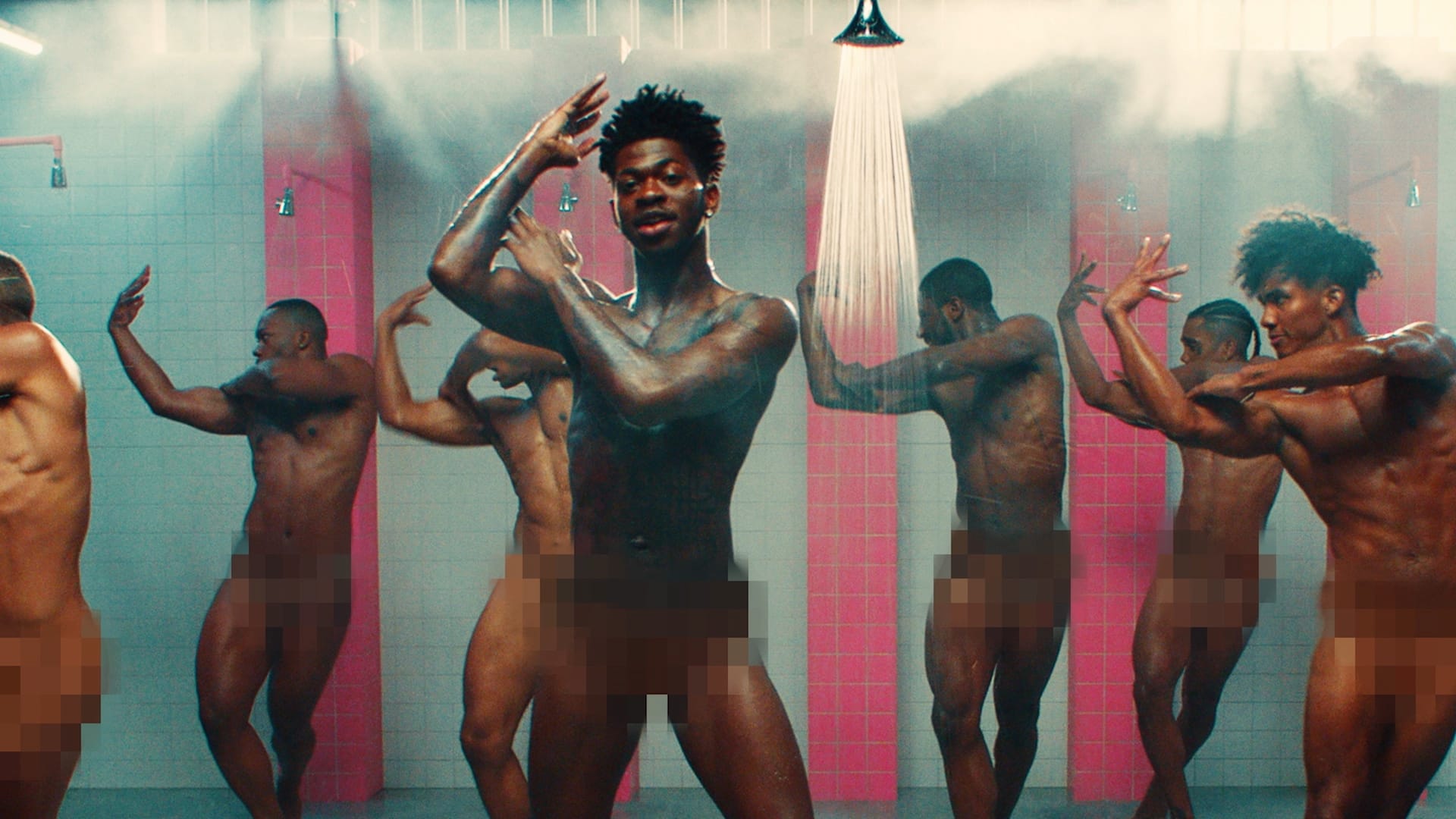
One of the iconic dance scenes in the shower for the music video "Industry Baby." | Photos courtesy Luis Caraza Peimbert | Impulsiva Stories
Till this day, it’s one of the most iconic dance scenes Caraza Peimbert has edited, which is part of a music video that’s quite well-structured thanks to Breslauer’s film direction. The musicality hits really well in the editing because of that.
“That’s how we did it. In the chorus: ‘I told you long ago.’ Those parts are dance. He’s [Lil Nas X] singing to the camera. Although, I think he’s always singing to the camera, but he’s dancing there and with the rest of the video, we’re telling a story about how he’s escaping prison,” Caraza Peimbert said.
Listen to Luis Caraza Peimbert
0:00
/17.165333
The musicality definitely comes from the dance itself, but visually, colors also play a strong role in it. The vibrant pink creates a really intense contrast with the grey of the prison. The choice of pink is quite representative of the video and its purpose.
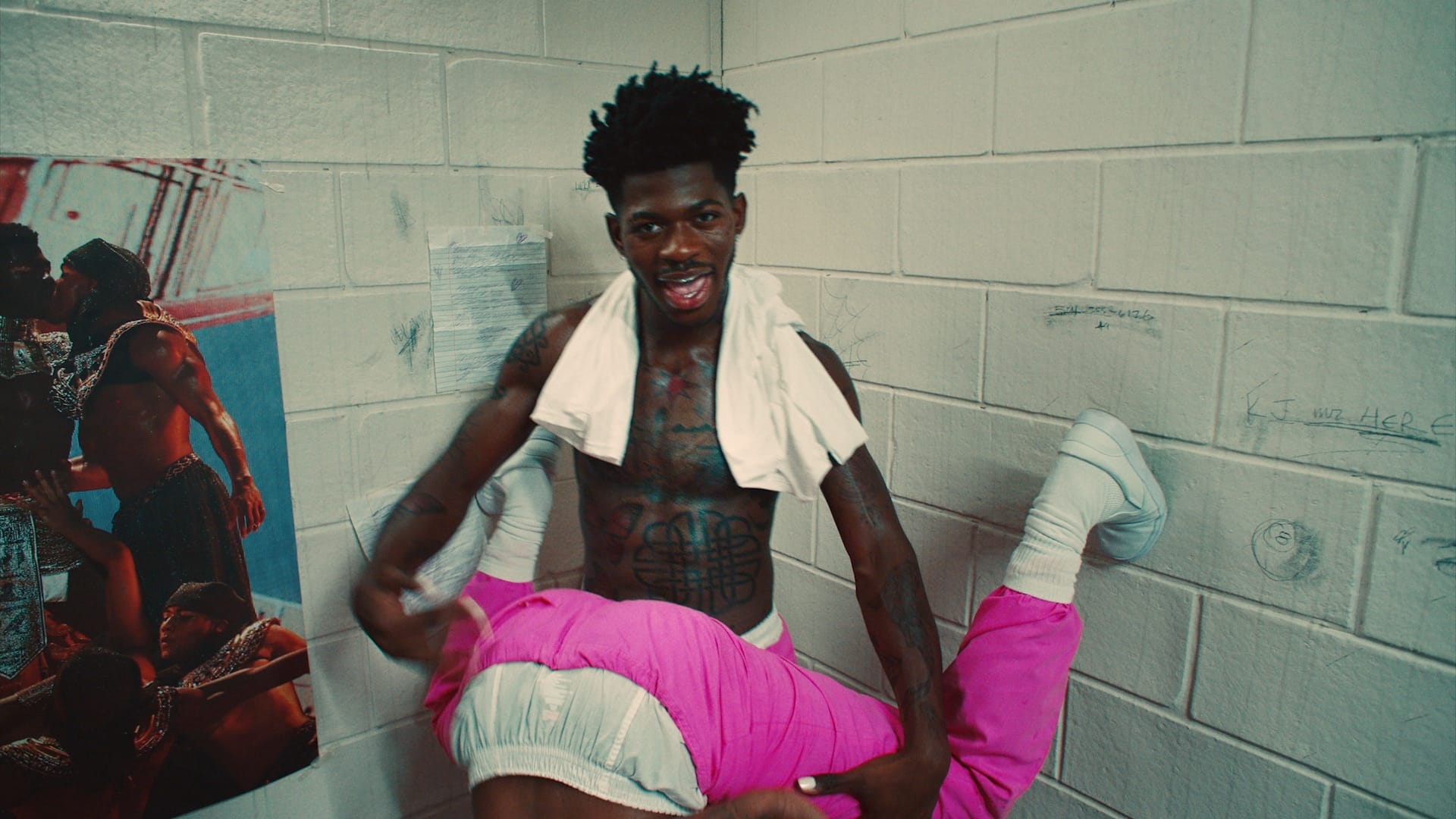
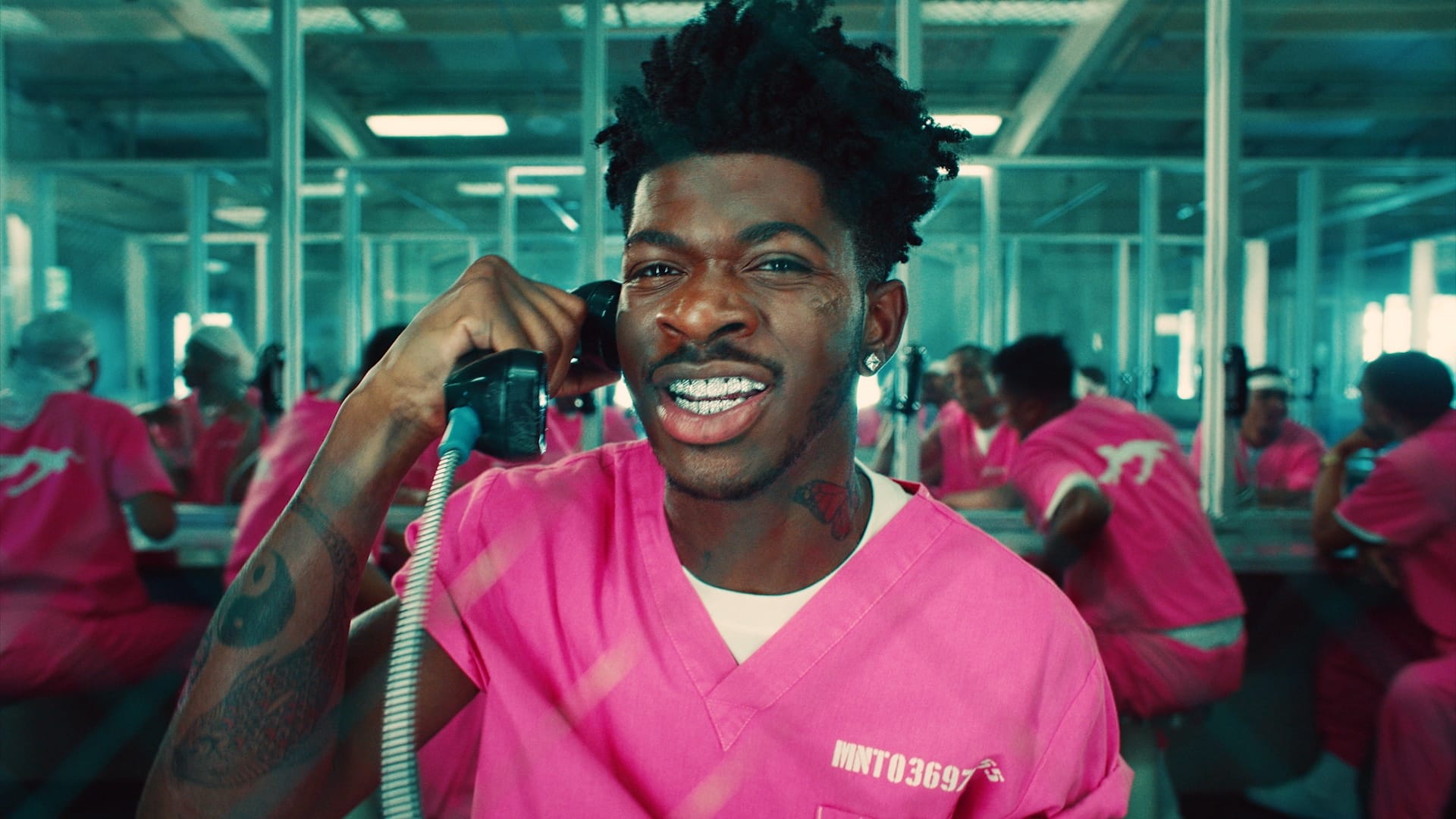
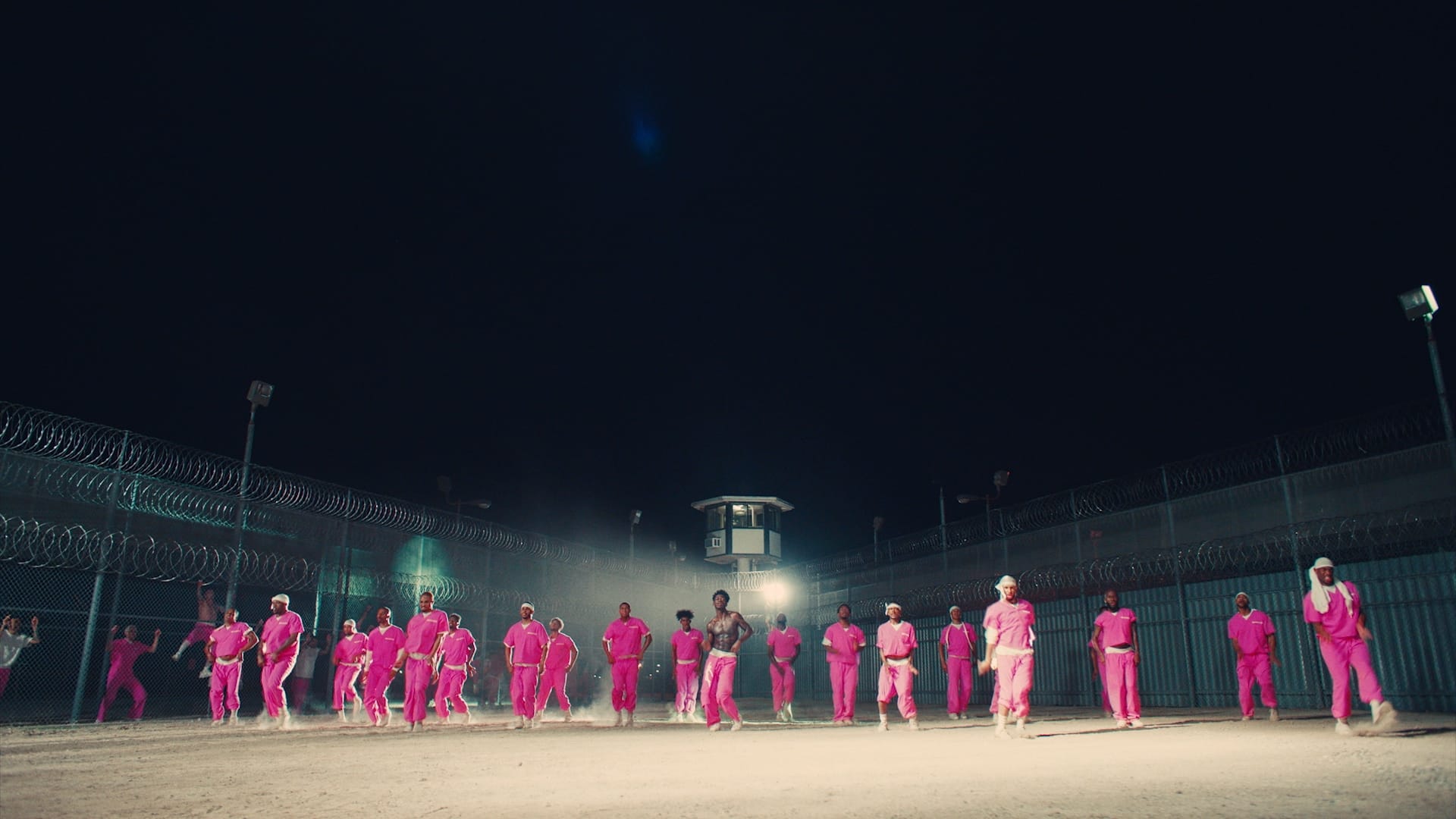
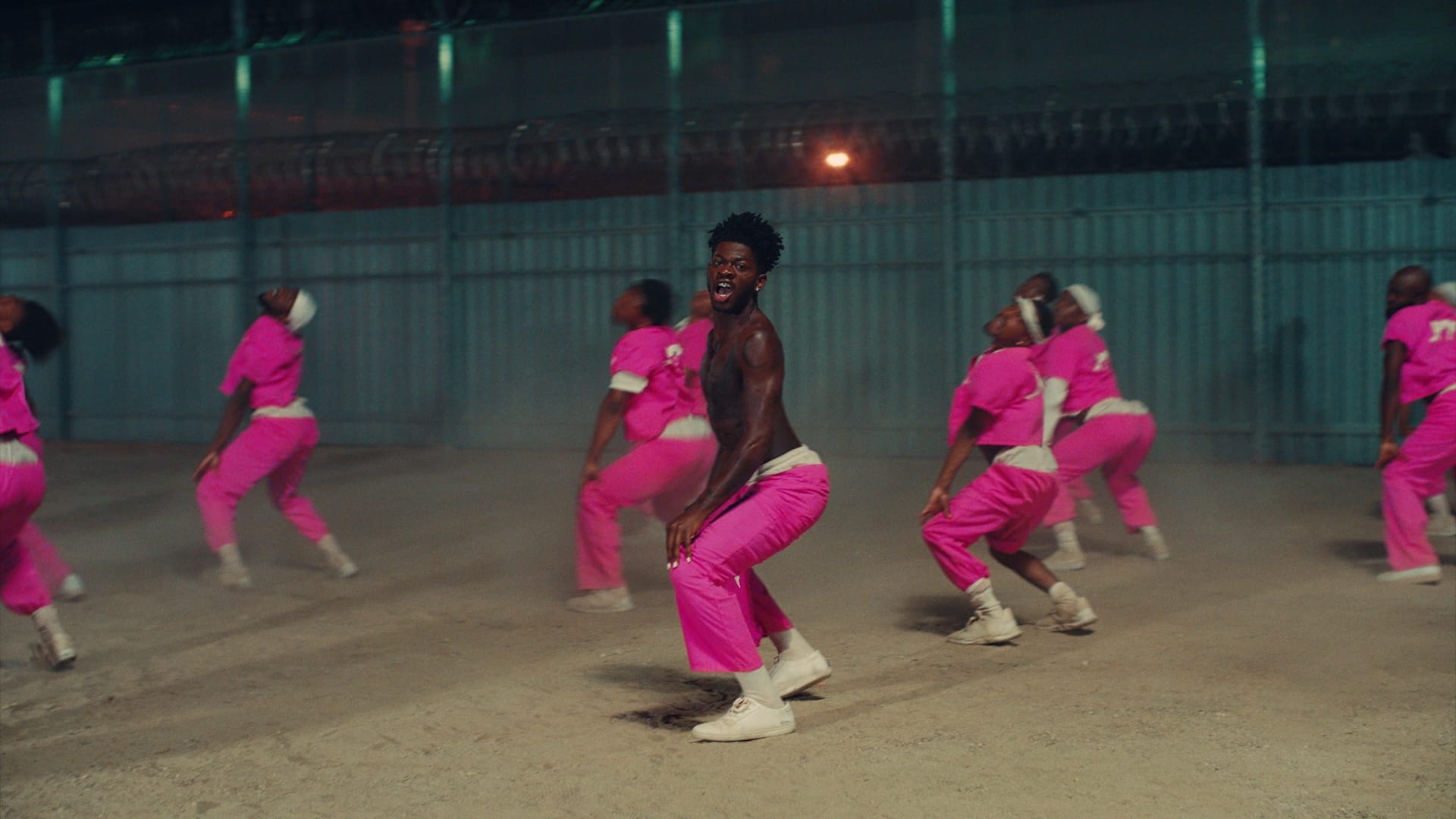
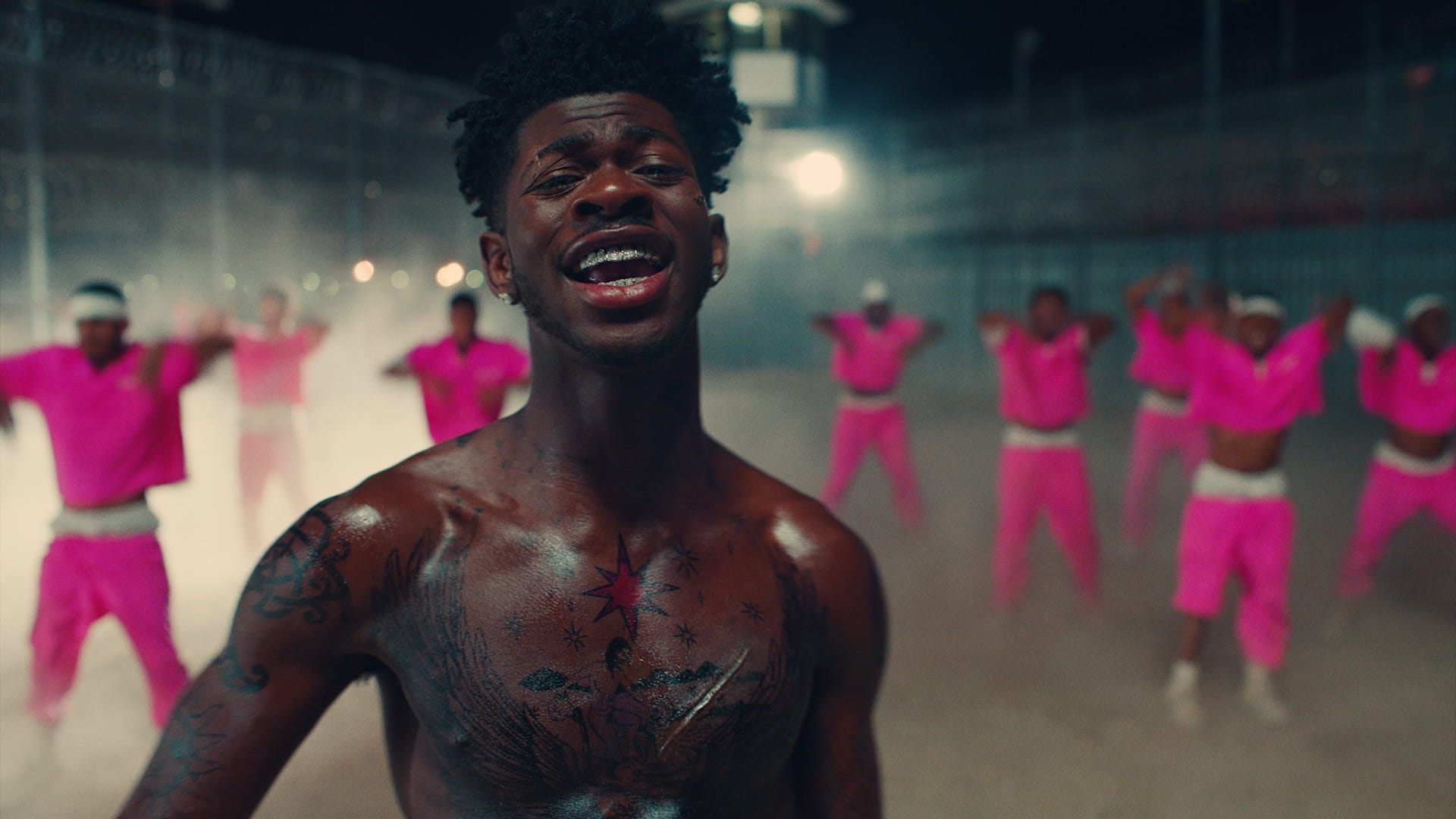
Stills from the dance scene in the prison's yard for the music video "Industry Baby." | Photos courtesy Luis Caraza Peimbert | Impulsiva Stories
It’s what stands out the most and makes its prison story unique, according to Caraza Peimbert.
“Shawshank Redemption is like the number one reference and here, the turning point is that it’s Shawshank Redemption, but completely gay,” Caraza Peimbert said. “It’s like: how can we take Shawshank Redemption to its gayest level? And it’s using pink. Using these dances. Using those semi-naked men.”
That’s why it is iconic and a strong statement piece. It’s no wonder it won three awards at the MTV Video Music Awards (VMAs) in 2022 for Best Collaboration, Best Art Direction, and Best Visual Effects and garnered a nomination for a Silver Entertainment Lion for Music at the 2022 Cannes Lions International Festival of Creativity.
An “Earthquake” of Feelings
As you can see, there’s also a thread of iconic dance scenes in Caraza Peimbert’s editing craft. One of the music videos with an amazing choreography was for the South Korean singer Jisoo’s song “Earthquake.” This one was also directed by Breslauer and the dance scenes were quite specific because of how k pop works.
He remembered they expected a lot from him with how the choreography was edited. Due to that, throughout the process, there were multiple versions, which Caraza Peimbert had to sit down with Breslauer to finalize the edits.
“Regarding dance, it’s simply about choosing what shots show the steps in the most impressive way. That’s the game with k pop and it’s a sensibility that I didn’t have that much before,” Caraza Peimbert said.
Listen to Luis Caraza Peimbert
0:00
/20.141333
Not only do the dance performances create a strong impact for the audience, but it's also the way in which Jisoo exists in two worlds in the music video. Caraza Peimbert mentioned Breslauer is really great at creating those two parallel narratives.
What allows the audience to distinguish between these two, is the use of sound design to create the “real world.” It’s an environment with sound effects that come from an office, a telephone ringing, a printer, people walking by, and papers.


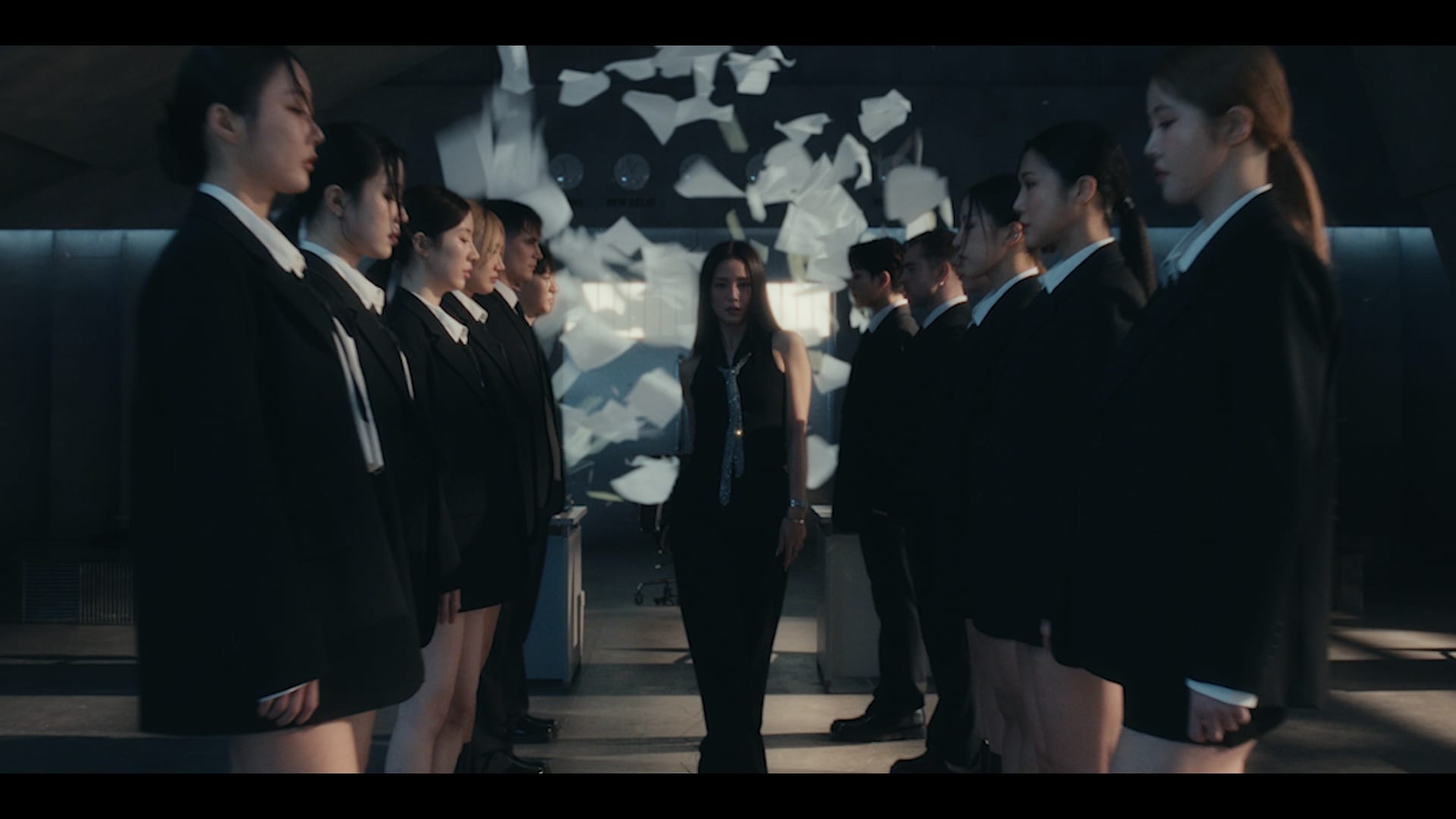

Stills from Jisoo's music video "Earthquake." | Photos courtesy Luis Caraza Peimbert | Impulsiva Stories
Then, the music comes in with a bit of different sound effects that carry a more fantastical or science fiction vibe. That, paired with the lie detector – that can also be interpreted as a seismograph – generates a sensation of tension for Jisoo. A tension between the real world and her fantasy world full of intense feelings for the guy she’s texting with.
The lie detector, merged with closeup shots generates an even stronger tension right before the song begins. It tells the audience that something is wrong and right when the song starts, the editing rhythm slows down a bit to ease up the tension.
The Double Life of the “Rookie of the Year”
And just as Jisoo’s “Earthquake” and Coyote’s “Intro” show two parallel worlds and narratives, the Puerto Rican rapper Young Miko’s music video for “Rookie of the Year,” does the same. This one was directed by the Puerto Rican film director Kacho López Mari, who recently said Caraza Peimbert is one of the world’s best music editors.
“It’s just like all of Kacho’s videos. Incredible shots. Well, this one was different because he surprised me with analog film. He filmed with sixteen millimeters. So, it had digital and analog footage. The idea was to also show, just like Jisoo, these sensation of two worlds,” Caraza Peimbert said.
They simultaneously portray her human reality where she’s playing video games with her friends and her artist life where she’s doing a photo shoot or music video. There are a few details about the life of going from concert to concert and the pressure that comes with it.
Here, what works to create the distinction between both worlds are the digital and analog formats.
Besides the technical visual distinction, the editing follows the musical patterns of the song. When there’s a pause or the rhythms slows down, Young Miko is inside a limousine while her two selves are moving around. The two realities are captured visually and differentiated because of the clothes she’s wearing, but it’s also the division of the video’s structure.
“The video goes from being a lifestyle video as a day in the life of Miko, to all of a sudden, a music video. We start using the tropes of a music video. There starts to be b roll and performance. It’s not only b roll. It’s not so narrative,” Caraza Peimbert said. “We play with that musical change with the visuals.”
0:00
/0:02
An impressive edit by Luis Caraza Peimbert portraying the double life of Young Miko in her music video "Rookie of the Year." | Video courtesy Luis Caraza Peimbert | Impulsiva Stories
The double lives and narratives are part of the marvelous musicality behind his editing. It’s editing in the form of art because of the feelings and emotions it evokes in the spectator. But it’s also an art that takes the audience through raw cuts, diverse realities, emblematic dance performances, and global cultural defining moments.
It’s also editing that speaks about the artists’ humanity in different scenarios while giving their songs a physical body.
“It’s like that process of giving a visual voice to the music. Or giving it a body. It’s more about giving music a physical body,” Caraza Peimbert said.
To learn more about Luis Caraza Peimbert’s musicality in his editing, you can follow him on Instagram at @luiscarazapeimbert. Stay tuned next week for PART II, where we’ll explore how Luis Caraza Peimbert gives a physical body to music through his editing.
Written by

Subscribe to my newsletter
Subscribe to my newsletter to get the latest updates and news