Wainer Méndez PART I
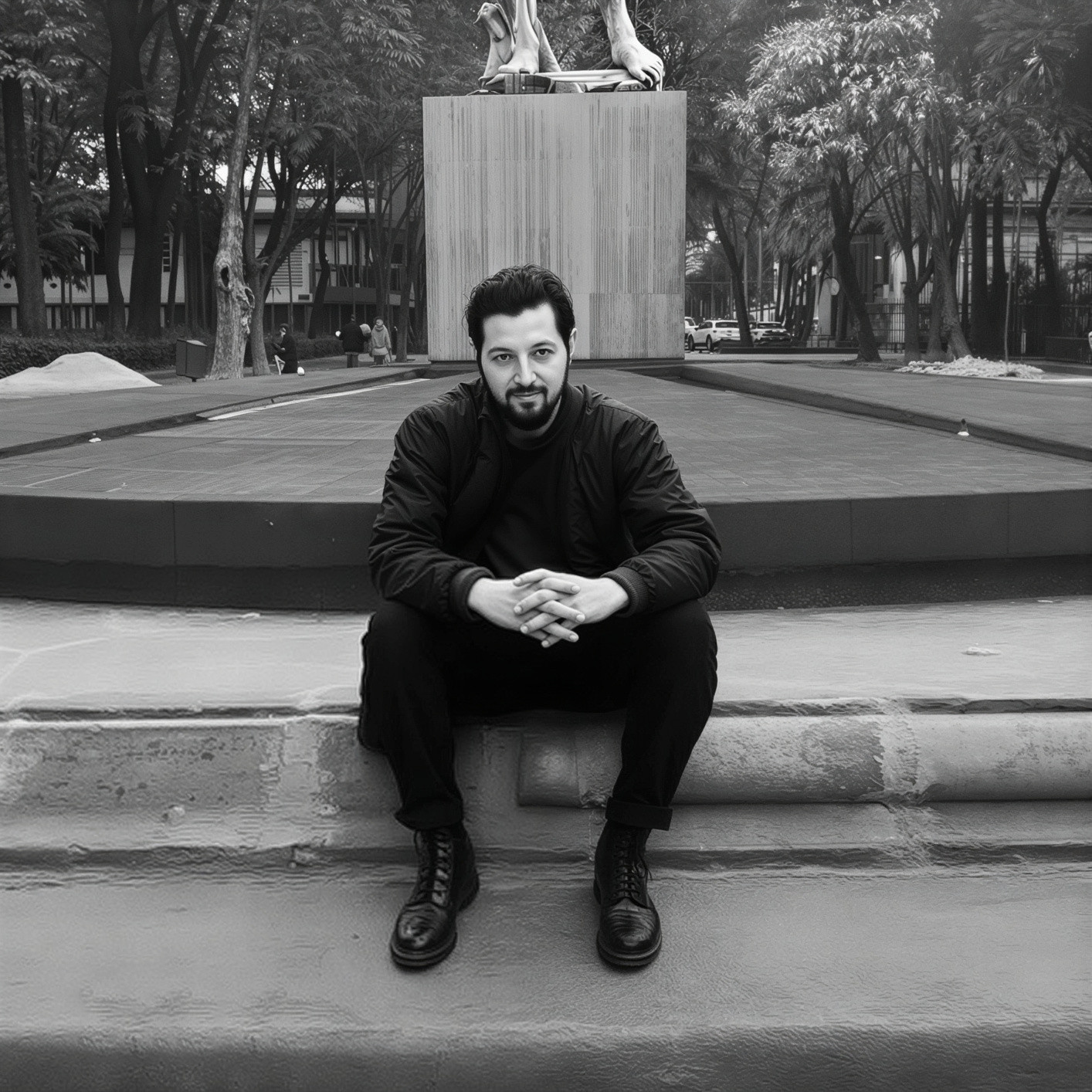
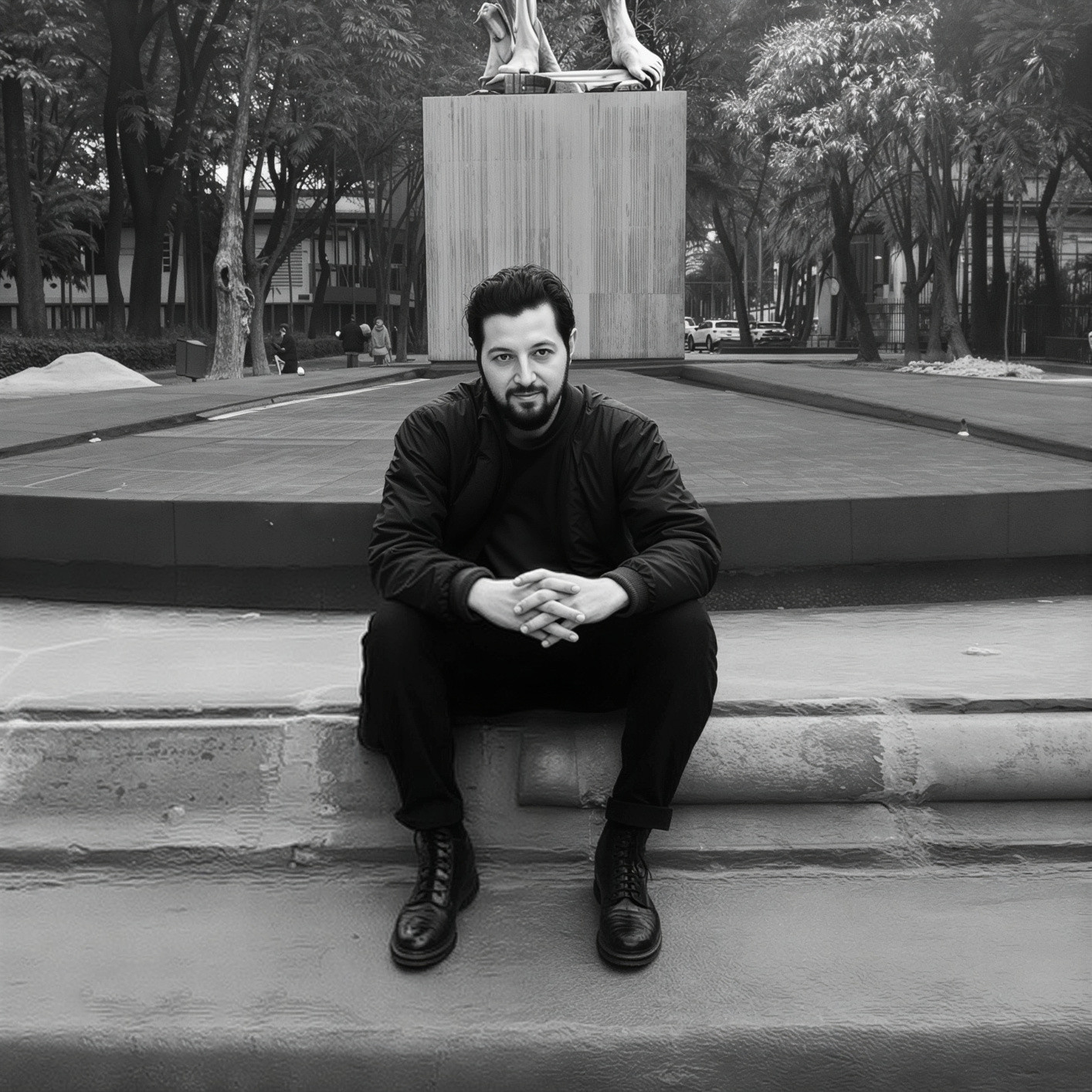
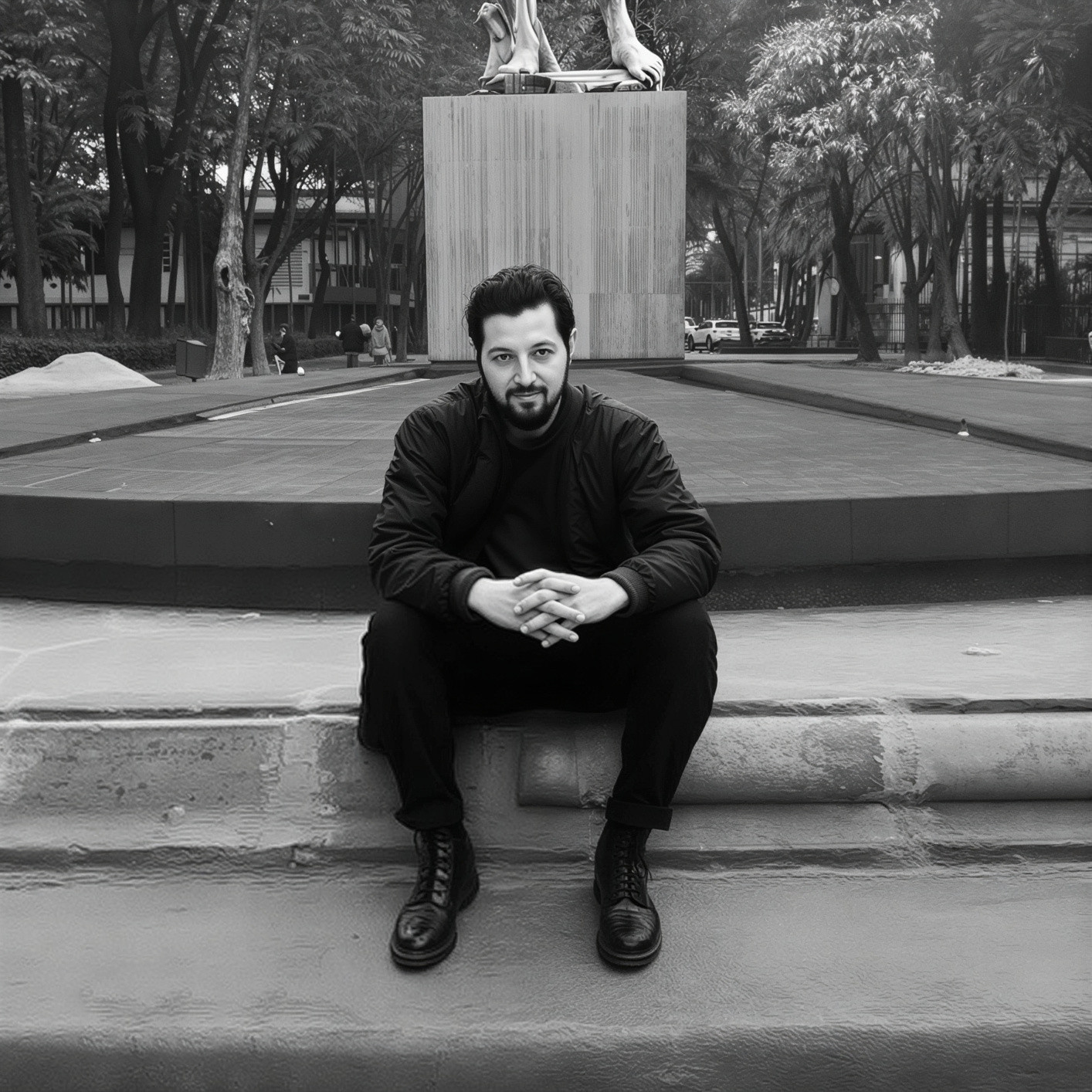
The Costa Rican film director Wainer Méndez honors tradition and community in his film "Dama de las mil máscaras."
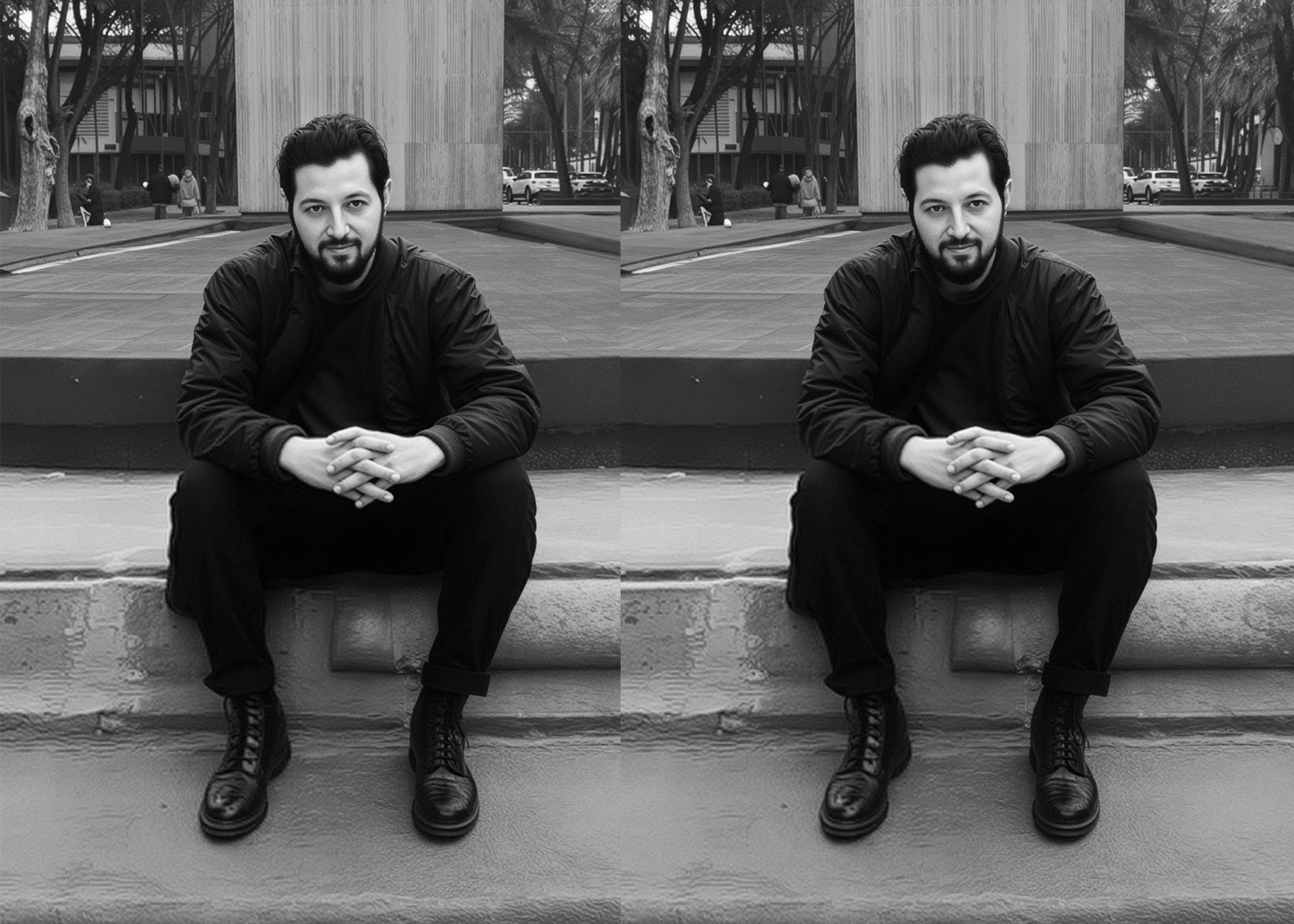
PART I: Wainer Méndez’s Costa Rican Community Filmmaking
Wainer Méndez is a firm believer that you don’t choose in which areas you’ll develop your abilities and capabilities. For him, it’s mostly about experimenting in the different professional fields he finds his way through in life. It’s always about learning and following a path that aligns with his stances on life and the purpose behind the stories he tells.
That’s why the Costa Rican award-winning self-taught film director and artist first studied sociology and was then trained in communication. For a long time, he worked at the University of Costa Rica (UCR)’s Vice Rectory of Social Action Office writing press releases and articles. While working there, he started developing a sensibility for social processes and began understanding the audiovisual speech as a communication strategy.
“I was given the opportunity to embark on another path, which was radio. I worked there for four or five years with political and musical programs. We did sketches and radio theater,” Méndez said. “It was a learning experience and then, I had this idea of constructing stories with images and sounds.”
That was the beginning of a new adventure into filmmaking. A new adventure where sociology, communication, filmmaking, and art share a very strong relationship. Méndez mostly finds that the research methods for sociology have a lot in common with the cinematographic participatory approaches.
It’s a different methodology from mainstream commercial and academic cinema. It’s about understanding the construction processes for films where identity is at its core. It’s also a reflexive process for those who are creating it while understanding that it’s an alternative way to build a movie.
Don't Forget to Subscribe to The Story of The Story
For only $16 a month, every Friday you'll have exclusive access to
The Story of The Story. Our founder, the Costa Rican award-winning multimedia journalist and artist Elizabeth Lang, guides you through her creative process to produce her stories.
That’s why Méndez has been focusing on this type of community filmmaking since 2012. He’s been through a journey in which creating in a self-taught manner allows him to freely experiment when telling stories on the big screen. It’s crafted from an artisanal perspective and with very few economic resources at hand.
“There are a lot of types of knowledges and many different people. And all of those types of knowledges are equally valid as mine and therefore, a project can nourish itself from all these types of knowledges,” Méndez said.
Listen to Wainer Méndez
0:00
/38.021333
Through this knowledge exchange, Méndez has been on an ongoing passionate pursuit of creating and directing community filmmaking. It’s a type of cinema where many people coexist together and share a reality.
Then, they decide to embark on a cinematographic project through a dialogue between the different visions of the people participating in the creative process, whether they're people with the technical knowledge behind the cameras or the people from the community.
That human interaction simply strengthens the story’s narrative and the understanding of the shared reality they want to capture in a fiction or documentary film.
Film as a Mirror
But to understand better this type of filmmaking, we must first get a grasp of how Méndez defines film and art in general.
“Filmmaking is a huge screen. One that’s actually a mirror where we look at ourselves. We question ourselves. At the same time, through filmmaking, we can reflect about who we are, where we’re going, and I think the most important [thing] is to generate that identity and that connection with the people we work with,” Méndez said.
Listen to Wainer Méndez
0:00
/21.245333
It’s of utmost importance for Méndez to focus on the community while creating his filmmaking, but it’s also art. He thinks art is the most authentic expression in which an artist has to put their skin and leather out there into the world. It’s also about understanding that an audience will receive the films in an almost voluntary and ceremonial manner.
A spectator takes one or two hours of their time to sit down at the movie theater and completely focus on the story. They completely focus on seeing themselves in the mirror that the giant screen represents.
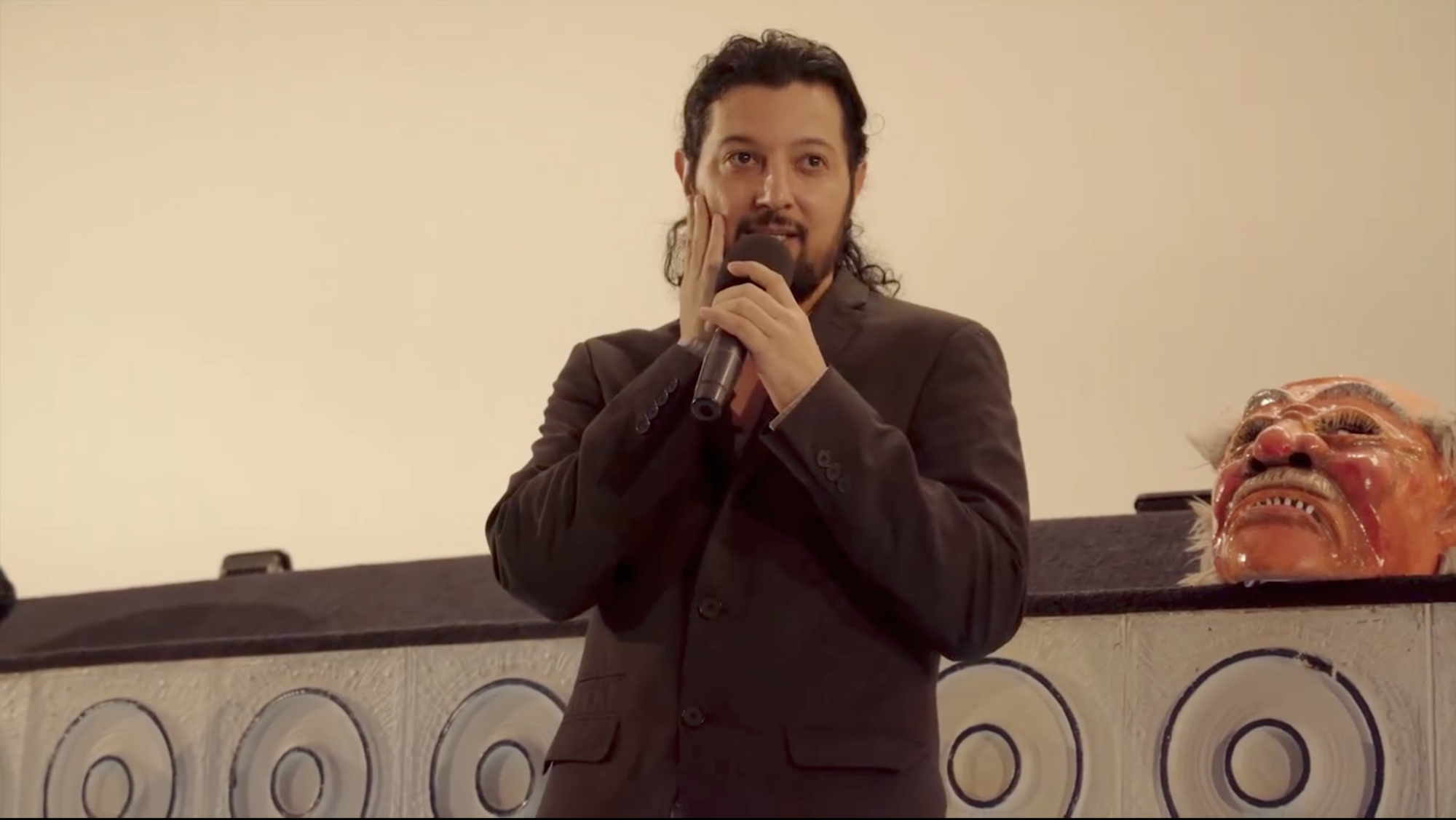
He believes that if film didn’t move us so much, we wouldn’t laugh or cry watching a movie. So, in that sense, it’s a great responsibility for him to create in this way and even more so in the times we’re living in right now.
“In filmmaking we find that light we need. Especially in these very grave times for humanity, there aren’t other ways to react. I think filmmaking has that responsibility, which can be light and depending on how you take that responsibility, it can be something that transforms lives,” Méndez said.
Listen to Wainer Méndez
0:00
/35.669333
It can transform lives for good or bad because there’s power in what is shown on the big screen. There’s power in the stories that connect on a deeper human level with the audience. There’s power in bringing light to people who change their own communities through their hard work in keeping alive a Costa Rican tradition.
The Dama Who Keeps a Tradition Alive
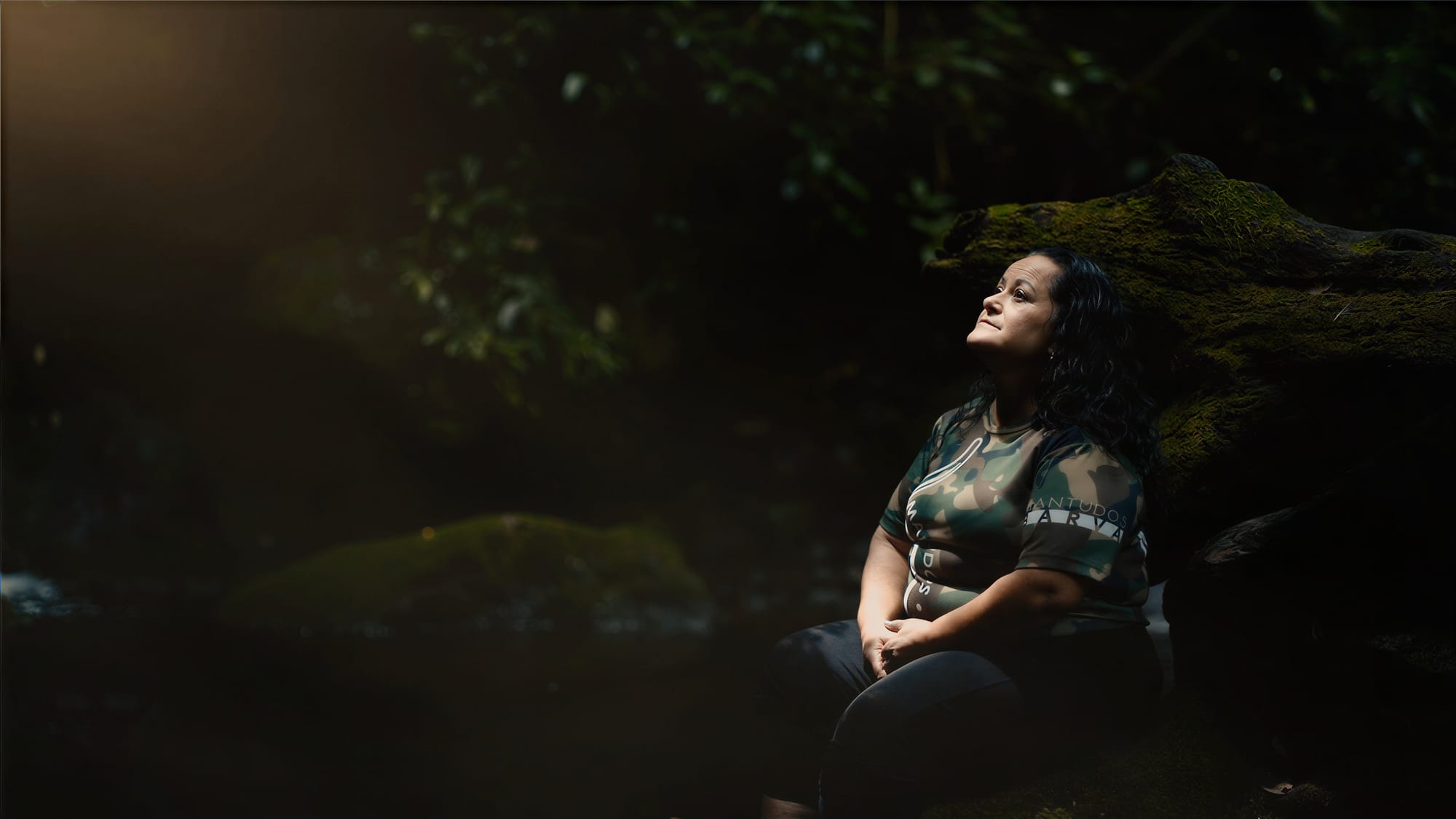
That’s mainly what Méndez did with his latest documentary “Dama da las mil máscaras” and its protagonist Damaris González. Everything began from the fundamental idea of telling the story of a woman who has been on a lifelong fight and resistance for the creation of Costa Rican mascaradas. A lifelong fight in a space, art, and craftsmanship that has been extremely dominated by men.
She’s known to be the first mascarera woman in Costa Rica and in her hometown of Barva in the province of Heredia.
“She’s not only a mujer mascarera, but she’s also a female leader in the community who has a lot of respect. She’s won it through her work and her love for a tradition. So, I thought it was fundamental to tell a story about this character,” Méndez said. “And it’s not a story only about a character. It’s a film about the town of Barva and the masquerade tradition.”
Listen to Wainer Méndez
0:00
/29.573333
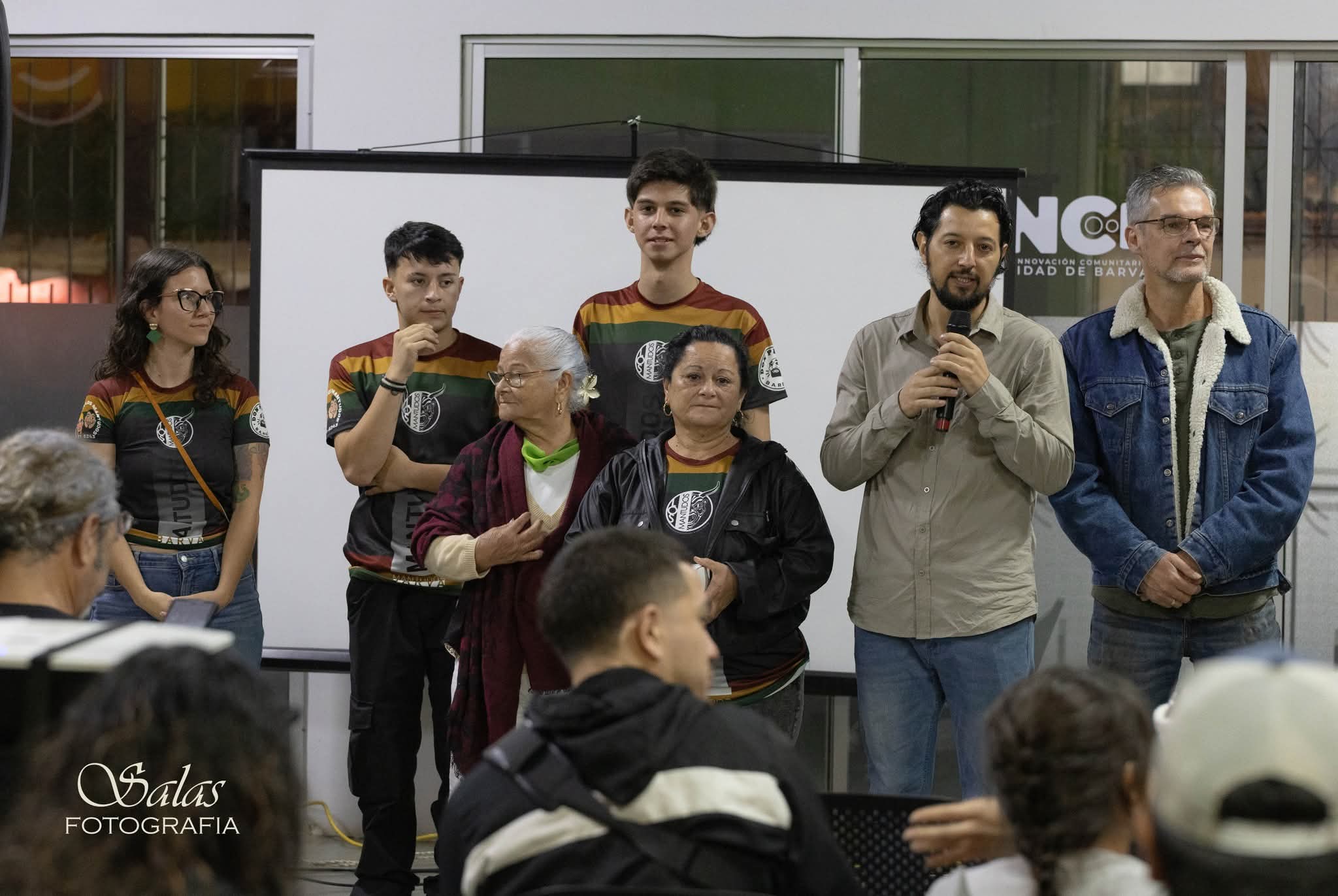
Méndez wanted to tell this story from her eyes and perspective, which created a one-year-long process between him and Damaris. A process where collaboration was a must, which began with Méndez going to her workshop to document everything she does.
He started seeing and appreciating her craft, which later on transformed into a friendship between them. They began talking about making the documentary and thinking of how they’d like it to be.
Once those initial steps were set, they began filming and doing the interviews because it’s not only about her. It’s about the people from Barva, so they first did a workshop in the community, focused on an identity reflection. Lots of people from all ages went to the event and it was centered on understanding themselves as Barveños. As people who carry that tradition in their being and where they’re going.
So, they did a tree. The branches and leaves represented what they want. The tree’s trunk represented the strongest part: the tradition. The solid base of who they are and where they’re at in the present. The roots represented the past.
“To know our present, we have to know what’s behind our tradition and from there, we started generating certain narrative guidelines of the story,” Méndez said. “Then, we did another very interesting workshop that was mostly about the practice of making the masks.”
Listen to Wainer Méndez
0:00
/21.101333
For this other workshop, various young people and children from the community joined Damaris to keep developing the masquerade creation. She asked Méndez to keep documenting the process because part of the story is centered on being able to see how a mask is crafted from zero.
The audience is taken through the process of selecting the clay in the river, gathering the paper to glue on top of the clay mold, painting it, creating some of the dresses for the mask (if needed), doing the final details, and then going out on the streets to dance and celebrate with the masks.
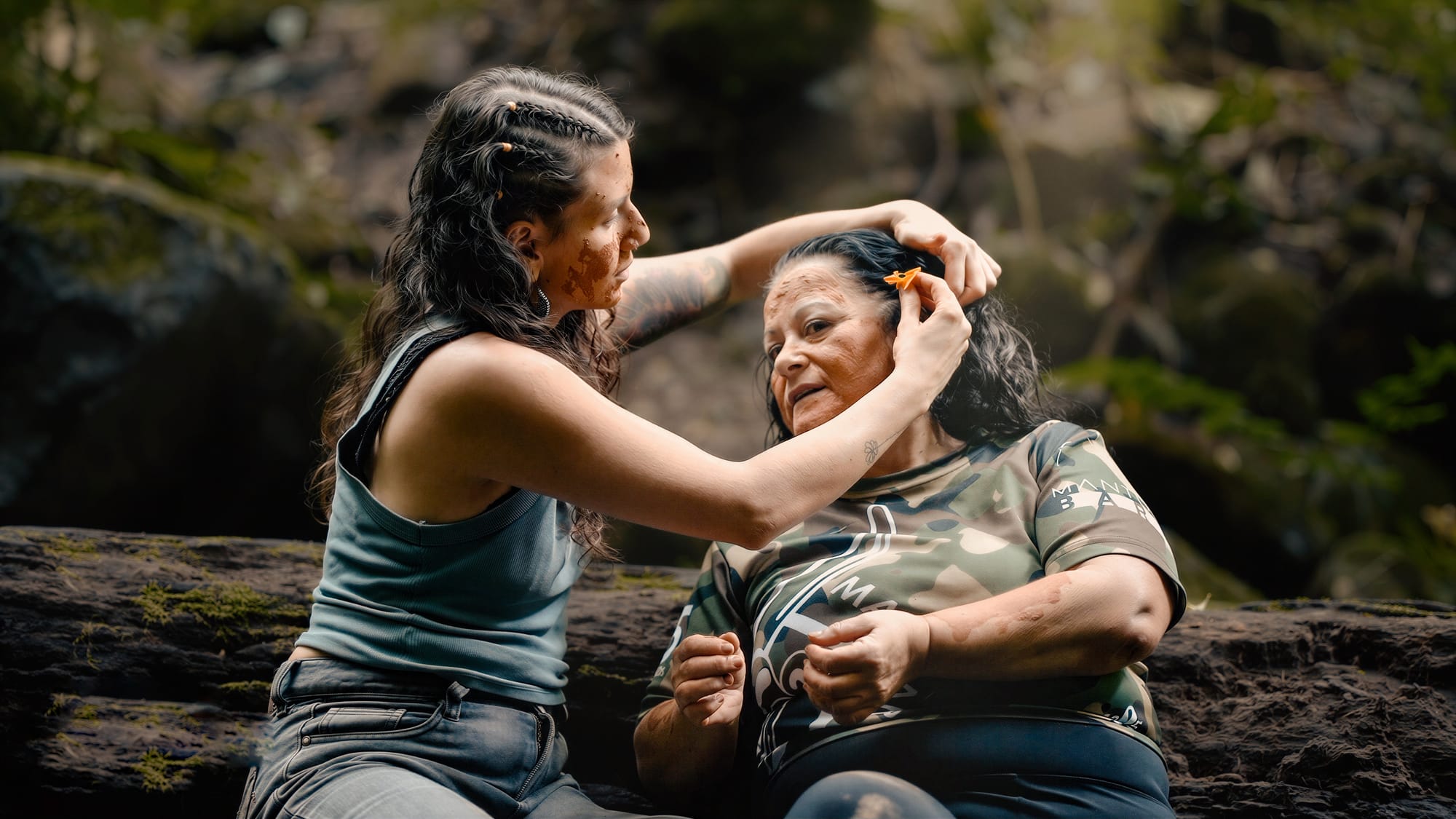
It was a very personal process that Méndez shared with Damaris in understanding her constant battles to continue a very important tradition in Barva and Costa Rica. It was about understanding her as a character and human being who’s fought and worked her way up to where she’s at right now. How she’s been on a lifelong resistance and how she shares her knowledge with other women mascareras.
The People Around Dama
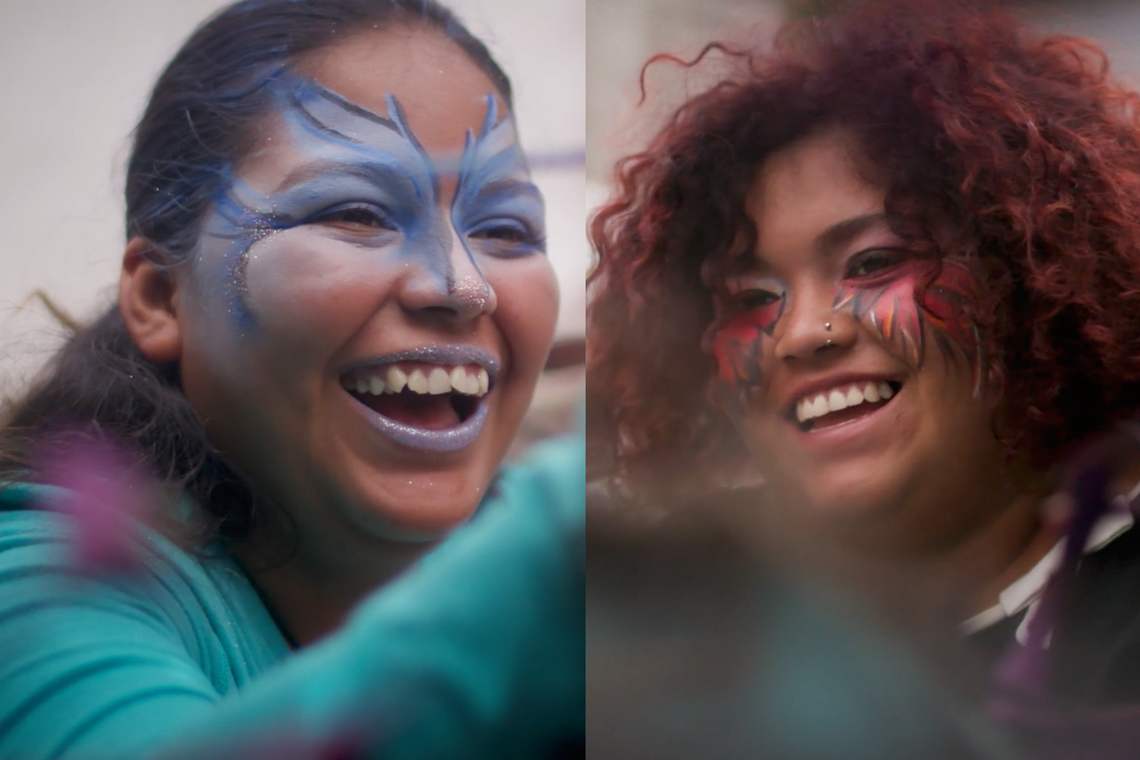
That’s why as you watch “Dama de las mil máscaras,” you notice other characters coming through. You see Danny Lara Hidalgo, Karen Álvarez Zárate, and Damaris’s son Aramis Paniagua González. These are people who are special both for Damaris and Barva and who also play a crucial role in the narrative of the film.
While Damaris speaks about her experience, she’s guiding the audience through the concept of how a mask is conformed and what it means to the community. To portray the idea of the masks in a clearer manner, these other interviewees add a stronger and more robust perspective to the story.
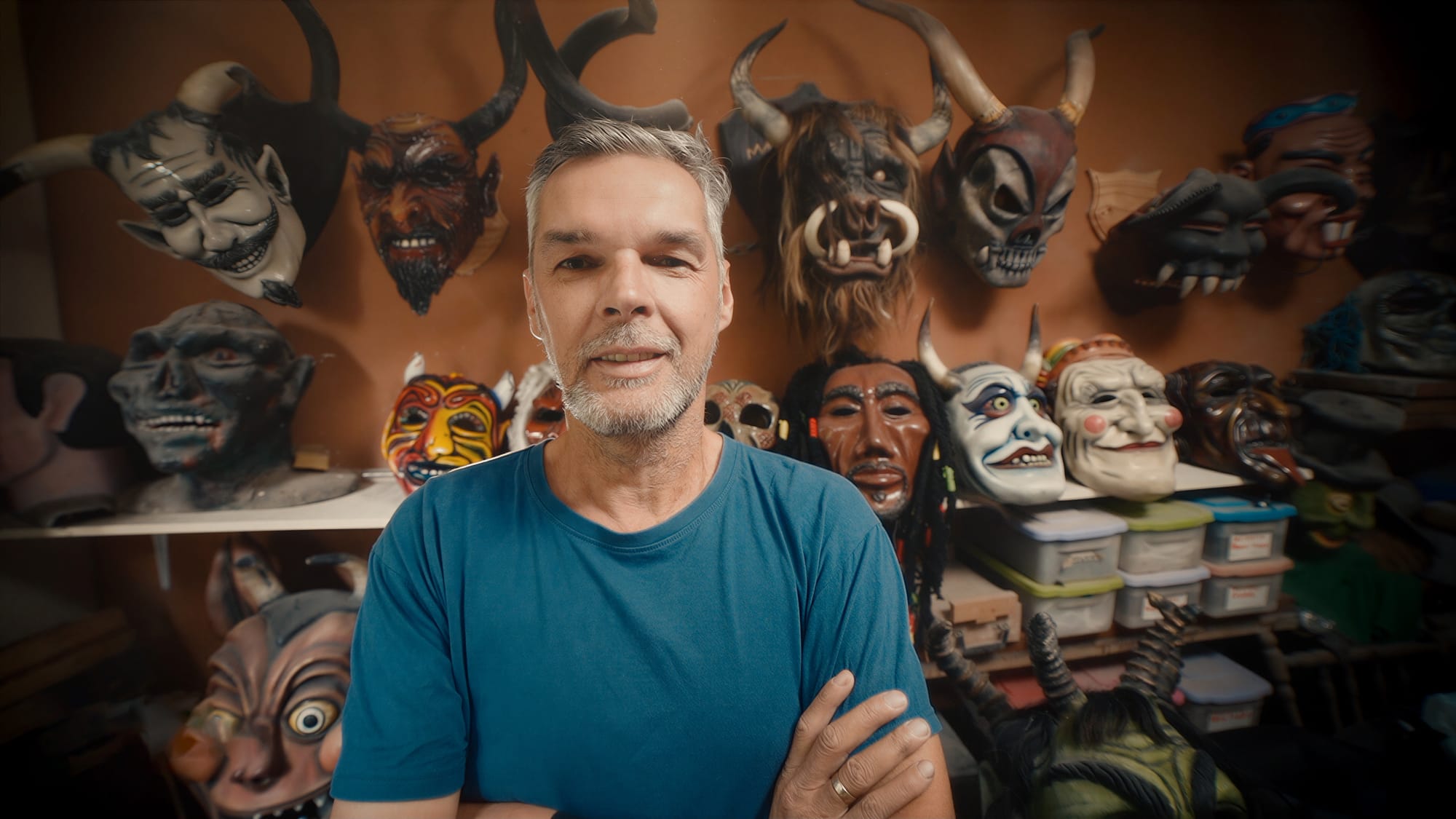
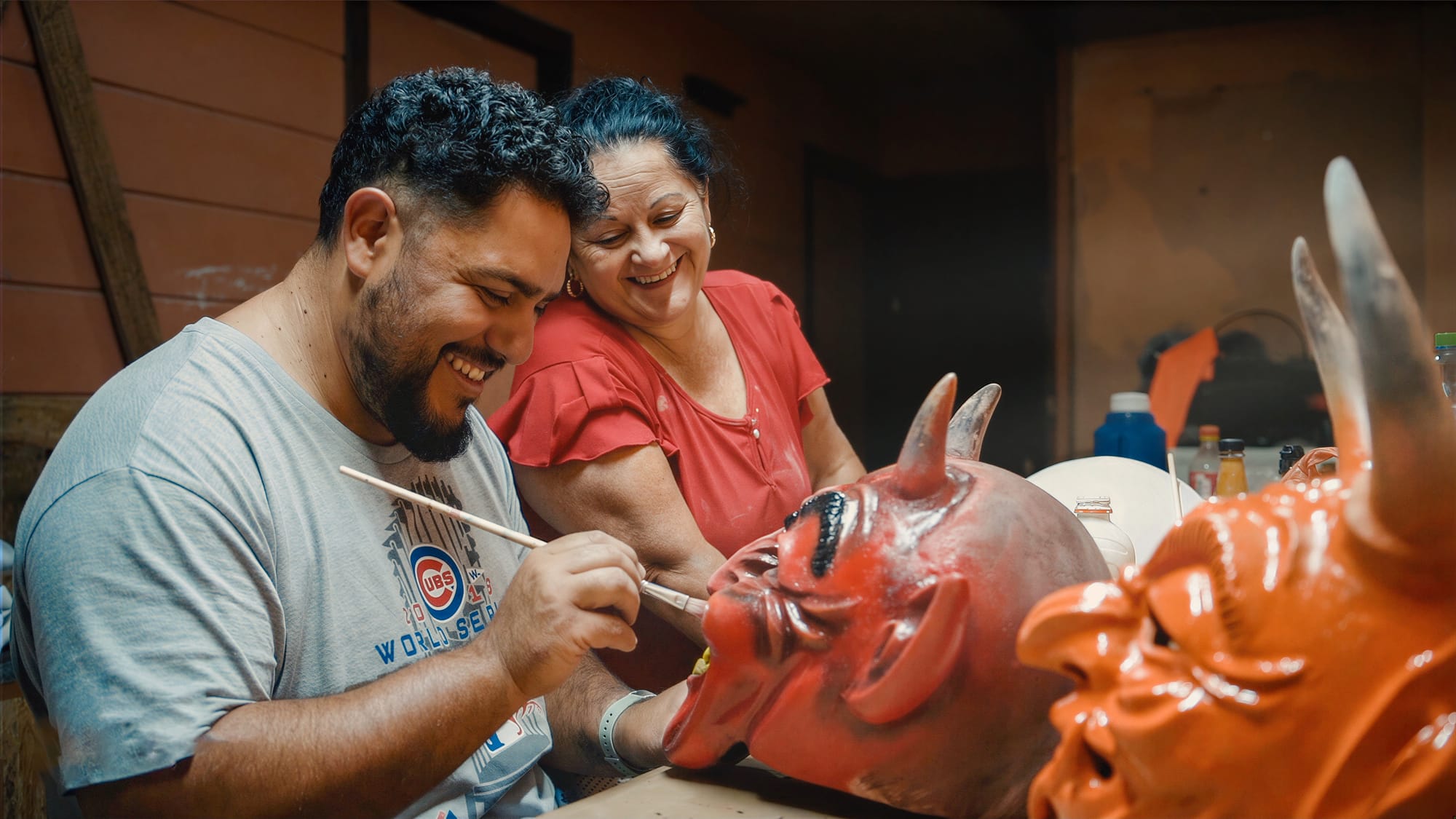
Danny Hidalgo Lara (left) and Damaris González with her son Aramis Paniagua González (right). | Photos courtesy of Wainer Méndez. | Impulsiva Stories
They’re all mascareros and mascareras as well. And they add more substance to the documentary by speaking from their experiences while explaining the tradition of the masquerades through the craft with their hands.
This required Méndez to visit each one of the artists to film their day-to-day at their workshops making their masks. He went into their environments, which helped him generate a dialogue with the spectator in understanding which are the forms to create a mask, how to dance with it, and what they mean at the street parties of Barva.
“Also, about the political fights around the parties. It’s also very interesting to see how they fight and sustain this tradition. So, it’s been fundamental for the other people around Damaris to make that contribution to give us that context about the world where the mascarera unfolds,” Méndez said.
The concept of the masks is clearly explained through the artists who craft them, but the masks themselves come to life throughout the documentary. They become another main character in the story. They speak to you with their wild expressions.
At some point, they even scare you a bit because of their faces, but when you stare back at them, you know there’s life there. They’re not simple objects only meant to be worn. They’re not simple national symbols in Costa Rica.
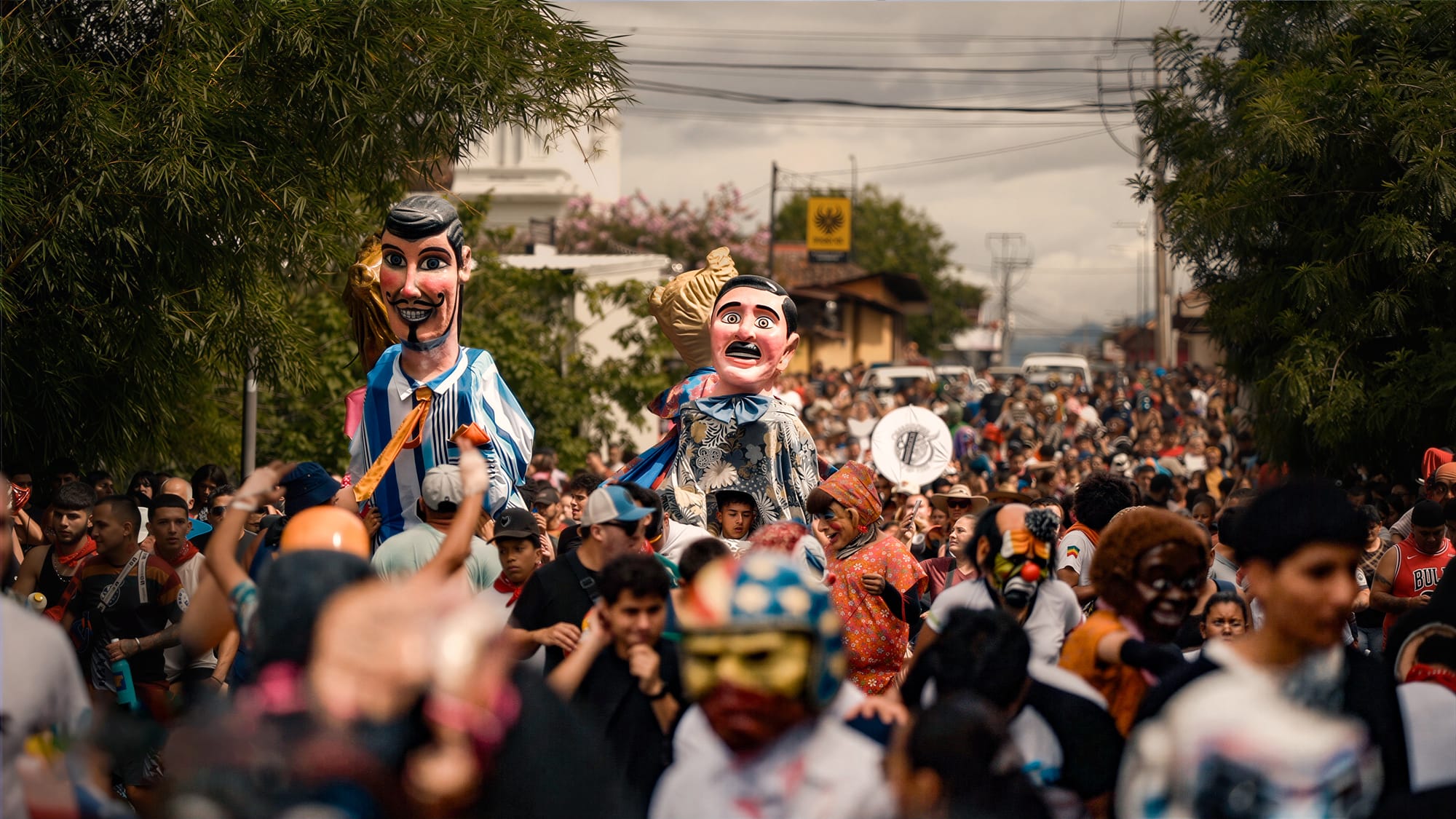
They’re their own being and come to life throughout the crafting process. They come to life when Damaris and her mother design the dresses and costumes that accompany them as a whole. They come to life with the pigs’ bladders when they’re inflated and carried around the streets.
The processes speak loudly and the audience is accompanying Damaris, her colleagues, friends, and family to get to the end line: the street parties. The celebrations. There’s a sense of culmination for the audience because everything makes sense in the end.
“Everything is coming together for something important and the most important thing is the unity of the town. The unity of the people. The collective celebration. The ecstasy. The effervescence. The party,” Méndez said.
Listen to Wainer Méndez
0:00
/30.269333
That celebration and unity is one of the most important parts of the documentary for Méndez. It’s the harvest of the work they did together during a year. It’s also the result of the respect for the craft of a Costa Rican tradition that’s been kept alive since colonial times.
It’s the result of an enduring Costa Rican identity that Damaris has been fighting for and resisting to keep alive in spite of the personal and community challenges she’s faced.
It’s also the result of Méndez carefully working with Damaris to showcase this vibrant sentiment and culture to an audience through his Costa Rican community filmmaking. And most importantly, it’s about Costa Rica.
“There are certain small Costa Ricas that people know nothing about. Many times, Costa Rica is what’s shown on television or social media, but Costa Rica is enormous,” Méndez said. “Even though it’s a very small country, there’s a very big diversity and culture.”
To learn more about Wainer Méndez’s Costa Rican community filmmaking, you can follow him on Instagram at @wainer_mendez or @arajo_films. Stay tuned next week for PART II, where we’ll learn about Wainer Méndez’s filmmaking with Costa Rican identity.
Written by

Subscribe to my newsletter
Subscribe to my newsletter to get the latest updates and news