Comparsa PART II
The documentary film "Comparsa" speaks about violence against women through the gentle use of art.
PART II: Comparsa Explores Guatemalan Social Issues Through Art
To read this story in Spanish, click here.
In PART I, we explored “Comparsa’s” cultural exchange. Now, we’ll dive deep into how the documentary feature film explores Guatemalan complex social issues such as violence against women and femicides through art. Remember, “Comparsa’s” co-director Vickie Curtis, who’s an Emmy award-winning film writer, was on the lookout for a story about people working on the mending of society from the violence and exploitation that has been normalized in many places around the world.
Her constant conversations with her lifelong friends Anna Hadingham, who’s a producer in the film, and Doug Anderson, her co-director in “Comparsa,” cemented the creation of the documentary. While working with the film’s protagonists — the groundbreaking Guatemalan young leaders Lupe and Lesli Canela Pérez — they noticed the exploration of these subjects were related with what the sisters were dealing with at the moment.
“In terms of like, focusing on violence against women and the story of femicide and how they wanted to empower girls in particular, that all came from where Lesli and Lupe where at when we met them,” Curtis said. “They focused on that particular issue in the community at the time we started filming, in large part because of the Hogar Seguro fire that had taken the lives of 41 girls.”
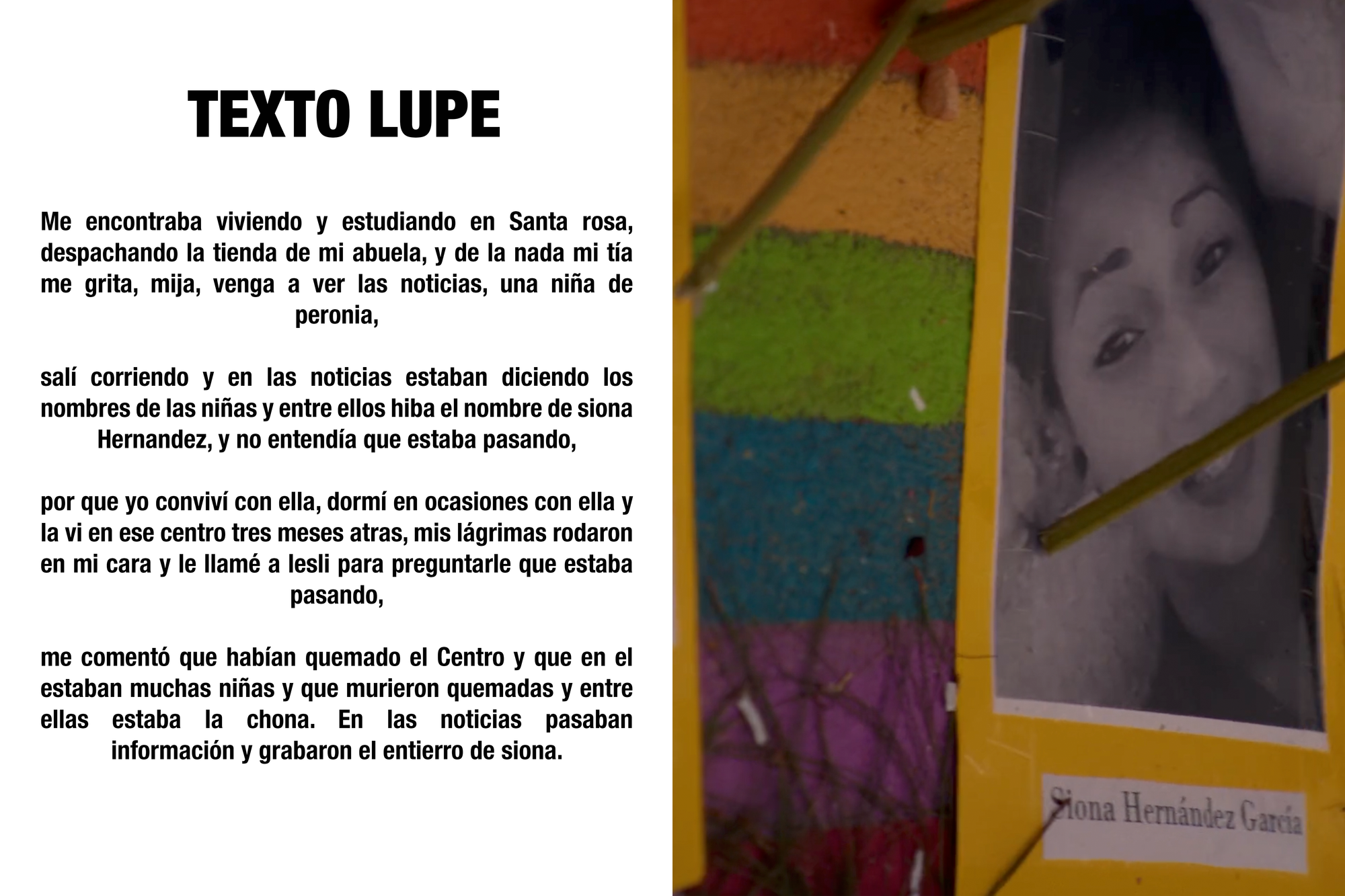
The Hogar Seguro fire is one of Guatemala’s most tragic cases in recent years. Back in March 8th 2017, a rampant fire set out in Hogar Seguro Virgen de la Asunción, located in San José Pinula, Guatemala. This was a state center for the protection of children and teenagers who were victims of violence, abandonment, abuse, and trafficking.
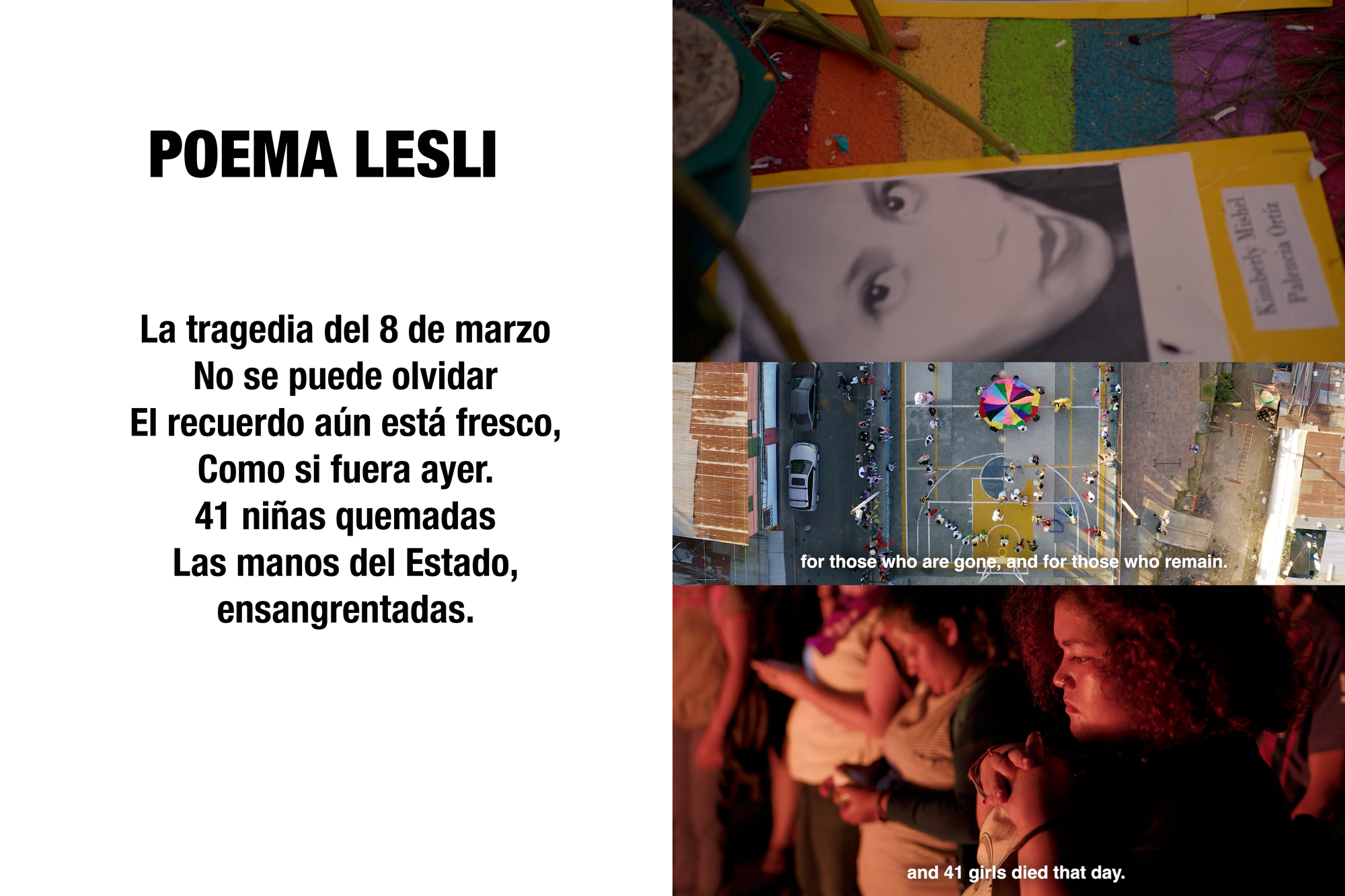
It was supposed to be a safe space for the girls. Then, the girls protested about the abuse and sexual violence occurring in the center and tried to escape. The fifty-six girls were intercepted by the Guatemalan National Civil Police (PNC), treated as criminals, and locked in a room as a form of punishment for their attempt to escape.
Out of desperation, one of the girls lit a fire that quickly spread throughout the room.
“And when a fire broke out in the room, the guards and police who should protect the girls, let the fire rage for nine minutes without unlocking the door to let the girls out. That was such a horrific incident of violence against women and little girls,” Curtis said.
Listen to Vickie
0:00
/21.550167
Don't Forget to Subscribe to The Story of The Story
For only $16 a month, every Friday you'll have exclusive access to
The Story of The Story. Our founder, the Costa Rican award-winning multimedia journalist and artist Elizabeth Lang, guides you through her creative process to produce her stories.
Forty-one girls died in the fire and fifteen survived with very severe burns.
At the time Curtis and “Comparsa’s” team began collaborating with Lesli and Lupe for the film, the sisters were infuriated and grieving because one of their friends died in the fire. It was very personal to them. They had connections to that particular incident.
The sisters were set out on fighting back because they don’t want the memory of these girls to continue being repressed, subjected to violence, and re-victimized.
Listen to Lesli
0:00
/33.221333
“We don’t even know if these girls from other generations were going to change many things in the world. So, part of the personal practices and senses of human life, I think it’s honoring those who aren’t here anymore,” Lesli said. “It’s the greatest act of love and tenderness to not forget and preserve their memory.”
Art as Society’s Nourishment
With that strong conviction, the “Comparsa” team was filming the sisters in a time of their lives where they were looking to start a girls’ group and organize a comparsa in their hometown of Ciudad Peronia. They wanted to create this huge street performance to gather the community and address violence against girls and women.
In that pursuit to raise awareness about these complex social issues in Guatemala, Curtis began noticing a shared perspective on art between the film’s team and Lesli and Lupe. Both Curtis and Anderson grew up as theater artists back in the United States.
When Curtis started working on documentary film, she was using theater methods to understand story crafting. Then, when collaborating with Hadingham, Lesli, Lupe, and their mentor Marta Chicoj, Curtis noticed they were using elements of performance, theater, circus, art, and writing around the stories for the changemaking work in Ciudad Peronia with the organization Peronia Adolescente.
That was when Curtis began noticing their shared sense of the importance of art as nourishment for society.
“It is not extra. It is not entertainment. It actually allows us to rehearse new ways of coming together and being. It allows us to rehearse communities of belonging and it allows us to focus on making beauty,” Curtis said. “And so, there’s so many ways in which art itself is essential to a functional and healthy society.”
Listen to Vickie
0:00
/30.888
With that understanding of art's role in Ciudad Peronia, the “Comparsa” team was very clear of always portraying these young people from a positive lens. They were seeing how these young leaders were bringing something really beautiful and special to the community that was changing the outcomes for the people who participated in the project.
Especially because they come from a very violent context that’s very under resourced. Many of the children who participate in these activities have very little access to healthy food, education, or healthcare. They don’t have stable housing and don’t feel safe out on the streets.
Curtis mentioned that they all know people who have died from gun violence and they’ve experienced different versions of corruption, extortion, and marginalization.
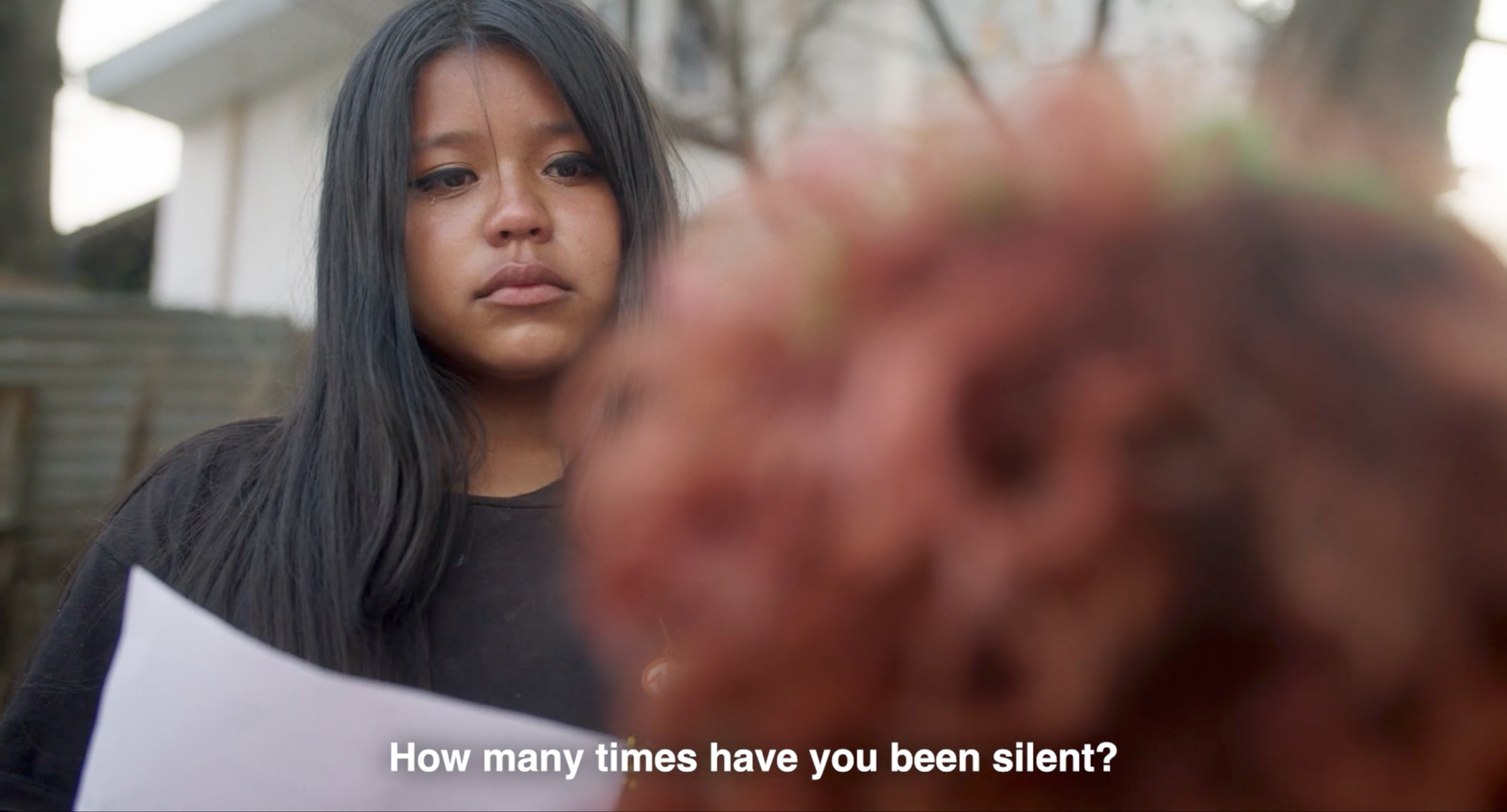
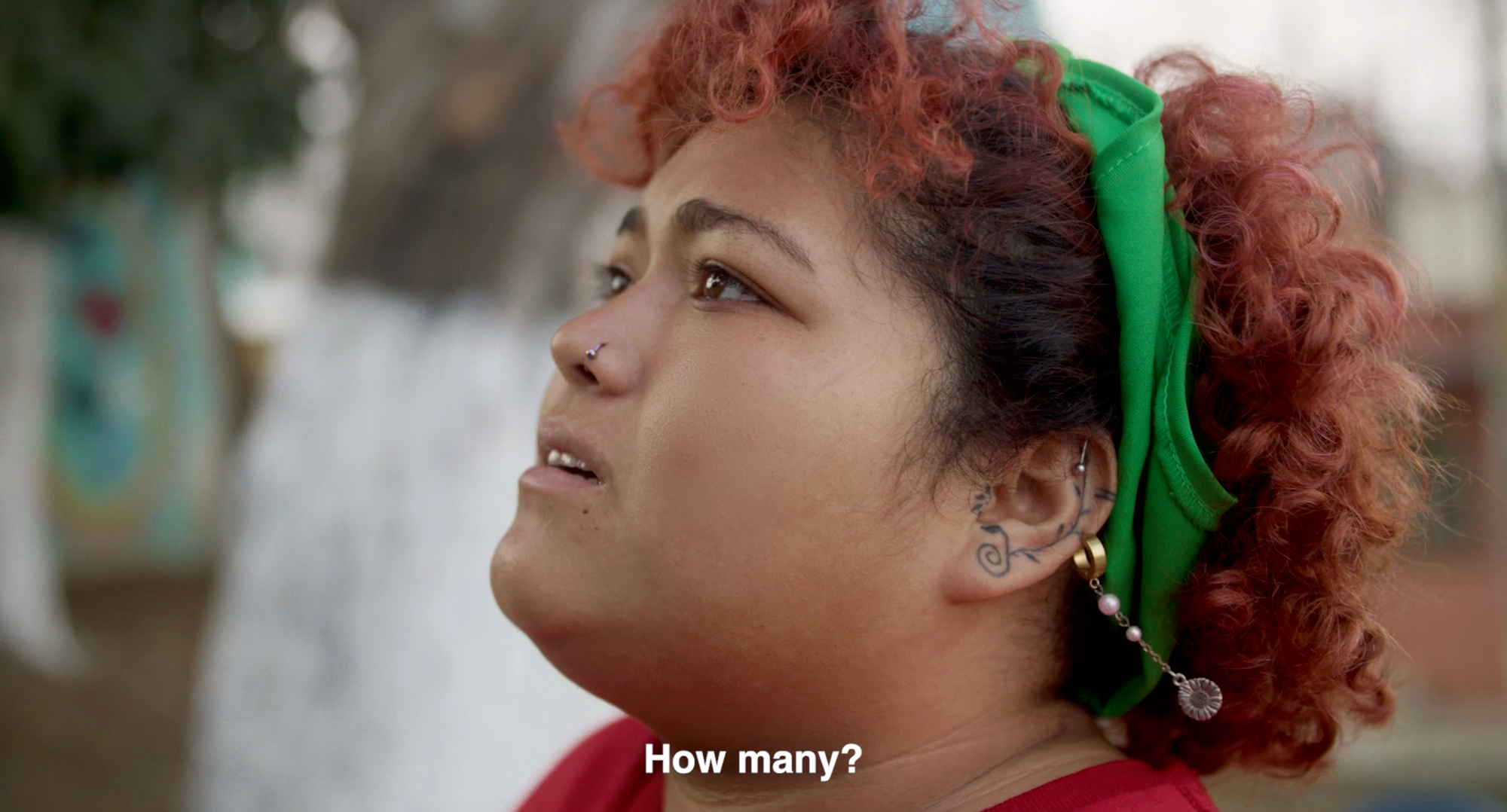
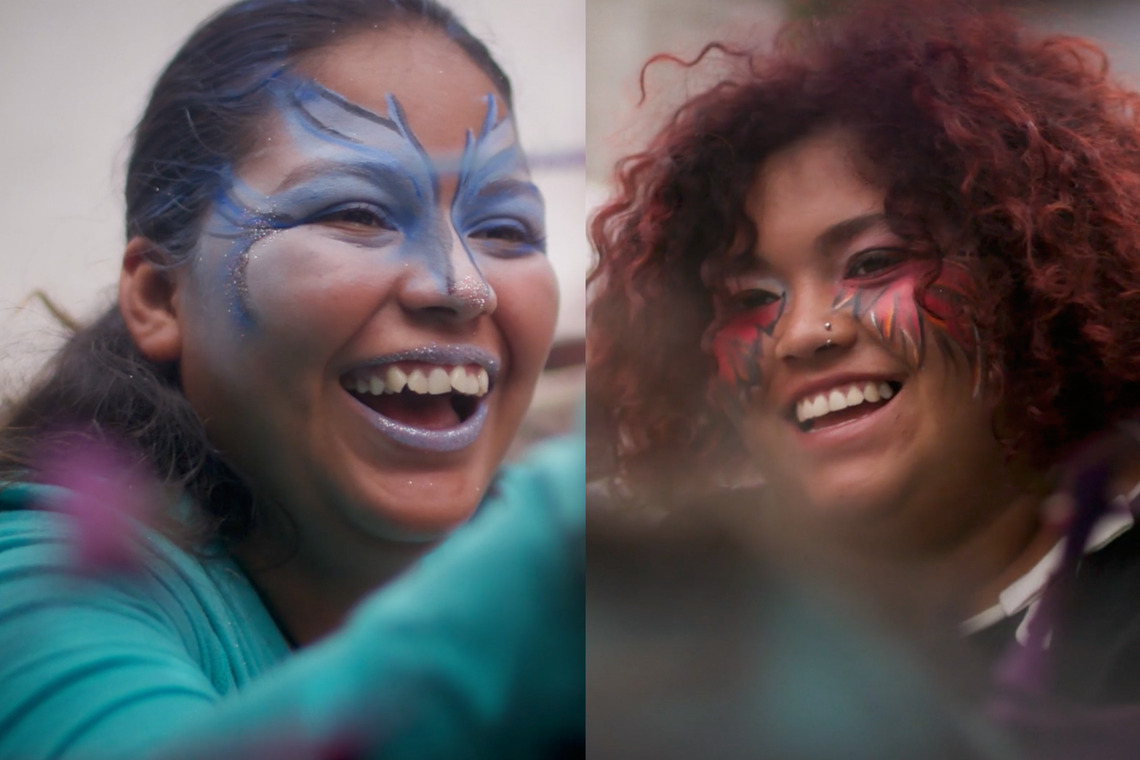
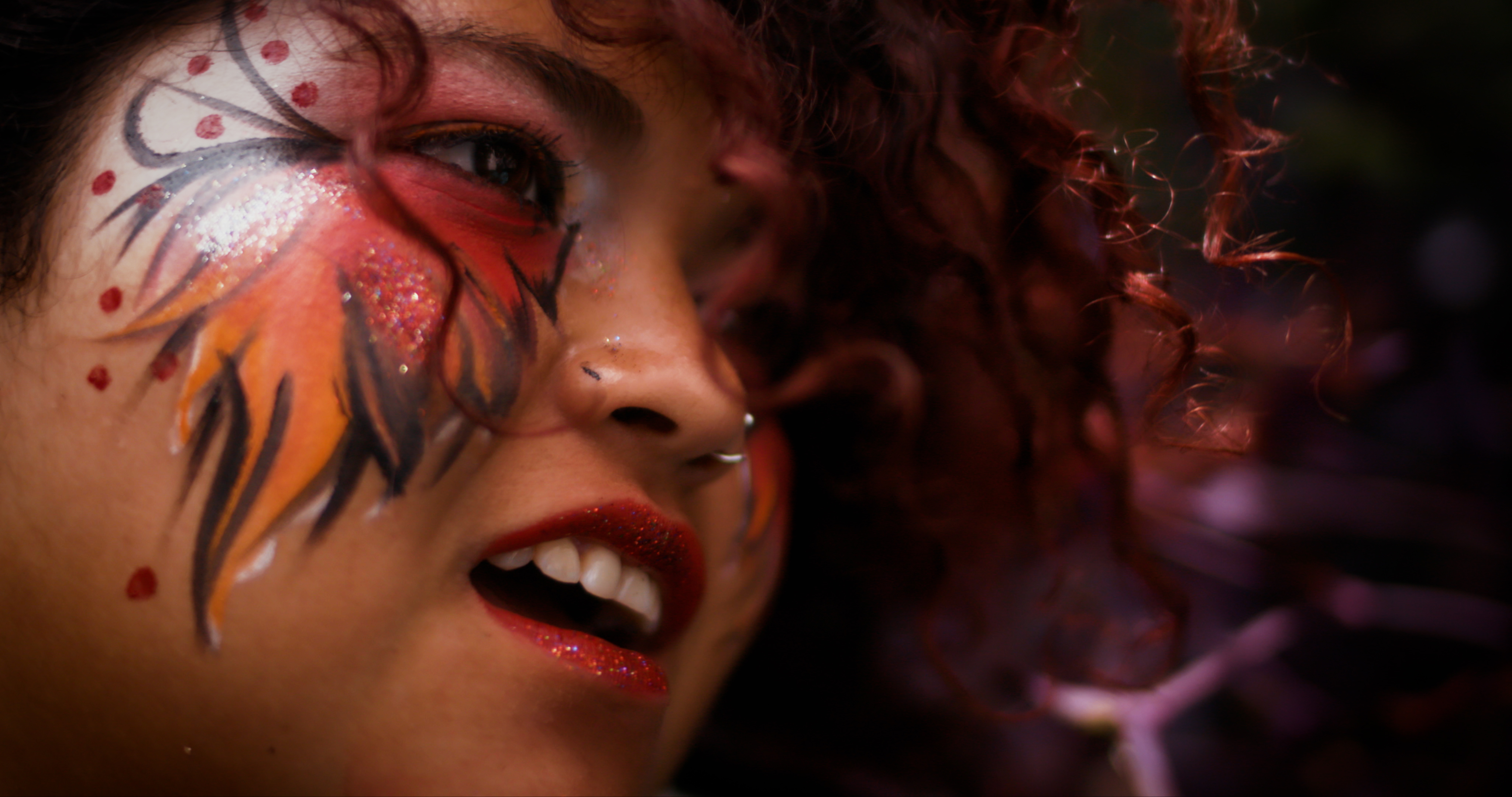
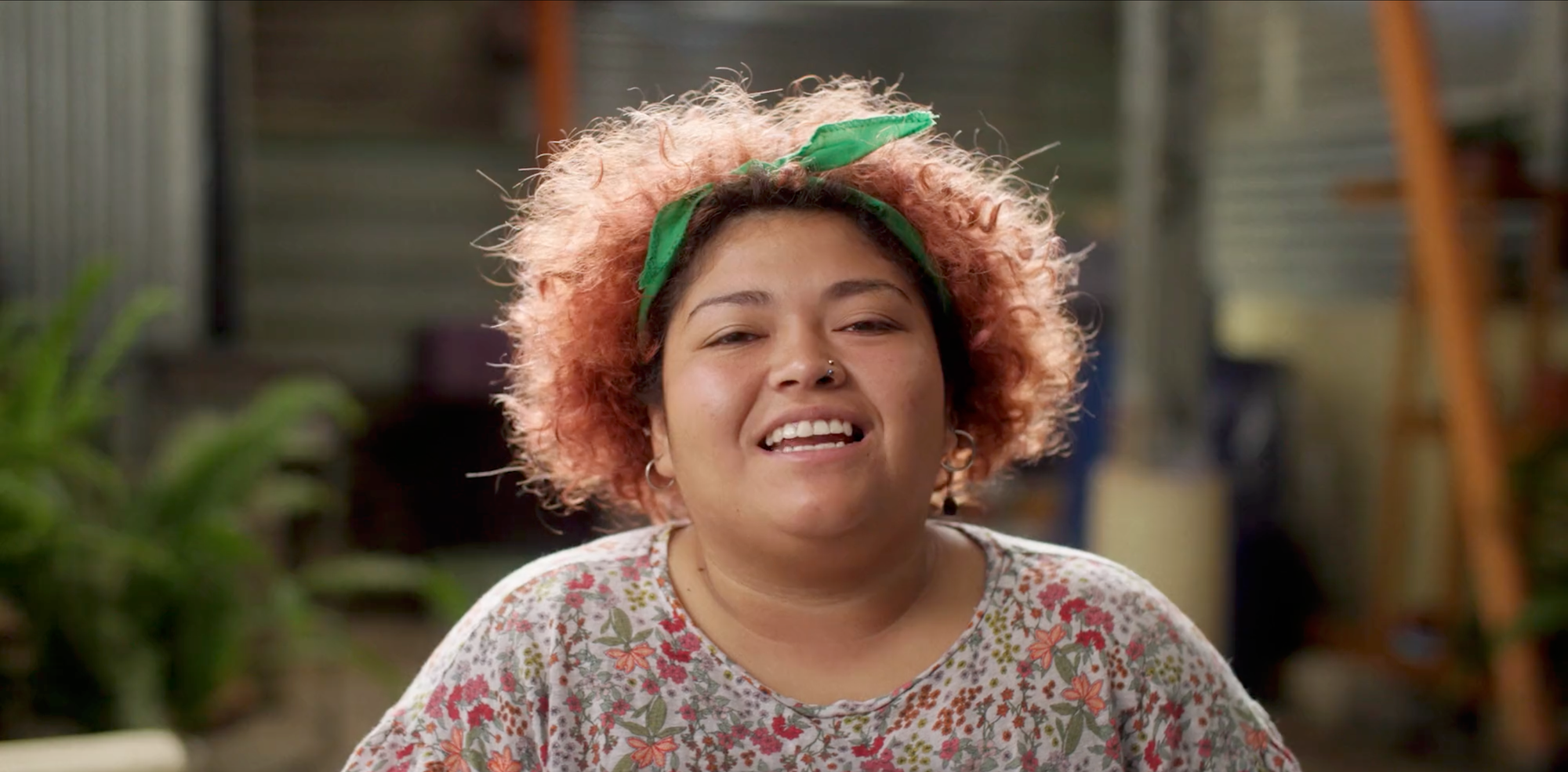
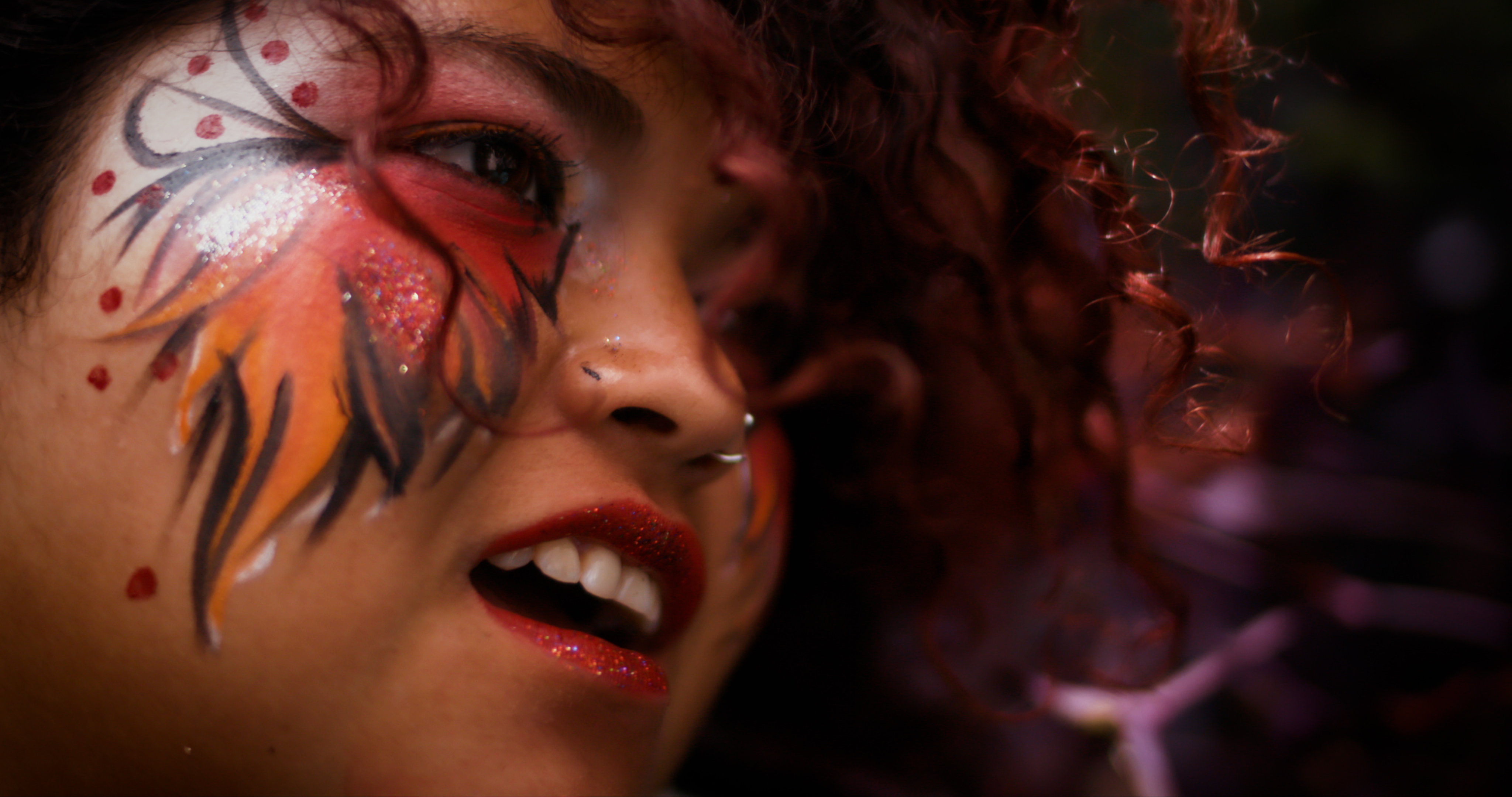
Stills from the "Comparsa" film with Lesli Canela Pérez in action as a youth leader in Ciudad Peronia, Guatemala. | Photos courtesy of Comparsa Film. | Impulsiva Stories
As for Lesli, who hails from this context, she understands art as a tool of transformation and survival. It's a very powerful key that allows people to discover themselves. To learn from themselves.
It’s this thing that allows her to be herself without directly naming it. They’re disciplines with no gender, age, prejudices, or social status. She believes that when you see art from the heart, you unlock a more integral way of existence. Art is that tool for knowledge, collective care, integration, and the vitamin to create and knit safe spaces.
That’s why she defines herself as an aquarian artist. A barrio artist. A butterfly from the barrio. A community circus artist.
“I’m a community artist who knows what it’s like to bridge social differences. Who knows what it’s like coming from poverty. Who also knows what it’s like to be with opportunities and no opportunities,” Lesli said. “And who, in spite of that, decided to keep believing in humanity.”
Listen to Lesli
0:00
/24.365333
She’s moved by humanity and the act of serving others, so that other people have more possibilities and aspirations in life. That act of service is quite present in her protagonism throughout “Comparsa.”
You can listen to Lesli and her sister Lupe speaking very clearly of what they want to achieve in their community in spite of the challenges. How they’re determined to bring that change for those around them. How they’re sure of their convictions in fighting back the social injustices they've faced.
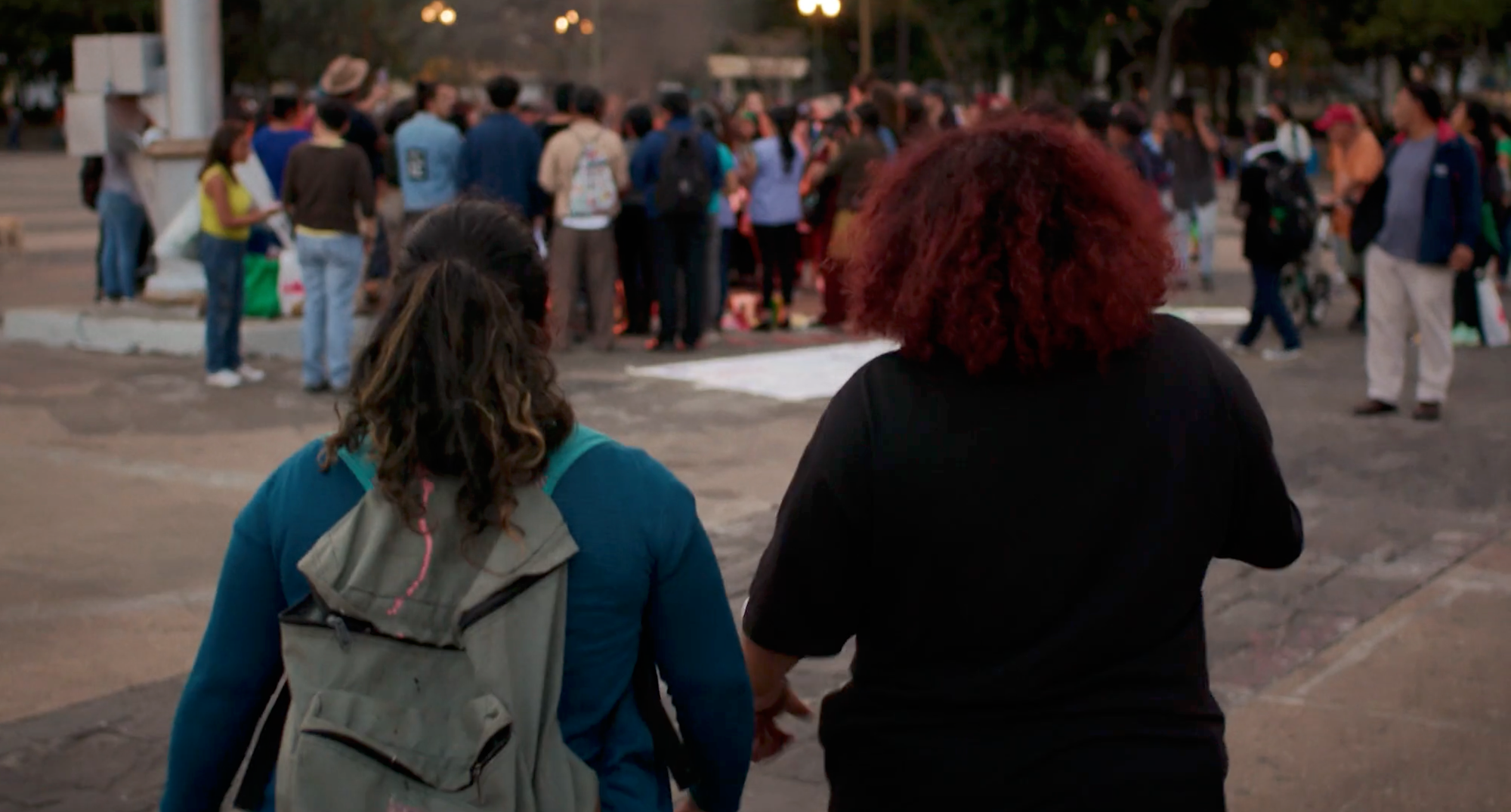
The powerful motivation the sisters carry and cultivate in those around them, is one of the major aspects that Curtis and the “Comparsa” team wanted to highlight in the film.
“We wanted to, of course, explore the really challenging context that these people find themselves in, but also showcase their bravery, humor, intelligence, wisdom, and their strategies for changemaking because they really are vanguards of changemaking work,” Curtis said.
Listen to Vickie
0:00
/35.50475
A “Comparsa” Full of Healing
That changemaking journey also comes with certain challenges for Lesli. In 2020, after many years of constant collaboration with Peronia Adolescente, Lesli had several health issues due to her childhood traumas.
She was struggling to keep going with the work and she told the organization about it with full transparency. She needed space to heal herself in order to continue speaking up.
“The children would tell me their stories of abuse and those things and I was like: you can’t tell them to report it because when you lived it, you didn’t do it,” Lesli said.
Listen to Lesli
0:00
/15.989333
That made her distance herself a bit from the organization and follow her own path for a while. She started doing more circus art around Guatemala and continued bringing art to other communities.
Then, several family matters came up, and Lesli went back home to Ciudad Peronia. The documentary came through and the process became a personal healing instrument for her.
“The film was a tool that helped me speak up about what I had gone through because I couldn’t and my body was somatizing it as sickness. In that moment, Comparsa Film, which is the producer, and Peronia Adolescente, protected me in that space to speak about my life,” Lesli said. “To share my story. To speak about art, how we’ve lived it, and how it’s changed our thinking and many of our nuances.”
Listen to Lesli
0:00
/53.141333
Both Lesli and Lupe never thought, or it never crossed their minds, that they’d be sharing their story with a wide global audience. With the “Comparsa” process, Lesli went through a healing journey while advocating for the protection of women and girls.
It's an advocacy process fueled by the principle of women and girls avoiding more violence. For them to walk without fear and for families to stop hiding things that have to come to light, so that the cycle of violence is not reproduced anymore.
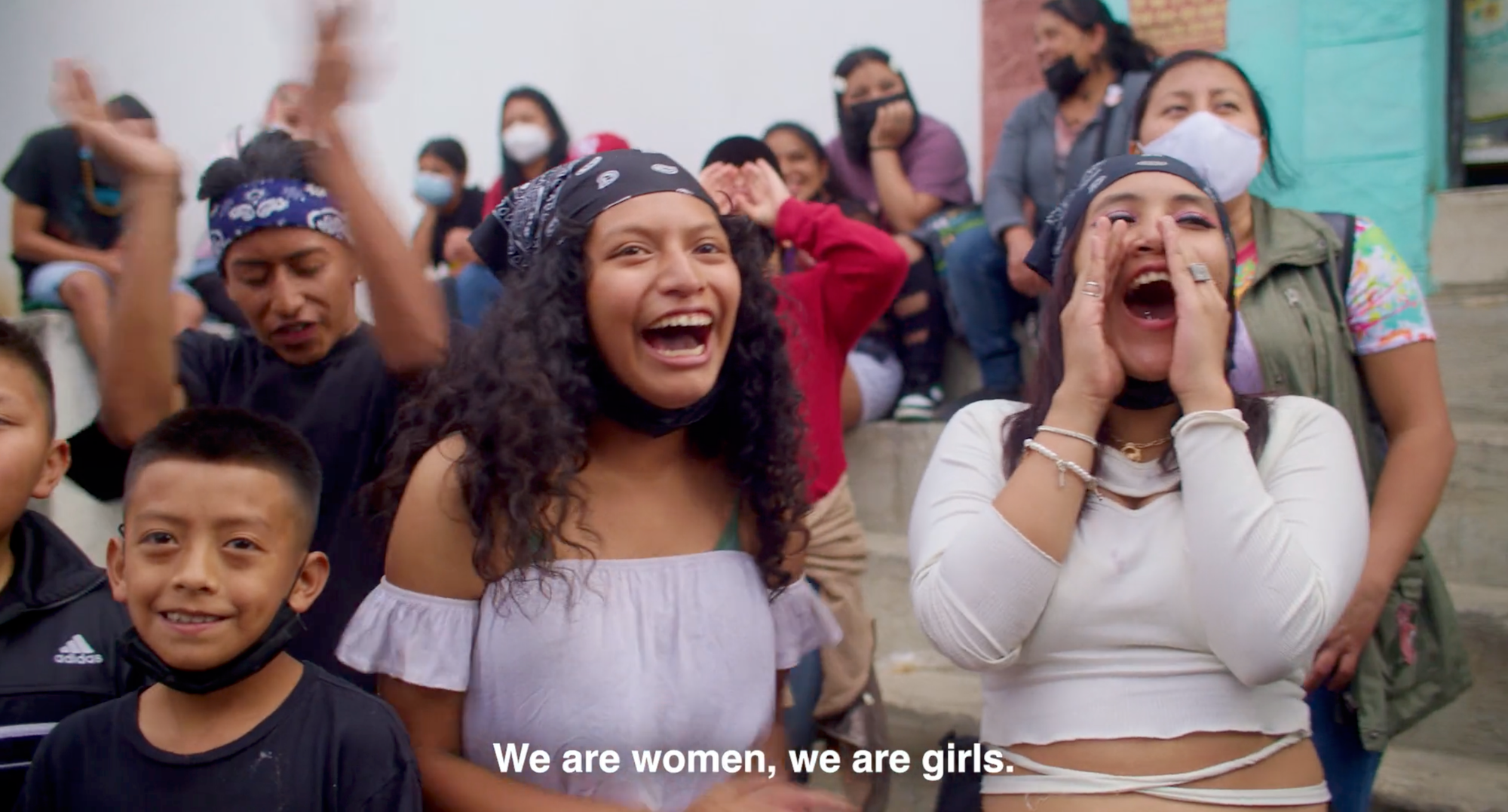
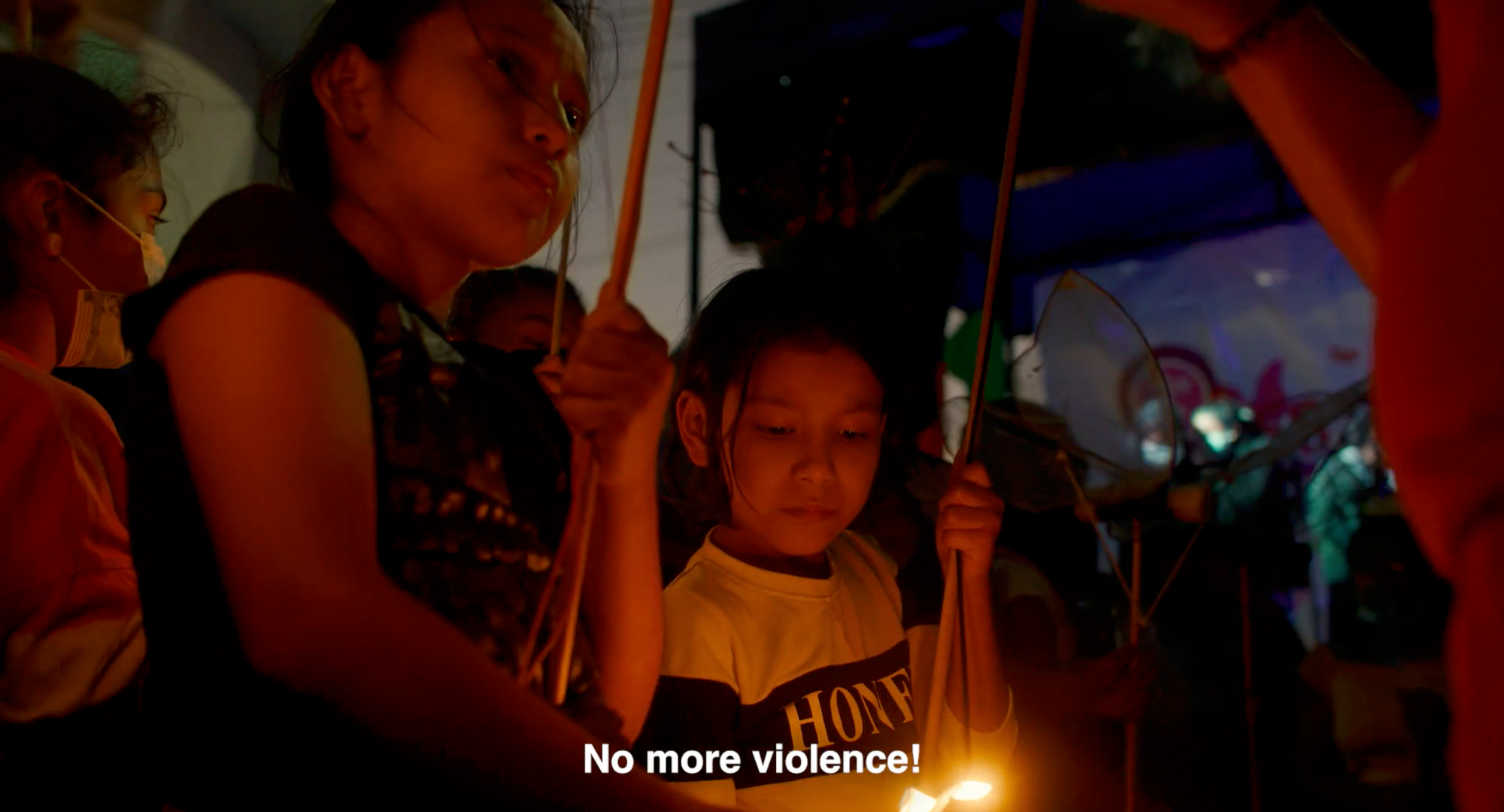
Stills from the "Comparsa" of children and teenagers from Ciudad Peronia, Guatemala. | Photos courtesy of Comparsa Film. | Impulsiva Stories
Through that healing process that “Comparsa” provided for Lesli, she noticed that speaking out helped a lot. It allowed her to heal the wounds she was carrying from her childhood traumas.
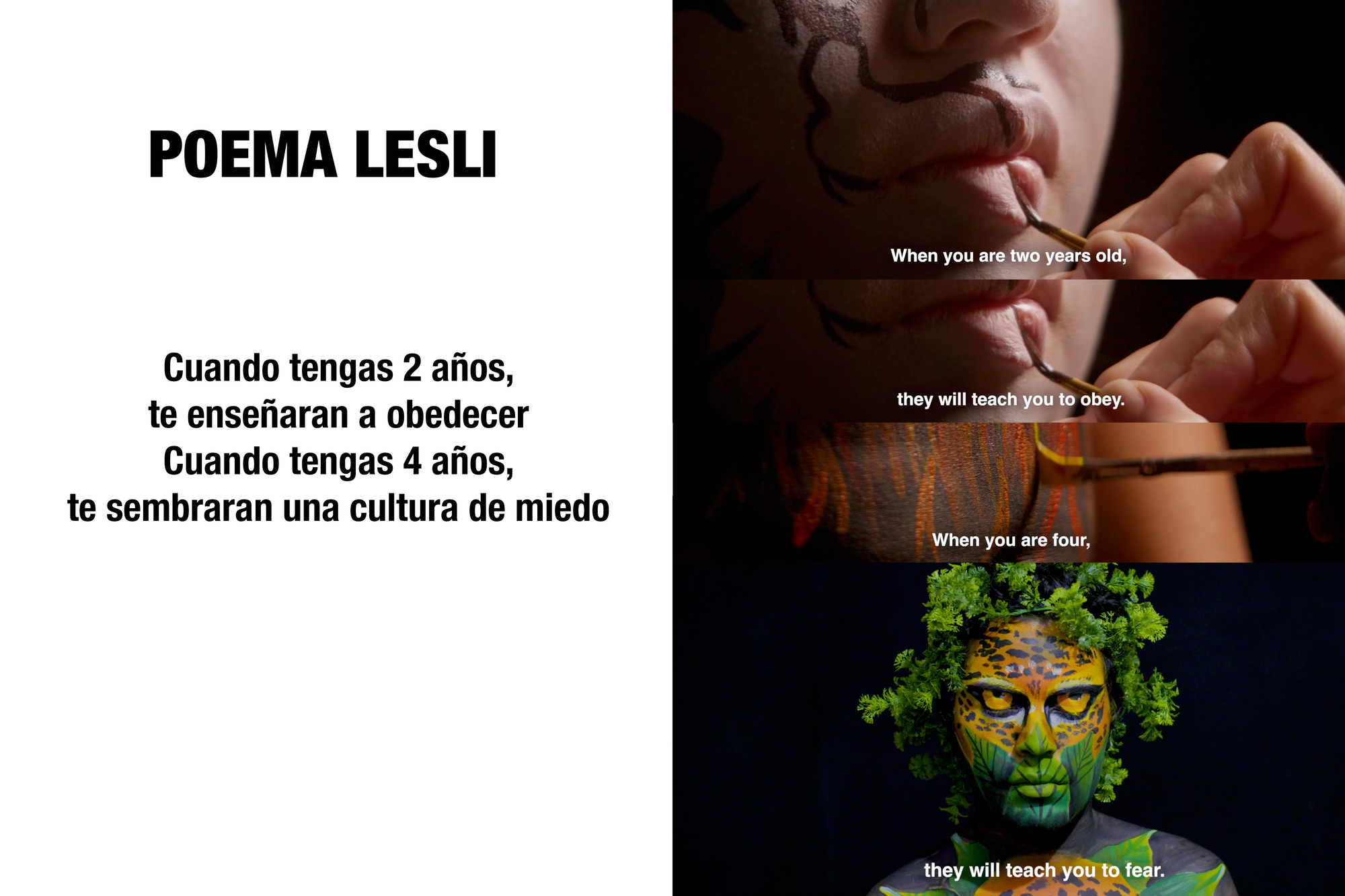
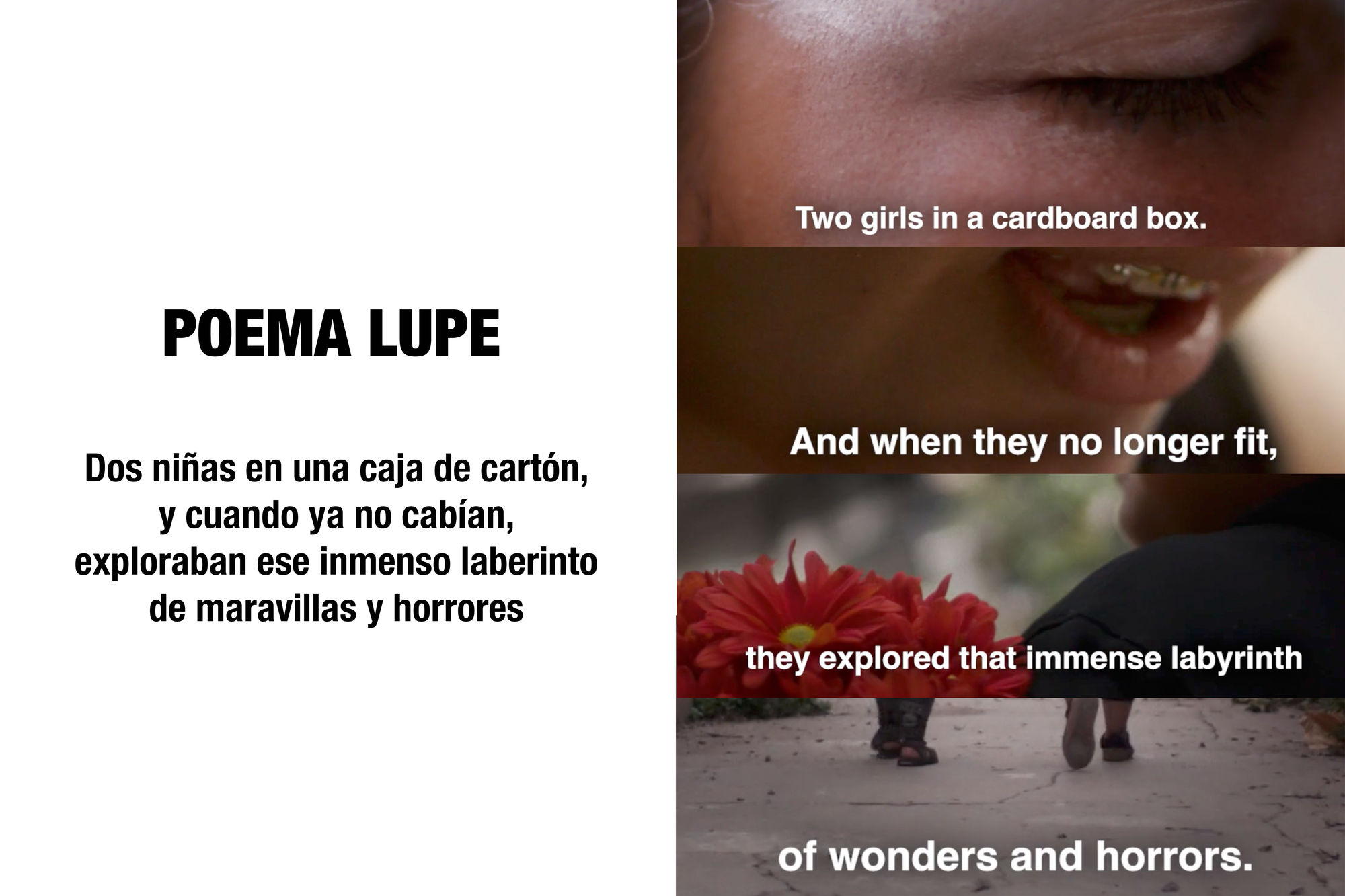
And most of the words that she and Lupe said in front of the camera, are poems and texts they've written in the past. They're their life experiences narrated in a poetic manner with images and sounds that make it even more compelling for the audience to grasp.
“At least I have this from my mom, that we write everything that we feel. So, during many years I was writing about my life. About this. And in this process of the film, these writings come to light. They’re named. They come to life. They make sense. They’re shared with the world,” Lesli said. “Really, we never ever thought or imagined we’d reach this point.”
Listen to Lesli
0:00
/50.189333
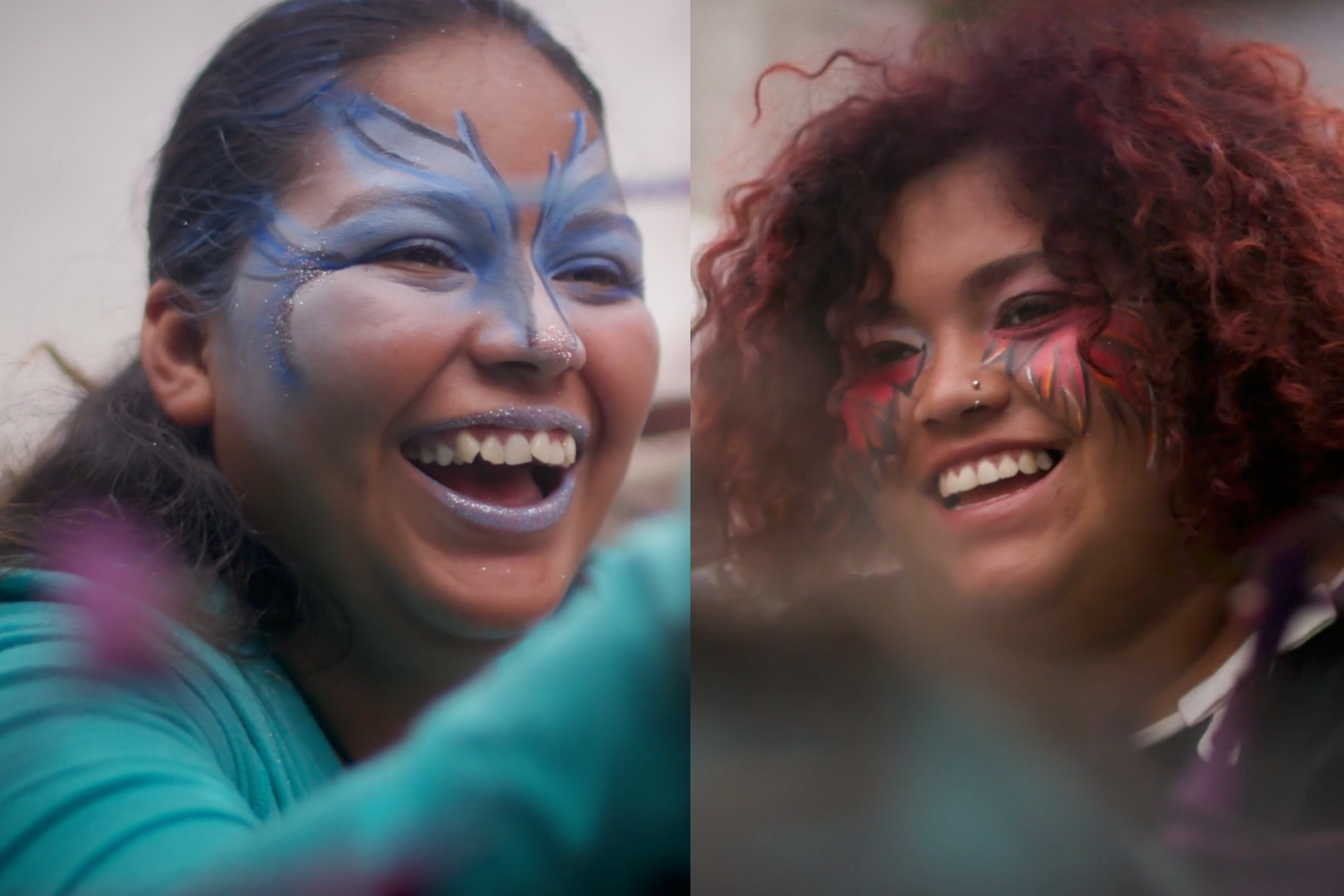
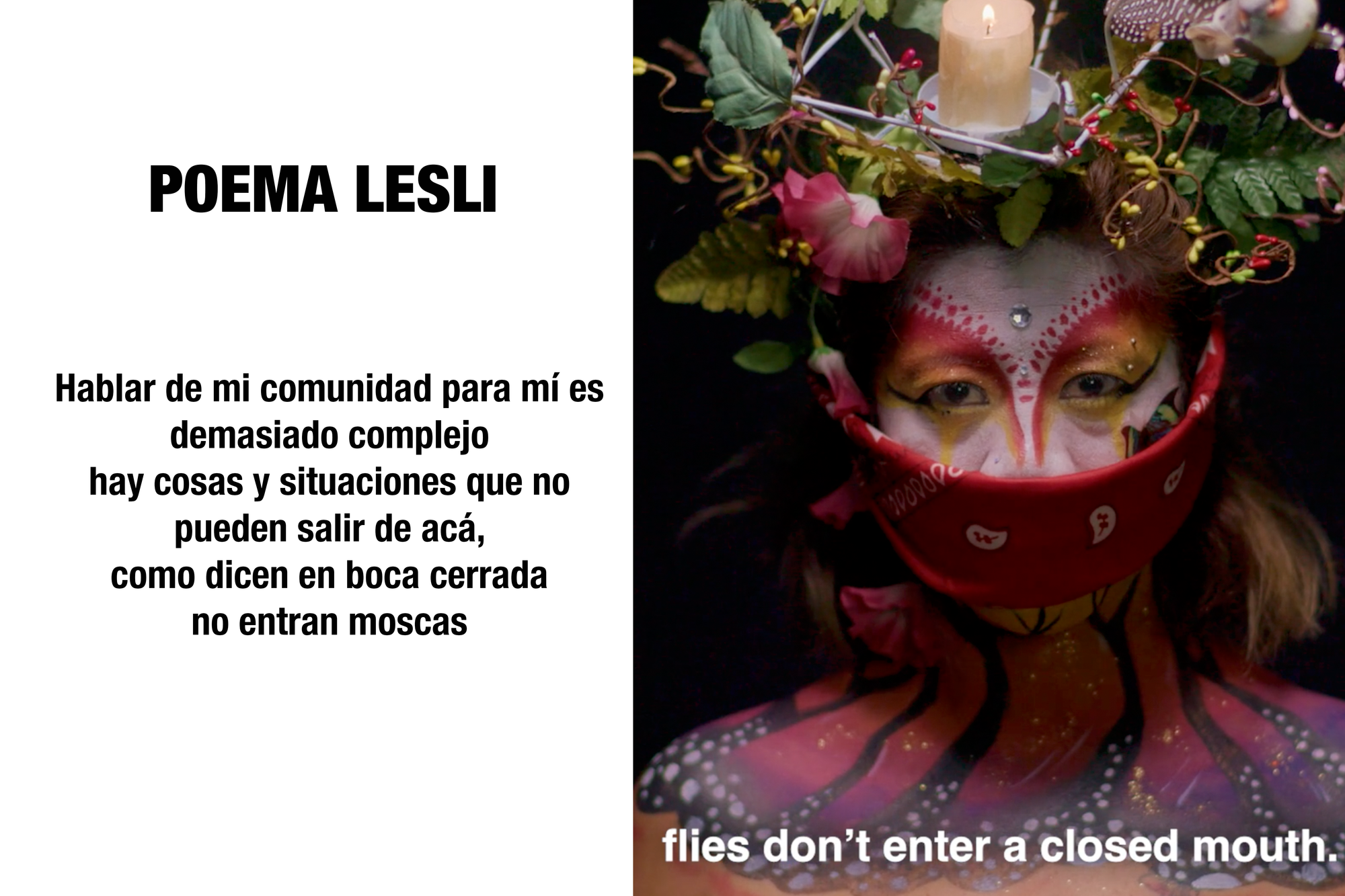
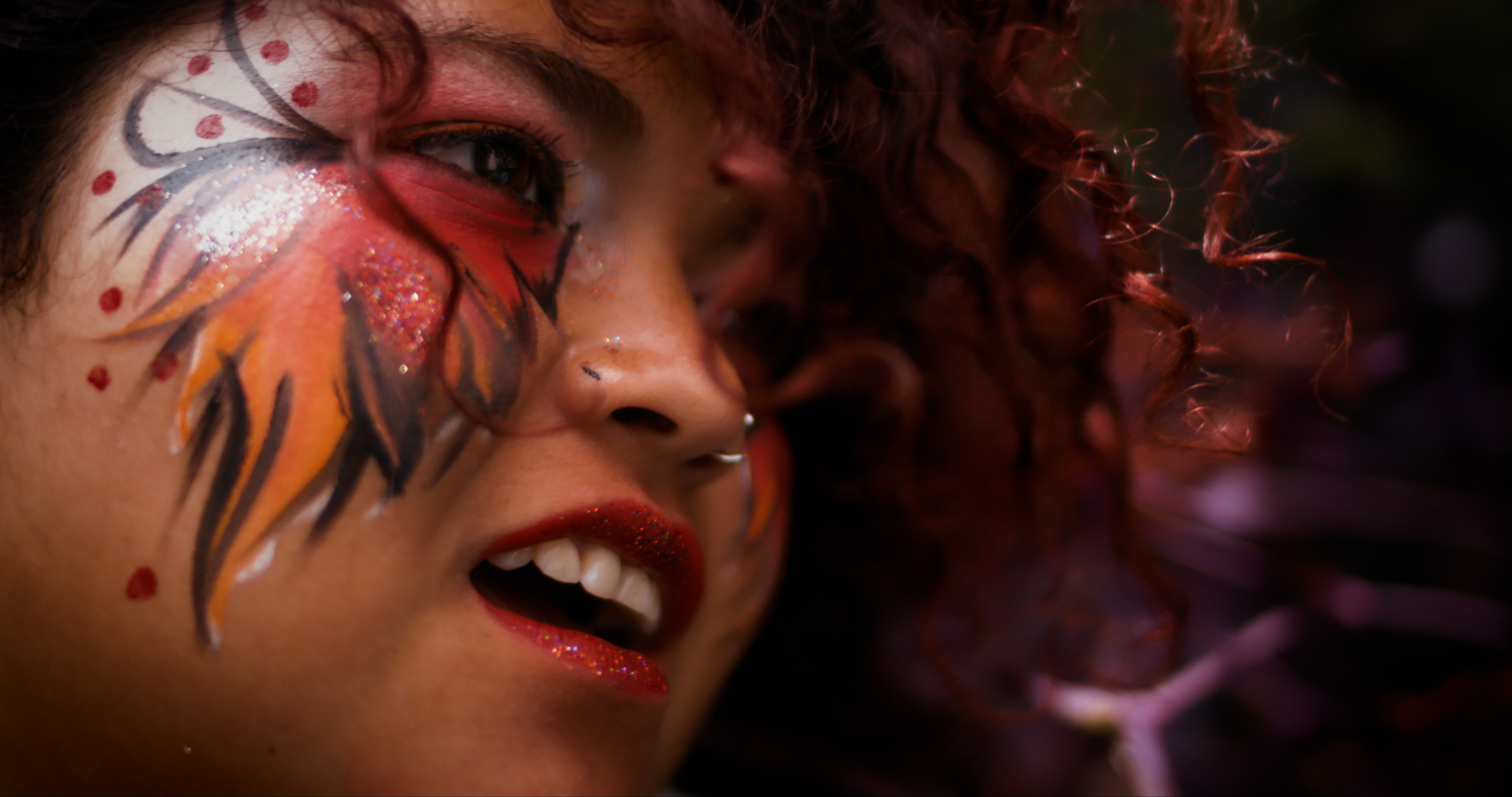
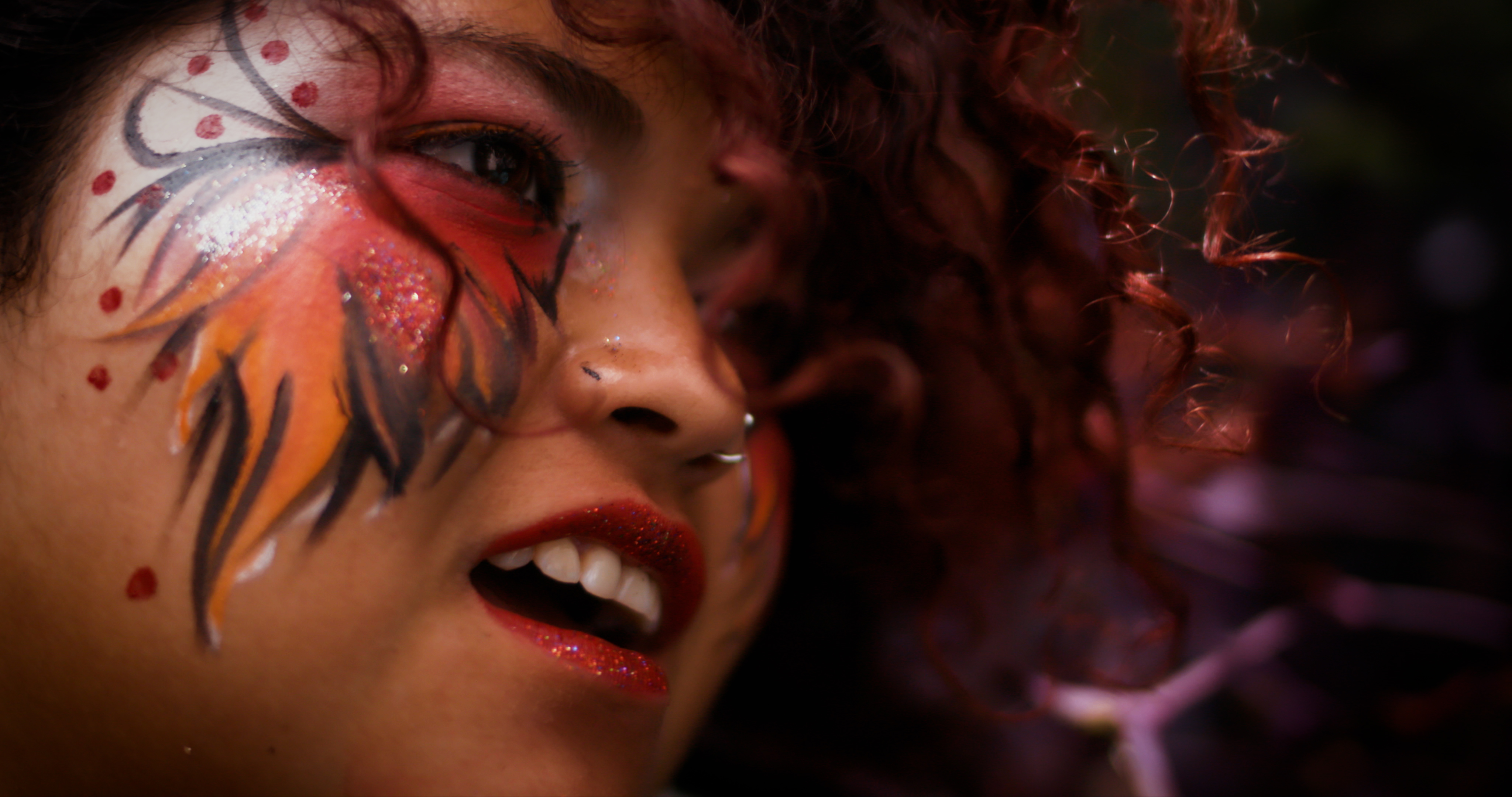
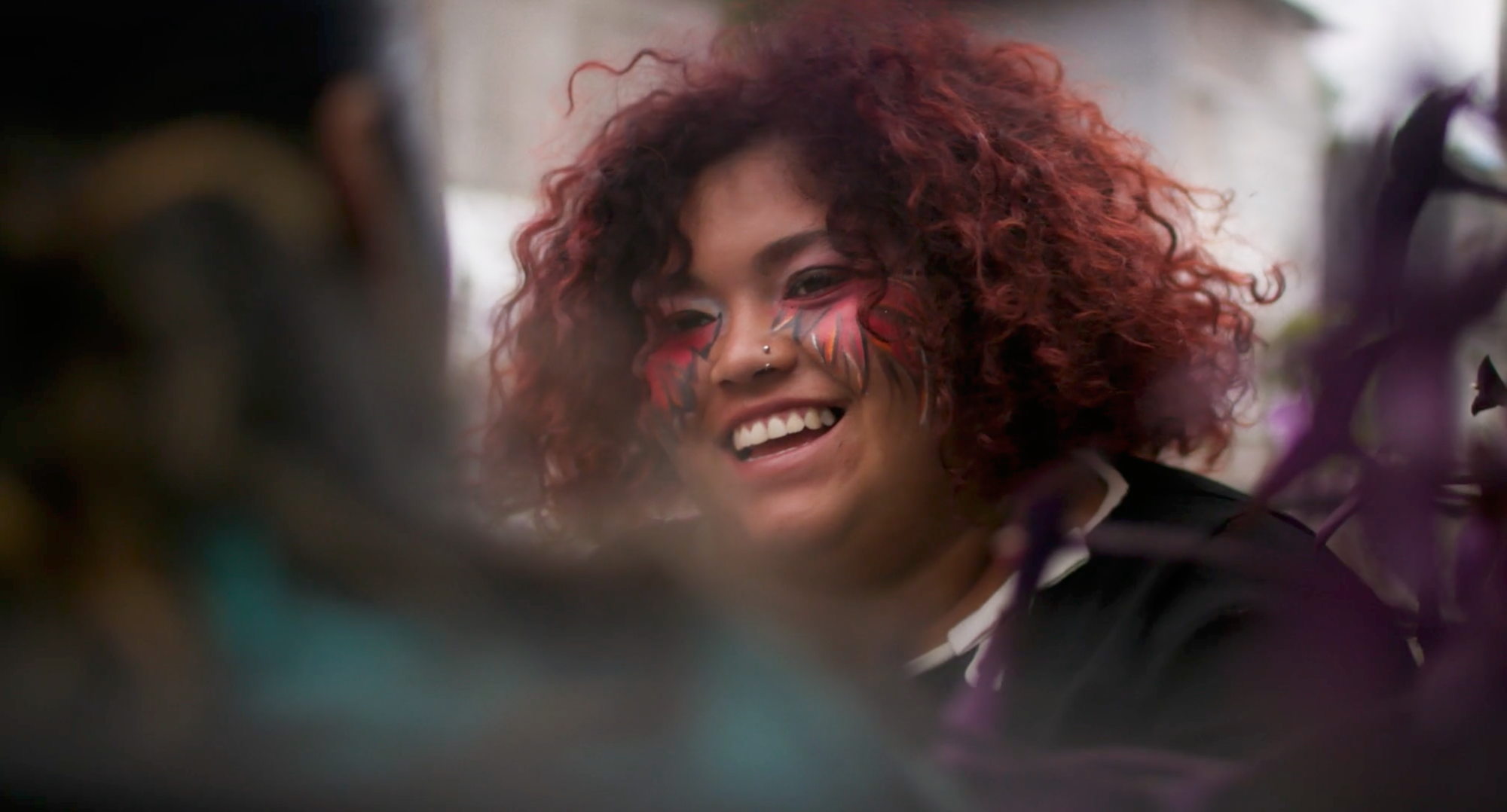
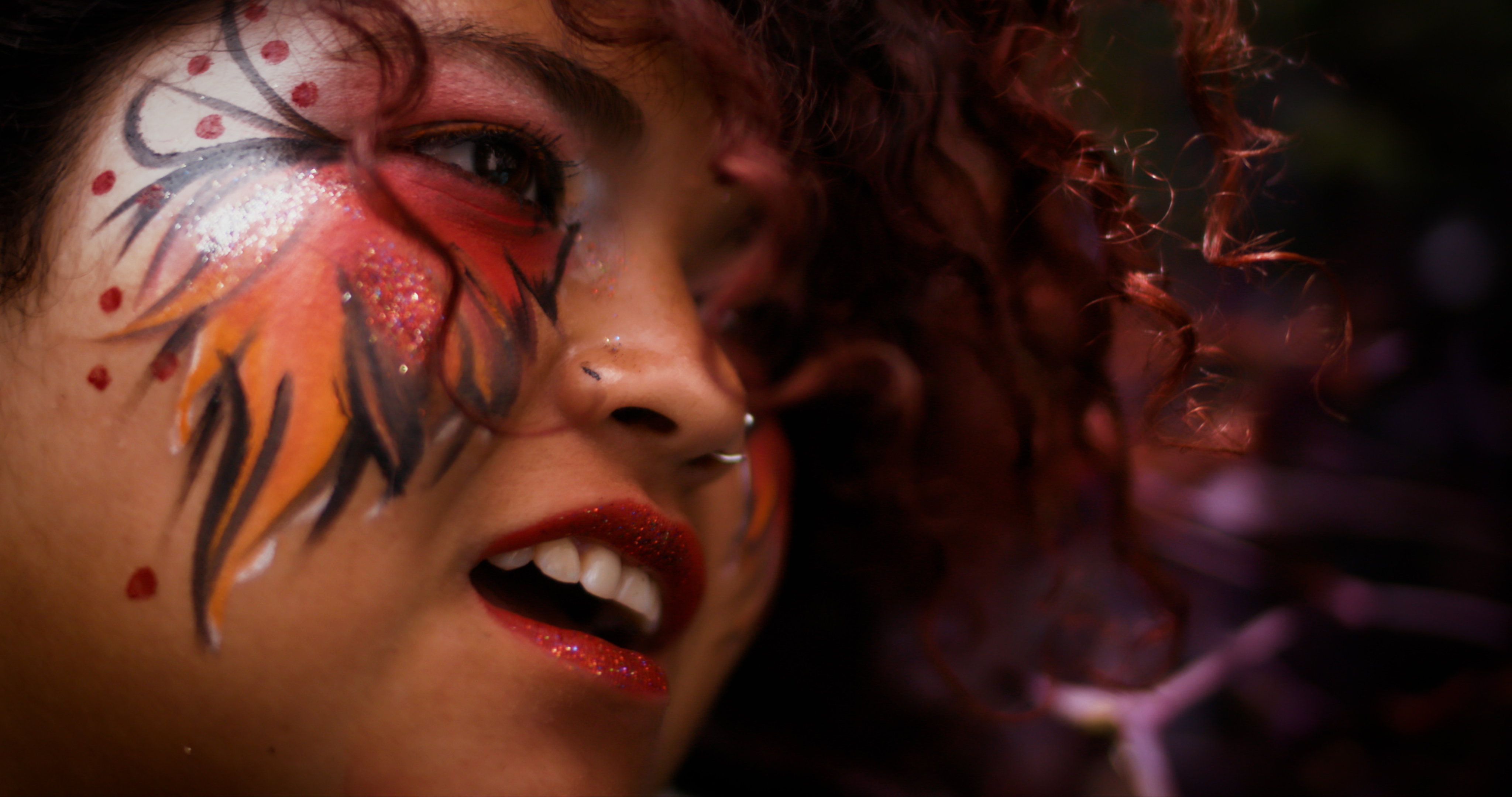
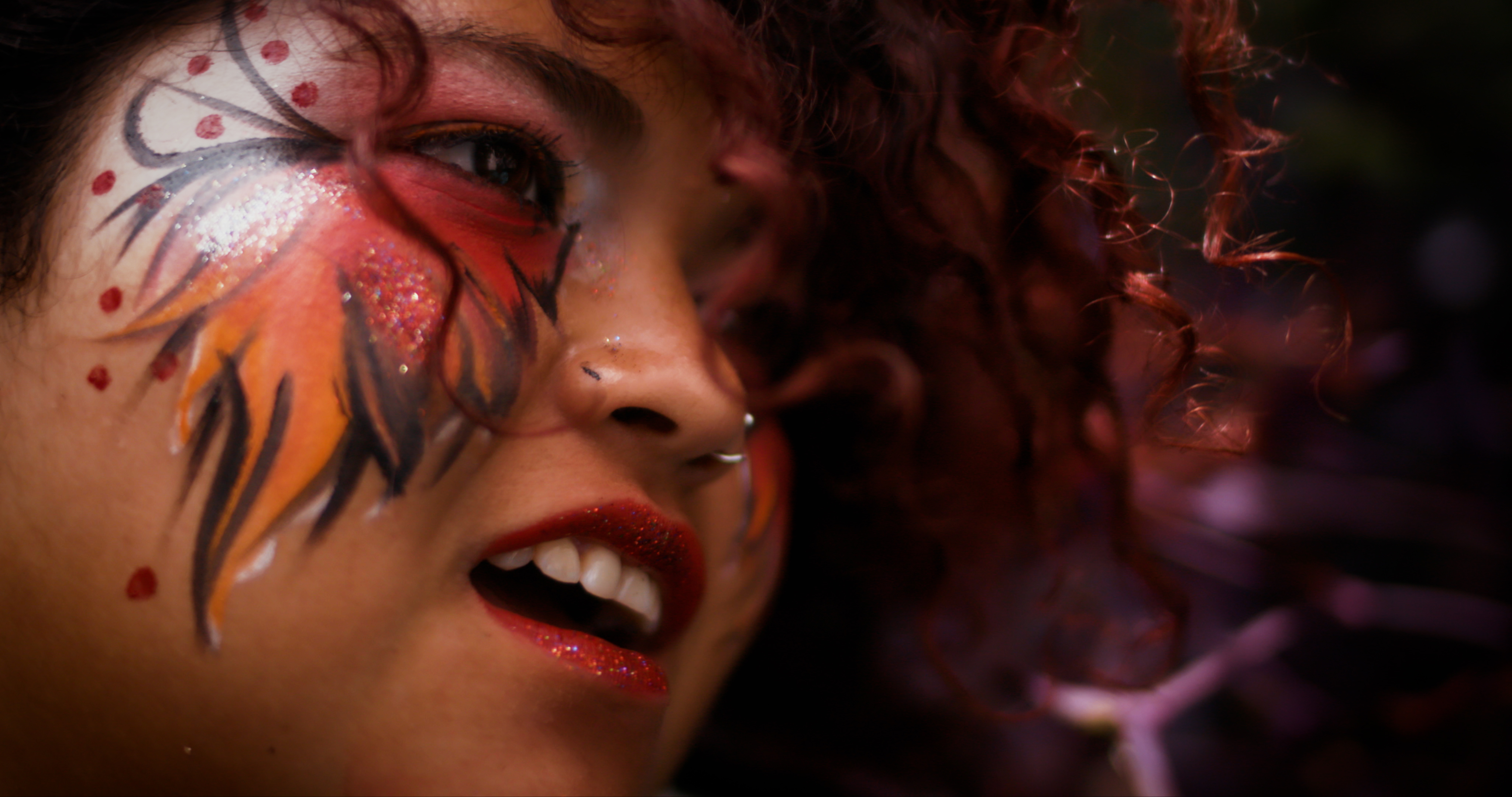
So, not only do you see the different types of art that “Comparsa” uses to speak about these complex social Guatemalan issues, but you also hear from Lesli and Lupe. You see these people all dressed up beautifully exuding light with their colorful body paint and wonderful costumes surrounded by loud drums and vibrant music.
You see the theatrical performances as they approach the big day of the comparsa. You see the people painted in vivid and brilliant colors during the great festival. You feel the deep involvement of Lesli and Lupe in connecting one-on-one with every spectator in the audience watching the film.
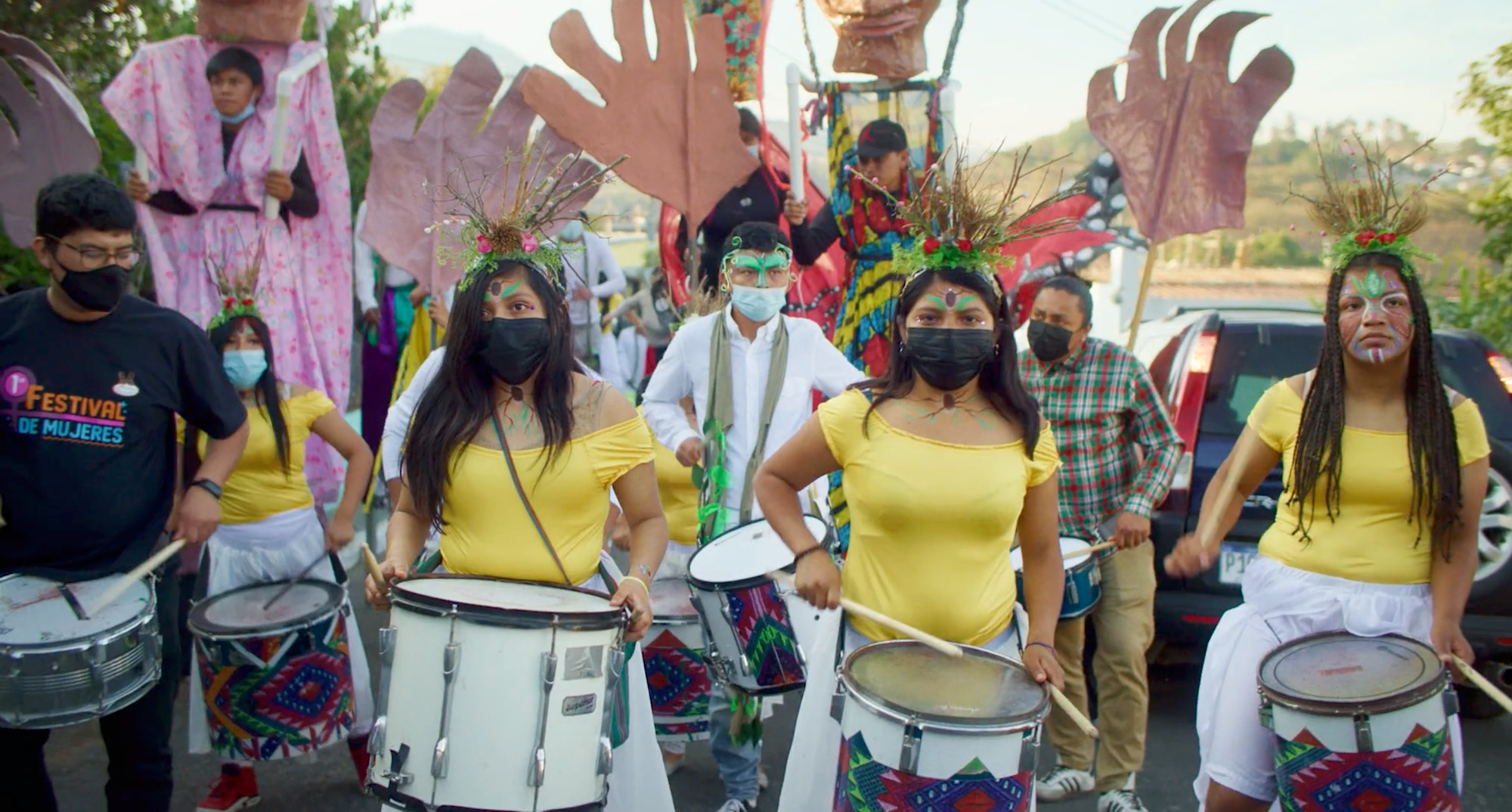
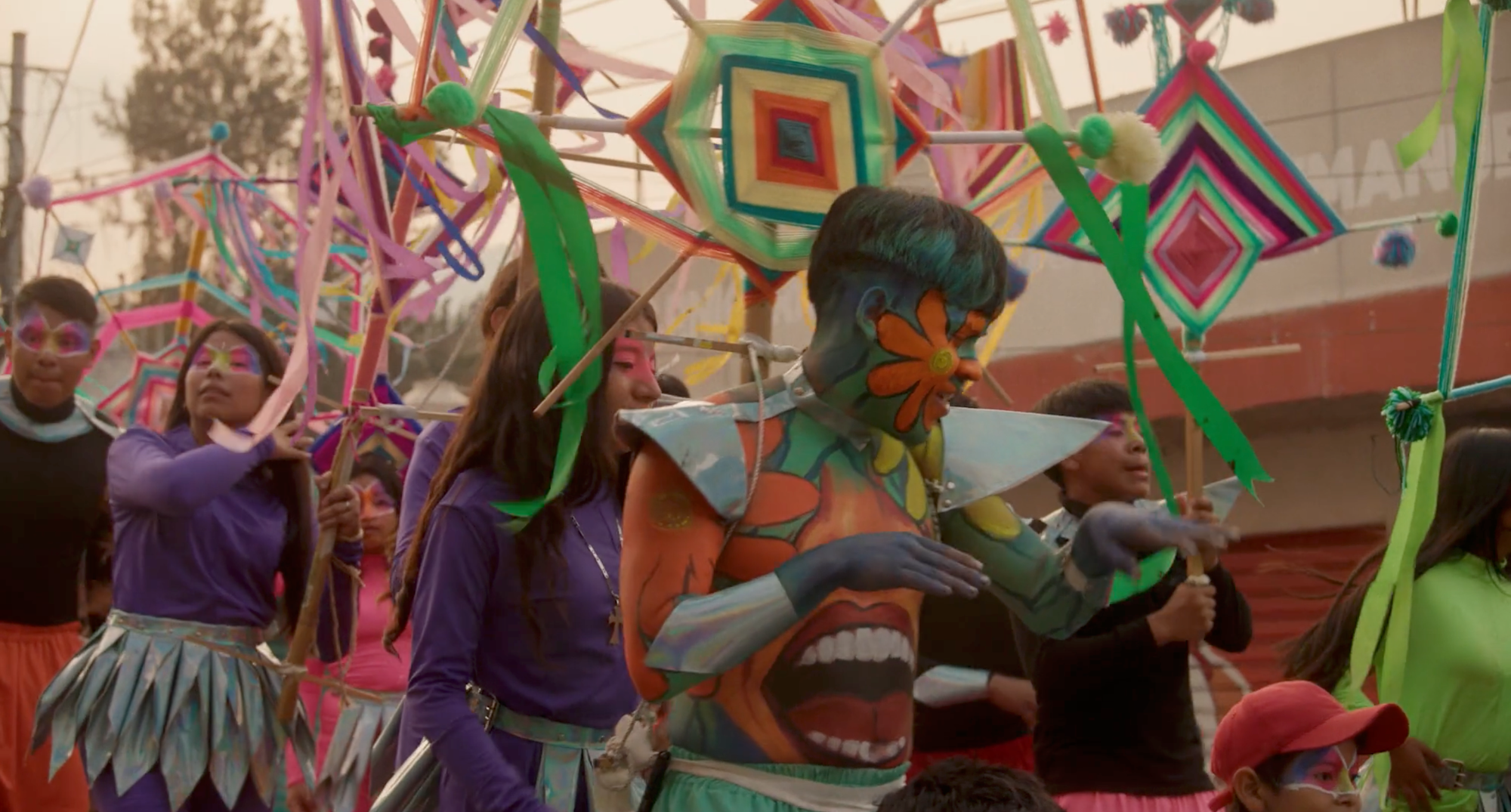
Stills from the "Comparsa" film during the community's comparsa festival. | Photos courtesy of Comparsa Film. | Impulsiva Stories
The Powerful Monarch Butterfly Women
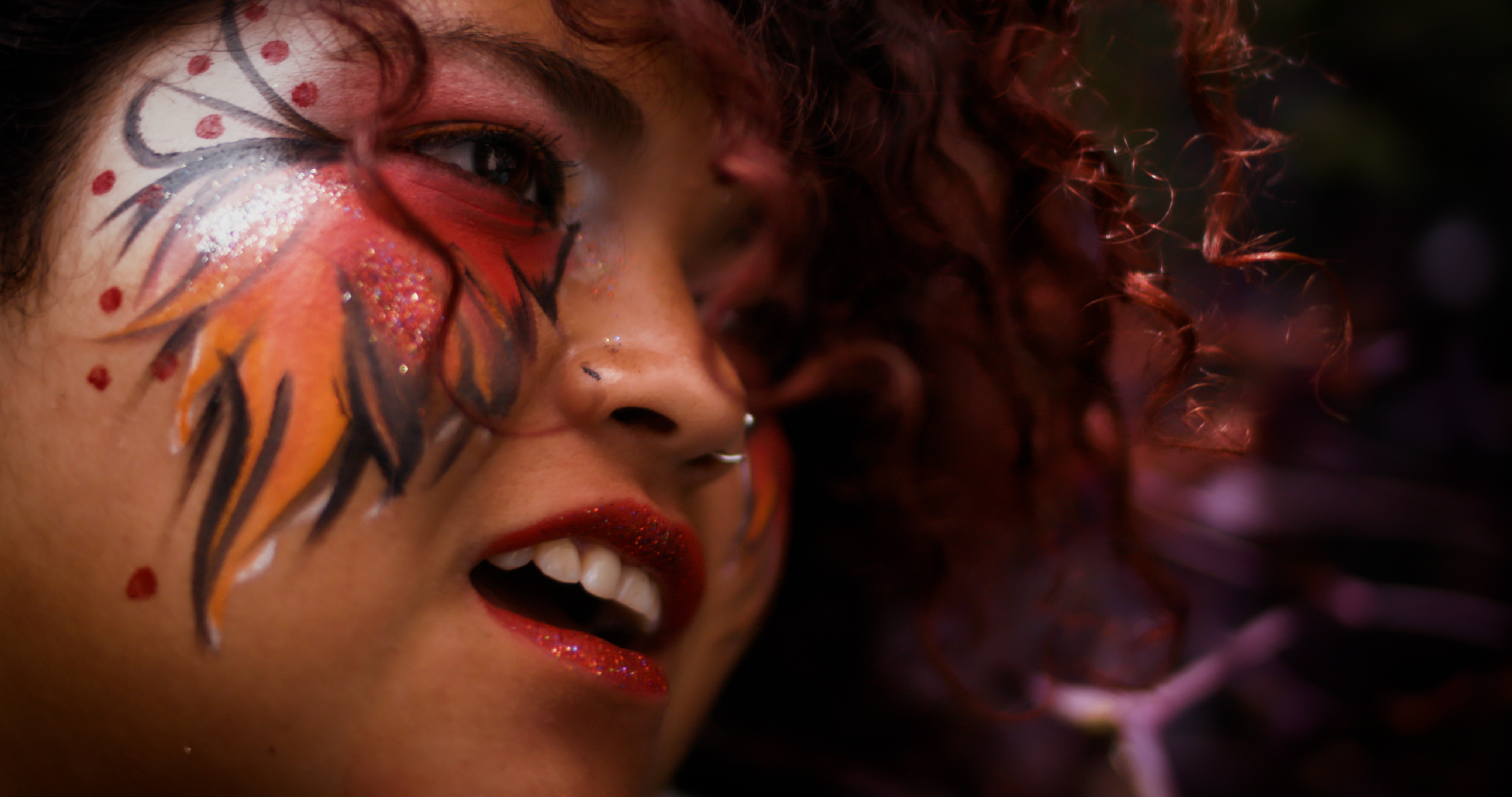
You listen to their powerful words that are a direct reflection on what it means to be a woman in a really raw manner.
“I feel it’s one of the most complex challenges God gives us,” Lesli said laughing.
Listen to Lesli
0:00
/23.117333
But then in all seriousness, Lesli said that the simple word ‘woman’ means vulnerability and sensitivity. The experience entails being a monarch butterfly because women are always going through change. They’re always in a constant metamorphosis. They’re living processes and transiting through life.
Women are monarch butterflies that fly throughout life and nothing stops them. She deeply believes that these monarch butterfly women don’t allow anything or anyone to break them or cut their wings. They go against the wind, the water currents, and the many adversities that life presents them with.
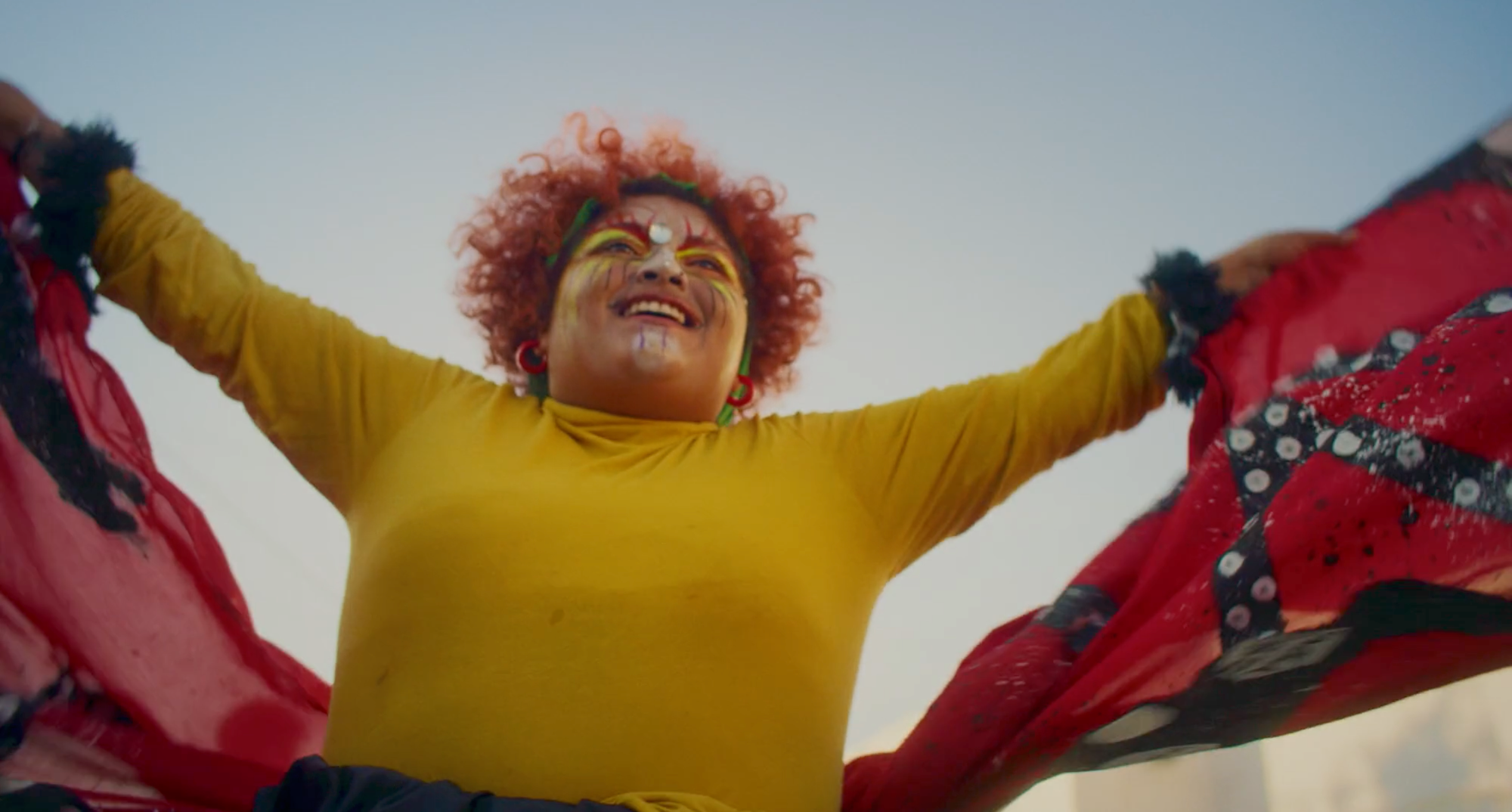
They’re warrior women who transform throughout life and don’t get bummed out. They fight different battles in a context like Ciudad Peronia, Guatemala, and Latin America, where being a woman strikes in a harsh way for Lesli.
“Being a woman means being fresh meat. Fresh meat for the wolves. For the chuchos. You’re a piece of meat. You’re like something that people can manipulate, mold, and decide on your life. We don’t have any power at all. You’re one woman more and you were born to iron clothes, clean, have children, get married, and stay at home,” Lesli said. “That’s the reality in Guate and many parts around the world.”
Listen to Lesli
0:00
/48.293333
Lesli mentioned women are reduced to being a reproductive machine. As someone to have sex with, birth children, and then, be abandoned. It’s a reality faced by many women around the world, but she knows that “Comparsa” comes to change that narrative.
Since the film has reached many festivals and communities around the world, it allows women to reinvent themselves. It lets them regain their power and live life in an empowered manner. It allows them to name themselves in whatever way they want.
It provides reflection in a deep and profound way. “Comparsa” has become a tool that’s generating critical thinking in the different places it’s been screened at, including film festivals, schools, universities, political institutions, and many more spaces. It allows women to break the silence by speaking about the violence they’ve endured and moving through the discomfort.
And that’s where the real power of “Comparsa” lies: its exploration of Guatemalan social issues through art.
“I think it’s awesome that people can see the film and that that can be transformative on some level. It can be a spark to help someone in the audience to realize that they too could get out of a dangerous situation or that they too, could find a belonging with other young people in their community through art-making,” Curtis said. “They too can have a voice, get together with their friends, and start to build stuff.”
Listen to Vickie
0:00
/35.478667
The power is in connecting on a human level through the arts. Through Lesli and Lupe’s extremely compelling stories. Through a journey of two empowered women who bare their souls in front of the cameras thanks to the level of comfort, trust, safety, and care that the “Comparsa” team provided for them.
It’s a documentary in the form of a great artwork created based off of different artistic disciplines. It’s a great masterpiece that not only generated change in Ciudad Peronia, but also around the world thanks to its team, its protagonists, and art's great healing power.
“When you’re creating art, you’re connecting with the space. With what you’re speaking. You’re healing. You’re contributing for other people to have a safe space. Healing is being able to speak about what you feel,” Lesli said. “Telling your story and spilling all over [the place] or laughing after sharing it.”
To learn more about how “Comparsa” explores Guatemalan social issues through art with Vickie Curtis and Lesli Canela Pérez, you can follow them at @comparsafilm, @vickiecur, and @rolelaspapas. Stay tuned next week for PART III, where we’ll learn how “Comparsa” is creating a change around the world.
Written by

Subscribe to my newsletter
Subscribe to my newsletter to get the latest updates and news