Kacho López Mari PART III
Kacho López Mari created emblematic social and political music videos with Juanes and Calle 13.
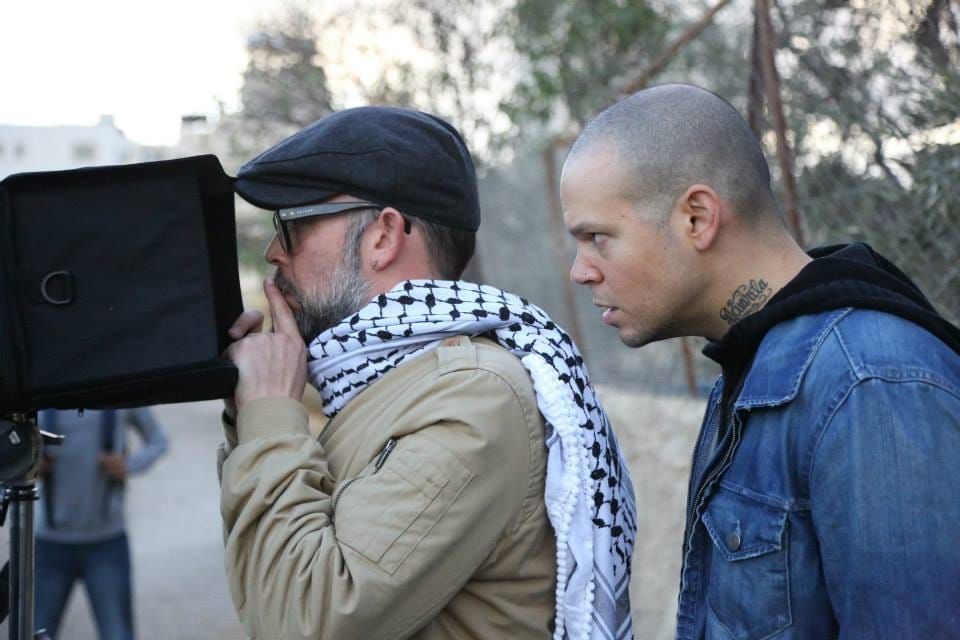
PART III: Kacho López Mari’s Political and Social Emblematic Music Videos
In PART I we explored how Kacho López Mari created some of the most timelessly iconic music videos for Bad Bunny. In PART II we learned about his path to directing legendary music videos for renowned artists like Tego Calderón, Ricky Martin, and Daddy Yankee. Now, we’ll roam around López Mari’s mind to learn about his emblematic music videos that are strong political and social statements.
First, we must understand his upbringing and how this shaped his political and social awareness. López Mari grew up in a very political family and that dictated a lot of the dynamics. It gave him a sense of responsibility and a natural involvement in politics whenever it’s possible because he knows that everything we do has a political implication.
“When you’re not interested in politics, that’s a political decision and it has a repercussion. In my opinion, the person who does not participate in politics, is leaving their wellbeing and life in others’ hands,” López Mari said. “And I’m not in for that. I want to participate. I want to have my opinion.”
That’s why he considers that any cultural expression is a window to the political and social aspects of life. They’re platforms to discuss social subjects and our lives. It’s a tool to communicate any human sensation or emotion. They’re disciplines with which he touches on the subjects of decolonization.
But it’s decolonization from a different perspective. He believes that when people are colonized, they feel like less of who they really are. They feel powerless in changing their surroundings and their lives. Yet, he finds in filmmaking the possibility of helping others with this decolonization.

“Through filmmaking, we narrate and the narration is that reflection of the experience. We first live. Then, we reflect about the lived experience, and on top of that reflection, we then create narrative pieces,” López Mari said. “You’re entering a narrative act.”
Once you enter that narrative act, it’s possible for it to work as a decolonizing act. That lived experience you went through, might help many other people understand their own selves. Others might understand themselves better and that’s what makes filmmaking extremely captivating, according to López Mari.
You watch a movie and it touches you. It allows you to understand things that, maybe, you were still trying to resolve on your own.
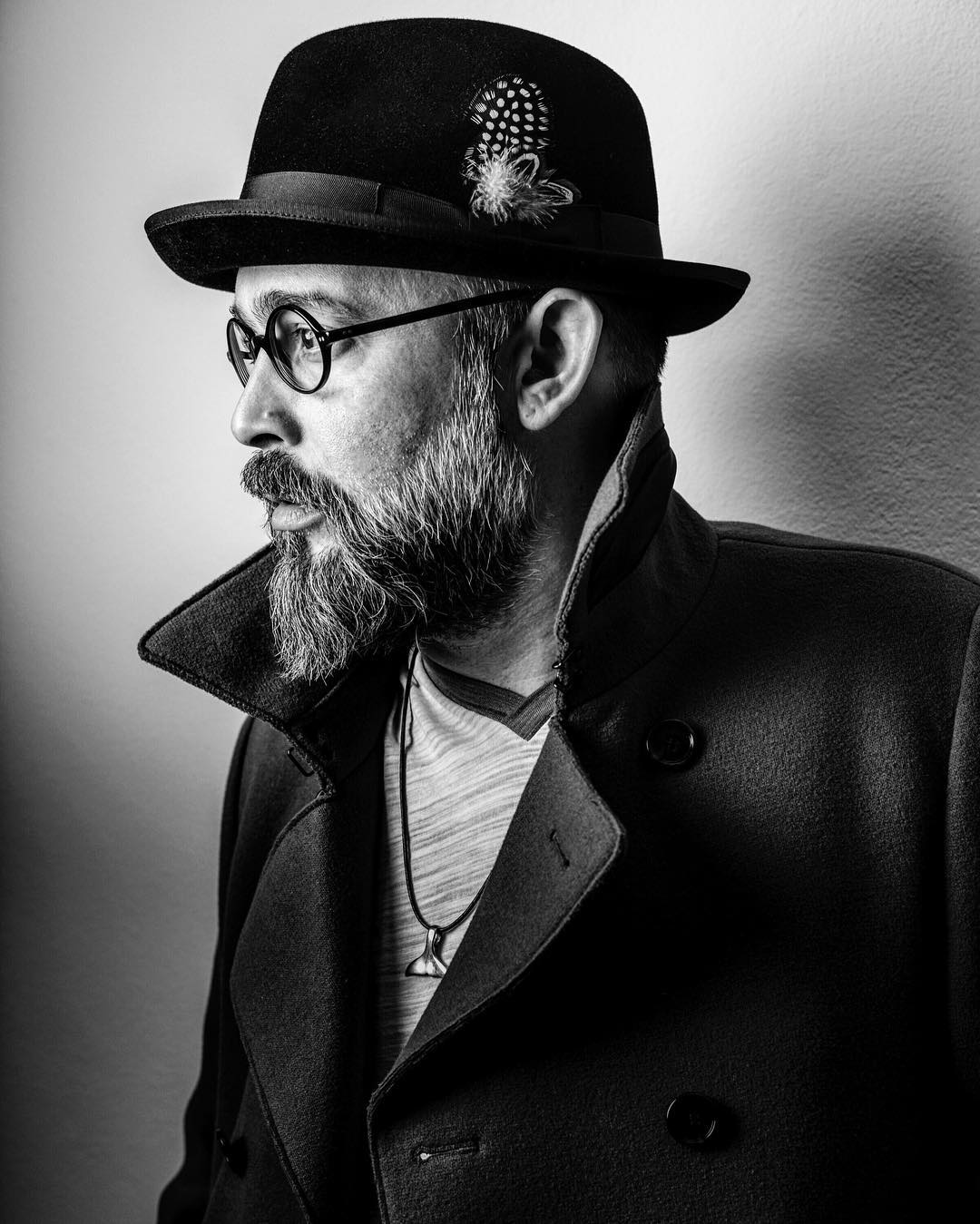
“And that’s the great power of filmmaking, what we do, and art in general. It’s that thing of being able to connect with people on different levels. On different angles. Helping each other out understand ourselves. Seeing others’ diversities and experiences,” López Mari said. “With that value in mind, I believe it’s from there that decolonization happens.”
That mentality of using art and filmmaking as a tool for decolonization and as an expansion tailored towards education while creating a greater access to other perceptions of the world, is present in some of López Mari’s most political and social music videos. These include “Canción Desaparecida” by Juanes featuring Mabiland, “Ojos Color Sol” by Calle 13 featuring Silvio Rodríguez and “El Aguante” by Calle 13.

Don't Forget to Subscribe to
The Story of The Story
For only $16 a month, every Friday you'll have exclusive access to
The Story of The Story. Our founder, the Costa Rican award-winning multimedia journalist and artist Elizabeth Lang, guides you through her creative process to produce her stories.
The Enforced Disappearances in “Canción Desaparecida”
For “Canción Desaparecida,” López Mari was in Madrid, Spain working on a commercial. The renowned Colombian musician and singer Juanes called him. He wanted López Mari to direct this video and he needed to fly out to Medellín in the last days of 2022. Christmas was right around the corner.
López Mari arrived in Medellín and he rapidly did the scouting, the casting, and filmed the video. Regarding the song’s content, it’s one that has a strong political and historical stance for Medellín and Colombia.
“Juan had this very deep inside of him. He was in debt with this subject and that became that song. From Juan’s part, he composes and does that song with the Colombian rapper Mabiland, and he invited me,” López Mari said. “I think he’s the person I’ve done the most videos with.”
Together, they’ve created around thirty music videos. They’ve also garnered multiple Latin Grammy Award nominations and in 2015, they won the Latin Grammy Award in the Best Long Form Music Video category for the piece “Juanes: Loco de amor (La historia).” It’s been a long and ongoing collaboration between both artists.
Given this constant creative pathway, it was a no-brainer for López Mari to direct the music video for “Canción Desaparecida,” especially because there’s a deeper personal connection with the subject for him.
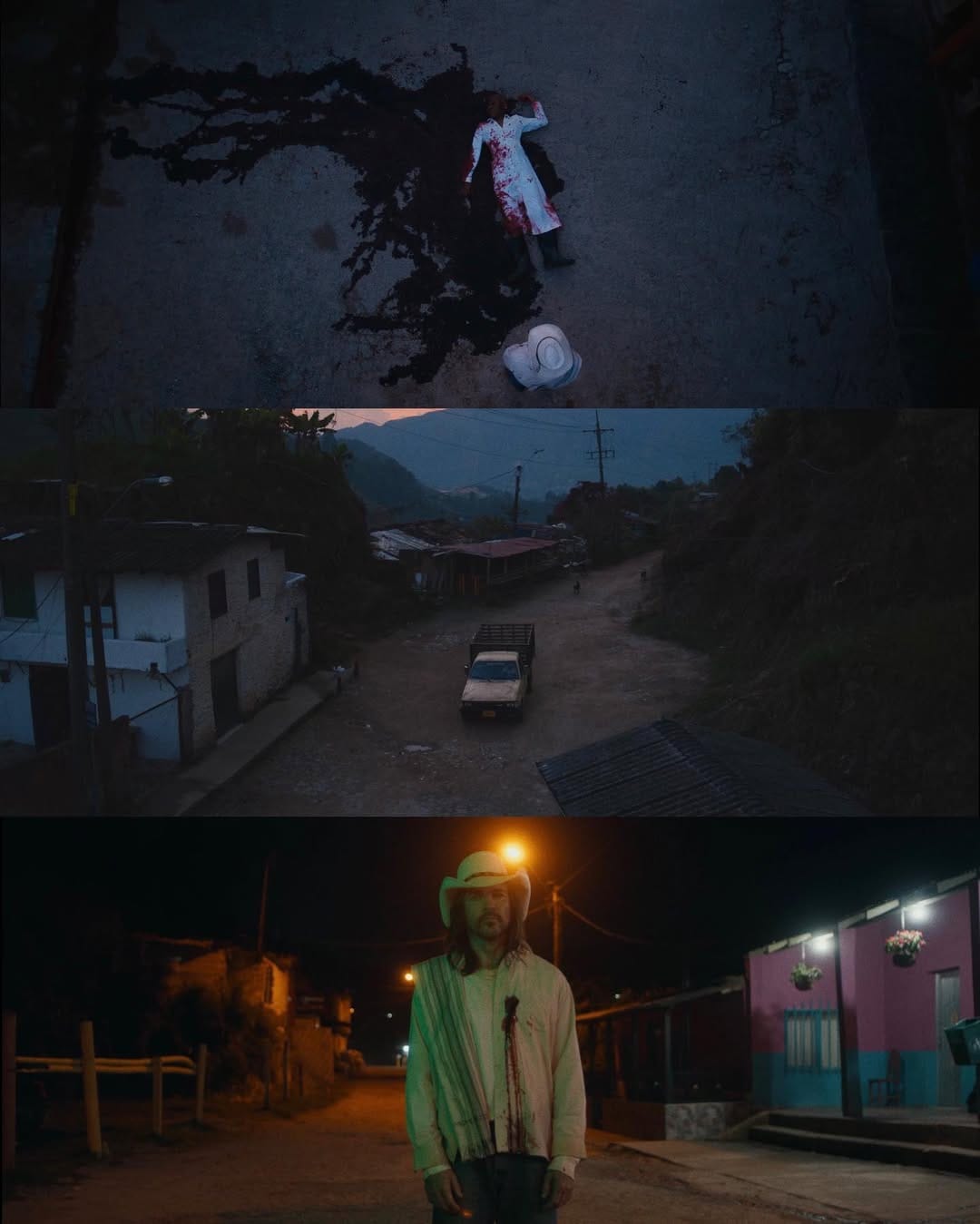
“It’s about the enforced disappearances in Colombia and basically, many of them – if not all of them – become political assassinations. They’re political because [innocent] poor people, agricultural laborers, or students are killed,” López Mari said.
That’s why at the end of the video, some data points are stated. First, according to the 2022 Final Report of the Colombian Truth Commission, 121,768 people were forcibly disappeared between 1985 and 2016. Second, that number can escalate to 210,000 people in all of Colombia. And third, the International Criminal Court (ICC) stated that enforced disappearances are crimes against humanity and it was until the year 2000 that it was recognized as a crime in Colombia.
These facts were necessary to validate even more the social and political statement of the music video. On a visual level, the story is portrayed out in the mountains of Medellín in a small town were Mabiland is laid down as a victim of this devastating crime. The image is quite graphic and violent, but at the same time López Mari described it as a scene where there’s certain beauty in the ugliness.
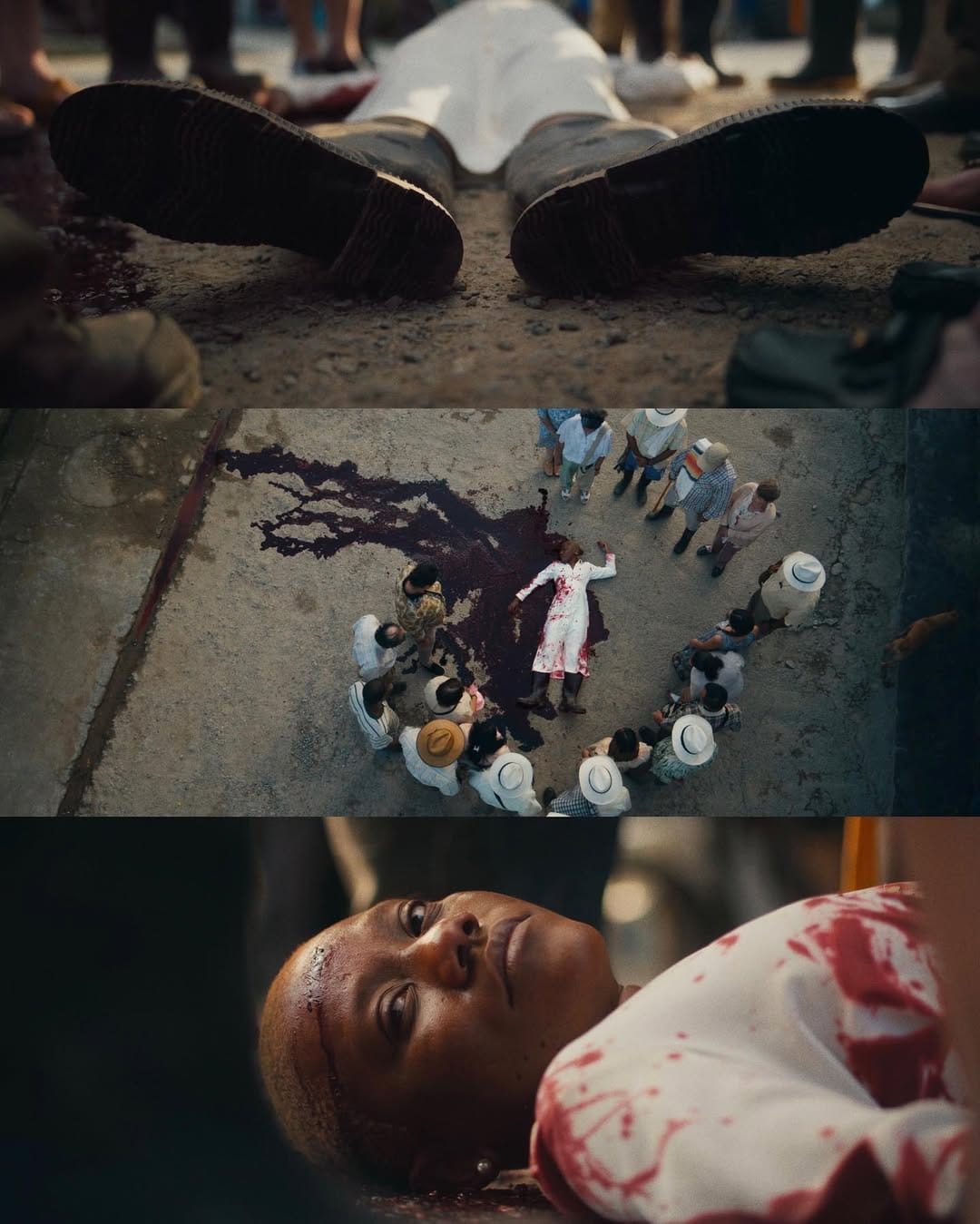
There’s beauty in the ugliness while Mabiland suddenly “wakes up” from the dead. She then starts singing poetically. She sings a political statement about enforced disappearances and women who’ve suffered abuse.
But by this point, you might still be wondering why López Mari is so interested in tackling these complex and delicate subjects. Remember, he said he grew up in a very political family in Puerto Rico and his upbringing deeply influenced the work he creates.
His maternal grandfather, Juan Mari Brás, was a renowned Puerto Rican political leader who advocated for the independence of Puerto Rico from the United States. He also founded the Puerto Rican Socialist Party (PSP). Mari Brás’s son Santiago Mari Pesquera – and López Mari’s uncle – was murdered in 1976, which the PSP classified as a political murder.
“When it’s related with eliminating an opponent due to [differences] in ways of thinking and ideologies, it's something [political assassinations] that we should eliminate in human coexistence. We have to eliminate that bad habit,” López Mari said. “That bad practice of recurring to a murder when we’re simply talking about differences that can easily be resolved in another way.”
With that in mind, López Mari always seeks to use his filmmaking and art as a tool to raise awareness about these complex issues that not only affect Colombia in this particular music video, but also the rest of Latin America. He sees himself as a collaborator in these causes and has no fear whatsoever.
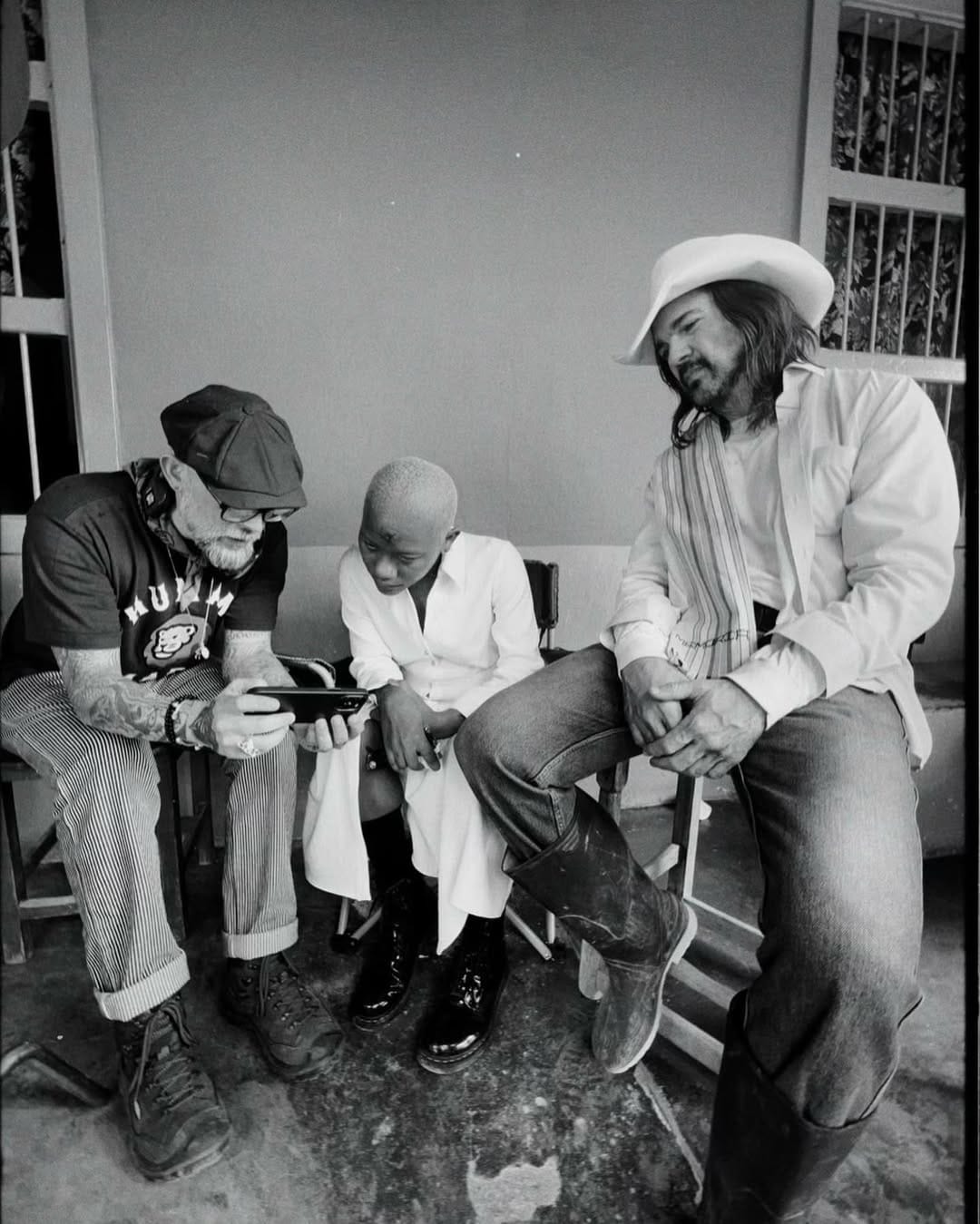
It goes beyond a simple music video for him. To a certain extent, it’s his calling and purpose.
“In my case, it’s the type of project I was born for. It’s the type of thing that wakes me up every day and it’s what I work for. So that projects like this one can come to light. I can use my talent and what I know to do in the service of those messages,” López Mari said.
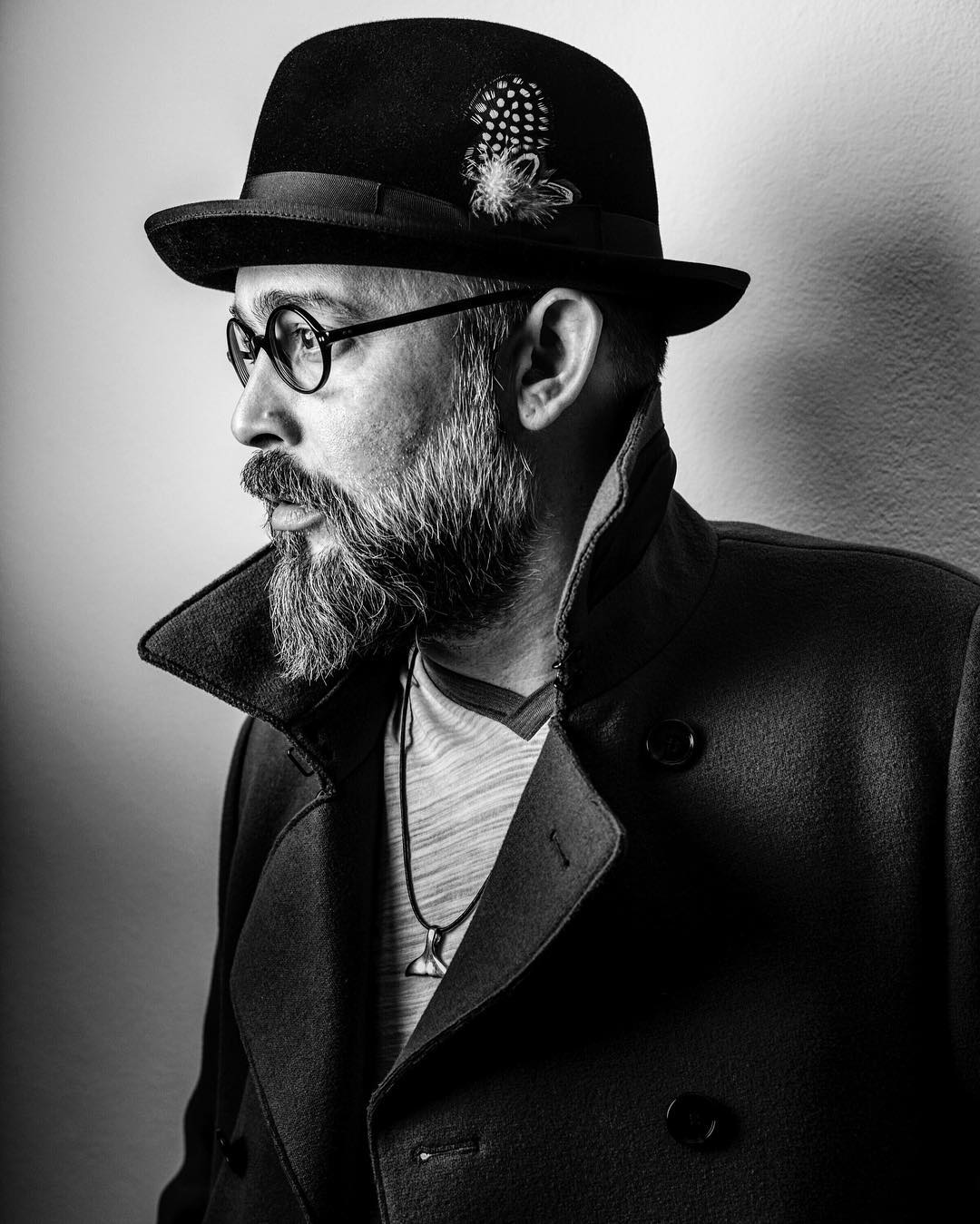
Listen to Kacho López Mari
0:00
/20.309333
The Colors of Yemayá in “Ojos Color Sol”
His talents, the emblematic music videos, and filmmaking are in service of people’s wellbeing. They’re masterpieces that openly speak about humanity through social and political statements. Another piece in which you might observe this in a non-explicit manner is the “Ojos Color Sol” music video for Calle 13 featuring Silvio Rodríguez.
At first glance, you might think this particular music video has no relation with “Canción Desaparecida” and “El Aguante” in terms of social and political themes. But if you take a closer look and think about the current context we’re living in, love is a political.
And this music video’s central theme is love, which was masterfully portrayed between the characters played by the Mexican actor Gael García Bernal and the Spanish actress María Valverde.
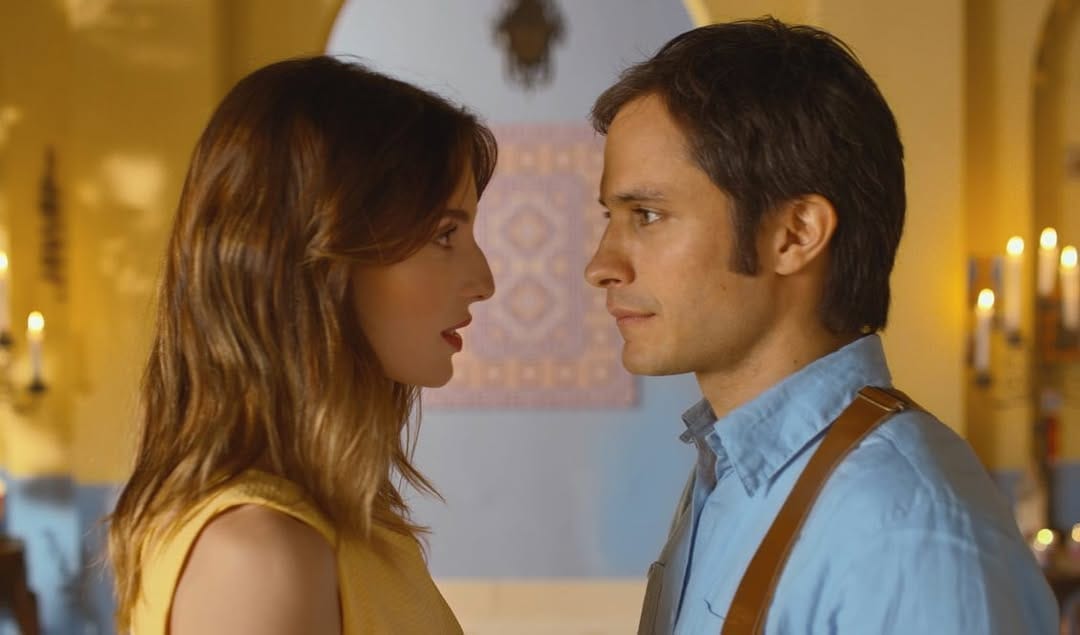
This music video also won a Latin Grammy Award in the Best Short Form Video category in 2015 and another key element in this video is the color palette. You might think it’s a simple choice of different shades of blue and yellow to create contrast, but it’s not quite like that.
For López Mari, color is a fascinating world that holds many implications and “Ojos Color Sol” clearly portrays that. It’s even in the song’s name, which translates to “eyes sun-colored.”
“If you look at that video, you’ll see there are two colors: blue and yellow. Basically, that came through from the first idea I talked about with René [Residente]. He wanted Yemayá’s colors to predominate,” López Mari said. “She’s the goddess of the sea and the colors of Yemayá have a representation that comes from the African Catholic syncretism. From Santeria and that marks the color in that video.”
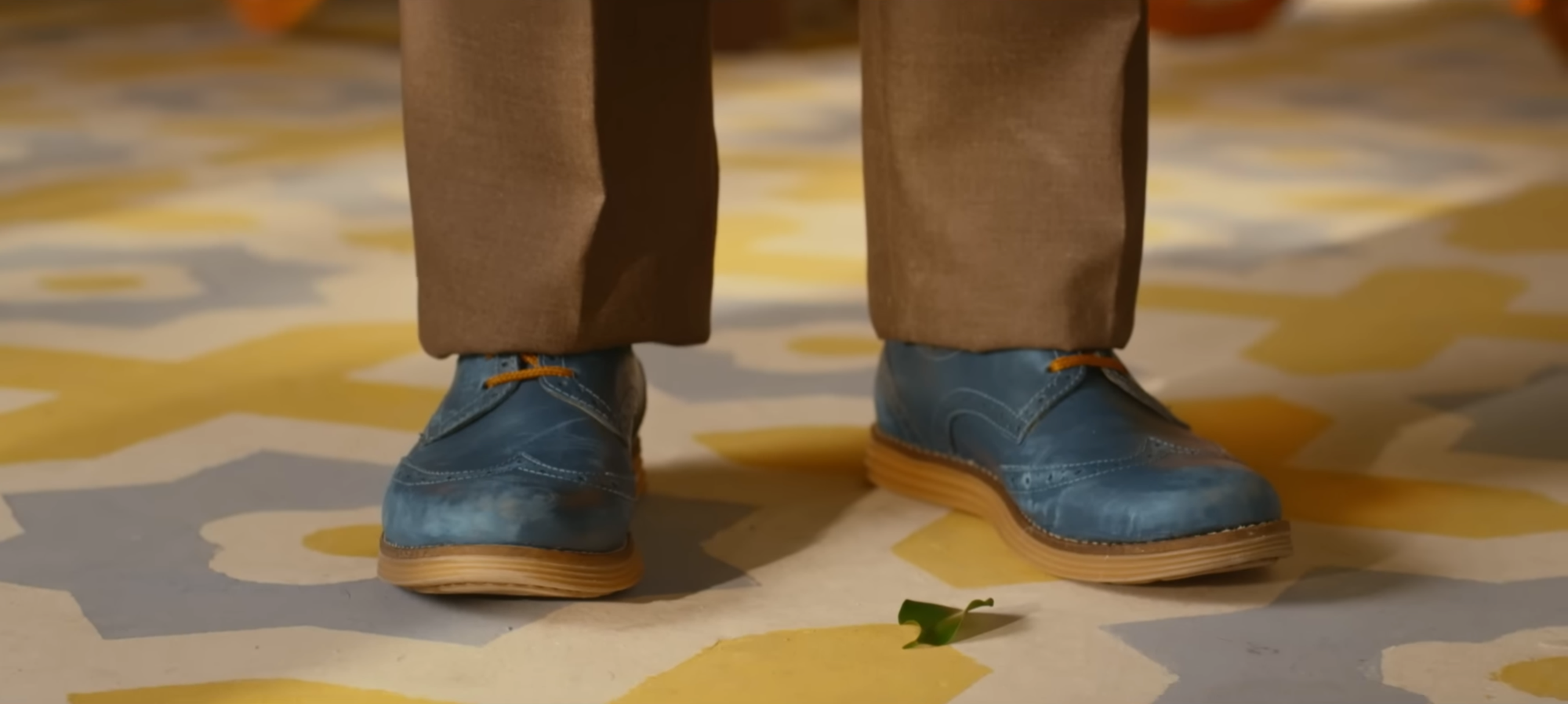
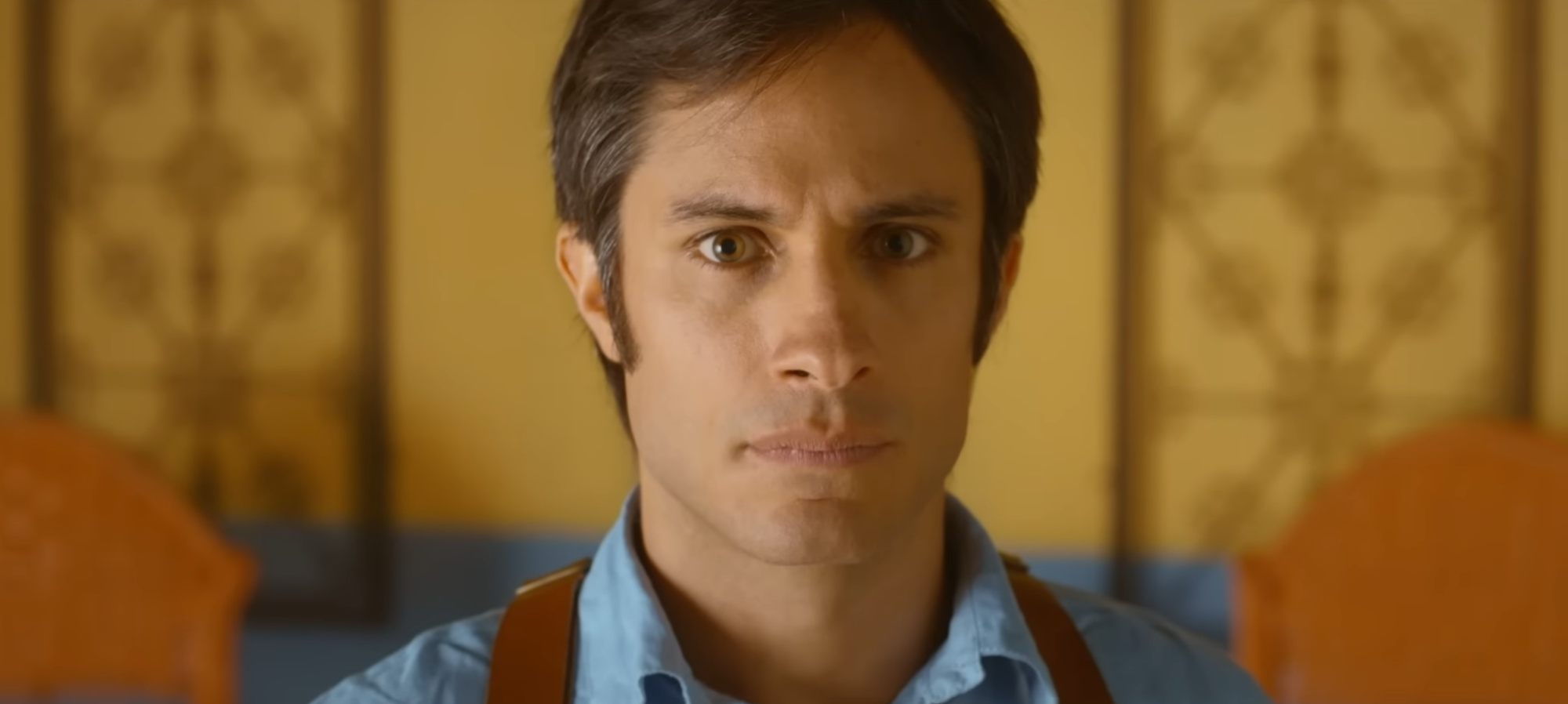
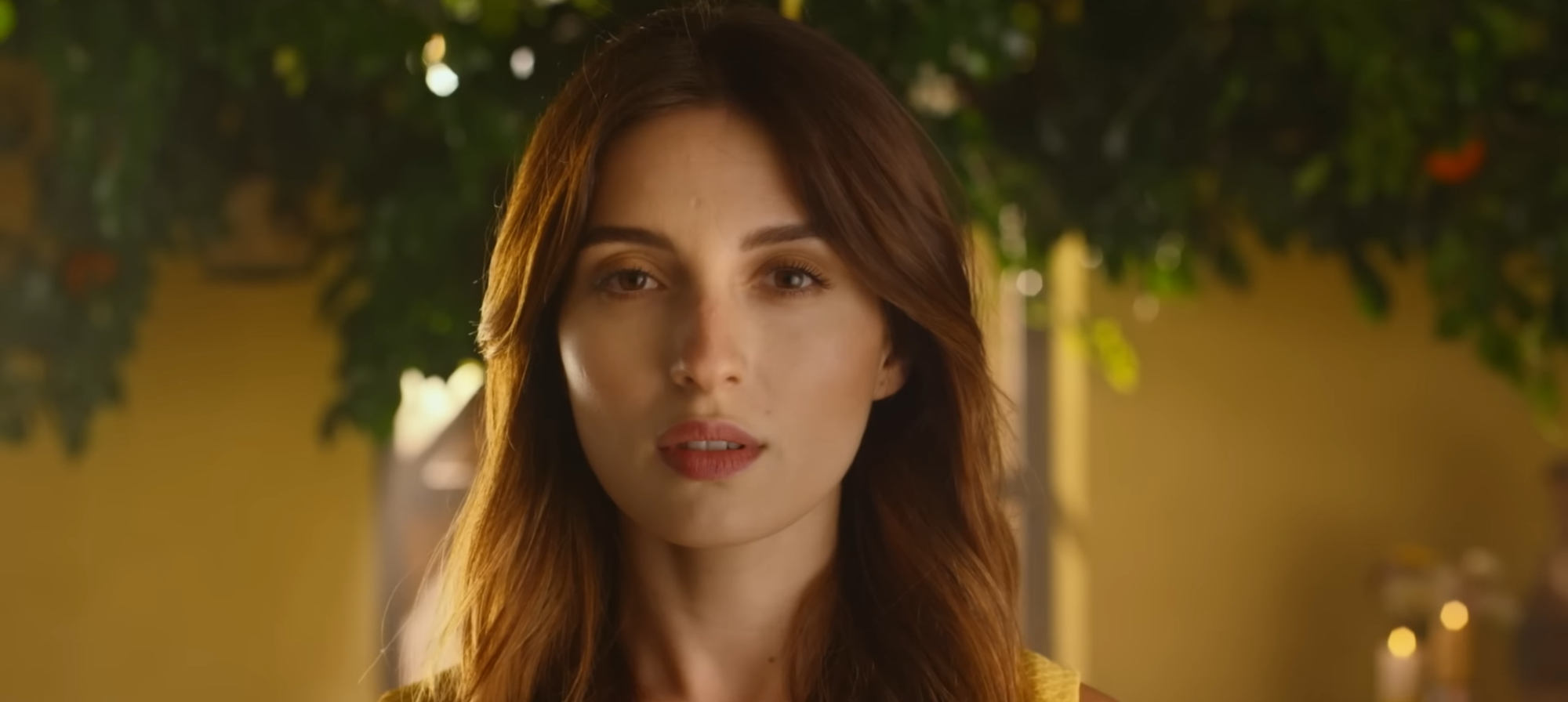
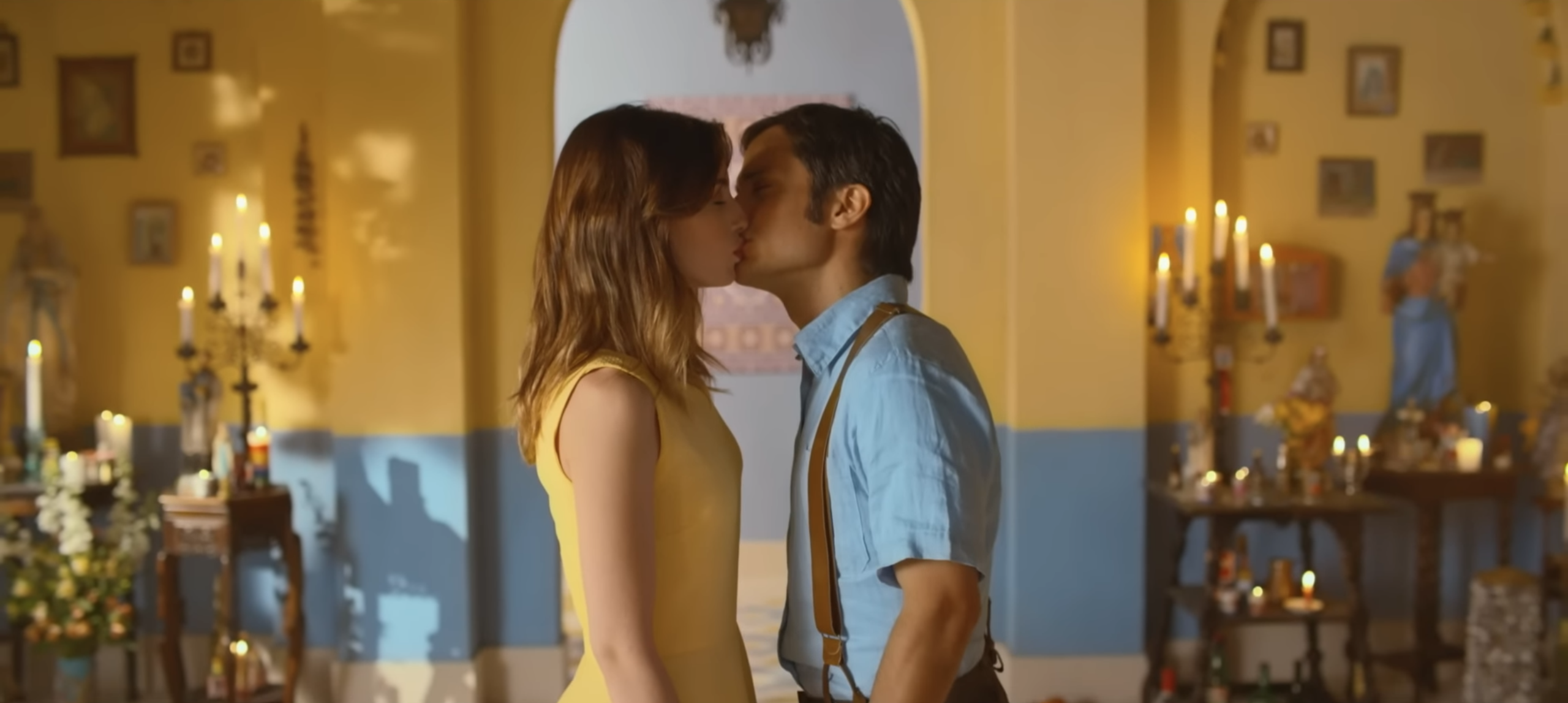
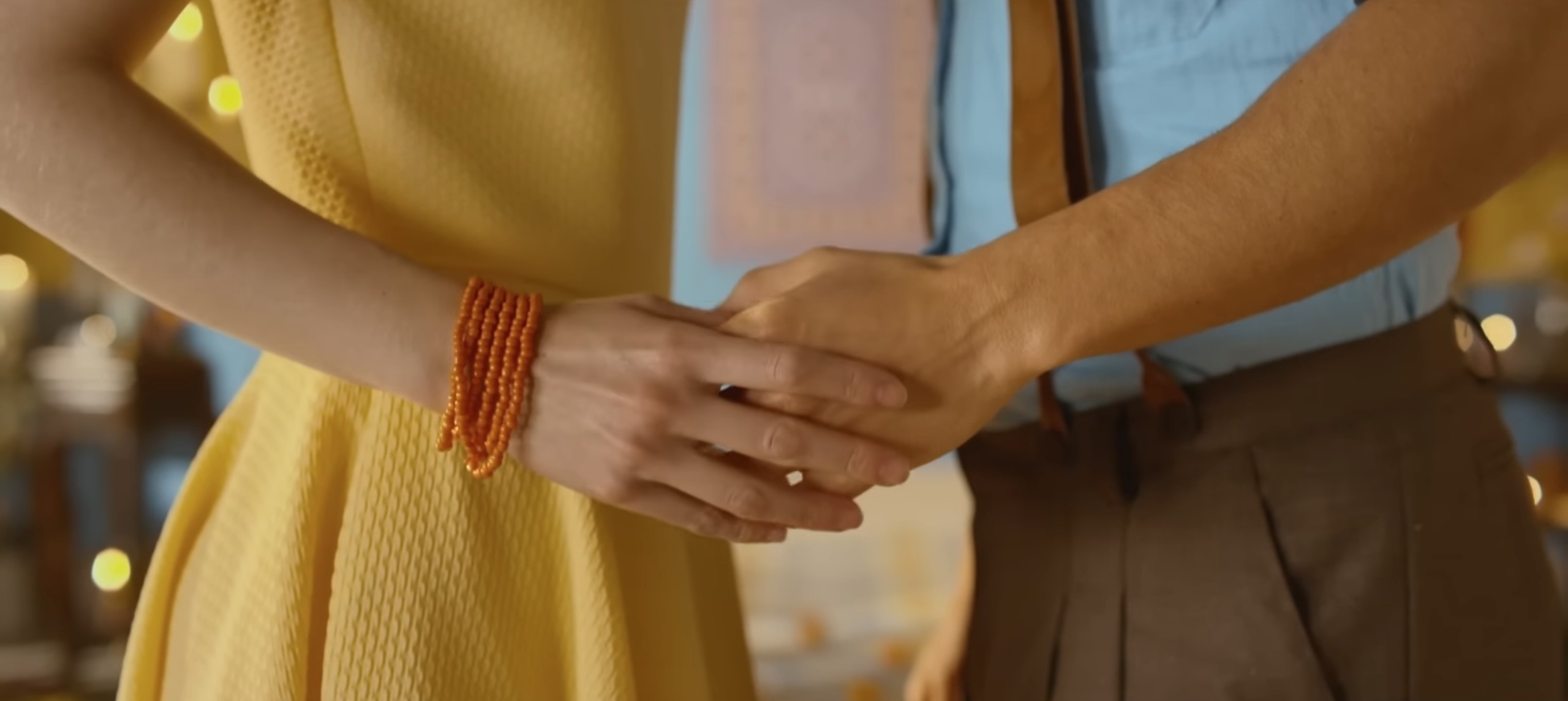
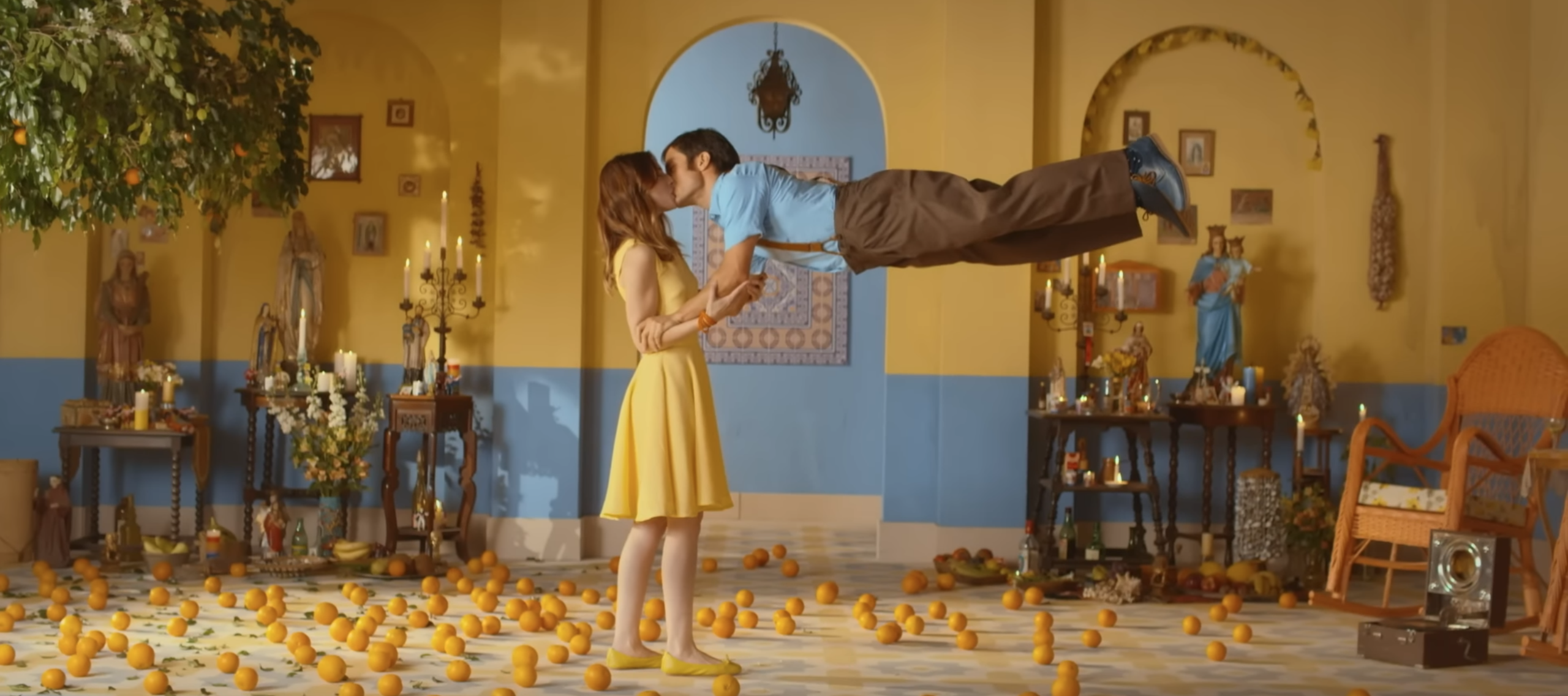
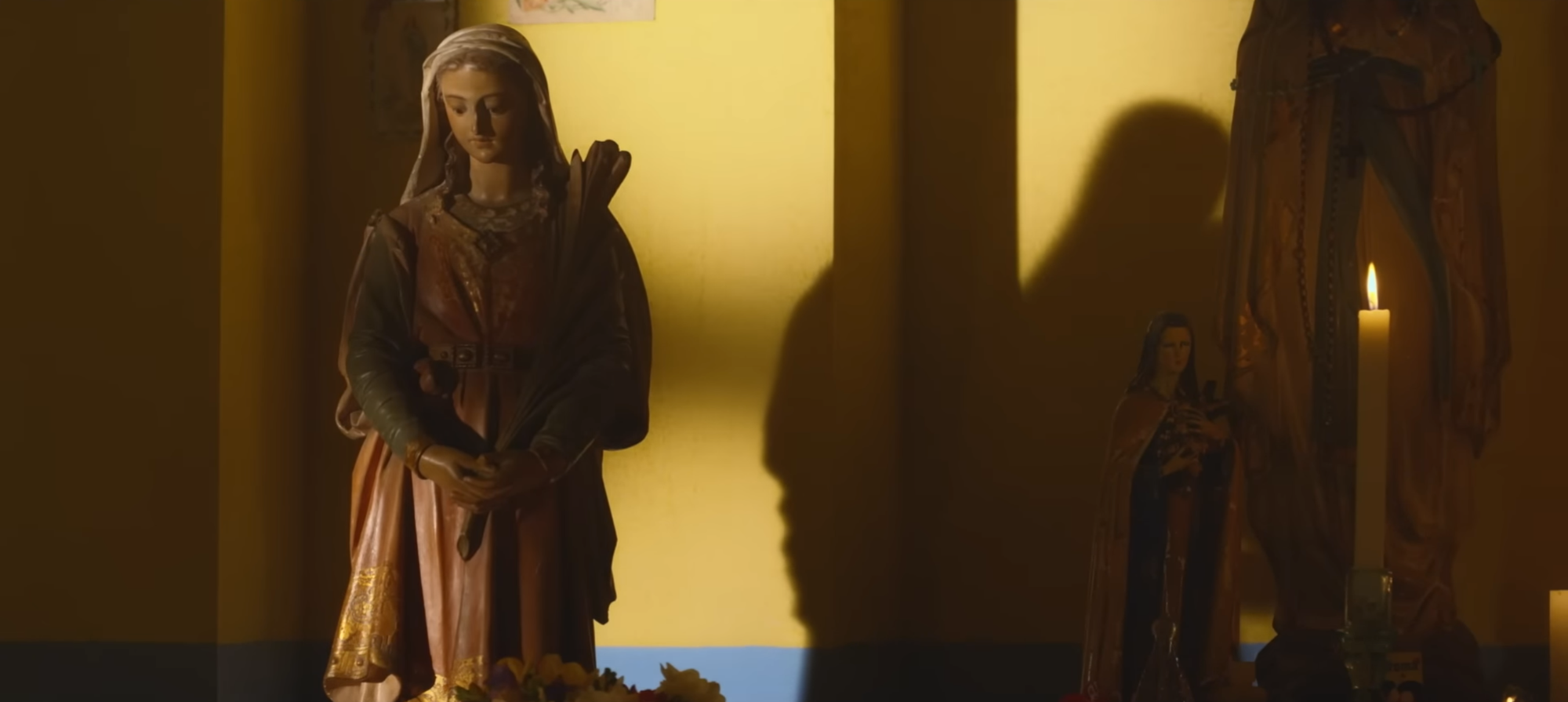
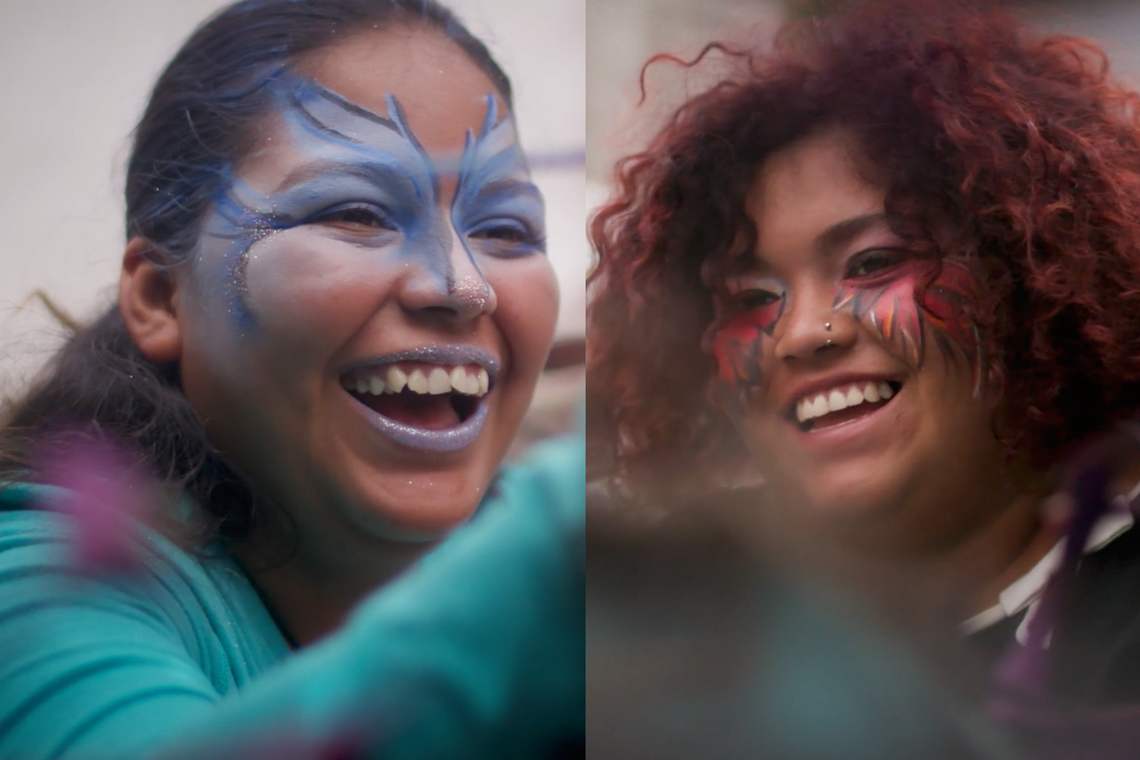
Stills from Calle 13 and Silvio Rodríguez's music video "Ojos Color Sol." | Photos via Calle 13's YouTube | Impulsiva Stories
The color choice from a very intentional decision to evoke certain feelings and emotions can be another part of the process to create. It is not necessarily a specific process per se, but for López Mari, the emotional part cannot be separated from the work itself. It follows every person around wherever they go and where they’re at creatively.
There’s no alternative in leaving the emotional aspects outside of the creations.
“As in everything, there are projects with a more powerful emotional impact. For example, filming in the West Bank in Palestine had its emotional impact. Filming in Sierra Leone with Tego Calderón has an emotional impact,” López Mari said.
The emotional impact has to do with the lived experience. When Tego Calderón, his team, and López Mari got on the airplane back home from Sierra Leone, they all just sat down and cried. They sobbed.
That particular visit for the filming of the documentary “Bling: A Planet Rock” – released in 2007 – was a hard hit for the working crew because of what they saw in Sierra Leone.
“What we saw there was the destruction of the war. Amputated children. A nation really hurt by years of civil war, which had rescinded less than a year ago [before we went]. They had just started a peace process,” López Mari said. “When we arrived there, you could still feel the violence and tension. That’s why it has an emotional effect, but it has nothing to do with doing music videos.”
The emotional impact always has to do with the experience and what it meant. It’s usually an emotional rollercoaster, but it always depends on the project itself. It’s also an element that makes López Mari’s music videos endure over time while reflecting about humanity.
Humanity and “El Aguante”
Such is the case for the music video of Calle 13’s song “El Aguante.” Till this day, López Mari still listens to Calle 13’s songs non-stop, despite the band being separated for quite a while. He even mentioned his eight-year-old daughter is a huge fan of them and always asks him to play the songs.
That’s a sign of music enduring over time and López Mari firmly believes that “El Aguante” has a brutal presence throughout the years. The song says: seguimos aguantando. It speaks about humans’ capacity of enduring and putting up with whatever might come their way.
For López Mari, both the song and music video have a universal and almost timeless presence.
“It talks about very specific historic issues and it mentions all of the dictators and the economic systems. Aguantamos el capitalismo, el comunismo, el feudalismo. Aguantamos hasta el pendejismo,” López Mari sang. “There’s a whole political commentary, but he also criticizes both sides.”
Listen to Kacho López Mari
0:00
/55.373333
There’s a strong political critique that will have the same validation at any given point in history. That’s why it’s a timeless masterpiece, even if it was released in 2014. But for López Mari, it speaks about an even stronger theme.
“Somehow, it speaks about a quality. The quality of human resilience. About how as human beings and, even more so as Latin Americans, we’ve been capable of enduring a countless number of things,” López Mari said.
In that human resilience, the music video literally portrays what is sung. It’s a literal interpretation of the lyrics. In that case, the creative process was different for López Mari. It’s not like he always gets the chance of making a music video that’s the literal song.
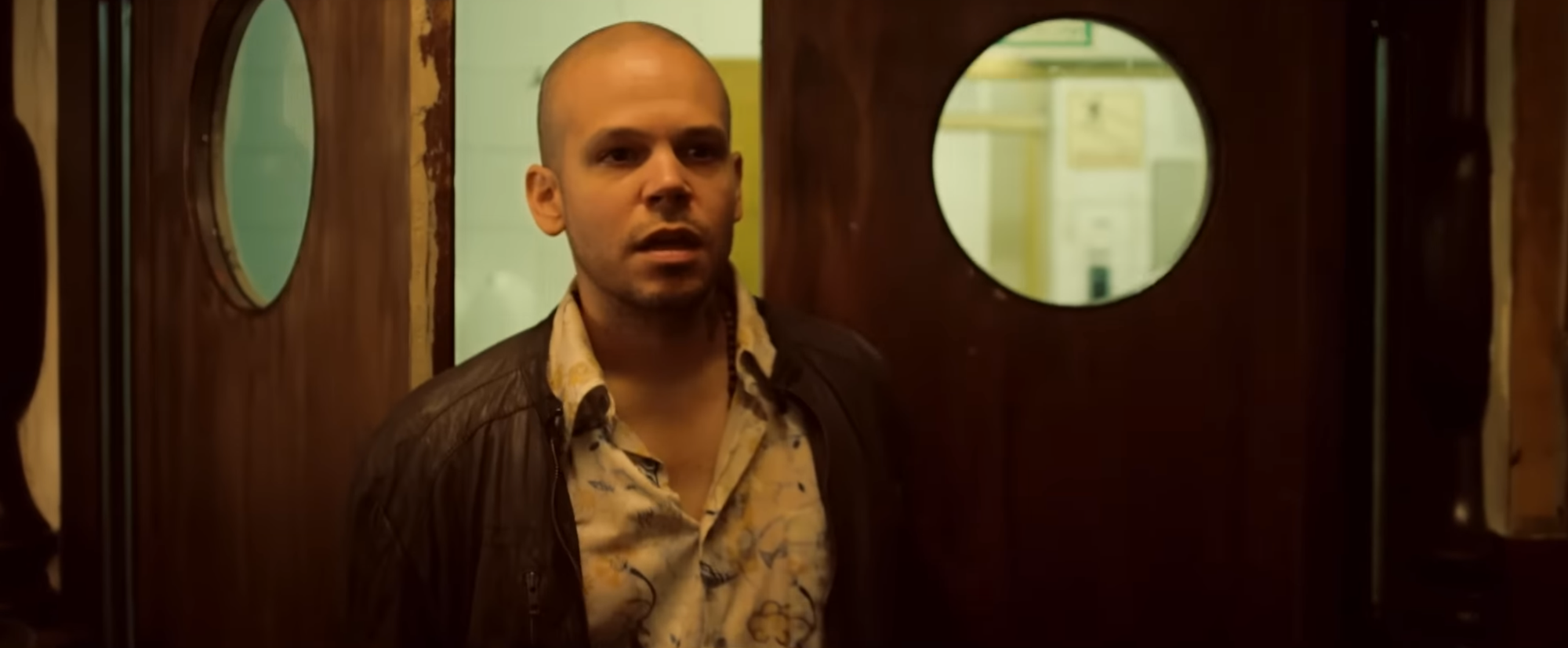
That in turn, became an excuse to create a narrative sequence where this woman, who’s the main character, takes the audience throughout the bar and the party. The idea came to life in several conversations between López Mari and Residente, Calle 13’s singer, during the band’s tour throughout Latin America and the United States. Multiple conversations happened in various airplanes, buses, all sorts of vehicles you can imagine, and hotels.
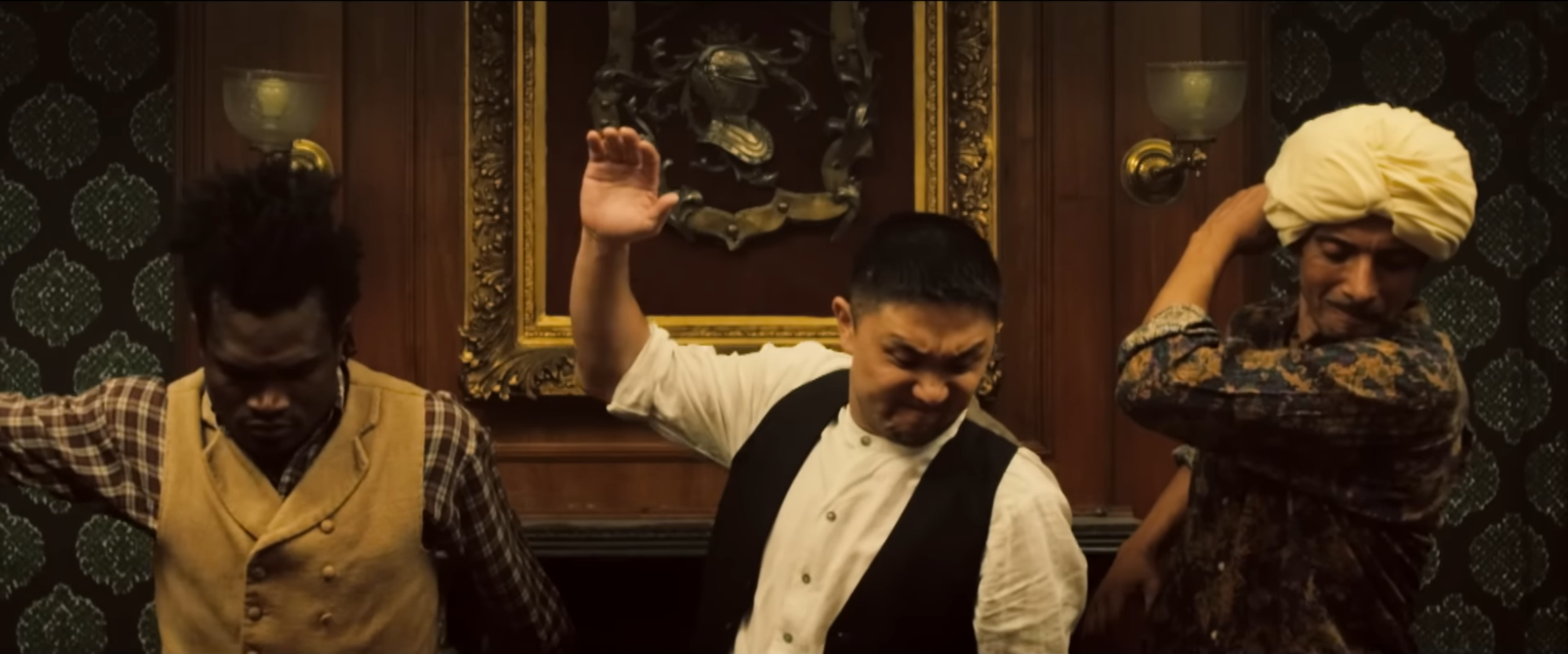
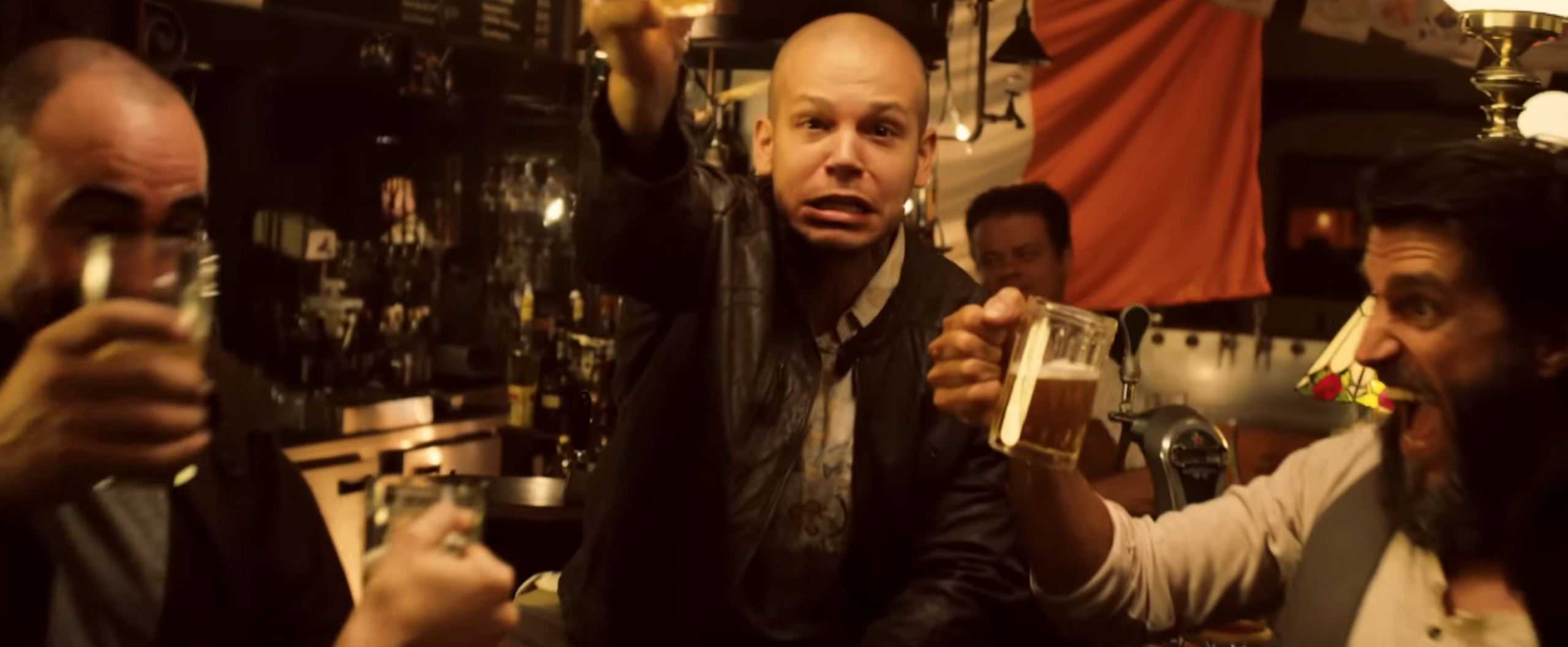
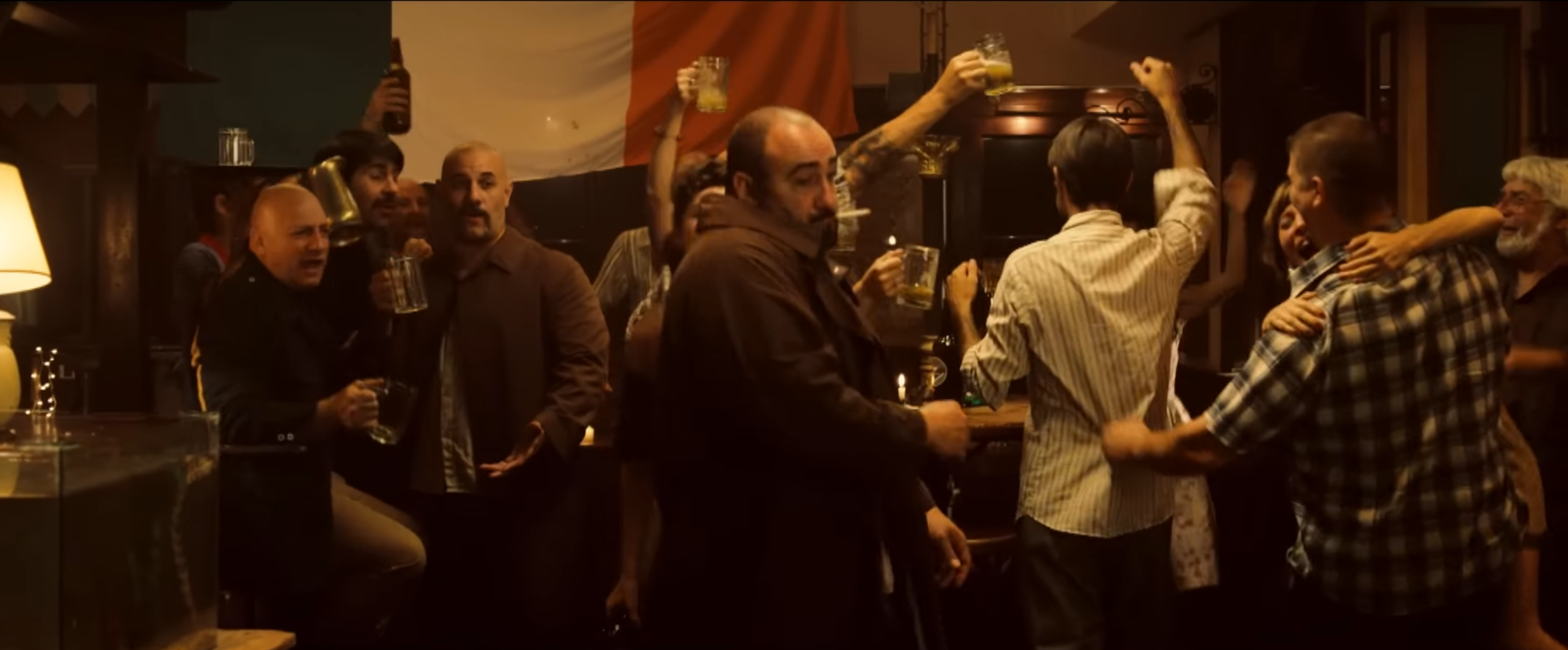
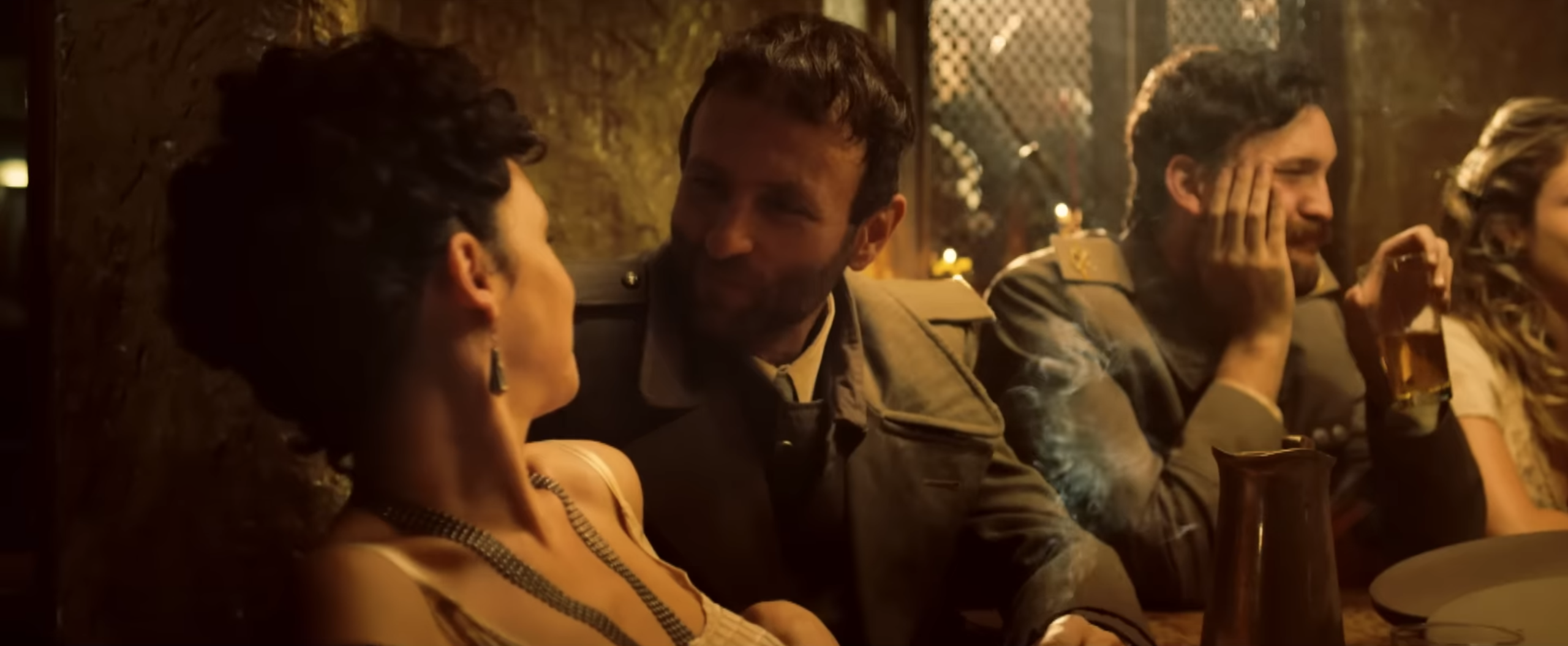
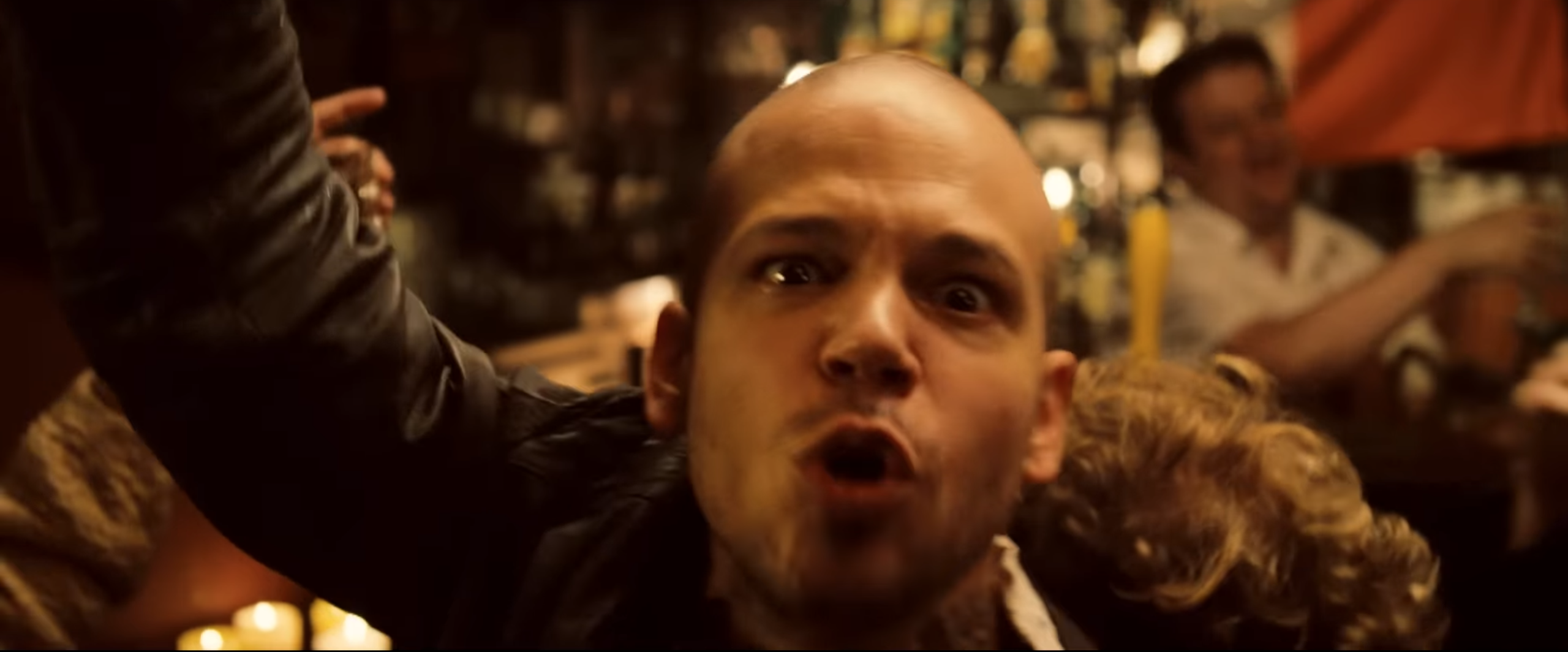
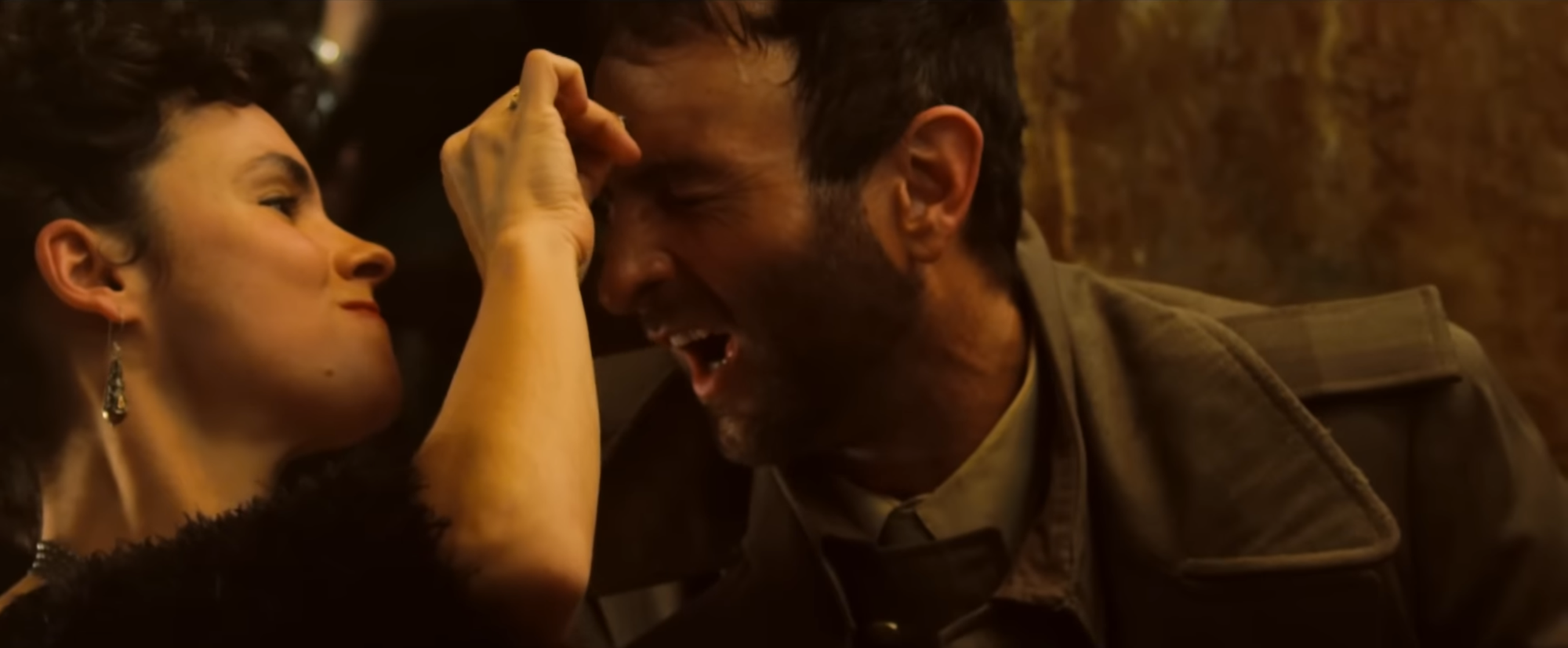
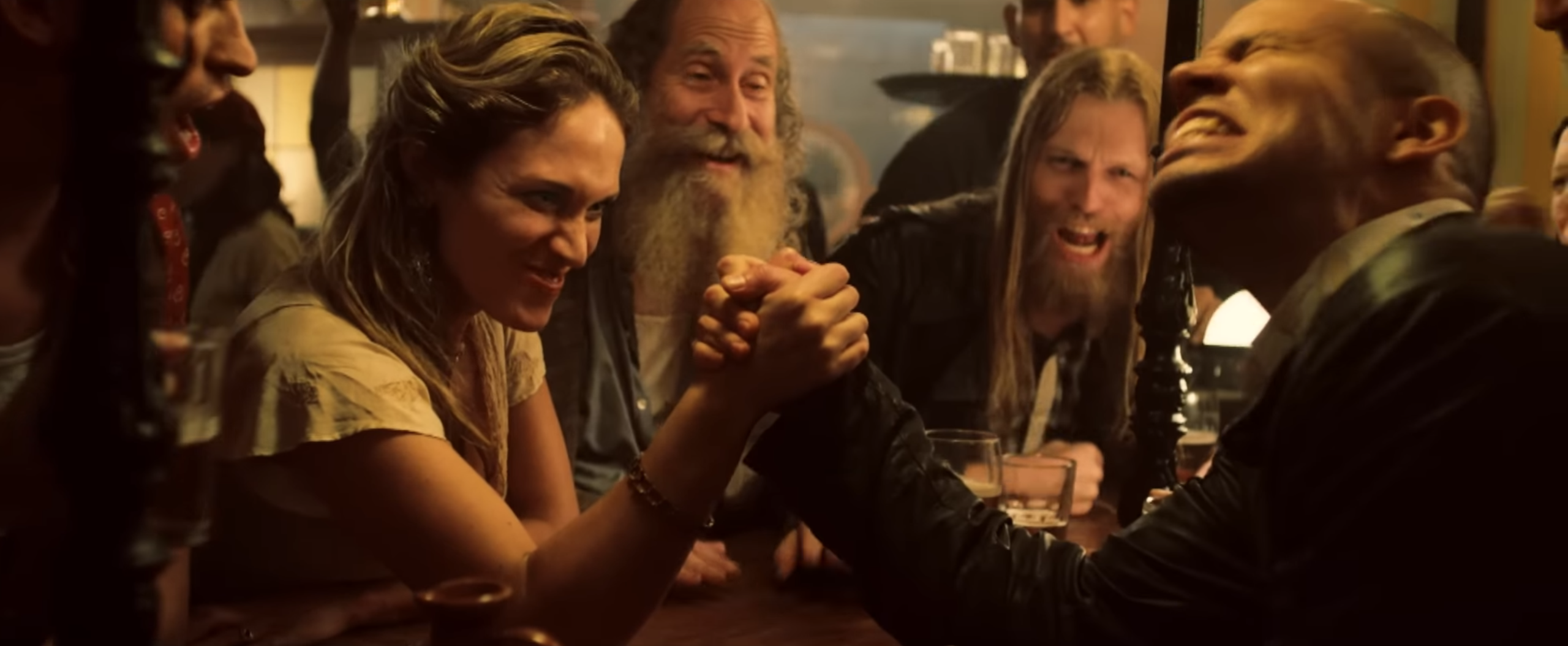
Stills from Calle 13's music video "El Aguante." | Photos via Calle 13's YouTube | Impulsiva Stories
Throughout that tour, they did five music videos together and “El Aguante” happened in the middle of that journey. So, they filmed it in an Irish bar called The Kilkenny in Buenos Aires, Argentina. It’s a visual masterpiece that reflects multiple profound experiences about humanity.
“It’s like this contradiction. The party and the human joy. The violence. The greed and all of those human qualities like racism and authoritarianism,” López Mari said. “That, somehow, those balances or imbalances, are what creates a difficult world to live in, but at the same time a bearable one. And where the human being is capable of enduring many of the most dangerous and messed up things in the world.”
Listen to Kacho López Mari
0:00
/39.845333
That’s why his music videos are captivating pieces with strong political and social statements, which is one of the many marvelous characteristics of his compelling filmmaking and art.
It’s art that’s timeless, iconic, legendary, and emblematic.
It’s art that endures over time throughout each and every one of his different chapters in collaborating with some of the world’s number one artists and songs. It’s art that means the whole world to López Mari because it creates a genuine human connection with the audience.
It’s art that transcends.
“The art we create is our life and it’s what moves us. What sustains us economically, but also emotionally, psychologically, communally. It means everything to me,” López Mari said. “The art we create has that implication. That’s why I want to feel responsible. To think that what we do, we do it in favor of people understanding each other better and that we love each other more.”
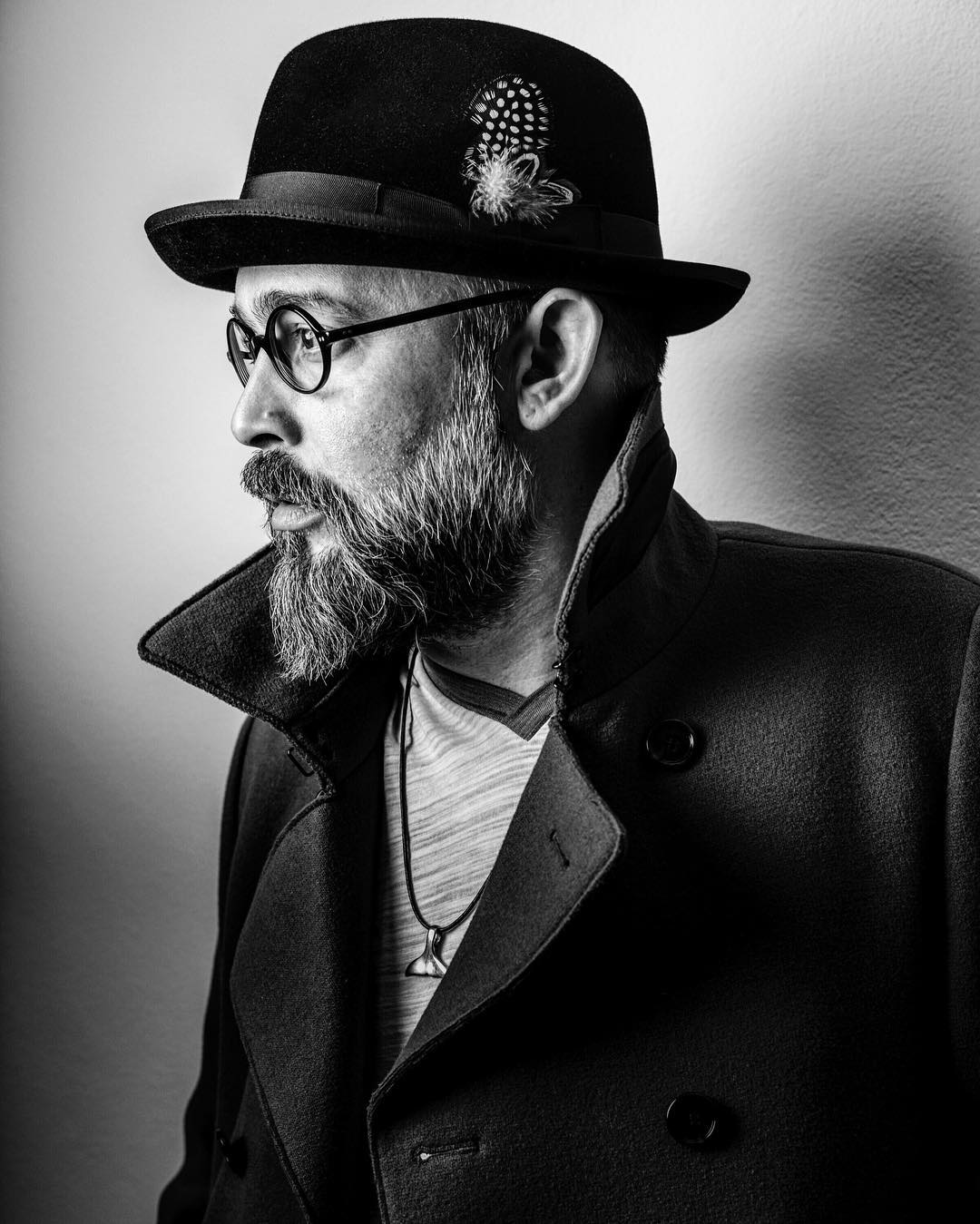
To learn more about Kacho López Mari’s political and social emblematic music videos, you can follow him on Instagram at @mrsandbag or at @zapatero.tv.
Written by

Subscribe to my newsletter
Subscribe to my newsletter to get the latest updates and news