Luis Caraza Peimbert PART II
Luis Caraza Peimbert sculpts music's physical body with his editing in Demi Lovato, SZA, Doja Cat, and Bad Bunny's music videos.
PART II: Luis Caraza Peimbert Gives Music a Physical Body with His Editing
In PART I, we explored the musicality behind Luis Caraza Peimbert’s editing. Now, we’ll dive into an even more abstract concept: how Caraza Peimbert gives music a physical body through his editing. You might be wondering how this all works for him.
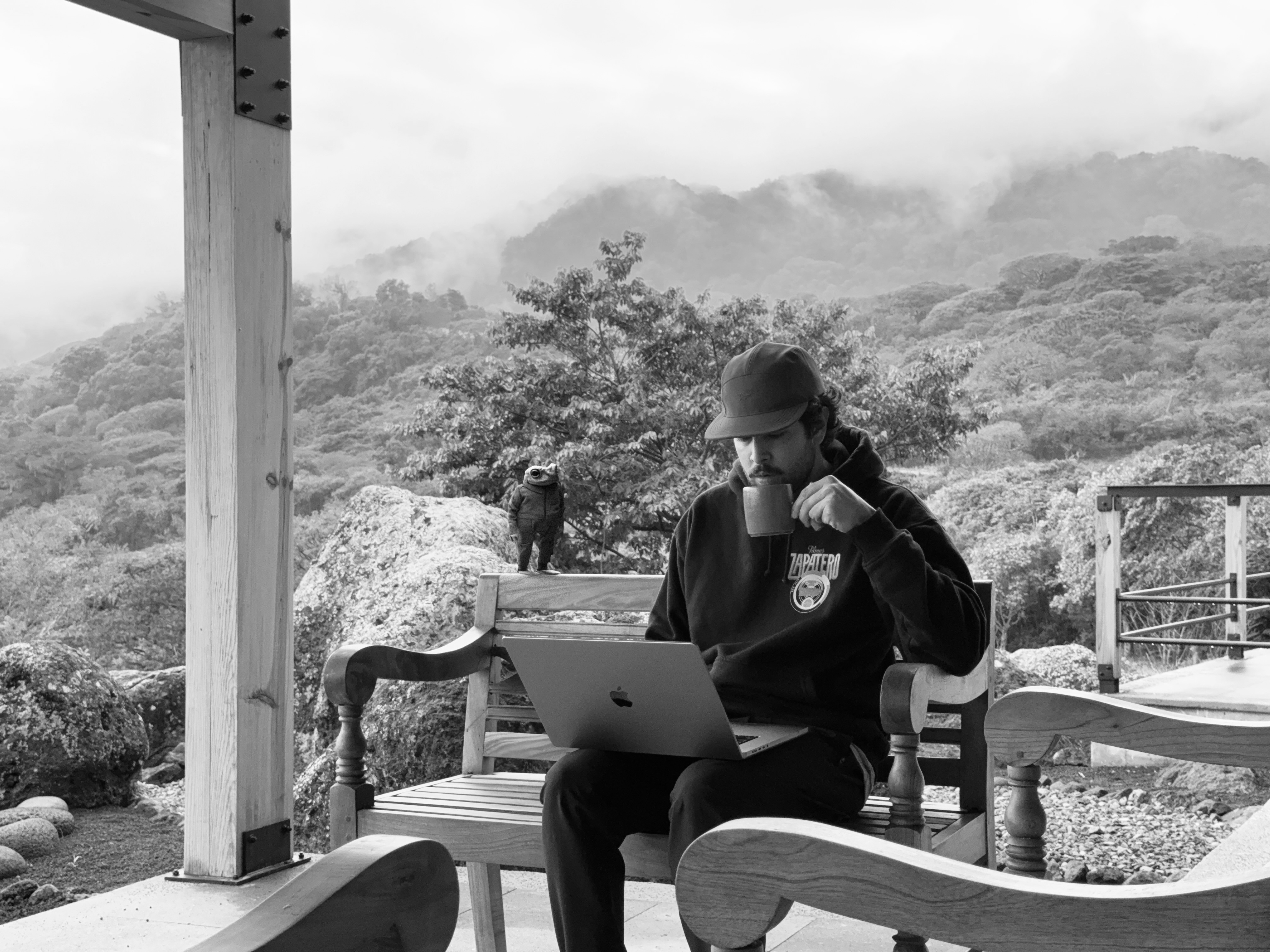
It might sound tricky, but there’s a whole conceptualization and science for Caraza Peimbert, who's an award-winning Mexican editor and artist that works with the creative studio based in Los Angeles, London Alley Entertainment. But before we delve into Caraza Peimbert’s abstract mind, we must first understand how his perception about music changed after editing and going all in to the vibrant world of music videos.
Music festivals became attractive for him. He began enjoying music even more. He started following it and got interested in a wide variety of artists, trends, and genres. Yet, he says he still has a music taste that none of his friends enjoy.
“Now I can listen to Metallica with my compas, but I don’t know. I also like Chappell Roan, Olivia Rodrigo, and Bad Bunny, but I also still like Prince. I also listen to Beyoncé sometimes. I try to listen to as much as possible,” Caraza Peimbert said. “I do think EDM is the main one.”
Besides listening to a great varied repertoire of artists and genres, Caraza Peimbert’s definition of music has also changed. He understands it as an art that’s very similar to filmmaking. It’s a medium that’s quite accessible all over the world. He thinks it’s even more accessible than filmmaking because you only need a speaker, a cellphone, an iPod, a CD, a cassette, or whatever it is, to experience it.
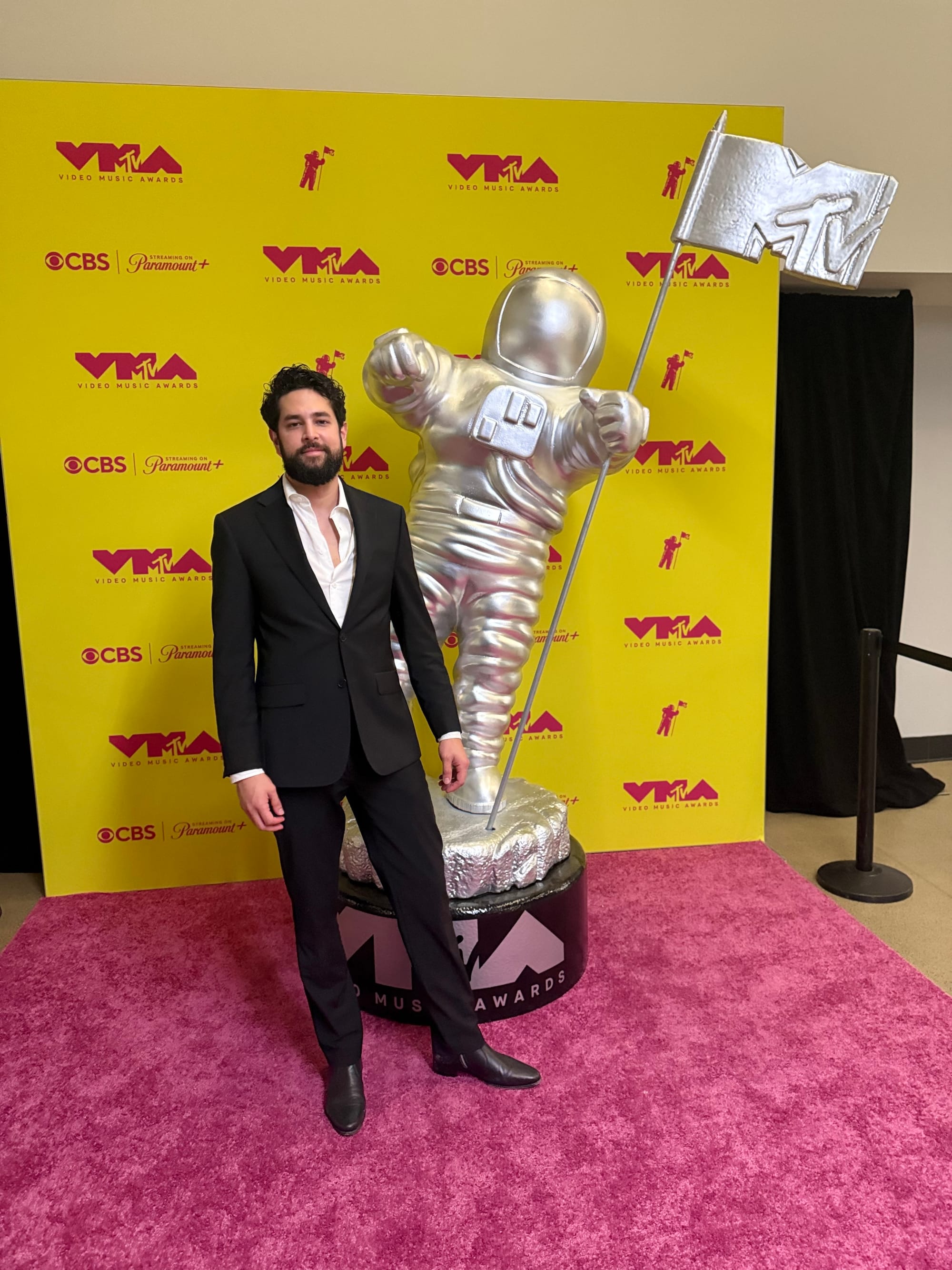
This accessibility aspect also allows music to bring people together no matter what their background is. It connects us to each other because of something as simple as sharing the same music taste. The same love for an artist, genre, or instrument.
“You can take your message to whatever country you want and from whatever country you’re from. It has that unstoppable aspect of dispersion and if we continue with my definition of art uniting people, music has the greatest power in doing that,” Caraza Peimbert said. “It brings people together. It transmits whatever message you want, whether it’s love, hate, partying, or whatever.”
And with that clear grasp on music, he also sees a direct relationship between it and filmmaking. They’re both defined by people because they're the ones who experience it and create it. It’s the mirror that exists between art and society. It’s about the good and bad things that happen to us, which then become art as a means to transmit a message.
That message can be relatable, but it can also be something you’re fighting against or celebrating.
0:00
/0:05
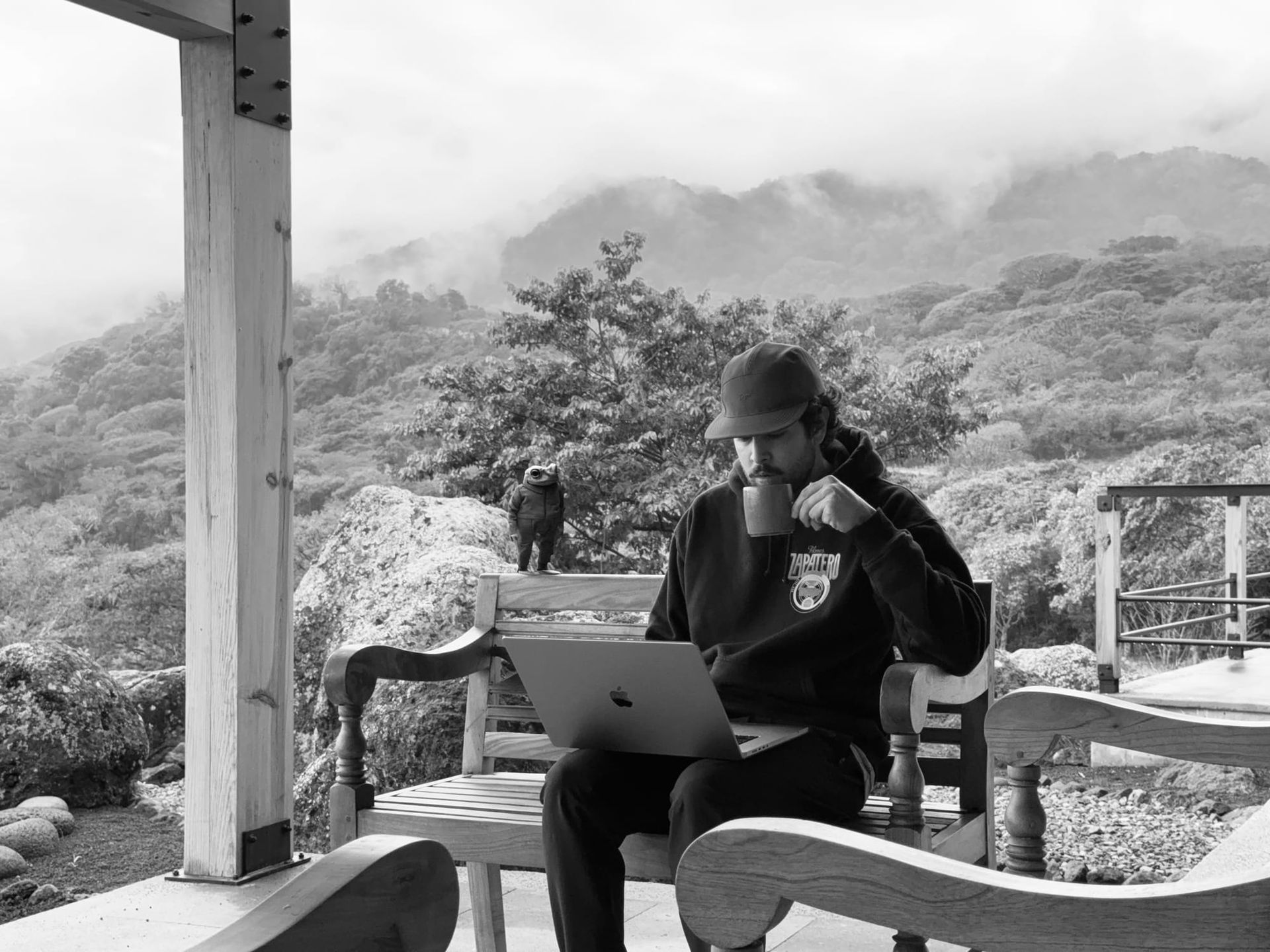
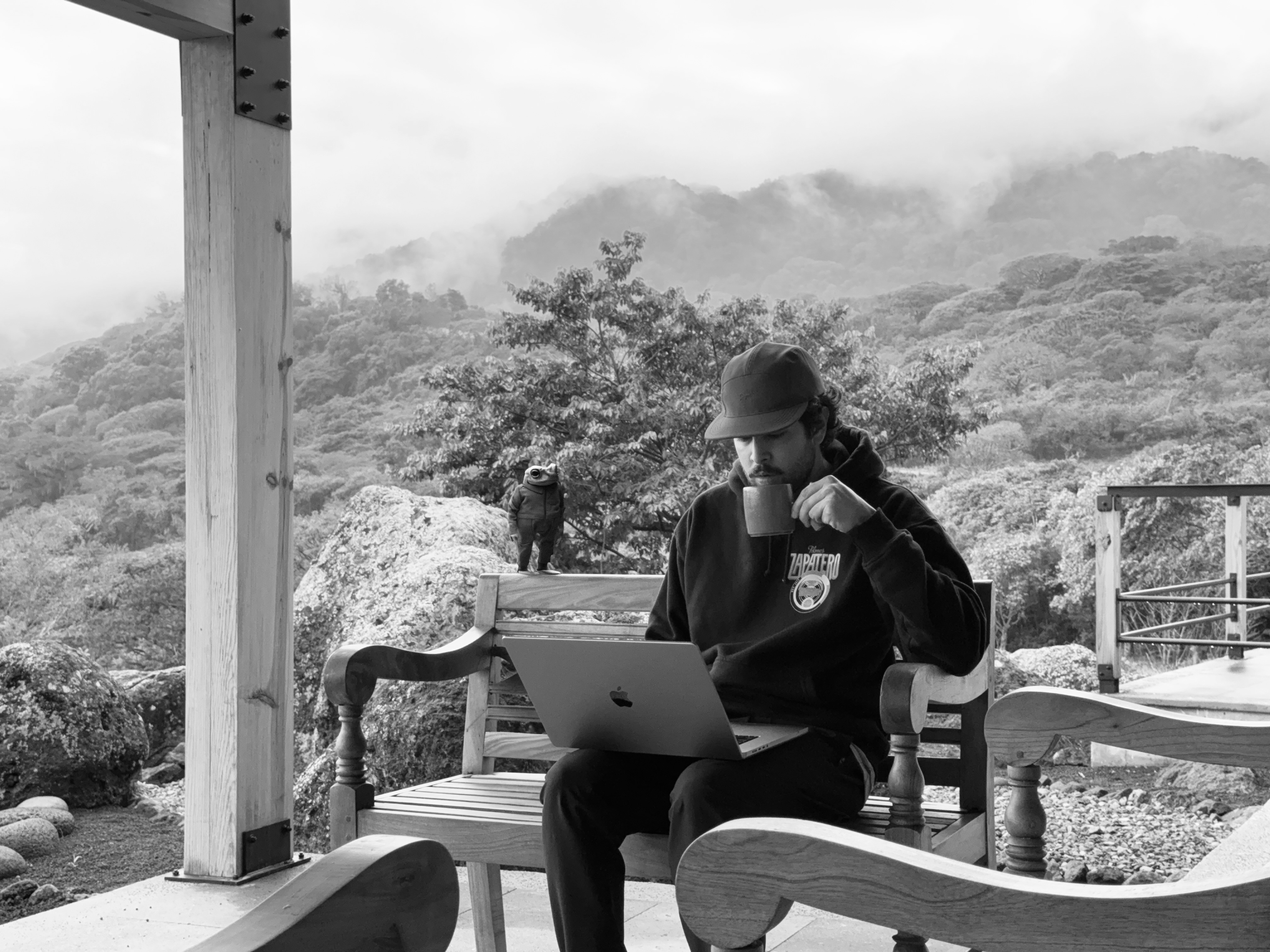
Luis Caraza Peimbert and Carlota the corgi. | Video courtesy Luis Caraza Peimbert | Impulsiva Stories
“I love associating art with people. But sometimes what happens is that, that art – whether it’s filmmaking or music – we see it, and maybe we decide to change something in our environment,” Caraza Peimbert said. “It might become more art. More people deciding to talk and having a speech. That’s the dream.”
It’s the dream because he really does not know how often art changes the world. That innate and natural passion for creating and generating an impact in an audience that really connects on a human level, is quite evident in his concept of giving music a physical body. It’s about crafting a physique that gets lost in the musicality Caraza Peimbert creates through his editing.
Some of the music videos where you can clearly experience this are “Here All Night” by Demi Lovato, “Kill Bill” by SZA, “Agora Hills” by Doja Cat, and “BAILE INoLVIDABLE” by Bad Bunny.
Don't Forget to Subscribe to
The Story of The Story
For only $16 a month, every Friday you'll have exclusive access to
The Story of The Story. Our founder, the Costa Rican award-winning multimedia journalist and artist Elizabeth Lang, guides you through her creative process to produce her stories.
“Here All Night” Playing with the Lights and Rhythms
Right out the first beat in the U.S. singer and actress Demi Lovato’s “Here All Night,” you get a quick idea that the editing will be quite fast and playful. The rapid-paced dance-pop, sort of EDM, sort of electronic pop rhythms, guide the music video directed by the U.S. film director Hannah Lux Davis.


Stills from Demi Lovato's "Here All Night" music video. | Photos courtesy Luis Caraza Peimbert | Impulsiva Stories
For Caraza Peimbert it was a simple task because the percussion of these particular music genres makes it easier for him to cut throughout the piece.
“It’s like very easy with that percussion to cut it shot by shot. I find it to be flashy with the shots,” Caraza Peimbert said.
Listen to Luis Caraza Peimbert
0:00
/12.173333
Regarding the creative editing process, it was the same as always. He got the material. In this case, Lux Davis usually likes to film more than other directors. Caraza Peimbert said she really likes slow motion, so she films everything in 48 frames per second with various cameras at the same time.
So, the first edit for this music video took him about three days to get done. Then, Lux Davis and him had a supervised edit session, which he really likes because of the teamwork aspect. It’s one of the many ways he collaborates with directors and their different methodologies to create.
This helps him understand and decipher what they want to communicate and then, do it in the most efficient way through his editing. He gets to know them, their vision, the story they want to tell, and then adds his own touch to the music videos.
In “Here All Night,” that unique touch is in how he played with the lights and rhythms. It was a very beautiful process because he was given plenty of material to work with. He had so much to edit, that he felt he could give each instrument a certain type of shot, specifically when Lovato sings an extended “oooooover you.” In that part, Caraza Peimbert sought to create an association with what she was singing and what was happening visually by getting closer to her.
Listen to Luis Caraza Peimbert
0:00
/41.117333
In the end, he wanted to create that association between instruments, musicality, and visual aspects. So, he used the strobe lights to cause an impression while playing with the beats and rhythms.
And here’s where the astounding abstract concept of music's physical body came through.
“It was about placing them together with the drums. Like those drums that go: tu, tu, tu. As if the light sounds like the drums. I feel I sound super crazy, but that’s what it feels like. That’s what it feels like when I’m editing it,” Caraza Peimbert said. “It’s that process of giving music a visual voice. Or giving it a body. It’s more about giving a physical body to music.”
Listen to Luis Caraza Peimbert
0:00
/49.493333
Music’s abstract physical body comes from a sound design perspective for Caraza Peimbert. He learned that each thing that the main character is interacting with in the frame, must have a sound. Otherwise, the shot, piece, or scene feels empty.
That’s why he goes on playing rhythmically with the lights and drums with Lovato as defined silhouettes behind different windows. Or even pausing the editing rhythm when the music stops while Lovato takes a breath.


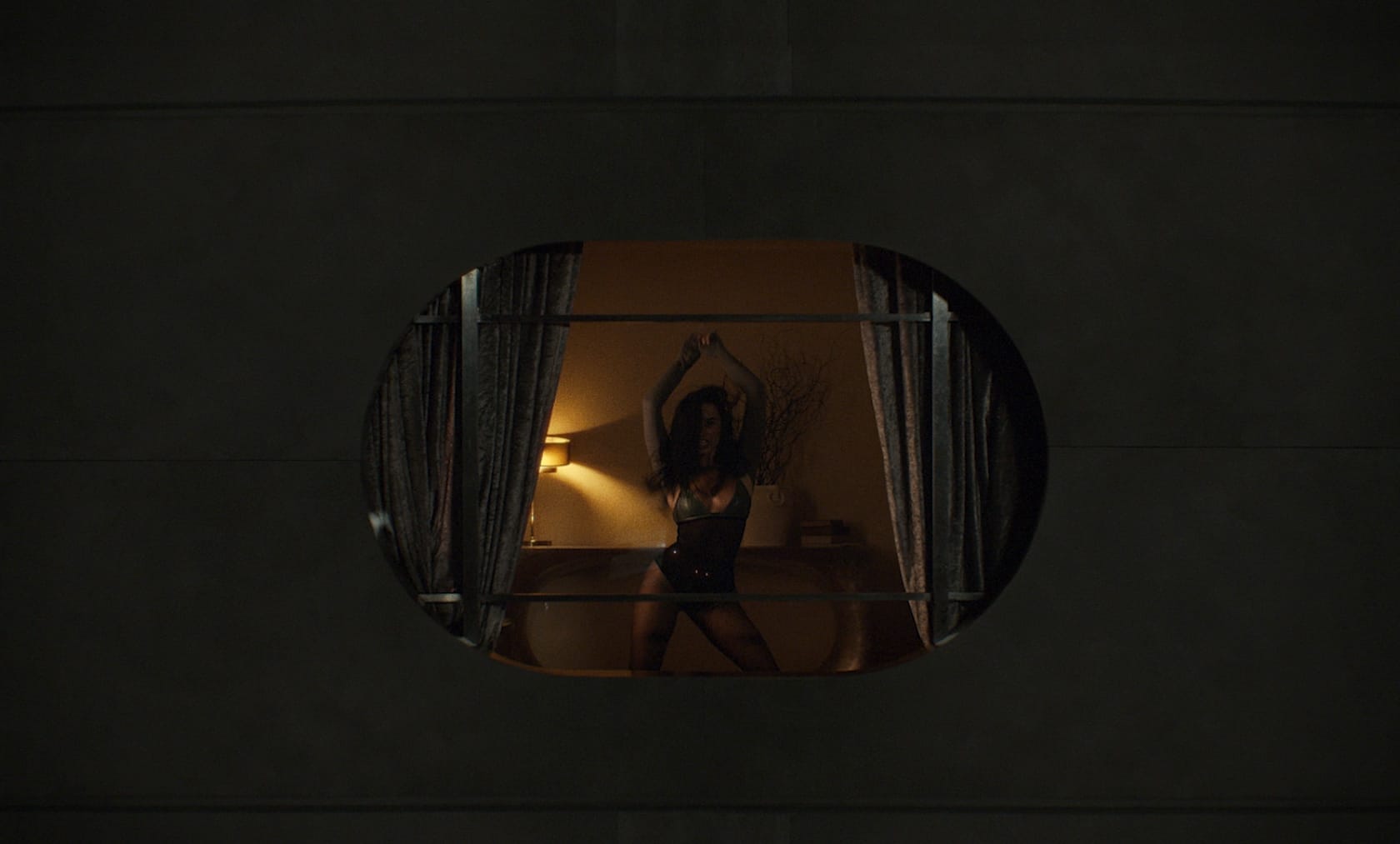
Stills from Demi Lovato's "Here All Night" music video. | Photos courtesy Luis Caraza Peimbert | Impulsiva Stories
The Split Screens and Animations of “Kill Bill”
This clear association between instruments, musicality, and visual aspects is one of the many ways in which Caraza Peimbert creates this physical body. In the U.S. singer SZA’s “Kill Bill” music video, which was directed by the U.S. film director Christian Breslauer, the physique comes through in a different manner.
It all started with Caraza Peimbert getting deep into the editing process while watching Breslauer’s animatic to understand better what the music video’s concept was. There, he noticed and felt there were not enough references to Quentin Tarantino’s films “Kill Bill: Volume 1” and “Kill Bill: Volume 2.”
There are various small details referencing it: SZA driving the motorcycle and the katanas. Yet, there’s a very valid reason as to why the references felt minimal for Caraza Peimbert. When they were filming the music video, they had no idea if Tarantino and Miramax would sue them. It was a bit of a challenge when creating a music video that clearly references both films.
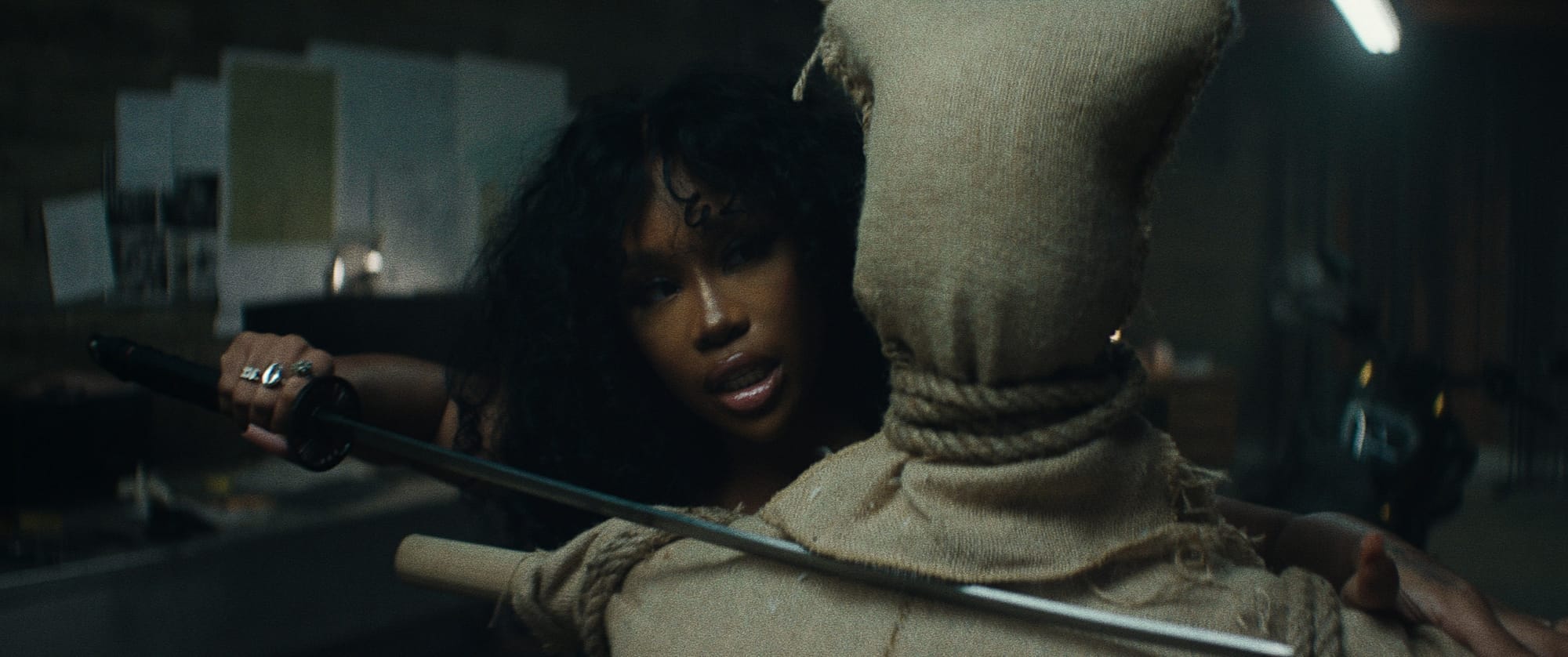
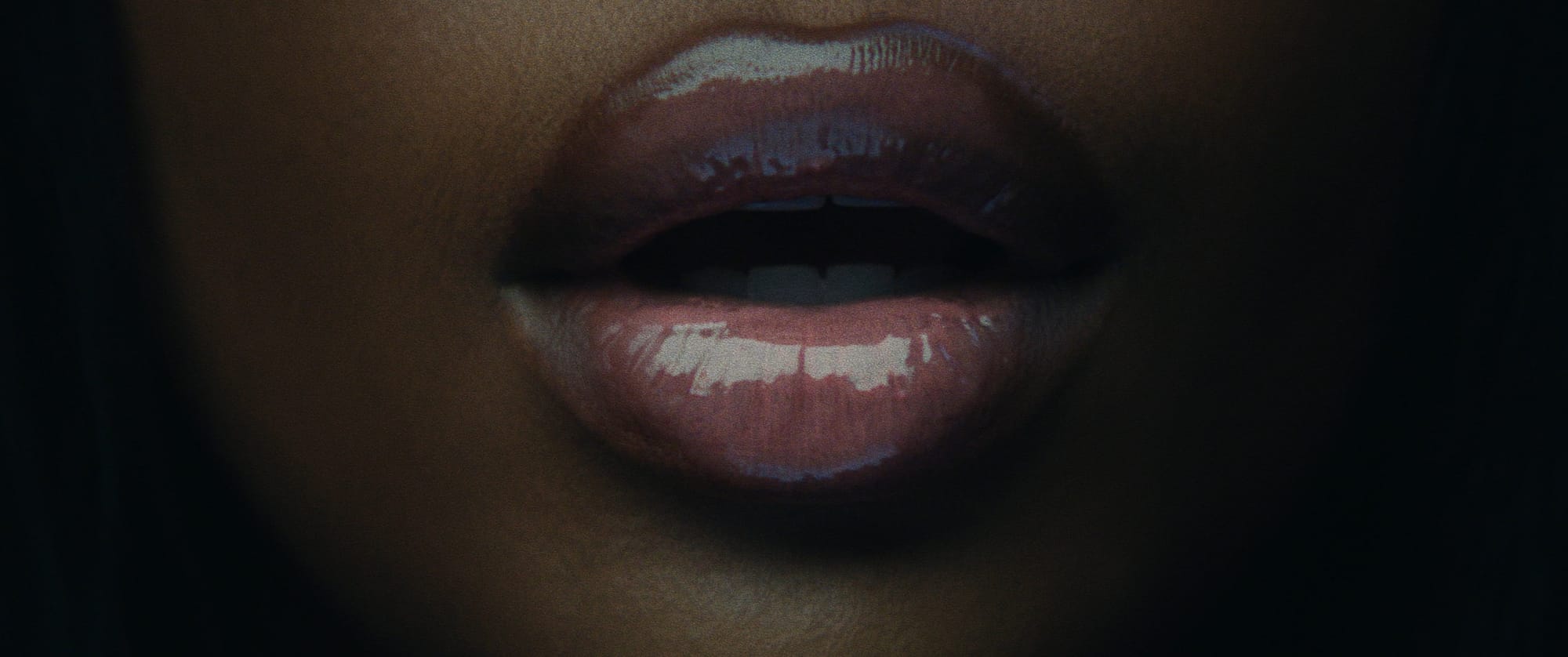
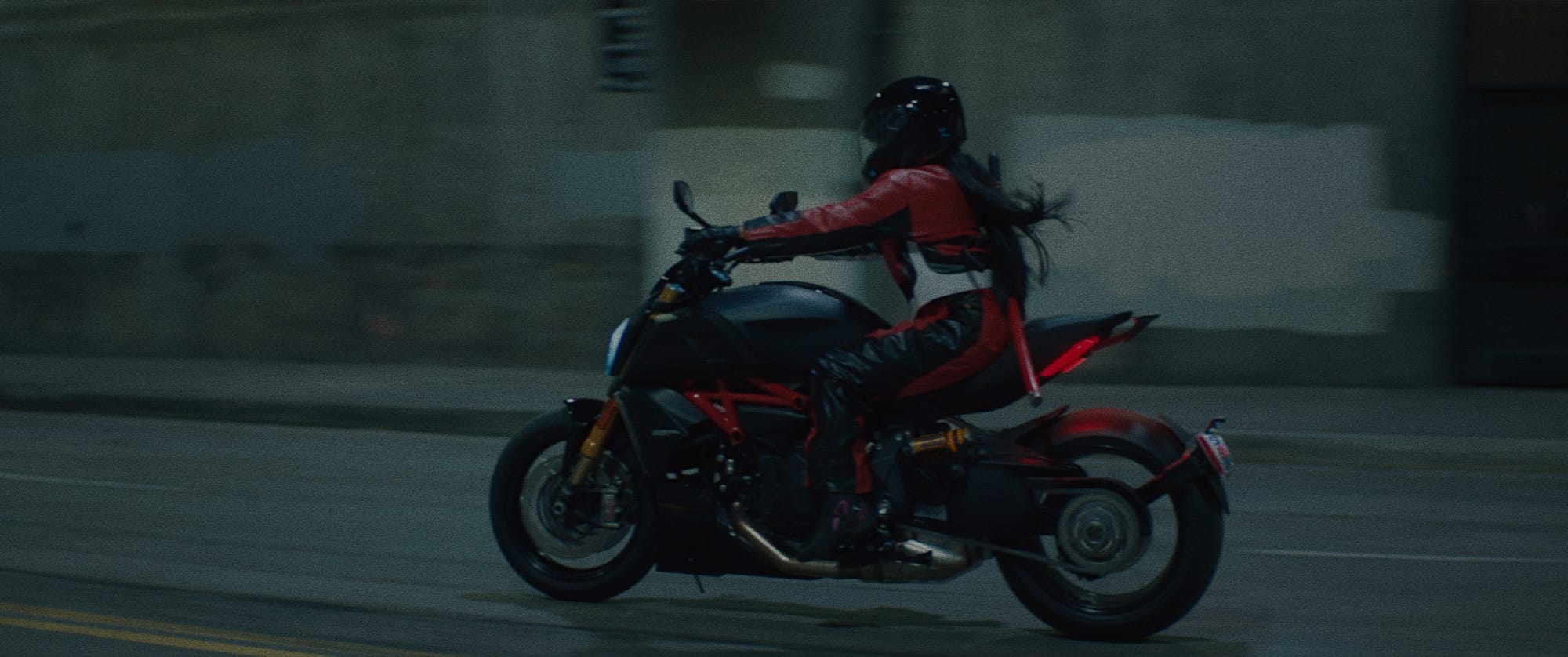
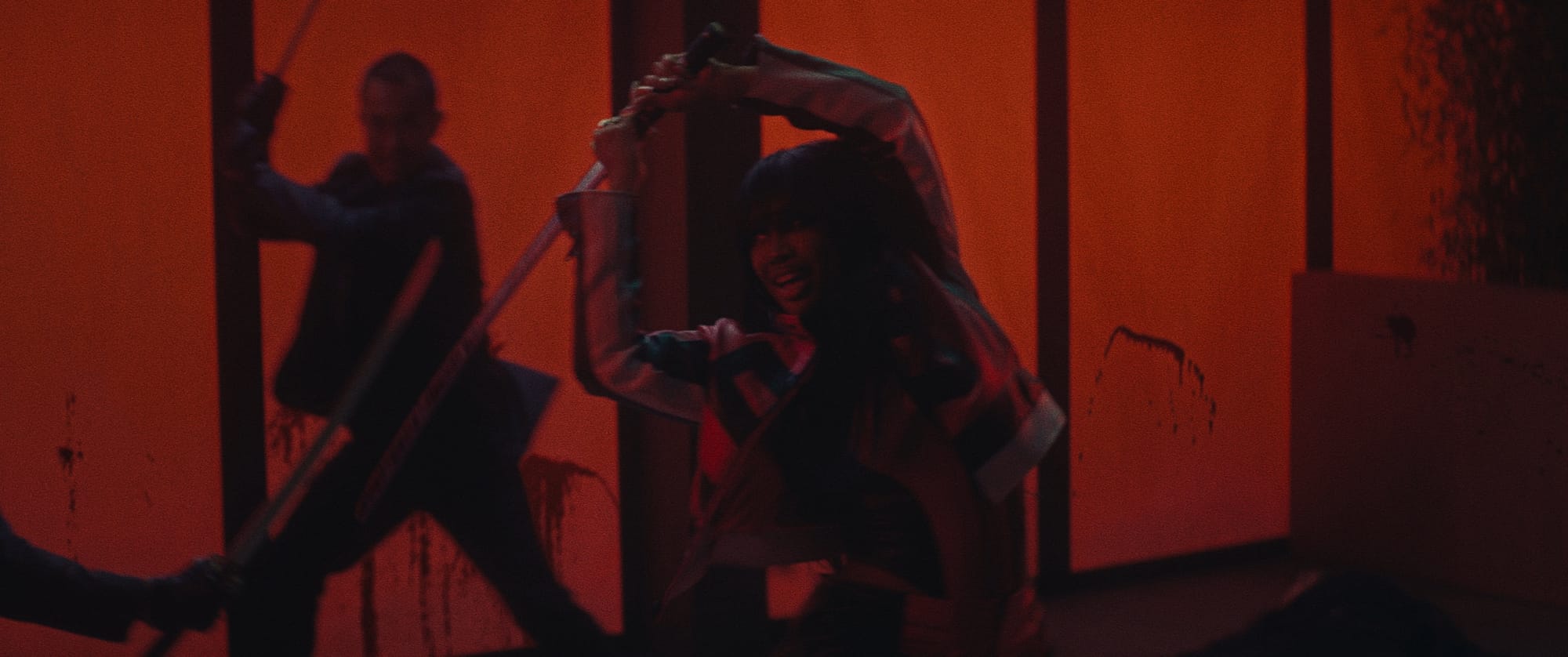
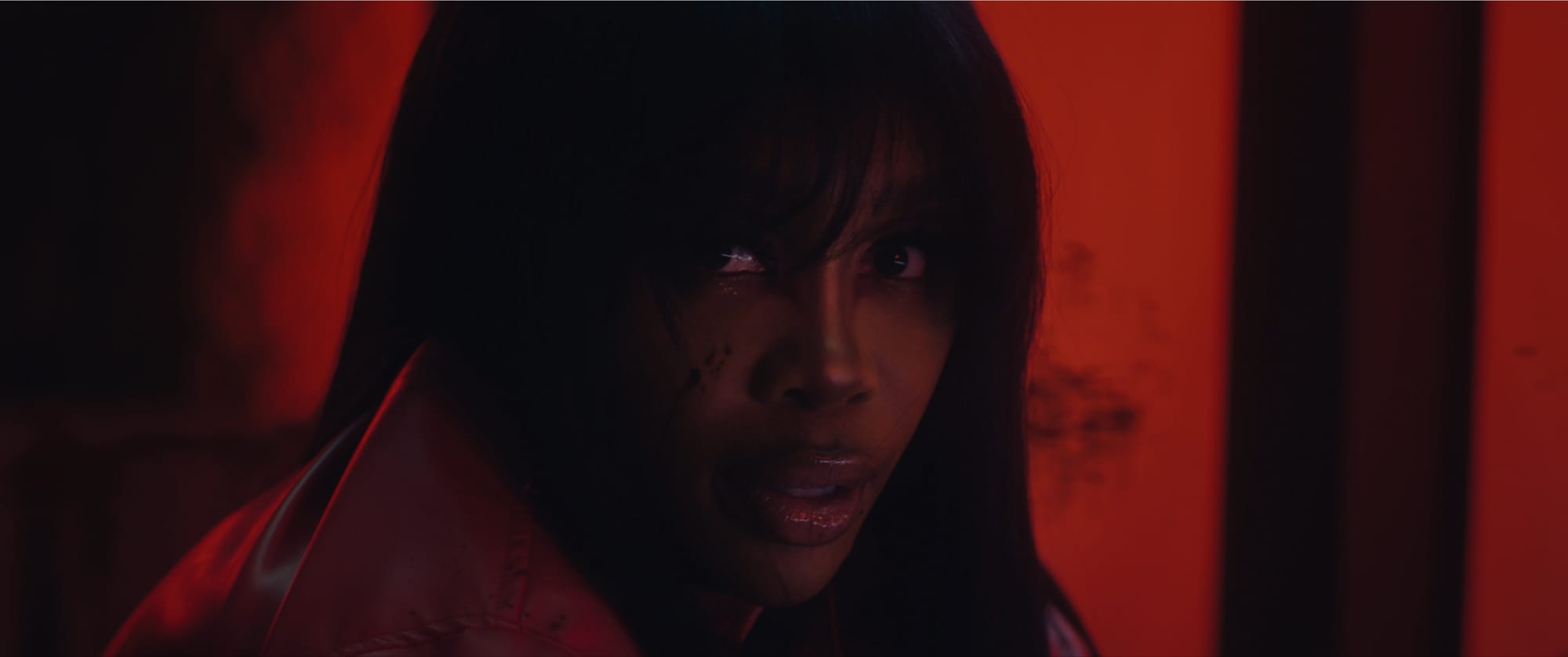
Stills from SZA's "Kill Bill" music video. | Photos courtesy Luis Caraza Peimbert | Impulsiva Stories
That only made Caraza Peimbert get more involved in the editing process. He had to think of a way in which his editing could be reminiscent of the films. So, to achieve that, he watched several movies where he noticed the issues or challenges he was facing at the moment while doing the montage.
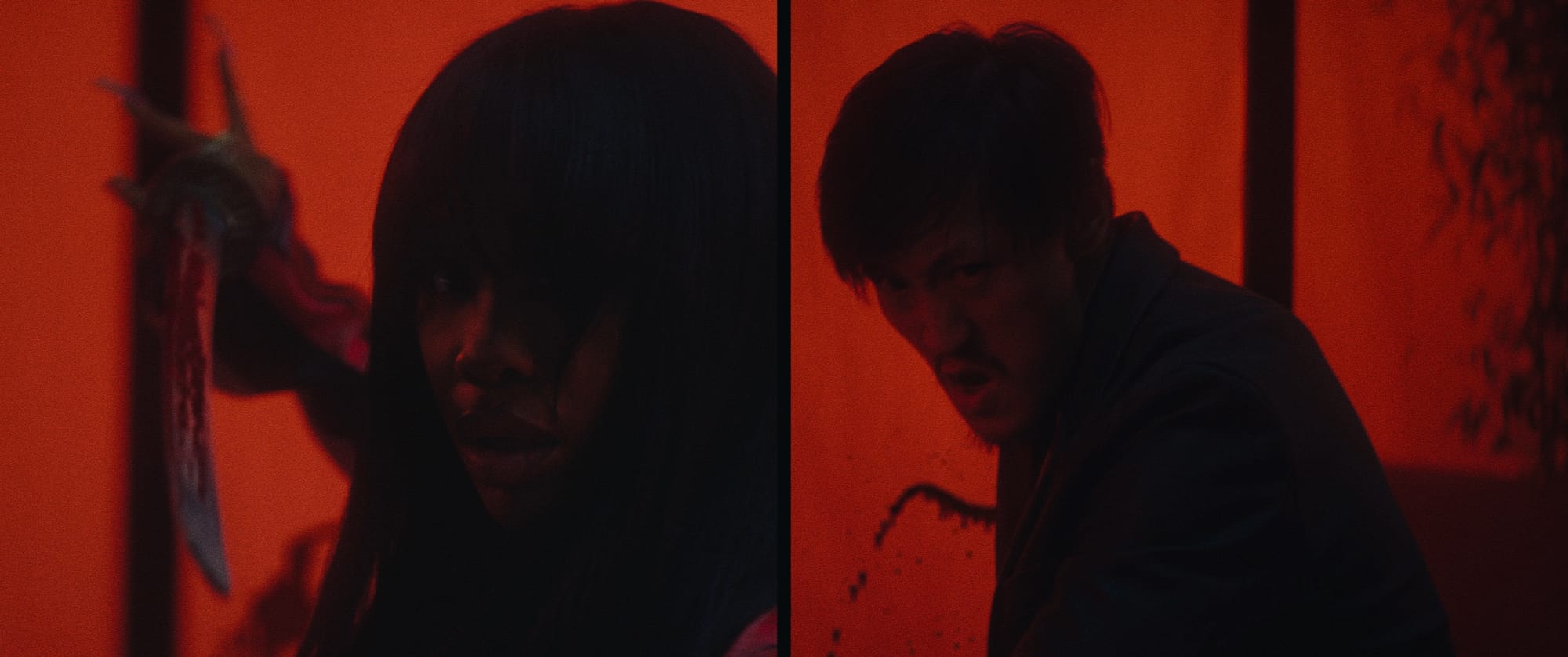
“I remember when I didn’t know how to do the montage. When she’s getting ready to kill her ex, it’s when the split screens come in. You can cut it in a way that’s not that simple, but with hard cuts and that was not very Kill Bill,” Caraza Peimbert said. “Maybe it was a bit Edgar Wright if we did it that way. Some montage you see on Shaun of the Dead or The World’s End.”
He felt it needed a Kill Bill flair and that’s where the split screens came to his mind. It’s his favorite part of the video, but there was another challenge ahead, which definitely shaped the song’s physical body.
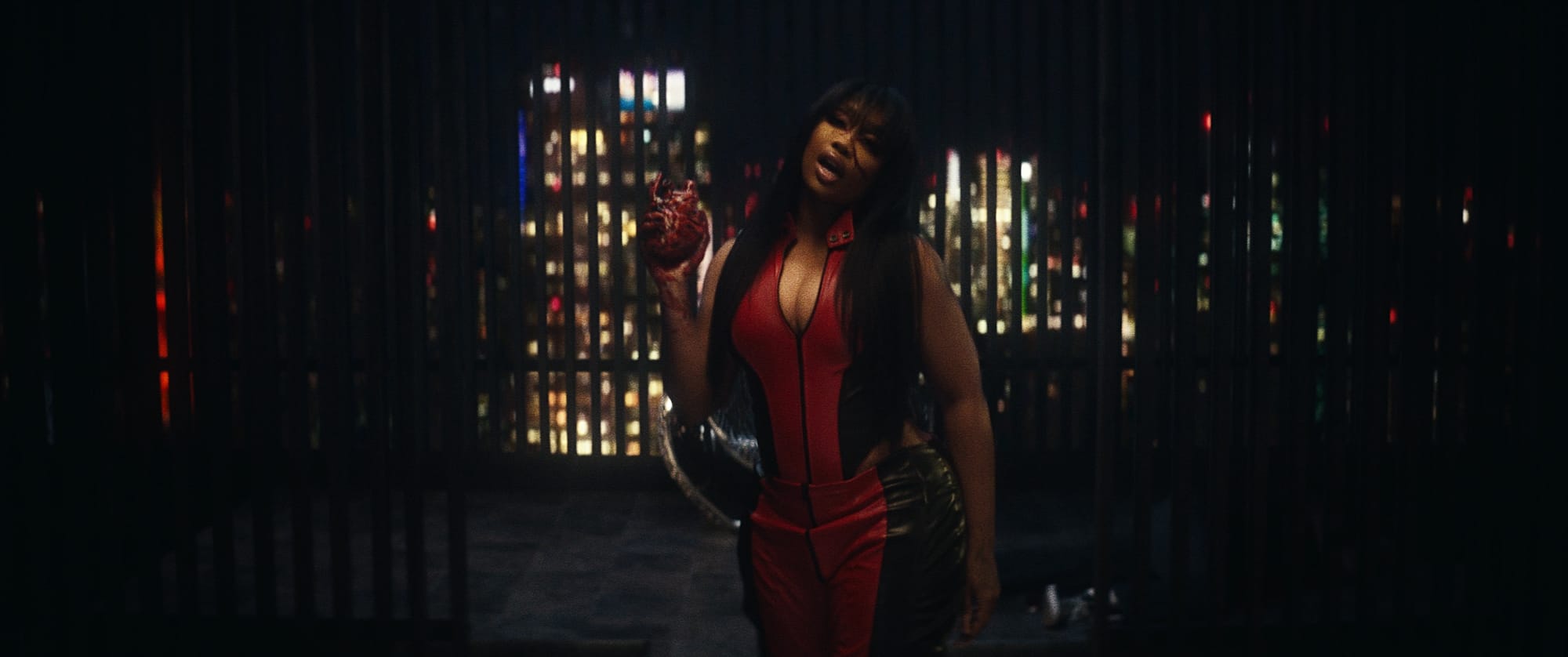
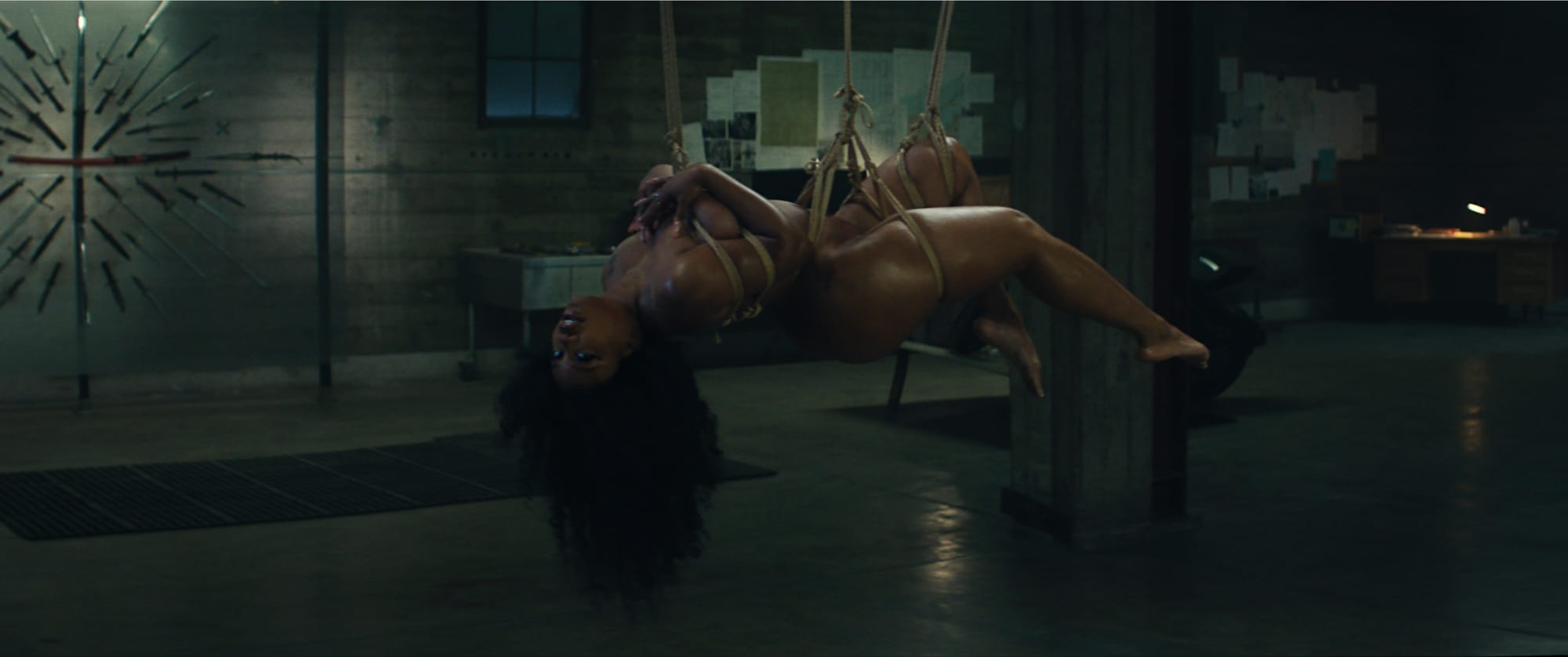
Stills from SZA's "Kill Bill" music video. | Photos courtesy Luis Caraza Peimbert | Impulsiva Stories
Once the montage and edits were done, they sent SZA the music video. She was not happy with the last scene after the katanas’ fight. There, she walks on a bridge to find her ex, but something about the light, camera, or makeup didn't feel right to her. That just left the team questioning themselves what to do to solve that issue.
There was no extra filming material to cover it up and the scene could not be cut to make it look better. The solution came in the form of an animation of SZA killing her ex. This was done by the studio Nathan Love in partnership with the team of Sunshine Mall. They created a retro anime-inspired animated sequence.
“What we did was hire this animation company. I remember it was Christmas. They did us the favor of seeing everything and they created a storyboard. In two weeks, the animation that you see in the video was done,” Caraza Peimbert said. “It turned out amazing and very similar to this world of Kill Bill when O-Ren Ishii gets into the killer life. They did it super well.”
And not only was “Kill Bill” a major hit song that made history in 2023, but it also garnered multiple nominations for the MTV Video Music Awards (VMAs) in the categories of Video of the Year, Song of the Year, Best Direction thanks to Breslauer, and Best Editing because of Caraza Peimbert’s work.
The physical body of “Kill Bill” was shaped into a narrative combined with split screens and animations. Yet, in the U.S. rapper Doja Cat’s music video for “Agora Hills,” the story was different, even though both pieces were filmed in the same place.
The “Agora Hills” of Cameras and Filming
Caraza Peimbert doesn’t quite recall with exactitude if it was an abandoned university or mental hospital, but the thing is that both were set in the same location.
Anyways, the music video was directed by Doja Cat and Lux Davis. He recalled how excited Lux Davis was at the beginning of the project. She even sent him the song beforehand, which she almost never does.
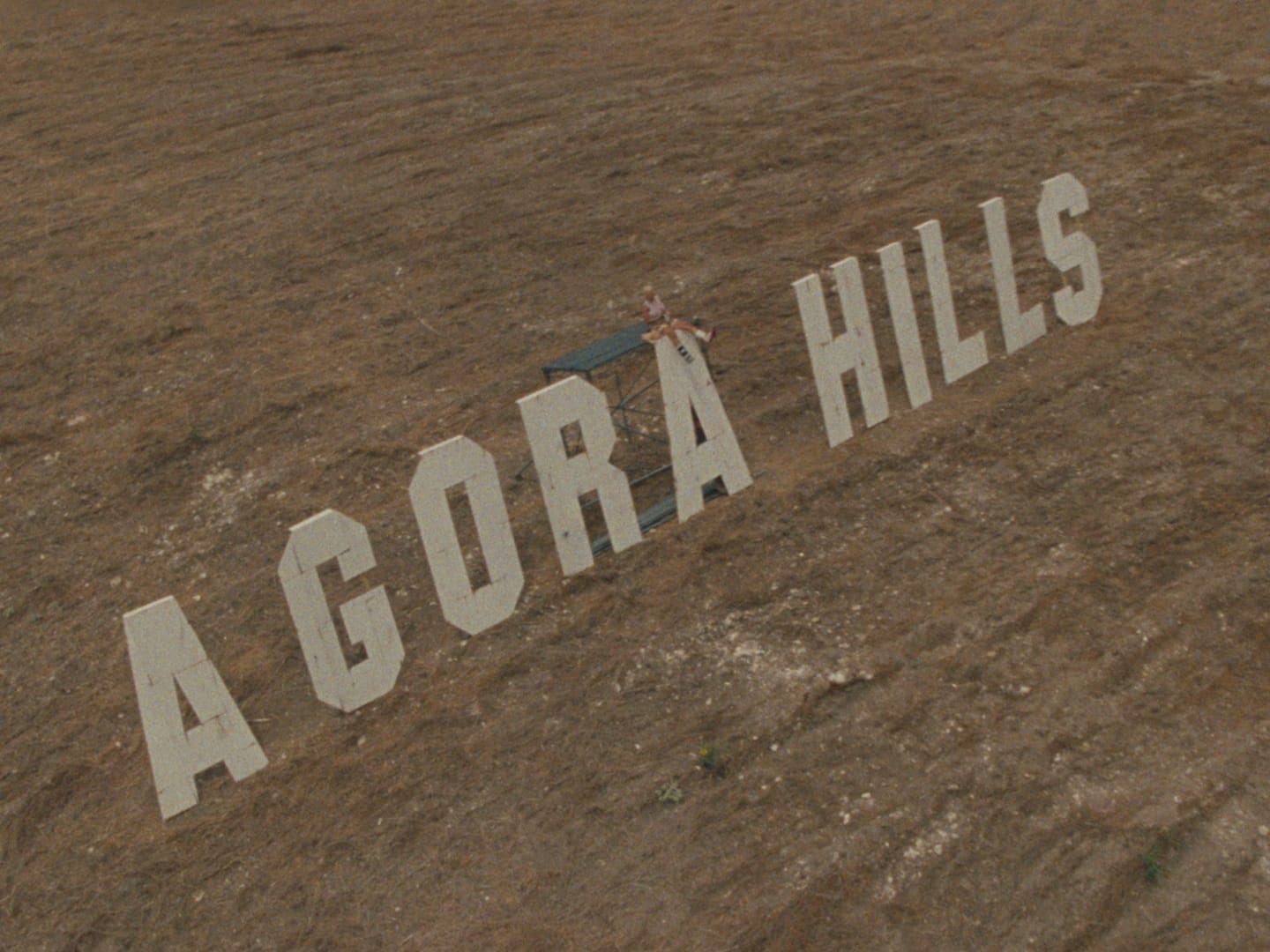


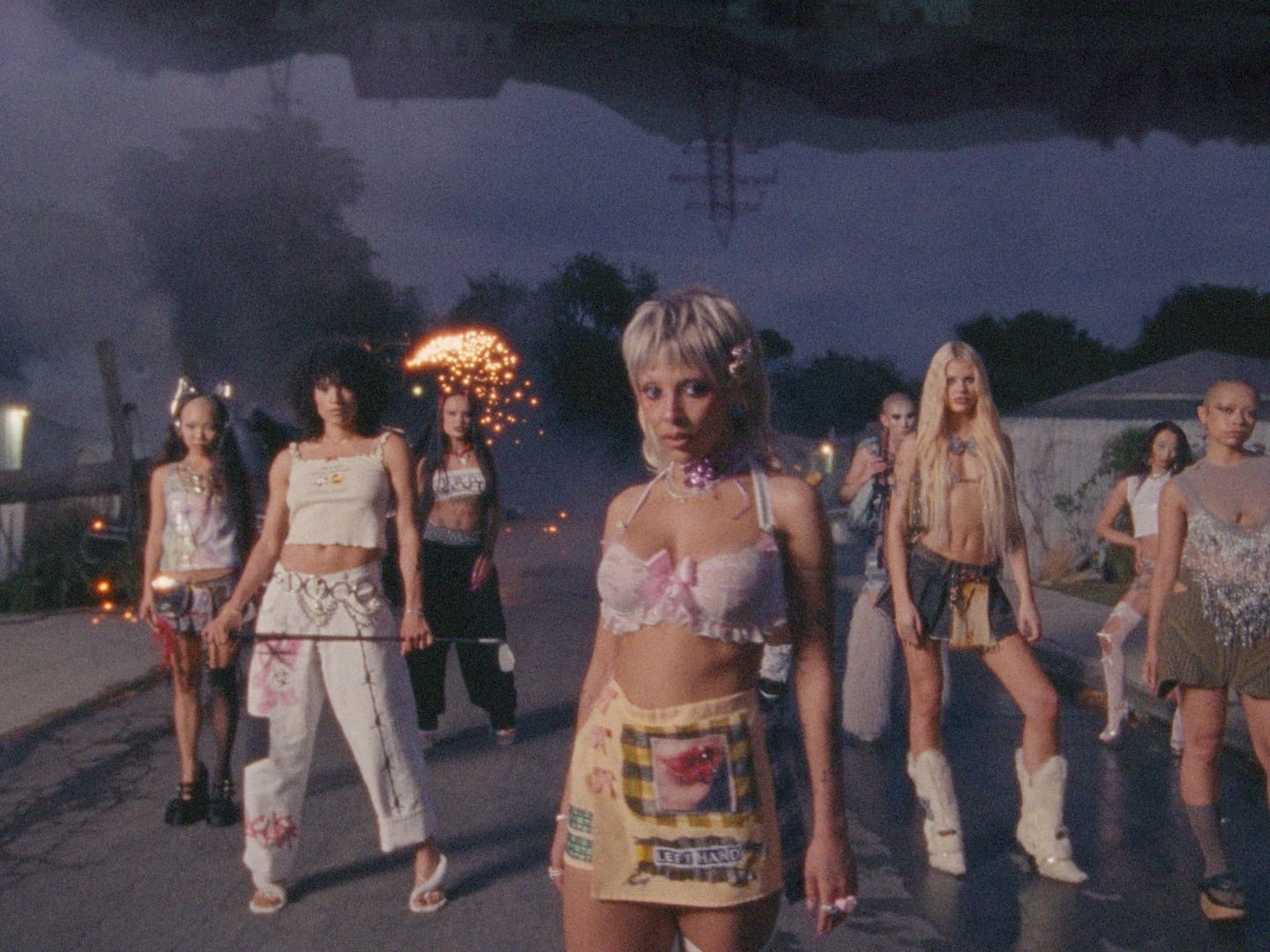

Stills from Doja Cat's "Agora Hills" music video. | Photos courtesy Luis Caraza Peimbert | Impulsiva Stories
“I got it and listened to it. She told me: it’s hip hop. It’s cool. And I was like: ok, I don’t really love hip hop. I think it’s never been my thing. I really don’t have experience with rap. But after listening to that song, I couldn’t even define it,” Caraza Peimbert said. “It’s not R&B or hip hop. It’s its own genre.”
It’s a strange song for Caraza Peimbert, which only caught his attention and interest even more so. It was also a creative editing process with plenty of material to work with. One with lots of set ups. Una cosa loquísima, as Caraza Peimbert said passionately.
There were around six cameras on set filming at the same time. You can even notice in plain sight throughout the music video that some of the women appear with different types of cameras: handheld camcorders and film photography cameras.
Not only do the cameras shape the whole aesthetic of the music video, but it obviously influences the editing and the physical body of the piece that Caraza Peimbert sculpted out of them.
“Hannah had these DV cams. I’m not sure if they’re the ones with a small disk or the tape ones. I think they were the tape ones, but she’d give them to the producer like: here, have them. You can film while we’re filming over here,” Caraza Peimbert said. “She also had the Arri Alexa and a drone. I think she also had a sixteen millimeter one.”


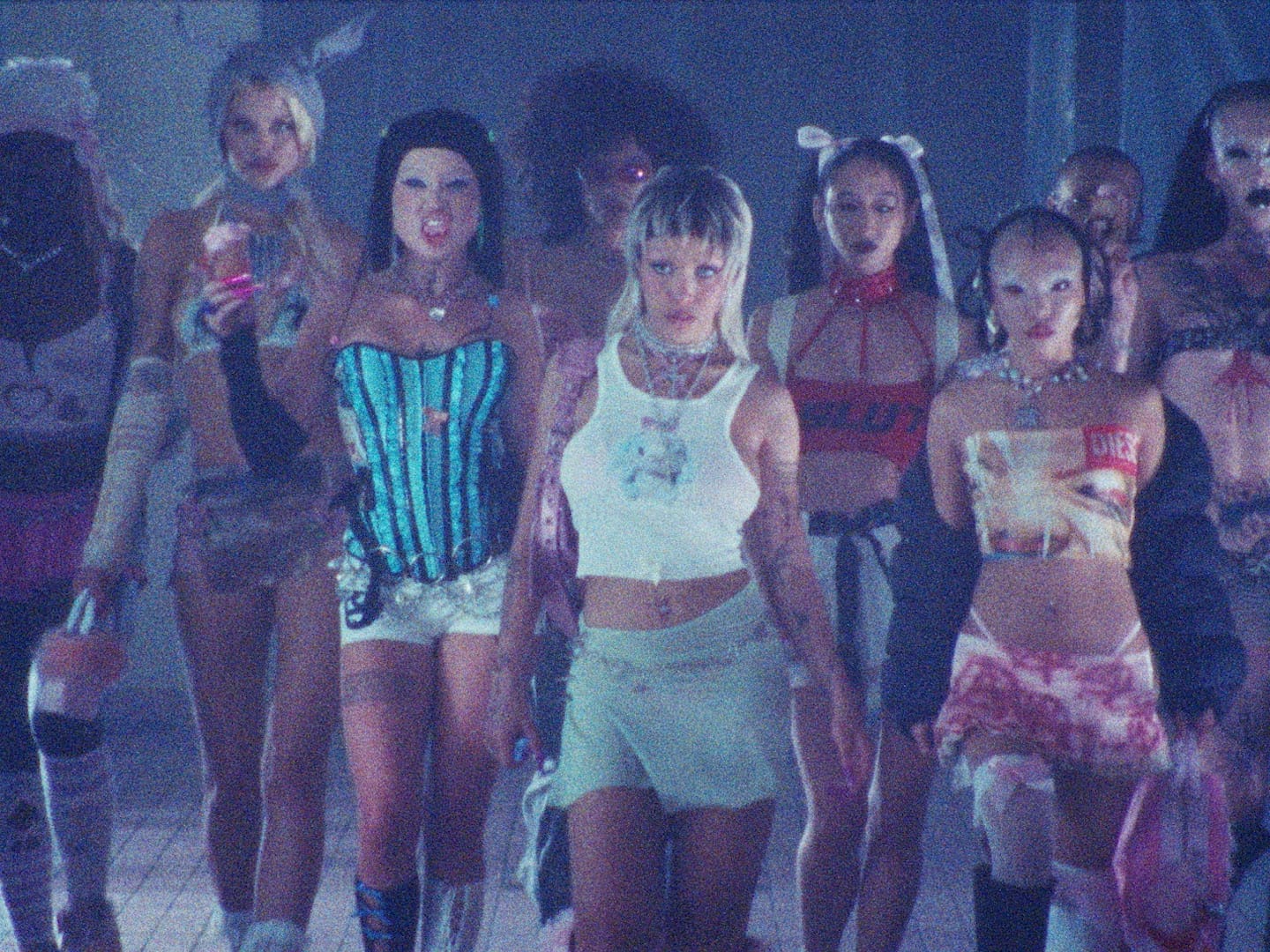
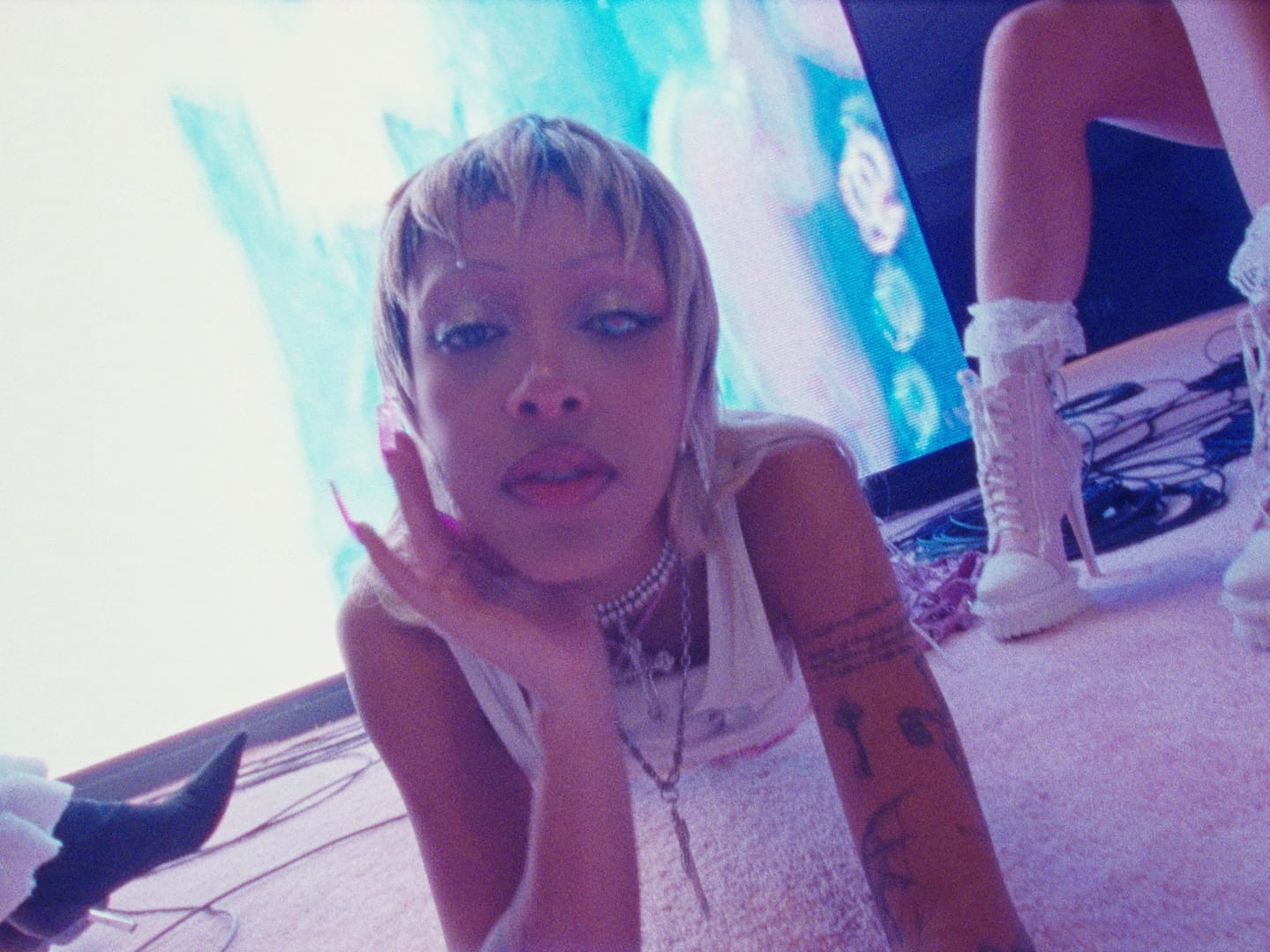
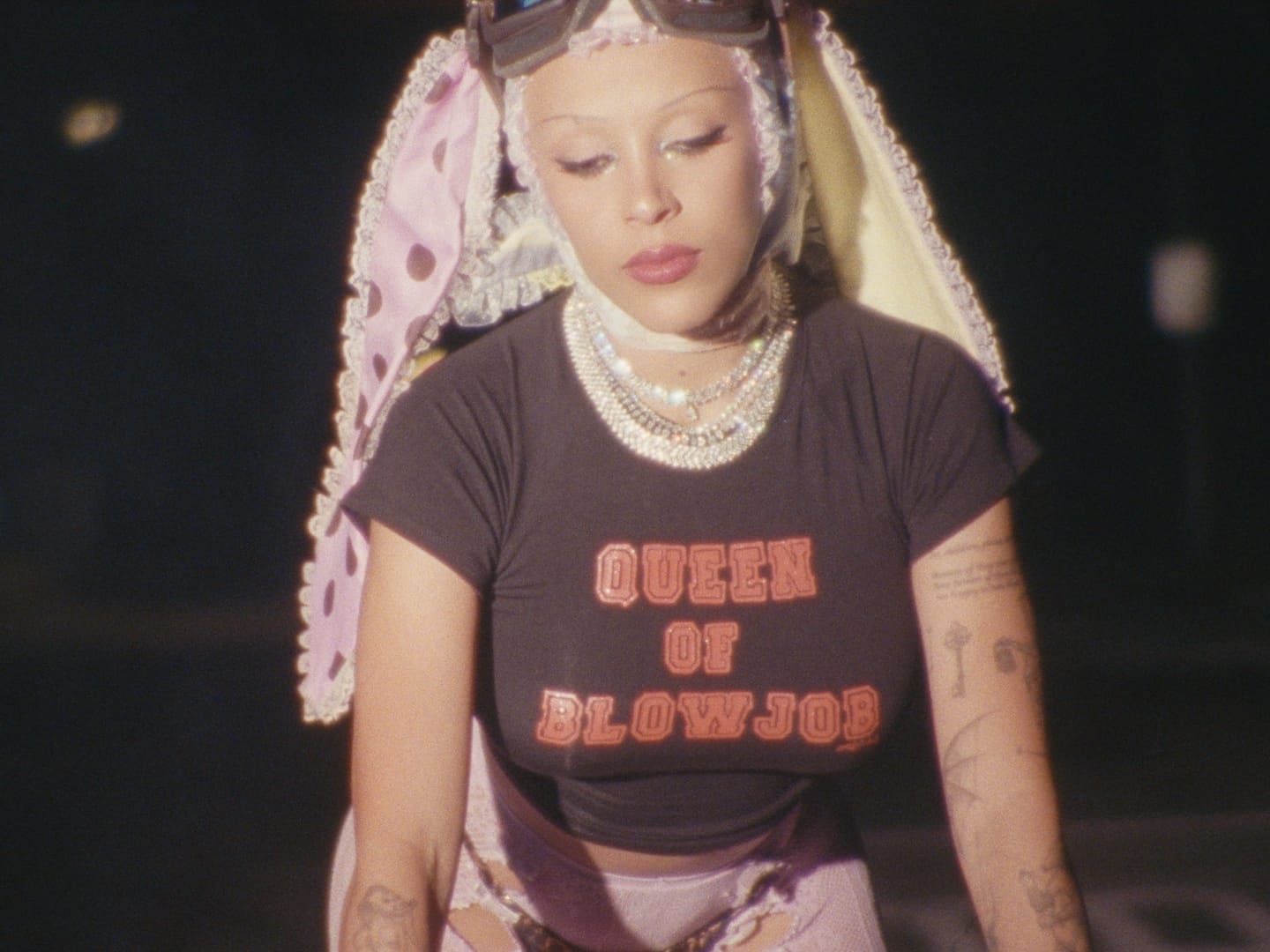
Stills from Doja Cat's "Agora Hills" music video. | Photos courtesy Luis Caraza Peimbert | Impulsiva Stories
That was something incredible for Caraza Peimbert to experience. Not only because of the multiple cameras filming at once, but also because of the work done by the U.S. colorist Dante Pasquinelli. He was amazed by Pasquinelli’s unifying and matching color grading in a piece with numerous cameras that record colors in different tones and shades.
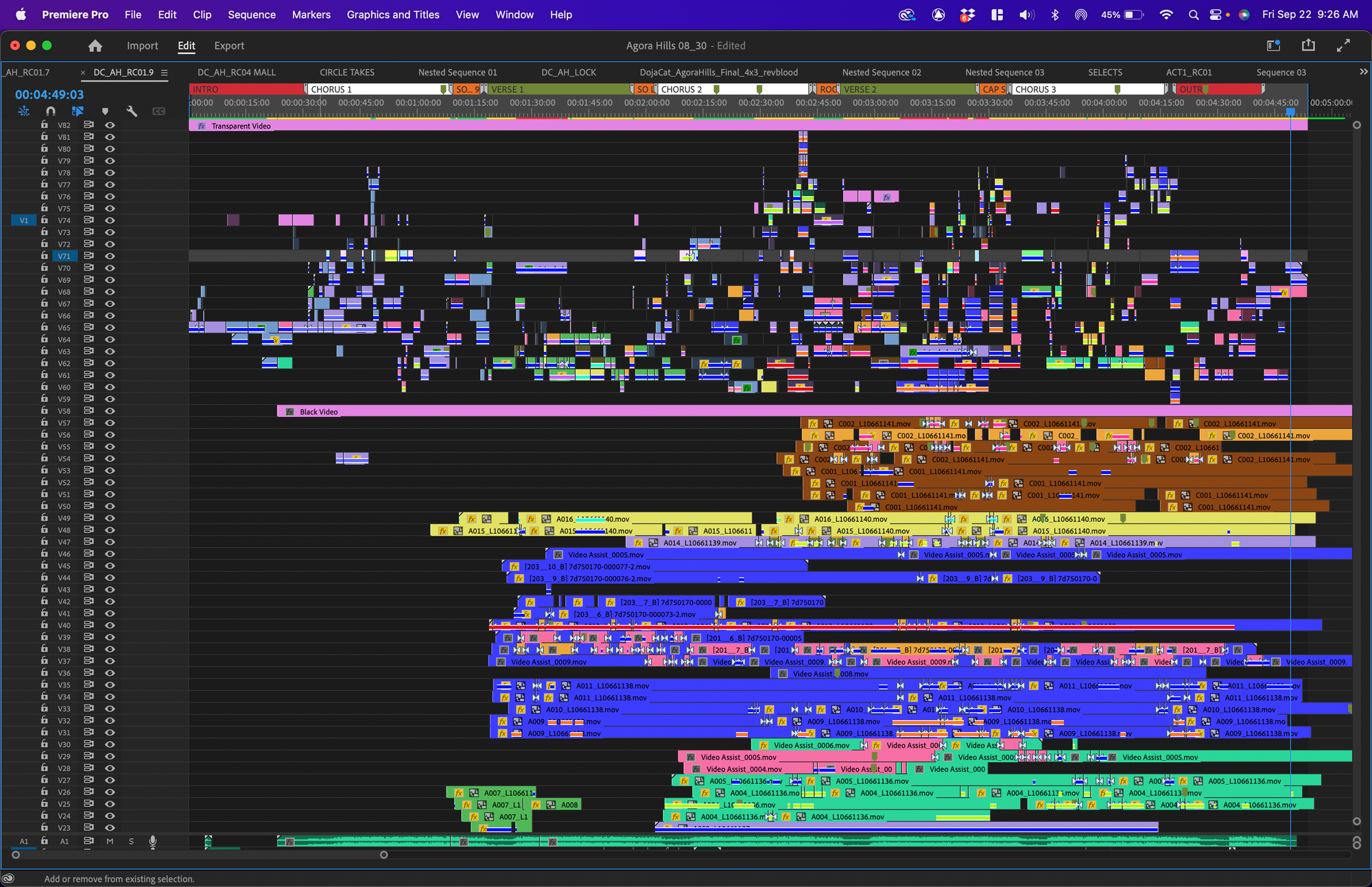
Besides that, it took Caraza Peimbert about three or four days to get to an edit because of how much footage there was. “Agora Hills” took two days to film and one of those days was set in a Korean mall.
“We were there in the mall filming and running around from one end to the other. By the very end, they filmed this incredible shot of her inside the tanning bed. They almost didn’t get it, but it’s amazing they did because it’s truly iconic,” Caraza Peimbert said excited.
The editing session with Lux Davis took around two to three intense days of ten to twelve hours of work. Once it was done, they sent it to Doja Cat and she requested they meet through Zoom to get in the final tweaks.


Stills inside the tanning bed from Doja Cat's "Agora Hills" music video. | Photos courtesy Luis Caraza Peimbert | Impulsiva Stories
They hopped on to the call and it was a very pleasant experience for Caraza Peimbert. He described her as a super artist and woman who knows exactly what she wants. One of those artists whose discipline, motivation, and treatment towards others define her.
“Doja has everything. She’s a super nice person who knows exactly what she wants to say with her video and knows what goes and what doesn’t,” Caraza Peimbert said.
And then, they finished the editing phase. She just told them: it’s approved. The music video was sent to finish the color grading, visual effects, and getting everything put together to upload online. It was one more successful creation of the music’s physical body through editing.
A “BAILE INoLVIDABLE” Without Music
Sometimes in that pursuit of an abstract process of giving music a physical body, extreme challenges arise. Challenges that require Caraza Peimbert to study more to understand better what he’s dealing with when editing. Stepping out of his comfort zone into something new and exciting happened with the Puerto Rican artist Bad Bunny’s “BAILE INoLVIDABLE” music video, which was directed by Kacho López Mari.
It all started on December 21st, 2024. Tristana Robles, the Executive Producer of Filmes Zapatero – now called Zapatero TV – reached out to Caraza Peimbert.
“She said: tomorrow December 22nd, can you come to Puerto Rico? We have a video for BB. When she says she has videos from Bad Bunny, she writes BB,” Caraza Peimbert said. “And I was like: yes, without a doubt.”
He already had booked his trip to Mexico to spend Christmas and New Years with his family, but he obviously changed plans. He went to Puerto Rico and spent Christmas with López Mari’s family. He really enjoyed his time there. Seeing the joy in the streets and noticing the Boricua sentiment of being Puerto Rican, which he described as being its own thing, really caught his attention.
There was a love for their own culture that really caused a great impact in Caraza Peimbert. That helped him a lot to get a better grasp of the music video he was working on: “BAILE INoLVIDABLE,” one of the greatest salsa songs of all times and the number one song of 2025.
He visited various salsa venues to observe the dance and what the music genre meant for Puerto Ricans. That was when the music video’s story clicked in his mind. He understood the why behind it.
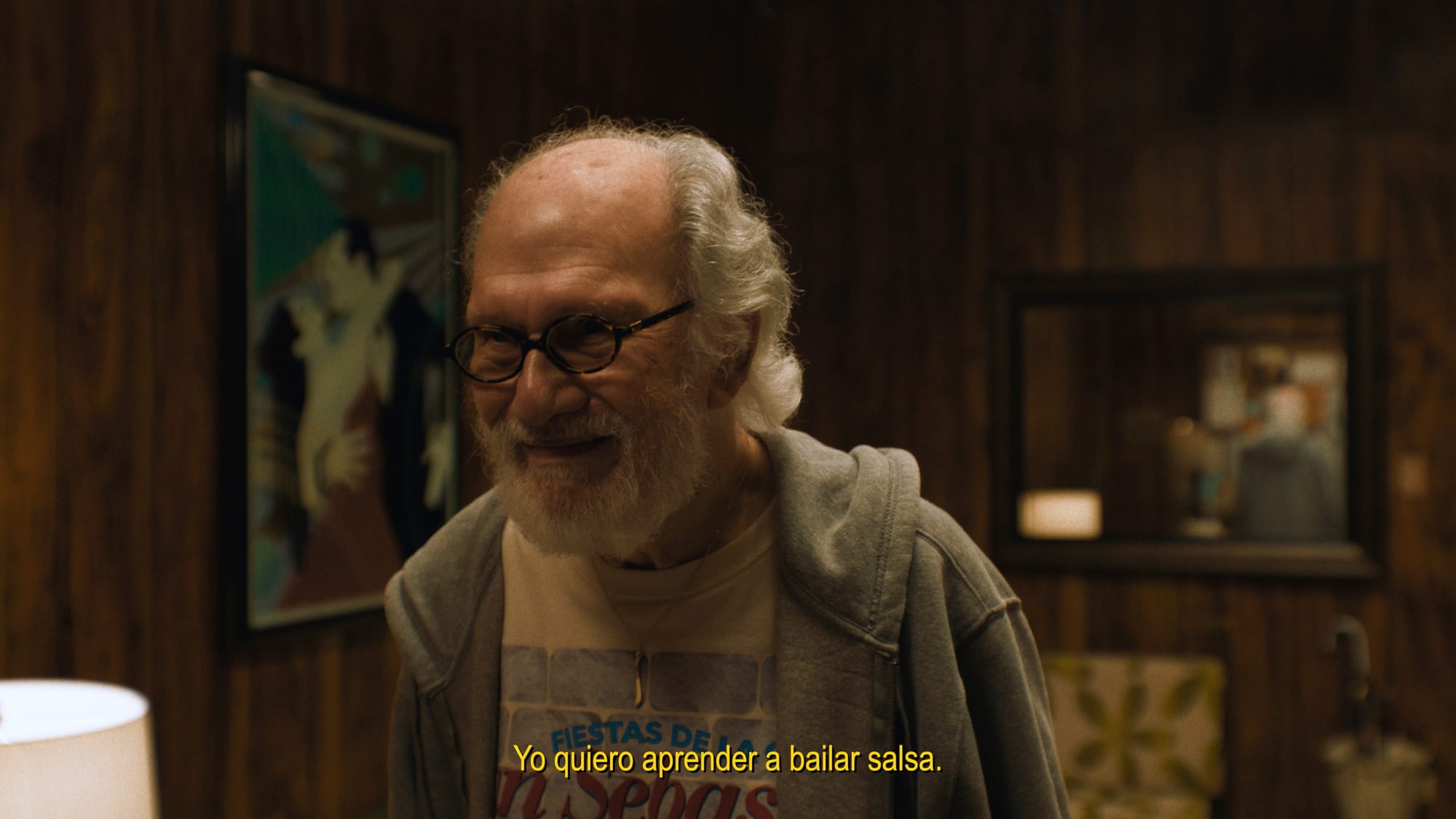
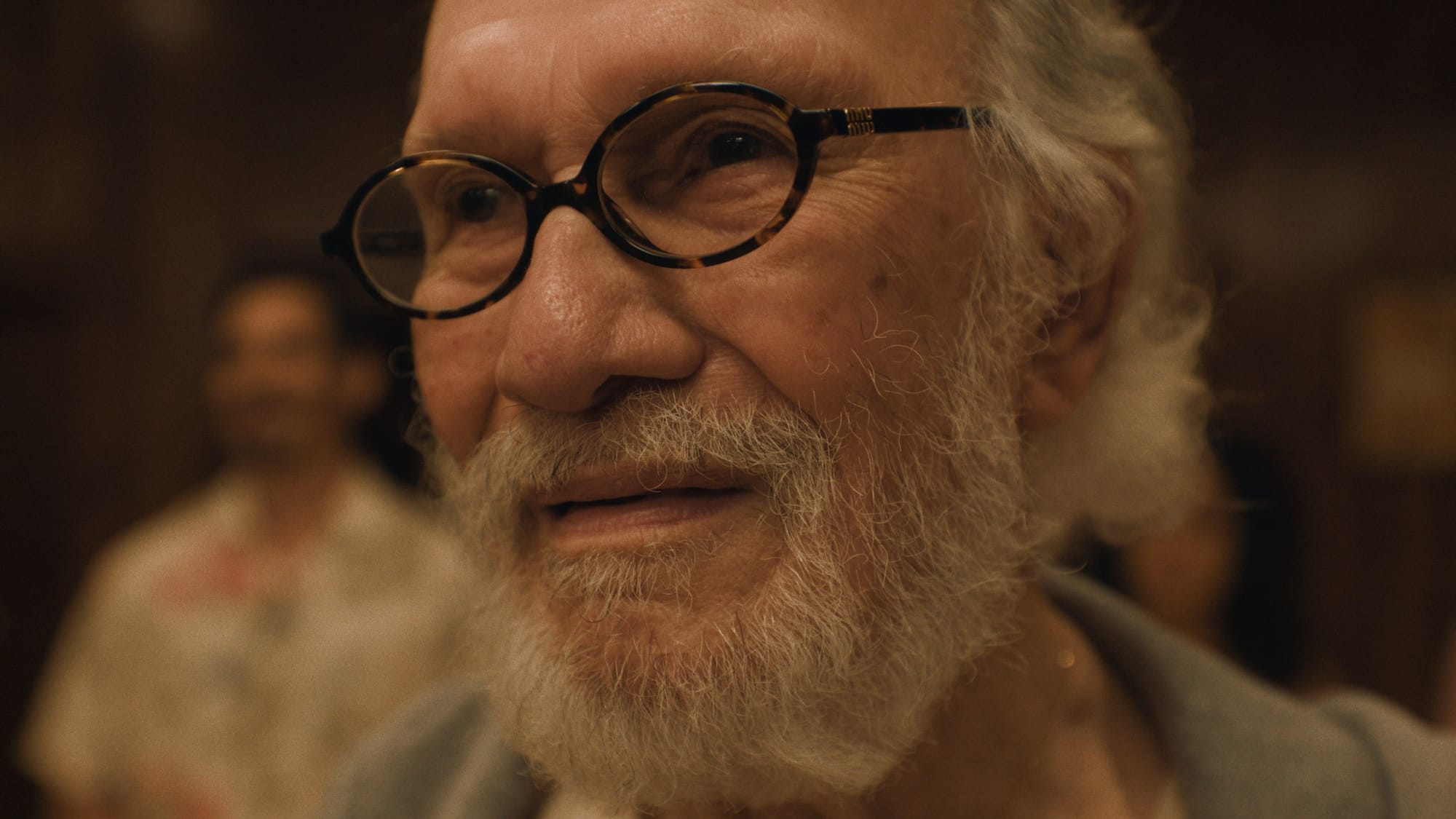
The Puerto Rican actor Jacobo Morales in Bad Bunny's "BAILE INoLVIDABLE" music video. | Photos courtesy Luis Caraza Peimbert | Impulsiva Stories
“Back then, it was strange to see Bad Bunny [in salsa], especially for me that I’m not really in music. I see Bad Bunny doing a salsa song and then I say: órale, why? Where is this coming from? Why salsa?” Caraza Peimbert remembered skeptically. “I don’t know what experiment this is.”
That just generated more questions in him because he had no idea what the full album was about. But while experiencing and living the Puerto Rican culture firsthand, he knew it was something big and special.
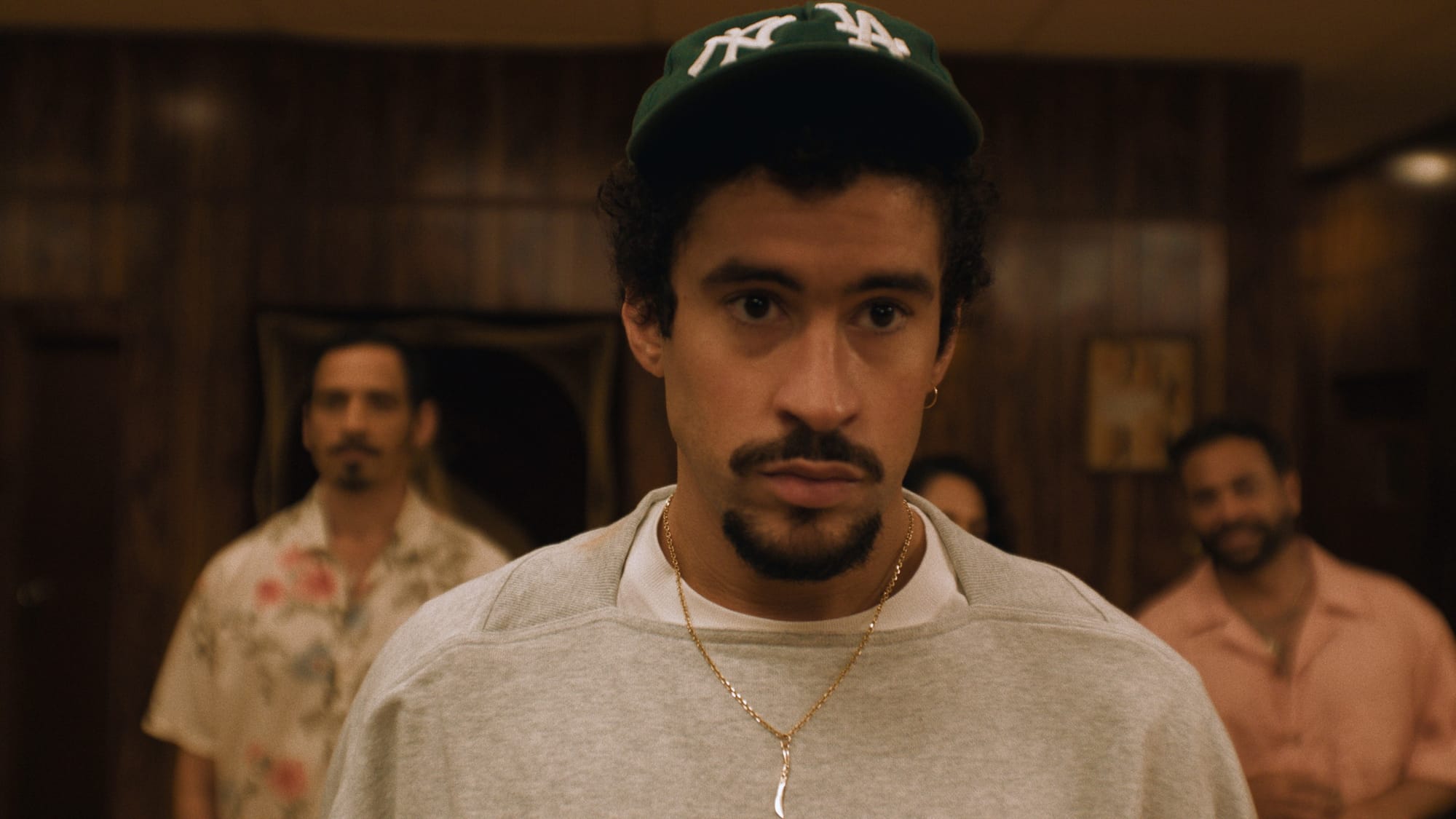
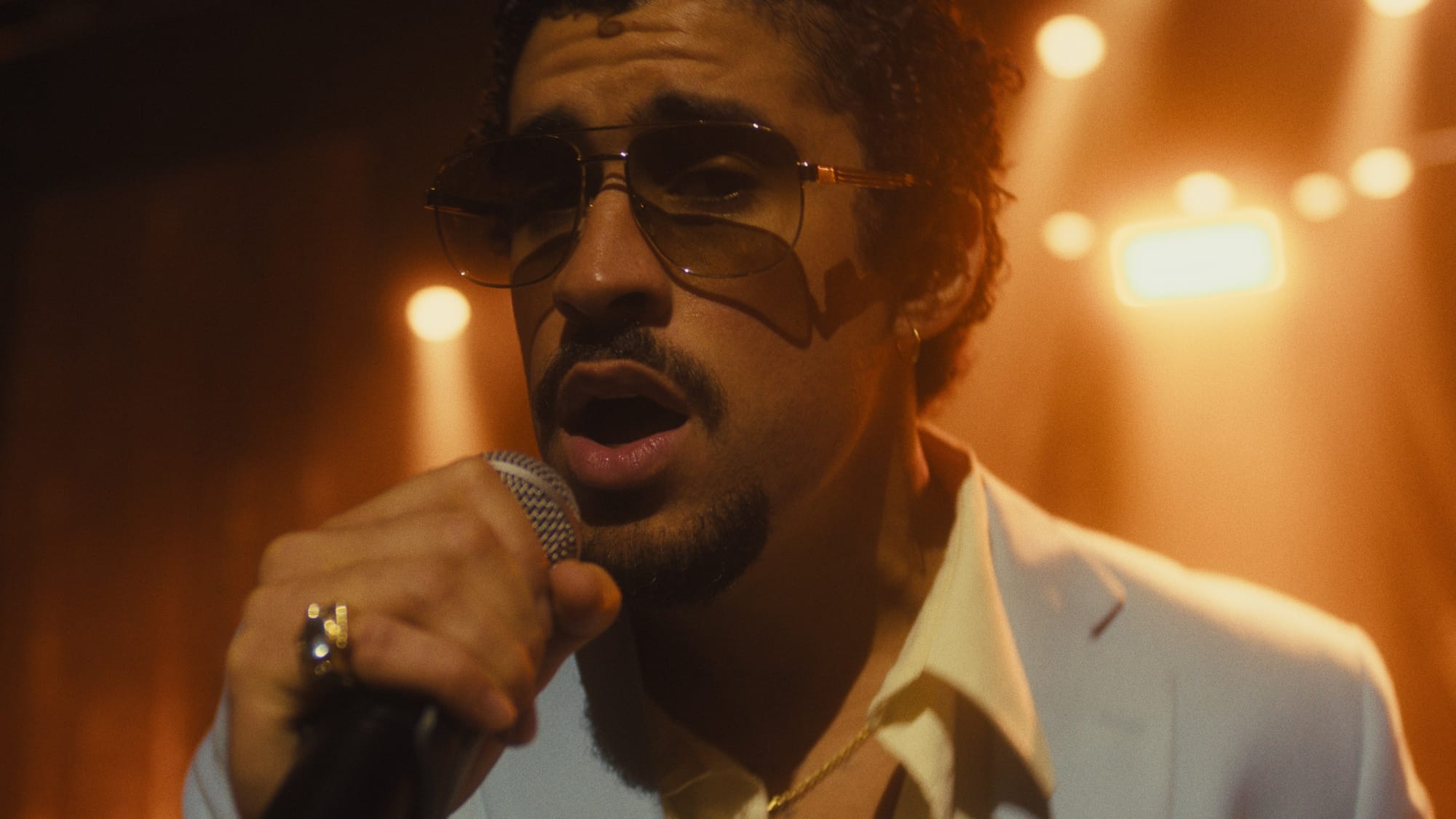
Stills from Bad Bunny's "BAILE INoLVIDABLE" music video. | Photos courtesy Luis Caraza Peimbert | Impulsiva Stories
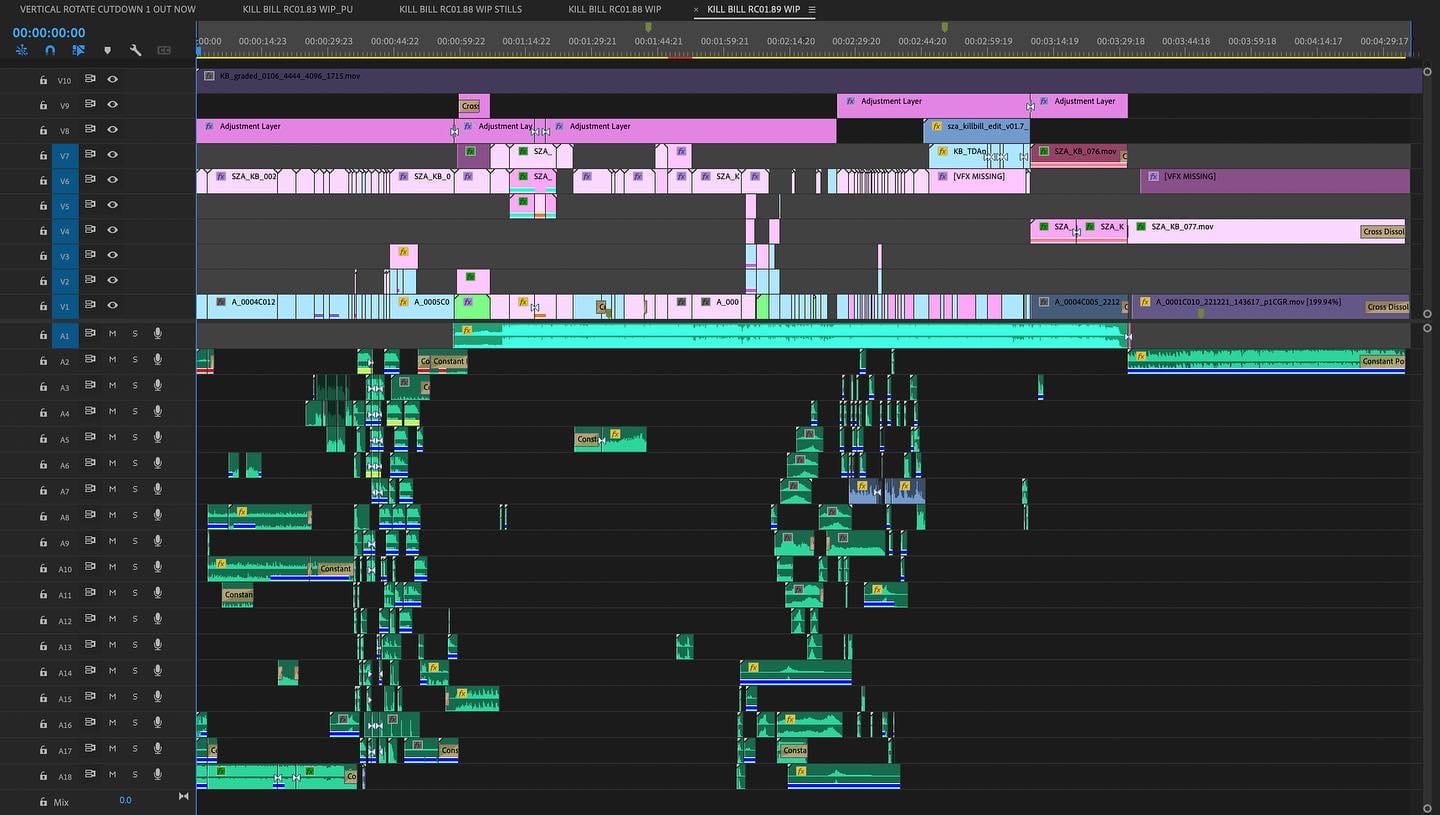
He started grasping its feeling and then began editing the footage. He stayed in the hotel to slowly see everything that was filmed. He did his selections and started placing them on his Adobe Premiere Pro timeline.
But a slight issue appeared.
“The problem was that there was no music,” Caraza Peimbert said.
They didn’t have the song for “BAILE INoLVIDABLE” because Bad Bunny and his team are very protective of the music. The initial idea was that Bad Bunny would sit down with Caraza Peimbert to edit. He’d get the music directly from Bad Bunny to avoid any issues with the song itself, but Benito was quite busy with the release of his album “DeBÍ TiRAR MáS FOToS” back then and didn't have time to meet Caraza Peimbert.
They knew the album would be released on January 6th, 2025. The days went by and they didn’t have the song, so Caraza Peimbert had to come up with a solution for this editing challenge. From watching the footage, he searched for the song they filmed with – which wasn’t the original one – and used that as a guide for the montage.
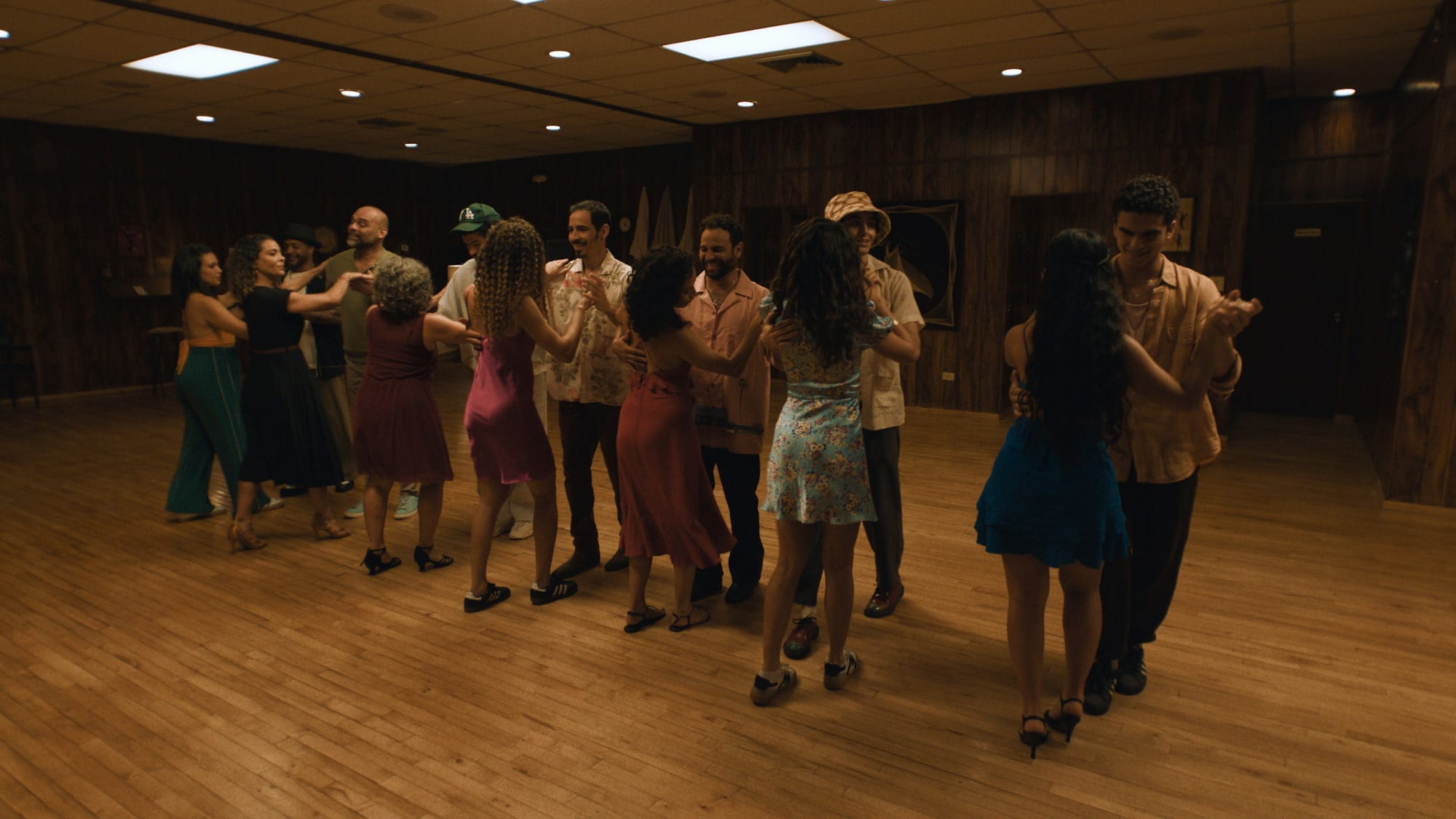
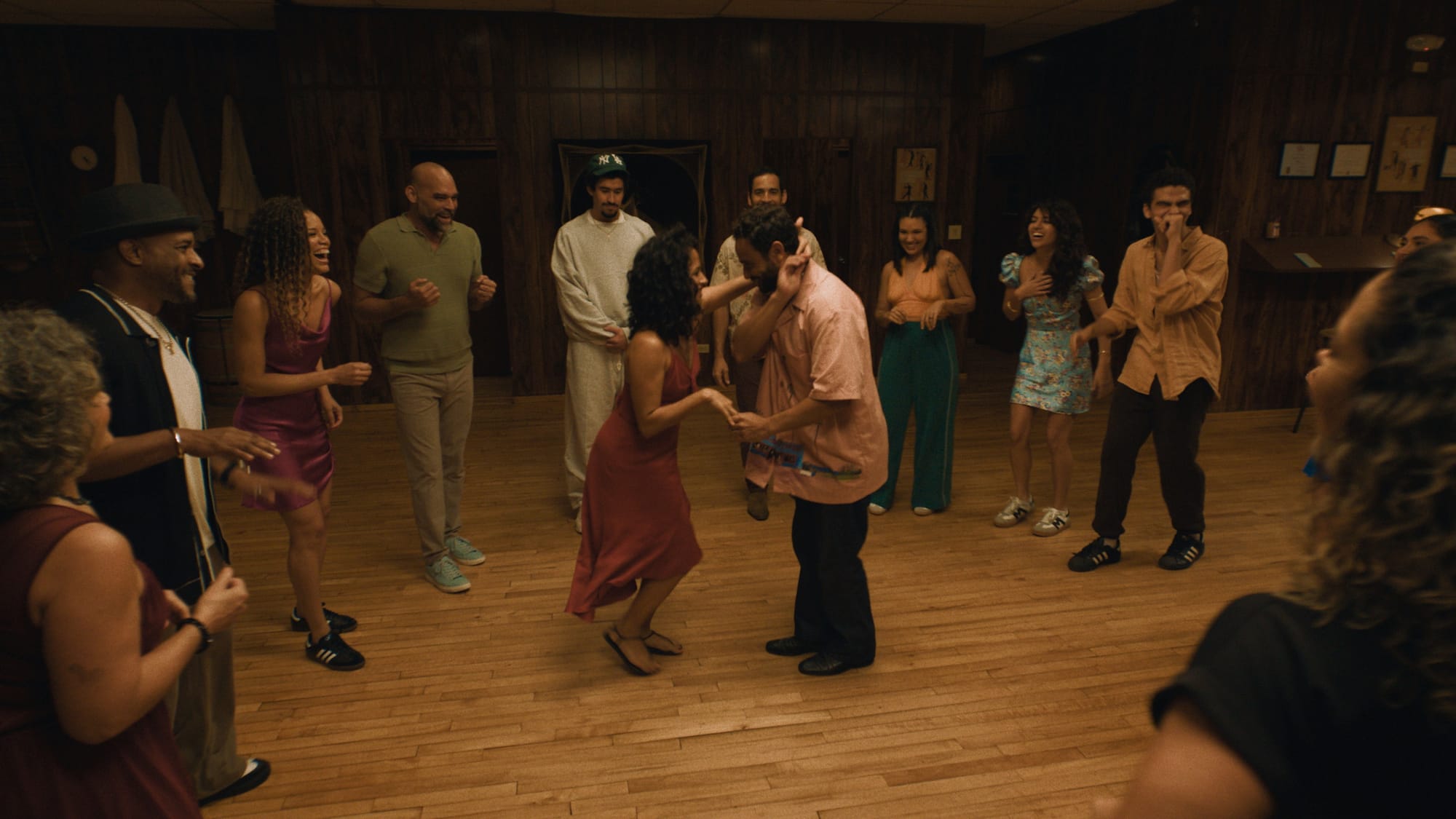
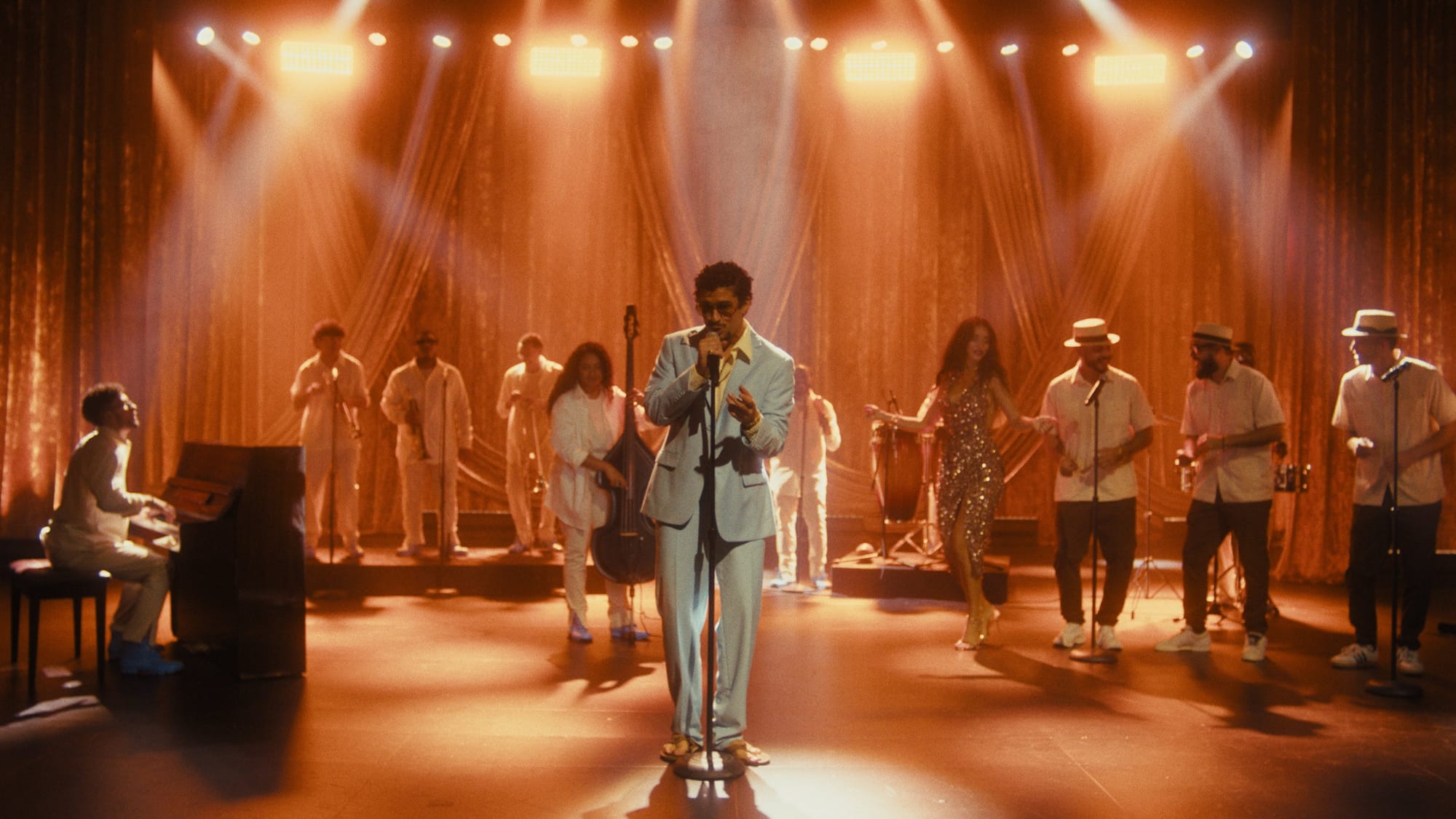
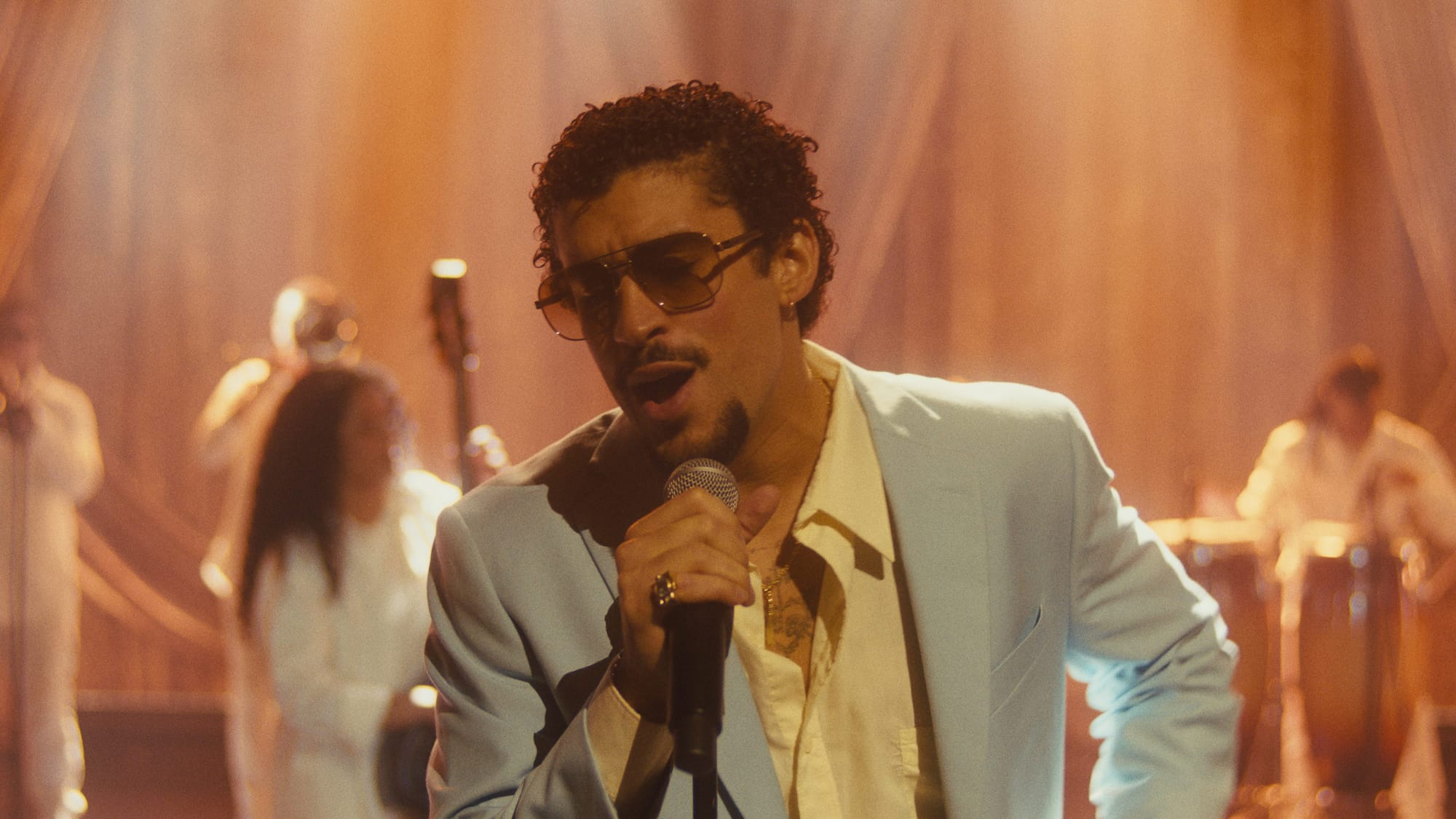
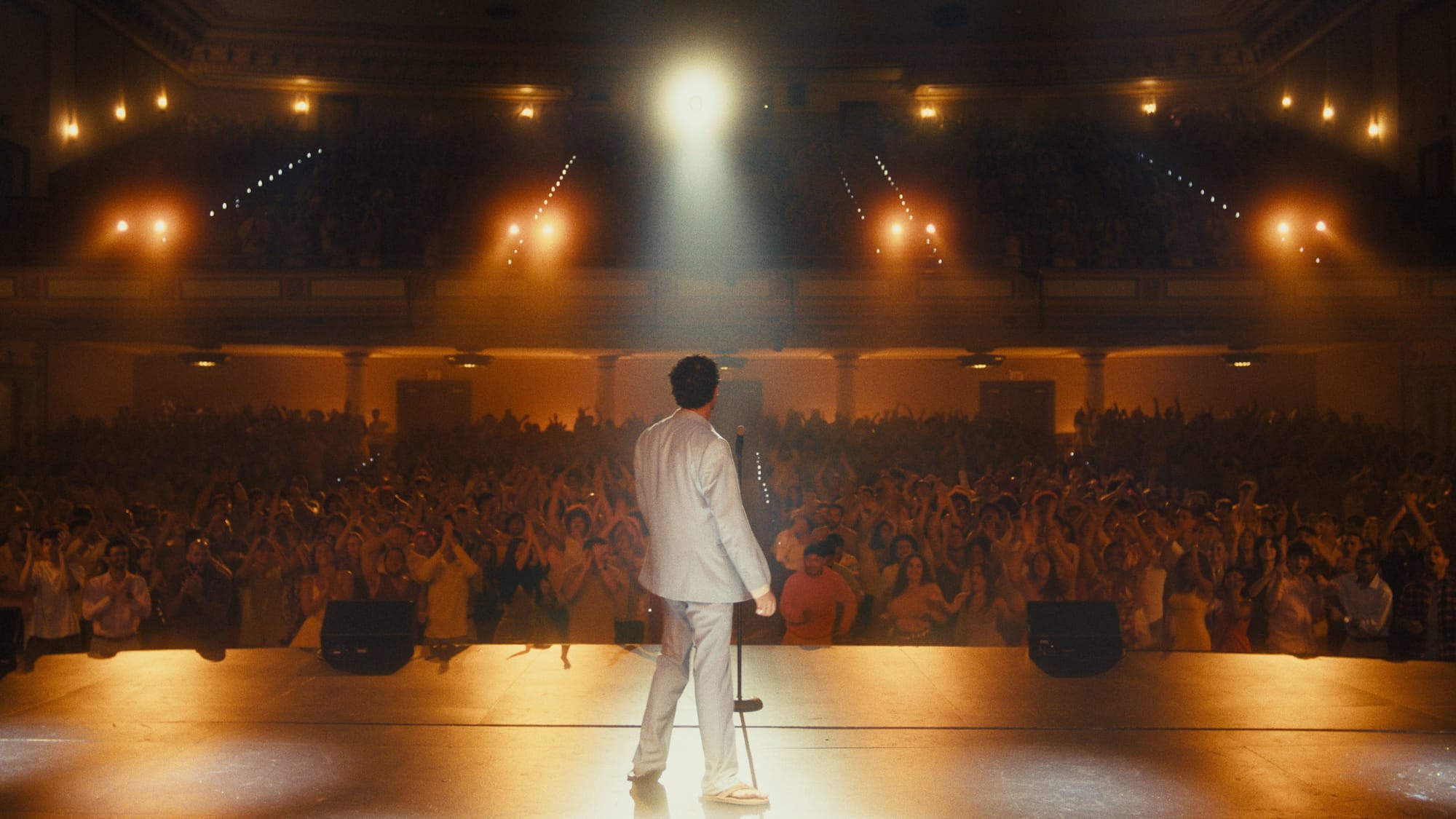
Stills from Bad Bunny's "BAILE INoLVIDABLE" music video. | Photos courtesy Luis Caraza Peimbert | Impulsiva Stories
Carving out the physical body of the unforgettable dance was definitely a challenging task for him. The song he used as a guide did not have the same beats per minute as “BAILE INoLVIDABLE.”
“I used it in Premiere and edited it with that. On January 6th, the song was released. They were like: ok, Luis. We have the song. We can now work on it. We have to send the video to color tomorrow,” Caraza Peimbert said.
So, there was a new challenge. The beats and rhythms were different. Caraza Peimbert noticed the dancers and the song were not synchronized. So, he took the dance scenes from the beginning of the music video and accelerated them by five per cent in order to match the song’s rhythm.
If you take a really close look, he masterfully matched the dancers’ footsteps when the trombones, trumpets, and piano hit the notes. They’re completely on sync and there’s a great reason behind that, even if it was a difficult task for Caraza Peimbert to achieve.
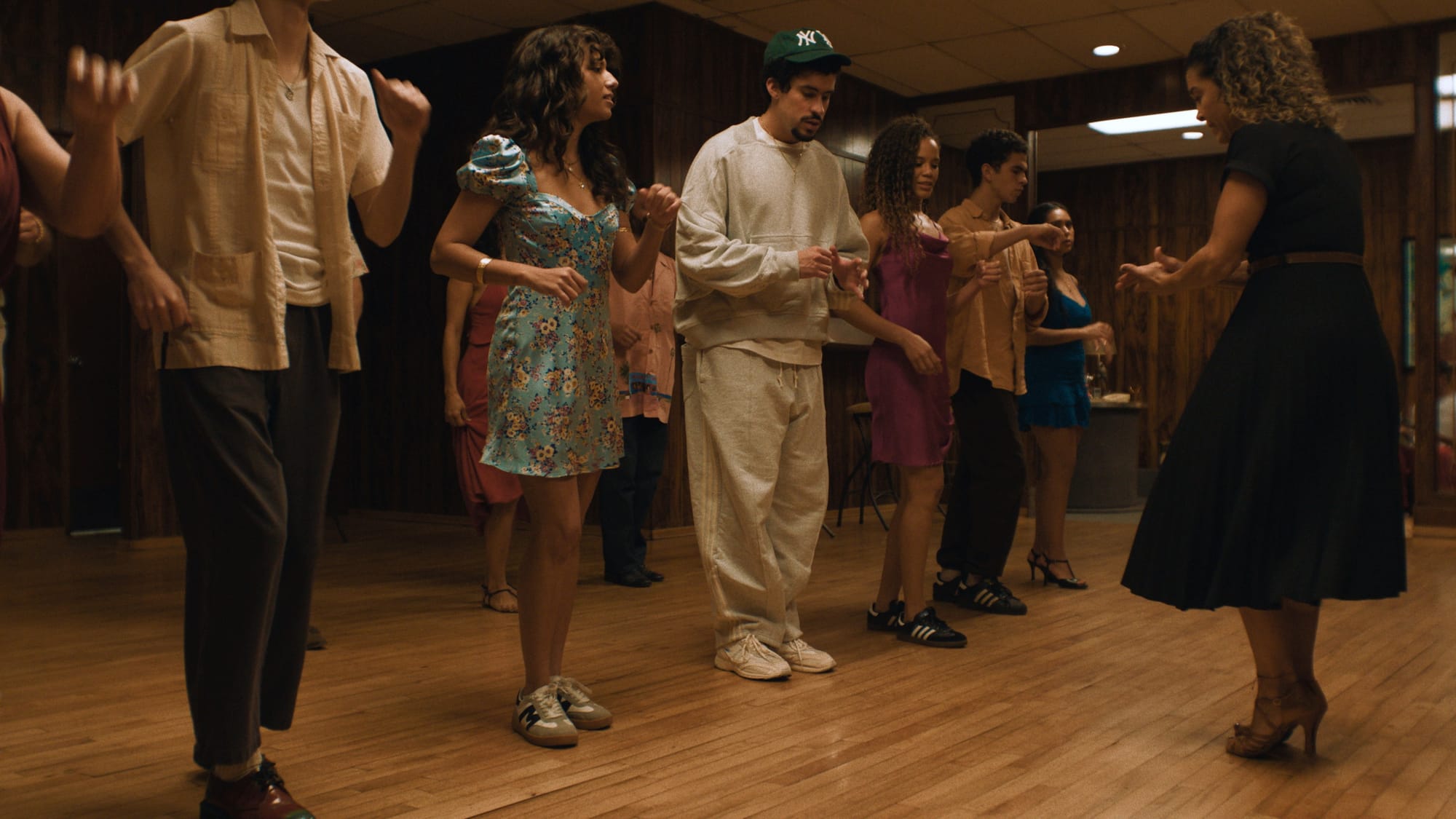
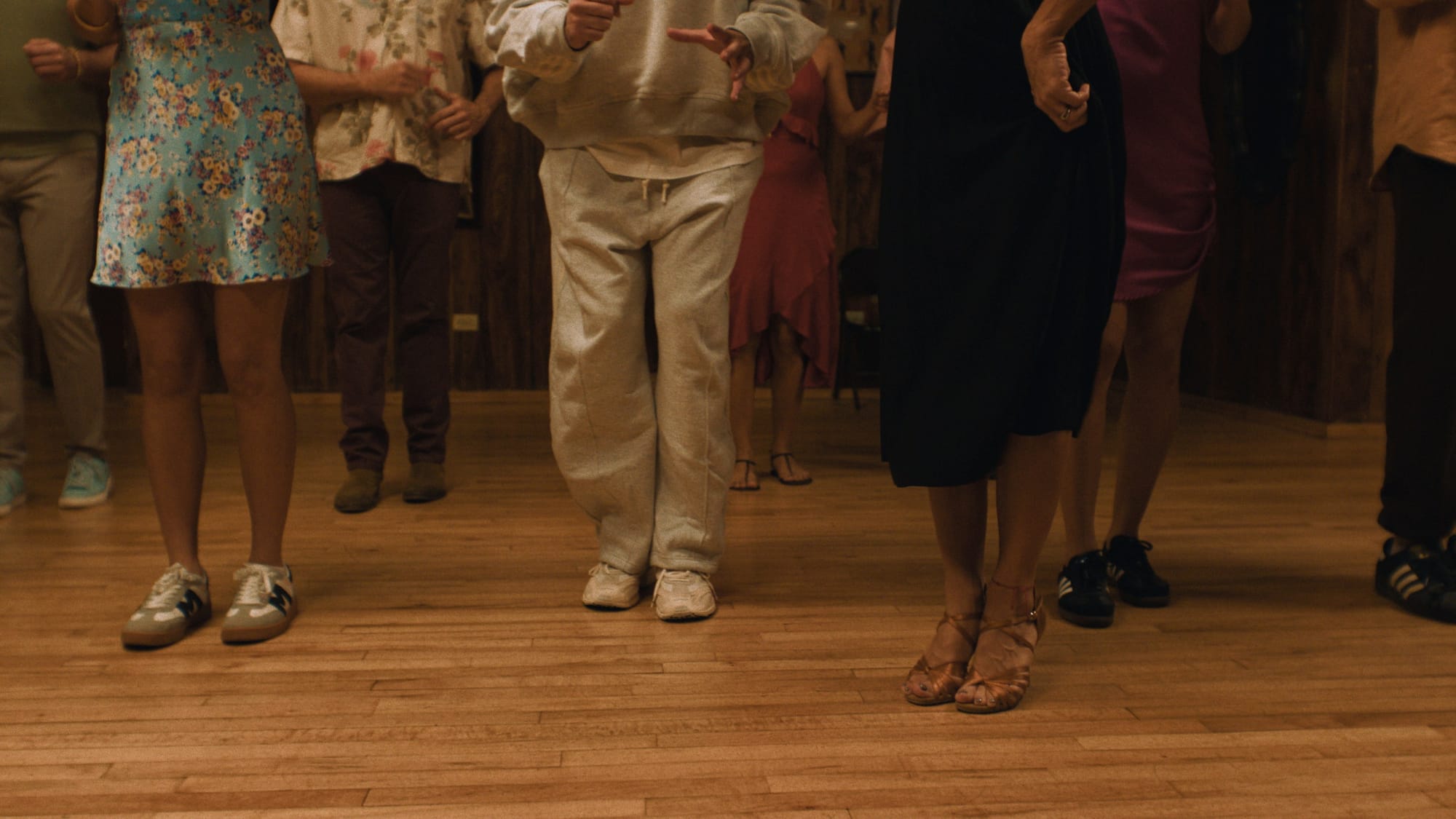
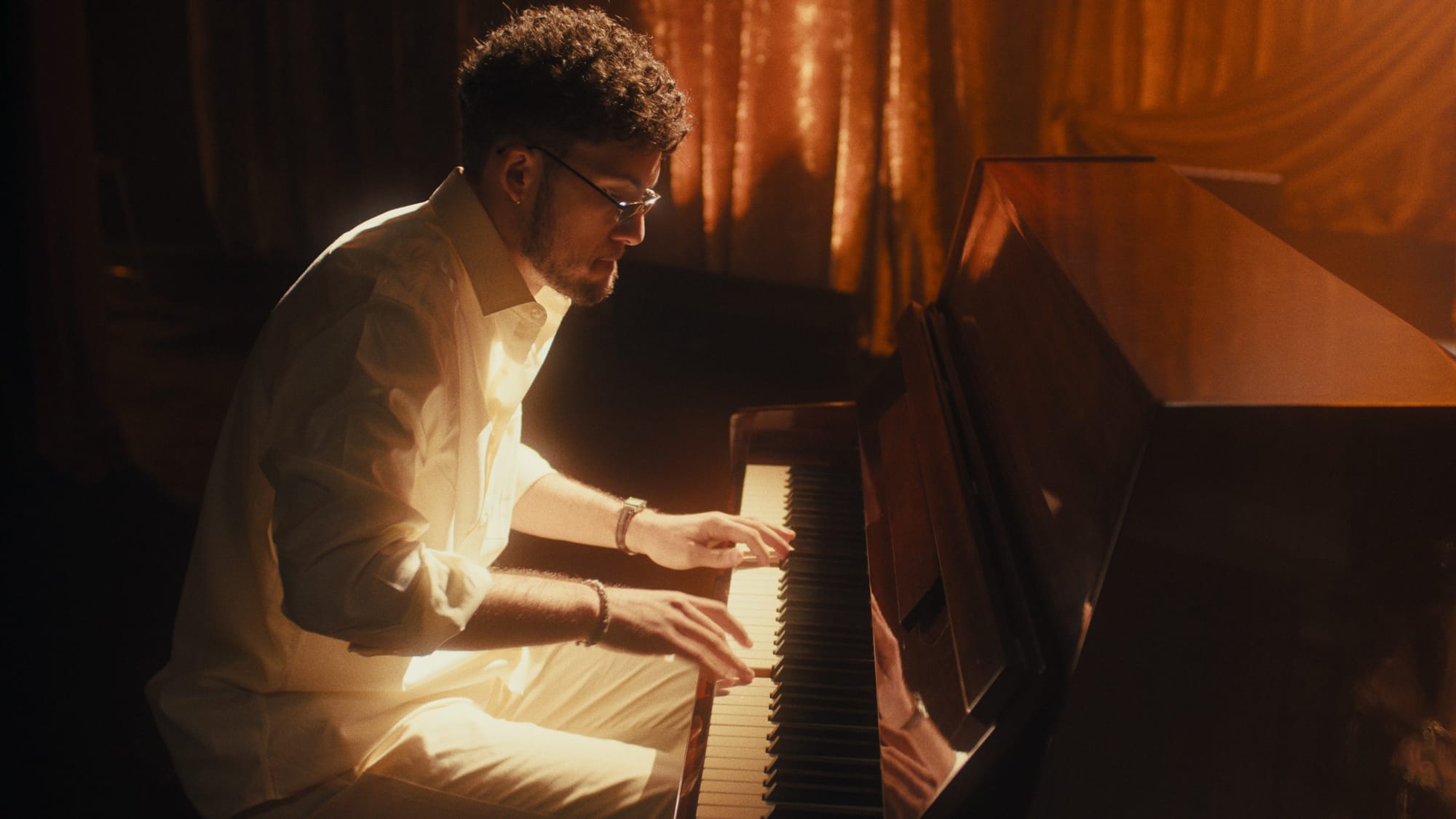
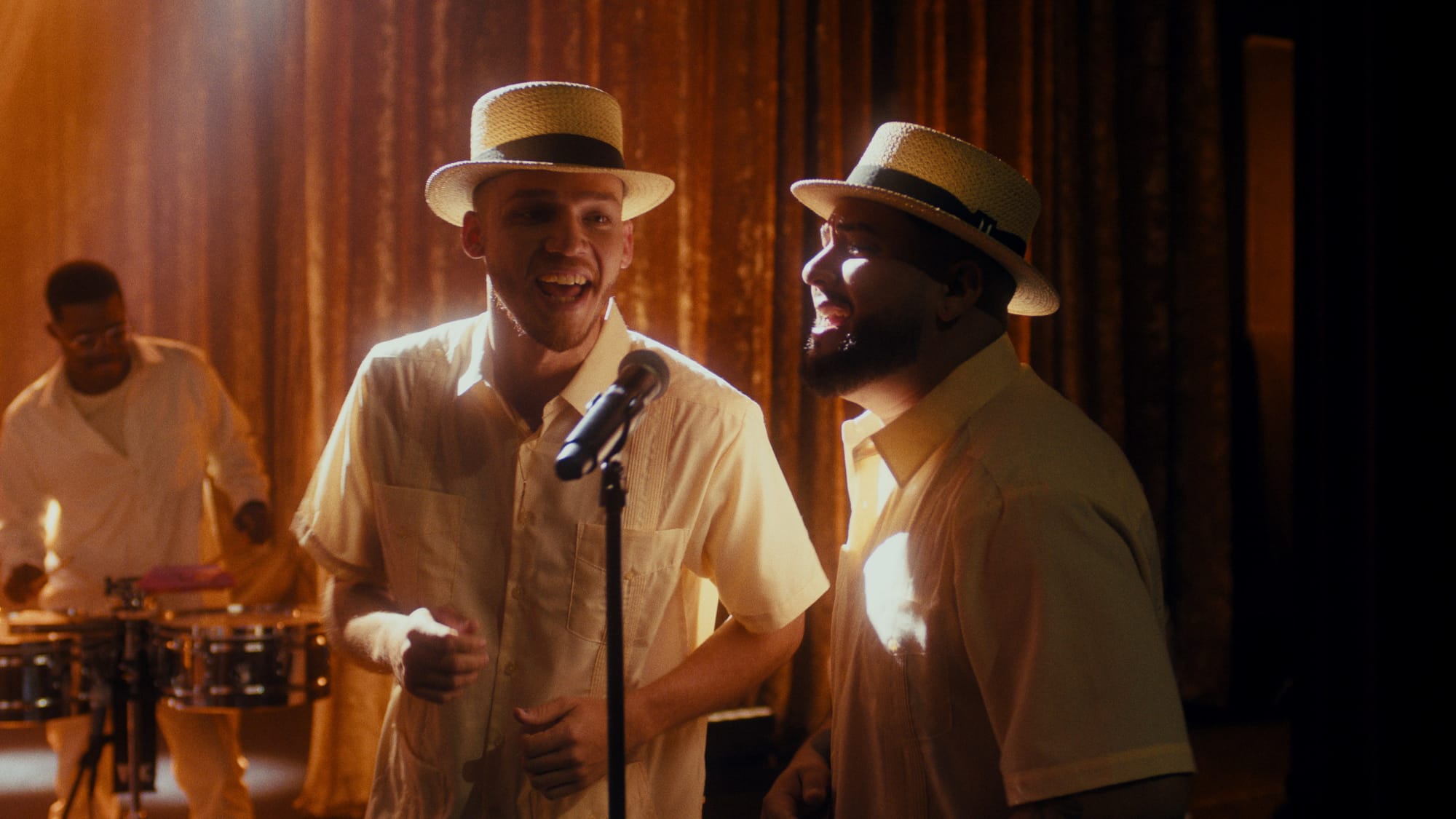
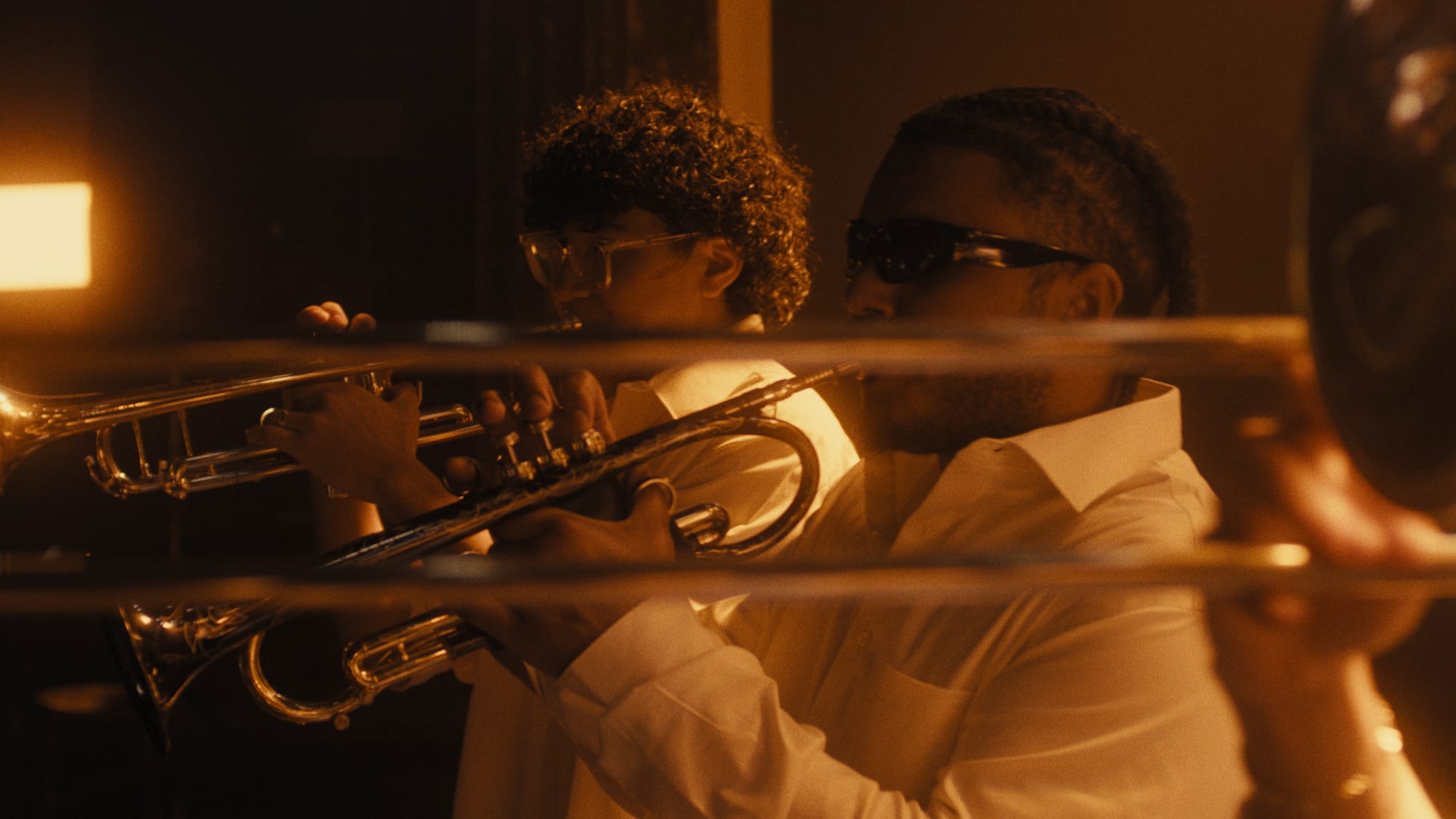
The footsteps synchronized with the piano, trumpets, trombones, and singers in Bad Bunny's "BAILE INoLVIDABLE" music video. | Photos courtesy Luis Caraza Peimbert | Impulsiva Stories
His editing was based on the choreography. Each cut was done so that it matched the dance and people’s feet moving. He was humming to that visual rhythm he observed in their feet. He took his imagination and senses to a whole new level. He edited a music video without music in an astounding manner, which sounds extremely mind-blowing when you read this.
Listen to Luis Caraza Peimbert
0:00
/15.197333
That’s why if you watch this video without the sound on, there’s an innate musicality in it and it feels as if the people dancing, are speaking to each other. That’s why I heard voices in my head when I saw it without the music on, but that difficulty made Caraza Peimbert go on a different creative editing path.
“Imagine that for me. I dance terribly. I can’t see rhythm unless it’s while editing music videos, and suddenly, I have this project that has no music. I don’t even know what the base of salsa is. Which is salsa’s rhythm?” Caraza Peimbert said. “I watched videos, videos, and more videos, and tutorials on how to dance salsa.”
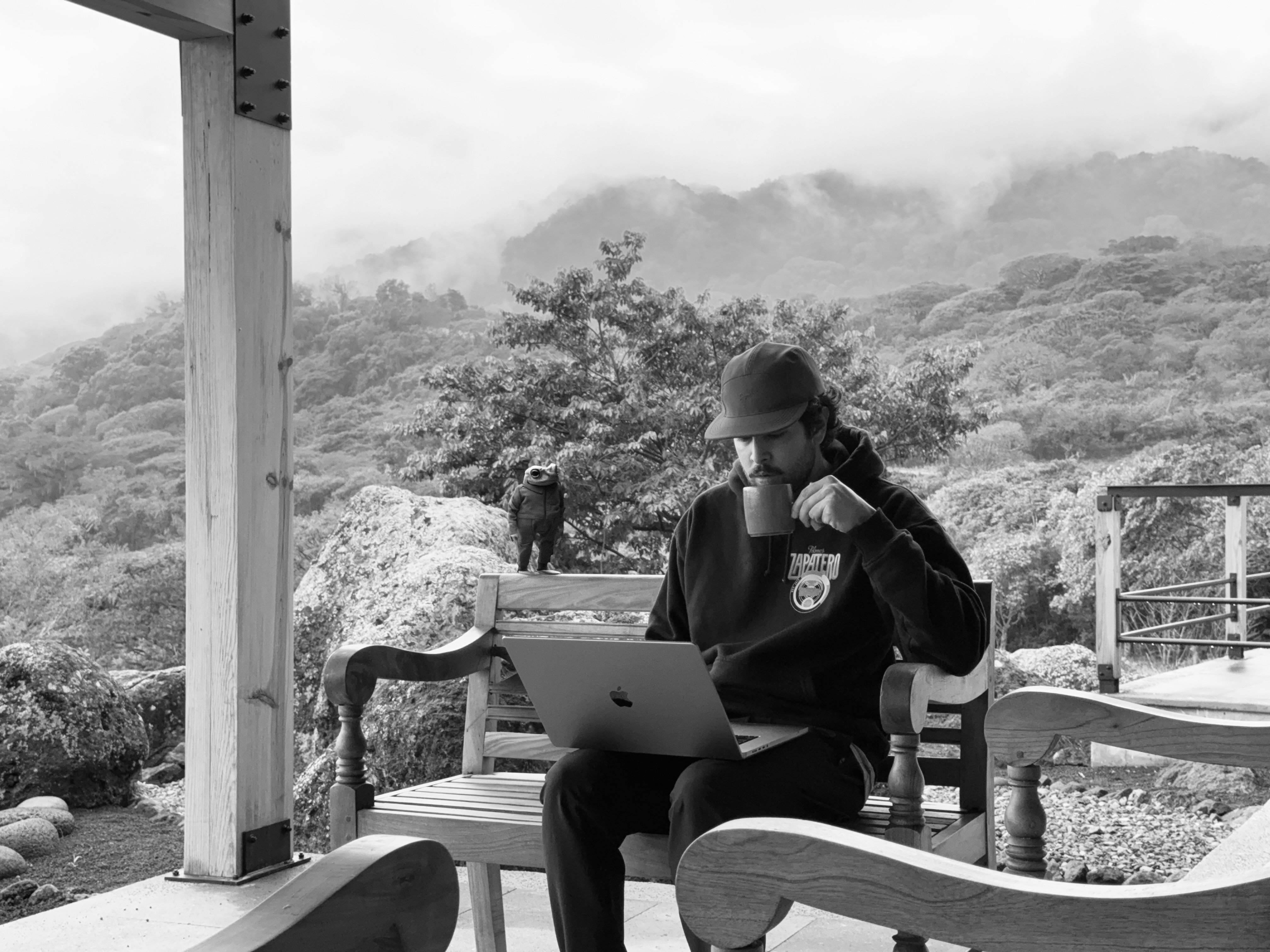
Listen to Luis Caraza Peimbert
0:00
/37.493333
He needed to understand salsa in order to edit it. The salsa had to take control of his mind and body for that dance lesson scene to come through impeccably. Aside from that challenging part, the rest of the music video flowed flawlessly and the music was in sync with Bad Bunny singing while the salsa band is performing in the background.
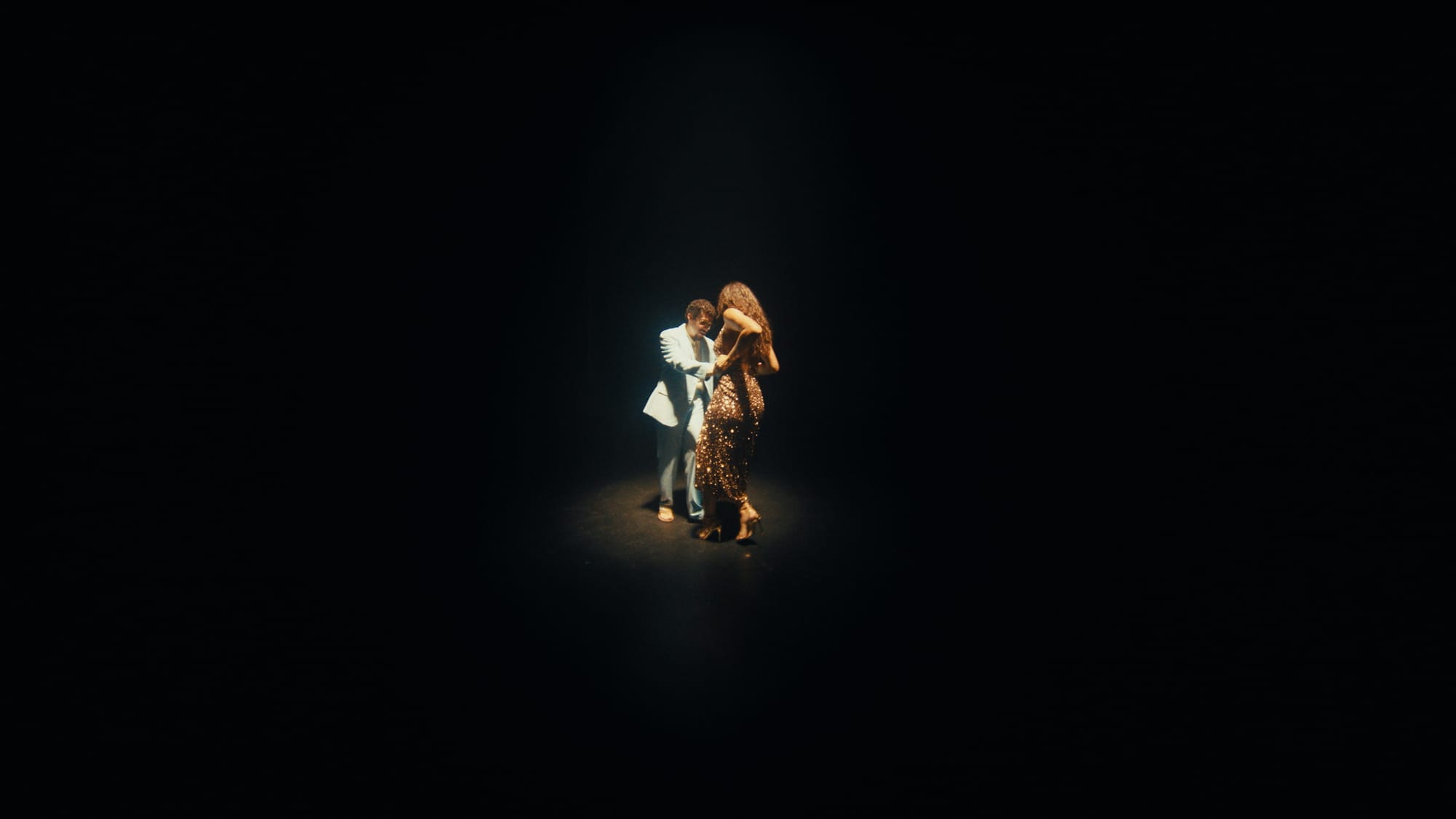
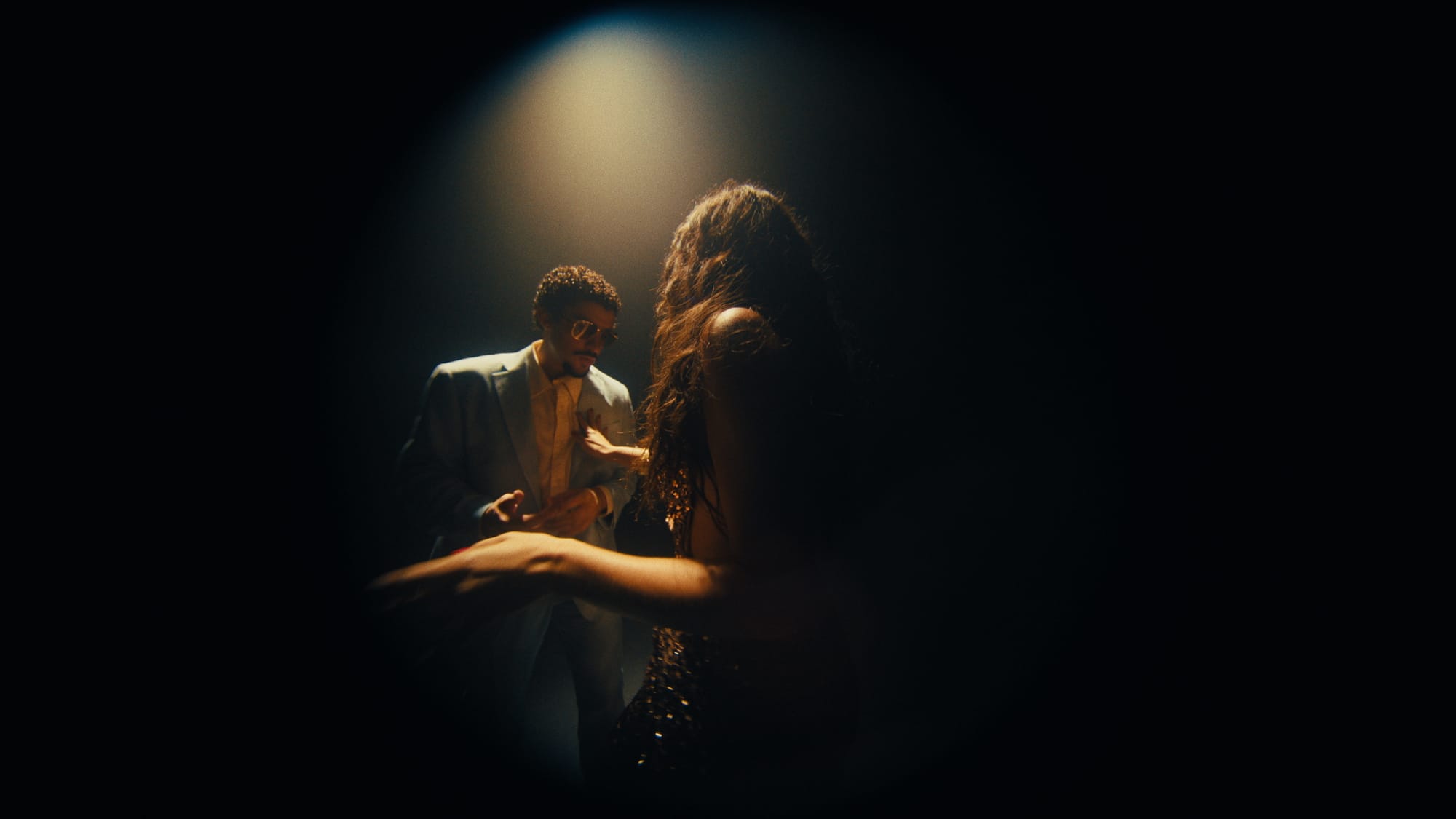
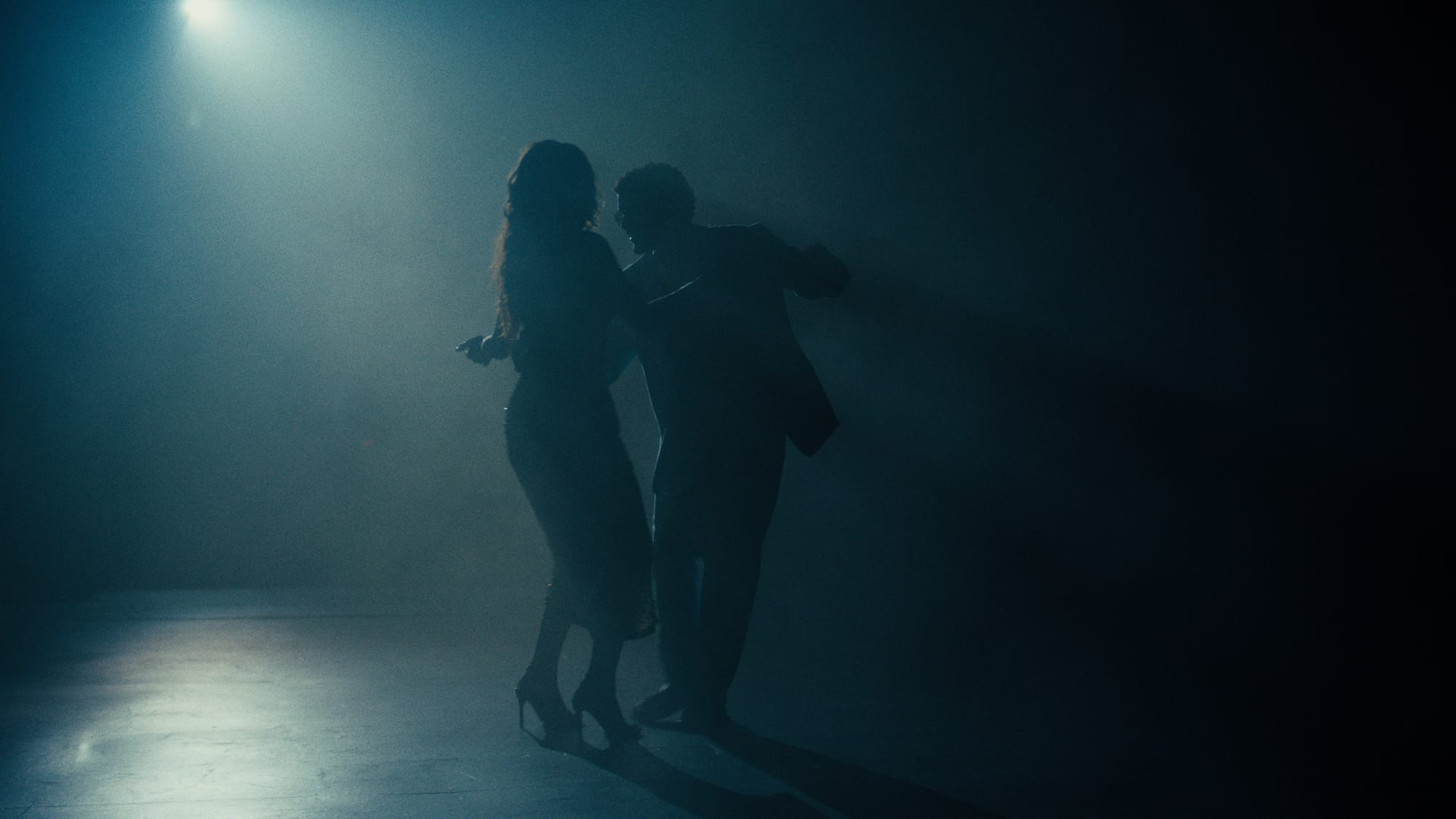
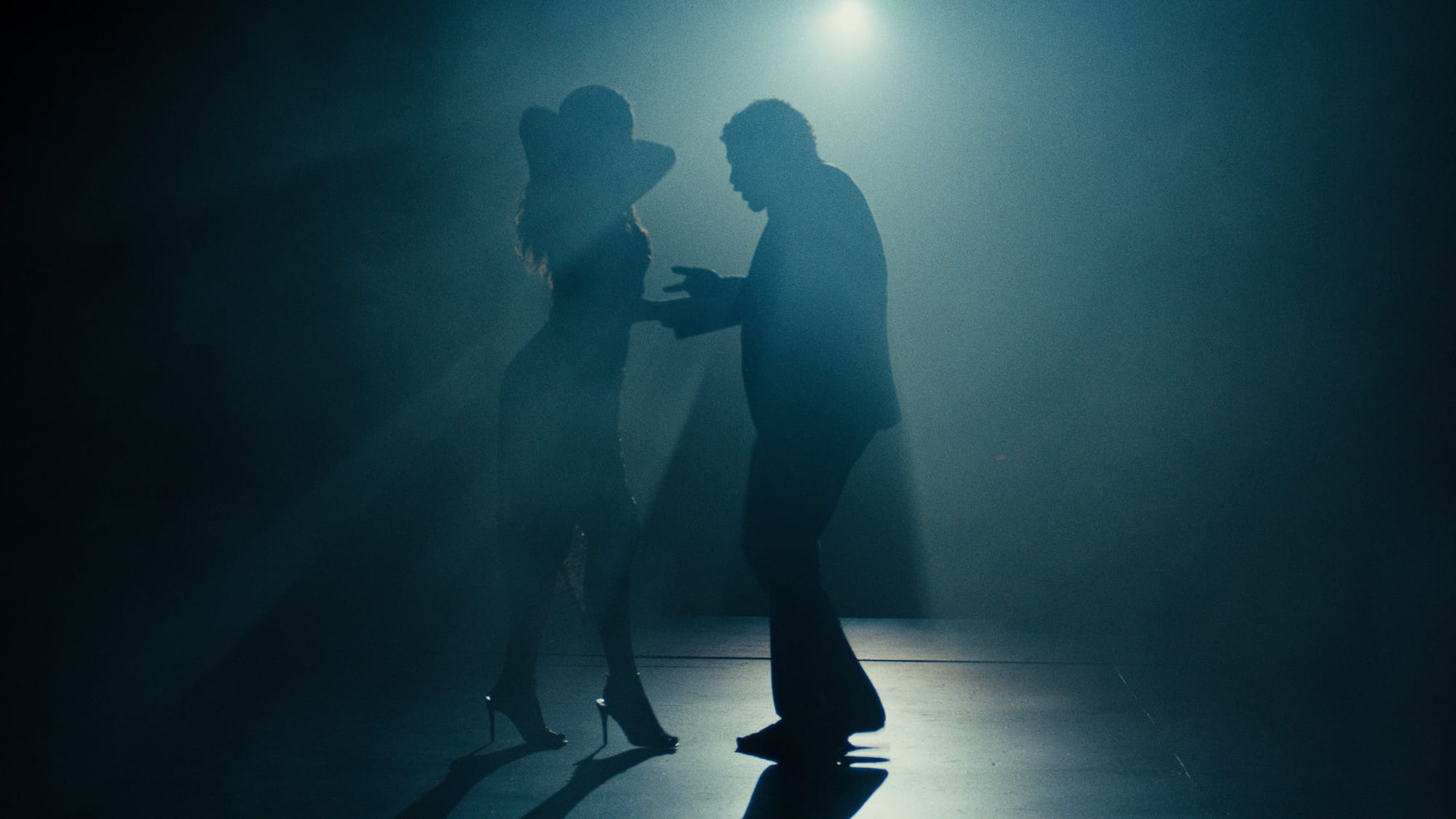
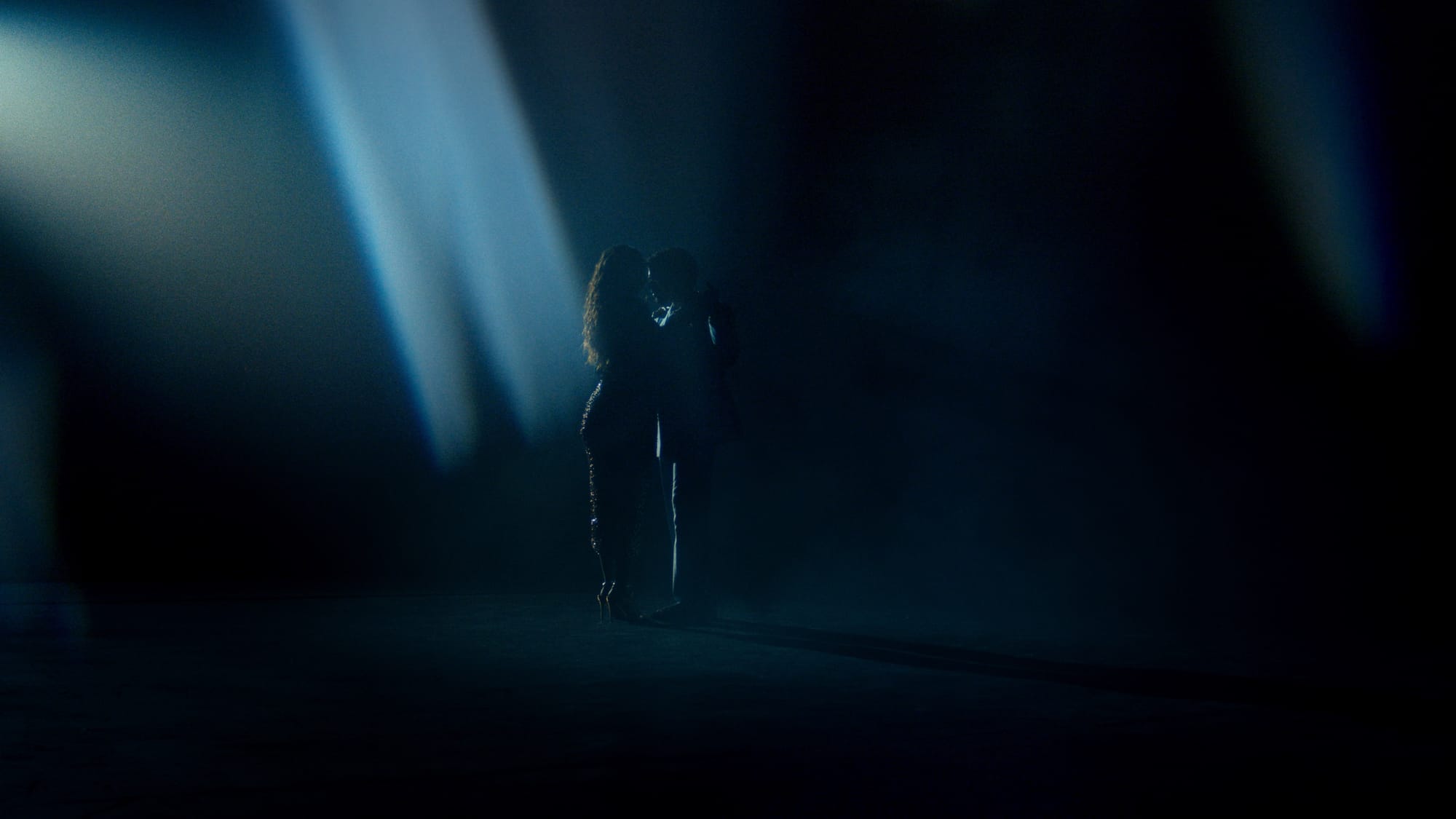
Stills from Bad Bunny's "BAILE INoLVIDABLE" music video. | Photos courtesy Luis Caraza Peimbert | Impulsiva Stories
Thanks to all the work, research, and lived experience that went behind the editing process, Caraza Peimbert was able to mold out its physical body amazingly. It was guided by the choreography’s footsteps matching the song’s instruments, the vibrant Puerto Rican culture, and Caraza Peimbert’s fascinating innate musicality.
The masterpiece was released on January 9th, 2025 and it’s one of the many music videos and songs that Caraza Peimbert works hard to candidly chisel out its physical body through his artistic editing. It’s part of an art form that transforms abstract feelings and sounds into a visual narrative that has meaning.
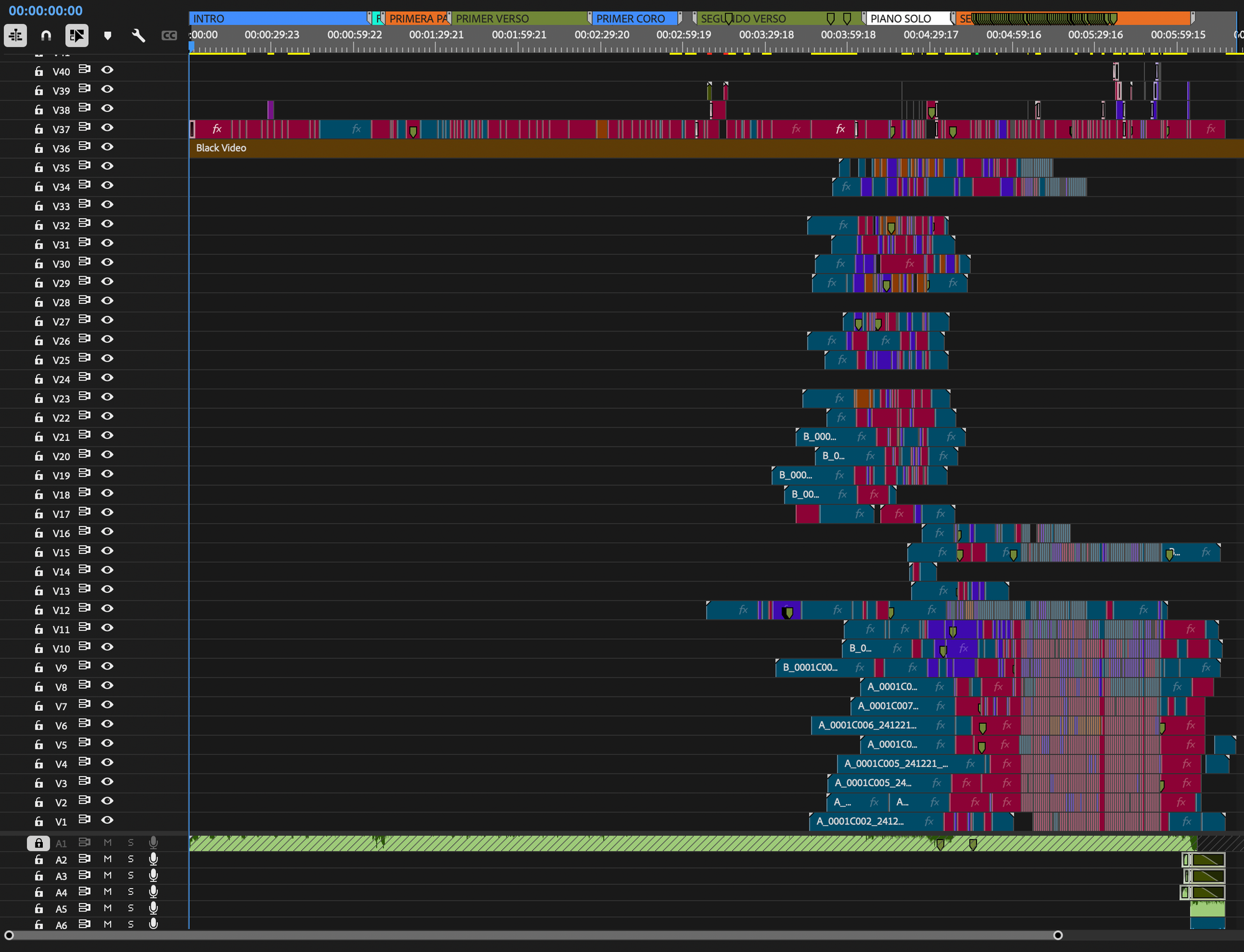
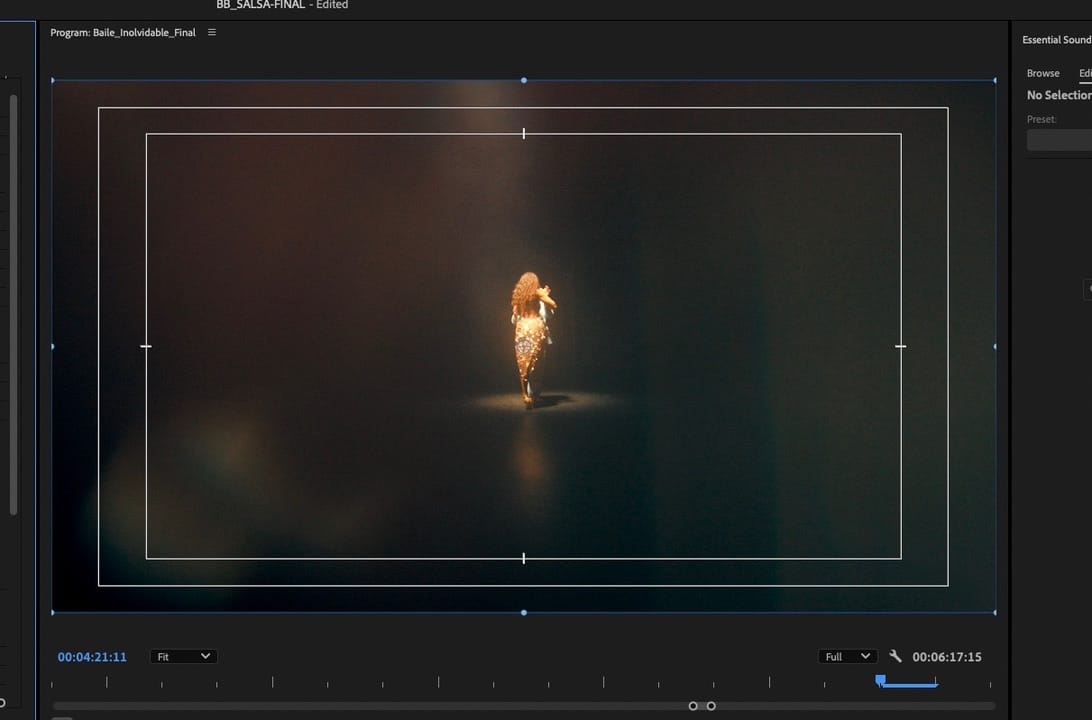
Screenshots of Luis Caraza Peimbert's editing timeline for Bad Bunny's "BAILE INoLVIDABLE" music video. | Photos courtesy Luis Caraza Peimbert | Impulsiva Stories
It’s an art where he seeks to transmit the purest and rawest emotions through a screen. It’s also an art that creates a sense of belonging and a profound human connection with his own culture and deepest feelings.
“I enjoy anything that has a social sentiment, but I’m also very romantic. I really have a soft spot for that,” Caraza Peimbert said. “I really like all of that of falling in love and breakups.”
To learn more about how Luis Caraza Peimbert gives music a physical body through his editing, you can follow him on Instagram at @luiscarazapeimbert. Stay tuned next week for PART III, where we’ll explore how Luis Caraza Peimbert connects with his own culture and deepest feelings through his editing.
Written by

Subscribe to my newsletter
Subscribe to my newsletter to get the latest updates and news