The Art of Journalism
My journalism transformed into art over the past few years.
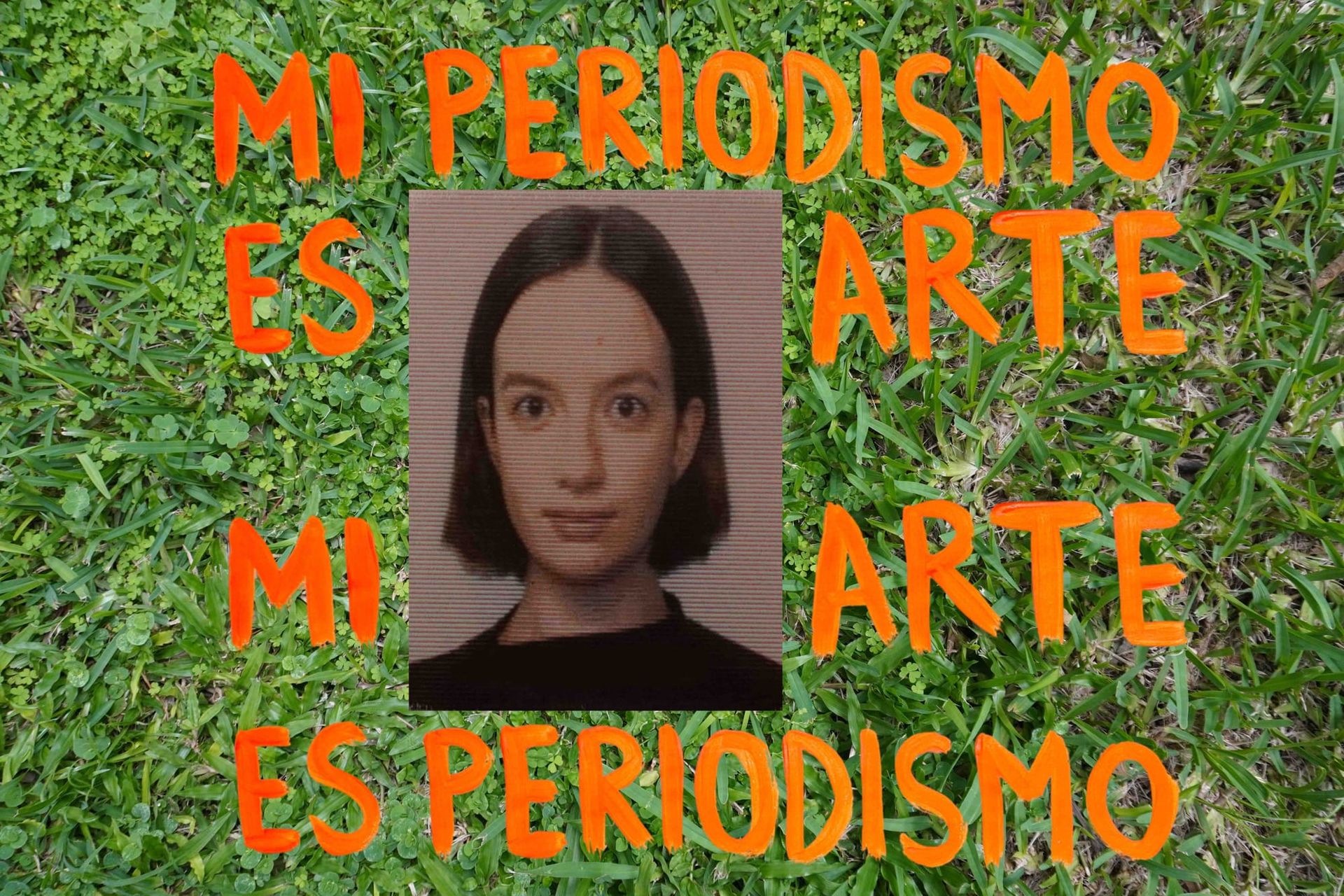
At this point of my career, my journalism is becoming art. My stories are on the fine line between art and journalism. It’s become a craft and an artistic practice. It's also the mantra and slogan I created for Impulsiva Stories, but it’s not something that exclusively happened in this new journalistic adventure.
It’s something that’s been building up within the past few years because of how I understand my art of journalism. I’ve gone through an intense journey where I’ve plunged into in-depth multimedia longform narratives. I’ve jumped into the depths of feature journalism because I love dealing with complex stories. I love chasing my curiosity to find a deeper meaning in the stories that I tell while also doing extremely long interviews.
Right now, I can say that my interviews last up to three hours because of the fulfilling conversations I get to have with the wide varied selection of artists I speak with.
These interviews are also art.
The preparation process that leads me to those impressive chats is one full of patience and a deep immersion because I need to really feel and experience their art. It becomes an obsession at some point.
But it all begins with an initial spark that awakens when I observe or listen to a certain type of art. It's something I don’t quite understand at that precise moment when I interacted with an art piece, but that excites my curiosity. It’s that thing that makes me feel something. That thing that creates an instant human connection, but I can’t pinpoint quite well what it is.
Don't Forget to Subscribe to The Story of The Story
For only $16 a month, every Friday you'll have exclusive access to
The Story of The Story. Our founder, the Costa Rican award-winning multimedia journalist and artist Elizabeth Lang, guides you through her creative process to produce her stories.
That intrigue simply drives me into this desire to understand its magic. I go out on the search for the artist behind that extraordinary creation and I want to know why they created such piece. What led them into a universe full of vibrant colors, vivid sounds, emotional landscapes, or whatever other elements they create through their artistic disciplines.
Basically, I'm chasing the story and the adrenaline that comes with it.
Once I’m done experiencing the art through all my senses, I reach out to the artists asking for an interview. When they say yes, I start writing my questions. I make sure I structure them in a way that doesn’t feel like a questionnaire or an interrogation during our conversation. I separate them in different blocks according to the themes I want to explore and I manage to create an environment where a sense of trust begins flourishing.
I make sure I build a safe space where the artists feel comfortable enough to start talking about everything and anything with me. It's a space with no judgment and one where they know they’ll be listened to because what they have to share is what really matters to me. I take a step back and listen. I go into interview mode and simply turn on my active listening switch.
The Art of the Interview
At times, even having my small notepad full of questions doesn’t work at all because my interviewees start leading the way with unexpected twists. Sometimes I’m in search of a specific thing, but the interviewee takes the wheel and drives me to a new path. We end up in a different place, which is quite fun because I end up really surprised. I learn new things and ride a new wave that was not planned initially.
These end up being wonderful conversations where the interviewees sometimes go through different emotions. At times, laughter and tears exist in the same space and I just try to be present in the moment listening to them. I'm always extremely grateful for their time and for trusting me with their deep stories.
That in and of itself, is also art because it's a reflection on how life works in an unpredictable manner.
I allow my interviewees to feel safe and be at ease. I really listen and new questions arise. I may look quite still and calm on the outside. But while I listen, my mind is just feeling like: yessssss, this is the best time of my life. This is what I wanted. These phrases and feelings will have an amazing impact because of how authentic the interviewees are while we speak.
Yet, everything goes further beyond a simple quote or phrase. The stories' substance is in the feeling of the moment. It’s in the human interaction we have. It’s in the mutual acknowledgement in the conversation that we’re two people speaking, exchanging stories, answering questions (or asking them and getting responses), and knowing no one’s above the other person. We’re on the same level when speaking.
I don’t like that behavior or idea of certain journalists feeling superior to their interviewees and sources. That never works for me. If you do that, you come off as an arrogant person that's stroking your ego and whose sole focus is yourself and not the story itself.
That’s why my interviewees are of utmost importance for me. They’re the ones who make the stories a reality. They’re the ones who drive the narrative and brighten up my days because it reminds me that there still exist amazing people willing to make a positive change in the world (mostly when I'm working on artist profiles). These are people who are willing to shift the culture globally thanks to the pursuit of their greatest personal, political, and social convictions.
I never get tired of learning about this over and over. Week after week. It’s what fuels my stories and what drives my motivation through the sky. It’s one of the main reasons why I keep doing journalism. Why I haven’t left it behind, even if it’s quite a hassle at times. These people are the ones who make everything worthwhile through a process that's more fulfilling and enjoyable.
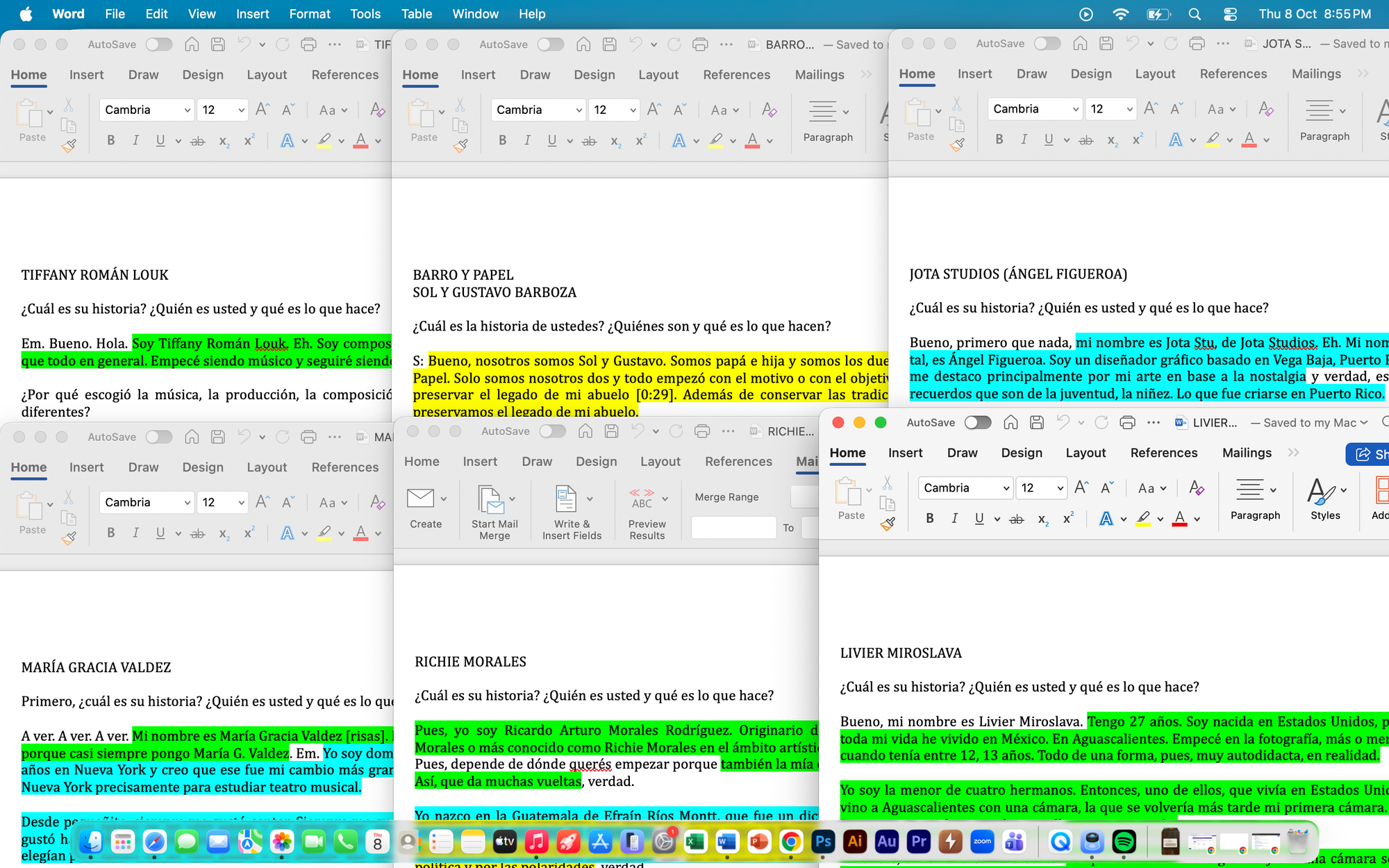
So, once I’ve finished these in-depth conversations, I go into the next step: transcribing the interviews. Depending on how long these conversations are, it might take me between one to three days to transcribe everything. I enjoy re-listening the conversations a lot because I go deeper in understanding the feeling the artist wants to convey.
You know, they say that when you do things manually, the brain learns much more and it's quite stimulated. You remember things more and I like to keep the human factor alive at all times, even if the process takes longer. Once the transcripts are done, I go into the phase of my incessant note-taking.
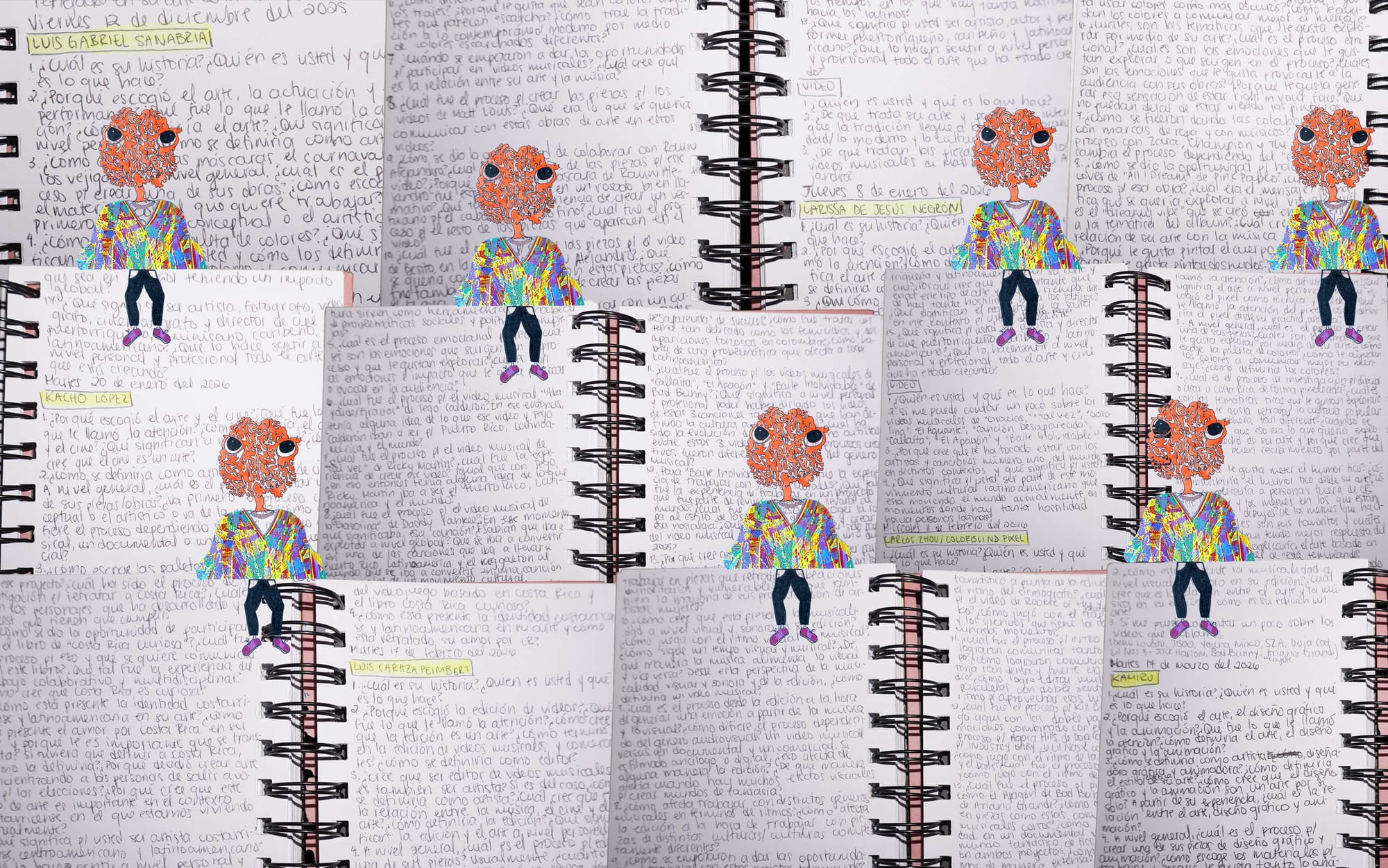
I start a new “canvas” and “paint” with my blue or black pens. The ink slides through the pages until I have all of the notes. I then read them and highlight in vibrant colors each of the key ideas, concepts, and words that’ll define the story or the series at hand.
Defining the Poetic Themes
Within this process, I enter into a new phase of my art of journalism. I treat my interviewees as the main characters of their stories. They're the ones who drive the narrative's flow. I start gathering sentences that sound poetic. I gather the ideas that are not a headline per se, but that give off a clear idea what these stories are all about. Something that catches your attention and also captures the artist’s essence as to why they’re creating.
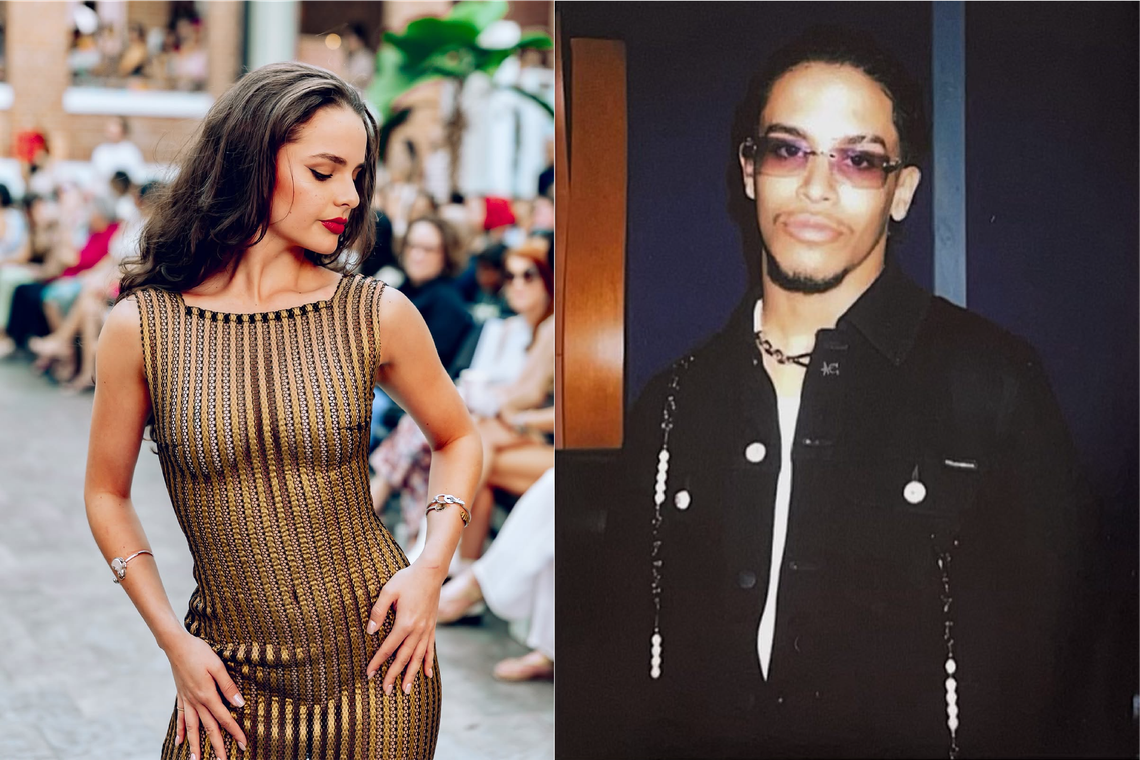
I get lost in the words and then find amazing phrases. Some of the quotes that have really nailed it in the past few months belong to the Guatemalan artist Richie Morales and the Mexican photographer Livier Miroslava.
When I did their interviews, I was just starting the weekly column The Story of The Story, so I was a paying closer attention to the words they said. Each one of them expressed these amazing phrases that were great metaphors for Latin America.
It was almost as if they were reciting poetry.
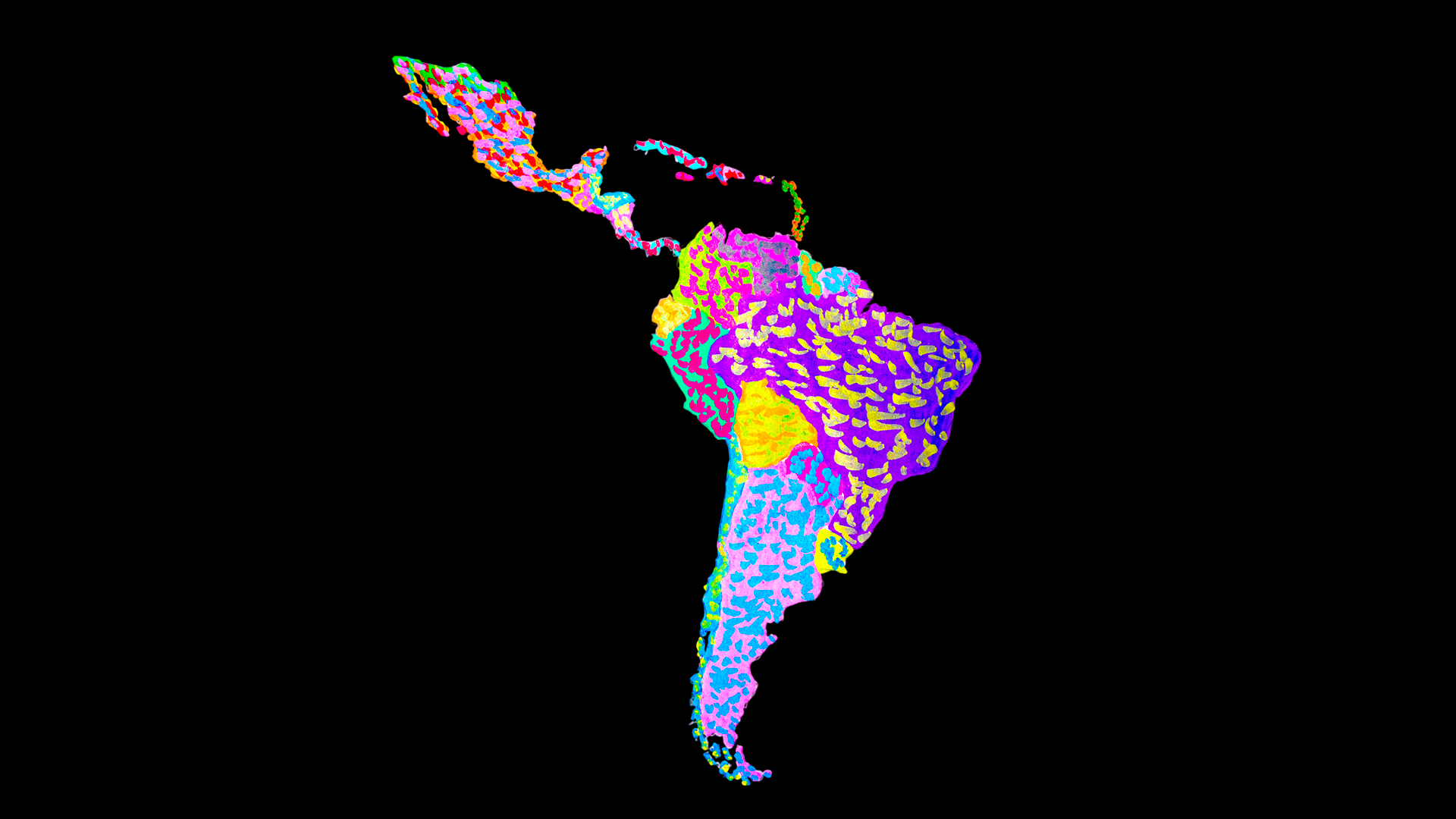
Morales first said “ese contraste es precisamente Latinoamérica. Es una tragedia de colores,” which translates to the understanding that Latin America is a tragedy of colors because of the contrasts we live in. I found that to be so poetic and contradictory. It was marvelous.
Regarding Miroslava, she joyfully expressed that “siento que como latinoamericanos, somos un chingo color,” which means that as Latin Americans we’re a shitload of colors. Or a lot of colors. Pardon my French, but once again, that was such a great metaphor and it was a repeated theme amongst my interviewees.
If you’ve been following my work, you know that my stories exist in a universe. They’re not separated. Even if the artists are from different countries, contexts, and practice a wide variety of disciplines, there’s something that always connects them. They don’t exist in a vacuum.
And even if they don’t seem to have something obvious in common, they share the fact that I’m the one telling the story. Naturally, my interpretations of the cultural pieces and their themes are in there. They also share the region where they come from because most of my stories are about Latin American artists.
The differences between their countries of origin don’t matter that much. After interviewing many Latin American artists, I’ve noticed that we have so much more in common.
We share cultures, the love for life, the vibrancy that characterizes us, and even the pain and suffering we go through. The corruption. The eternal feeling of being from a region that’s always in resistance mode, but knowing that that struggle won’t stop us from achieving greatness.
It's always there. The resilience in the form of extraordinary art that makes others uncomfortable. The art that speaks about our deepest struggles and desires to showcase our region through a realistic lens. Not one where we’re stereotyped as weak human beings, animals, and criminals.
That sense of defending our roots and heritage is always there.
And that’s also part of my art of journalism. I want to honor that deep recognition of our identities. I want to honor the multicultural region where I come from. It’s a sense of belonging that comes from a deep place of respect for Latin America. From a place of love and care for a region that’s always in a constant battle.
It also comes from a broader perspective of showcasing arts and culture as a response to a nation’s social, political, and economic systems rather than being simple aesthetic disciplines. I know deep down in my being, based on the stories I’ve heard over the years, that the arts are not a mere simple nice thing. They’re not “light” decorative props.
They’re just as important as any other professional career. They serve society on a deeper human level and they even save lives. That’s why each of the artists’ phrases and stories hit so deep. They’re speaking from a genuine, compelling place and narrating what moves them as human beings. They’re speaking and creating from a place that’s relatable for others. From a place where others can feel better and feel seen.
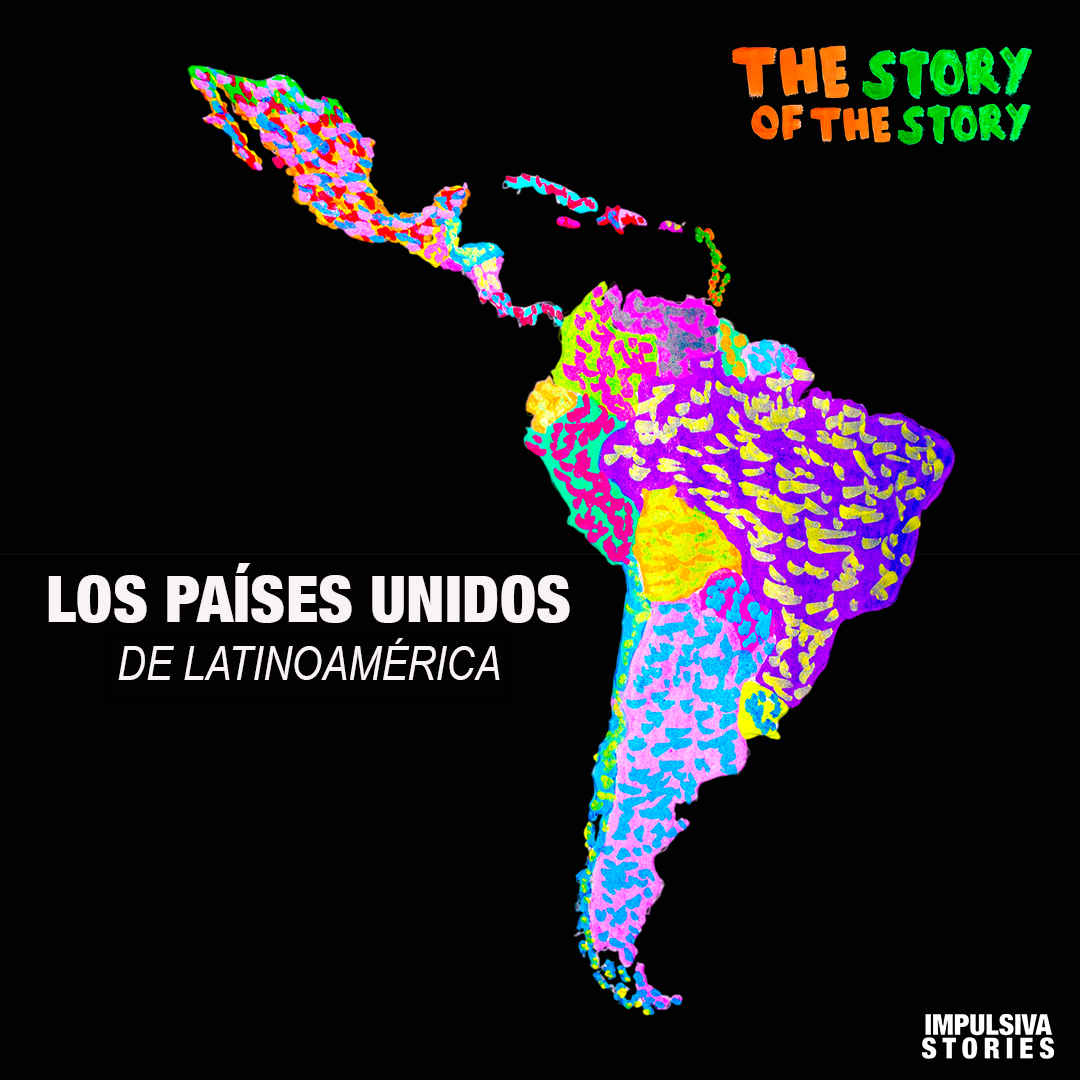
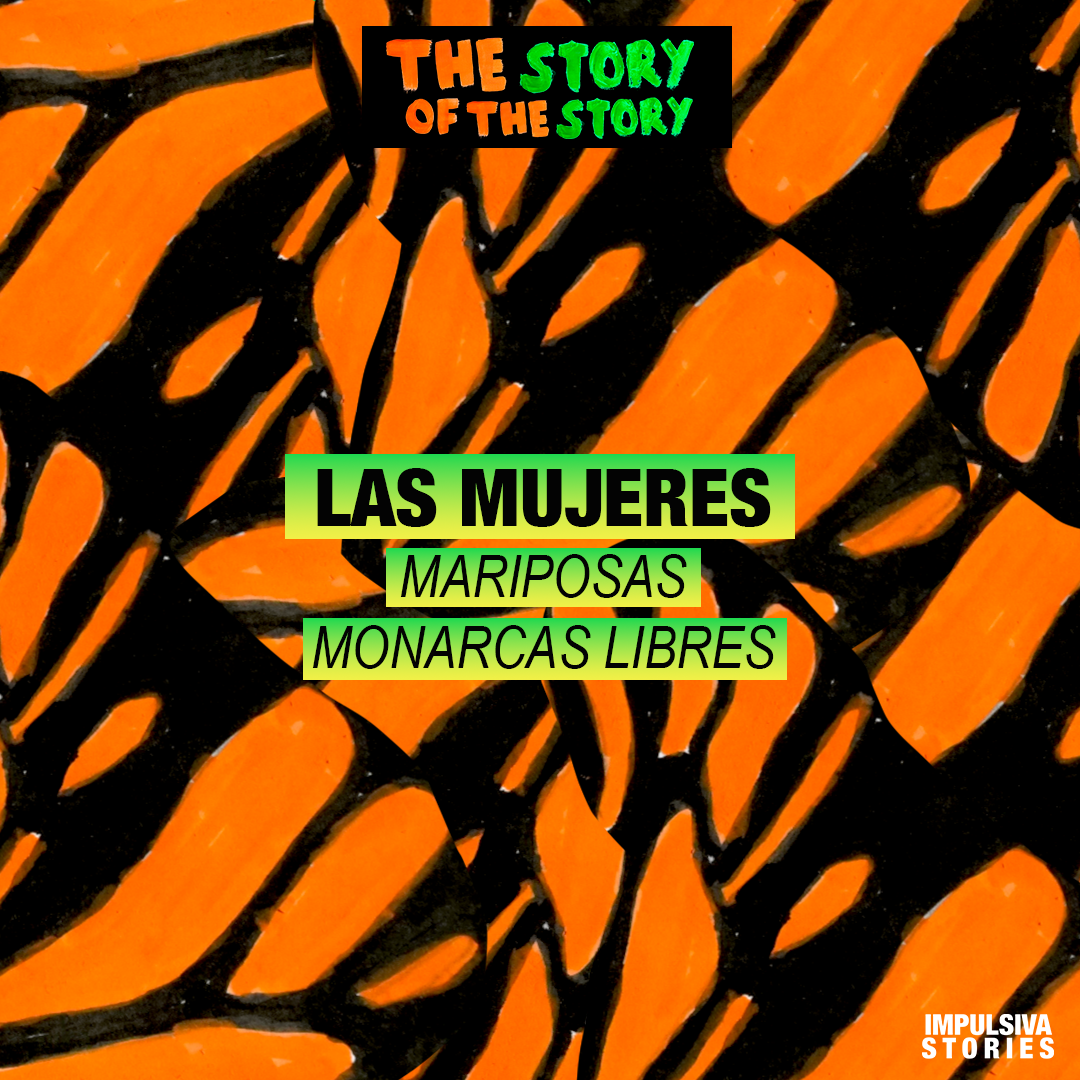
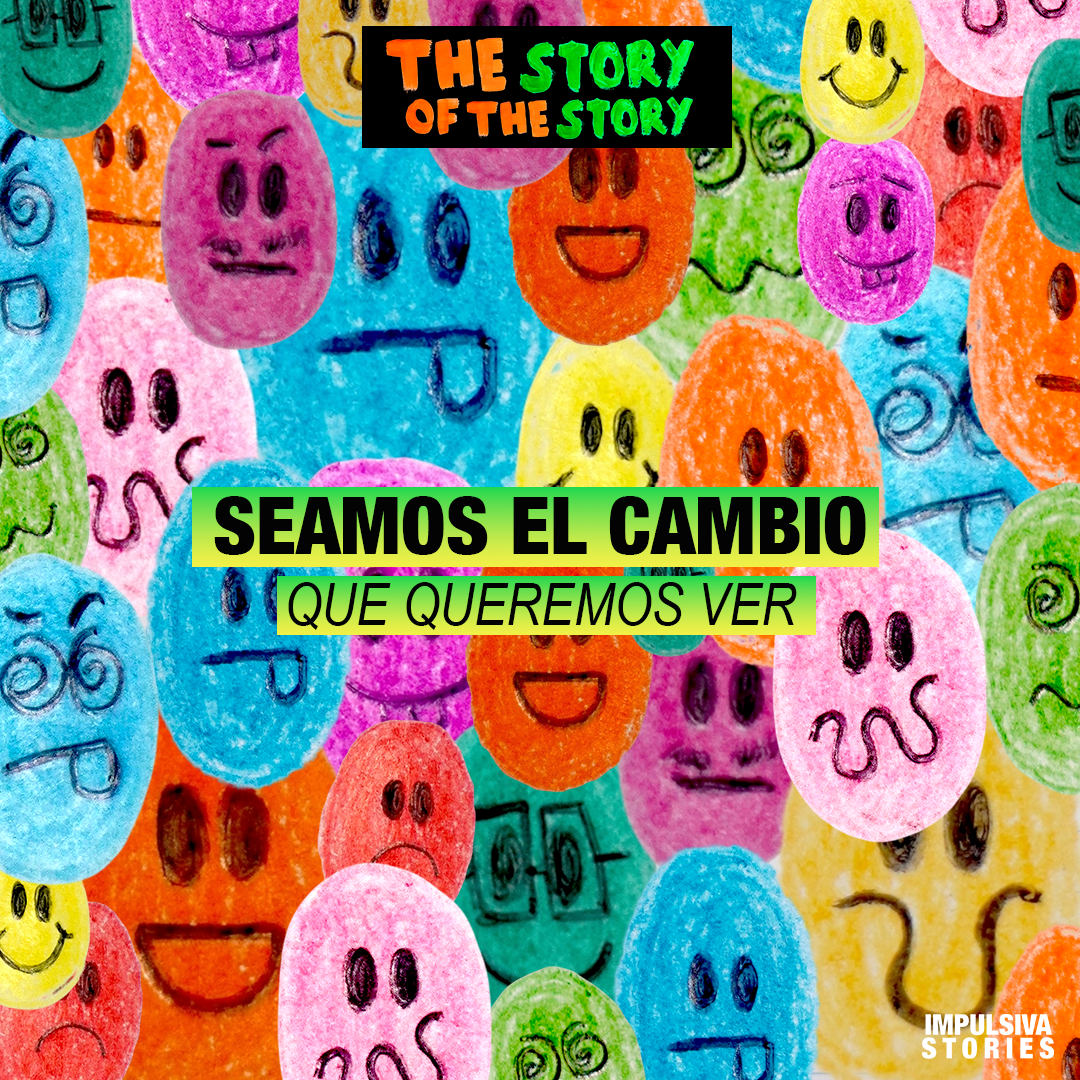
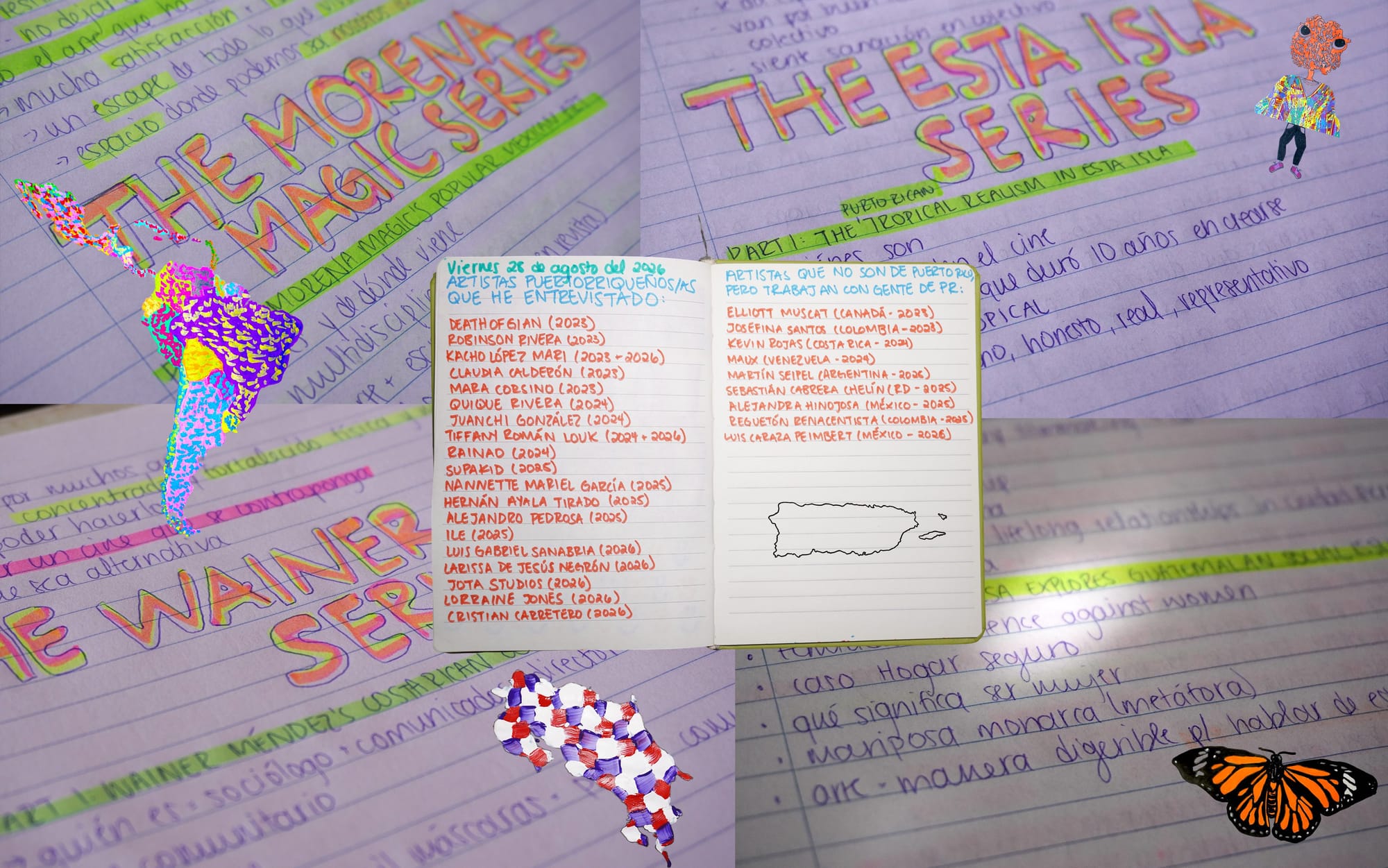
Some of the "cover art" for our column The Story of The Story. | Art by Elizabeth Lang. | Impulsiva Stories
Transforming Words into Art
That’s why I’ve now resorted to transform these artists’ phrases into art. Why I’ve drawn a Latin America as a “chingo de colores” or why I animated a Costa Rican map with a pattern based on on the colors of its flag. Or why I’ve painted the pattern of a monarch butterfly based on the Guatemalan artist Lesli Canela Pérez’s metaphor of the free monarch butterfly women.
Or why I’ve drawn change as a bunch of faces with different colors and facial expressions. Or why I included a video of flames as the moving image portraying the concept of honoring our internal fire. Or even, why I drew a simple map of Puerto Rico indicating it was a thank you letter for the Caribbean island and their amazing people.
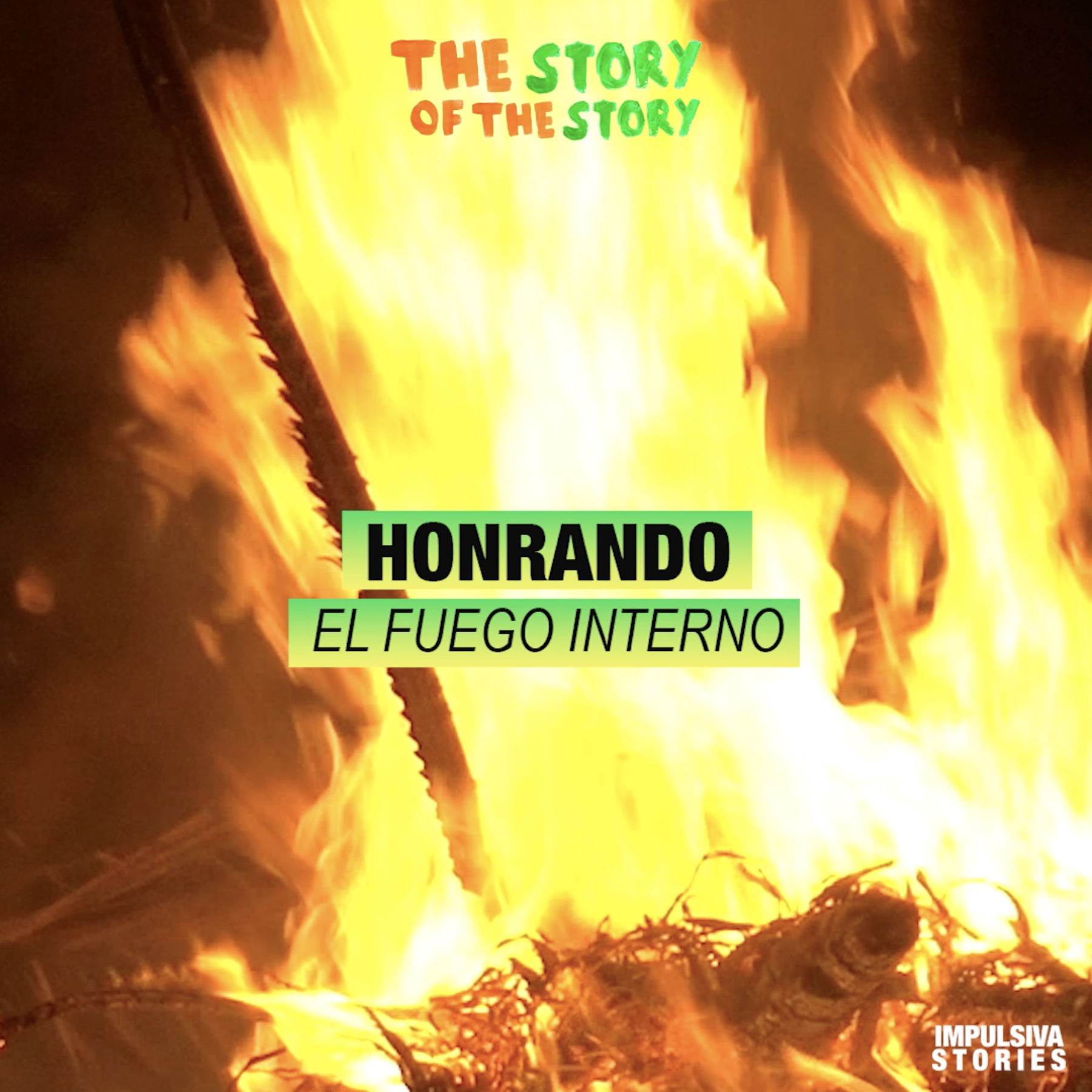
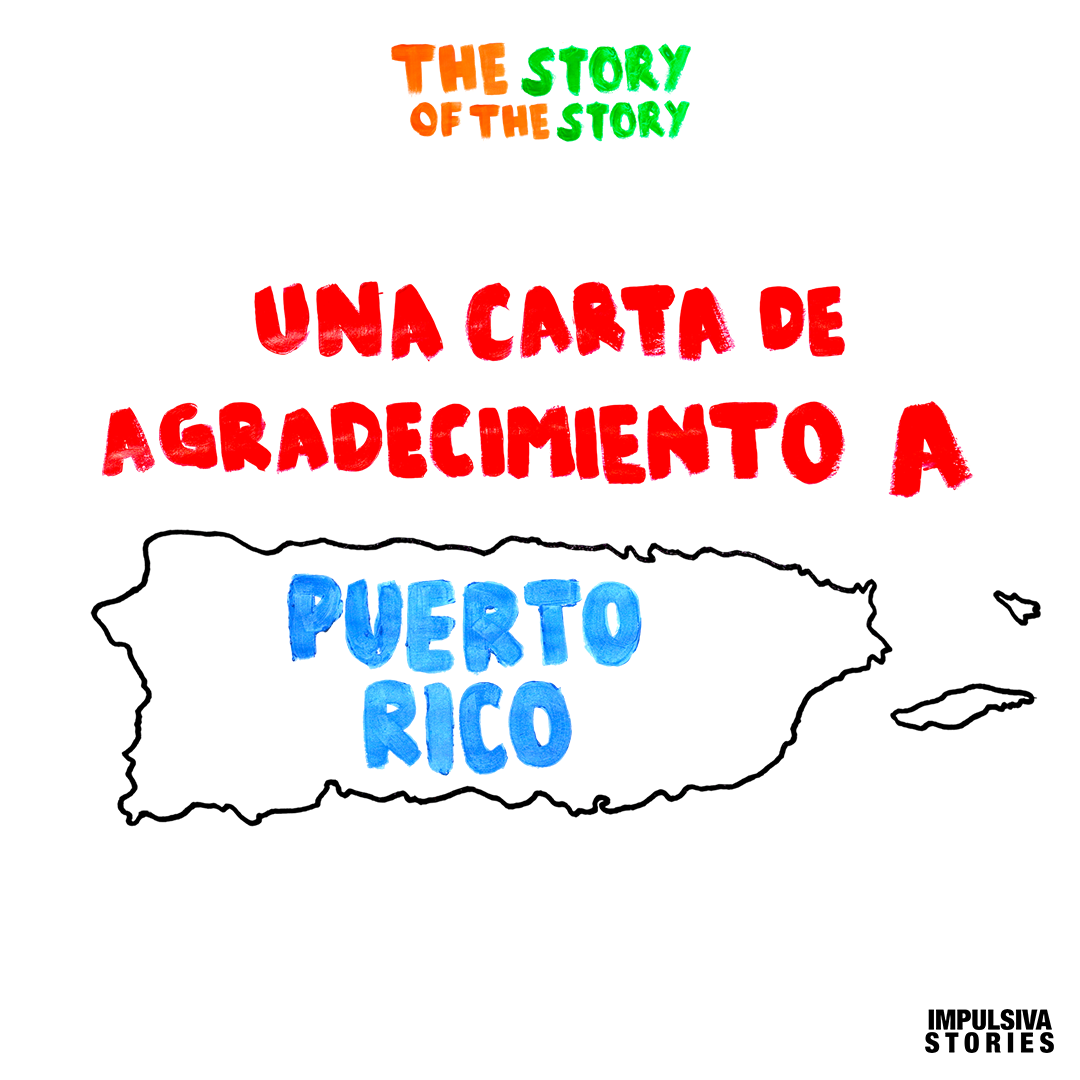
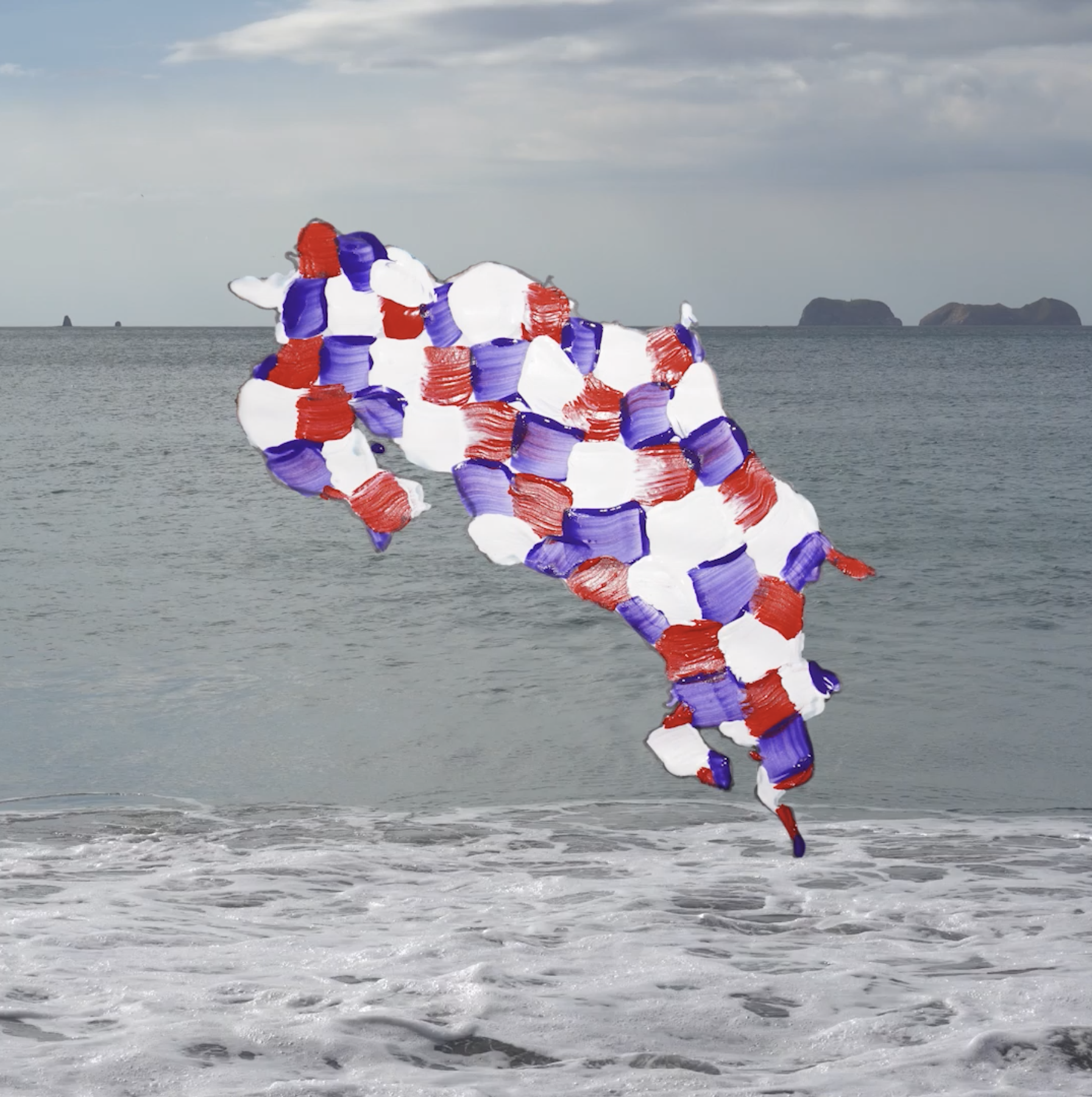
More "cover art" for our column The Story of The Story. | Art by Elizabeth Lang. | Impulsiva Stories
Or even why I’m about to give you a menu with the train combo – the train's sounds are a crucial part of my existence and identity – that was inspired by Lesli Canela Pérez’s jokes during her interview a few weeks ago.
Now, I’ve reached a point where these artists' poetically silly phrases become images in my mind. They're ideas that I need to translate into art. It’s one of my strong desires to include them as a means to present my stories in a much more well-rounded, interactive, and multidisciplinary manner with the tools I have at hand.
0:00
/1:05
Our "MENÚ DE ENTREVISTAS" with special combos, side dishes, and desserts. | Art by Elizabeth Lang. | Impulsiva Stories
It’s also taken me back to the past to my teenage years when I used to do a lot of art, constantly played the piano and clarinet, composed my own music, and wrote non-stop. I guess it’s always been with me, but throughout time the art got a bit lost because of the formalities of journalism I was in (I still hadn't found myself).
Even when I rescued my research about music on the brain, which resulted in my multimedia story “Music Saved My Brain,” I resorted to art and music to create the images and the short documentary. I did these mainly because I did not want to face the risk of a lawsuit if I used the original images from the previous story, but it simply demonstrates that I’ve always relied heavily on art in whatever shape and form it exists in my world.
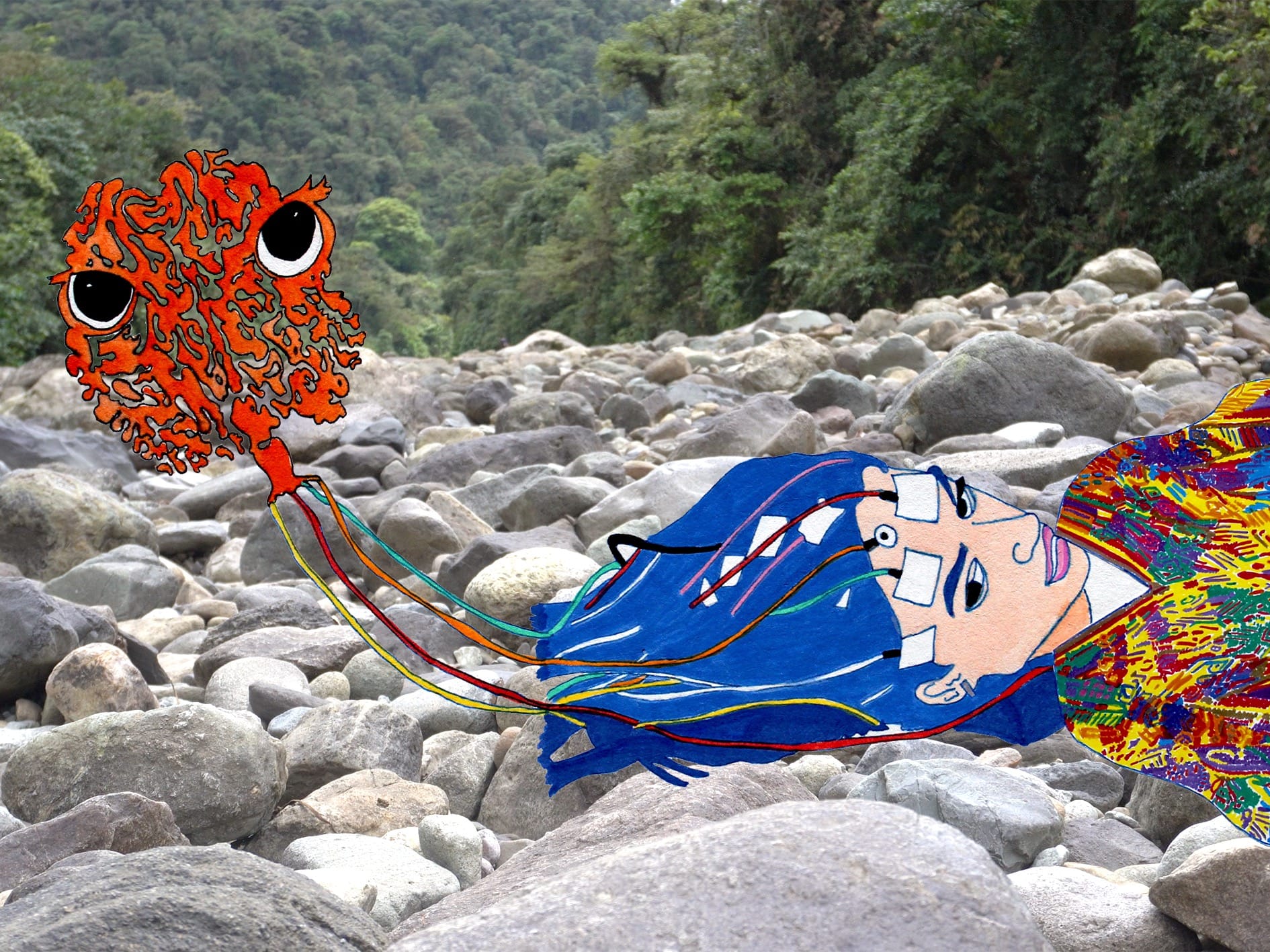
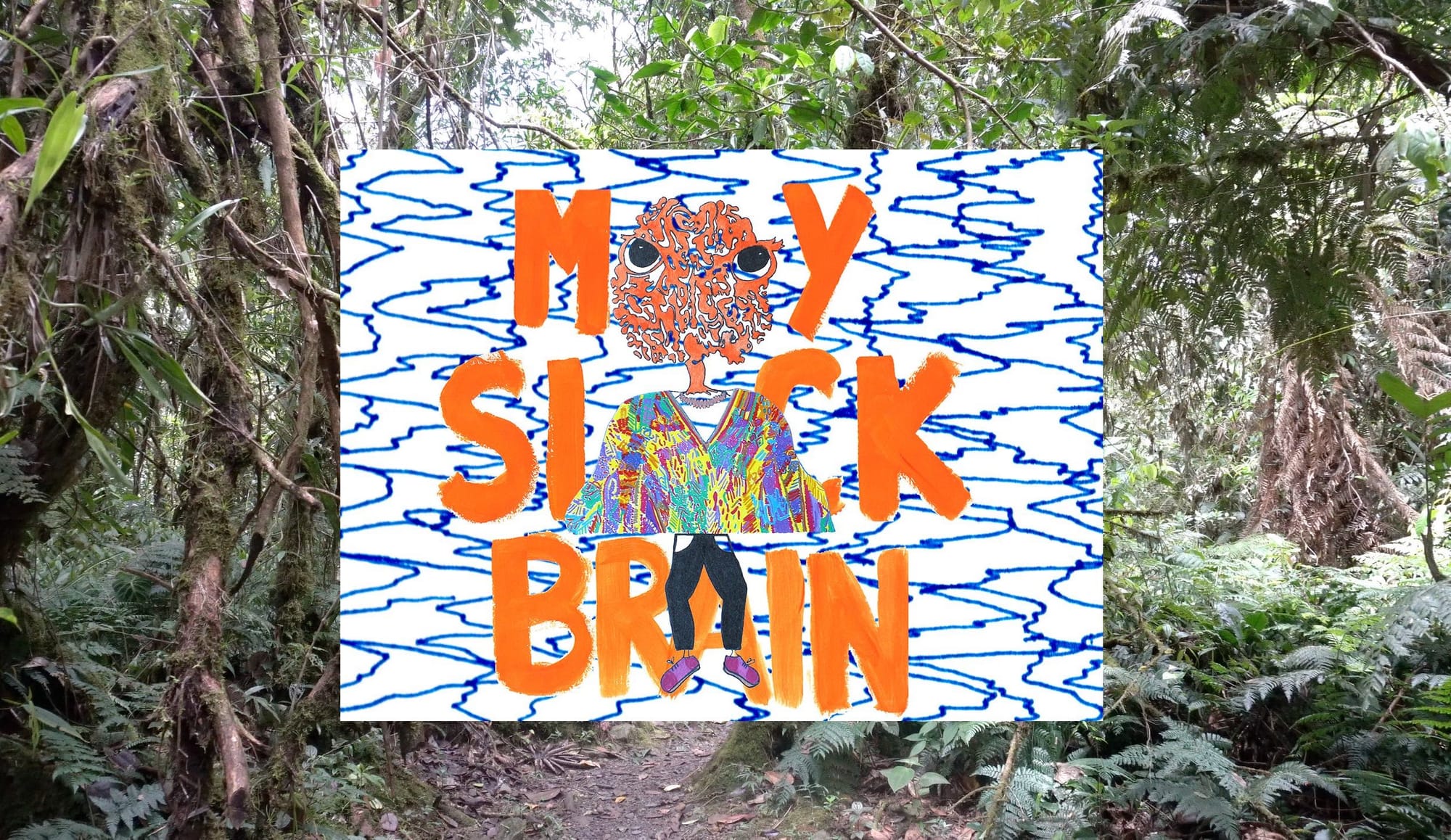
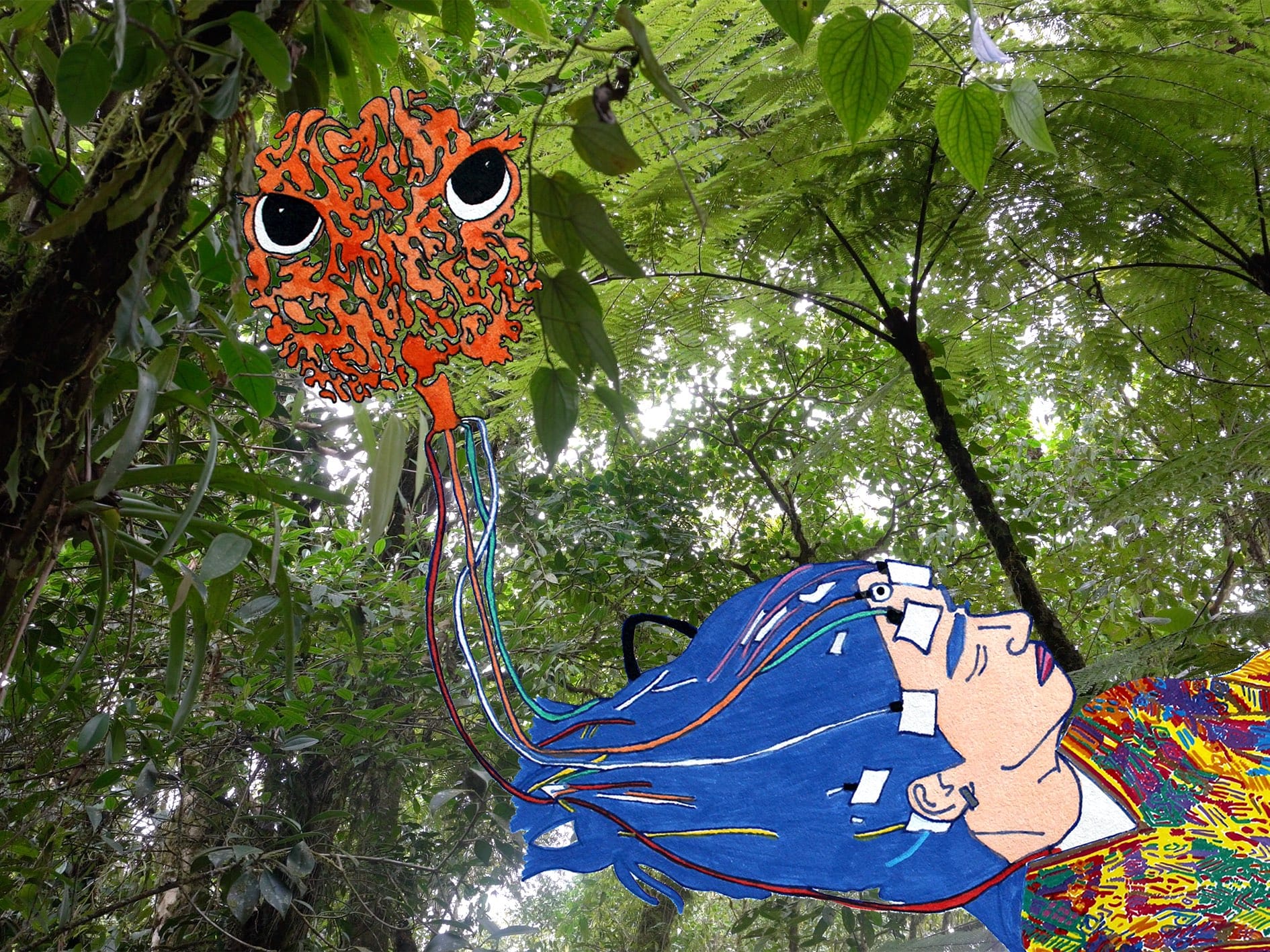
The art I made for "Music Saved My Brain." | Art by Elizabeth Lang. | Impulsiva Stories
That’s why my art of journalism now merges many different media. This can be interpreted in the traditional sense of journalism or from the unconventional artistic perspective. I've always experimented with text, photography, video, audio, music, and filmmaking.
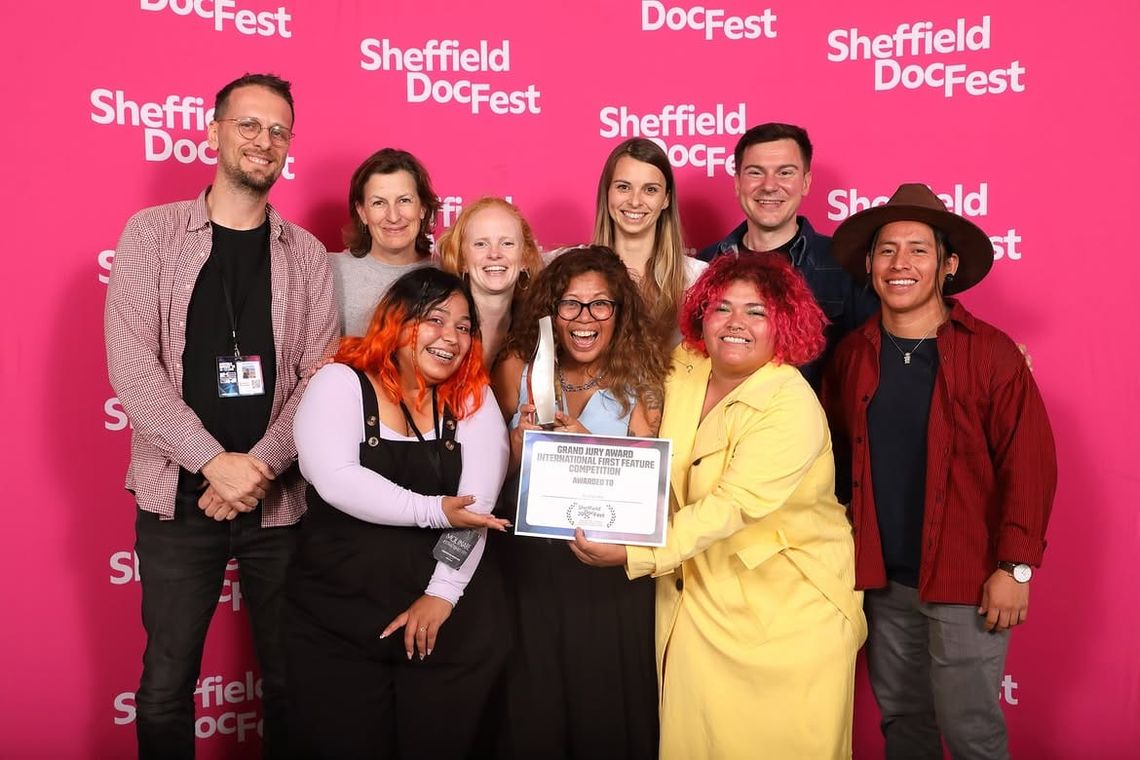
This is also happening because I have never limited myself to only publish on traditional media outlets. I've had my stories showcased in art exhibitions (galleries and cultural centers), film festivals, art festivals, and they've even been showcased on the giant screen of the National Theater here in Costa Rica.
My work and art are more documentary-based right now. All of these mediums come together in a harmonious manner and they’re part of my philosophy for Impulsiva Stories.
I Do Whatever I Want
It's my mentality of yo hago lo que me da la gana. No one tells me what to do. I choose the artists I want to interview. I do the “curation” behind the art and artists I want to showcase. I choose the editorial line and don’t follow a performative political agenda. I decide if I want to do series with multiple parts or one long piece. I choose what format works best for each story. I decide how many audio snippets go into a narrative. I debate if I want to add some loop videos to make it less static.
I’m the one who makes all the journalistic, artistic, and creative decisions behind each story. I’m the one who also makes the impulsive decisions because I’m the impulsiva brain behind this project.
And most importantly, I follow my bliss and trust my intuition with what works best for my stories and what path I want to follow. It doesn’t matter how many times I’m told that my journalism does not exist in Costa Rica. That lame excuse to bring me down is not going to stop me from telling these very important stories.
Even if I’m told I was born in the wrong country because if I had been born in – insert whatever nation’s currently doing well culturally on a global level – I’d be doing better in my career. I find this to be a terrible and very dismissive thing to tell someone, by the way.
0:00
/0:06
Nació en el país equivocado. Su periodismo no existe en Costa Rica. | Art by Elizabeth Lang. | Impulsiva Stories
But I won’t listen to that because I’m not ashamed of being Costa Rican. I was not born in the wrong country. I’m not following that ingrained dumb and mediocre narrative that’s very normalized here, which implies that we can’t make it as Costa Ricans on a global stage.
I’m not falling for that close-minded mentality that’s very prevalent here and always seeks to justify that we’re not enough. Or that it’s better to imitate other countries’ aesthetics and culture because ours is “tacky” or not good enough. I don’t believe in that self-deprecation. I’m not going down that lane.
We are enough.
I’m a proud Costa Rican and take full ownership of my heritage. I’m proud of my roots and identity. That background and cultural baggage has always shaped my art of journalism. I’ve always been telling stories from Costa Rica and in the past few years, I’ve managed to tell them from Costa Rica to the world. It's actually taken me to places I never imagined.
It’s one of the most important elements that greatly define me as a person and professional. Costa Rica will always be my source of inspiration, even if it’s not directly involved in a story. It’s always present because it’s who I am and it merges perfectly with all of the other “puzzle pieces” from my stories.
It's all part of my personal deep calling to honing the craft of my art of journalism week after week.
Written by

Subscribe to my newsletter
Subscribe to my newsletter to get the latest updates and news