Comparsa PART III
The documentary film "Comparsa" travels to multiple film festivals around the world to create change.
PART III: Comparsa Creates Change Around the World
To read this story in Spanish, click here.
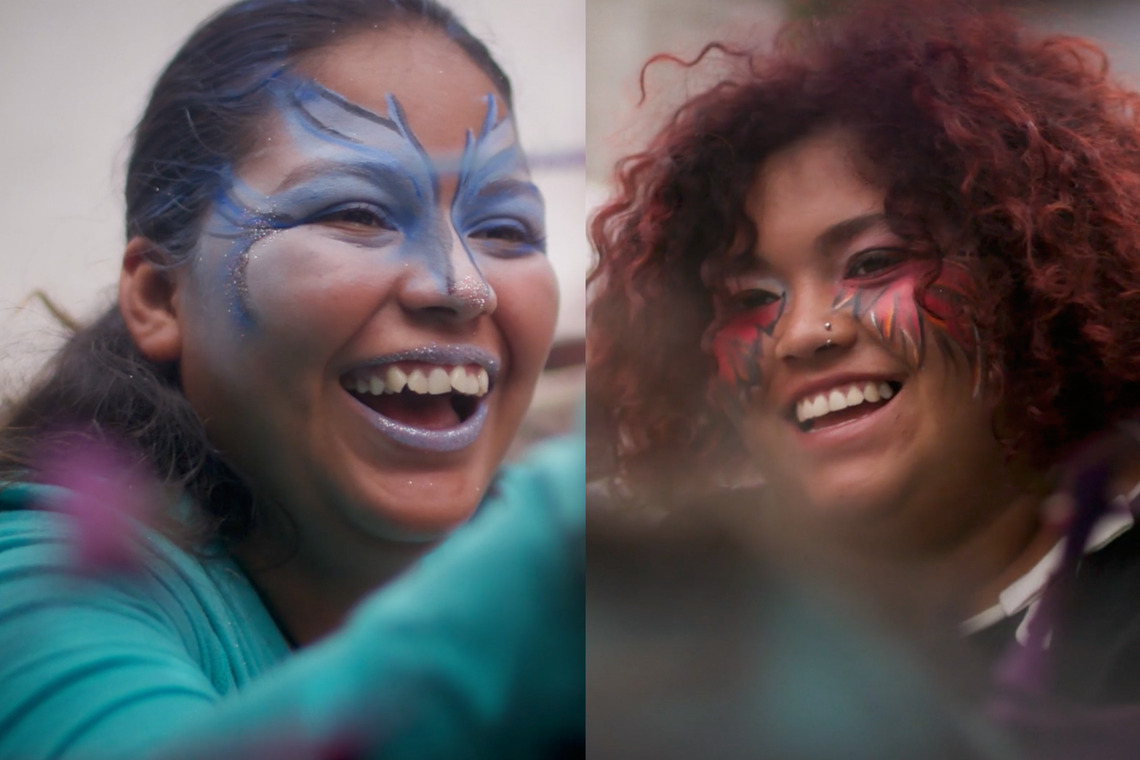
In PART I, we explored “Comparsa’s” cultural exchange and in PART II we dove deep into understanding why the feature documentary film speaks about Guatemalan social issues through art. Now, we’ll “travel” to see how “Comparsa” creates change around the world. After the collaborative work between the film’s award-winning U.S. co-directors Vickie Curtis and Doug Anderson, the rest of “Comparsa’s” team, and the Guatemalan sisters Lupe and Lesli Canela Pérez, the documentary was ready to go out into the world to become a changemaking masterpiece.
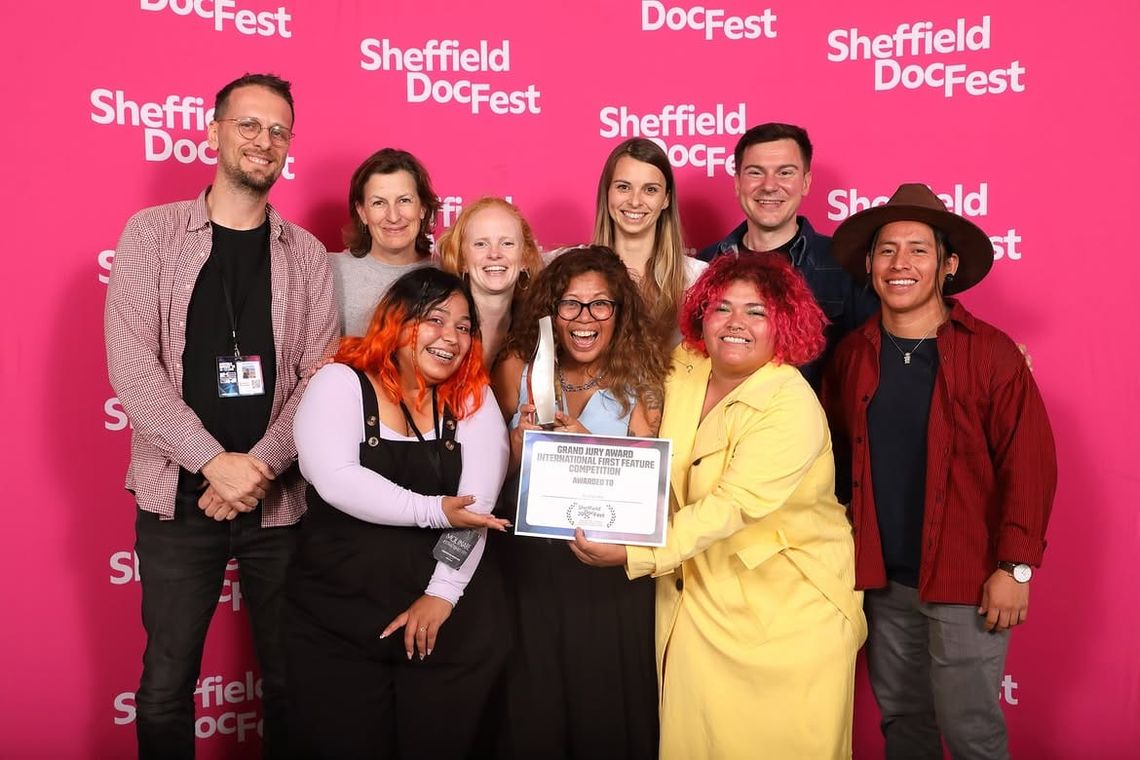
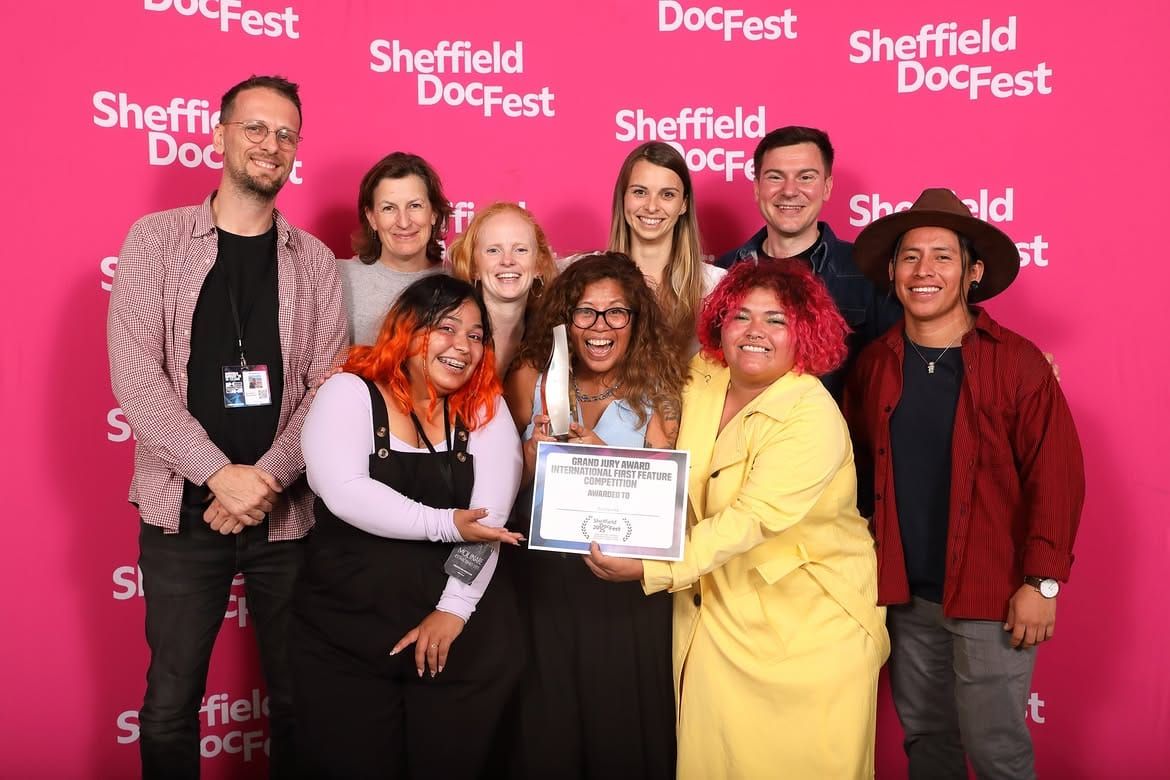
It first premiered at Sheffield Doc Fest in June of 2025 in Sheffield, United Kingdom and the rest has been history. The film’s purpose to create a changemaking impact has been solely fulfilled throughout the film festival circuit they've participated in and the screenings they’ve done around the world over the past year.
“I think we’ve always done it in a collaborative way continuing to do distribution and impact in a way where we’re talking to Lesli and Lupe all the time about what it is that they need to keep running the programming they want to run,” Curtis said.
Lesli is now helping out the team by sharing her story with wider audiences, sharing her tools, and promoting the film however she can. Lesli and Lupe want people to have a deeper reflection after watching the documentary. They want others to know that they have the power in their hands to change certain outcomes.
That not much is needed to achieve that change. Lesli is a firm believer that they don’t need a luxurious house or the government’s support to carry out the actions that’ll stop the violence and that’ll change the spaces.
Don't Forget to Subscribe to The Story of The Story
For only $16 a month, every Friday you'll have exclusive access to
The Story of The Story. Our founder, the Costa Rican award-winning multimedia journalist and artist Elizabeth Lang, guides you through her creative process to produce her stories.
The sisters are using the tools and experience they’ve garnered throughout the years thanks to the organization Peronia Adolescente and they share it with other people who have the possibilities to create an even bigger change.
“We also know that when you speak about it [violence], it doesn’t reproduce because dialogues are generated. I think that the world’s humanitarian challenge is generating those dialogues and translating them into action,” Lesli said. “It’s about getting to know Comparsa, taking the message, and conveying it to each person according to how they feel.”
Listen to Lesli
0:00
/33.317333
No More Violence
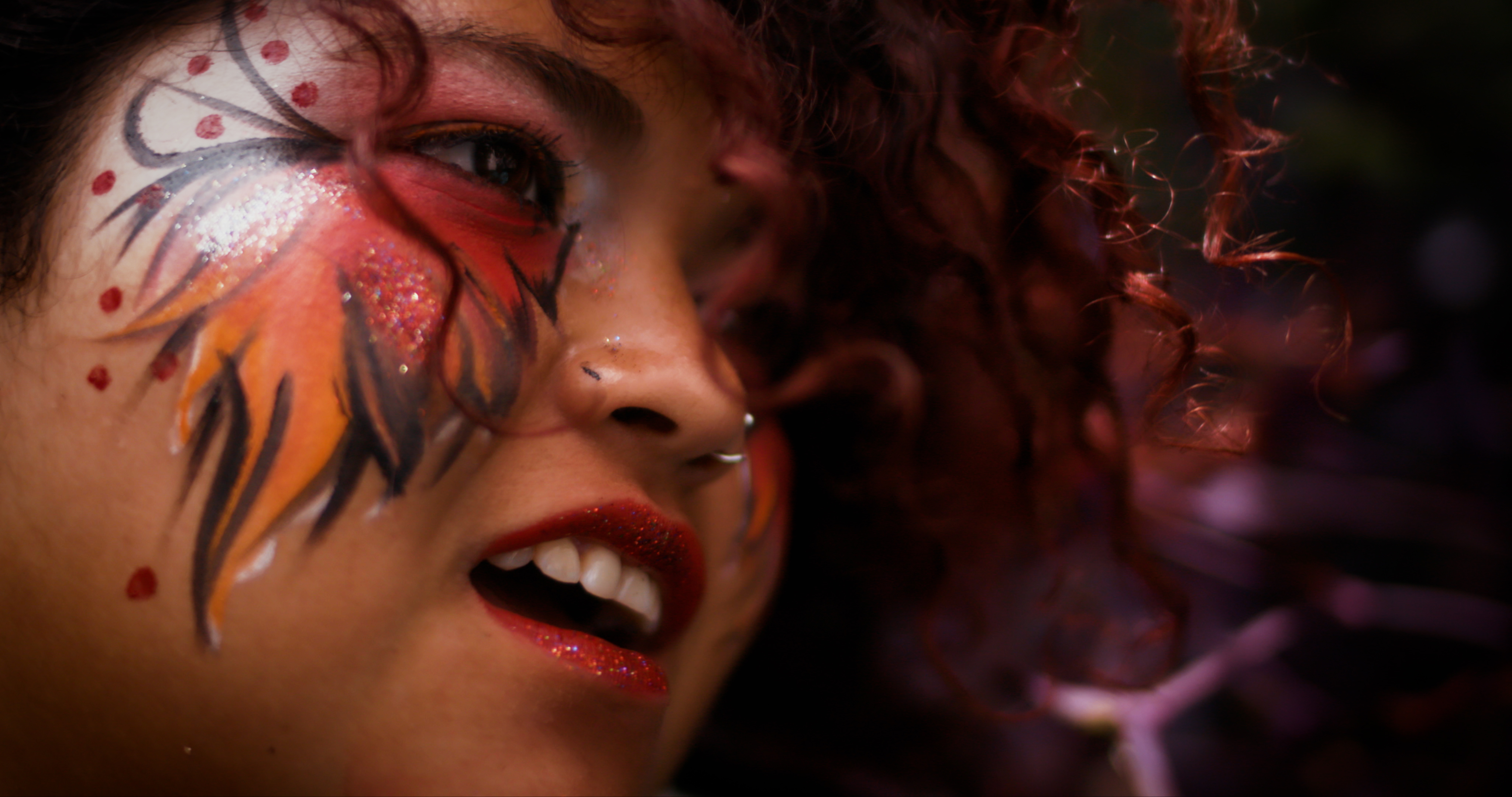
Their purpose with “Comparsa” is telling its audiences that they don’t want more violence. They don’t want more women and girls to live what they went through. The film is an immortalized fragment of their lives and it’s a reminder that if they want to change the world, they have to move through it. They can’t sit down, be complacent, and wait for things to happen.
They have to be the change. They have to keep moving and living. They have to keep making it happen. They have to trust their intuitions and work hard for their greatest convictions to become a reality.
That is reflected in the film through their personalities. Through the freedom with which they speak in front of the cameras. The empowerment in taking ownership of their stories. Sharing their stories in a real human way and realizing that what they lived is a shared experience with many other people and women from around the world.
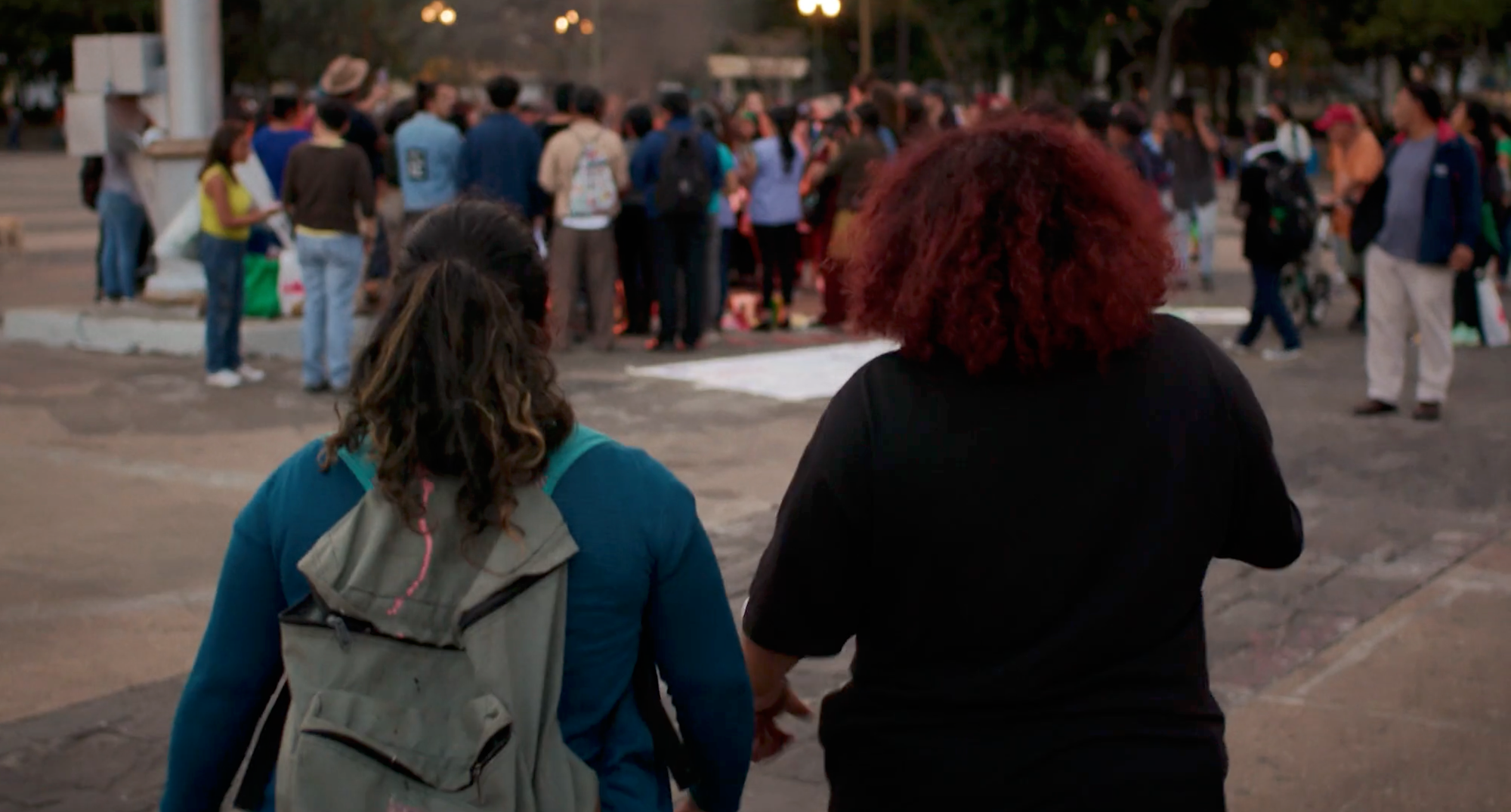
By speaking up about violence, Lesli believes it breaks the social replicas. When this violence is questioned, the patterns are not repeating themselves. They generate a conversation. That’s why sharing it through the film in a more integral manner, creates a better engagement with the audience.
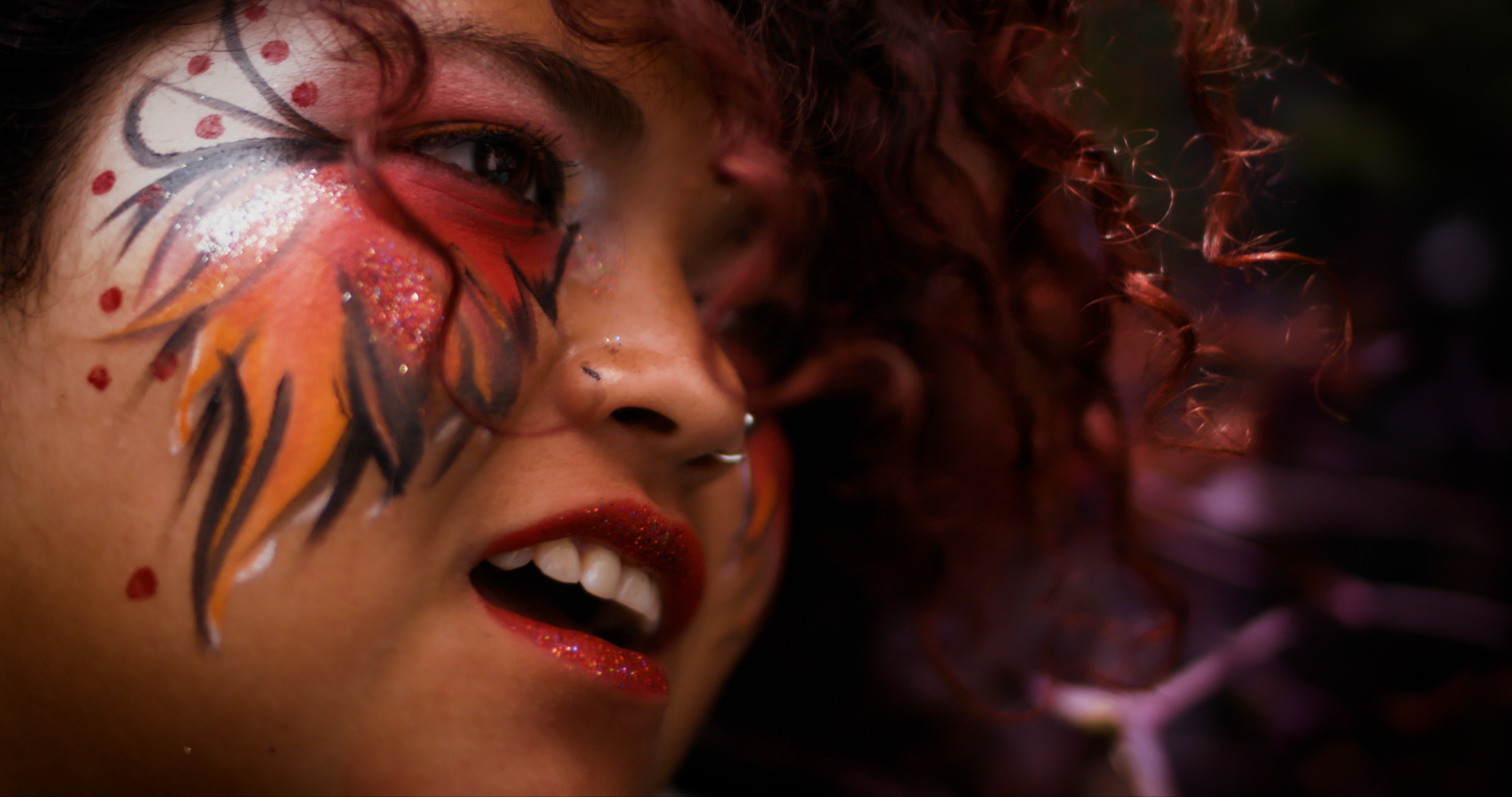
“There’s a very nice phrase here that was born after the genocide in Guatemala and it says: those who forget their history, are condemned to repeat it. And so, a body that tells its story, will not be condemned to repeat it,” Lesli said. “It won’t be condemned to silence. It won’t be condemned to fear.”
Listen to Lesli
0:00
/24.773333
In that way, Lesli sees the direct relationship between speaking up and screening “Comparsa” around many places during the past year. It’s generating a movement of men and women with an awareness and critical thinking about violence. An awareness centered on speaking up, crying about it, feeling it, and going through it.
For her, it’s also about acknowledging that she lived that particular experience, but she’s not at that point anymore. She won’t be there anymore and she won’t allow the women around her to be there, even if it happens to them. In this path, she’s also discovered that the girls and women around her are being subjected to violence.
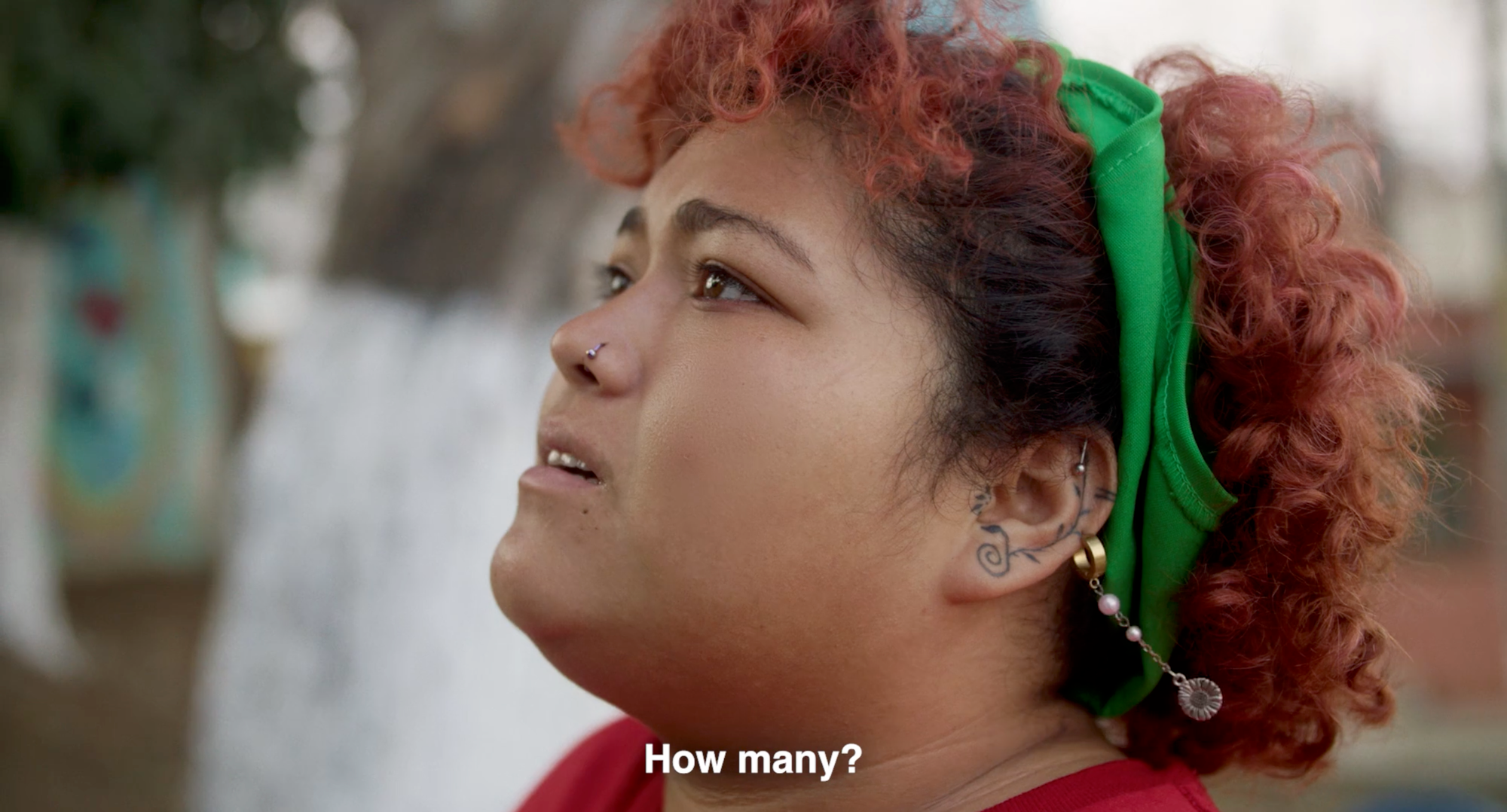
But screening the film gives them the opportunity to stop the violence just in time. “Comparsa” serves as prevention and because of that, Lesli and the team keep seeking alliances. They’re always on the lookout to knit networks, whether they’re institutional or personal ones with friends and students. They’re looking for these networks to help each other and take care of one another. To sustain themselves.
By doing so, they’ve managed to reach massive audiences. At times, after the screenings, several people have waited in line for hours to speak with the team and its protagonists.
“People need to talk. They need to be listened to without being told what to do. It’s about having the empathy to sustain a space where people can feel safe. It’s really incredible and it’s totally different because people from other countries or spaces also recognize you,” Lesli said.
Trust the Fire Within You to Create Change
In that interaction between the audience and the sisters, the spectators are capable of naming their connection with the film and what it generated in them. The spectators leave with a spark that reminds them that they’re fire. That they can also contribute something to society and change the world.
It has even reached a point in which Lesli remembered that a sixty-year-old man in the audience told them he lived in a mansion and he wasn’t doing anything for society. He even told them that they come from a completely different challenging context than his and they are doing much more than him.
That reflection made Lesli think that it’s never too late to do something for those around you, your community, your life, and the world. So, from that stance, Lesli is quite impressed by the reactions that “Comparsa” generates amongst the audience because it means that more people are talking about the violence.
It means that their story is moving people emotionally and they’re getting an understanding of how these lived experiences affect the people who’ve overcome the violence.
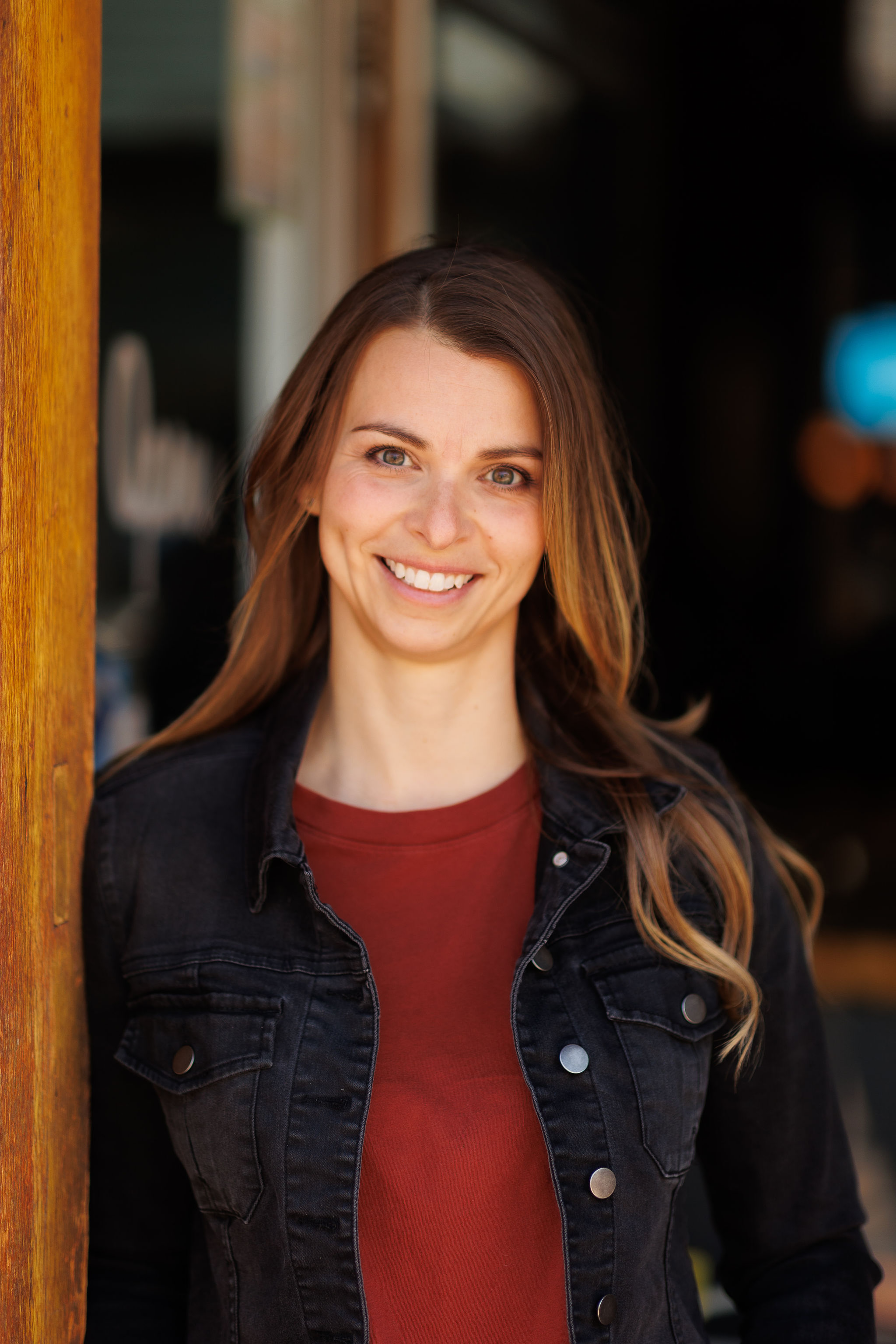
For Curtis, on the other hand, the film acts as a source of inspiration and motivation for those who see it. She believes it can be helpful for the audiences to see someone who’s creating the change because it can be a blueprint to generate a transformation in their community or even, build a community of belonging with artists.
“That was for us, one of the coolest things to see. The kids who Lesli and Lupe were mentoring and saying: you can do this. Getting to watch the kids succeed and the ways that it shifted their relationships at home. It shifted their ability to find a career that was satisfying,” Curtis said.
Listen to Vickie
0:00
/33.15725
That change in the children is a great example they’ve used to communicate to many educators, psychologists, and other people who work with youth all over the world. It’s about watching the experience on the big screen and noticing how much potential children have. That no matter where they live and what challenges they’re faced with, they’re full of potential. They can aspire to greater things and they can be the change they want to see in their communities.
That’s why “Comparsa” has not been shy of sharing this message around the world. By this point, the documentary has participated at seventy film festivals in twenty-five countries throughout six continents and it’s won thirty awards in many different categories. Right now, they’re about to begin their theatrical premiere at DCTV’s Firehouse Cinema in New York City and they’re nowhere near the end of this great adventure around the world.
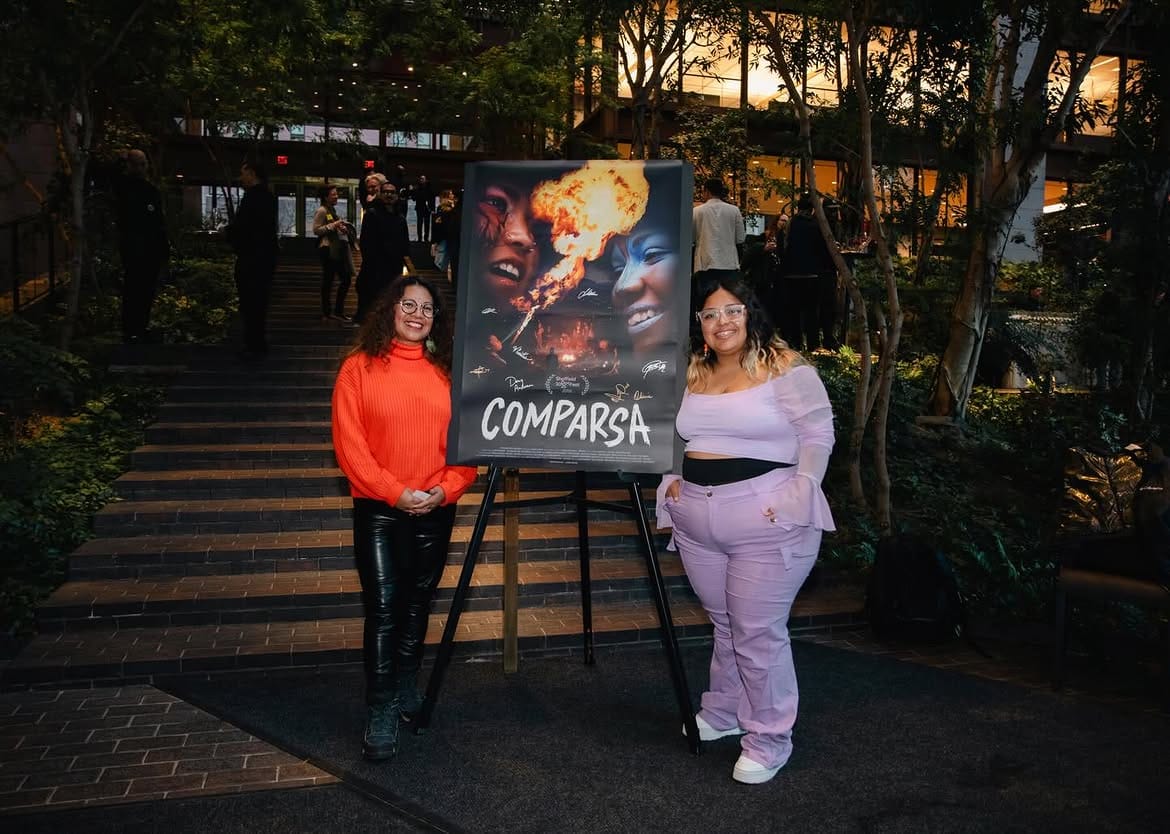
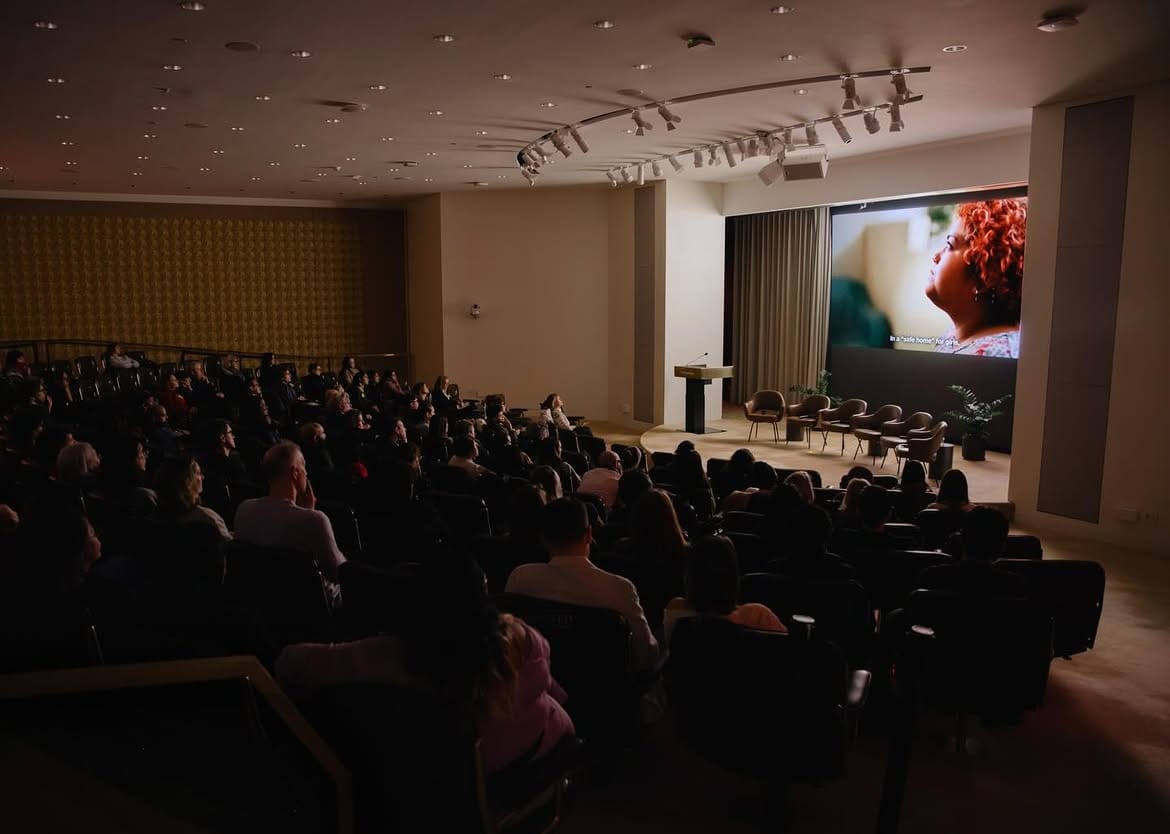
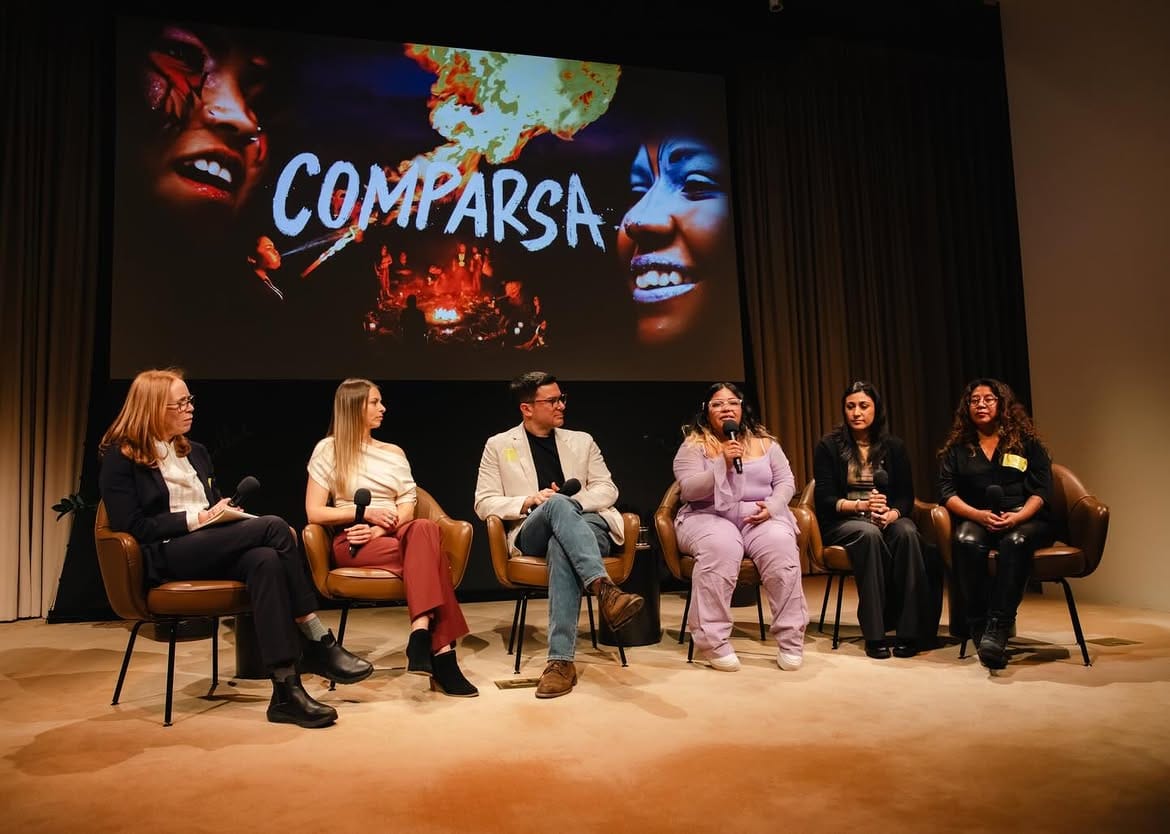
One of "Comparsa's" screenings at the Ford Foundation Center for Social Justice in New York City, United States. | Photos courtesy of Comparsa Film. | Impulsiva Stories
The film’s success during the past year allowed Peronia Adolescente to raise funds with a campaign led by Lesli, Lupe, and their mentor Marta Chicoj. The three of them have been in charge of “Comparsa’s” impact in Guatemala. They’ve been in charge of the screenings there and they’ve made sure to use the film as a tool to share their story, raise awareness, and reach other communities that face the same issues as their home town of Ciudad Peronia.
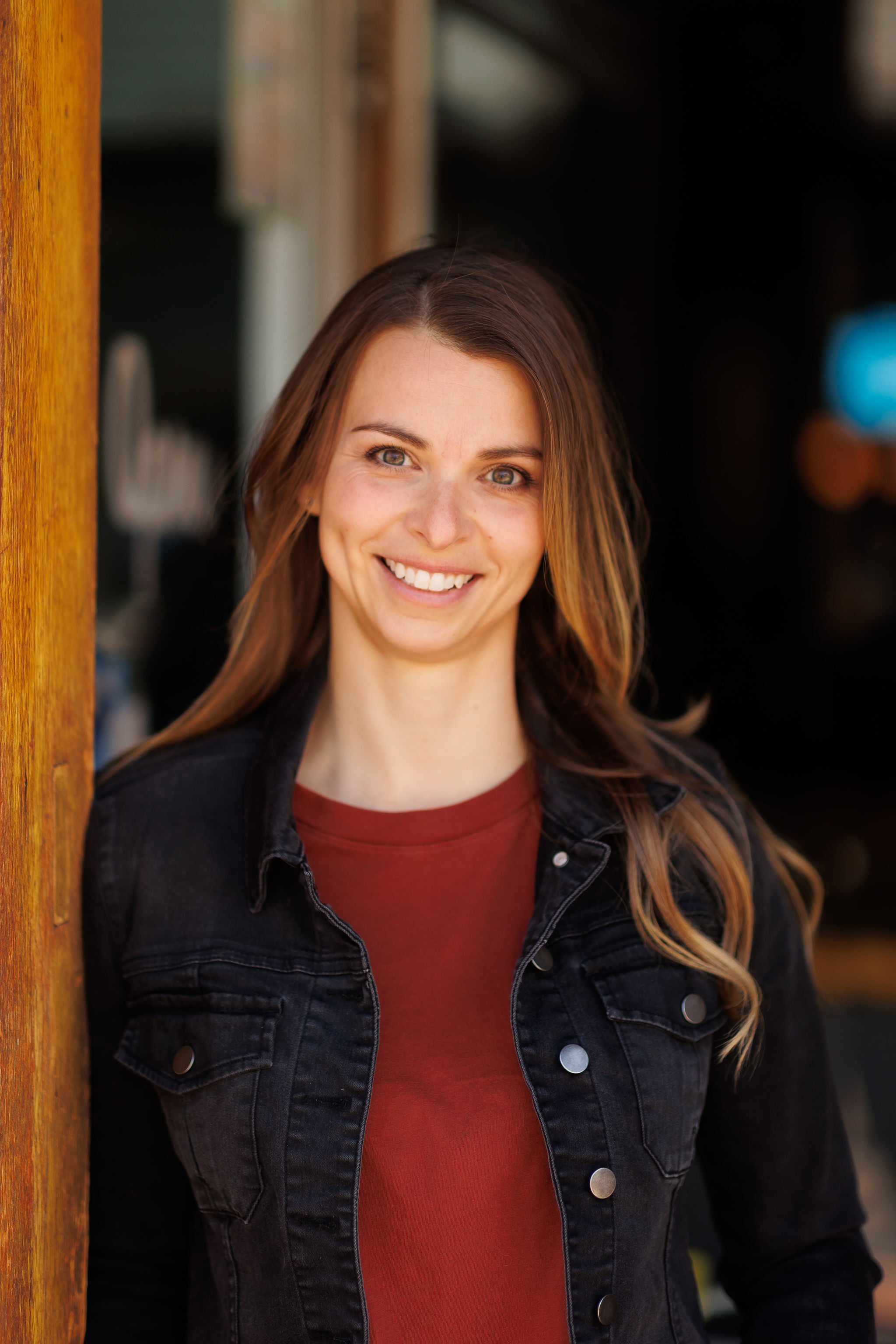
“They can share the film with policymakers, decisionmakers, the Guatemalan elite that have never visited a community like Ciudad Peronia, even though it’s only like twenty minutes away from where they live. They have no idea what life is like on the ground on these red zone communities,” Curtis said.
Listen to Vickie
0:00
/26.845083
A “Comparsa” as a Political and Social Statement
Throughout the film, they can now see the two realities of Ciudad Peronia. First, there are the hardships and difficulties that the community faces. And second, there are the magnificent young people that live in this place. They can think about how much more support they deserve to excel in life and keep creating great change in the world.
A great example of how “Comparsa” impacted Guatemala locally was when they screened the film at the Palacio Nacional de la Cultura, which often serves as a museum and cultural space for governmental ceremonies. Lesli still remembers that screening, which happened on March 6th of this year, as if it was yesterday.
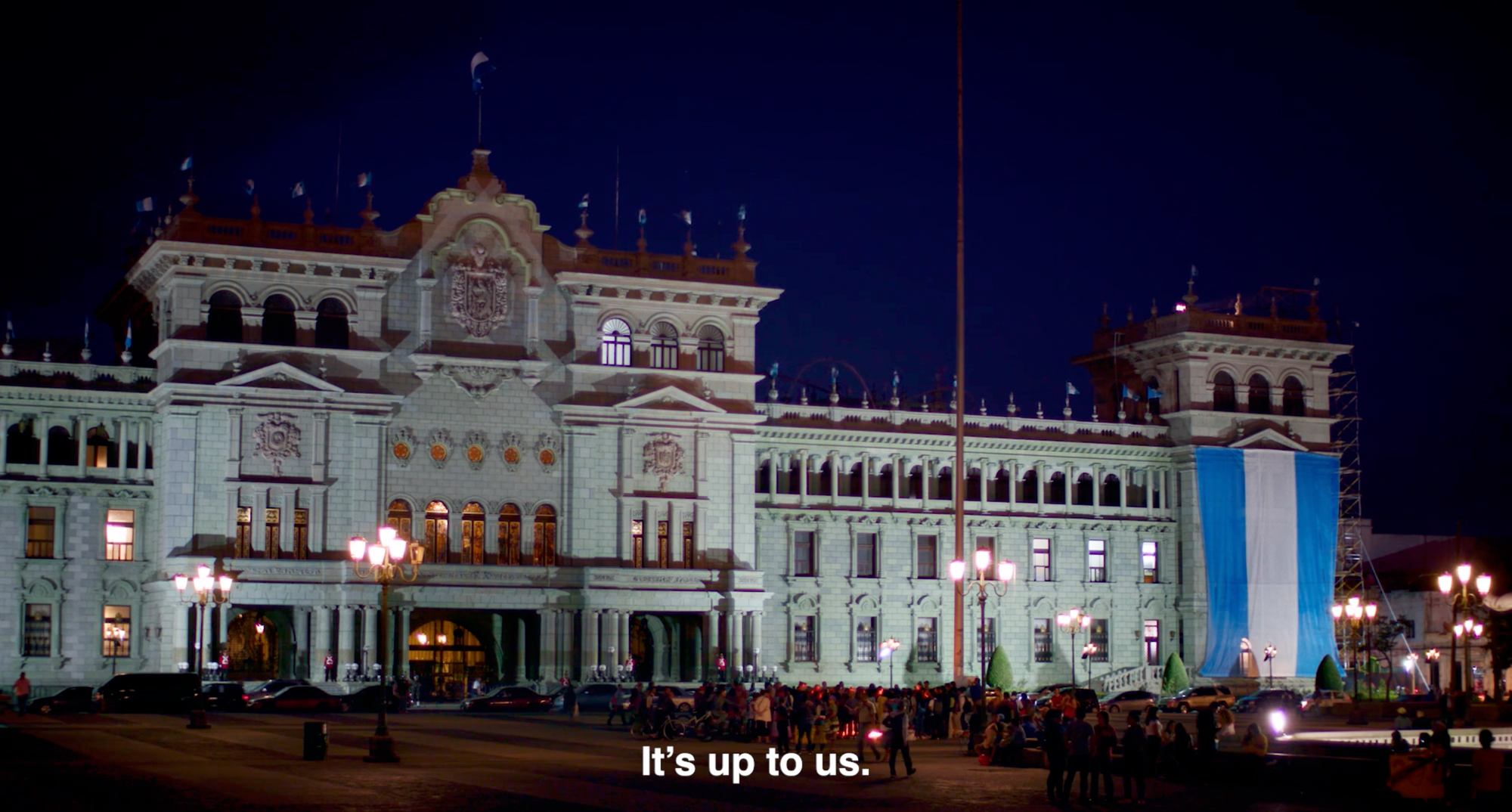
She remembers watching the film and everything being at flor de piel. She recalls being really emotional simply by seeing the documentary on a big screen with her voice sounding in such a crucial space like that one.
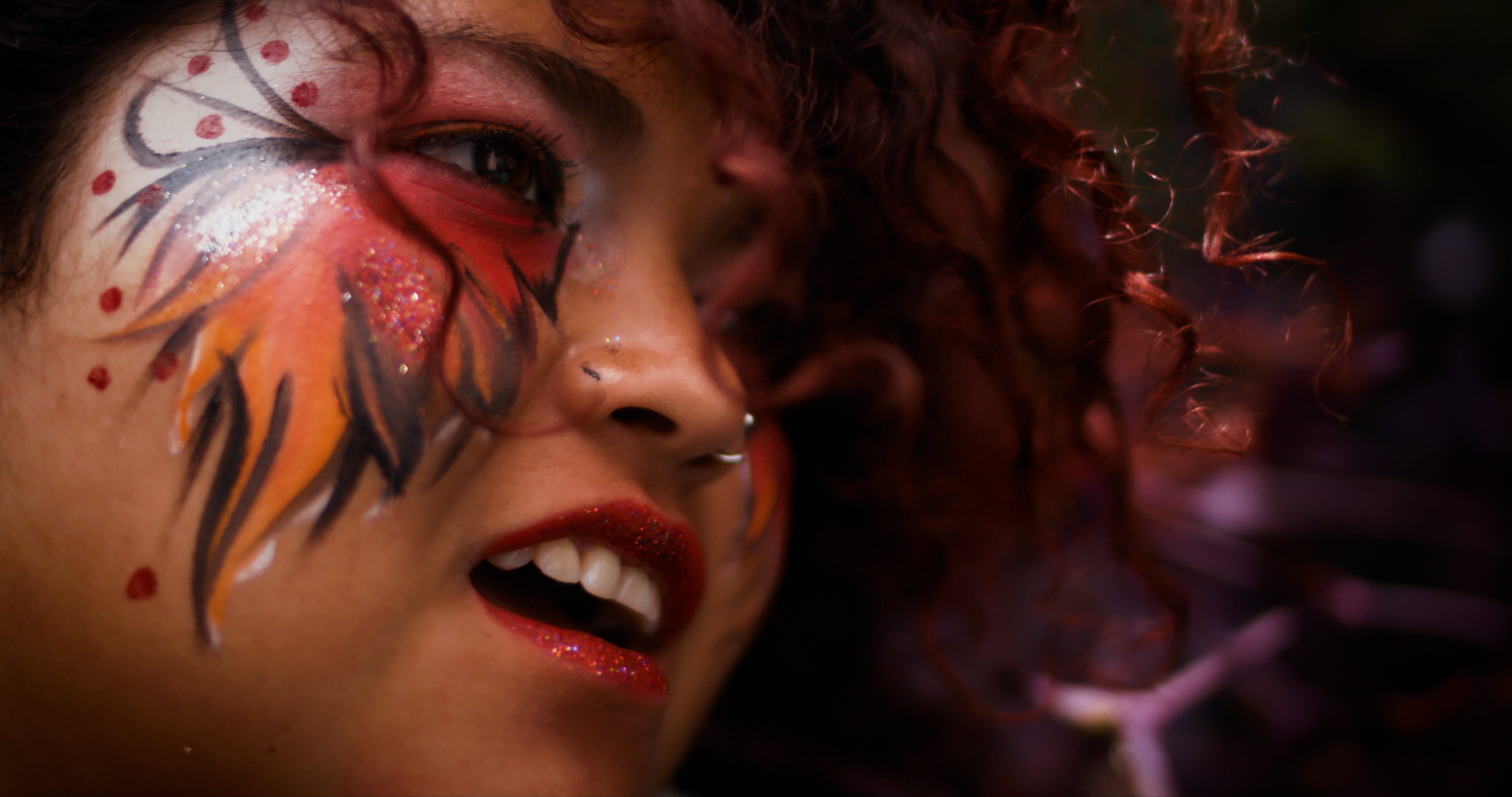
“The most striking and saddest thing was that we invited deputies, judges, and people who have a lot of power in this space and the response was that they did not come. So, reality keeps hitting us. The inequality, the racism, the violence because we’re also excluded from the spaces,” Lesli said. “We’re also subjected to violence when we speak a lot. That’s why I say: flies don’t enter a closed mouth.”
Listen to Lesli
0:00
/39.101333
Flies don’t enter a closed mouth is one of the verses of Lesli’s poems used in “Comparsa’s” narrations and a very popular saying in Latin America. For her, it means that whenever you speak up about a complex subject like violence against women, society will try to silence you. But she’s not afraid of that. She actually fears that the systems in which this violence happens are complicit and don’t do anything about it.
Screening “Comparsa” in that particular space reminded Lesli that it’s up to her and those around her to make justice for the girls and teenagers who died in the Hogar Seguro fire. It’s her self-imposed responsibility to make justice on her own terms and honor the girls’ memory with dignity through the screenings of the documentary.
0:00
/0:07
Scenes from the altar honoring the memory of the girls who died in the Hogar Seguro fire. | Video courtesy of Comparsa Film. | Impulsiva Stories
And right after this particular film event, which you can certainly call it a political and social statement, they did another screening right on the girls’ altar remembering and honoring them.
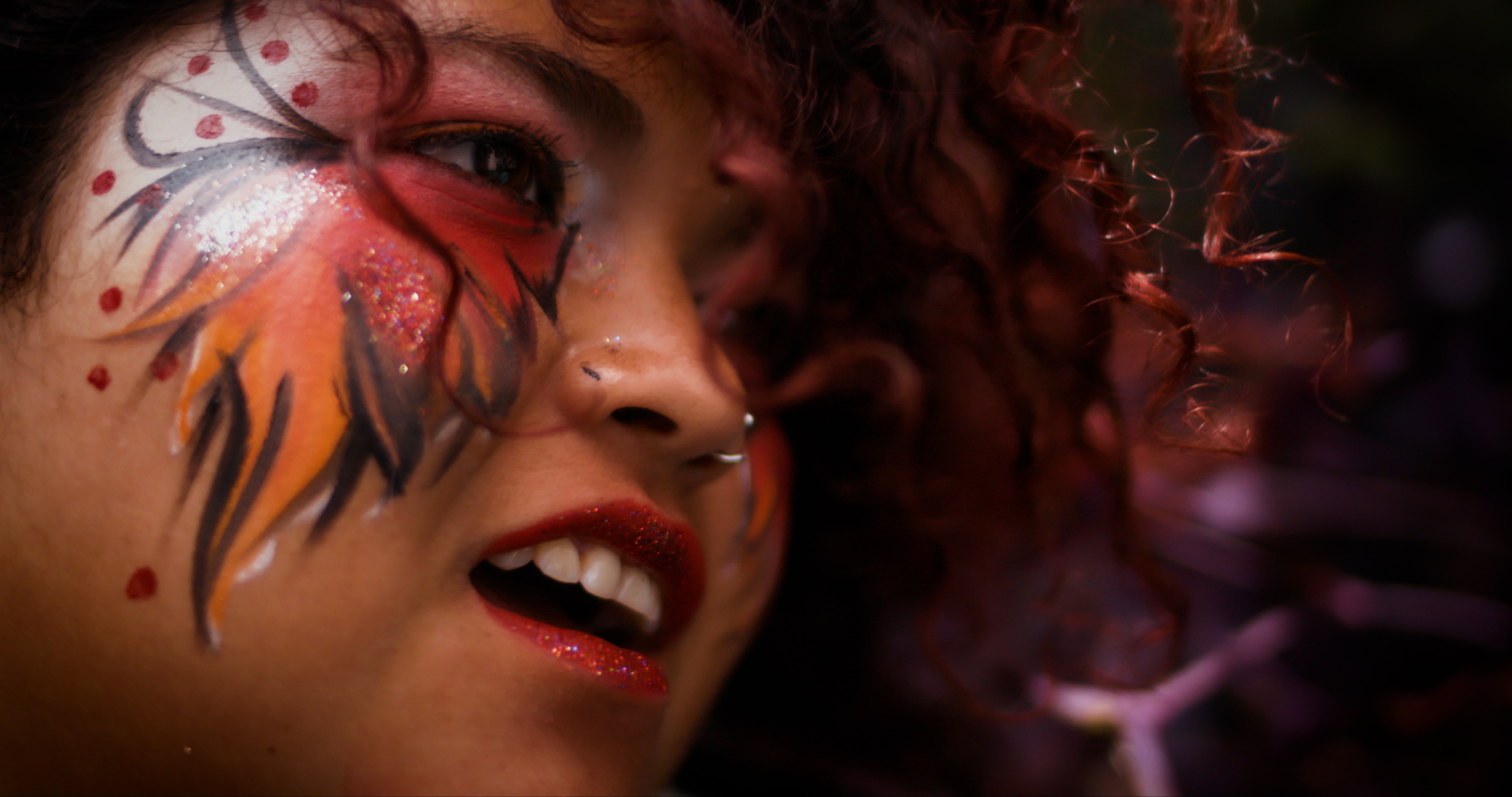
“Some of the girls’ mothers were there and they were very moved and grateful to have access to that documentation. One of them said there was a film that spoke about the girls, but it was not real. There was a difference between someone sharing their story who survived that versus someone who has not lived it,” Lesli said.
Listen to Lesli
0:00
/47.117333
It was quite a big difference, which probably also conveyed the narrative in a more compelling and human manner to the different audiences they’ve encountered. In that genuine portrayal, you also observe a Ciudad Peronia showcased in a realistic manner thanks to Lesli and Lupe’s participation in the writing of the story.
With “Comparsa’s” team, they explored a narrative that showed both sides of Ciudad Peronia. The harsh reality of a town that’s been named as a red zone for a very long time and defined by the violence that inhabits it, but also the strong and vibrant culture that lives in it.
It’s a community full of astounding people committed to creating change for their beloved homes. A community that seeks to explore different artistic disciplines as a source of healing for the challenges that they encounter in their day-to-day life.
And that is why “Comparsa” is a marvelous artistic masterpiece. Not only did it create a cultural exchange between its team from the U.S. and its Guatemalan protagonists, but it also explored Guatemalan complex social issues through art.
It created art based on art and it spoke to its audiences about the hardships both Lesli and Lupe went through. It gave a voice and platform to two empowered women fighting fiercely for other women and girls to avoid being subjected to violence.
It’s a documentary film that narrates the stories of these two empowered women and took them to a global stage to create a massive impact. One where women are given the opportunity to speak up about their experiences. One where different people around the world can learn about the impressive changemaking youth hailing from Ciudad Peronia.
And one where Lesli and Lupe were given the chance to be the women they couldn’t be when they were girls.
Listen to Lesli
0:00
/39.005333
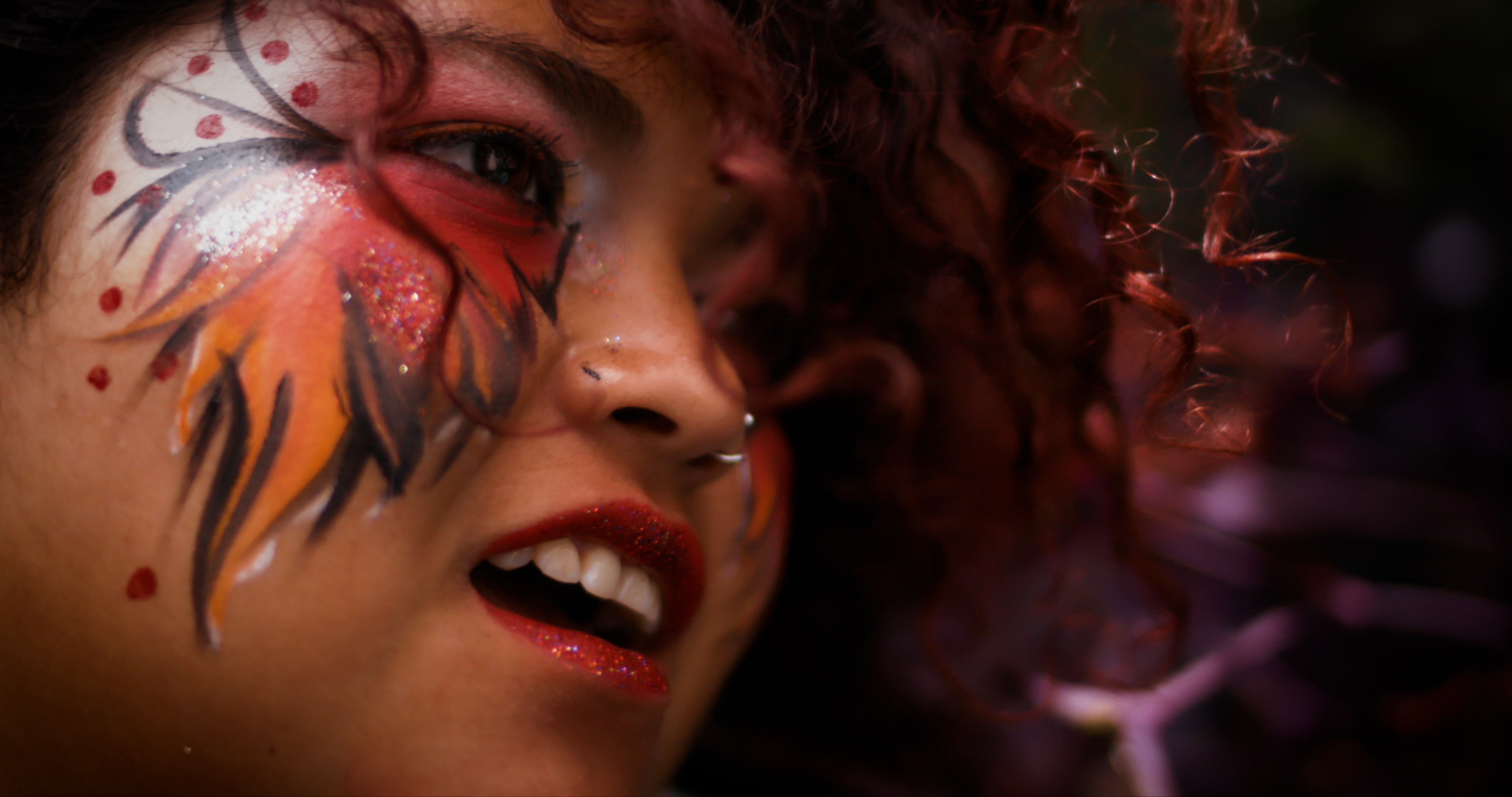
“All of this has been a transcendental experience because we’re the first women that break the silence. That speak up about violence. That are not afraid. Well, we are afraid, but we’ve transformed it into art,” Lesli said. “I think we’re the first renowned female artists in our family and community that managed to transcend a moment of a few years into our story to the world.”
To learn more about how “Comparsa” creates change around the world with Vickie Curtis and Lesli Canela Pérez, you can follow them at @comparsafilm, @vickiecur, and @rolelaspapas.
Written by

Subscribe to my newsletter
Subscribe to my newsletter to get the latest updates and news