Luis Caraza Peimbert PART III
With Ariana Grande and Bad Bunny's extensive projects, Luis Caraza Peimbert connects with his culture and feelings through his editing.
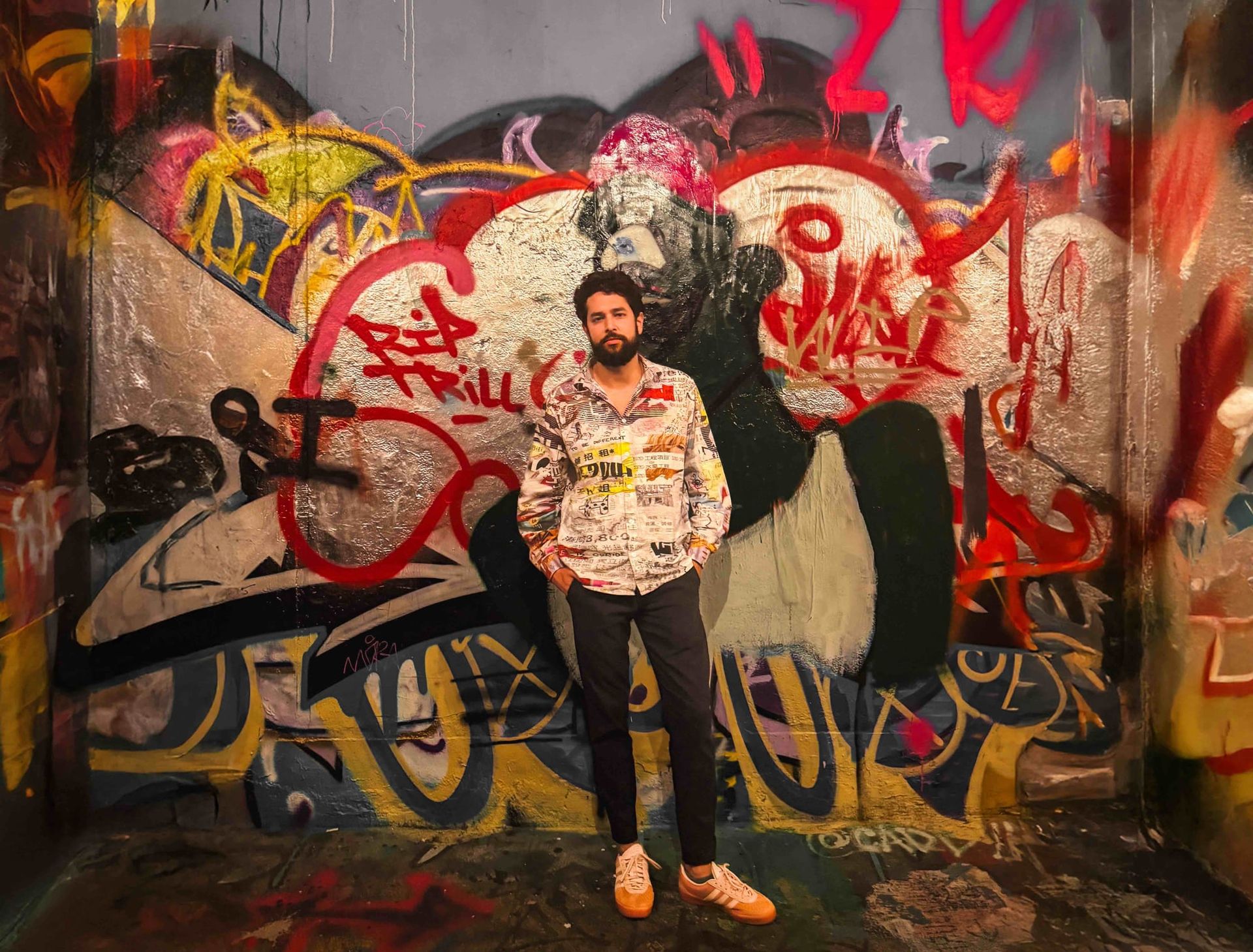
PART III: Luis Caraza Peimbert’s Editing Deeply Connects Him to his Culture and Feelings
In PART I, we explored the musicality behind Luis Caraza Peimbert’s editing. In PART II, we learned about how he gives music a physical body through his editing. And now, we’ll understand how this art form deeply connects him with his culture and profound feelings.
Remember, at some point, Caraza Peimbert - who's an award-winning Mexican editor and artist that works with the creative studio based in Los Angeles, London Alley Entertainment – said he chose filmmaking because of its power to generate a sense of belonging.
A sense of being part of something bigger and greater that brings together people from all walks of life with the same passion and love for films. Being an artist also implies sharing an emotion and message with an audience. It’s all about the human connection, whether that happens with others or with himself.
And by this point, you’ve already noticed that the music videos Caraza Peimbert edits include a wide repertoire of music genres and cultures. They tend to highlight and empower vulnerable populations and minorities.
“In the end, I feel filmmaking is like music. It’s a machine of empathy very cañona,” Caraza Peimbert said. “If there’s an opportunity to give a voice to minorities and people who don’t have the money to make a video, I feel we have to take it. It’s our responsibility to do so.”
You’ve probably also noticed that the majority of the music videos he’s edited belong to women artists, which is linked with this responsibility of representation that he has acquired over time. Caraza Peimbert feels his sensibility is more feminine than masculine. He also perceives that these artists he collaborates with are on the same page when creating certain feelings visually.
0:00
/0:05
Luis Caraza Peimbert and Carlota the corgi. | Video courtesy Luis Caraza Peimbert | Impulsiva Stories
It's easier for him to take those feelings and then portray them in music videos. But there’s also a funny aspect to this sensibility.
“I feel that something more masculine like a rap or a trap, I’m not that good at it and maybe, I don’t even enjoy it that much. The music, [actually] is not masculine. I don’t know how to define it, but the men artists I like are dead,” Caraza Peimbert said laughing. “Or they’re too big and they’re not making videos. And right now, the people I listen to are women and Benito [Bad Bunny].”
That genuine connection with his sensibility allows him to deliver better results whenever he’s editing. It lets him get to the purest and rawest state of emotions through the different cinematographic tools he has at hand.
Don't Forget to Subscribe to
The Story of The Story
For only $16 a month, every Friday you'll have exclusive access to
The Story of The Story. Our founder, the Costa Rican award-winning multimedia journalist and artist Elizabeth Lang, guides you through her creative process to produce her stories.
Using a closeup whenever a character is sad, creates a sense of tension and instantly communicates that sadness. He can also take a shot and leave it on the screen for a while. He might add some sentimental music. If the emotional music is there, it can create a heartwarming feeling while he moves away from the character. But if he chooses to have no audio or sounds, it can become a horror movie while he keeps getting closer to the character’s face.
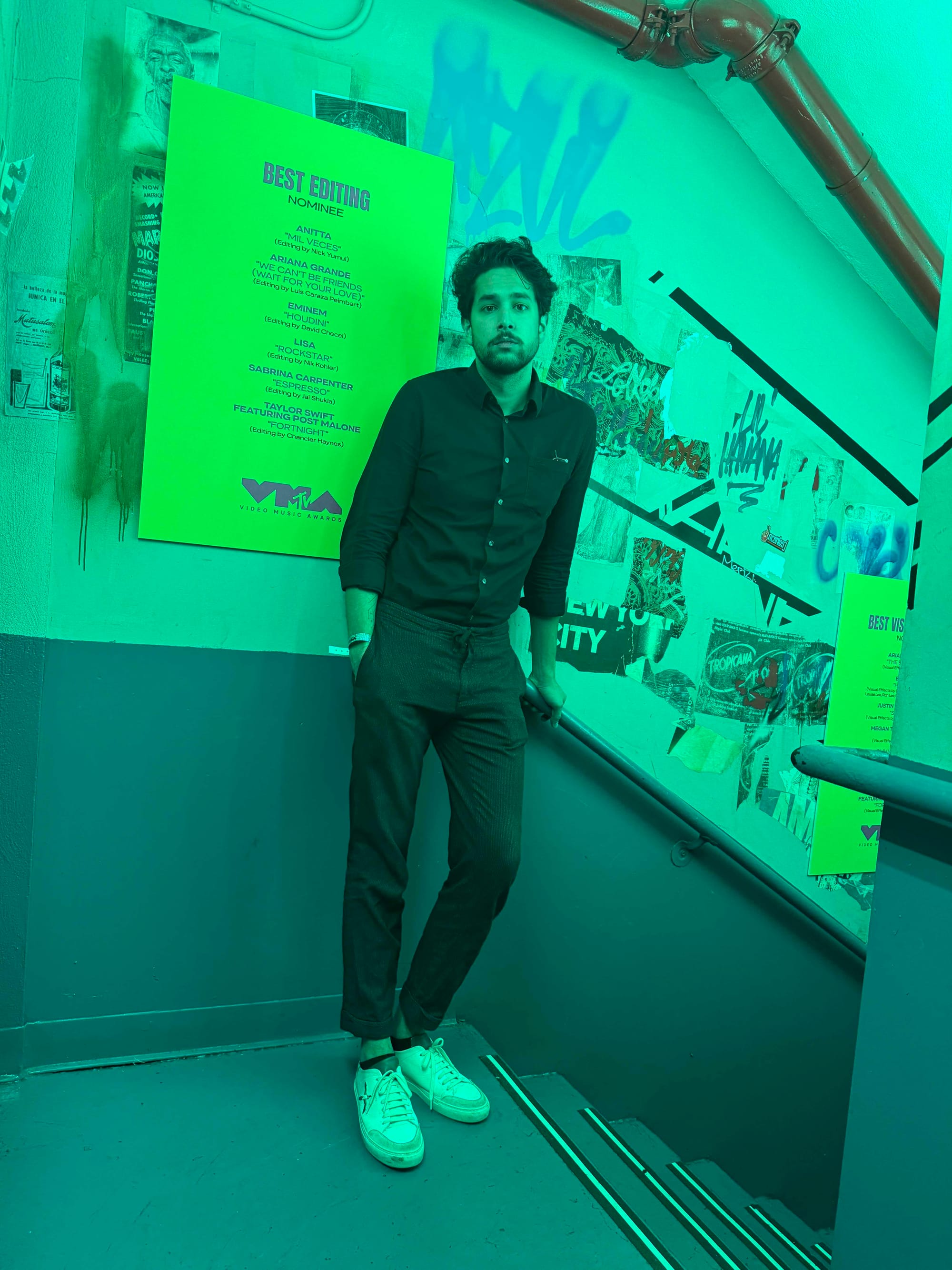
The emotion conveyed will always depend of the context, the timing, and the music chosen. That’s why Caraza Peimbert can pivot magnificently from a social sentiment that raises awareness about issues affecting a specific community, to more emotional subjects. That’s why his repertoire is extremely varied with artists like Bad Bunny and Ariana Grande coexisting in his editing collection.
“I enjoy anything that has a social sentiment, but I’m also very romantic. I really have a soft spot for that,” Caraza Peimbert said. “I really like all of that of falling in love and breakups."
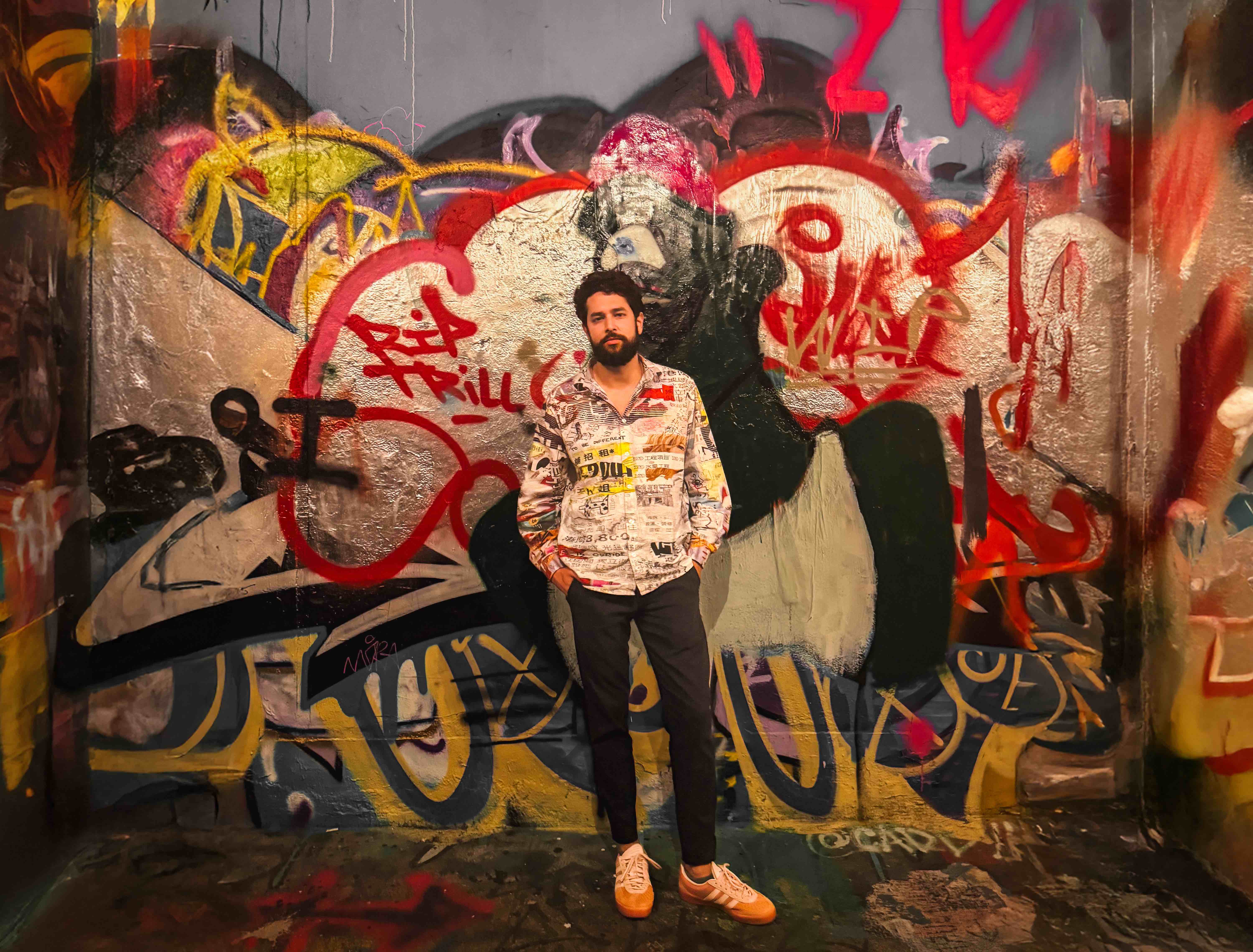
Listen to Luis Caraza Peimbert
0:00
/58.301333
He remembered one of the times he was on set for Ariana Grande’s “We Can’t Be Friends” music video. He would see the dailies and cry. He saw her crying and he would also cry. That was one of the times he noticed that soft spot for love and heartbreak. With that deep introspection, he then knows how to play with the emotions in his editing to make the audience feel something. It can be experiencing laughter, fear, sadness, happiness, or the desire to dance.
“Brighter Days Ahead” with Ariana Grande
In Ariana Grande’s “Brighter Days Ahead” short film, that’s quite clear. The cinematic masterpiece is an emotional rollercoaster with her character Peaches. She’s in a later stage of life. At the Brighter Days Inc. facility, Peaches is given the possibility of seeing four of her dearest memories before they get erased.
The whole point of Brighter Days Inc. in this fictionalized world is “relieving people from painful memories that might be harming them and keeping them from moving on and living a joyous life.”
They work with the erasure of painful memories and keeping the ones that make their patients happy. They want to protect their most cherished memories from dementia or traumatic brain injury and, simultaneously, allow them to relive them in the best way possible.
Right after that introduction in the piece, Caraza Peimbert’s editing allows you to slowly understand Peaches’ different stages in life while she observes them in a futuristic environment. It’s a short film and a long form music video at the same time. It was was directed and written by both the film director Christian Breslauer and Ariana Grande, which won in the categories of Video of the Year, Best Long Form Video, and Best Direction in the 2025 MTV Video Music Awards (VMAs).
In the futuristic environment, Peaches chooses to see four memories. They come out as four crystal balls rolling one after the other. She then selects each memory on the screen in front of her. The first one begins with a video from a party of Ariana Grande’s family when her brother and her were children. This memory in particular sort of merges Ariana Grande’s reality with the fictionalized world of Peaches.
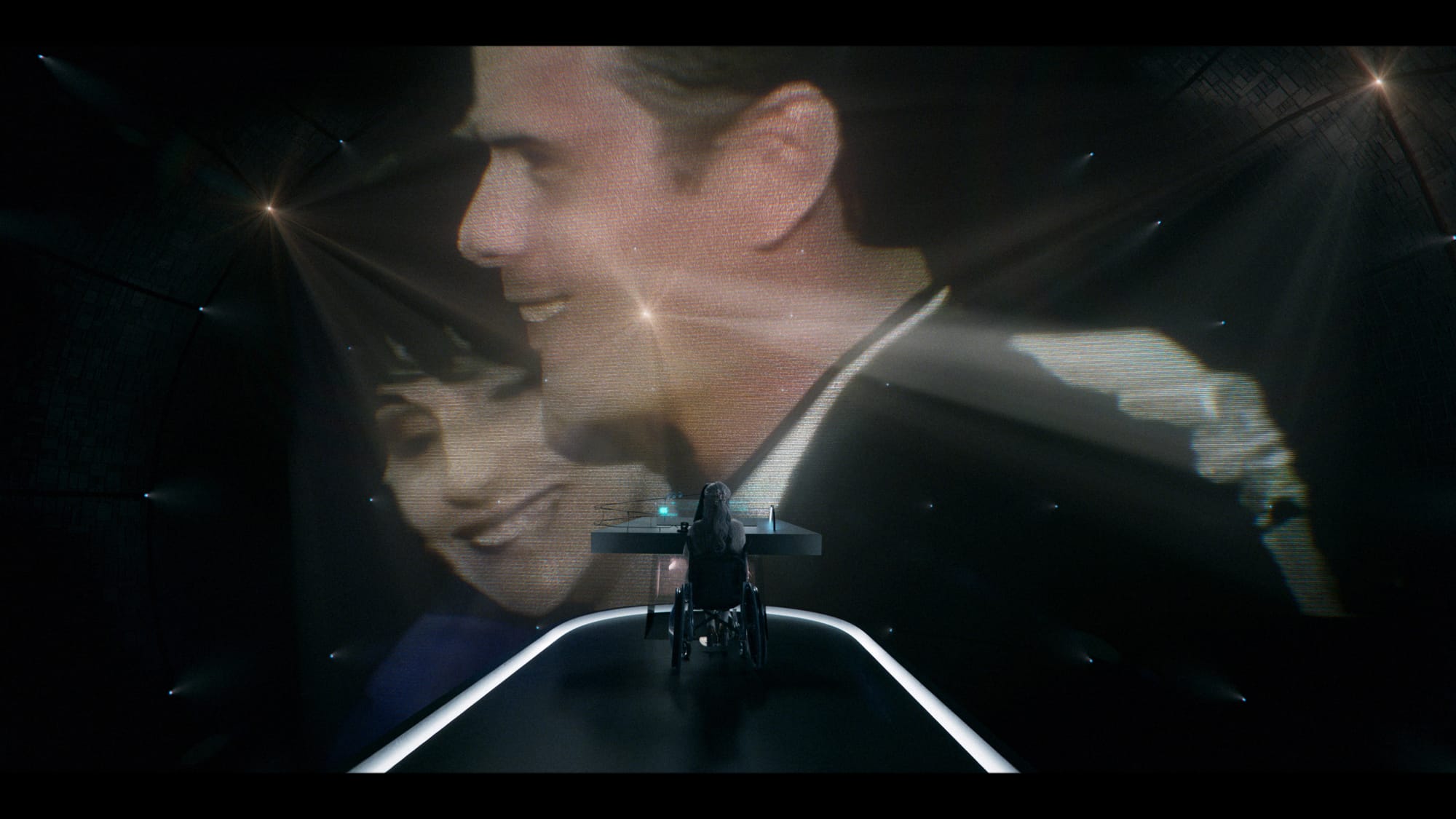
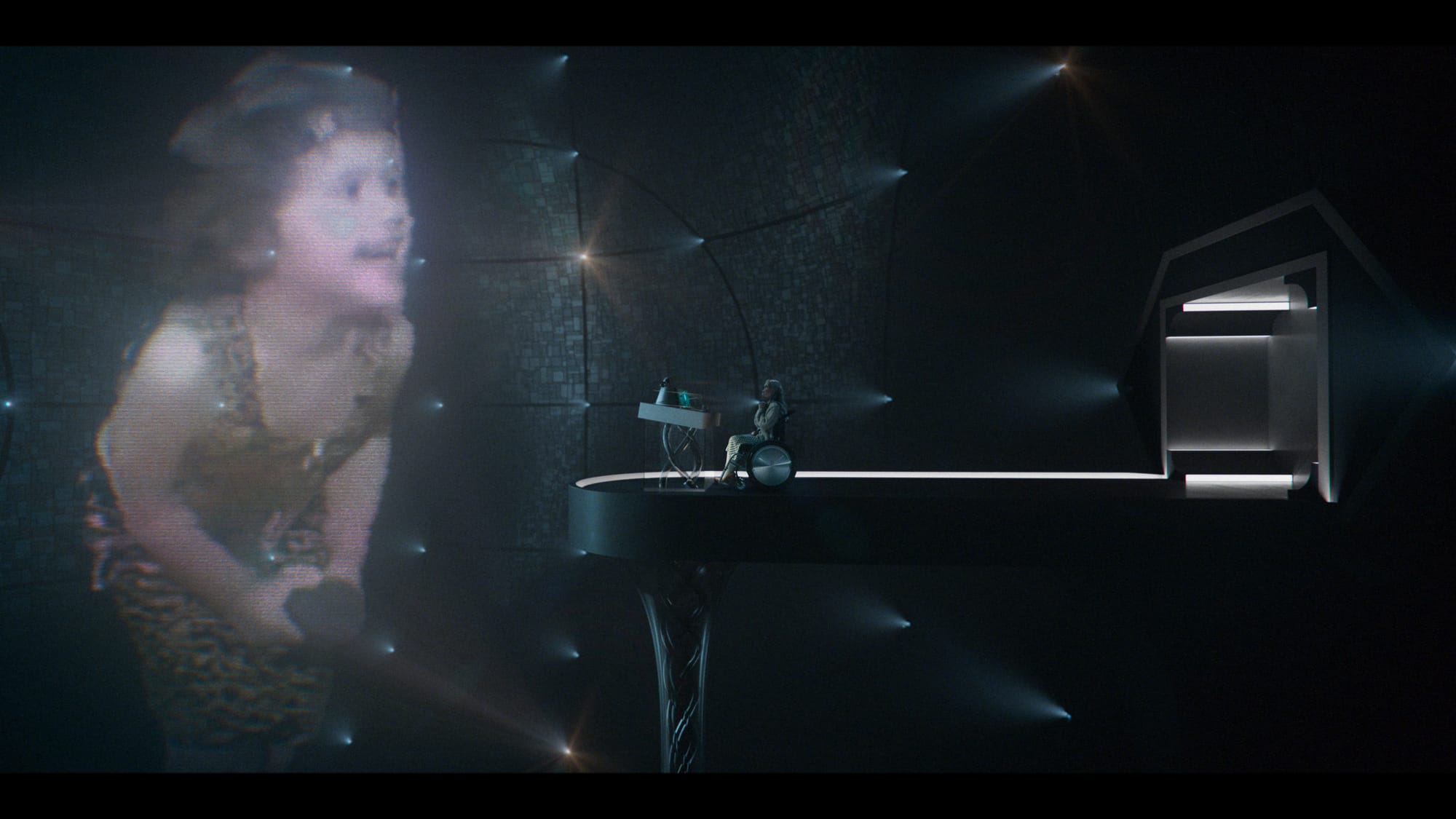
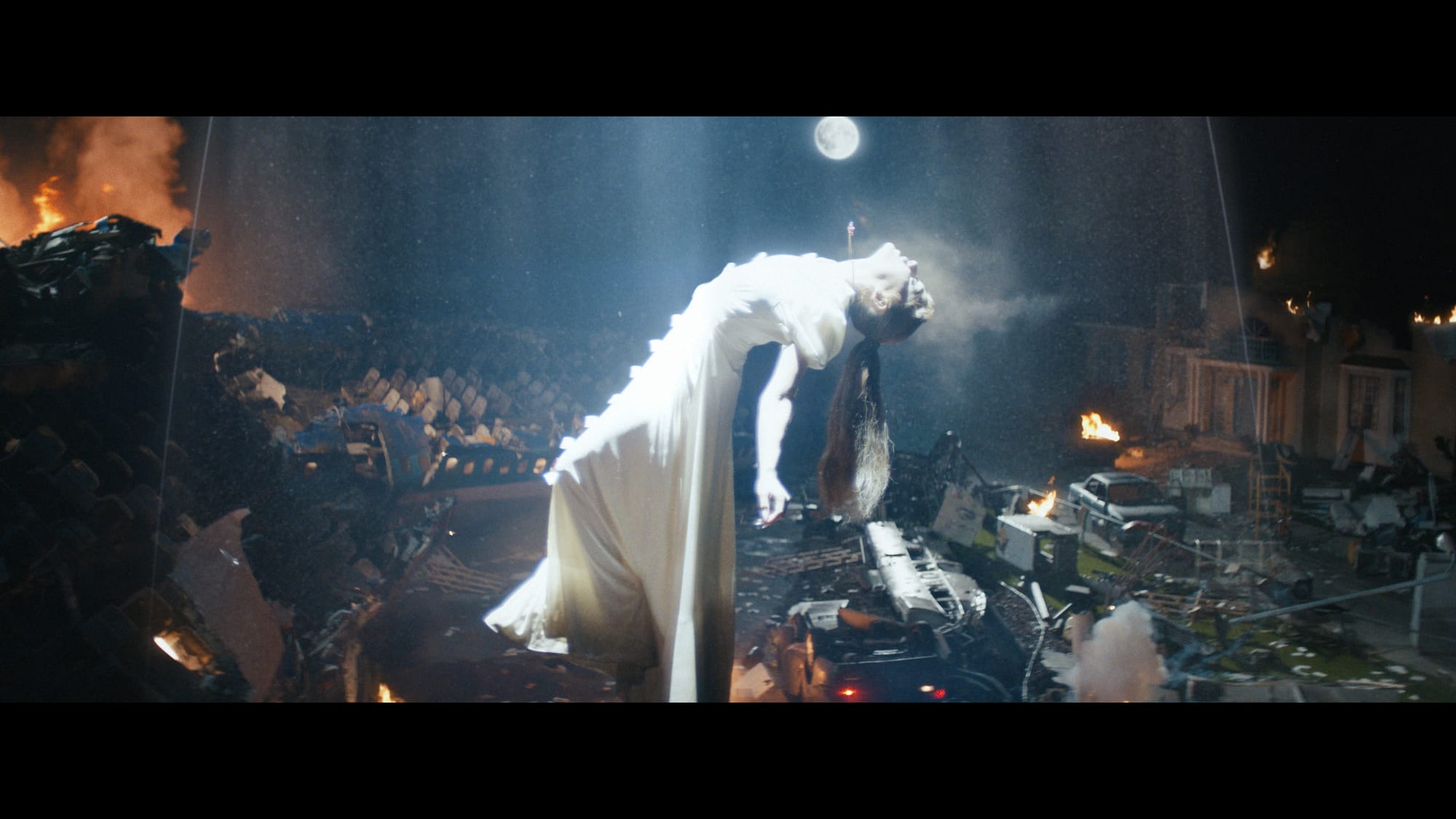
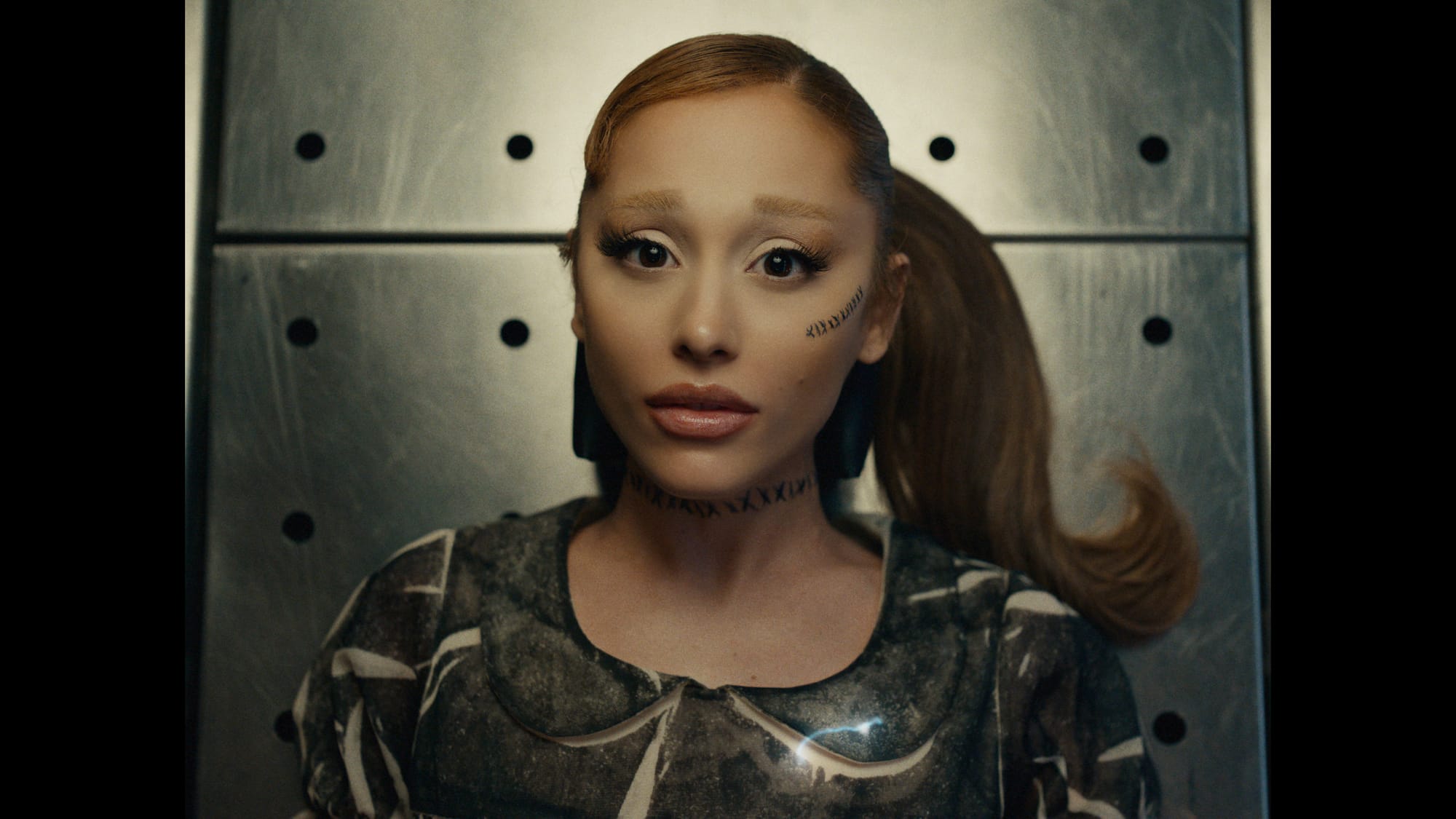
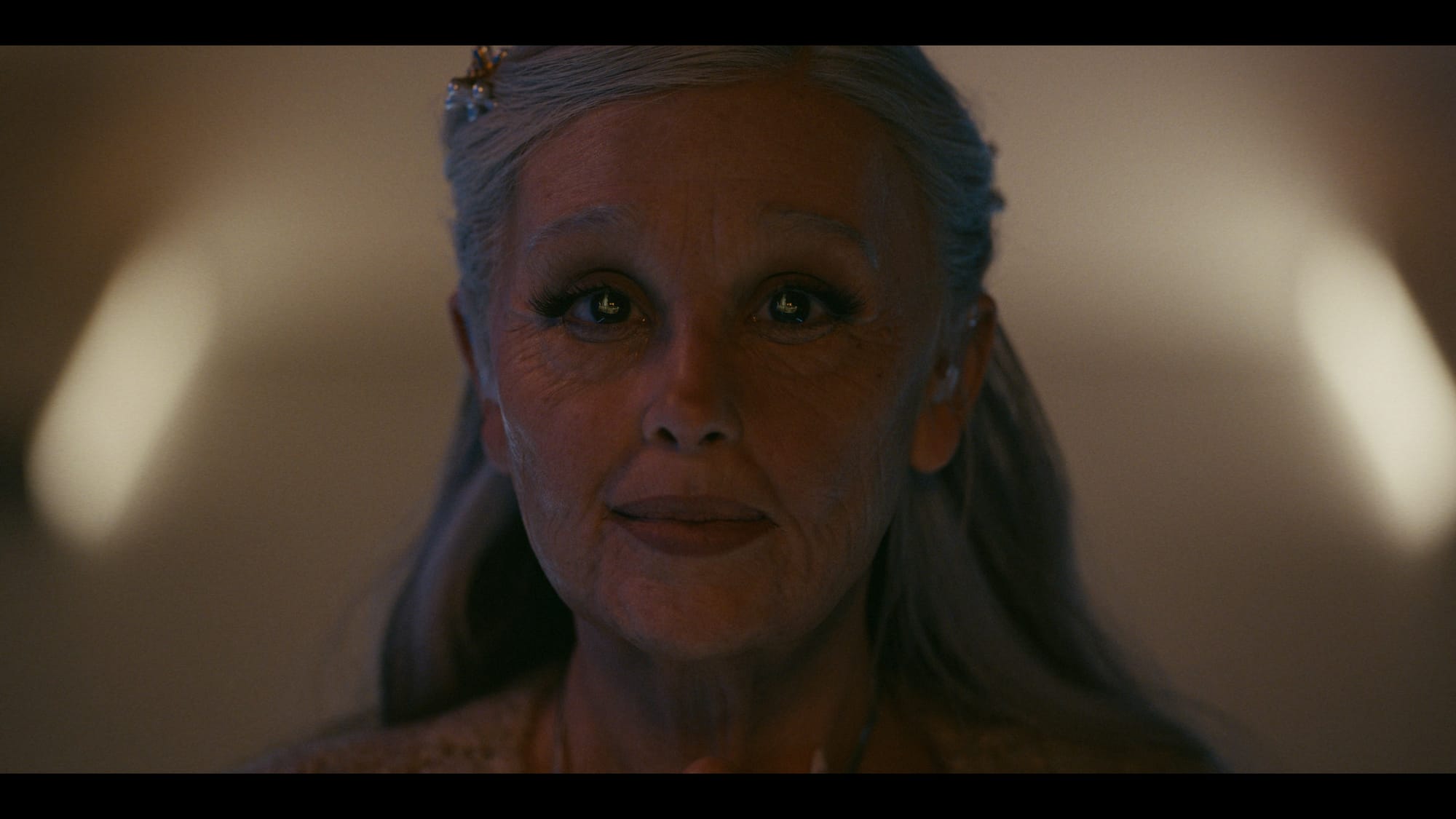
Stills from Ariana Grande's "Brighter Days Ahead" short film. | Photos courtesy Luis Caraza Peimbert | Impulsiva Stories
As you can see, when the memory starts, music also starts playing. The whole short film is a journey through some of the songs from her latest studio album “Eternal Sunshine Deluxe: Brighter Days Ahead.” So, the first song that comes on when Peaches is watching Ariana Grande’s childhood memories is “Intro (End of the World).”
That specific part of the short film was a collaborative editing between Caraza Peimbert and Ariana Grande.
“The video you in which see her family and a wedding, where her brother and her are little, Ariana Grande said: I’ll edit it. I have all the videos. I don’t want anyone else to touch that because they’re super personal videos,” Caraza Peimbert said. “Which I completely understand and she came back with a super video.”
Obviously, there were no notes for that editing section from her behalf, which only made Caraza Peimbert realize that these artists can do whatever they want. They can go from music to art, editing, and filmmaking. They have the capabilities and possibilities to explore all these creative worlds while they simultaneously communicate an important message to their audience and fans.
Right after Ariana Grande’s childhood memories, Peaches selects her next memory in which she’s taken back to her music career. Here, you can listen to her singing “Eternal Sunshine” and “Dandelion” with screens in the background reminiscent of a live concert with the audience’s cellphone lights on.
Then, the third memory comes for Peaches. She sees herself wearing a white gown walking through a destroyed house and neighborhood while she sings “Twilight Zone” and “Supernatural.” By the end of this memory, she levitates and gets abducted, which leaves a cliffhanger as to what’s going to happen next.
That’s when the fourth – and last memory – comes in. A new character is presented at a bar: Peaches’ father. Childhood photos of Ariana Grande appear again and Peaches’ father opens a piano, but does not play it. You see him take a brain and walk into his “science lab,” which is the office of Brighter Days Inc.
In a sort of Frankenstein, Frankenweenie, or Corpse Bride-like scene, you see Peaches laying all stitched together on a metal bed and her father is disappointed she’s not alive. But then, her fingers move and he plays the piano with electricity. Music brings her back to life and all of this happens while Ariana Grande’s “Hampstead” song is playing.
Peaches closes her eyes and completes her session with Ariana Grande as a child laughing on screen and saying: “someone has said we should live each day as if it where the last day of our lives.”
The short film is about life itself. It’s divided in different chapters of Peaches’ life with four music videos merged into one. Caraza Peimbert spent about six months editing the piece. It was a modular project that didn’t have a script from beginning to end.
“Brighter Days is basically four combined videos connected by a plot and there was always the option that we might film another video. Maybe, we’d even take away a video. It was modular in that way and the story was changing all the time,” Caraza Peimbert said.
It was about taking a video, creating a story around it, and focusing on that particular video. Then, repeat the process for each piece. When they finished the last video, they had been merging everything during six months until one day Ariana Grande went to London Alley Entertainment’s office. They sat down and edited everything.
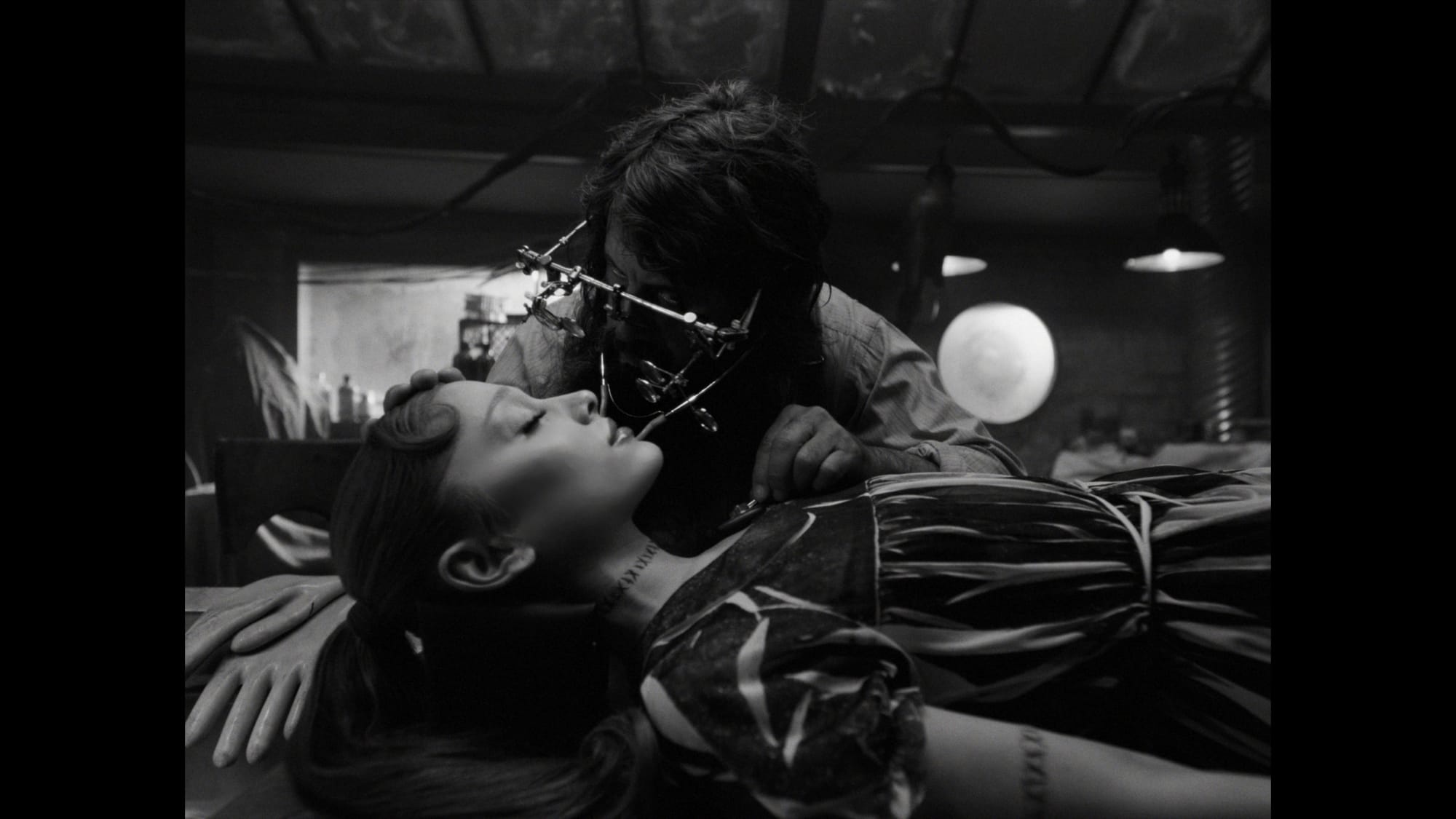
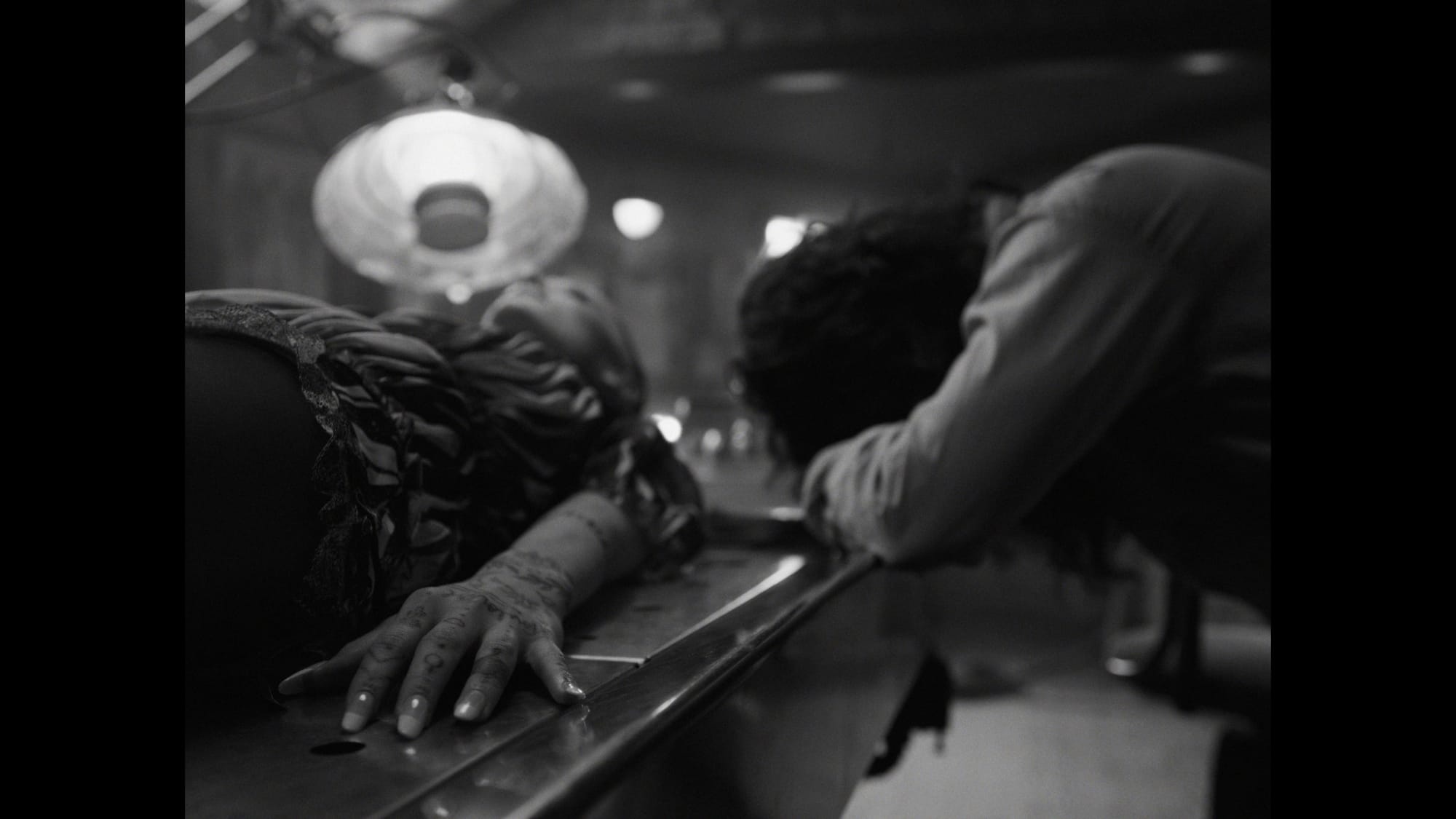
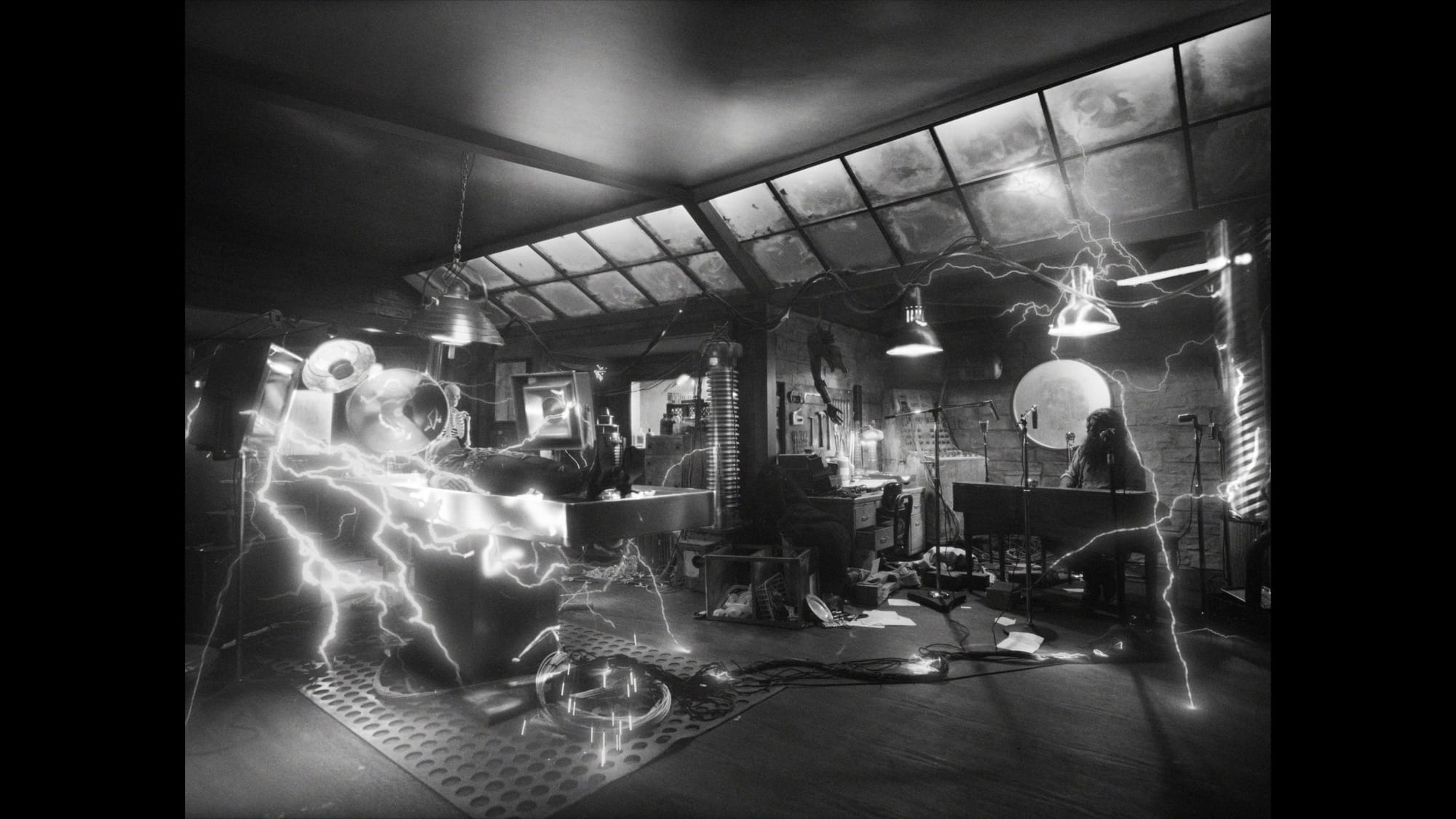
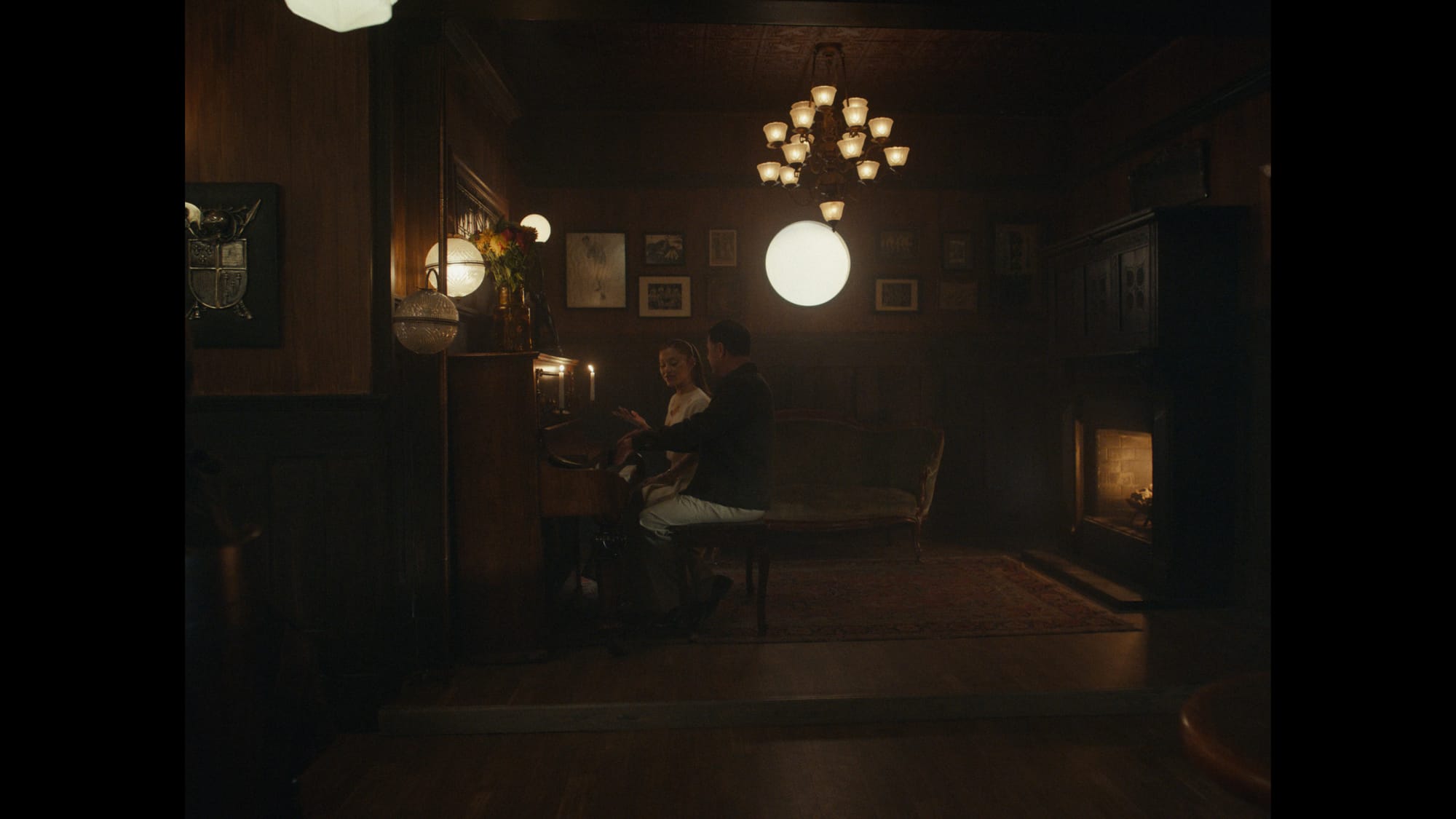
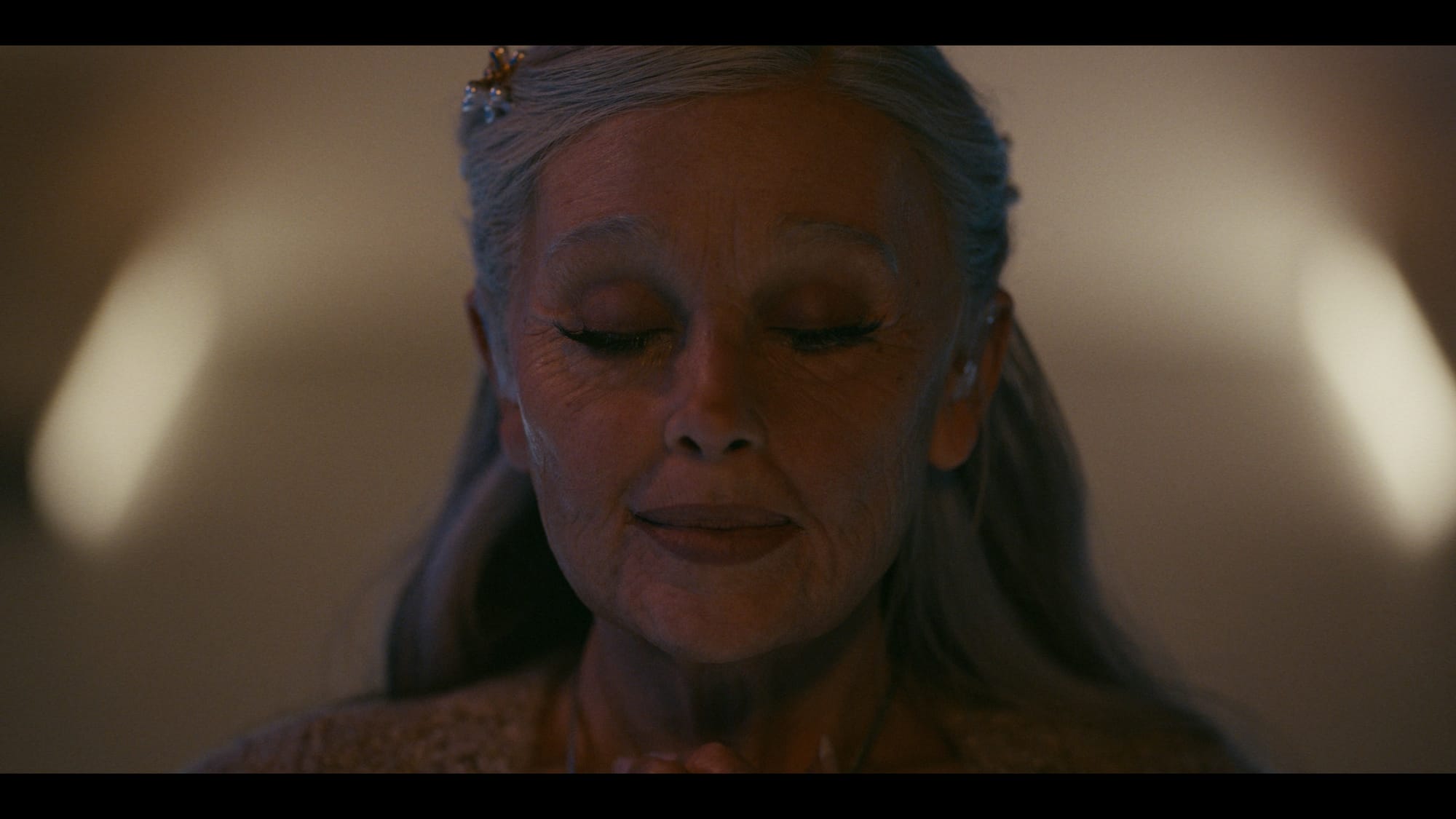
Stills from Ariana Grande's "Brighter Days Ahead" short film. | Photos courtesy Luis Caraza Peimbert | Impulsiva Stories
The songs were chosen based on the album’s pieces performing well according to the charts and fans. That’s why they had to decipher a plot and theme that connected the videos to each other even though there’s no direct relationship between them. Overall, it was a very beautiful experience for Caraza Peimbert and it ended with the whole crew watching at a movie theater.
“It feels good seeing your work on screen. It made me feel like: I hope there’s the opportunity of doing a film later on. Not dedicating myself to that because I love working on shorter commercial and music video projects,” Caraza Peimbert said. “But once in a while would not be bad.”
The Latin American Pride
Just as Caraza Peimbert connects so naturally with his deepest personal feelings through his editing, he’s also found in this art form a profound relationship with his cultural roots.
Bad Bunny is one of the artists he’s constantly felt connected with on this level. This sense of belonging is also present when there's the possibility of working with other Latin American artists and masterpieces.
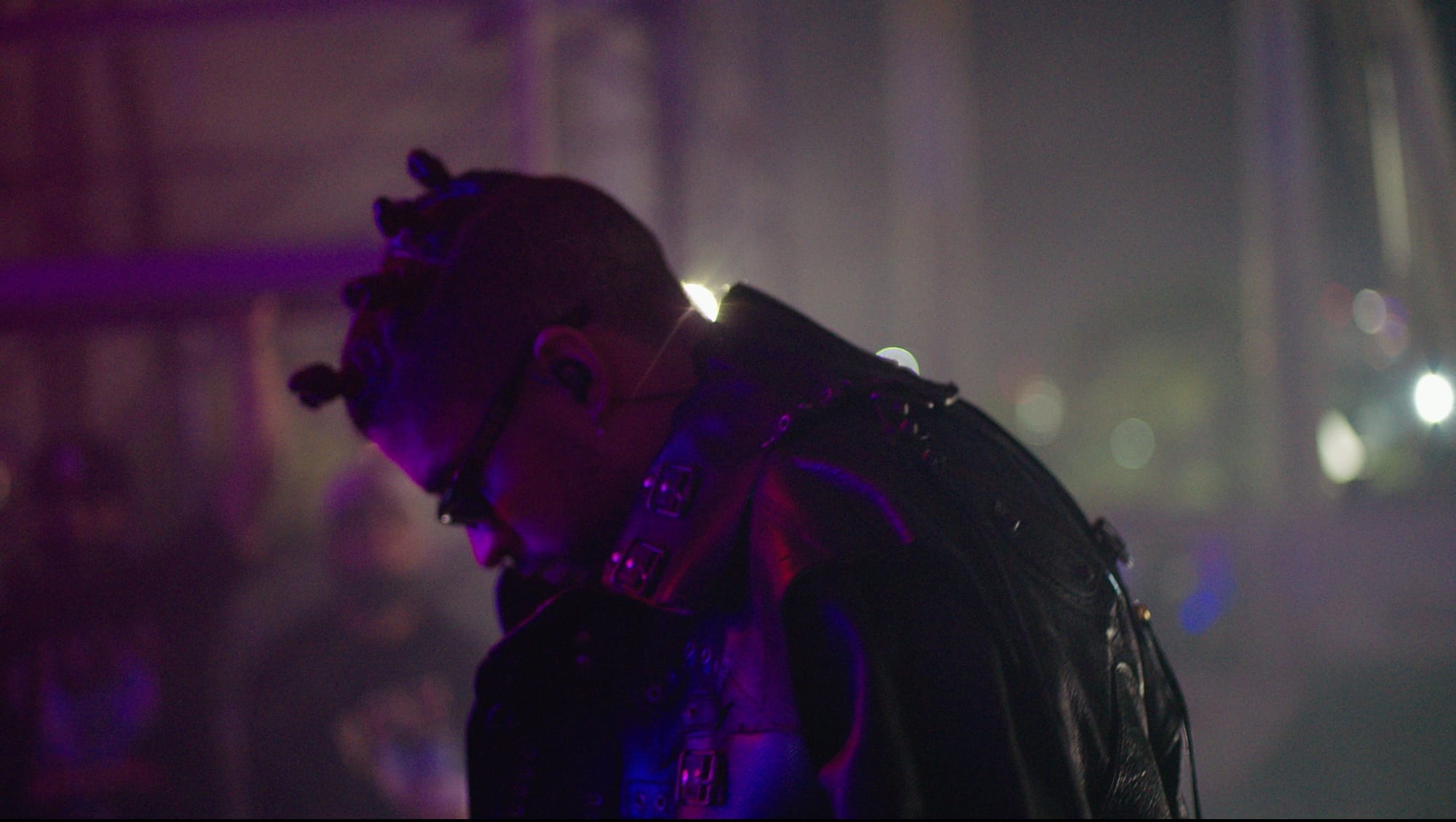
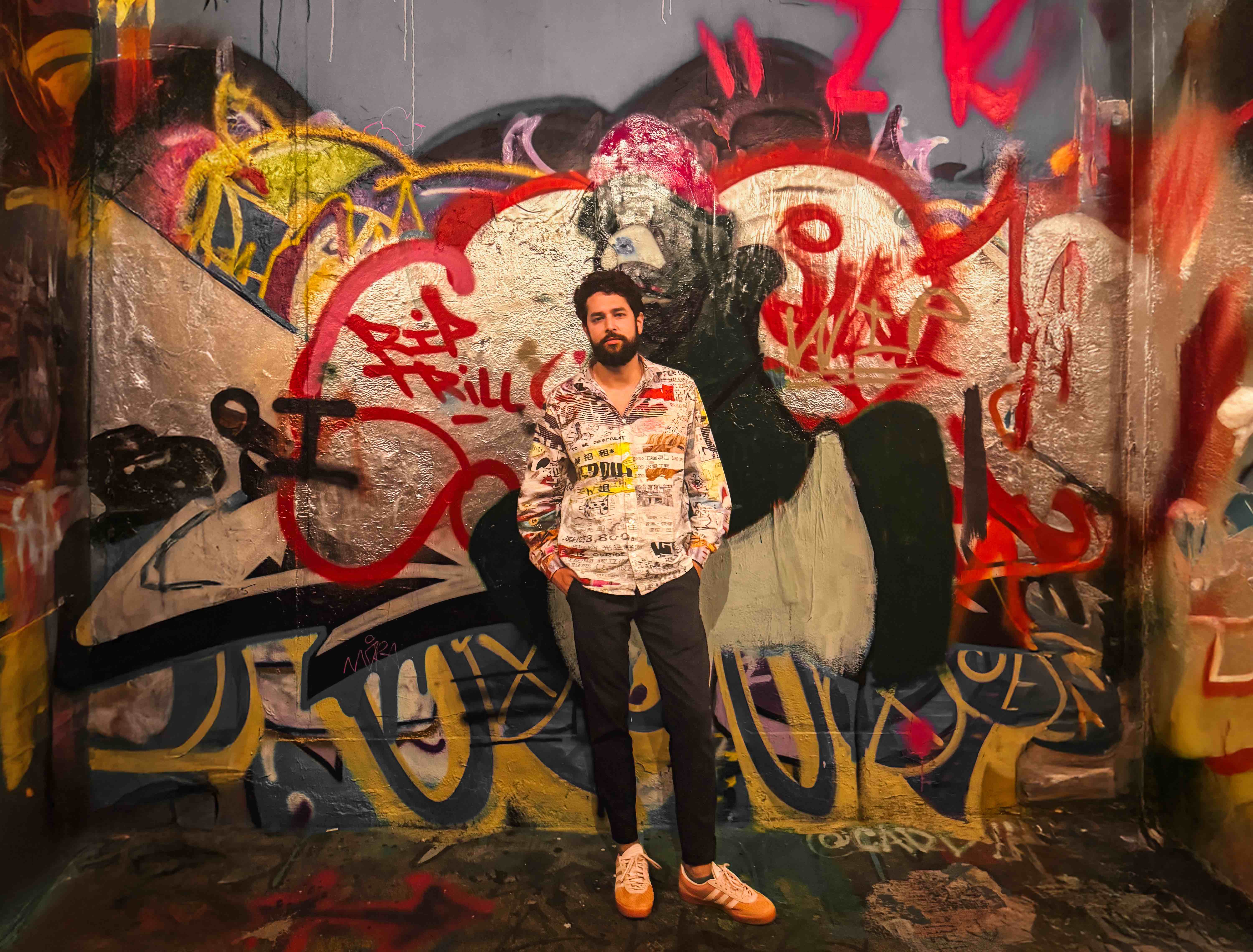
“The best of the best [projects] that I’m always passionate about – and the ones that I can give all of my time to no matter what – normally are Latin American projects. The ones I make with Kacho or the recent video I made for a Venezuelan band called Rawayana,” Caraza Peimbert said. “They’re videos with which I identify.”
Listen to Luis Caraza Peimbert
0:00
/50.405333
He feels he’s part of them and the culture. Whenever he works on these projects, he wants to transmit an awareness about a Latin American union. A sentiment of us Latin Americans helping each other out to create an art where we're proud of our people.
“For an eight-year-old chavito to see this video. For him to get excited and want to be the next film director for music videos, movies, TV, or whatever. For people to say: qué chingón. Qué chingón ser latino y qué padre that we have so many towns from so many cultures,” Caraza Peimbert said.
He wants to get to know better all of these communities and cultures instead of feeling isolated from them. Or he simply wants to express the deep feeling of saying: “ay, México es bien chingón.”
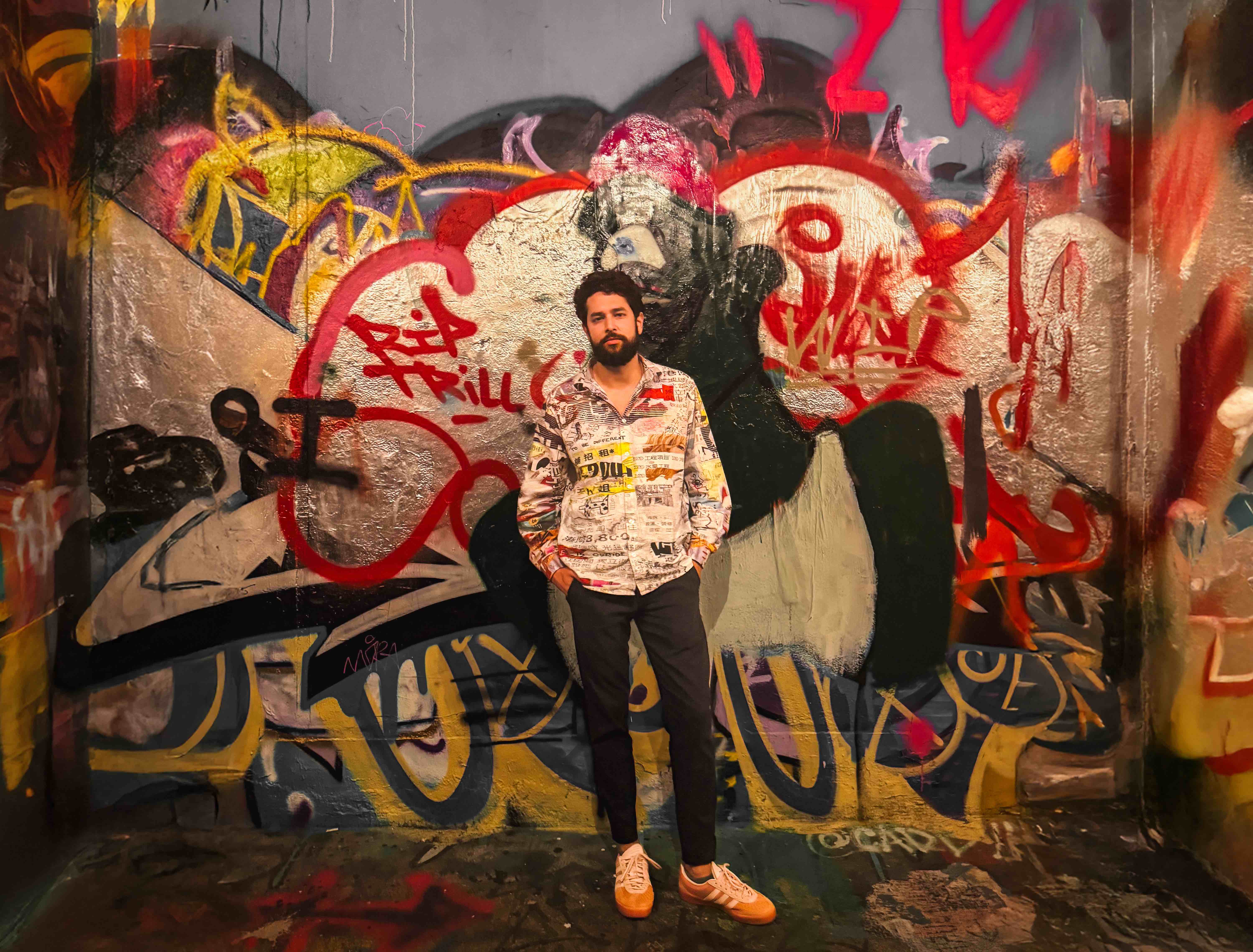
Listen to Luis Caraza Peimbert
0:00
/27.869333
As simple as that. He just wants to express that pride of being Latin American and Mexican. He wonders what people in Venezuela and Costa Rica are singing, or what they’re dancing in Brazil. That’s what’s padre for him when working on these types of projects. He wants to create that curiosity and union. That’s how he uses his edits to create that sense of Latin American pride, connection, and unity.
A Social Awareness with “El Apagón”
Clearly, that Latin American pride was present throughout the editing process of Bad Bunny’s music video-turned documentary “El Apagón – Aquí Vive Gente,” which was directed by the Puerto Rican film director Kacho López Mari. Caraza Peimbert was in charge of the first part of the piece. The one that’s a music video and serves as an introduction to the documentary’s main subjects: the gentrification and privatization of the energy in Puerto Rico.
To start that editing process, Caraza Peimbert was sent between 24 and 36 hours of footage to revise. There were hours and hours of footage filmed during Bad Bunny’s concert “P FKN R,” different protests in Puerto Rico, and archive material. That particular project took a bit longer for Caraza Peimbert to reach a first cut. No more than a week, but in total it was about four months to have the final result.
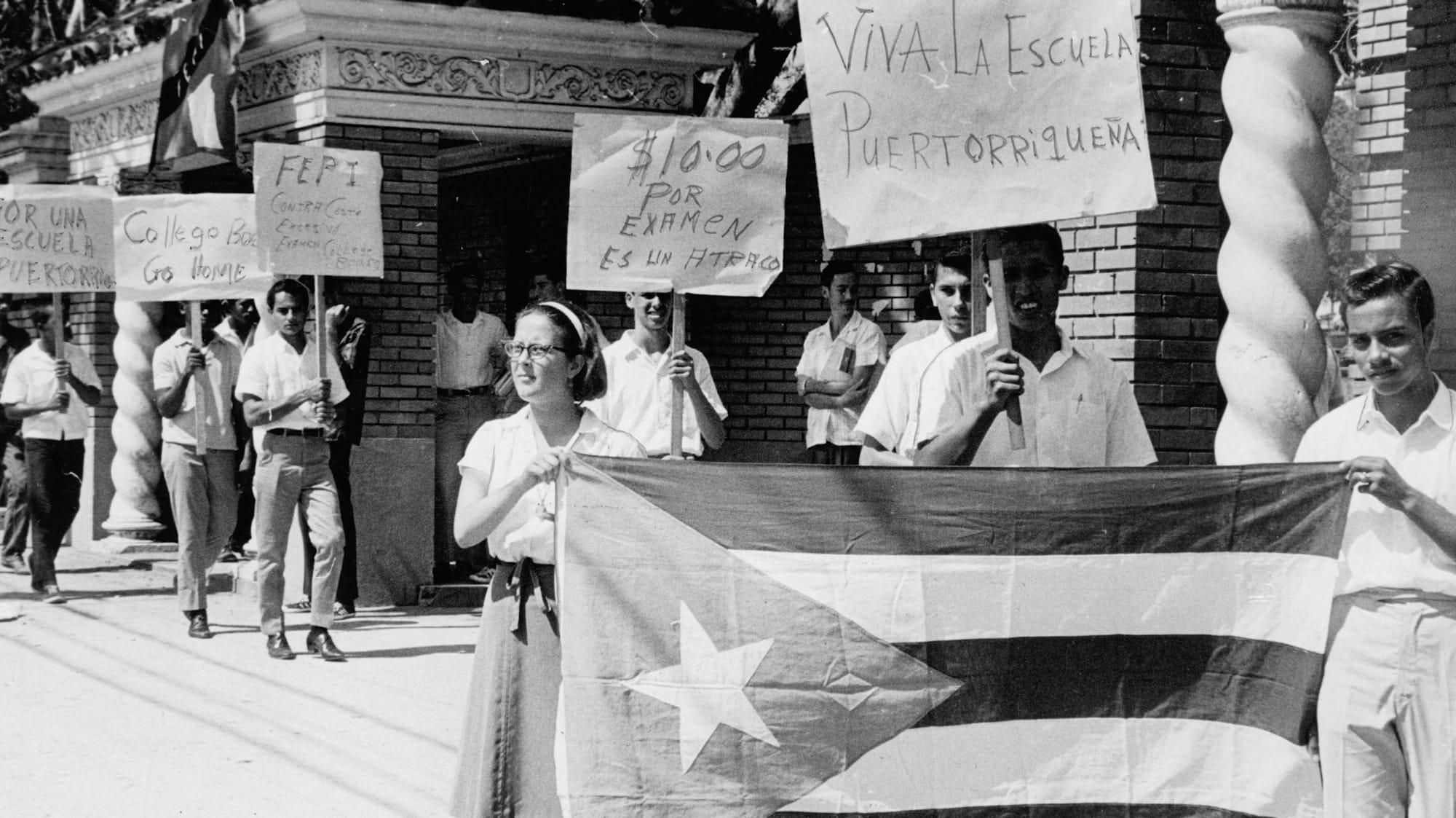


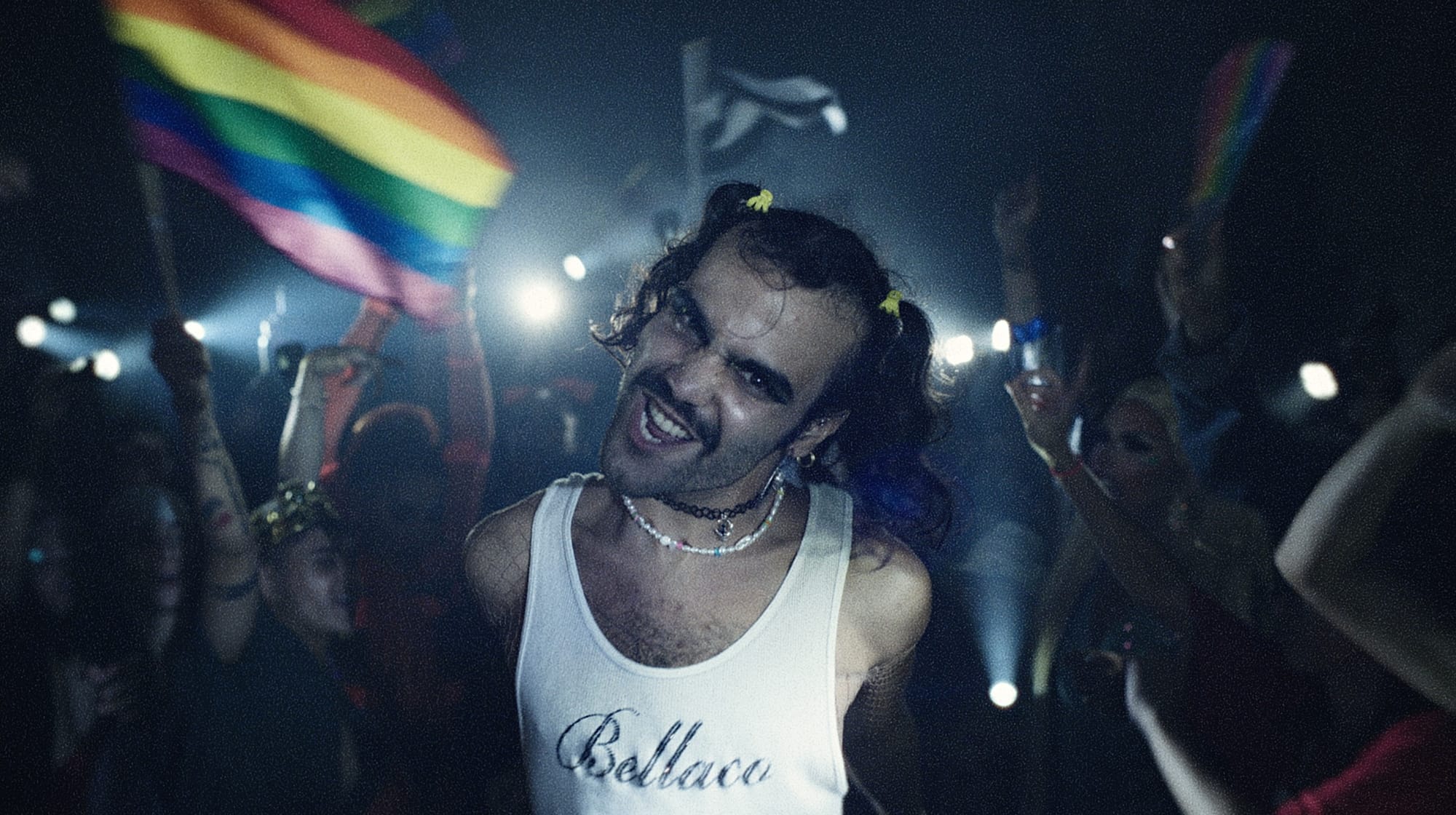
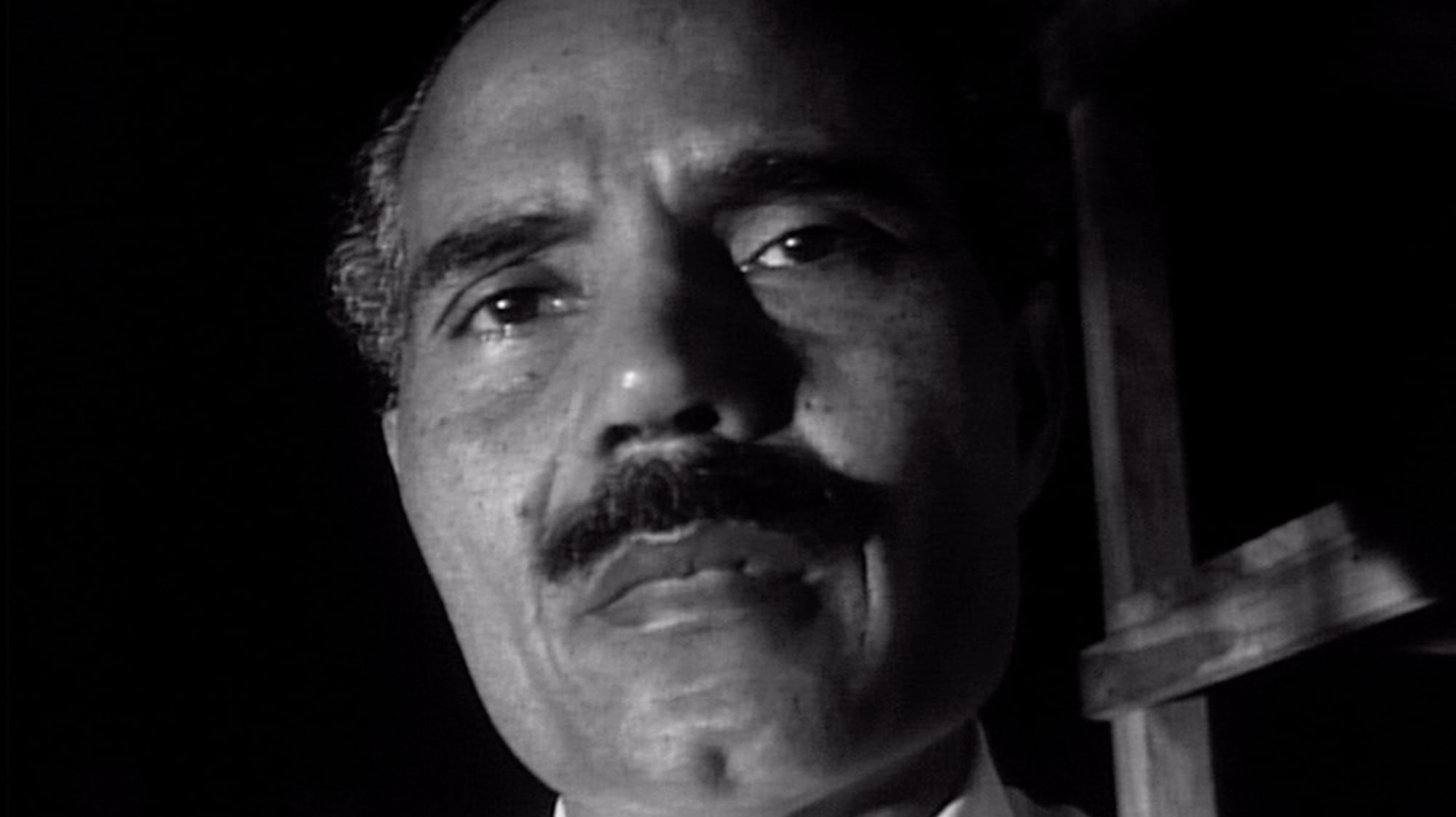
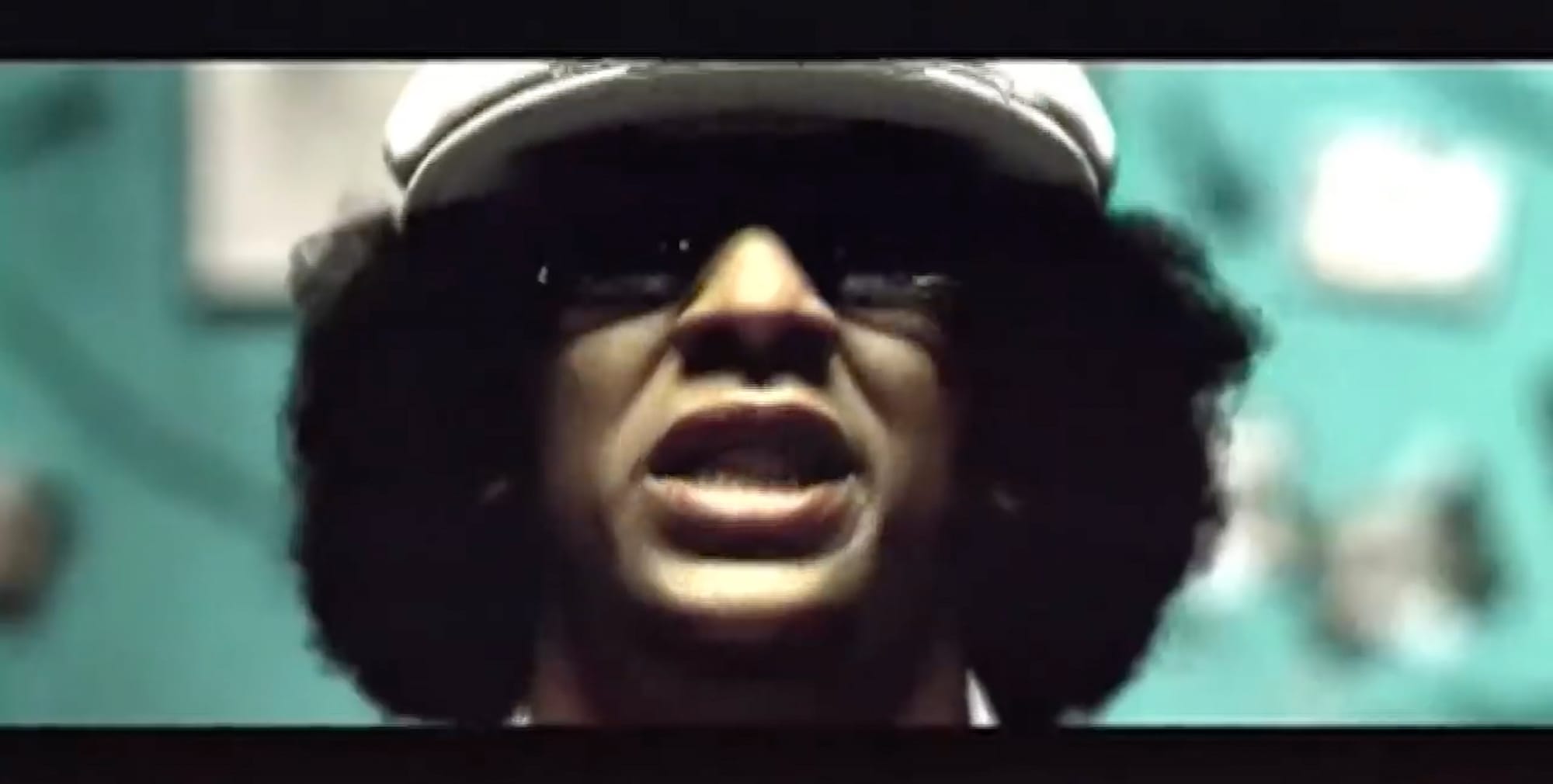
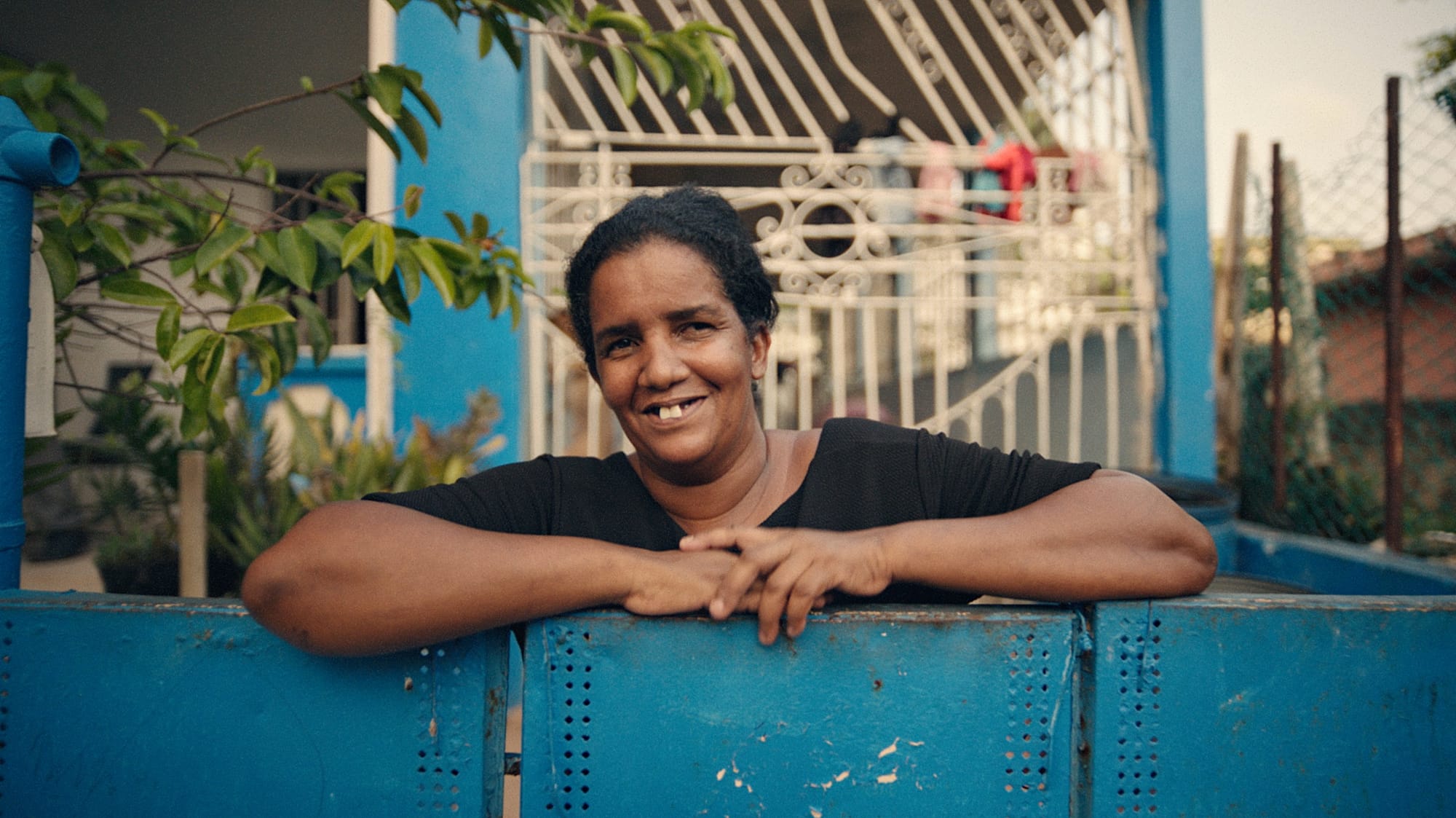
Bad Bunny's music video-turned-documentary "El Apagón - Aquí Vive Gente" is about Puerto Rico's people and history. Pictured above: citizens of Puerto Rico, Bad Bunny, and the renowned rapper Tego Calderón and politician Pedro Albizu Campos. | Photos courtesy Luis Caraza Peimbert | Impulsiva Stories
Since he was working on the music video part of the documentary, he knew at what point the edit had to stop.
“I knew it had to end with the drone that goes to the beach. I think it’s in La Perla and towards the part where the reporter is talking. I knew it had to end with that shot,” Caraza Peimbert said. “Actually, the [music] video stops midway. There’s an explosion and a cut. Suddenly, there’s this part of the news, but I didn’t know it was going to explode.”

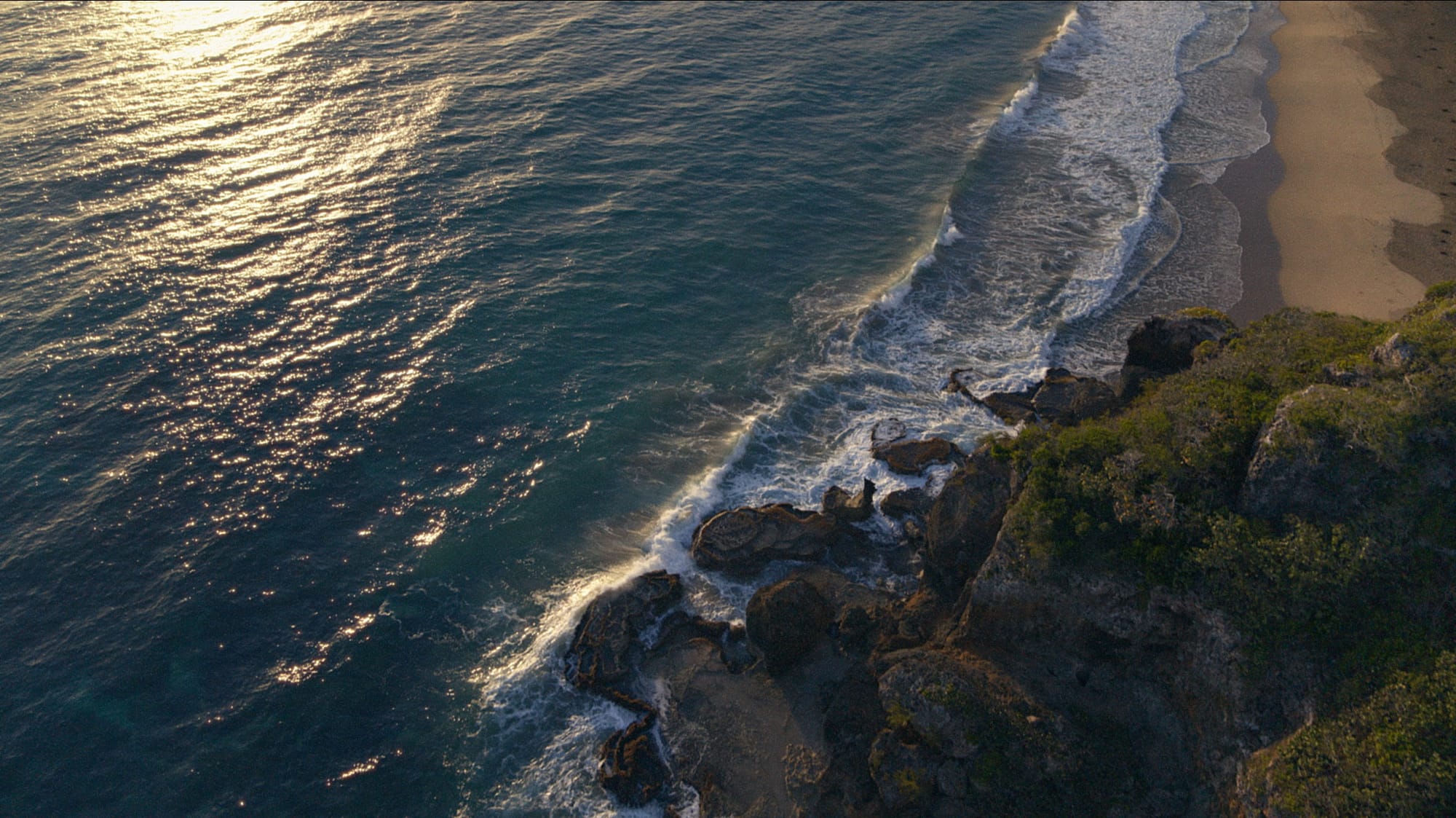


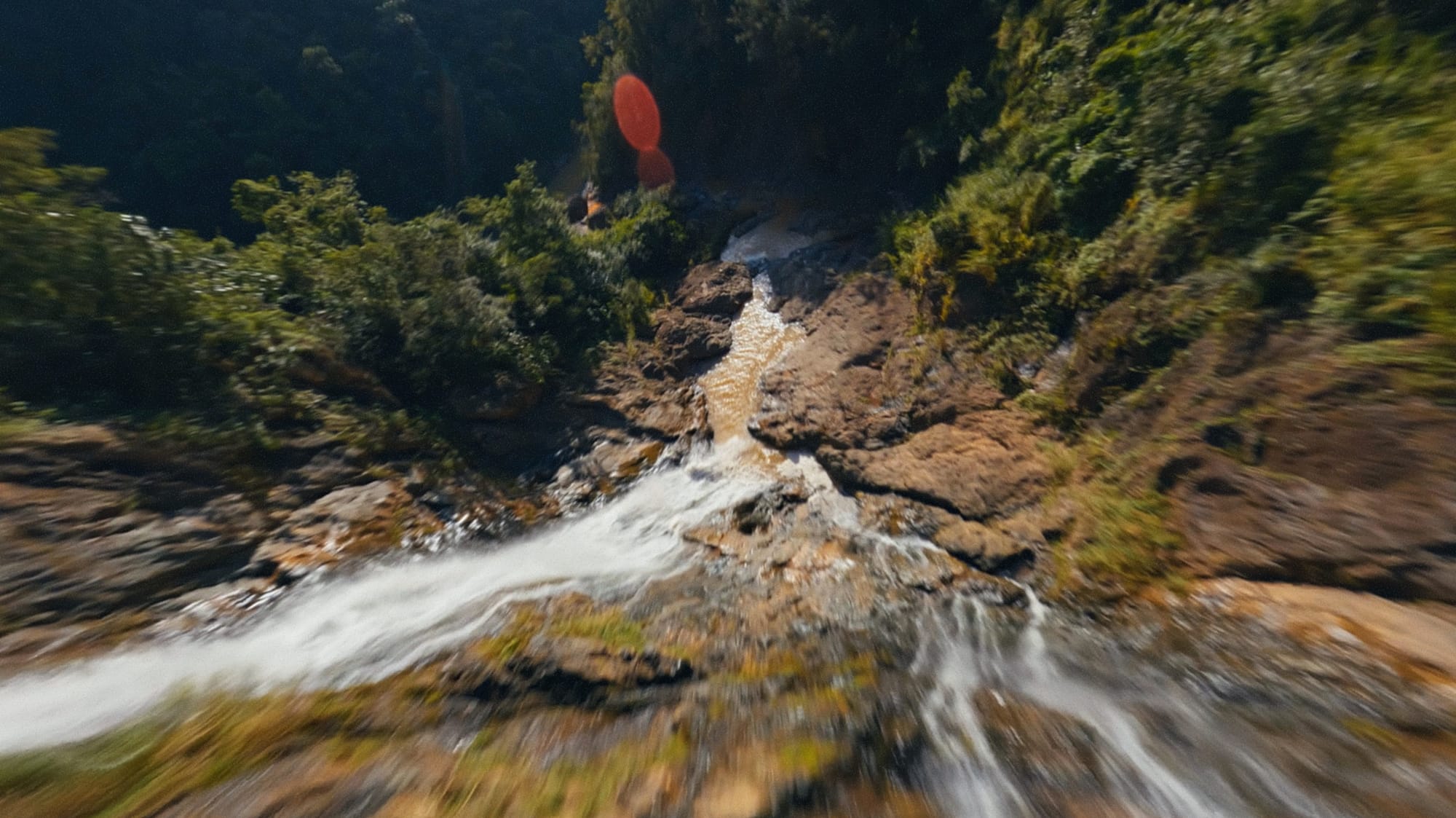
Stills of Puerto Rico's natural landscapes from Bad Bunny's music video-turned-documentary "El Apagón - Aquí Vive Gente." | Photos courtesy Luis Caraza Peimbert | Impulsiva Stories
The explosion was set for the audience to know that a documentary was behind the music video. That that’s what they’re going to see because the idea of the music video was to serve as a bait for the documentary.
“It’s about showing the world the problem of the privatized energy in Puerto Rico and why there are apagones,” Caraza Peimbert said.
The documentary speaks about the issues that affect Puerto Rico. It’s also an elemental part of the rest of Bad Bunny’s music and art that speaks about Latin America, which Caraza Peimbert connects with on different levels. He’s been following closely his album “DeBÍ TiRAR MáS FOToS” because of how important its message has become for Caraza Peimbert.
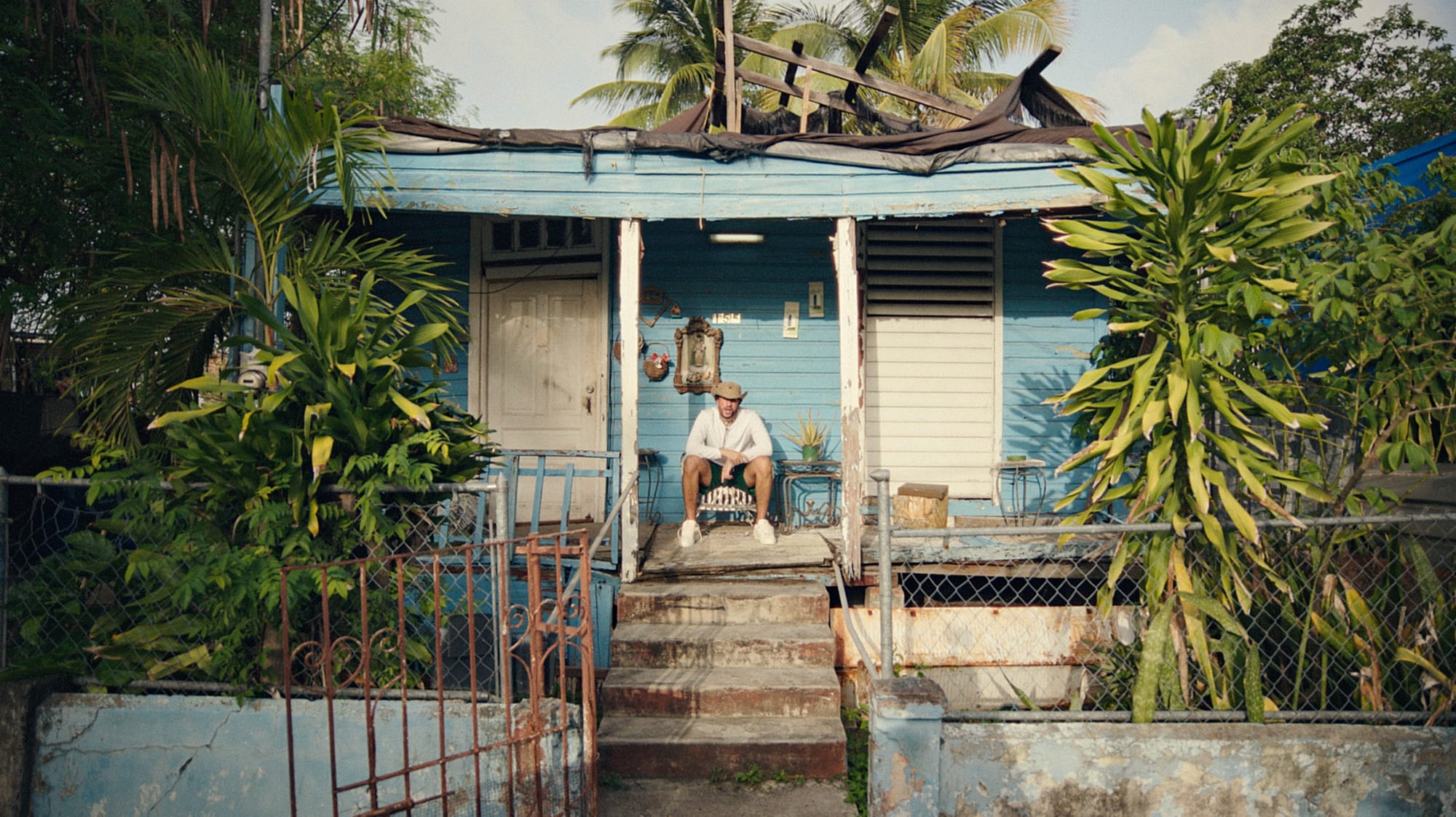
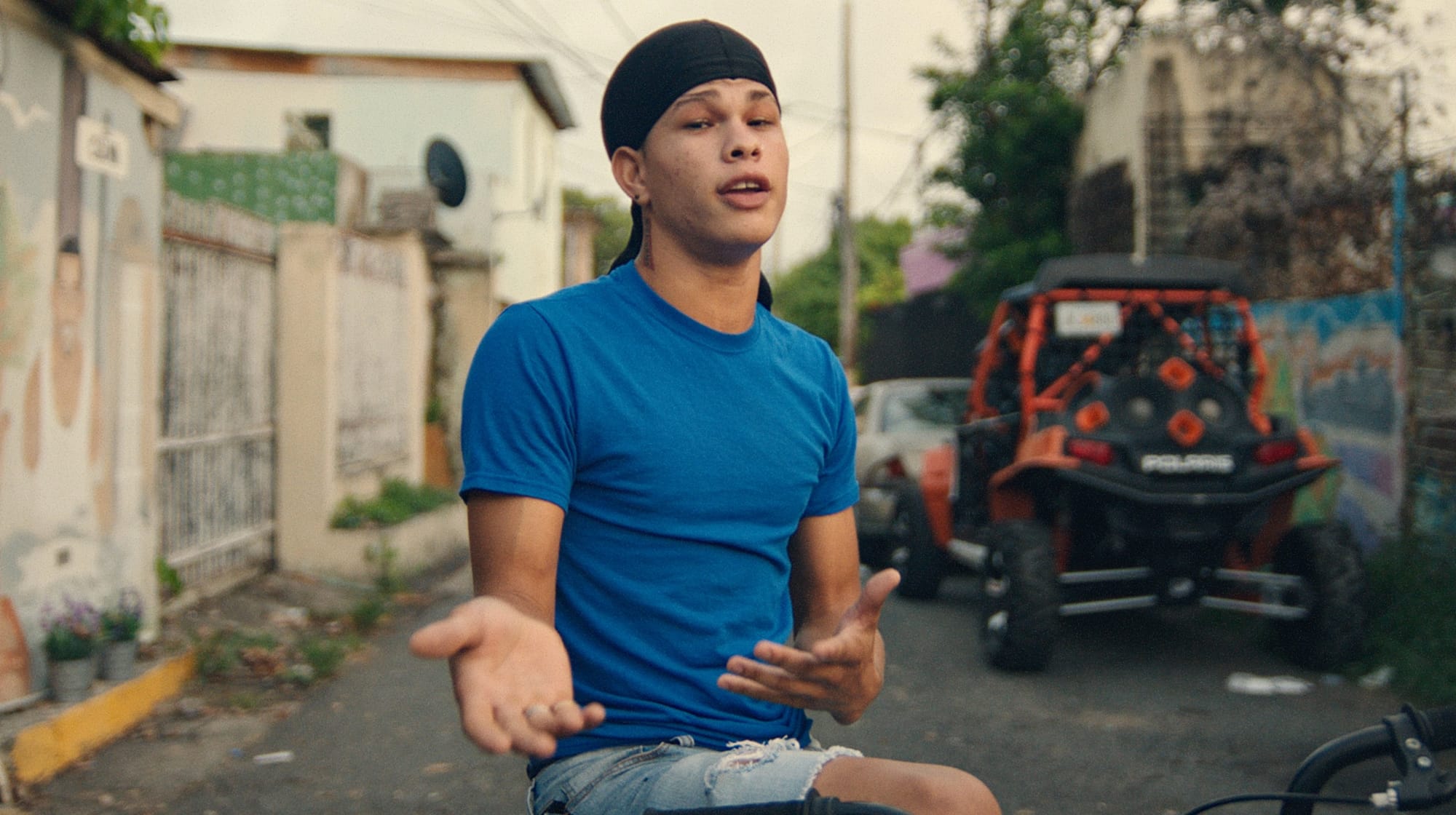
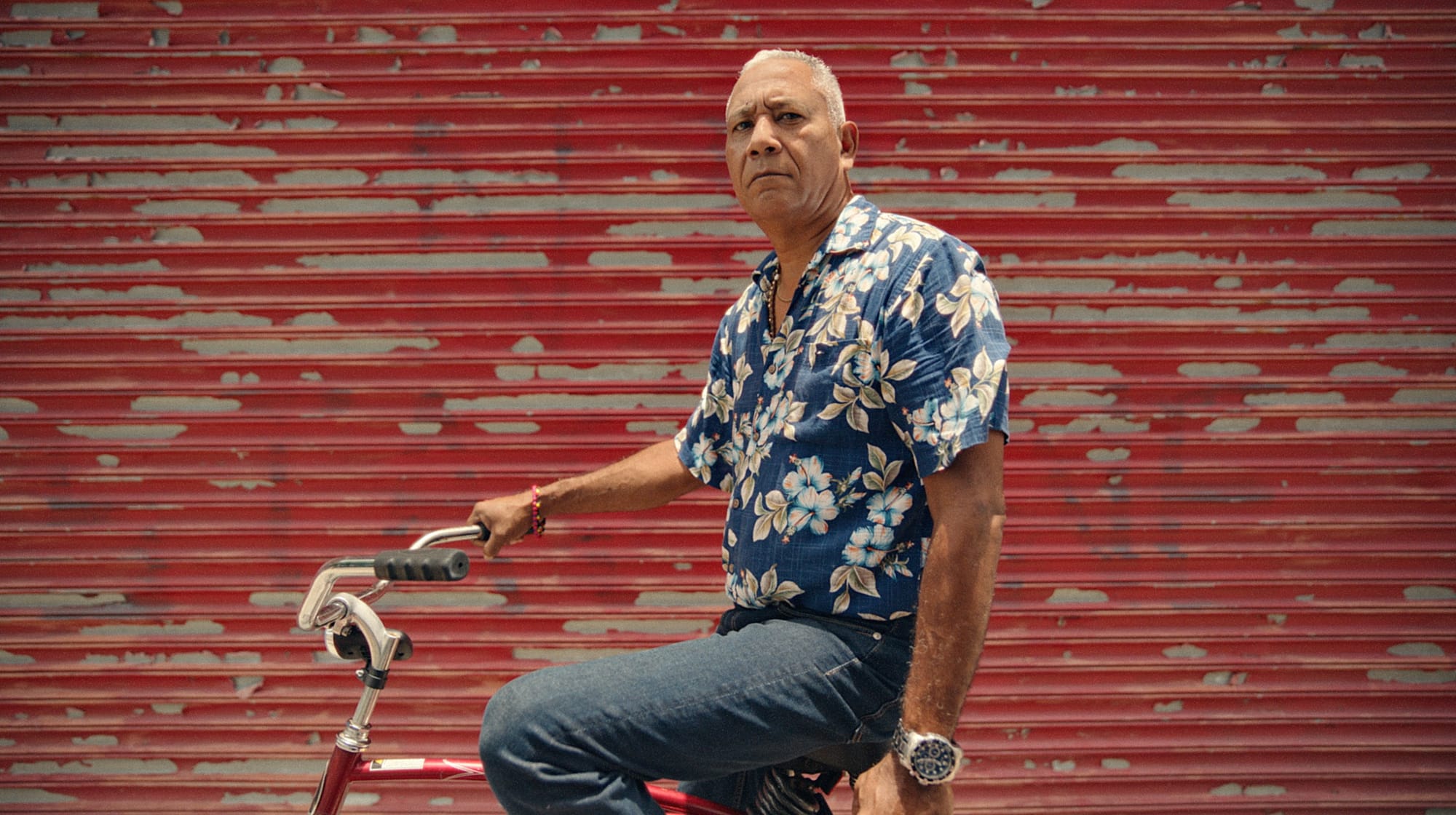
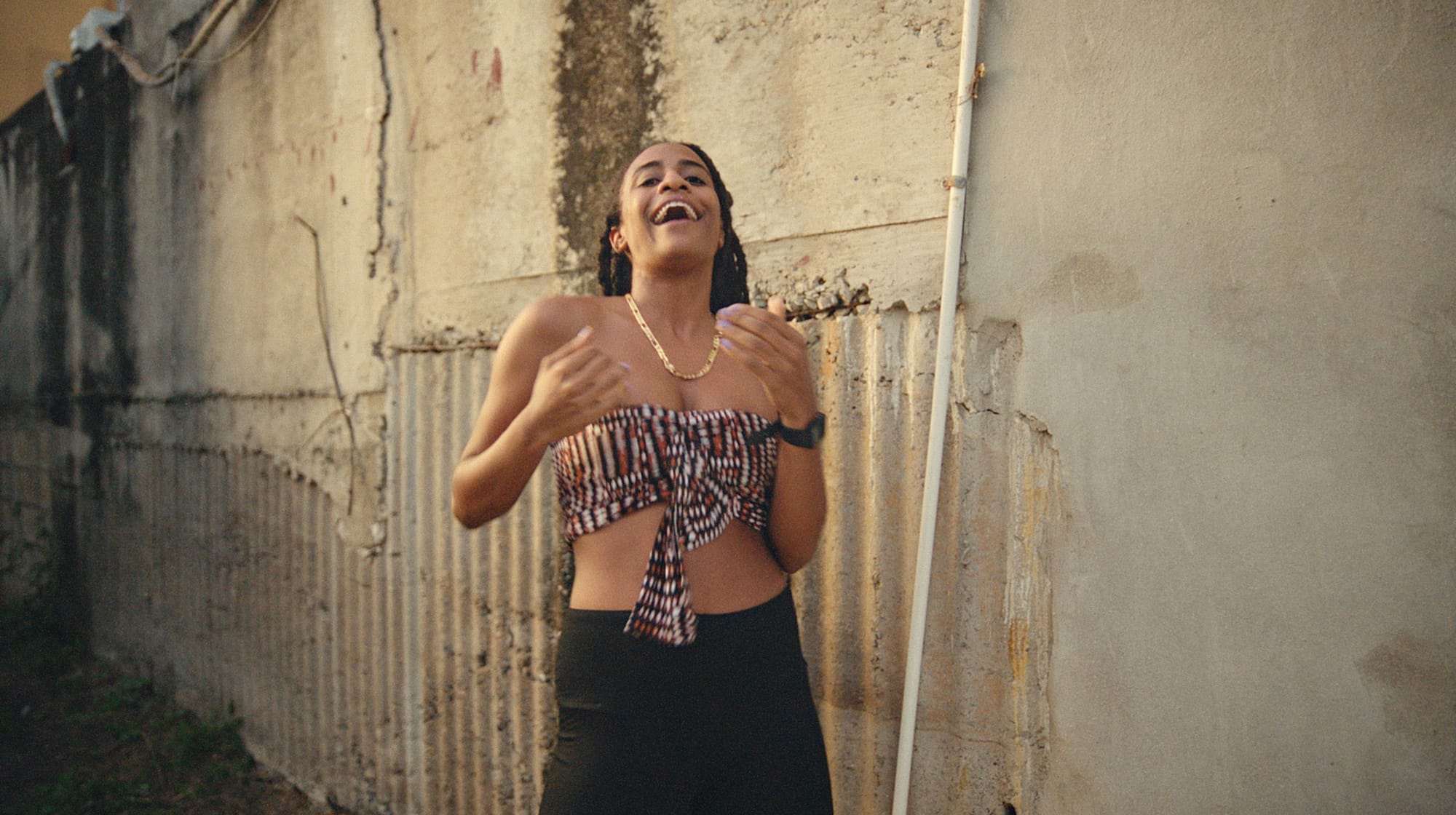
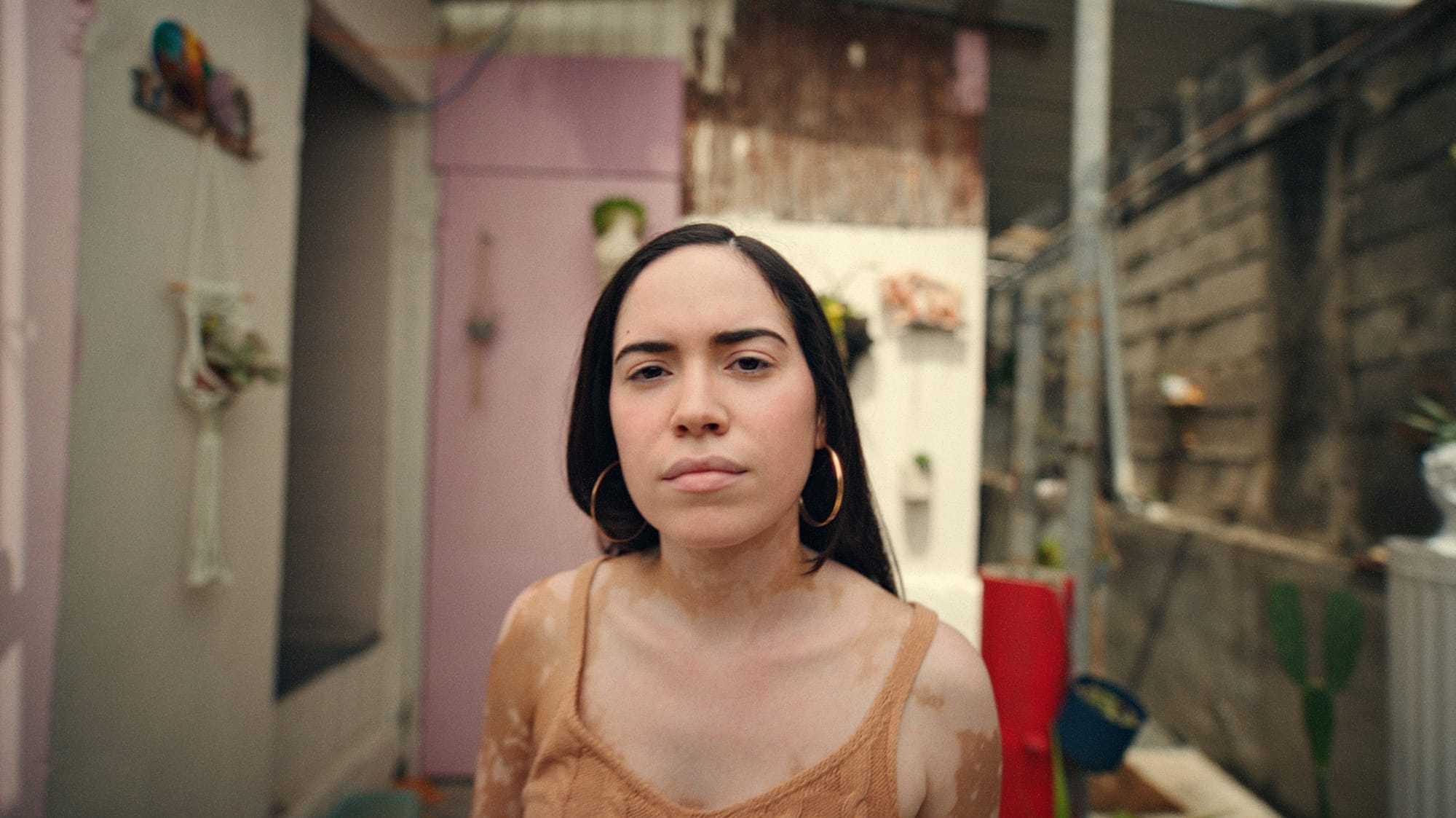
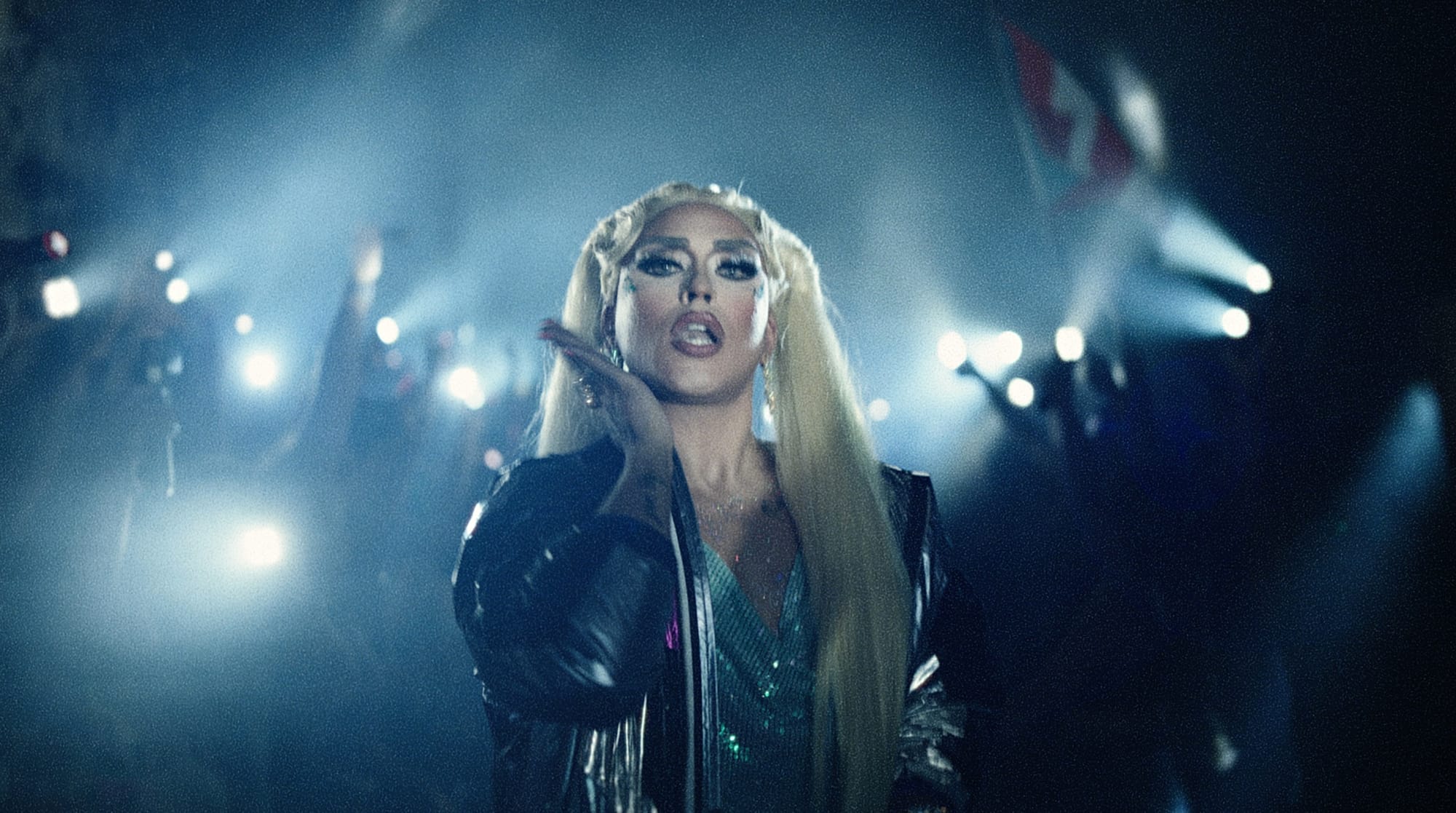

Bad Bunny's music video-turned-documentary "El Apagón - Aquí Vive Gente" is about Puerto Rico's diverse people and history. | Photos courtesy Luis Caraza Peimbert | Impulsiva Stories
He sees the connection and feels part of it. He’s become more aware of the issues that affect Latin America and what makes the region so culturally rich.
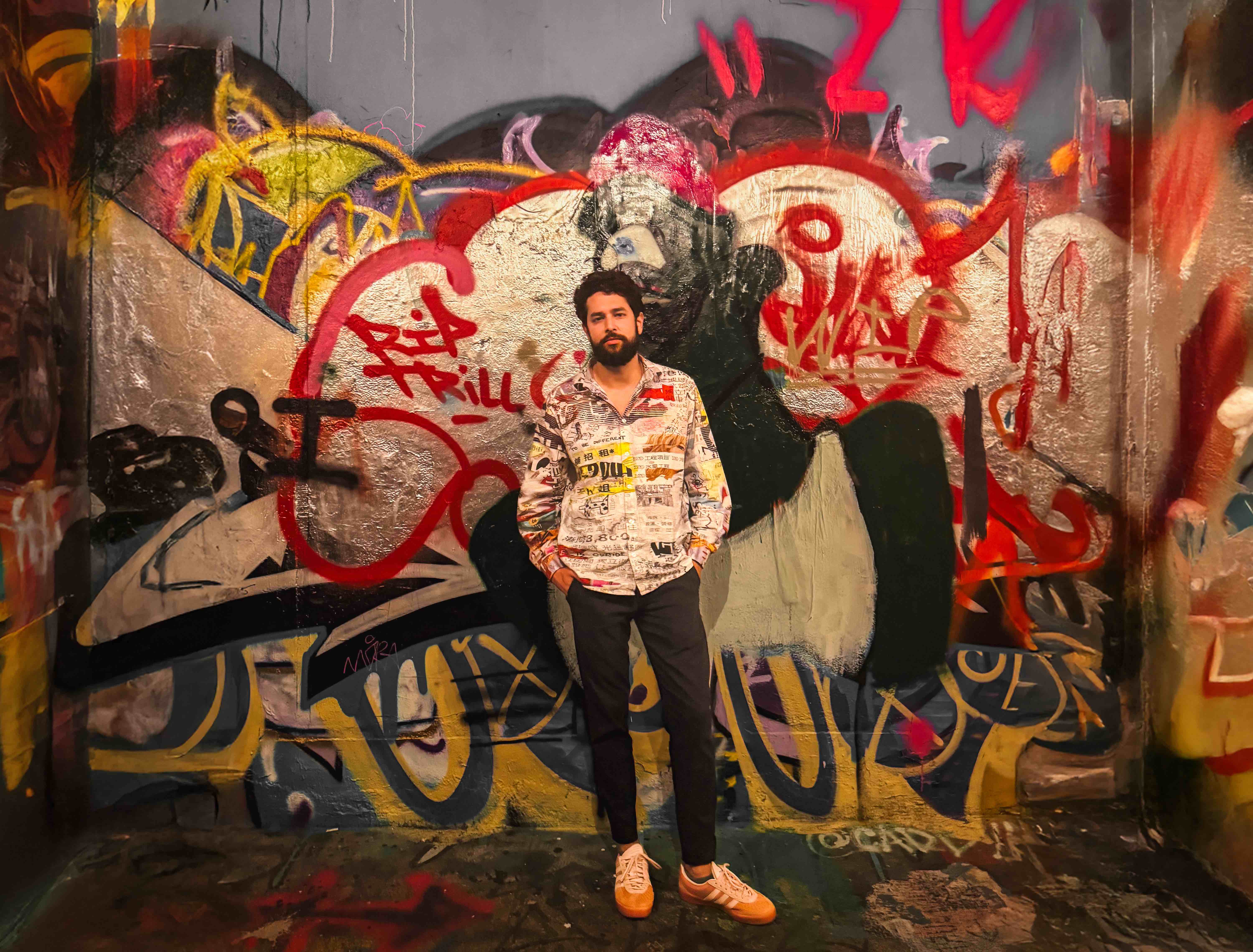
“More than anything, it’s Benito. It’s Benito. There are very few artists that seek that fight. That want to say something more than just entertaining or playing a song at a club for people to dance to,” Caraza Peimbert said. “There are very few people that are rebels and activists. Almost revolutionary. [He’s] the modern revolutionary.”
Listen to Luis Caraza Peimbert
0:00
/36.677333
The social awareness that Caraza Peimbert talks about stuck with him in part thanks to experiencing and editing Bad Bunny’s art, but also because it connects directly with what it means for him to be Mexican. It’s an experience defined by hard work and the constant perseverance in pursuing his passions. It’s also about living with the anxiety of an immigrant visa, which transforms into doing more to get noticed to keep achieving greatness in his career in the United States.
0:00
/0:06
Extract from Bad Bunny's music video-turned-documentary "El Apagón - Aquí Vive Gente." | Video courtesy Luis Caraza Peimbert | Impulsiva Stories
It’s also a double-edged dagger with stress that fuels his desire to chase his greatest dreams. It’s that miedito translated into an artistic editing characterized by a vibrant visual musicality, which shapes music's physical body and connects him to his culture and deepest feelings.
But it’s also an endless obsession for perfectionism. The perfect shot. The efficiency in its maximum level. The speed. Avoiding repeating things and seeking to express himself in the most direct manner. It’s also an art that makes him feel the best of both worlds.
“Sometimes it feels like: wow, I’m on top of the world. But sometimes it feels like: wow, I feel like a complete fraud. What am I doing here? I didn’t even like music, music videos, and I ended up here. Give it to someone else,” Caraza Peimbert said. “There’s that fight always. That internal fight with each award, applause or whatever, but I do this because I love the process.”
To learn more about how Luis Caraza Peimbert connects with his culture and deepest feelings through his editing, you can follow him on Instagram at @luiscarazapeimbert. Stay tuned next week for our short documentary “The Story of The Story,” where we’ll show you the process behind Caraza Peimbert’s three-part series.
Written by

Subscribe to my newsletter
Subscribe to my newsletter to get the latest updates and news